Your itinerary
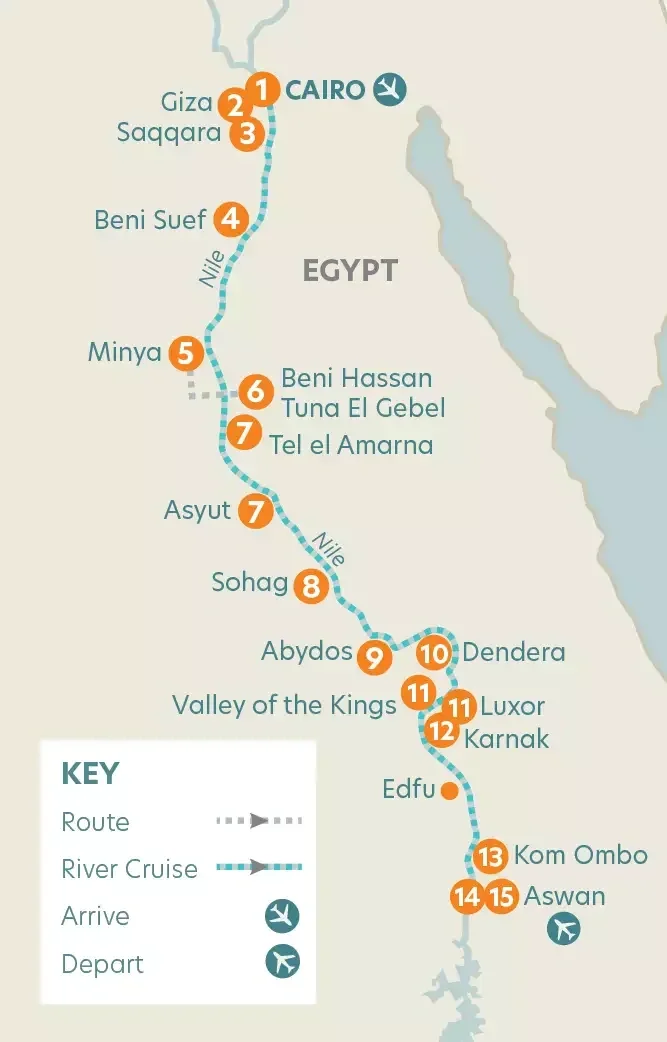
Day 1
Arrival in Cairo
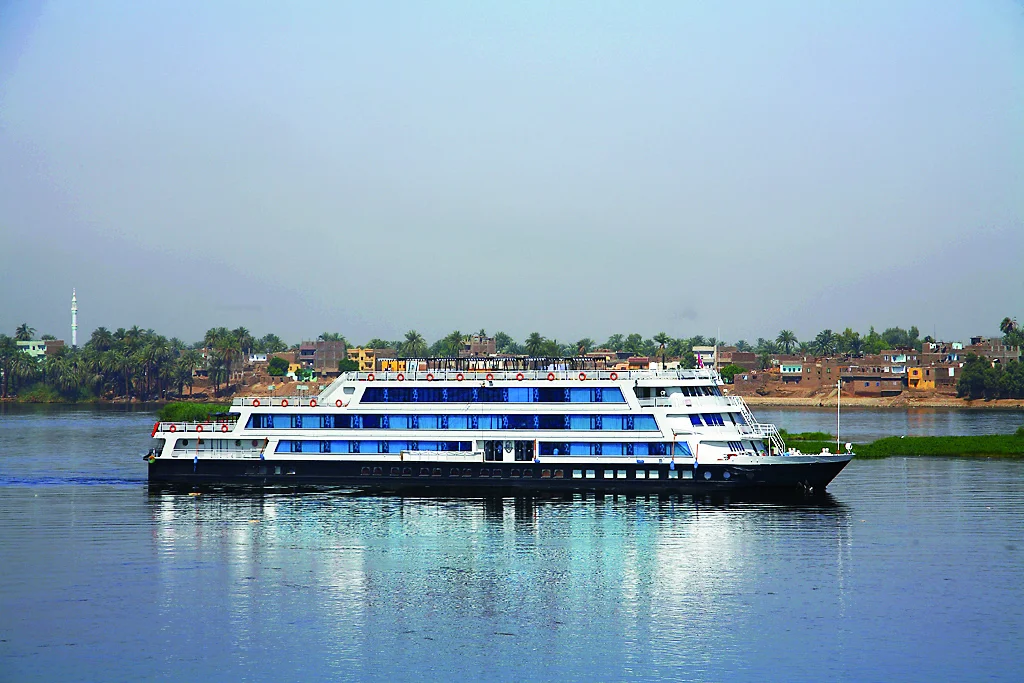
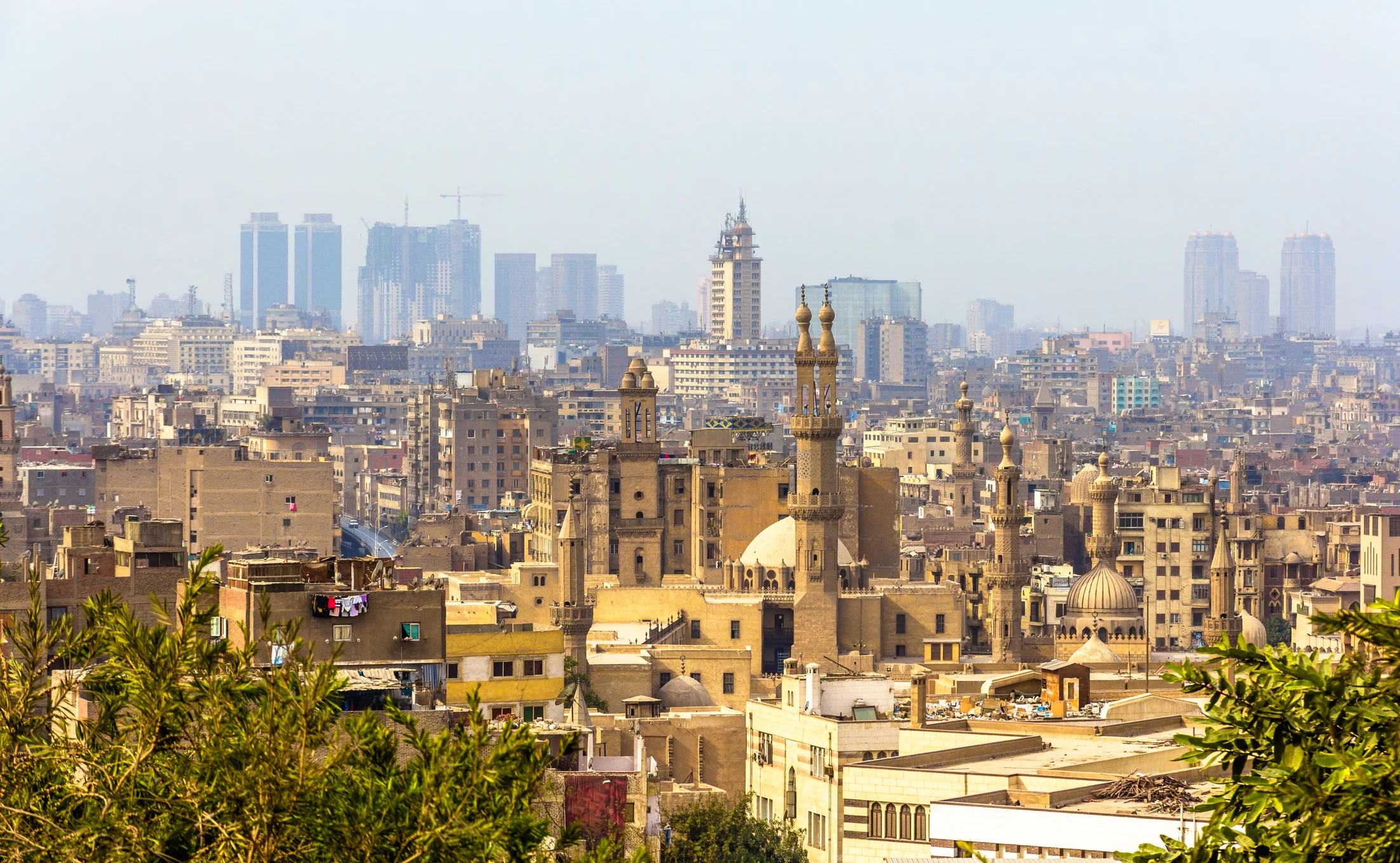
Arrival in Cairo – On arrival, we transfer to our home for the next 14 nights, the MS Mövenpick Darakum.
Meals: Breakfast,Lunch,Dinner
Day 2
The Pyramids, Sphinx & Coptic Museum
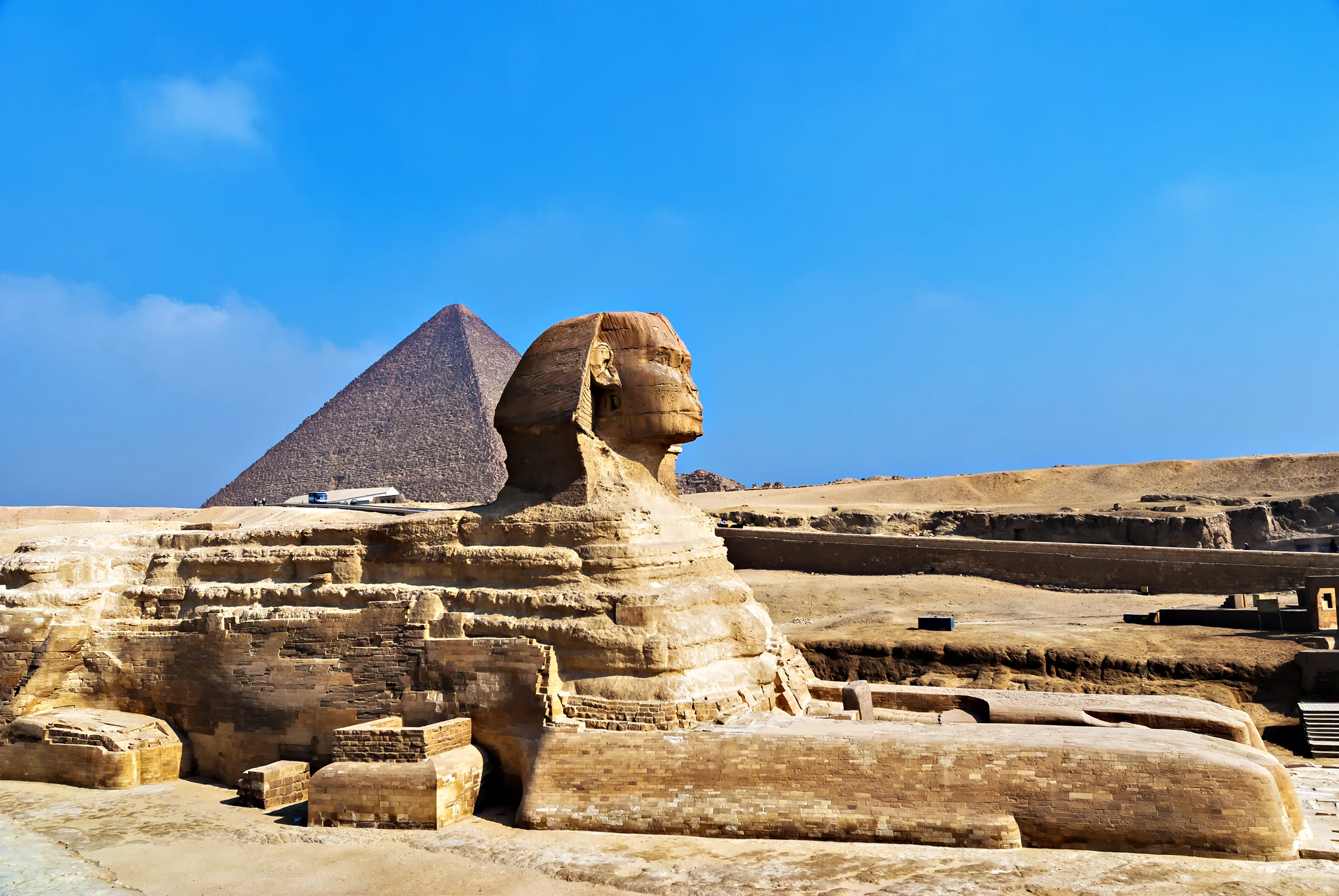
The Pyramids, Sphinx & Coptic Museum – Today we drive out of the city towards the Giza plateau for our first close-up view of the Great Pyramids. The truly gigantic size of the three main pyramids only becomes fully apparent when they tower above you in all their majesty. For the more adventurous, entry into the pyramids is available at extra cost payable locally, but for the Great Pyramid of Cheops there’s a daily limit to the number of visitors and there’s no guarantee of an entry. A little further down the hill is the mighty Sphinx, one of the world’s largest free-standing sculpture.
This afternoon we’ll explore Old Cairo’s Christian history with a visit to the remarkable 3rd century ‘Hanging Church’, built over a gateway to the Roman era Babylon fortress. With its wooden barrel-roofed interior this makes for a fascinating introduction to Egypt’s long Coptic heritage. We continue to the Coptic Museum and the nearby Ben Ezra synagogue, said to be the place where the Pharaoh’s daughter found Moses in his basket amongst the reeds.
Meals: Breakfast,Lunch,Dinner
Day 3
Saqqara & Grand Egyptian Museum
Saqqara & Grand Egyptian Museum – This morning, we head south to the pyramids at the necropolis of Saqqara. Soon the lush fields give way to barren desert and we see the giant ‘step’ pyramid looming above the palms. Built using smaller blocks than the Great Pyramids at Giza, it’s easy to see how the architecture of pyramid-building evolved from a simple square flat-topped mound upon which similar smaller mounds were added. Continue back to the ship for lunch.
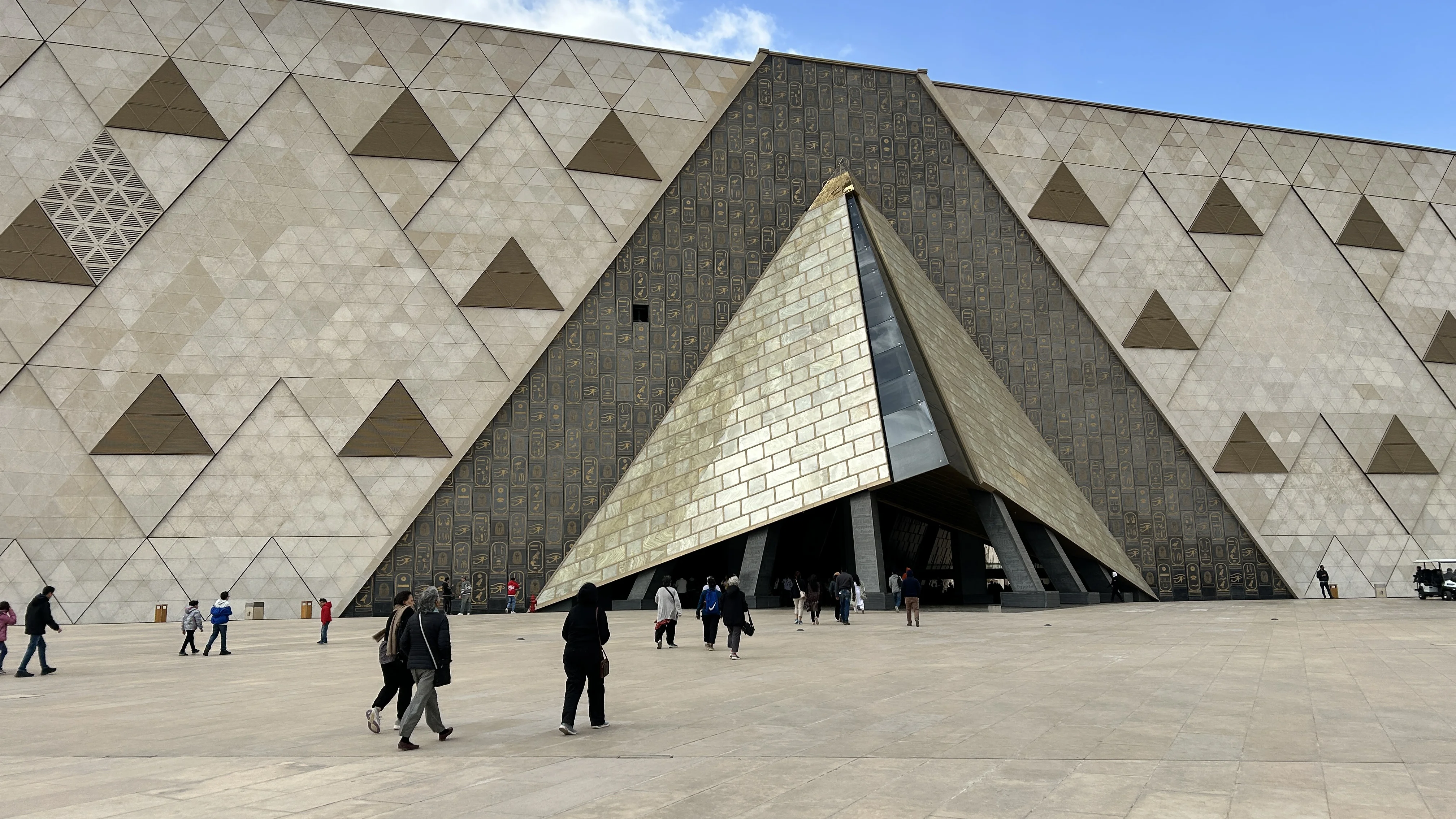
“This day of days, the most wonderful that I have ever lived through…” is how Howard Carter described the day in 1922 when he realised he had made the archaeological find of the century. King ‘Tut’s’ tomb held so many treasures that it took 10 years to examine, photograph, catalogue and finally remove all 5,398 of them. The collection forms the centrepiece of the newly opened Grand Egyptian Museum. Over 20 years in the making this magnificent museum does not disappoint. It is without question one of the world’s greatest museums, a treasure-house overflowing with artefacts of remarkable ancient craftsmanship, ranging from the mundane to the mystical. Your guide will show you some of the highlights from more than 100,000 artefacts on display.
Meals: Breakfast,Lunch,Dinner
Day 4
Full day sail
Full day sail – Early this morning our ship starts its long journey south out of Cairo. As we leave the city behind and pass small farms, canals and plantations of date palms along the way, you’ll see how productive this land has been for so many countless generations. Many farmers here still use methods that would be familiar to their ancestors thousands of years ago. Your Tour Manager will take this opportunity to invite you to the first of a couple of fascinating lectures on both modern and ancient Egypt.
In the afternoon we arrive at the small town of Beni Suef where we moor overnight.
Meals: Breakfast,Lunch,Dinner
Day 5
Full day sail
Full day sail – Our second consecutive day of sailing, and by this time you should have settled into the rhythm of shipboard life! After a sumptuous breakfast buffet make your way to one of the three open decks and relax under one on one of the many comfortable shaded sun loungers or Balinese-style canopied day-beds as the unchanged landscape of the Nile Valley slips by.
If you prefer to keep cool in air-conditioned comfort, then there’s plenty of armchairs by the full-length windows of the bar.
This afternoon we arrive in Minya where we will moor for two nights.
Meals: Breakfast,Lunch,Dinner
Day 6
Beni Hassan Tombs
Beni Hassan Tombs – After an early breakfast you set out with a visit to Tuna El Gebel, the necropolis of Hermopolis, sacred to the Greek god Hermes and his Egyptian counterpart Thoth, god of writing and wisdom. Here we’ll explore the tomb of Petosiris, the high priest, and the catacombs which once held thousands of mummified ibis and baboons.
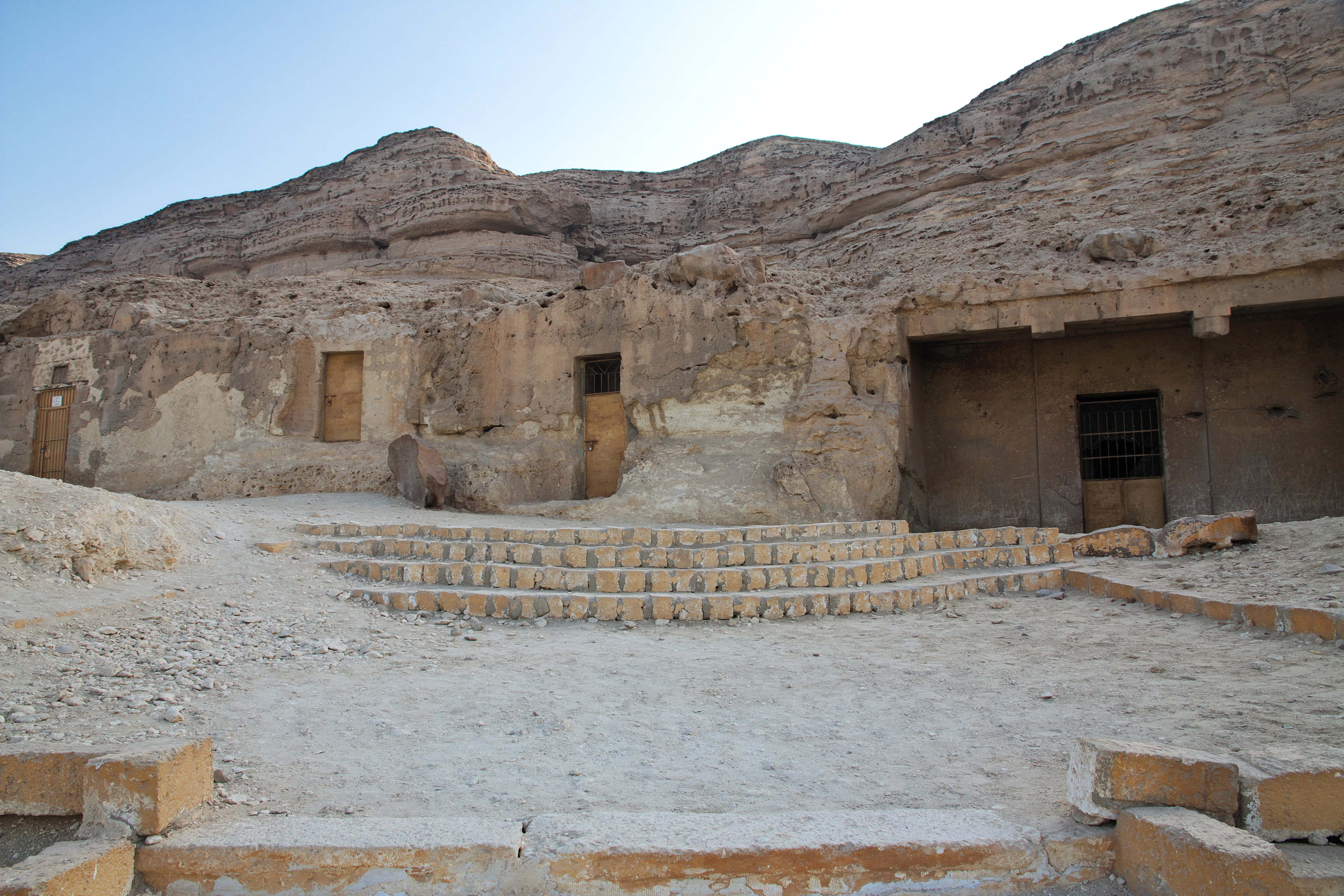
After lunch on board, we continue with a tour of the little-visited tombs at Beni Hassan, set high above the Nile at the foot of a cliff, with wonderful views across the valley. The tombs belong to the 11th dynasty governors of the region and unlike more imposing royal tombs, here you’ll find wall paintings showing charming glimpses of real daily life, with hunting scenes, farming, dancing and even wrestling competitions!
Meals: Breakfast,Lunch,Dinner
Day 7
Amarna
Amarna – This morning we arrive in Amarna, site of the short lived capital of the Pharaoh Akhenaten and his queen Nefertiti. Akhenaten took a brave, and possibly foolhardy, decision to replace the existing ancient, complex and powerful theology (and its priesthood!) with a monotheistic cult of the sun-god, the Aten. In order to cement the break from the past he built this brand-new city, with its temples and altars open to the sky, unlike the dark cavernous interiors of traditional temples. After his death his young son, Tutankhamun, ascended the throne and reinstated the old gods, leading to the abandonment of his father’s city. We’ll visit Akhenaten’s tomb, as well as those of some of his courtiers.
We return to our ship in time for lunch and continue our journey south, with the opportunity to see one of Egypt’s most important Coptic monasteries as we sail by. We moor in Asyut overnight.
Meals: Breakfast,Lunch,Dinner
Day 8
Full day sail
Full day sail – Today we continue our journey southwards, with a full day’s cruising, ideal to relax after the busy last couple of days and before seeing the monuments and temples of the second part of our journey.
Meals: Breakfast,Lunch,Dinner
Day 9
Abydos
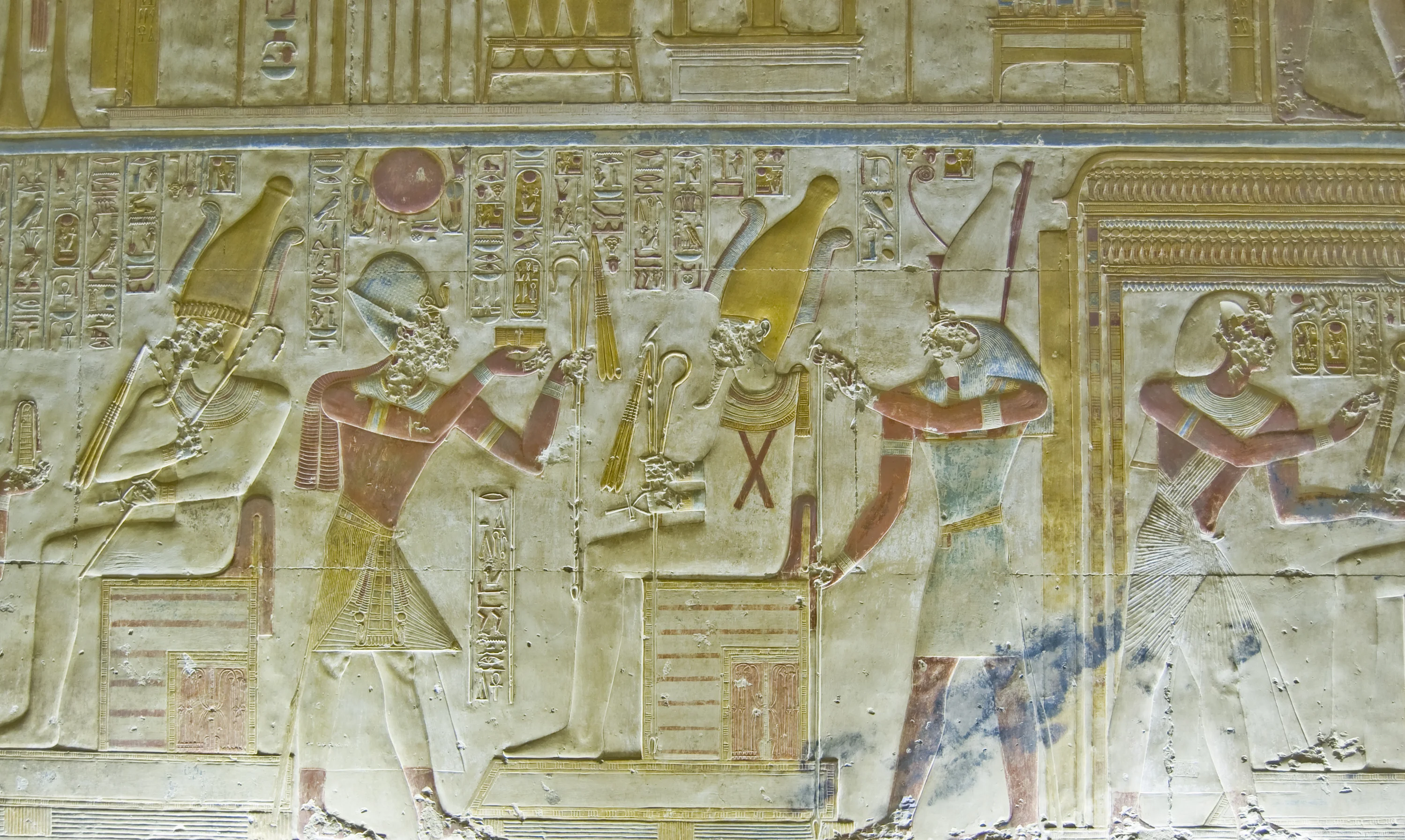
Abydos – Abydos remains one of ancient Egypt’s most mysterious sites, with the Great Temple of Seti I as its centrepiece. Dedicated to the cult of Osiris, god of the dead, Abydos was a pilgrimage centre for thousands of years. The temple is known for its Gallery of the Kings, which lists all the pharaohs, as well as some hieroglyphs which look like modern machines!
We sail on to Naga Hammadi, where we moor overnight.
Meals: Breakfast,Lunch,Dinner
Day 10
Dendera
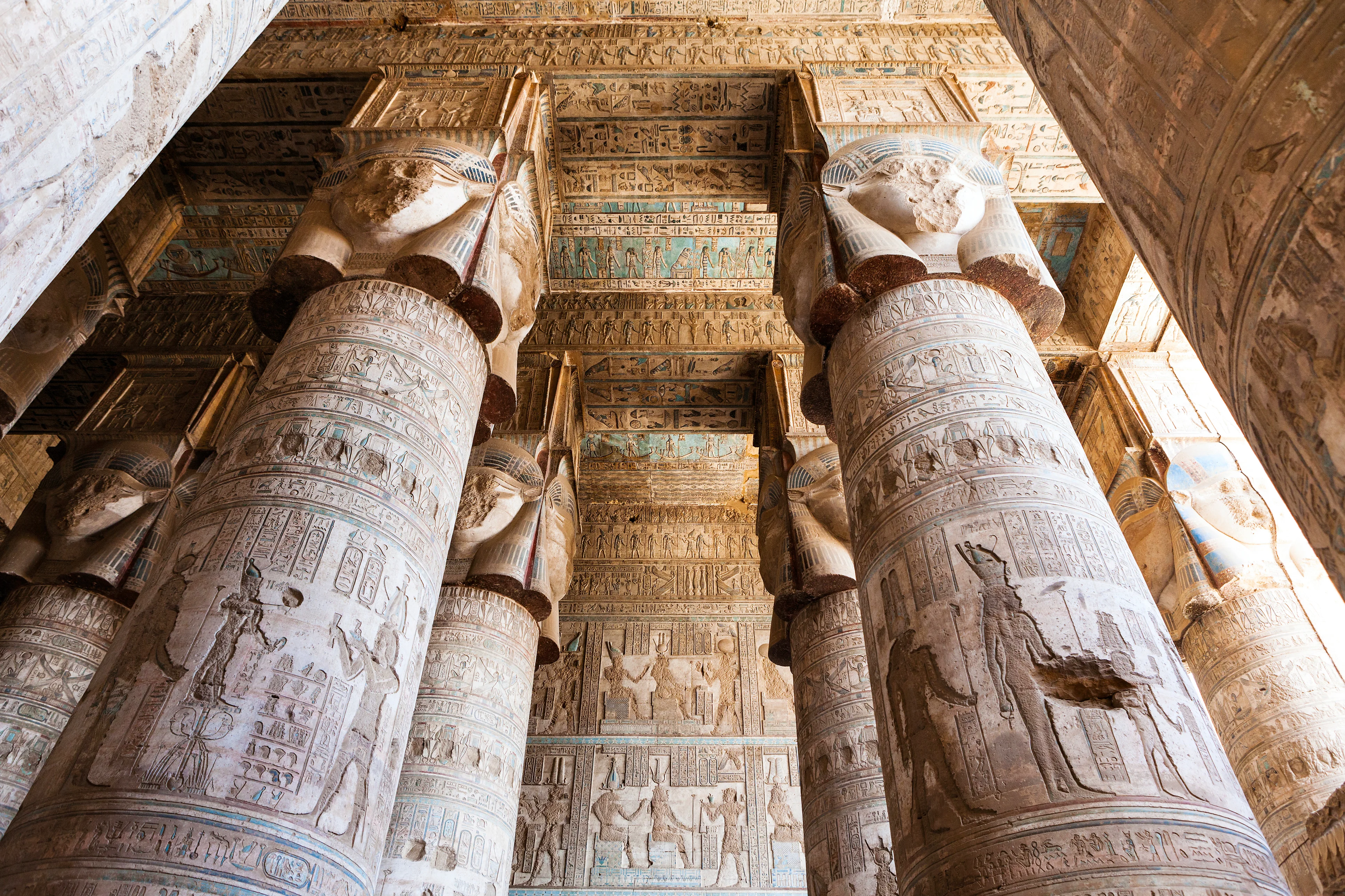
Dendera – The temple of Hathor is one of the most complete and best-preserved in all of Egypt. Hathor was the Egyptian goddess of love, beauty, joy and healing, and her temple, although only completed in Roman times, nevertheless follows the architecture and style of much older temples. Intriguingly, one of the outside walls has a famous relief of Cleopatra and Caesarion, her son, by Julius Caesar, so the famous queen may well have visited the temple.
We sail the short distance to Luxor where we moor overnight.
Meals: Breakfast,Lunch,Dinner
Day 11
Luxor West Bank & Valley of the Kings
Luxor West Bank & Valley of the Kings – Anyone staying on for the full itinerary to Aswan will continue the tour crossing the Nile to the West Bank for the ‘main event’ – the Valley of the Kings! It is simply remarkable that so much artistic beauty is hidden below the barren earth of this hot, dry, rock-strewn valley. The incredible state of preservation and the vividness of the paintings and hieroglyphics is simply astounding. It is tantalising to imagine what treasures all these tombs once held, lost to incredibly efficient grave robbers thousands of years ago.
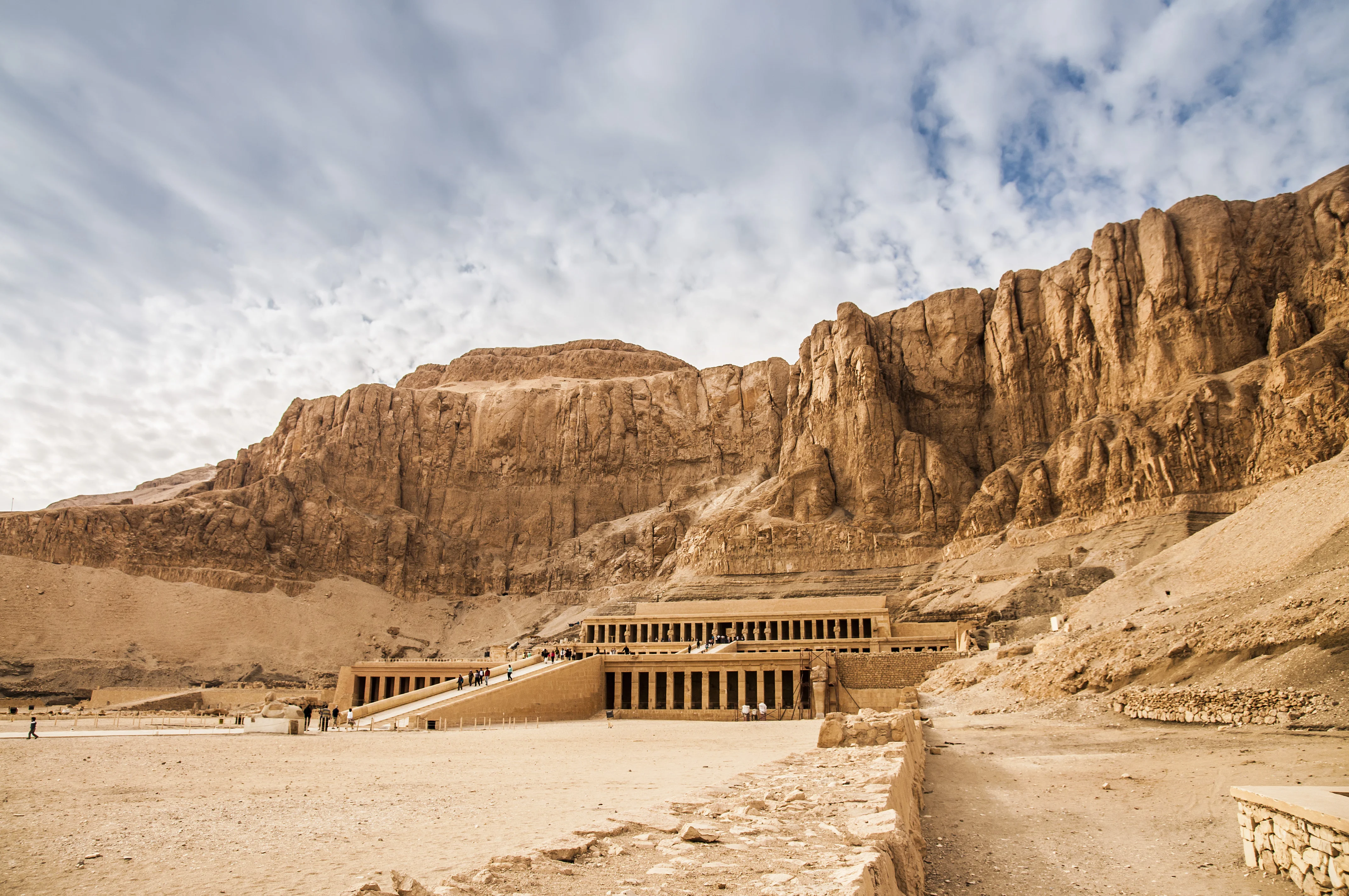
We will also visit Howard Carter’s house which has been beautifully preserved and is next to the newly opened replica of King Tut’s tomb. Our tour ends at the mortuary temple of Hatshetput, the first female pharaoh, with its stunning three-tiered colonnaded terraces reflecting the outline of the cliffs above.
We return to our ship at lunchtime and the rest of the day is at leisure.
Meals: Breakfast,Lunch,Dinner
Day 12
Karnak & Luxor Temples
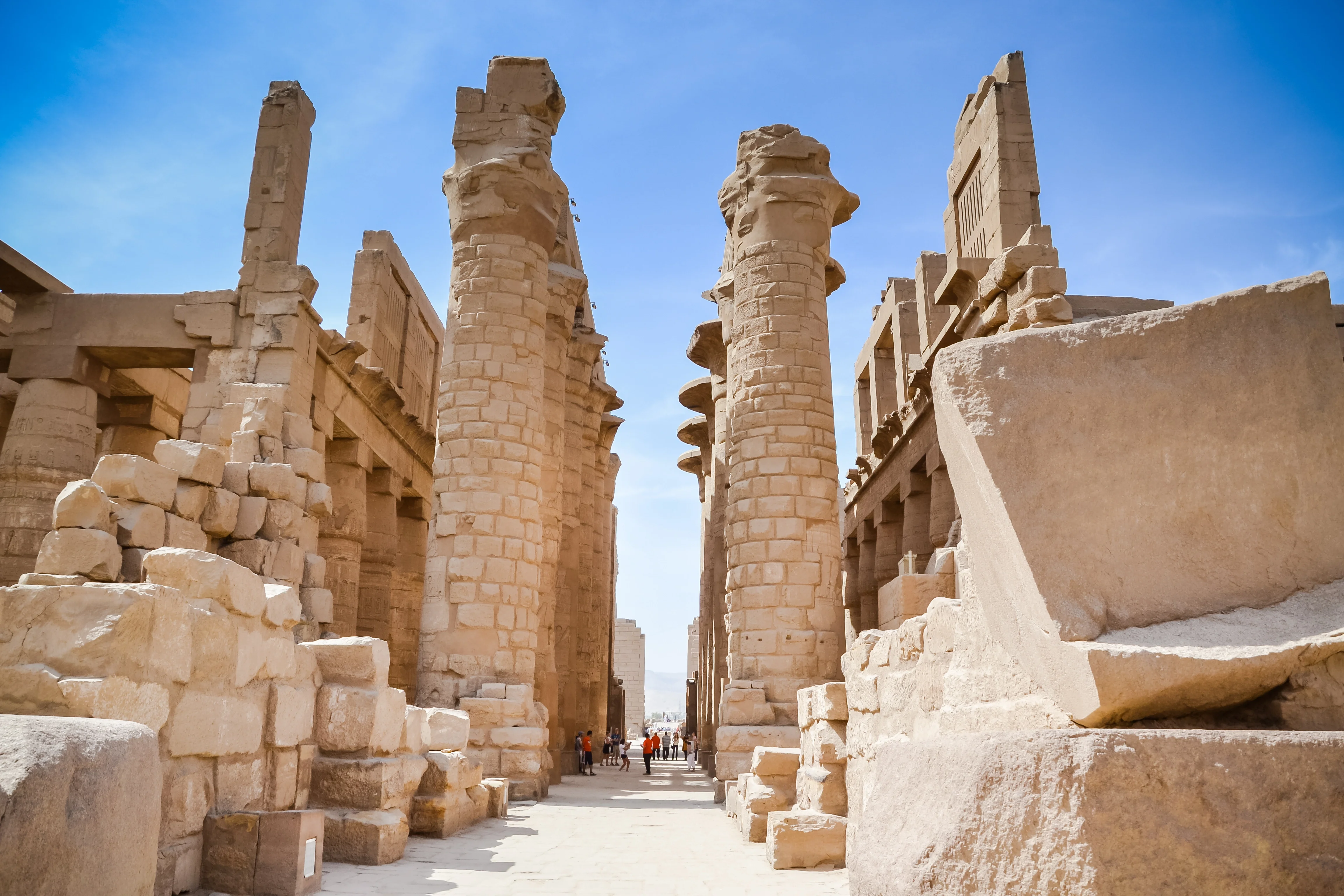
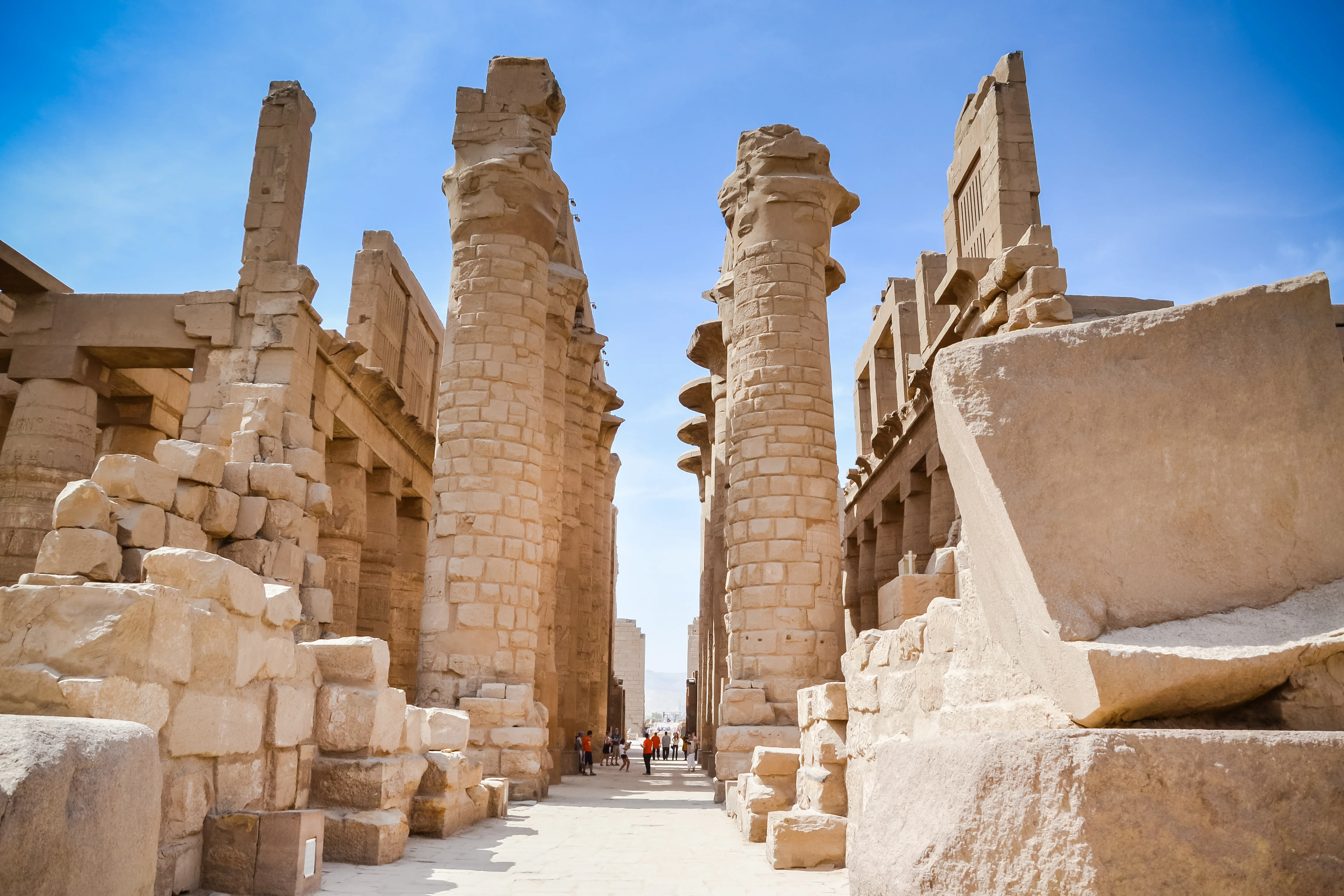
Karnak & Luxor Temples – This morning we visit the Temple of Karnak. The astounding Hypostyle Hall is the most awe-inspiring part of this vast complex, said to be the largest religious centre of the ancient world. Its 134 gigantic columns stretch up to 80ft high and are covered in hieroglyphics – look carefully and you’ll spot traces of the original colours still visible. One of the many interesting features is the first documented peace treaty in history, between Ramses II and the Hittites. Another highlight is the great Obelisk of Hatshepsut, carved from one 97-foot high block of polished red granite and weighing in at over 300 tons, it has stood here for over 3,450 years, a testament to the amazing abilities and ingenuity of its creators.
We also visit the smaller, but equally remarkable Temple of Luxor, which was originally connected to Karnak via the 2-mile long Avenue of the Sphinxes. The temple is famous for its statues, unique artwork and wall carvings.
After lunch we set sail for Edfu where we moor overnight.
Meals: Breakfast,Lunch,Dinner
Day 13
Kom Ombo
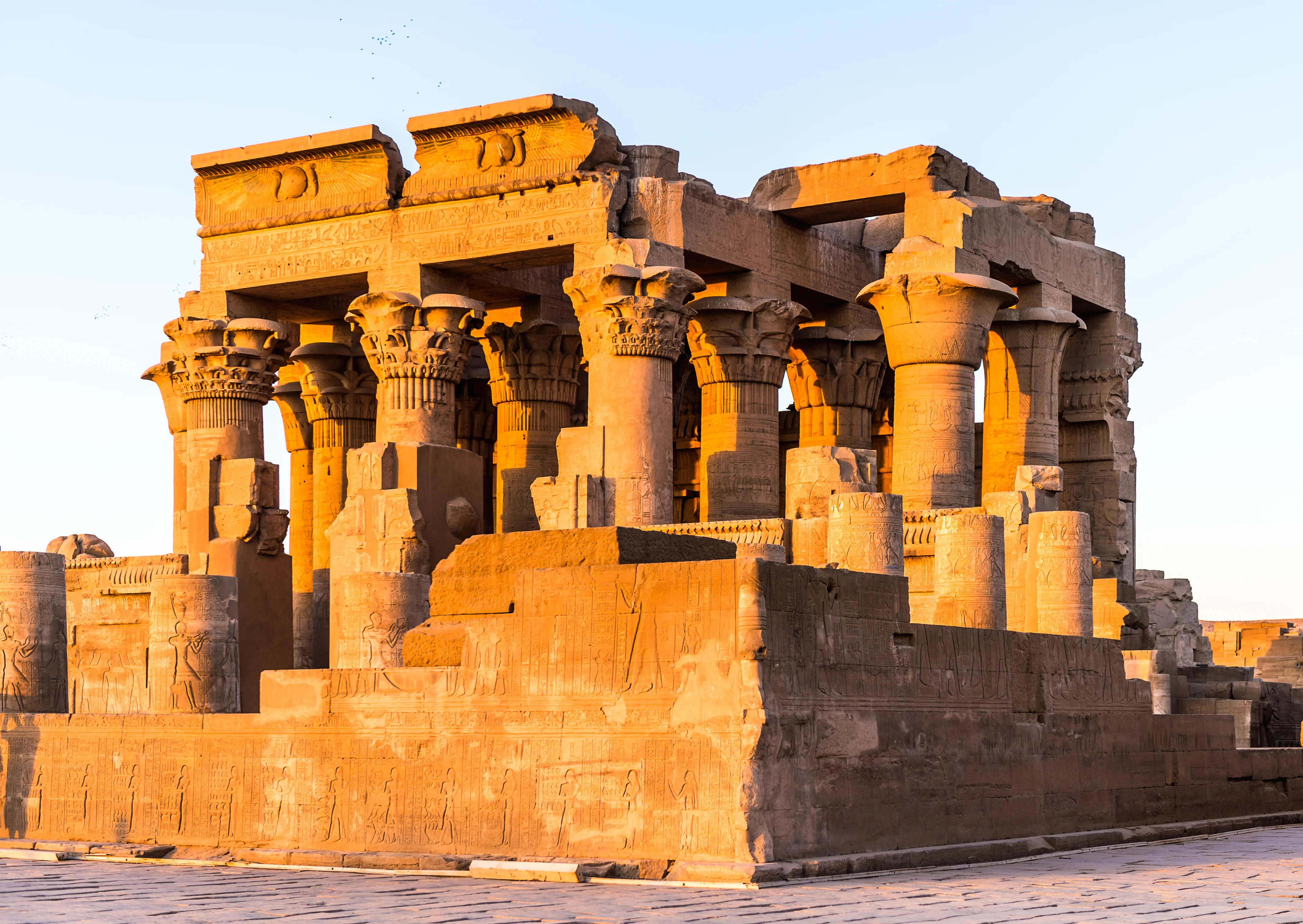
Kom Ombo – The temple at Kom Ombo is unusual in that it’s dedicated to two gods, Horus (the falcon-headed god and Sobek (the crocodile god). The temple had a lake with sacred crocodiles and many mummies of them have been found nearby.
We sail to Aswan and moor overnight.
Meals: Breakfast,Lunch,Dinner
Day 14
Aswan
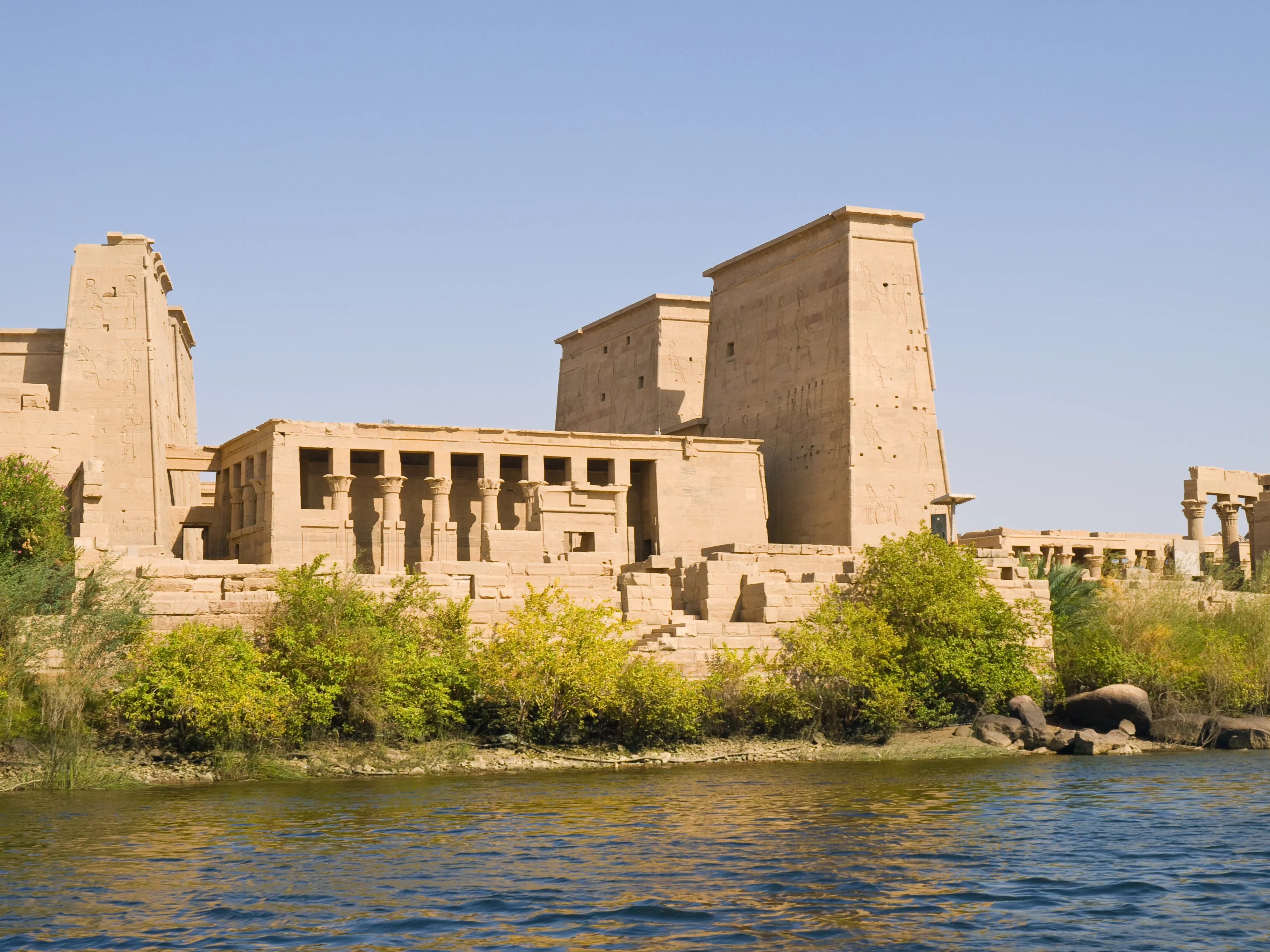
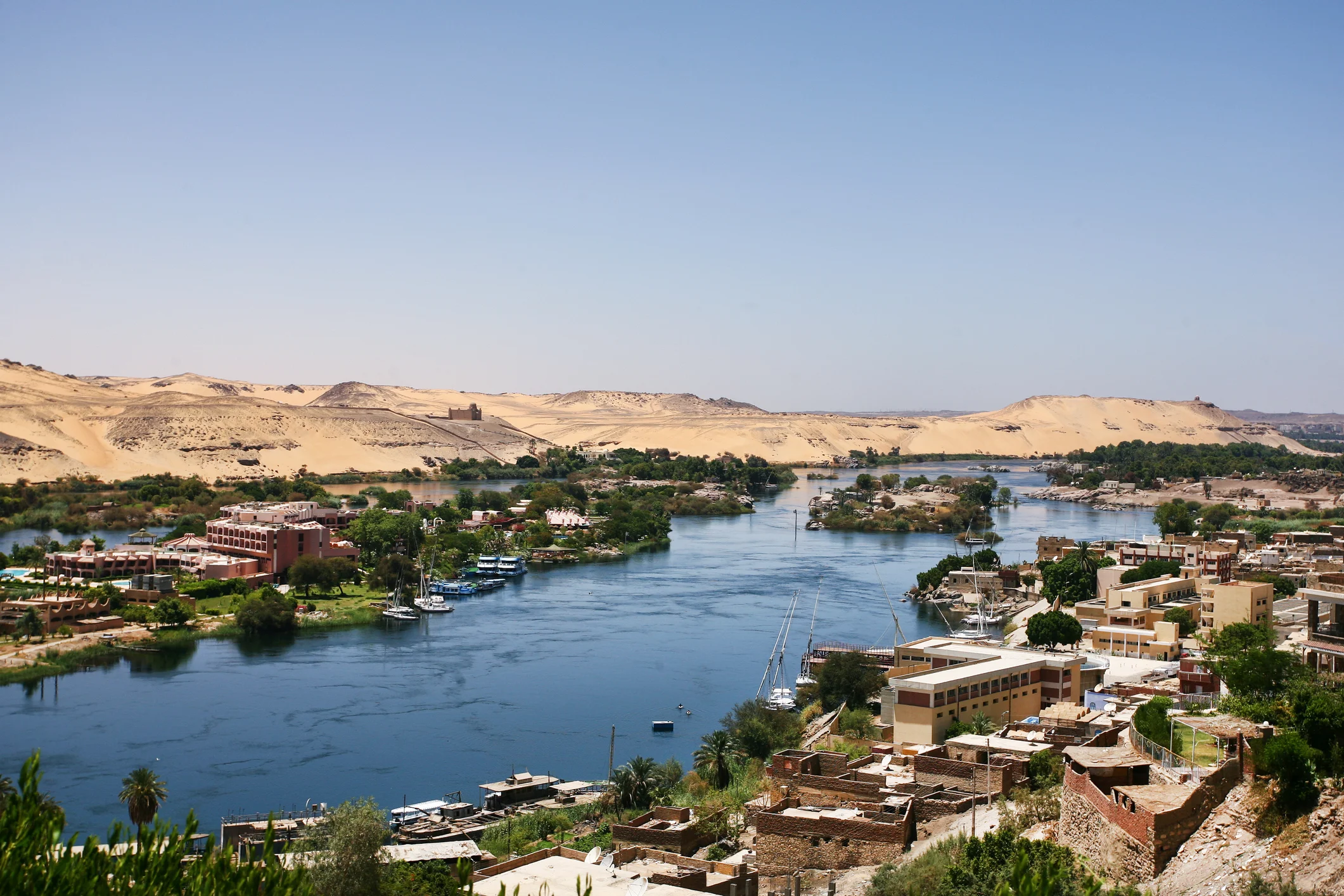
Aswan – This morning is our last full day in Egypt, and we visit one of modern Egypt’s greatest achievements – the Aswan High Dam. We continue to the temple of Philae, which had to be rescued from the rising waters of Lake Nasser. After a visit to the Nubian Museum, we take to the water on a felucca sail as the sun sets in the west, to Kitchener Island, which the eponymous general converted to a botanical park.
Meals: Breakfast,Lunch,Dinner
Day 15
DAY 15
Return home
Meals: Breakfast,Lunch,Dinner
What’s included
What’s not included
Additional information
Beni Hassan Rock-Cut Tombs above the Nile
Climb to the Middle Kingdom Beni Hassan tombs, hewn into a limestone cliff above the valley. Step into airy rock-cut chambers where governors commemorated their lives with colorfully painted vivid daily-life scenes—wrestling, hunting, weaving and river journeys.
Stout pillars carved from the bedrock and panoramic views across fields to the Nile reveal both artistry and authority. The realism here offers an intimate counterpoint to royal grandeur found elsewhere.
Amarna: Akhenaten’s City and Royal Tomb
Walk the wind-brushed desert where Akhenaten founded the city of Amarna, championing the sun disk, the Aten. Visit the royal and nobles’ tombs to see rays of the sun ending in open hands—imagery of Egypt’s brief, radical cult of the Aten.
Unlike shadowed traditional sanctuaries, Amarna’s altars were open to the sky. The silence here evokes a daring moment when Akhenaten and Nefertiti reimagined worship—reforms later abandoned by their son, Tutankhamun.
Abydos: Temple of Seti I and the Osiris Cult
Visit the exquisitely carved Temple of Seti I at Abydos, a sanctuary of rebirth tied to the Osiris cult. Trace some of the finest reliefs in Egypt and seek out the celebrated Abydos King List, a roll call of pharaohs from mythic beginnings to historic reigns.
Pilgrims once journeyed here for millennia. In the cool, incense-scented halls, the precision of line and the softness of modeled figures reveal royal artistry at its peak.
Dendera: Temple of Hathor at Qena
Enter the Temple of Hathor at Dendera, among Egypt’s best-preserved sacred complexes. Hathor—goddess of music, joy and healing—greets you atop sistrum-crowned capitals beneath a restored astral ceiling painted deep blue with stars and zodiacal symbols.
Outside, study the famous Cleopatra and Caesarion relief, a rare royal portrait carved into temple stone. Ptolemaic and Roman craftsmanship here revives ancient forms with crisp, theatrical elegance.
Luxor West Bank: Valley of the Kings, Howard Carter House & Hatshepsut’s Temple
Cross to the Theban necropolis to explore the Valley of the Kings, where painted corridors plunge into the earth toward gilded afterlives. Colors still glow on scenes from the Amduat and Book of the Dead, transforming belief into image.
Visit Howard Carter’s House and a faithful replica of Tutankhamun’s tomb, then admire the terraced Temple of Hatshepsut at Deir el-Bahri, echoing the cliffs behind it. The landscape fuses geometry, geology and royal devotion.
Karnak’s Great Hypostyle Hall & Luxor Temple
Step into the immense Temple of Karnak and its Great Hypostyle Hall, a forest of 134 papyrus columns rising nearly 25 meters. Seek the obelisk of Hatshepsut and reliefs celebrating the world’s earliest known peace accord between Ramses II and the Hittites.
Continue to the riverside Temple of Luxor, once linked to Karnak by the Avenue of the Sphinxes. As sunlight slants across carved sandstone, gods, kings and festivals emerge in crisp detail.
Kom Ombo: Twin Temples of Sobek and Horus
Discover Kom Ombo, a perfectly symmetrical double sanctuary dedicated to the crocodile god Sobek and Horus the Elder. Follow parallel axes through columned courts and study unique reliefs, including ancient medical instruments meticulously carved in stone.
Close to the river’s edge, the setting explains the cult of crocodiles—revered and feared in equal measure. Archaeologists have uncovered numerous mummified reptiles nearby, tangible echoes of riverside ritual.
Aswan High Dam & Nubian Museum
Visit the monumental Aswan High Dam, cornerstone of modern Egypt’s engineering feats, holding back the vast waters of Lake Nasser. Hear how power generation and flood control reshaped livelihoods along the Nile.
Continue to the Nubian Museum, where elegant displays honor the cultures of Lower Nubia and document UNESCO’s rescue of threatened temples. Jewelry, boat models and sandstone friezes illuminate life along the old cataracts and desert fringe.
Philae: Temple of Isis on Agilkia Island
Ride a boat across shimmering water to the Temple of Philae, sacred to Isis, goddess of magic and motherhood. Colonnades, pylons and sanctuaries rise from gardens of granite, their reliefs fusing late Pharaonic elegance with Roman finesse.
Saved from flooding and relocated to Agilkia Island, Philae is a testament to international preservation. The island’s calm and the temple’s poetic proportions make this one of Upper Egypt’s most evocative settings.
Sunset Felucca Sail to Kitchener’s Island Botanical Garden
Glide aboard a traditional felucca sail as warm light bathes the First Cataract. The canvas fills with breeze and river sounds soften while you trace granite islets toward Kitchener’s Island, transformed into a serene botanical garden of palms and exotic species.
Drift past domed tombs and riverside villages as sunset over the Nile paints water and stone gold. It’s Aswan at its most tranquil—timeless, reflective and rhythmic.
Onboard Lectures: Ancient & Modern Egypt
Join insightful lectures with your expert Tour Manager, connecting dynasties, deities and daily life with today’s Egypt. Decode iconography you’ll meet in tombs and temples, and frame the Nile’s role from antiquity to nation-building.
These relaxed sessions enrich each visit, turning carved scenes into stories and monuments into milestones. Content typically includes ancient and modern Egypt, ensuring the river’s landscapes speak with deeper meaning as you sail.
Pyramid Interior Entry (Khufu or Khafre)
Step inside the Great Pyramid or its neighbor to navigate steep, narrow corridors into ancient chambers at the heart of the stone mass. The air cools, walls close in and the geometry of the structure surrounds you—an intense, time-tunnel experience.
This is an optional experience at additional cost, bookable on tour with your Tour Manager. Access is strictly limited (limited daily access) and cannot be guaranteed; interiors feature confined spaces and low ceilings typical of Old Kingdom construction.
Old Cairo: Hanging Church, Coptic Museum & Ben Ezra Synagogue
Explore the lanes of Old Cairo to the early Christian-era Hanging Church, suspended above a Roman gatehouse of the Babylon Fortress. Step inside to admire its timbered nave and icons, then continue to the Coptic Museum, home to luminous textiles, manuscripts and carvings that chart the evolution of Christian Egypt.
Conclude at the Ben Ezra Synagogue, tied by tradition to the story of Moses. This compact quarter distills Cairo’s multi-faith heritage into a few evocative streets, where incense, oil-lamp motifs and ancient stonework whisper of centuries of devotion.
Saqqara Necropolis & the Step Pyramid of Djoser
Visit the desert plateau of Saqqara necropolis to admire the revolutionary Step Pyramid of Djoser, conceived by the architect Imhotep. See how stacked mastabas evolved into history’s first monumental stone architecture, setting the blueprint for Egypt’s later pyramids.
Beyond the iconic profile, explore Old Kingdom tombs etched with daily-life reliefs and hieroglyphs. From the ridge, gaze across palm groves to the Nile Valley and sense the leap of imagination that transformed mudbrick into enduring limestone geometry.
Grand Egyptian Museum: Tutankhamun Treasures & Antiquities Highlights
Discover the Grand Egyptian Museum, an expansive new showcase for the world’s greatest Pharaonic collection. Your guided visit focuses on the Golden Mask of Tutankhamun and the young king’s 5,398 treasures, displayed to illuminate craftsmanship, ritual and power.
Wander light-filled galleries where colossal statuary and delicate faience sit in dialogue. Intelligent curation brings faces, tools and beliefs into focus, transforming icons into individuals and turning Egypt’s timeline into a vivid, human story.
Nile Scenic Cruising: Cairo to Upper Egypt
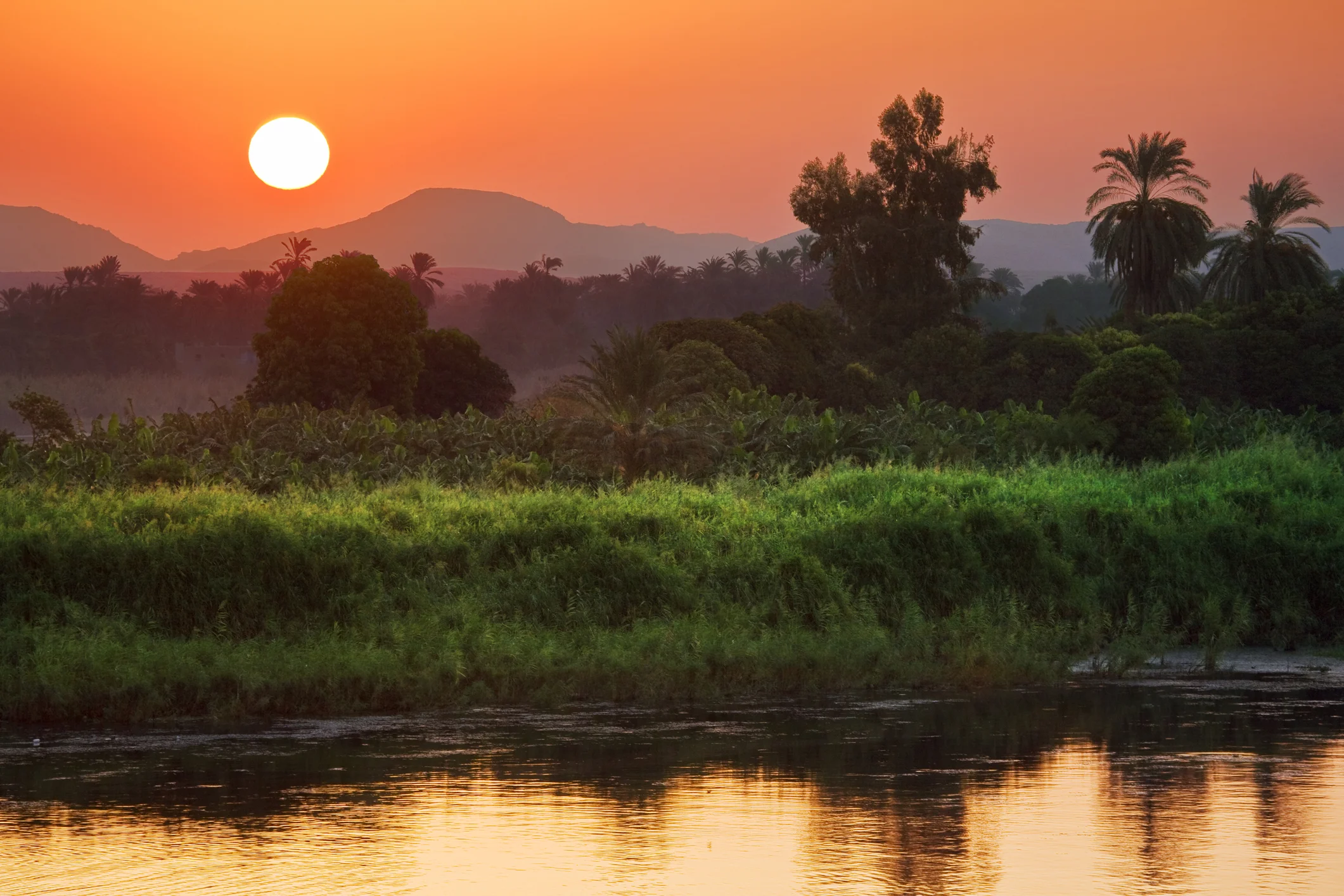
Cruise the River Nile as palms, sugarcane fields and village life glide by under an endless sky. From the open decks, watch fishermen cast nets and waterwheels turn, with tawny desert bluffs rising beyond the fertile ribbon of green.
Settle into the ship’s gentle rhythm and let landscapes unfold—palm-fringed banks, domed village mosques, and distant dunes—while your Tour Manager’s context makes each bend of the river richer. It’s a moving panorama of timeless village scenes and ever-changing light.
Tuna el-Gebel: Tomb of Petosiris & Ibis Catacombs
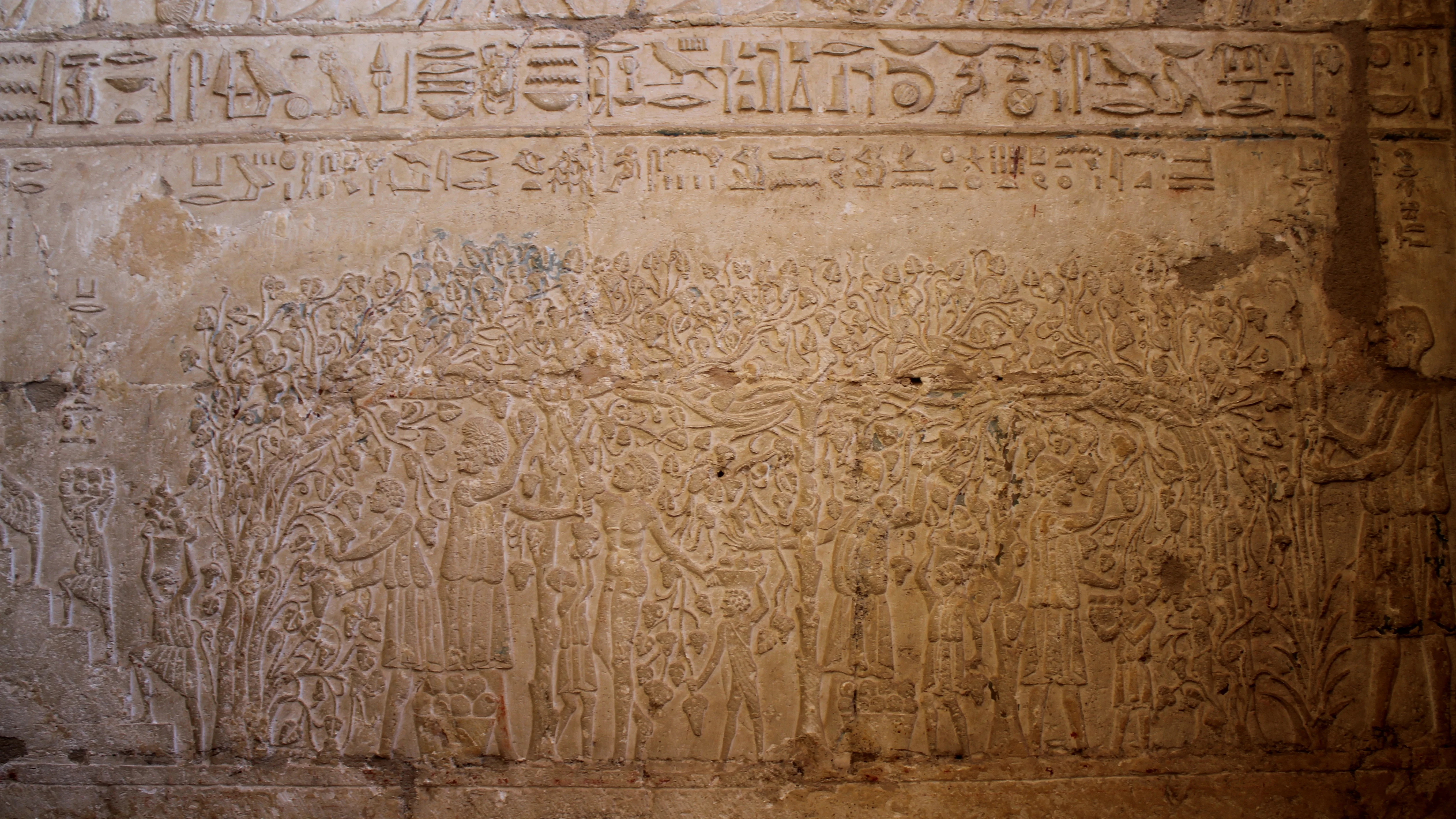
Explore Tuna el-Gebel, necropolis of Hermopolis, where the high priest’s Tomb of Petosiris blends pharaonic tradition with Hellenistic style. Painted reliefs mix Egyptian deities with Greek drapery and perspective, revealing a crossroads of cultures.
Descend to catacombs that once safeguarded thousands of votive creatures—mummified ibis and baboons—honoring Thoth, god of wisdom and writing. The cool, echoing passages and faint scent of earth bring ancient ritual surprisingly close.
Giza Pyramids & the Great Sphinx Guided Visit
Stand on the Giza Plateau and get close to the Great Pyramid of Khufu, flanked by the pyramids of Khafre and Menkaure. Your guide reveals construction feats, precise cardinal alignment and theories behind their enduring power, before you meet the desert sentinel itself: the Great Sphinx, carved from a single limestone outcrop.
Absorb 4th-dynasty ambition made stone and pause for photos and reflection where pharaohs sought immortality. The wind over the plateau, the scale, and the stark desert light make this Pyramids at Giza encounter a defining moment of any journey through Egypt.