Your itinerary

Day 1
Adventure begins in Vilnius
The tour starts at the hotel in Vilnius. If you arrive in good time, you can walk around the Baroque Old Town. In the evening, meet your tour leader and fellow travellers, hear about the adventure ahead and enjoy a group welcome dinner.
Meals: Dinner
Day 2
Culture tour of Vilnius • Visit storied Kernavė • Neris Regional Park walk • See Trakai island castle
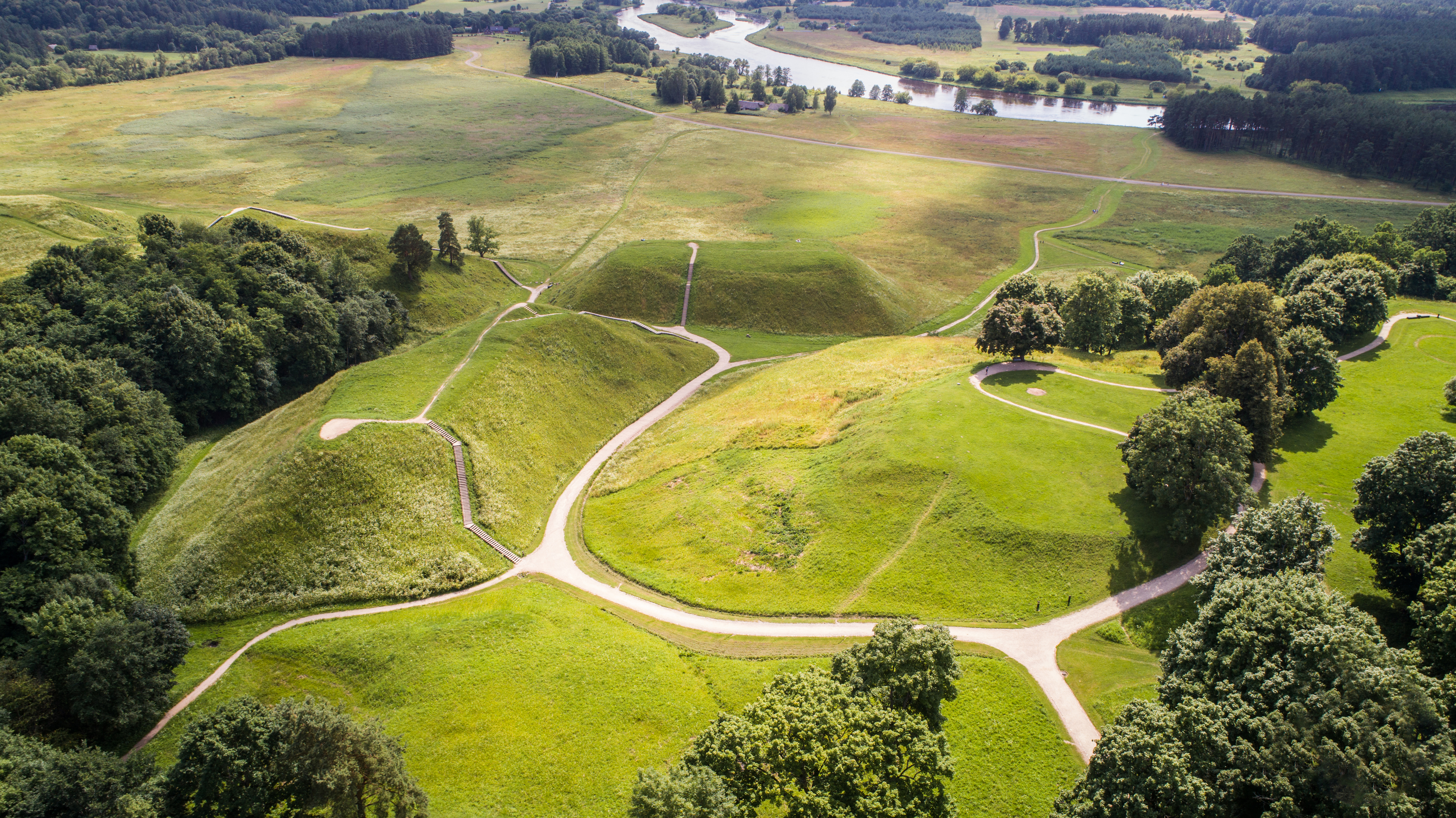
Tour Vilnius’s Old Town, main churches, Gates of Dawn, Vilnius University and Cathedral Square. After free time for lunch, transfer approximately 50 minutes to Kernavė to see its five hill forts and views of the Neris River. Walk the White Hill Educational Trail in Neris Regional Park, passing its observation platform, resting area, forest and hill forts. Then drive to Trakai to see the island castle on Lake Galvė before returning to Vilnius.
Meals: Breakfast
Day 3
Visit Zemaitijos National Park with Cold War Museum
Transfer approximately 300km (four hours) to Zemaitijos National Park for a walk to Plokstine, a former Soviet missile base that is now the Cold War Museum. See inside the underground bunkers and learn about the Cold War in the Baltics. Cross the border into Latvia and continue to Liepaja for the night.
Meals: Breakfast
Day 4
Walk Karosta’s coastal trails • Visit Kuldīga and a local winery • Transfer to Riga
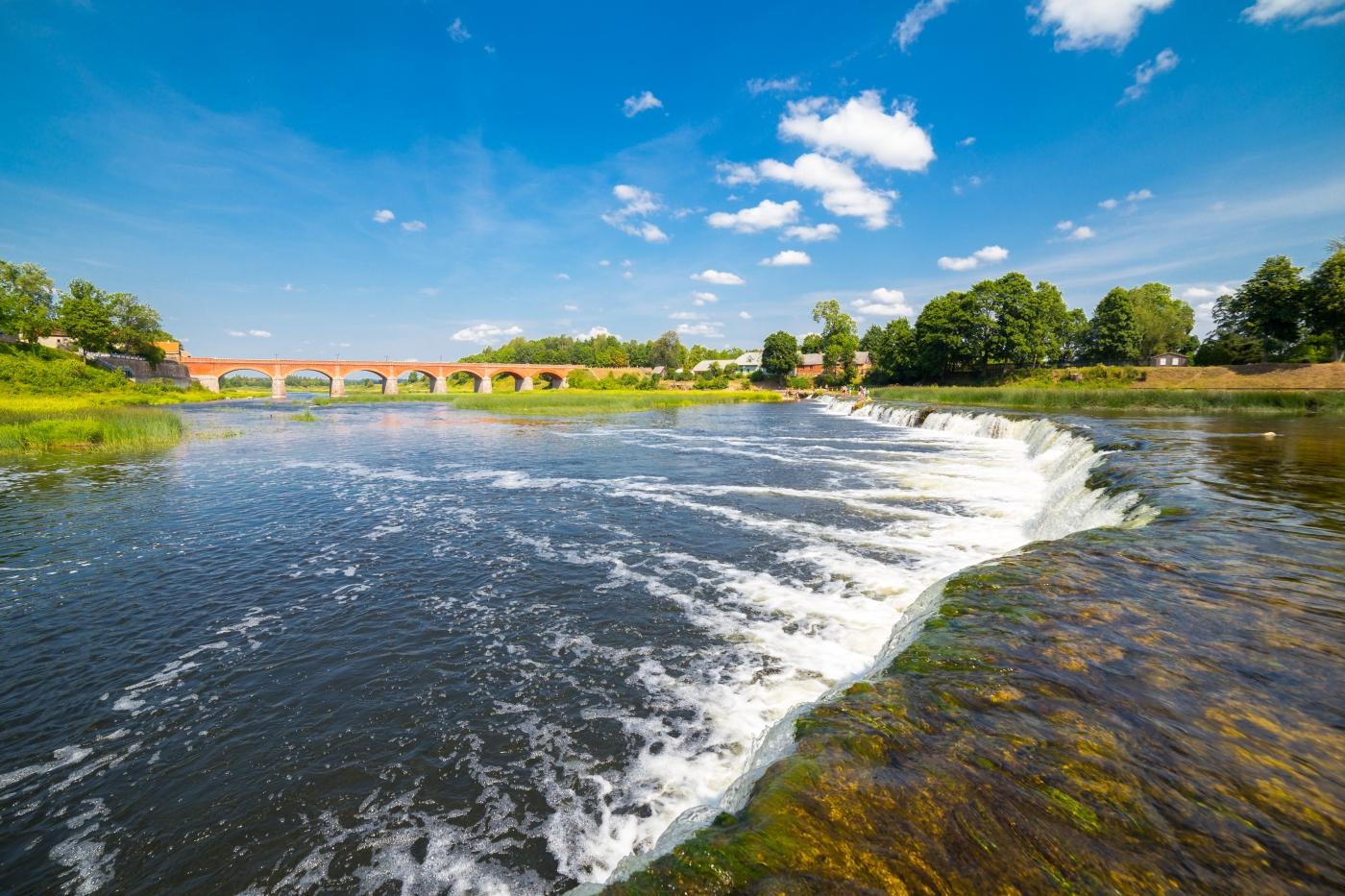
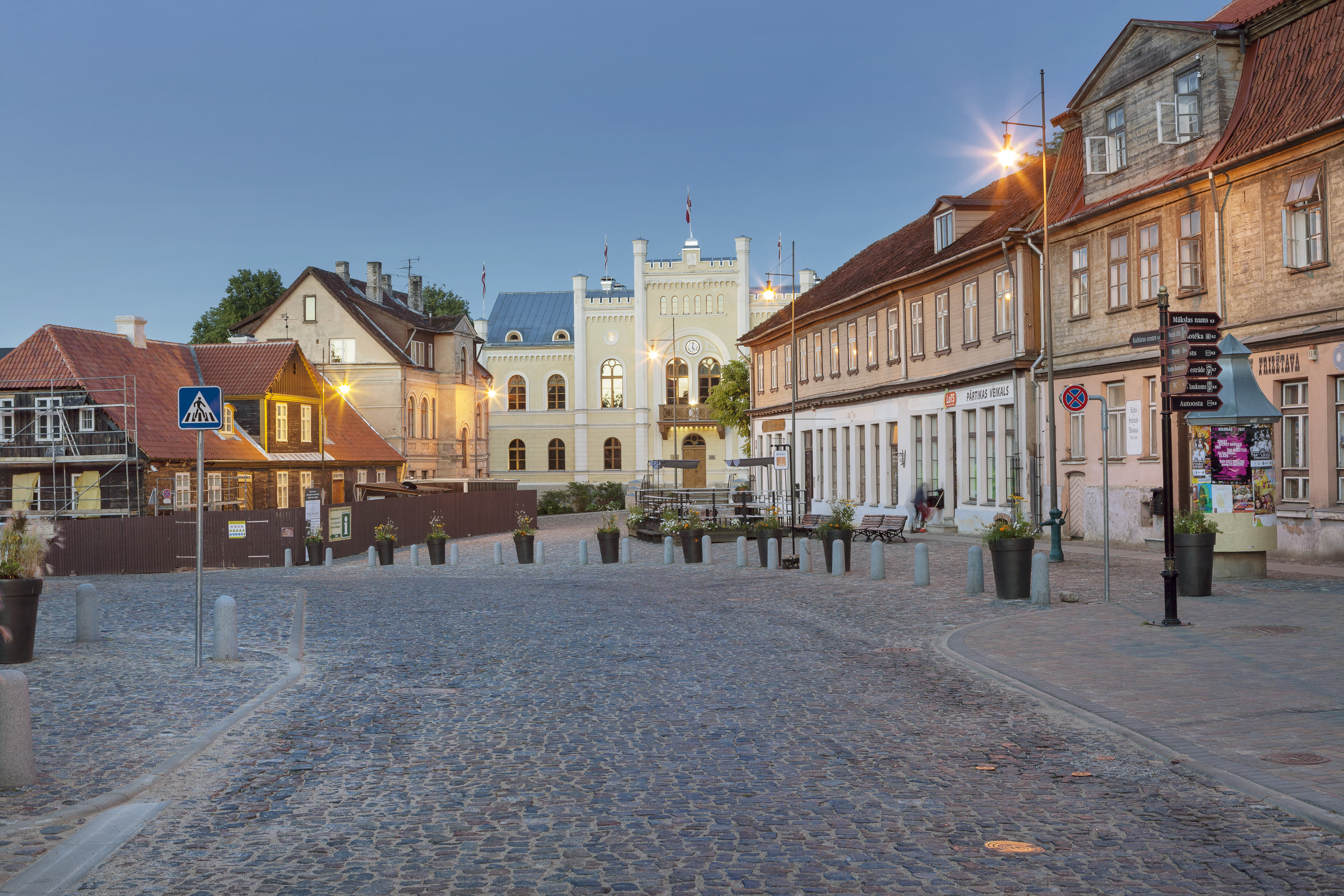
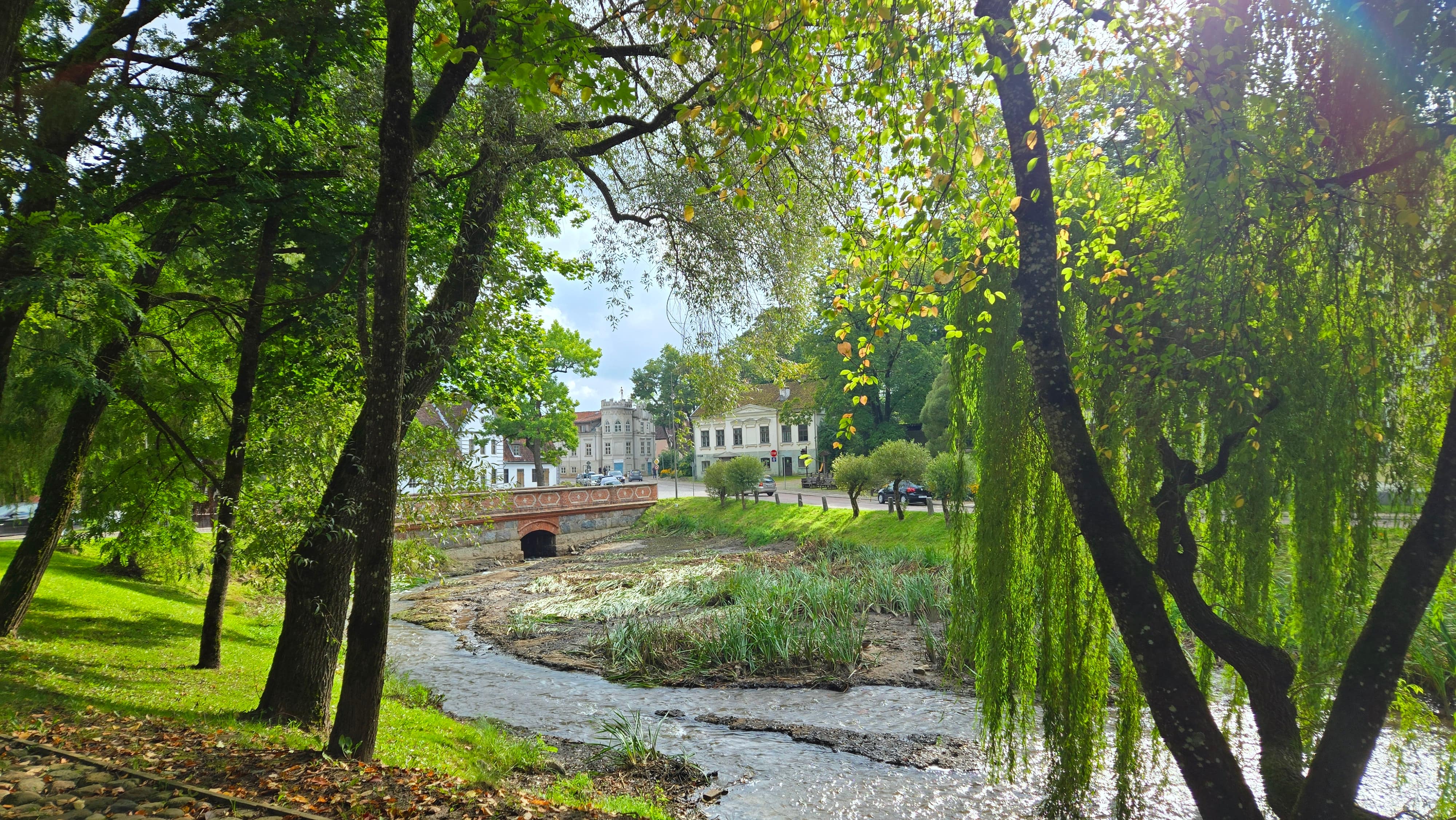
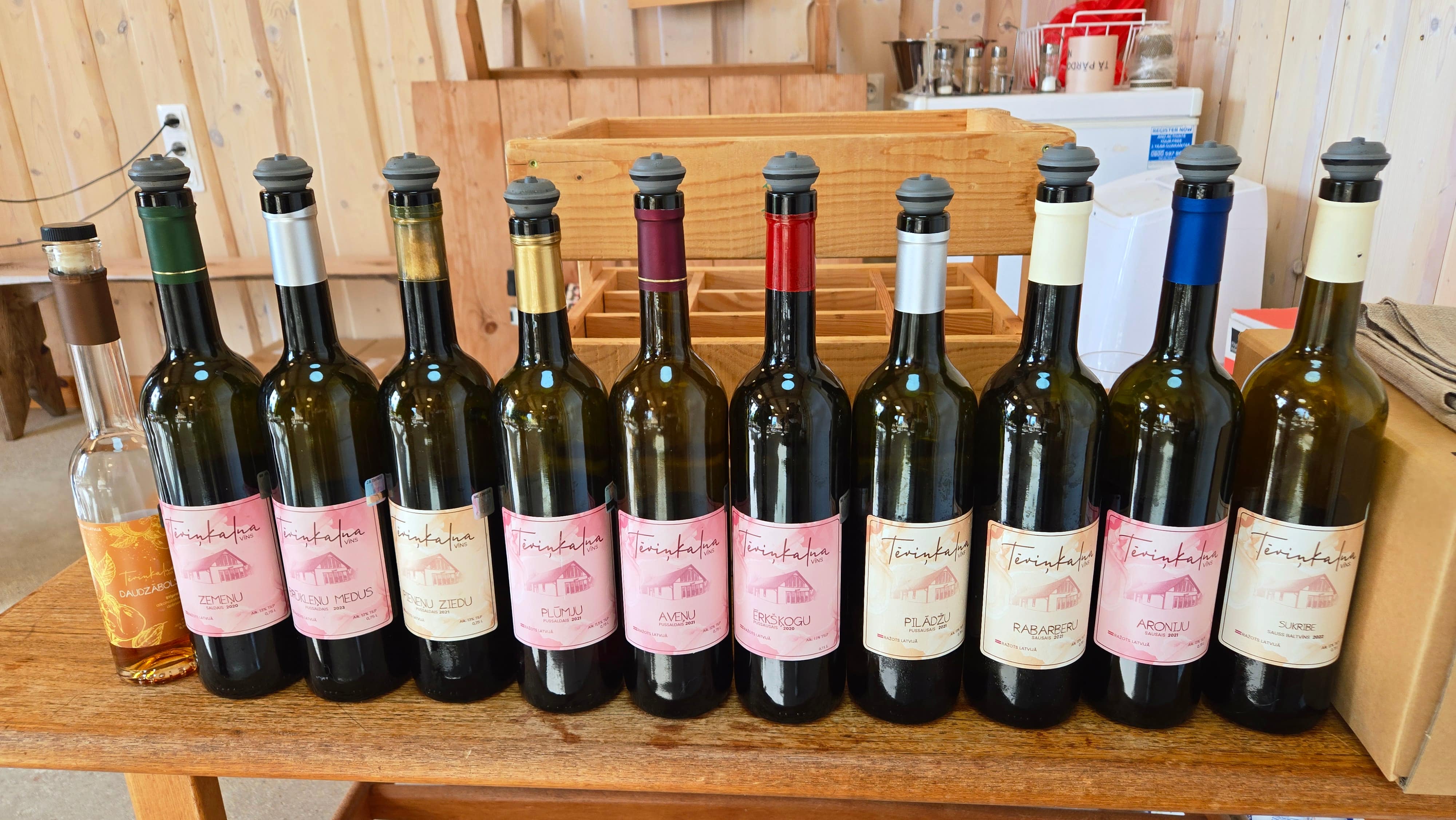
Travel to Karosta, Liepāja’s former military district, and walk an easy circular trail through forest, along the Baltic coast and beside the Fortress Canal, passing Redan fortification and other military structures. Continue to Kuldīga, walk through its historic centre and see Venta Rapid. Take a tour and tasting at a local winery, then drive approximately 3 hours 30 minutes to Riga.
Meals: Breakfast
Day 5
Walk through Riga’s history • Enjoy free time in the city
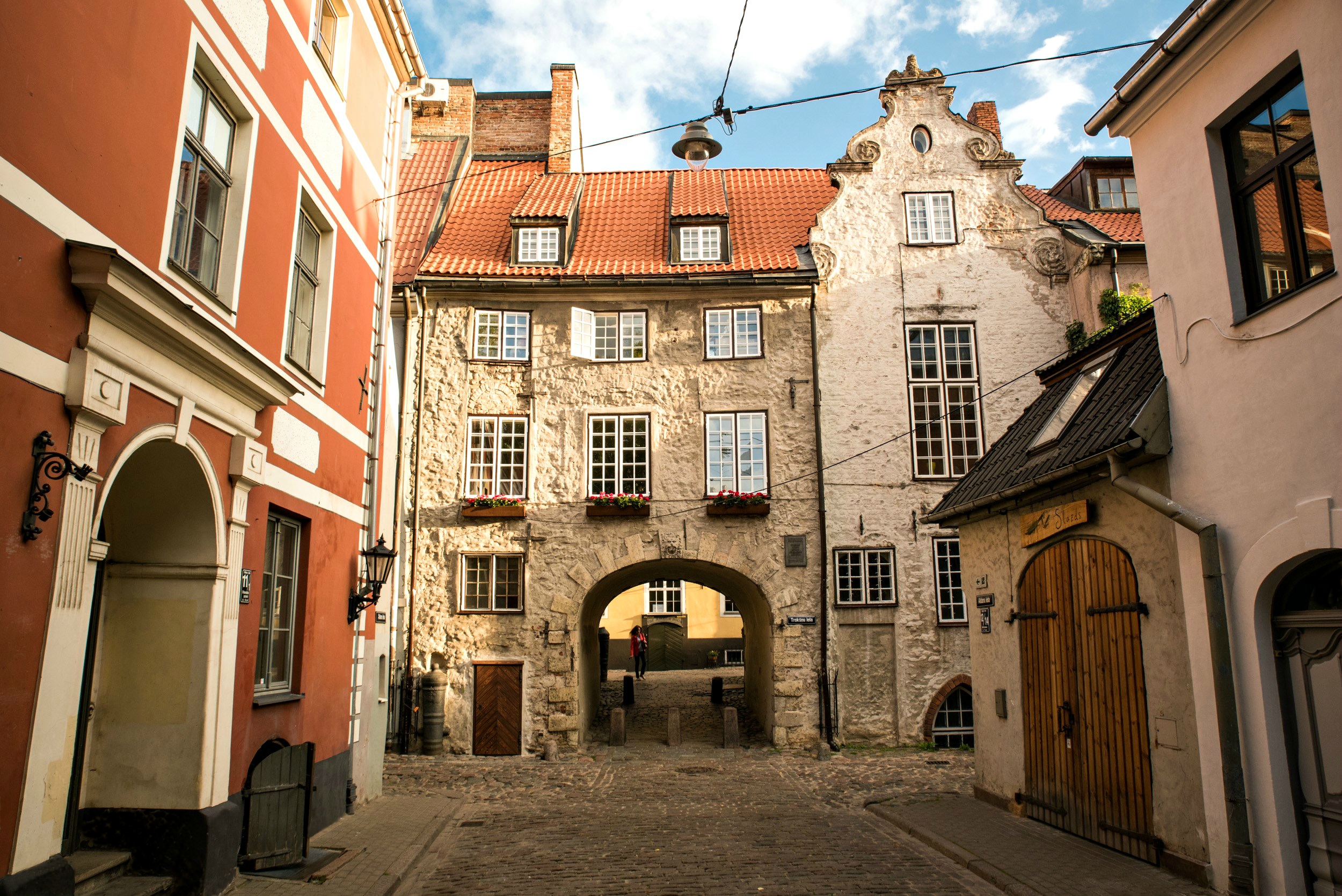
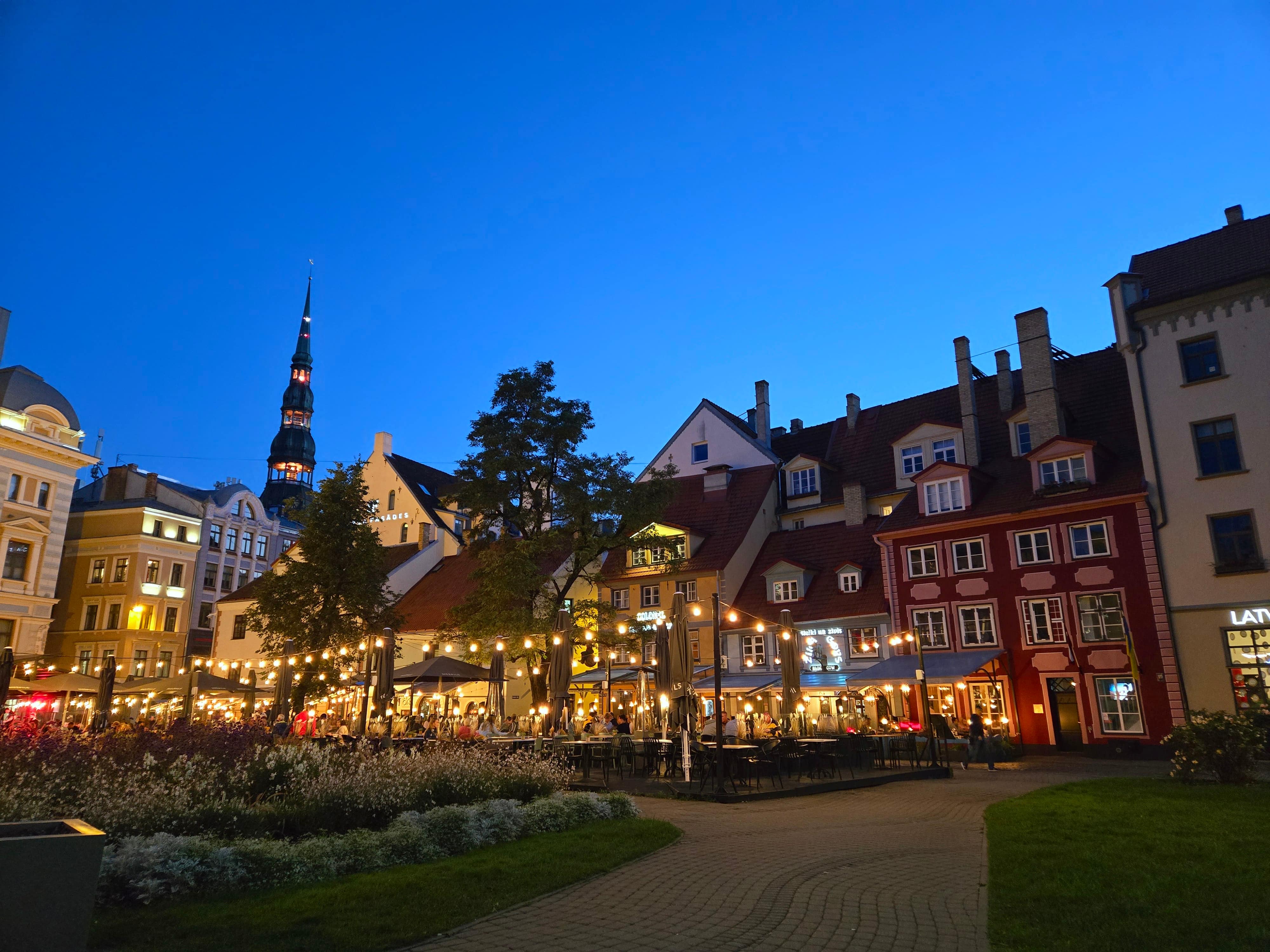
Take a walking tour of Riga, seeing Riga Castle, Dome Cathedral, St Peter’s Church, the Great and Small Guild Halls, the remaining fortifications, Swedish Gate, Parliament building and Freedom Monument. The rest of the day is free to explore the city.
Meals: Breakfast
Day 6
Walk Saulkrasti’s coastal trails • Travel to Saaremaa Island
Travel from Riga to Saulkrasti for a coastal walk from the White Dune to the town, along sandy paths and wooden boardwalks through seaside forest. The planned walk is approximately 6km and takes two hours; depending on weather and the tour leader’s assessment, it may be extended by a further 6km along the beach. Cross into Estonia and stop in Pärnu for free time for lunch. Take a ferry to Muhu, then drive across the causeway to Saaremaa and continue to Kuressaare.
Meals: Breakfast
Day 7
Hike Harilaid Peninsula • See Kiipsaare Lighthouse
Transfer to Harilaid Peninsula in Vilsandi National Park for a circular coastal hike past wind-shaped trees, sandy beaches, dunes and pebbled shores. Look out for seabirds and, with luck, seals. See Kiipsaare Lighthouse from the shore, then complete the circuit and return to Kuressaare.
Meals: Breakfast
Day 8
Walk Hiiumaa’s Sääretirp cape • Visit Kõpu Lighthouse • Continue to Tallinn
Take the 1-hour-15-minute ferry from Saaremaa to Hiiumaa, then transfer by bus to Sääretirp on the Kassari Peninsula. Walk easy, mostly flat countryside and coastal paths to the pebbled shoreline; water shoes are suggested if you would like to swim. Visit Kõpu Lighthouse, then continue by bus and ferry to Tallinn. Total drive time is approximately four hours, excluding ferry crossings and waiting times.
Meals: Breakfast
Day 9
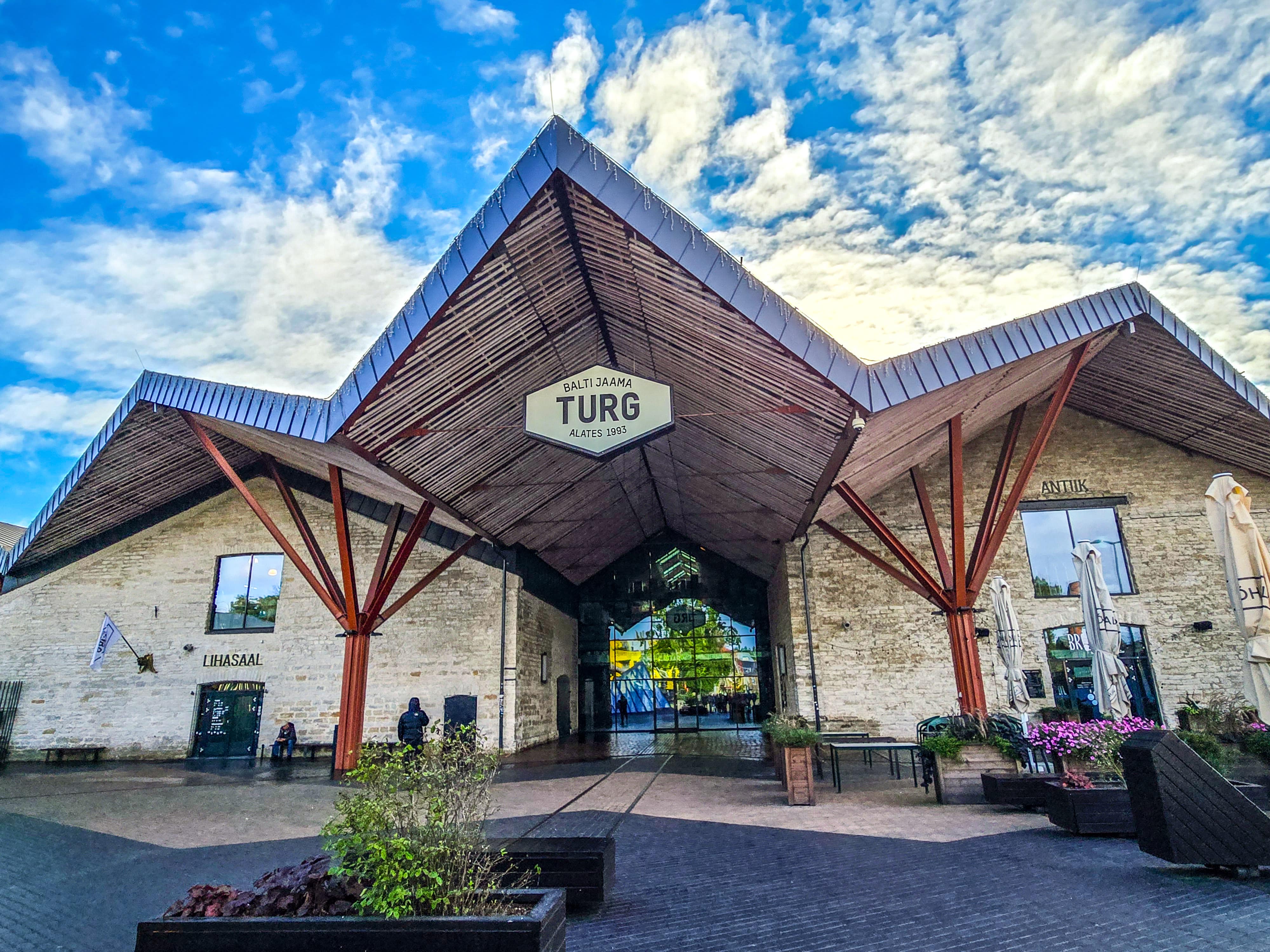
Walking tour of Tallinn, visiting Kalamaja district and Balti Jaama market
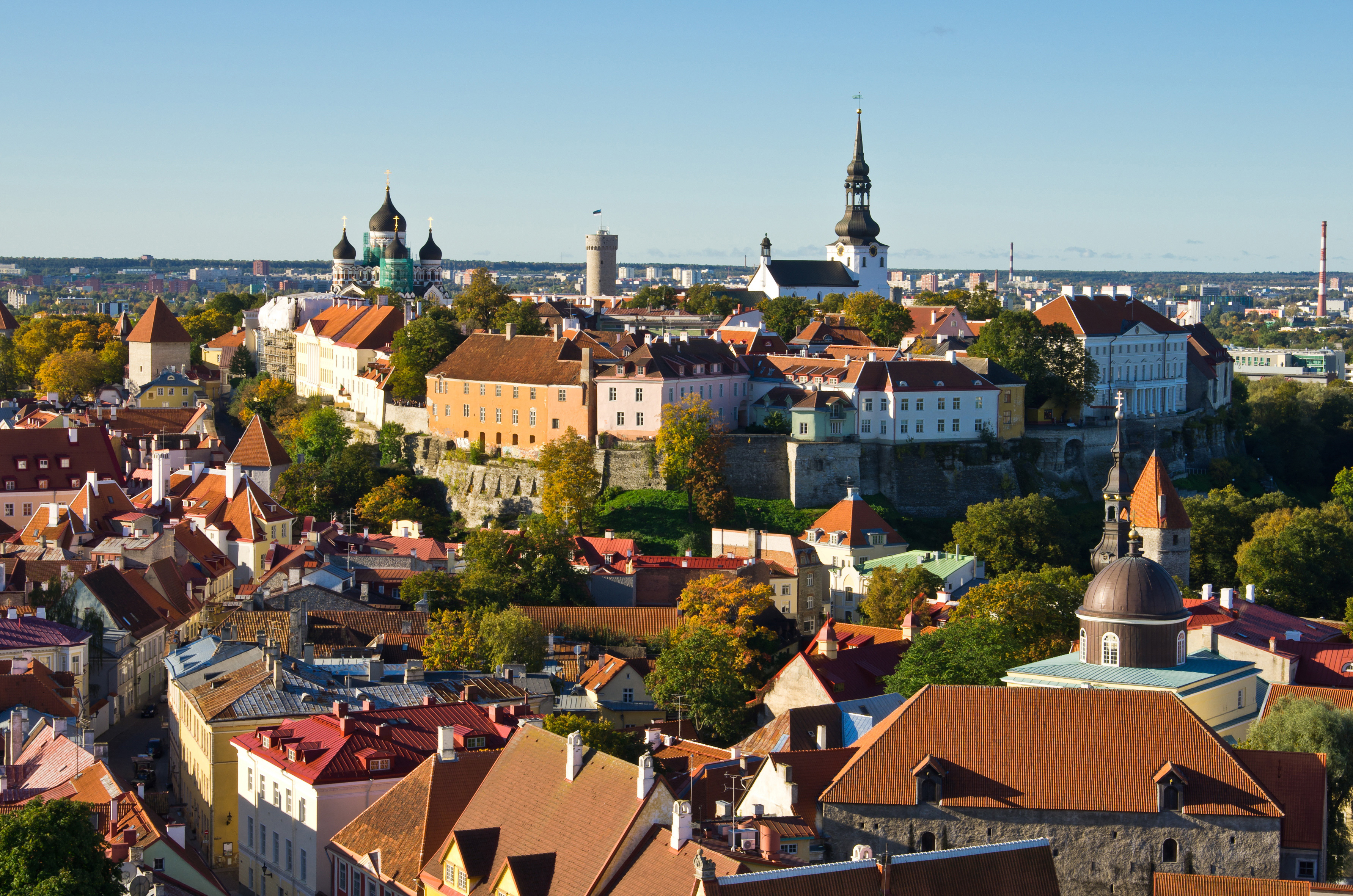
Take a walking tour of Tallinn’s medieval centre, including Toompea Palace and Castle, Town Hall Square and Alexander Nevsky Cathedral. Continue through Kalamaja, known for its colourful wooden houses and fishing-port heritage, and visit Balti Jaama market, where local products are available. There is free time for lunch; optional places to visit include Fotografiska Tallinn and Kadriorg Palace and Park.
Meals: Breakfast
Day 10
To Helsinki • Walk in Sipoonkorpi National Park • Tour Porvoo • Return to Helsinki
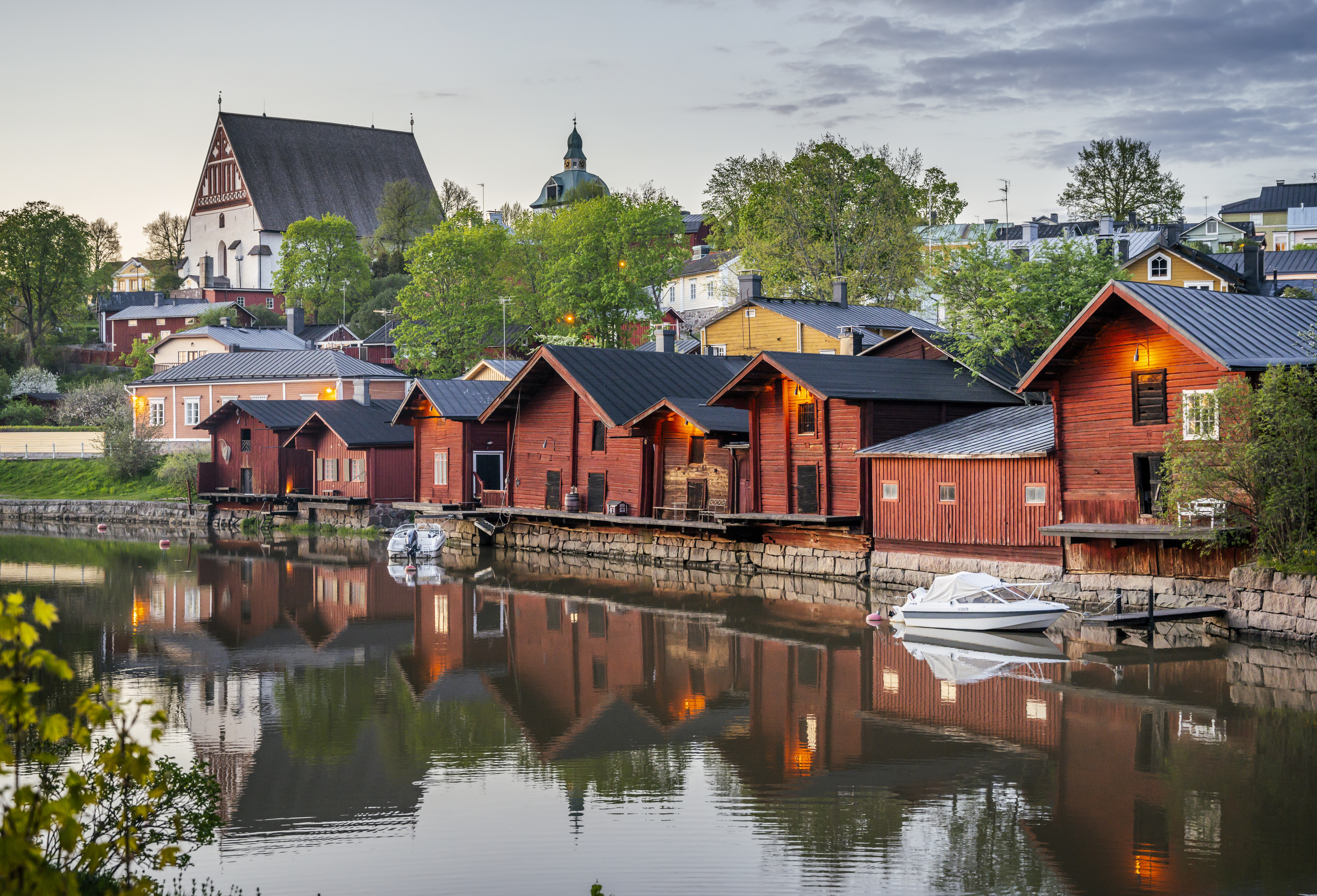
Transfer approximately 15 minutes to the ferry and cross the Baltic Sea to Helsinki (approximately 2 hours 10 minutes). Continue approximately one hour to Sipoonkorpi National Park and walk the circular Fiskträsk trail past lakes, canyons, Ice Age rock formations and primeval forest, with the possibility of extending the walk. Transfer approximately 30km (45 minutes) to Porvoo for a walk through the city, then travel approximately 60km (one hour) to Helsinki.
Meals: Breakfast
Day 11
Tour of the Finnish capital • Free afternoon
Take a sightseeing tour using public transport (ticket included), passing Helsinki’s harbours, Mannerheim Street, Parliament Building, Finlandia Hall, Market Square, Sibelius Monument, Rock Church and Oodi Library. The afternoon is free. Optionally, visit Suomenlinna Fortress by ferry from Market Square and explore its museums, historic buildings, parks and views.
Meals: Breakfast
Day 12
Adventure ends in Helsinki
After breakfast, check out of the hotel and begin your return journey. Speak to your sales representative if you would like to extend your stay in Helsinki.
Meals: Breakfast
What’s included
What’s not included
Additional information
Food
There will be buffet breakfasts in the hotels offering plenty of choice including cold meats, cheese, eggs, bread, jams, juice and coffee.
Lunches will be a mixture of picnics bought from local shops and cafe stops.
Dinners will be taken in the hotel restaurants or in local restaurants and will be hearty meals. Cuisine in this area is often centred around pork, veal, fish, potatoes, sauerkraut, and soups such as borsch (beetroot soup). Dumplings are also popular and, in Trakai, large and delicious savoury pastries called kibinai are traditionally served.
Vilnius Welcome Dinner
Meet your tour leader and fellow travellers at a hosted welcome dinner in Vilnius. Share a meal while getting to know the group and hearing about the walks, islands and historic cities that feature in this journey through the Baltics and Finland.
This gathering offers an introduction to Lithuania’s capital and a chance to settle into the rhythm of a small-group walking holiday. It is the tour’s included dinner, rather than an additional meal to arrange independently.
Trakai Island Castle View
See Trakai Island Castle rising from Lake Galve, its red-brick towers and walls reflected in the surrounding water. This is a visit to admire the castle and its lakeside setting; entry to the building is not specified as part of the tour.
Built as a stronghold of the Grand Duchy of Lithuania and subsequently restored, the castle remains one of the country’s most recognisable historic sights. Its island position gives it a striking contrast with the lake and wooded shores.
Žemaitija National Park Walk & Cold War Museum
Walk through Žemaitija National Park to Plokštine, where a former Soviet missile base now houses the Cold War Museum. Explore its underground spaces and learn how this concealed military site fitted into the wider Cold War.
The contrast between peaceful parkland and subterranean bunkers makes the visit particularly revealing. Exhibits place the base within the history of the Baltic region, giving context to a landscape that once served a very different purpose.
Suomenlinna Fortress Independent Visit
Explore Suomenlinna Fortress independently as an optional visit from Helsinki. A ferry from Market Square is the usual way to reach the islands, where you can walk among fortifications, historic buildings and parks while enjoying views across the water.
This UNESCO World Heritage site preserves a major chapter of Baltic military history. Museums and other attractions offer further ways to explore at your own pace. This experience is at additional cost and bookable on tour; ferry travel and any admissions are not included.
Vilnius Historic Centre Tour
Explore Vilnius on a guided tour of its historic centre, taking in the old town’s churches, Gates of Dawn, Vilnius University and Cathedral Square. The route introduces the landmarks that have shaped Lithuania’s capital across centuries of religious and civic life.
Vilnius is known for its extensive Baroque architecture, visible among the old town’s winding streets and varied church facades. The university, founded in 1579, adds another layer to a city whose buildings reflect its long history as a cultural crossroads.
Karosta Coastal & Military Heritage Walk
Follow an easy circular walk through Karosta, Liepaja’s former military district. Forest paths, Baltic shoreline and the Fortress Canal frame views of the Redan fortification, other remnants of the tsarist fortress and later Soviet military structures.
Karosta’s layers of military history remain visible in its built landscape, while the golden domes of St Nicholas Naval Cathedral rise above the surrounding streets. The walk pairs coastal scenery with a close look at how successive armies reshaped this part of Latvia.
Riga Historic Walking Tour
Walk through Riga with a guide to see Riga Castle, Dome Cathedral and St Peter’s Church, alongside the Great and Small Guild Halls. The surviving Swedish Gate and sections of fortification reveal the city’s defensive past.
The route also takes in Latvia’s Parliament building and the Freedom Monument, whose figure holds three stars representing the country’s historic regions. Together, Riga’s civic, religious and merchant landmarks tell the story of a Baltic capital shaped by trade and changing rule.
Saulkrasti White Dune Coastal Walk
Walk from the White Dune at Saulkrasti towards town on sandy paths and wooden boardwalks. Seaside forest, old pines and openings towards the beach bring the Baltic Sea coastline into view along the approximately 3.7mi (6km) planned route.
The walk usually takes around two hours and offers an accessible introduction to Latvia’s coastal landscape. If weather and your tour leader’s assessment allow, there may be an opportunity to extend it by a further 3.7mi (6km) along the beach.
Harilaid Peninsula Hike & Kiipsaare Lighthouse
Hike a circular coastal route on Harilaid Peninsula in Vilsandi National Park, passing wind-shaped trees, dunes, sandy beaches and pebbled shores. Watch for seabirds and, with luck, seals while following the island’s exposed western coast.
The route brings Kiipsaare Lighthouse into view from the shore. Built inland, the tower now stands in the sea as the coastline has shifted around it; unstable ground has also given it a changing lean. The lighthouse is admired from a distance.
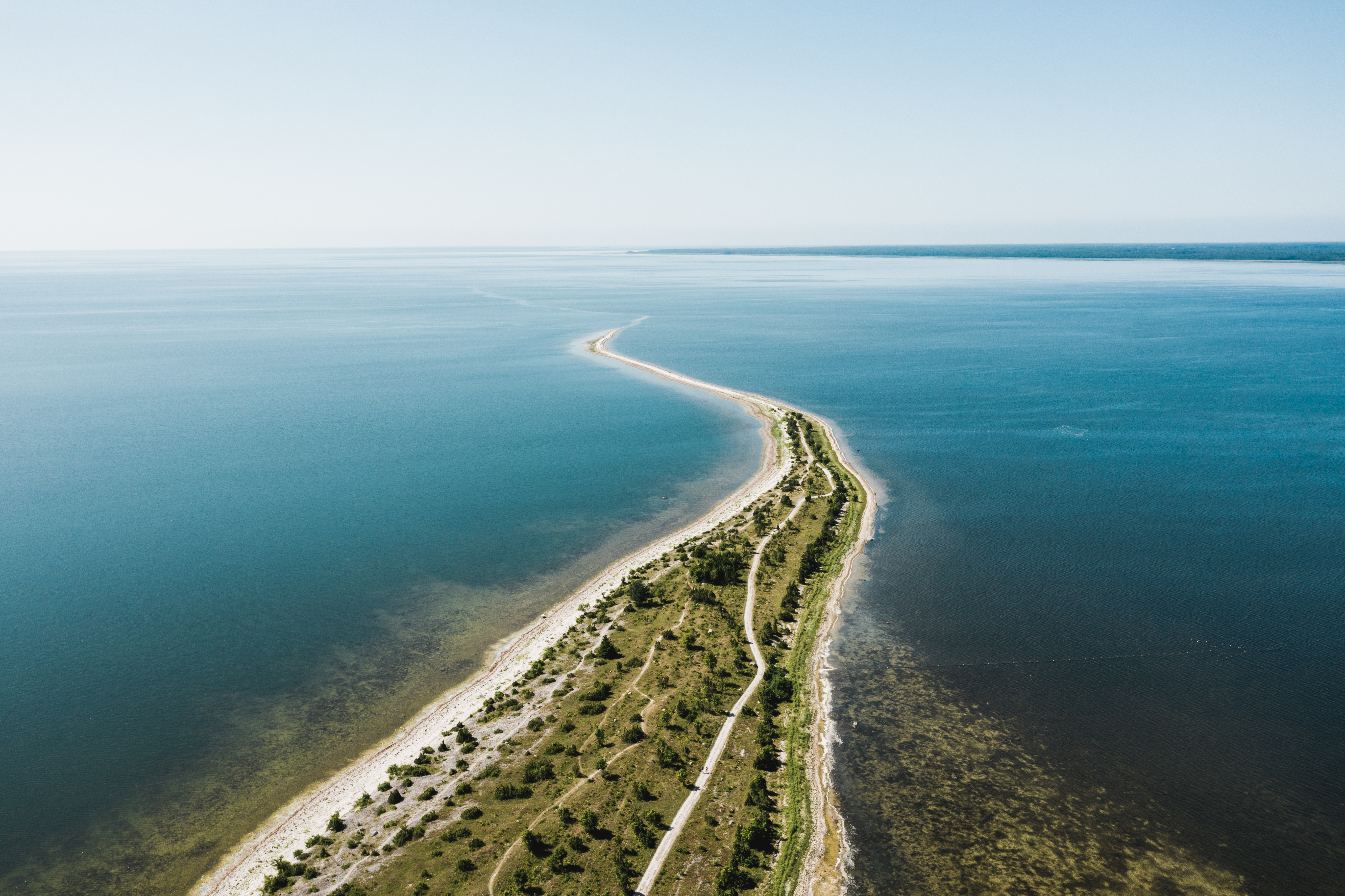
Hiiumaa Sääretirp Cape Walk
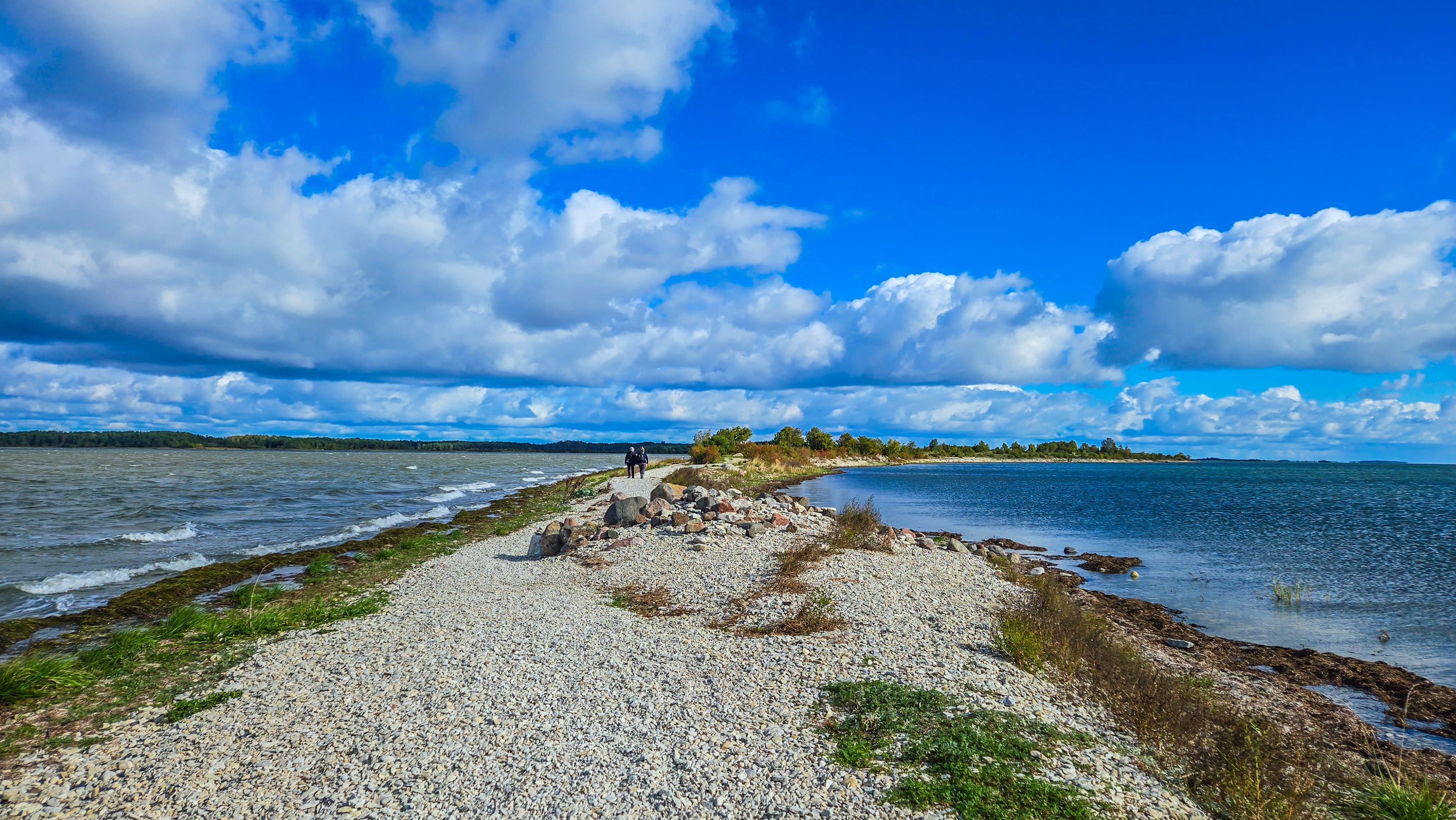
Walk the Sääretirp trail on Hiiumaa’s Kassari Peninsula, following mostly flat countryside and coastal paths towards a narrow cape reaching into the sea. Trees and shrubs give way to a pebbled shoreline, with sea kale flowering white beside the water in season.
The slender landform creates an unusually open sense of sea and sky. This is an easy-paced chance to experience Hiiumaa’s quieter coastal scenery; travellers who would like to swim can bring water shoes for the stony shore.
Kõpu Lighthouse Visit
Visit Kõpu Lighthouse on Estonia’s Hiiumaa island, where its broad white tower rises above the surrounding forest. See a landmark that has guided mariners navigating the waters off the island for centuries.
Among the world’s oldest working lighthouses, Kõpu began serving as a daytime navigation marker by 1531. Its purpose was to warn ships away from dangerous shallows, making this visit a window into the Baltic Sea’s long history of trade and seafaring.
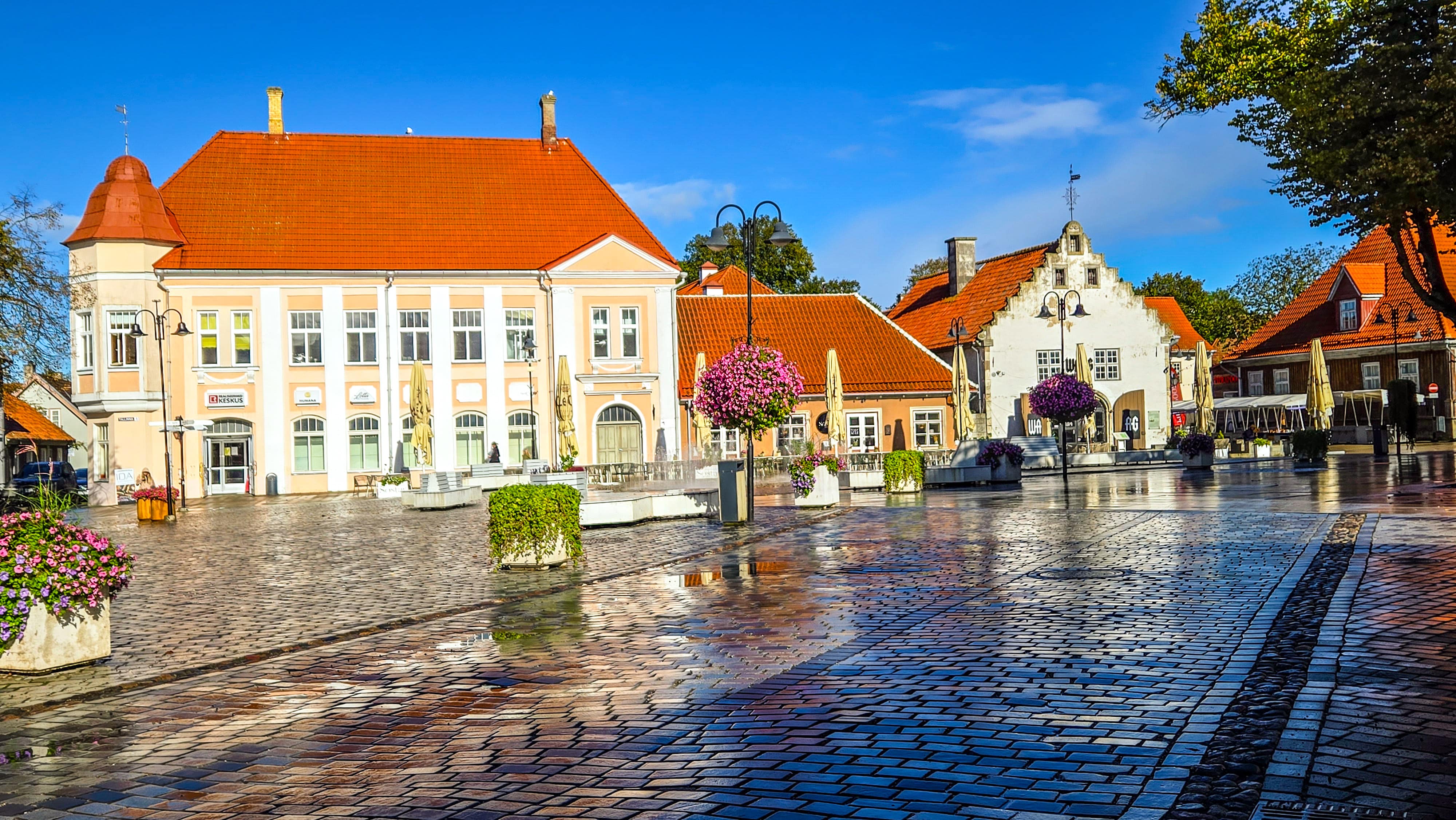
Tallinn Old Town, Kalamaja & Balti Jaama Market
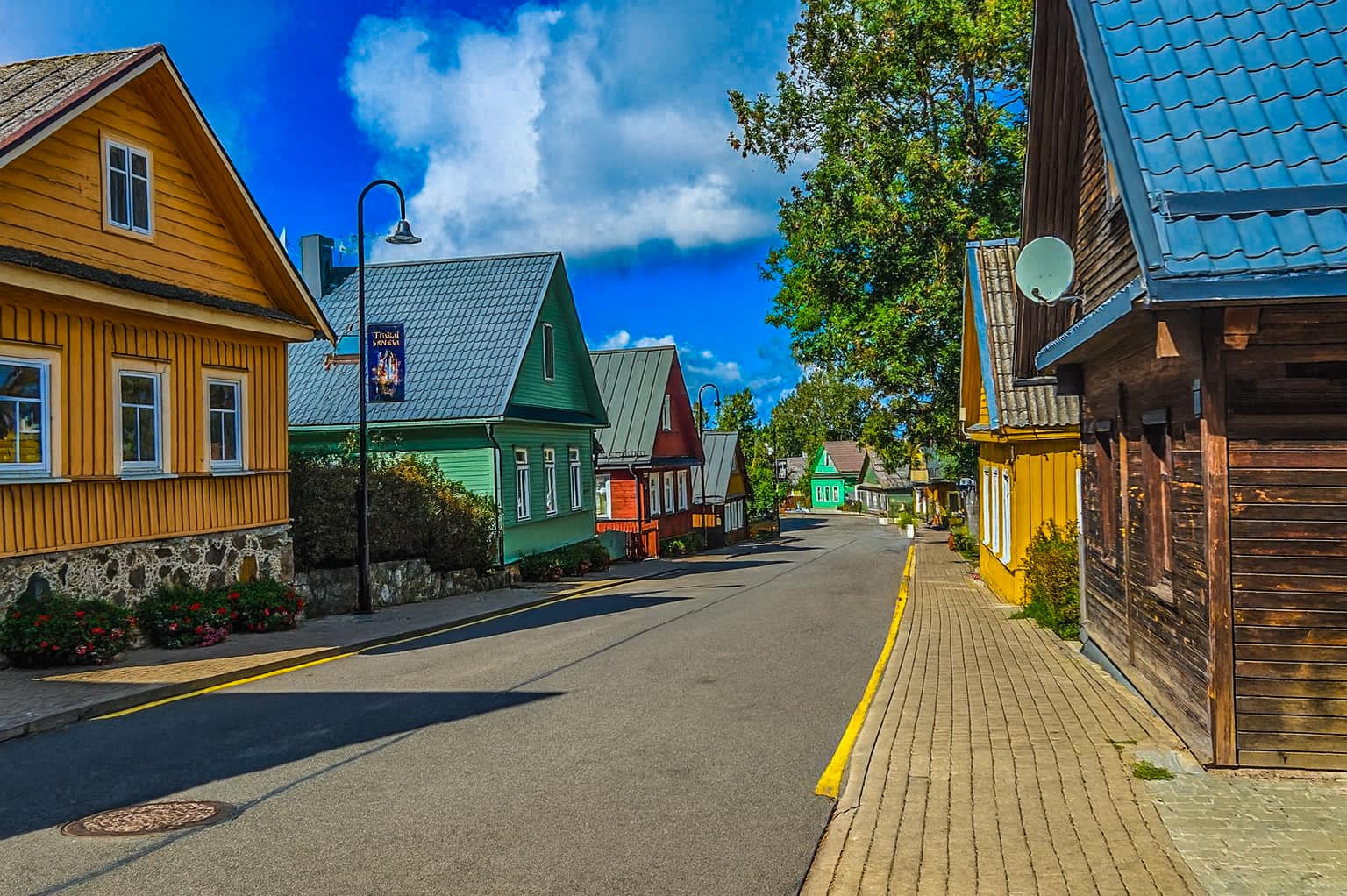
Explore Tallinn on a guided walking tour of its medieval old town, including Town Hall Square, Toompea Castle and the Alexander Nevsky Cathedral. Continue through Kalamaja’s colourful wooden-house streets to Balti Jaama Market, where local products offer a glimpse of contemporary Estonian life.
Walls, towers and winding lanes preserve much of Tallinn’s medieval atmosphere. Kalamaja’s fishing-port heritage provides a different perspective, while the market brings the walk into an everyday gathering place for food and local goods.
Sipoonkorpi National Park Fiskträsk Trail
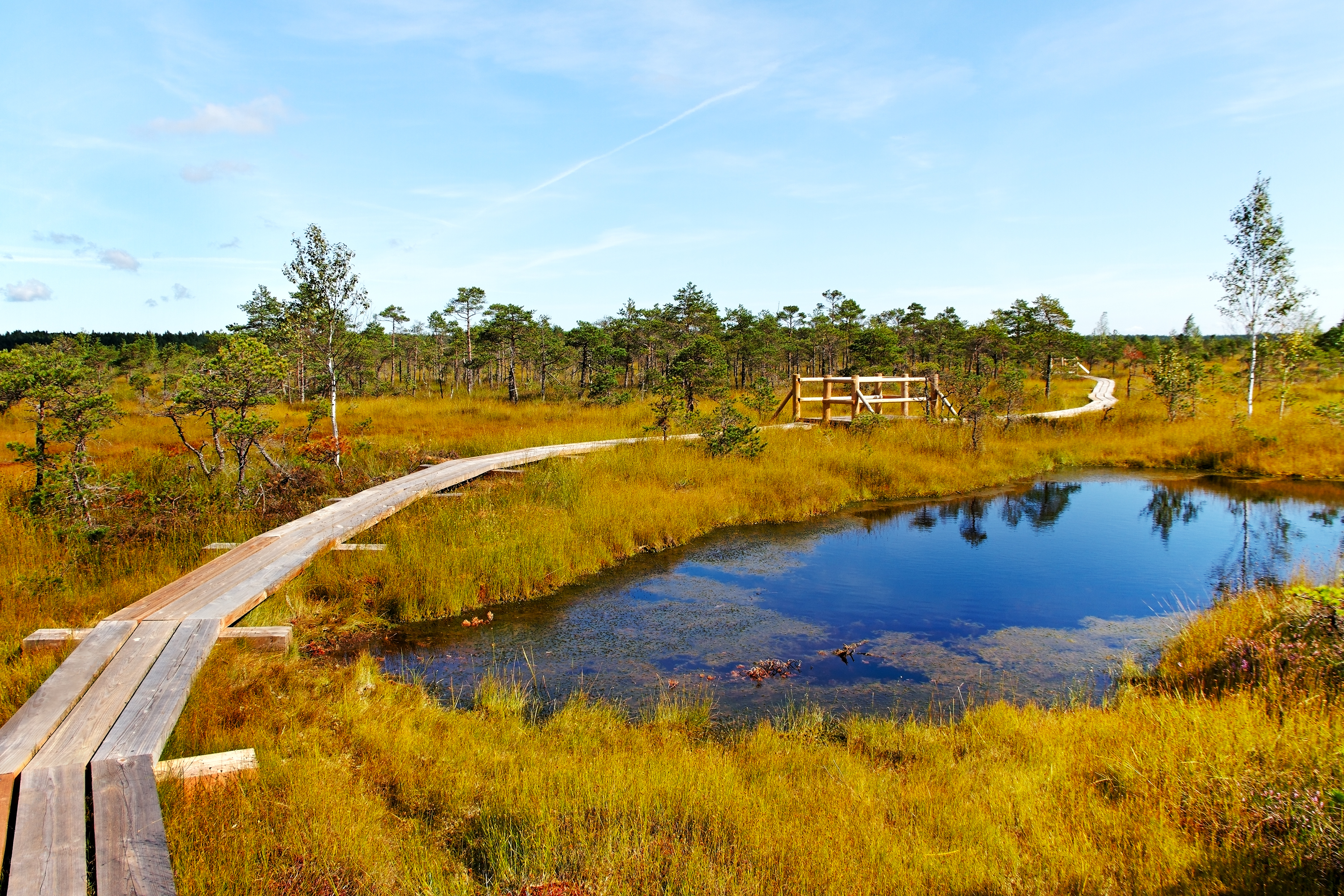
Walk the Fiskträsk circular trail in Sipoonkorpi National Park, near Helsinki. The route passes forest, canyons and Ice Age-shaped rock formations, including a stretch through dense old woodland.
Sipoonkorpi brings classic Finnish scenery within reach of the capital: lakes, rugged crags and green forest define the park. The walk focuses on these varied natural features, with a possible trail extension depending on the group and conditions.
Porvoo Historic Town Walk
Walk through historic Porvoo, one of Finland’s oldest towns, and experience its streets on foot. The visit offers time to notice the scale and character of a place with a long civic history outside the bustle of Helsinki.
Porvoo’s old town is known for its traditional wooden buildings and riverside setting. Exploring at walking pace brings its preserved streetscape into focus and adds a small-town contrast to the journey’s capital-city tours.
Helsinki City Sightseeing Tour
Discover Finland’s capital on a sightseeing tour using included public transport. Travel past the harbours and along Mannerheim Street, taking in the Parliament Building, Finlandia Hall, Market Square, the Sibelius Monument, the Rock Church and Oodi Library.
The route shows different expressions of Helsinki’s design heritage, from civic monuments to Oodi’s glass, steel and wood architecture. Harbour views and central public spaces give a feel for a city closely connected to the Baltic Sea.
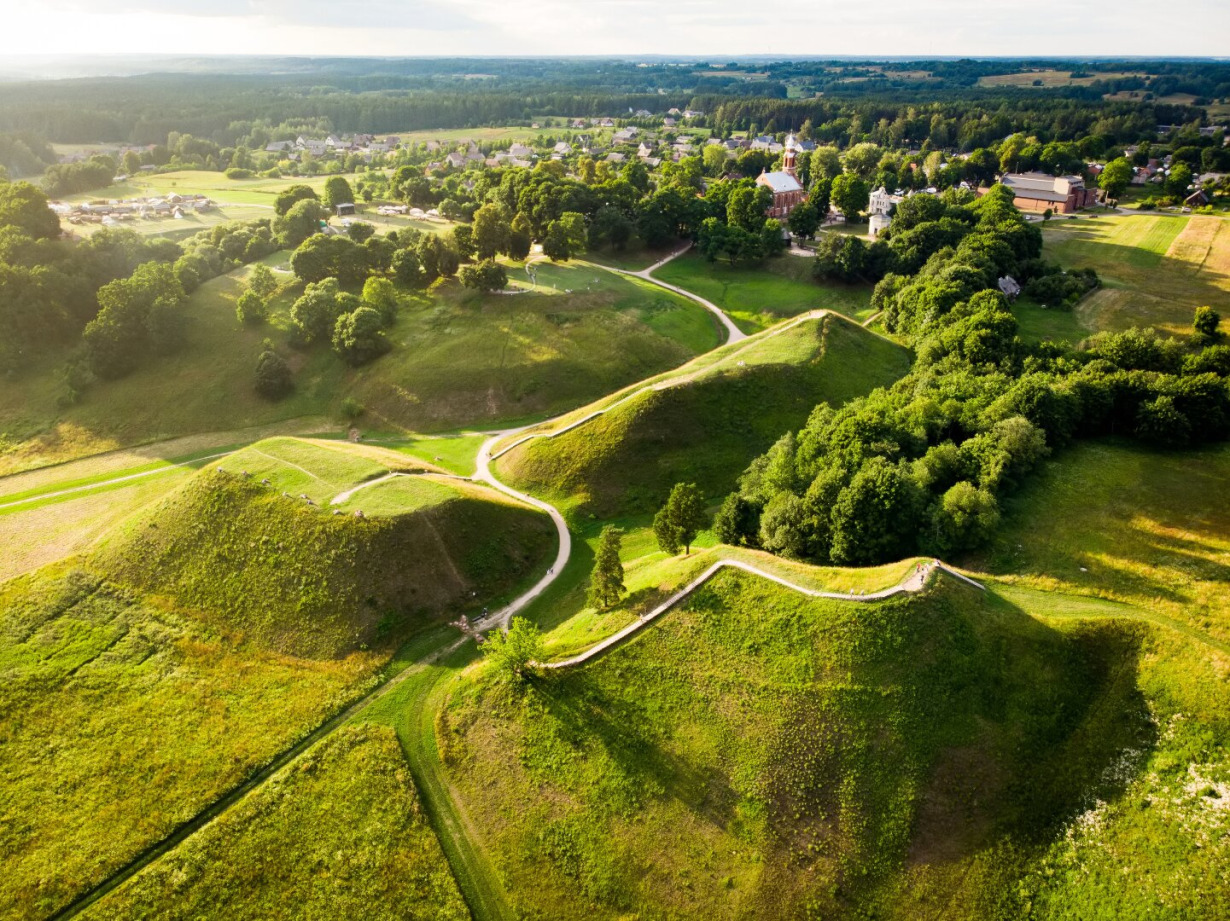
Kernave Hill Forts & Neris Regional Park Walk
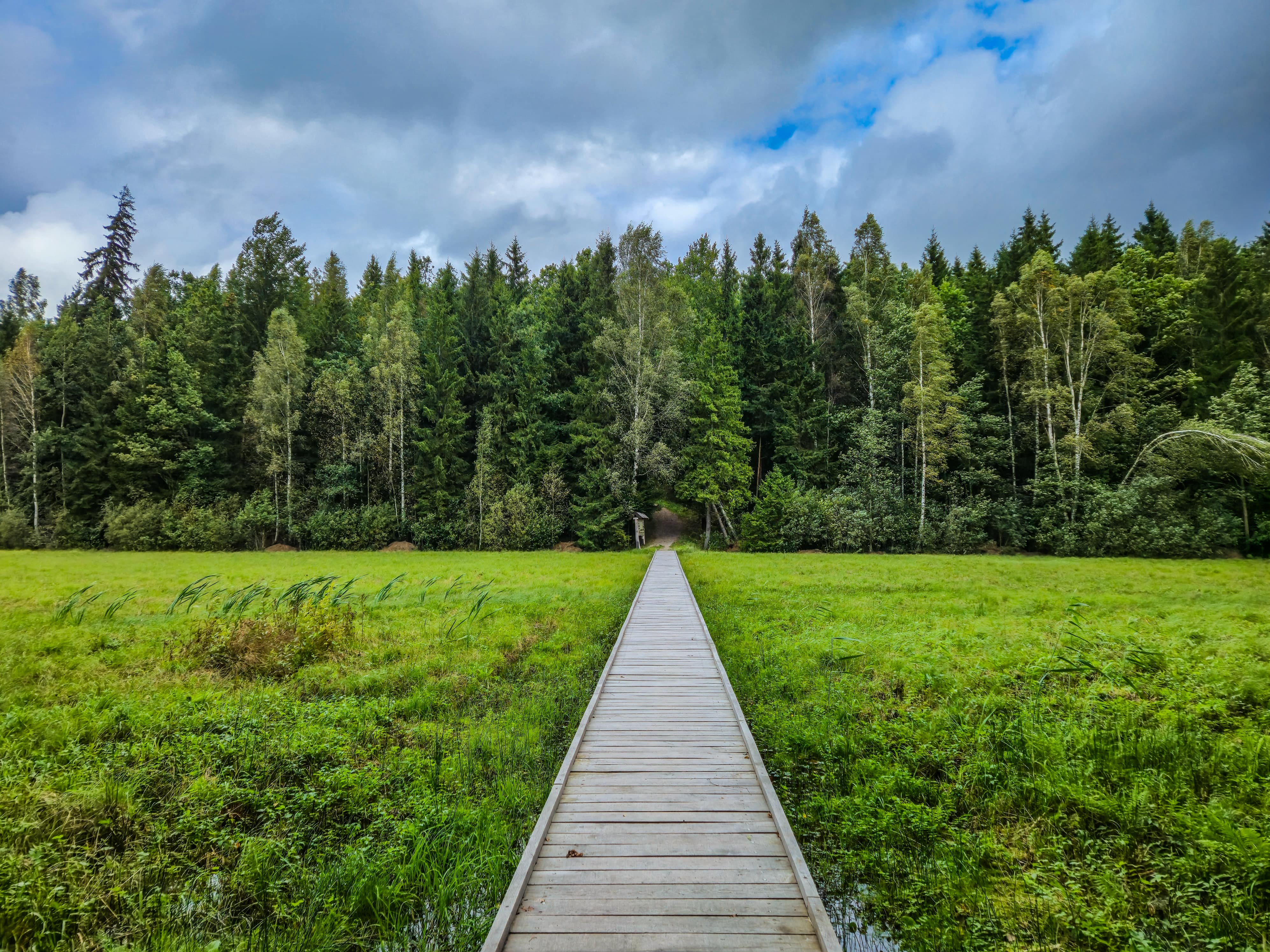
Discover Kernave’s five hill forts and walk the White Hill Educational Trail in Neris Regional Park. An observation platform opens up views of the winding Neris River, while the path leads through forest towards the historic earthworks.
Kernave was an important centre in medieval Lithuania, and its archaeological landscape is recognised by UNESCO. Walking between river viewpoints and wooded paths makes the relationship between the settlement and its natural setting especially clear.
Kuldiga Old Town & Venta Rapid
Walk through Kuldiga’s UNESCO-listed old town, where wooden buildings and a historic street plan preserve the character of a Latvian trading town. Visit Venta Rapid, celebrated as Europe’s widest waterfall, and take in the broad sweep of water across the river.
Rather than a towering drop, the rapid stretches across a remarkable width, giving it a distinctive profile. Kuldiga’s streets and riverside setting make this a visit focused equally on townscape and natural landmark.
Kuldiga Local Winery Tour & Tasting
Visit a local winery near Kuldiga for a tour and tasting. Hear about the producer’s approach and sample its wines in a setting that offers a different perspective on Latvian food and drink culture.
This hosted tasting adds a personal encounter to the visit to Kuldiga. It is an opportunity to learn directly from a local producer, ask questions and notice the flavours and methods behind the wines, rather than simply stopping for a drink.