Your itinerary
Day 1
Arrive in Kyoto
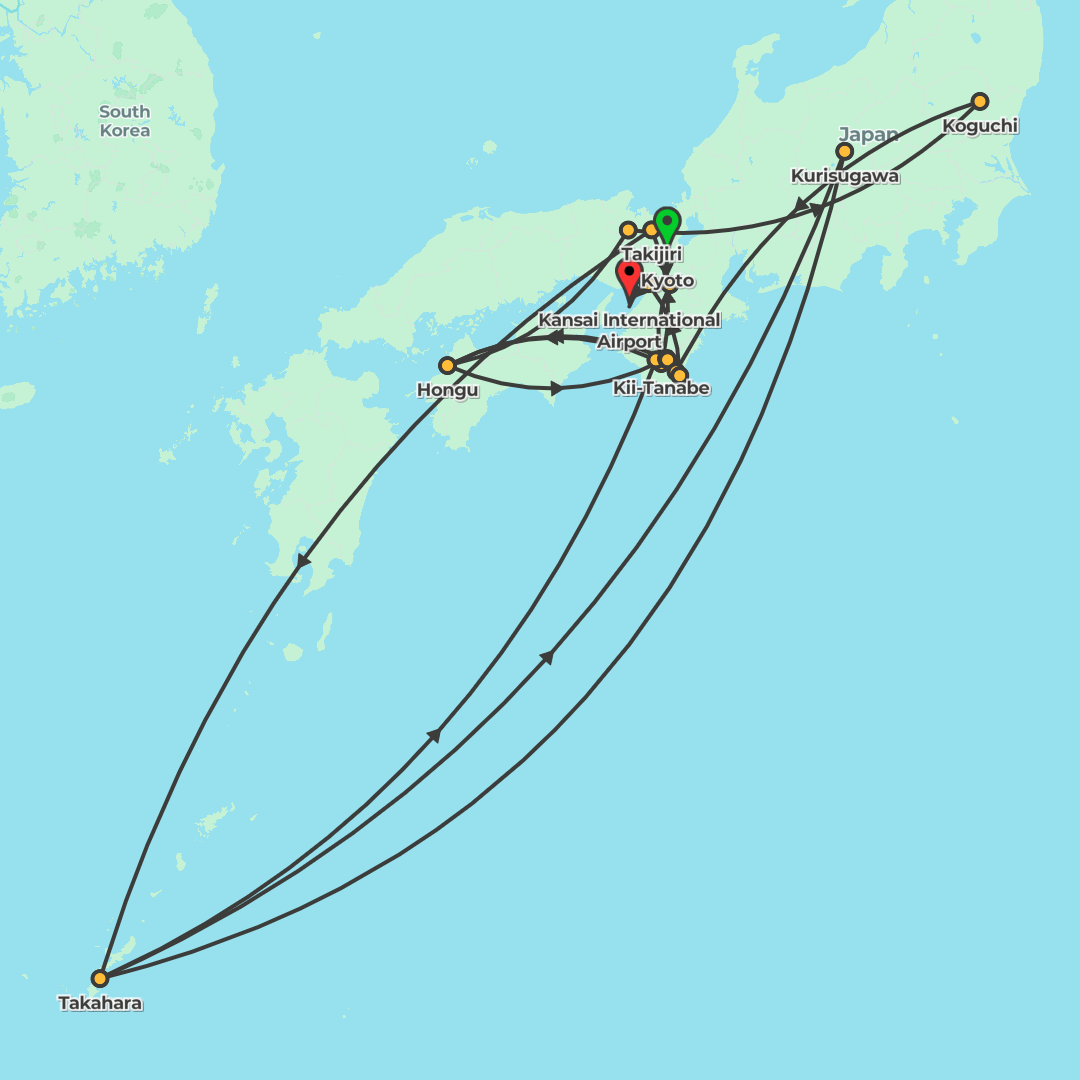
Take the express train from Osaka Kansai Int. Airport to Kyoto City (approx. 70mins), then a local taxi to your first hotel. (approx. 10mins).
Overnight Kyoto.
Day 2
Explore Kyoto
Enjoy a rest day in the incredible city of Kyoto, famous for its Buddhist temples, tranquil gardens, and traditional teahouses. We recommend visiting the historical city of Nara, full of cultural treasures and expansive parks, located approx. 1hr from Kyoto city on the train.
Overnight Kyoto.
Meals: Breakfast
Day 3
Takijiri to Takahara
Your day begins by taking the train to Kii-Tanabe (included) then the bus to Takijiri (paid locally – total travel time approx. 3hrs 30mins); this is the gateway to the historic Kumano Kodo Trail and the start of your walking journey. You’ll walk the Nakahechi portion of the Kumnao Kodo pilgrimage route, climbing steadily from Takijiri to the ridge-top village of Takahara.
Tonight, you’ll stay in a small, Japanese style hotel in the tiny village of Takahara or in a Japanese Minshuku in the nearby village of Kurisugawa.
Overnight Japanese-style hotel, Takahara or Minshuku Guesthouse, Kurisugawa.
Meals: Breakfast,Dinner
Day 4
Takahara to Chikatsuyu
After your traditional Japanese breakfast, leave your inn following the trail as it winds through small settlements and peaceful countryside. You’ll pass several Oji shrines before finally descending to the village of Chikatsuyu.
Overnight Minshuku Guesthouse, Chikatsuyu.
Meals: Breakfast,Dinner
Day 5
Chikatsuyu to Hongu
From Chikatsuyu, the trail continues through the mountains to Hongu. The trail passes through small villages and forest trails over the Kii Mountains to the Kumnao shrine at Hongu, one of the three ‘Grand Shines of Kumano’. At the heart of these sacred mountains, Kumano was said to be the entrance to the land of Yomi, the ‘other world’ which spirits travelled to in Japanese mythology. From the Kumano shrine at Hongu, a short bus ride brings you to Yunomine Onsen, one of the oldest natural hot-spring villages in Japan, or to Kawayu Onsen famous for the thermal water bubbling to the surface of the crystal-clear river. Enjoy a relaxing soak in a Japanese bath before or after your delicious dinner.
Overnight Ryokan (traditional Japanese inn), Yunomine Onsen.
Meals: Breakfast,Dinner
Day 6
Rest Day in Yunomine Onsen or walk to Dainichi-goe/Akagi-goe
A day at leisure in picturesque Yunomine Onsen or enjoy a walk on either the Dainichi-goe or Akagi-goe sections of the trail. From Yunomine Onsen you can visit the other nearby hot-spring villages of Watarase or Kawayu a couple of miles away.
Overnight Ryokan (traditional Japanese inn), Yunomine Onsen.
Meals: Breakfast,Dinner
Day 7
Along Nakahechi
Take time to explore the atmospheric village where you spent the night, before undertaking one of two possible hiking options; ascend the Kogumotorigoe path towards Koguchi or undertake another section close to Hongu, with excellent valley views. The first option begins with a short bus ride to Ukegawa on the banks of the Kumano River. From Ukegawa, you start on the Kogumotorigoe path, which heads up to the Kogumotorigoe Pass before descending to the remote village of Koguchi.
Overnight Ryokan (traditional Japanese inn), Koguchi.
Meals: Breakfast,Dinner
Day 8
Koguchi to Nachi-san
The final section of the trail takes you from Koguchi up to the Ogumotorigoe Pass with a glimpse of the Pacific Ocean. It then descends to Nachi-san, the location of Nachi Taisha Grand Shrine, one of the three Grand Shrines of Kumano and Nachi-taki waterfall. Stay overnight either in the small village of Nachi-san close to the shrine or take a local bus for the twenty-minute ride to the port town of Kii-Katsuura with wonderful views over the island-studded bay.
Overnight Japanese-style hotel, Kii Katsuura or Minshuku Guesthouse, Nachi-san.
Meals: Breakfast,Dinner
Day 9
Kii-Katsuura and onwards by train to Osaka
Kii-Katsuura is an active fishing port and has a lively early-morning fish market. Enjoy the views out over the island-studded bay. There are intriguing backstreets and a traditional covered shopping arcade to explore, too. It is also possible to visit Hayatama Shrine, one of the three grand Shrines of Kumano. Take the train to Osaka, winding around the Kii Peninsula (approx. 4hrs – included), then a local taxi to your hotel (approx. 10mins).
Overnight Hotel Monterey Grasmere, Osaka.
Meals: Breakfast
Day 10
Rest Day in Osaka
Known as the food capital of western Japan, Osaka gets its title in part from the fantastic Dotonbori area in the south of the city. Countless restaurants line the Dotonbori-gawa River offering dinner with views. The city is home to Osaka-jo – a symbolic castle, re-built to its grand size after repeated fires.
We recommend visiting the grand Sumiyoshi Shrine, an easy 10-minute ride on the Nankai railway from Namba station. The shrine grounds have beautiful nature such as sacred trees over a thousand years old, and the main shrine buildings feature the ancient Sumiyoshi-zukuri style of architecture which pre-dates the arrival of Buddhism to Japan.
Overnight Osaka.
Meals: Breakfast
Day 11
Depart Osaka
Enjoy breakfast at your hotel before taking the train from Osaka Namba Nankai station to Osaka Kansai Int. Airport (approx. 35mins).
Meals: Breakfast
What’s included
What’s not included
Additional information
Scenic Rail to the Kii Peninsula: Kyoto to Kii-Tanabe
On day 3, leave urban Kansai behind as you ride JR trains south to the Kii Peninsula, bound for the trailhead at Kii-Tanabe. Watch cityscapes give way to terraced hills, citrus orchards, and glimpses of the Kumano Nada coast. This relaxed journey sets the rhythm for the pilgrimage ahead, with time to settle into the day’s calm.
At Kii-Tanabe, transfer by local bus to Takijiri, gateway to the Kumano Kodo. If time allows, pause for orientation at the nearby information center to understand the routes and ancient rituals. The ride itself is part of the story: a gentle transition from commuter bustle to cedar-clad mountains, where legends and landscape begin to merge.
Takijiri-oji Gateway & Nakahechi Trail to Takahara
Arriving at Takijiri on day 3, join a self-guided hike from the revered Takijiri-oji, where pilgrims traditionally purified themselves before entering the sacred mountains. The trail climbs steadily through cedar and cypress forest, past small wayside altars, to the ridge-top village of Takahara.
Known as “Kiri-no-Sato” (Village in the Mist), Takahara faces sweeping folds of the Kii Mountains, with occasional clear-day views toward the Pacific. Along the path, pause for photos and reflection at quiet oji sub-shrines that once guided imperial pilgrims in the Heian period. Settle into your Japanese-style inn, where futons, tatami, and a warm meal close a day shaped by slope, birdsong, and incense.
Nakahechi Ridge Walk: Takahara to Chikatsuyu
On day 4, follow the Nakahechi trail as it ribbons through small settlements and terraced fields toward Chikatsuyu. You’ll pass several oji shrines and the evocative Gyuba-doji statue, depicting a pilgrim-emperor riding a cow and horse—an emblem of perseverance on these mountain paths.
The walk mixes gentle ridgelines with shaded forest and wayside jizo statues wrapped in red bibs. As you descend to Chikatsuyu beside a clear river, the rhythm of village life returns: vegetable plots, tea hedges, and steaming pots in family kitchens. Evenings here are simple and restorative—shared meals, slippers on tatami, and a sense of continuity with centuries of travelers who paused at the same hearths.
Chikatsuyu to Hongu: Pilgrimage to Kumano Hongu Taisha
Day 5 carries you deeper through the Kii Mountains on a rewarding stage to Kumano Hongu Taisha, spiritual heart of the pilgrimage. Forested paths open onto valleys and farms before you step beneath the towering Oyunohara torii, a landmark that signals arrival at sacred ground.
Here, shrines, stone lanterns, and scented cypress shingles tell stories of devotion and renewal—Kumano was once seen as a threshold to the other world of Yomi. After time to pause for photos and reflection, a short bus brings you to Yunomine or Kawayu Onsen. The contrast is gentle and welcome: incense and bells yield to steam and mineral water, and dinner celebrates local mountain produce.
Yunomine Onsen Soak & Village Evening
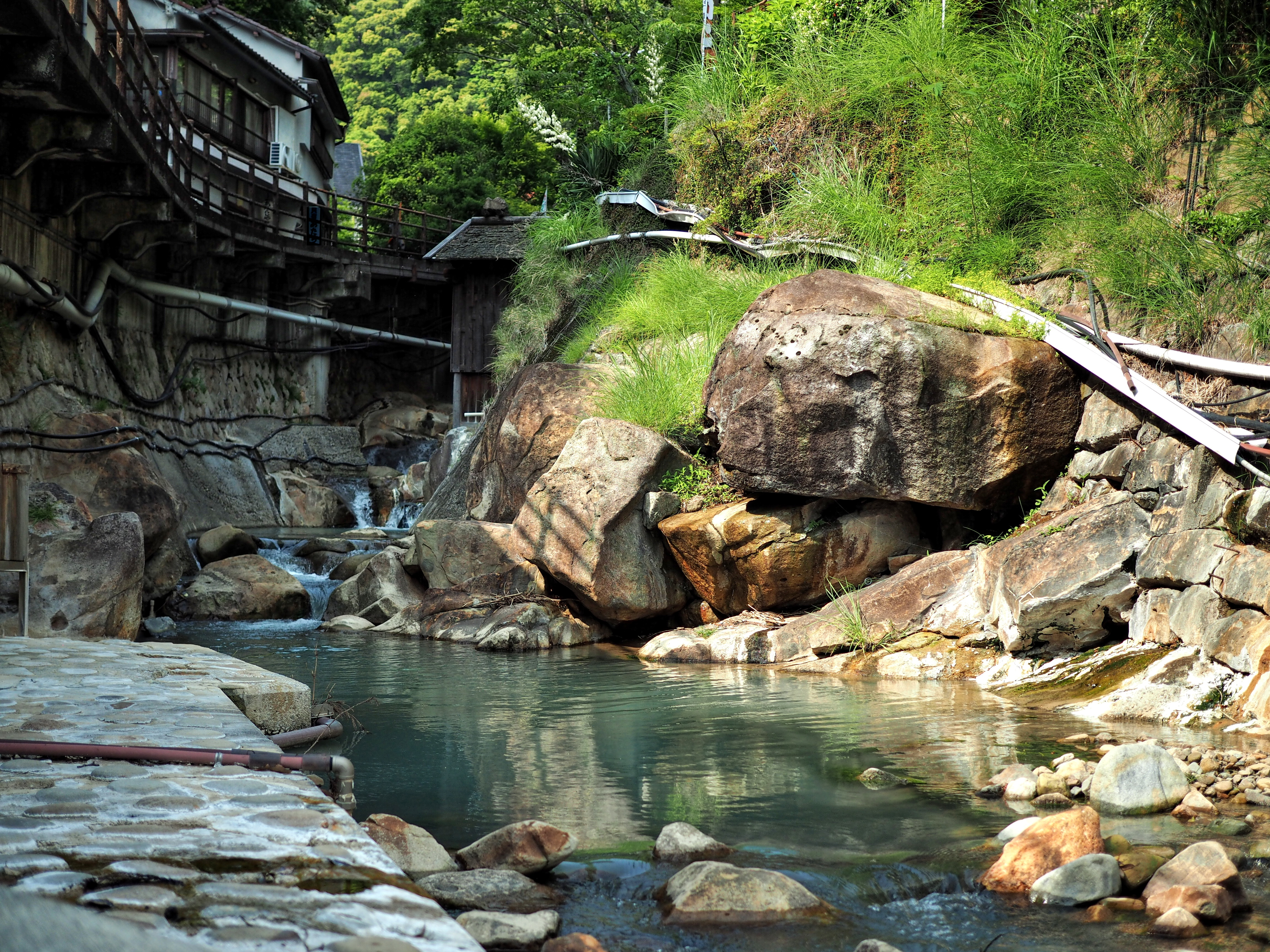
On the evening of day 5 and throughout day 6, settle into the pilgrim tradition of soaking in mineral-rich waters at Yunomine Onsen, one of Japan’s oldest hot-spring villages. Wooden bathhouses, curling steam, and the gentle scent of hinoki create a slow, contemplative mood.
This is where pilgrims historically performed purification rites; today you can bathe at Tsuboyu, a tiny riverside hot spring famed for its shifting hues, and even boil eggs in the communal spring cauldron for a simple treat. Evenings bring exquisitely prepared kaiseki-style dinners and quiet streets lit by lantern glow—an immersion in restorative customs that make the Kumano journey as much about renewal as distance.
Yunomine Free Day with Dainichi-goe or Akagi-goe Hike Options
On day 6, enjoy a free day to rest in the hot-spring village or tackle short, rewarding hikes on the Dainichi-goe or Akagi-goe sections. Steep stone steps thread through cedar forest, linking Yunomine with Hongu-area valleys and offering excellent viewpoints across the river basin.
These paths belong to the wider Kumano Kodo network, where weathered waymarkers and mossed roots speak to centuries of footfall. Choose an easy out-and-back or a more sustained climb; either way, you’ll return to the village with time to soak in the baths before dinner. The day balances effort and ease, letting you tune the pilgrimage to your pace and curiosity.
Kogumotorigoe: Ukegawa to Koguchi Ridge Walk
Day 7 begins with a short transfer to Ukegawa, where you set out on the Kogumotorigoe path toward Koguchi. Climbing steadily, the trail reaches the famed Hyakken-gura viewpoint, a balcony over layered blue ridgelines that roll toward the sea—a classic Kumano vista.
The descent to remote Koguchi passes hushed groves, trickling streams, and the occasional farmstead. Waymarkers and small jizo statues keep company, echoing the support once offered to imperial pilgrims. Evening brings a warm ryokan welcome and home-style regional cooking, a satisfying counterpoint to the day’s rhythm of switchbacks, birdsong, and mountain air.
Ogumotori-goe to Nachi-san: Shrine and Waterfall Finale
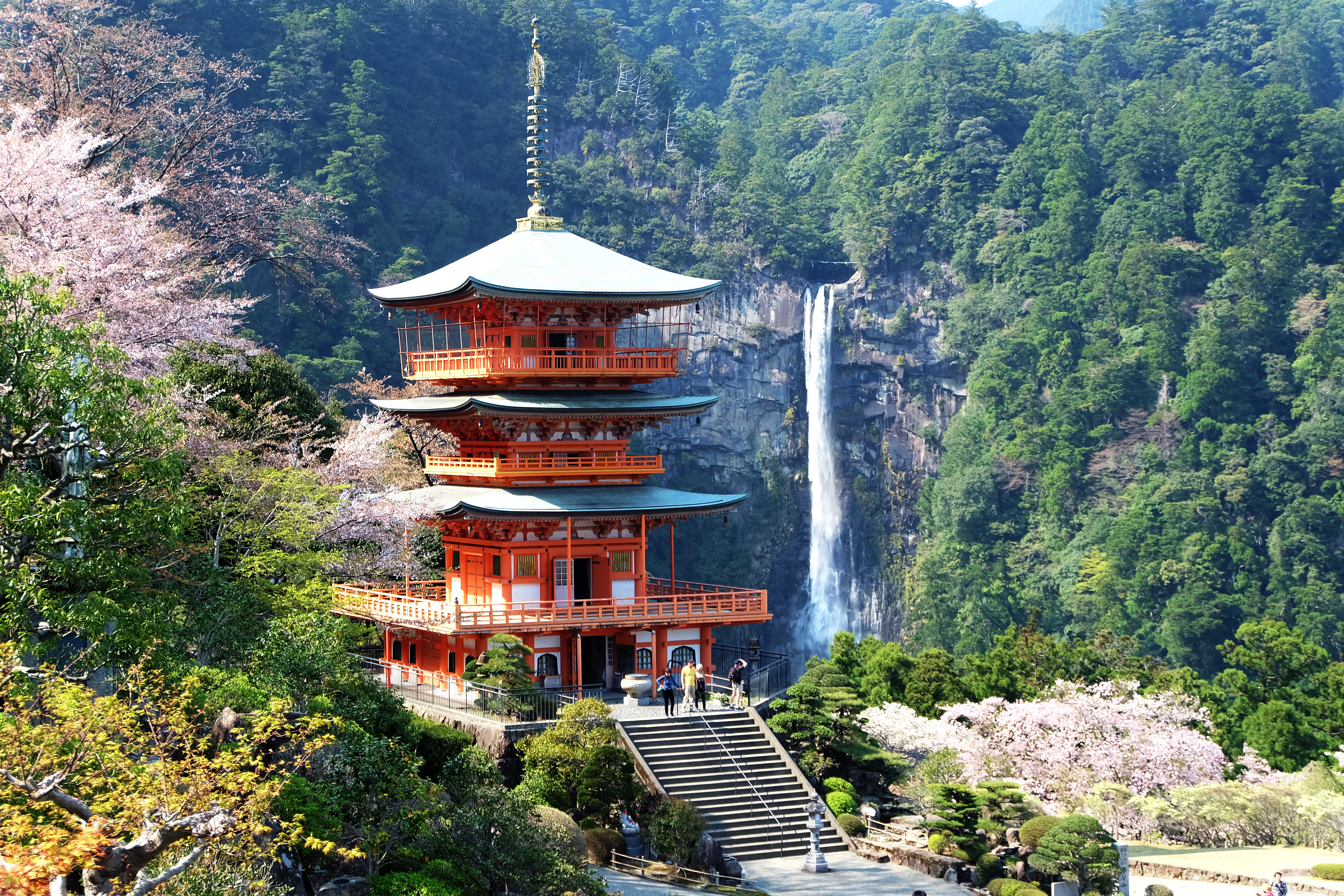
On day 8, tackle the Ogumotori-goe from Koguchi, a storied route cresting toward Nachi with occasional glimpses of the Pacific. As the path descends, cedar trunks grow taller, the air moistens, and the sound of water gathers you to Nachi Taisha Grand Shrine and the 133m Nachi-no-taki waterfall.
Alongside stands Seiganto-ji, a temple whose vermilion pagoda frames one of Japan’s emblematic views. This is the spiritual crescendo of the Kumano Sanzan, where mountain, faith, and fresh spray meet. Linger to pause for photos and reflection before settling in nearby Nachi-san or descending by bus to Kii-Katsuura’s harbor town for the night.
Kii-Katsuura Tuna Market & Harbor Stroll
Early on day 9, rise with the port as you visit Kii-Katsuura’s tuna market. Watch vessels unload the night’s catch and see auctioneers at work in Japan’s leading port for fresh tuna. The scene blends precision and ritual—chalked lots, quick bids, and a pride in quality honed over generations.
Afterwards, wander the backstreets and arcade, where fishmongers and grocers set out morning displays. The harbor’s island-dotted bay offers quiet viewpoints to pause for photos before the day’s rail journey. It’s a glimpse of coastal life that complements the mountains: salt air, gulls, and sturdy boats moored against the tides.
Coastal Rail Journey: Kii-Katsuura to Osaka
On day 9, board the JR line and trace the Kii Peninsula coast by train, a scenic ride that swings past rocky headlands, quiet beaches, and fishing towns. Between tunnels, windows open to the Kumano Nada, where white surf meets dark pines.
The miles unwind easily as the pilgrimage’s rhythms give way to Osaka’s skyline. This journey is a gentle coda: time to reflect on the trail, organize photos, and watch villages blur into suburbs. By mid to late afternoon you arrive in the city, ready to trade mountain hush for neon, food stalls, and river lights.
Osaka Free Day: Castle Park & Dotonbori Evenings
On day 10, explore Osaka at your own pace, beginning with Osaka Castle—its museum traces samurai power struggles, while the surrounding park offers seasonal blossoms and moat-side walks. The city’s energy builds as you move south toward the canals.
Come evening, stroll Dotonbori beneath glowing neon and the iconic Glico running man. Street stalls sizzle with takoyaki and okonomiyaki, and riverside terraces hum with conversation. It’s a flavorful, convivial close to your journey, balancing heritage with the culinary creativity that earned Osaka its reputation as Japan’s kitchen.
Kumano Hayatama Taisha Visit in Shingu
On day 9, time permitting, make a short detour to Shingu to visit Kumano Hayatama Taisha, one of the three Grand Shrines of Kumano. Admire its vivid halls, treasure hall artifacts, and the sacred nagi tree said to be centuries old—testimony to living faith at the mouth of the Kumano River.
The shrine complements Hongu and Nachi, completing the spiritual triangle of the pilgrimage. This add-on is at additional cost and bookable on tour via your local agent, who will assist with bus or train connections and timing so you can return for your onward rail to Osaka.
Kawayu Onsen Riverbank Hot Spring
During day 5 or day 6, choose a short hop to Kawayu Onsen, where thermal waters bubble up through a clear river. In cooler months, locals dig pools in the gravel—and in winter, the vast Sennin-buro bath is created—so you can soak beneath open sky as steam drifts across the current.
It’s an elemental contrast to the cedar paths: warm rock underfoot, cold river beyond, and the steady hush of flowing water. This optional visit is at additional cost and bookable on tour through your local agent, who can advise on bus times and etiquette so you can relish the experience before returning to Yunomine for dinner.
Kyoto Free Day: Temples, Gates & Teahouse Lanes
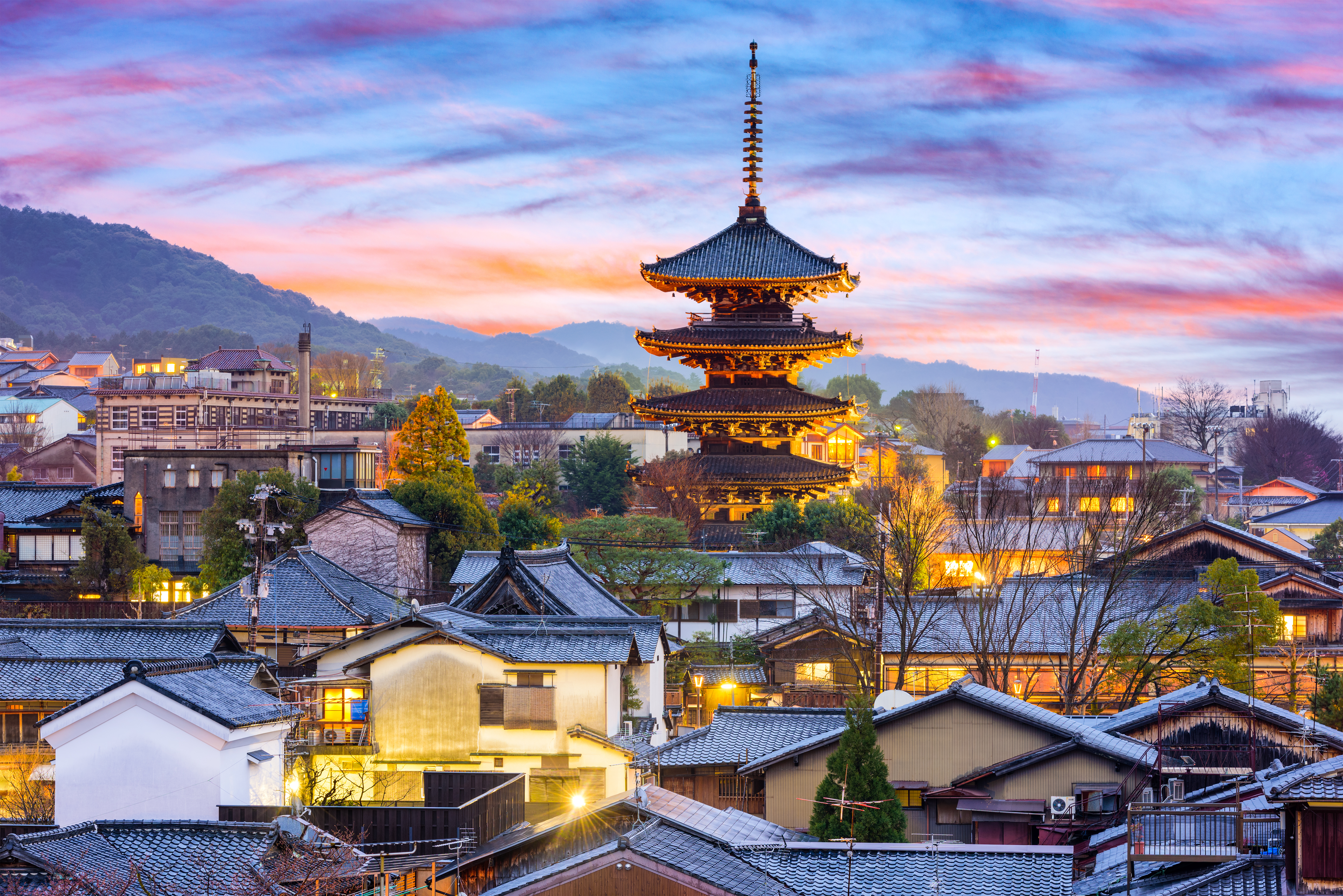
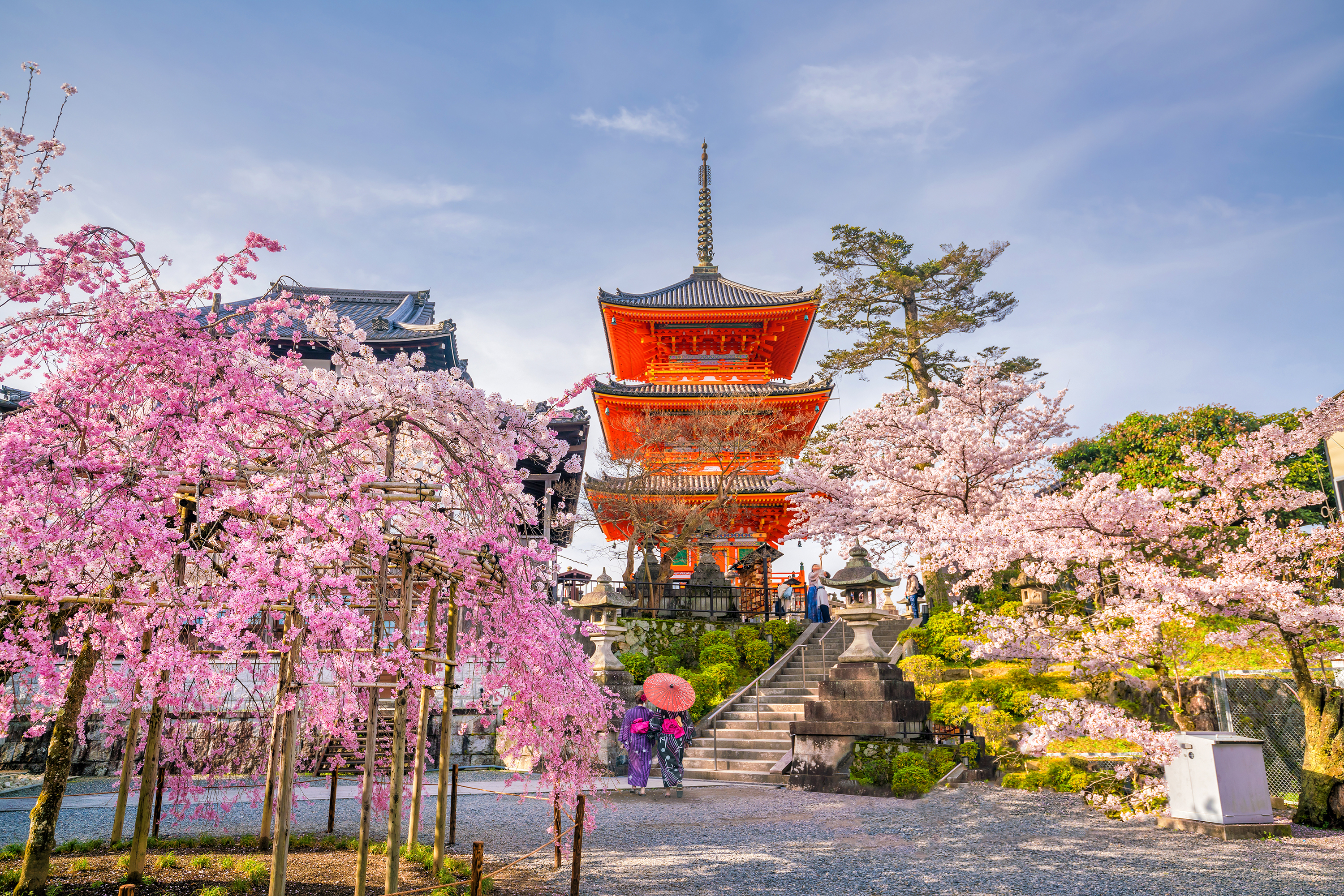
On day 2, enjoy a free day to explore Japan’s former imperial capital. Wander beneath the thousands of vermilion gates at Fushimi Inari Taisha, then climb to the veranda of Kiyomizu-dera for views over the city’s tiled rooftops. In the afternoon, stroll the lanes of Gion, where wooden machiya houses and discreet teahouses hint at traditions still practiced today.
Kyoto’s quiet streets reveal layers of history—from Heian-era court culture to modern craft studios. Pause at a neighborhood shrine, listen for temple bells, and sample seasonal sweets at a century-old confectioner. With time to enjoy a free afternoon, you can tailor the pace to your interests, balancing landmark visits with moments of calm in mossy gardens and riverside promenades.
Nara Day Trip: Todai-ji, Kasuga Taisha & Deer Park
On day 2, opt to ride the train to Nara, Japan’s 8th-century capital. Step inside Todai-ji to meet the colossal bronze Great Buddha, then wander lantern-lined paths to Kasuga Taisha, where vermilion corridors glow beneath old forest. In the park, semi-tame Sika deer thread between ponds and stone bridges.
Nara’s compact center makes an easy, enriching detour from Kyoto, revealing the courtly rituals that shaped early Japan. This experience is at additional cost and bookable on tour through your local agent, who can advise on train times and tickets. Return to Kyoto by evening, carrying a quieter register of temple bells and mossy greens.