Your itinerary
Day 1
DAY 1
Departure
Day 2
Arrival in Tashkent
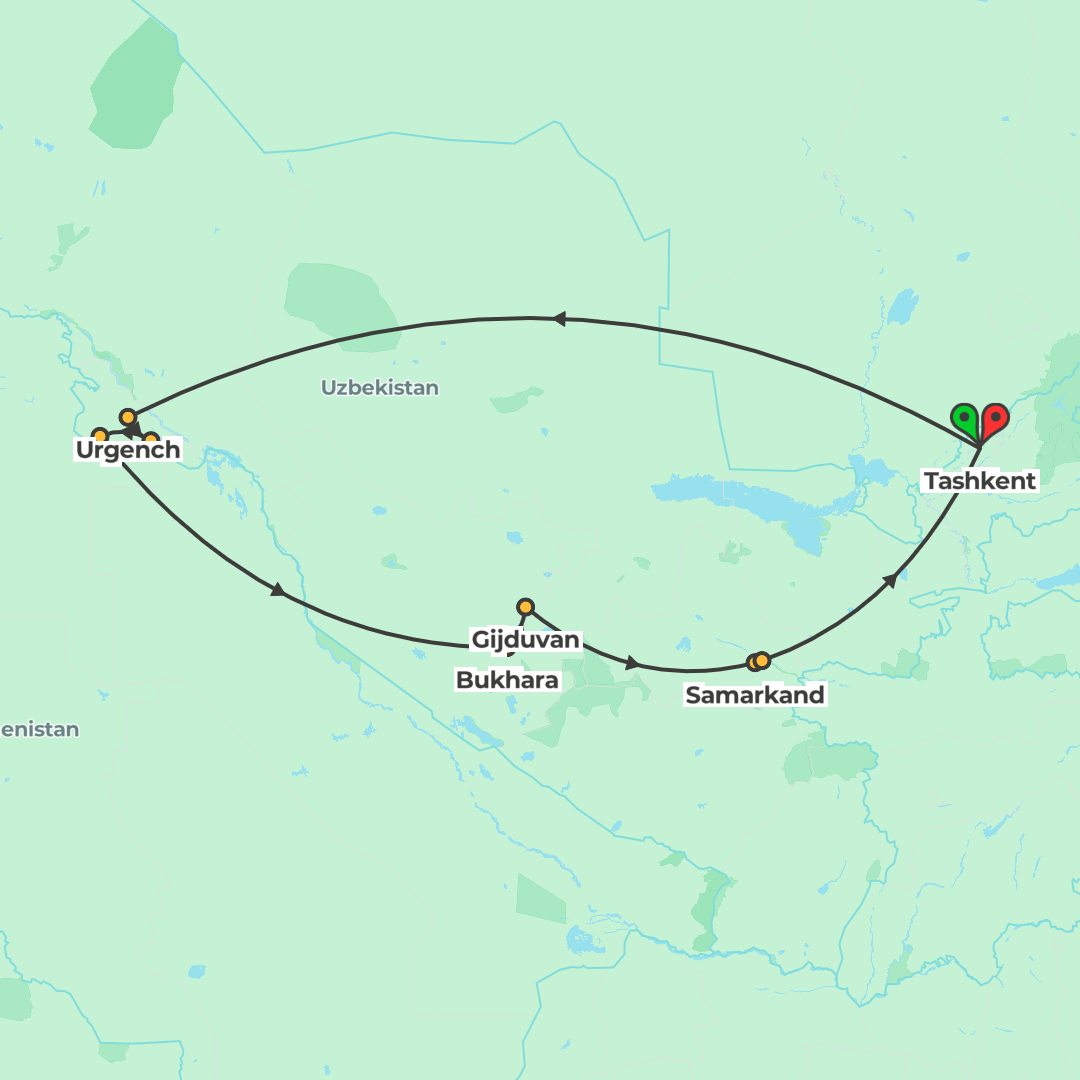
Morning arrival in Tashkent; drop luggage at the Lotte City Palace and have breakfast. Stop at Amir Temur Square by the Uzbekistan Hotel; visit the remaining old city area. Guided walk through Chorsu bazaar. Explore Tashkent’s metro stations with a local expert, admiring 1960s design, mosaics, ceramic murals and vaulted ceilings. Welcome dinner in the evening.
Meals: Breakfast,Dinner
Day 3
Fly to Urgench & Ayaz Qala Desert Fortress
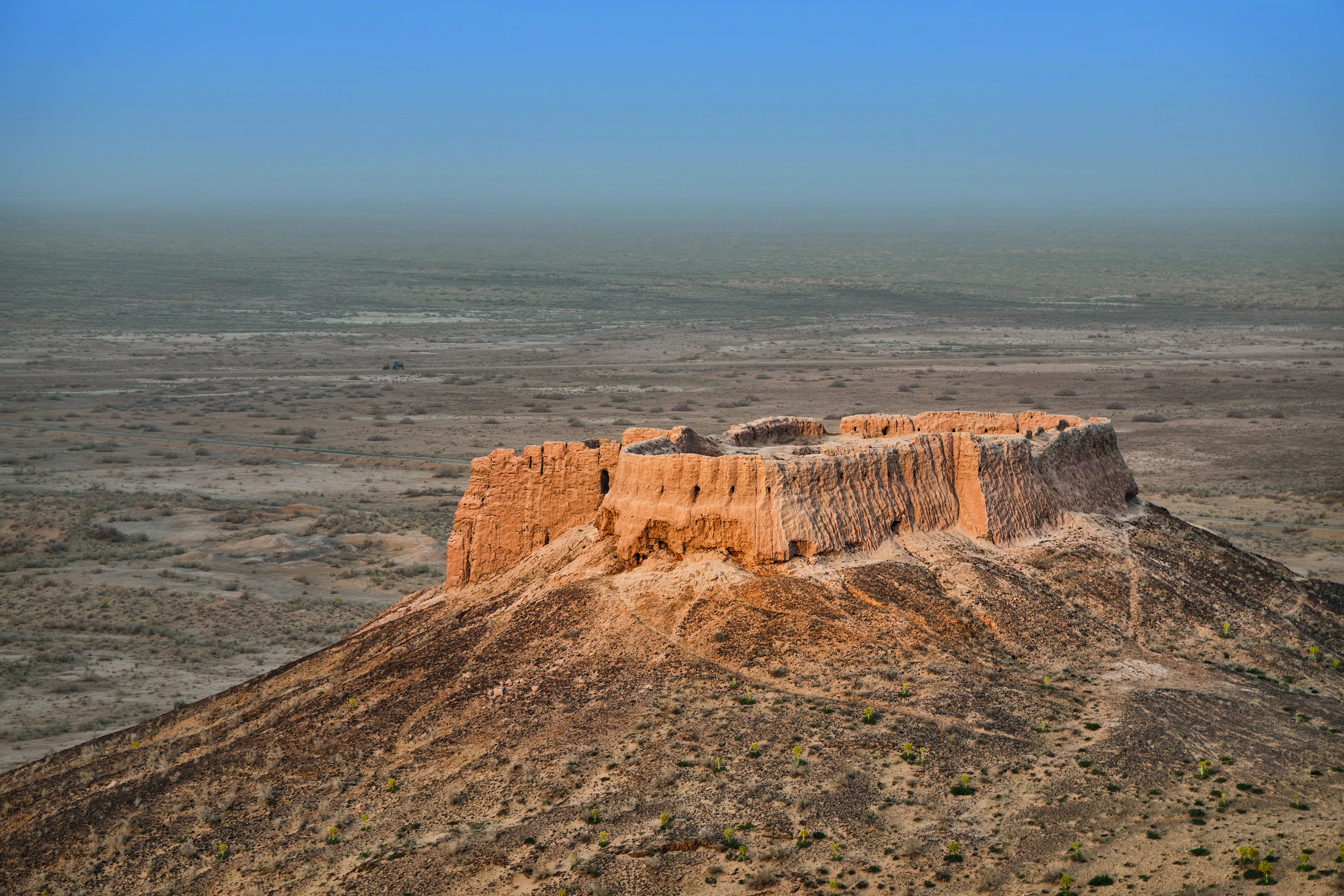
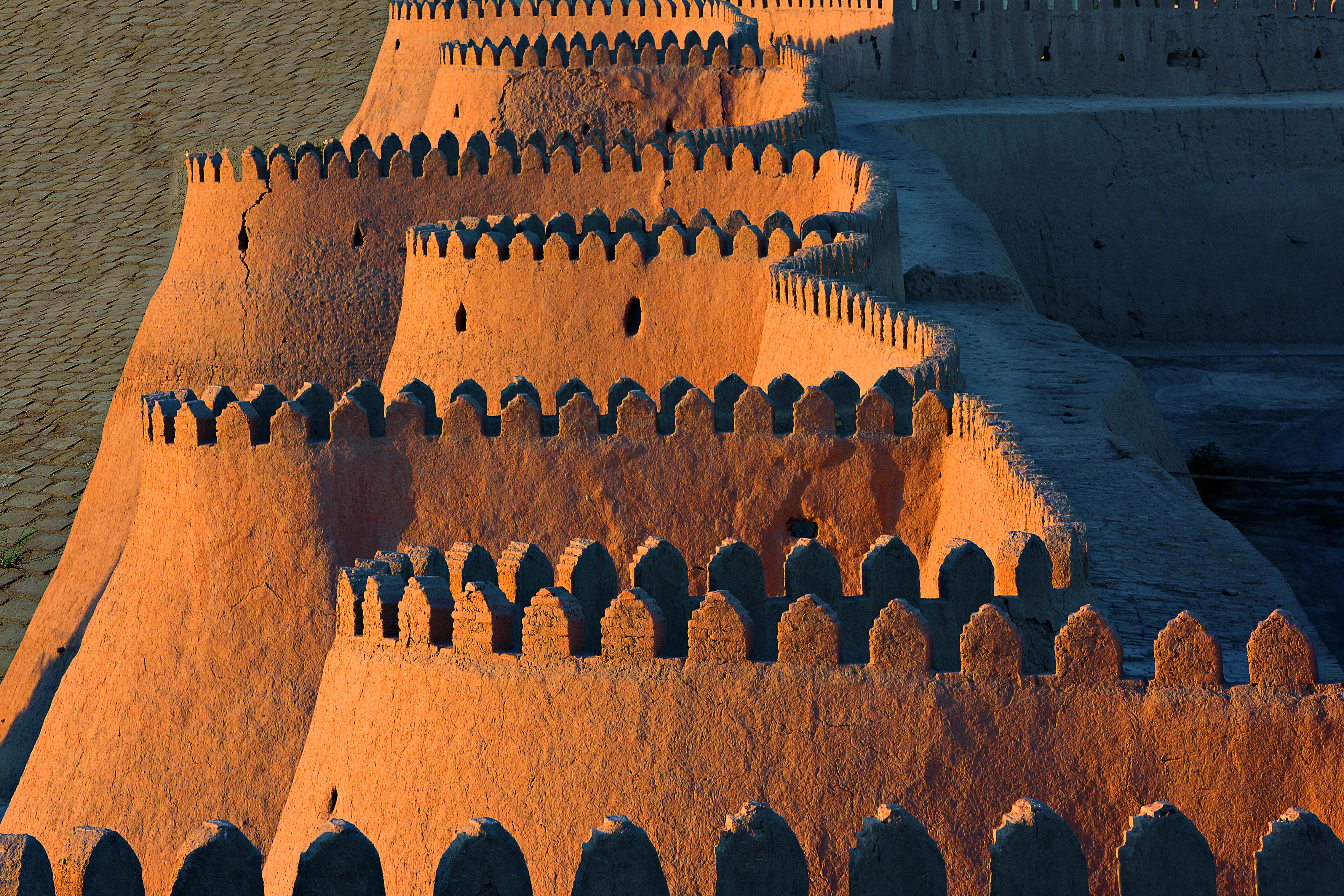
After breakfast, fly to Urgench and drive across the Khorezm desert to Ayaz Qala, a fortress that once protected Silk Road trade routes. Later, explore Khiva’s walled town, Itchan Kala, with its ruins, palaces, mausoleums and madrasas, including the Djuma Mosque and towering city walls.
Meals: Breakfast
Day 4
Khiva & free afternoon
Guided exploration of UNESCO-listed Khiva within its mud-brick walls, visiting the Khan’s Tosh-Hovli Palace and harem, the tiled Kalta Minaret and the 56m Islam Hodja Minaret, and learning about the city’s slave market history. Afternoon free; optional walk on Ichon Qala’s walls near the North Gate and viewing platform for sunset.
Day 5
Drive to Bukhara
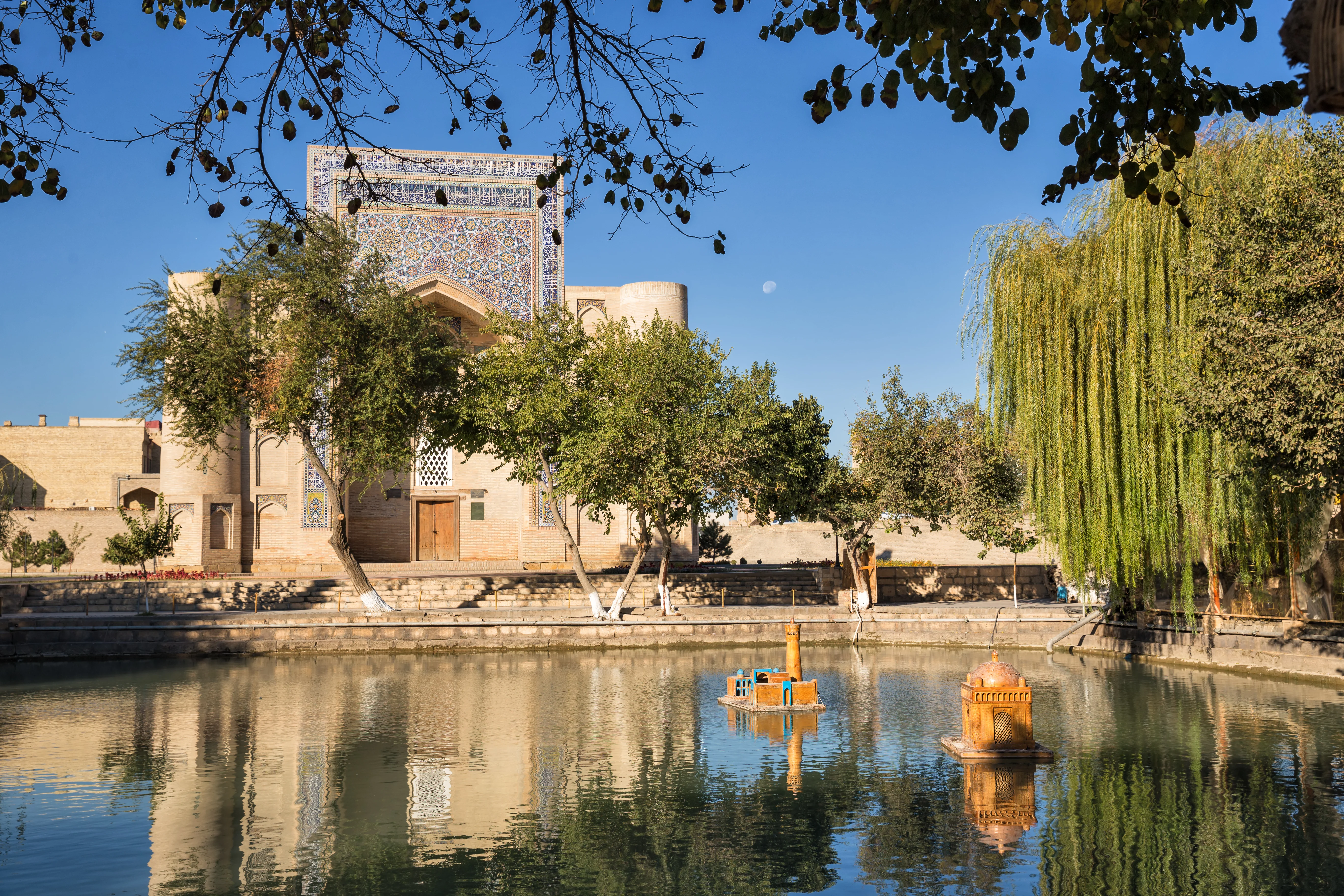
Long drive to Bukhara, crossing the River Oxus as Alexander the Great once did. Check in for three nights and see the Lyab-i Khauz complex, with fine 16th‑century buildings around a water reservoir and lively tea houses.
Day 6
Bukhara
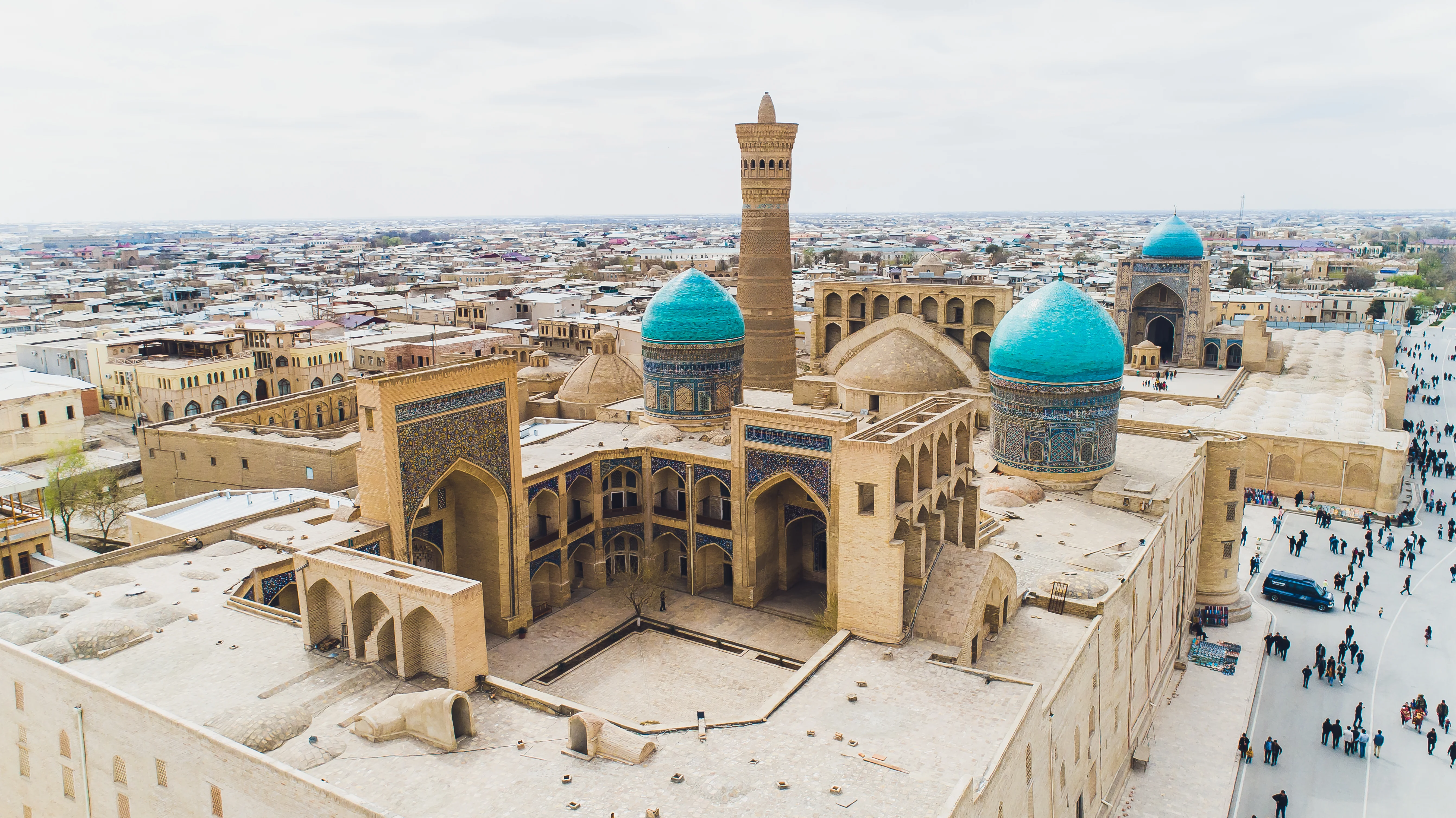
Discover Bukhara’s Arc fortress and the Emir’s palace, and the prison where British officers Stoddart and Connelly were held. See the 47m Kalyan Minaret. Enjoy a traditional music and dance performance before dinner.
Meals: Dinner
Day 7
Bukhara
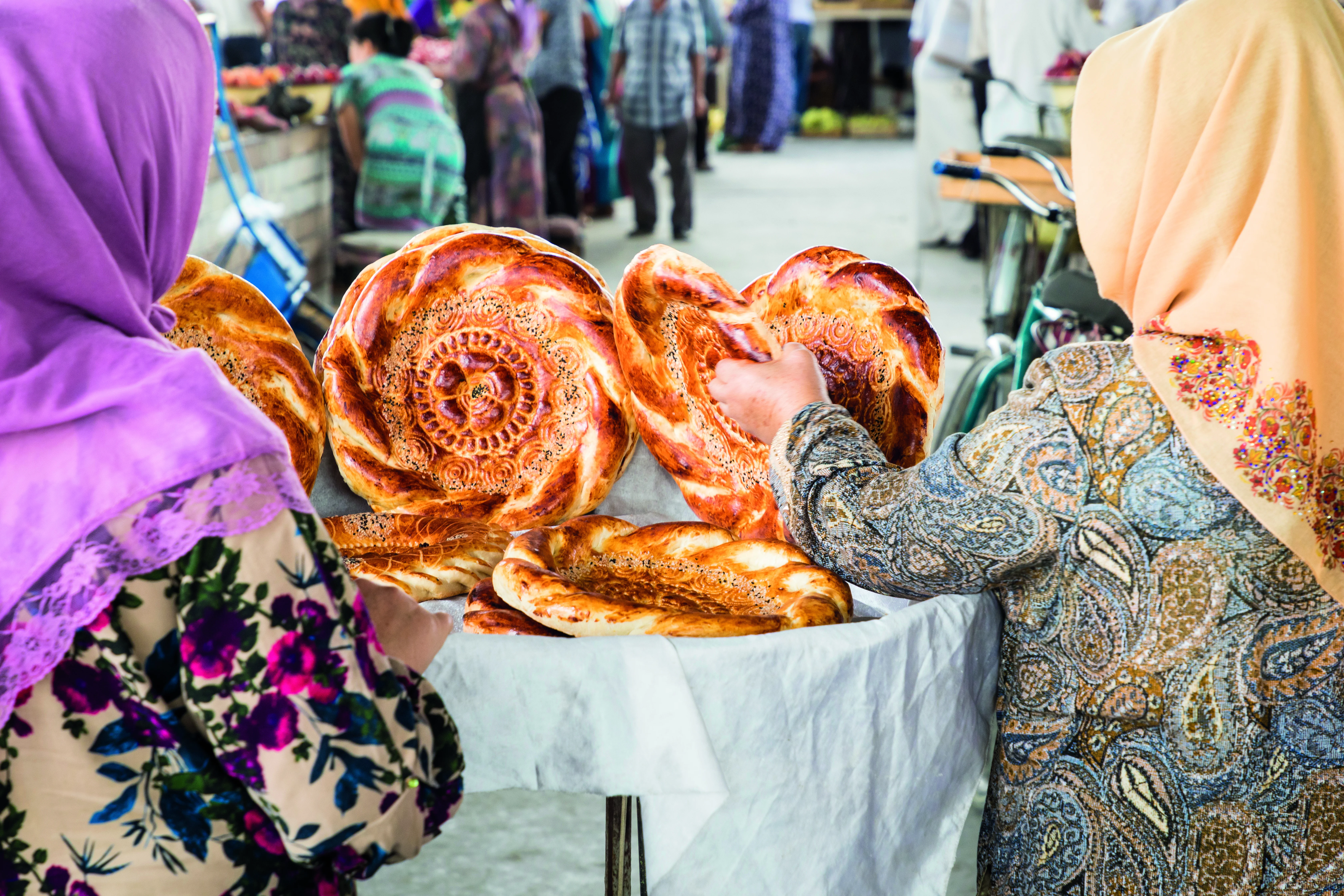
Visit the old summer palace of the last Emir, an early 20th‑century blend of Russian imperial design and local craftsmanship, with stories of a vast harem and private zoo. Free time to browse dome-roofed bazaars and watch bakers making traditional bread, often eaten warm with kaymak.
Day 8
Drive to Samarkand
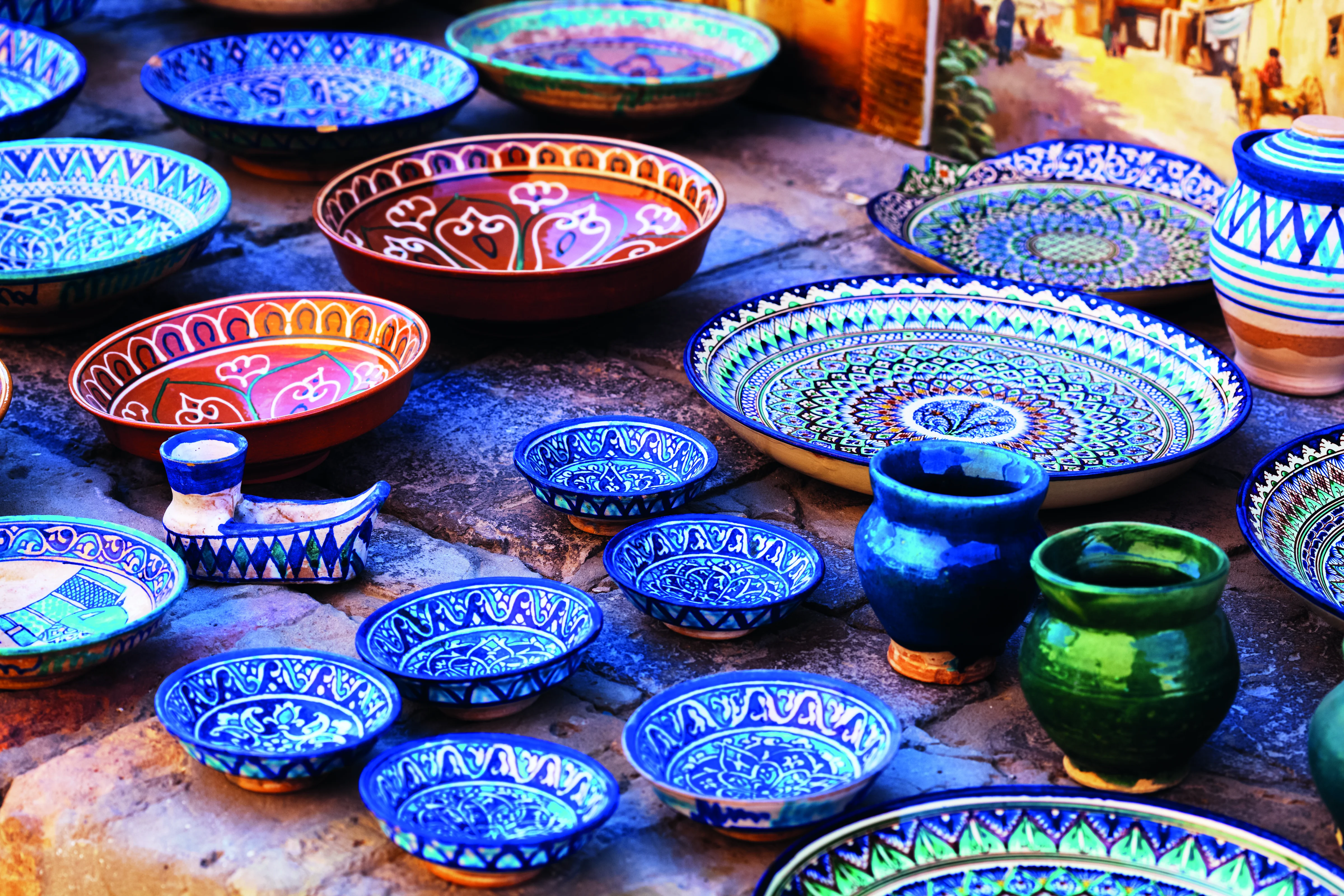
Drive to Samarkand via Gijduvan to meet master potters. Visit a family workshop using foot-powered wheels and mud-brick kilns, perfected over seven generations. Stay two nights in Samarkand.
Day 9
Samarkand
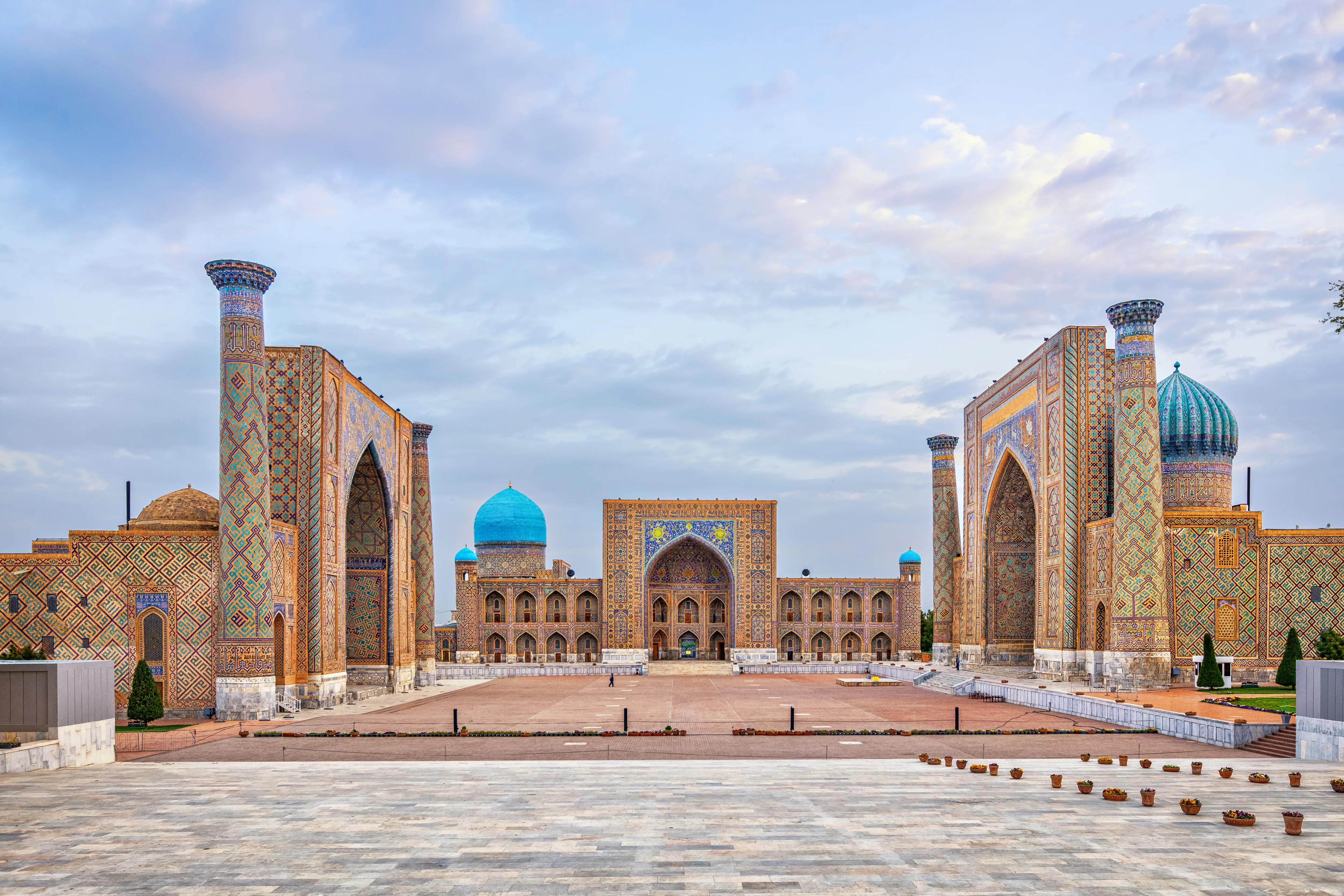
Explore Registan Square, the masterpiece of Islamic architecture from Tamerlane’s era. Visit 14th‑century mausoleums and the Gur‑e‑Amir, with its turquoise dome, where Tamerlane is interred.
Day 10
Tashkent
Visit Koni Ghil to see traditional mulberry‑bark paper making and the Afrosiyob museum with ancient frescoes. Afternoon fast train to Tashkent for the final night at the Lotte City Palace Hotel, with breakfast.
Meals: Breakfast
Day 11
DAY 11
Return home
What’s included
What’s not included
Additional information
Welcome Dinner in Tashkent
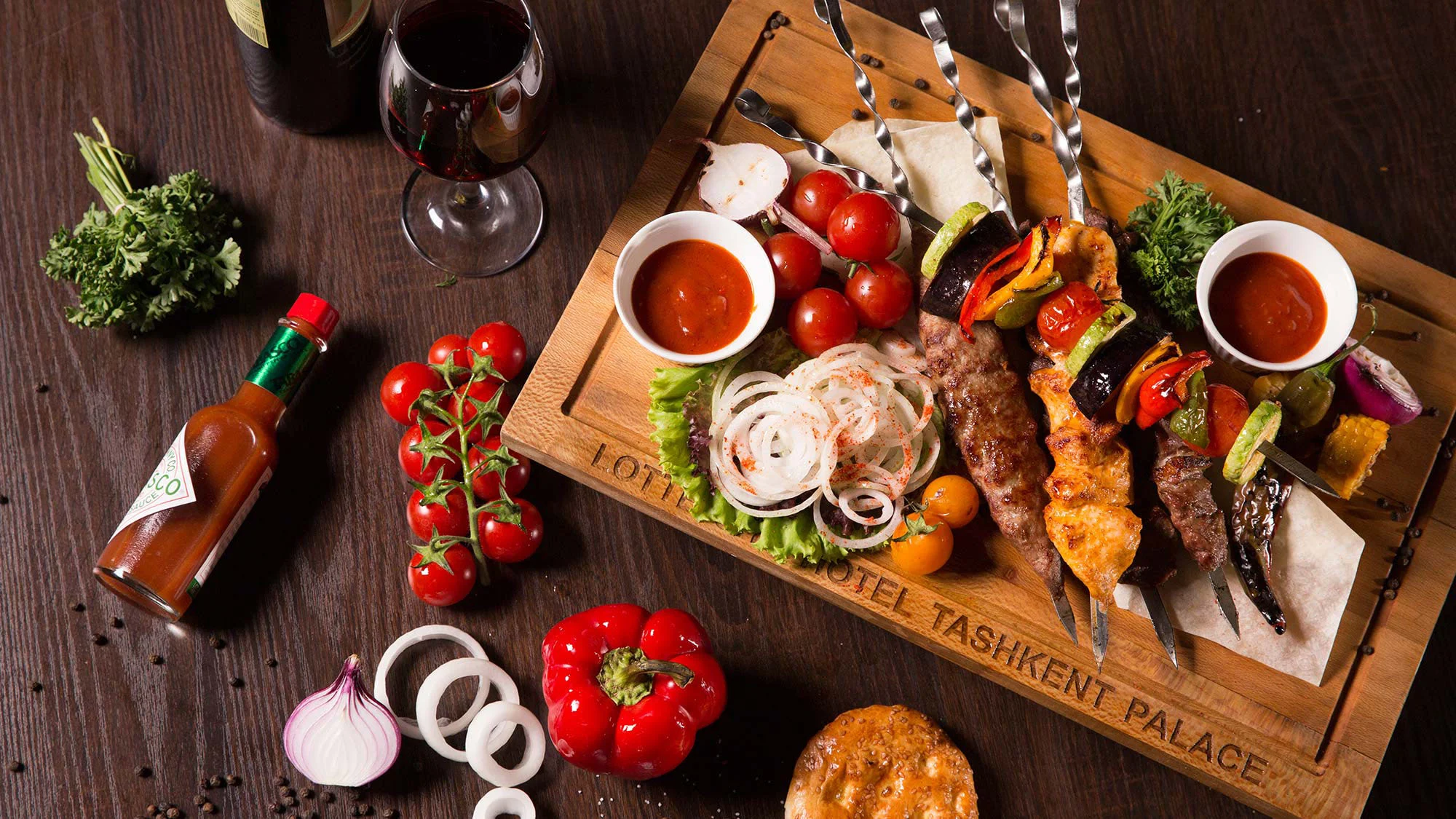
Gather this evening for a hosted welcome dinner and meet your Tour Manager along with fellow solo travellers. Settle in over shared plates and conversation as you sample regional dishes—fragrant plov, hearty shurpa, hand-pinched manti, and warm non bread—paired with Uzbek tea.
Learn the rhythms of local dining and toasts, as your Tour Manager offers tips for the journey ahead. The relaxed setting makes it easy to connect, setting a friendly tone for your exploration of Uzbekistan’s cities and caravan history.
Ayaz Qala Desert Fortress Exploration
Venture across the Khorezm steppe to Ayaz Qala desert fortress, an ancient stronghold rising from the Kyzylkum sands. Walk the weathered adobe ramparts and peer toward the horizon to sense the scale of the routes once traced by Silk Road caravan trains.
Hear how a chain of citadels guarded trade through centuries before upheavals—including Mongol incursions—scarred the region. The austere landscape and crumbling walls invite you to pause for photos and reflection on two millennia of frontier history.
Khiva’s Itchan Kala UNESCO Walking Tour
Walk within the massive mud-brick walls of Itchan Kala, Khiva’s old town, where car-free alleys reveal tiled portals and sunlit courtyards. Visit the ornate Tosh-Hovli Palace and its harem, step into the forest of pillars at the Juma Mosque, and admire the dazzling Kalta Minor Minaret beside the soaring Islam Khodja minaret.
Stories of khans, scholars, and a once-notorious slave market add context to the artistry around you. Hand-cut tiles, carved cedar, and glowing glazes frame views that feel unchanged since the heyday of oasis trade.
Lyab-i-Hauz Ensemble & Teahouse Quarter, Bukhara
Stroll the atmospheric heart of Bukhara around Lyab-i-Hauz, a tranquil pool flanked by madrassas and khanakas. Beneath mulberry trees, the chatter of chaihana teahouses drifts across the water while tiled facades glow in late-afternoon light.
Built in the 16th–17th centuries, this ensemble served as both civic hub and spiritual anchor along the caravan routes. It remains the city’s social salon—perfect for people-watching and appreciating the interplay of water, brick, and shade that defines Bukhara’s urban oasis.
Ark Fortress, Zindan Prison & Poi-Kalyan, Bukhara
Explore the hilltop Ark Fortress, seat of Bukhara’s emirs, then step inside the grim Zindan prison to hear tales from “the Great Game.” In the old city core, enter the vast square of Poi-Kalyan to stand beneath the 12th-century Kalyan Minaret, famed for its intricate baked-brick patterns.
From royal courts to espionage and scholarship, Bukhara’s layers span from Silk Road emirate to the Great Game. Architecture and legend meet in soaring mosques, serene courtyards, and storied cells.
Traditional Music & Dance Performance, Bukhara
Enjoy an evening showcase of traditional songs and dancing, with performers in a rainbow of colourful costumes bringing Uzbek folklore to life. Rhythmic hand-claps and lilting melodies create a celebratory mood before dinner.
Hear the beat of the doira frame drum and the bright timbre of long-necked lutes as regional styles blend into spirited choreography. This cultural interlude adds texture to Bukhara’s scholarly facades and merchant courtyards.
Sitorai Mokhi-Khosa: The Emir’s Summer Palace
Visit Sitorai Mokhi-Khosa, the early-20th-century retreat of Bukhara’s last emir. Wander gardens, pavilions, and salons where Russian imperial motifs with local craftsmanship mingle—floral stucco, mirrored walls, and lacquered wood glowing in filtered light.
Built for Emir Alim Khan, the palace reveals a court balancing tradition and European fashion at the twilight of the khanates. Galleries of porcelain, textiles, and photographs open a window onto royal etiquette and seasonal life beyond the city walls.
Gijduvan Master Pottery Workshop Visit
Call at Gijduvan to meet artisans upholding the Gijduvan pottery tradition. Watch clay take form on foot-powered wheels before pieces bake in mud-brick kilns, emerging with signature turquoise, ochre, and indigo glazes traced in geometric vines.
Working across seven generations, this family studio shares techniques and motifs passed down since caravan days. Shelves brim with bowls and platters you can examine up close—a living craft that anchors village identity and Silk Road aesthetics.
Registan Square & Gur-e-Amir, Samarkand
Stand in Registan Square, framed by the madrasas of Ulugh Beg, Sher-Dor, and Tilya-Kori, where lapis and gold tilework cascade over portals and domes. This was the stage of learning and ceremony at the heart of Tamerlane’s capital.
Visit the Gur-e-Amir Mausoleum, resting place of Timur, to admire its soaring dome, starry mosaics, and onyx-and-jade cenotaphs. The ensemble distills Timurid ambition into stone and glaze, revealing the artistry that later inspired Mughal India.
Konigil Mulberry Paper Mill & Afrosiyob Museum, Samarkand
Visit Konigil village to see mulberry bark pulped, pressed, and burnished into silky sheets at a traditional mulberry-paper mill powered by waterwheels. Craftspeople demonstrate every step, connecting manuscripts and miniatures to their handmade origins.
At the Afrosiyob Museum, examine vivid 7th-century frescoes from ancient Samarkand—envoys, hunters, and river scenes that survived beneath the sands. The galleries trace the city’s Sogdian past and the shifts that set the stage for its Timurid flowering.
Khiva City Walls Sunset Viewpoint
Climb the ramparts near the North Gate to watch sunset over Itchan Kala, as copper light brushes domes, minarets, and courtyards. This elevated viewing platform reveals the perfect geometry of walls and lanes as lamps begin to glow.
This optional experience is at additional cost (small local entry fee) and is bookable on tour. It offers superb opportunities to pause for photos and reflection above the old city’s serene skyline.
Tashkent Metro Art Tour & Chorsu Bazaar Walk
Discover the Tashkent Metro with a local expert, the oldest in Central Asia, where stations like Alisher Navoi and Kosmonavtlar unfurl vaulted, mosque-like ceilings, shimmering ceramic panels, and mosaics celebrating poets, cosmonauts, and national motifs. Each stop is a mini-gallery revealing the city’s creative spirit.
Continue on foot through Chorsu Bazaar beneath its turquoise-domed hall. Browse pyramids of spices, dried fruits, and saffron-hued pilaf rice as bakers slap rounds of non into tandoor ovens. This sensory introduction to daily Uzbek life is as vivid as it is photogenic.
Tashkent City Orientation & Amir Temur Square
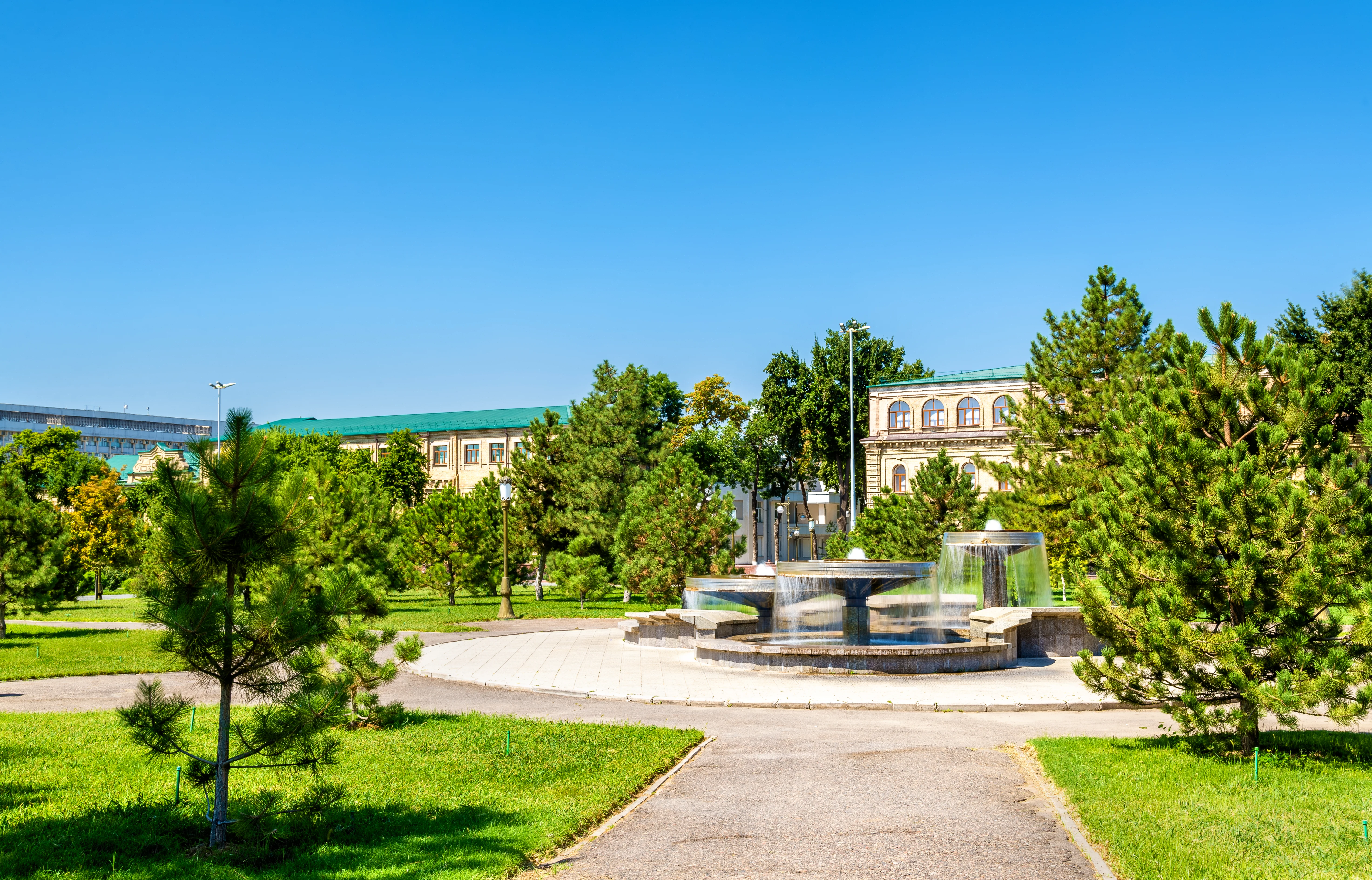
Explore modern Tashkent on a guided city orientation, pausing in the elegant heart of the capital at Amir Temur Square, overlooked by the emblematic Uzbekistan Hotel. Stroll broad, tree-lined boulevards and step into the surviving lanes of the old city to glimpse mud-brick courtyards and neighborhood mosques that hint at Silk Road roots.
Learn how Tashkent was dramatically reshaped after the 1966 earthquake, blending Soviet-era urban planning with Central Asian heritage. This overview helps you navigate the city’s contrasts—grand squares, leafy parks, and traditional mahallas—during your time in Uzbekistan’s cosmopolitan capital.