Your itinerary
Day 1
DAY 1
Departure.
Day 2
Arrival in Tokyo
Arrive in Tokyo and transfer to the New Otani for three nights. The hotel is centrally located near the Japanese parliament with a metro stop a short walk away.
Day 3
Tokyo
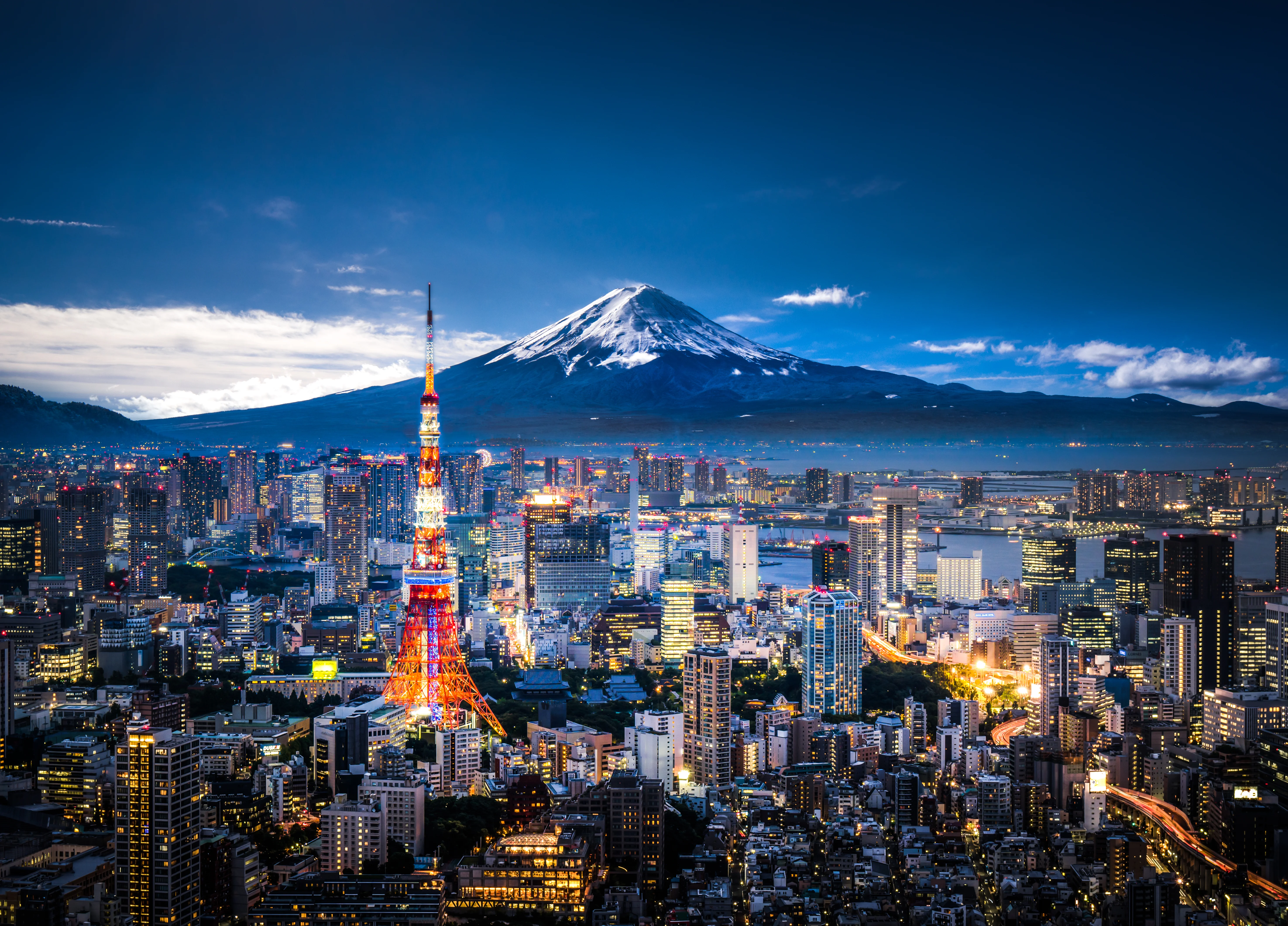
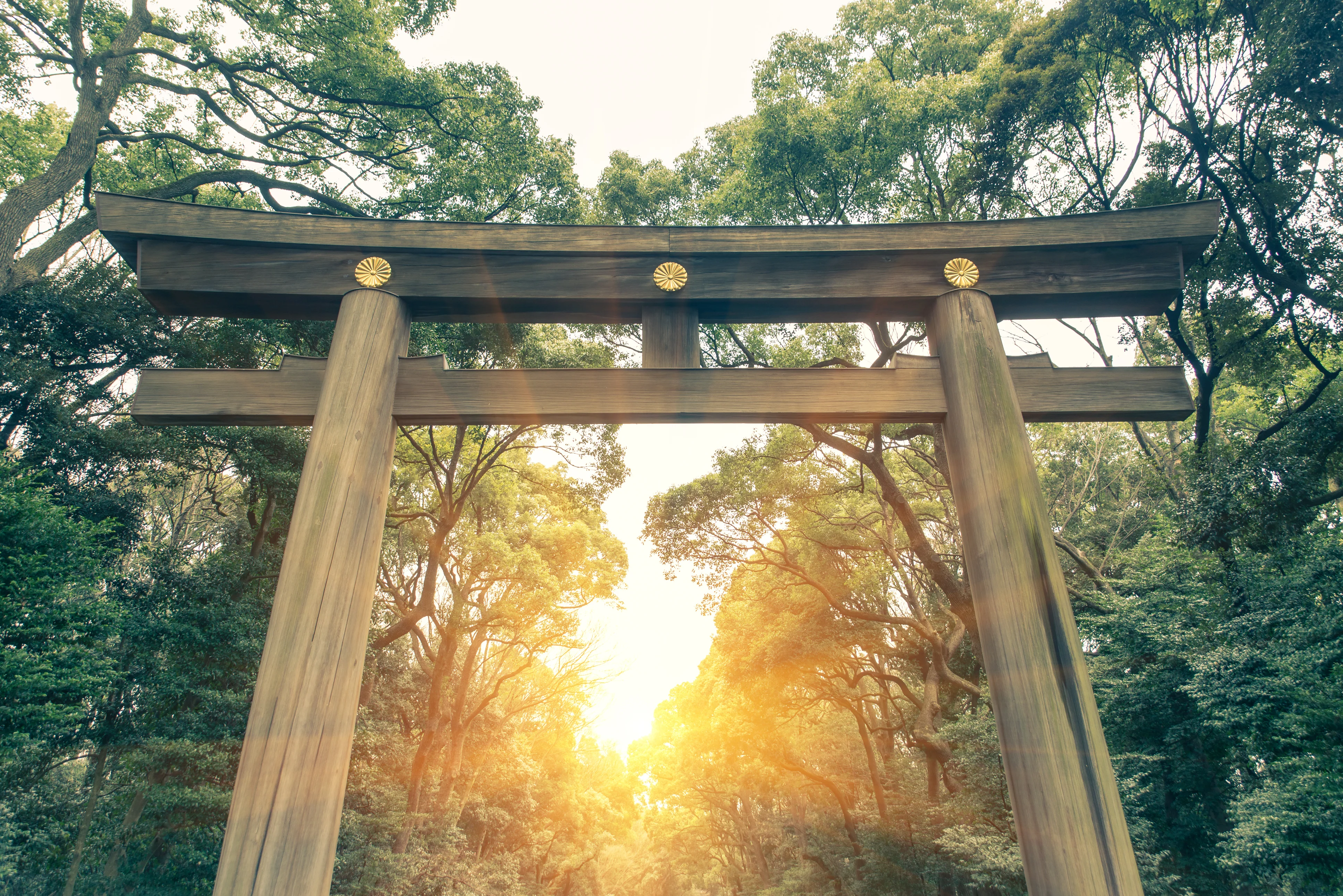
Begin exploring Tokyo: visit the Meiji Shrine set in parkland and stroll Omotesando Street. Enjoy an included traditional bento-box lunch.
Meals: Lunch
Day 4
Tokyo
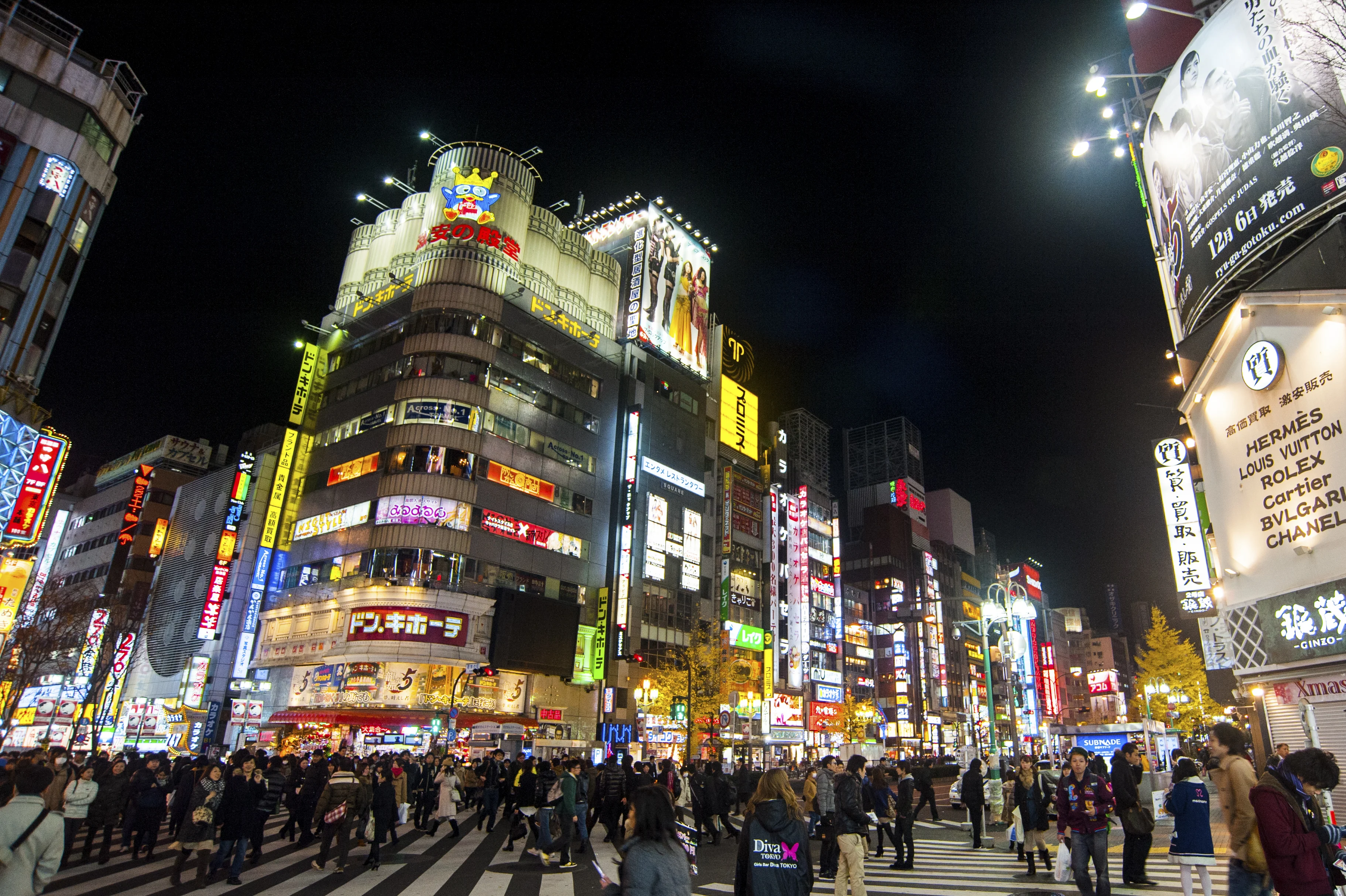
Visit Asakusa and take a boat on the Sumida River to Ginza. Free afternoon, with the option to visit the Tokyo National Museum. Signature experience (2026 only): evening night tour of Shinjuku, including Kabukicho and Golden Gai.
Meals: Breakfast
Day 5
Mount Fuji & Hakone
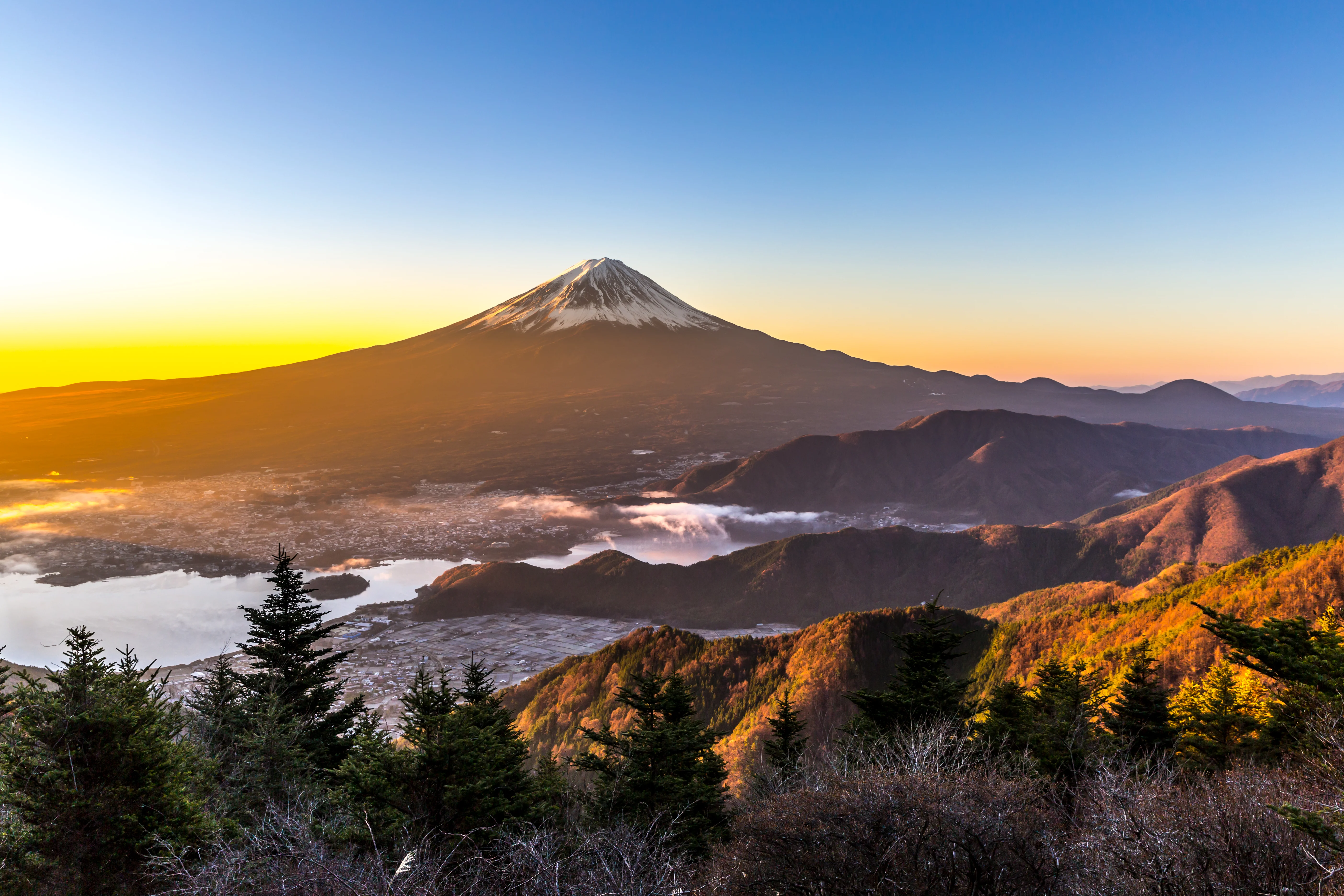
Drive towards Mount Fuji, stopping at Lake Kawaguchi and the Kubota Itchiku Art Museum. Continue to Hakone for a cruise on Lake Ashi with Fuji views. Check in for one night at the Hakone Hotel, with the chance to bathe in an onsen.
Meals: Breakfast,Dinner
Day 6
Bullet Train and Hiroshima
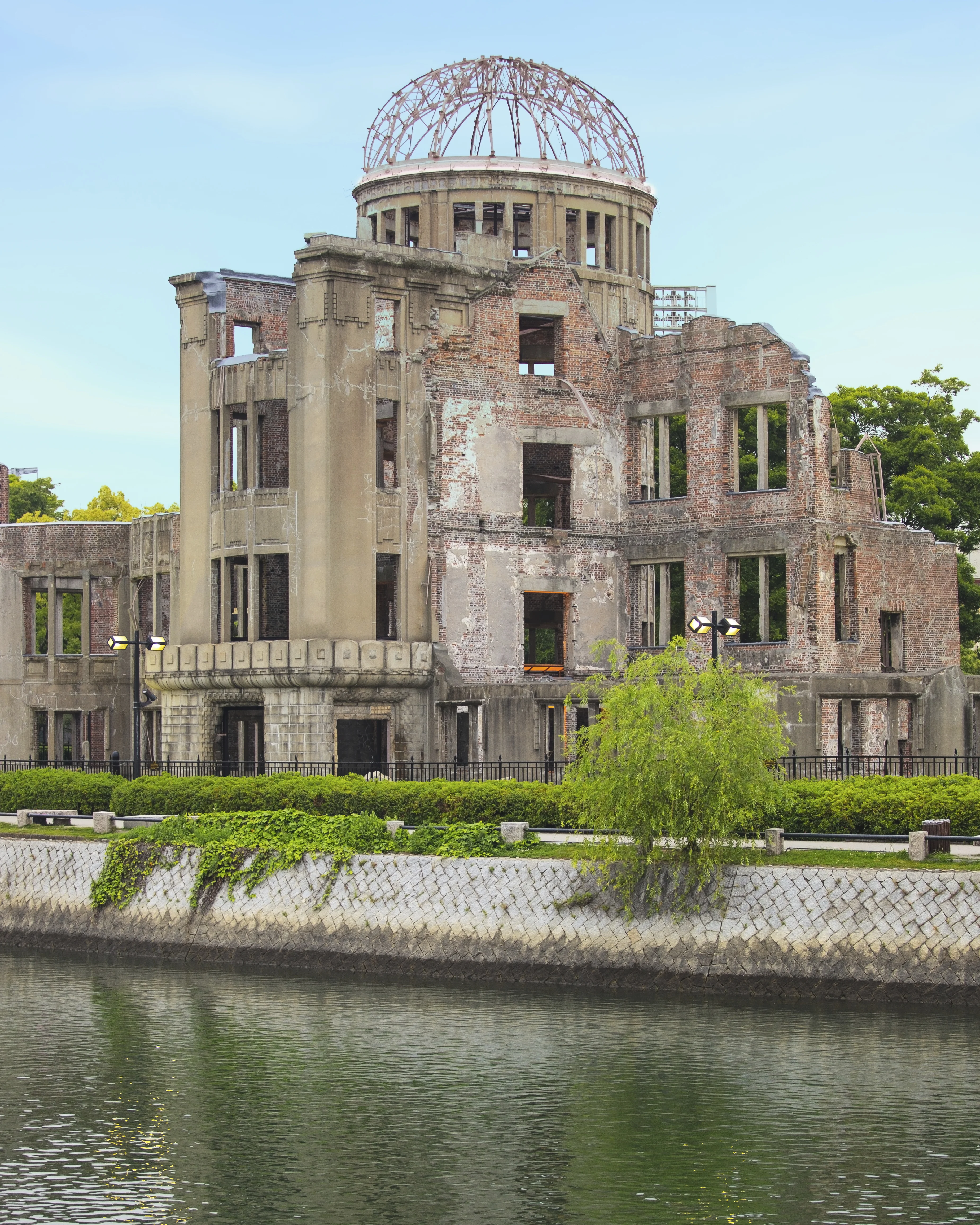
Travel by bullet train to Hiroshima. Visit the Peace Park and museum and see the remains of the building that survived the 1945 atomic blast.
Meals: Breakfast
Day 7
Miyajima
Excursion to Miyajima Island to view the famous offshore red Torii gate and explore the island’s shops and covered market. Signature experience (2026 only): visit Shukkeien Garden.
Day 8
Kyoto
Coach to Kyoto via Okayama to visit Korakuen Garden. Stay four nights at the Century Hotel.
Day 9
Kyoto and tea ceremony
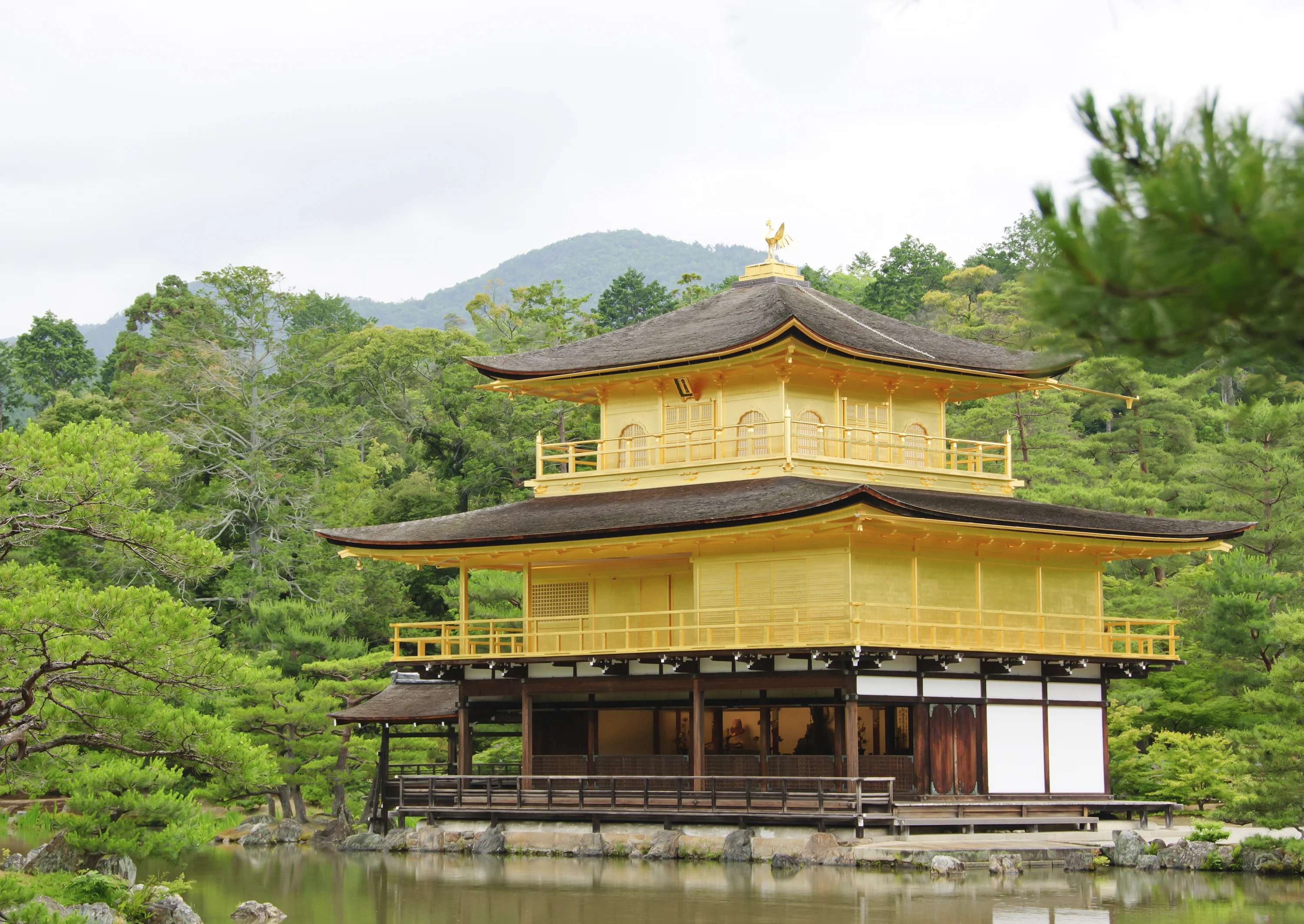
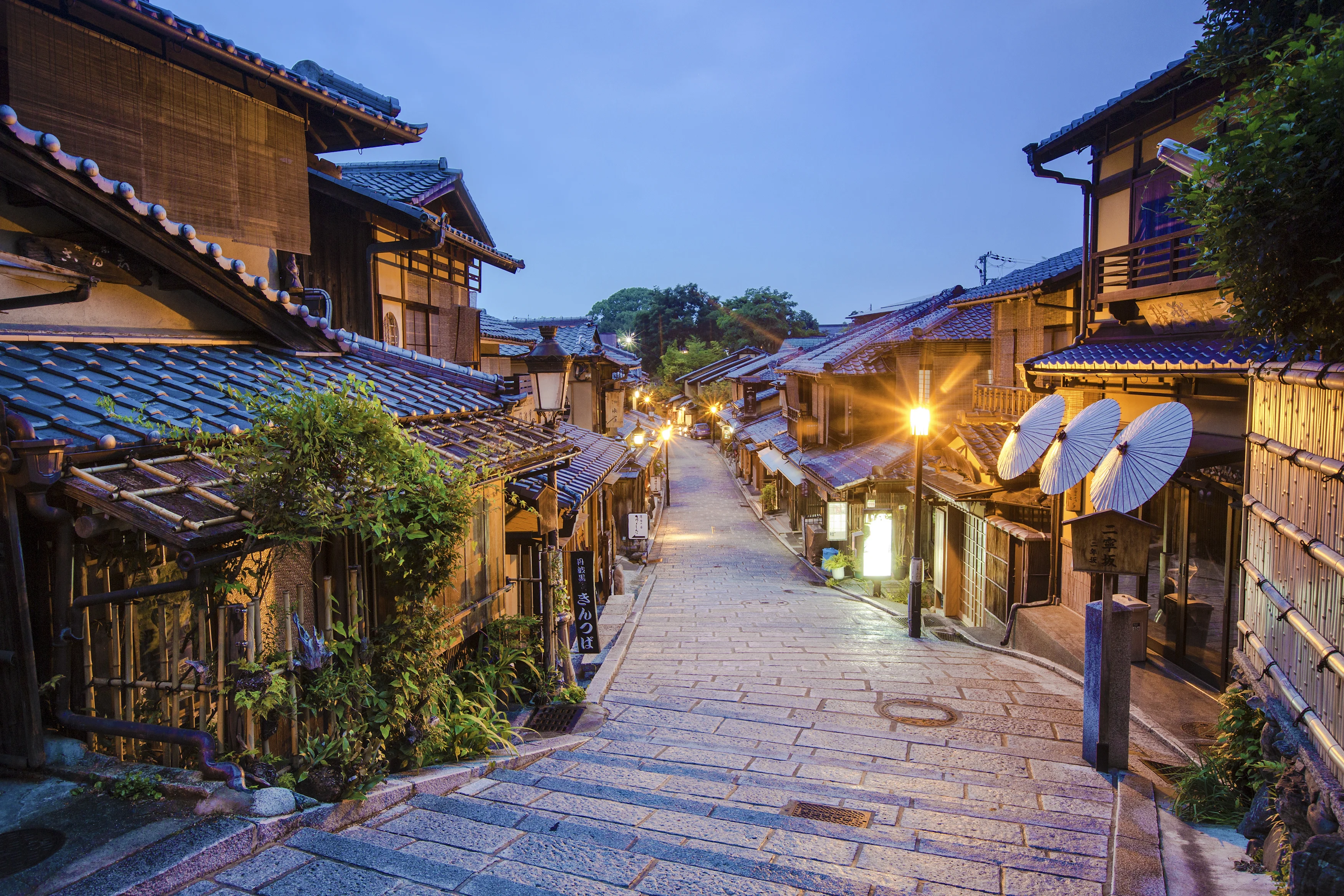
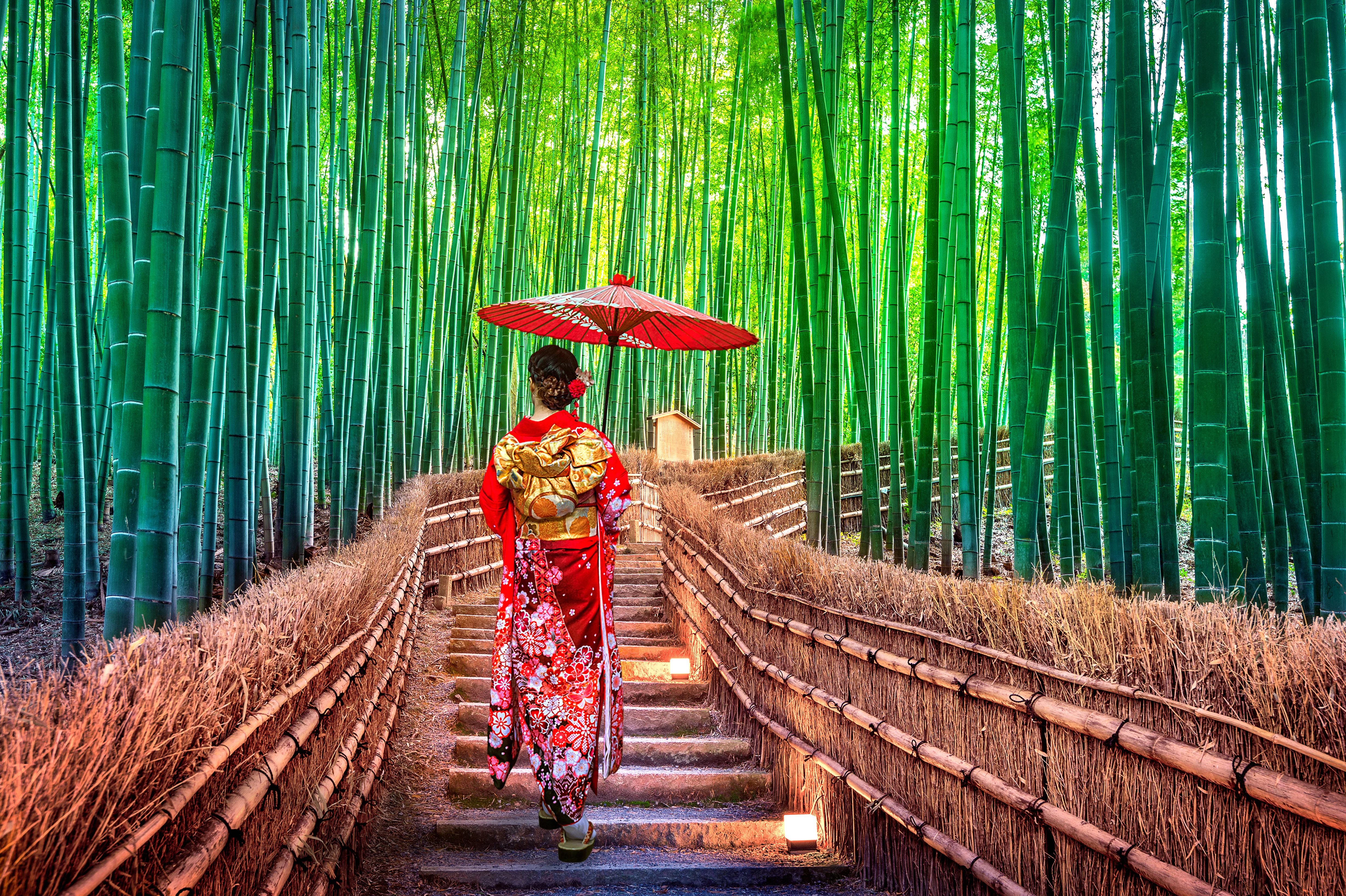
See the Golden Pavilion, walk through the Arashiyama Bamboo Forest, and visit Nijo Castle. Walking tour of Gion and experience a traditional Japanese tea ceremony.
Meals: Breakfast
Day 10
Nara
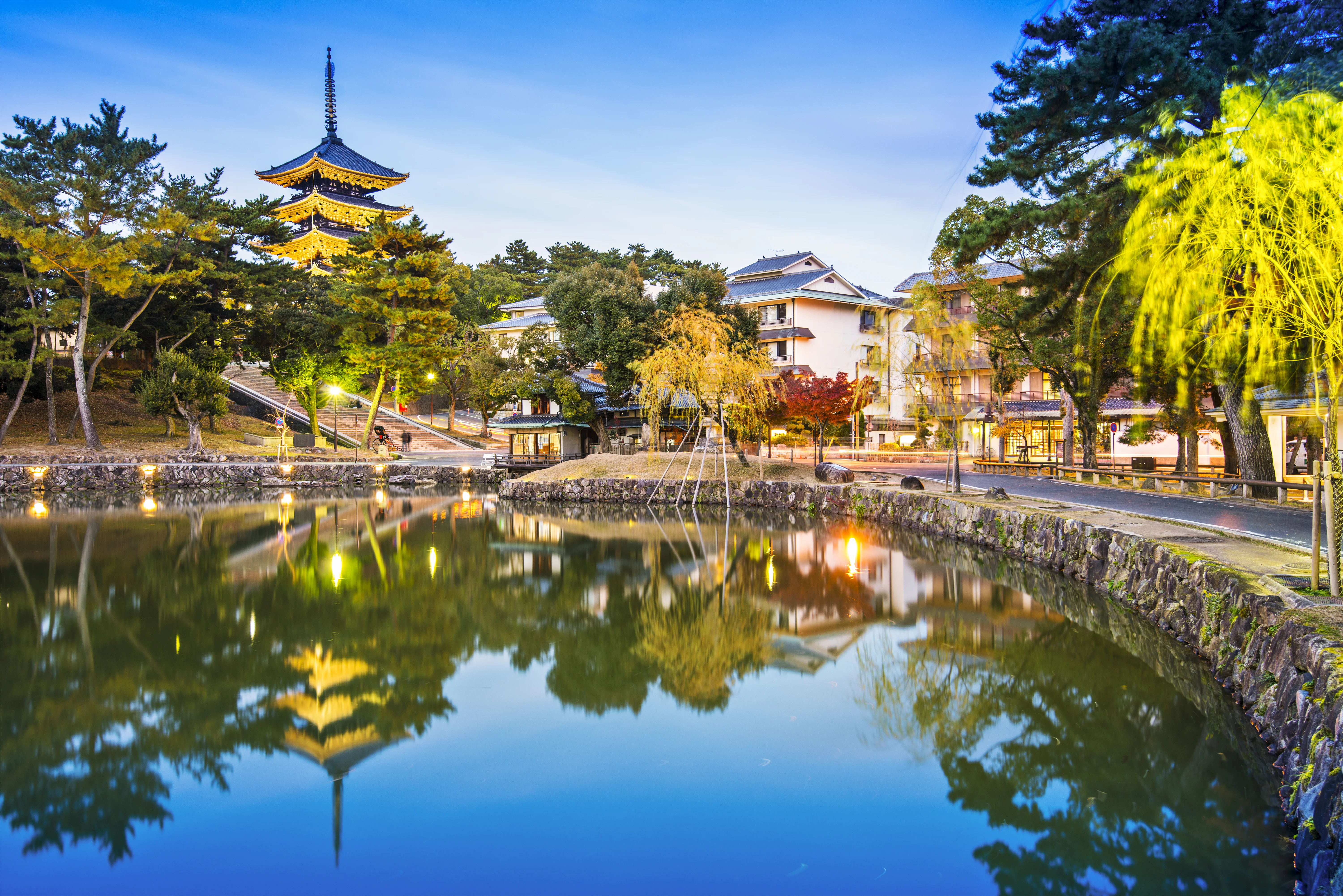
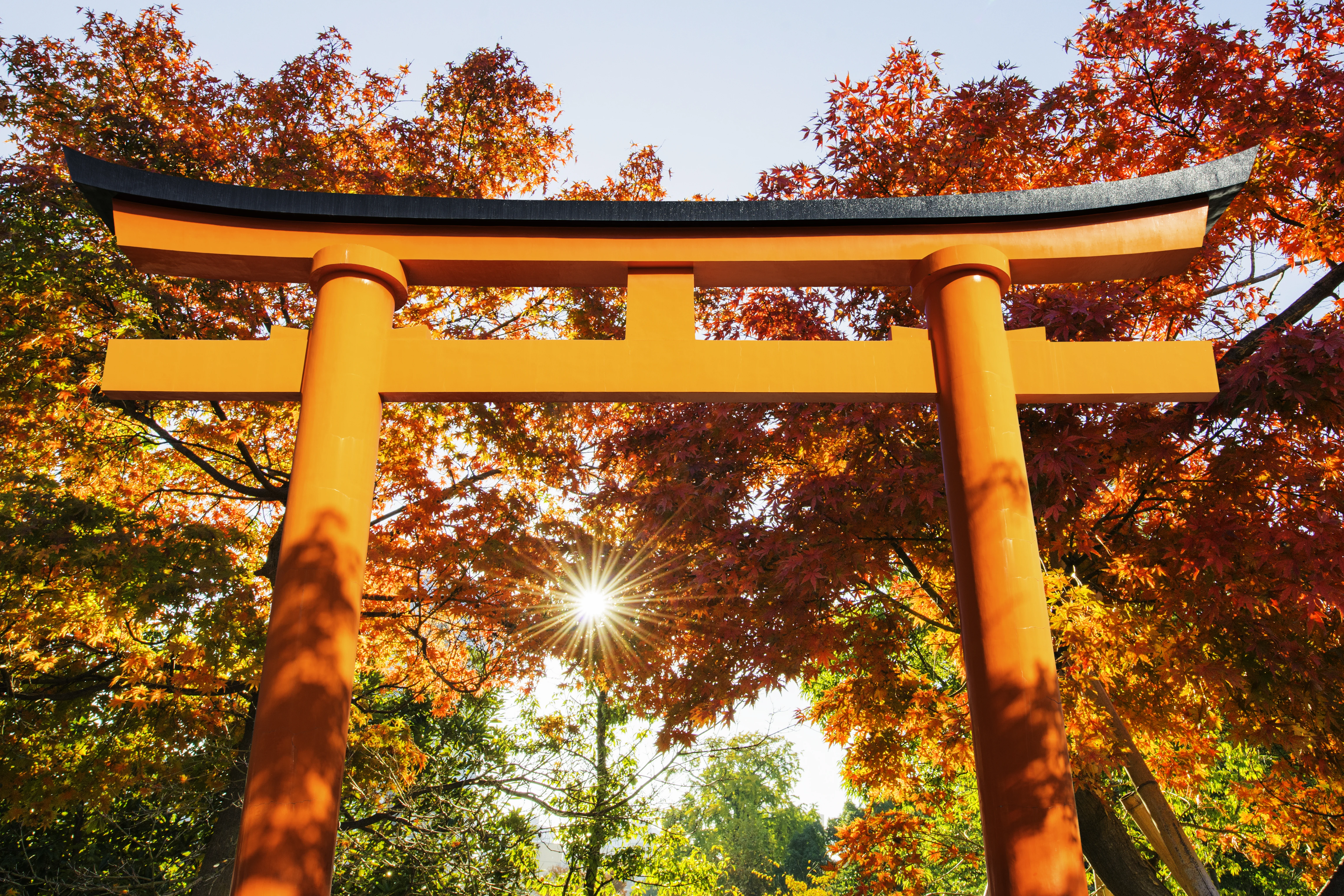
Stop at an iconic shrine of thousands of red Torii gates en route to Nara. In Nara, see the tame deer and visit Todai-ji Temple with its giant bronze Buddha. Visit a sake museum with tasting.
Meals: Breakfast
Day 11
Free day in Kyoto
Free day to explore Kyoto: options include the Silver Pavilion, Eikando and the Philosopher’s Path. Optional: stay in a ryokan with a traditional kaiseki dinner.
Meals: Breakfast
Day 12
Bullet Train
Free morning, then take the bullet train to Tokyo. Overnight near the airport at the Excel Tokyu.
Meals: Breakfast
Day 13
DAY 13
Return home.
What’s included
What’s not included
Additional information
Hiroshima Peace Memorial Park & Museum
Visit Hiroshima’s Peace Memorial Park to reflect beside the skeletal silhouette of the A-Bomb Dome, a solemn witness to August 1945. The museum’s thoughtful curation centres voices of survivors, artefacts, and everyday objects frozen in time.
Paper cranes, children’s drawings, and measured timelines trace a path from devastation to renewal. The site’s design steers the eye toward a future without nuclear weapons, inviting visitors to pause for photos and reflection amid willow-lined paths and memorial flame.
Sake Museum Visit & Tasting
Trace the craft of nihonshu at a local museum, then sample regional sake in a guided tasting. Learn how rice polishing ratios, koji cultivation, and slow fermentation shape flavours—from dry, mineral notes to soft, fruit-forward styles—during this guided tasting.
Historic tools, cedar casks, and brewer lore illuminate centuries of tradition. Your host offers tips on service temperature and pairing, helping you appreciate the drink’s quiet complexity and place in seasonal celebrations.
Asakusa Walk & Sumida River Cruise to Ginza
Wander the nostalgic lanes of Asakusa, where shopfronts along Nakamise recall old Edo and incense curls toward the sky at the district’s spiritual heart. Absorb the neighbourhood’s craft traditions and photogenic streets before boarding a boat to cruise the Sumida River under its sculptural bridges and evolving skyline.
Glide into the polished world of Ginza, home to avant-garde boutiques and immaculate department stores. This journey from low eaves to high glass distills Tokyo’s contrasts, inviting you to pause for photos and reflection as river life meets cutting-edge design.
Mount Fuji Outlook at Lake Kawaguchi
Gaze across still waters at Lake Kawaguchi as the near-perfect cone of Mount Fuji rises beyond woodlands and fishing skiffs. Shoreline parks offer framed viewpoints for that classic composition, with delicate cherry blossom in spring and fiery maple in autumn enriching the scene.
Learn why Fuji-san is both a national icon and a sacred mountain, its symmetrical profile celebrated in prints and poetry. The calm of the lakeshore encourages you to pause for photos and reflection, letting weather and light paint the mountain anew.
Kubota Itchiku Art Museum: Kimono Mastery Revived
Visit the Kubota Itchiku Art Museum near Kawaguchiko to encounter radiant kimono masterpieces that resurrect the lost technique of Tsujigahana dyeing. Stand before the artist’s monumental “Symphony of Light” series, where seasons and cosmos unfold in luminous silk.
Contextual exhibits reveal how Itchiku dedicated decades after wartime captivity to reviving this art, building a contemplative space that fuses craft, nature, and sculpture. Subtle textures, mineral pigments, and meticulous resist work illuminate Japan’s reverence for patience, precision, and beauty in cloth.
Hakone: Lake Ashi Pirate Ship Cruise & Fuji Vistas
Cruise Lake Ashi aboard a colourful replica galleon, scanning the horizon for views of Mount Fuji when skies are clear. Forested ridgelines and misty mountain passes ring the cobalt water, while vermilion shrine gates and quiet coves complete the tableau.
Hear how Hakone’s hot springs and volcanic geology shaped a centuries-old resort tradition. The interplay of steam, cedar, and open water makes this a scenic counterpoint to the city—an elemental landscape framed for effortless photography from the ship’s decks.
Ride the Shinkansen Bullet Train
Travel at up to 189 mph on the sleek Shinkansen bullet train, gliding through cities and countryside with astonishing quiet and punctuality. Wide seats, picture windows, and a sense of smooth, on-time precision transform a transfer into a distinctly Japanese experience.
Your Tour Manager highlights the nation-shaping story of postwar engineering that linked Tokyo, Kyoto, and beyond. Watch green paddies, coastal inlets, and mountain backdrops unfurl at speed, a moving panorama that underscores Japan’s harmony of efficiency and grace.
Miyajima Island & Itsukushima Shrine’s “Floating” Torii
Ferry across the Seto Inland Sea to Miyajima and stroll past craft shops and friendly deer toward Itsukushima Shrine’s “floating” torii gate. At high tide, the vermilion portal appears to hover between water and sky, a scene revered across centuries.
Hear how tides choreograph the island’s mood and why this Shinto site is cherished for harmony between shrine, forest, and sea. Wooden promenades, mountain trails, and coastal views set a meditative pace ideal for unhurried exploration and photography.
Korakuen Garden, Okayama
Wander Korakuen Garden, a 17th-century strolling landscape of lawns, teahouses, and winding streams. Views artfully frame the black keep of Okayama Castle, employing the “borrowed scenery” technique to merge cultivated ground with the wider horizon.
Lily ponds, arched bridges, and seasonal plantings create shifting vignettes designed for contemplative walking. Your visit reveals how daimyo lords expressed power through serenity—an aesthetic still palpable in the garden’s measured paths and curated perspectives.
Kyoto Classics: Golden Pavilion (Kinkaku-ji) & Nijo Castle
Admire the Golden Pavilion (Kinkaku-ji), where gold-leafed upper floors shimmer over Kyoko-chi, the “Mirror Pond.” Stone lanterns, pines, and islets orchestrate a composition that epitomises classical Muromachi aesthetics and courtly taste.
Continue to Nijo Castle, the shogun’s Kyoto seat, famed for its “nightingale” floors that softly chirp underfoot to deter intruders. Painted screens, carved transoms, and fortified gates narrate centuries of power and pageantry in Japan’s imperial city.
Arashiyama Bamboo Grove Walk
Walk the Arashiyama Bamboo Grove, where towering culms sway overhead and light filters in jade hues. The soft rustle of leaves and the creak of stalk against stalk create an otherworldly soundtrack for slow, attentive steps.
Near Tenryu-ji, a major Zen temple, the grove embodies mindful design in nature. Framed viewpoints and narrow paths deliver intimate encounters with texture, shadow, and the whispering canes—a photographer’s study in vertical lines and living green.
Gion District Walk: Geiko Culture & Machiya Lanes
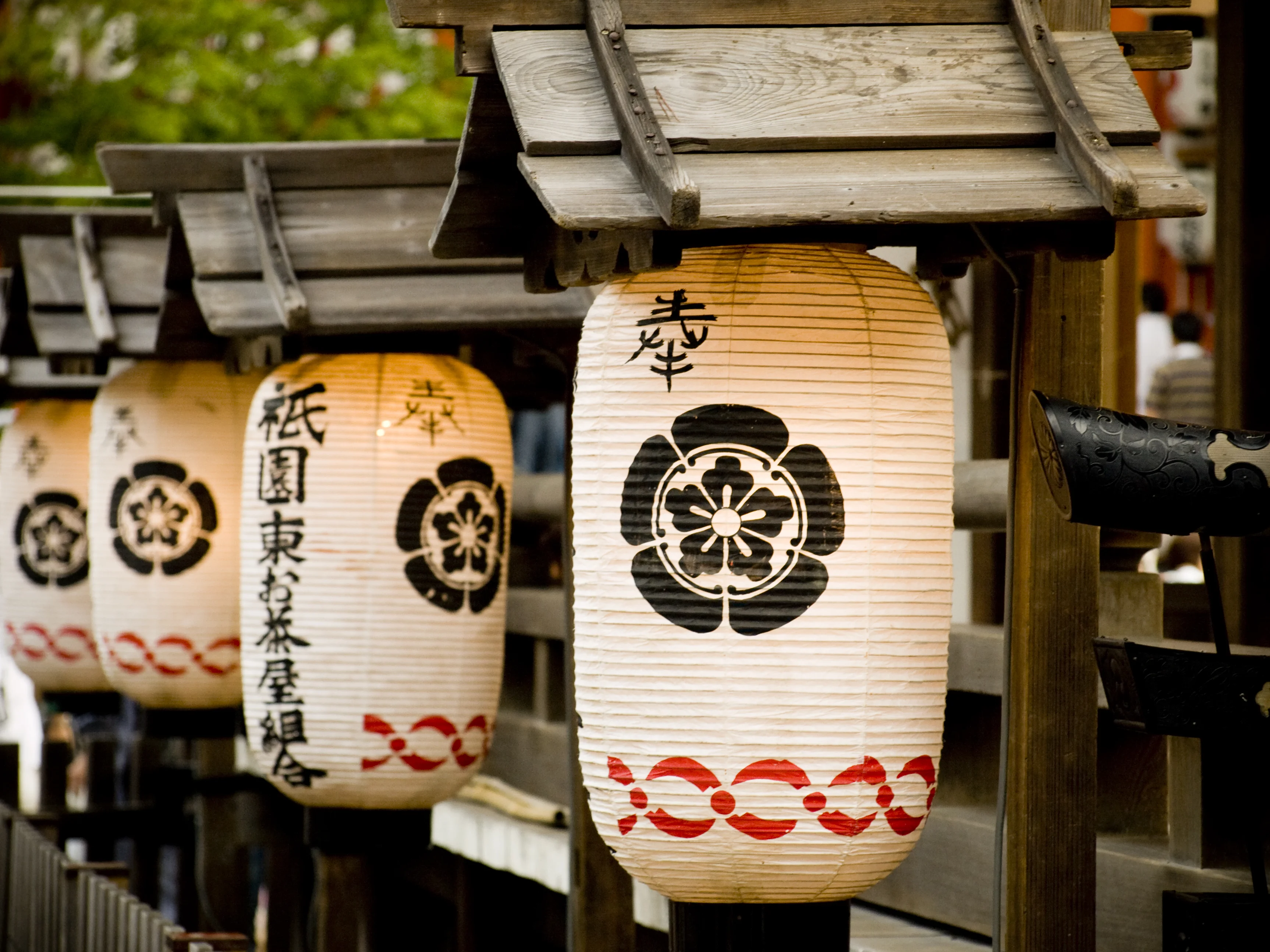
Stroll Kyoto’s Gion district, a lattice of machiya townhouses, stepping-stone alleys, and lantern-lit facades. Learn how apprentice maiko and geiko keep courtly arts alive in tucked-away teahouses where conversation, dance, and music unfold with quiet finesse.
Stories of etiquette, silk, and seasons reveal a living tradition rather than a museum piece. The cadence of wooden geta on stone and the glow of paper lanterns lend Gion an atmosphere that rewards unhurried, observant walking.
The Way of Tea: Japanese Tea Ceremony
Discover a traditional Japanese tea ceremony, where a host prepares thick green matcha with choreographed grace. Follow the sequence step by step and whisk matcha with a bamboo chasen, learning gestures rooted in harmony, respect, purity, and tranquillity.
Insights into wabi-sabi aesthetics reveal beauty in restraint and imperfection. Tatami textures, lacquerware, and seasonal sweets set a contemplative mood, turning a shared bowl into a compact lesson in Japanese hospitality and mindful attention.
Fushimi Inari Taisha’s Thousand Torii Gates
Explore Fushimi Inari Taisha, following thousands of torii gates that create vermilion tunnels up Mount Inari. Fox statues and votive plaques punctuate the path, inviting a hillside pilgrimage through dappled forests and quiet shrines.
Learn how Inari Okami, deity of rice and prosperity, inspires merchants and makers to sponsor gates bearing their names. Whether you ascend a section or linger near the lower precincts, the rhythm of gates and light is memorably immersive.
Nara Park Deer & Todai-ji Great Buddha
Meet the gentle, free-roaming deer of Nara—long regarded as messengers of the gods—before stepping into Todai-ji, home to the colossal Great Buddha (Daibutsu). Incense hangs in the air as bronze, timber, and shadow interplay within the vast hall.
Nara’s UNESCO-listed heritage showcases early Buddhist power and architecture. Carved guardians, towering pillars, and the temple precinct’s open lawns provide a sweeping sense of scale, from intimate carvings to monumental statuary.
Shukkeien Garden Stroll, Hiroshima (Signature 2026)
Wander Shukkeien Garden, a 1620 “shrunken-scenery” landscape of miniature valleys, arched bridges, and koi-dappled ponds. Designed for slow circuits, each bend reveals a new vignette—bamboo groves, tea arbors, and stone lanterns reflected in quiet water.
Rebuilt after 1945, the garden symbolises Hiroshima’s resilience. Your guide explains borrowed views and seasonal planting, deepening appreciation for careful composition. This experience is at additional cost and bookable on tour, offered on Signature departures in 2026.
Kyoto Ryokan Night & Kaiseki Dinner
Settle into a traditional ryokan in Kyoto, sleep on a futon over tatami, and don a light yukata robe. In the evening, relish a multi-course kaiseki dinner where seasonal dishes arrive like edible still-lifes, each plate arranged for colour, texture, and balance.
Hosts share etiquette around slippers, bathing, and dining that shapes classic Japanese hospitality. This cultural immersion is at additional cost and bookable on tour, subject to availability.
Tokyo City Highlights: Meiji Shrine & Omotesando with Bento Lunch
Explore Tokyo’s refined side as you join a guided visit to the tranquil Meiji Shrine, set within a 170-acre evergreen forest. Feel the hush of the serene cedar groves and, with luck, glimpse a traditional wedding procession before strolling the chic boulevard of Omotesando, famed for its bold contemporary architecture.
Savour an included traditional bento lunch, showcasing seasonal ingredients presented with elegant precision. Your guide shares customs that shape everyday etiquette, from shrine purification to table rituals, offering a grounded introduction to Tokyo’s blend of ritual, style, and modern pace.
Shinjuku Night Walk: Kabukicho & Golden Gai (Signature 2026)
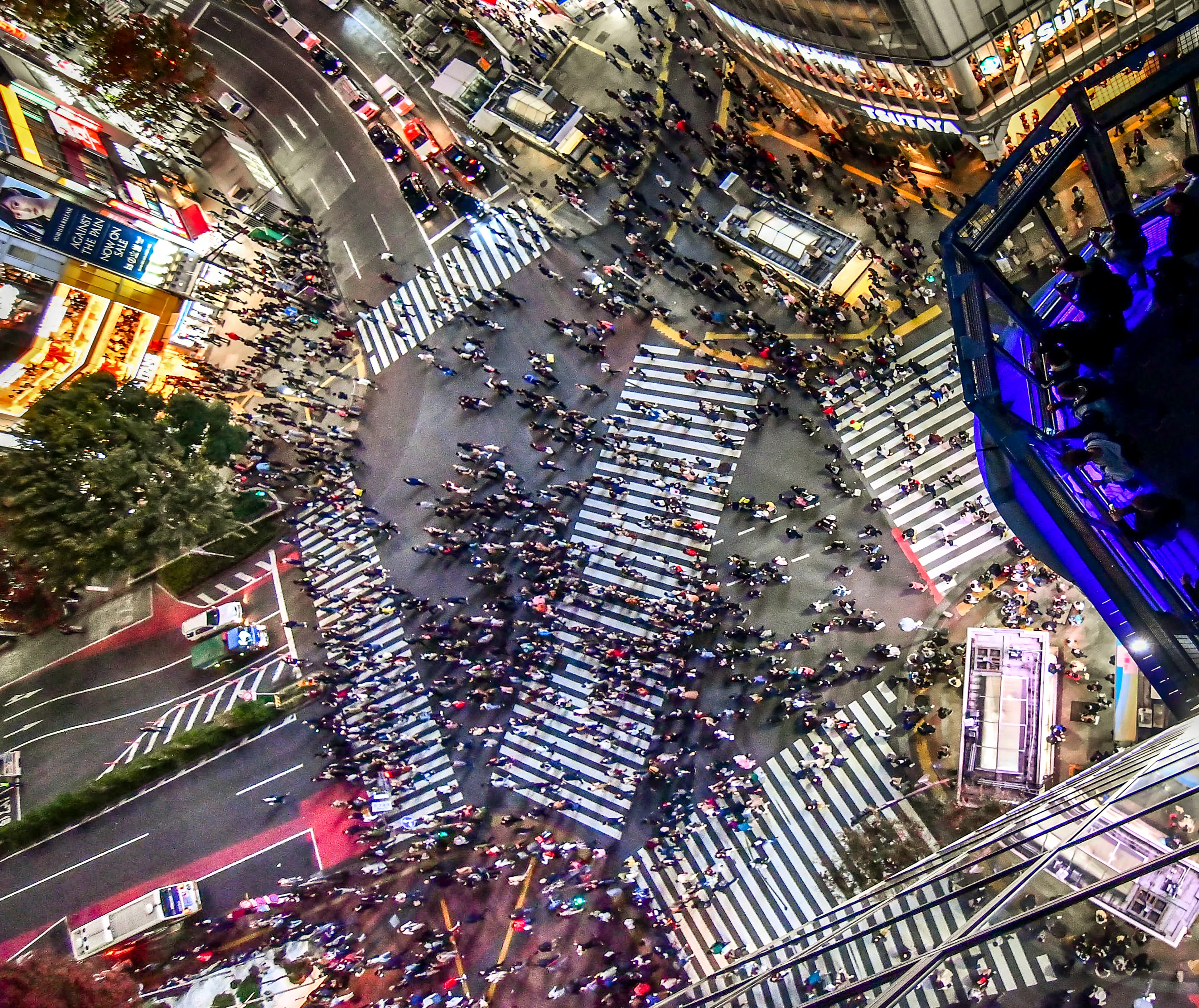
Join a night tour of Shinjuku to experience neon canyons, giant screens, and the kinetic energy of Kabukicho. Slip into Golden Gai’s tiny bars, where six seats can fill a room and conversation flows in intimate, lantern-lit lanes.
A local guide unpacks how the district evolved from red-light notoriety to creative haunt for filmmakers and writers. This experience is at additional cost and bookable on tour, offered on Signature departures in 2026.