Your itinerary
Day 1
Day 1: Dinner Party: Tokyo
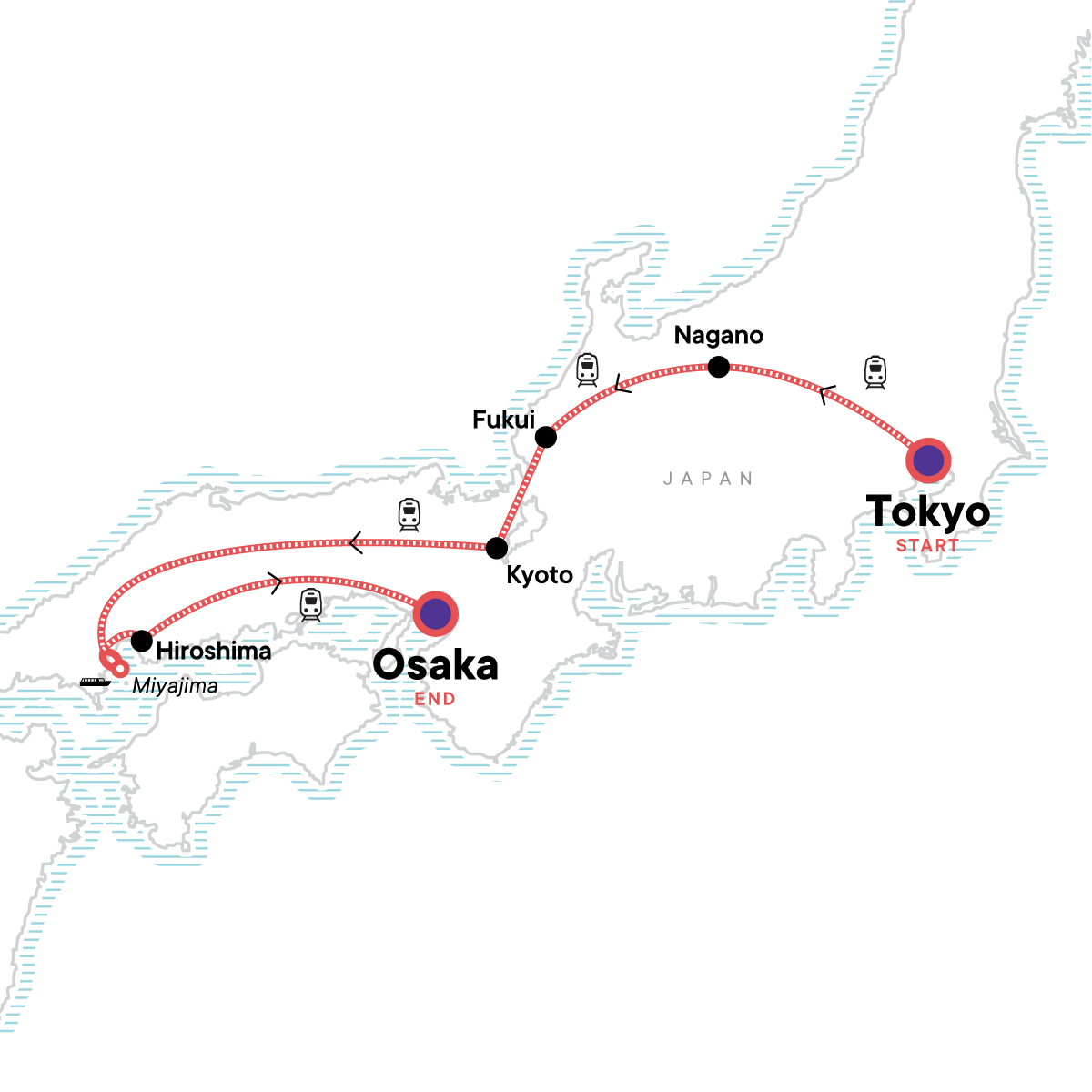
Meet the included arrival transfer at the airport and go to the hotel for a welcome briefing with your CEO and fellow travellers. Then join a dinner party and cooking class, preparing Japanese egg omelet, onigiri, teriyaki and seasonal vegetables together. Arrive by 14:00 to attend the briefing and cooking class.
Meals: Dinner
Day 2
Day 2: We Day: Tokyo
Explore Tokyo with your CEO, walking through Shinjuku, Harajuku and Shibuya. Browse shops on Takeshita Street, visit Meiji Jingu Shrine, learn the temizu purification ritual and how to read and leave an omikuji fortune.
Meals: Breakfast
Day 3
Day 3: G Day: Tokyo
Start with a special surprise, then take a local train to Asakusa. Tour Senso ji Temple with your CEO and enjoy free time to explore the neighbourhood, including Nakamise shopping street, cafes and shops. Take a bullet train to Nagano and stay overnight at Zenkō-ji Temple’s shukubo lodging. Main luggage is transferred separately; pack an overnight bag for approximately 24 hours.
Meals: Breakfast,Lunch,Dinner
Day 4
Day 4: Nagano
Join the monks for the sunrise prayer ritual at Zenkō-ji Temple and hear their chanting in the main hall. Have breakfast at the temple, then travel to Yudanaka to visit Jigokudani Monkey Park and see wild snow monkeys bathing in the hot springs. Return to Nagano.
Meals: Breakfast,Lunch
Day 5
Day 5: Nagano
Visit Matsumoto Castle, then enjoy a free afternoon to explore Nagano.
Meals: Breakfast
Day 6
Day 6: Fukui
After breakfast, take a bullet train to Fukui. Visit Eiheiji Temple in the mountains and tour Takefu Knife Village to see the traditional knife-making craft. Stay at a ryokan in tatami-matted rooms, with the opportunity to soak in the onsen. Main luggage is transferred separately; pack an overnight bag for approximately 24 hours.
Meals: Breakfast,Dinner
Day 7
Day 7: Kyoto
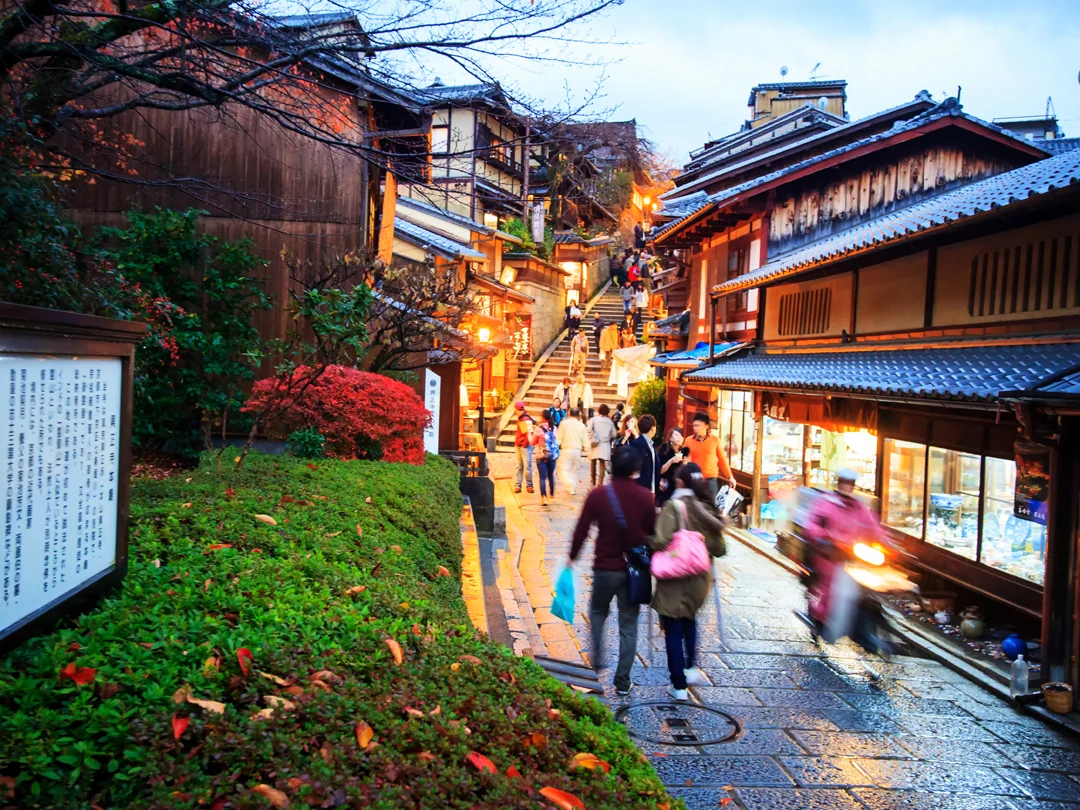
Travel by bullet train to Kyoto. You may join your CEO for lunch at Nishiki Fish Market; lunch is optional. Tour Gion with your CEO and visit Yasaka Shrine.
Meals: Breakfast
Day 8
Day 8: Me Day: Kyoto
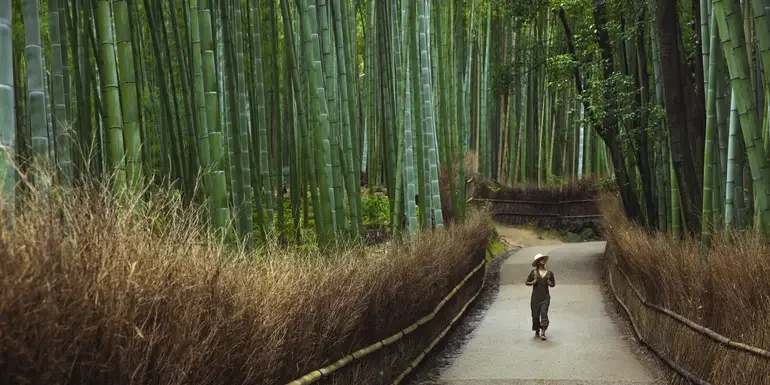
Spend the day as you choose. Optional activities at your own expense include hiking at Fushimi Inari Shrine, visiting Kinkaku-ji Golden Temple, or joining your CEO and fellow travellers for a zen garden visit, Arashiyama Bamboo Forest and Togetsukyo Bridge.
Meals: Breakfast
Day 9
Day 9: Kyoto/Hiroshima
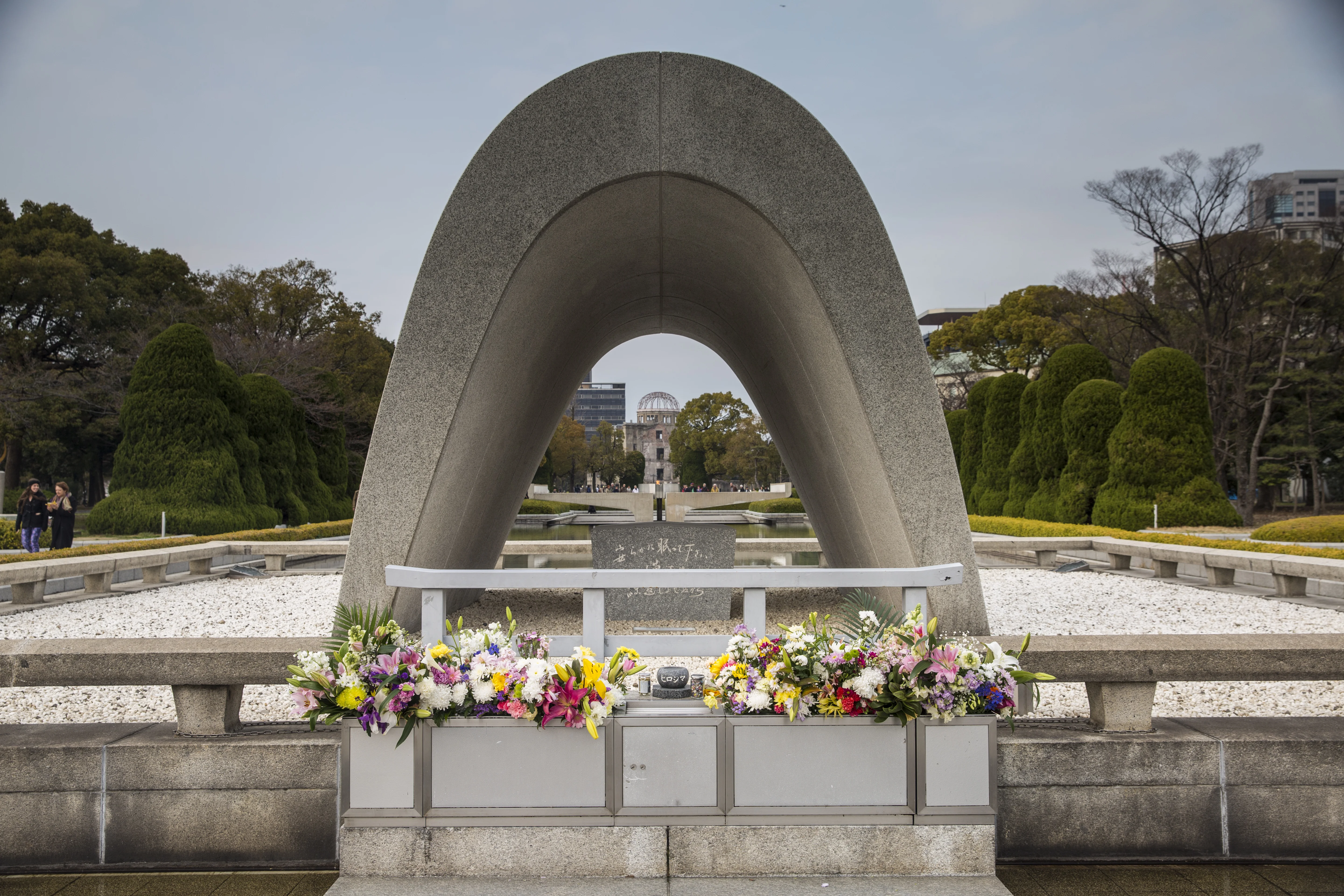
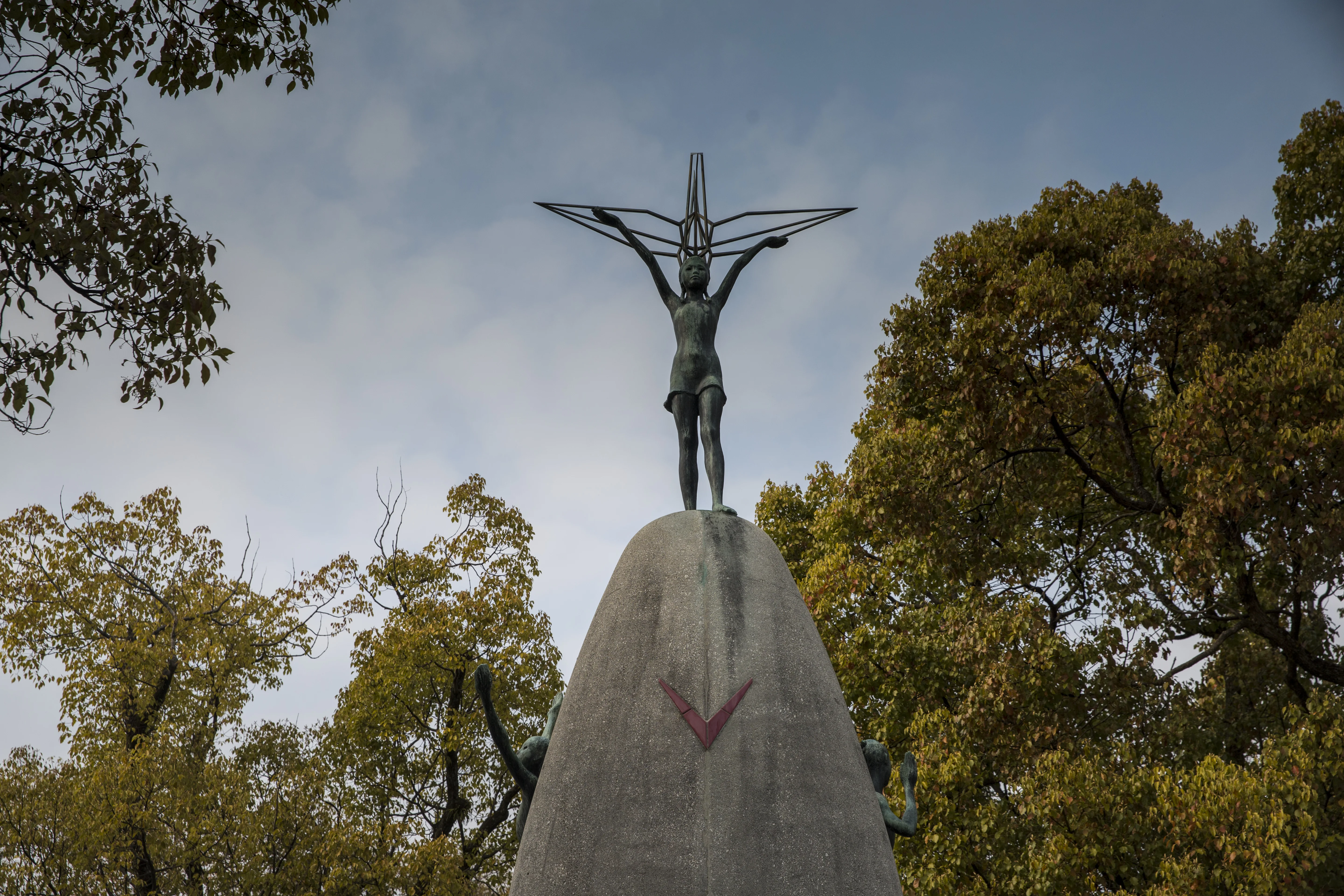
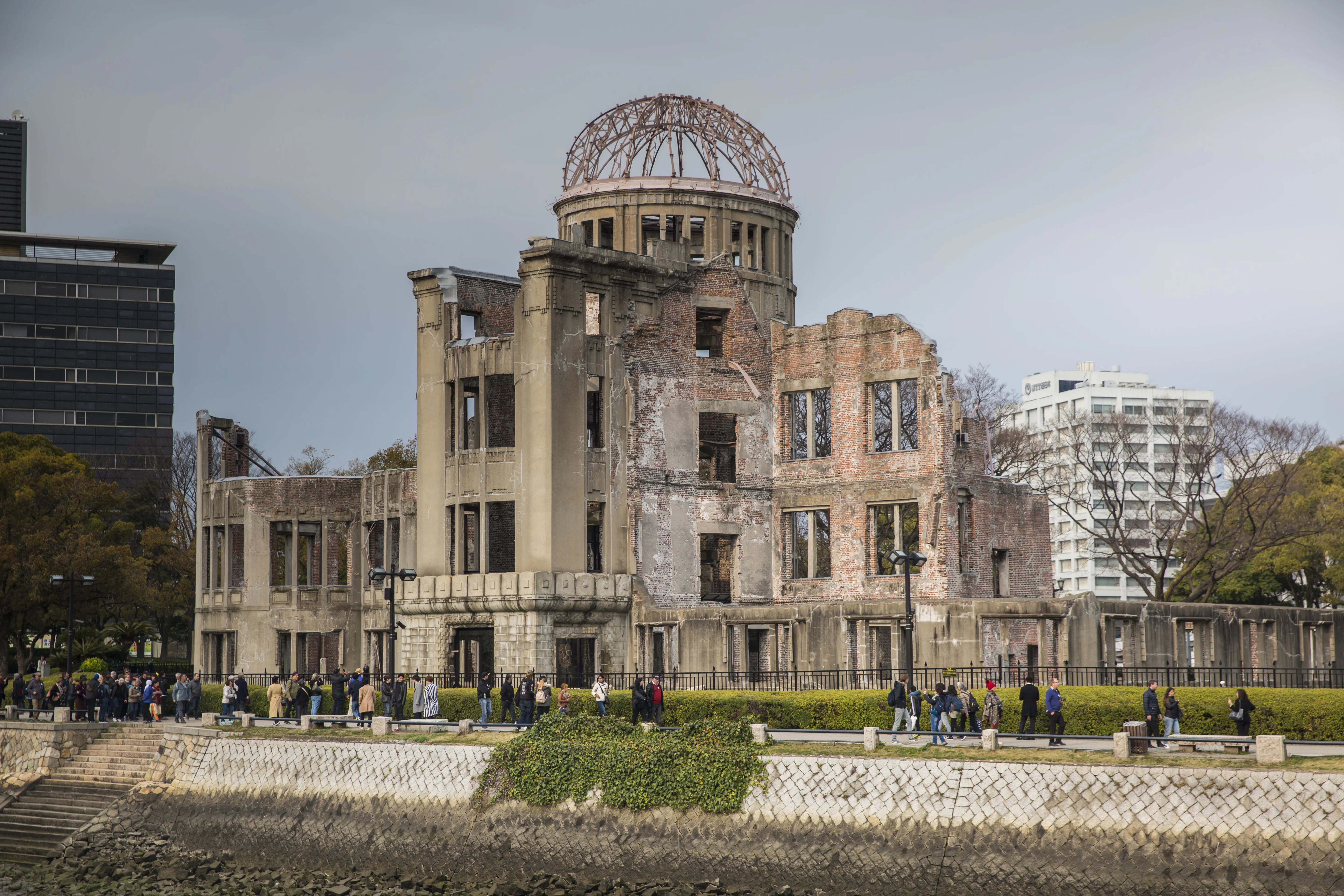
Take a bullet train to Hiroshima, arriving in the late morning. After going to the hotel, have free time for lunch. Visit Hiroshima Peace Memorial Park, including the Sadako Sasaki statue and the Gembaku Dome, then enjoy a free evening.
Meals: Breakfast
Day 10
Day 10: Hiroshima
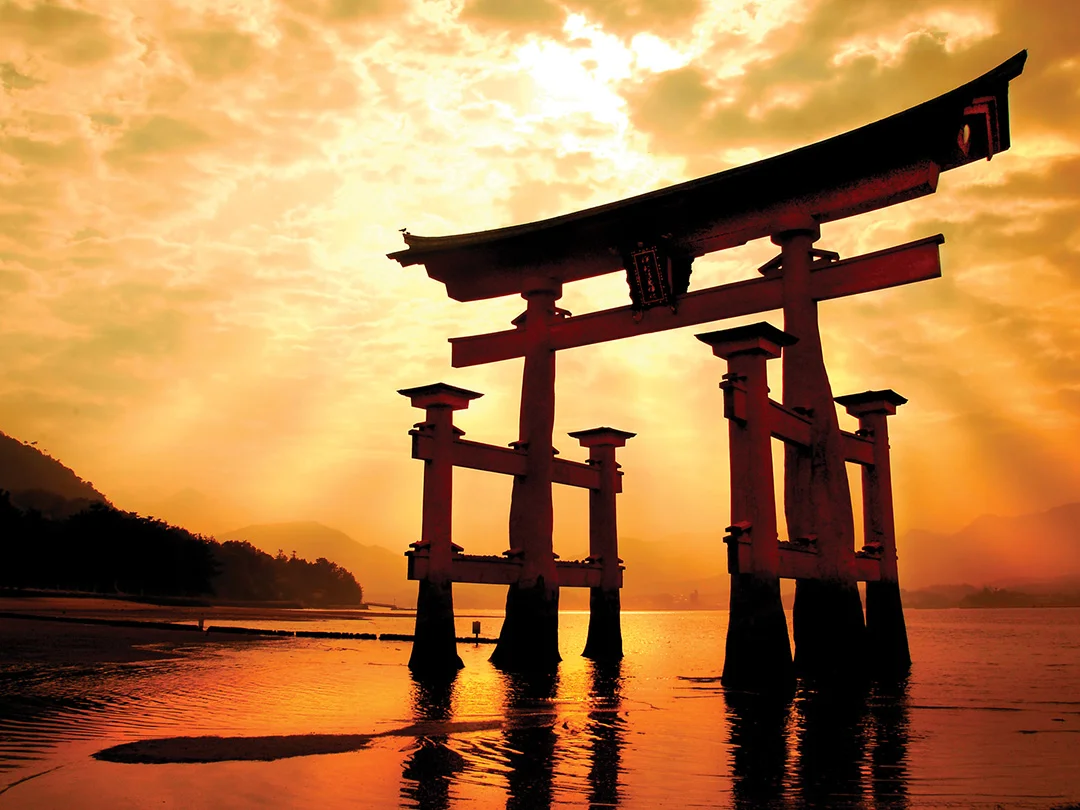
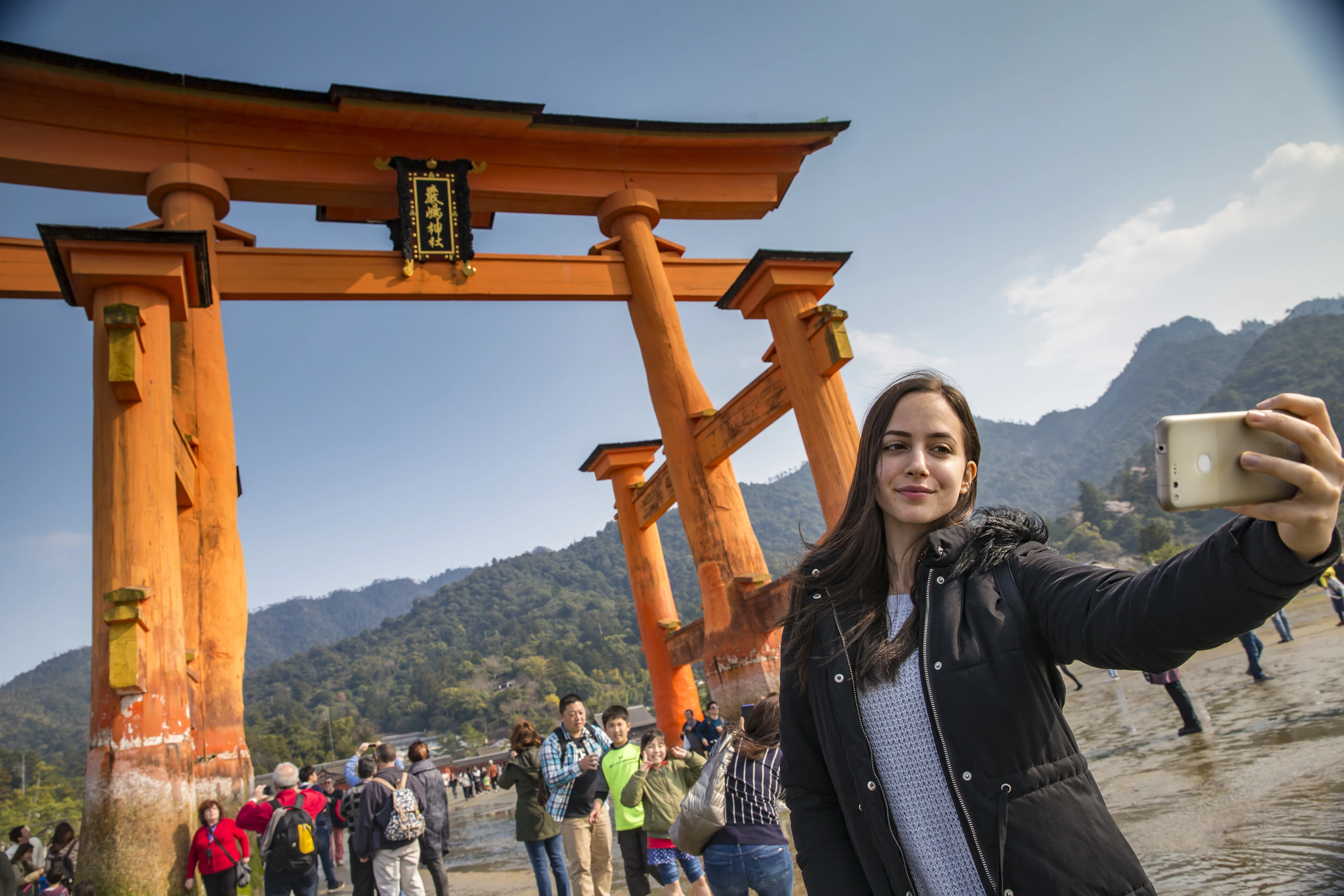
Travel by local train and ferry to Miyajima Island. Visit Itsukushima Shrine, then enjoy free time on the island. Return to Hiroshima by ferry and local train. You may join your CEO for an optional farewell dinner featuring local okonomiyaki.
Meals: Breakfast
Day 11
Day 11: Osaka
Take a bullet train with your CEO and fellow travellers to Shin-Osaka Station, where the tour ends. If continuing in Japan, your CEO can help you find the correct train; if heading to the airport, your CEO will accompany you from Shin-Osaka to Kansai Airport (KIX). Book return flights no earlier than 16:00.
Meals: Breakfast
What’s included
What’s not included
Additional information
Meals Included
10 breakfasts, 2 lunches, 3 dinners
Group Size
16
Solo Travellers
Minimum Age
Local Dress
Important Notes
1. Tattoos
Tattoos are not common or widely accepted in Japan. There is no cause for concern, but do your best to cover your tattoos when possible and note that you may not be permitted to enter public spas or onsens (hot springs).
2. Luggage size restriction
All G Adventures tours in Japan use the world-famous Shinkansen bullet trains, which have a restriction on maximum luggage size. Your luggage must be less than 160cm in total. This is roughly the size that most airline companies consider as “carry-on baggage” and allow in overhead storage compartments.
3. We strongly recommend bringing a day pack or backpack to use during the day, in addition to your carry-on sized luggage. Please see “What to take” under Tour details for more information.
4. ACCOMMODATION NOTE:
Please be aware that properties we stay in with only two stories may not have elevators installed and climbing the stairs with your luggage will be necessary.
5. OVERNIGHT BAG
While we ride the bullet train, your main luggage will be sent on Japan’s takkyubin service (luggage transfer) to the next destination. Please note, you will NOT have access to your main luggage for approximately 24 hours. You must pack an overnight bag with everything you’ll need until you’re reunited with your luggage the following day. Only one bag per passenger is permitted on the luggage transfer. If you have more, there will be an additional charge at the traveler’s expense.
Group Leader
CEO (Chief Experience Officer) and local guides throughout.
Meals
Eating is a big part of traveling. G Adventures knows that worldwide, local cuisines define the cultures. We think sampling regional delicacies are intrinsic to truly experiencing the country. We want you to be able to try foods according to your individual tastes, comforts, and budgets.
Generally meals are not included in the trip price when there is a choice of eating options, to give you the maximum flexibility in deciding where, what and with whom to eat. It also gives you more budgeting flexibility. At times, meals will be taken together as a group. Other times, your CEO will point you in the direction of several delicious options, and you will have free time to pick and choose at will. Often in Japan it is fun to get some snacks and beverages with the salarymen in the evenings at small restaurants, and other times it is fun to sit with a few friends at a sushi train.
Your CEO will always strive to cater for all dietary requirements/preferences, but please keep in mind that Vegetarianism/Veganism and Gluten Free Options are very uncommon in Japan, especially in rural areas, so this may mean a more limited selection for you.
Please refer to the Meals Included and Budget Information for information regarding included meals on your trip. Japan’s kitchen is at your fingertips!
About Accommodation
What to Take
What you need to bring depends on the trip you have chosen and the countries or regions you are planning to visit. We suggest that you pack as lightly as possible as your are expected to carry your own luggage. As a rule we try not to have to walk more than 15-20 minutes with your bags which is why we recommend keeping the weight of your bags between 10-15kg/22-30lb. Suitcases are not recommended for G Adventures trips! Most travellers carry a backpack or rolling bag of small to medium size (no XXL ones please!) as they need to fit under the beds when travelling on sleeper trains. You will also need a day pack/bag to carry water, cameras and other electronics like ipods and mobile phones. If your trip involves overnights in homestays, villages or camping then you usually have the opportunity to rent sleeping bags if need be instead of bringing them with you.
Spending Money
Every traveller is different and therefore spending money requirements will vary. Some travellers may drink more than others while other travellers like to purchase more souvenirs than most. Please consider your own spending habits when it comes to allowing for drinks, shopping and tipping. Please also remember the following specific recommendations when planning your trip.
Hiroshima Peace Memorial Park & A-Bomb Dome
Visit Hiroshima Peace Memorial Park to honor lives lost and futures protected. See the A-Bomb Dome (Genbaku Dome), the Children’s Peace Monument, and paper cranes symbolizing hope. Your CEO facilitates space to pause for reflection.
Learn stories of resilience, from Sadako Sasaki’s folded cranes to Hiroshima’s commitment to peace education. The memorials and museum exhibits underscore a powerful message: remembrance can inspire a more humane world.
Kinkaku-ji (Golden Pavilion) Visit
Visit Kinkaku-ji (Golden Pavilion), where upper floors gleam with gold-leaf brilliance above the Kyoko-chi mirror pond. Stroll landscaped paths and view the villa’s reflections framed by pines and seasonal blooms.
This optional experience is at additional cost and bookable on tour. Your CEO explains how Muromachi-era aesthetics and Zen aesthetics shaped the garden’s sightlines, pairing architecture and water for tranquil harmony.
Jigokudani Snow Monkey Park
Walk a gentle forest trail to the valley of Jigokudani and watch wild Japanese macaques warm themselves in a steam-filled hot spring pool. Photograph these charismatic animals as they groom, soak, and play against a snowy mountain backdrop in season.
Learn why the Jigokudani Monkey Park became a symbol of coexistence between wildlife and mountain communities. Guides share tips on respectful distance and behavior so you leave only footprints on this remarkable visit.
Matsumoto Castle Tour
Visit the imposing Matsumoto Castle, among Japan’s finest original keeps. Step inside the black-walled donjon and climb steep wooden stairs where samurai once stood guard, then circle the moat and stone ramparts for reflections of the elegant keep.
Hear how this 16th-century samurai stronghold earned the nickname “Crow Castle.” From arrow slits to moon-viewing rooms, its design reveals both martial purpose and refined taste from Japan’s turbulent Sengoku era.
Eiheiji Temple: Forest Monastery of Eternal Peace
Enter the hush of Eiheiji Temple, a famed Soto Zen monastery nestled amid towering cedars. Follow cedar forest paths to sculpted halls, polished corridors, and stone steps softened by moss and mountain mist.
Founded in the 13th century, Eiheiji is a living center of Zen training. As you wander quiet wooden corridors, your CEO shares how daily rituals, meditation, and work practice shape monastic life far from the modern world.
Takefu Knife Village Craftsmanship Tour
Witness master blacksmiths at Takefu Knife Village, birthplace of Echizen blade-making. Stand close as glowing steel and hammer blows spark and sing, then see quenching, sharpening, and finishing techniques honed by a 700-year tradition.
Learn why Japanese knives are prized for thinness, hardness, and edge retention. From samurai swords to chef’s blades, this cooperative of artisans preserves methods passed across generations, fusing precision with enduring craft culture.
Traditional Ryokan Stay & Onsen Experience
Unwind in a traditional ryokan, slipping into a yukata robe and padding across tatami-matted rooms. Follow simple bathing etiquette and soak in an onsen, where mineral-rich waters ease travel-weary muscles.
Your CEO introduces ryokan customs that shape Japanese hospitality: seasonal design, quiet manners, and restorative routines. This immersive stay reveals a slower rhythm of life defined by warmth, simplicity, and ritual comfort.
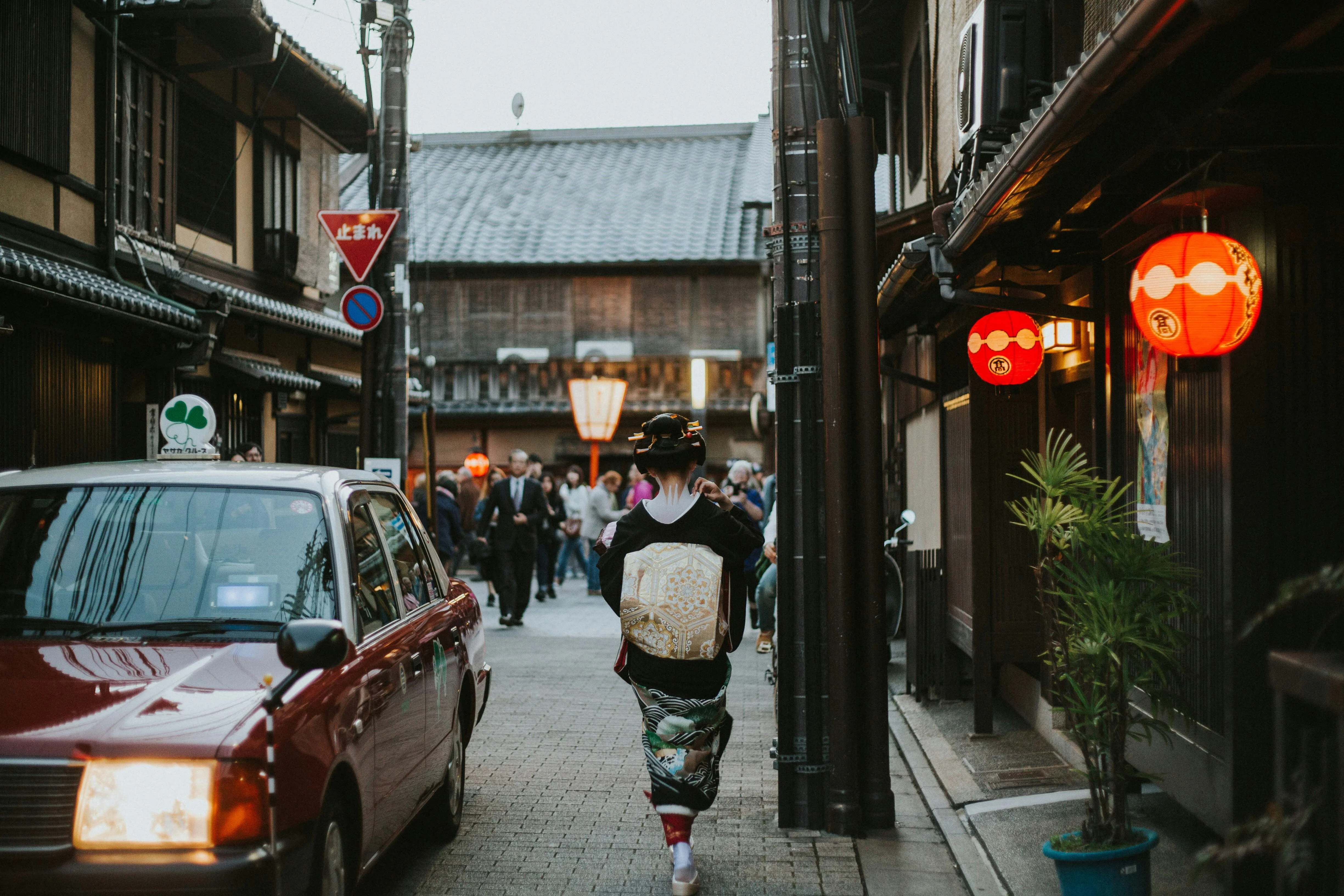
Gion District Walk & Yasaka Shrine, Kyoto
Stroll Kyoto’s Gion district, past lattice-front machiya and lantern-lit streets leading to Yasaka Shrine. Your CEO points out teahouses where maiko and geiko still perform, and shares cues for respectful encounters.
Absorb centuries of tradition from shrine pavilions to quiet alleyways. The district’s lingering elegance, shaped by patronage and performance, offers a window into Kyoto’s refined arts and living heritage.
Miyajima Island Ferry & Itsukushima Shrine
Cross by ferry across the Seto Inland Sea to Miyajima and walk the boardwalks of Itsukushima Shrine, famed for its floating torii gate that shimmers at high tide. Watch deer roam and explore market lanes framed by sea and hills.
Hear how the shrine’s tide-washed boardwalks and vermilion architecture express Shinto reverence for nature. Your CEO shares the island’s rhythms, where shrine rituals and coastal life flow together.
Fushimi Inari Shrine Hike
Hike through thousands of vermilion torii as you hike to Fushimi Inari Shrine, following fox-guarded paths up the forested slopes of Mount Inari. Pause at smaller sub-shrines and lookouts with city views over Kyoto.
This optional experience is at additional cost and bookable on tour with your CEO. Learn about Inari worship, merchants’ donations, and the symbolism of fox messengers that shape this much-loved pilgrimage route.
Arashiyama Bamboo Grove, Zen Garden & Togetsukyo Bridge
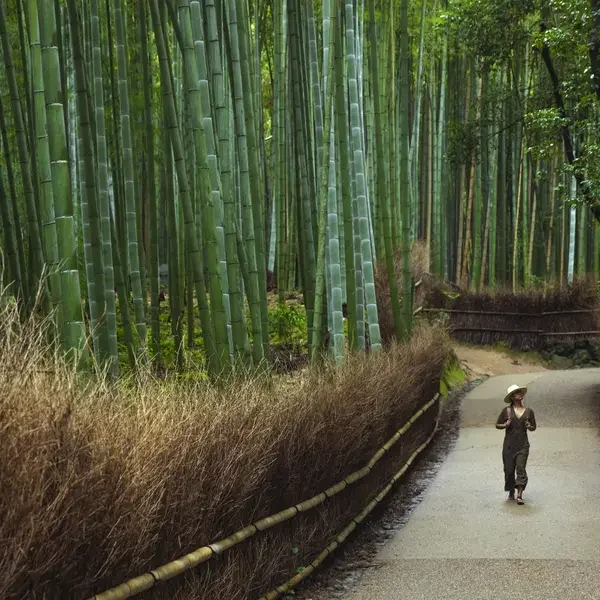
Wander the Arashiyama Bamboo Grove beneath whispering bamboo, visit the Tenryu-ji Zen garden, and continue to the iconic Togetsukyo Bridge spanning the Katsura River’s scenic banks.
This CEO-hosted outing is optional, at additional cost, and bookable on tour. Hear how temple landscapes, river trade, and seasonal color shaped Arashiyama’s timeless allure at Kyoto’s western edge.
Hiroshima Okonomiyaki Farewell Dinner
Gather one evening to taste Hiroshima-style okonomiyaki, layered on a sizzling teppan griddle with layered noodles, cabbage, and sauce. Watch the chef’s deft spatula work and raise a toast with new friends.
This optional farewell dinner is at additional cost and bookable on tour with your CEO. Learn how postwar ingenuity shaped the city’s signature comfort food, now a proud local tradition served at lively counters.
Tokyo Highlights Walk: Shinjuku, Harajuku & Meiji Jingu
Explore Tokyo’s contrasting neighborhoods on a guided city walk. See Shinjuku’s neon canyons, browse Harajuku’s Takeshita Street fashions, and witness the flow of humanity at Shibuya Crossing before stepping into the calm forest of Meiji Jingu Shrine.
Learn shrine etiquette, from the temizu purification to drawing and reading an omikuji fortune. Your CEO shares stories that connect modern pop culture with centuries-old Shinto tradition, revealing how Tokyo balances spectacle with serenity.
Tokyo Welcome Cooking Class & Dinner Party
Cook and share a feast at a local studio during a hands-on cooking class in Tokyo. Guided by your host, prepare staples like Japanese egg omelet (tamagoyaki), onigiri, and teriyaki before sitting down together to taste your creations and raise a cheerful itadakimasu.
Begin your journey by getting to know your fellow travellers and meet your CEO and group. Hear insights into Japan’s culinary etiquette and home-style dining culture, where balance, seasonality, and presentation turn simple ingredients into quietly elegant meals.
Senso-ji Temple & Asakusa Neighborhood Walk
Discover old Tokyo in Asakusa with your CEO, entering through the thunder gate of Kaminari-mon and strolling the Nakamise shopping street toward Senso-ji Temple. Breathe the incense by the incense-swirled main hall and admire the five-storied pagoda.
Hear how this 7th-century Buddhist temple became a guardian of Edo-period faith and commerce. Browse traditional snack stalls and craft shops, where crisp senbei rice crackers and washi paper souvenirs echo the neighborhood’s enduring spirit.
Zenko-ji Temple Stay with Morning Prayers
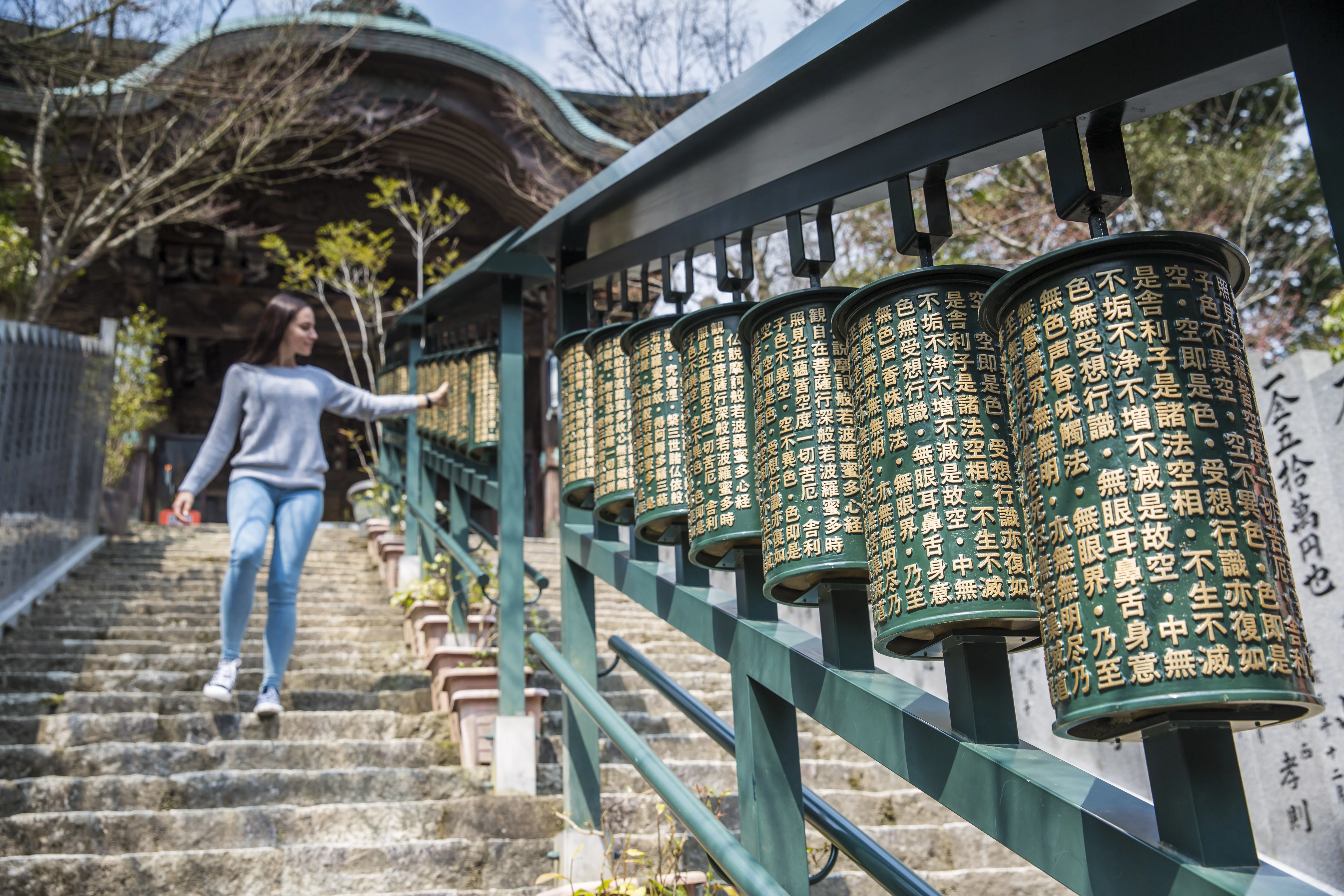
Experience monastery life at Zenko-ji Temple in Nagano with an overnight in shukubo lodging. Wake before dawn to hear kansho bell tones and join the dawn chanting that echoes through the main hall’s timber pillars.
Absorb the contemplative rhythm of one of Japan’s most venerable Buddhist temples, whose faithful have gathered for centuries. This rare window into spiritual practice offers quiet reflection amid tatami rooms, cedar scents, and candlelit altars.