Your itinerary

Day 1
Settle into Kyoto’s rhythm | Welcome dinner in a historic villa’s garden
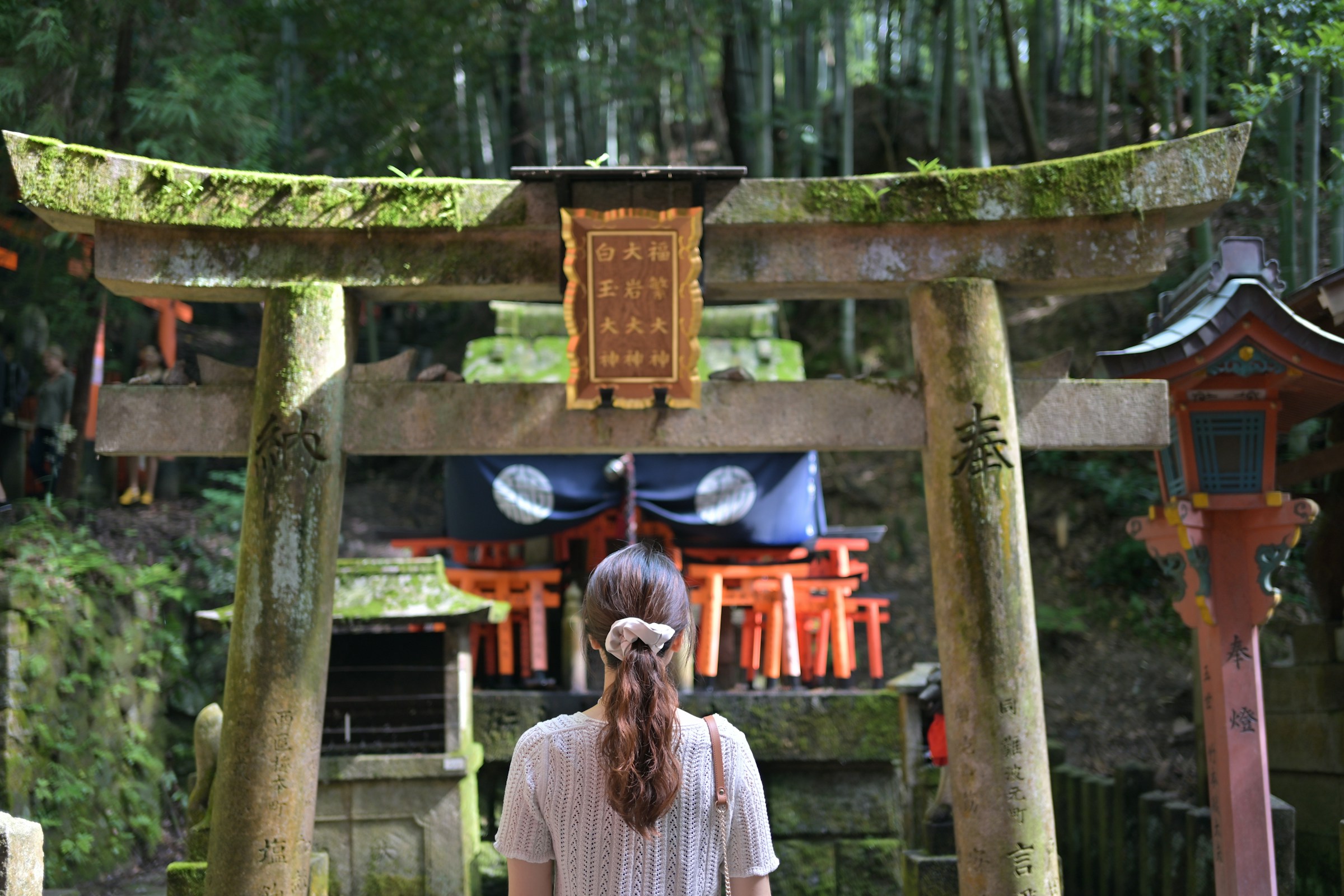
Arrive in Kyoto; complimentary arrival transfers are provided. Early arrivals can prebook an optional guided walk around Fushimi Inari Taisha, climbing through the forests and descending through the scarlet torii gates. In the evening, join your Signature Guide for a welcome reception and dinner in the garden of Ganko Takasegawa Nijoen.
Meals: Dinner
Day 2
Step into living heritage | Uncover geisha culture on a walk through Gion
Explore Arashiyama, beginning at Tenryu-ji Temple, where you practise shakyo by tracing a sutra while seated in zazen-style, then continue through the temple gardens and bamboo groves. Walk to Gio-ji Temple. Have tempura lunch at Tempura Endo, then take an evening walk through Gion to learn about geisha culture. Dinner is around Pontochō Lane, beside the Kamo River.
Meals: Breakfast,Lunch,Dinner
Day 3
Witness resilience in Hiroshima | Join a moving private talk on the atomic bomb
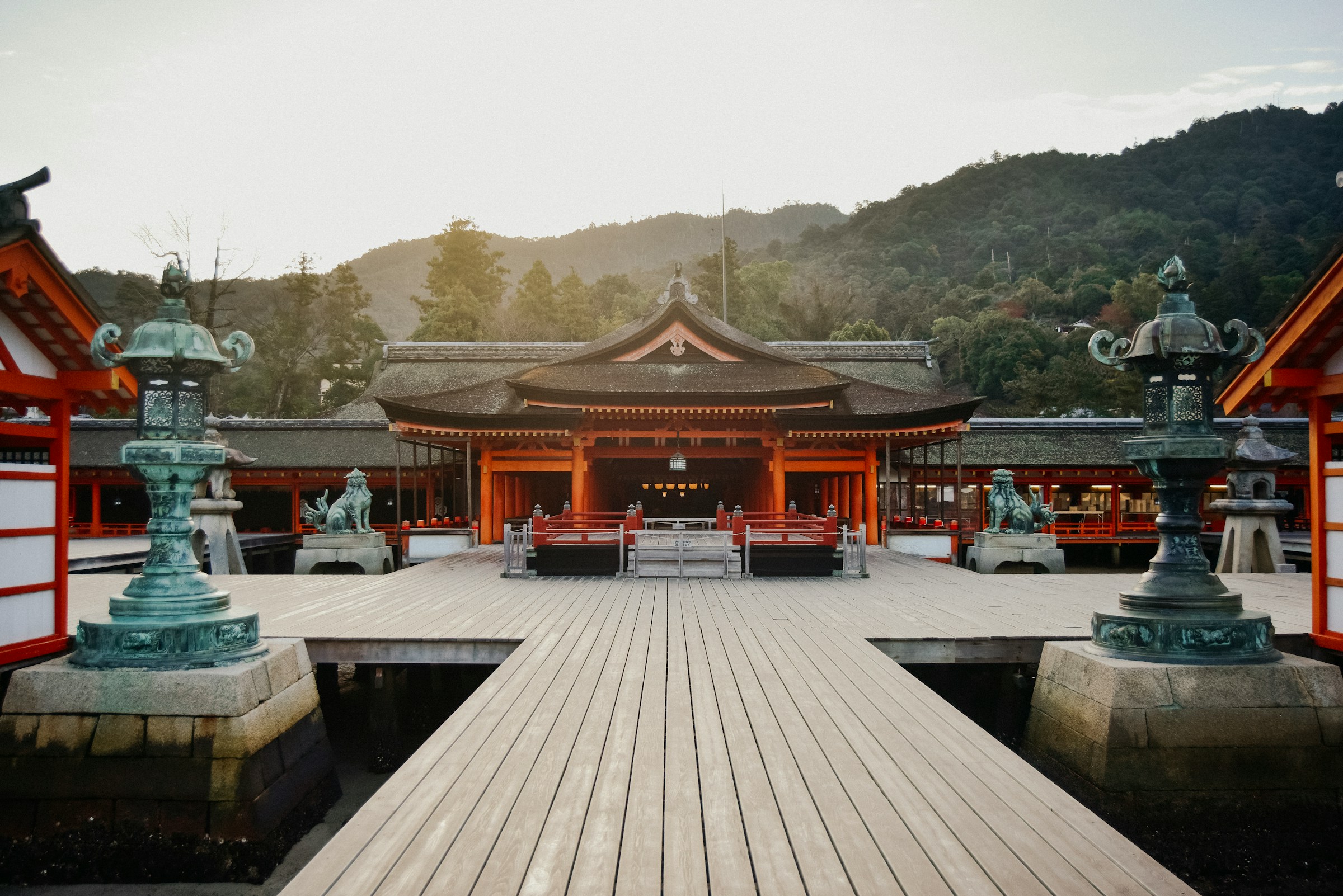
Take the bullet train to Hiroshima and a ferry to Miyajima Island to visit Senjokaku Pavilion and Itsukushima Shrine and see the floating torii gate. Have lunch featuring seasonal cuisine. Visit Peace Park and Museum and hear a private testimony from a hibakusha or local expert. Return to Kyoto by train in the evening; you can pick up a bento box to eat on the train.
Meals: Breakfast,Lunch
Day 4
Signature Day | Join an apprentice geisha for a refined kaiseki dinner
Choose a Signature Day activity: a tea ceremony with a local tea master (10:00–12:00), a kintsugi workshop (13:30–15:30), or an artisanal sake brewery tour and tasting (16:00–17:00). Have lunch at a downtown restaurant near the river, with private transfers between the hotel and lunch venue. In the evening, join an apprentice geisha for a kaiseki dinner in the historic villa where painter Takeuchi Seiho once lived.
Meals: Breakfast,Lunch,Dinner
Day 5
Enter sacred Japan | Nourish your spirit and soul during our Signature Stay
Travel into the forested mountains to Kōyasan and visit Konpon Daitō Pagoda. After lunch, check in to Joki-in Temple for a simple spiritual retreat and shōjin ryōri dinner. At dusk, join a monk for a nighttime walk through Okunoin Cemetery, visiting the hall where Kūkai is said to still meditate.
Meals: Breakfast,Lunch,Dinner
Day 6
Travel through the centuries | Journey to Japan’s feudal era at Inuyama Castle
Observe or take part in morning worship and chanting at the temple. After breakfast, travel north and have lunch in the castle town of Inuyama. Visit Inuyama Castle, then continue to the Kiso Valley and check in to a traditional ryokan. Enjoy a multi-course kaiseki dinner and an onsen soak.
Meals: Breakfast,Lunch,Dinner
Day 7
Feel the quiet calm of rural Japan | Walk the Nakasendō trail
After breakfast, walk the Nakasendō trail from Magome along stone-paved paths past waterfalls and farmsteads. Return to the ryokan in the afternoon; the rest of the day is free to rest or explore the quiet lanes of Kiso Fukushima.
Meals: Breakfast,Lunch,Dinner
Day 8
Meet icons of Japan | Gaze over the snowy peak of Mount Fuji
Take a private transfer to Tokyo, stopping at Lake Kawaguchiko for views of Mount Fuji when the weather is clear. Have a traditional regional lunch, then visit the Imperial Palace area and its historic grounds. Enjoy a farewell dinner of shabu-shabu at Hyoki Shabu-shabu Akasaka.
Meals: Breakfast,Lunch,Dinner
Day 9
Say a fond farewell to Japan
Take your complimentary departure transfer to the airport. Optional activities, if time allows, include a private city walking tour or a sumo experience.
Meals: Breakfast
What’s included
What’s not included
Additional information
Food
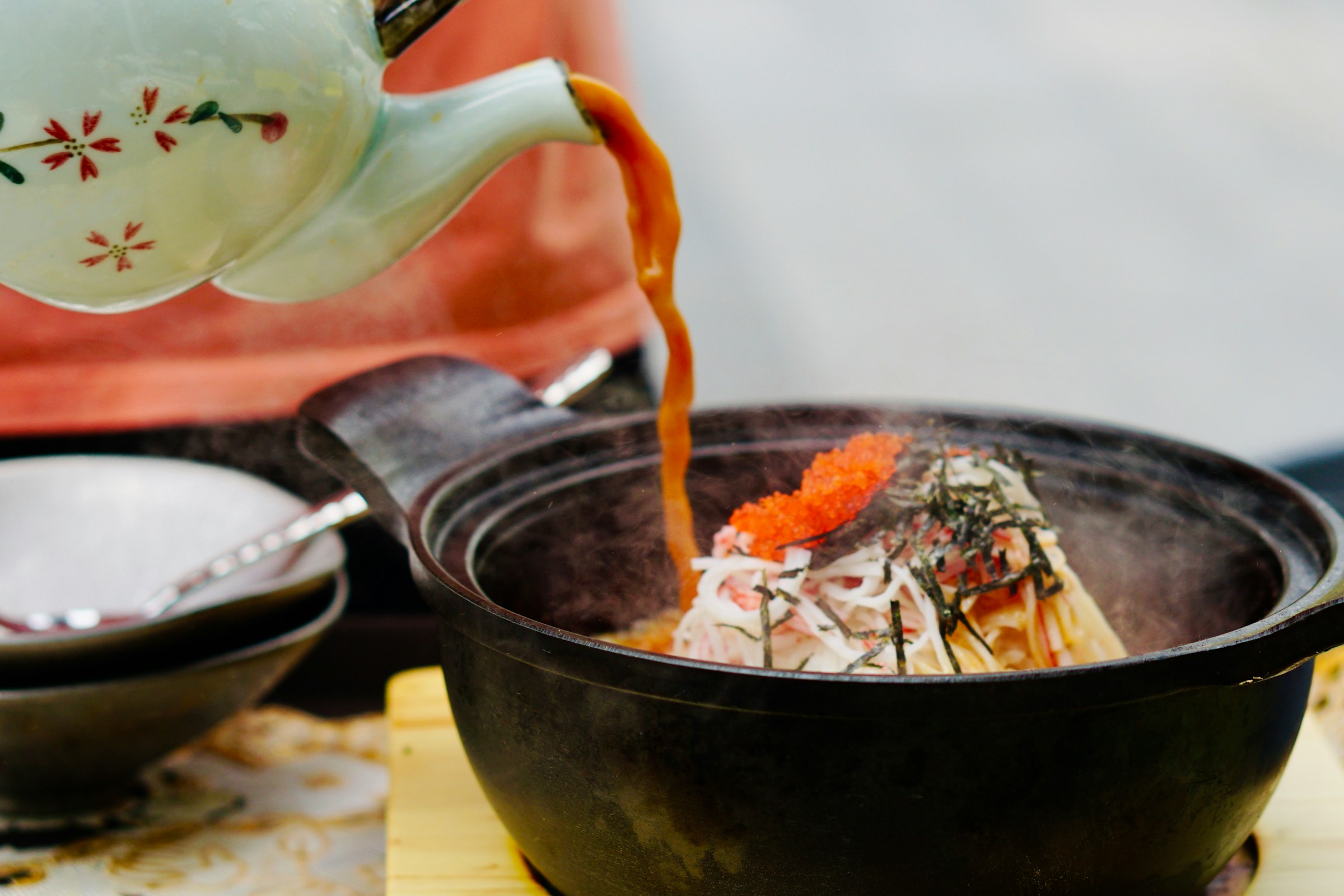
This journey is designed to deepen your connection to the country through its food and drink. Multi-course kaiseki dinners reveal the artistry behind Japanese cuisine, a maiko-hosted banquet offers a rare insight into refined hospitality, and a simple but authentic shojin ryori in a temple provides unique insight into the life of a Buddhist monk.
Please note that we cannot guarantee strict vegan or vegetarian meals on our tours in Japan. Traditional Japanese cuisine often uses ingredients such as fish-based dashi stock in soups, sauces and seasonings, even in dishes that may appear vegetarian. As these ingredients are deeply integrated into Japanese cooking and are not always considered separate dietary components locally, accommodating strict vegan or vegetarian diets can be challenging, particularly during traditional dining experiences and stays in rural areas or at historic accommodations. Guests who are comfortable with small amounts of fish- or meat-based stock are unlikely to encounter major difficulties, but those following a strict vegan or vegetarian diet may wish to bring supplementary snacks for occasions when options may be more limited.
Where meals are not included, your Signature Guide will be on hand with considered recommendations, whether you choose to dine together or enjoy the evening at your own pace.
Lake Kawaguchiko Views of Mount Fuji
Pause at Lake Kawaguchiko to admire Mount Fuji rising in perfect volcanic symmetry. When skies are clear, the mountain’s reflection shimmers across the lake, a serene stage for photography and quiet awe.
Seasonal light transforms the scene—from summer greens to autumn maples that frame Fuji in rich crimson. Lakeside paths and waterside shrines lend a contemplative rhythm to your visit.
Arashiyama Zen Temples, Shakyo at Tenryu-ji & Bamboo Grove
Begin in Arashiyama at Tenryu-ji Temple, where you quietly practise shakyo sutra tracing before wandering the temple’s UNESCO-listed Zen gardens. Continue into the whispering Arashiyama Bamboo Grove, its towering culms swaying softly overhead.
Pause at Gio-ji, a moss-clad sanctuary whose petite hall and velvety carpet of green invite unhurried contemplation. The interplay of raked gravel, mirror-still ponds and sculpted pines reveals Kyoto’s deep dialogue between nature and design.
Gion Evening Walk & Geisha Culture
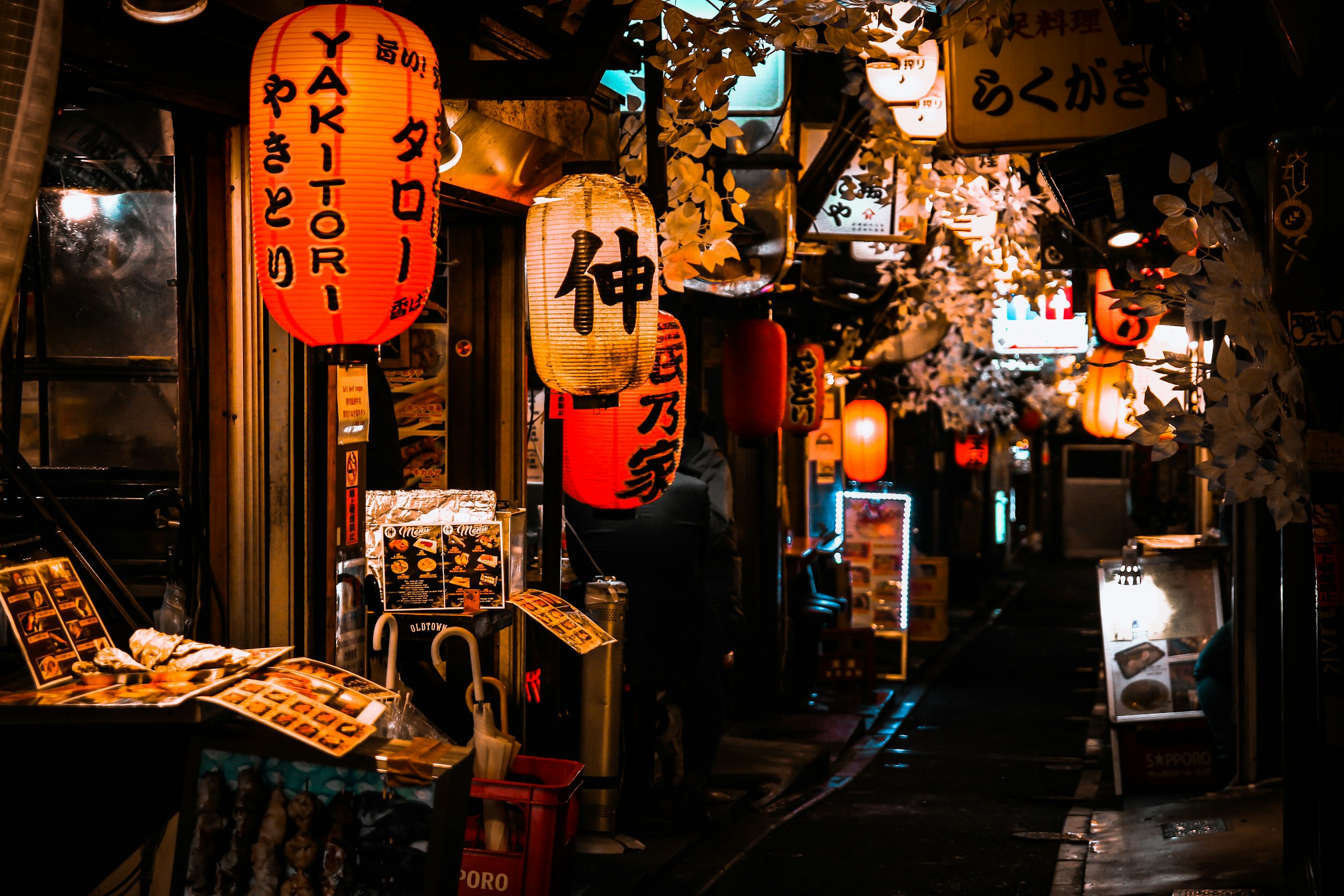
Wander the atmospheric lanes of the Gion district, where wooden machiya townhouses and lantern-lit alleys frame Kyoto’s most storied entertainment quarter. With your guide, learn about geisha culture and the artistry of maiko and geiko training.
Hear how dance, music and etiquette are preserved in traditional ochaya teahouses, and trace the Kamo River’s edge toward Pontocho’s narrow lane. The hush of passing kimono and faint notes of shamisen evoke a living heritage.
Miyajima: Itsukushima Shrine & Floating Torii Gate
Ferry across the Seto Inland Sea to visit Itsukushima Shrine, famed for its floating torii gate that appears to rise from the tide. Walk vermilion corridors that frame sea and sky, a composition perfected since the Heian period.
Climb toward Senjokaku Pavilion for sweeping island views and a sense of Miyajima’s sacred calm. Deer wander the shoreline as shrine roofs and maple forests glow with soft coastal light.
Hiroshima Peace Memorial Park & Museum with Private Testimony
Pay respects at Hiroshima Peace Memorial Park, passing the A-Bomb Dome (Genbaku Dome) and cenotaphs that frame the eternal flame. Inside the Peace Memorial Museum, artefacts and personal stories illuminate a city’s path from devastation to renewal.
A private session with a hibakusha (atomic bomb survivor) or local expert adds human perspective and quiet gravity. It is a moment for remembrance, reflection and hope.
Signature Day: Choose One Kyoto Cultural Immersion
Select your path and choose one included experience: a refined tea ceremony with a local tea master, a hands-on kintsugi workshop restoring pottery with lacquer and gold, or a guided sake brewery tour and tasting.
Each option opens a different doorway into Kyoto’s soul—whether through chanoyu’s meditative grace, the wabi-sabi beauty of repaired ceramics, or the nuanced terroir and technique behind Japan’s iconic spirit.
Apprentice Geisha Kaiseki Dinner at the Takeuchi Seiho Villa
Share an evening of rare access as you join an apprentice geisha for an elegant kaiseki dinner in the former residence of painter Takeuchi Seiho. Seasonal courses arrive like brushstrokes—precise, restrained, luminous.
Between courses, experience Kyoto’s refined arts and the subtle rhythms of conversation and hospitality that define the geisha world. The villa’s intimate rooms and curated antiques deepen the sense of time and place.
Okunoin Cemetery Night Walk with a Buddhist Monk
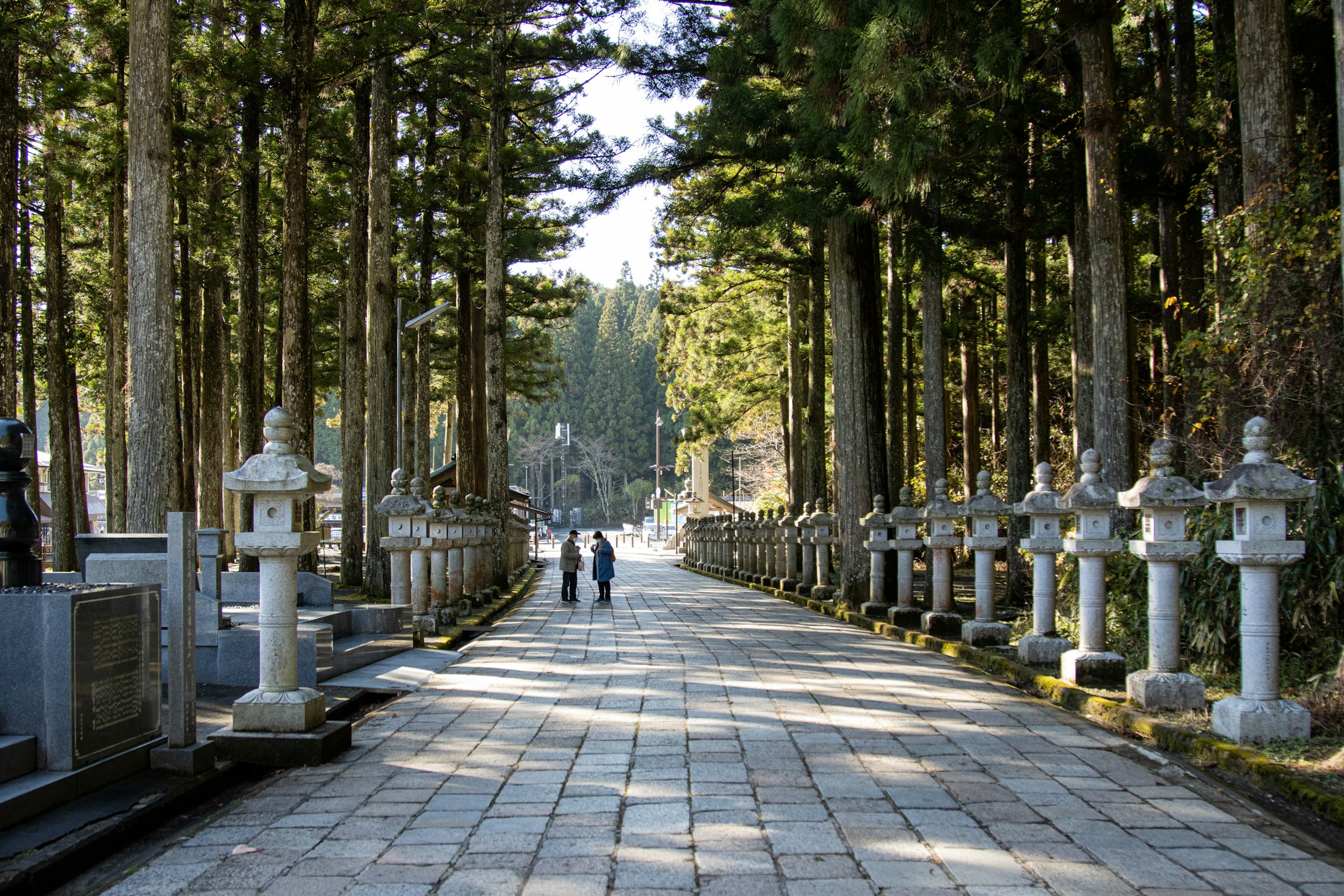
By lantern light, follow your guide on a monk-led night walk through Okunoin Cemetery, Japan’s largest necropolis. Pass beneath a towering cedar avenue toward the Mausoleum of Kobo Daishi, where devotion endures across centuries.
More than 200,000 tombs and memorials line the path—samurai, poets, and pilgrims sharing sacred ground. The hush invites contemplation as flickering flames reveal moss, stone and mist.
Inuyama Castle: National Treasure Keep above the Kiso River
Climb the original donjon of Inuyama Castle, a rare National Treasure keep first built in 1537. Steep timber stairs lead to a breezy balcony with a broad Kiso River panorama.
Once linked to the Oda clan and later the Naruse family, the fortress preserves samurai-era carpentry, plasterwork and defensive design. Its hilltop perch frames a living tableau of river, rooftops and wooded lowlands.
Ryokan Kaiseki Dinner & Onsen Ritual in the Kiso Valley
Settle into a traditional ryokan where a seasonal multi-course kaiseki dinner celebrates mountain produce and river fish. Later, slip into soothing onsen baths, letting steam and minerals ease travel-worn muscles.
Yukata robes, sliding shoji and futon bedding complete a choreography of calm. Candle-warm light and cedar fragrances encourage unhurried conversation and restorative rest.
Tokyo’s Imperial Palace East Gardens
Stroll the Imperial Palace East Gardens, where the ruins of Edo Castle—moats, stone ramparts and gatehouses—anchor a green refuge in the capital. Wander manicured paths toward the landscaped Ninomaru Garden.
Views of Marunouchi’s skyline rise beyond ancient earthworks, a striking dialogue between shogunate legacy and modern Tokyo. Seasonal plantings and koi-dotted ponds add gentle rhythm to every turn.
Farewell Shabu-shabu Dinner at Hyoki Shabu-shabu Akasaka
Gather for a farewell shabu-shabu dinner at Hyoki Shabu-shabu Akasaka, stepping into a serene tatami room with shoes left at the door. Swirl paper-thin slices of meat and seasonal vegetables through a delicate broth, then dip into tangy ponzu or nutty goma-dare.
The shared pot invites easy conversation and a celebratory close. Attentive service and precise flavors frame a final taste of Tokyo’s culinary grace.
Tempura Endo: Refined Kyoto Lunch
Sit down at Tempura Endo for a choreographed lunch of crisp, feather-light morsels fried to order. Seasonal seafood and mountain vegetables arrive one by one, letting you appreciate temperature, texture and timing at their peak.
The chef’s batter and oil selection are calibrated for finesse rather than heft, a Kyoto take on tempura that favors nuance over richness. Counter seating heightens the performance of the pan.
Fushimi Inari Taisha Torii Trail Guided Walk
Follow a guide along the slopes of Mount Inari through Fushimi Inari Taisha, passing thousands of vermilion torii gates that tunnel through forest light. Stone fox guardians and hillside shrines punctuate the ascent.
The shrine complex honors Inari, deity of rice and prosperity, and rewards walkers with quiet overlooks above Kyoto. This experience is at additional cost and bookable on tour, ideal for those arriving with extra time in the city.
Kyoto Welcome Dinner in a Historic Villa Garden
Savour an elegant kaiseki dinner within the lantern-lit grounds of Ganko Takasegawa Nijoen, a historic villa set by a tranquil canal. Stroll past stone paths and carp-filled ponds before taking your seat for courses that celebrate Kyoto’s seasons and craft.
Rooted in Kyoto’s kyo-ryori tradition, each dish highlights balance, seasonality and artistry. The intimate setting and lantern-lit garden create a refined introduction to the city’s hospitality, a serene moment to connect with your fellow travellers.
Koyasan Temple Stay: Chanting, Meditation & Shojin Ryori at Joki-in
Enter monastic life at Joki-in Temple, sleeping in tatami-matted rooms and sharing a shojin ryori meal crafted from mountain vegetables and tofu. Join evening chanting and meditation as sutras echo through cedar-scented halls.
Founded by Kobo Daishi (Kukai), Shingon Buddhism permeates Koyasan’s stillness. Morning prayers often resonate at dawn, aligning breath and step with the rhythms of this highland sanctuary.
Danjo Garan & Konpon Daito Pagoda, Heart of Shingon Buddhism
Explore Koyasan’s spiritual core at the Danjo Garan complex, where the vermilion Konpon Daito Pagoda embodies Shingon Buddhist cosmology. Marvel at vibrant mandalas and statuary that translate esoteric teaching into color and form.
Pagodas, lecture halls and prayer spaces encircle quiet courtyards, revealing a planned sacred landscape. The interplay of cedar forests and temple geometry shapes an atmosphere of disciplined serenity.
Walk the Nakasendo: Magome to Tsumago
Lace up to walk the Nakasendo between Magome and Tsumago, tracing an Edo-era highway of stone paths, tea houses and woodland streams. The route passes forested passes and waterfalls, echoing with the footsteps of merchants and messengers.
Strict preservation keeps Edo-period post towns remarkably intact—wooden facades, latticed windows and signboards free of modern clutter. It’s rural Japan distilled: birdsong, cedar shade and the rhythm of the trail.