Your itinerary

Day 1
Arrive at Dobbiaco
Arrive at your hotel in Dobbiaco.
Meals: Dinner
Day 2
Chapels and Churches Walk
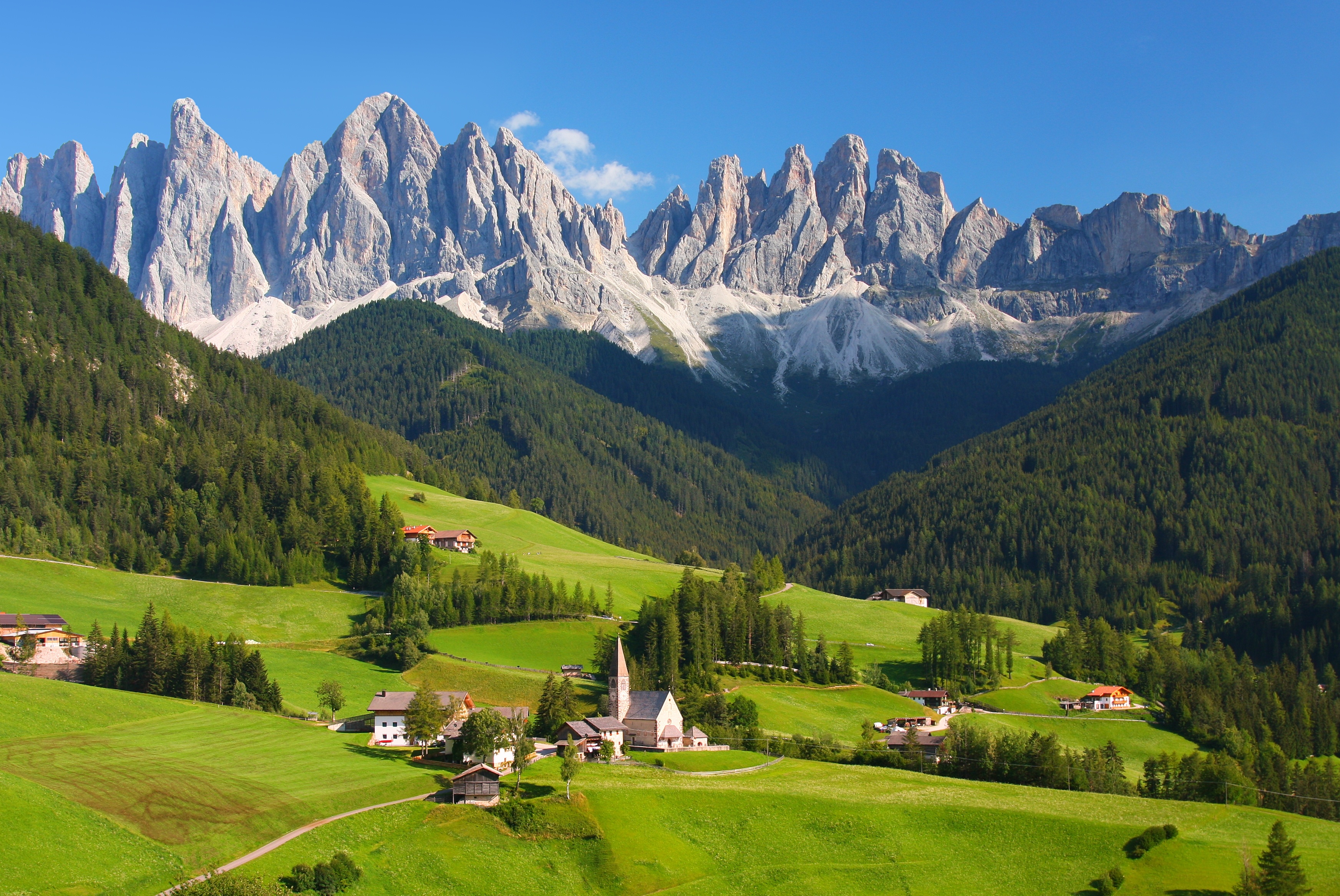
From the hotel, you ascend gently along peaceful country lanes, through picture-perfect Tyrolean villages and hamlets dotted across the hillside – each boasting a lovely chapel or church offering stunning views and decorated with frescoes. At Stadlern, take time over a picnic to soak up the mountain panorama before returning to Dobbiaco alongside the bubbling Rienza River.
Meals: Breakfast,Dinner
Day 3
Nemes Alp Walk
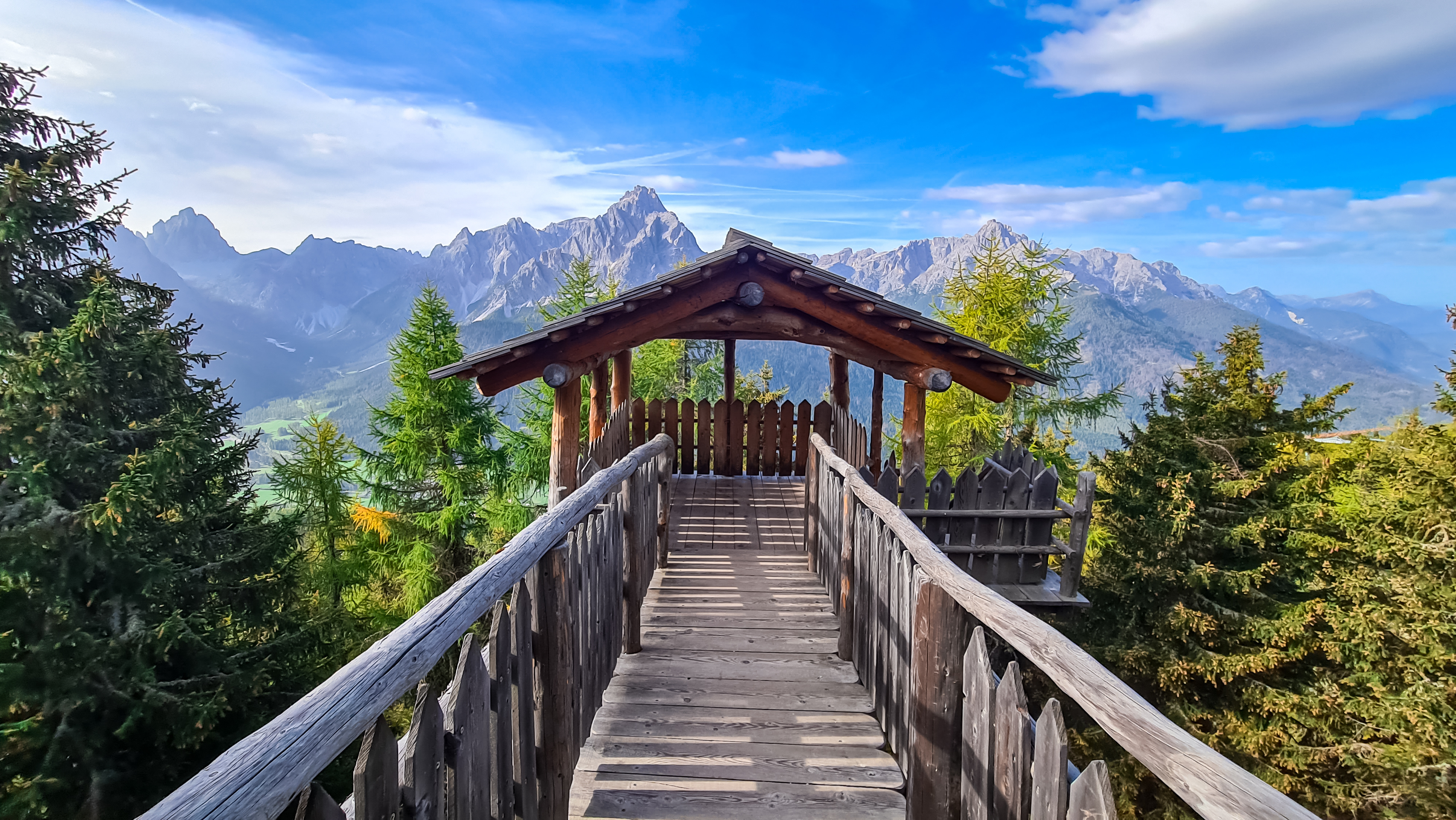
There’s a short bus ride before a spectacular gondola ride this morning to the high Rotwand pastures (1,914m), just below the mighty Croda Rossa limestone peaks. From here it’s a gentle descent along pretty pine-scented forest trails to the ancient Kreuzbergpass, south Tyrol’s most easterly mountain pass. You then head up to the refuge of Malga Nemes, a fabulous panoramic spot for lunch, with marmots foraging in the open sunny pastures, before descending along a wide woodland track to the Tyrolean village of Moos where you pick up the bus back to Dobbiaco.
A longer walking option is also available.
Meals: Breakfast,Dinner
Day 4
Lago di Braies, Grunwald Valley and the Hochalm
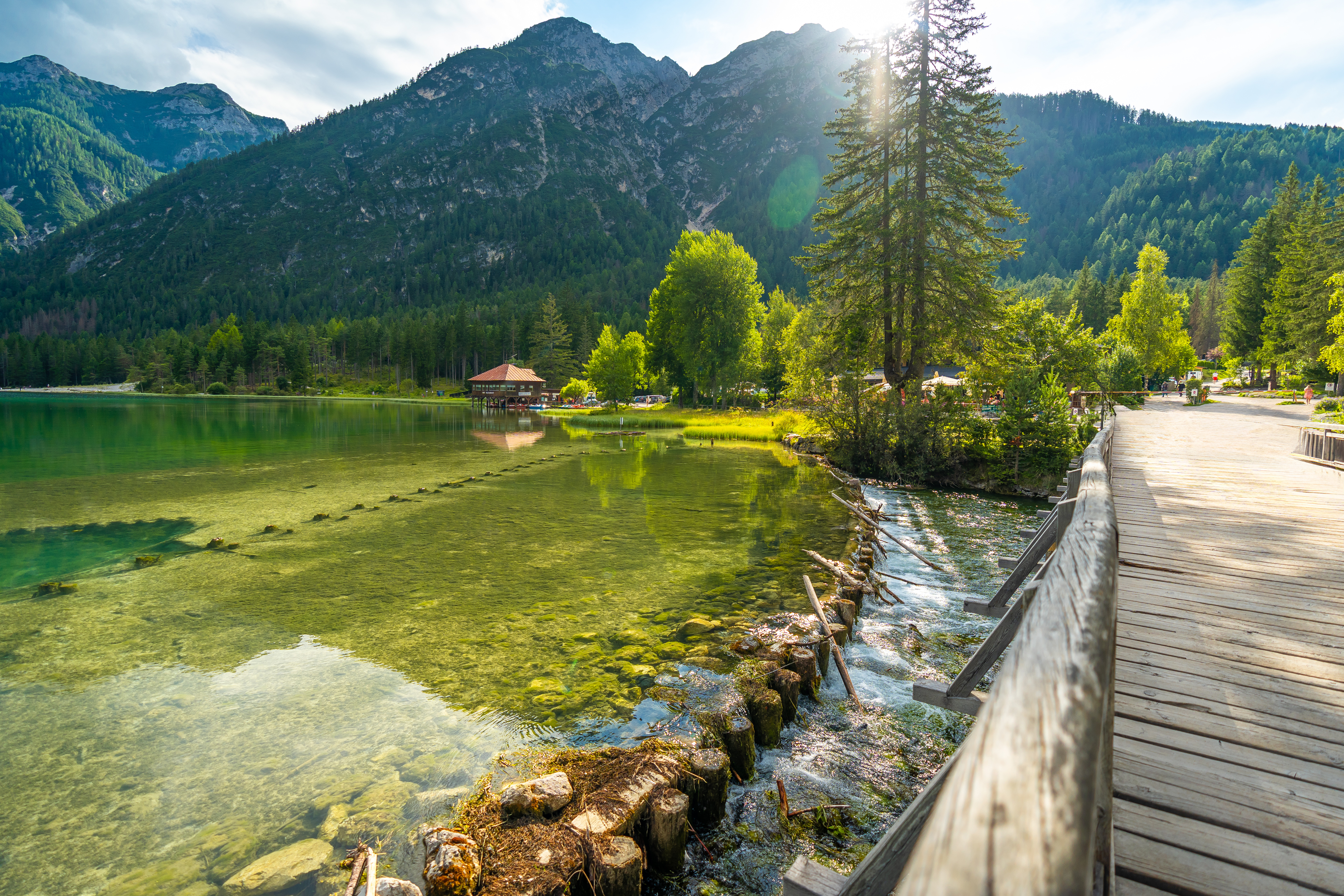
Enjoy truly spectacular scenery on one of our favourite trails in the Dolomites. It’s a fantastic full-day hike with ascents and descents of around 800m for unrivalled views. First an easy stroll along the shores of the turquoise Lago di Braies and then ascend via the Alte Kaser pastures to the idyllic mountain bowl of Hochalm for lunch. Your descent is through a deeply carved valley below colossal peaks and impressively striated cliffs
A shorter walking option is also available.
Meals: Breakfast,Dinner
Day 5
High Mountain Pastures and Rifugio Ra Stua Walk
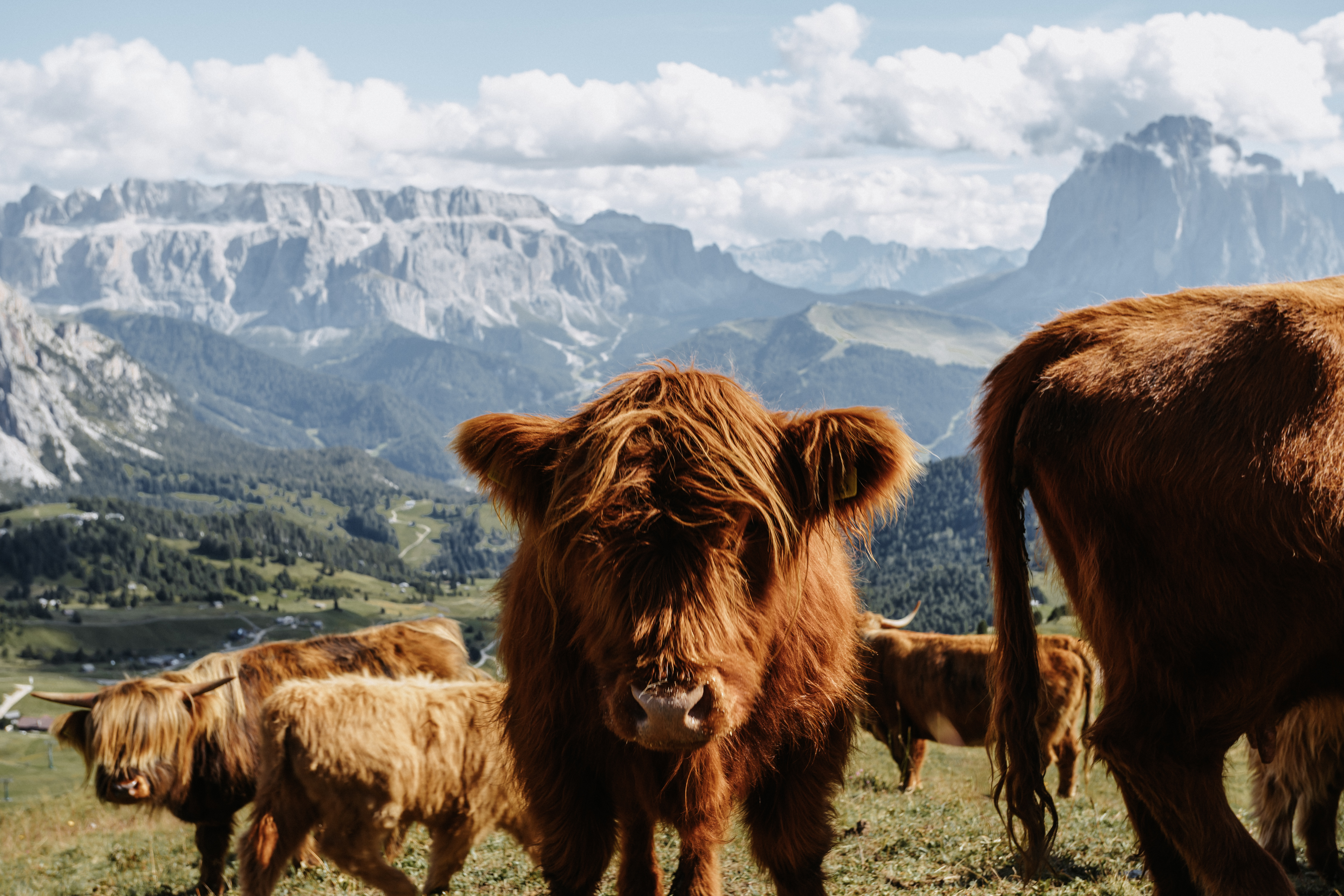
Today you’ll head into the heart of the Ampezzo National Park in the italian-speaking Veneto region. Setting off from Cimabanche along a disused railway line, you’ll head up through the Gotres Valley on an old military road to reach the high mountain pasture of Forcella Lerosa. You descend to the idyllic meadows of Rifugio Ra Stua and follow a narrow forest footpath towards Cortina d’Ampezzo.
Meals: Breakfast,Dinner
Day 6
Mount Elmo and the Klammbachutte Walk
This fabulous walk takes you along the impressive crest of the Carniche Alps. You start the day with a bus then cable car ascent (payable locally) up towards Mount Elmo (2,041m). From there, an old military supply route takes you to the refuge Sillianer Hutte (in Austria). This ridge forms a border between Italy and Austria and gives you spectacular views across the Austrian Alps. Your descent is on a less well defined rocky path that crosses the pretty mountain pastures of the Klammbachalm to arrive at the picturesque Klammbachhutte, before the forest track back down to the village of Moos.
Meals: Breakfast,Dinner
Day 7
Tre Cime (Three Peaks)
A tremendous finale to your week awaits as you head by bus (payable locally) to the high-altitude Rifugio Auronzo at the foot of the world-famous Tre Cime di Lavaredo (2,999m at the top). These enormous freestanding limestone towers have been so popular with walkers that they’ve naturally become the symbol of the Dolomites. You follow a wide mountain trail constructed by soldiers during the First World War, which provides the finest perspective of these three immense columns.
A longer walking option is also available.
Due to its increasing popularity, we recommend booking the Tre Cime shuttle service in advance.
Meals: Breakfast,Dinner
Day 8
Leave Dobbiaco
After breakfast, depart Dobbiaco. Trip ends.
Meals: Breakfast
What’s included
What’s not included
Additional information
Tre Cime di Lavaredo Circuit from Rifugio Auronzo
Travel to Rifugio Auronzo and walk the wide First World War military trail that encircles the mighty Tre Cime di Lavaredo. The route reveals changing angles of these freestanding limestone towers, from sunlit buttresses to shadowed couloirs, with balcony-like vantage points perfect to pause for photos and reflection.
Inscribed within the UNESCO World Heritage Dolomites, the Tre Cime are a symbol of the region’s geology: stacked strata, pale rock, and stark silhouettes against an often cobalt sky. Informative signboards and rifugi offer cultural threads to match the scenery.
Food
All breakfasts and 7 dinners are included.
Evening meals are served in the atmospheric candlelit dining room where high quality cuisine includes a weekly 5-course banquet and themed Tyrolean buffet evening.
Lago di Braies Shore Walk & Hochalm Bowl
Circle the turquoise rim of Lago di Braies (Pragser Wildsee) before climbing steady, well-waymarked paths to ascend to the Hochalm bowl. Picnic on flower-rich pastures where gentians and alpine roses thrive, then gaze across buttresses of striated Dolomite cliffs that glow honey-colored in clear mountain light.
This classic route mixes mirror-calm lakeshore reflections with open high-alpine scenery. Glacial valleys, larch woods, and creaking boardwalks around the shoreline reveal why the Dolomites are prized by naturalists and photographers alike, rewarding every step with shifting perspectives.
Ampezzo Park: Forcella Lerosa & Rifugio Ra Stua Meadows
Follow a gentle path from Cimabanche along a disused railway before climbing the Gotres Valley on an old military road to the broad pasture of Forcella Lerosa. Descend through larch and spruce to the open lawns of Rifugio Ra Stua, then continue by forest footpath towards Cortina’s amphitheater of peaks within Parco Naturale delle Dolomiti d’Ampezzo.
WWI history lingers in these routes, built for supply lines that now guide walkers through tranquil high meadows. Traditional grazing, clear streams, and far-off summits create a serene contrast to the drama of nearby rock towers.
Mount Elmo Ridge & Klammbachhütte in the Carnic Alps
Ascend by bus and cable car to Mount Elmo (2,041m), then follow an historic supply track to the border-top Sillianer Hutte. Trace the skyline with 360-degree views along the border ridge, before a rocky descent across Klammbachalm’s meadows to the welcoming Klammbachhutte and the forested path into Moos. (Cable car ticket payable locally.)
This crest forms part of the Carnic Alps, once a strategic frontier. Expect kestrels riding thermals, bell-flower clusters brightening the turf, and a rolling panorama from Austrian valleys to the Dolomite spires of South Tyrol.
Tyrolean Buffet & Candlelit Banquet Evenings
Dine in the hotel’s candlelit dining room, where chefs present a weekly five-course banquet and a themed Tyrolean buffet evening. Savor mountain recipes and sample regional wines alongside speck, canederli dumplings, and apple strudel, reflecting the area’s Italian-Austrian heritage.
The atmosphere is warm and unhurried, with polished service and seasonal ingredients. It’s a delicious window into South Tyrol’s borderland culture, pairing alpine comfort with Mediterranean brightness after a rewarding day on the trails.
Rotwand Pastures to Malga Nemes via Kreuzbergpass
Ride the gondola to the Rotwand pastures beneath the craggy towers of Croda Rossa di Sesto, then amble down pine-scented trails towards the ancient Kreuzbergpass. A steady climb leads to sunlit meadows and the welcoming tables of Malga Nemes, where marmots often forage in the grass and wide panoramas invite a leisurely lunch. (Gondola ticket payable locally.)
Paths here trace remnants of First World War lines, threading through pale limestone and dwarf pine. The scenery frames both Italian and Austrian horizons, revealing how geology and history shaped this frontier of language, cuisine, and mountain culture.
Chapels and Churches of the Alta Pusteria
Set out on a self-guided hike from Dobbiaco along quiet country lanes linking hamlets crowned by frescoed chapels. Meadows roll towards the Rienza valley, where bell chimes carry on the breeze and wooden balconies spill geraniums. Pause at Stadlern to picnic with sweeping Alpine views, then follow the riverside path beside the Rienza River back towards town.
These intimate churches reflect centuries of Tyrolean devotion, with painted exteriors and onion-domed spires set against pale Dolomite walls. The route blends gentle elevation with pastoral calm, ideal for spotting alpine flowers and listening for cowbells and birdsong in the surrounding larch and spruce.