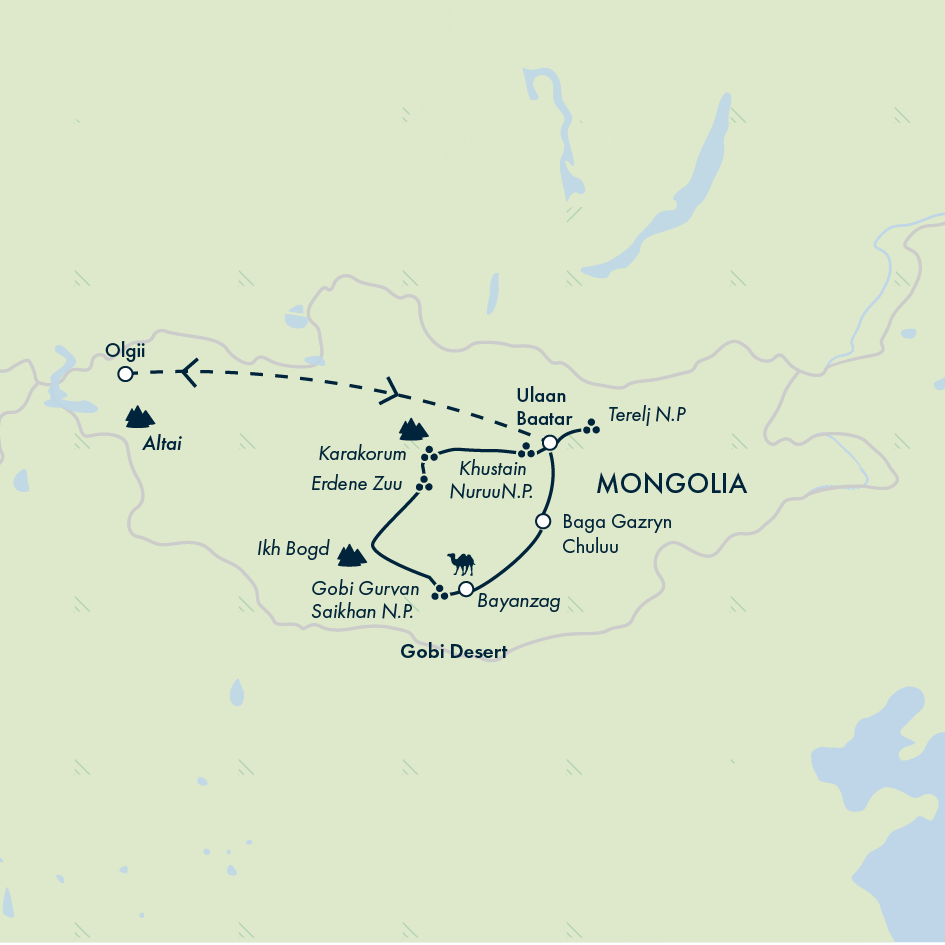
Your itinerary
Day 1
Adventure starts in Ulaanbaatar
Our adventure starts in Ulaanbaatar, Mongolia’s capital city. There are no activities planned for today to allow for different arrival times. If you have time to explore some of the sites we recommend visiting Sukhbaatar Square, the National Museum and the landmark State Department Store.
Around 6pm, say hello to your tour leader and fellow travellers, when we gather as a group for the first time to get to know each other and learn more about the adventures ahead. Your tour leader then ensures a big welcome by arranging a group dinner at a nearby restaurant.
Want more time in Ulaanbaatar? Secure pre-tour hotel nights through your sales representative.
Meals: Dinner
Day 2
Drive to Terelj National Park via the Genghis Khan statue
After breakfast, we transfer to Terelj National Park (approximately 2hr 30min drive), home to fascinating rock formations and green meadows carpeted with wildflowers. On the way, we visit the Genghis Khan statue. Standing 130ft (40m) tall and made of stainless steel, it’s the tallest equestrian statue in the world and quite a sight. We spend the day exploring these and visit the Aryabal Meditation Temple, which offers great views over the park. After lunch at our camp, we make a short trip to visit a local nomadic family to see how they live and hear about the nomadic way of life. Here, we also enjoy a tasting experience of homemade dairy products, such as yoghurt, cheese, curds and traditional salty milk tea.
Meals: Breakfast,Lunch,Dinner
Day 3
Drive to Baga Gazryn Chuluu National Park
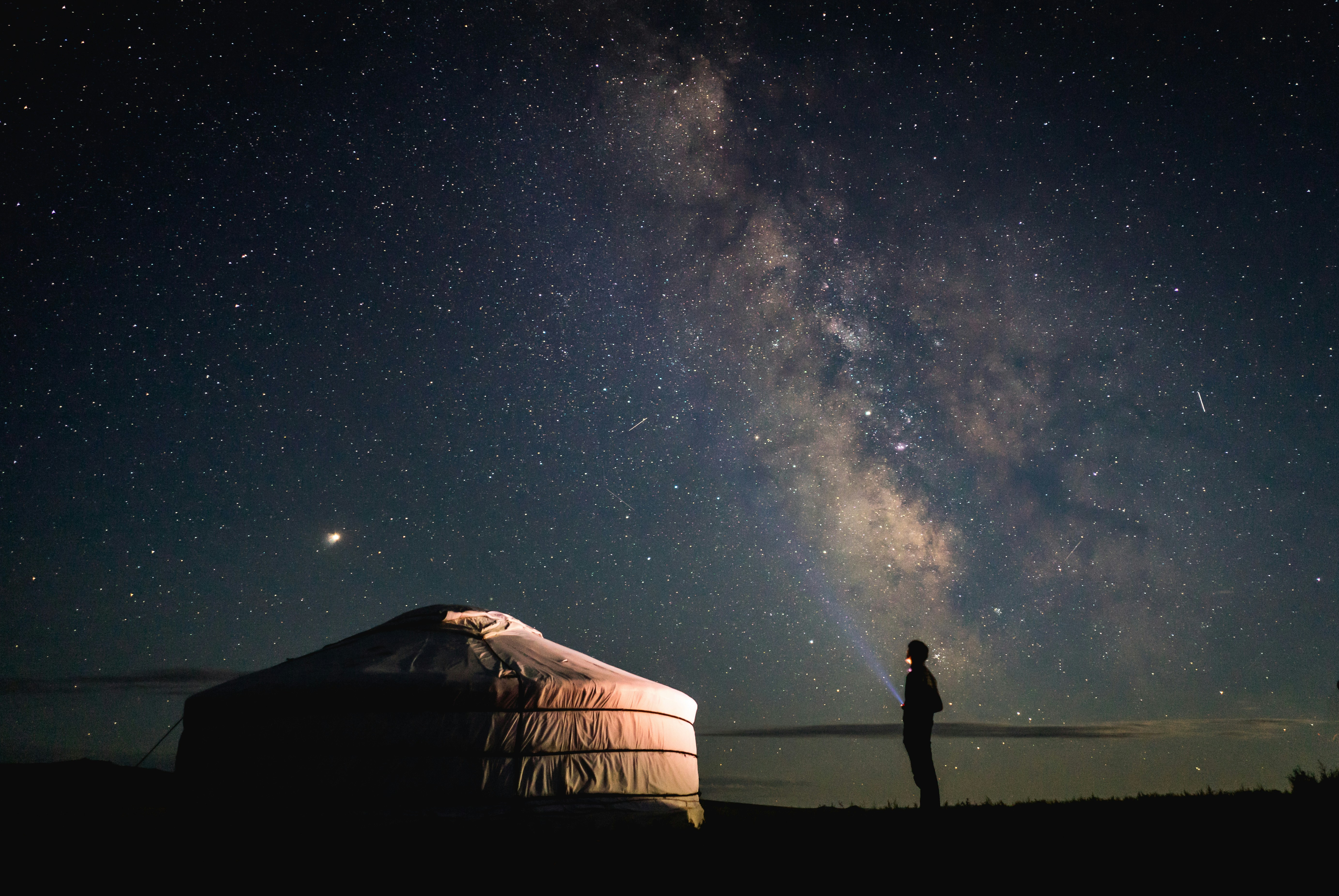
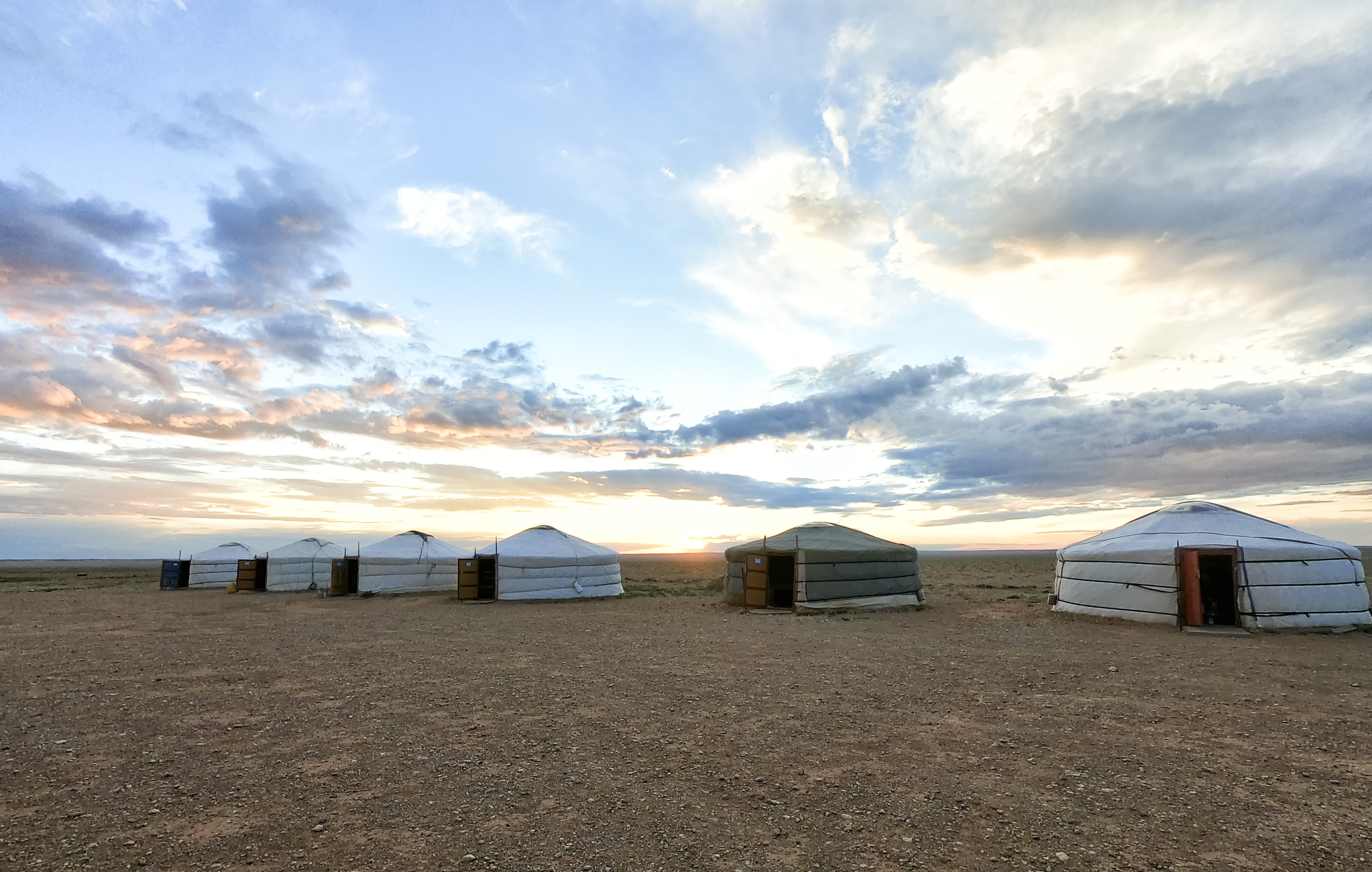
This morning, we begin our journey towards the Gobi Desert, travelling across the open steppe to the striking rock formations of Baga Gazryn Chuluu. Here, we explore the ruins of Lovonchombo Monastery and visit a natural spring traditionally believed to have healing properties for the eyes. Tonight, we settle into our traditional ger – a quintessential Mongolian experience.
Total drive time: Five hours
Meals: Breakfast,Lunch,Dinner
Day 4
Drive to Dalanzadgad; travel through rocky plains of Gobi Gurvansaikhan National Park
We have an early morning drive to Dalanzadgad, the capital of the South Gobi province, then proceed to the Gobi Gurvansaikhan National Park. Gobi Gurvansaikhan means ‘Three Beauties of the Gobi’ and this range marks the eastern end of the Gobi Altai mountain range. The park landscape is extremely varied, with rocky and sandy desert plains, precipitous cliffs, ravines, saltpans and oases. We visit a spectacular natural sight of this region: Yolyn Am, which is approximately 31mi (50km) or 1hr 30min drive each way. Yolyn Am means Vulture’s Mouth and is a canyon so deep and narrow that winter ice can remain on the valley floor even in the height of summer. This region is also renowned for the diversity of its wildlife and many endangered species roam here, including Mongolian wild asses, ibex, argali sheep and snow leopards. We explore the canyon before transferring to a nearby ger camp for dinner and our overnight stay.
Meals: Breakfast,Lunch,Dinner
Day 5
Hiking around the Flaming Cliffs of Bayanzag
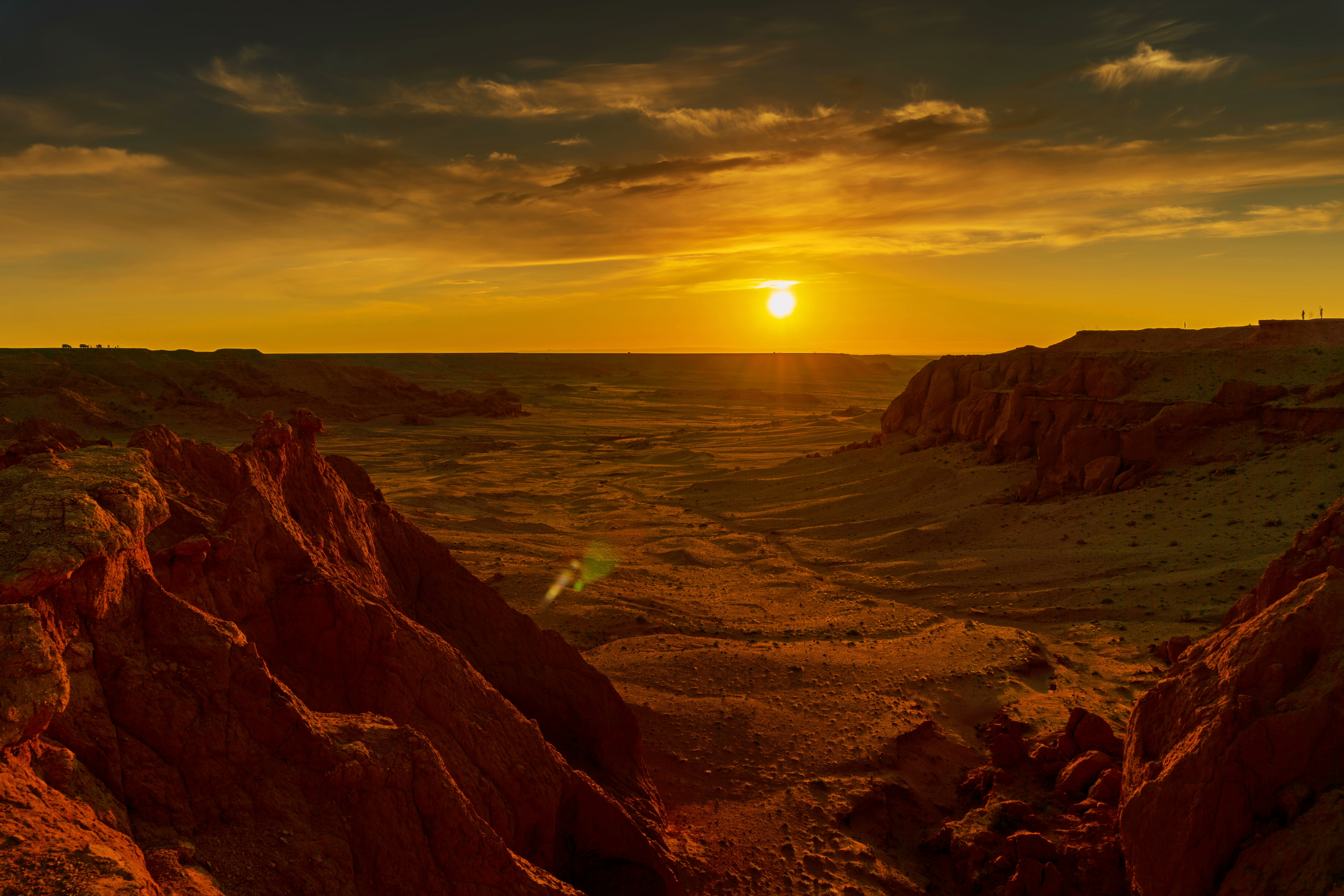
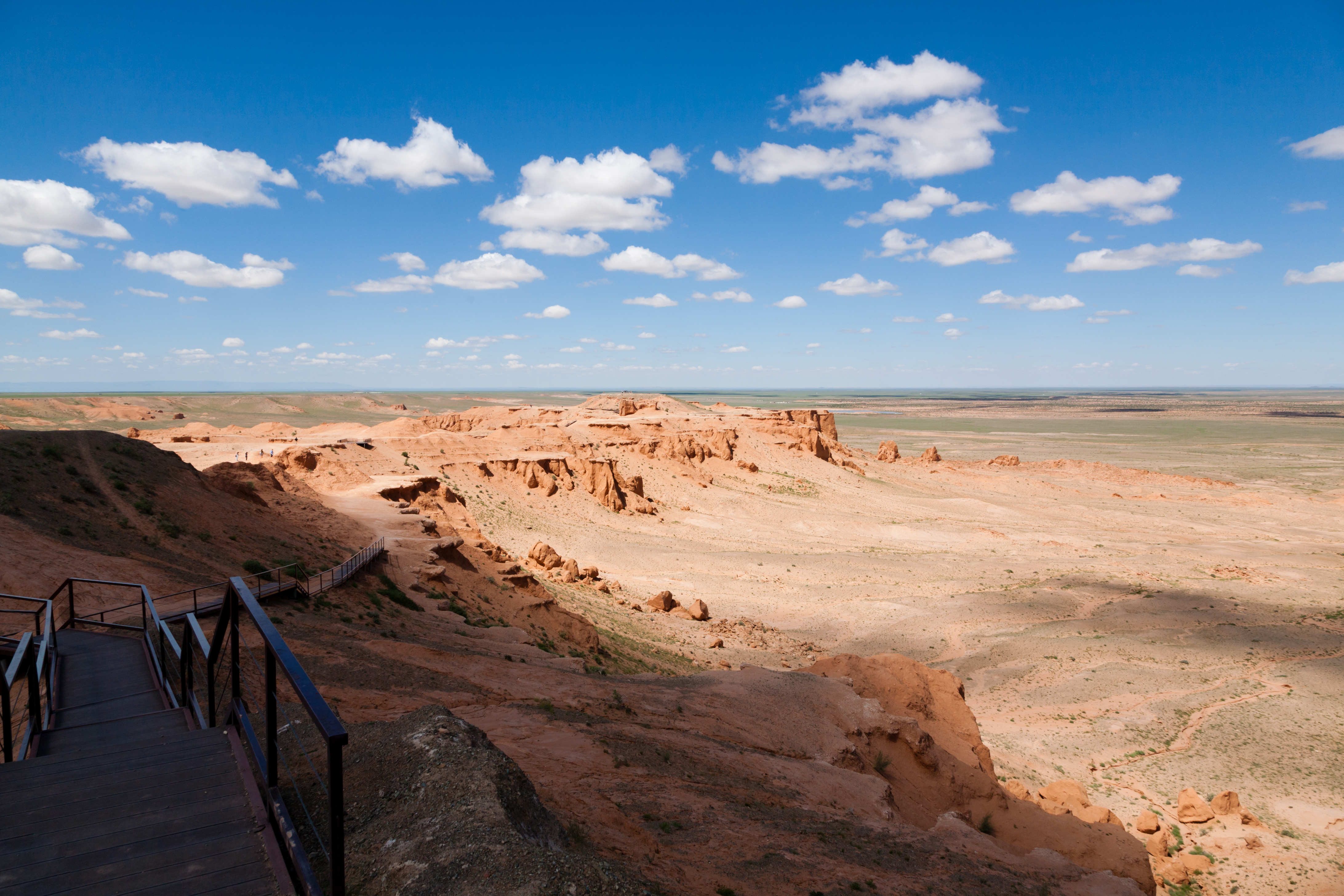
Today we drive 45mi (70km) to Bayanzag, popularly known as the Flaming Cliffs, and hike among colourful sands of red, yellow and orange. Bayanzag is a renowned dinosaur fossil exploration site, discovered in the 1920s by Mongolian and American palaeontologists. We are free to explore the region and may even be lucky enough to spot dinosaur fossils. After a picnic lunch, we head to our camp for the afternoon.
Total drive time: Three hours
Meals: Breakfast,Lunch,Dinner
Day 6
Visit the Singing Dunes, the largest dunes in Mongolia
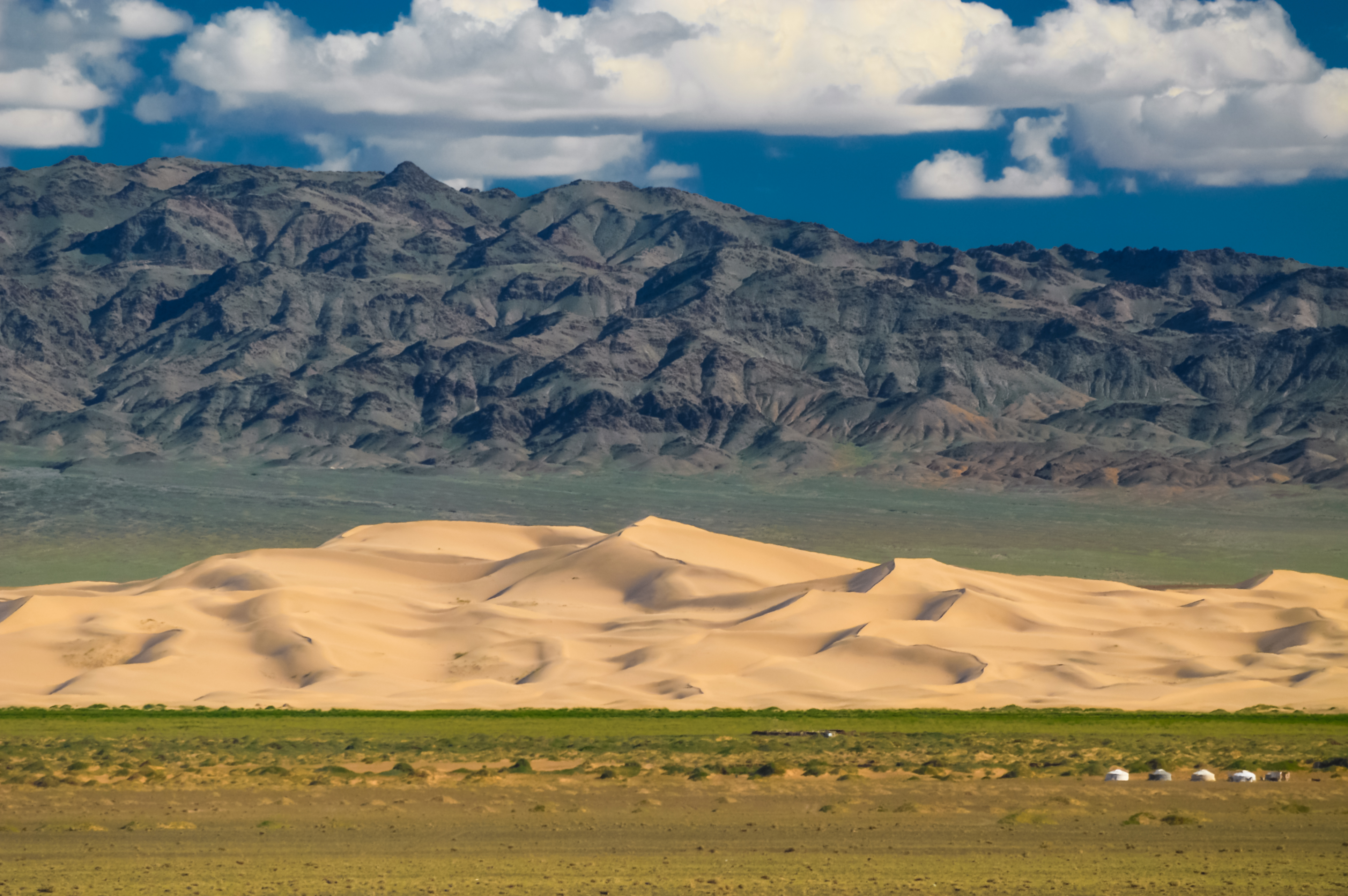
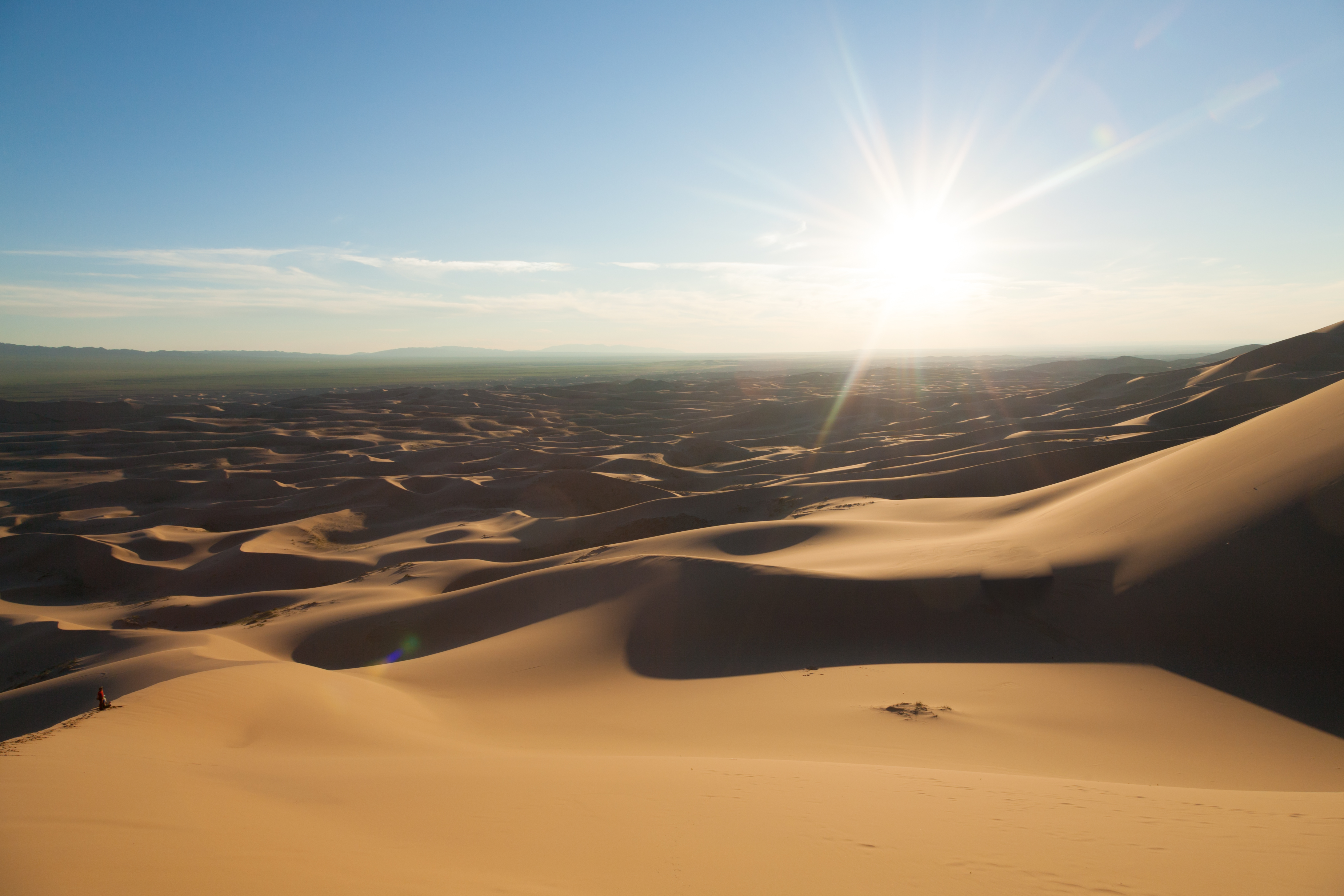
We have a six to seven-hour drive (125mi/200km) to the Khongoryn Els dunes, which stretch for 125mi (200km) and are as high as 985ft (300m) in places. They are known as the Singing Dunes, because of the beautiful sound that resonates through them on a windy day.
Meals: Breakfast,Lunch,Dinner
Day 7
Explore the Singing Dunes and visit a nomadic camel-breeding family
We have a full day to explore the dunes and surrounding area. We have the opportunity to visit a camel-breeding family and learn about the life of the local nomadic herders.
Total drive time: Four hours
Meals: Breakfast,Lunch,Dinner
Day 8
Explore the region of Bayan Gobi and the Bichigt Khad petroglyphs
Our journey continues through classic Gobi Desert scenery of flat stony plains with small rocky outcrops and patches of sand across the Khatan Suudal Steppe. We stop for a picnic lunch and then continue our drive to the Bayan mountains to view the Bichigt Khad petroglyphs. The rock inscriptions and pictures here date to 3000 BCE; we see paintings including depictions of ibex, argali and men riding horses. It is possible to see some of these from the vehicles (better with binoculars) but, for those who wish, it is also possible to hike up to the cliffs for a closer inspection of these Bronze Age works of art (the main cliff is a steep climb for 195ft/60m and walking poles are required so we usually visit the smaller cliff, which is more accessible).
Meals: Breakfast,Lunch,Dinner
Day 9
Transfer to Arvaikheer via Ikh Bogd mountain
First, we drive to Tsagaan Agui (White Cave), then pass over Taats River, from where the majestic Ikh Bogd mountain (the highest mountain in the Gobi Altai range) should be visible in the distance. We stop for a picnic lunch and then skirt the eastern edge of Ikh Bogd. We then drive to Arvaikheer, the capital of Ovorkhangai Aimag, on the northern edge of the Gobi.
We cover around 260mi (415km) today – expect to driving for approximately four hours.
Meals: Breakfast,Lunch,Dinner
Day 10
Visit Arvaikheer Museum; to Kharkhorin via Shankh Monastery
This morning, we visit Arvaikheer local market and the museum, which contains nature collections, stone figures and Turkic scripts. After lunch, we set off for Kharkhorin, stopping en route to visit Shankh Monastery, once the home of the great Mongolian theorist Zanabazar.
We arrive to camp in the evening in time for dinner.
Total driving: approximately 93mi (150km), four hours
Meals: Breakfast,Lunch,Dinner
Day 11
Visit Karakorum and Erdene Zuu Monastery; drive to the Little Gobi Desert
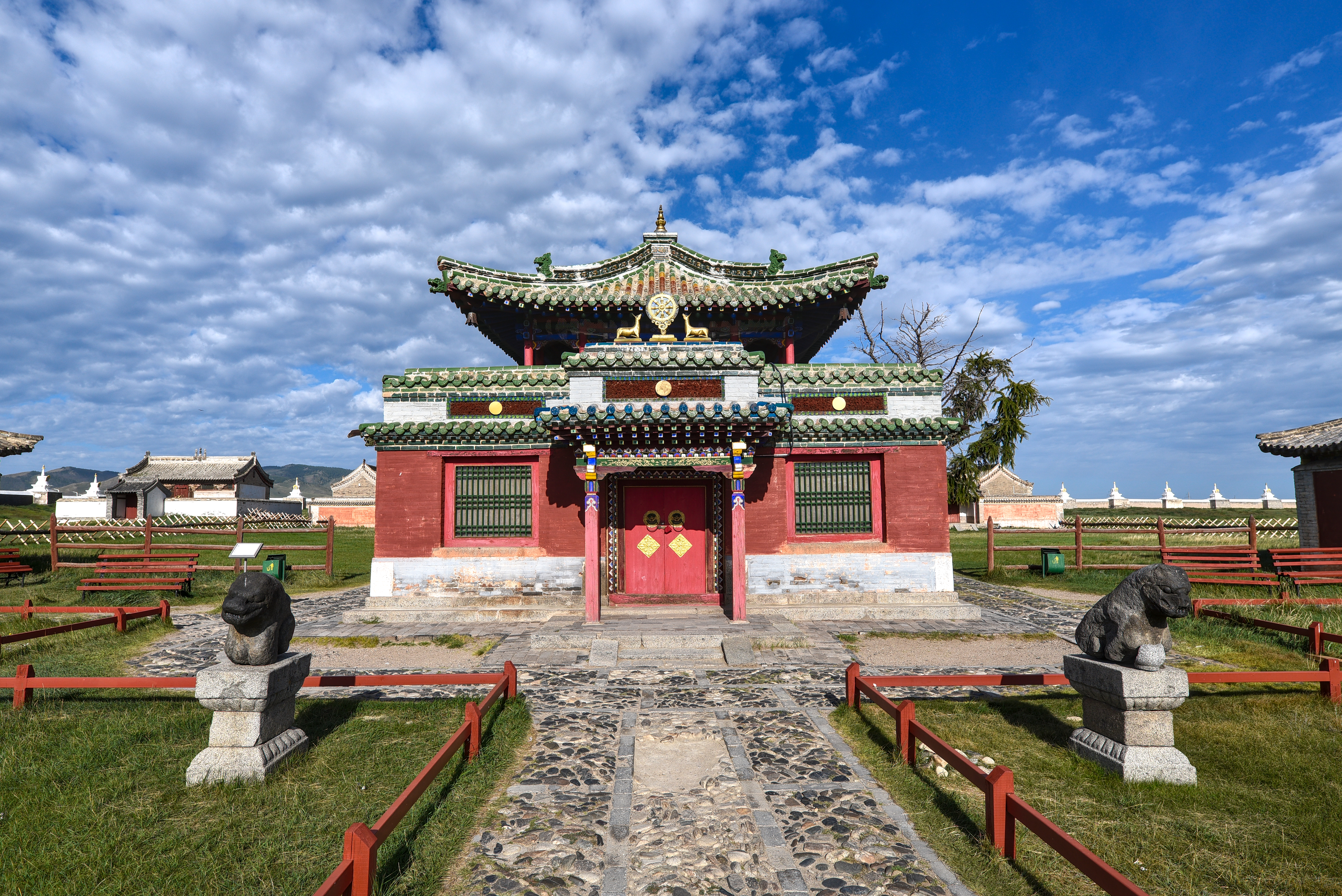
This morning, we visit the 13th-century capital of the Mongol Empire. It was established by Ogedei Khan and remained the Mongol power base until Kublai Khan established Beijing as the capital. Erdene Zuu (Hundred Treasures) Monastery was the largest monastery in Mongolia, built in 1586 under the direction of Abtai Khan on the ruins of the ancient capital. Much of the monastery was destroyed during Stalin’s purges of the 1930s, but an impressive wall with 108 stupas and several temples remain.
After lunch, we drive (for about two hours) to the Mongol Els, or Little Gobi Desert as it is known, a unique belt of dunes in the steppe. We check into a nearby ger camp and head out to explore the region. It is an incredible sight to witness the bactrian camels wandering the desert dunes while horses graze on the green steppe nearby. We also visit Khogno Khan mountain, a small temple at its base. This region is also renowned for its birdlife, including steppe eagles.
Meals: Breakfast,Lunch,Dinner
Day 12
Drive to Ulaanbaatar; visit Khustain Nuruu National Park to see wild horses en route
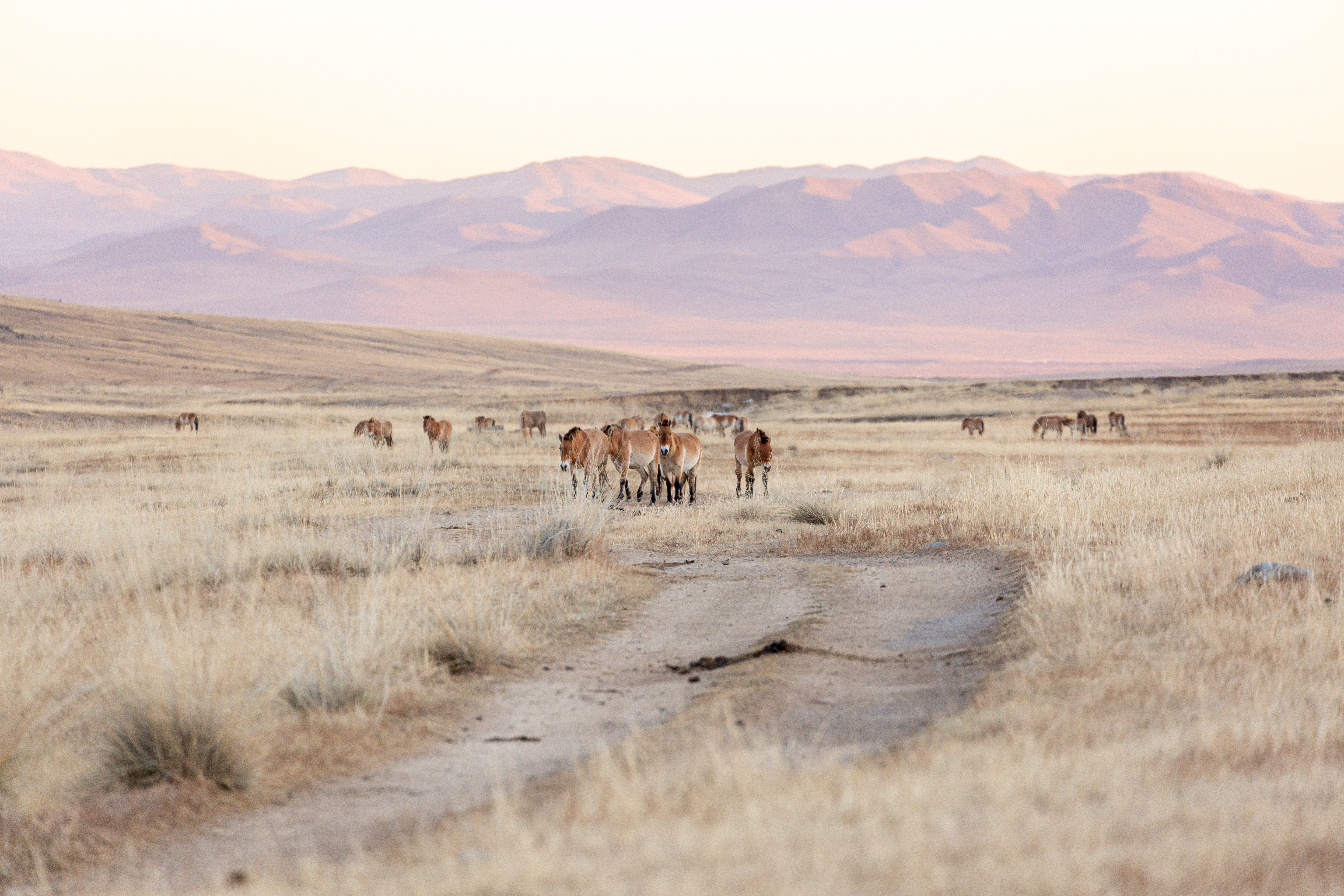
In the morning, we drive for three hours (125mi/200km) to Khustain Nuruu National Park, famous for the re-introduction of Mongolia’s wild horse. The Przewalski’s horse (or takhi horse) almost became extinct, but thanks to the efforts of several Mongolian and international organisations, these magnificent wild horses now roam the steppes of the park. We visit the Project Information Centre and take a guided hike to see the wild horses.
In the afternoon, we drive back to Ulaanbaatar city. This evening, there’s the option to enjoy a live performance by the Tumen Ekh ensemble, showcasing traditional Mongolian music and dance, including throat singing, contortion and Tsam dancing.
Meals: Breakfast,Lunch,Dinner
Day 13
Fly to Olgii; visit a nomadic Kazakh village
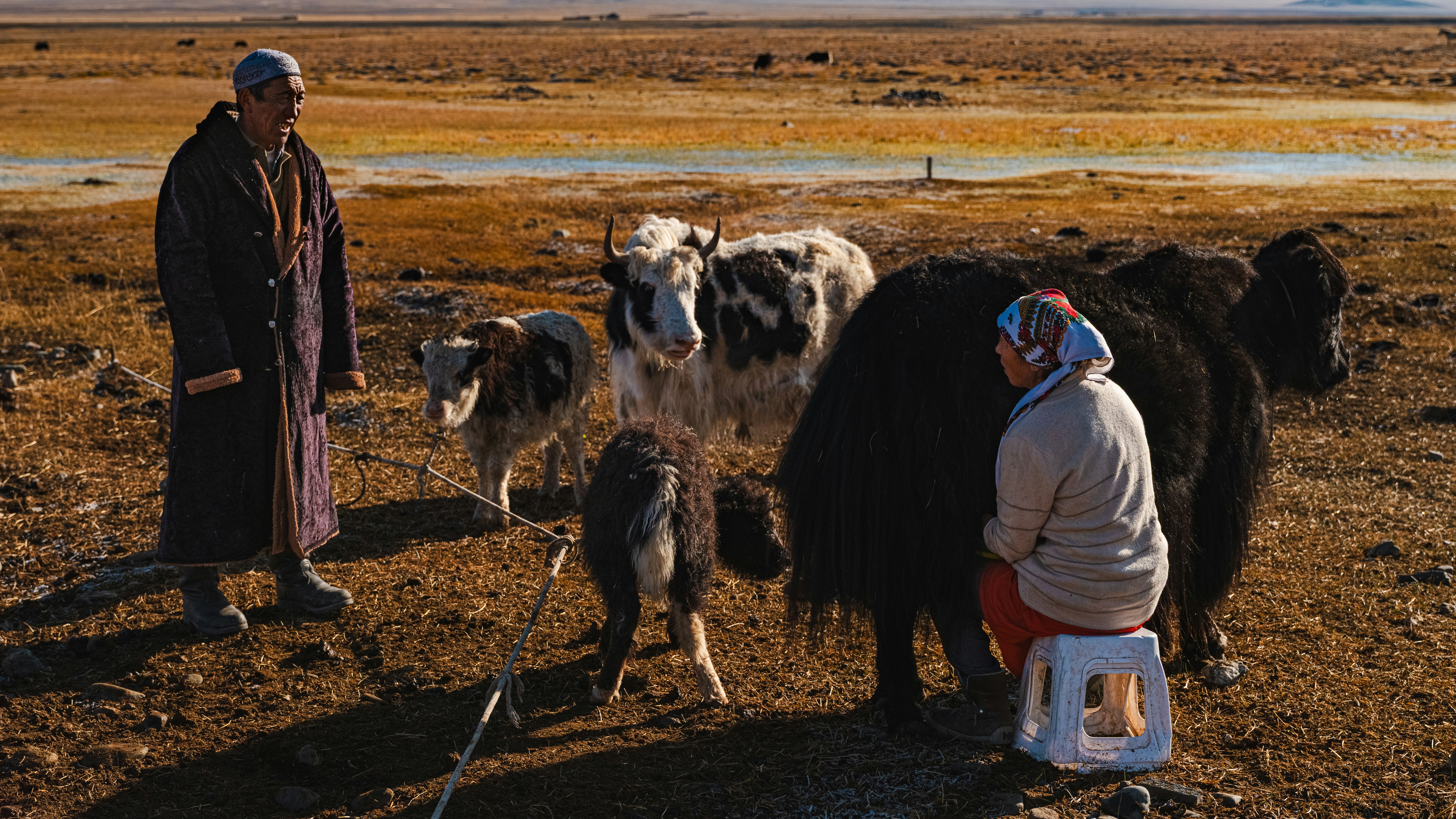
In the morning, we fly to Olgii in western Mongolia, from where we drive offroad for about an hour to Sagsai village. Here, we visit a Kazakh family home. We spend the day seeing how they go about daily life, taking care of and milking the cows, goats and sheep. We can also sample their traditional food and taste homemade yak cheese and yogurt. This is a great opportunity to understand the life of a nomadic family and to experience their friendliness and hospitality. In the afternoon, we return to Olgii and stay overnight at a ger camp.
Meals: Breakfast,Lunch,Dinner
Day 14
Eagle Festival
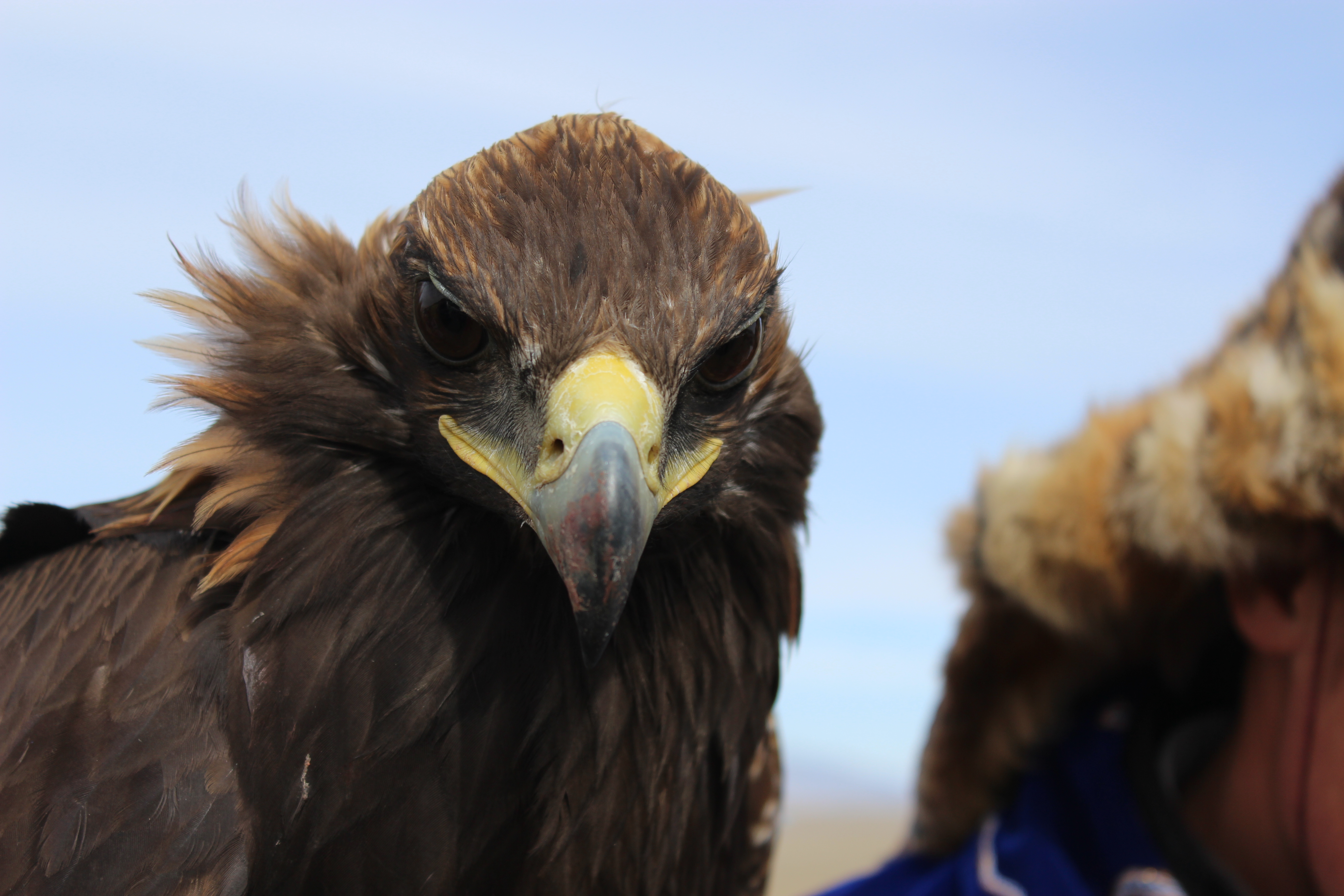
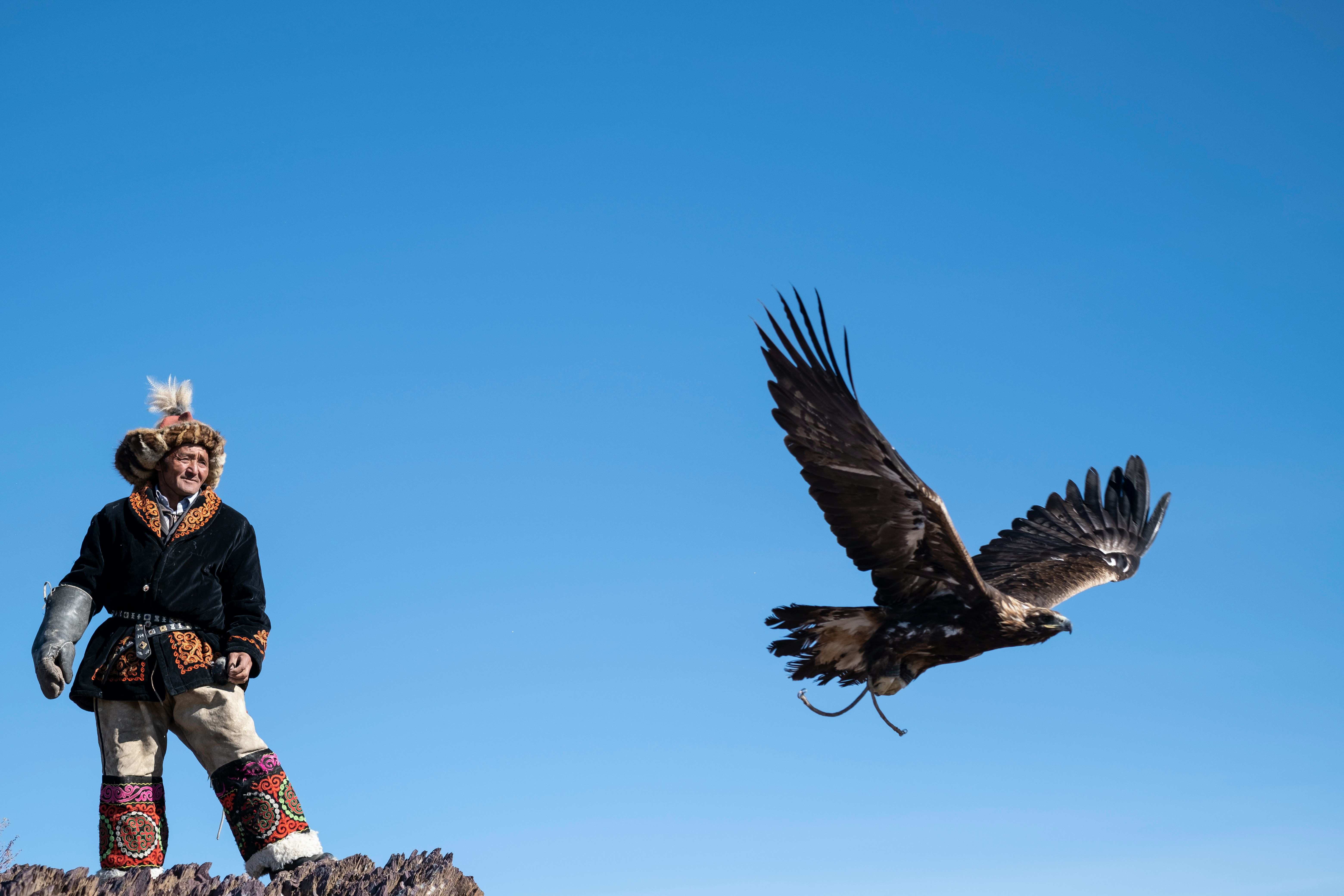
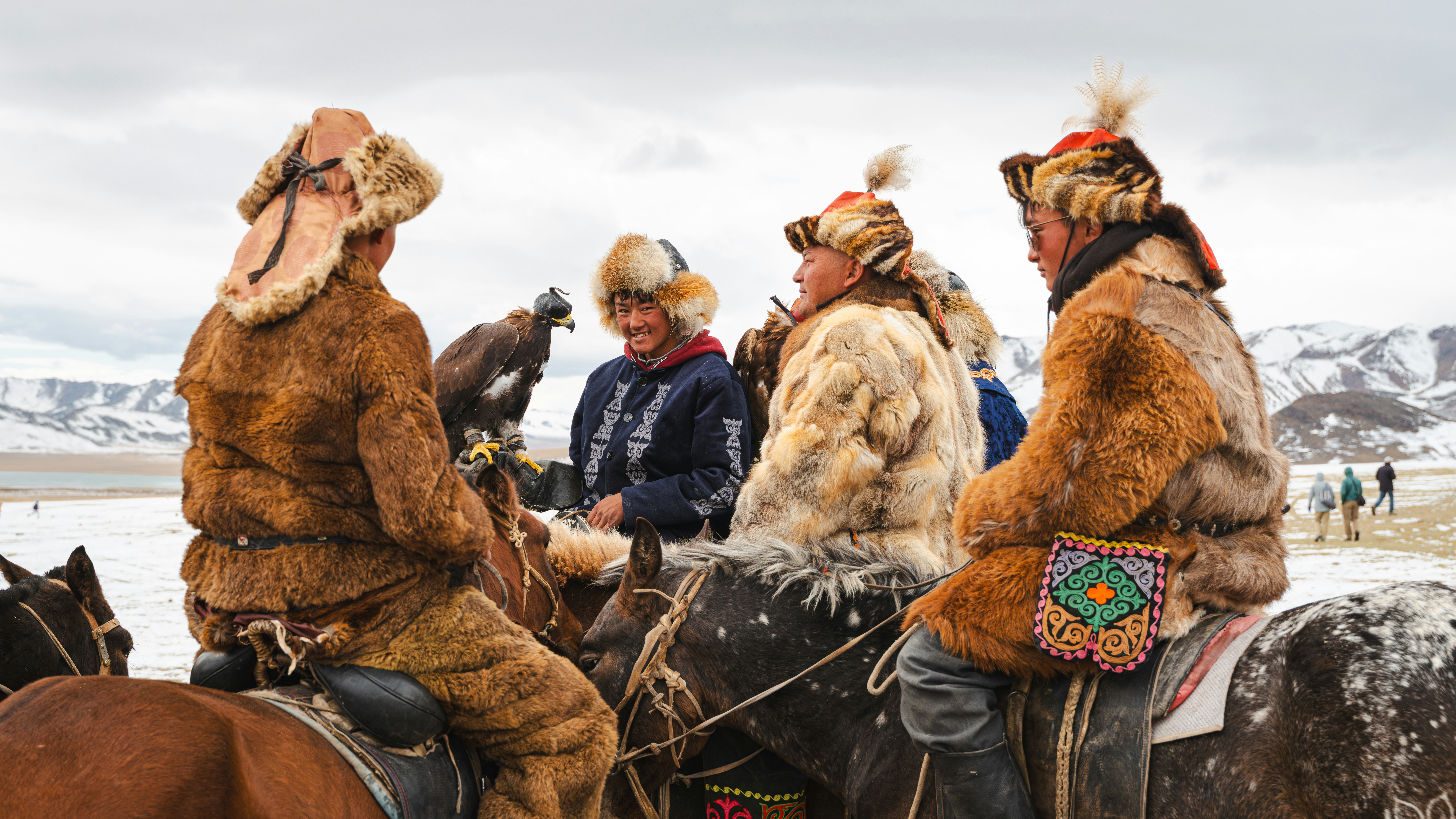
Today we attend the Eagle Festival. For the first day of the festival, we see the competition for the best Kazakh costume, horse racing and archery. In the evening, we enjoy a cultural performance in the local theatre.
Meals: Breakfast,Lunch,Dinner
Day 15
Another day at the Eagle Festival
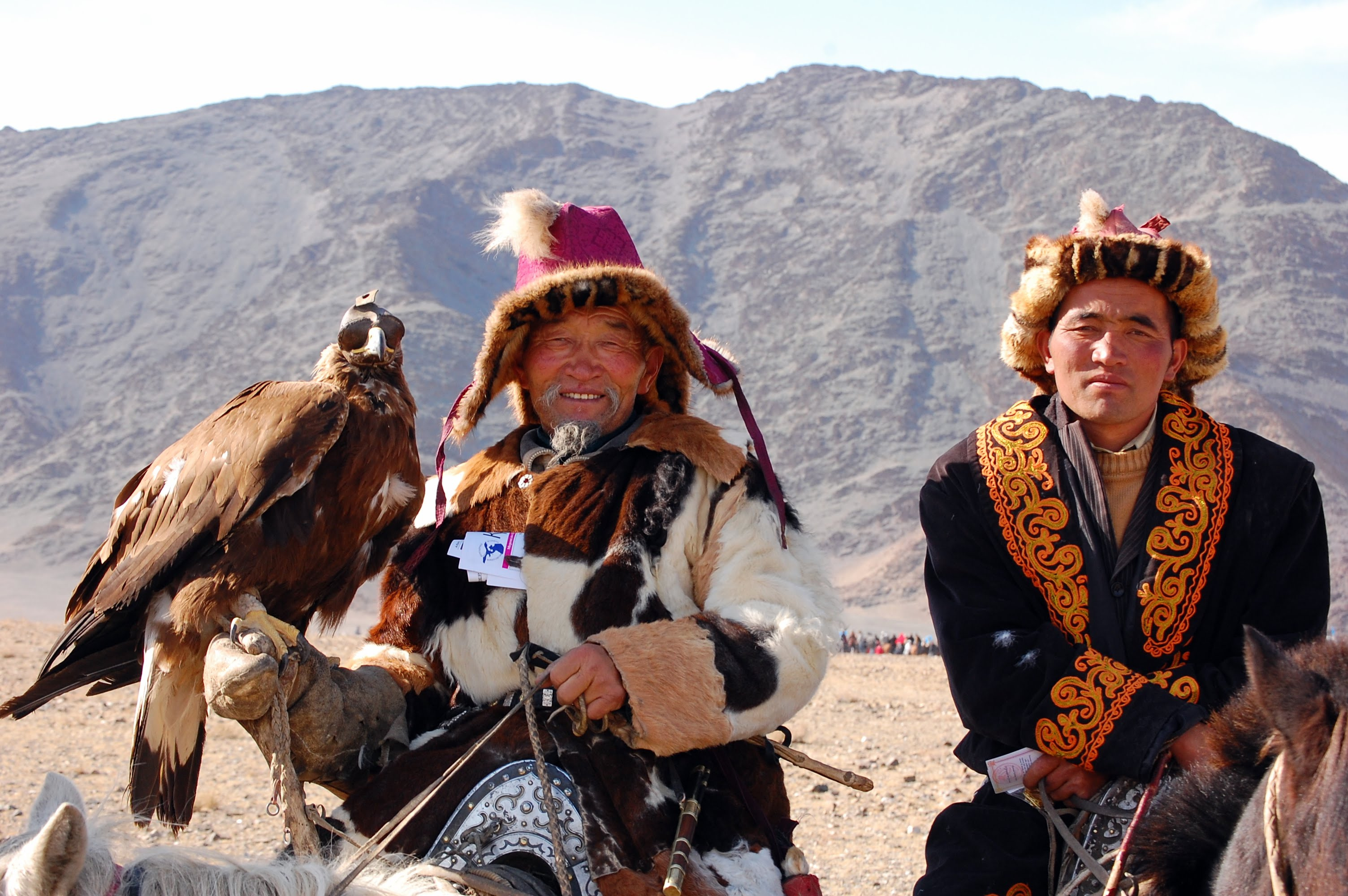
Today we have another chance to witness the competitions and events of the Eagle Festival. We can see a demonstration from the eagles and their hunters, a camel race and the lively sport of kukhbar (in which two horseback riders wrestle over the possession of a goat skin). After enjoying the festivities, we return to camp for dinner.
Meals: Breakfast,Lunch,Dinner
Day 16
Fly to Ulaanbaatar; free time in the city
After breakfast, we transfer to the airport for a mid-morning flight to Ulaanbaatar, arriving midday. We transfer to the hotel and freshen up before a light lunch. This afternoon is free for last-minute sightseeing or souvenir shopping around UB – cashmere, leather goods and traditional handicrafts are all good options and the guide can recommend the best places to go for these. Night owls may want to sample the Ulaanbaatar nightlife!
Meals: Breakfast
Day 17
Adventure ends in Ulaanbaatar
The tour ends after breakfast today and we begin our return journeys home, full of tales and magnificent photos to share. If you aren’t ready for the adventure to end, speak to your sales representative about our range of extension options.
Meals: Breakfast
What’s included
What’s not included
Additional information
Food
Traditional Mongolian diets are very meat and dairy heavy. While there are opportunities to try some of these products, such as dry curd and fermented mare’s milk, the meals provided in the ger camps are generally Western meals, at times with an Asian influence. There is normally some form of soup and salad plus a main course and desert. Vegetarians are generally well catered for; if you are vegetarian or have other dietary requirements, please inform us in advance.
Breakfasts can vary from place to place, some are buffets while others are set, normally cereal, bread and possibly a hot dish. On some days, a pack lunch is provided, this is often still a proper meal (though without the soup). Water is provided and is generally from large water containers, so make sure to bring a refillable water bottle. Tea, coffee, soft drinks, beer, vodka and (most of the time) wine are available to buy at the ger camps. There is the opportunity to buy snacks in Ulaanbaatar and on a couple of other occasions along the way when we drive through towns or villages.
Khongoryn Els ‘Singing Dunes’ Exploration
Stride up sinuous ridgelines to climb the Khongoryn Els, Mongolia’s tallest dunes. Feel fine sand shift underfoot and, when the wind rises, hear the Singing Dunes emit a deep, resonant wind-borne hum.
Scan endless desert horizons from the crests as shadows pool in the troughs below. Your leader explains the physics behind the dunes’ voice and the Gobi’s changing landscapes through the seasons.
Kazakh Nomadic Family Visit in Sagsai
Drive into the Altai foothills to visit a Kazakh nomadic family in Sagsai. Step inside a richly patterned felt-lined ger to share tea, taste homemade dairy, and see how herders milk, tether, and tend their animals.
Hear about Kazakh craftsmanship—embroidered textiles, silverwork—and the seasonal migrations that sustain life in Mongolia’s far west, where mountain weather shapes every task.
Bayanzag Flaming Cliffs Hike & Dinosaur Heritage
Walk the Flaming Cliffs of Bayanzag, where wind-carved escarpments glow in red, ochre and gold sandstone. Footpaths weave through gullies scented with wild thyme as larks trill above the desert plain.
Hear how 1920s expeditions uncovered the first scientifically described dinosaur eggs here. Stay as the light softens and the sunset glow across the escarpment ignites the cliffs’ fiery hues.
Terelj National Park Walk & Aryabal Meditation Temple
Explore Terelj National Park, where granite tors and larch-clad hills frame wildflower meadows. Pause by the whimsical Turtle Rock and breathe the alpine air as wheatears and eagles wheel overhead.
Follow the prayer-flag path to the serene Aryabal Meditation Temple for broad views over the valley. Your leader shares stories of Buddhist revival in Mongolia and the blend of Tibetan influence with local tradition that shapes this tranquil retreat.
Nomadic Family Visit & Dairy Tasting
Visit a rural homestead to visit a nomadic family inside their felt-lined ger. Share a warm welcome and sample homemade dairy products such as yoghurt, curds, and salty milk tea, learning how climate and pasture shape each flavor.
Hear about traditional ger hospitality and the centuries-old rhythms of herding life. Discover how seasonal migrations, horsemanship, and kinship ties sustain communities across Mongolia’s vast grasslands.
Baga Gazryn Chuluu Granite Formations & Monastery Ruins
Walk amid the sculpted tors and boulder fields of the desert outcrop to walk amid the granite outcrops of Baga Gazryn Chuluu. The stark scenery reveals a palette of russet rock and resilient steppe flora clinging to cracks and ledges.
Visit the ruins of Lovonchombo Monastery and a nearby spring long believed to heal the eyes. Your guide shares local lore and the role small monasteries played as spiritual beacons for herding families.
Yolyn Am Canyon in Gobi Gurvansaikhan National Park
Set out to hike Yolyn Am, a narrow chasm carved deep into the Gobi Gurvansaikhan National Park. Sheer walls funnel cool air, preserving lingering ribbons of ice even in summer as sunlight grazes the canyon floor.
Watch for ibex and lammergeiers soaring the thermals and learn how this protected landscape shelters rare species, including elusive snow leopards, within its ravines and high ridgelines.
Camel-Breeding Family Visit on the Gobi
Call in at a desert homestead to visit a camel-breeding family and meet the sturdy Bactrian camels that thrive in the Gobi’s extremes. Learn how herders care for calves, manage forage, and craft gear from hide, hair, and felt.
Gain insight into the seasonal rhythms of nomadic life—from spring birthing to winter sheltering—and how the caravan animal once bound Silk Road trade across Central Asia.
Bichigt Khad Petroglyphs of the Bayan Mountains
Travel to a rocky escarpment to view the Bichigt Khad petroglyphs, etched across cliffs above the steppe. With binoculars or a short hike, pick out Bronze Age rock art scenes of ibex and mounted hunters.
Your guide unpacks the imagery—rituals, herding, and early horseback culture—linking these faint lines to millennia of human life sustained by the Gobi’s oases and mountain springs.
Tsagaan Agui (White Cave) & Ikh Bogd Vistas
Head into the hills to visit Tsagaan Agui (White Cave), a limestone chamber flecked with quartz. Discuss Palaeolithic archaeology and the traces of ancient shelter discovered within its cool, echoing spaces.
Continue to scenic lookouts for sweeping panoramas of Ikh Bogd Uul, the Gobi-Altai’s highest peak, rising above stony plains and distant riverbeds.
Arvaikheer Museum, Local Market & Shankh Monastery
Browse Arvaikheer local market for everyday wares and felt goods before exploring the Arvaikheer Museum, home to ethnographic displays, petroglyph casts, and Turkic stone figures that chart steppe cultures.
Later, visit Shankh Monastery, once associated with scholar-artist Zanabazar. Hear how Mongolia’s Buddhist institutions endured turbulence and revival, preserving teachings, chant, and craftsmanship.
Karakorum Ancient Capital & Erdene Zuu Monastery
Walk the historic plain to explore Karakorum, the 13th-century seat of the Mongol Empire. At adjacent Erdene Zuu Monastery, admire temples encircled by a wall of 108 stupas, each casting a long steppe-side shadow.
Your guide traces the city’s rise under Ogedei Khan, the shift of power under Kublai Khan, and Erdene Zuu’s survival through purges and renewal as a living religious centre.
Mongol Els (Little Gobi) Dunes & Khogno Khan
Follow sandy tracks to wander the Mongol Els (Little Gobi), a ribbon of dunes set against pasture. Photograph bactrian camels against green steppe and listen for larks spiraling into thermals.
Continue to Khogno Khan mountain to visit a small temple at its base, scanning the cliffs for steppe eagles overhead. Learn how shifting dunes and sacred sites share this compact, diverse landscape.
Khustain Nuruu National Park & Przewalski’s Horses
Enter the rolling steppe to visit Khustain Nuruu National Park, home to the world’s only truly wild horse. With a ranger, track Przewalski’s horses (takhi) across tawny hills, watching family bands graze and keep vigilant.
At the Project Information Centre, learn how captive herds were reintroduced to restore a vanished species and how habitat management safeguards biodiversity on the park’s rolling steppe slopes.
Golden Eagle Festival in Ölgii
Join locals and visitors to attend the Golden Eagle Festival, where Kazakh eagle hunters parade in embroidered deels and fur. Cheer on eagle calling and speed trials as birds launch from ridges to their master’s arm.
Between events, photograph camel races and archery and watch the horseback tug-of-war known as kukhbar. Your leader explains the training of eagles and the deep bond between hunter, bird, and Altai landscape.
Ulaanbaatar Traditional Music & Dance (Tumen Ekh Ensemble)
One evening, enjoy a live performance by the Tumen Ekh ensemble, Mongolia’s foremost troupe. Experience throat singing and morin khuur melodies as dancers in silk whirl through regional courtship and warrior choreographies.
Marvel at the masked Tsam dance and dazzling costumes that preserve centuries of ritual and folklore. This cultural showcase is bookable on tour at additional cost, subject to scheduling and availability.
Genghis Khan Equestrian Statue Complex
Visit the Genghis Khan statue at Tsonjin Boldog, a 40m stainless-steel colossus and the tallest equestrian statue in the world. Stand beneath the gleaming rider and horse and take in panoramic views of the steppe from the surrounding terrace.
Learn about the legacy of Chinggis Khaan, whose unification of the tribes reshaped Eurasia. The on-site displays illuminate the rise of the Mongol Empire and the enduring symbolism this modern landmark holds for Mongolians today.