Your itinerary
Day 1
DAY 1
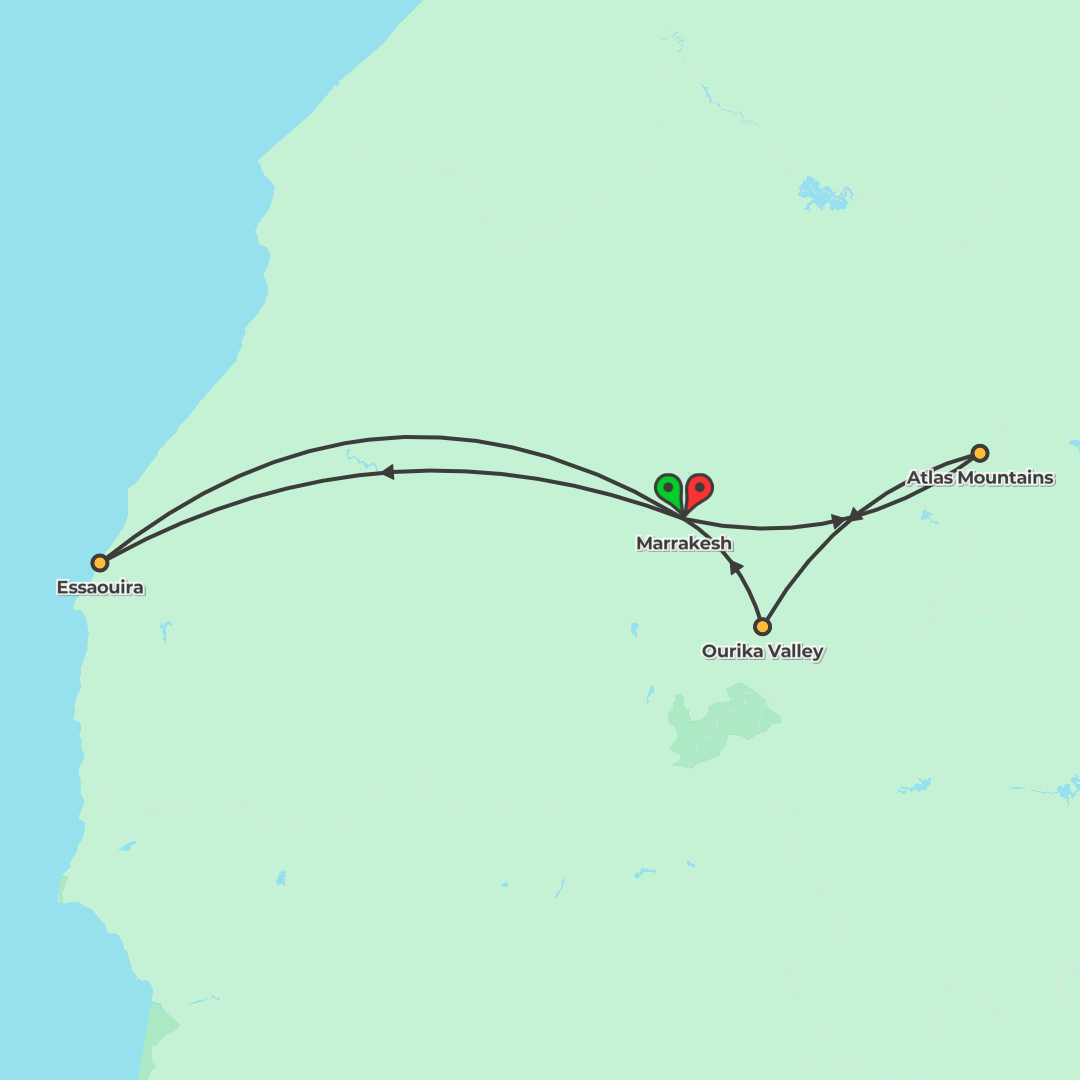
Arrival in Marrakesh
Meals: Dinner
Day 2
Marrakesh & the Saadian Tombs
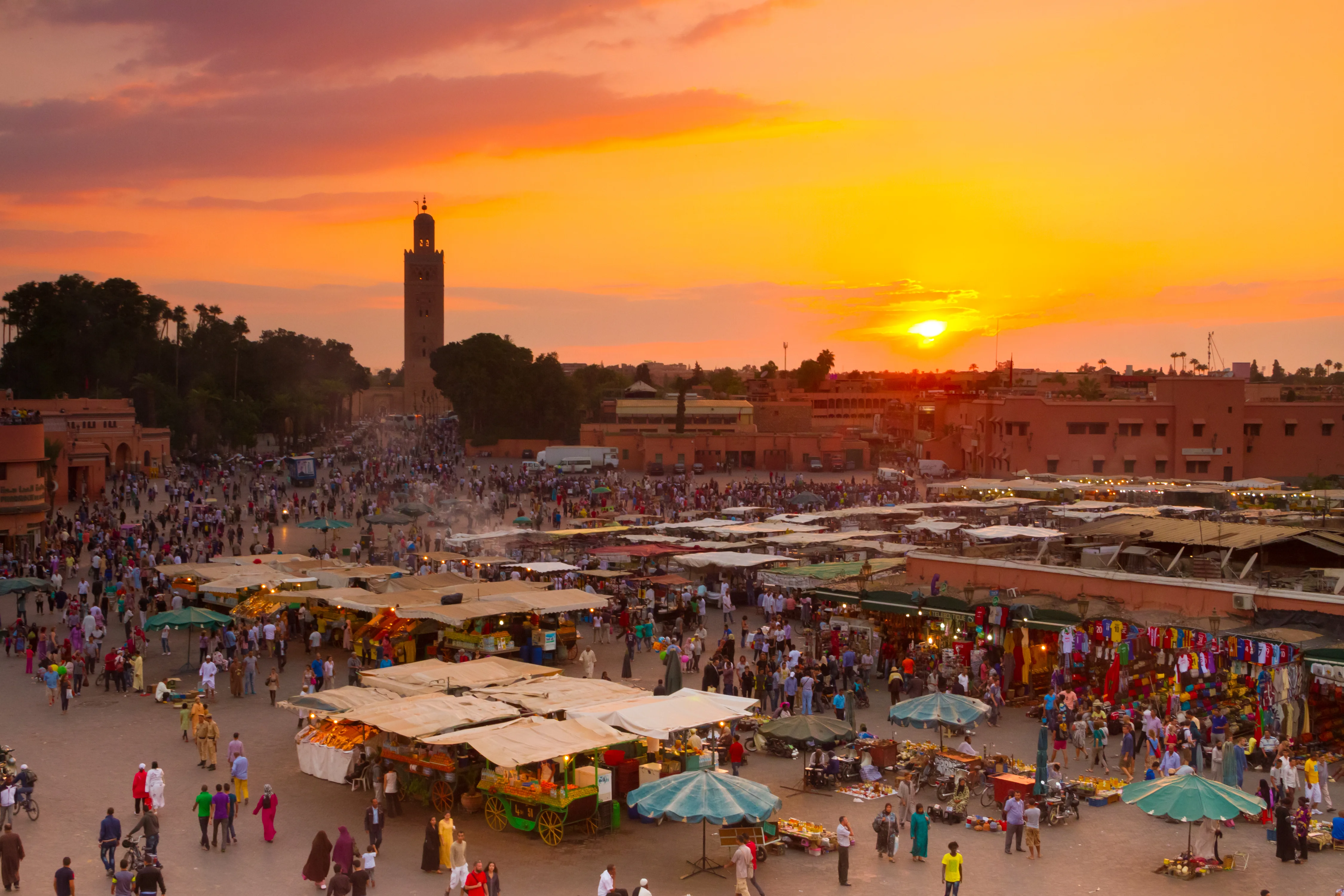
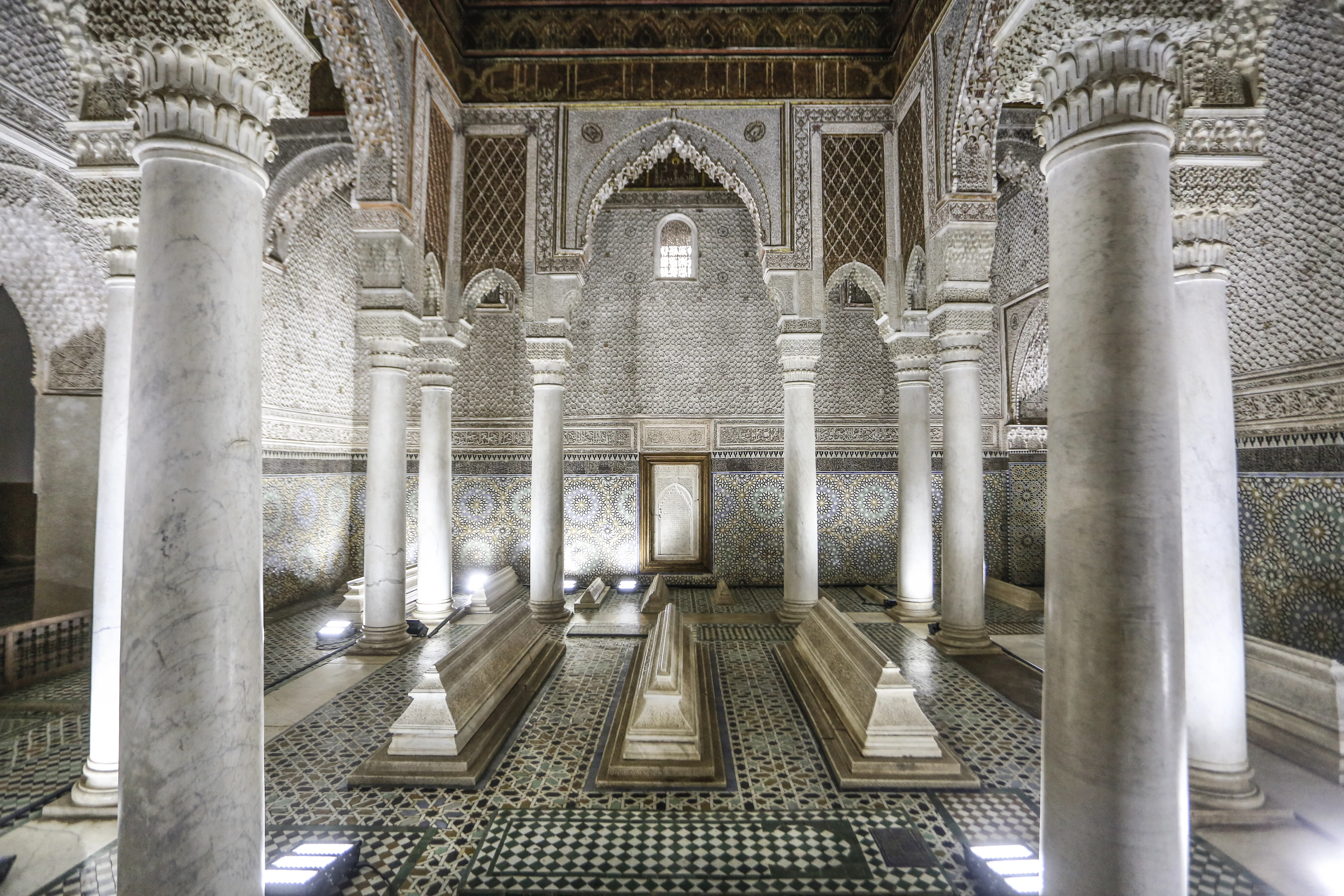
Guided sightseeing in Marrakesh including the Saadian Tombs and Bahia Palace, then explore the souks. After dinner at the hotel, visit Jemaa el-Fnaa square to experience the evening spectacle of performers and vendors.
Meals: Dinner
Day 3
Marrakesh
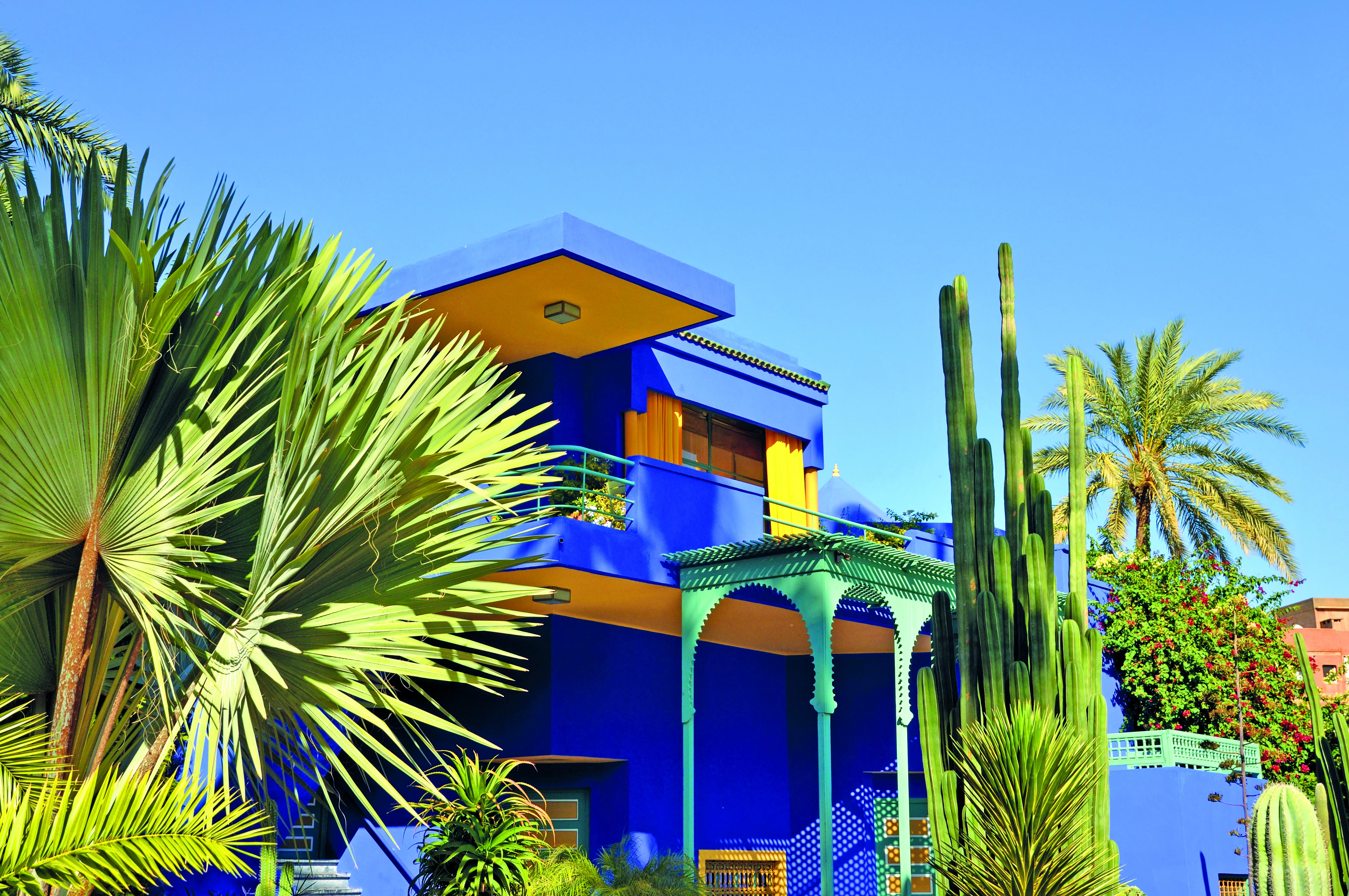
Continue exploring Marrakesh’s gardens, including Jardin Majorelle (formerly owned by Yves Saint-Laurent), and see the city’s ramparts. Afternoon at leisure. Optional: Moroccan cooking workshop at La Maison Arabe.
Meals: Breakfast,Dinner
Day 4
Essaouira
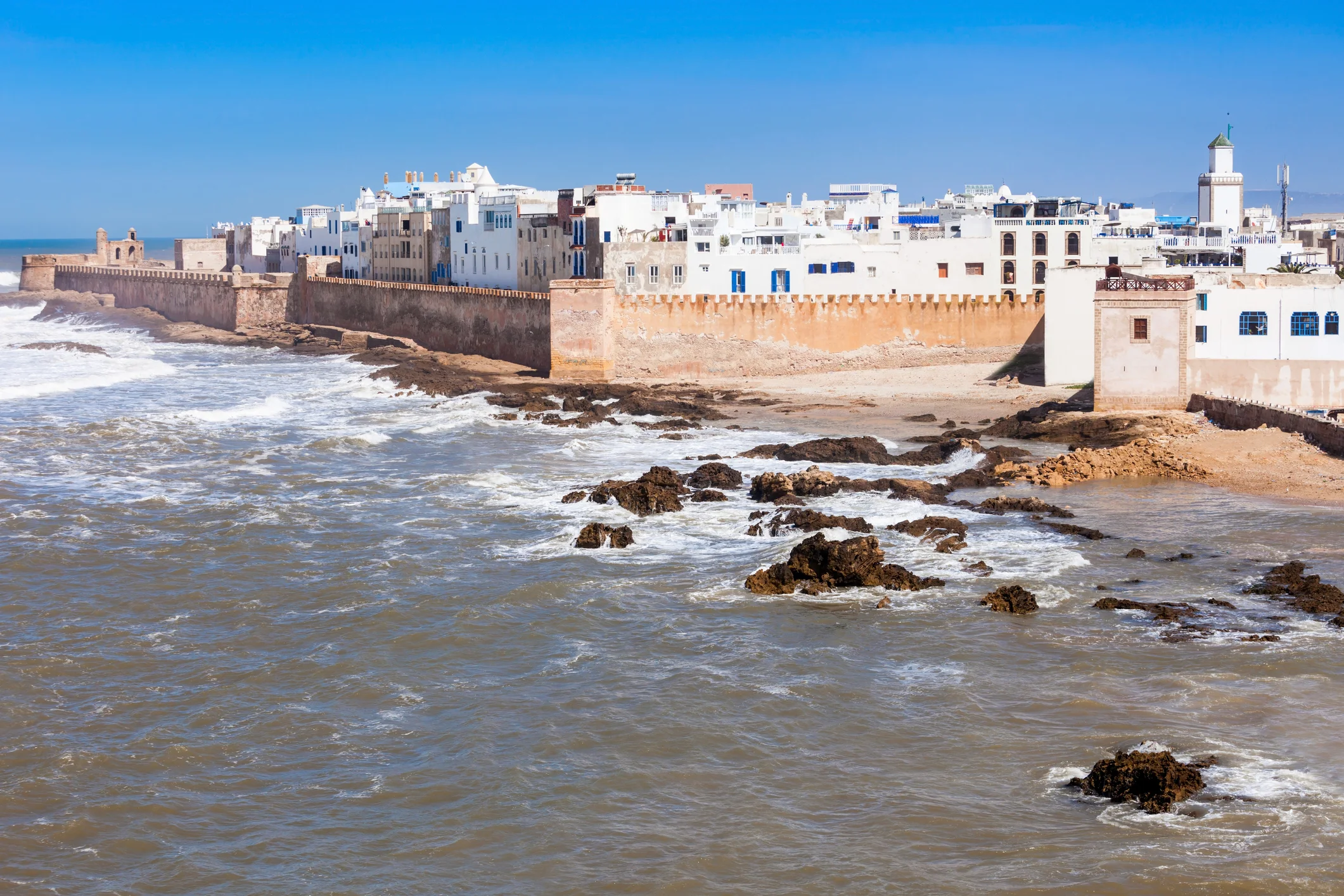
Drive to Essaouira to explore the walled medina, Portuguese citadel, markets and harbour. Signature experience: visit a women’s co-operative to learn about argan oil and taste Amlou with mint tea.
Meals: Breakfast,Dinner
Day 5
Atlas Mountains & Marrakesh
Scenic drive into the Atlas Mountains with stops for views, continuing into the Ourika Valley. Return to Marrakesh early afternoon; time at leisure. Signature experience: rooftop aperitif overlooking Jemaa el-Fnaa followed by a traditional Moroccan dinner.
Meals: Breakfast,Dinner
Day 6
DAY 6
Return home
Meals: Breakfast
What’s included
What’s not included
Additional information
Moroccan Cooking Workshop at La Maison Arabe
Attend a hands-on cooking workshop at La Maison Arabe, guided by a traditional dada chef. Grind spices, learn the balance of sweet and savoury, and craft a classic tagine before sitting down to enjoy the dishes you’ve prepared together.
This optional experience is at additional cost and bookable on tour. It offers practical techniques, cultural stories and tasting moments that bring Morocco’s market flavours from souk to table.
Jardin Majorelle & Yves Saint Laurent Legacy
Visit the serene oasis of Jardin Majorelle, a botanical dream of bamboo groves, towering cacti and bougainvillaea set against buildings painted in the iconic Majorelle Blue. Stroll shaded paths where water features and palms temper the desert light.
Created by painter Jacques Majorelle in the 1920s and later restored by Yves Saint Laurent and Pierre Bergé, the garden also hosts the Berber Museum, honouring North Africa’s indigenous cultures. The result is a poetic blend of art, botany and heritage just beyond the medina’s bustle.
Marrakesh Souks & Artisans of the Medina
Explore the labyrinth of atmospheric souks where skilled artisans hammer brass, dye leather and weave textiles in centuries-old workshops. Navigate alleys perfumed by saffron, cumin and ras el hanout, and see how everyday life and craftsmanship animate the city’s marketplace.
Learn to read the medina’s traditional guild layout—from the dyers’ quarter to the spice square—and pick up the etiquette of bargaining with good humour. The hum of stalls, clatter of tools and bursts of colour create a vivid portrait of Morocco’s trading heart.
Jemaa el-Fnaa Evening Walk
Experience the theatre of Jemaa el-Fnaa as dusk falls and the square transforms into a kaleidoscopic spectacle of musicians, storytellers and acrobats. Lantern-lit food stalls sizzle with brochettes and spiced snails while orange-juice vendors and henna artists work under the stars.
Absorb a living tradition recognized by UNESCO for its oral performance culture. The drumbeat, aromas of grilled cumin and mint tea, and pause for photos and reflection from the square’s edges capture Marrakesh’s magnetic energy at night.
Essaouira Coastal Medina & Ramparts
Wander the whitewashed lanes of UNESCO-listed Essaouira, its breeze-cooled alleys opening onto the Skala de la Ville ramparts and views of the Atlantic. Photograph cobalt-blue fishing boats, browse artisan woodwork and feel the relaxed rhythm of this historic port.
Planned in the 1760s by French engineer Théodore Cornut for Sultan Sidi Mohammed ben Abdallah, Essaouira—once Mogador—blends Portuguese bastions with Moroccan design. Film lore, Gnaoua rhythms and sea-air give the medina a unique, salt-sprayed charm that contrasts beautifully with inland Morocco.
Argan Cooperative Visit with Mint Tea & Amlou Tasting
Visit a women’s co-operative dedicated to Morocco’s emblematic argan tree. Over a glass of mint tea, watch kernels cracked and stone-ground into the golden oil used for beauty and cooking, then sample Amlou—a luscious blend of argan oil, almonds and honey.
Hear how argan oil tradition sustains rural livelihoods and protects an ecosystem unique to southwestern Morocco, designated a UNESCO biosphere. The visit connects everyday flavours to community empowerment and an ancient landscape.
Atlas Mountains & Ourika Valley Scenic Drive
Journey into the snow-capped High Atlas, tracing river-cut gorges and terraced fields towards the Ourika Valley. See red-earth villages cling to hillsides, walnut groves shading the watercourse, and distant ridgelines hinting at Mount Toubkal’s lofty domain.
Discover Amazigh (Berber) culture in stone-and-adobe hamlets where weekly markets anchor mountain life. The shifting light, misty mountain passes and chances to pause for photos and reflection reveal Morocco’s grandest scenery within easy reach of the city.
Rooftop Aperitif over Jemaa el-Fnaa & Traditional Moroccan Feast
Savour a rooftop vantage point as sunset over the square sets Jemaa el-Fnaa aglow, enjoying an evening aperitif while the sounds of drums and flutes rise from below. Afterwards, sit down to a traditional Moroccan feast featuring aromatic tagines, salads and warm khobz.
This elevated perspective pairs Marrakesh’s timeless spectacle with culinary hospitality—fragrant spices, slow-cooked meats and shared plates that speak to the city’s convivial spirit.
Marrakesh Guided City Tour: Saadian Tombs & Bahia Palace
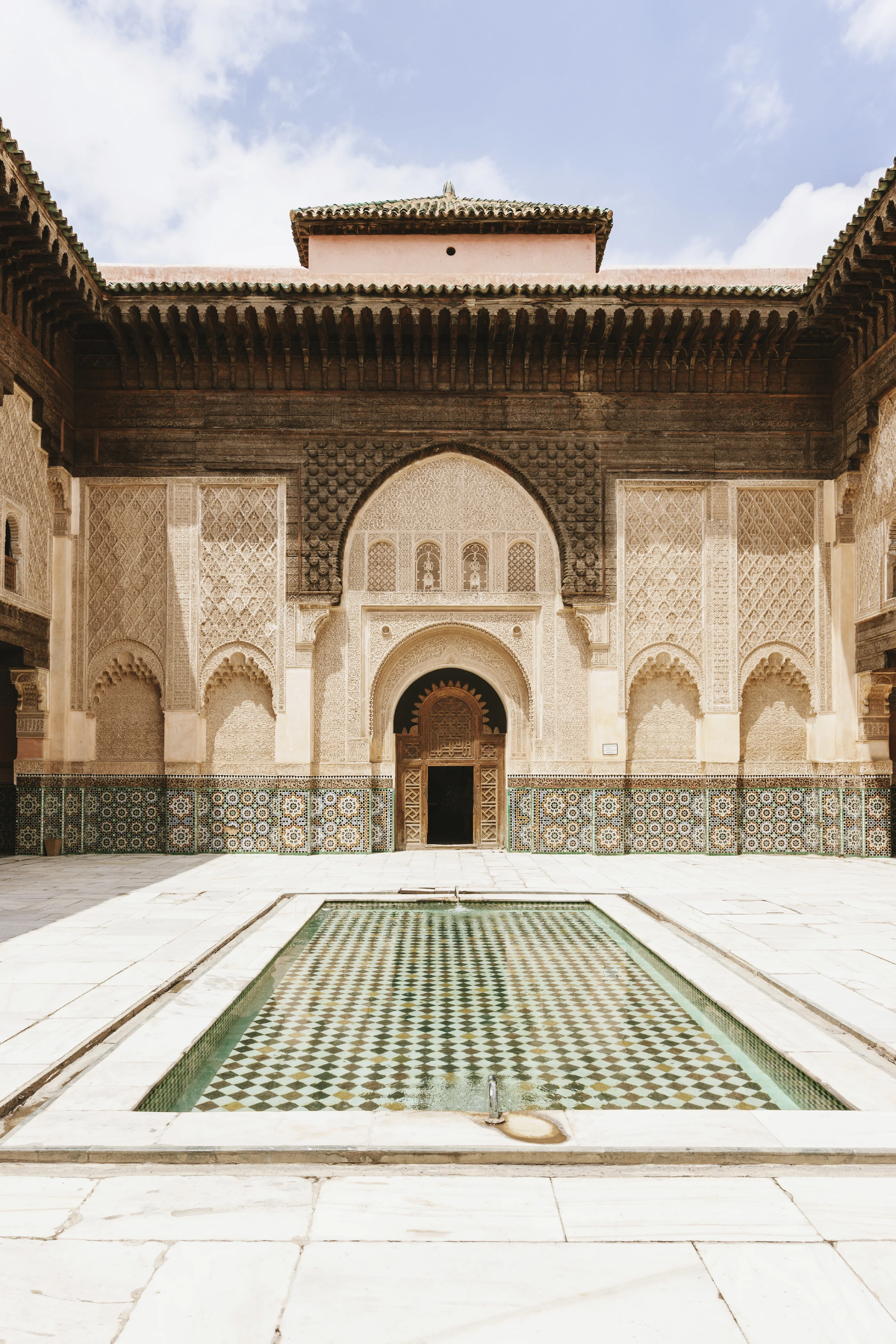
Discover Marrakesh with a local guide and join a guided panoramic tour through the medina to step inside the Saadian Tombs and the exquisite Bahia Palace. Walk tranquil courtyards scented with orange blossom and admire carved cedar ceilings, marble fountains and jewel-bright zellige that showcase Morocco’s master artisanship.
Uncover how the tombs, resting place of Sultan Ahmad al-Mansur’s dynasty, were rediscovered in 1917, and learn how the 19th-century Bahia celebrated a vizier’s power and taste. This cultural introduction grounds the city’s beauty in its royal past and living craft traditions.