Your itinerary

Day 1
Adventure starts in Delhi
Our adventure begins in Delhi, a captivating city full of life and cultural intrigue. If you have time to explore this electric city, a short taxi or tuk-tuk drive from our hotel is Karol Bagh Market, where colourful stalls are packed with clothing and jewellery, and the Gurudwara Bangla Sahib, a magnificent Sikh temple topped with an onion-shaped gold dome.Around 6pm, say namaste to your tour leader and fellow travellers, when we gather as a group for the first time to get to know each other and learn more about the adventures ahead.Your tour leader then ensures a big welcome by arranging a group dinner at a nearby restaurant.Want more time in Delhi? Secure pre-tour hotel nights through your sales representative.
Meals: Dinner
Day 2
Sensational flight over the Himalaya to Leh
We wake early this morning for a spectacular flight over the Himalaya mountains to Leh, the largest city in the Ladakh region. Reserve a moment or two on your journey to peer out the window and over some of the tallest mountains in the world.After touching down and arriving at our hotel, we settle into our rooms and freshen up. This afternoon, we take a gentle orientation walk around the city and bazaars. The rest of the day is free to relax and acclimatise to the altitude (11,480ft/3,500m).
Meals: Breakfast
Day 3
Leh tour; visiting Thikse and Shey monasteries
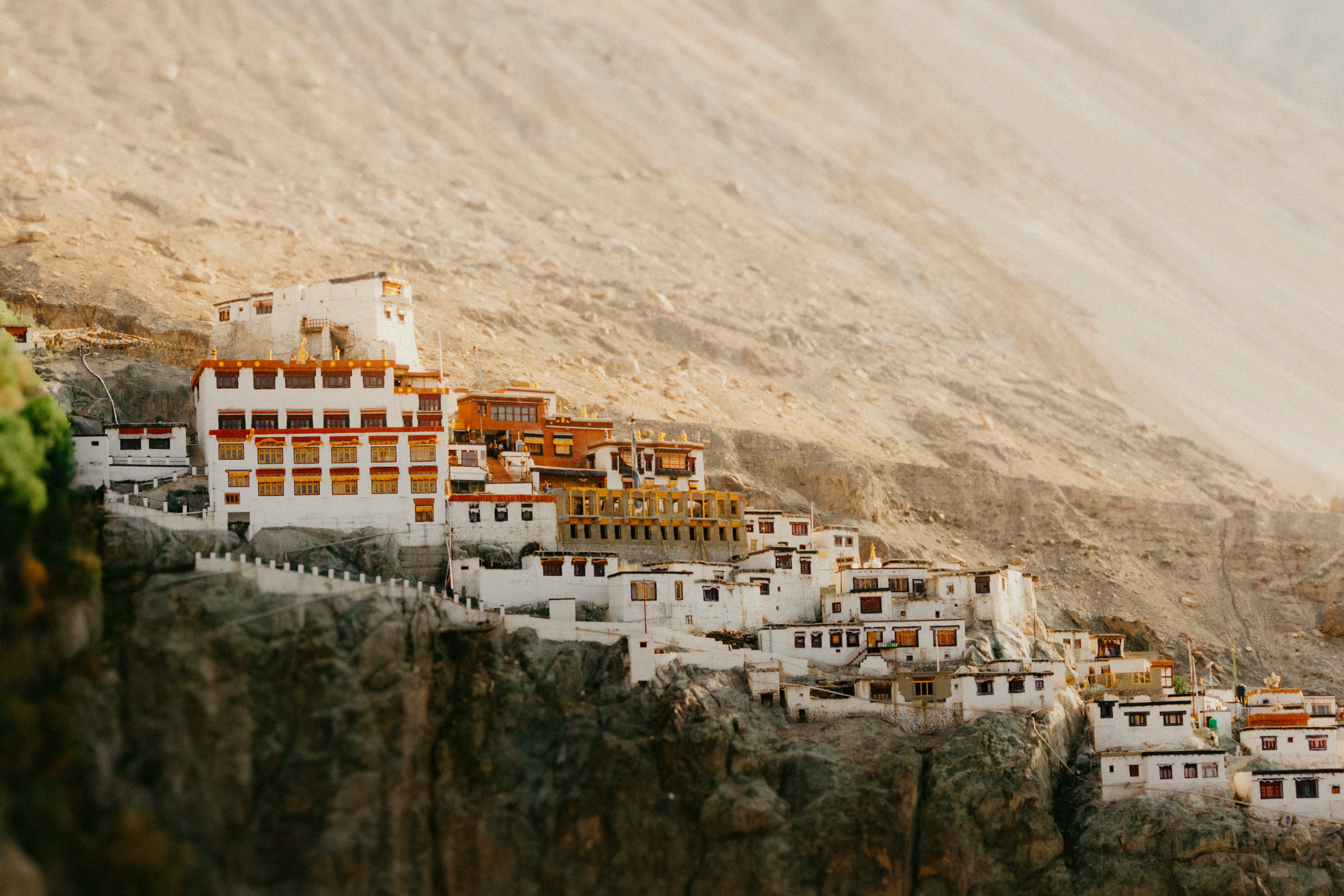
Today we continue our sightseeing in and around Leh, visiting Tikse and Shey monasteries, two of the major gompas (Buddhist temples) in the area.We first drive to Shey, once a palace of the Ladakh kings. Inside is a small temple containing a 350-year-old copper-and-gold statue of the Buddha. From Shey, we walk across the fields to Tikse, where we visit the monastery. This hilltop complex with red-and-white buildings can be seen for miles and within is a recently built temple with a magnificent image of the Future Buddha.We return to Leh and the rest of the afternoon is free to explore and try more local dishes, such as thukpa (a noodle soup), momos (steamed dumplings) or skiu (a traditional stew).Early evening there will be a full trek briefing.
Meals: Breakfast
Day 4
Drive over the Khardung La to Hundar, in the Nubra Valley. Visit Diskit monastery and see the sand dunes and Bactrian camels
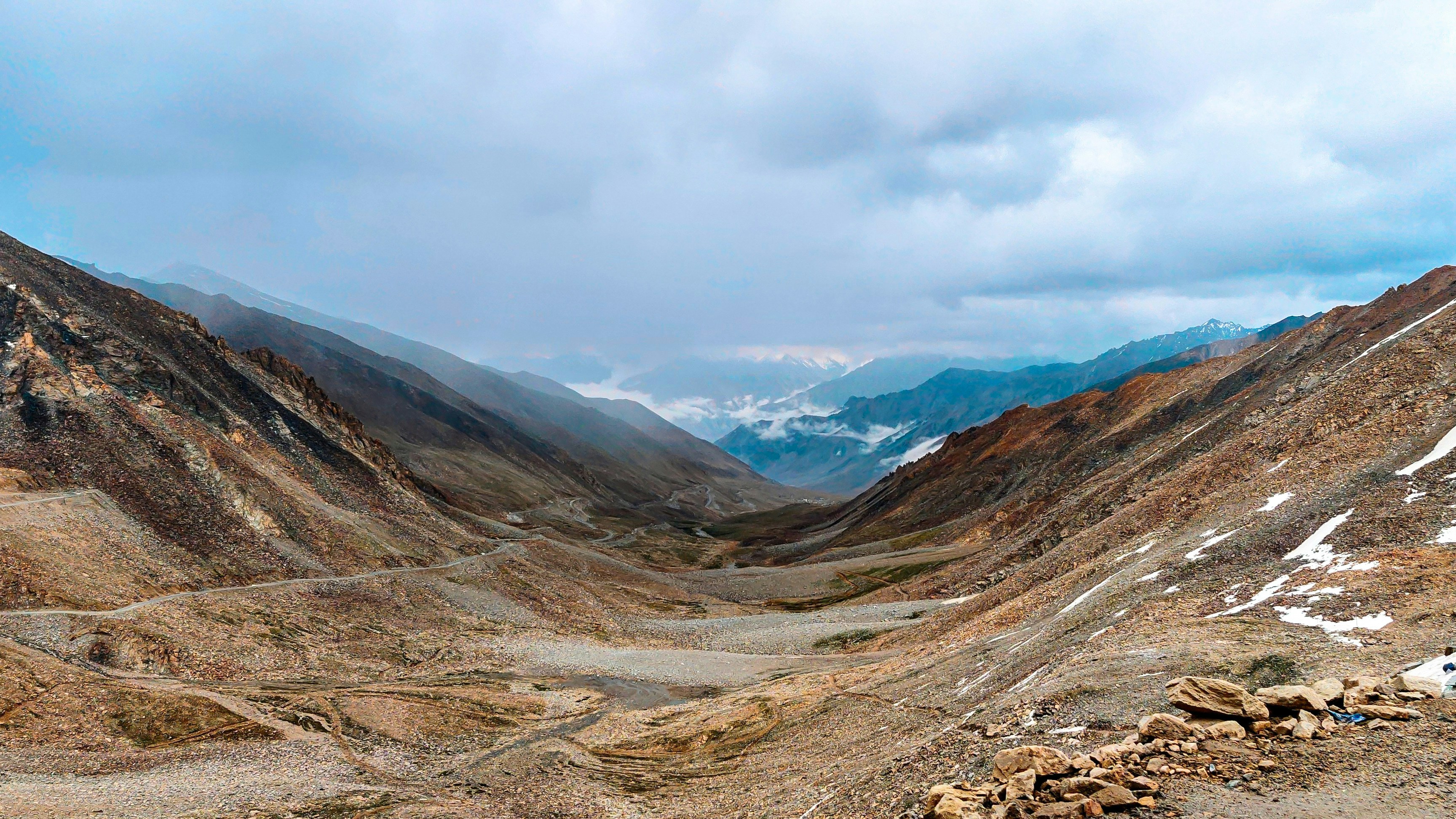
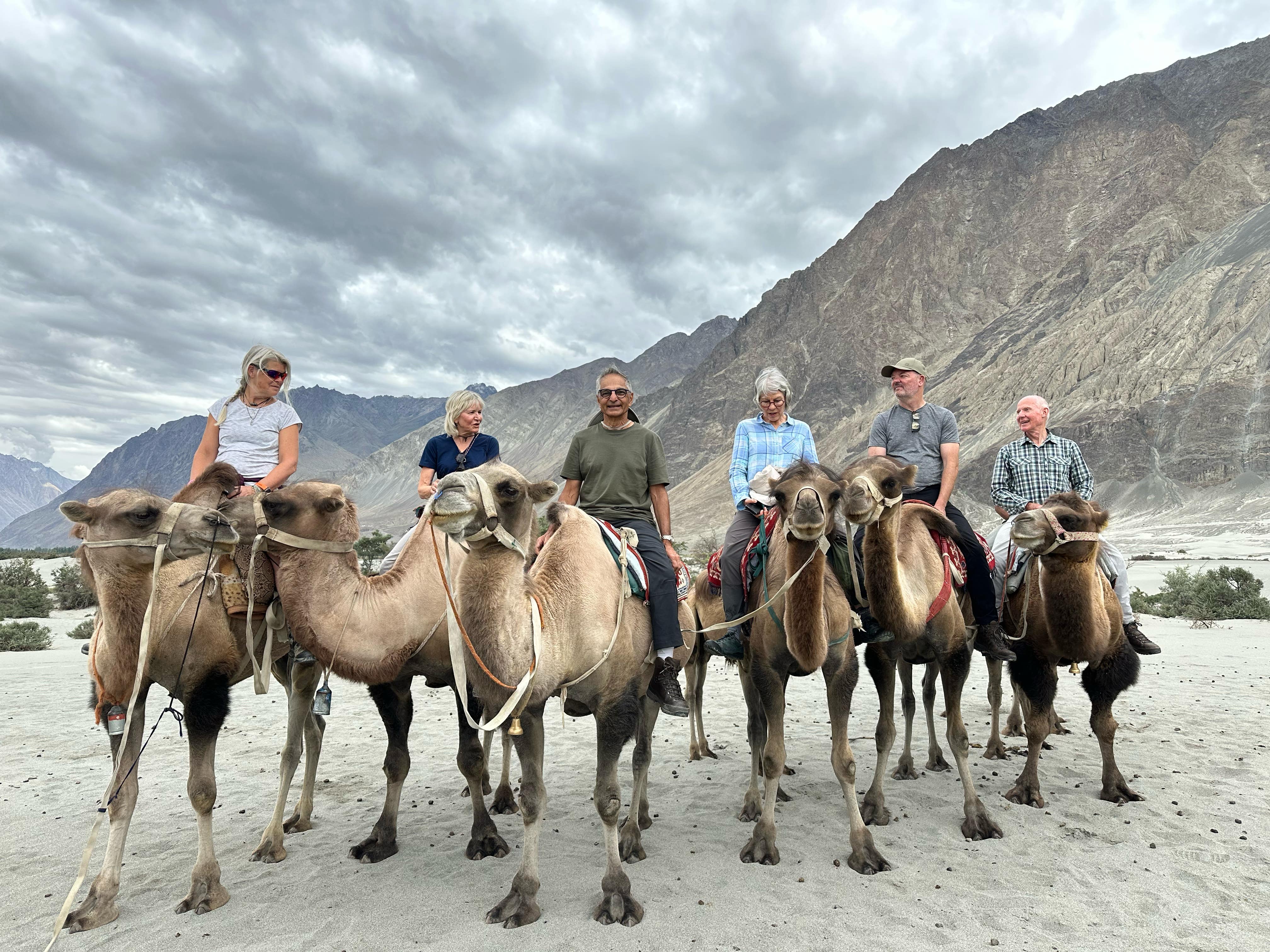
We leave Leh today and set off in jeeps over the Khardung La, once part of the Silk Road and now one of the highest motorable roads in the world at 17,635ft (5,375m). The journey to the top of the pass takes us on a winding road high above Leh. From the top, we get great views back to the Leh Valley and the Ladakh mountains and ahead we can see the Karakorum mountain range. The road winds down and down through the North Pollu checkpost and to Khardung village, then on to Khalsar village (10,710ft/3,264m) and the Shyok River. We stop en route to visit Diskit monastery. Overlooked by a 105ft (32m) high Buddha statue, it is the oldest and largest in the Nubra Valley, dating from 1420, and belongs to the Gelugpa (Yellow Hat) sect of Tibetan Buddhism.Hundar is only about 6mi (10km) from Diskit and it is filled with dunes, an unusual sight between magnificent mountains. Stopping at the dunes in the late afternoon/early evening we see the rare Bactrian camels. These magnificent two-humped dromedaries were once vital to the traders passing through this region, but when trade decreased in the late 1950s, the animals were left in the Nubra Valley. Thankfully, a government programme has ensured these camels continue to survive and we get a chance to meet some of those still living in the area.From the dunes it is a short drive to our hotel in Hundar (approximately six hours’ drive).
Meals: Breakfast,Dinner
Day 5
Drive to Hundar Gompa; trek through a spectacular gorge to Wachan
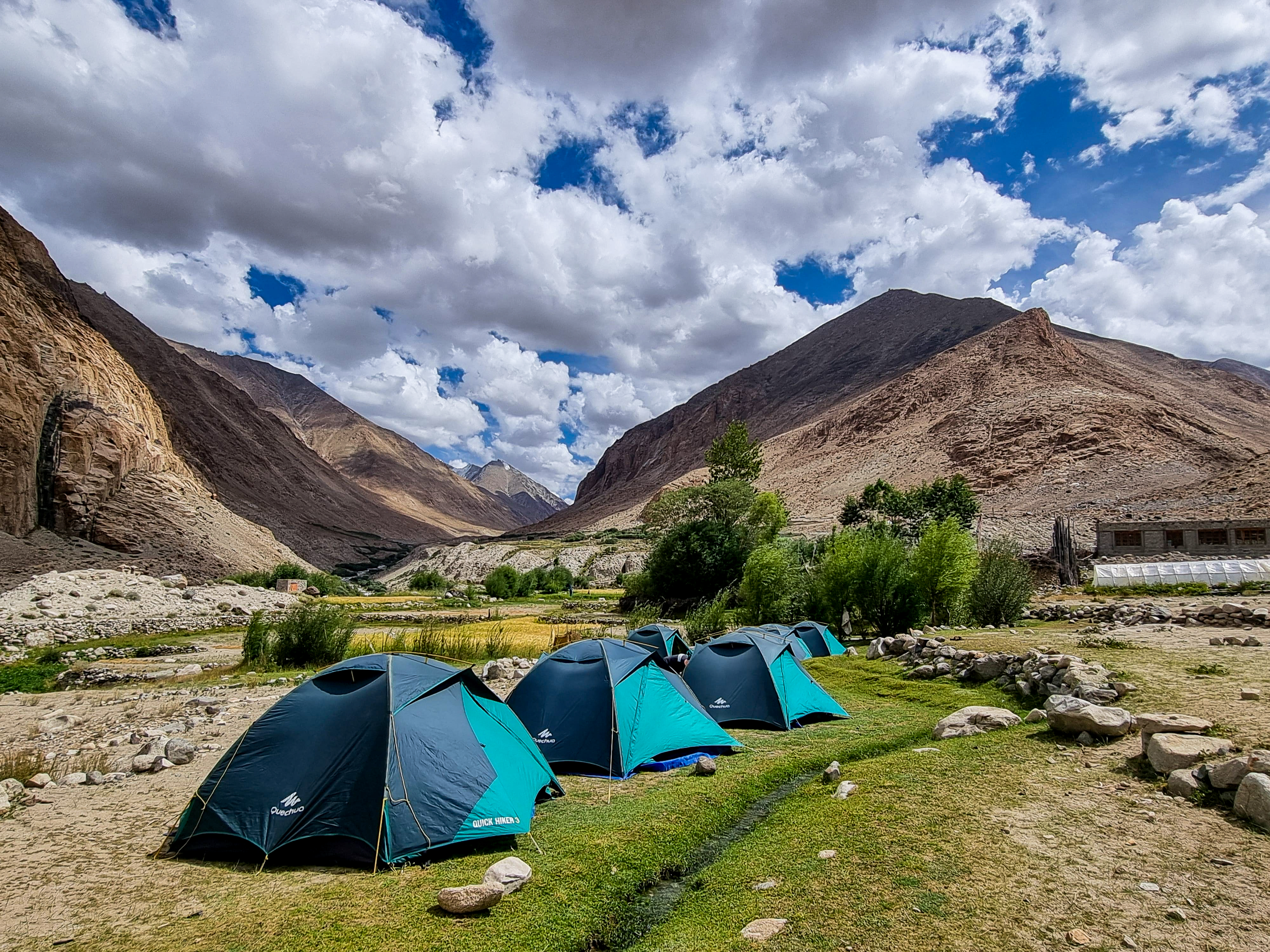
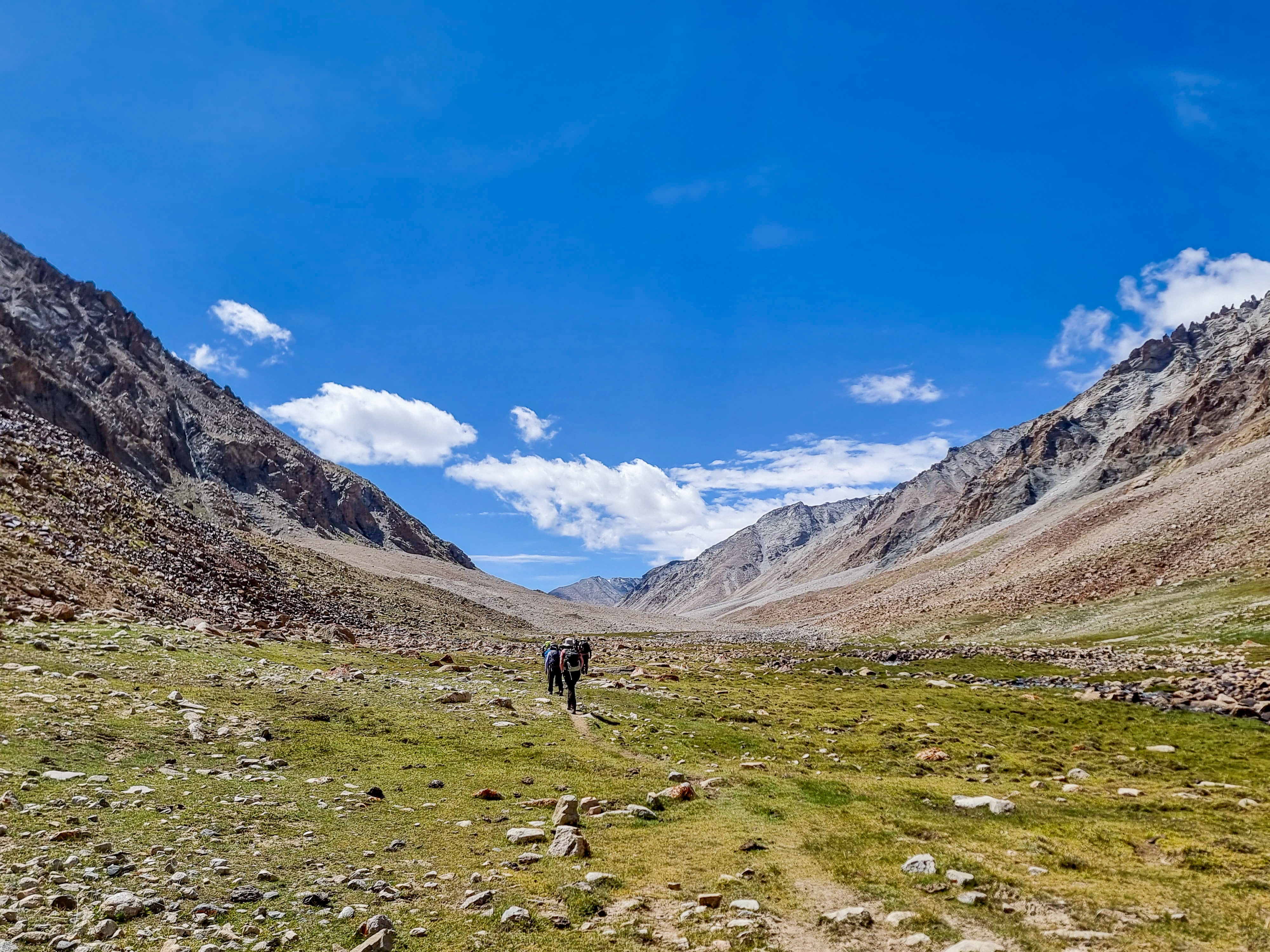
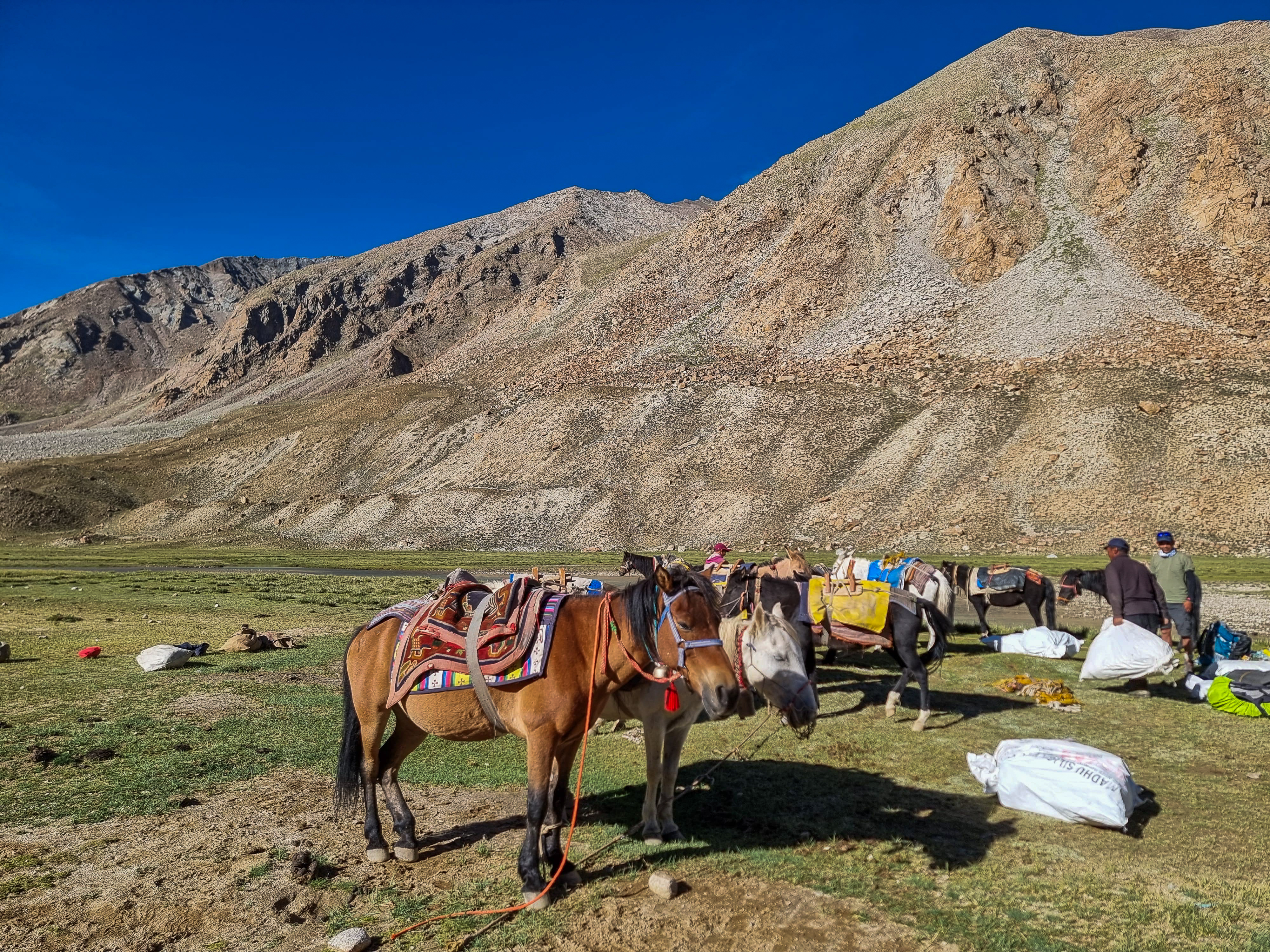
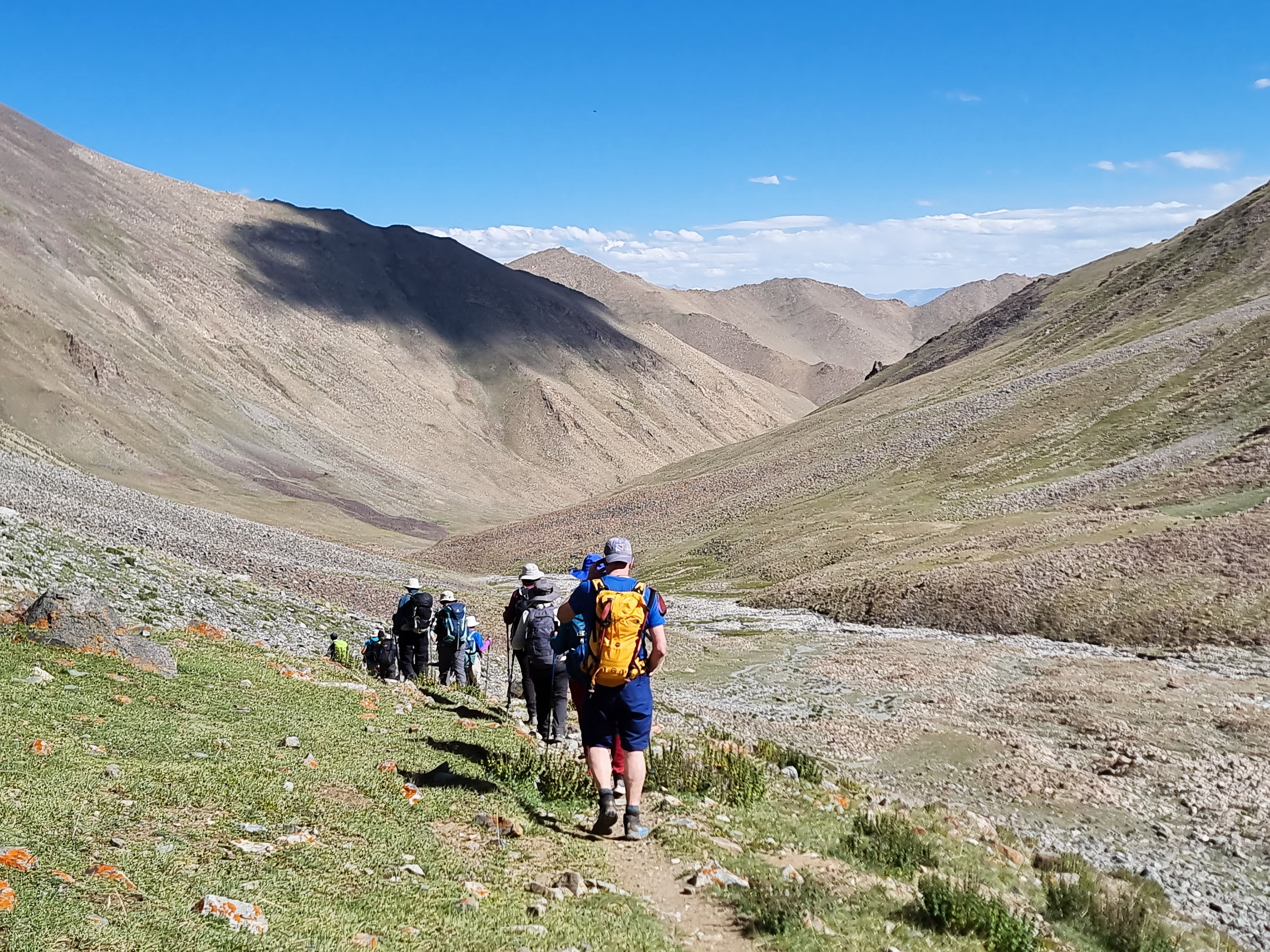
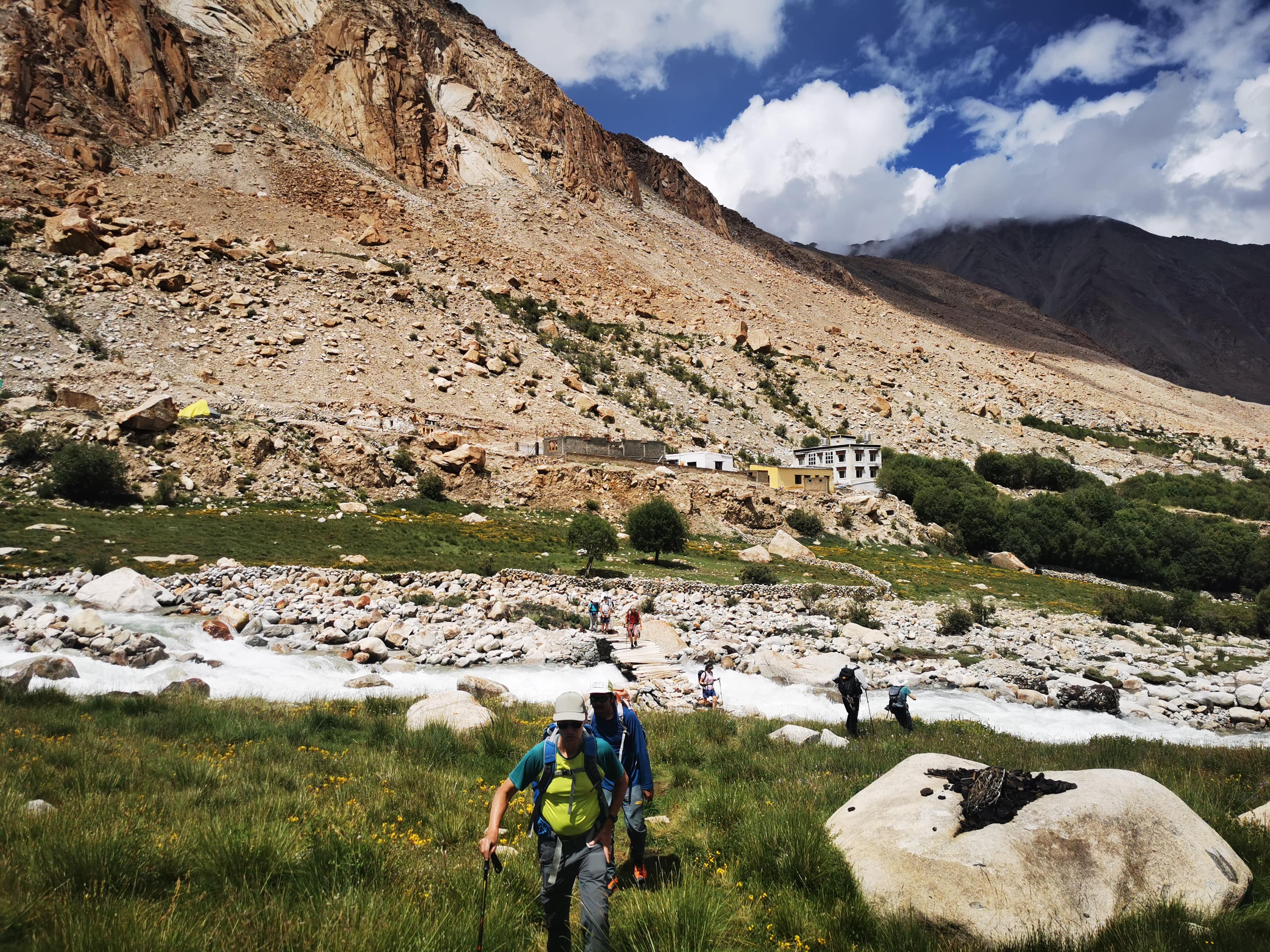
We head into the valleys this morning, driving for about 1.8mi (3km) to Hundar Gompa, where we start our trek. Leaving the main valley, we turn up into a narrow side valley. The walking today is fairly easy as we follow a wide 4×4 track into the gorge. Rocks tower above us as we gain height gradually.After approximately 4.5mi (7km), we come to a small droksa (shepherd camp) with a few trees providing welcome shade from the sun. The valley now widens a little and we camp where the valley splits on the edge of a small village called Wachan.
Meals: Breakfast,Lunch,Dinner
Day 6
Leaving villages behind; continue ascending the valley to our wild camp at Snia Sumdo
Today is a half day as we begin to gain height. We start by taking the left-hand valley and climbing steadily to Dok Yokma, a small collection of houses and fields. This is the last village we see until Phyang. We can visit the small monastery and maybe stop in a local house for a cup of tea.The trail ascends down the valley all morning until we reach our campsite opposite the Snia Valley. In the afternoon, there is time to explore the hills and take in the spectacular scenery.
Meals: Breakfast,Lunch,Dinner
Day 7
Surrounded by unnamed peaks, the trail climbs the Snia Valley; camp at Pullu
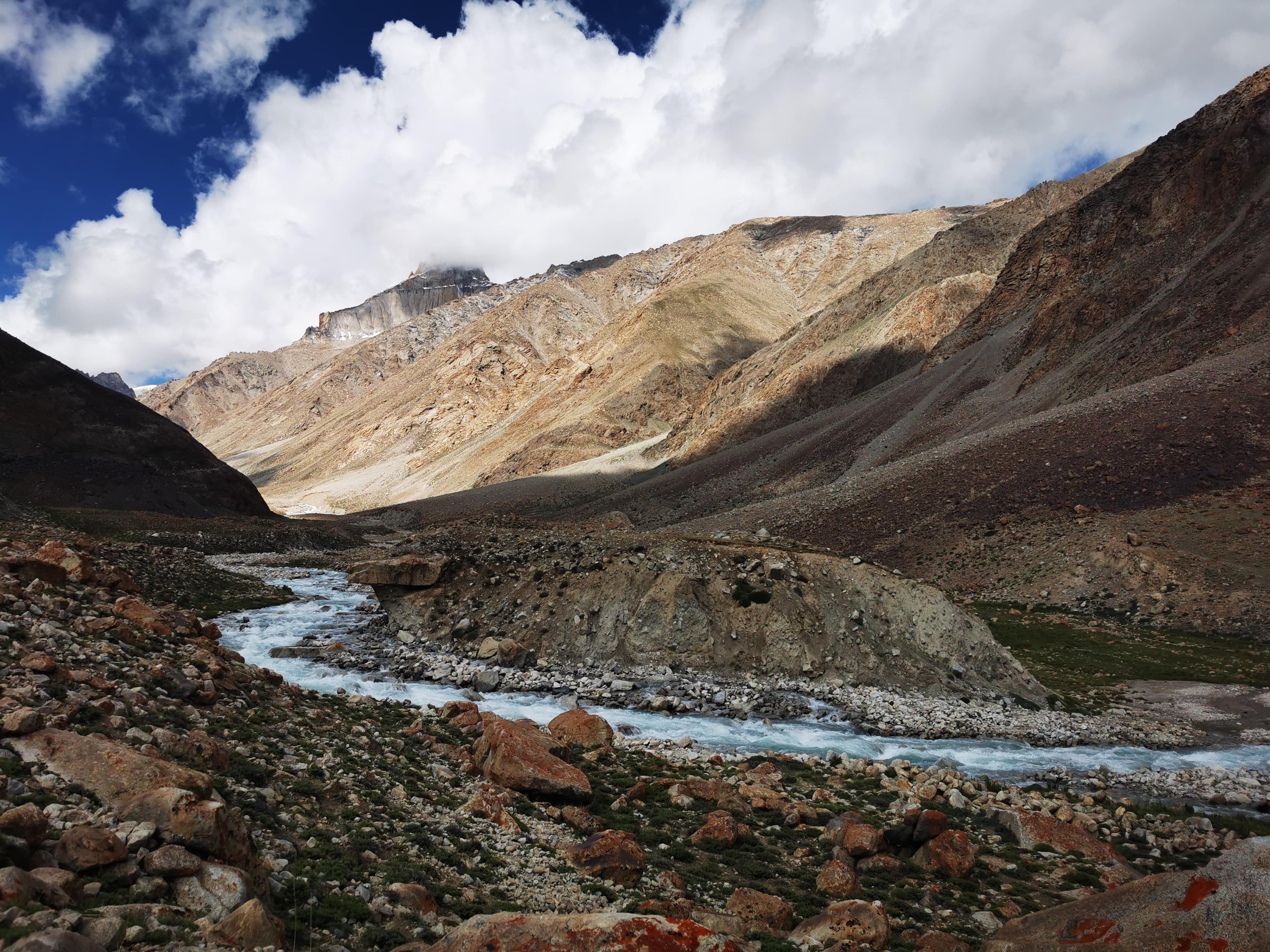
We cross a small stone bridge and turn into the Snia Valley and follow it upstream. The trail climbs steadily on the left hand side of the valley. We are surrounded by unnamed peaks and passes and only shepherds inhabit this valley in the summer. Before there were roads in Ladakh, people used the passes regularly. Now, apart from the summer shepherds with their herds of yaks, the valley is inhabited by wildlife only. Keep your eyes peeled for marmots, foxes, wolves and, for the very lucky, the elusive snow leopards that hunt here.We camp close to the river just before the next valley junction. In the afternoon there is an optional walk further up the valley towards a glacial lake.
Meals: Breakfast,Lunch,Dinner
Day 8
Descend to the valley junction and ascend the Thanglasso Valley to Jingmoche
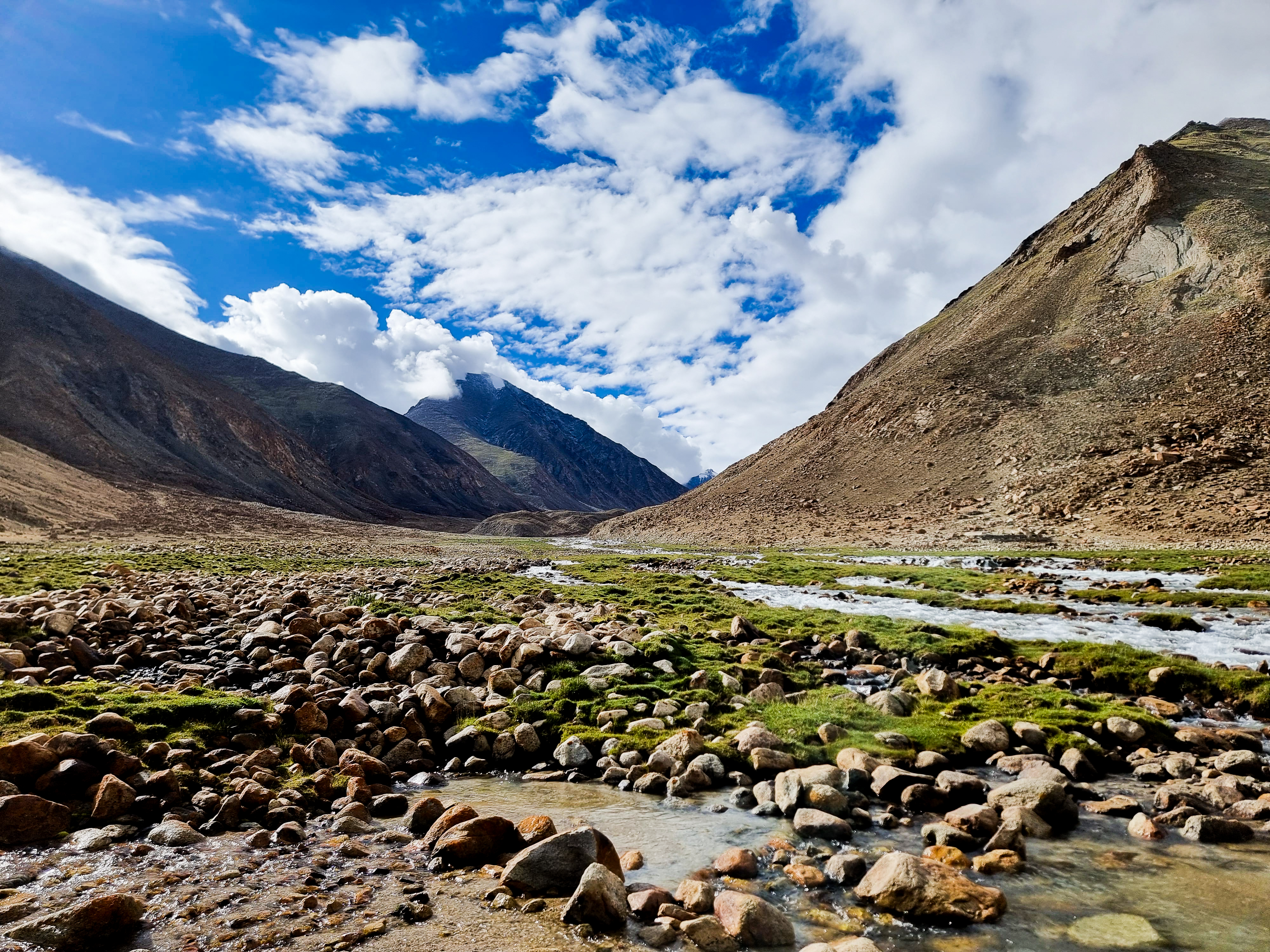
A descending start leads us to the intersection of Snia and Thanglasgo valleys. From here, we ascend gradually on the left side of the valley. The trail crosses rocky glacial moraine and green pastures. A picturesque walk for around five to five and a half hours brings us to our beautiful camp by the river at Jingmoche (14,795ft/4,510m), a popular location among shepherds who bring their sheep, yak and dzos for grazing.
Meals: Breakfast,Lunch,Dinner
Day 9
Trek to the base of the Lasermo La
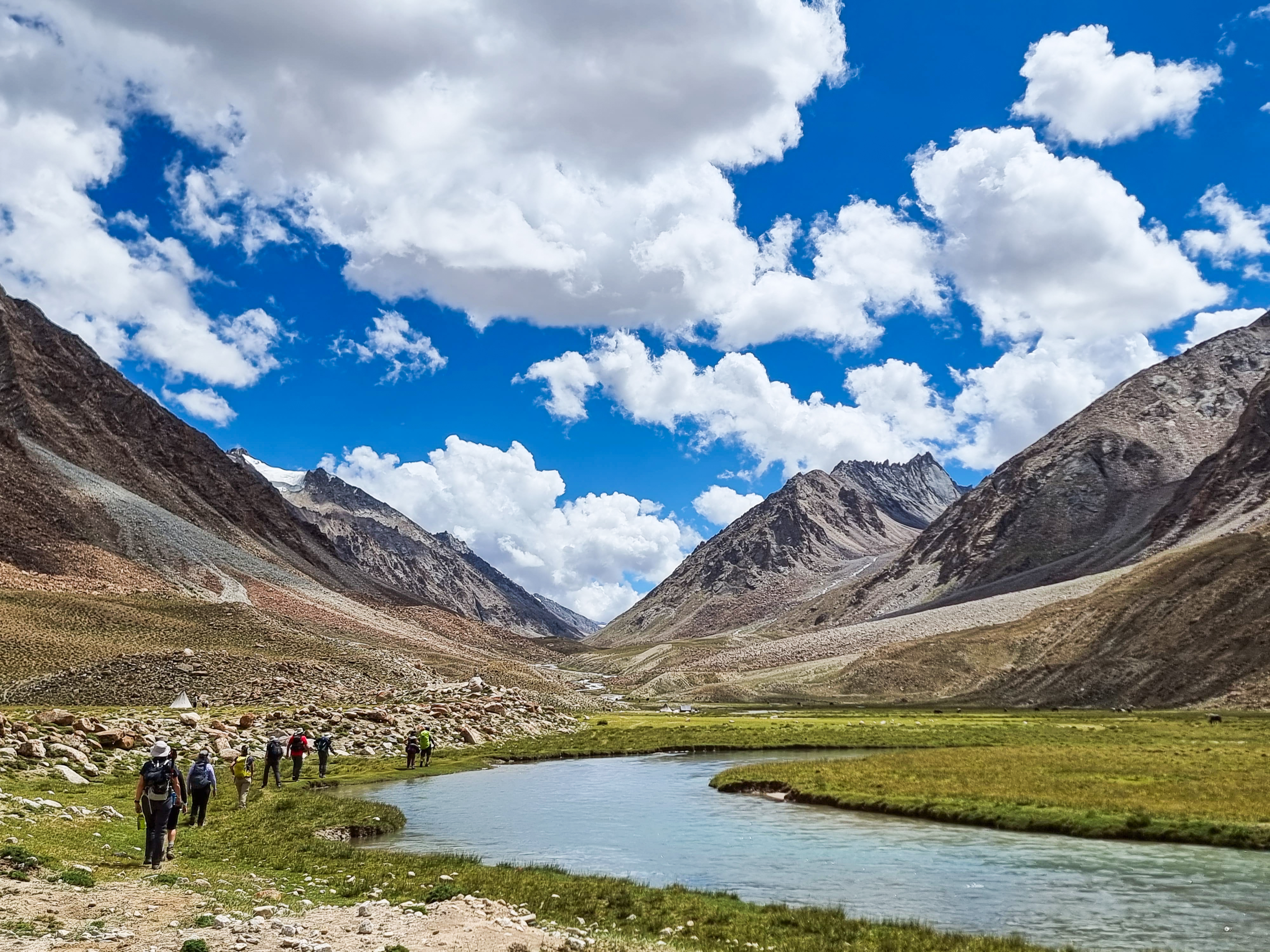
We walk to the base of our next pass, Lasermo La, today. As we leave the campsite, we follow the river upstream walking amid a valley of pretty meadows with grazing yaks and dzos. An hour and a half from Jingmoche we pass the shepherd camp at Thanglasso. Continuing up the valley we get higher and higher and we finally reach the campsite in the afternoon, set below the Lasermo Pass.
Meals: Breakfast,Lunch,Dinner
Day 10
Acclimatisation walk to glacial lakes
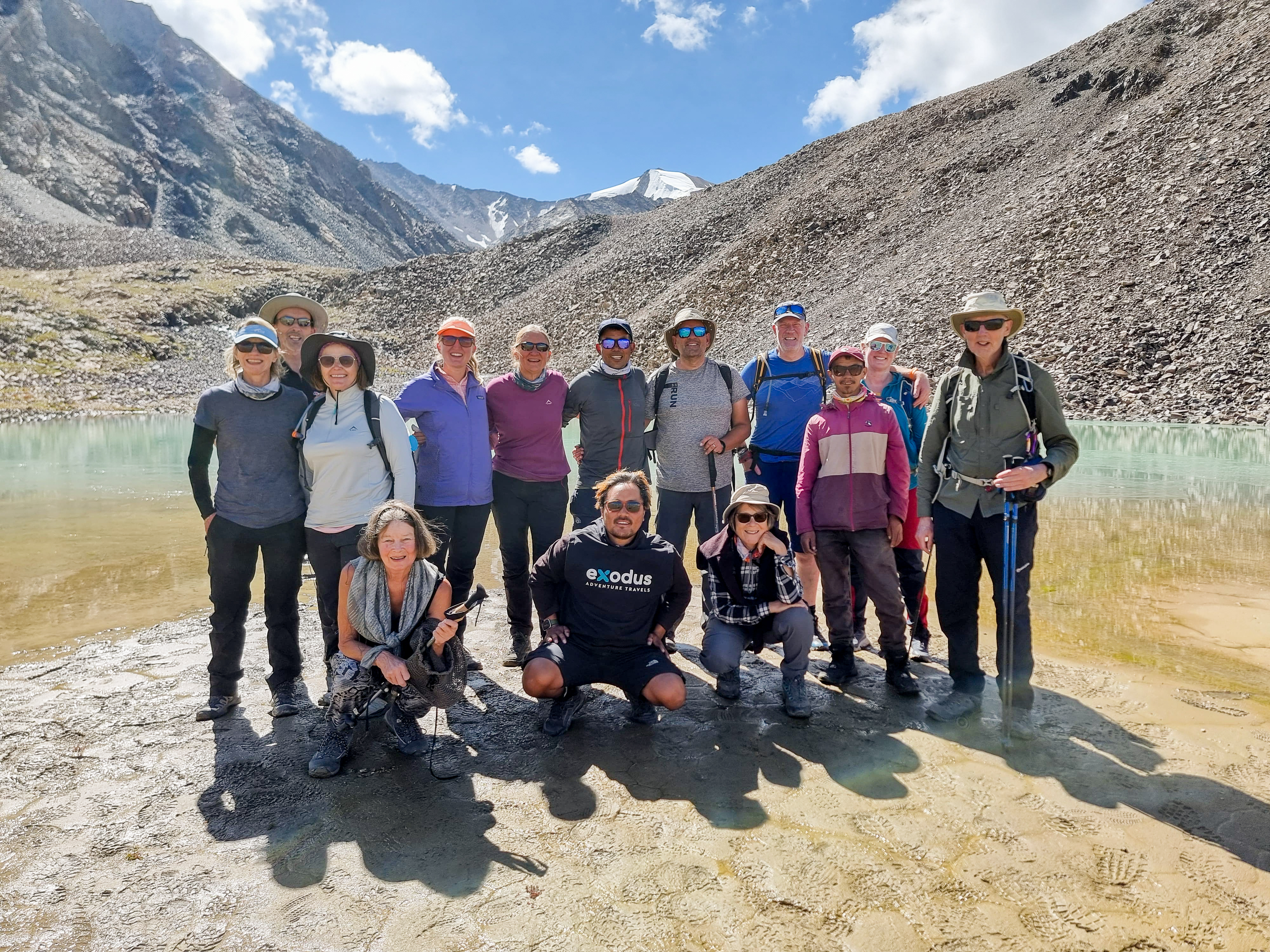
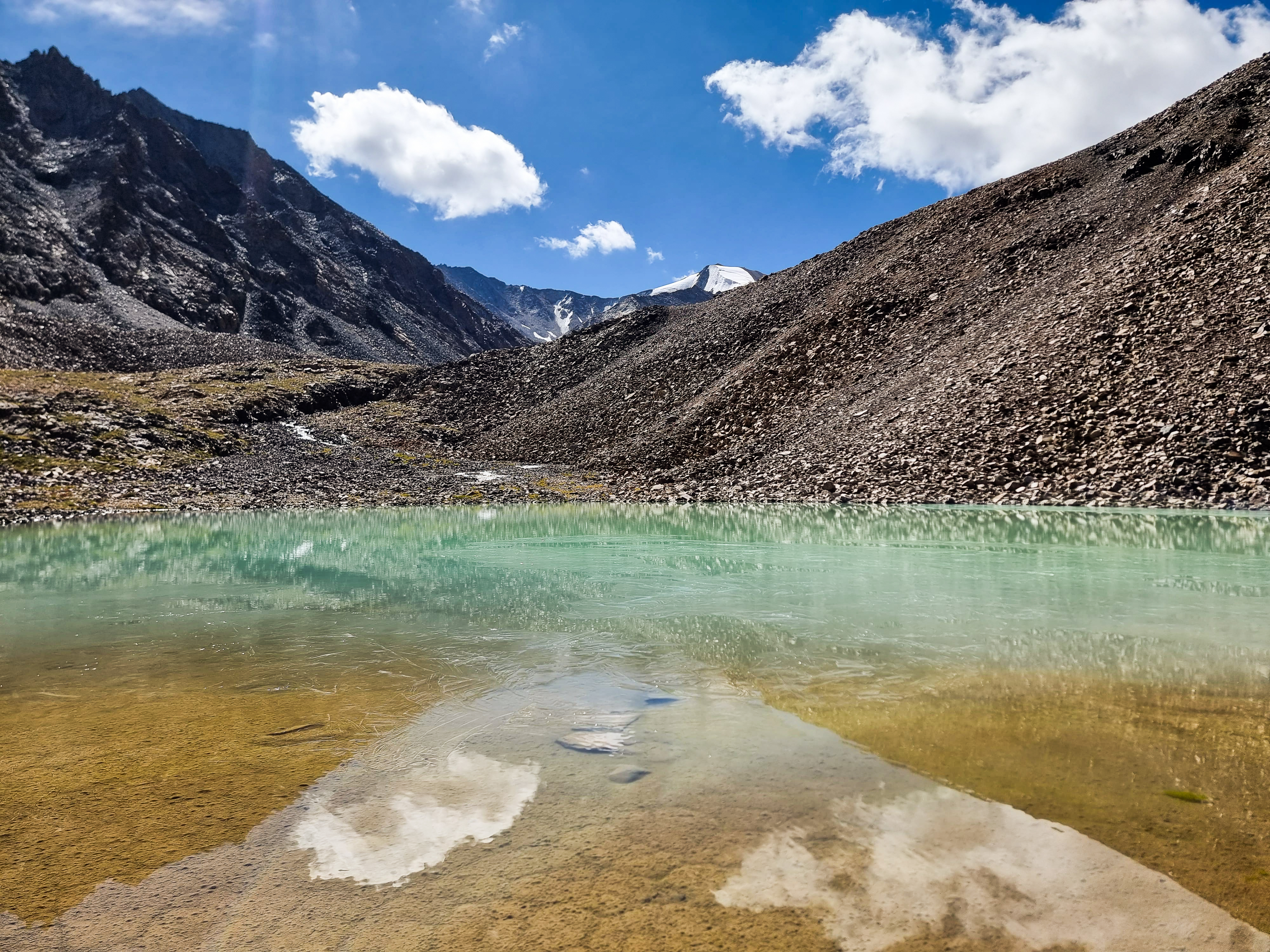
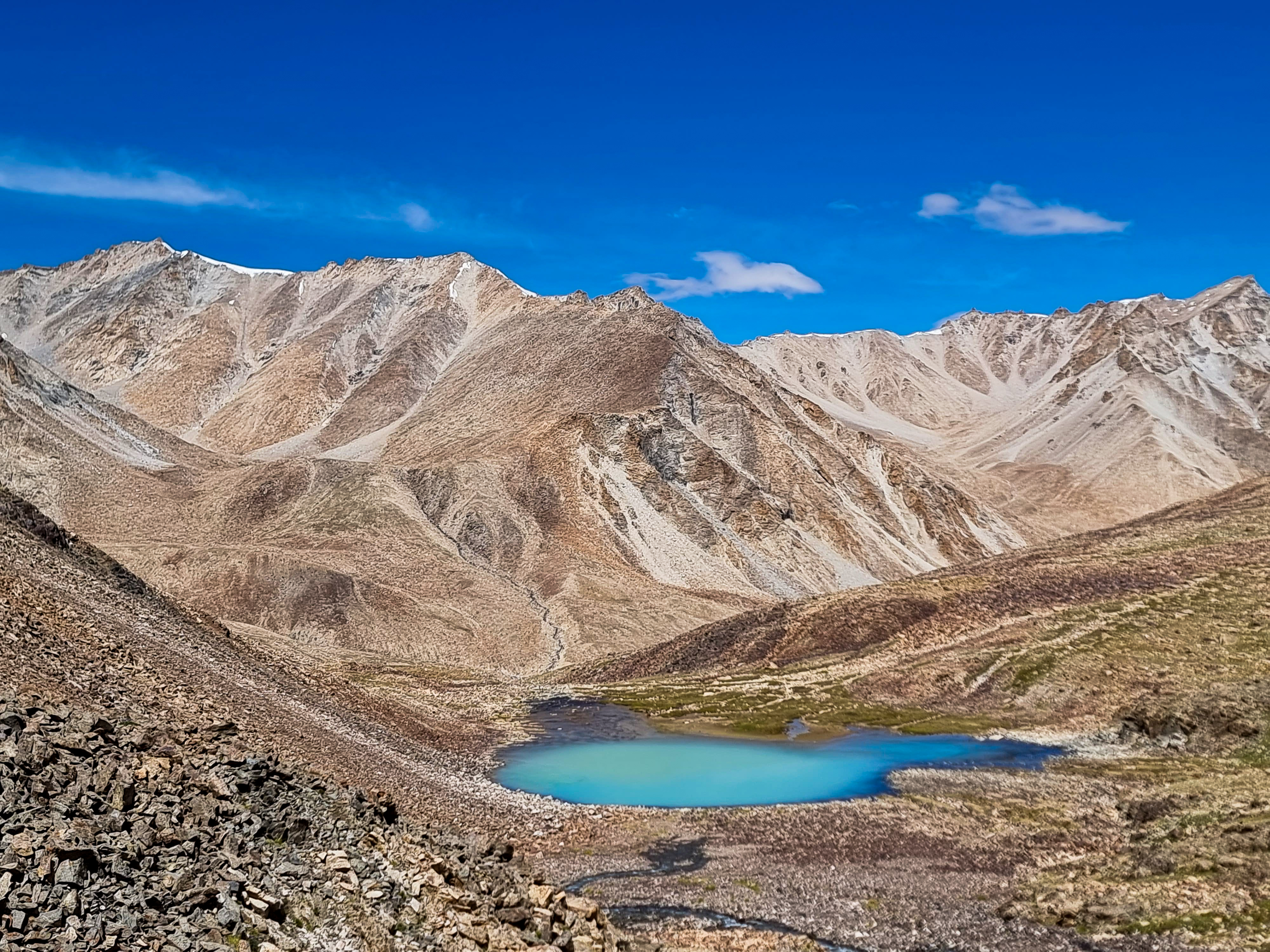
We spend the day exploring the area around camp with various optional walks available. We can take a packed lunch and ascend the valley across from our camp up to a series of lakes. It is about 1.5 hours to the first small lake. It is about another 45minutes to the second lake. We are now surrounded by unnamed and unclimbed peaks. We can either descend back to camp or there is a rocky trail which climbs to a third small glacial lake (16,700ft / 5,090m) if you’d like to explore further.
Meals: Breakfast,Lunch,Dinner
Day 11
Cross the Lasermo La and descend to high camp
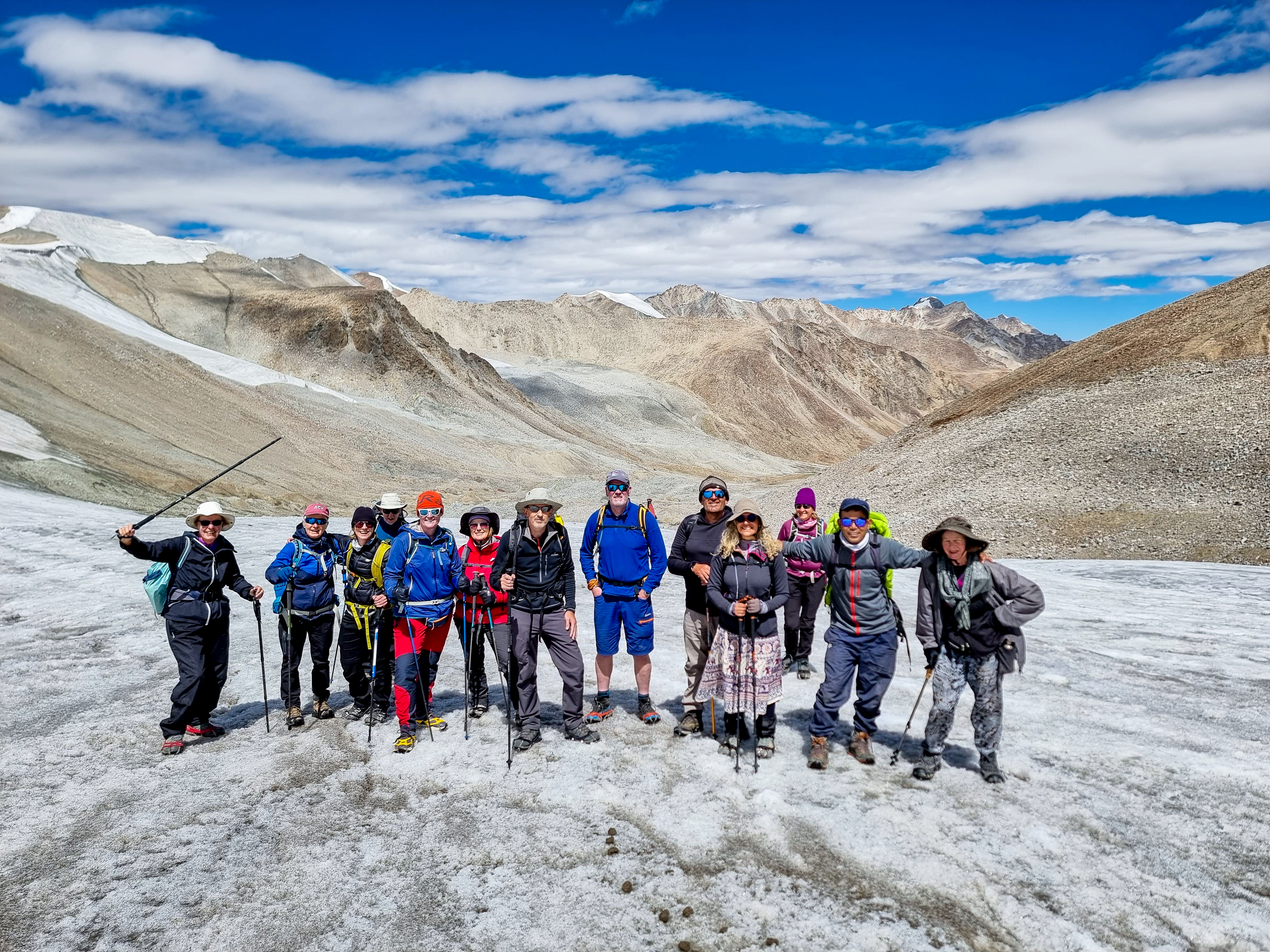
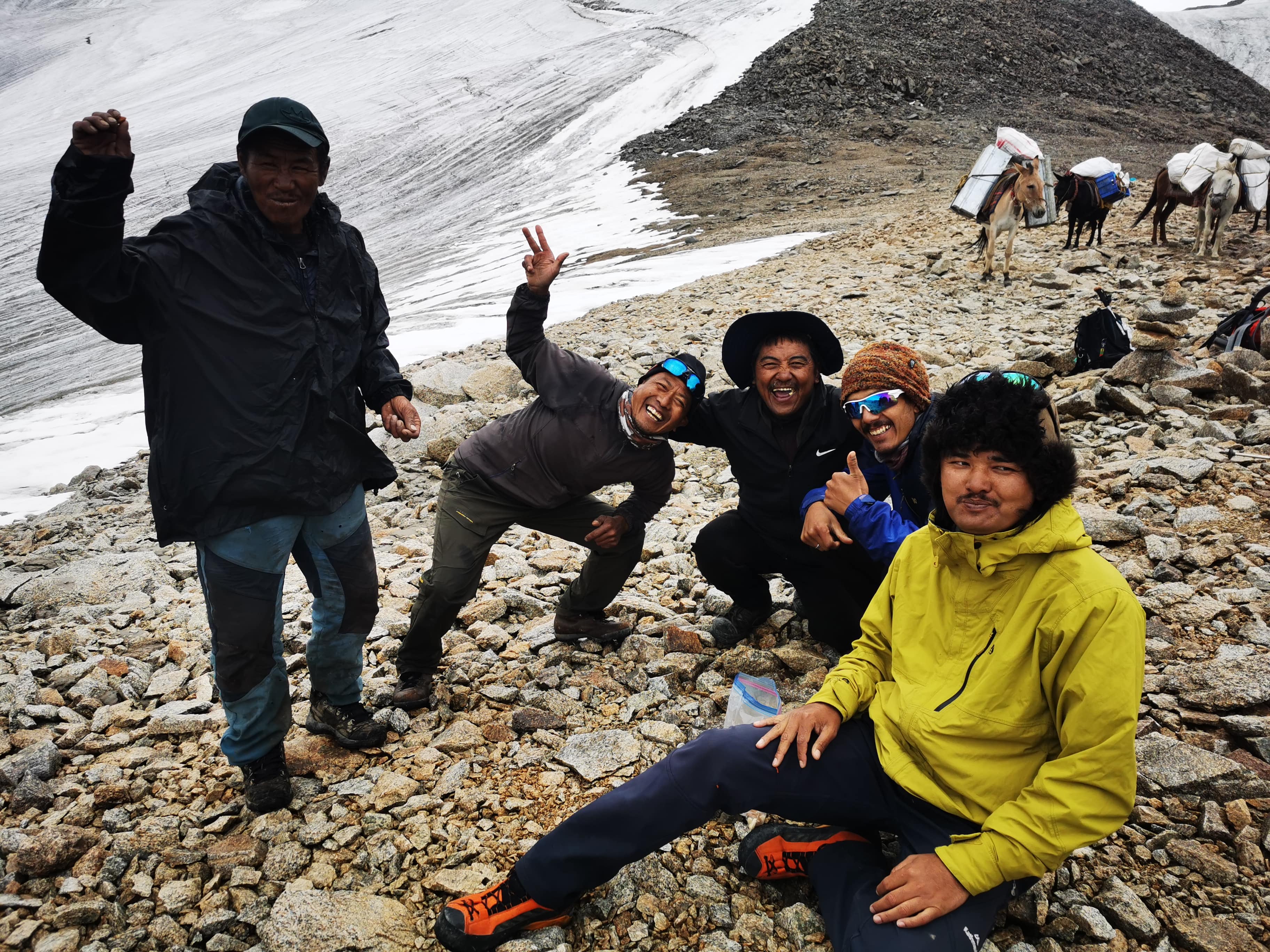
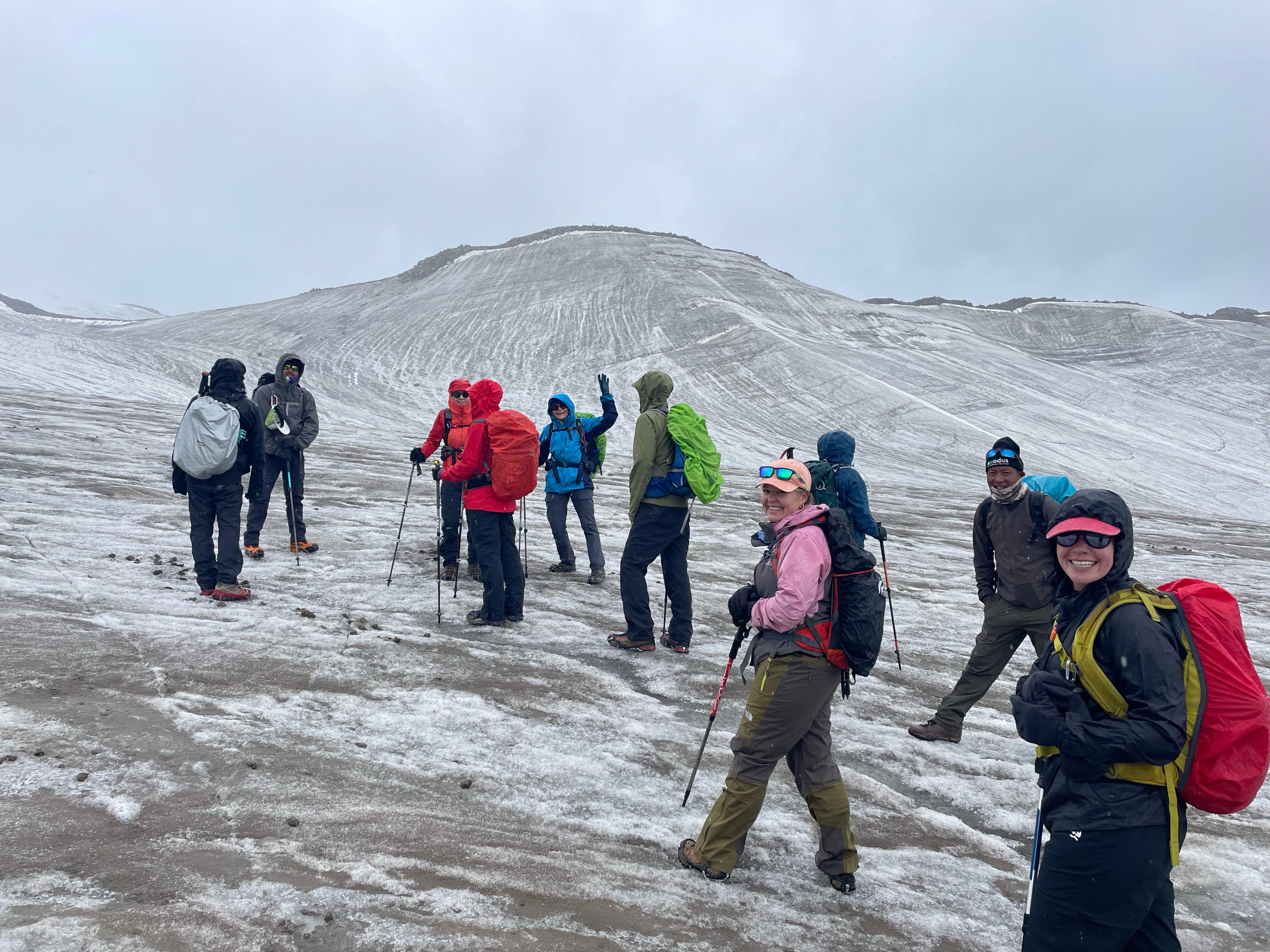
We have a challenging day as we cross the Lasermo La pass. We need to carry our Yaktrax/Microspikes for the last part of the pass which is on glacial moraine.We aim for the highest pass on the trek. Leaving the Nubra Valley with an early start, we begin our climb ascending on an easy path up the valley. It takes about 3-4 hours to the bottom of the glacier, where we put on our microspikes for the last hour to the top of the pass. The Lasermo La is 17,715ft (5,400m) and from the prayer flags at the top the view takes in the spectacular Karakoram mountains in one direction and the Ladakh range on the other. From the top the first part of the descent is steep at first and then after an hour the descent eases off to a more gradual descent to a high camp at Morubuk, a small area of green pasture.
Meals: Breakfast,Lunch,Dinner
Day 12
Descend via Phyang Sumdo to Phyang
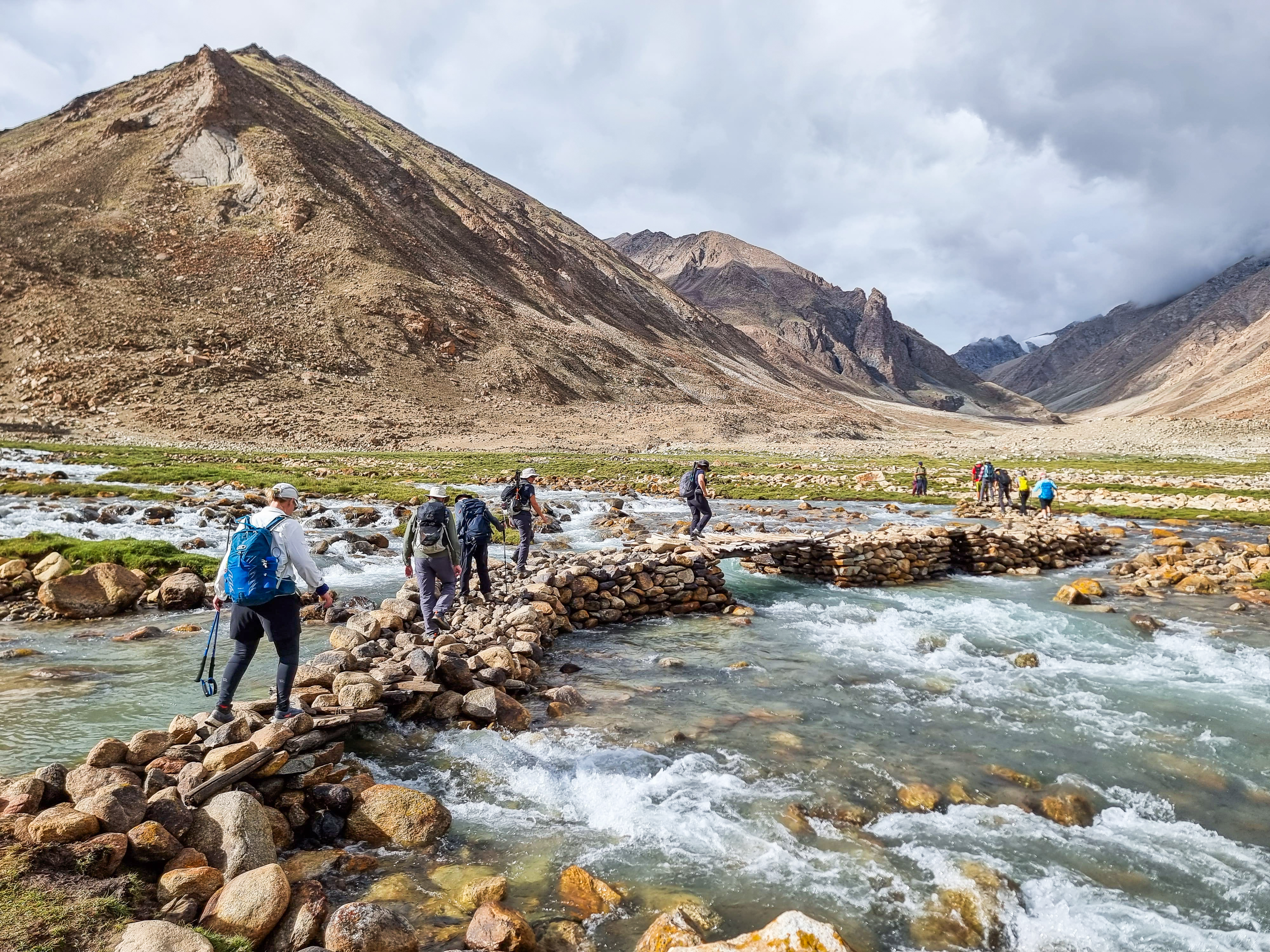
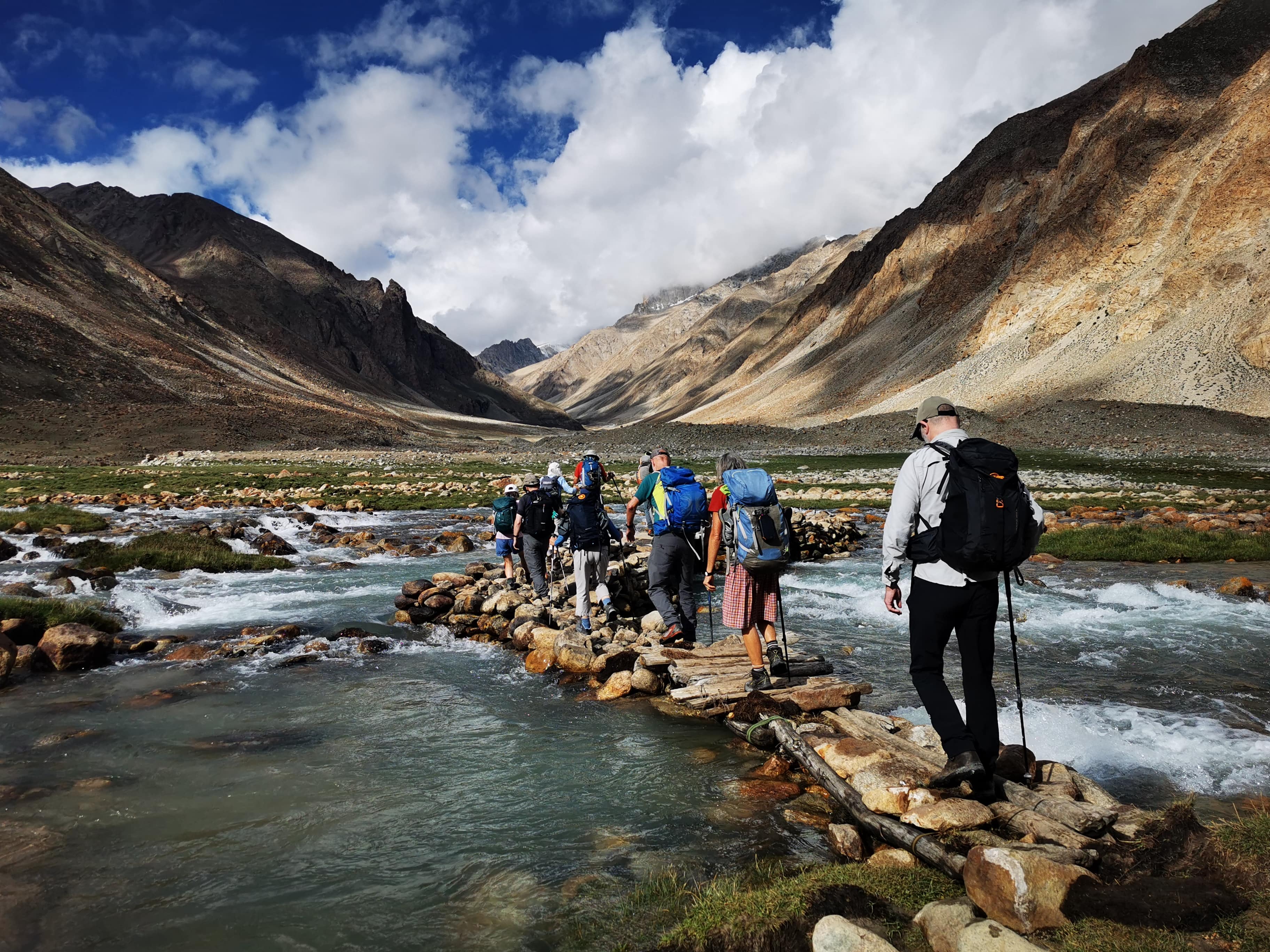
An easy last day after the exertions of the pass. We have an easy and wonderful walk down the valley today. We may have to cross the river several times as the trail goes from the left to the right hand side of the valley. Ahead the Stok range of mountains appears. Halfway we pass Phyang Sumdo and continue on down the valley until the large, spread out village of Phyang appears below us. Our camp tonight is on a grassy patch at the top of the village. We will reach camp by lunchtime and in the afternoon there is time to explore the village.
Meals: Breakfast,Lunch,Dinner
Day 13
Visit Phyang monastery; drive to Leh
Our cars will drive to camp this morning and we drive to the monastery which towers above the valley.It is a one-hour drive back to Leh, arriving late morning to the comforts of a hot shower in our hotel. The rest of the day is free for relaxing and reflecting on the last week or last-minute sightseeing or shopping in the bazaars. The energetic can walk to the Shanti Stup or to Leh palace above the town.
Meals: Breakfast
Day 14
Fly to Delhi
We fly from Leh to Delhi. The rest of the day is free for individual sightseeing in Delhi.
Meals: Breakfast
Day 15
Adventure ends in Delhi
Your journey in India completes after check-out from the hotel. Free departure transfers are available for any flight, provided you have supplied your flight details in advance. Alternatively, speak to your sales representative about joining our five-day post-trip extension taking in the Golden Triangle: Delhi, Agra and Jaipur. This extension can also be done before the tour.
Meals: Breakfast
What’s included
What’s not included
Additional information
Food
Indian food is highly regarded and there is ample chance to try various Ladakhi favourites, which is influenced by Silk Road traders from Tibet and China. Don’t miss the delicious and popular snacks – momos (dumplings). Also try: thukpa, a clear vegetable soup with noodles and often mutton or chicken; tingmo (pronounced tee-mo), steamed bread eaten with dal; and a favourite found in most restaurants, chutagi, a thick soup of local vegetables and bow tie-shaped pieces of dough cooked in the broth (also served with meat).
Allow at least 1,600-2,000 rupees (approximately US$20-US$25) per day for lunch and dinner (where not included). You can eat out very cheaply in India, but if you go to the more expensive restaurants most of the time, you will spend more than the suggested amount. Please note, service in restaurants can be quite slow. Tea and soft drinks are very cheap. A (large) bottle of beer is approximately 300 rupees (approximately US$4).
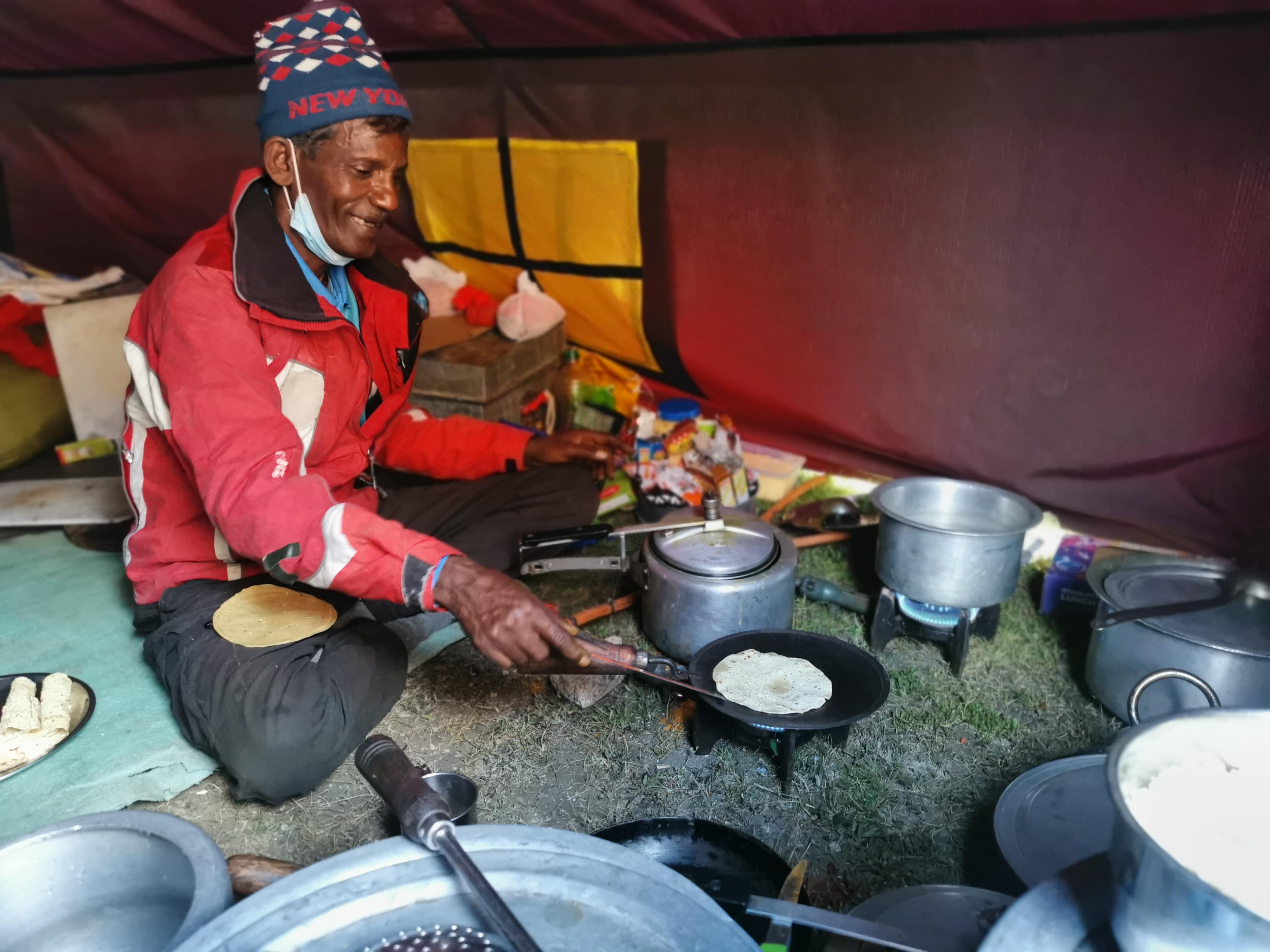
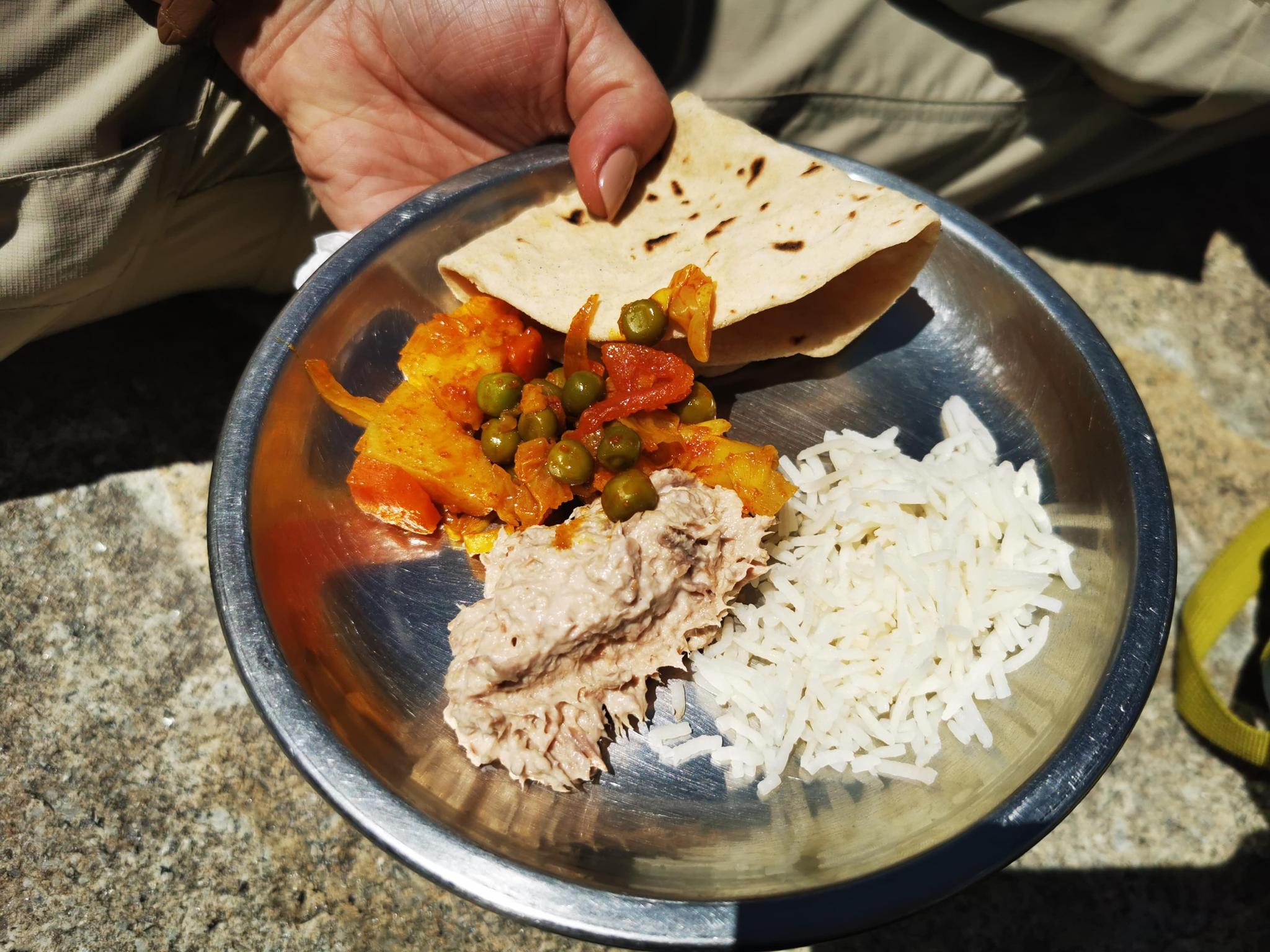
While camping, the staff will bring a hot drink (usually tea) to your tent each morning. When you reach camp in the afternoon, tea and biscuits are served. At breakfast, dinner and in the afternoons, there is a choice of hot drinks. Breakfasts typically include cereal, toast and jam, eggs and porridge. Lunch on trek is usually served as a picnic en route (except on shorter days when it is in camp). Lunch and dinner typically include soup to start, followed by a variety of hot dishes (both local and Western) such as potatoes/chips, vegetables, curry, pasta, rice, dal and paneer (cottage cheese). At dinner, a dessert such as tinned fruit and custard, fritters or cake is also served.
Please note, although some meals include meat, it is not as readily available while camping.
Drinking water
Staying hydrated is important when undertaking any physical activity but particularly so at altitude where it is generally recommended to drink at least 3-4 litres per person per day.
We strongly encourage you not to buy bottled water as this contributes to the growing problem of plastic pollution in Ladakh. In Leh, there is a shop called Dzomsa that sells safe drinking water. Your leader will show you where this is on your first day in Leh. The Leh hotel provides safe filtered drinking water.
During the trek, the cooks will collect and boil drinking water from the mountain streams and fill up your water bottles for you, but you may need to collect water during the day and may wish to use your own water purification treatment as well.
We recommend you bring a reusable bottle/water bladder/Camelpak (ideally two) and use an effective form of water treatment. There are a wide range of products available including Steripens or purification tablets or drops, which are the quickest and easiest options to use on trek – we recommend talking to an outdoor retailer for the latest advice as technologies are improving all the time. Make sure to check the product’s performance in cold/freezing conditions and consider battery life (lithium batteries are best in cold conditions).
Scenic Flight over the Himalaya to Leh
Claim a window seat for a sensational flight over the Himalaya, where serrated ridgelines and snowfields stretch to the horizon. As the aircraft threads between giants, the snowbound ranges of Zanskar and Ladakh come into view and the air grows startlingly clear.
On approach to Leh, look for the braided Indus Valley unfurling beneath you, dotted with whitewashed stupas and orchards. This breathtaking arrival frames the scale and remoteness of the landscapes you’re about to explore on foot.
Leh Orientation Walk & Bazaars
Join an easy orientation walk through Leh’s old lanes and lively Leh bazaar. Pass butter-lamp shops and spice counters, hear prayer wheels hum outside roadside shrines, and pause by fluttering prayer flags as your leader points out landmarks, cashpoints, and great spots to try momos.
Learn how Tibetan, Central Asian, and Indian influences shaped Ladakhi life, from monastic traditions to apricot orchards. Your leader also outlines altitude tips and kit expectations, ensuring you feel ready for the trek ahead.
Thikse Monastery & Shey Palace Monastic Heritage
Explore hilltop Thikse Monastery, a vast Gelug complex whose white tiers echo a miniature Potala. Step into the Maitreya temple to contemplate the serene Maitreya (Future) Buddha, framed by murals and butter lamps that glow against timber beams.
Continue to Shey Palace, once the seat of Ladakhi kings, and admire its centuries-old copper-gilt statue of the Buddha. Views sweep over fertile fields towards the Indus, offering a vivid sense of Ladakh’s Buddhist heartland and royal past.
Khardung La High-Altitude Drive into Nubra Valley
Ascend by jeep to travel over Khardung La, one of the highest motorable passes on Earth. Hairpins climb through a moonscape of scree and ice to a stark, high plateau where the air thins and horizons expand.
At the prayer-flagged summit, breathe in views across the Ladakh range to the far-off Karakoram. Hear stories of Silk Road caravans that once crossed these routes before you drop into the hidden oasis of the Nubra Valley.
Diskit Monastery & Maitreya Buddha Viewpoint
Visit Diskit Monastery, Nubra’s oldest gompa (c. 1420) of the Gelugpa (Yellow Hat) sect. Wander past prayer wheels and assembly halls scented with juniper, where ancient thangkas and masks reveal the valley’s monastic lineage.
Walk to the giant 32m Maitreya Buddha, whose gilded gaze looks over dunes and poplar groves. This modern icon provides a striking contrast to Diskit’s medieval chambers—and a superb vantage for photographs across the valley floor.
Hundar Sand Dunes & Bactrian Camels Encounter
Stroll the pale ripples of the Hundar sand dunes, a rare cold desert framed by snow-dusted peaks. In the soft light, meet the double-humped Bactrian camels that echo the era of trans-Himalayan trade, their shaggy coats adapted to the high-altitude climate.
Learn how local conservation efforts protect these herds while you pause for photos and reflection amid poplar groves and seabuckthorn. Late-day hues and long shadows make this one of Nubra’s most atmospheric scenes.
Nubra Gorge Trek from Hundar Gompa to Wachan
Begin the Nubra Valley trek at Hundar Gompa, following a broad track as cliffs narrow into a spectacular gorge. The path rises gently beside willow and poplar, the river murmuring below as peaks stack layer upon layer ahead.
Break by a droksa (shepherd camp) before continuing to Wachan, where poplars give welcome shade and the valley opens. Settle into a wild camp near the confluence and soak up the hush of Ladakh’s high country.
High-Valley Trek via Snia Sumdo & Thanglasgo to Jingmoche
Trace shepherds’ trails from the last hamlets into empty high valleys, climbing toward Snia Sumdo and the Thanglasgo pastures. The route crosses moraine fans and rivulets amid high pastures grazed by yak and dzo, with vast skies arching overhead.
Scan for marmots and blue sheep along scree slopes while summer camps dot the meadows. Evenings bring wild camping, star-dense night skies, and the profound quiet that defines Ladakh’s remote interior.
Acclimatisation Hike to High Glacial Lakes
Undertake an acclimatisation hike on moraine paths to a string of turquoise glacial lakes. The thin, crisp air sharpens every color—the slate of rock, the silver of grasses, the blue mirrored in wind-rippled water.
Pause at lakeshores where unnamed peaks reflect in perfect stillness, and discuss pacing, hydration, and layering with your leader. This flexible outing, with time for a picnic and photography, builds confidence for higher passes ahead.
Crossing the Lasermo La (5,400m) to Morubuk High Camp
Steadily cross the Lasermo La, climbing from alpine meadows onto rubble and ice, fitting microspikes to traverse glacial moraine. The final pull reaches a crest of prayer flags where the wind carries the scent of juniper and the world opens wide.
From the saddle, savour views to the Karakoram and Ladakh ranges before descending to the grassy pastures of Morubuk. It’s a demanding, rewarding day that forms the literal and emotional high point of the trek.
Phyang Monastery Visit & Village Walk
Visit cliff-side Phyang Monastery, a major center of the Drikung Kagyu school with richly painted halls and thangkas glowing in butter-lamp light. Monks’ chants reverberate through timber pillars as windows frame the broad valley below.
Amble down among barley fields and mani walls, greeting villagers and watching water channels feed orchards. Views sweep toward the Stok range, offering a contemplative close to days spent among Ladakh’s high, silent spaces.
Welcome Dinner in Delhi & Tour Introduction
Taste the capital’s bold flavours at a convivial group welcome dinner, where you’ll meet your Tour Director and fellow trekkers. Sample North Indian classics—fresh tandoori breads, fragrant curries, zingy chutneys—while your leader sets the tone for high-altitude adventure and answers practical questions.
Gain insider tips on Delhi and Ladakh’s culture and etiquette, from temple visits to local markets. This relaxed evening helps you settle into India’s rhythm before flying north into the mountains during your time in Ladakh.