Your itinerary

Day 1
Adventure starts in Marangu
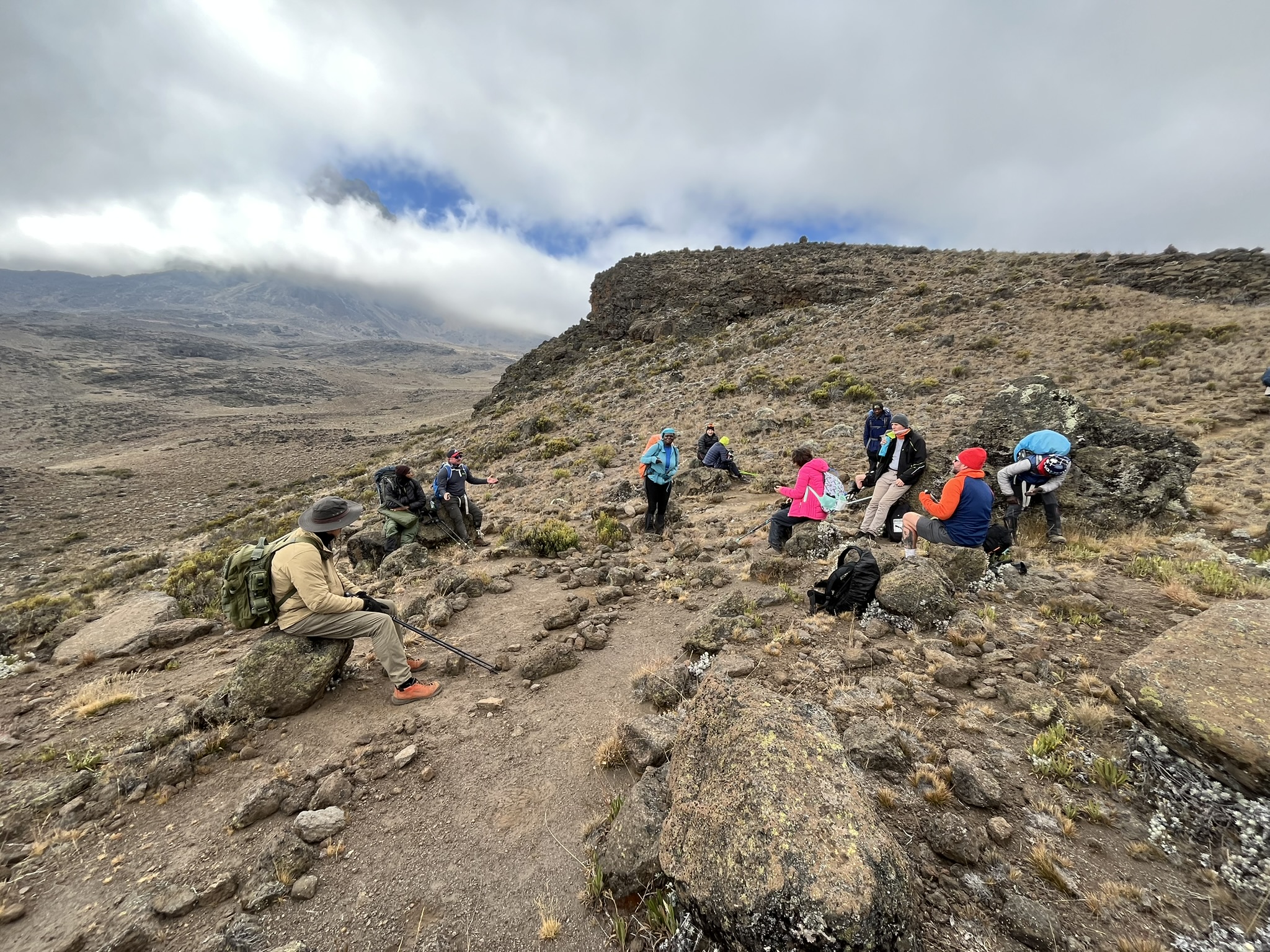
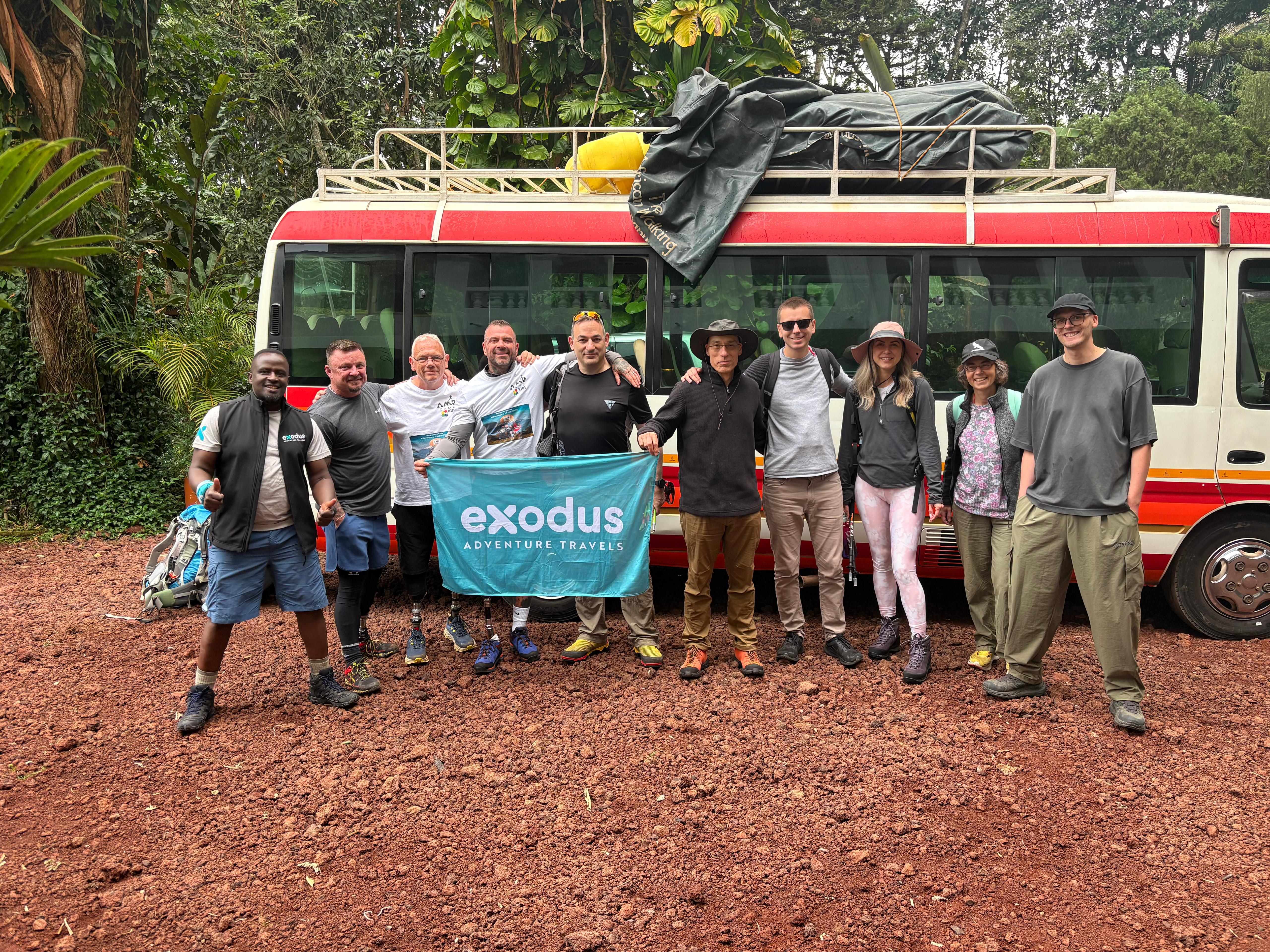
The adventure begins at hotel in Marangu, the gateway for your Kilimanjaro trek.Around 6pm, say jambo (that’s hello in Swahili) to your tour leader and fellow travellers, when we gather as a group for the first time to get to know each other and learn more about the adventures ahead. This will include a briefing on all aspects of the trip, including the distribution of any hired equipment you have booked. Please also bring your passport, insurance details and flight details.Your tour leader then ensures a big Tanzanian welcome by arranging a group dinner together.Want to extend your stay? Speak to your sales representative to book extra nights.
Meals: Dinner
Day 2
Begin ascent through Rongai Forest
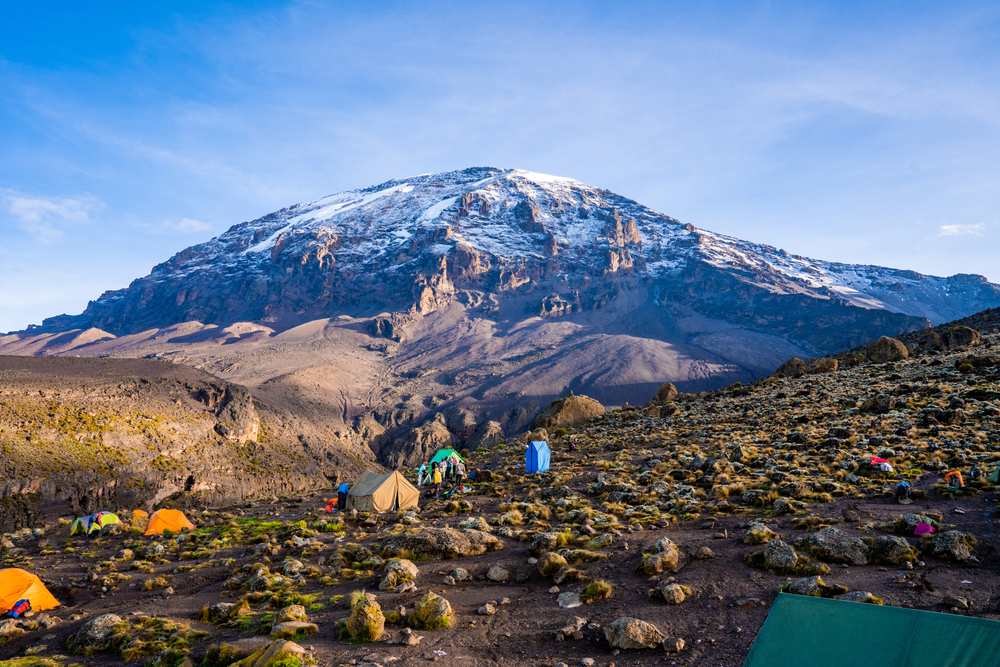
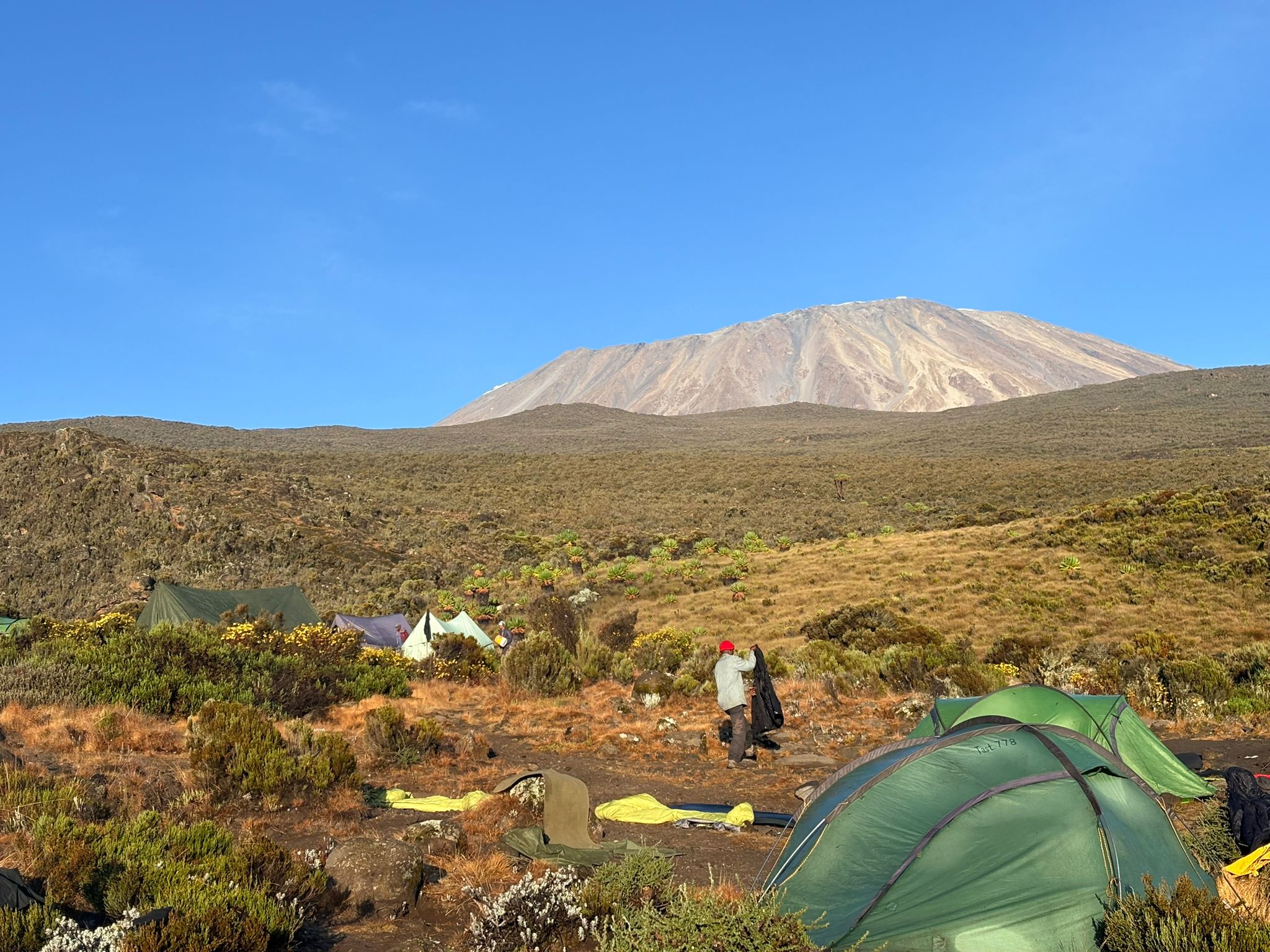
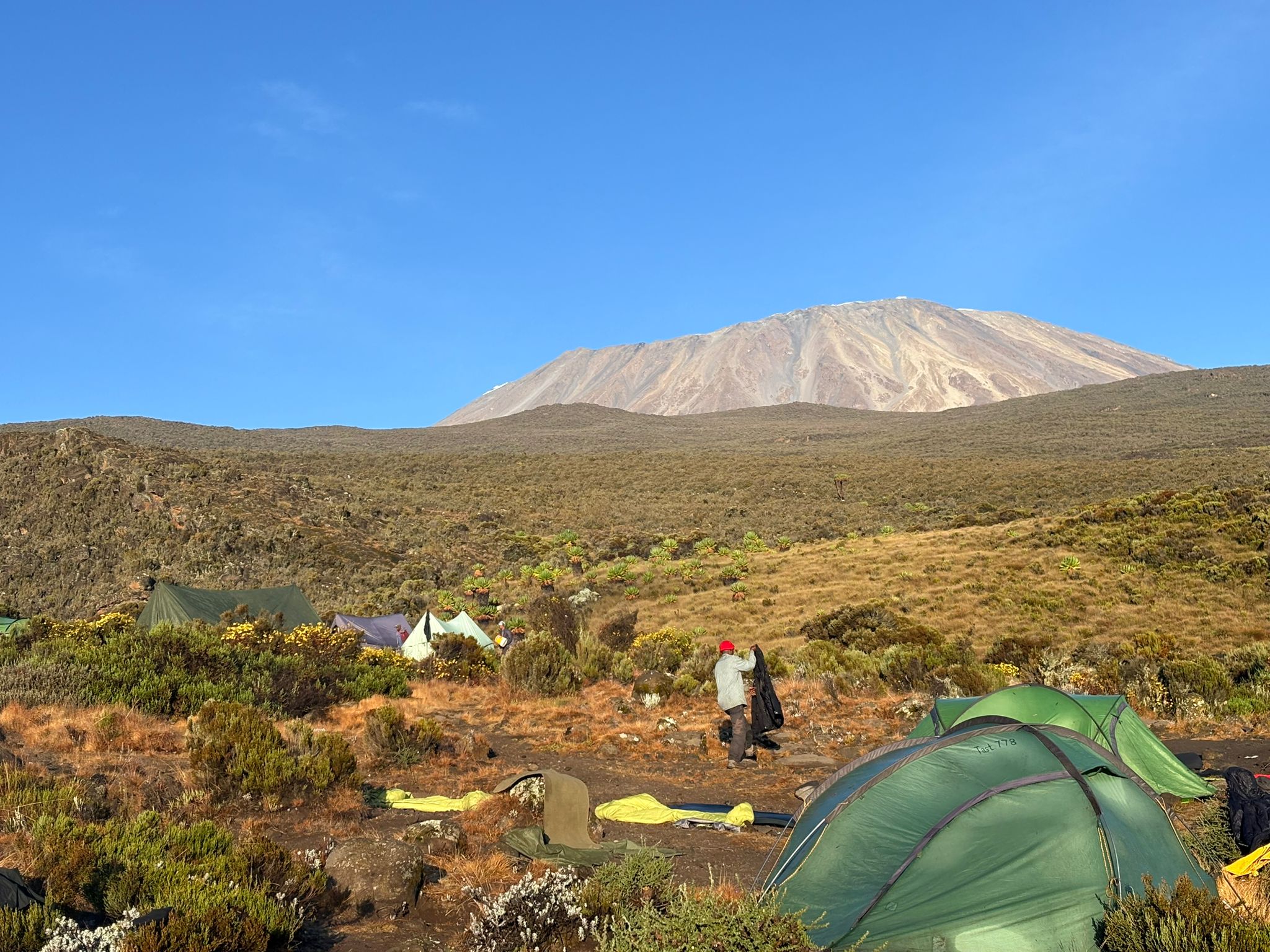
We transfer by road to the bottom of the mountain’s east side. After completing the necessary registration formalities at the new Rongai National Park Gate (6,890ft/2,100m), we begin the climb on a small path that winds through pine forest.The track then starts to climb consistently, but gently through forest that shelters a variety of wildlife, including the Kilimanjaro colobus monkey.The forest begins to thin and our first camp, Rongai One, is at the edge of the moorland zone ((8,530ft/2,600m) with extensive views over the Kenyan plains.
Meals: Breakfast,Lunch,Dinner
Day 3
Climb to Kikelewa moorland
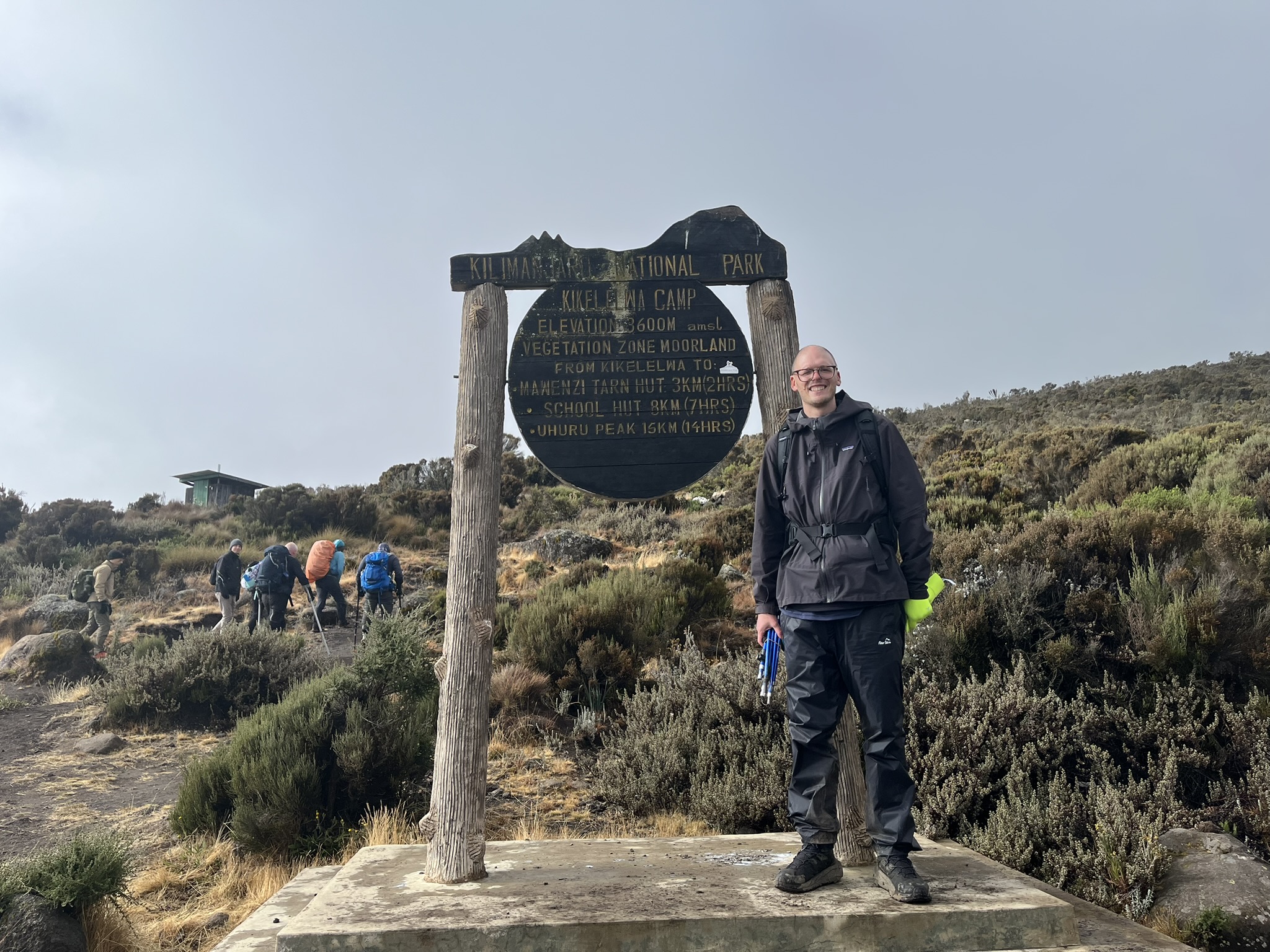
The morning walk is a steady ascent up to Second Cave (11,320ft/3,450m) with superb views of the eastern icefields on the rim of Kibo, the youngest and highest of the three volcanoes that form the entire mountain. After lunch, we leave the main trail and strike out across the moorland on a smaller path towards the jagged peaks of Mawenzi, the second of Kilimanjaro’s volcanoes. Our campsite, which we reach in late afternoon, is in a sheltered valley near Kikelewa Caves (11,810ft/3,600m).
Meals: Breakfast,Lunch,Dinner
Day 4
Steady ascent beneath Mawenzi; afternoon acclimatisation
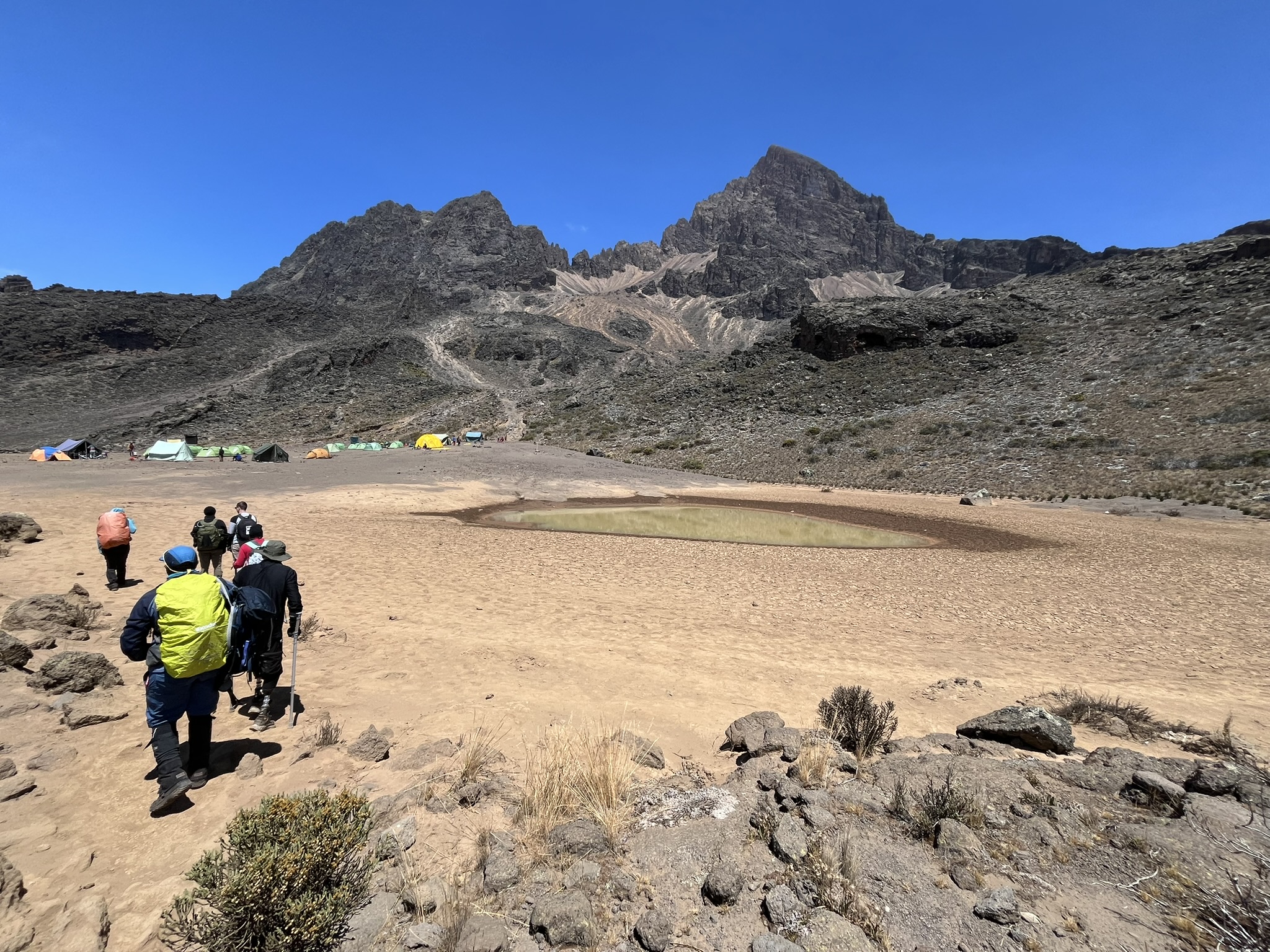
A steep climb up grassy slopes is rewarded by superb panoramas of the Kenyan plains to the north. We leave vegetation behind close to Mawenzi Tarn (14,200ft/4,330m), spectacularly situated in a cirque beneath the towering cliffs of Mawenzi. The afternoon will be free to rest or to explore the area as an aid to acclimatisation.
Meals: Breakfast,Lunch,Dinner
Day 5
Cross lunar desert of the Saddle to Kibo, at the bottom of summit cone
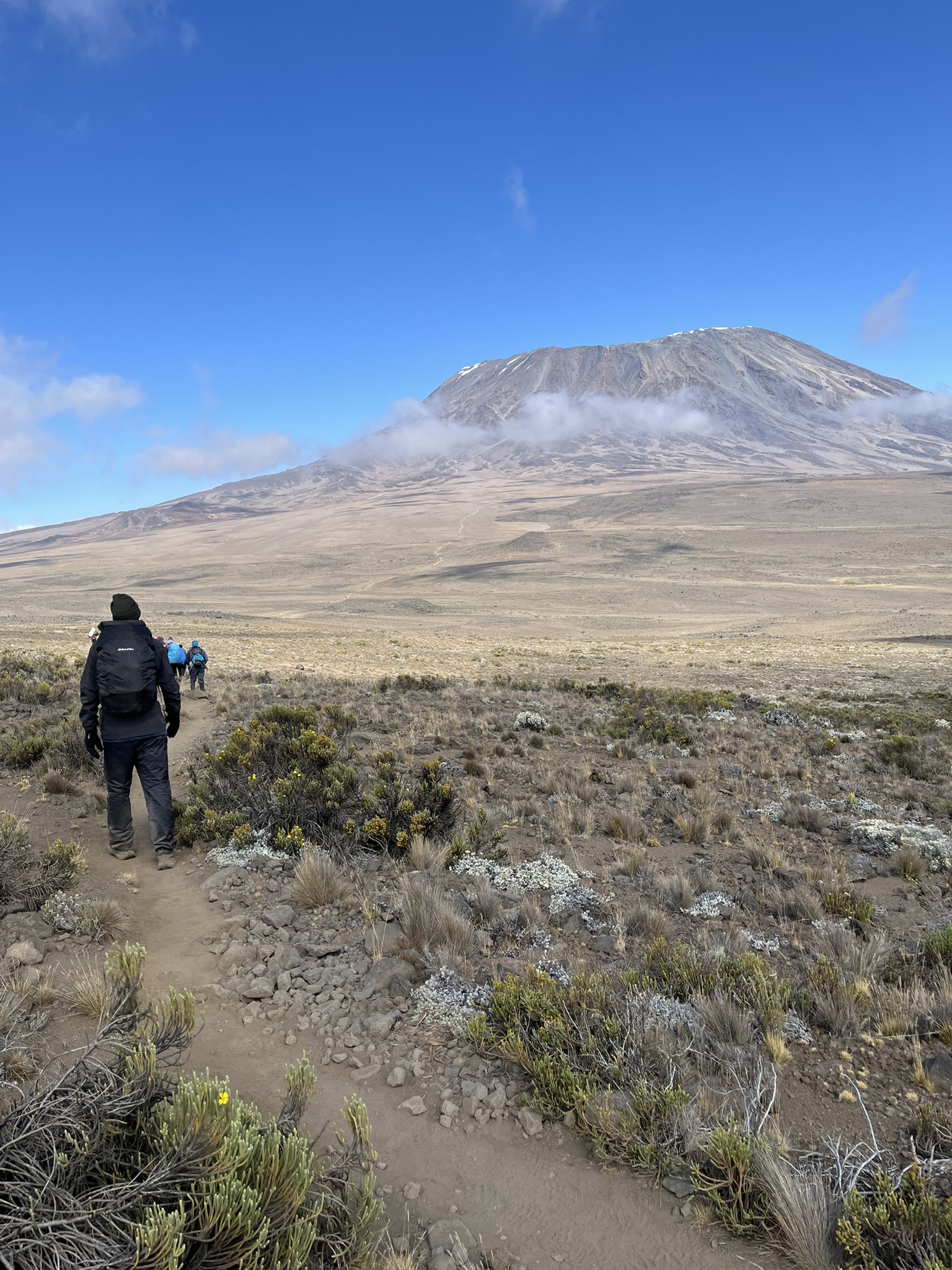
We leave our attractive campsite to cross the lunar desert of the Saddle between Mawenzi and Kibo to reach Kibo campsite (15,420ft/4,700m) at the bottom of the Kibo crater wall by early afternoon. The remainder of the day is spent resting in preparation for the final ascent before a very early night.
Meals: Breakfast,Lunch,Dinner
Day 6
Early start to reach Gillman's Point in time for sunrise over the crater rim; on to Uhuru Peak, the highest point in Africa. Descend to Horombo
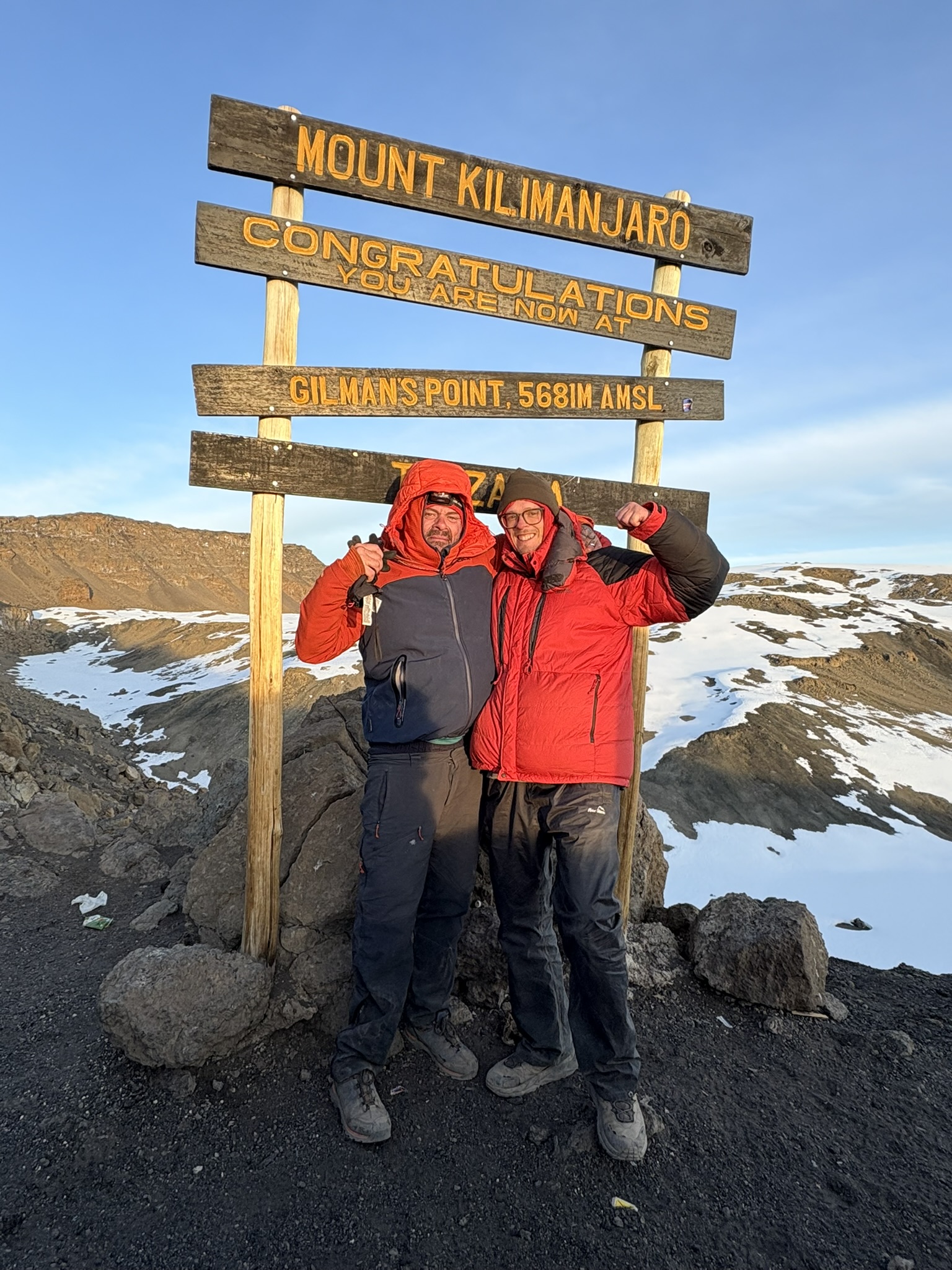
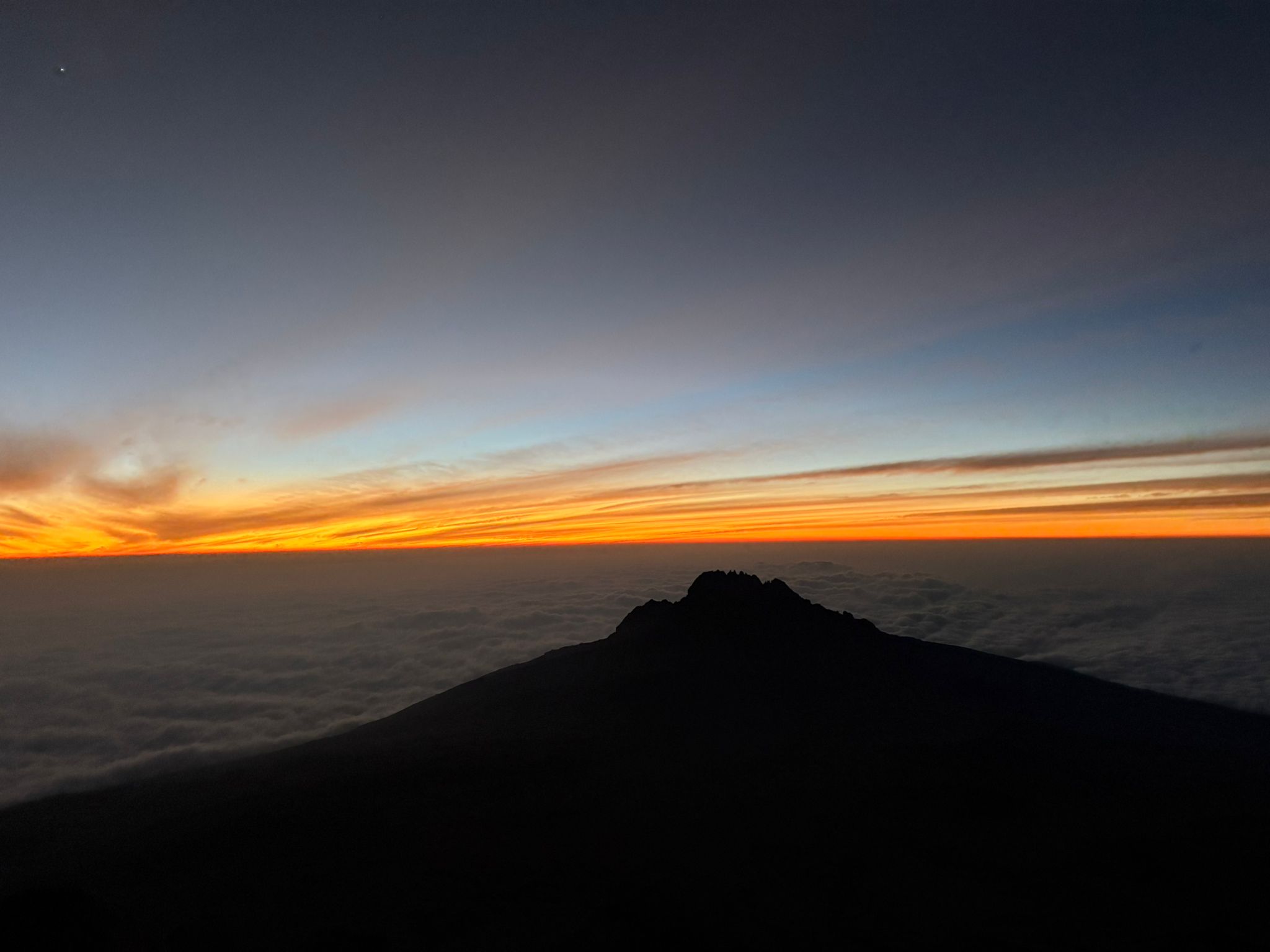
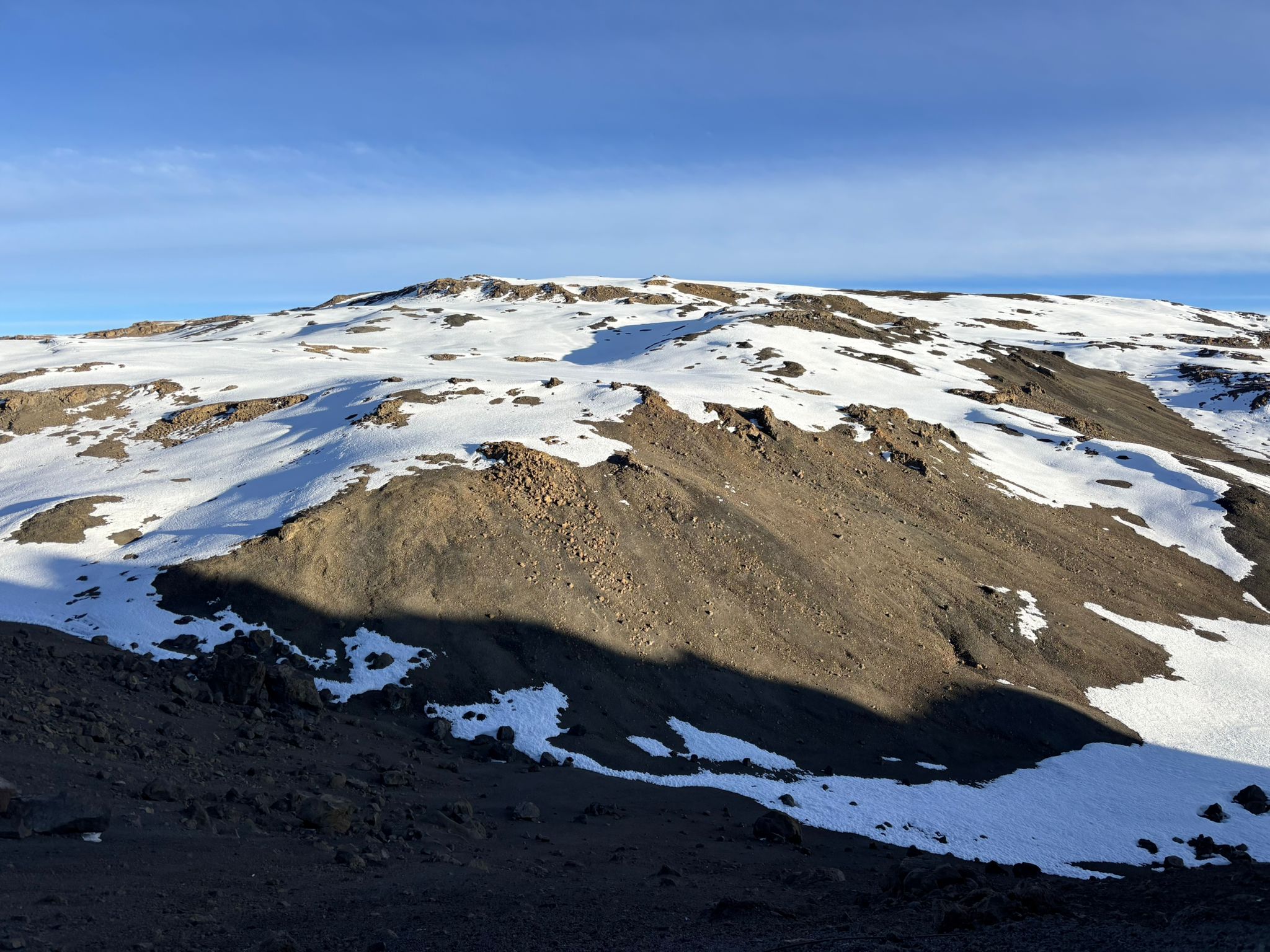
We start the final (and by far the steepest and most demanding) part of the climb by torchlight at around midnight. It will be extremely cold as we walk very slowly in darkness on a switchback trail through loose volcanic scree to reach the crater rim at Gillman’s Point (18,650ft/5,685m). We rest for a short time to enjoy the spectacular sunrise over Mawenzi. Those who are still feeling strong can make the three-hour round trip along the snow-covered rim to the true summit of Kilimanjaro, Uhuru Peak (19,340ft/5,895m), passing close to the spectacular glaciers and ice cliffs that still occupy most of the summit area. The descent to Kibo Hut (15,420ft/4,700m) is surprisingly fast and, after refreshments and rest, we continue descending to reach our final campsite at Horombo (12,200ft/3,720m). This is an extremely long and hard day with between 11 and 15 hours of walking at high altitude.
Meals: Breakfast,Lunch,Dinner
Day 7
Continue descent to Mandara and Marangu
A sustained descent with wide views across the moorland takes us into the lovely forest around Mandara (8,860ft/2,700m), the first stopping place on the Marangu route. The trail continues through semi-tropical vegetation to the national park gate at Marangu (6,000ft/1,830m). We leave the local staff to return to our hotel in Marangu by mid-afternoon for a well-earned, shower and beer.
Meals: Breakfast,Lunch
Day 8
End Marangu
Depending on the time of your return flight, the day can be spent resting at the hotel or exploring the village for souvenirs.
If you’d like the adventure to continue, speak to your sales representative about joining our safari extension, which takes in three national parks over three days, or a chilled post-climb escape to Zanzibar.
Meals: Breakfast
What’s included
What’s not included
Additional information
Food
All breakfasts, six lunches and six dinners are included. All meals during the climb are included. Please allow about 153,500 Tanzanian shillings (US$65) for the meals not included.
On trek, the emphasis is on a varied and well-balanced diet with a greater amount of fresh fruit and soup to maximise the daily intake of fluids.
Vegetarians are well catered for but please inform us before departure of any special dietary requests. Please note that in Tanzania the availability of certain specialised products for restricted diets (eg gluten-free or dairy-free) is minimal or non-existent and we strongly recommend you bring these specialised dietary items from home.
The menu has a high liquid and carbohydrate content; the two important elements for successful climbing. At higher altitudes, stimulants (such as coffee) and less digestible foods (such as meat) are not recommended. Our evening meal at the highest camp on Kilimanjaro is a meatless stew as our experience shows this to be the ideal preparation for the summit day. At mealtimes a selection of hot drinks is available. Soup is served twice daily.
Daily meals
Bed tea: Tea or coffee served in your tent.
Breakfast: Seasonal fresh fruit (mango/banana/watermelon), porridge, cooked eggs, sausage, bacon and toast.
Energy snacks, such as bananas and chocolate bars, are provided for the daily walk.
Lunch: Either a packed lunch on longer days or, more usually, a hot lunch served in camp by a small team who have raced ahead of the group. A hot lunch typically consists of soup, bread or pancakes, cheese, tuna, jam, peanut butter, pasta salad and cake.
Afternoon tea: Served in late afternoon. It is an opportunity to drink lots of hot drinks and snack on peanuts or popcorn.
Dinner: The main meal of the day and always three courses: soup and bread; followed by the main dish, which could be rice, potatoes or pasta with fish, meat or vegetables; and dessert, often of fruit.
Summit snacks: While we provide enough food for the climb, we recommend you bring some of your favourite snacks and keep them for the summit day. This is because the summit day is a long and tough climb and having your favourite snacks can give you a very welcome boost.
Water
While the water we provide on Kilimanjaro is suitable for drinking, you may wish to be extra safe and treat it with your own water purification tablets.
Mawenzi Tarn Acclimatisation Hike
Climb toward the serrated spires of Mawenzi on an acclimatisation hike to the jewel-like Mawenzi Tarn, cupped in a dramatic cirque beneath towering cliffs of Mawenzi. The trail trades heather for bare rock and alpine scree, sharpening the mountain mood and the sense of space.
At the tarn, feel the cool altitude air and study the austere geometry of this extinct volcano, older and more eroded than Kibo. Guides coach steady breathing and pacing techniques designed to prepare you for higher elevations.
Rongai Forest Trail & Colobus Encounter
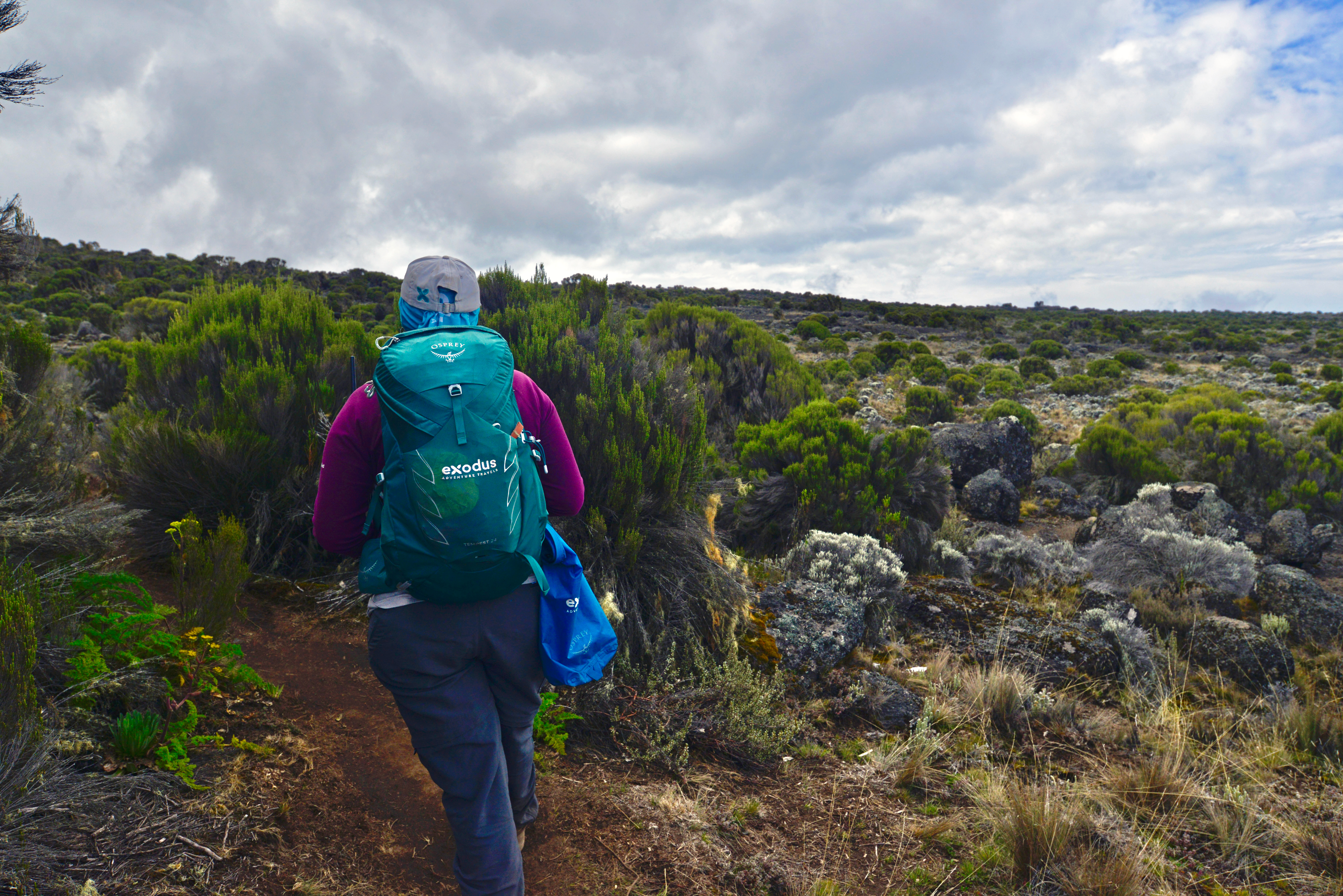
Walk into the quiet eastern flank of Kilimanjaro on the Rongai Forest trail, a gentle, steadily rising path shaded by pine and montane trees. Accompanied by an expert mountain crew, you may spot the striking Kilimanjaro colobus monkey and hear forest birdcall while the canopy opens to glimpses of distant Kenyan plains.
Gain your first feel for altitude as the vegetation thins toward moorland and volcanic vistas sharpen. Your guides set a sustainable pace—bolstered by our one guide for every two trekkers ratio—so you can pause for photos and reflection without rushing.
Second Cave Viewpoint & Kibo Eastern Icefields
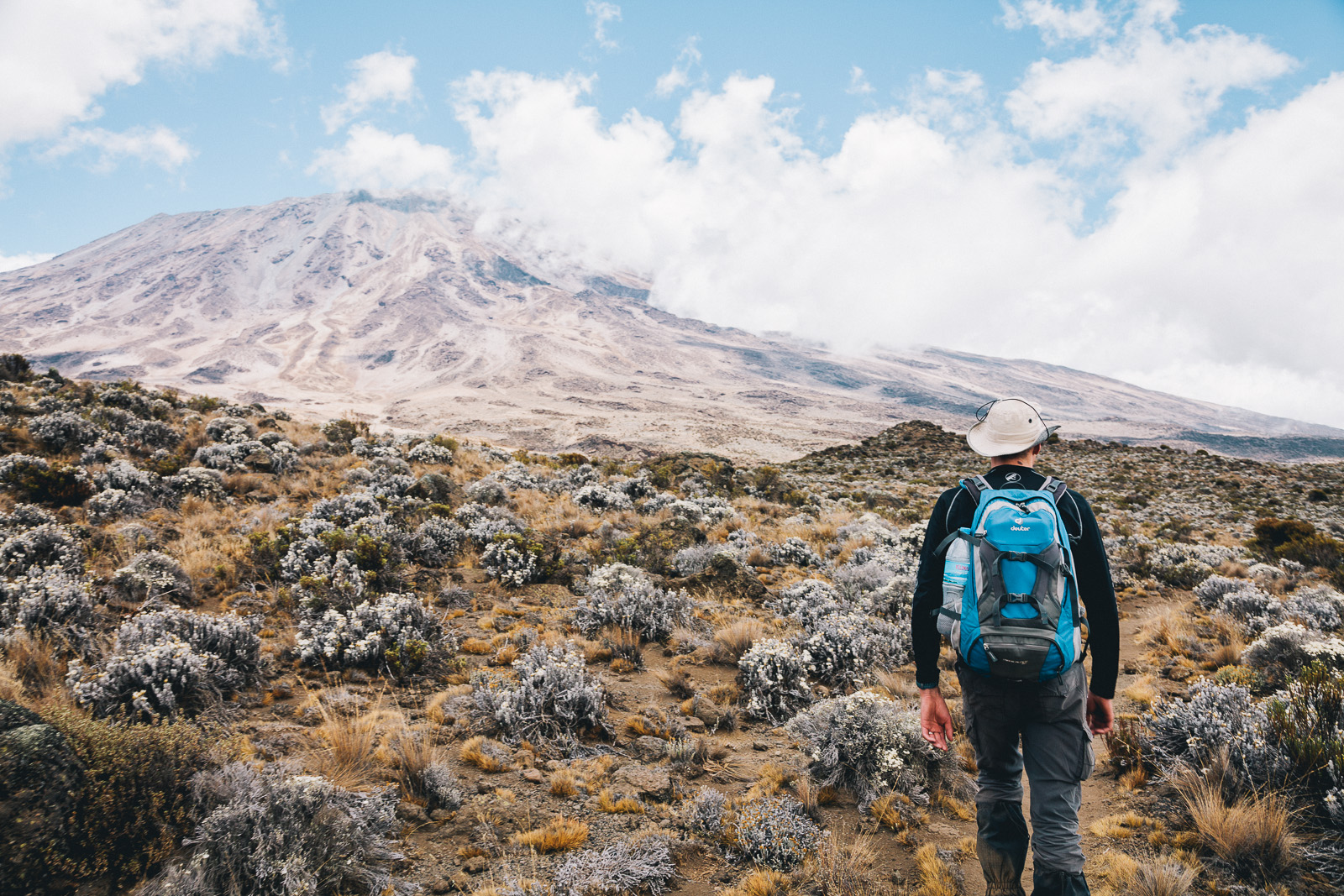
Explore the high moorland to Second Cave, a natural pause point with broad views of heather slopes and volcanic outcrops. From here, the vistas open toward the eastern icefields of Kibo, Kilimanjaro’s mighty summit cone, while distinctive high-altitude plants—giant lobelias and groundsels—dot the landscape.
Photography lovers relish the unobstructed horizons and the clarity of air at this elevation. Guides share insight into the mountain’s three volcanic peaks and how altitude, wind and sun shape this stark, beautiful environment.
Crossing the Saddle Lunar Desert to Kibo Camp
Traverse the broad, otherworldly plateau between Mawenzi and Kibo as you cross the lunar Saddle. Under vast skies, the landscape shifts to pumice, dust and sparse lichens—an alpine desert where the horizon seems to float. The path rises gently toward the base of the summit cone.
Arriving at Kibo Camp, your crew helps you rest, hydrate and prepare kit for the night ascent. Guides explain the geology of this high volcanic saddle and the strategy for conserving energy before the summit bid.
Midnight Summit Push: Gillman’s Point to Uhuru Peak
Begin the ultimate challenge as you start the summit push by headtorch, zig-zagging up steep volcanic scree toward the crater rim. Emerge at Gillman’s Point to greet a spectacular sunrise over the crater rim, then, if conditions and energy allow, continue the rim walk to Uhuru Peak, the highest point in Africa.
Expect thin air, glittering frost and close-up views of summit glaciers and ice cliffs. This demanding ascent typically unfolds in the small hours of day 6, with guides pacing every step and celebrating each hard-won milestone.
Descent via Horombo to Mandara Rainforest
Follow a well-made trail down from alpine moorland through giant heather to the greener world below, pausing at Horombo before continuing through the lush Mandara zone. The air warms, birdlife returns and the scent of damp earth replaces high-altitude frost.
This scenic descent traces part of the historic Marangu route, showcasing Kilimanjaro’s stacked ecosystems in reverse. Guides highlight changing flora and geology while you relish the satisfaction of a completed summit journey back toward the park gate.
Marangu Welcome Briefing & Tanzanian Dinner
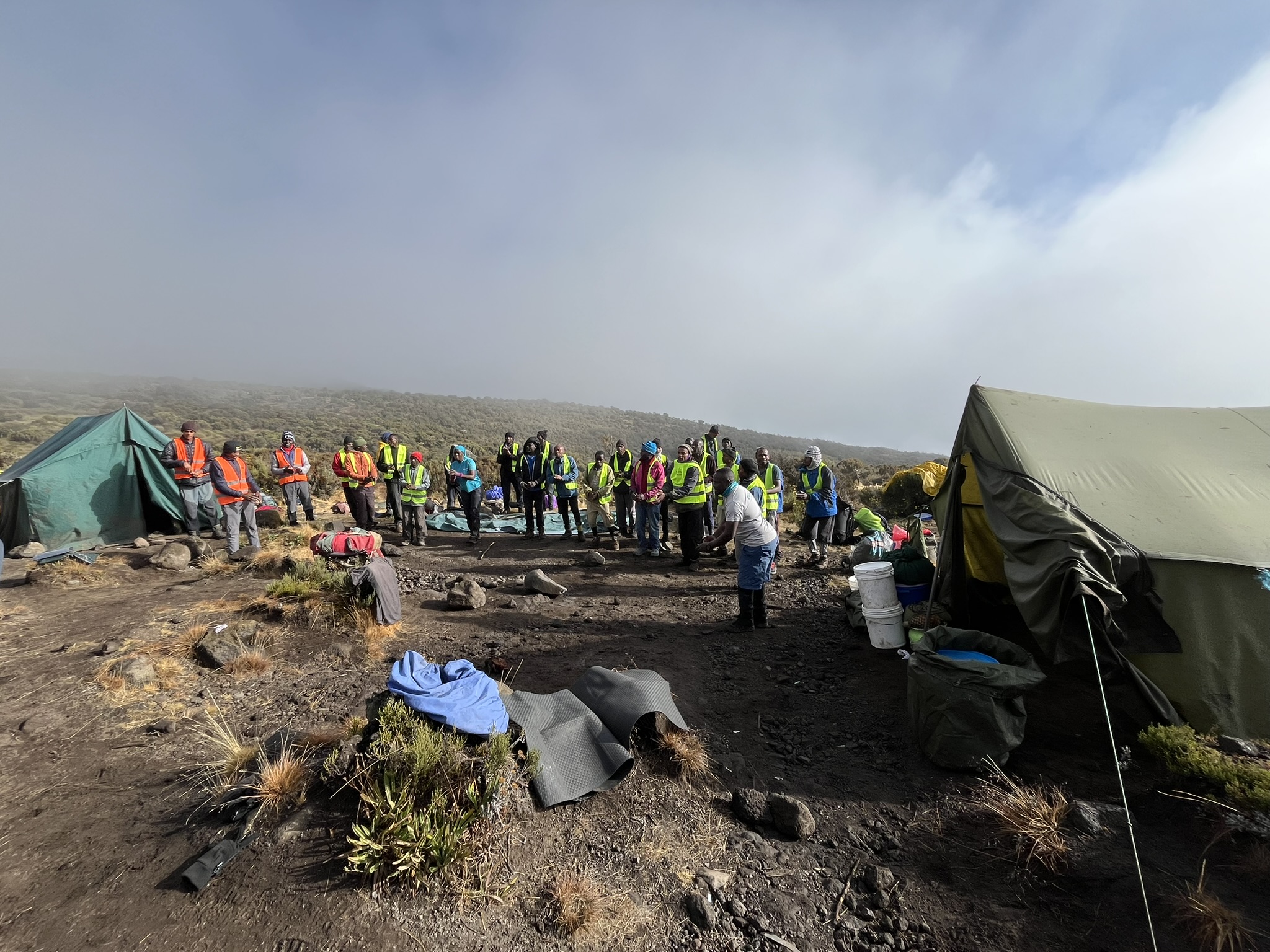
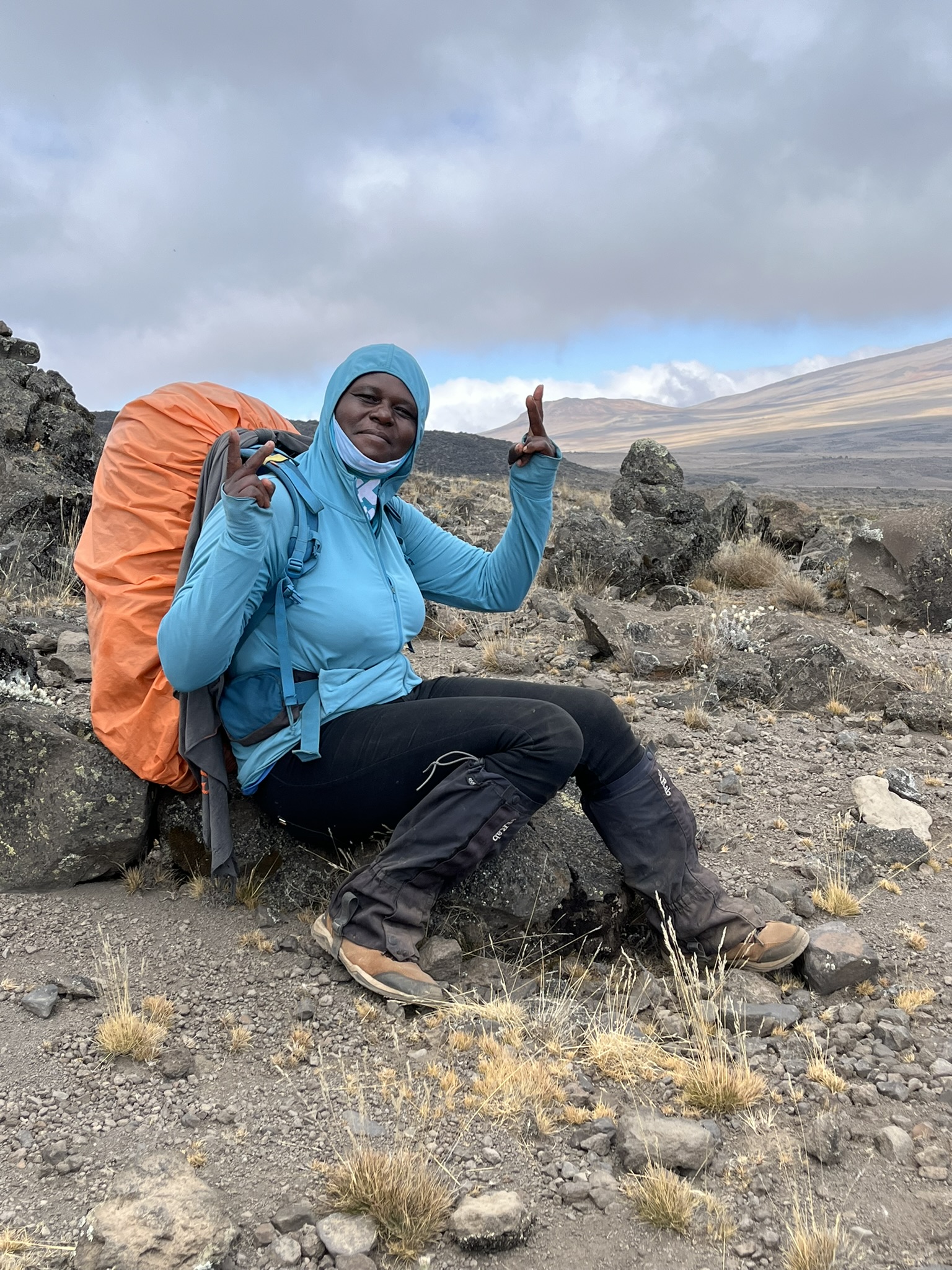
Meet your mountain team in Marangu to meet your Tour Leader for a comprehensive gear check and safety briefing. Learn about fair porter treatment through the Kilimanjaro Porters Assistance Project (KPAP) and discover how our female-led crews embody the Mountain Lioness Project’s ethos.
Share a relaxed group dinner featuring Swahili-inspired dishes—perhaps pilau rice, stewed greens and grilled meats—alongside Kilimanjaro Lager or local banana wine. Pick up a few Swahili phrases and set intentions for the climb in a convivial atmosphere.
Northern Tanzania Safari Extension: Tarangire, Ngorongoro Crater & Lake Manyara
Swap glaciers for savannah on post-climb game drives through Tarangire National Park (elephants and baobabs), the wildlife-packed Ngorongoro Crater caldera, and bird-rich Lake Manyara. Professional safari guides track big cats, plains herds and shimmering flocks in classic East African settings.
Expect varied habitats, comfortable lodges and remarkable biodiversity within short distances. This extension is at additional cost and bookable on tour, making an ideal wildlife complement to your Kilimanjaro achievement.
Zanzibar Post-Climb Beach Escape & Stone Town
Unwind on the Spice Island with time in Stone Town (UNESCO), a labyrinth of carved doors, sultanate history and coral-rag architecture, before a fragrant spice tour. Continue to Indian Ocean beaches for white-sand downtime or snorkel the Mnemba Atoll amid clear reefs and tropical fish.
Evenings invite sea-breeze dining or a traditional dhow sunset sail. This post-trek escape is at additional cost and bookable on tour, offering cultural depth and coastal calm after your summit success.