Your itinerary

Day 1
Adventure starts in Arusha
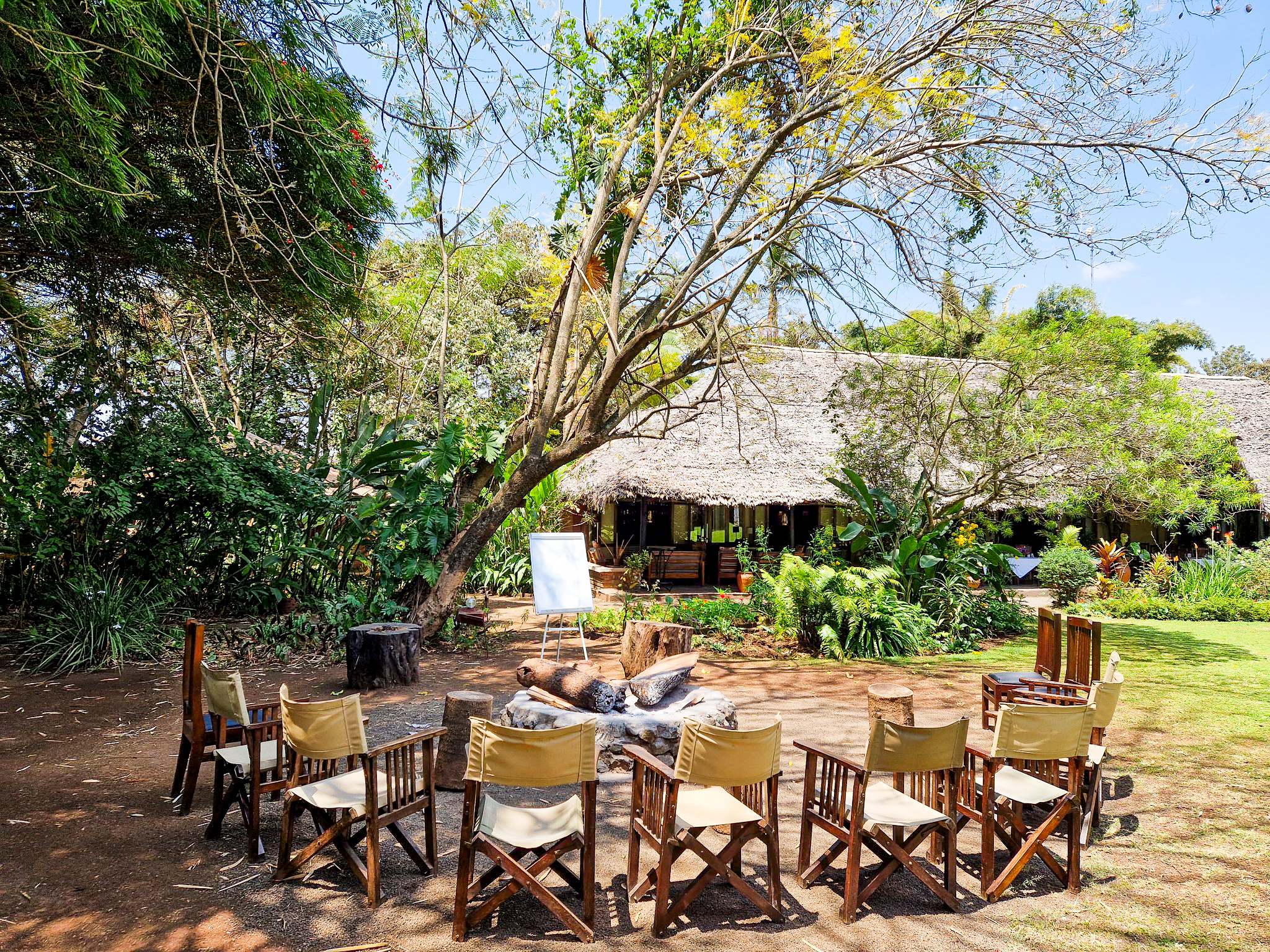
The adventure begins at our much-loved hotel in Arusha, the gateway for your Kilimanjaro trek. Depending on your arrival time, you may have time for a dip in the pool or to relax in the lovely gardens.Around 6pm, say jambo (that’s hello in Swahili) to your tour leader and fellow travellers, when we gather as a group for the first time to get to know each other and learn more about the adventures ahead. Meet your Kilimanjaro Chief Guide who will give a briefing on all aspects of the trip, including the distribution of any hired equipment you have booked. Please also bring your passport, insurance details and flight details.Your tour leader then ensures a big Tanzanian welcome by arranging a group dinner together.Want to extend your stay? Speak to your sales representative to book extra nights.
Meals: Dinner
Day 2
To Lemosho Gate; begin ascent to Lemosho Forest
We transfer (67mi/108km) to Lemosho entrance gate (6,890ft/2,100m) in the morning, passing between Kilimanjaro and the horseshoe-shaped volcanic crater of Mount Meru. In the short distance before reaching the Lemosho trail head gate, we drive through farmland and plantations. The last 3mi (5km) of the road to the park gate are poor quality, particularly after rain, and the drive there should be considered part of the adventure.After completing the necessary registration formalities, we often have lunch in the designated tourist shelter before starting our walk. It is an easy day of walking up a small path through lush forest and an area with a variety of wildlife, including buffalos. We camp at Lemosho Forest camp (8,695ft/2,650m).
Meals: Breakfast,Lunch,Dinner
Day 3
Explore Shira Plateau; camp at Shira One
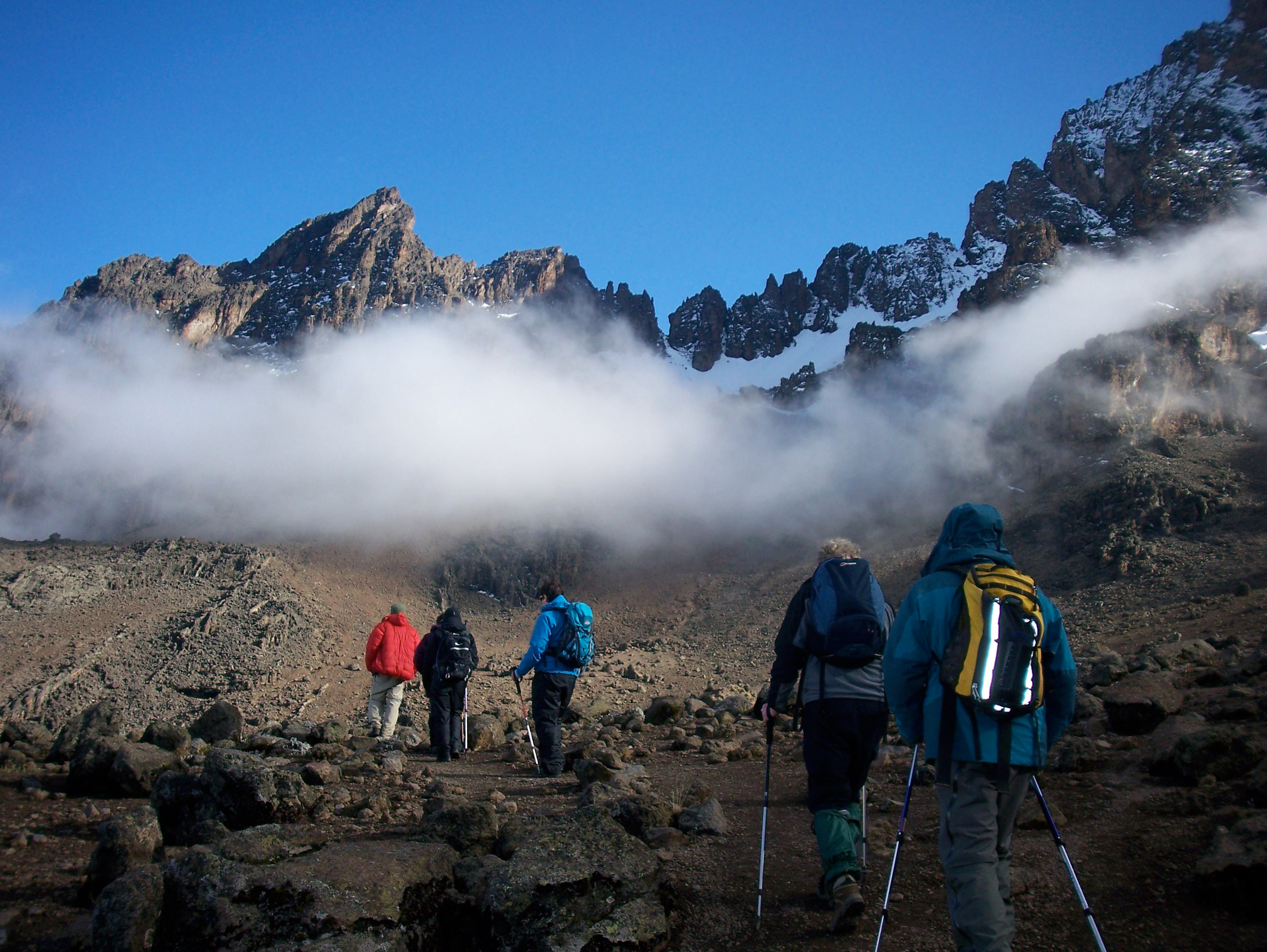
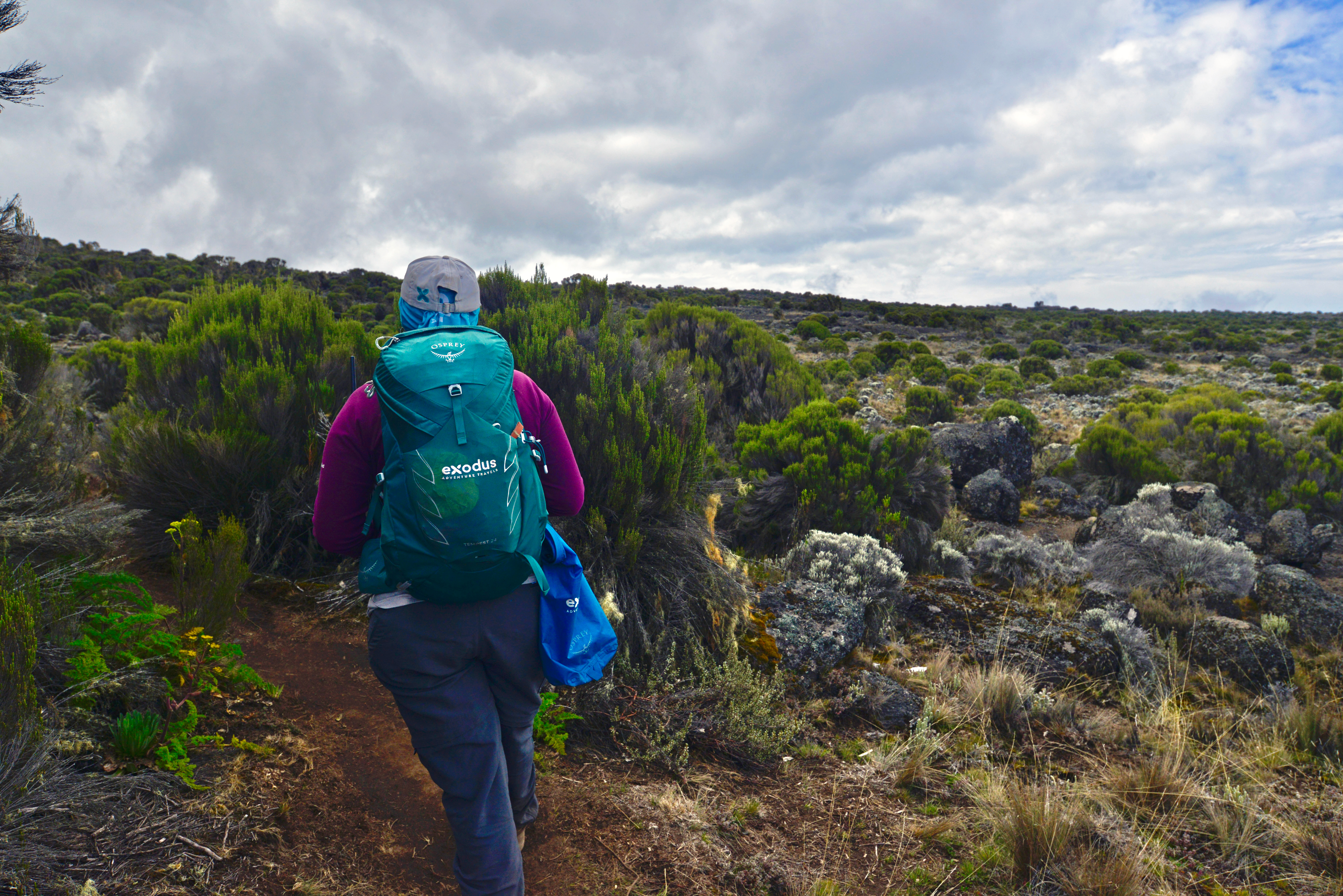
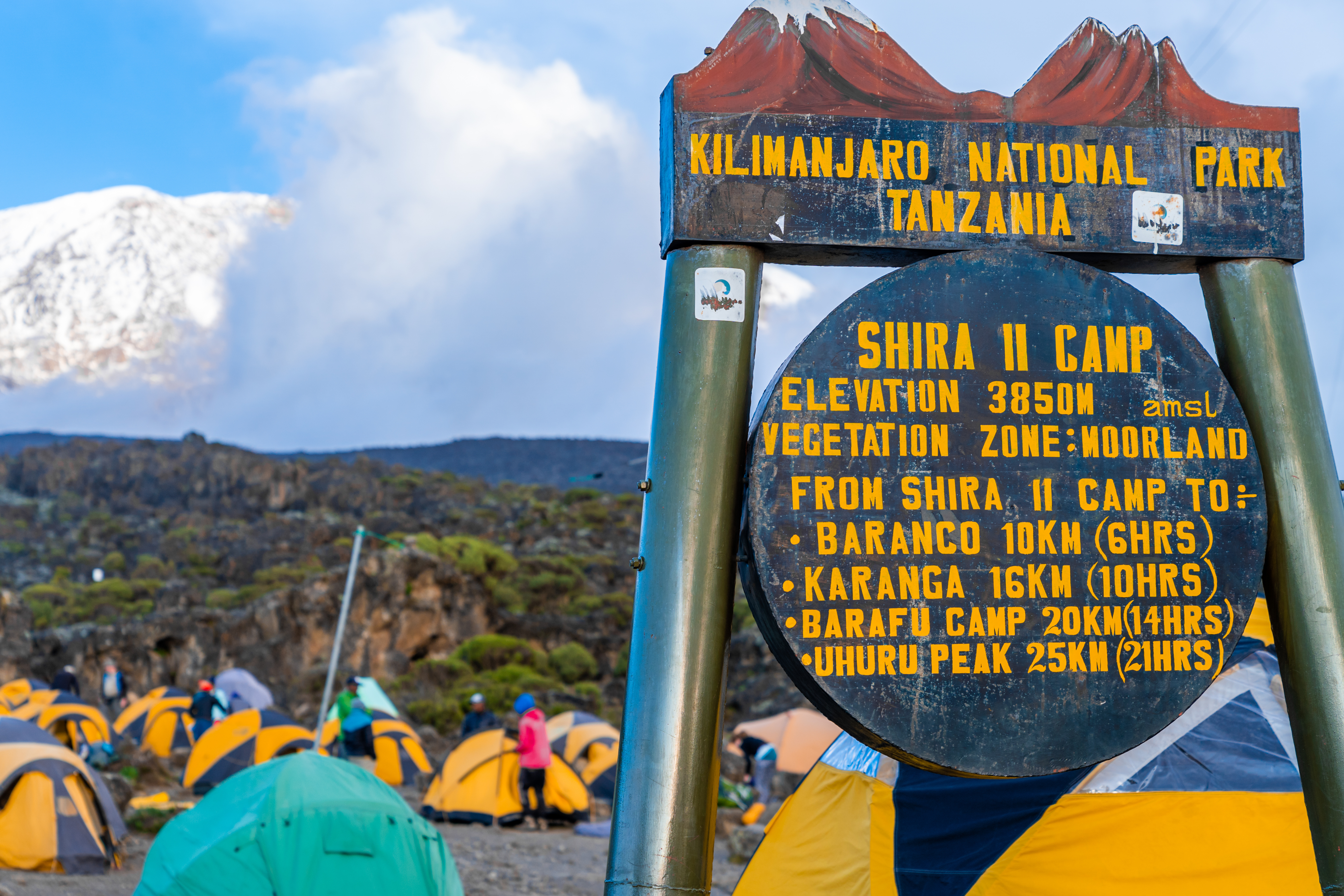
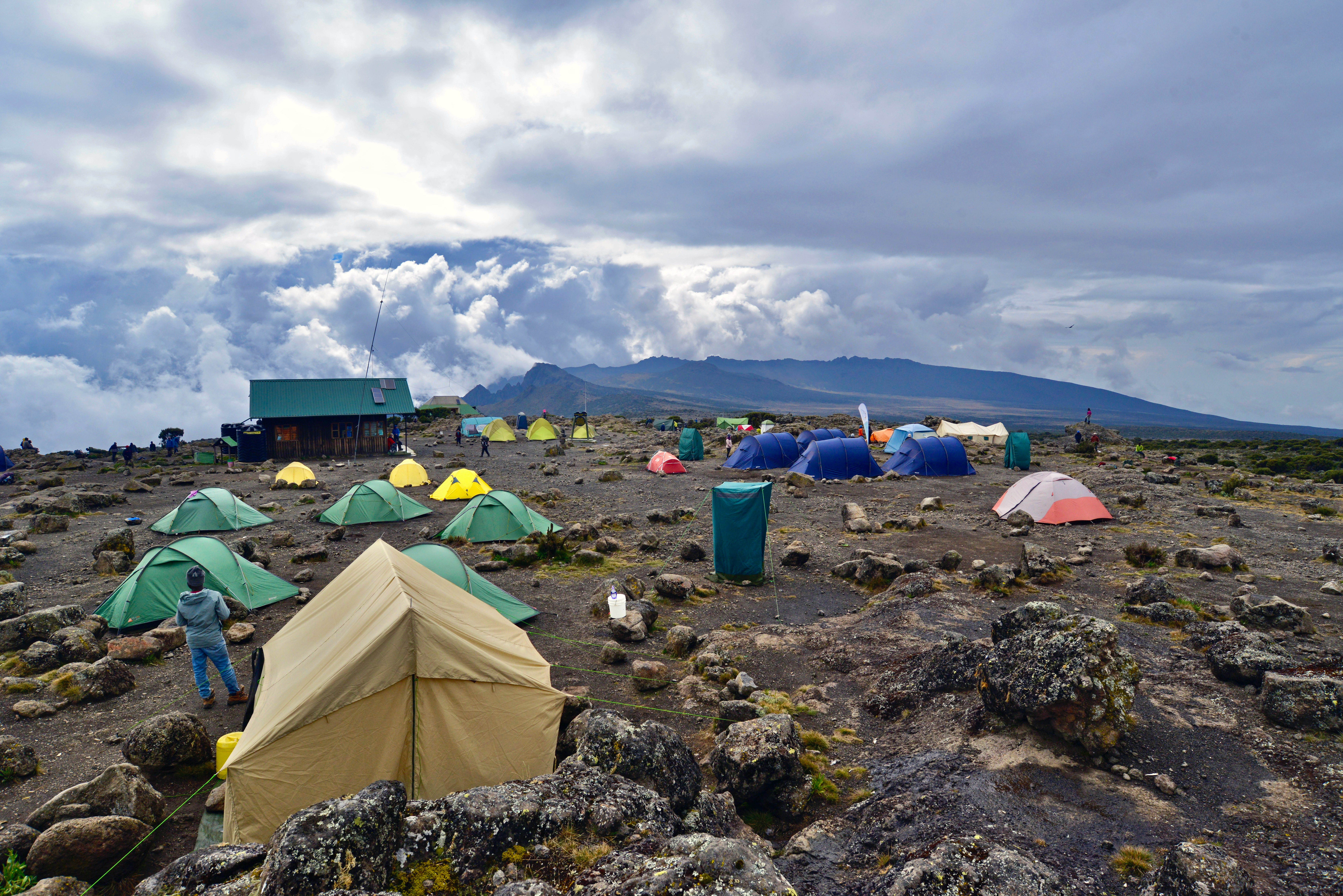
This morning begins, as all do on the trail, with hot tea brought to your tent – a very welcome wake-up. Today’s hike starts in lush montane forest before ascending into a moorland zone of giant heather. The trail climbs steadily with views across the plains, opening out as we reach the rim of the Shira Plateau. There is a tangible sense of wilderness here, especially if the afternoon mists cloak the landscape. We camp in the centre of the plateau at Shira One (11,645ft/3,550m).
Meals: Breakfast,Lunch,Dinner
Day 4
Walk to the summit of Shira Cathedral to camp at Shira Hut
Enjoy a day to help acclimatisation and explore the grassy moorland and volcanic rock formations of the plateau. We walk to the summit of Shira Cathedral, a huge buttress of rock surrounded by steep spires and pinnacles. The views from our camp near Shira Hut (12,600ft/3,840m) of Mount Meru floating on the clouds are unforgettable. The afternoon is free to relax, enjoying those views and getting to know each other even better.
Meals: Breakfast,Lunch,Dinner
Day 5
Descend to camp at Great Barranco valley
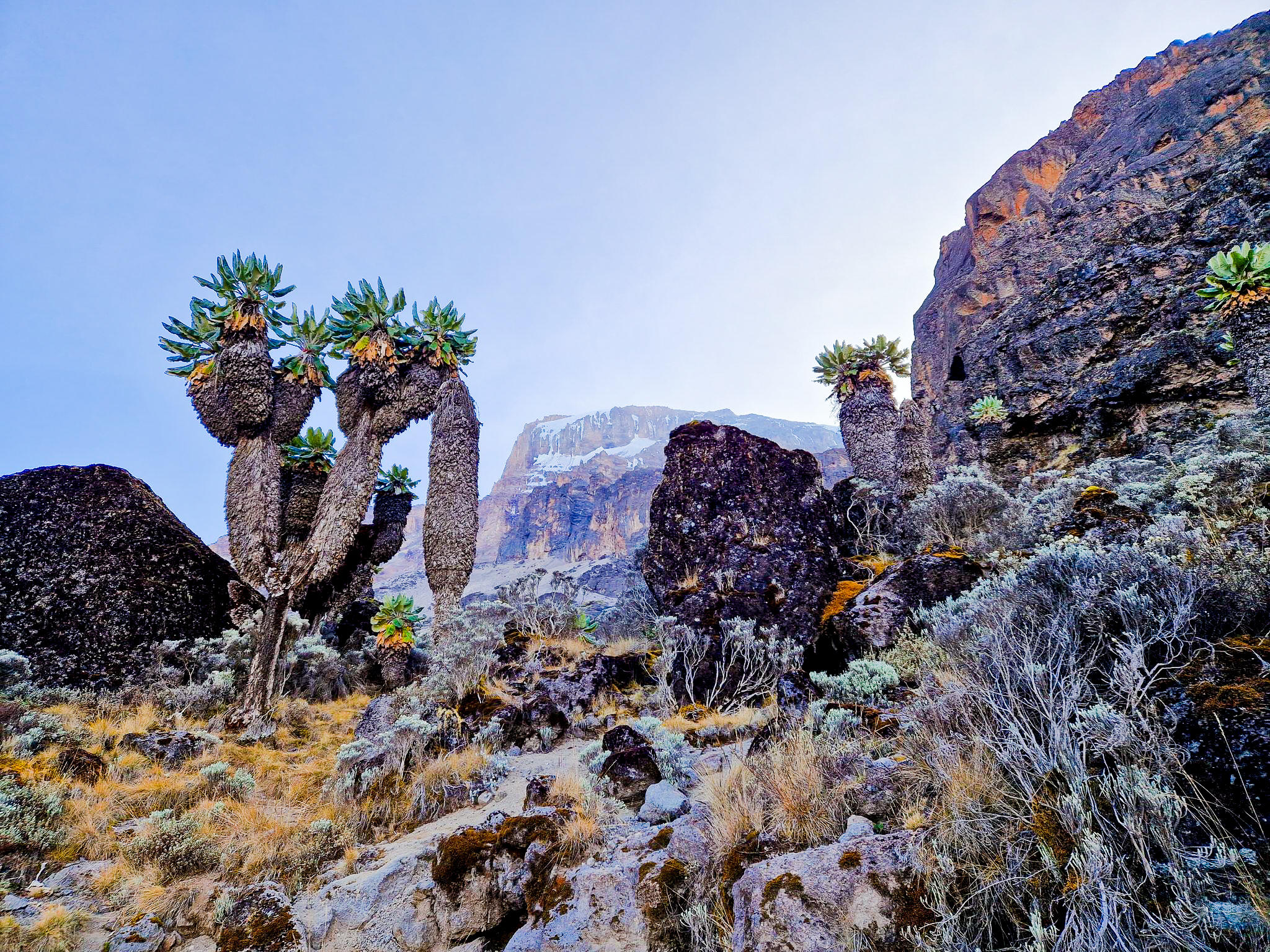
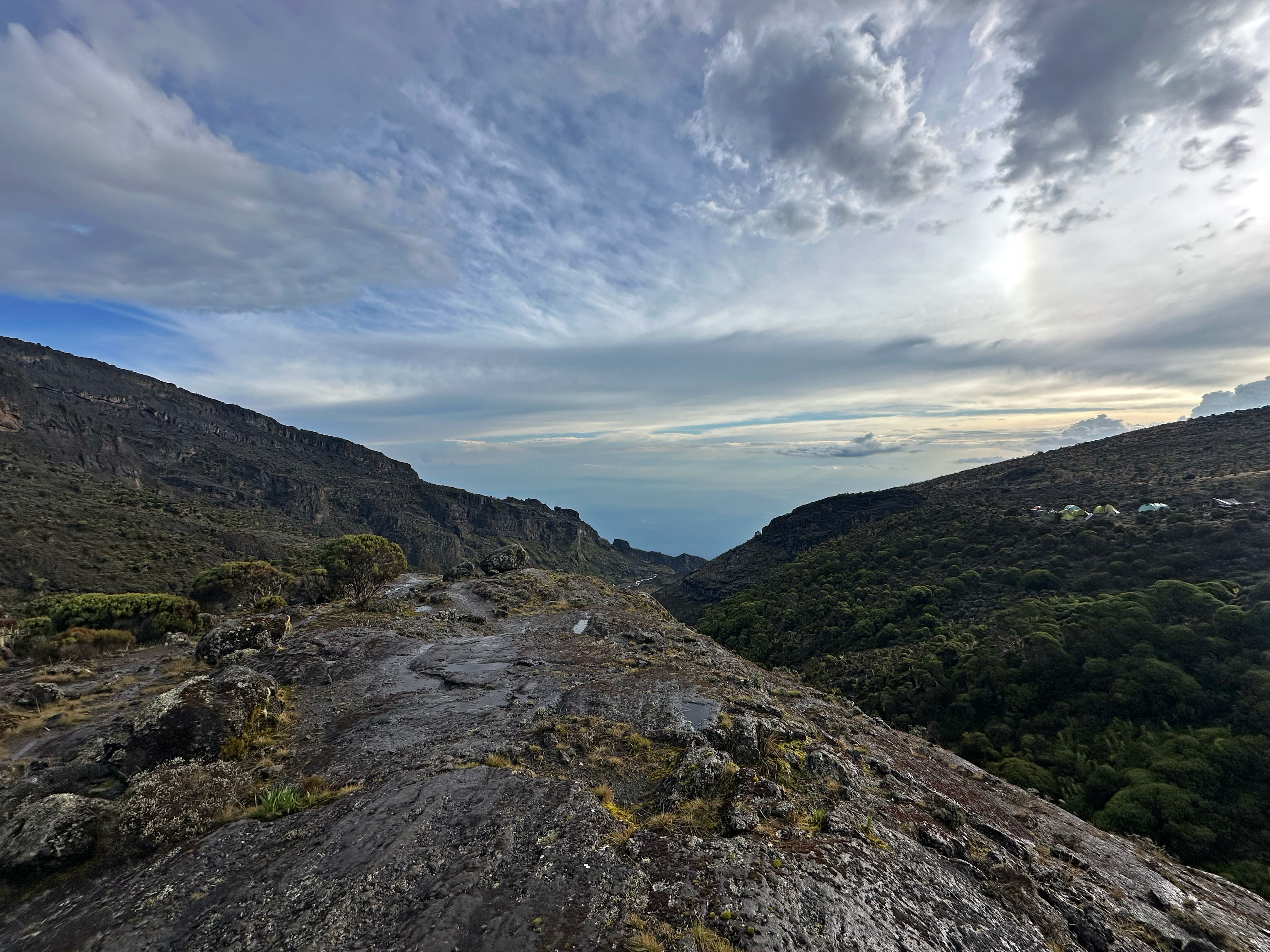
We have a morning of gentle ascent and panoramic views, walking on lava ridges beneath the glaciers of the Western Breach. After lunch near the Lava Tower junction (14,930ft/4,550m), we descend to the bottom of the Great Barranco valley (12,795ft/3,900m), sheltered by towering cliffs and with extensive views of the plains far below, including the Barranco Wall, which we tackle tomorrow.
Meals: Breakfast,Lunch,Dinner
Day 6
Over the Barranco Wall to Karanga
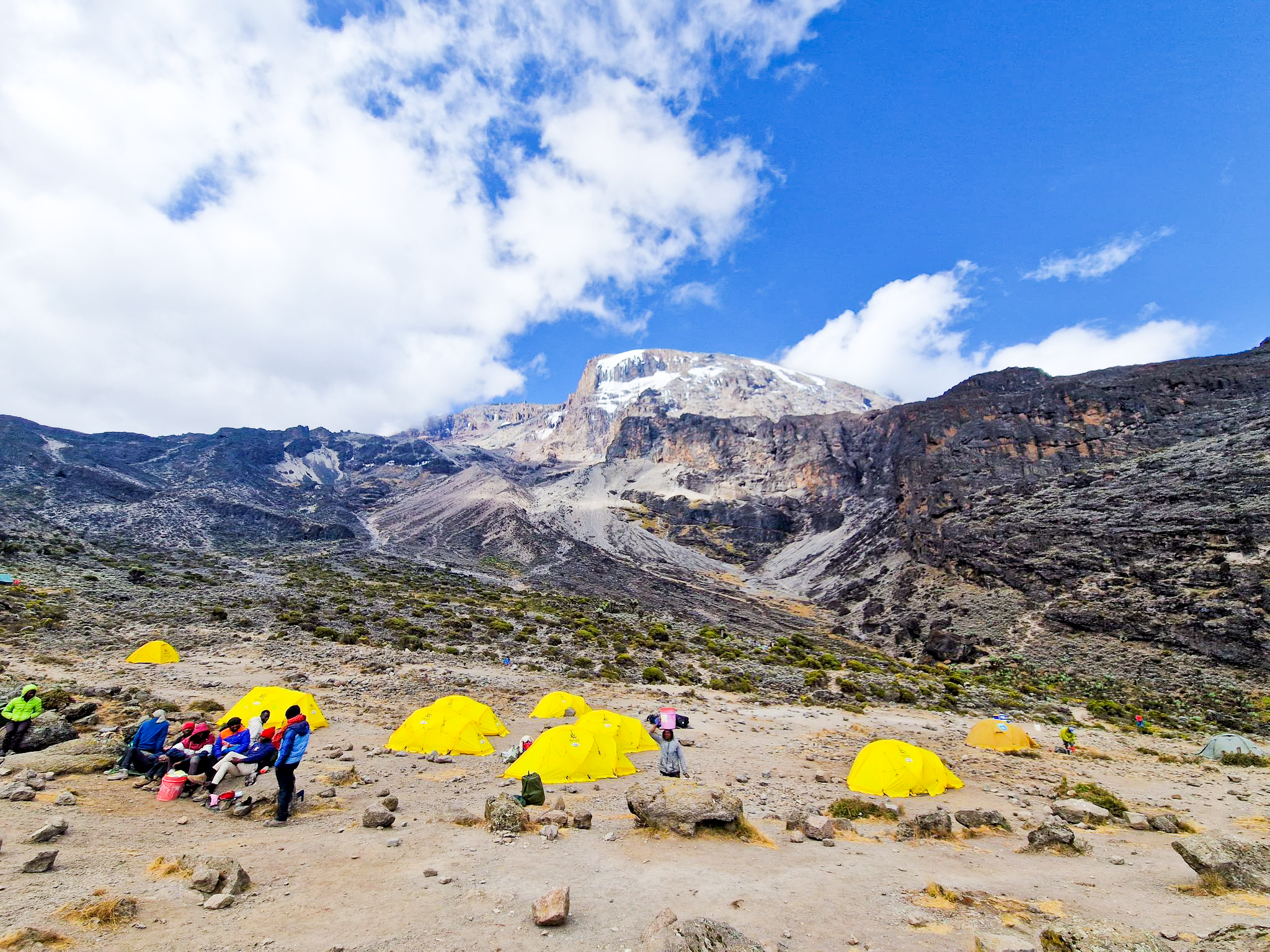
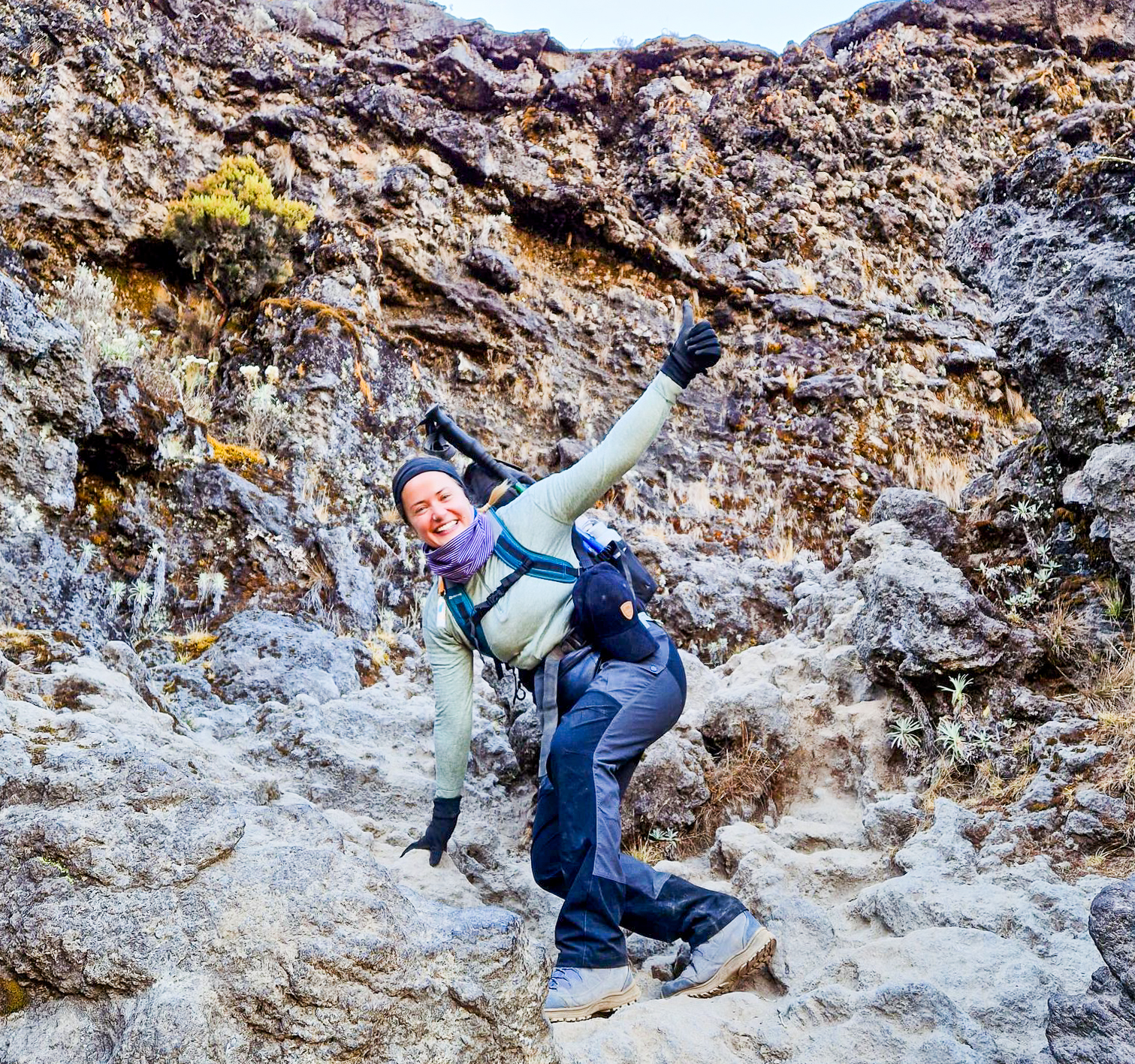
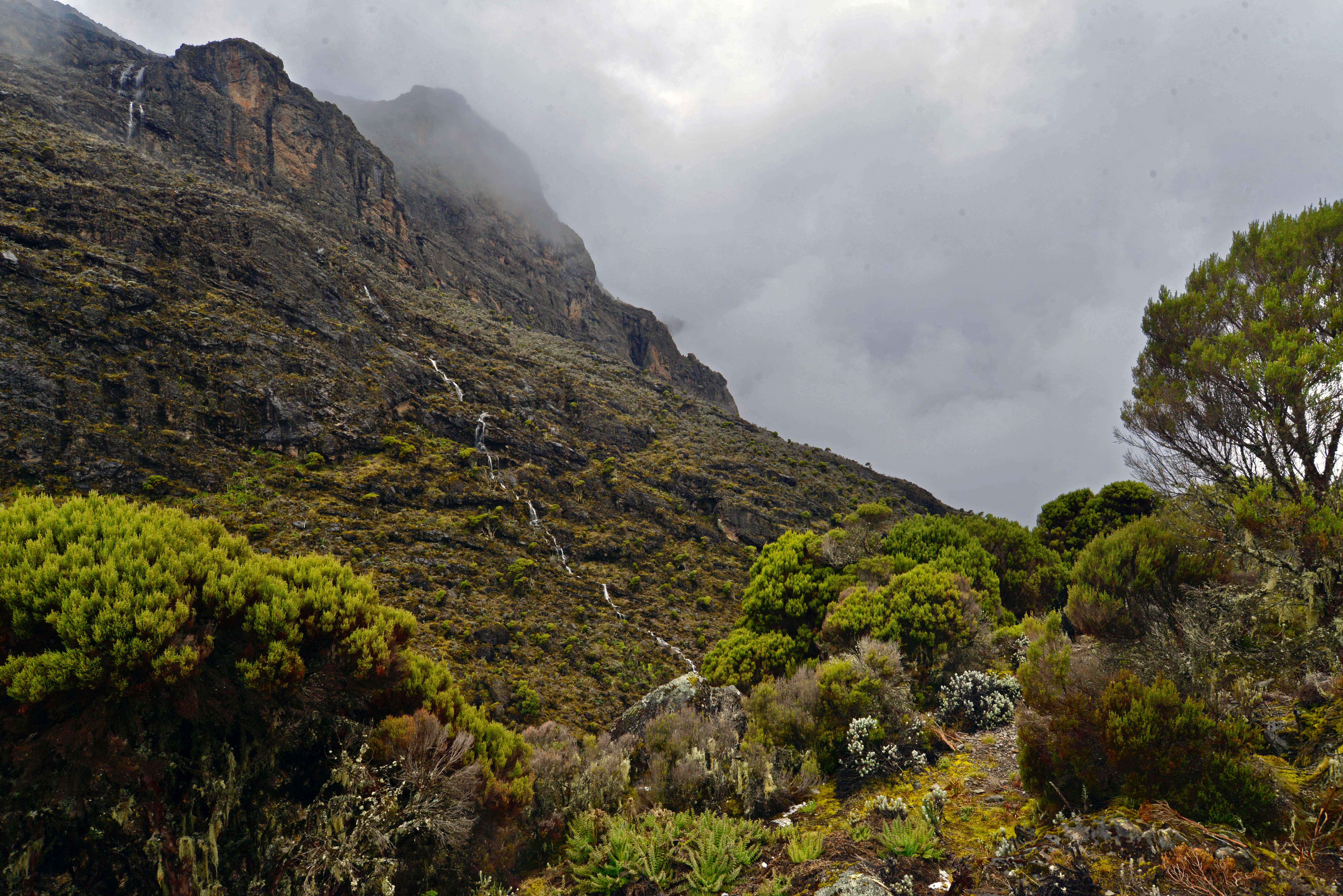
A short, steep scramble up the famed Barranco Wall provides us with a different challenge and leads us to an undulating trail on the southeastern flank of Kibo, with superb vistas of the southern icefields. The terrain changes to volcanic scree, with pockets of lush vegetation in sheltered hollows, and a powerful sense of mountain wilderness.Our next camp is at Karanga (13,125ft/4,000m), a short distance away. The valley floor has the last water point on the approach to Barafu and we camp on the higher sides of the valley with views towards the glaciers of the southern icefields.
Meals: Breakfast,Lunch,Dinner
Day 7
Steep ascent to Barafu campsite
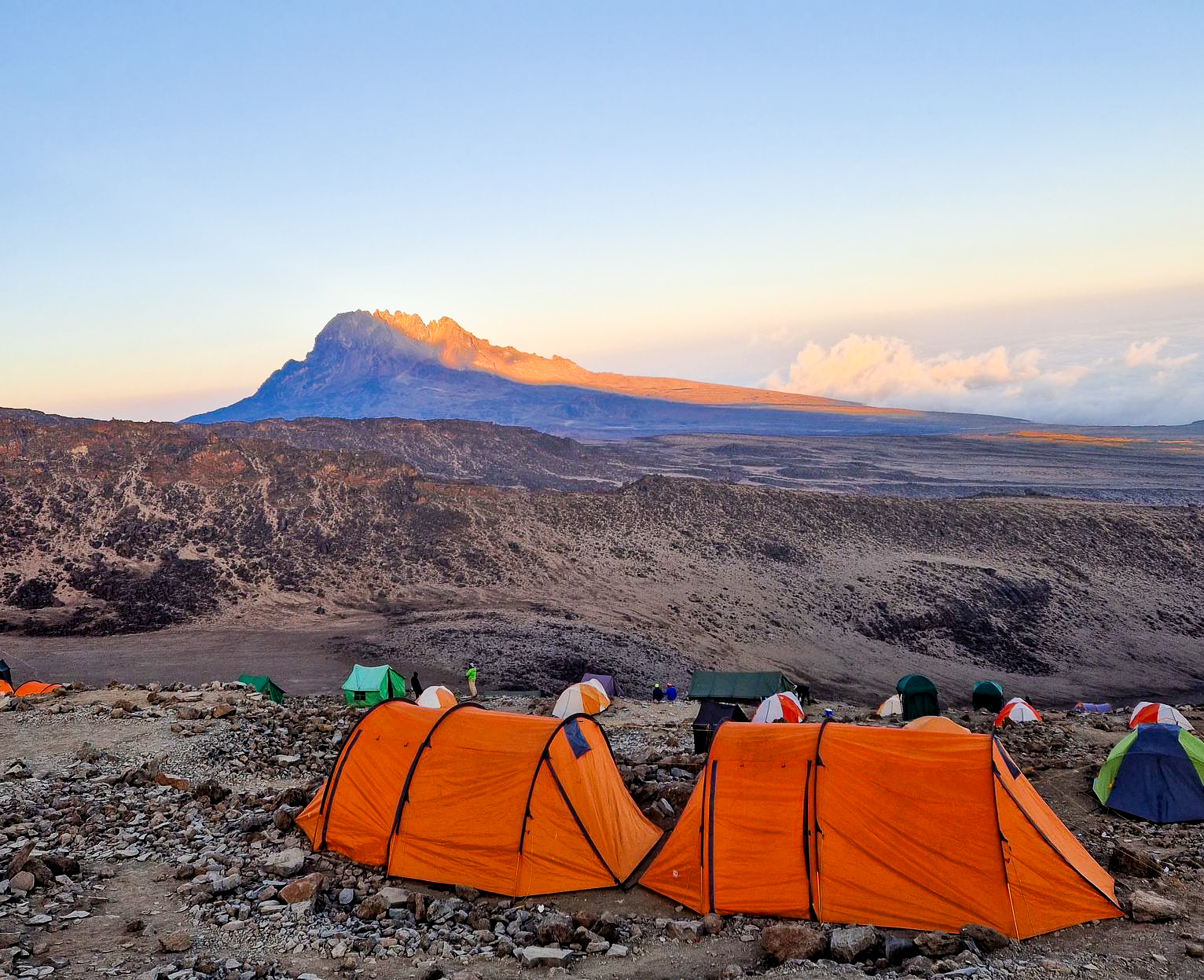
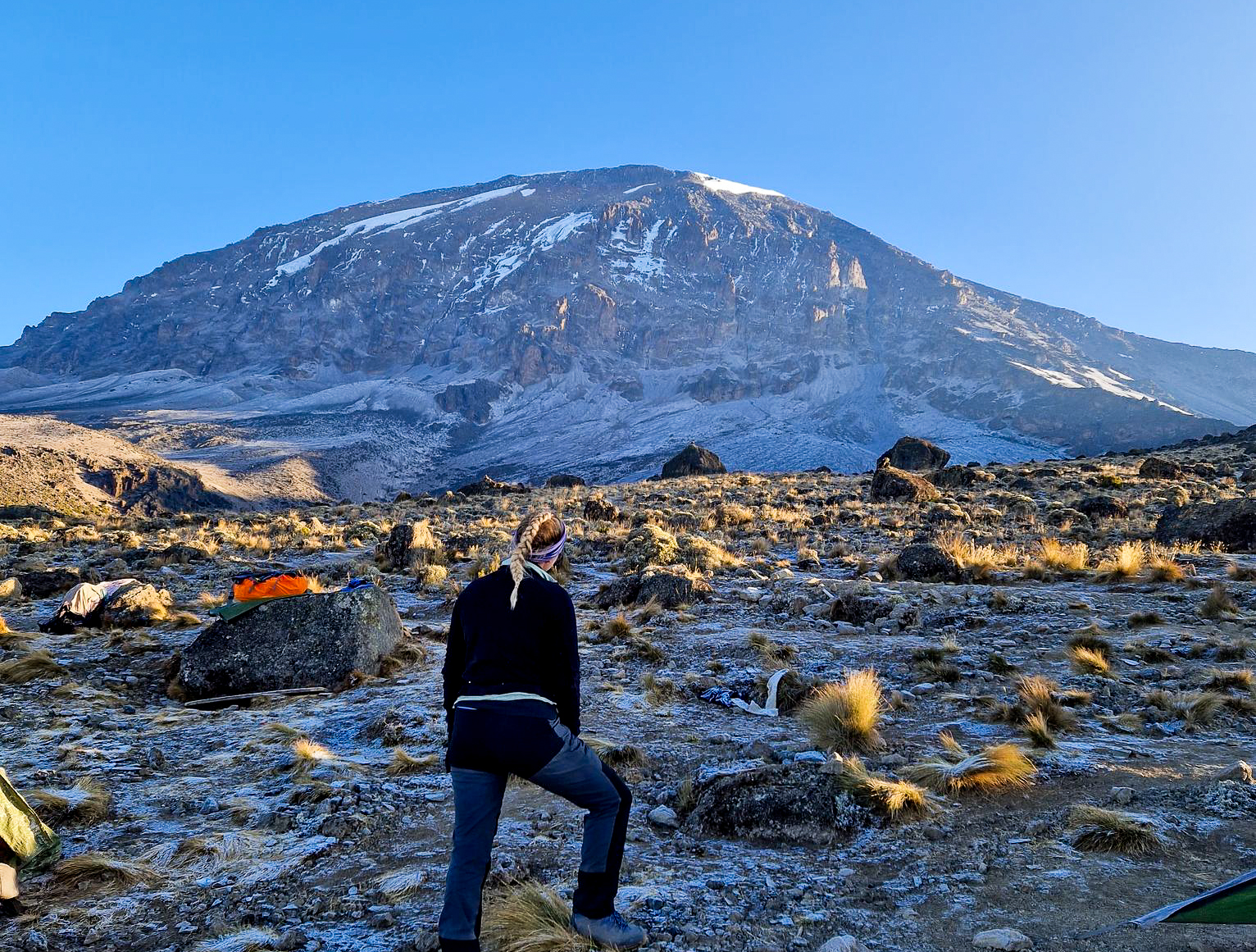
The trail follows a path on compacted scree with wide views ahead including the Barafu Ridge, where our camp lies. The trail climbs to reach the Barafu campsite (15,090ft/4,600m) for lunch, after which there is a short acclimatisation walk to the plateau at the bottom of the southeast valley (15,750ft/4,800m). The remainder of the day is spent resting in preparation for the final ascent and includes a very early night.
Meals: Breakfast,Lunch,Dinner
Day 8
Reach Stella Point for sunrise; to Uhuru Peak, the highest point in Africa; descend to Millennium Camp
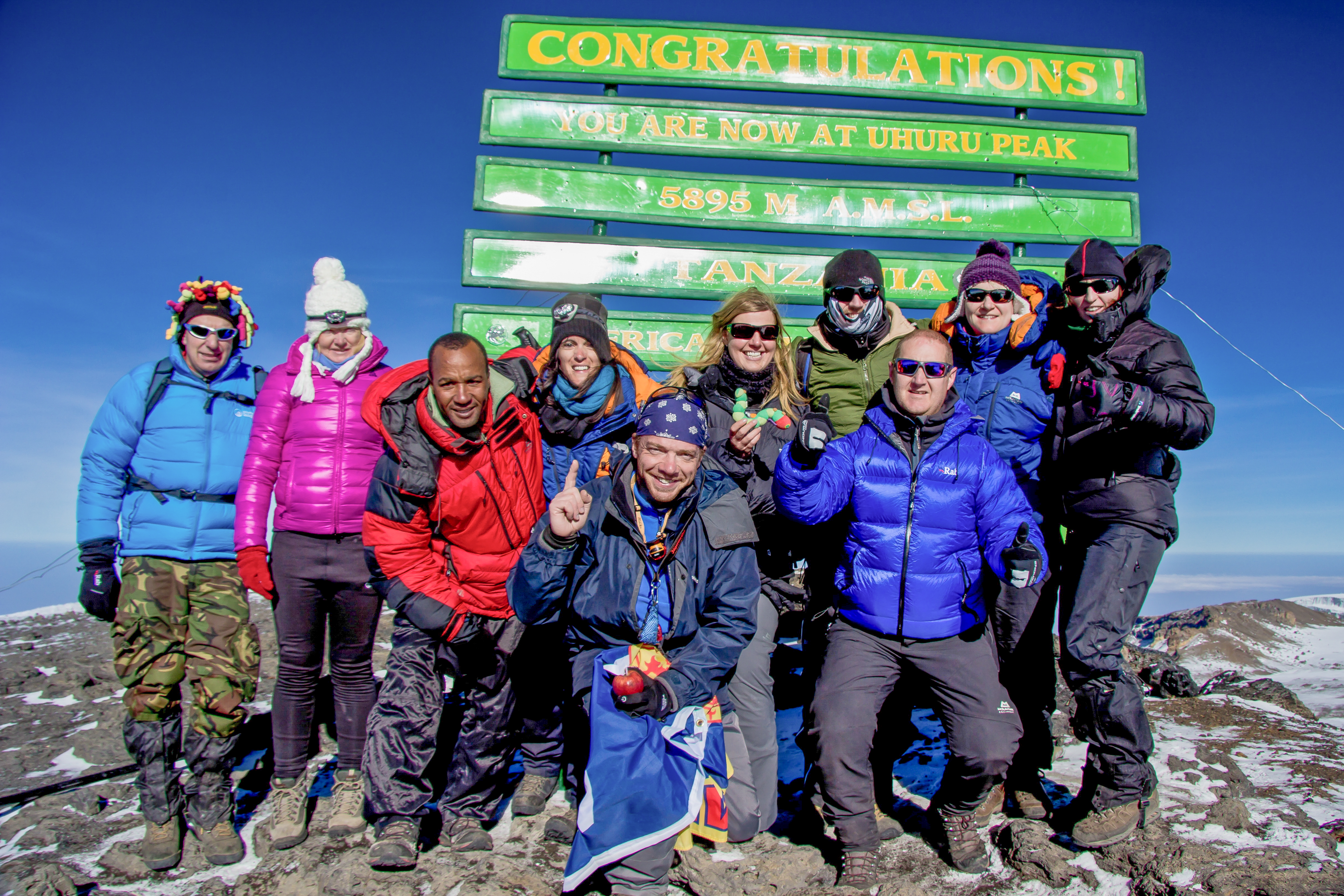
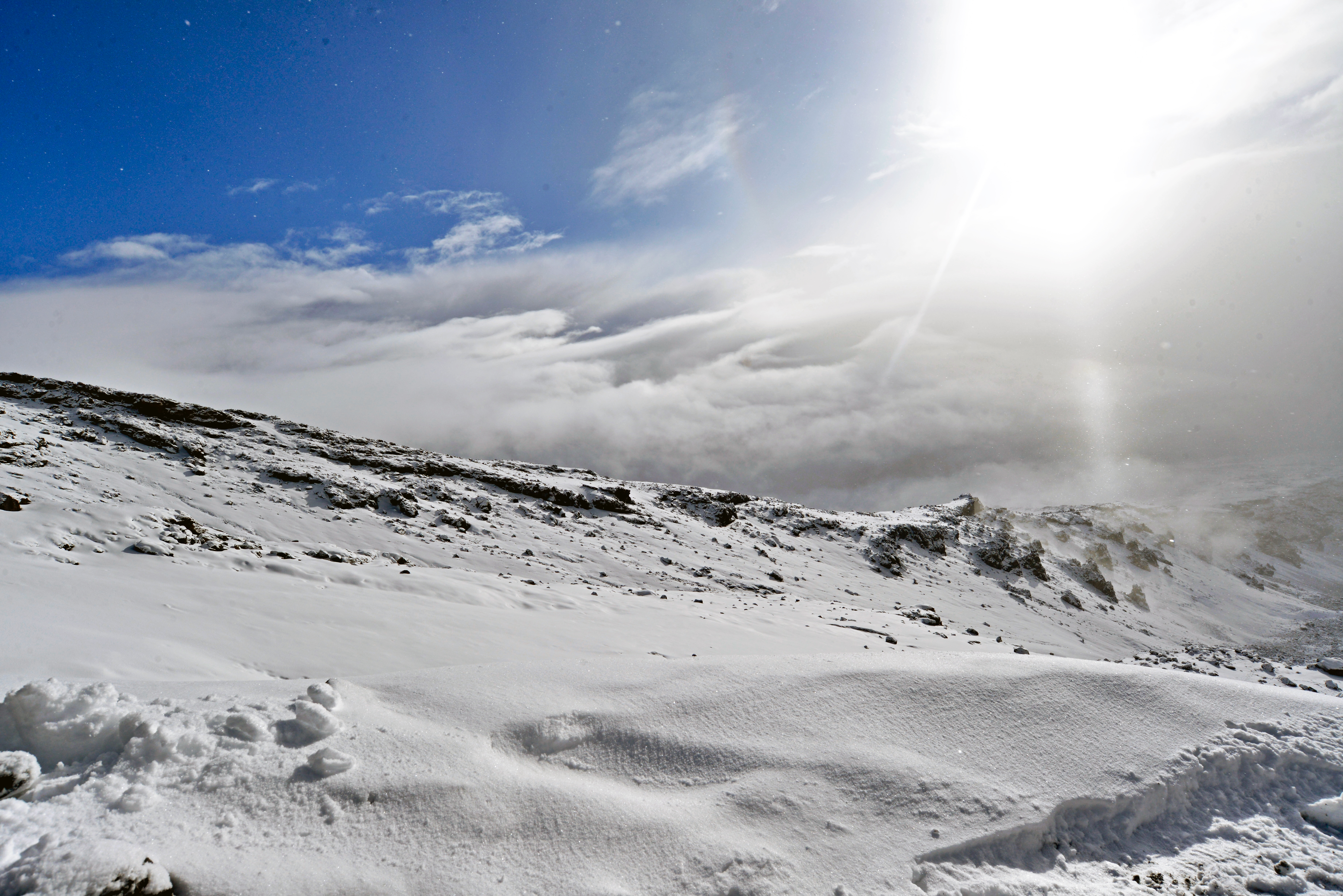
We start our ascent around midnight so we can reach the crater rim by sunrise. The steep climb over loose volcanic scree has some well-graded zigzags and a slow but steady pace takes us to Stella Point (18,815ft/5,735m) in about five or six hours. We rest there for a short time to enjoy sunrise over Mawenzi.Those who are still feeling strong can make the two-hour round trip from here along the crater rim to Uhuru Peak (19,340ft/5,895m) – congratulations, you’ve made it! Standing at the highest point in Africa, taking your photo at the Uhuru Peak sign and knowing you have climbed one of the Seven Summits is a moment that will stay with you forever!The descent to Barafu is surprisingly fast; after some refreshments, we continue to descend to reach our final campsite (12,470ft/3,800m) at Millennium Camp.
Meals: Breakfast,Lunch,Dinner
Day 9
To Mweka Gate; transfer to Arusha
Today is a sustained descent on a well-constructed path through lovely tropical forest alive with birdsong and lush undergrowth with considerable botanical interest. Our route winds down to the national park gate at Mweka (5,415ft/1,650m) where we meet our vehicle and drive through coffee and banana farms to Mweka village. The shower, beer and swimming pool are tantalisingly close! We return by bus (62mi/100km) to Arusha.
Meals: Breakfast,Lunch,Dinner
Day 10
Adventure ends in Arusha
Spend this morning resting in the hotel garden by the pool or exploring Arusha for souvenirs if you have time before your flight home.
Alternatively, if you’d like to recuperate after climbing Kili, speak to your sales representative to book a relaxing break on idyllic Zanzibar or an unforgettable safari adventure encompassing three different national parks.
Meals: Breakfast
What’s included
What’s not included
Additional information
Food
All meals during the climb are included. Please allow about US$30-US$50 for the two lunches (days 1 and 10) not included.
On trek, the emphasis is on a varied and well-balanced diet with a greater amount of fresh fruit and soup to maximise the daily intake of fluids.
Vegetarians are well catered for but please inform us before departure of any special dietary requests. The availability of certain specialised products for restricted diets, eg gluten-free or dairy-free, is minimal or non-existent in Tanzania and we strongly recommend you bring these specialised dietary items from home.
The menu has a high liquid and carbohydrate content, the two important elements for successful climbing. At higher altitudes, stimulants (such as coffee) and less digestible foods (such as meat) are not recommended. Our evening meal at the highest camp on Kilimanjaro is a meatless stew as our experience shows this to be the ideal preparation for the summit day. At mealtimes, a selection of hot drinks is available. Soup is served twice daily.
Daily meals
Bed tea: Tea or coffee served in your tent.
Breakfast: Seasonal fresh fruit (mango/banana/watermelon), porridge, cooked eggs, sausage, bacon and toast.
Energy snacks, such as biscuits, bananas and chocolate bars, are provided for the daily walk
Lunch: Either a packed lunch on longer days or, more usually, a hot lunch served in camp by a small team who have raced ahead of the clients. A hot lunch typically consists of soup, bread or pancakes, cheese, tuna, jam, peanut butter, pasta salad and cake.
Afternoon tea: Served in late afternoon. It is an opportunity to drink lots of hot drinks and snack on peanuts or popcorn.
Dinner: The main meal of the day and always consists of three courses: soup and bread, followed by the main dish, which could be rice, potatoes or pasta with fish, meat or vegetables, and is followed by a dessert often of fruit.
Summit snacks: While we provide enough food for the climb, we recommend you bring some of your favourite snacks and keep them for the summit day. The summit day is a long, tough climb and having your favourite snacks can provide a very welcome boost.
Water
While the water we provide on Kilimanjaro is suitable for drinking you may wish to be extra safe and treat it with your own water-purification tablets.
Arusha Welcome Briefing & Team Meet-Up
Arrive at the lodge and meet your Kilimanjaro Chief Guide and crew to join a comprehensive trek briefing. Get a clear picture of the Lemosho Route, summit strategy, altitude awareness and mountain safety, while any pre-booked equipment is checked and issued.
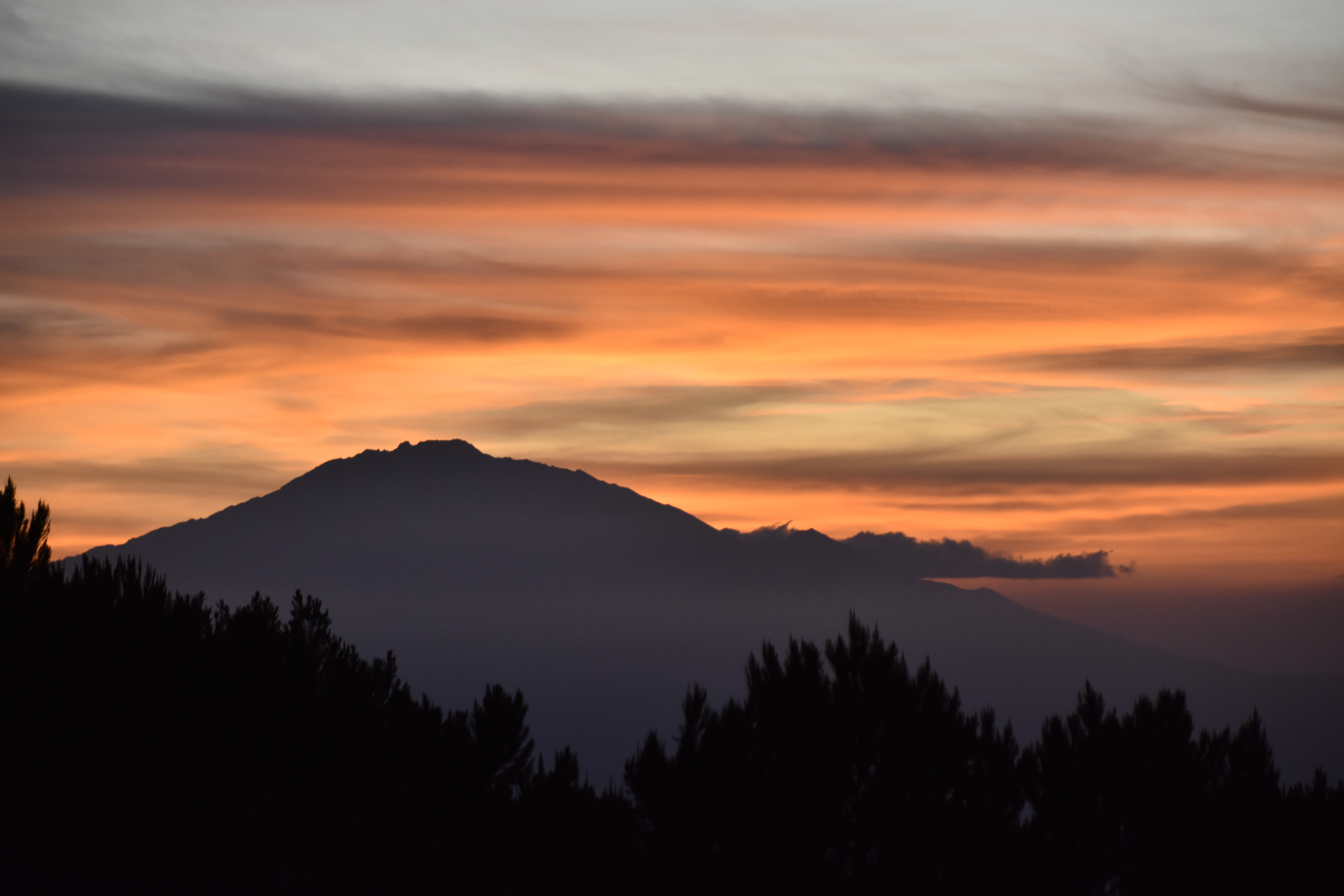
Pick up useful Swahili trail phrases, understand leave-no-trace principles and porter welfare standards, then enjoy a relaxed start to group camaraderie over a Tanzanian group dinner. The setting, beneath Mount Meru’s silhouette, sets an anticipatory mood for the days ahead.
Lemosho Rainforest Approach Trek
Begin your Kilimanjaro trek at the Lemosho Gate, stepping into cool, emerald montane rainforest where colobus and blue monkeys flicker through giant heather and tree ferns. The gently rising path threads between buttress roots to reach Lemosho Forest Camp, your first night above the clouds.
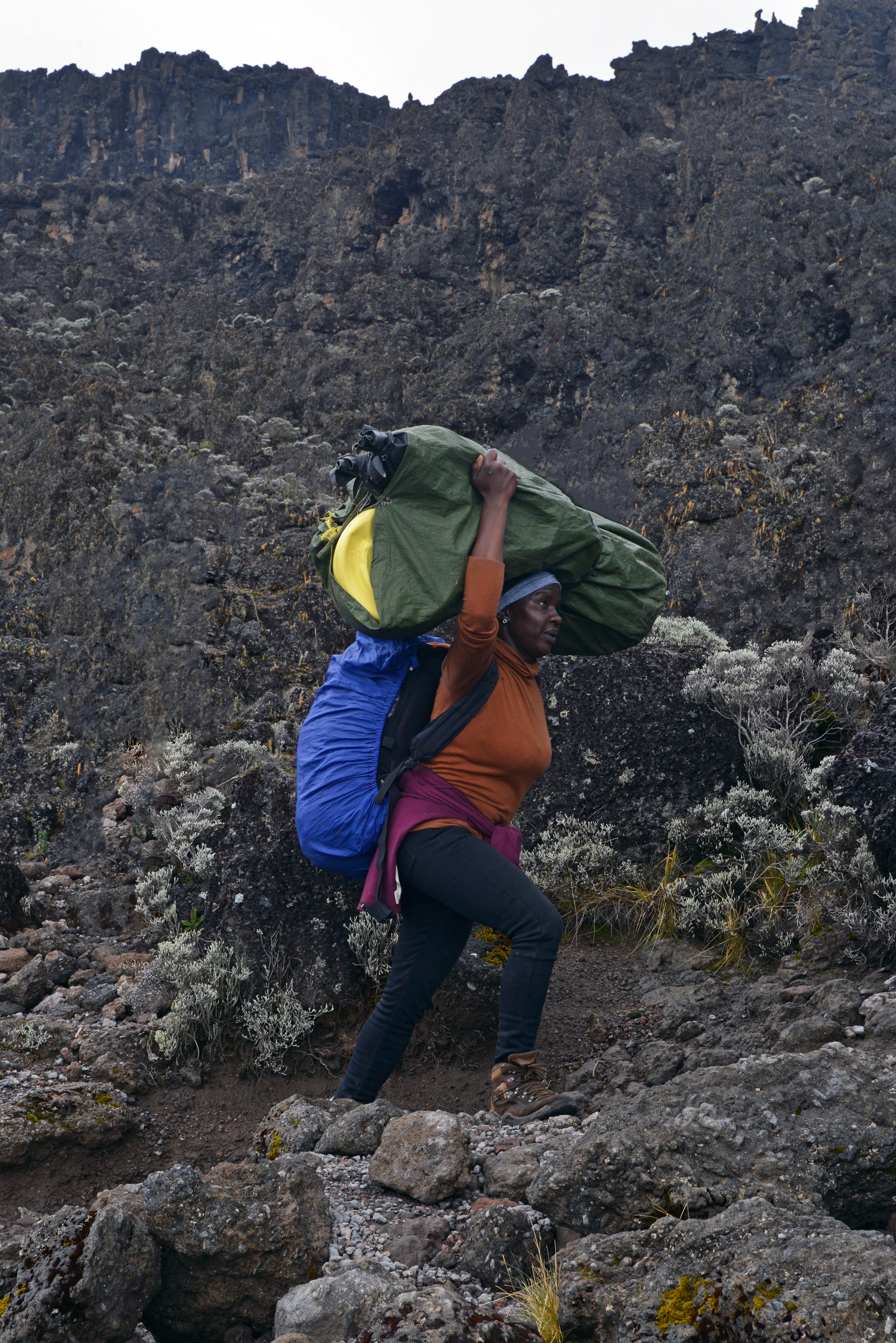
Walk beneath tangled lianas while hornbills call and distant cicadas hum. Guides set an easy pace for acclimatisation as the team handles camp chores, hot washing water and meals—freeing you to focus on the rhythm of the forest and the adventure unfolding.
Shira Plateau Traverse to Shira One Camp
Climb out of the forest into open moorland draped with giant heather and protea, cresting the rim of the ancient caldera to stride across the wide, high Shira Plateau. The horizon opens in every direction as you settle into Shira One (3,550m) amid vast skies and tawny grasses.
Feel the shift from lush to high-alpine as the mountain’s volcanic story comes into view. The plateau’s broad, undulating expanse offers ideal acclimatisation walking and the chance to watch cloud seas drift and dissolve in the afternoon light.
Shira Cathedral Summit Walk & Shira Hut Camp
Explore the plateau’s sculpted lava and stride to the buttressed crown of Shira Cathedral, a rocky prominence ringed by spires and pinnacles. Panoramas reach to Mount Meru floating on the clouds before you continue to camp near Shira Hut (3,840m).
This purposeful acclimatisation hike builds confidence and steadies the breath. Guides explain the mountain’s geology and the forces that fashioned Shira’s amphitheatre, while the crisp moorland air and big sky instill a calm, summit-minded rhythm.
Western Breach Glacier Vistas via Lava Tower to Barranco
Walk lava ridges beneath the shimmering Western Breach glaciers, pausing near the stark monolith of Lava Tower (4,550m). After lunch at altitude, descend to the sculpted gullies and giant senecio of the Great Barranco Valley, encircled by towering cliffs.
This classic “climb high, sleep low” profile supports acclimatisation while showcasing Kilimanjaro’s icy cap up close. Watch light rake the glacier faces and listen to the wind’s hush in a landscape that feels both immense and intimate.
Barranco Wall Scramble & Karanga Valley Camp
Tackle the famed Barranco Wall, a hands-on, steady scramble that threads ledges and the playful “Kissing Rock.” Traverse rolling terrain with sweeping views of the Southern Icefields to reach the Karanga Valley, the final reliable water point before high camp.
The route blends light exposure with grand scenery, rewarding you with shifting perspectives over the plains. Pockets of hardy alpine vegetation cling to the slopes, a reminder of life’s resilience at the edge of the equatorial ice.
Barafu High Camp Ascent & Summit Briefing
Ascend compacted scree along Barafu Ridge to Barafu High Camp (4,600m), where the summit pyramid commands the skyline. Take a short acclimatisation hike to roughly 4,800m, then rest and hydrate as the air thins and stars sharpen.
Guides deliver a precise summit briefing covering layers, pacing, nutrition and the mental game for a night ascent. Turn in early—headlamps, thermos and summit snacks at the ready—for the mountain’s defining push.
Summit Push: Stella Point Sunrise & Uhuru Peak
Set out at midnight on zigzagging volcanic scree, breathing steadily toward the rim for a glorious Stella Point sunrise. Follow the crater edge past wind-etched snow to Uhuru Peak (5,895m), the roof of Africa and one of the Seven Summits.
Pause for photos and reflection at the famous sign before descending to thicker air. The combination of altitude, dawn light and silent icefields makes this a rare, resonant summit moment.
Montane Forest Descent to Mweka Gate
Follow a well-constructed trail from alpine desert through giant heather to the rich, damp hush of montane forest. Listen for Hartlaub’s turaco and sunbirds as you step down through changing ecosystems to Mweka Gate, where summit certificates await.
The descent traces Kilimanjaro’s ecological tapestry in reverse, swapping glacial vistas for fern-scented shade. Emerging to smallhold farms and red-earth roads, you feel the mountain’s scale and your own progress measured in every biome crossed.
Post-Climb Celebration at Moivaro Coffee Plantation Lodge
Return to lush gardens for a well-earned exhale and celebrate your climb at the Moivaro Coffee Plantation Lodge. Cool off in the pool, toast the team and swap summit stories as Mount Meru forms a twilight backdrop.
Savor Swahili-influenced dishes and freshly brewed local coffee during a convivial celebratory dinner. It’s a warm, authentic close to days spent high on the mountain and a fitting salute to shared effort.
Zanzibar Island Beach & Spice Culture (Extension)
Unwind on white-sand arcs and swim in the Indian Ocean’s clear shallows on Zanzibar. Wander the coral-stone lanes of Stone Town, explore spice farms and sample coastal Swahili cuisine scented with clove and cinnamon.
This is an optional extension at additional cost, bookable on tour. Balance your summit effort with languid beach time and cultural depth, from carved Zanzibari doors to sunset hues over dhows offshore.
Northern Tanzania Safari: Ngorongoro Crater & Serengeti (Extension)
Extend your adventure with game drives on the wildlife-rich floor of the Ngorongoro Crater and across the plains of the Serengeti or baobab-studded Tarangire. Scan for the Big Five and the drama of predator-prey encounters.
This is an optional extension at additional cost, bookable on tour. Seasonal movements of wildebeest and zebra shape the spectacle, while Maasai landscapes and great skies deliver classic East African safari atmosphere.
Arusha Coffee Estate Walk & Tasting
Stroll shaded lanes on a guided coffee estate walk to trace the bean-to-cup process from ripe red cherries to roasting and grinding. Meet growers, see processing up close and finish with a tasting of fresh Tanzanian coffee.
This cultural mini-experience deepens your connection to northern Tanzania’s volcanic soils and plantation heritage. It is an optional activity at additional cost, bookable on tour, and fits neatly before or after the climb.