Your itinerary
Day 1
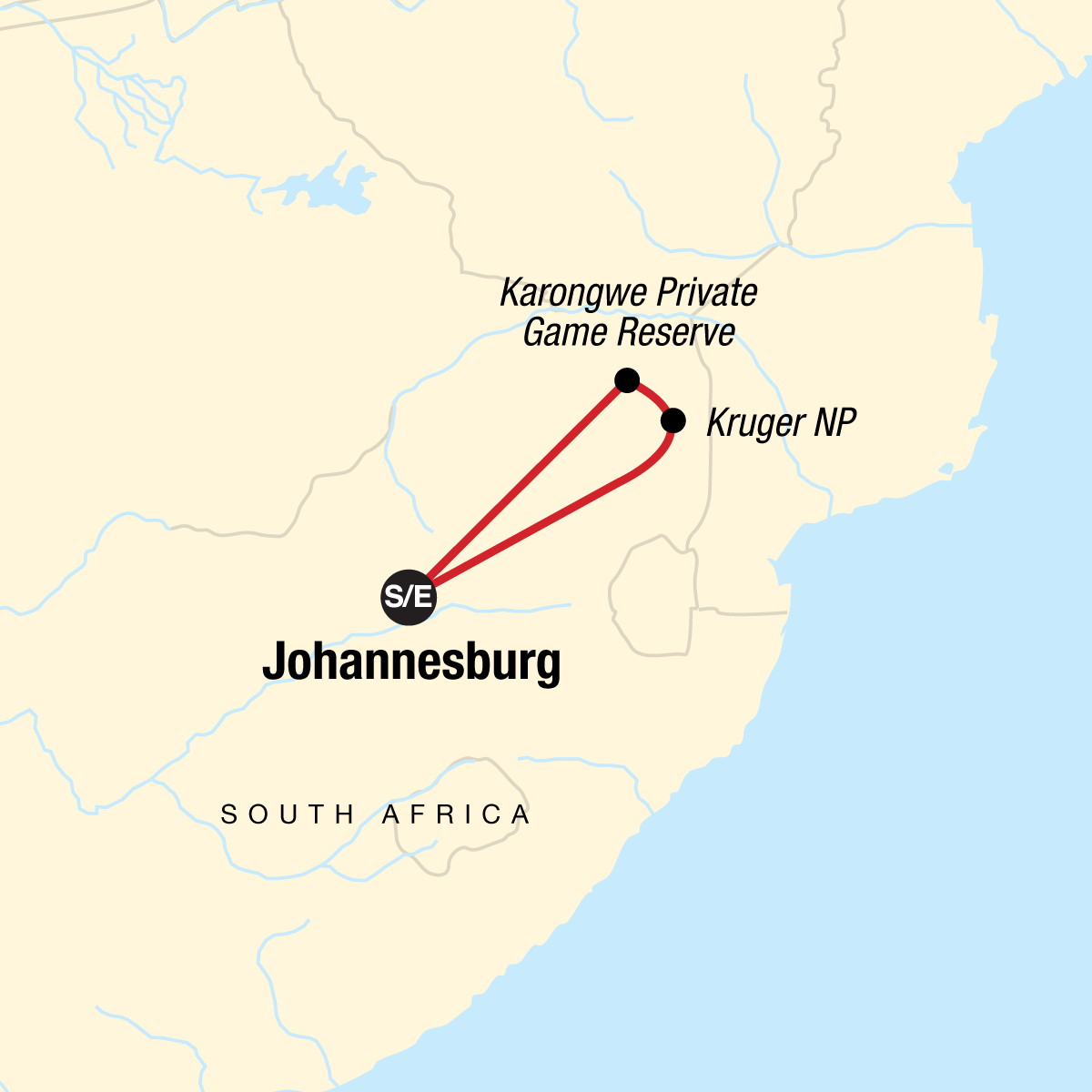
Day 1: Johannesburg
Arrive at any time and transfer to your hotel. Enjoy a dinner with your fellow travellers tonight.
Our accommodation is in the Rosebank area, just north of central Johannesburg. The hotel is conveniently located, should you have additional time. Taxi’s can be easily arranged to get you around.
Additional Information: If you are interested in spending more time in Johannesburg, it is recommended to book pre-accommodation to enjoy the sights of the city at your own leisure.
TRANSPORT: You will be met at the airport and transferred to the hotel to start your adventure.
ACTIVITY: The adventure begins tonight. Feel free to explore before your welcome meeting, but make sure you’re back in time to meet the group. Check for the meeting time on the welcome note at the hotel. After introductions, your Expedition Leader will review the details of your tour. Please note that normal check-in times apply at our start hotels, but you can usually store your luggage for the day if you arrive early.
Meals: Dinner
Day 2
Day 2: Johannesburg/Greater Kruger Area
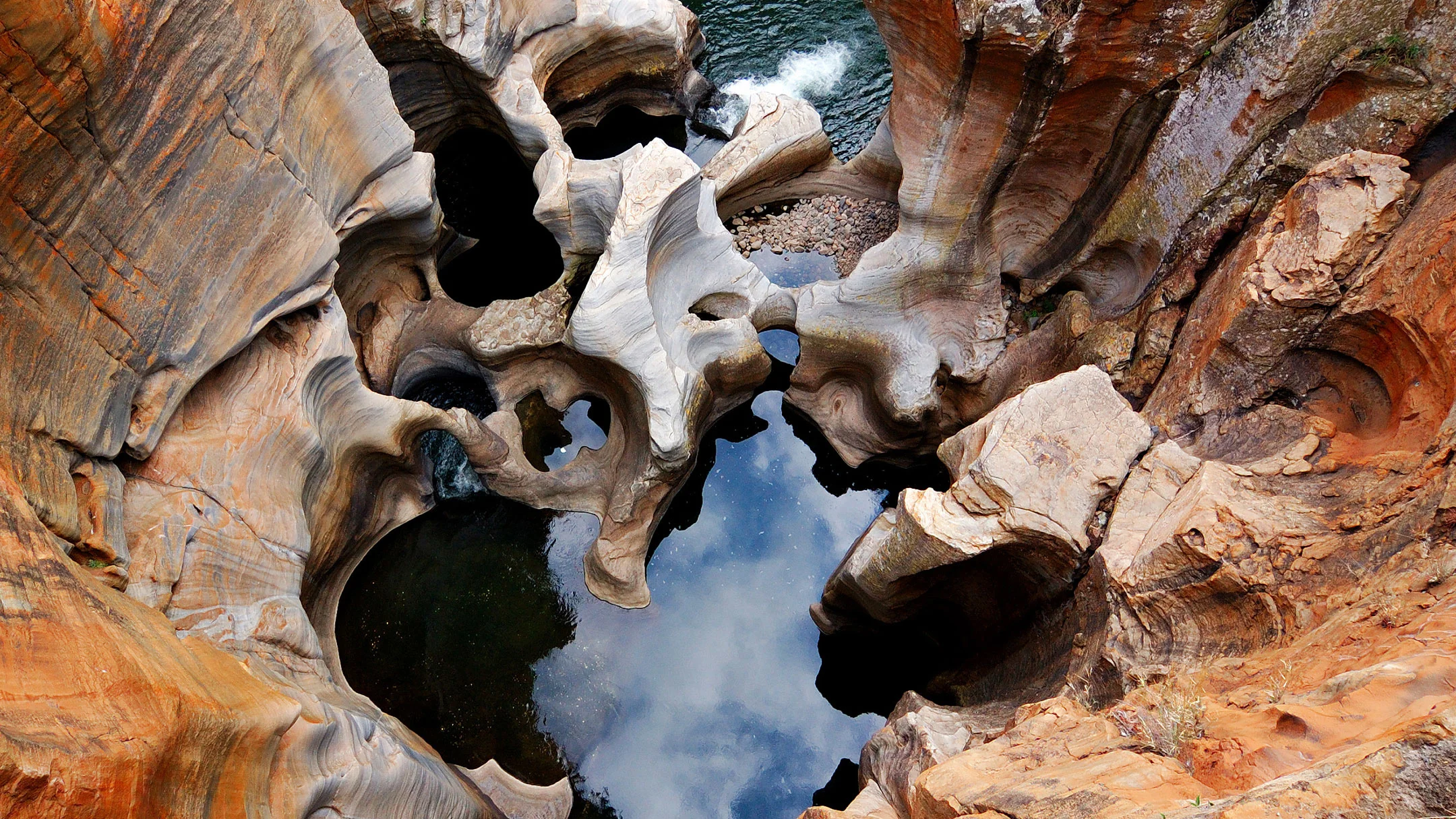
Set out towards Kruger National Park via the magnificent Panorama Route, one of the world’s most picturesque drives. Make stops at the dramatic Blyde River Canyon and Bourke’s Luck Potholes, and take in panoramic views of the forest-covered valley from the God’s Window viewpoint. Continue to our lodge near Kruger National park, savour a delicious South African Dinner in this picturesque location.
Additional Information: Today is a very long driving day; however, we will make many stops along the way at sites along the Panorama Route.
TRANSPORT: Settle in and scan the scenery from the convenience of a private vehicle.
ACTIVITY: Enjoy a scenic drive along the famed Panorama Route. You’ll see magnificent mountains, panoramic passes, valleys, and waterfalls. There will also be stops at Blyde River Canyon, Bourke’s Luck Potholes, and God’s Window.
Meals: Breakfast,Dinner
Day 3
Day 3: Kruger National Park
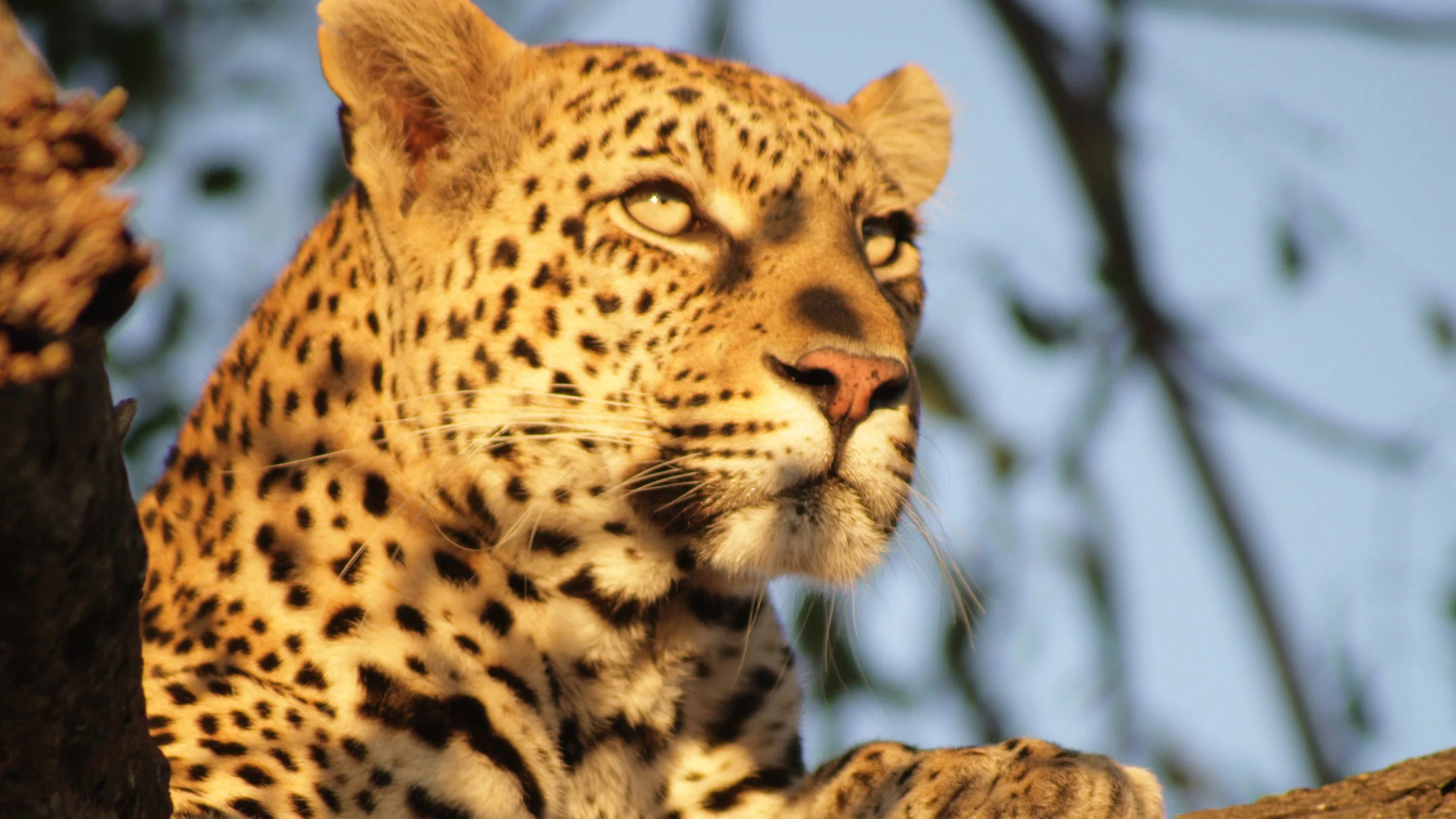
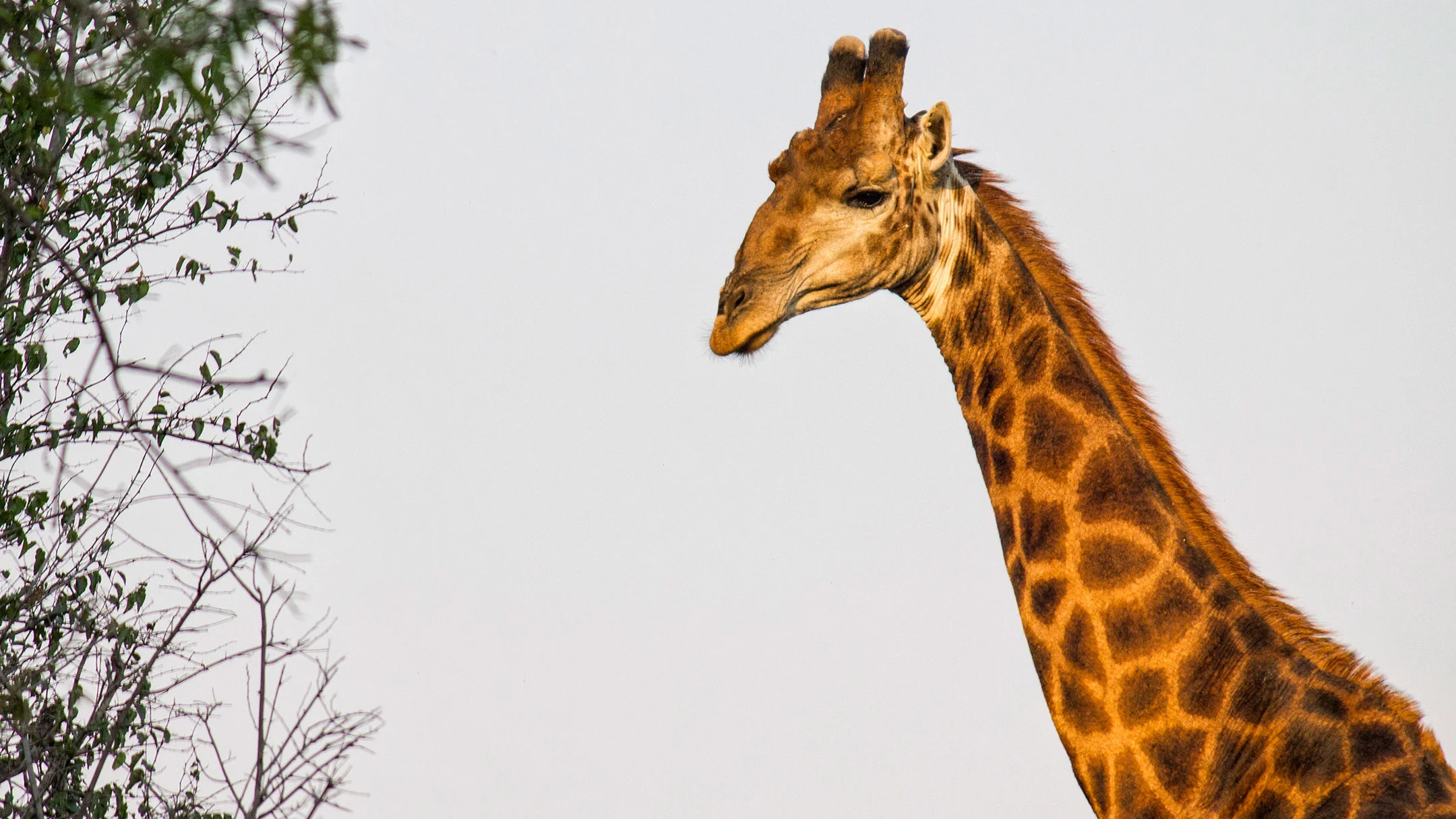
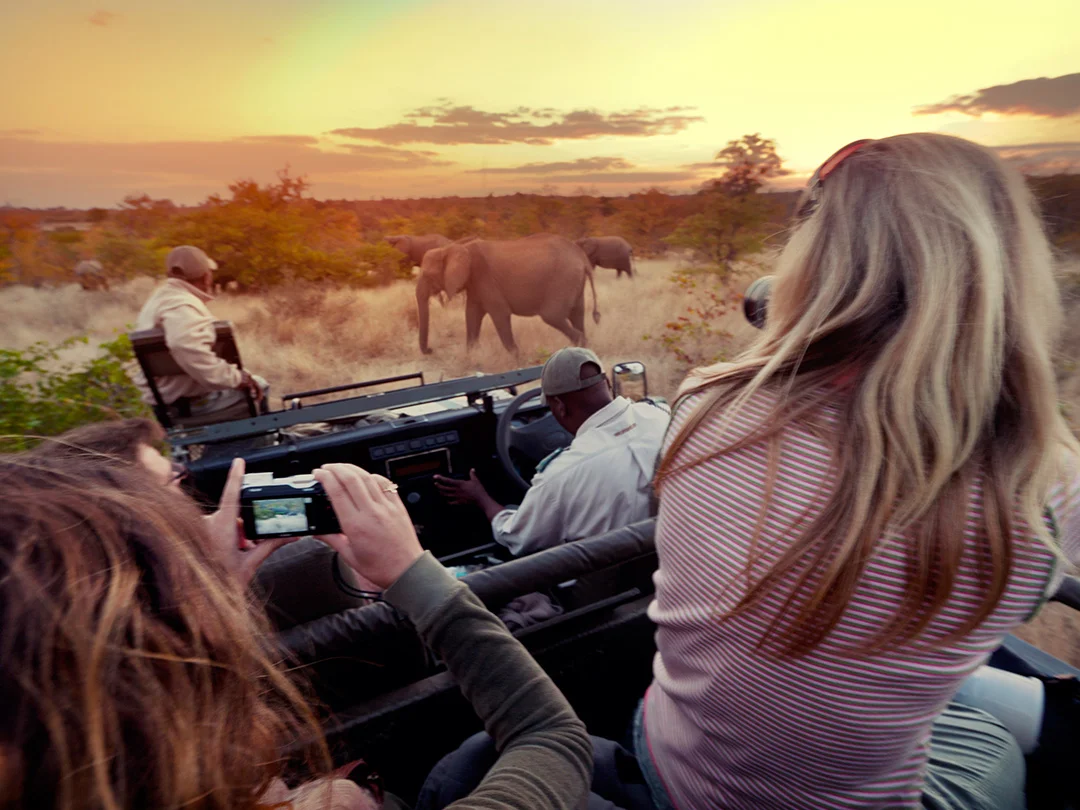
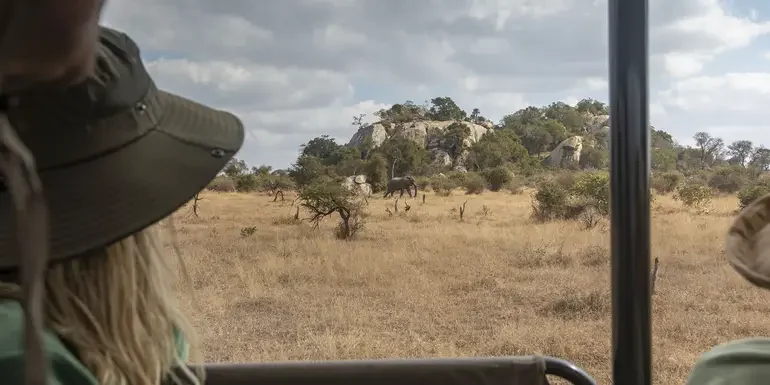
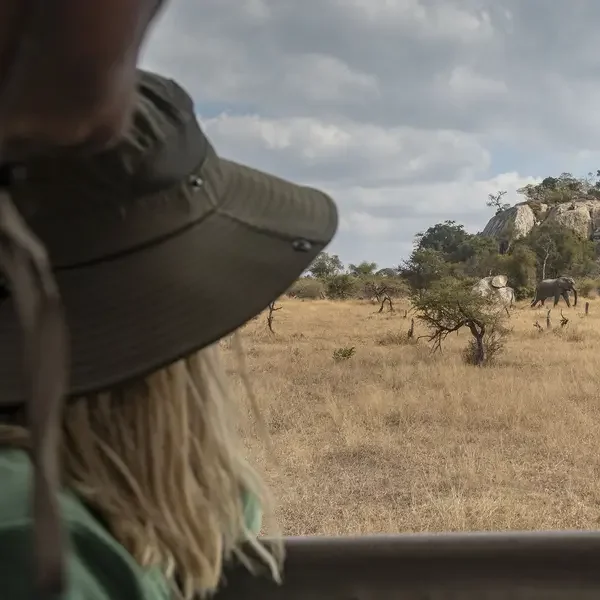
Rise early and climb aboard an open jeep for a full-day safari in Kruger National Park—home to an extraordinary array of large mammals. Spot elephants, lions, giraffes, and perhaps elusive leopards as we explore this breathtaking wilderness of savanna and scrubland. Return to our lodge in the evening, where you can take some time to relax and enjoy the nocturnal sounds of the bush.
At over 19,000 sq km (7,500 sq mi), South Africa’s Kruger National Park is one of the largest and most impressive animal reserves in the world. With 147 species, Kruger has more species of large mammals than any other park on the continent.
ACTIVITY: Hop in a 4×4 safari vehicle and get yourself one step closer to the surrounding nature. Be ready to spot elephants, giraffes, hippos, lions, zebras, and many other species in this impressive South African national park.
Meals: Breakfast,Dinner
Day 4
Day 4: Greater Kruger Area/Karongwe Private Game Reserve
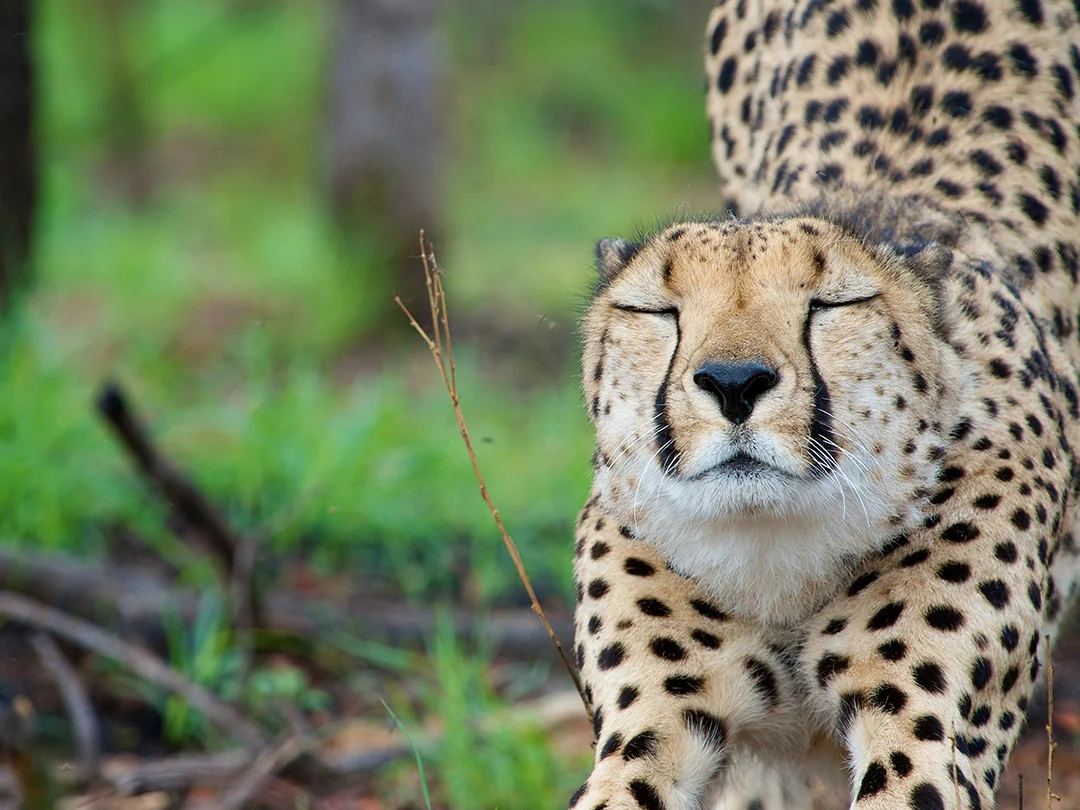
Travel to the Karongwe Private Game Reserve, a pristine wildlife sanctuary located in the Greater Kruger area. Meet with a researcher from the Endangered Wildlife Trust’s Cheetah Range Expansion Project—a program funded in part by National Geographic’s Big Cats Initiative. Sit back for a lecture and learn about efforts to protect the region’s cheetahs and other carnivores. After, the researcher then joins us for a wildlife-viewing excursion through the reserve.
For the next two days, enjoy ranger-led morning and evening wildlife safari drives in an open safari vehicle in Karongwe Nature Reserve, searching for Africa’s famed Big Five. With over 9,000 hectares (22,240 acres) of supreme African bushveld, Karongwe Private Game Reserve is home to many creatures, and our safari drives provide several opportunities for wildlife viewing.
We use various accommodations within the reserve (the location is based on availability). During your time here, you will either stay in lodge rooms or very comfortable permanent tents (both of equal quality and with similar amenities).
Additional Information: Wildlife safari drives are conducted with qualified wildlife rangers and local expert trackers who will share their vast experience of the African bush.
On some occasions, if space is unavailable, we may need to change accommodations or even use a different private reserve. In such a case, be assured we will choose other lodges or comfort camps (of equal quality) within the Greater Kruger area.
TRANSPORT: Settle in and scan the scenery from the convenience of a private vehicle.
ACTIVITY: Meet with a researcher from the Endangered Wildlife Trust’s Cheetah Range Expansion Project. Listen to a talk about cheetahs here and the important research this project is doing. We will also discuss conservation within parks and reserves in South Africa and National Geographic’s Big Cats Initiative. You will then be accompanied by the researcher on a wildlife safari drive to give you more insight into cheetahs and other carnivores.
Meals: Breakfast,Lunch,Dinner
Day 5
Day 5: Karongwe Private Game Reserve
Spend the day exploring Karongwe on morning and afternoon safaris with our local guides. Search for Africa’s famed “big five” as we drive through the shrublands of the bushveld. Back at camp, relax on deck or take a walk around the grounds before enjoying a traditional South African dinner with your fellow travellers.
Wake up before the sun (around 5am) and sip your morning coffee before heading out on a morning wildlife safari drive. Return to the lodge for brunch and some leisure time. Converse on the deck, walk the grounds and gardens, and enjoy high tea. Following tea, it’s time for a late afternoon safari drive. After spotting tons of wildlife, it’s time to return to camp and freshen up before dinner, a traditional braai.
ACTIVITY: Jump into a safari 4×4 and keep your eyes open for fantastic wildlife encounters. Wildlife safari drives are conducted with qualified wildlife rangers and local expert trackers; both will share their vast experience of the African bush.
FREE TIME: AFTERNOON Relax and enjoy some down time between wildlife safari drives.
ACTIVITY: At Karongwe, the Boma dinner will indulge your taste buds with South African cuisine, while you enjoy the African wilderness. Take part in a culinary journey that reflects South Africa’s rich cultural and culinary heritage, all from an enclosed outdoor area, lit by lanterns and a warming fire. You’ll taste your way through traditional dishes including braaied meats (Barbeque), potjiekos (traditional pot stew), and a malva pudding (traditional dessert); all made from local ingredients. Both your stomach and your heart will be full from this cultural immersion, nature connection, social interaction, and delicious meal.
Meals: Breakfast,Lunch,Dinner
Day 6
Day 6: Karongwe Private Game Reserve/Johannesburg
Embark on one last safari this morning, keeping a lookout for Karongwe’s iconic inhabitants. Then head back to the city, where you’ll enjoy dinner in our lodge.
ACTIVITY: MORNING Jump into a safari 4×4 and keep your eyes open for fantastic wildlife encounters. Wildlife safari drives are conducted with qualified wildlife rangers and local expert trackers; both will share their vast experience of the African bush.
TRANSPORT: Settle in and scan the scenery from the convenience of a private vehicle.
Meals: Breakfast,Dinner
Day 7
Day 7: Johannesburg
Depart at any time.
ACTIVITY: Not ready to leave? Your Expedition Leader can help with travel arrangements to extend your adventure.
Meals: Breakfast
What’s included
What’s not included
Additional information
Meals Included
6 breakfasts, 2 lunches, 6 dinners
Group Size
16
Solo Travellers
Meals
Eating is a big part of travelling. Travelling with G Adventures you experience the vast array of wonderful food that is available in South Africa.
TravelCollection
National Geographic Journeys
Minimum Age
You must be 18 to travel unaccompanied on a G Adventures tour. For minors travelling with a guardian over 21 years old, the minimum age is 12.
Local Dress
Important Notes
1. PASSPORT AND VISA
A valid passport and visas are required for entry into South Africa.
2. YELLOW FEVER: COUNTRY DETAIL
There is no risk of Yellow Fever transmission in Botswana, Kenya, Malawi, Namibia, South Africa, Tanzania, Uganda, Zambia, or Zimbabwe. However, all of these countries require proof of vaccination under International Health Regulations to prevent importation of the virus. It is compulsory to show a valid Yellow Fever vaccination certificate if you are travelling to any of the above countries from a Yellow Fever endemic country, or have recently transited through one (12 hours or more in airport). Endemic countries include: Angola, Benin, Bolivia, Brazil, Burkina Faso, Burundi, Cameroon, Central African Republic, Chad, Colombia, Democratic Republic of the Congo, Republic of the Congo, Côte d’Ivoire, Ecuador, Equatorial Guinea, Ethiopia, French Guiana, Gabon, Gambia, Ghana, Guinea, Guinea-Bissau, Guyana, Kenya, Liberia, Mali, Mauritania, Niger, Nigeria, Panama, Paraguay, Peru, Rwanda, São Tomé and Príncipe, Senegal, Sierra Leone, Somalia, South Sudan, Sudan, Suriname, Tanzania, Togo, Trinidad and Tobago, Uganda, Venezuela.
We advise all travellers on Southern and East Africa itineraries to carry a valid Yellow Fever vaccination certificate regardless of their country of origin. Given the multi-country nature of these itineraries, travellers will cross borders into countries that require the certificate as a condition of entry from preceding destinations. A traveller entering the itinerary from a non-endemic country may not require the certificate to enter the first country, but will almost certainly require it by the time they cross into a subsequent one. Yellow Fever vaccinations must be administered at least 10 days prior to entry into the first country visited. Under WHO regulations (effective 11 July 2016), certificates are valid for the lifetime of the person vaccinated, there is no 10-year expiry on the certificate itself, though some border officials may be unaware of this. Travellers should carry their original International Certificate of Vaccination or Prophylaxis (yellow card) at all times during the tour. Travellers without a valid certificate run the risk of being denied entry and will not be able to continue with the tour. Any additional travel expenses incurred will be at the traveller’s own account.
3. TRAVEL DAYS
This is not a physically demanding journey; however, travelling can be difficult, with long drives and poor road conditions at times. Despite this, most clients feel that the diversity of the African landscape, countries, culture and wildlife are all well worth the experience. We use a comfortable and safe air-conditioned touring vehicle for the long drives.
4. COMBO TOUR
Please note that this tour combines with other G Adventures tours. As such, the staff and some travel companions on your tour may have previously been traveling together with G Adventures, prior to Day 1 of your tour. Likewise, some staff and travel companions may be continuing together on another G Adventures tour, after your trip concludes.
5. DRONES
The use of drones in national parks in Southern Africa is prohibited.
6. ACCOMMODATION NOTE:
Please be aware that properties we stay in with only two stories may not have elevators installed and climbing the stairs with your luggage will be necessary.
Group Leader
National Geographic Expedition Leader throughout, local guides
angers.
About Accommodation
Start and end hotels on this tour offer comfortable accommodations with en-suite bathrooms, standard facilities, and wifi. Additional amenities vary from location to location. Please see the hotel listings on the Full Itinerary if you would like to learn more about the offerings of your accommodations.
The tented camp accommodations on this tour are situated centrally, with easy access to the park for wildlife safari drives. Tents are typically spacious with mosquito-proof netting, comfortable bedding, and en-suite bathroom with flushing toilets and camping showers.
Please remember that hotel/lodge/camp standards can be different from what you are used to in your home country, which is part of the appeal of adventure travel.
Note:
1) Under certain circumstances, we reserve the right to change accommodation and provide something slightly different to what is described, though it will always be of similar or better standard/level.
2) Most lodges and camps do not have 24hr electricity – they usually run on generators which are routinely shut off overnight from approximately 10pm to 5am.
3) Lodges and camps are NOT equipped with fans or air conditioning due to the electricity constraints listed above.
4) Winter nights (June to September) can be cold, and most lodges and hotels do not have insulation or central heating. If you require additional blankets or a hot water bottle, these can be requested through your Expedition Leader or at the reception.
What to Take
You will be on the move a lot, so our advice is to pack as lightly as possible. Your baggage should be clearly labelled and restricted to one soft compact suitcase, sports bag, or backpack. A daypack is also essential for carrying everyday items. Space is limited on transportation, so there is a limit of one main piece of luggage per person. Porters may not always be available, so be prepared to carry your own bags. It is important to pack clothes for warm days and cool evenings, as well as a warm jacket for early morning wildlife safari drives. A set of smart casual clothes is also advisable.
The Southern Hemisphere essentially has the opposite weather to the Northern Hemisphere. The winter months of June, July and August, whilst clear and warm during the day (up to 25 degrees), can drop down to single figures and even below freezing at night. Between September and May it is considerably warmer with the time between October and March being the hottest, getting up to the high 30C and sometimes above. However it is always a dry heat and the temperature does drop at night. The wet season is between November and February, but this is not a bad time to go, as it generally does not rain for very long. We strongly recommend lots of layers to wear from the start of the day until the night. You might still need to wear a fleece jacket in the mornings, a t-shirt during the day and again the fleece jacket at sunset time. A woolen hat is also very much recommendable for the cold winter’s early morning wildlife safari drives.
Please be advised that if you plan to bring a drone with you, the use of drones in national parks in Southern Africa is prohibited.
Spending Money
Every traveller is different and therefore spending money requirements will vary. Some travellers may drink more than others while other travellers like to purchase more souvenirs than most. Please consider your own spending habits when it comes to allowing for drinks, shopping and tipping. Please also remember the following specific recommendations when planning your trip.
Kruger National Park Full-Day Safari in Open 4x4
Set out on a full-day safari in Kruger National Park aboard an open 4×4 with a skilled ranger and tracker, scanning for elephants, lions, buffalo, rhino, and elusive leopards. Move quietly through savanna and riverine thickets as you search for the Big Five and countless smaller marvels.
Cover varied habitats that shelter giraffe, zebra, hippos, and vibrant birdlife like lilac-breasted rollers. Gain insight into conservation within one of Africa’s great protected areas, spanning nearly 19,000 sq km, where ancient wildlife corridors and modern safeguarding efforts converge.
Karongwe Dawn & Dusk Game Drives
Venture out at dawn and dusk on ranger-led wildlife drives across Karongwe Private Game Reserve, prime hours when predators stir and antelope graze in golden light. Scan for lions, leopards, rhinos, elephants, and buffalo amid acacia bush and open clearings.
With local expert trackers interpreting fresh prints and alarm calls, travel in an open vehicle as daylight softens into the night sounds of the bush. These complementary outings reveal different rhythms of the ecosystem and heighten your chance of memorable sightings across Karongwe’s varied habitats.
Carnivore Conservation Experience with EWT Researcher
Meet a researcher to learn about cheetah conservation with the Endangered Wildlife Trust’s Cheetah Range Expansion Project, a program supported by National Geographic’s Big Cats Initiative. Hear how habitat management, monitoring, and partnerships help protect cheetahs and other carnivores in the Greater Kruger landscape.
Following the briefing, join a wildlife-viewing excursion with the researcher to interpret tracks, scent marks, and prey movements in the field. Gain perspective on the challenges of coexistence and the science guiding reintroduction and protection strategies across southern Africa.
Traditional Boma Braai at Karongwe
Taste South Africa’s convivial food culture as you enjoy a traditional boma braai at Karongwe, dining in a lantern-lit boma beneath southern skies while flames dance against the palisade.
Savor braaied meats, hearty potjiekos, and syrupy malva pudding as stories and laughter rise with the embers. This fireside feast celebrates regional ingredients and the shared ritual of cooking over coals that unites communities across the country.
Johannesburg Welcome Dinner & Tour Briefing
Gather in Johannesburg’s Rosebank district to meet your National Geographic Expedition Leader and fellow travelers and share a welcome dinner featuring classic South African flavors.
Receive a concise orientation to the journey—wildlife etiquette, early starts, and regional culture—so you feel prepared for the bush. This convivial evening helps you connect with the group and set the tone for the adventure ahead.
Panorama Route Scenic Drive: Blyde River Canyon, Bourke’s Luck Potholes & God’s Window
Explore South Africa’s legendary Panorama Route, pausing to admire the emerald sweep of the Blyde River Canyon, the sculpted whirlpools of Bourke’s Luck Potholes, and the lofty vantage of God’s Window. Travel the escarpment where the Highveld falls away to the Lowveld and pause for photos and reflection at dramatic viewpoints.
Learn how swirling rivers carved cylindrical potholes at the confluence of the Blyde and Treur, and why this canyon is counted among the world’s largest green canyons. On clear days, gaze across forested slopes toward Kruger, with waterfalls and sandstone cliffs framing a route rich in geological wonder.