Your itinerary

Day 1
Adventure starts in Amman
Welcome to Amman, Jordan’s vibrant capital, where our adventure begins. Complimentary transfers are provided today from Queen Alia International Airport (AMM) to our start hotel. As many flights arrive later in the evening, no activities are scheduled today, allowing you time to get some rest for the experiences ahead.
Want more time in Amman? Secure pre-tour hotel nights through your sales representative.
Day 2
Amman: Roman amphitheatre, Citadel & Jordan Museum
After breakfast, say salaam (hi) to your tour leader and fellow travellers, when we gather as a group to get to know each other and learn more about the adventures ahead. Afterwards we head out to explore Amman around mid-morning.
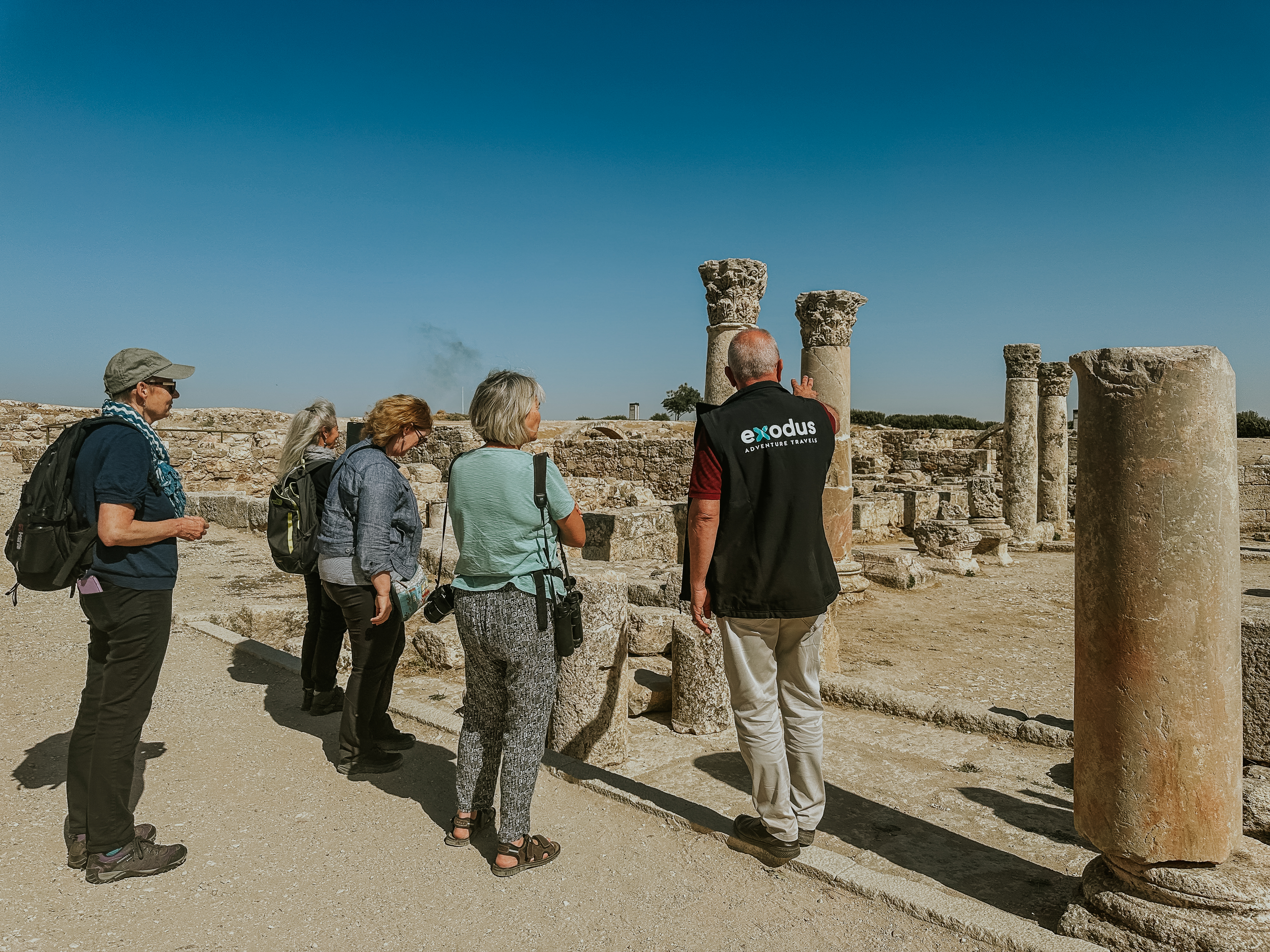
We leave the hotel and head on foot to the Roman amphitheatre. Constructed in the second century, when Amman was called Philadelphia, the amphitheatre is built into a hillside. We then continue by vehicle to the ruins of Amman Citadel, which sits on the city’s highest hill. The site has been inhabited by various civilisations from the Bronze Age onwards and there are Roman, Byzantine and Umayyad structures visible today.
We’ll continue to the Jordan Museum. The largest museum in the country is dedicated to the history and cultural heritage of Jordan. Permanent exhibits include the Ain Ghazal statues, the earliest large-scale human figures and some of the Dead Sea Scrolls.
Meals: Breakfast,Lunch
Day 3
As Salt, Pella and Umm Qais
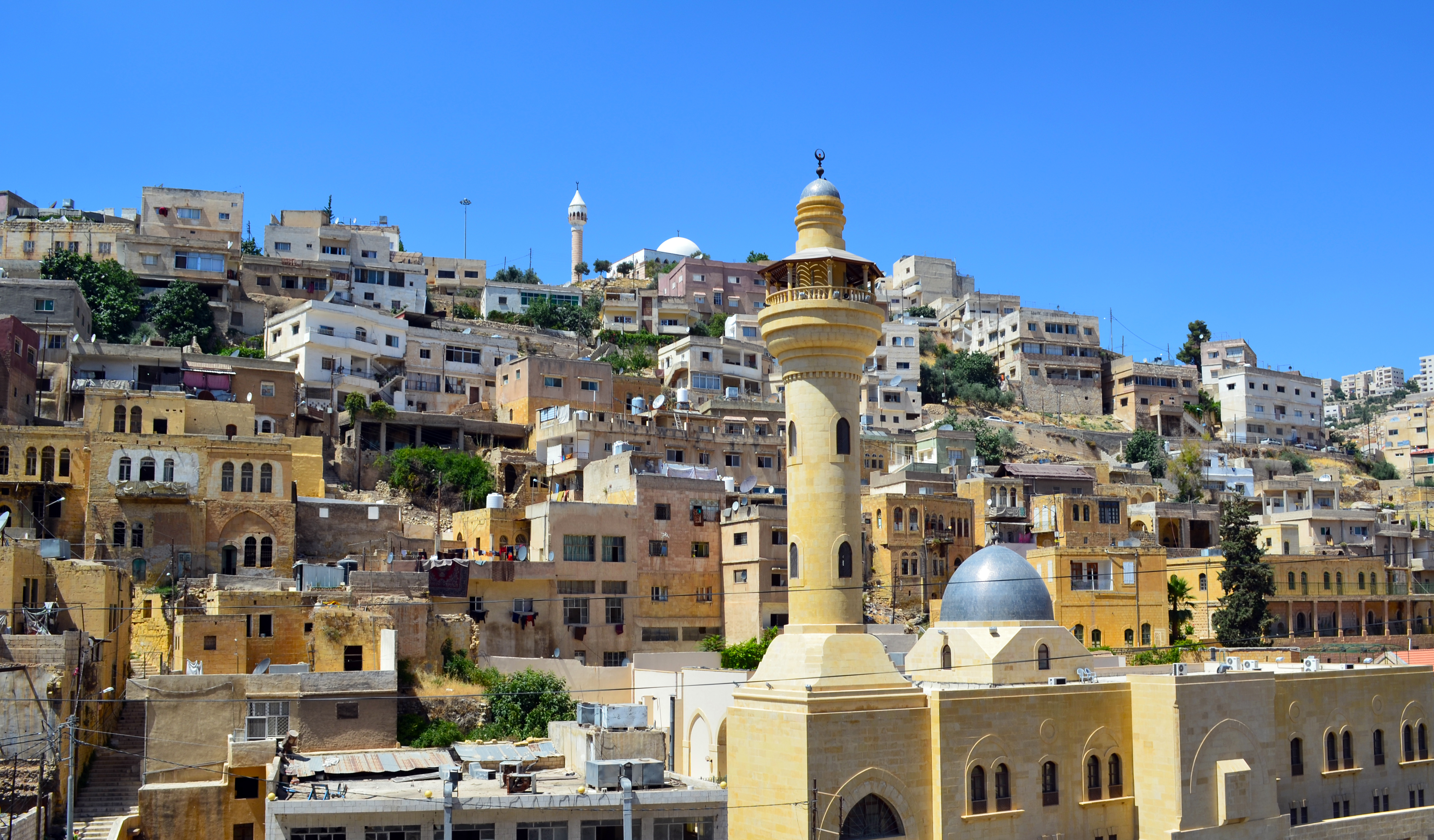
We leave Amman early this morning and drive about an hour to the town of As Salt which is built across three hills. The town has been settled since at least the Iron Age and is a UNESCO World Heritage Site as a Place of Tolerance and Urban Hospitality. In the final 60 years of the Ottoman period, the region was settled by merchants from Syria, Nablus and Lebanon. The lack of segregation between Christians and Muslims as the city developed forms part of the reason behind its UNESCO status. While in As Salt, we’ll visit the As Salt Archaeological Museum, Abu Jaber Museum – one of the most significant historic buildings in Jordan and Al Hammam Street – famed for its shops and architecture and named after a popular 19th century bath house.
After a drive of about an hour and a half we reach Pella, an important city in Roman times. Most of the remains date to the Byzantine period. Following a fairly short visit, we continue our journey north to Umm Qais, about another hour away. On arrival in Umm Qais, we will have lunch (included) cooked by a local family and served in their home. This a feast of food from northern Jordan.
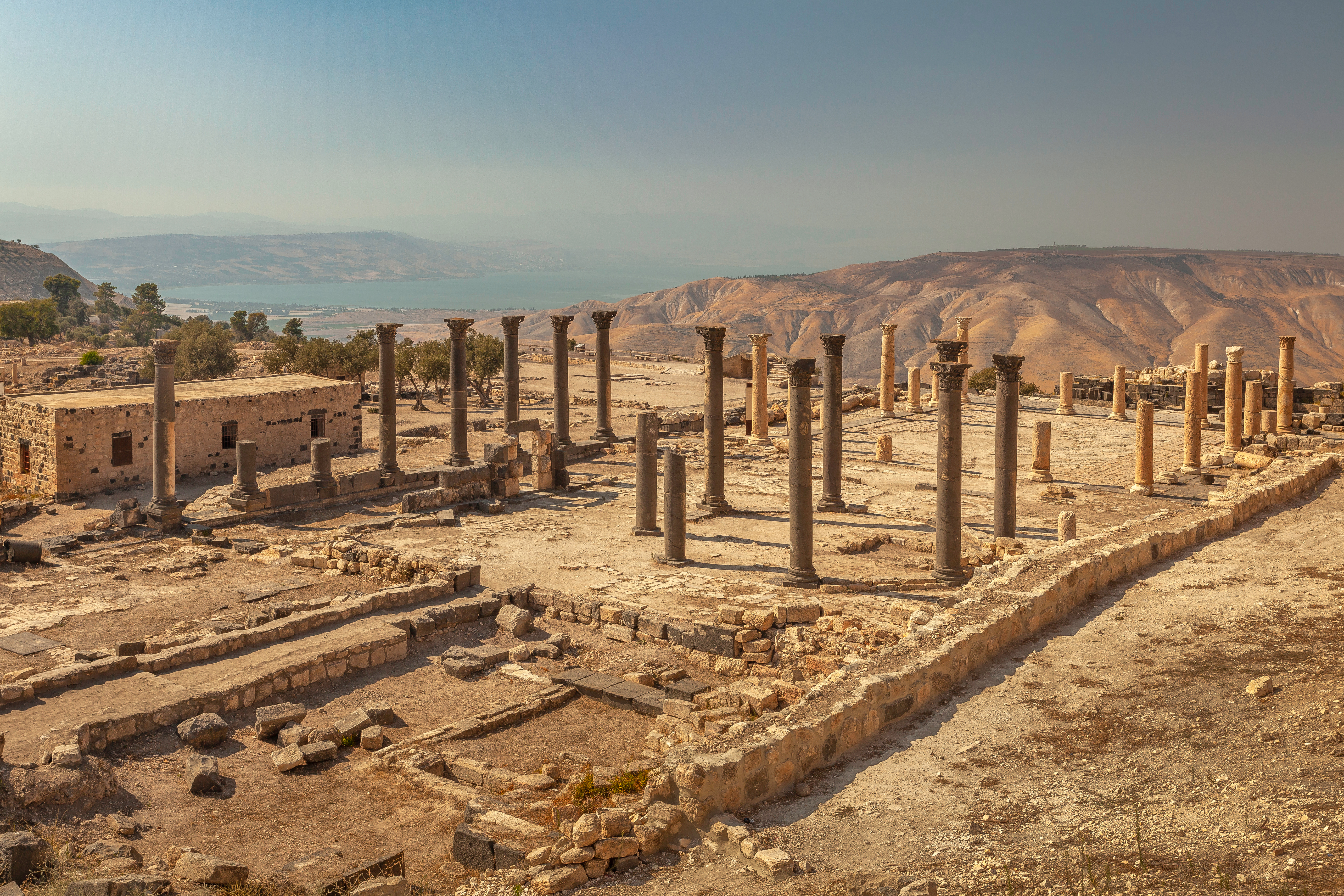
After lunch, we visit the ruins at Umm Qais, Gadara. In a spectacular situation with views to the Sea of Galilee and the Golan Heights, Gadara is a Decapolis city with many monuments covering a large area. It is a fascinating place to explore. From Umm Qais, we drive for a bit over an hour to Ajloun where we stay the night in comfortable cabins in Ajloun Forest Reserve, part of Jordan’s Royal Society for the Conservation of Nature (RSCN) Wild Jordan Project.
Meals: Breakfast,Lunch
Day 4
Ajloun Castle and Jerash
We start the day by visiting Ajloun Castle. This atmospheric 12th century Muslim castle was built under the rule of sultan and military leader Saladin. It was originally accessible only by drawbridge.
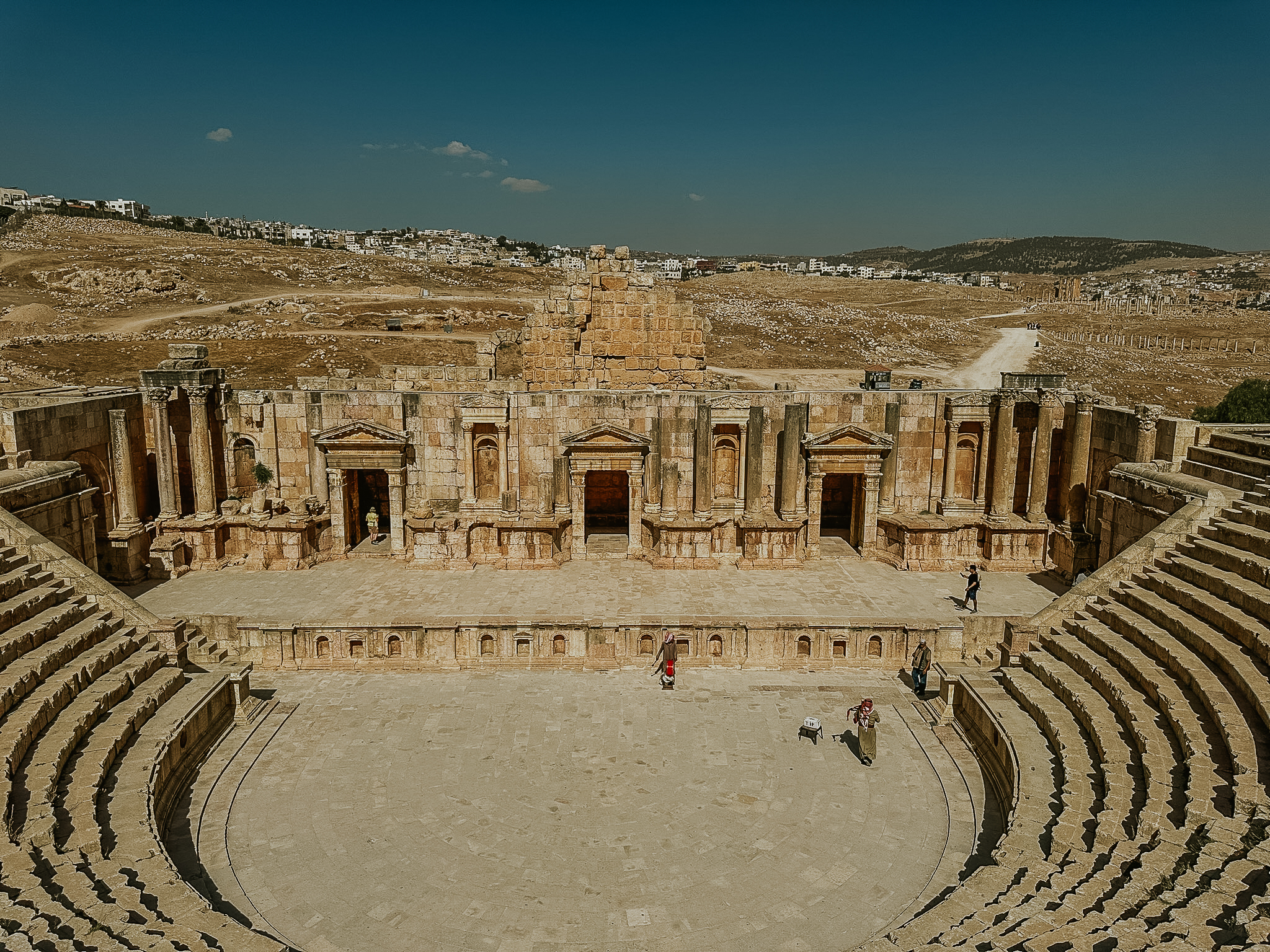
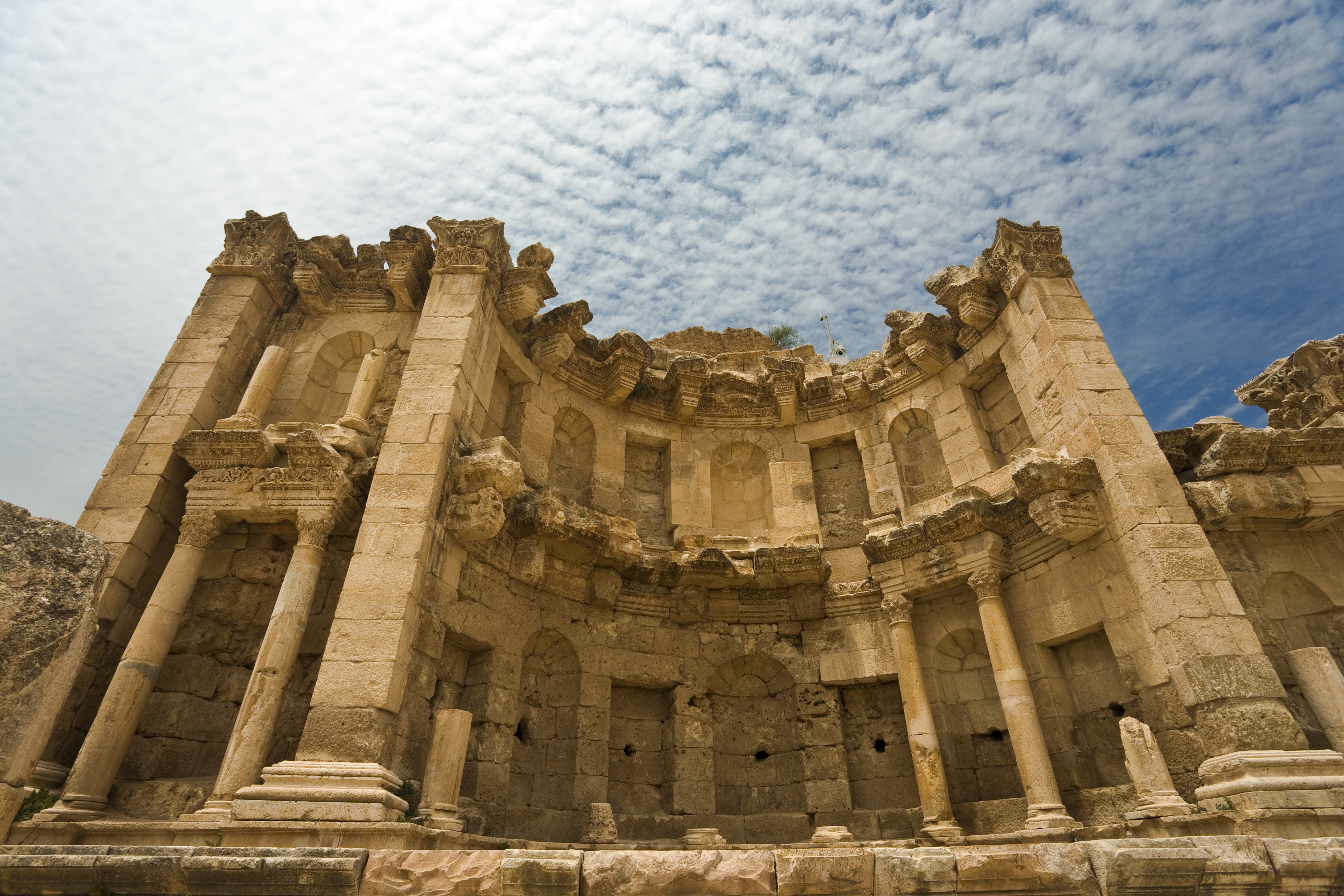
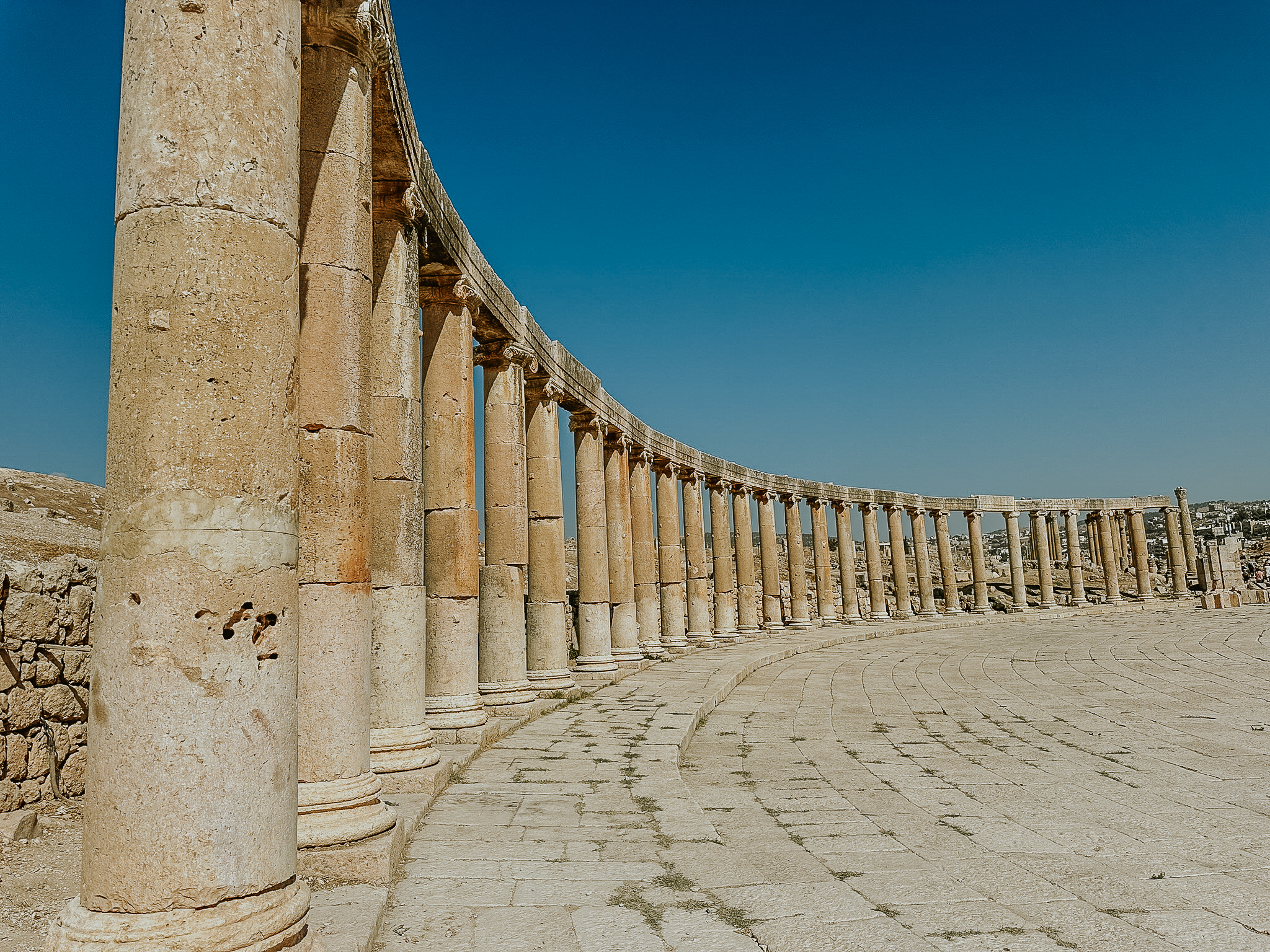
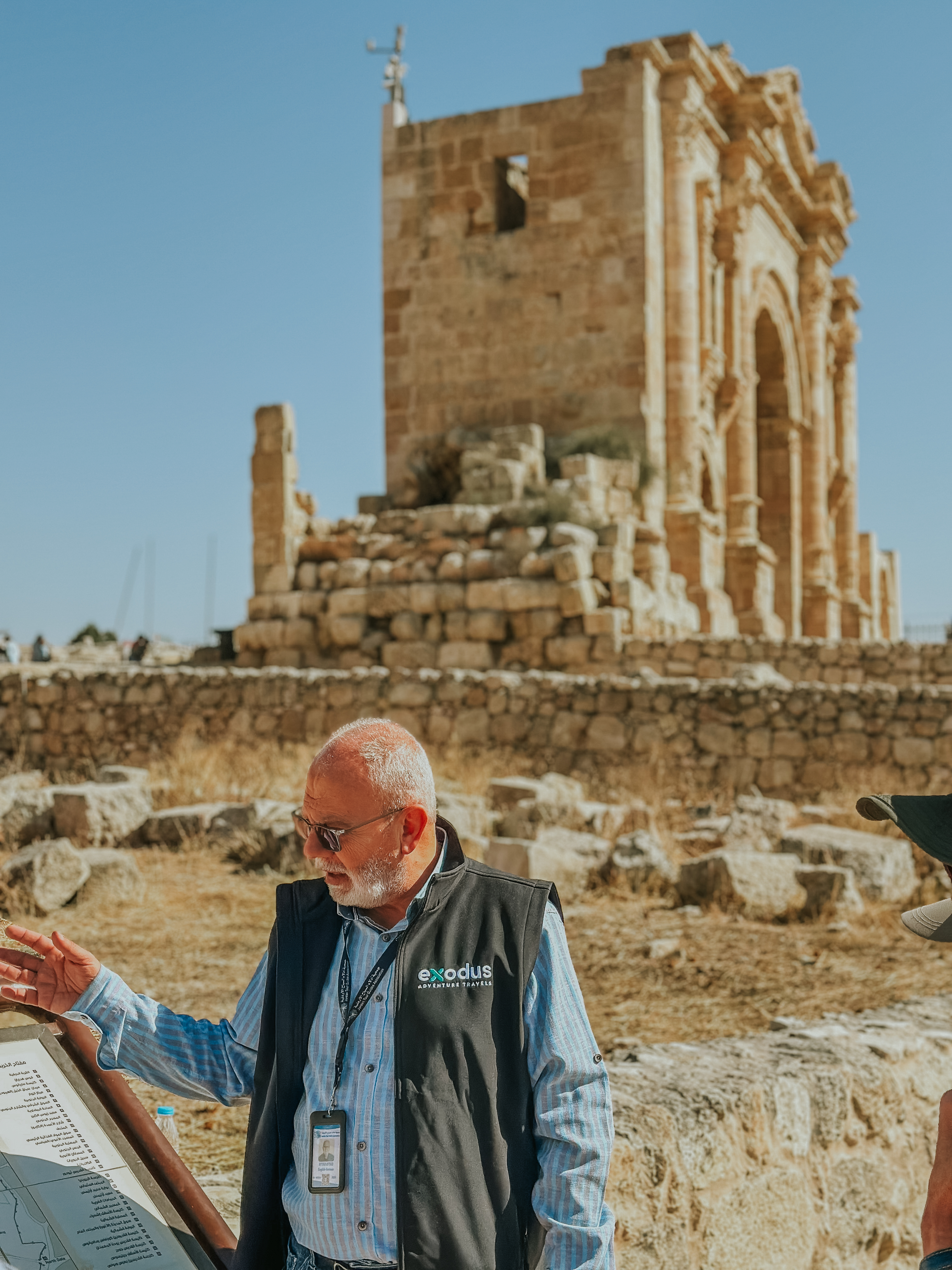
We drive to Jerash and visit the ruins of Gerasa. This was one of the 10 wealthy, self-governing cities of the Decapolis, and was famous throughout the Roman empire for the luxurious lifestyle of its inhabitants. Buried for centuries under blown sand, Jerash is Jordan’s largest and most impressive Roman site. There are colonnaded avenues, theatres and temples. The temple of Zeus is particularly impressive.
From Jerash, we drive for about two hours into Jordan’s eastern desert to the small town of Azraq and Azraq Lodge where we stay for the night. Part of the lodge was originally a 1940s British military field hospital. The staff at the lodge reflect the diverse population of Azraq and include Chechens, Druze and Bedouin. The buffet dinner is prepared by a local Chechen family.
Meals: Breakfast,Dinner
Day 5
Azraq Wetlands, Desert Castles, Iraq Al-Amir women's co-op, Bethany & Dead Sea
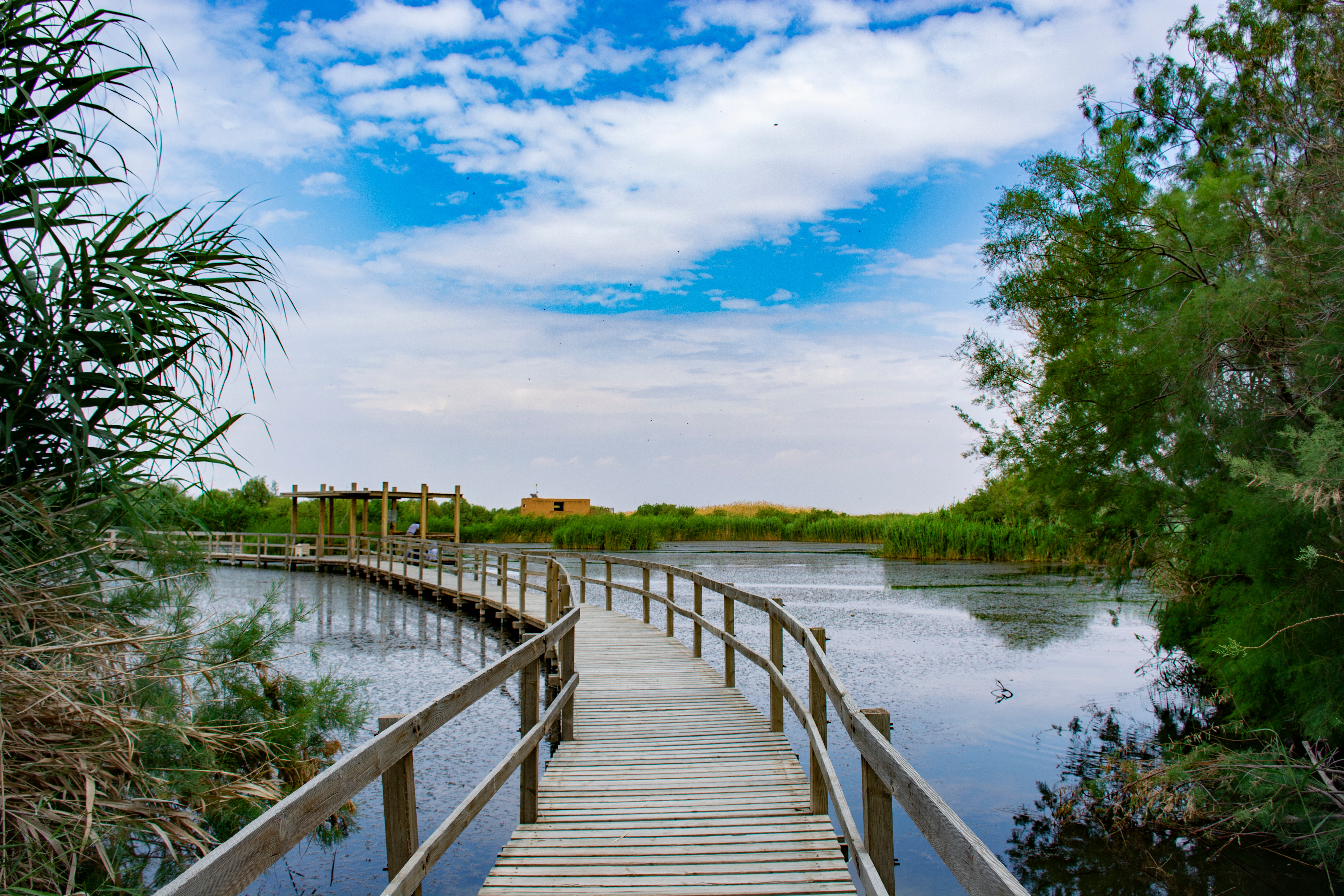
We start the day with a visit to Azraq Wetlands Reserve, an interesting site managed by the RSCN. The wetlands are an important stopover for migratory birds and there are a series of walkways and hides.
We visit Azraq’s large, black-basalt castle, which served as Lawrence of Arabia’s headquarters during the Arab Revolt. This is the first of several sites we visit today which together are known as the Desert Castles.
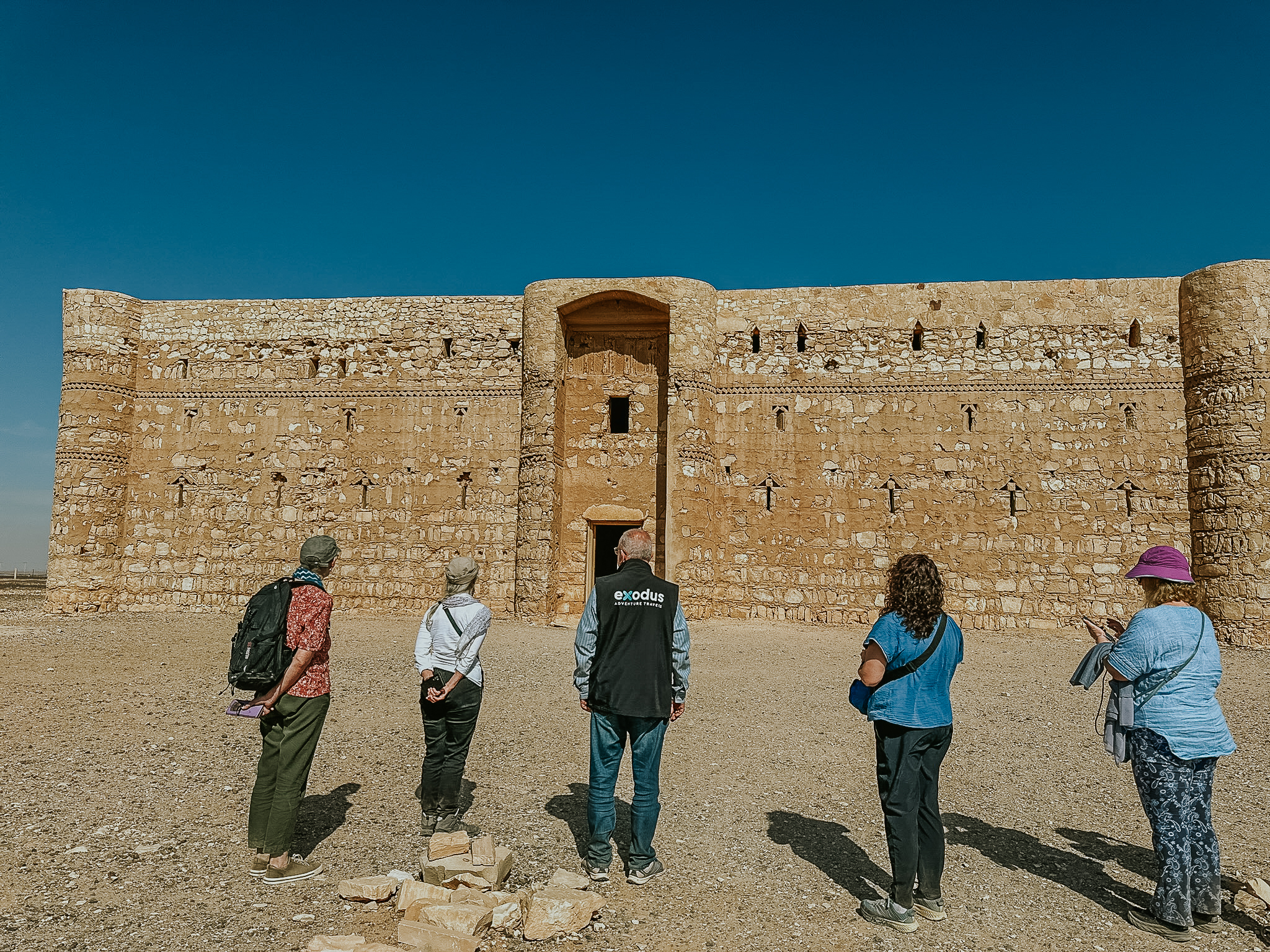
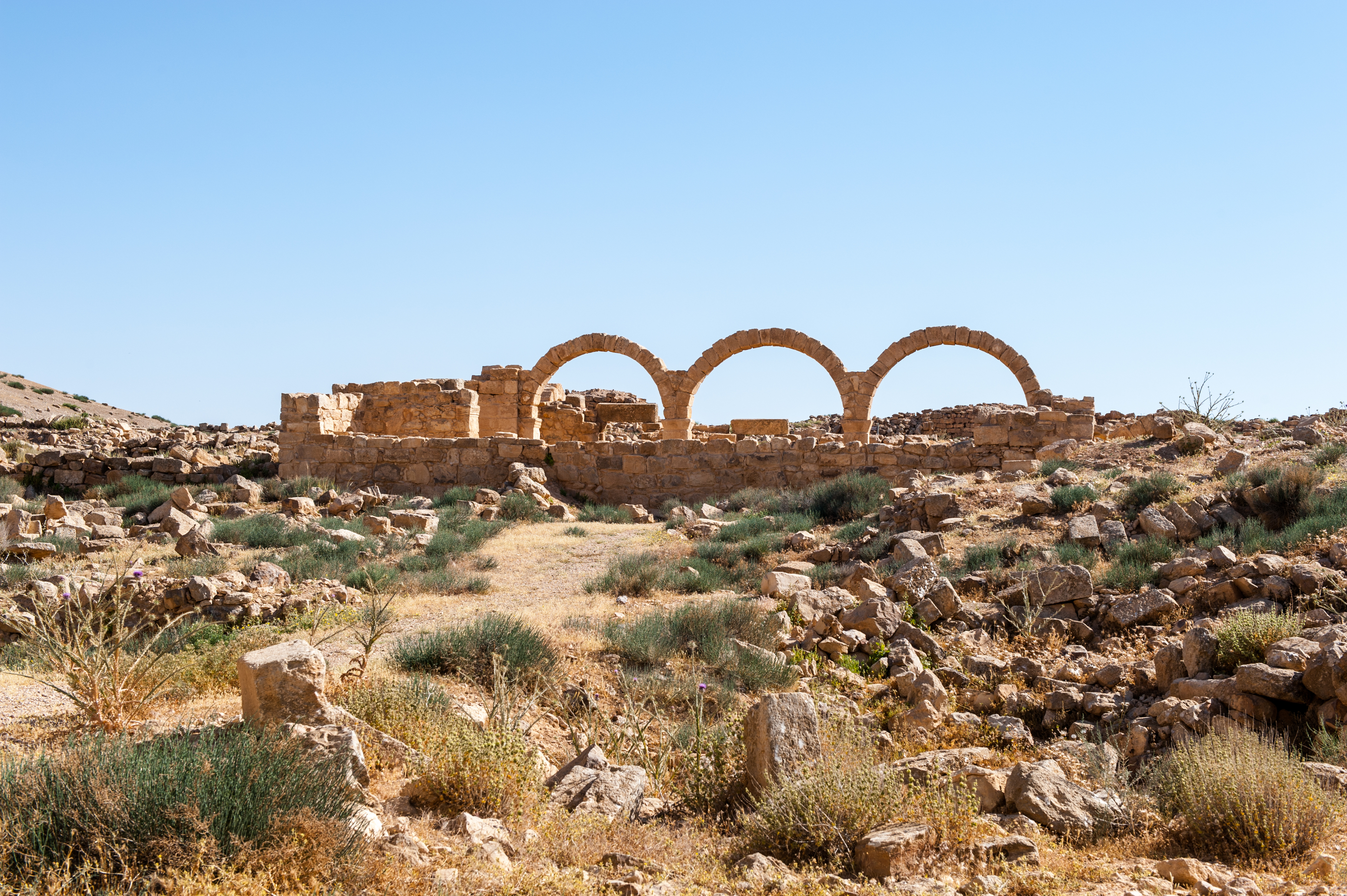
Qasr Amra is a Unesco site and is noted for its extensive fresco paintings, which cover virtually all the interior walls. The paintings include themes such as hunting, dancing, musicians, bathing, cupids, and personifications of history, philosophy and poetry. Next stop is at Qasr Kharana, thought to have been constructed during the Umayyad Dynasty. The purpose of the building is still the subject of debate with theories including a Crusader castle and resting place for travellers.
We head onwards to Iraq Al Amir. Here we visit Qasr Al-Abed, a pre-Roman construction thought to have been built by the Jewish Tobiad family as a villa or fortified palace. We will also visit the Iraq Al-Amir women’s co-operative. Established by the Noor Al-Hussein Foundation, the aim of the co-operative is to make the women involved financially independent. Hand-made paper, woven fabrics, ceramics and food are produced.
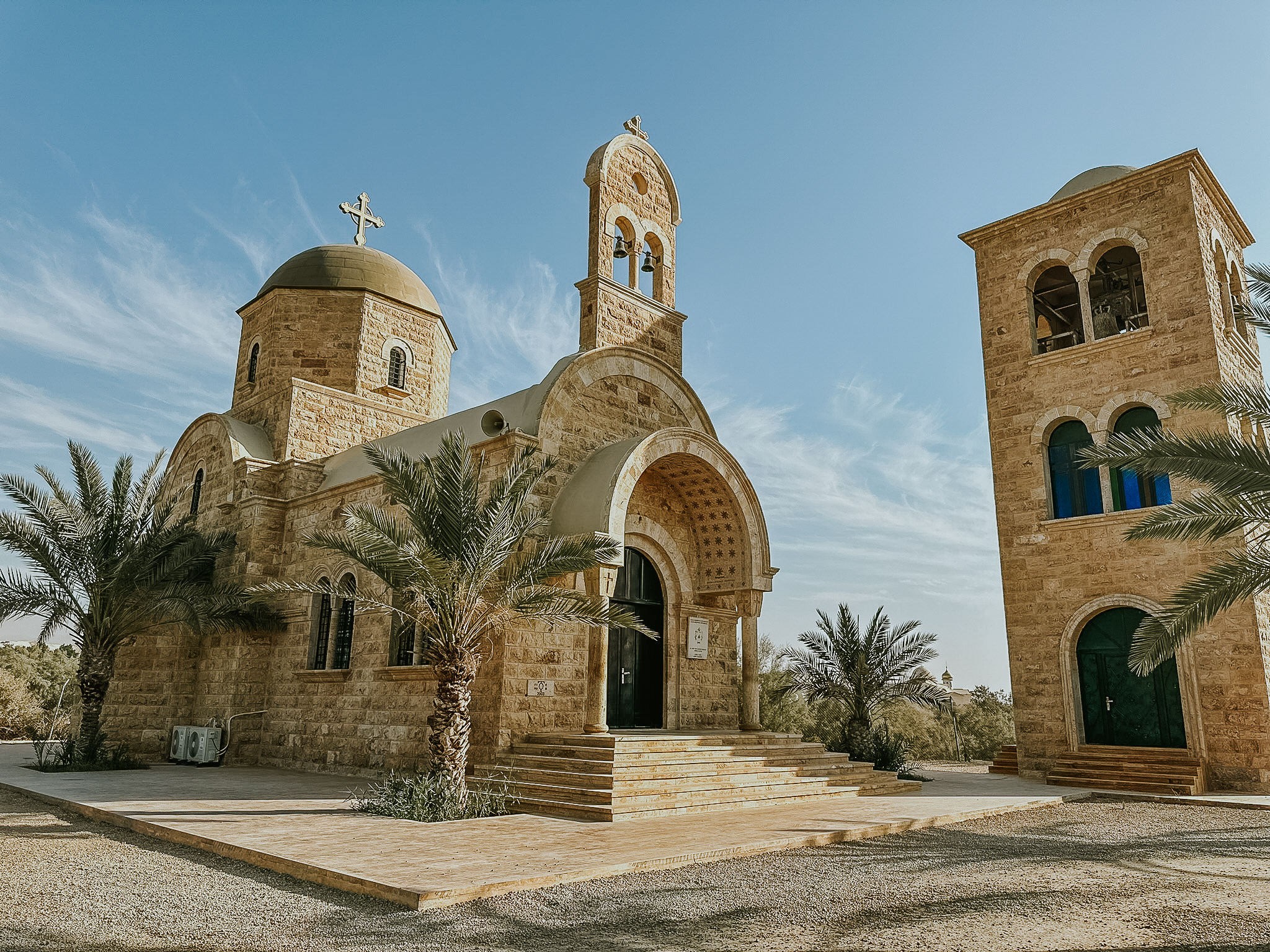
We travel onwards to our second Unesco World Heritage Site of the day – Bethany Beyond the Jordan, where Jesus of Nazareth is believed to have been baptised by John the Baptist. There are Roman and Byzantine remains including a number of chapels and churches and this is a site of Christian pilgrimage.
We end the day by driving along the shores of the Dead Sea, the lowest point on earth, to Mujib Chalets where we stay the night. The chalets are right by the shores of the sea and offer a calm and peaceful place for a dip in the salty waters away from the large hotels elsewhere along the Dead Sea shoreline.
There are approximately four hours of driving today.
Meals: Breakfast,Dinner
Day 6
Al Numeira Environmental Association and Red Sea. To Wadi Rum
We begin with a drive of about 40 minutes to Al Numeira Environmental Association. The association’s mission includes raising the environmental awareness of the local community and the promotion of water conservation techniques. We’ll spend about 45 minutes here and then drive south towards Aqaba, a journey of about four hours. We’ll visit Berenice Beach, where we can spend a couple of hours at the Red Sea, before heading onwards to Wadi Rum, a further hour away.
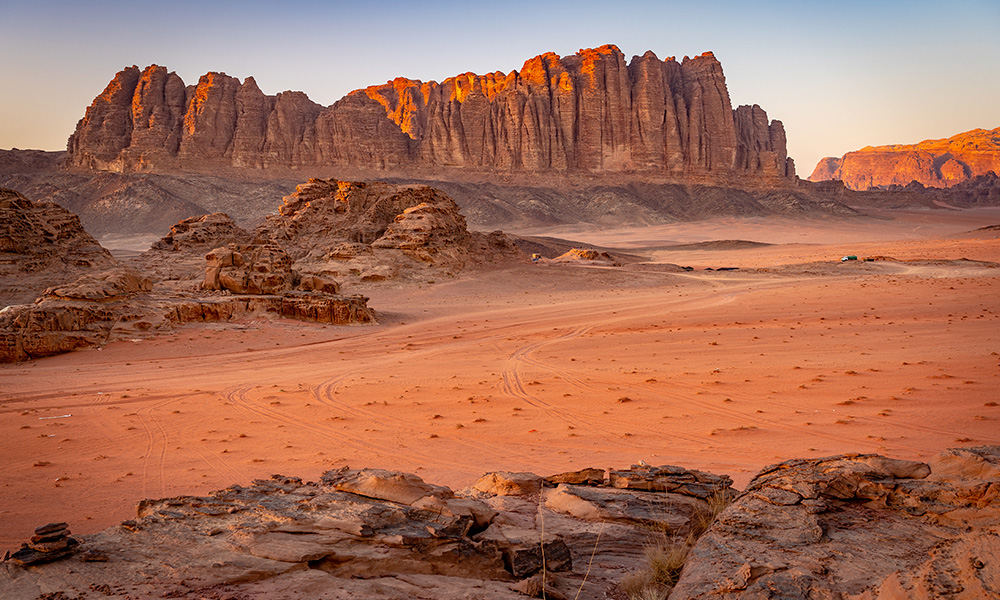
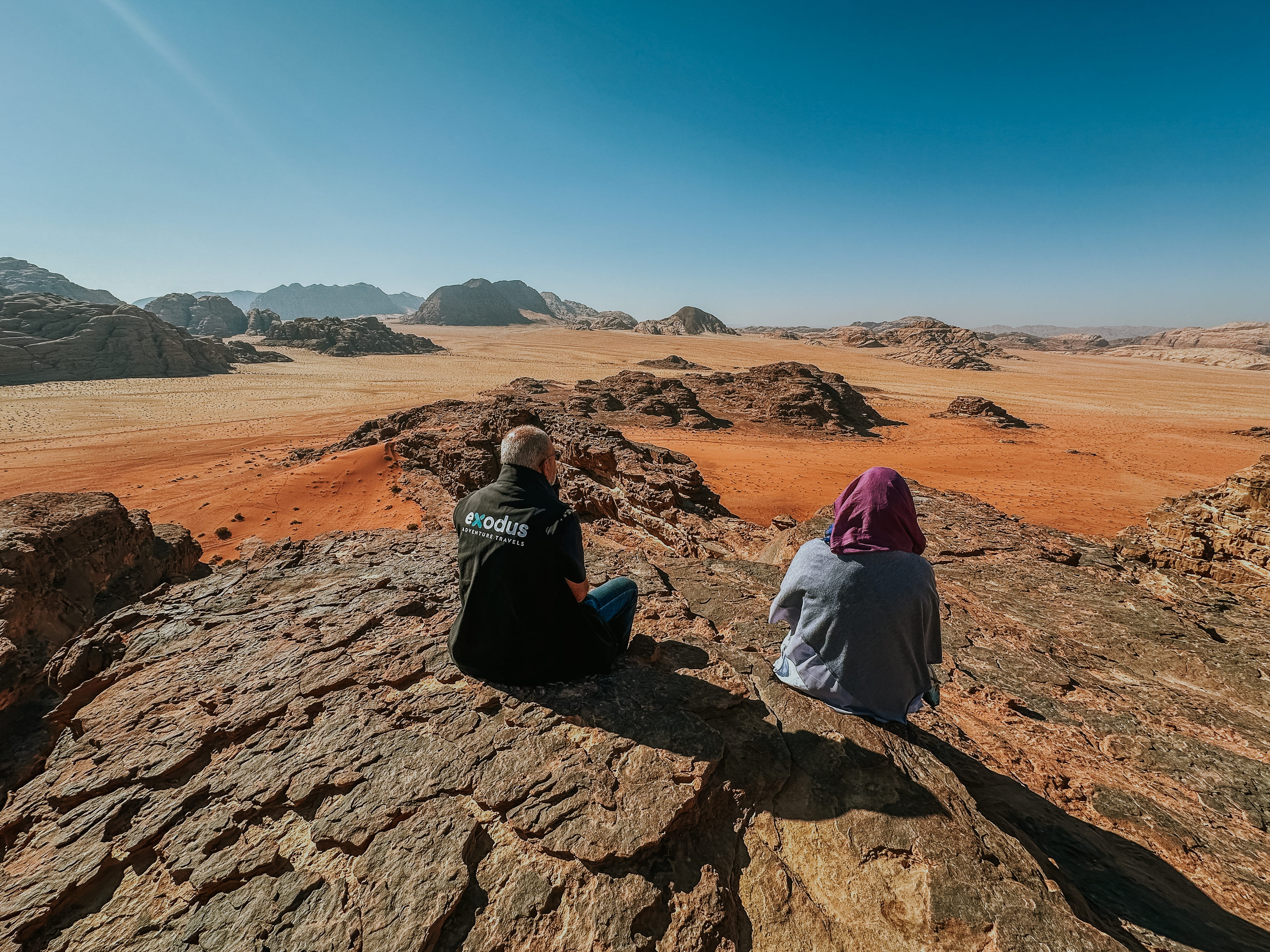
The UNESCO World Heritage site of Wadi Rum consists of dramatic sandstone mountains rising from a sandy desert floor. It was here that Lawrence of Arabia and Prince Faisal assembled the Arab tribes for the attack on Aqaba in the First World War and also where sections of the 1962 epic film were shot.
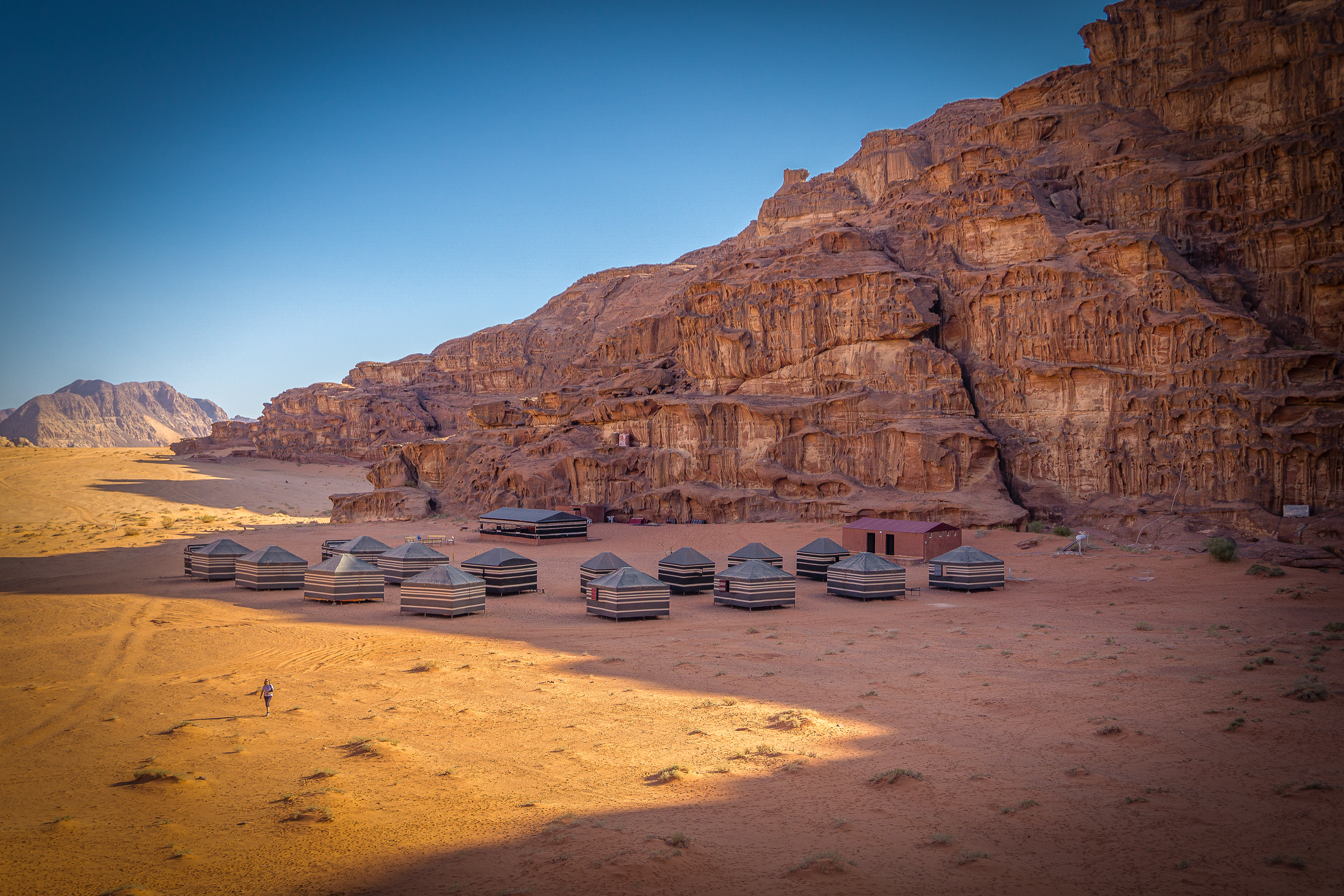
We stay in a private Bedouin camp used only for our guests where we enjoy Bedouin hospitality with a traditional dinner called zarb, which is cooked underground. After dinner, we learn about Bedouin culture and music.
Meals: Breakfast,Dinner
Day 7
Wadi Rum tour in 4x4s
Our Bedouin hosts take us for an approximately four-hour 4×4 ride to explore some of the highlights of the dramatic landscapes of the Wadi Rum protected area. We’ll sample some Bedouin tea along the way.
We have the option of taking a camel ride in Wadi Rum today (extra cost).
We leave Wadi Rum behind and drive to Wadi Musa, the town adjacent to the Petra archaeological site. The journey takes about two hours. On arrival, we’ll visit the Petra Museum in preparation for exploring the site itself tomorrow.
Hotel rooms in Petra are in high demand. As a result, standards and service levels tend to be more hit and miss than in places we stay elsewhere on this trip.
A small number of departures use a Superior (four-tar) hotel for the three night stay in Petra – these are identified in the Dates and Prices section: “Superior hotel in Petra”.
Meals: Breakfast
Day 8
Two days exploring Petra
Enjoy two days exploring Petra. The so-called Red Rose City was hidden for centuries until the Swiss explorer Johann Ludwig Burckhardt rediscovered it in 1812. It was founded by the Nabateans, an Arab tribe that arrived here in the sixth century BCE. Building at Petra began in the third century BCE and continued through the Roman period, financed by taxes levied on the desert caravans. Two features of Petra are unique: firstly, it is a city made defensible by being built down a series of chasms, rather than on a hilltop. Secondly, it is built directly into the rock – beautiful red-and-yellow sandstone carved into the most impressive facades, which glow in the sunlight.
To enter Petra we must begin by walking down a narrow chasm, known as the Siq. Unveiled at the end is El Khazneh, the Treasury. This is just the first breathtaking sight of a remarkable day. Continuing to the city centre, we pass the houses and tombs of the rich citizens and the remarkable scale of the site begins to unveil itself. An optional walk can then be done up 750 steps to El Deir, the Monastery, with its superb facade topped by a huge urn.
On the second day, your guide will take you back into the site. You can either hike up to the High Place of Sacrifice (unaccompanied) or explore other parts of the city further. Only a few people attempt to visit the High Place as it can be quite arduous and is not recommended for those who are unsure of their fitness or are uncomfortable with heights. However, those who do make it to the top are rewarded with wonderful views over parts of the site visited on the previous day.
During our time in Petra, we usually have the option of dinner with a local family on one evening (payable locally).
Meals: Breakfast
Day 9
Two days exploring Petra
Enjoy two days exploring Petra. The so-called Red Rose City was hidden for centuries until the Swiss explorer Johann Ludwig Burckhardt rediscovered it in 1812. It was founded by the Nabateans, an Arab tribe that arrived here in the sixth century BCE. Building at Petra began in the third century BCE and continued through the Roman period, financed by taxes levied on the desert caravans. Two features of Petra are unique: firstly, it is a city made defensible by being built down a series of chasms, rather than on a hilltop. Secondly, it is built directly into the rock – beautiful red-and-yellow sandstone carved into the most impressive facades, which glow in the sunlight.To enter Petra we must begin by walking down a narrow chasm, known as the Siq. Unveiled at the end is El Khazneh, the Treasury. This is just the first breathtaking sight of a remarkable day. Continuing to the city centre, we pass the houses and tombs of the rich citizens and the remarkable scale of the site begins to unveil itself. An optional walk can then be done up 750 steps to El Deir, the Monastery, with its superb facade topped by a huge urn.On the second day, your guide will take you back into the site. You can either hike up to the High Place of Sacrifice (unaccompanied) or explore other parts of the city further. Only a few people attempt to visit the High Place as it can be quite arduous and is not recommended for those who are unsure of their fitness or are uncomfortable with heights. However, those who do make it to the top are rewarded with wonderful views over parts of the site visited on the previous day.During our time in Petra, we usually have the option of dinner with a local family on one evening (payable locally).
Meals: Breakfast
Day 10
Little Petra, Shobak Castle and Dana Village
We begin the day with a short drive to Little Petra. The purpose of Little Petra is not clear; however, archaeologists believe it was probably a suburb of Petra where visiting traders on the Silk Road may have stayed. Today we enter the Unesco World Heritage site of Wadi Rum, where dramatic sandstone mountains rise from the sandy desert floor. It was here that Lawrence of Arabia and Prince Faisal assembled the Arab tribes for the attack on Aqaba in the First World War and also where sections of the 1962 epic film were shot.
Next stop is Shobak Castle, about 45 minutes’ drive away along the King’s Highway. This Crusader castle was built in 1115 by King Baldwin I. The castle has catacombs, a watchtower, Christian carvings and Islamic tablets.
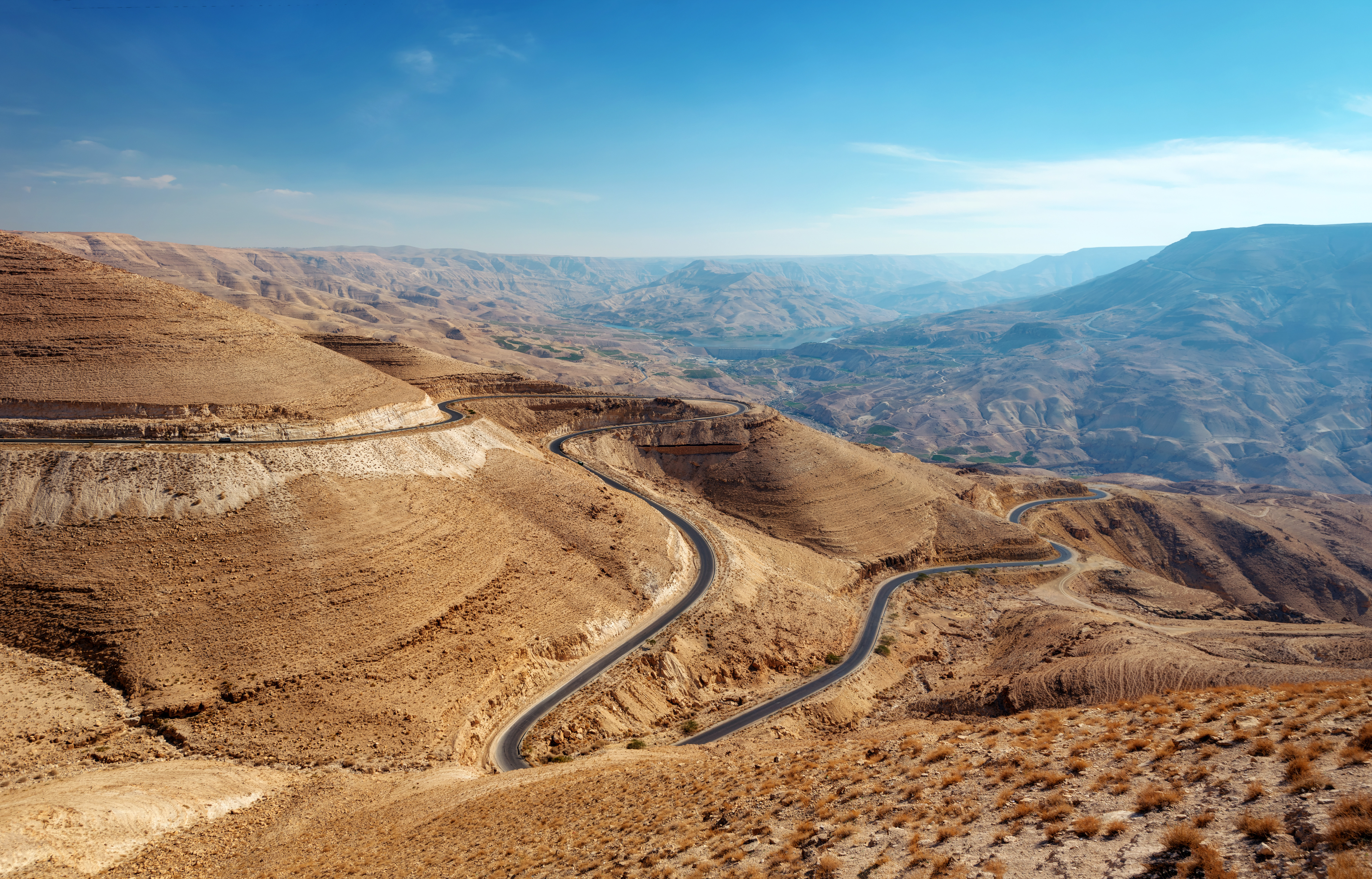
We continue along the King’s Highway for another 40 minutes to Dana Village. The village sits in the Dana Biosphere Reserve and dates to the 15th century with a mix of ruined and restored buildings. We take a walk through the village, through terraced gardens, passing craft workshops and seeing original Ottoman architecture. We stay the night in RSCN run accommodation in the village.
Meals: Breakfast,Dinner
Day 11
Kerak, Umm Ar Rasas, Mount Nebo and Madaba
We leave Dana behind and drive for about two hours along the King’s Highway, a beautifully scenic route through the hills to Kerak. An ancient Crusader castle, Kerak is maze of dark halls and passageways. It rises imposingly above the town. On clear days views stretch to the Dead Sea and Mount of Olives in Jerusalem.
We drive onwards for about an hour and a half to Umm ar-Rasas. This little-visited Unesco World Heritage site was initially developed as a Roman military camp and grew into a town from the fifth century. It is unexcavated and has remains from the Roman, Byzantine and early Muslim periods. The ruins contain several churches and the impressive mosaic floor in the Church of St Stephen is a highlight.
From Umm ar-Rasas, we head to Madaba, about 45 minutes away where we visit St George’s Church. Here we admire the mosaic floor, considered the oldest map of Palestine in existence. We then make the short drive to Mount Nebo; from this 2,295ft (700m) high viewpoint overlooking the Dead Sea to Palestine and Israel beyond, Moses is said to have first seen the Promised Land.
Meals: Breakfast
Day 12
Adventure ends Madaba
Breakfast marks our final meal, an excellent chance to reminisce about an adventure packed with excitement. To make your return journey home easier, there’s a free shared transfer back to Amman airport.
Alternatively speak to your sales representative about our range of extensions, including time at the Dead Sea.
Meals: Breakfast
What’s included
What’s not included
Additional information
Food
For the meals that aren’t included we usually eat in local restaurants and the leader arranges bookings for those in the group who would like to join. We suggest you budget around 20 Jordanian dinars (US$28) per non-included meal. If you are vegetarian, please note that main meals are limited in choice; however, meze is almost always available in restaurants and is a good, filling vegetarian choice. There is a good selection of seafood available by the Red Sea. At the Wadi Rum camp, we enjoy a traditional dinner called zarb, which is cooked underground. This consists of rice with a selection including chicken, lamb and vegetables. Vegetables are cooked separately from the meat.
Alcohol drinks: Alcohol is available in Jordan, but not widely. Many hotels do not sell alcohol and do not allow it to be brought in from elsewhere. It is best to plan ahead if you’ll want a drink, your tour leader will be able to tell you what’s possible and may be able to arrange a stop at a supermarket or liquor store (depending on location). In Petra, the unique Cave Bar in Petra Guesthouse is open to the public. A less expensive option is the bar in the Petra Palace Hotel which is also open to all.
Al Numeira Environmental Association Visit
Visit Al Numeira Environmental Association near the Dead Sea to learn about water conservation, smart irrigation, and reuse techniques. Short exhibits highlight community-led projects that respond to scarce rainfall in the Dead Sea basin.
Guides explain practical solutions—greywater systems, drought-tolerant planting, and education initiatives—that equip local families to steward fragile resources. It’s a grounded look at climate resilience along the Jordan Rift.
Dana Village Heritage Walk in the Biosphere Reserve
Walk historic Dana village along stone lanes past restored houses and terraced gardens. Pause at viewpoints for clifftop views over Wadi Dana and step into small craft workshops sustaining local livelihoods.
Set within Jordan’s largest nature reserve, Dana dates to the 15th century and shelters rare flora and fauna. The human story—Bedouin roots, Ottoman architecture, and community-run lodgings—interweaves with a dramatic canyon landscape.
Little Petra (Siq al-Barid) Visit
Walk the Siq al-Barid, a narrow, shaded gorge opening to intimate courtyards and carved facades. Peek into Nabataean cave rooms where travelers once sheltered at this Silk Road staging post linked to Petra proper.
Quieter and more compact than its famous neighbor, Little Petra reveals painted dining rooms and stairways hewn into rock. The site hints at the logistics that fed Petra’s grandeur—storage, hosting, and the movement of caravans.
Petra Summit Trails: Monastery or High Place of Sacrifice
Choose your challenge and climb the 750-step stairway to Ad-Deir, the Monastery, or follow ancient paths to the High Place of Sacrifice. Stone steps and weathered switchbacks lead to wide terraces where ibex sometimes graze and sweeping desert panoramas unfurl beneath you.
At Ad-Deir, a monumental facade dominates a sunlit plateau. The High Place preserves altars and processional routes cut high into the cliffs. Both routes reward steady walkers with space, silence, and perspective on Petra’s sacred topography. Your Tour Leader advises on route suitability and pacing.
Wadi Rum 4x4 Desert Safari
Join Bedouin hosts to ride in Bedouin-driven 4x4s across ochre sands, skirting towering sandstone massifs and rust-red dunes. Photo stops may include narrow canyons such as Khazali Canyon and wind-sculpted rock bridges, as the desert lights change from copper to gold.
Stories of the Arab Revolt echo through this protected landscape, a UNESCO World Heritage site for both its geology and petroglyphs. Look for ancient rock carvings etched by traders and nomads, and feel the scale of time in an arena of silence, space, and shifting light.
Bedouin Camp Overnight with Zarb Dinner & Stargazing
Settle into a private desert camp to enjoy Bedouin hospitality beneath towering rock escarpments. As night falls, savor a traditional zarb dinner cooked in an underground oven, then gather to share stories and music by the campfire under a star-filled desert sky.
Your hosts explain nomadic lifeways, spice-rich recipes, and the constellations used for navigation. Away from city lights, the Milky Way arcs clearly overhead, adding an unforgettable celestial canopy to a night of warmth, generosity, and cultural exchange.
Red Sea Time at Berenice Beach Club, Aqaba
Relax at Berenice Beach Club on the Gulf of Aqaba, where clear water and coral-lined shores invite a refreshing swim. Unwind on loungers, swim the Red Sea, and laze on sun decks with views to the Sinai mountains shimmering across the bay.
This private shoreline offers calm facilities and a restorative break from the road. The Red Sea’s reef-rich ecosystem and warm waters set a leisurely mood, with optional on-site rentals sometimes available for those who want to explore from the surface.
Dead Sea Float at a Quiet Shoreline
Pause along the Dead Sea to float effortlessly in mineral-rich waters where salt holds you buoyant. Smooth on dark mud, rinse in the warm shallows, and savor the hush of a quiet stretch of shore away from large resort crowds.
Situated at the lowest point on Earth, this hypersaline lake has drawn visitors since antiquity for its otherworldly feel and restorative qualities. The scene is stark and beautiful: shimmering flats, distant hills, and the soft weightlessness of a unique natural phenomenon.
Jerash: The Roman City of Gerasa
Walk ancient avenues to walk the colonnaded Cardo Maximus, stand in the sweeping Oval Plaza, and pass beneath Hadrian’s Arch. Theatres, temples, and forum stones bring one of the best-preserved Roman cities in the Near East to life.
Part of the Decapolis, Jerash flourished on trade and agriculture before windswept sands cocooned its remains. Highlights include the Temple of Zeus and acoustically perfect theatres; everywhere, limestone glows honey-gold against pine-topped hills and olive groves.
Ajloun Castle (Qal’at Ar-Rabad)
Explore Ajloun Castle, an Ayyubid stronghold of Saladin perched high above oak-clad hills. Cross defensive thresholds to hilltop battlements and climb towers for far-reaching views over the Jordan Valley.
Built in the 12th century to control key routes and iron mines, the fortress guarded against Crusader incursions with layered walls and arrow slits. Its strategic outlook connects medieval geopolitics with the serene, green landscape below.
As-Salt Heritage Walk & Museums (UNESCO)
Wander Al Hammam Street past Ottoman-era yellow-stone townhouses, and step into Abu Jaber House to admire frescoed salons. Visit the As-Salt Archaeological Museum to trace this hill town’s layered past and traditions of hospitality.
Recognized by UNESCO as a Place of Tolerance and Urban Hospitality, As-Salt prospered under late Ottoman trade. Its interwoven Christian and Muslim neighborhoods, intimate stairways, and merchants’ mansions reveal a model of coexistence and Levantine urban grace.
Pella (Tabaqat Fahl) Archaeological Site
Explore Pella (Tabaqat Fahl), a Decapolis city nestled by the Jordan Valley. Walk among Byzantine basilicas, peek at baths and courtyards, and trace cave-like tombs and a Roman theatre set against rippling farmland.
With a multi-layered tell revealing Bronze Age to Islamic eras, Pella showcases the continuity of settlement in a fertile corridor. Its rural stillness and river-fed landscape frame ruins steeped in everyday stories more than imperial spectacle.
Umm Qais (Gadara) Ruins & Panoramas
Stroll the ruins of Gadara (Umm Qais) along basalt-paved streets and colonnades, pausing at a black-basalt theatre. From the ridge, savor views to the Sea of Galilee and the Golan Heights shimmering beyond rolling orchards.
Once a Greco-Roman cultural hub of the Decapolis, Gadara blended refined villas, forums, and baths with commanding northern vistas. Ottoman-era village houses among the ruins add an evocative, time-layered atmosphere to the site.
Home-cooked Lunch with a Northern Jordanian Family (Umm Qais)
Sit down to a home-cooked feast in a family home, sharing seasonal salads, stews, rice dishes, flatbreads, and fragrant herbs. Meet your hosts and sample regional dishes that reflect the fertile hills and culinary traditions of northern Jordan.
Jordanian meals are occasions of hospitality, where recipes are passed between generations and conversation is as nourishing as the food. Expect warm welcomes, generous portions, and insights into daily life beyond the archaeological sites.
Azraq Wetlands Reserve Boardwalk & Bird Hides (RSCN)
Follow boardwalk trails through reedbeds and mirror-calm lagoons, pausing in shaded shelters to watch from bird hides. The restored oasis provides vital respite on a migratory flyway where herons, waders, and raptors pause seasonally.
Managed by the RSCN conservation team, Azraq tells a story of revival after overuse of aquifers. Elevated paths and interpretive displays reveal how wetlands once sustained caravans, wildlife, and villages in Jordan’s eastern desert.
Qasr Azraq Fortress & Oasis Crossroads
Step inside Qasr Azraq, its black-basalt walls absorbing desert heat. Peer into rooms once used by Lawrence of Arabia’s headquarters, and picture scouts and couriers arriving at this ancient oasis crossroads.
Built atop earlier Roman foundations, the fort’s heavy stone doors and broad courtyard evoke centuries of reuse by successive rulers. The contrast between dark stone and pale desert underscores its strategic power in an arid land.
Umayyad Desert Castles: Qasr Amra & Qasr Kharana
Admire Qasr Amra’s frescoes of huntsmen, musicians, and zodiac signs inside an 8th-century bathhouse, a UNESCO World Heritage gem. Then visit Qasr Kharana, an enigmatic desert lodge whose rooms frame pure Umayyad desert architecture.
These early Islamic retreats mixed governance with leisure, artistry with practicality. Amra’s paintings—rare survivors—animate courtly life, while Kharana’s austere geometry sparks debate about its purpose, from caravanserai to meeting hall.
Iraq al-Amir: Qasr al-Abed & Women’s Cooperative
Explore Qasr al-Abed, a rare Hellenistic monument with carved stone lions and monumental blocks linked to the Tobiad family. Afterwards, visit the Iraq al-Amir Women’s Cooperative to see handmade crafts from paper-making to ceramics and weaving.
Backed by the Noor Al-Hussein Foundation, the cooperative fosters sustainable livelihoods and heritage skills. The juxtaposition of ancient masonry and living craftsmanship casts the valley as a place of both memory and renewal.
Bethany Beyond the Jordan: Baptism Site (UNESCO)
Visit Bethany Beyond the Jordan to trace riverside paths to baptismal pools and remains of early chapels. Pause amid tamarisk and reeds where pilgrims gather at this UNESCO pilgrimage site on the Jordan River.
Tradition holds that John the Baptist anointed Jesus here. Byzantine and early Islamic layers—church foundations, steps, and water channels—speak to centuries of devotion at a quiet bend of a storied river.
Amman City Highlights: Roman Theatre, Citadel & Jordan Museum
Step into the Roman Theatre carved into a downtown hillside, then ascend to the Amman Citadel for vistas and ruins including the Temple of Hercules and Umayyad Palace. Conclude at the Jordan Museum, home to the Ain Ghazal statues and Dead Sea Scroll fragments.
From Roman Philadelphia to modern Amman, the capital’s layers stand shoulder to shoulder. Markets buzz at street level while hilltop relics and curated galleries illuminate Jordan’s deep historical arc.
Shobak Castle (Montreal)
Explore Shobak Castle (Montreal), a lonely crusader stronghold guarding the King’s Highway. Wander through vaulted chambers and secret passages as cool mountain air sweeps across mountain vistas.
Founded by Baldwin I in 1115 and later reshaped by Mamluks, the fortress mixes Latin crosses, Arabic inscriptions, and ingenious defenses. Its isolated perch conveys both medieval ambition and the hardships of frontier life.
Kerak Castle on the King’s Highway
Enter Kerak Castle to navigate crusader galleries and tunnels cut deep into the limestone. Cannon embrasures and storerooms speak of sieges at this King’s Highway stronghold, with terraces revealing Dead Sea views on clear days.
Built in the 12th century and later refortified by Ayyubids and Mamluks, Kerak’s layered defenses and shadowy halls illustrate medieval military architecture honed by hard lessons on the frontier.
Umm ar-Rasas & St Stephen’s Mosaic (UNESCO)
Visit Umm ar-Rasas, where a Roman military outpost evolved into a Byzantine town. The highlight is the St Stephen’s mosaic, a carpet of cities and vines at this UNESCO World Heritage site on the steppe edge.
Modest excavations preserve a sense of discovery: church ruins, desert towers used by stylite monks, and lanes that map a Roman-to-Byzantine transition. The artistry of tesserae here rivals better-known Mediterranean mosaics.
Mount Nebo Viewpoint & Memorial Church
Stand on Mount Nebo for sweeping views to the Jordan Valley, Jericho, and the Dead Sea. Inside the hilltop church, admire Memorial Church and mosaics that depict pastoral scenes beneath subdued light.
According to tradition, Moses first saw the Promised Land from this ridge. The serene sanctuary, curated by Franciscan custodians, preserves exquisite floor panels that link biblical memory to Byzantine craftsmanship.
Madaba: St George’s Church & the Mosaic Map
See the Madaba Map inside St George’s Church, a remarkable 6th-century mosaic charting towns, roads, and rivers from Egypt to Lebanon. Cities like Jerusalem and the Dead Sea appear in lively, tessellated detail.
Once a pilgrim’s aid and now a scholarly treasure, the map anchors Madaba’s reputation as Jordan’s mosaic capital. It offers a rare cartographic window into the late antique world and its sacred geography.
Petra Museum
Explore the Petra Museum to contextualize the Red Rose City before or after your site visit. Exhibits trace Nabataean artistry, incense-route trade, and sophisticated water engineering through statues, ceramics, and carved inscriptions.
Thoughtful displays illuminate how Petra’s residents harvested flash floods, terraced farms, and adorned tombs. The museum sharpens your eye for detail, transforming rock-cut facades into living narratives of craftsmanship and commerce.
Wadi Rum Camel Ride (Optional)
Take a camel ride to glide across the sands at a classic desert pace, guided by Bedouin handlers. From this timeless saddle-height, dunes, cliffs, and inscriptions reveal a slower, storied Wadi Rum.
This experience is available at additional cost and bookable on tour with your Tour Leader. It’s an evocative complement to the 4×4 tour, offering silence, gentle sway, and a photographer’s perspective on light and line.
Home-Hosted Dinner with a Petra Family (Optional)
Share a home-hosted dinner in Wadi Musa to meet locals over warm bread, salads, and slow-cooked specialties—perhaps mansaf or maqluba when available. Join your hosts at table and savor Jordanian hospitality in a relaxed, family setting.
This cultural meal is at additional cost and bookable on tour. Expect generous portions, informal conversation, and insights into daily life beside Petra’s sandstone cliffs—an evening that connects cuisine with community.
Petra Guided Exploration: Siq, Treasury & City Center
Enter the canyon-like gorge to enter the Siq and emerge before El Khazneh, the Treasury, its rose-red facade glowing in the light. Continue along the main thoroughfare past tombs and theatres to the colonnaded street, where Roman-era grandeur meets Nabataean ingenuity amid towering sandstone walls.
Hear how caravan tolls funded Petra’s prosperity and why its rock-cut facades survived for centuries, sheltered within a maze of chasms. As a UNESCO World Heritage site, the city showcases artistry carved straight from living rock and a trading legacy that linked Arabia with the Mediterranean.