Your itinerary
Day 1
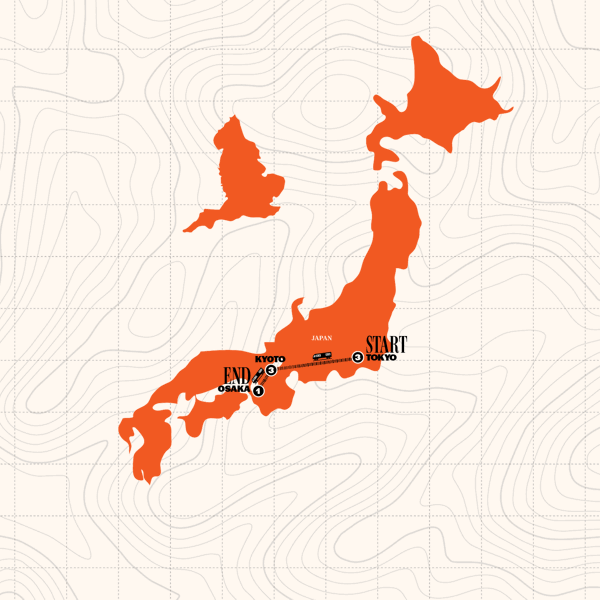
Day 1: Arrive Tokyo
Arrive in Tokyo and meet your crew. The evening is free.
Day 2
Day 2: Tokyo
Travel around Tokyo by metro. Visit Asakusa Senso-ji Buddhist temple and Meiji Jingu shrine, then take a locally guided tour of Harajuku and Nakamise Street. Walk through Shibuya and try crossing its famous pedestrian crossing.
Day 3
Day 3: Tokyo
Free day to explore Tokyo, including its neon streets, anime hubs, museums, parks and food spots. Optional experiences include a robot cafe and a Maid Cafe in Akihabara.
Day 4
Day 4: Tokyo to Kyoto
Travel by bullet train from Tokyo to Kyoto, with a chance to see Mount Fuji. Visit Kinkaku-ji and Fushimi Inari Shrine on a sightseeing tour by private coach.
Meals: Breakfast
Day 5
Day 5: Kyoto
Free day to explore Kyoto’s gardens, temples and architecture. A half-day trip to Nara is recommended, with its Great Buddha, shrines, temples and roaming deer.
Day 6
Day 6: Kyoto
Free time to explore Kyoto. Options include wearing a kimono, visiting the bamboo forest and Yasaka Pagoda, spotting geishas in Gion, or joining an optional traditional tea ceremony.
Day 7
Day 7: Kyoto to Osaka
Travel by metro from Kyoto to Osaka. Spend the day exploring, with an optional walking tour of Osaka’s iconic sights.
Meals: Breakfast
Day 8
Day 8: Osaka
The trip ends in Osaka. Depart or stay on to explore the city’s food and culture, or visit Universal Studios.
Meals: Breakfast
What’s included
What’s not included
Additional information
Dining Summary
- 3 Breakfast (B)
FAQs
- Nara: The currency (that can buy you some unbeatable authentic sushi) in Japan is the Japanese Yen (¥).
- Tokyo: This will depend on which city you arrive at.TokyoTokyo is serviced by two major international airports, Narita and Haneda. You’re welcome to take a taxi to the hotel, but these tend to be quite expensive. That’s why, the best way to reach our hotel is by train. You can purchase tickets from the counter at the airport. And the journey will take you 1-2 hours.Osaka The Kansai International Airport in Osaka is around 45 minutes away from our hotel by bus. And the best way to get there is by bus, that’ll drop you off close to our hotel. You can get your tickets at the counter. We don’t recommend getting a taxi since they tend to be quite expensive.
- Nara: Japan sure is magical all year round, but the best time to visit will depend on what you’re looking for. Want to spot Mt Fuji? Head to Japan in June/July – and hang around for the firework festivals too. Wanna experience Japan’s winter vibes and even hit some of the spectacular ski spots? Book our Japan Winter Wonder trip between November – March. April to May is when you’ll catch the cherry blossoms, and autumn (August – November) is a great time for colourful leaves and cooler weather.
- Nara: Dress for comfort first! As a traveller here, you’ll be most comfortable in loose-fitted clothes, made from a light and breathable fabric. Winter in Japan can be as cool as 1-7°C, so you may want to bring some warm clothes if you’re here between October and April.
- Nara: Tipping in Japan is generally not accepted. Although it’s slowly becoming more common within the tourism industry, tipping isn’t much of a custom in Japan. In lots of restaurants, you’ll pay upfront before you eat and won’t be expected to leave a tip as you leave – Japanese hospitality workers are even known to turn tips down. The same goes for bus and taxi rides. In shops, you may be given your change using a tray, but this isn’t an indication to leave a tip (as it might be in other countries).
- Nara: When you travel with Contiki, your accommodation, in-country transport, and some breakfasts are included with the cost of your trip – so when it comes to budgeting, you only need to worry about how much shopping you’ll do in Tokyo! Average prices for Japan include:Museum tickets: ¥1,000 – ¥2,000 ($7 – $15) Sushi meal: ¥2,500 ($19) Noodles/Ramen meal: ¥600 – ¥1,200 ($4 – $9) For a rough estimate, we’d recommend budgeting a minimum of $80USD per day.But please remember that these prices subject to change!
- Nara: Even though tipping is rare in Japan, it is common for a restaurant to add a service charge to your bill. This will usually be to the value of 10-15%, and you’ll find that it’s issued on arrival. I.e. served with your appetiser.
Included Experience
- Tokyo: Check out the Sensoji Temple, one of the most significant temples in Japan, decked with a 5-storey pagoda. Don’t forget to snap a pic under the giant red lantern!
- Tokyo: Get a piece of Japan to take back home from one of the many little stalls here on Nakamise Street, just a short walk from the Sensoji Temple.
- Tokyo: Visit this Shinto shrine in Shibuya, dedicated to the deified spirits of Emperor Meiji and his consort, Empress Shoken. You’ll have the chance to wander through a tranquil forest, passing under the world-famous Tori Gate. And ofc, stop for a picture in front of the many colourful Sake barrels, and make a wish at the sacred Camphor tree.
- Tokyo: Get ready for a riot of colour and vibrant fashion. This was (and still is) a home for Japanese fashion. Grab a vintage bag, a pair of sneakers or a kawaii outfit. And don’t get us started on the food! You’ll find rainbow cotton candy, candy covered strawberries or a rainbow cheese sandwich.
- Tokyo: It’s only the biggest pedestrian intersection in the world! Come watch the world go by (and grab an iconic picture) on the crossing.
- Kyoto: The Golden Pavilion. Geishas. It’s all so surreal. You’ll feel like you’ve wandered into a film set.
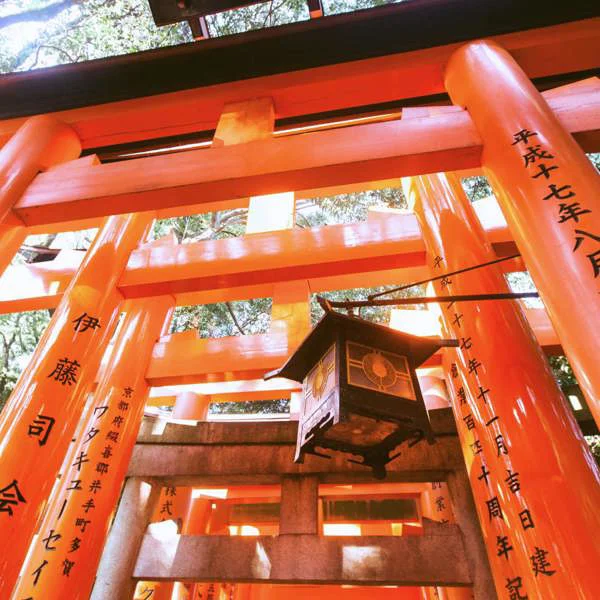
- Kyoto: Walk through the endless path of orange torii gates, kindly ask Inari for good luck and then you might want to sample a fortune cookie.
Kyoto’s Kinkaku-ji (Golden Pavilion)
Visit the shimmering Kinkaku-ji (Golden Pavilion), its top floors clad in gold-leaf exterior and mirrored in the still waters of Mirror Pond (Kyoko-chi). Stroll landscaped paths scented with pine and moss, framing perfect reflections of this emblem of Zen aesthetics and courtly elegance.
Originally the 14th-century villa of shogun Ashikaga Yoshimitsu, Kinkaku-ji later became a Zen temple and now forms part of Kyoto’s UNESCO-listed heritage. Discover symbolic garden features, from islet-studded ponds to stone compositions, and appreciate how architecture and nature are choreographed to inspire calm contemplation.
Fushimi Inari-taisha Torii Gates Walk
Explore the mountain pathways of Fushimi Inari-taisha, where thousands of vermilion torii form glowing tunnels that climb toward the summit of Mount Inari. Pass stone shrines and fox guardian statues as you follow the mountain shrine pathways through cedar and bamboo glades.
Learnt why merchants dedicated gates to Inari Okami—the deity of rice, prosperity and good fortune—and how each torii bears the name of its donor. The interplay of light, lacquered wood and forest quiet creates one of Japan’s most evocative pilgrimage settings.
Kyoto Traditional Tea Ceremony with Matcha (Optional)
Experience a guided traditional tea ceremony in a serene tatami setting. Learn to whisk matcha to a fine foam, savor seasonal wagashi sweets that balance the tea’s gentle bitterness, and settle into the pace of a quiet tatami tea room where every gesture has meaning.
Your host shares the ideals of harmony, respect, purity and tranquility that underpin chanoyu, from the choice of ceramics to the seasonal flower. This cultural experience is at additional cost and bookable on tour, offering mindful insight into Kyoto’s refined hospitality.
Tokyo Avatar Robot Café Experience (Optional)
Step into the future and visit a robot café where friendly robots deliver your drinks. Strike up conversation and chat with an avatar piloted remotely by people who face barriers to traditional employment, showcasing Tokyo’s spirit of inclusive technology and human connection.
Alongside playful service and imaginative design, you’ll glimpse how innovation can widen access and community. This unique experience is at additional cost and bookable on tour; it’s a thought-provoking sip of Tokyo’s tech-forward heart.
Akihabara Maid Café Night (Optional)
Enter a whimsical world at a Maid Café in Akihabara, the capital of otaku culture. Expect playful service rituals, table games, themed drinks and desserts, and cheerful chants as staff in kawaii costumes bring Japan’s pop imagination to life—complete with fun photo moments.
Your host explains café etiquette and the subculture that made Akihabara a byword for fandom and fantasy. This after-hours entertainment is at additional cost and bookable on tour, ideal for a light-hearted look at Tokyo’s colorful nightlife.
Meiji Jingu Shrine Forest Approach
Walk the cool, cedar-scented paths as you walk the forested approach to the serene Meiji Jingu Shrine. Pass beneath a towering, cypress-wood world-famous torii gate, admire the photogenic display of colourful sake barrels, and try a simple Shinto purification ritual at the temizuya before stepping into the tranquil inner precinct.
Dedicated to Emperor Meiji and Empress Shoken, this early-20th-century shrine is set in a man-made forest of over 100,000 trees donated from across Japan. Your visit reveals how Shinto beliefs center on nature, sincerity and gratitude—an oasis of calm amid the buzz of modern Shibuya.
Harajuku Fashion Quarter & Shibuya Scramble Orientation
Join an orientation walk through the trend-setting Harajuku fashion quarter, where pop-colour boutiques and crepe stands line Takeshita-dori. Continue to the neon canyons of Shibuya to experience the rhythm of the city at the legendary Shibuya Scramble Crossing, with time to spot the Hachiko statue nearby.
Learn how Harajuku’s youth culture reshaped street style from the 1970s onward, and why Shibuya became a global symbol of Tokyo’s creative energy. Your guide shares tips on vantage points for sweeping photos and local spots to return to for vintage finds and late-night bites.
Operated By
Contiki
Tokyo Asakusa Senso-ji Temple & Nakamise Street Walk
Discover centuries-old Tokyo as you join a guided visit to the atmospheric Senso-ji Temple in Asakusa. Pass beneath the giant red lantern of Kaminarimon, breathe the sweet curl of temple incense, and admire the five-storied pagoda before browsing the artisan stalls of Nakamise Shopping Street for fans, rice crackers and hand-dyed fabrics.
Hear how Tokyo’s oldest temple traces back to the 7th century and was lovingly rebuilt after wartime damage. Learn shrine and temple etiquette, from cleansing at the chozuya to offering a respectful bow, and pause for photos and reflection amid the lively, time-honoured streets of Asakusa.
Nara Half-Day: Todai-ji Great Buddha & Deer Park (Optional)
Discover Japan’s ancient capital on a half-day excursion to Nara. Wander Nara Park among the friendly, free-roaming deer before entering Todai-ji Temple to stand before the immense Great Buddha (Daibutsu)—a bronze statue rising over 15 meters inside the vast Daibutsuden Hall.
Hear stories of 8th-century Heijo-kyo and UNESCO-listed treasures, and, time permitting, admire lantern-lined paths near Kasuga Taisha. This experience is at additional cost and bookable on tour; it’s a rewarding window into the origins of Japanese Buddhism and court culture.