Your itinerary
Day 1
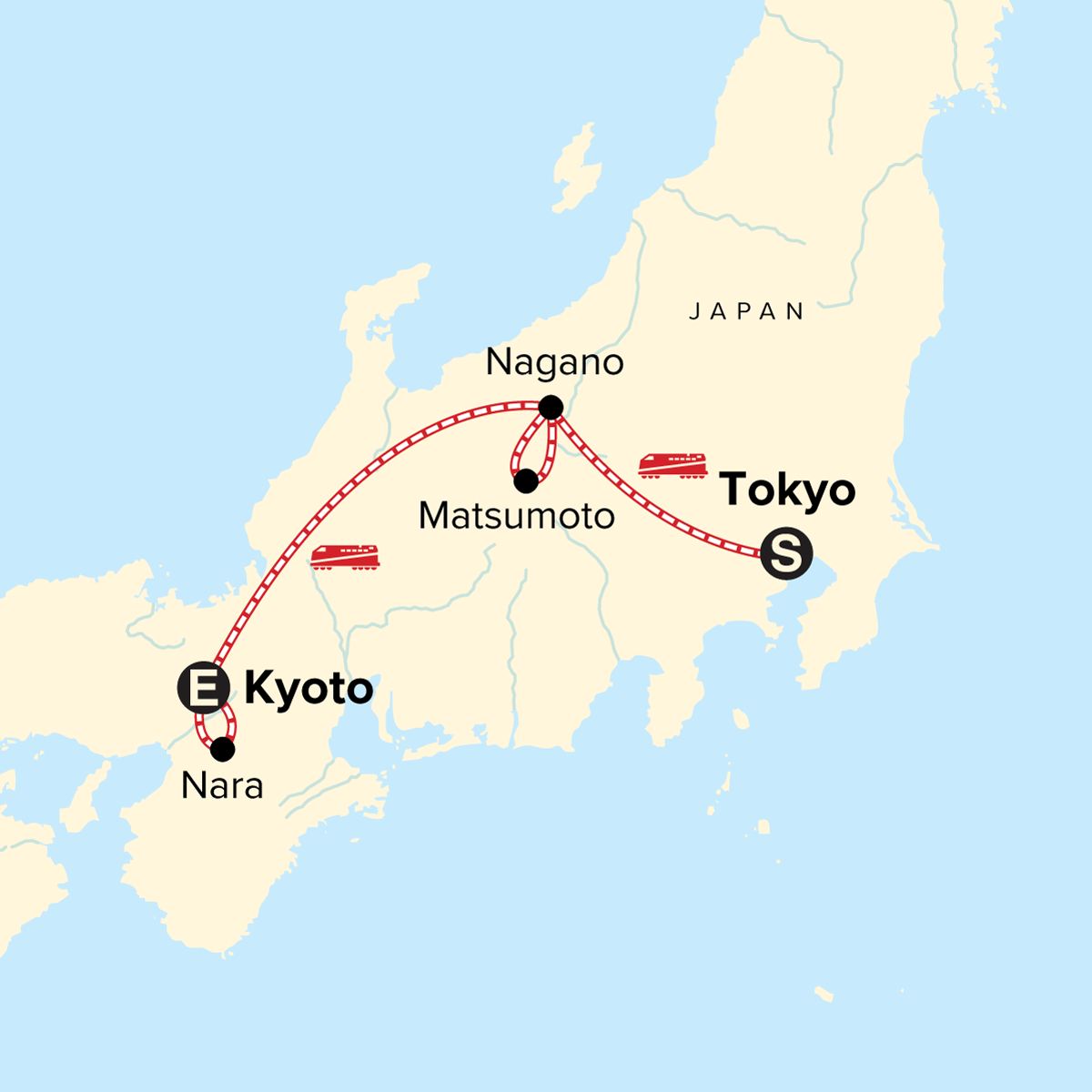
Day 1: Tokyo
Arrive in Tokyo; transfer from Haneda or Narita Airport to the hotel. Meet the National Geographic Expedition Leader and fellow travellers at the welcome meeting this evening. An optional group meal follows. Public transport is used on the tour, with extensive walking; city-to-city luggage transfers mean your main luggage may be unavailable for about 24 hours.
Day 2
Day 2: Tokyo
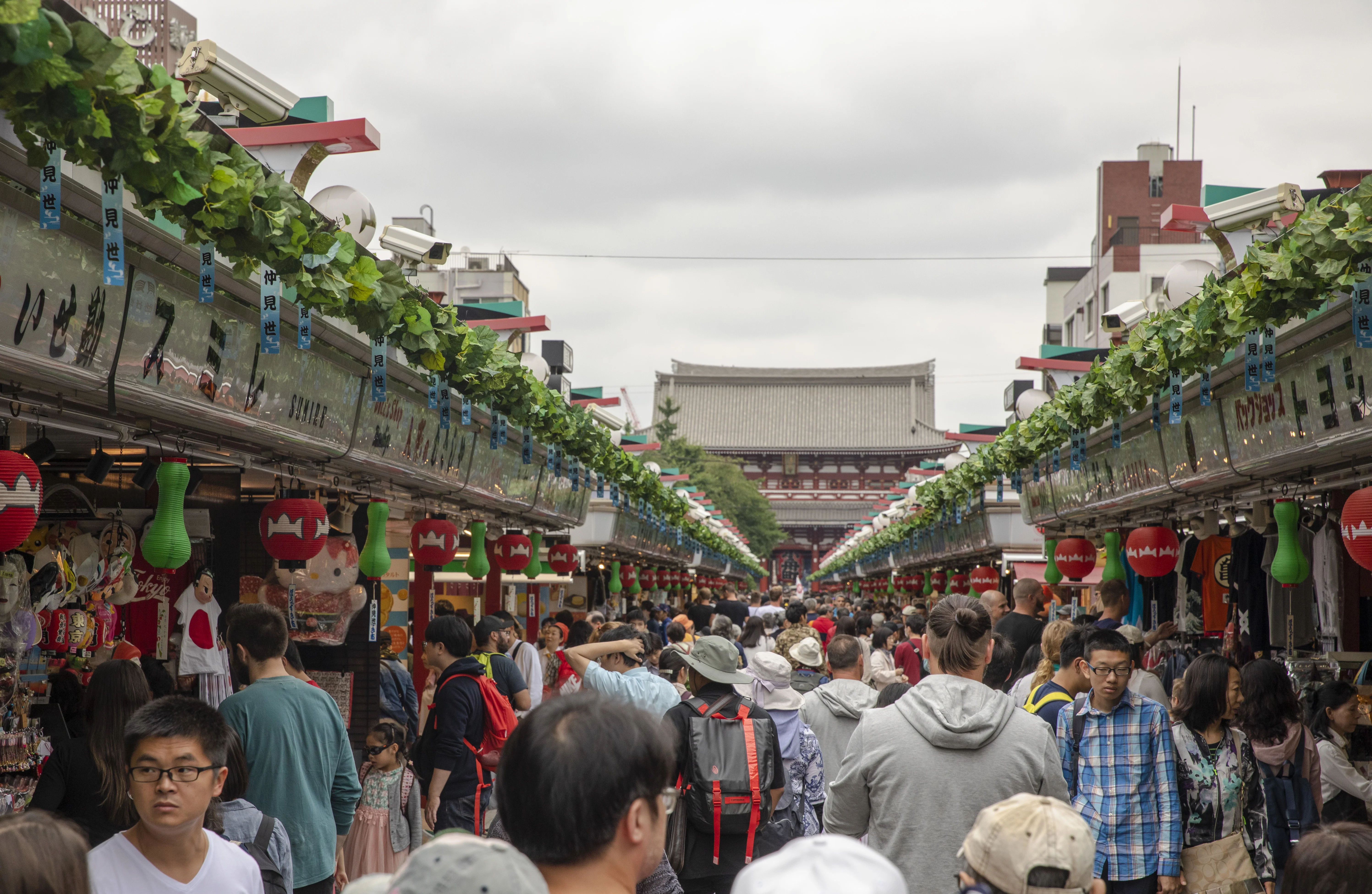
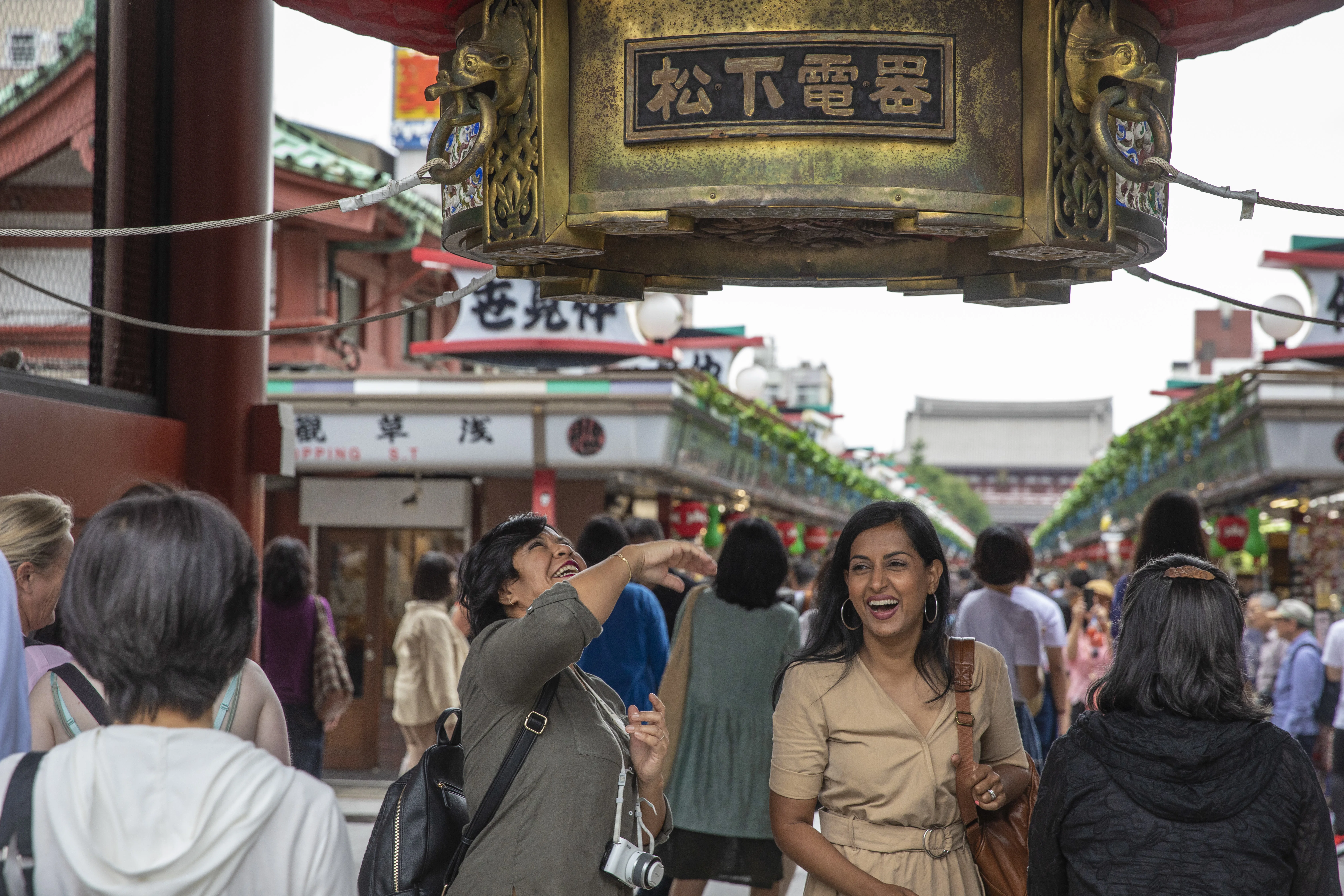
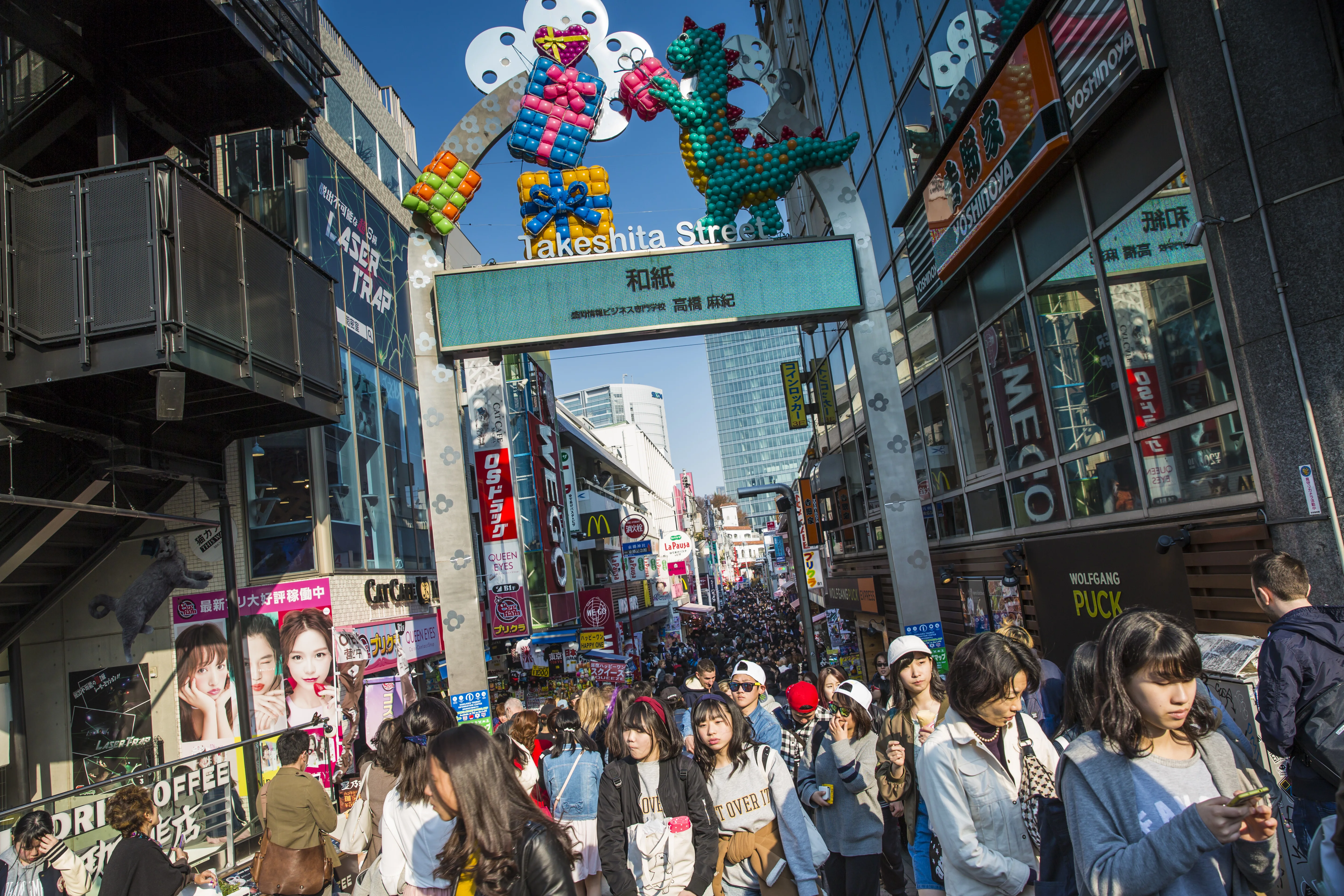
Travel around Tokyo by public transport and on foot. Take a taiko drumming class with a professional Wadaiko drummer, learning about the drums and practicing three styles before a group performance. Visit Meiji Jingu Shrine, explore Harajuku, and take a guided orientation walk in the Asakusa entertainment district, including Sensoji Temple.
Meals: Breakfast
Day 3
Day 3: Tokyo
Take part in a hands-on Okinawa cuisine class, preparing dishes and learning about Okinawan food and its typical ingredients. Enjoy your creations for lunch. The afternoon is free to explore Tokyo; Ueno Park and Tokyo Tower are optional ideas.
Meals: Breakfast,Lunch
Day 4
Day 4: Tokyo/Nagano (area)
Take a sumo class led by a former wrestler, learning basic techniques and watching sumo wrestling. Travel by high-speed train and other public transport to Nagano and Shibu Onsen. The evening is free to explore the hot springs town. Pack an overnight bag, as main luggage is transferred separately and will be unavailable for about 24 hours.
Meals: Breakfast,Dinner
Day 5
Day 5: Nagano
Visit Jigokudani Monkey Park to see wild snow monkeys around the natural hot springs. Travel into Nagano city to visit the Buddhist temple of Zenkō-ji. The evening is free to explore the city.
Meals: Breakfast
Day 6
Day 6: Nagano
Travel by train to Matsumoto and visit Matsumoto Castle, then explore the ancient streets or dine in a traditional storehouse. Visit Ishii Miso to learn about traditional miso production and taste miso soup and miso ice cream.
Meals: Breakfast
Day 7
Day 7: Nagano/Kyoto
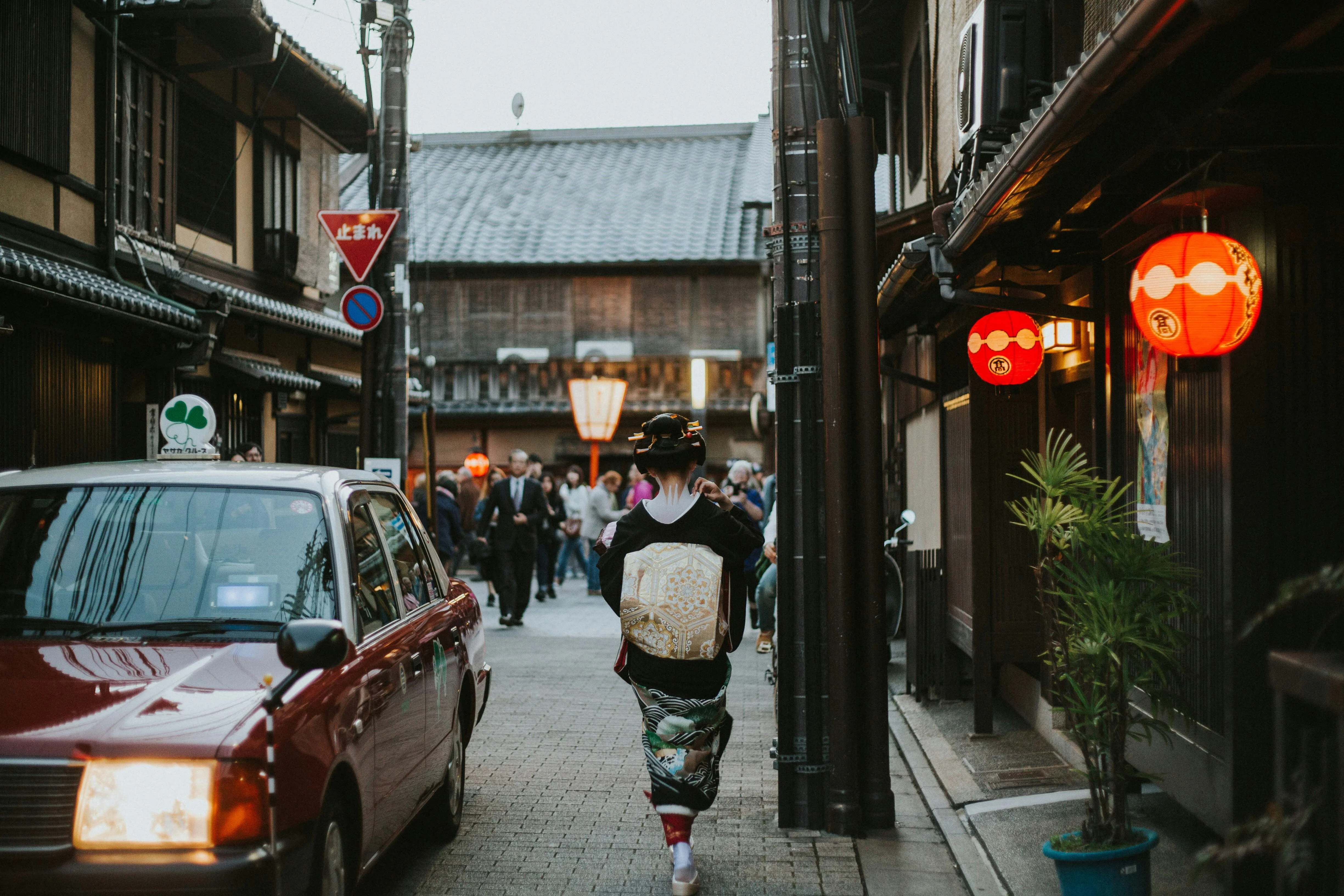
Travel by bullet train to Kyoto. Walk through Nishiki Market, where you can optionally sample local specialties, then visit Gion, Kyoto’s geisha district.
Meals: Breakfast
Day 8
Day 8: Kyoto
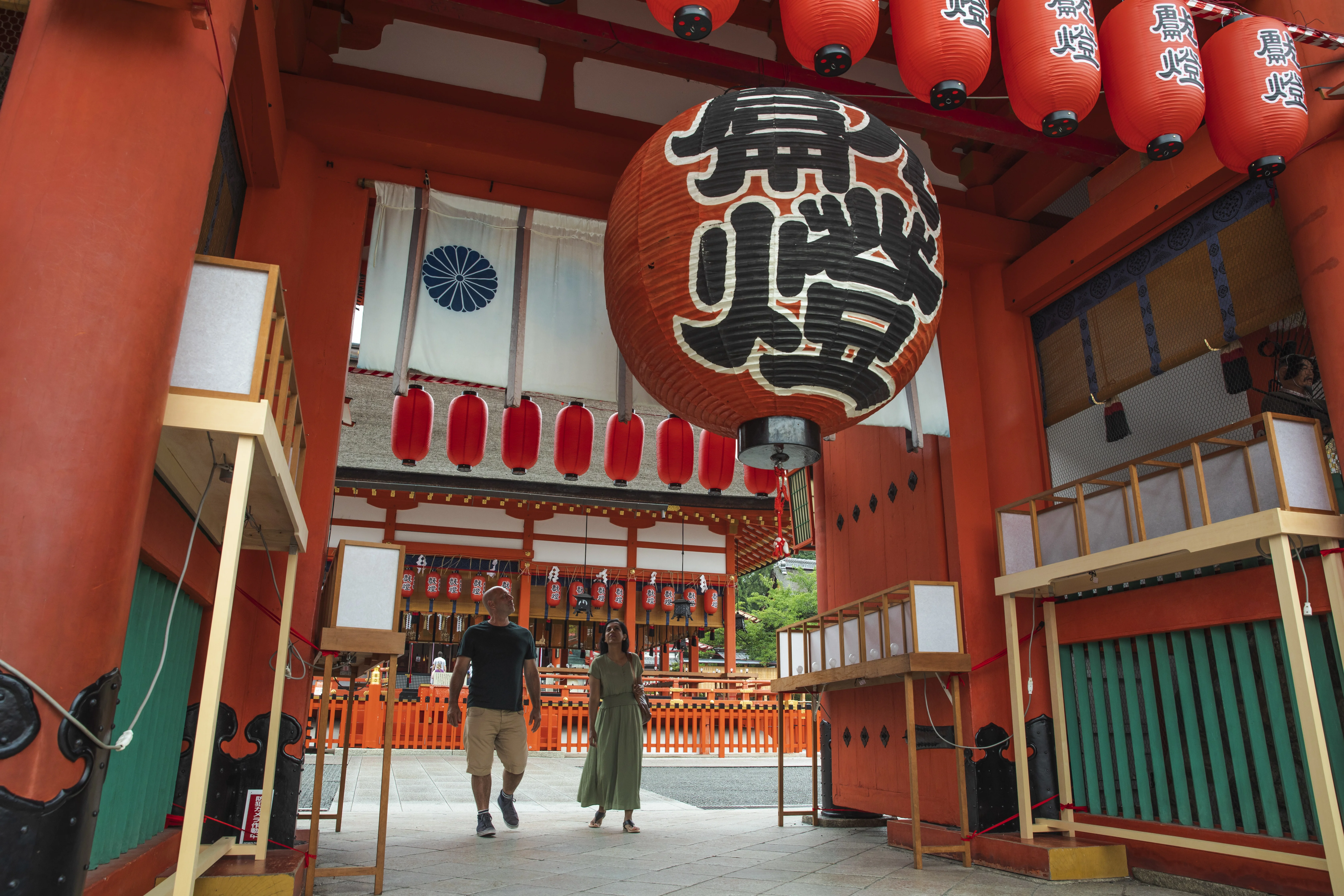
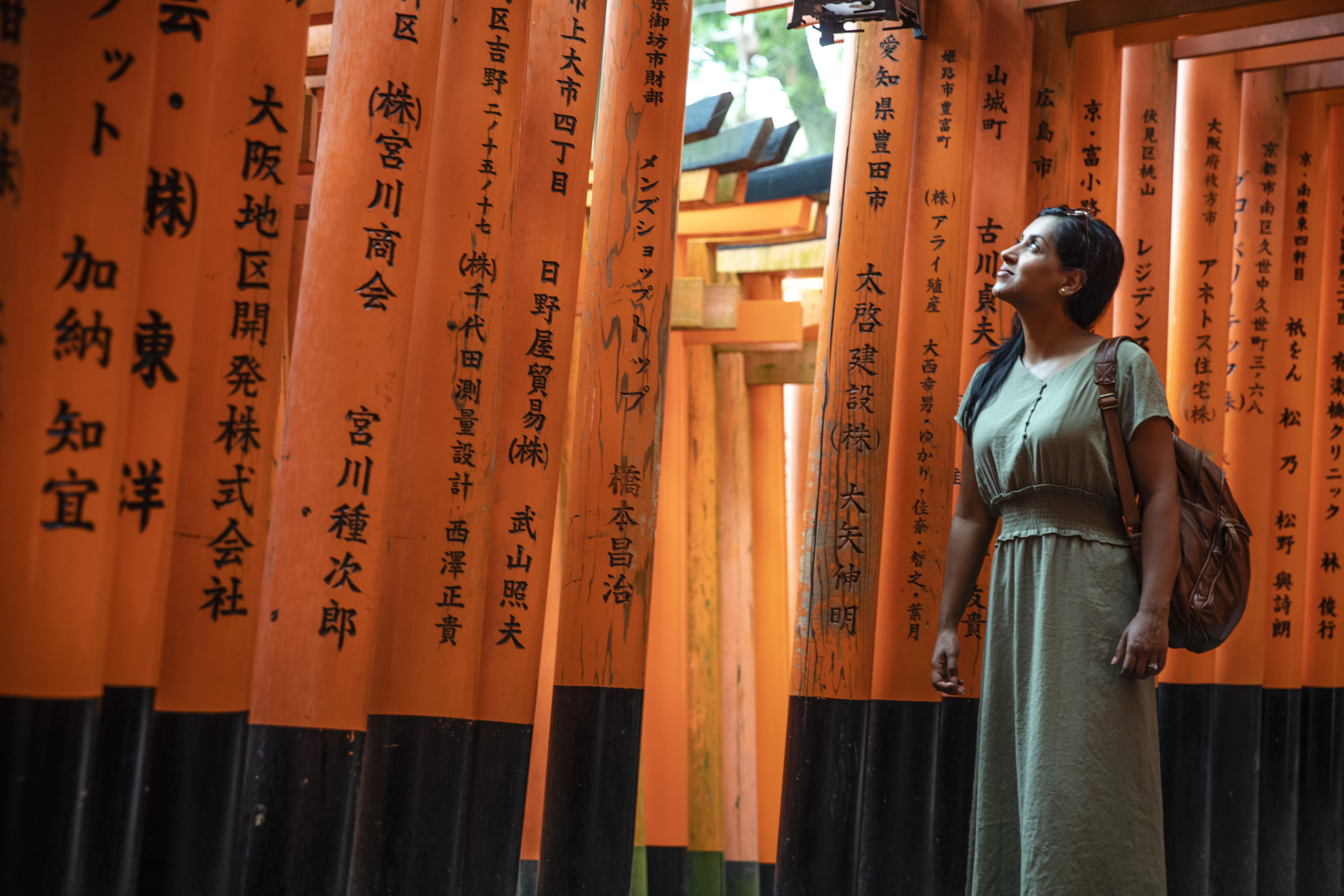
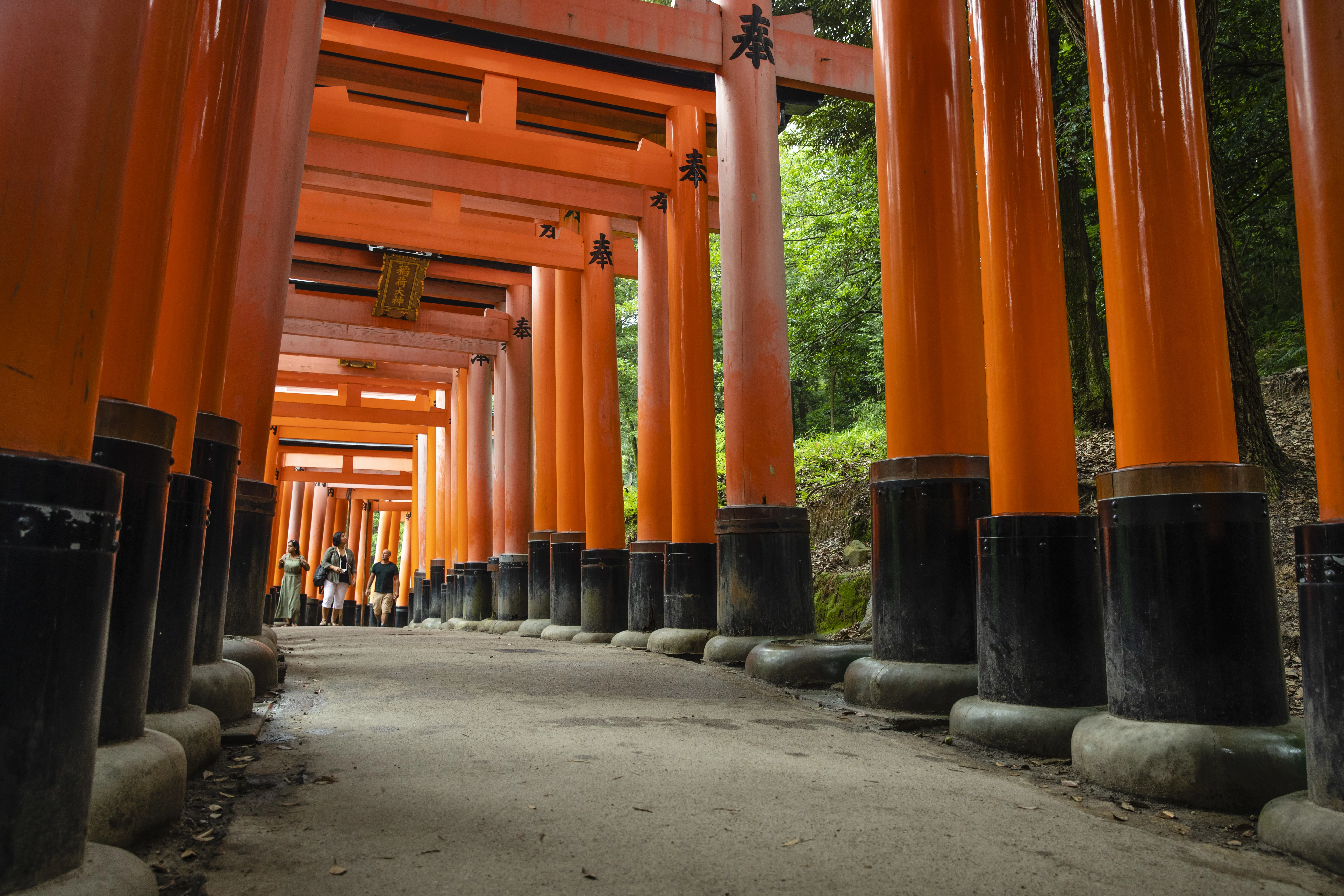
Visit Fushimi Inari Shrine and walk beneath its vermilion torii gates. Take a ramen-making class, learn about ramen and make noodles and chashu from scratch; enjoy your creation for lunch. The afternoon is free to explore Kyoto.
Meals: Breakfast,Lunch
Day 9
Day 9: Nara
Travel to Nara and visit Tōdaiji Temple, Kasuga Taisha Shrine and Nara Park, where deer roam. Explore the shops and galleries of the Naramachi district before returning to Kyoto.
Meals: Breakfast
Day 10
Day 10: Kyoto
Learn basic Japanese sword techniques and watch a kembu sword-dance performance. Visit Kiyomizu Temple, with time to explore its grounds and the Tainai Meguri tunnel. Celebrate with a farewell dinner. If the Kembu Masters visit falls on a Sunday, the itineraries for days 9 and 10 are swapped.
Meals: Breakfast,Dinner
Day 11
Day 11: Kyoto
Depart at any time. There are no planned activities today.
Meals: Breakfast
What’s included
What’s not included
Additional information
Meals Included
10 breakfasts, 2 lunches, 2 dinners
Group Size
Solo Travellers
Meals
Eating is a big part of traveling and we encourage you to experience the vast array of wonderful food that is available out in the world. Its important to remember, that food may be different from what you are used to at home and that some things may not be available in other countries.
Some meals are included in the trip price, while others are not, to allow flexibility and choice to you and your family. For non-included meals our Expedition Leaders will still make arrangements for the group to eat together, which allows you to taste a larger variety of dishes and enjoy each other’s company. There is no obligation to do this though. For all trips please refer to the meals included and budget information for included meals and approximate budget (per person) for meals not included.
Throughout this trip, breakfast is included daily (ranging from continental to buffet depending on the trip), as are healthy, local snacks. Tap water is safe and drinkable everywhere. Please remember to bring your own refillable bottle and refill at the start of each day.
Note that any special meal requirements or dietary restrictions need to be specified at time of booking.
Minimum Age
Minimum age of 7 years for this trip.
Local Dress
Important Notes
All parents/guardians are required to supervise their children at all times throughout the tour and may not leave their child under the supervision of the Expedition Leader, local guides, drivers, etc. Children are not to be left unattended.
Please note that on all Family Adventures one adult can only accompany up to two minors. If you have over two minors planning on travelling then a second adult will be required to attend.
TATTOOS
Tattoos are not common or widely accepted in Japan. There is no cause for concern, but do your best to cover your tattoos when possible and note that you may not be permitted to enter public spas or onsens (hot springs).
RAIL PASS
A Rail pass is not included on this tour.
LUGGAGE SIZE RESTRICTION
All G Adventures tours in Japan use the world-famous Shinkansen bullet trains, which have a restriction on maximum luggage size. Any luggage brought on board the train must be less than 160cm in total. This is roughly the size that most airline companies consider as “carry-on baggage” and allow in overhead storage compartments.
As this tour includes city-to-city luggage transfers, this restriction affects your carry-on luggage on board the train.
ACCOMMODATION NOTE:
Please be aware that properties we stay in with only two stories may not have elevators installed and climbing the stairs with your luggage will be necessary.
Group Leader
Welcome Moment – Meet Your Expedition Leader and Group
About Accommodation
Rooming is based on double occupancy (2 passengers / 2 beds per room); all other room configurations are on request and cannot be guaranteed. We will try to accommodate triples/quad requests whenever possible and it’s important to note that rooming configuration can change from city to city and 2 single beds are the standard configuration in a room.
Please remember that hotel/lodge standards can be different from what you are used to in your home country, which is part of the appeal of adventure travel.
Japan is one of the most populous countries in the world and space is at a premium. Therefore, hotels rooms are small! Additionally, most Japanese hotels do not have designating non smoking rooms. Therefore, we ask hotels to deoderize rooms before check in.
What to Take
You will be on the move a lot, so our advice is to pack as lightly as possible. Your baggage should be clearly labelled and restricted to one soft compact suitcase, sports bag, or backpack. A daypack is also essential for carrying everyday items. There is a limit of one main piece of luggage per person. Porters may not always be available, so be prepared to carry your own bags (at hotels).
It’s essential to pack as lightly as possible for rail travel in Japan. All G Adventures tours use the world-famous Shinkansen bullet trains, which have a restriction on maximum luggage size.
Any luggage brought on board the train must be less than 160cm in total (calculated as the sum of the height + width + depth of your luggage). This is roughly the size that most airline companies consider as “carry-on baggage” and allow in overhead storage compartments. As this tour includes city-to-city luggage transfers, this restriction only affects your carry-on luggage on board the train.
Please note, you will NOT have access to your main luggage for approximately 24 hours on this trip, as we utilize Japan’s takkyubin service to conveniently and reliably transfer luggage from one location to another throughout the country and avoid hauling large bags on crowded trains. You must pack an overnight bag with everything you’ll need until you’re reunited with your luggage the following day.
Spending Money
Every traveller is different and therefore spending money requirements will vary. Some travellers may drink more than others while other travellers like to purchase more souvenirs than most. Please consider your own spending habits when it comes to allowing for drinks, shopping and tipping. Please also remember the following specific recommendations when planning your trip.
Matsumoto Castle & Historic Quarter Stroll
On day 6, travel to Matsumoto Castle, the striking 16th-century “Crow Castle” with black-lacquered walls mirrored in its moat. Climb the steep interior stairs of the original keep, study arrow slits and stonework, and pause for mountain views toward the Northern Alps from upper floors.
After exploring the samurai-era stronghold—complete with a graceful moon-viewing turret—wander nearby streets lined with preserved storehouses on Nakamachi-dori. White plaster walls, wooden lattices, and small galleries hint at merchant wealth in Edo times, offering a window onto castle-town life that once revolved around this formidable fortress.
Nagano Miso Brewery Tour & Tasting at Ishii Miso
Later on day 6, step into the sweet, nutty aromas of Ishii Miso, founded in 1868. Among towering cedar barrels, learn how soybeans, salt and koji transform through long fermentation into the cornerstone of Japanese home cooking. Your host explains regional styles and why Nagano is a miso heartland.
Cap the visit with tastings—steamy bowls of miso soup, creative condiments and even miso ice cream—to appreciate the paste’s range from delicate to robust. It’s an engaging, family-friendly way to explore Japan’s fermentation traditions and the craft behind everyday flavors.
Kyoto Arrival: Nishiki Market Walk & Gion Evening Stroll
After a swift ride on the shinkansen, spend day 7 discovering Nishiki Market, Kyoto’s centuries-old pantry. With your CEO, sample regional bites like pickles, yuba (tofu skin), skewers and sweets while meeting vendors whose families have traded here for generations. Colors, aromas and friendly banter fill the covered arcade.
As dusk settles, step into Gion’s lantern-lit lanes of wooden machiya townhouses and quiet shrines. Learn about geiko and maiko traditions, cross stone bridges over the Shirakawa canal, and soak in the evening mood as paper lanterns glow. Etiquette tips ensure respectful encounters in this historic entertainment district.
Fushimi Inari Torii Trail & Ramen Making Class
On day 8, walk beneath the thousands of vermilion torii gates of Fushimi Inari Taisha, dedicated to the Shinto deity of rice and prosperity. Fox statues guard the paths as you gently climb the lower slopes of Mount Inari, with moments to pause for photos and reflection amid cypress and stone shrines.
At midday, trade trails for a kitchen counter during a ramen making class. Mix and cut noodles, assemble toppings like tender chashu, and learn about broth styles while the aroma of soy and ginger fills the room. Sit together to enjoy steaming bowls you crafted yourselves—a delicious reward for a morning of exploration.
Samurai Kembu Lesson & Kiyomizu-dera Temple
Channel the spirit of the warrior on day 10 during a kembu sword arts lesson. Under the guidance of masters, practice stance, grip and focused breathing, then watch a precision performance that blends poetry, poise and blade work—an elegant expression of samurai discipline and concentration.
In the afternoon, ascend to Kiyomizu-dera, the cliffside temple famed for its vast wooden stage built without nails. Take in views across tiled rooftops to the Higashiyama hills, then visit the Otowa Waterfall, where three streams symbolize wisdom, longevity and love. Strolling the stone lanes below, you’ll feel Kyoto’s timeless rhythm between temple bells and teahouse chatter.
Farewell Dinner in Kyoto
Bring the journey full circle on day 10 with a convivial farewell dinner. Share highlights from snow monkeys to sacred gates over plates that showcase Kyoto’s seasonal touch—perhaps delicate vegetables, grilled fish and fragrant rice—along with toasts of tea or soft drinks for younger travelers.
Your CEO ties together the themes of the trip—from ancient capitals to neon cityscapes—so you can relive favorite moments and swap tips for future adventures. It’s a warm, celebratory close that lets you enjoy time with new friends as Japan’s evening lights begin to glow.
Ryokan Stay & Kaiseki Dinner in Shibu Onsen
Arriving in the mountains on day 4, check into a traditional ryokan where tatami mats, sliding screens and neatly laid futons create a serene atmosphere. Slip into a light yukata robe and unwind before a seasonal kaiseki dinner—a procession of artfully plated dishes that celebrate local produce and precise technique.
Afterward, wander the lantern-lit lanes of Shibu Onsen, a hot-spring town of wooden facades and drifting steam. Listen for temple bells and the hush of the surrounding hills. The slow rhythm of ryokan life offers a gentle immersion into Japanese hospitality, where mealtime becomes ritual and small details—porcelain dishes, cedar aromas—leave a lasting impression.
Jigokudani Snow Monkey Park Walk
On day 5, follow a wooded trail into the steaming valley of Jigokudani Yaen-Koen, where wild Japanese macaques descend from the slopes to warm themselves in hot-spring pools. Along the path, watch family groups grooming, chatter echoing off rock walls, and pause for photos and reflection as snow or mist lifts from the pines.
Your guide explains how these adaptable primates thrive in harsh winters and why the onsen’s geothermal heat draws them so near. Keep a respectful distance—this is their habitat—and enjoy time observing their surprisingly expressive faces. It’s a captivating encounter with wildlife that highlights Japan’s dramatic mountain environment.
Zenko-ji Temple Visit, Nagano
Continue on day 5 to the 7th-century Zenko-ji, one of Japan’s most important pilgrimage temples. Pass incense burners and towering gates into a vast wooden hall where pilgrims have gathered for centuries, and soak in the hushed atmosphere shaped by chanting monks and flickering votive candles.
Hear the story of the temple’s revered hidden image—believed to be the first Buddha statue brought to Japan—and learn how Zenko-ji gave rise to the town that surrounds it. With time to explore the precincts and browse small shops along the temple street, you’ll sense how faith and everyday life remain closely intertwined here.
Tokyo Taiko Drumming & City Highlights: Meiji Jingu, Asakusa and Harajuku
Begin day 2 with rhythm and energy as you join a taiko drumming class. Learn stance, grip and timing from a professional, then feel the drum’s deep vibration as your group performs together. Traveling like a local, you’ll ride Tokyo’s metro to a trio of neighborhoods that showcase the city’s many faces.
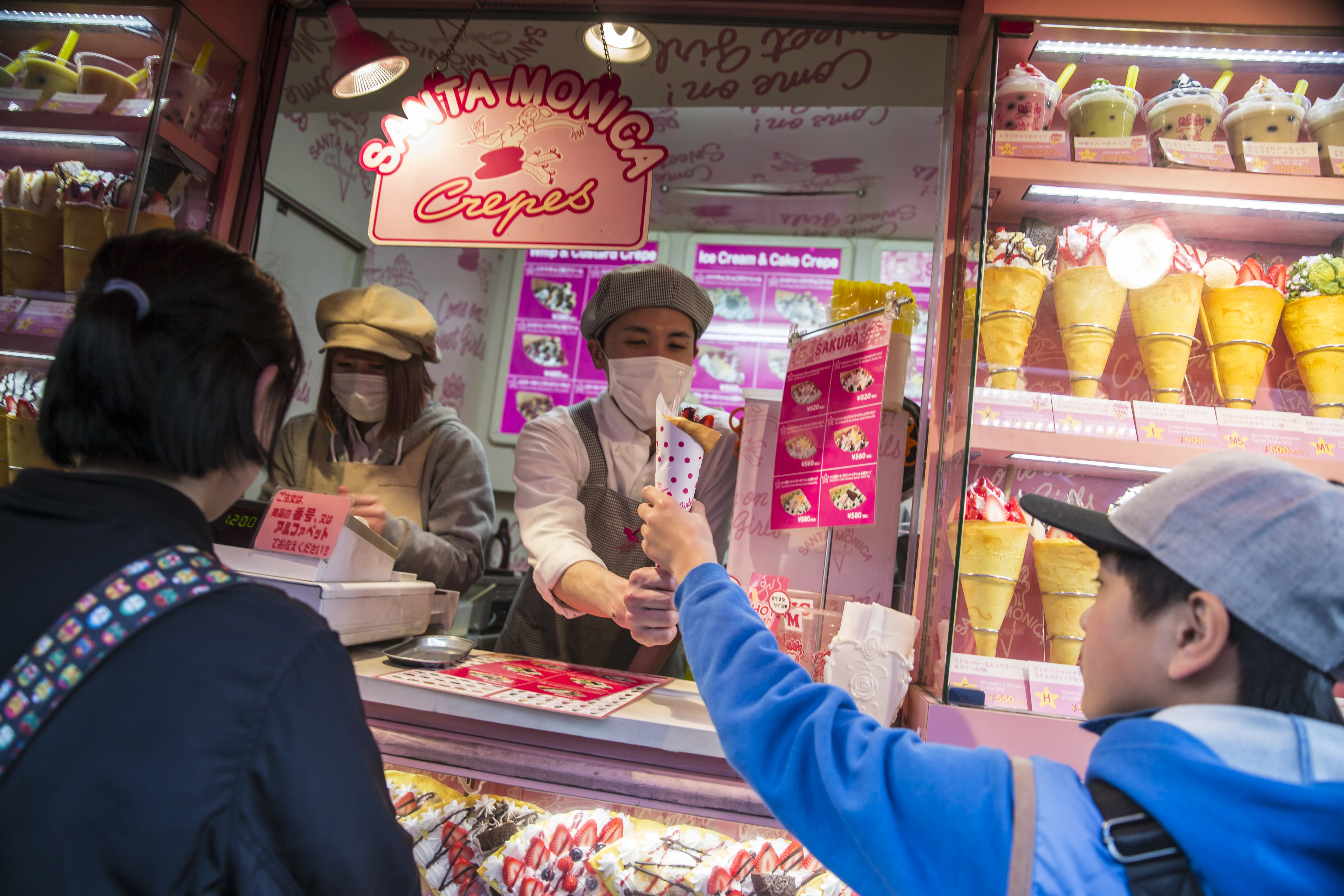
Walk the tranquil forest paths of Meiji Jingu Shrine, a Shinto sanctuary of towering cedars and giant torii. Cross town to Senso-ji Temple and the Kaminari-mon in Asakusa, drifting past incense and souvenir stalls, then pivot to pop-culture cool along Harajuku’s Takeshita-dori. The contrasts—from ancient rite to street fashion—reveal how Tokyo blends tradition with trend in a single day.
Okinawan Home-Style Cooking Class, Tokyo
On day 3, roll up your sleeves for a hands-on session celebrating the flavors of Japan’s southern isles. Guided by a local instructor, you’ll prepare nutrient-rich Okinawan dishes—think bitter melon stir-fry, fresh tofu, sea vegetables and sweet potato sides—while hearing why this island cuisine is associated with vitality and balance.
As steam rises from your pots, learn how the former Ryukyu Kingdom’s trade routes brought tropical ingredients and culinary ingenuity to Japan. Then sit down to savor your creations for lunch, comparing textures and seasonings and swapping family favorites. It’s an approachable way to understand healthy Japanese cooking and bring recipes you can recreate at home.
Sumo Wrestling Workshop with a Former Wrestler
Feel the disciplined power of Japan’s national sport on day 4 during a hands-on sumo training session. Led by a former rikishi, you’ll learn the fundamentals—stable stance, shiko leg stomps for balance, and the explosive tachiai charge—and understand how athletes train, eat, and live within strict stables.
Your instructor explains the sport’s Shinto roots, from salt purification to rituals performed in the clay dohyo ring. Watch a close-up demonstration of technique, then try controlled moves yourself while practicing respect and sportsmanship. The experience reveals sumo’s blend of ceremony and strength—and why this ancient art continues to captivate modern Japan.
Arrival Transfer & Welcome Meeting, Tokyo
Touch down in Japan’s capital and relax with an included airport transfer to your hotel. In the early evening on day 1, gather to meet your Tour Director and fellow families, review the journey ahead, and get practical tips on navigating Tokyo’s outstanding public transit. It’s a friendly, low-key start that helps kids and adults settle in and get excited for the days to come.
As you acclimatize to the city’s neon skyline and ordered bustle, your CEO outlines Japanese customs—simple greetings, bowing etiquette, and dining basics—so you’ll feel confident from your first steps. Wrap up with suggestions for a light stroll or bite nearby and enjoy a free evening to reset before tomorrow’s immersive exploration.
Nara Heritage Day: Todai-ji, Kasuga Taisha & Naramachi
Venture out on day 9 to Japan’s first capital. Enter Todai-ji’s Great Buddha Hall to gaze up at the monumental bronze Vairocana and feel the hush inside its vast timber interior. Outside, friendly deer wander Nara Park, a living symbol of the city’s long ties to sacred tradition.
Follow lantern-lined paths to Kasuga Taisha, where mossy stone and bronze lamps evoke centuries of ritual. Then explore Naramachi’s preserved merchant streets, peeking into craft shops and townhouses that reveal everyday life in old Nara. Return to Kyoto with a deeper sense of Japan’s early history and courtly culture.