Your itinerary
Day 1
DAY 1
Departure
Day 2
Arrival in Delhi
Arrival in Delhi – Arriving in Delhi, we’ll transfer to our hotel and have some time to settle before we begin our guided tour. (Subject to flight times, some sightseeing may be done en route to the hotel).
On our guided tour, we’ll explore the highlights of New Delhi. We’ll visit the city centre, designed by Sir Edwin Lutyens in 1911. This area is characterised by its tree-lined avenues and grand design, reflecting the legacy of the Raj. It’s home to the Presidential Palace, which was formerly the Viceroy’s Palace.
Throughout the tour, we’ll also see some of Delhi’s older monuments, including the Qutub Minaret, which was constructed in 1199. Standing tall at an impressive 240 feet, it dominates the skyline of Delhi and is the tallest stone-built tower in India, making it one of the capital’s most iconic landmarks.
After the tour, we will return to the hotel, where the rest of the afternoon will be free for leisure before dinner this evening.
Meals: Dinner
Day 3
Delhi and Agra
Delhi and Agra – This morning, we will continue our city tour by delving into Old Delhi. We’ll start at Raj Ghat, a simple yet powerful memorial dedicated to Mahatma Gandhi. From there, we will journey along the impressive walls of the Red Fort before seeing the Gurudwara Bangla Sahib Temple, one of the most distinguished Sikh houses of worship in Delhi.
In the afternoon, we will bid farewell to Delhi and embark on our drive to Agra, where we’ll check into our hotel in the late afternoon. Dinner is included at the hotel this evening.
Meals: Dinner
Day 4
Taj Mahal
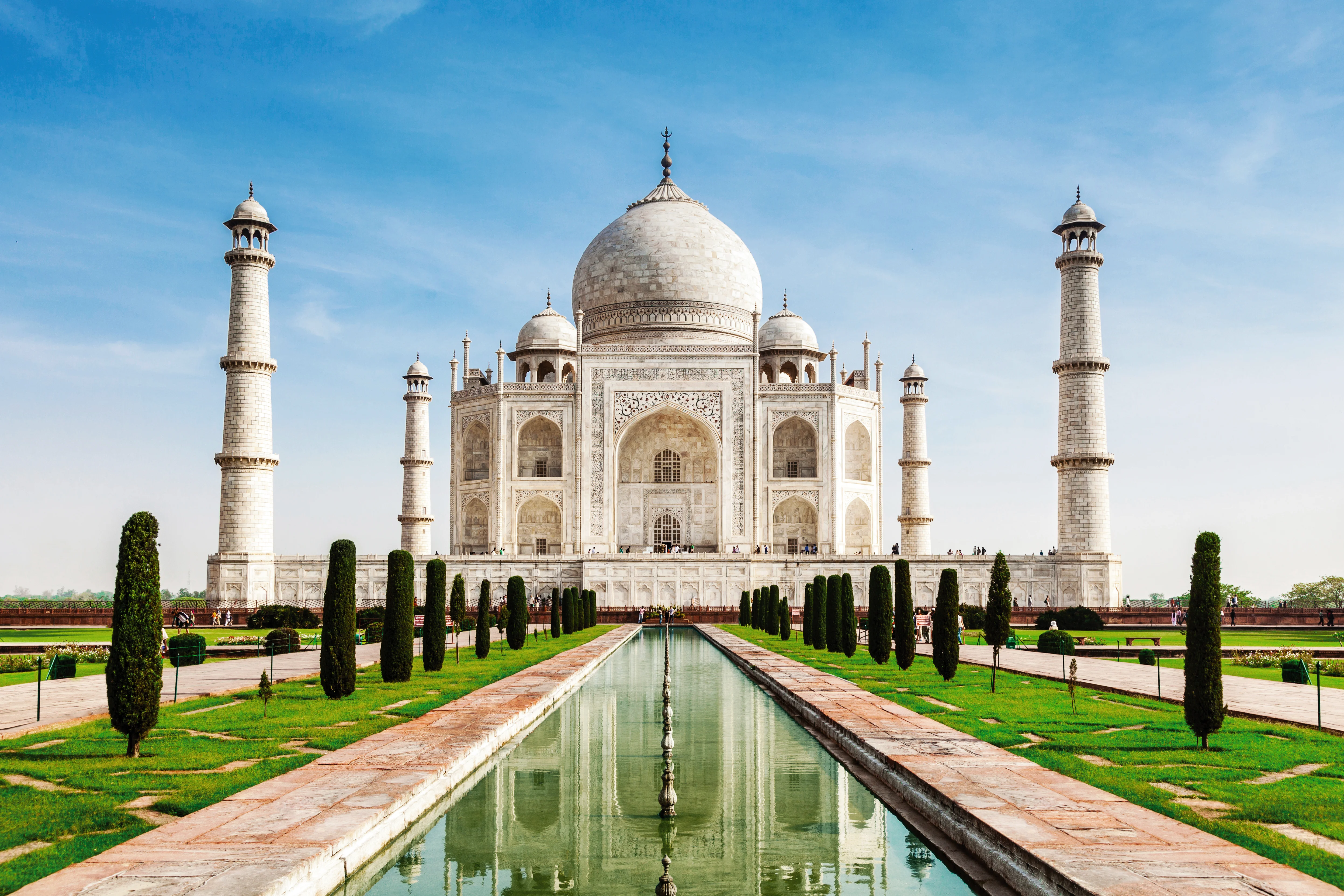
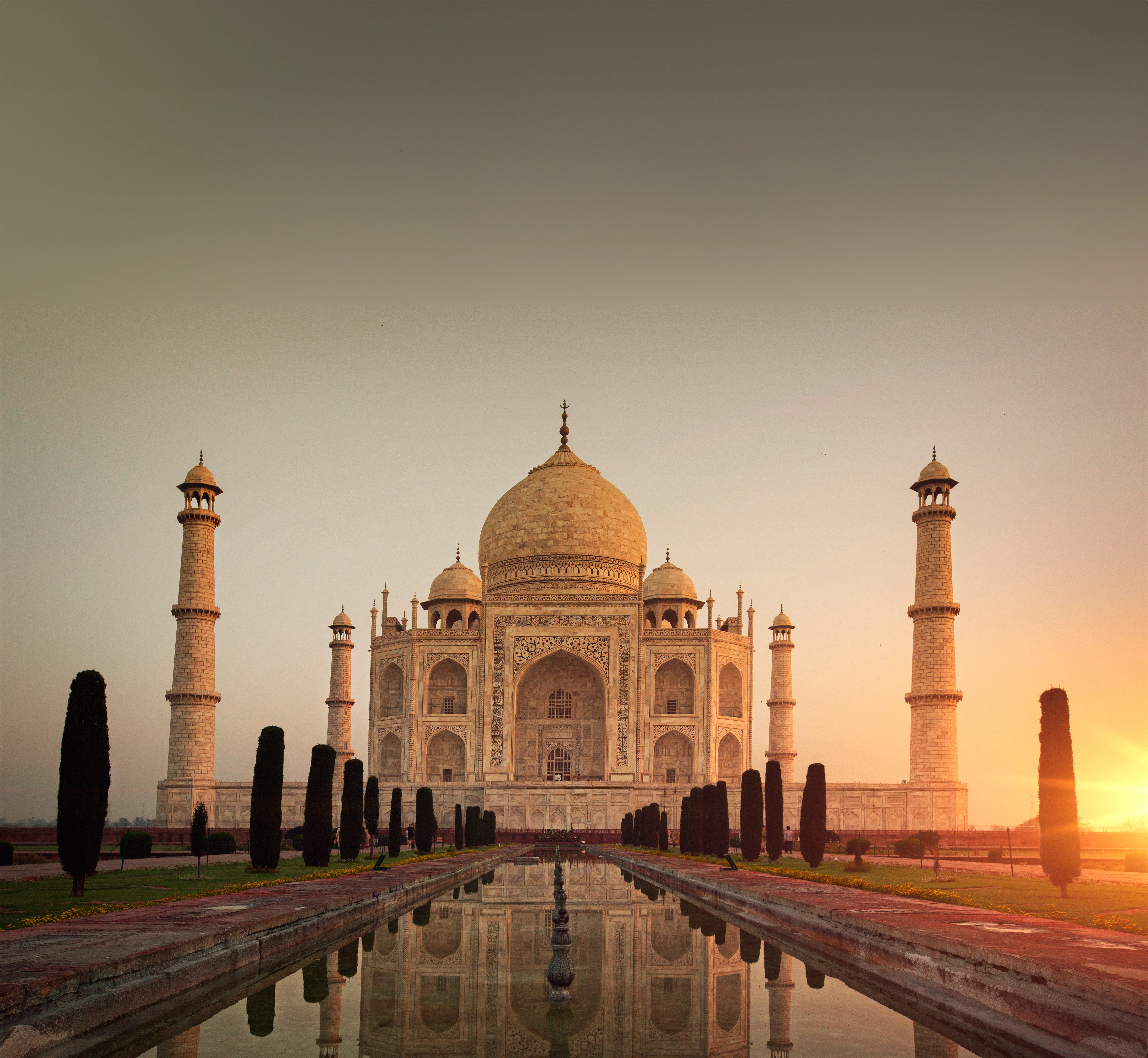
Taj Mahal – As the sun rises above the Taj Mahal, its white marble radiates a warm glow. The mist begins to rise from the Yamuna River and the morning sun casts an orange haze over its surface, creating a dazzling scene that makes the water appear to be alight. The Taj Mahal, with its exquisite beauty, rich history, and impeccable design, is one of the wonders of the world and stands as one of the greatest monuments. We’ll have ample time to explore its grand façade from every angle before returning to the hotel for breakfast.
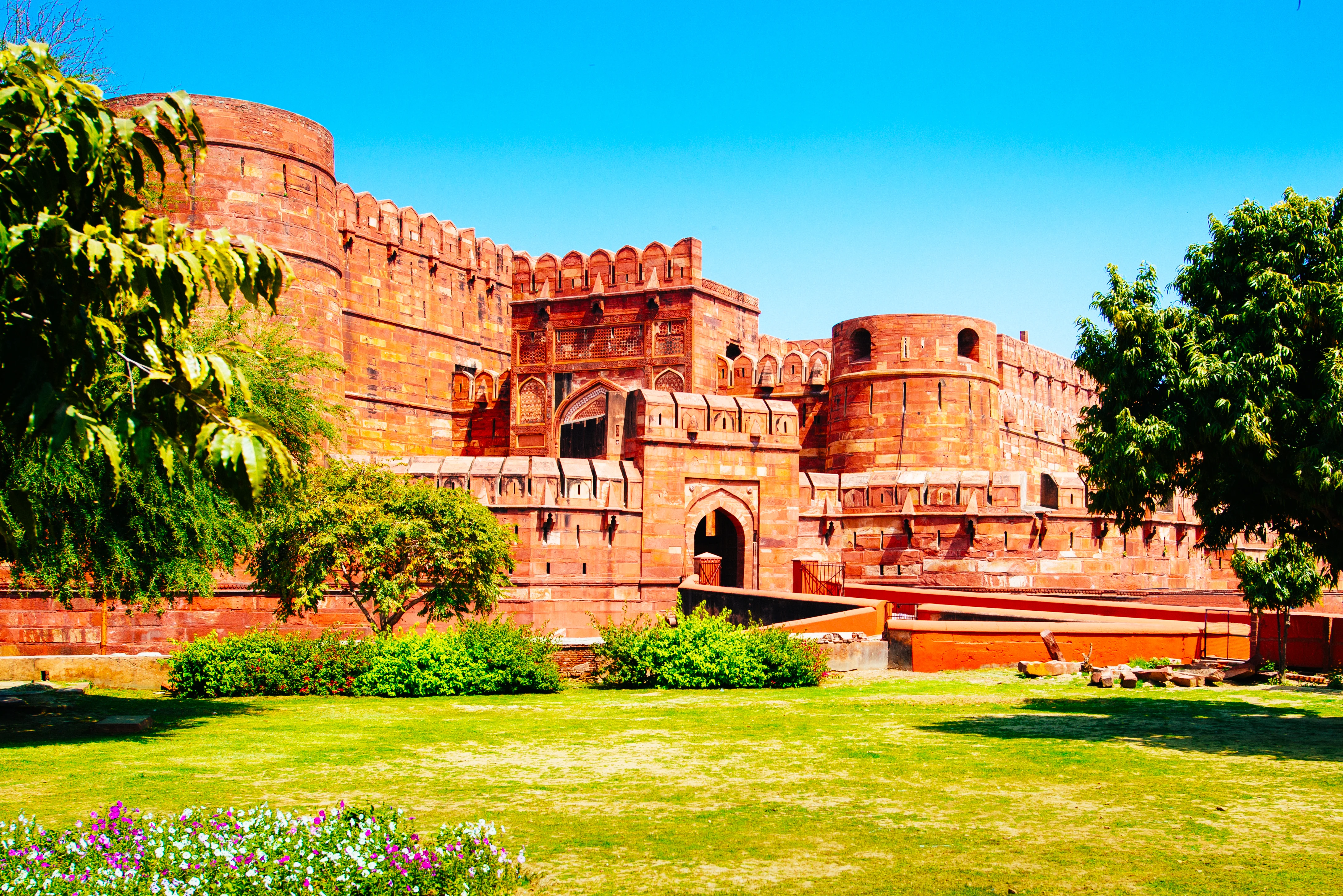
Later, we’ll visit the remarkable Agra Fort, a vast structure made of red sandstone built in the 16th century, before continuing to Jaipur, where we will stay at a four-star hotel for two nights including dinner.
Meals: Breakfast,Dinner
Day 5
Amber Fort & Jaipur
Amber Fort & Jaipur – Jaipur, known as the Pink City, is a vibrant tapestry of colours. Its buildings are primarily washed in pink, while the striking reds, saffrons, and deep violets of countless traditional saris glimmer under the midday sun.
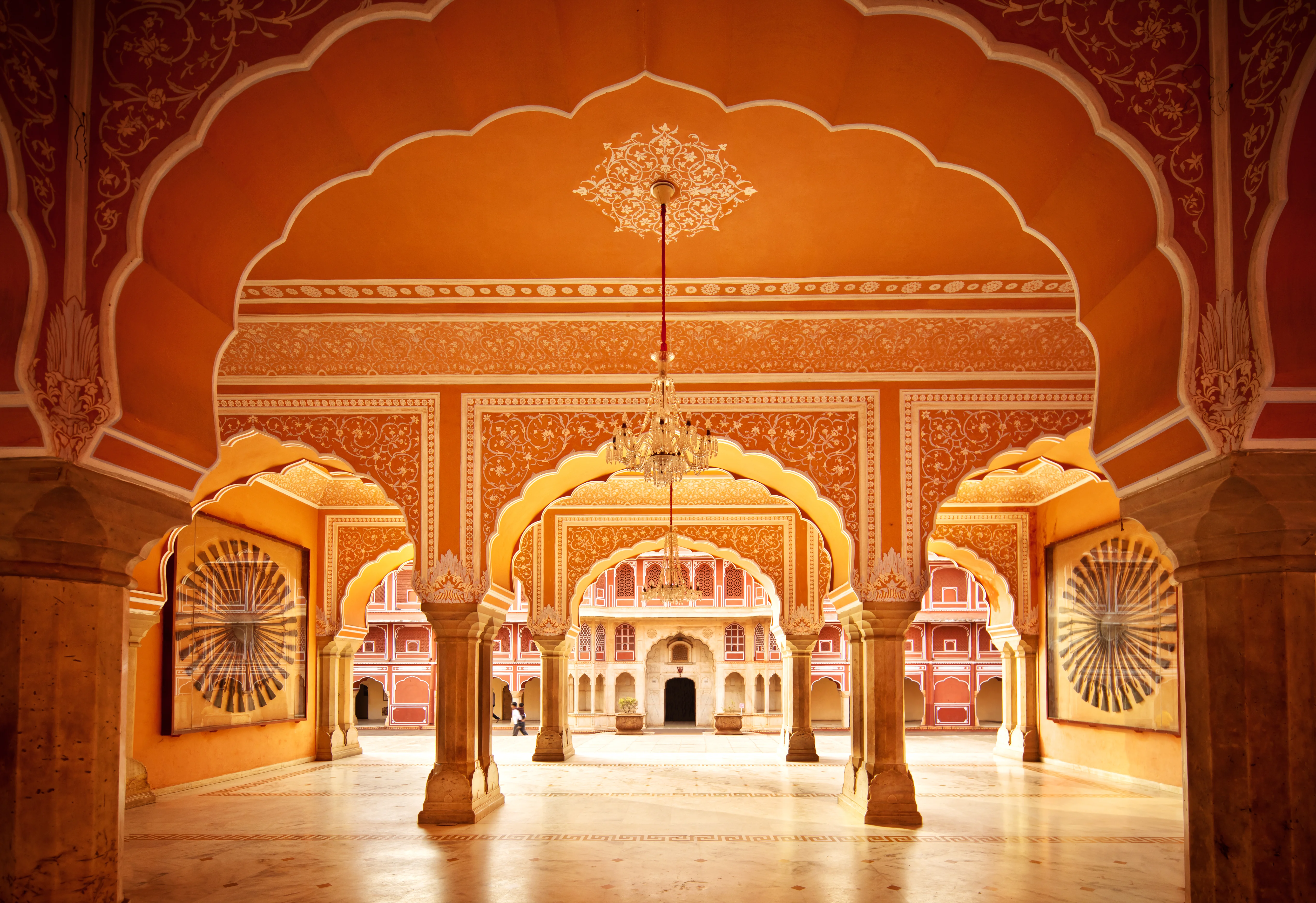
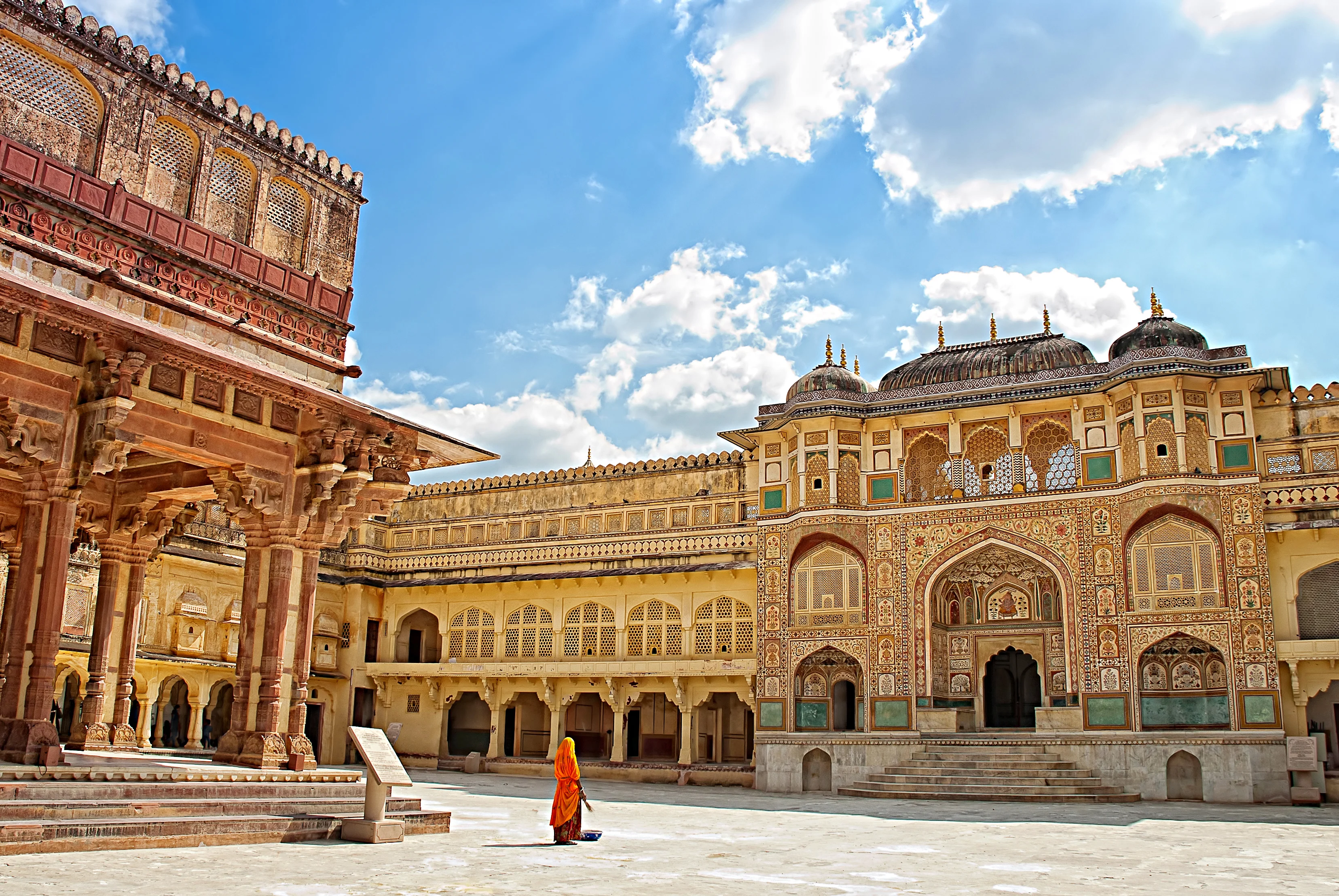
Our tour will take us to Amber Fort, beautifully situated amidst rolling hills. We’ll explore sections of the fort that were reserved for the Maharaja’s wives and concubines, including the remarkable Hall of Mirrors. We’ll also make a stop for photos at the Palace of the Winds, an exquisite pink sandstone structure featuring honeycomb windows. This was where the royal ladies observed street life and processions below.
Next, we’ll visit the City Palace, the current residence of the Maharaja of Jaipur. Here, we’ll see a vast collection of formal robes, intricately detailed carpets, captivating paintings, and impressive weaponry.
Finally, we’ll conclude our tour at the 18th-century Jantar Mantar open-air observatory, home to a fascinating array of early yet highly accurate astronomical instruments.
Day 6
Kolkata
Kolkata – We’ll start the day with a morning flight to Kolkata, followed by a hotel transfer. The afternoon is yours to unwind or begin exploring the city at your own pace.
Later, gather for an engaging evening at the Glenburn Penthouse, where a specialist guide will lead a captivating session on Bengal’s rich and complex history. Discover how diverse communities—from Armenian merchants to Portuguese missionaries and Jewish settlers—shaped the city’s cultural landscape. Learn how these influences paved the way for the British East India Company’s rise and Kolkata’s role as the first capital of the British Raj. The talk also covers the pivotal Battle of Plassey in 1757, which marked the start of British rule in India. The evening concludes with a private dinner in the dining room with views out to the Victoria Memorial.
Meals: Dinner
Day 7
Kolkata and embarkation
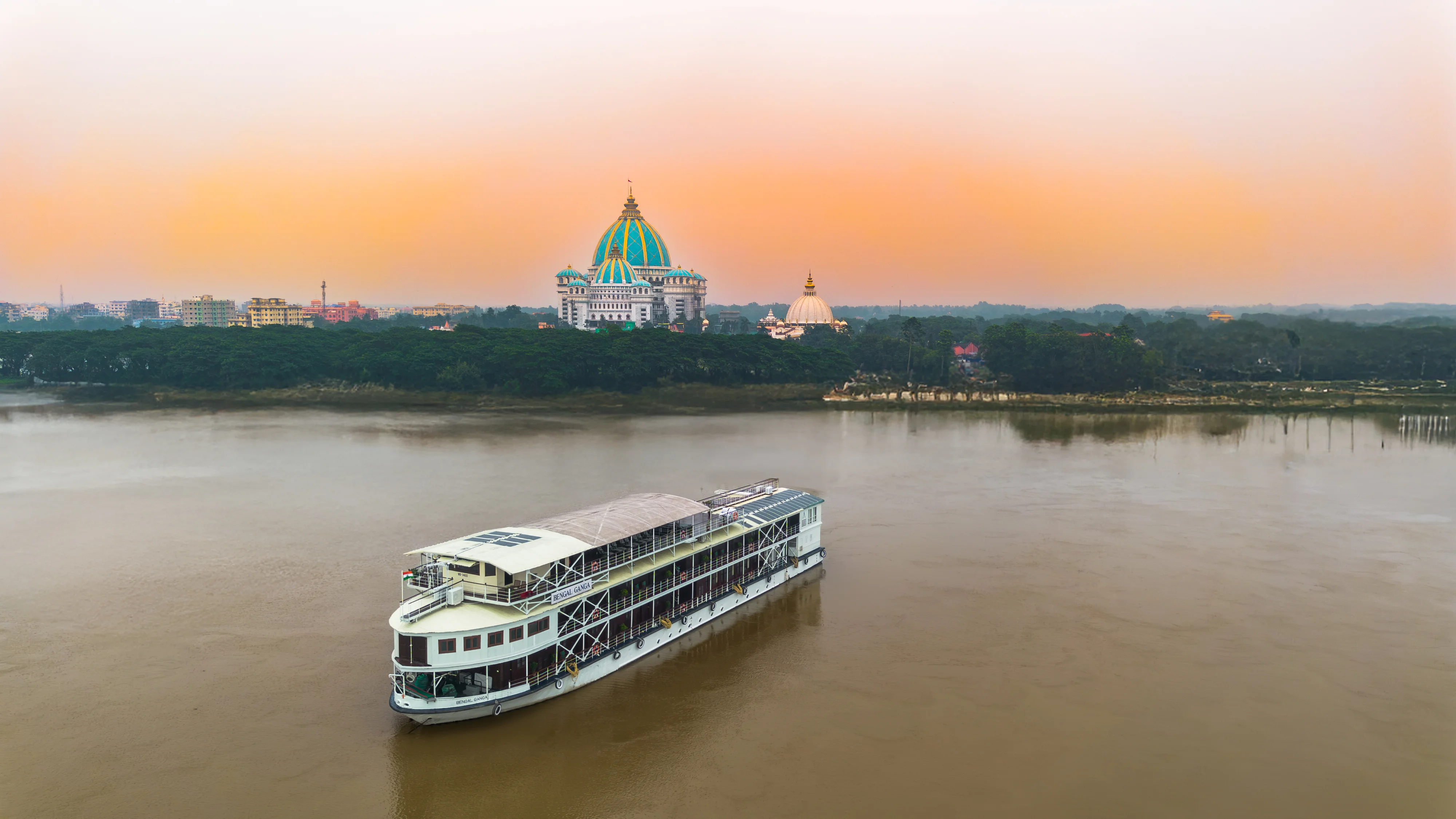
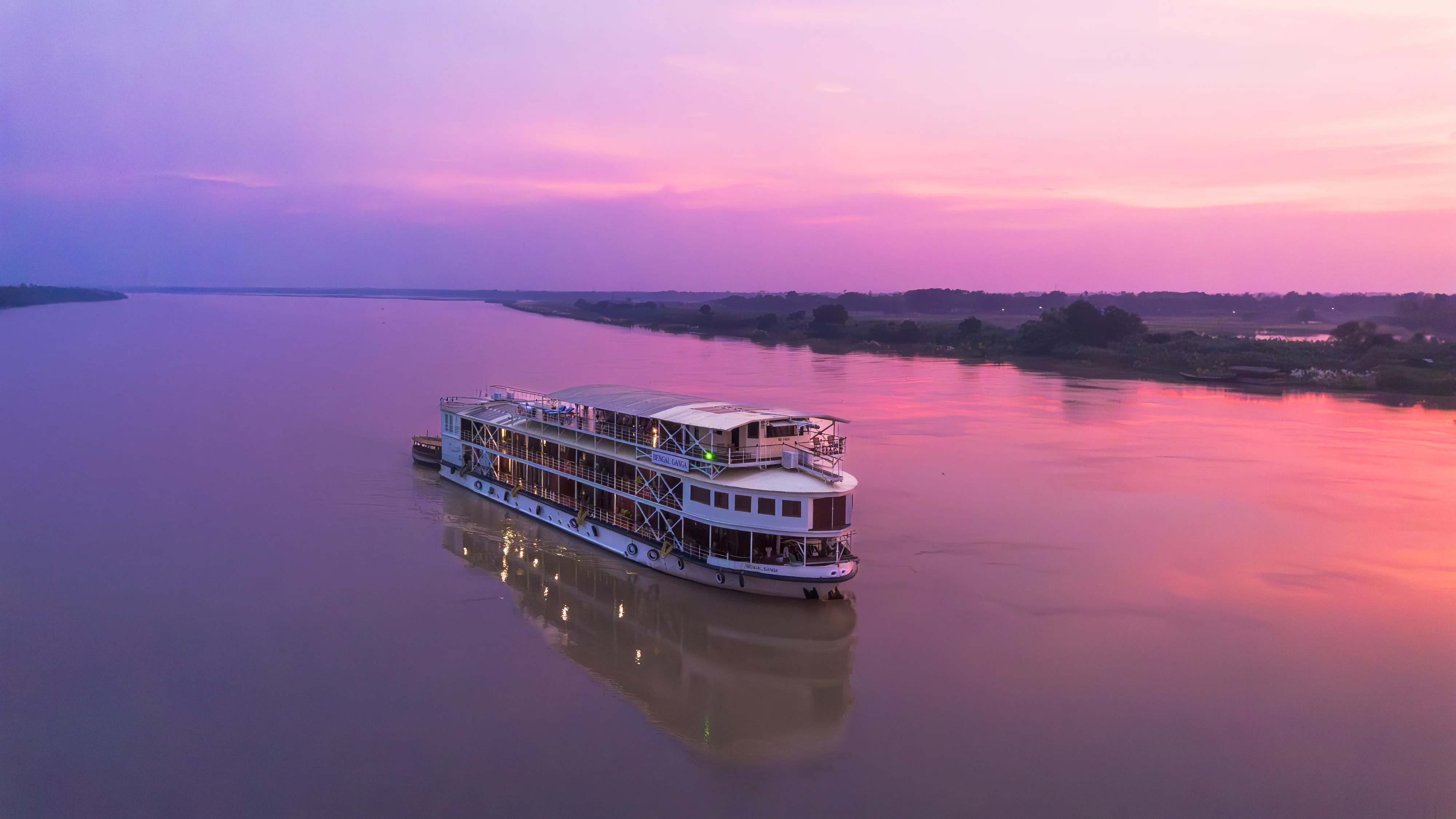
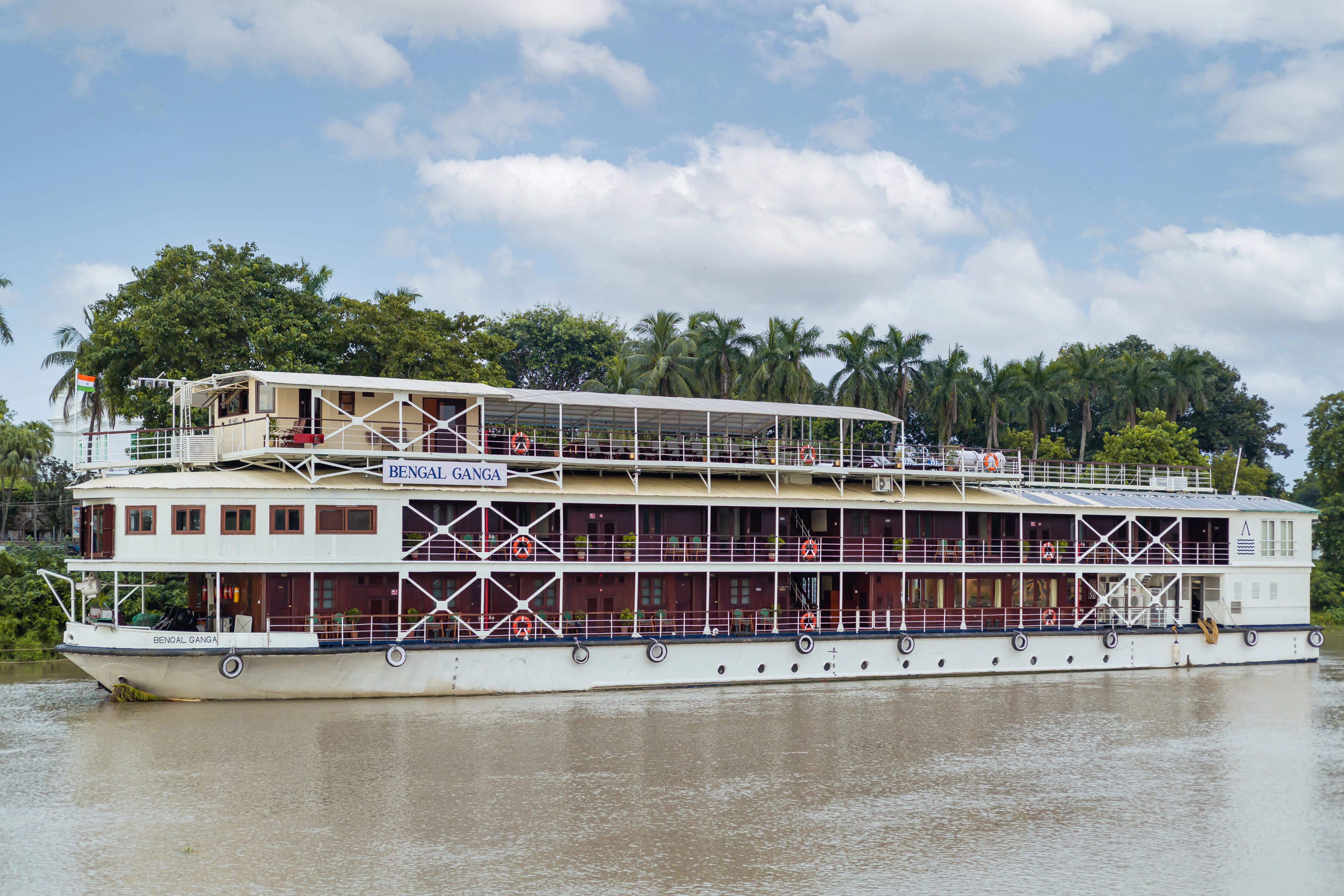
Kolkata and embarkation – This morning, we transfer to the MV Bengal Ganga and begin our journey aboard this elegant river vessel. After a warm welcome from the crew, take time to settle into your cabin and familiarise yourself with the ship, which will be home for the next seven nights.
After lunch on board, we head out with our guide for an introductory tour of Kolkata. Formerly known as Calcutta until 2001, this bustling metropolis was once the capital of British India and remains one of the country’s largest and most culturally rich cities. Its colonial past is still visible in the grand architecture and city layout, reminiscent of a European capital.
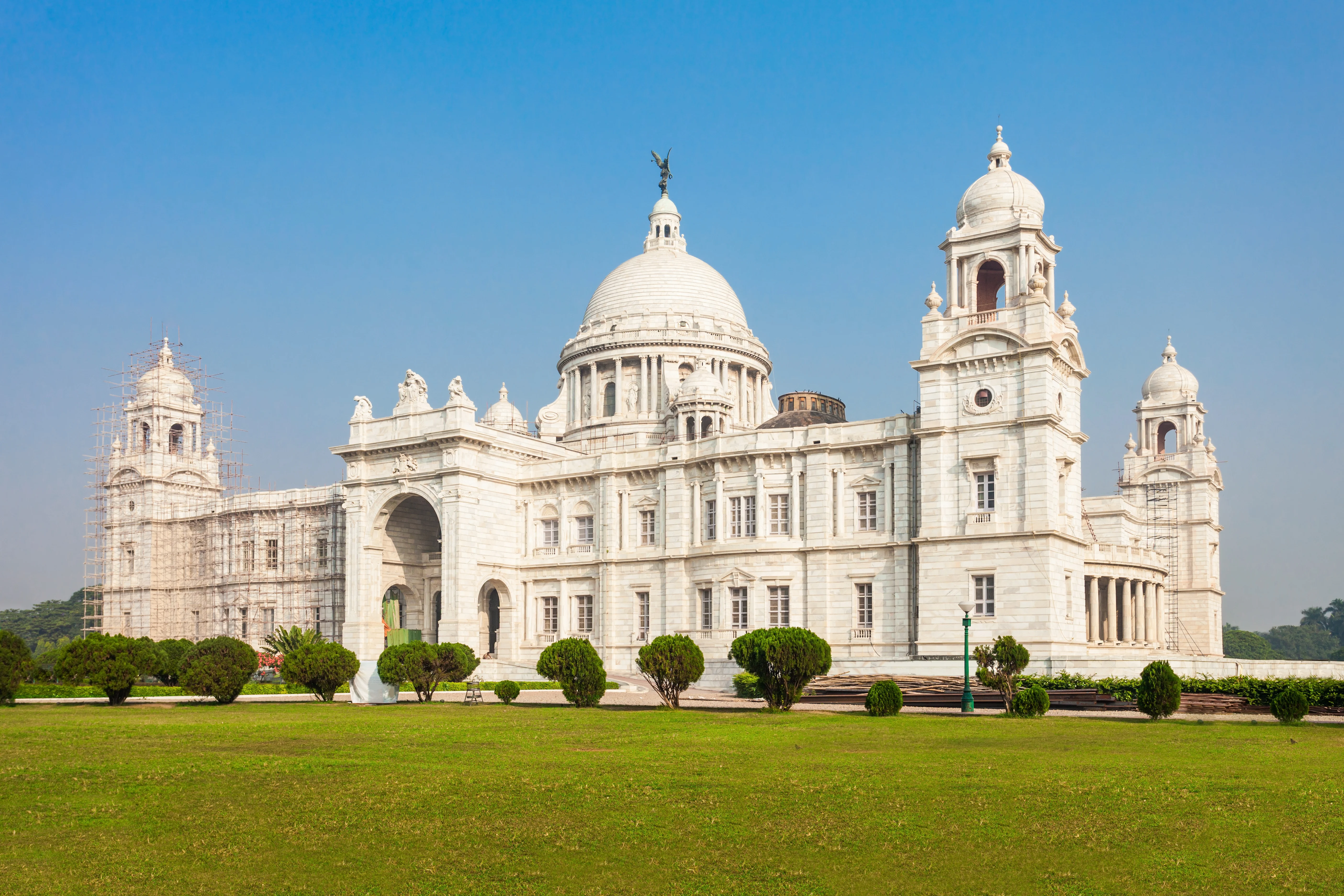
Our panoramic exploration includes key landmarks such as Dalhousie Square, the historic St. John’s Church, and the iconic Victoria Memorial. Set within 64 acres of landscaped gardens, this striking marble monument commemorates Queen Victoria and also houses a national gallery. Built on the site of a former jail, it stands as a powerful symbol of the city’s layered history.
The ship will be moored in Kolkata for your first night on board.
Meals: Lunch
Day 8
Kolkata – Bally Bridge
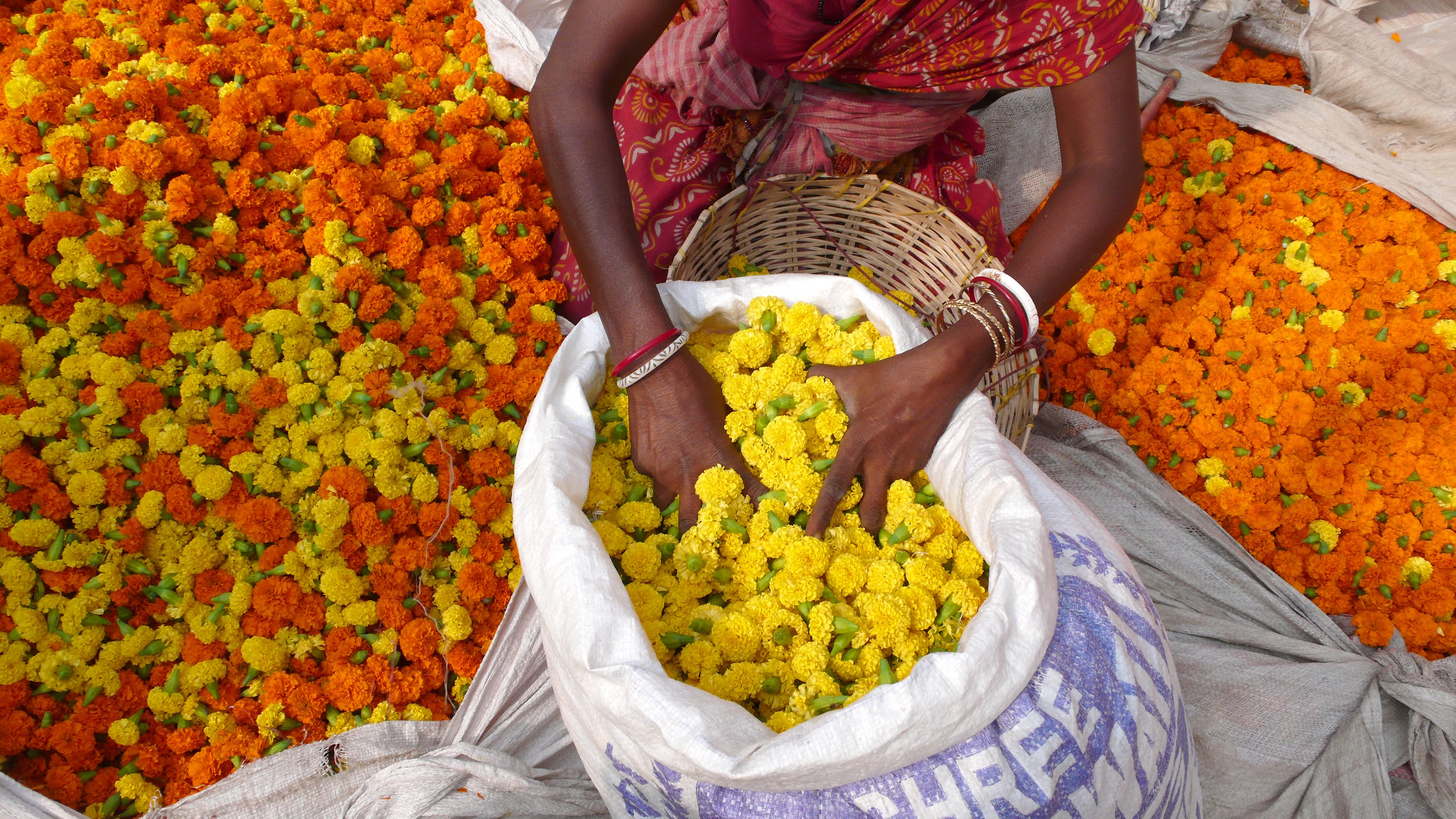
Kolkata – Bally Bridge – After a restful night and a hearty breakfast, we rejoin our guide for some more sightseeing in Kolkata. We’ll begin at the bustling Flower Market, where vibrant garlands and floral decorations are crafted for temples, weddings, and daily rituals. The colours and energy here offer a vivid glimpse into local life.
Next, visit Kumartuli, a historic neighbourhood known for its skilled potters and sculptors. Here, artisans shape intricate clay idols of deities, many of which are used in major religious festivals across India.
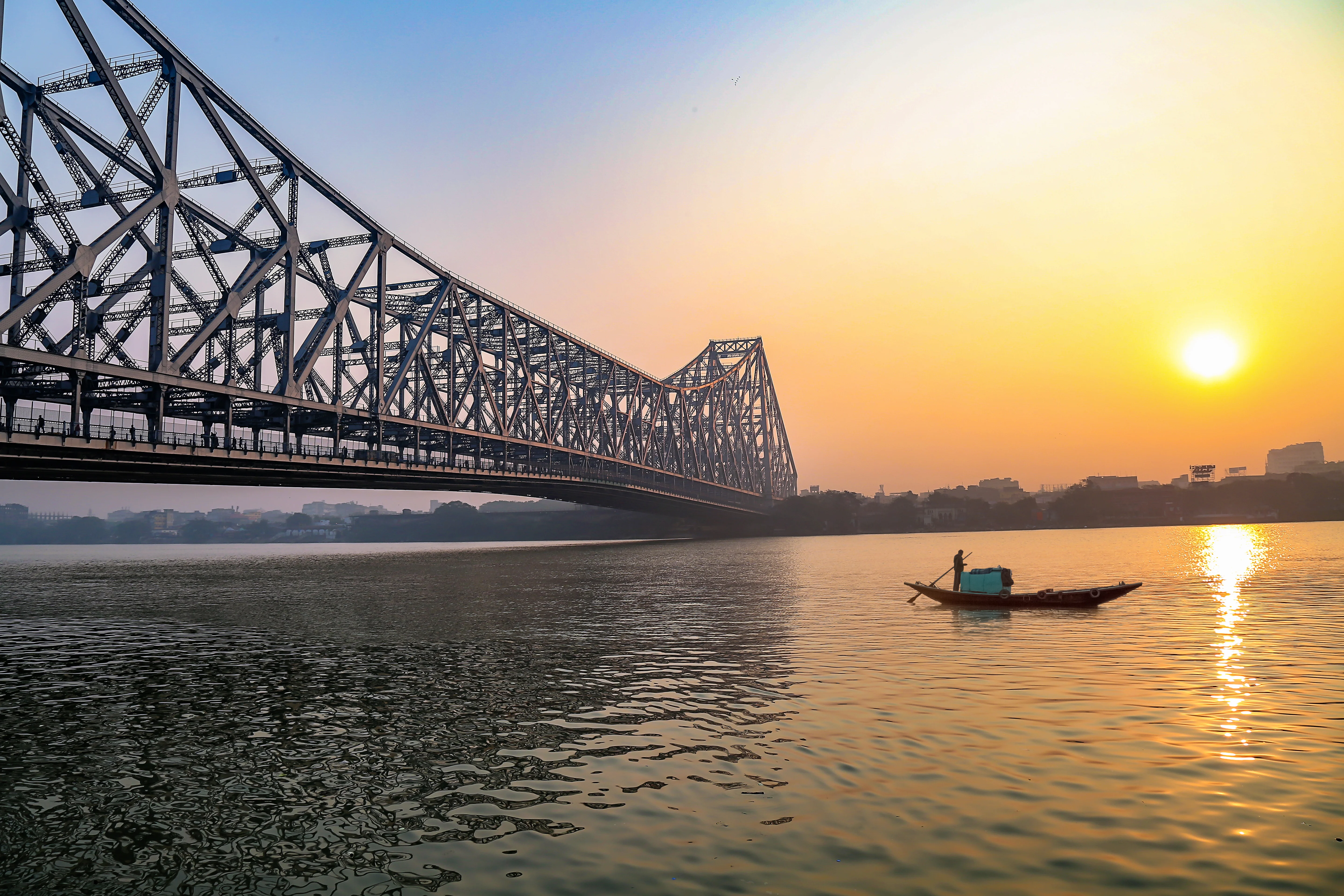
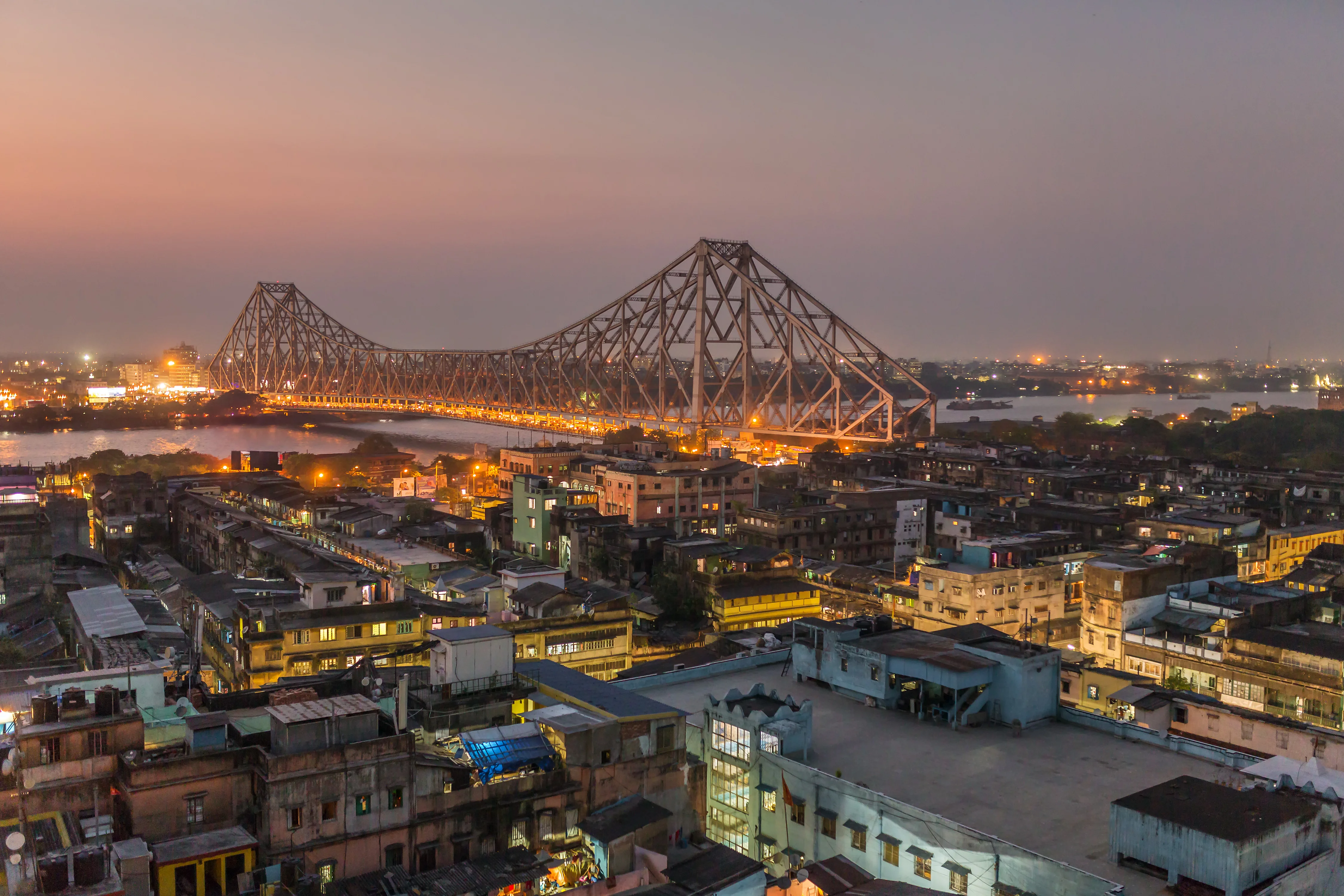
We return to the ship for lunch, then begin our river cruise. As we sail upstream past the iconic Howrah Bridge, enjoy views of colonial-era buildings lining the riverbanks en route to Bally Bridge.
Meals: Breakfast,Lunch
Day 9
Hooghly Imambara, Bandel
Hooghly Imambara, Bandel – Start your day at a relaxed pace, with the morning free to enjoy the comforts of the ship. Whether you choose to linger over breakfast, unwind with a book, or sip a drink while watching the riverside scenery unfold, it’s the perfect time to recharge.
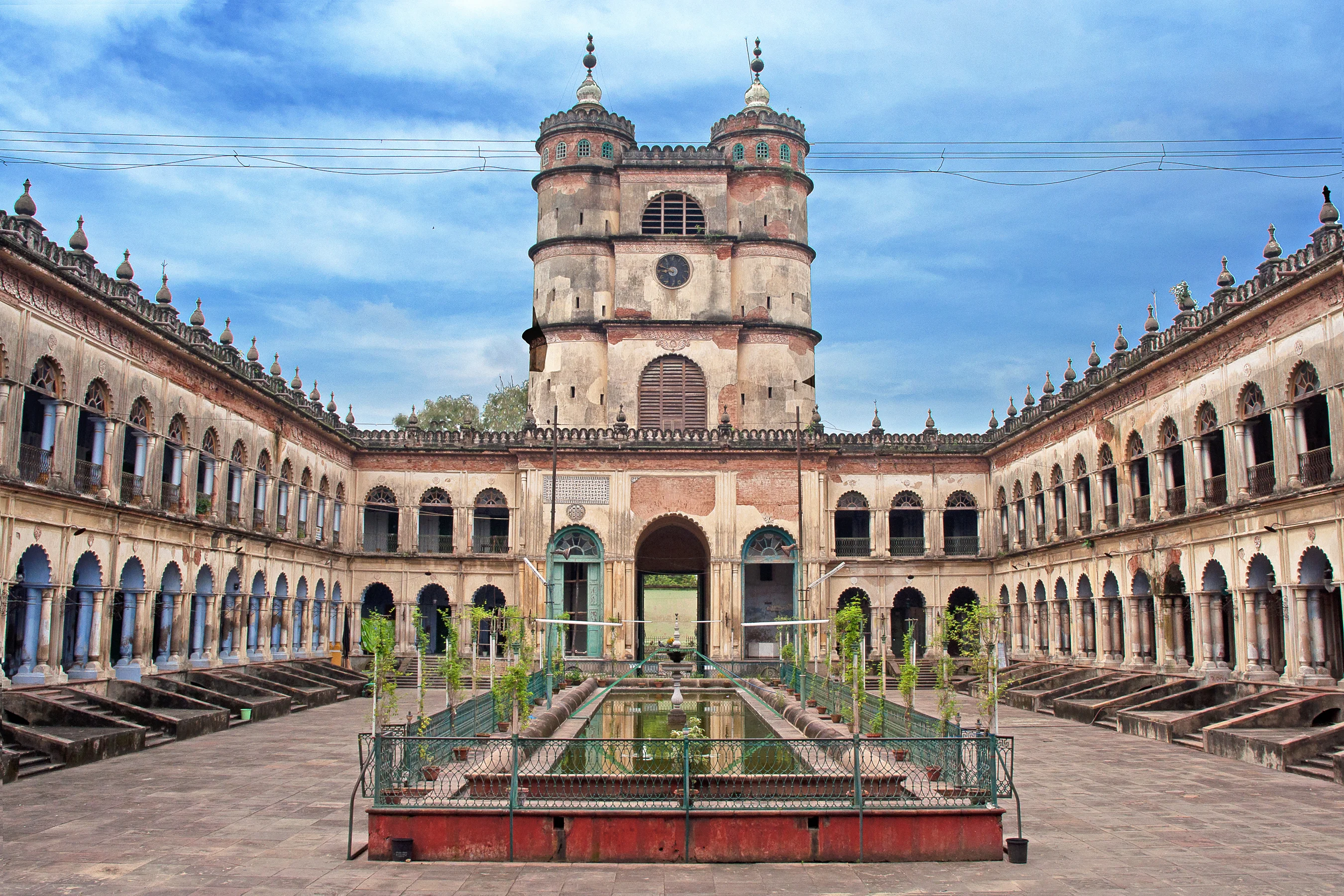
After lunch on board, we head ashore to visit the impressive Imambara in Hooghly. This historic congregation hall, adorned with Quranic inscriptions, offers a fascinating insight into Bengal’s Islamic heritage and architectural legacy.
Following the visit, we return to the ship and continue our journey towards Bandel, where we’ll dock for the night.
Meals: Breakfast,Lunch
Day 10
Kalna
Kalna – Enjoy a peaceful morning cruising along the river, with time to savour breakfast and lunch at your leisure on board.
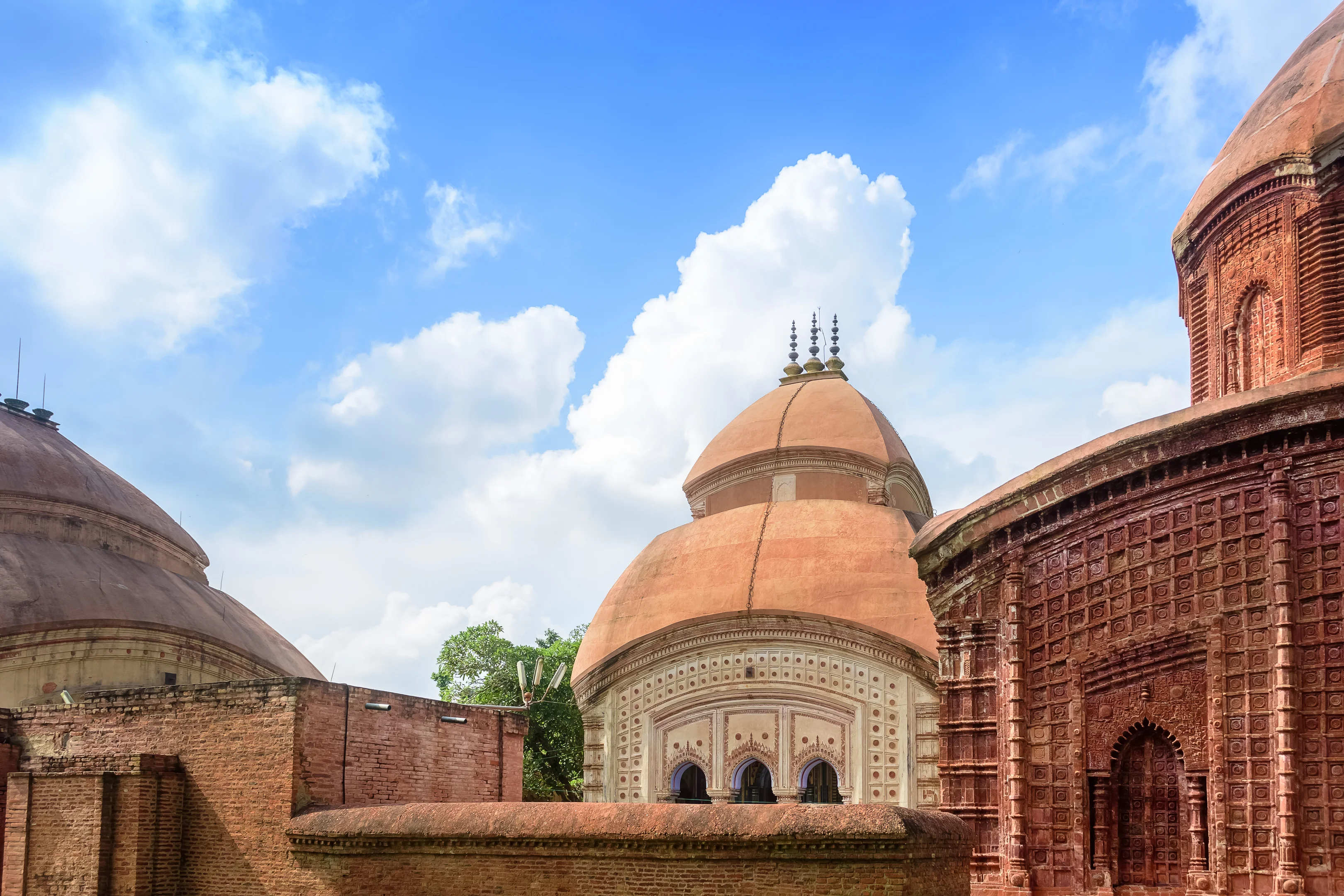
In the afternoon, we arrive in Kalna—also known as Ambika Kalna—named after the goddess Kali Maa Ambika and renowned for its remarkable temple architecture.
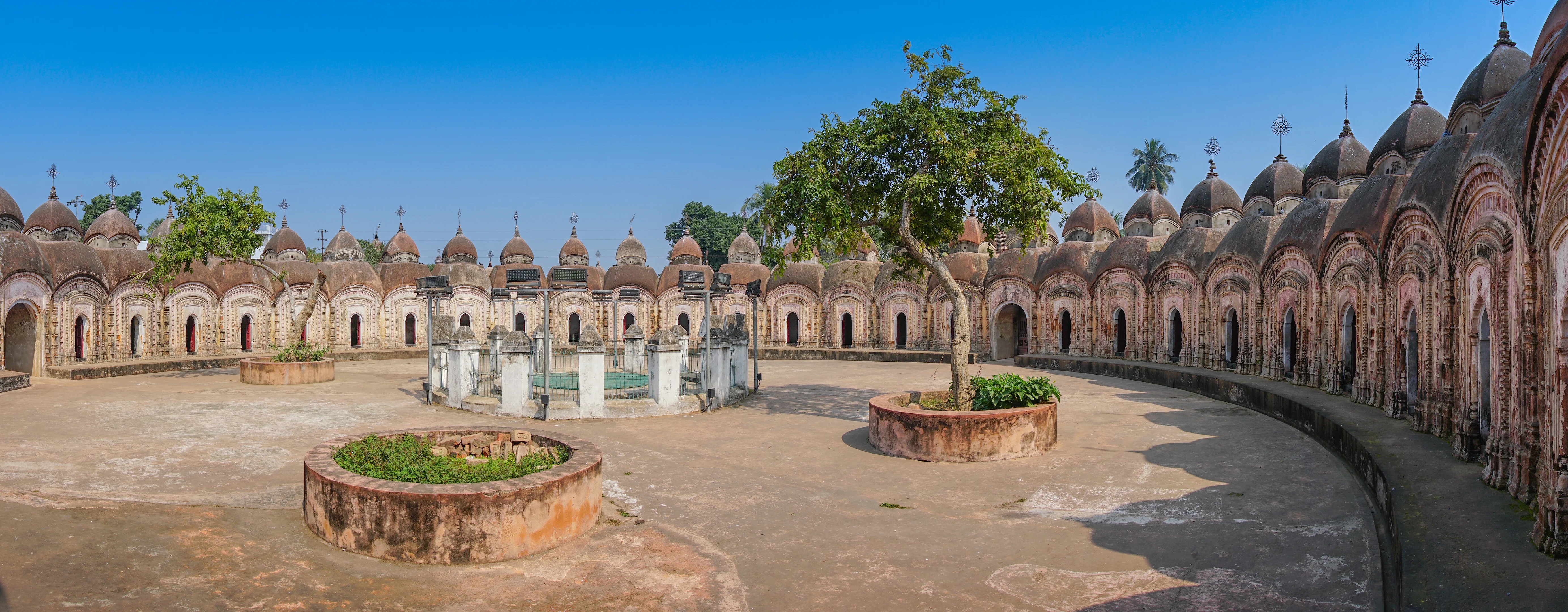
Hop aboard an e-rickshaw for a guided tour through this historic town, where you’ll discover some of Bengal’s finest terracotta temples at the Rajbari temple complex. A standout is the unique Nabakailis temple, built in 1809 and featuring two concentric circles of 108 eight-slope-roofed shrines dedicated to Lord Shiva. Bengal temples often echo the form of traditional village huts, featuring curved, sloping roofs arranged in one, two, three, four, or—like in this case—eight tiers. The number 108 holds deep spiritual significance in Hinduism, often associated with sacred chants and meditation.
Before returning to the ship, take a stroll through the lively local vegetable market for a glimpse of everyday life in Kalna.
Meals: Breakfast,Lunch
Day 11
Nabadwip
Nabadwip – Mayapur – This morning, enjoy a scenic cruise to Nabadwip while breakfast and lunch are served on board.
Located at the meeting point of the Bhagirathi and Jalangi rivers, Nabadwip is a sacred town deeply connected to Lord Krishna and Chaitanya Mahaprabhu. On arrival, stroll through a riverside village known for its traditional handloom weaving, where artisans craft cotton saris and scarves.
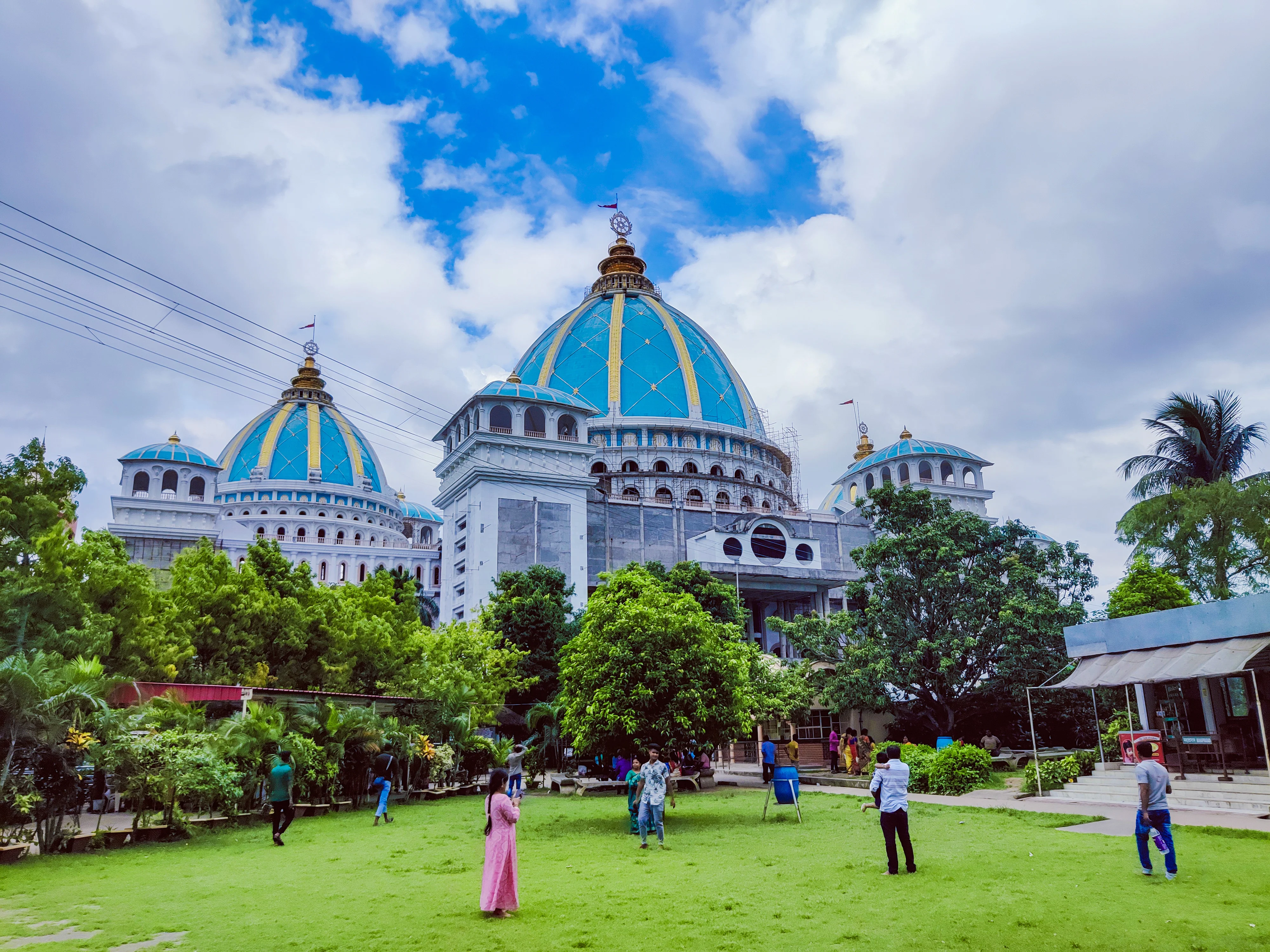
Later, cross the river by boat to reach Mayapur—one of nine revered pilgrimage islands in the region. Here, our guide will lead us to the striking ISKCON temple, the global headquarters of the Hare Krishna movement. Towering above the landscape, this vast complex draws over a million visitors annually and offers a powerful insight into devotional life and spiritual practice in modern India.
Meals: Breakfast,Lunch
Day 12
Guptipara – Fulia
Guptipara – Fulia – This morning, enjoy a short cruise to Guptipara—its name meaning “hidden neighbourhood” in Bengali. After breakfast, step ashore to explore this lesser-known town, home to a cluster of Vaishnav temples adorned with intricate terracotta carvings. You’ll also visit a local potter’s home, where you can observe traditional techniques and chat with artisans about their craft.
After returning to the ship for lunch, we make a brief crossing to the opposite riverbank to visit Fulia. This vibrant weaving village is renowned for its distinctive sari production, blending jacquard and jamdani techniques to create intricate, handwoven textiles. It’s a wonderful opportunity to witness Bengal’s rich textile heritage in action.
Meals: Breakfast,Lunch
Day 13
Chandannagar- Serampore
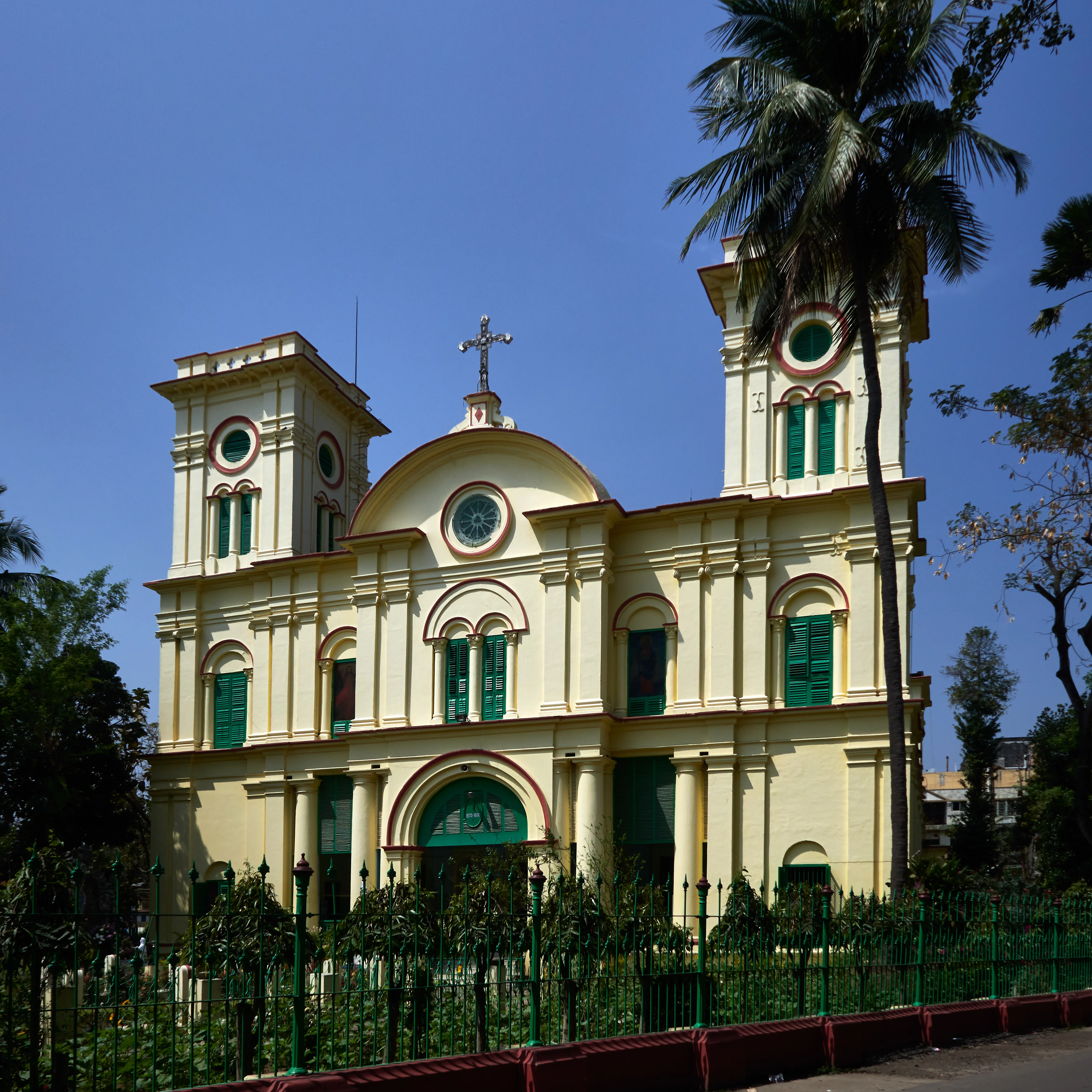
Chandannagar- Serampore – After a short morning sail, arrive in Chandannagar, a riverside town once under French rule until 1950. With its leafy boulevards and colonial charm, the town offers a unique blend of European and Bengali heritage. Begin your guided tour with a visit to the Sacred Heart Church, an elegant 18th-century structure showcasing classic French design. Continue to the former residence of the French Governor-General, now the Chandannagar Museum, where you’ll find antique furniture, relics from the Anglo-French wars, and personal items from the colonial era.
Later, return to the ship and cruise downstream to Serampore. Once a Danish settlement known as Frederiksnagore, Serampore is home to well-preserved colonial landmarks. A walking tour of the Old Quarters includes St Olav’s Church, the Danish Tavern, and other historic buildings. This evening, enjoy your final dinner on board as we sail back to Kolkata.
Meals: Dinner
Day 14
Return home
Return home – Transfer to Kolkata international airport for your connecting flight back to the UK after an unforgettable holiday*. (B)
*Based on current flight schedules, you should arrive the same day, however this is subject to change pending final flight timings.
Meals: Breakfast
What’s included
What’s not included
Additional information
Hooghly Imambara Visit
Visit the stately Hooghly Imambara, a 19th-century Shia congregation complex founded by philanthropist Haji Mohammad Mohsin. Walk arcaded corridors inscribed with Quranic verses and admire chandeliers that cast patterned light across cool stone.
Pause by the clock tower and tranquil courtyard to reflect on Bengal’s Islamic heritage and riverside mercantile past. The site’s symmetry, inscriptions, and atmosphere create a contemplative encounter with living tradition.
Kalna Rajbari & Nava Kailash 108 Shiva Temples by E-Rickshaw
Ride an e-rickshaw through Kalna to the Rajbari temple complex, where Bengal’s terracotta artistry glows in warm relief. Encounter the Nava Kailash 108 Shiva Temples, two concentric rings of shrines echoing the curved roofs of village huts.
Study patterned brickwork and sacred numerology woven into design, then browse the lively vegetable market. The town’s devotional architecture and everyday commerce offer a richly textured portrait of rural Bengal.
Nabadwip Village Walk & Mayapur ISKCON Temple
Stroll a riverside hamlet near Nabadwip, meeting handloom weavers who craft soft cotton saris and scarves. Their rhythmic shuttle work and natural dyes reflect skills passed through generations.
Cross by boat to Mayapur’s ISKCON temple, global hub of the Hare Krishna movement crowned by a vast dome. Witness devotional chanting, observe daily rituals, and gain insight into Gaudiya Vaishnavism’s enduring spiritual pull.
Guptipara Terracotta Temples & Potter’s Home
Explore Guptipara’s Vaishnav temples, a compact cluster renowned for sculpted terracotta panels depicting epics and floral motifs. The mellow brick facades and shaded courtyards preserve a quiet devotional ambience.
Visit a local potter’s home to see traditional techniques—throwing, trimming, sun-drying—used to form everyday vessels and ritual objects. Conversations with artisans illuminate Bengal’s intertwined craft and temple culture.
Fulia Handloom Weaving Village
Discover Fulia’s handloom heritage, where master weavers produce feather-light saris acclaimed across India. Observe jamdani and jacquard techniques as motifs emerge thread by thread on wooden looms.
Hear how refugee weavers from East Bengal revived patterns after Partition, sustaining livelihoods through artistry. The click of shuttles and the glow of dyed yarns reveal a living school of textile excellence.
Chandannagar French Heritage Walk: Sacred Heart Church & Museum
Walk the riverfront promenade of Chandannagar, a former French enclave where shutters, boulevards, and creole details hint at centuries of exchange. Step inside the Sacred Heart Church, a neoclassical sanctuary with elegant proportions.
Browse the Chandannagar Museum to see colonial-era furniture, documents, and relics of the Anglo-French rivalry. The town’s European-Bengali blend is legible in its architecture, language, and café-lined ghats.
Serampore Danish Quarter Walk: St. Olav’s Church & Danish Tavern
Wander Serampore’s Danish quarter—once Frederiknagore—to uncover a compact outpost of Scandinavian trade on the Hooghly. Enter St. Olav’s Church, a pale-yellow landmark restored to its 19th-century grace.
See the waterfront Danish Tavern and civic buildings that map the town’s mercantile past. Streetscapes and steeples shed light on Bengal’s cosmopolitan river history beyond the better-known British narrative.
Sunrise at the Taj Mahal
Witness dawn light wash over marble as you experience sunrise at the Taj Mahal. Subtle pinks and golds ripple across intricate pietra dura inlay while the mausoleum’s perfect symmetry reflects in long water channels.
Hear the love story of Shah Jahan and Mumtaz Mahal and contemplate the Yamuna’s soft mists—an ethereal frame for this UNESCO icon. Pause to absorb the luminous white marble and exquisite craftsmanship that define Mughal artistry.
Agra Fort: Palaces of Power
Step inside Agra Fort to explore massive red-sandstone walls enclosing royal courts, perfumed pavilions, and audience halls where emperors once ruled. Marvel at the blend of robust defenses and elegant design that symbolized Mughal might.
Discover courtyards commissioned by Akbar and refined by Shah Jahan, and seek the terrace views that align with the Taj on the river bend. The fort’s palaces narrate a dynasty’s rise, intrigue, and luminous aesthetic.
Amber Fort Guided Tour
Ascend to the hilltop stronghold of Amber Fort and wander through ornate gateways into a world of Rajput-Mughal splendor. Gaze up at the mirror-studded Sheesh Mahal, where candlelight once multiplied into constellations across polished glass.
Pass murals of floral arabesques and pause beneath the Ganesh Pol to study its vivid pigments. The fort’s ramparts overlook rugged Aravalli hills, a commanding setting that reveals both strategic prowess and refined courtly life.
Jaipur City Palace, Jantar Mantar & Hawa Mahal Photo Stop
Discover Jaipur’s royal heart as you step inside the City Palace to view textiles, miniature paintings, and ceremonial finery from the Maharajas’ collection. Capture the facade of Hawa Mahal, the ‘Palace of Winds,’ whose honeycombed windows once concealed royal observers.
At Jantar Mantar, study monumental instruments that measure celestial time with startling precision. This open-air observatory testifies to an 18th-century passion for astronomy and the Pink City’s spirit of innovation.
Kolkata Heritage Talk & Private Dinner at the Glenburn Penthouse
Join an evening salon as you attend a heritage talk tracing Bengal’s mosaic of Armenian traders, Portuguese missionaries, Jewish communities, and the British East India Company. Unpack the pivotal Battle of Plassey (1757) and the making of the Raj’s first capital.
Dine privately while city lights shimmer around the domes of the Victoria Memorial. The setting, cuisine, and conversation evoke Kolkata’s cosmopolitan past and present.
Kolkata Panoramic City Tour: Dalhousie Square, St. John’s & Victoria Memorial
Survey Kolkata’s colonial core on a guided panoramic tour around Dalhousie Square (B. B. D. Bagh), where grand banks and civic buildings ring a historic water tank. Step into St. John’s Church, one of the city’s earliest Anglican landmarks.
Continue to the landscaped grounds of the Victoria Memorial, the marble emblem of imperial opulence that now houses a national gallery. Architecture, art, and urban planning reveal the city’s layered identity.
Kolkata Flower Market & Kumartuli Idol-Makers
Wander the riverside as you explore Kolkata’s Flower Market, where marigold garlands and lotus buds spill across tarpaulins beneath the steel span of Howrah Bridge. Fragrance, color, and ritual trade animate this photogenic bazaar.
In Kumartuli, meet artisans shaping clay deities for festivals across India. Watch deft hands carve features, paint pigments, and ready idols for immersion—an intimate window into Bengal’s devotional artistry.
Hooghly River Cruise: Howrah Bridge to Bally Bridge
Cruise the Hooghly River aboard MV Bengal Ganga, gliding past ghats, colonial warehouses, and temple spires that sketch Bengal’s waterside story. Feel the current quicken as you pass beneath Howrah Bridge, Kolkata’s iconic steel lattice alive with traffic.
As the cityscape softens into leafy suburbs en route to Bally Bridge, watch fishermen cast nets and ferries shuttle commuters. River life becomes a moving gallery of everyday scenes and historic silhouettes.
Old Delhi Heritage: Raj Ghat, Red Fort & Bangla Sahib
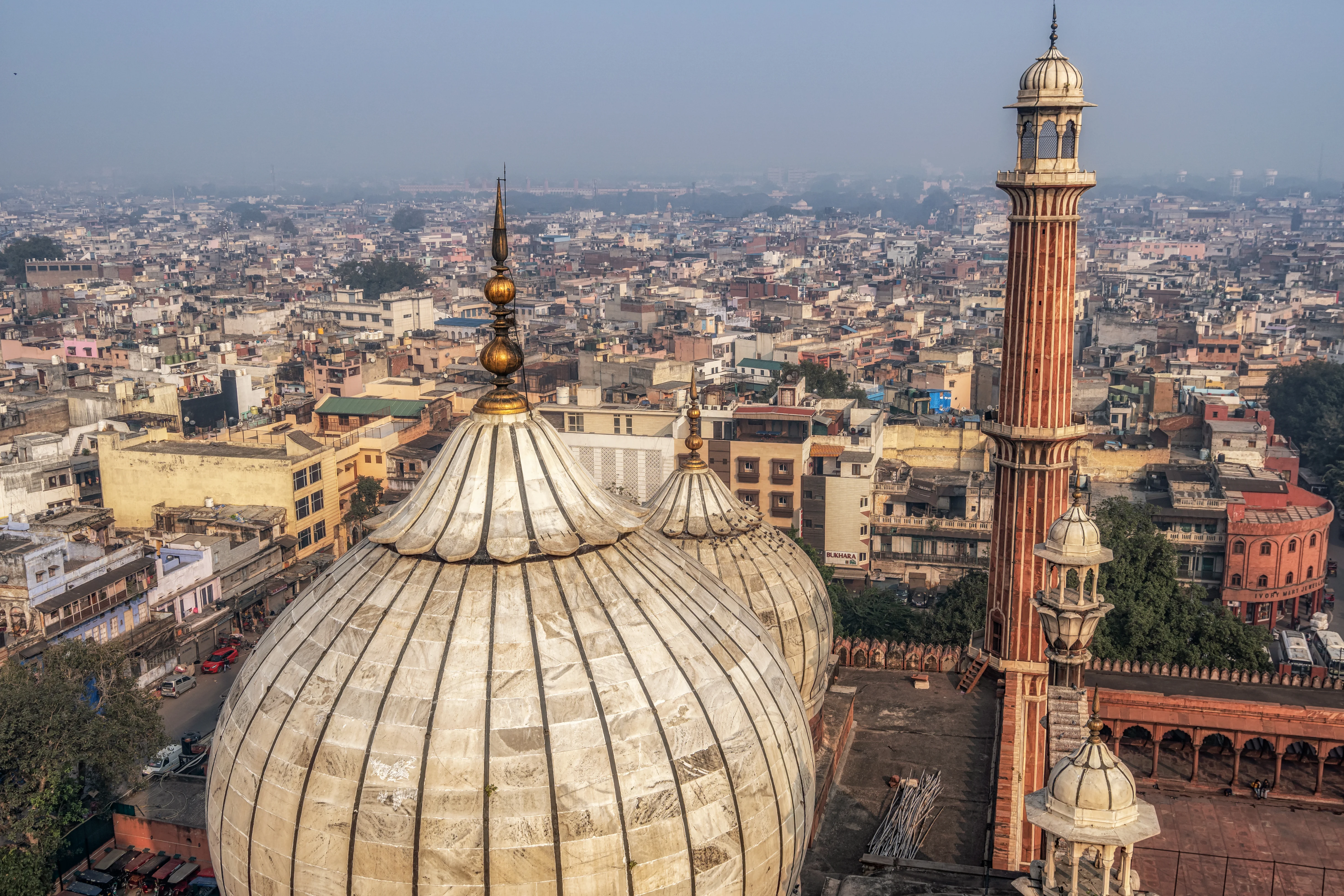
Explore the soul of the old city as you pay respects at Raj Ghat, the serene memorial to Mahatma Gandhi, set among gardens and reflective pathways. Trace Mughal grandeur as you view the Red Fort ramparts, the crimson emblem of imperial Delhi rising above bustling bazaars.
Experience living faith at Gurudwara Bangla Sahib, where hymns drift across the sacred sarovar. Learn about Sikh traditions of service and community that animate this cherished house of worship.
New Delhi Panoramic Tour & Qutub Minar
Discover imperial New Delhi on a city drive through Lutyens’ Delhi, where tree-lined avenues lead to Rashtrapati Bhavan (Presidential Palace) and wide ceremonial boulevards evoke the era of the Raj. Hear how the capital’s grand plan reshaped the city’s identity and framed modern India’s corridors of power.
Continue to Qutub Minar, a 12th-century masterpiece soaring above medieval ruins. Admire its honeyed sandstone bands of Quranic calligraphy and the surrounding early Sultanate monuments that chart Delhi’s first Islamic dynasties.