Your itinerary

Day 1
Adventure starts in Delhi
Our adventure begins in Delhi, a colourful and chaotic city full of architectural masterpieces.Around 6pm, say namaste to your tour leader and fellow travellers, when we gather as a group for the first time to get to know each other and learn more about the adventures ahead.Your tour leader then ensures a big welcome by arranging a group dinner at a nearby restaurant.Want more time in Delhi? Secure pre-tour hotel nights through your sales representative.
Meals: Dinner
Day 2
Fly to Nagpur; transfer to Pench National Park
The group will transfer to Delhi Domestic Airport for a flight (around 1hr 40min) to Nagpur. The drive to Pench National Park, where your safari adventures begin, will take approximately three hours.
Meals: Dinner
Day 3
Four game drives over two days in Pench National Park
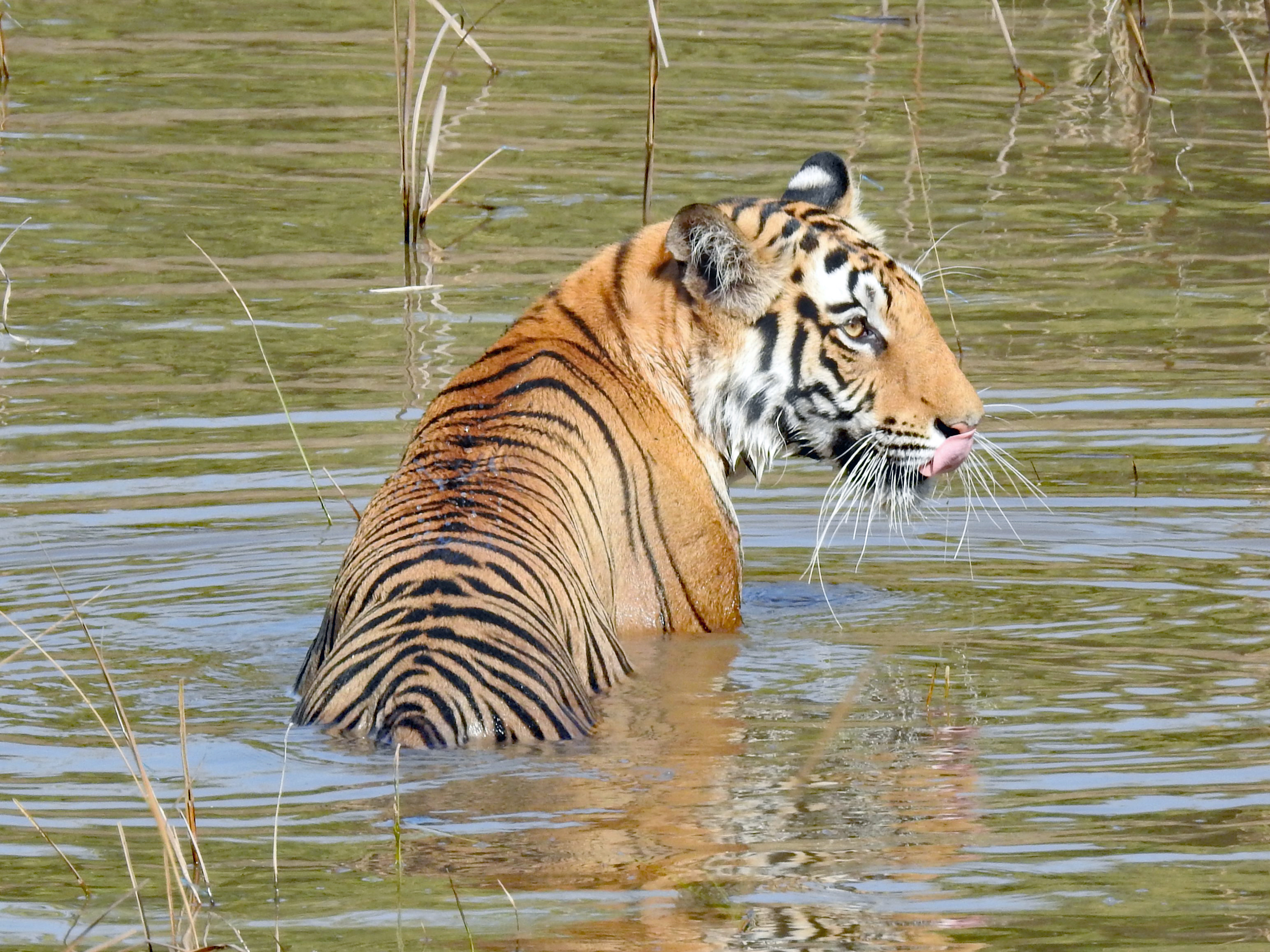
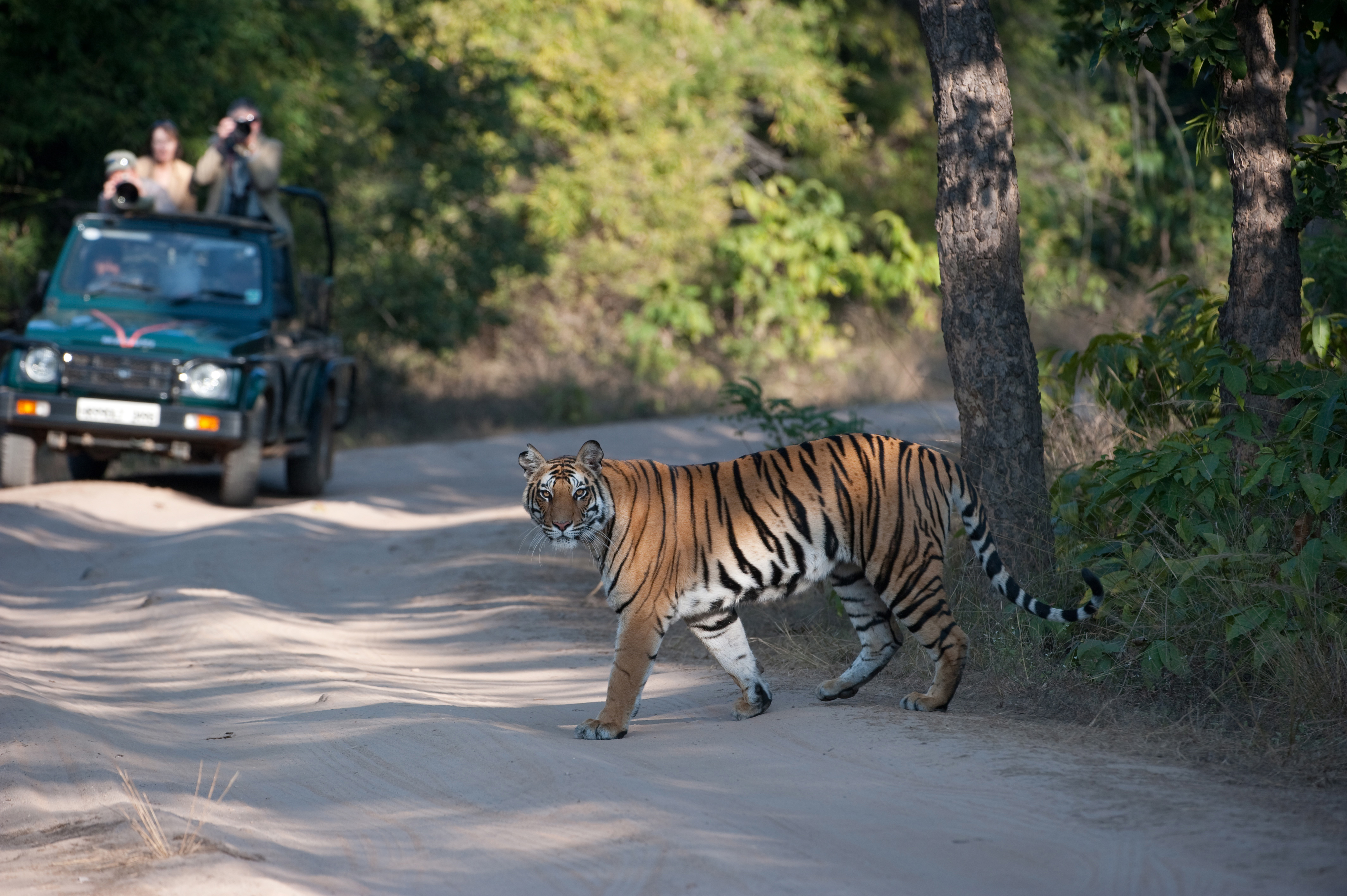
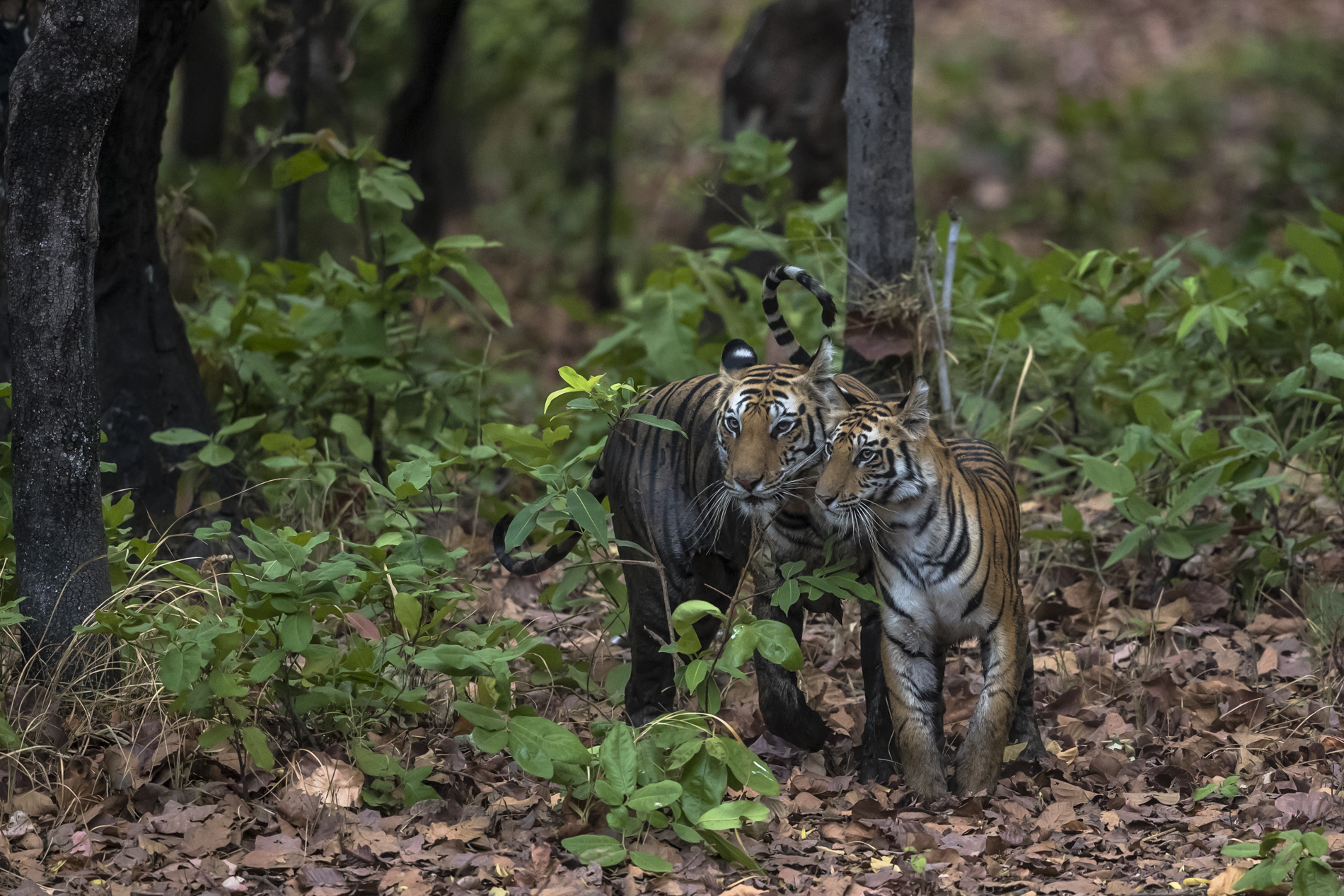
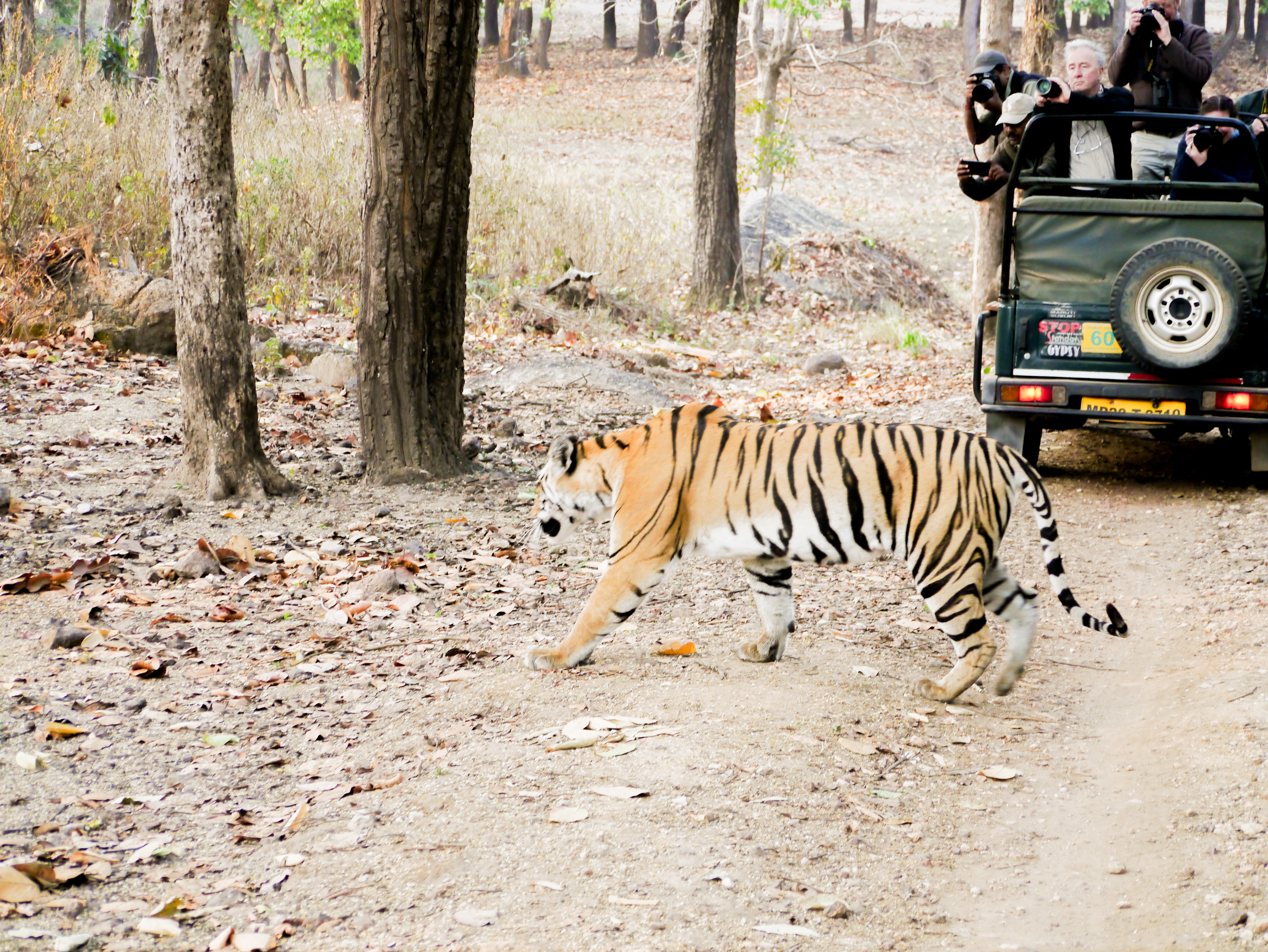
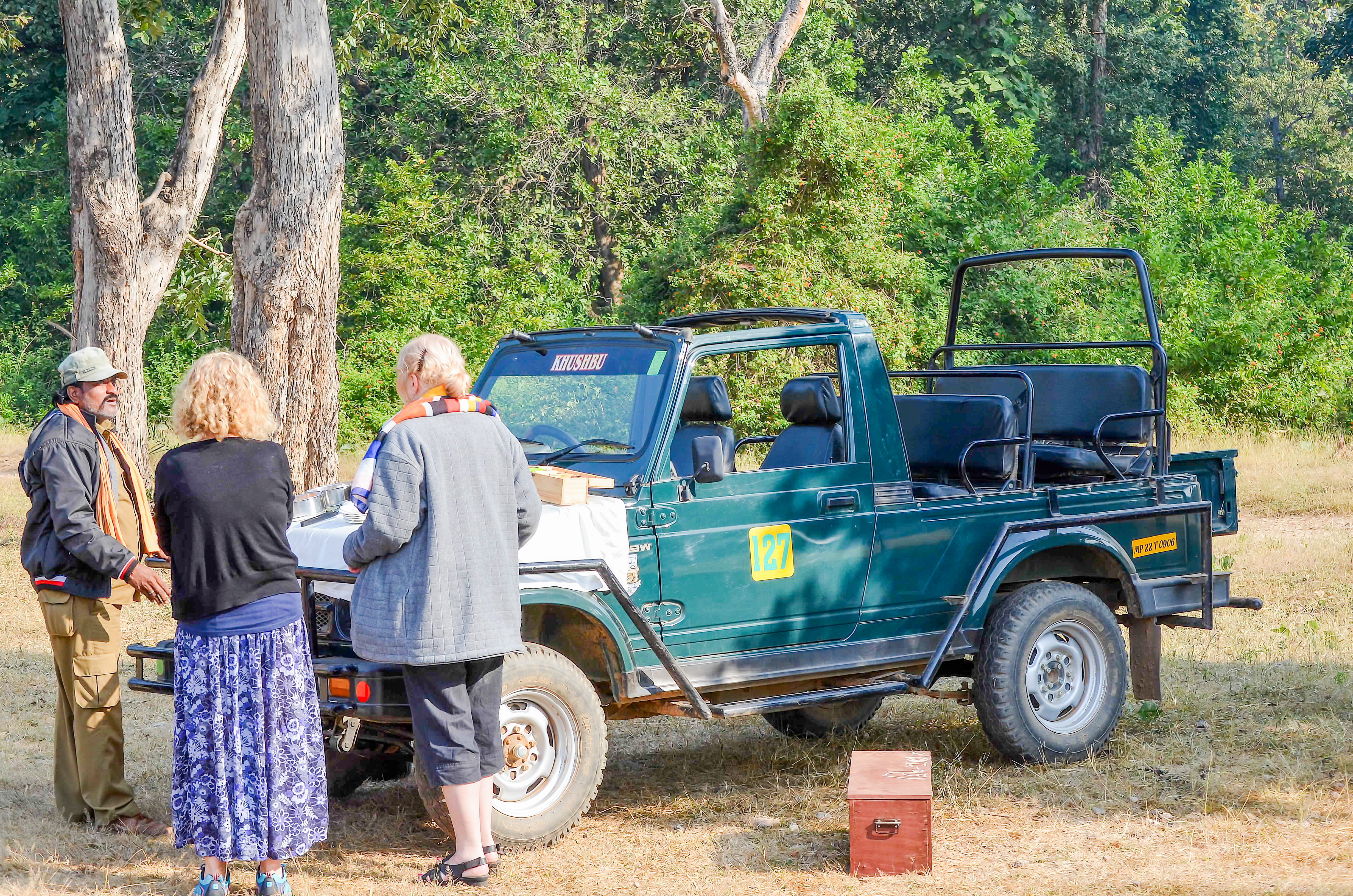
Spend two days exploring Pench National Park in the lower southern reaches of the Satpuda hills. It provided inspiration for Rudyard Kipling’s The Jungle Book and marks our first chance to see our very own Shere Khan.This designated tiger reserve is home to around 45 Bengal tigers, plus leopards, wolves, monkeys, deer, and nilgai (the largest antelope in Asia). Our two days include four game drives, in which we’ll keep our eyes peeled for the incredible creatures that live here.
Meals: Breakfast,Dinner
Day 4
Four game drives over two days in Pench National Park
Spend two days exploring Pench National Park in the lower southern reaches of the Satpuda hills. It provided inspiration for Rudyard Kipling’s The Jungle Book and marks our first chance to see our very own Shere Khan.This designated tiger reserve is home to around 45 Bengal tigers, plus leopards, wolves, monkeys, deer, and nilgai (the largest antelope in Asia). Our two days include four game drives, in which we’ll keep our eyes peeled for the incredible creatures that live here.
Meals: Breakfast,Dinner
Day 5
Transfer to Kanha National Park
We depart in the morning and drive to Kanha National Park. Although the distance is not far, the journey usually takes approximately four hours. On arrival, there is time to relax by the pool and share wildlife stories with your fellow travellers.
Meals: Breakfast,Dinner
Day 6
Five game drives over three days in Kanha National Park
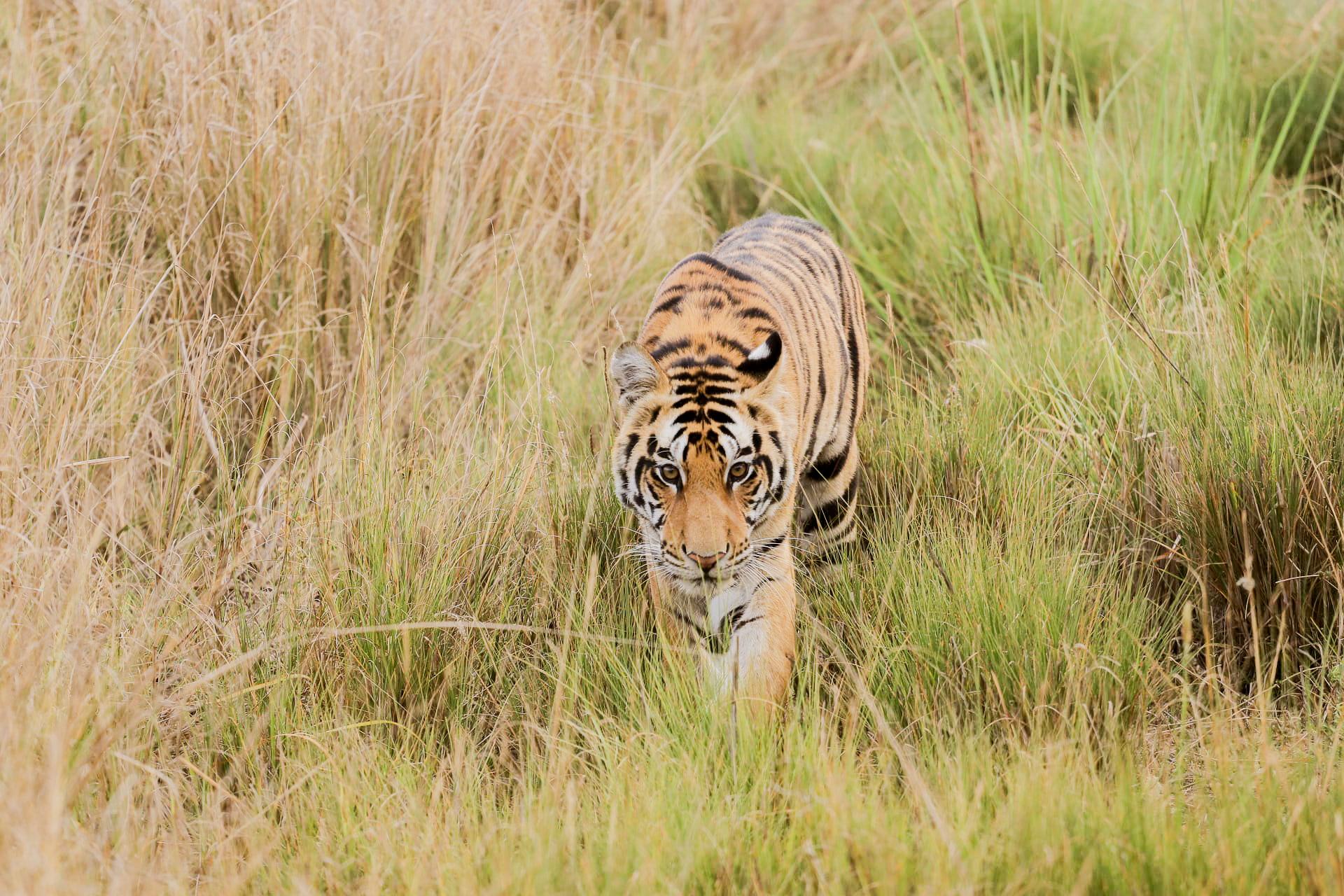
Created in 1974, Kanha National Park is often described as the greatest wildlife reserve in India – during our time here, we go on five game drives to explore it.The park is vast, encompassing expansive grasslands, plateaus and dramatic rocky escarpments that house hundreds of wildlife species. The tiger population – which currently numbers around 500 – has been affected by poaching in recent years but the huge abundance of animals makes the game drives a memorable experience.
Meals: Breakfast,Dinner
Day 7
Five game drives over three days in Kanha National Park
Created in 1974, Kanha National Park is often described as the greatest wildlife reserve in India – during our time here, we go on five game drives to explore it.The park is vast, encompassing expansive grasslands, plateaus and dramatic rocky escarpments that house hundreds of wildlife species. The tiger population – which currently numbers around 500 – has been affected by poaching in recent years but the huge abundance of animals makes the game drives a memorable experience.
Meals: Breakfast,Dinner
Day 8
Five game drives over three days in Kanha National Park
Created in 1974, Kanha National Park is often described as the greatest wildlife reserve in India – during our time here, we go on five game drives to explore it.The park is vast, encompassing expansive grasslands, plateaus and dramatic rocky escarpments that house hundreds of wildlife species. The tiger population – which currently numbers around 500 – has been affected by poaching in recent years but the huge abundance of animals makes the game drives a memorable experience.
Meals: Breakfast,Dinner
Day 9
Transfer to Bandhavgarh National Park
We leave Kanha National Park after breakfast and drive to Bandhavgarh, stopping en route for refreshments. This journey will take approximately six to seven hours. On arrival there is free time to settle in.
Meals: Breakfast,Dinner
Day 10
Six game drives over three days in Bandhavgarh National Park
Bandhavgarh is one of the smaller national parks and enjoys an impressive setting with a cliff-top fort overlooking grasslands, birch forests and bamboo.It is home to a wide variety of game, including leopards, sloth bears, jungle cats, wild pigs and, of course, tigers. The healthy tiger population of approximately 60-70 means this park has the highest tiger density of any reserve in India. The park also hosts up to 150 bird species including many on the migratory trail, such as the steppe eagle. During our stay, we embark on six games drives.
Meals: Breakfast,Dinner
Day 11
Six game drives over three days in Bandhavgarh National Park
Bandhavgarh is one of the smaller national parks and enjoys an impressive setting with a cliff-top fort overlooking grasslands, birch forests and bamboo.It is home to a wide variety of game, including leopards, sloth bears, jungle cats, wild pigs and, of course, tigers. The healthy tiger population of approximately 60-70 means this park has the highest tiger density of any reserve in India. The park also hosts up to 150 bird species including many on the migratory trail, such as the steppe eagle. During our stay, we embark on six games drives.
Meals: Breakfast,Dinner
Day 12
Six game drives over three days in Bandhavgarh National Park
Bandhavgarh is one of the smaller national parks and enjoys an impressive setting with a cliff-top fort overlooking grasslands, birch forests and bamboo.It is home to a wide variety of game, including leopards, sloth bears, jungle cats, wild pigs and, of course, tigers. The healthy tiger population of approximately 60-70 means this park has the highest tiger density of any reserve in India. The park also hosts up to 150 bird species including many on the migratory trail, such as the steppe eagle. During our stay, we embark on six games drives.
Meals: Breakfast,Dinner
Day 13
Drive to Katni; overnight train to Agra
This morning, we drive for approximately three hours to Katni Railway Station. We stop for refreshments, conveniences and photo opportunities along the way. In the evening, we catch the overnight train to Agra.
Meals: Breakfast
Day 14
Arrive Agra; visit Agra Fort; sunset at the Taj Mahal
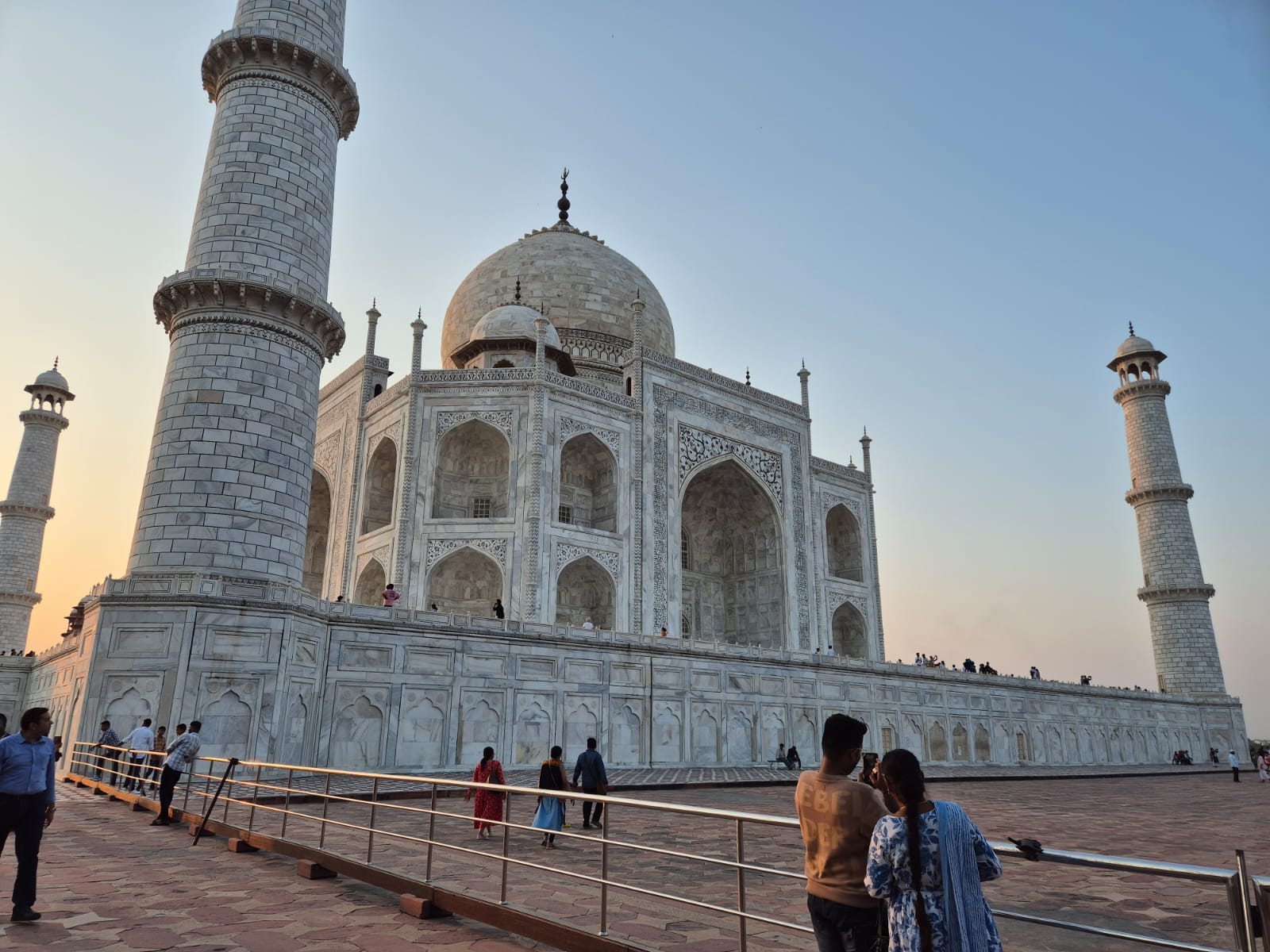
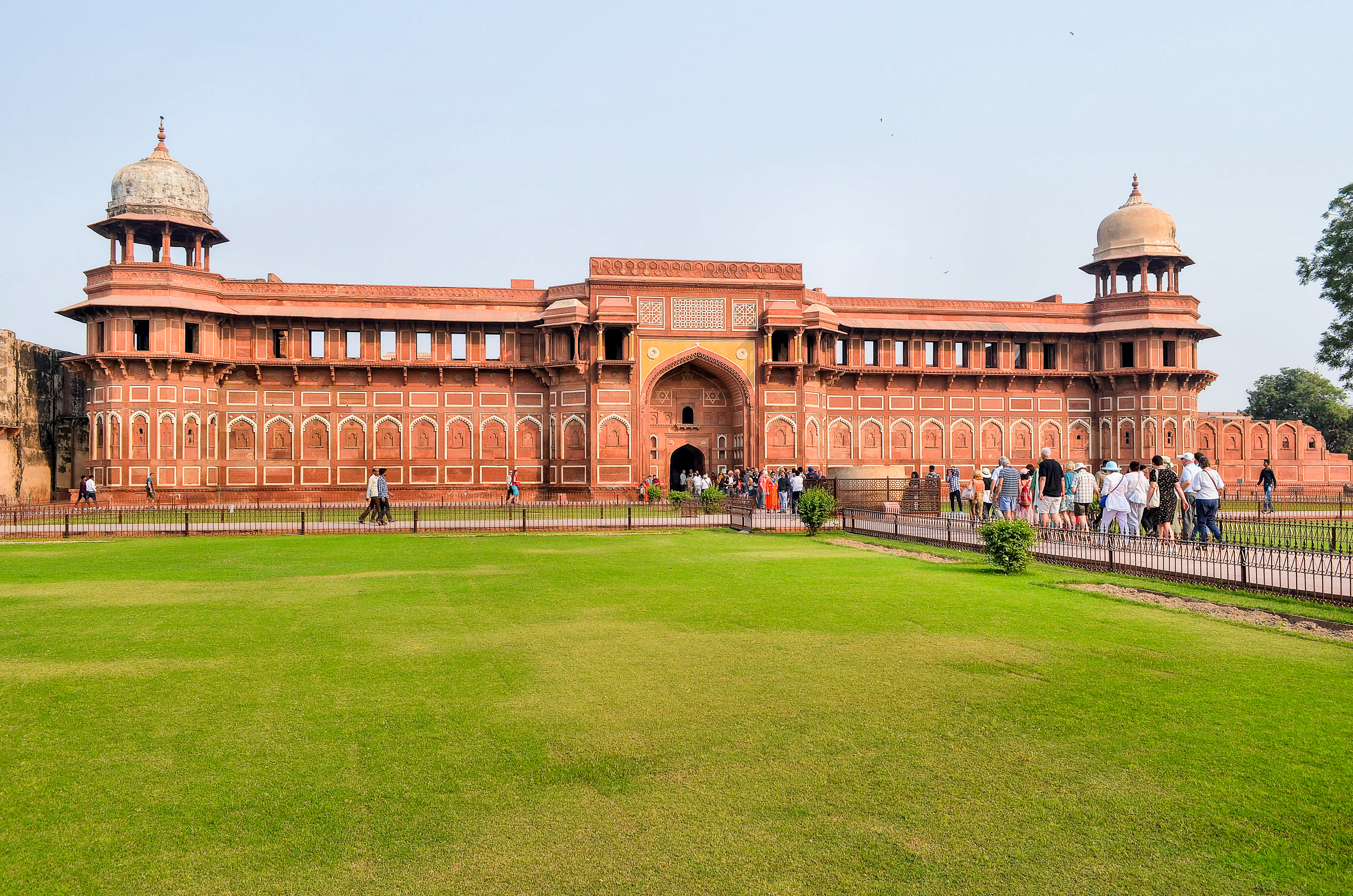
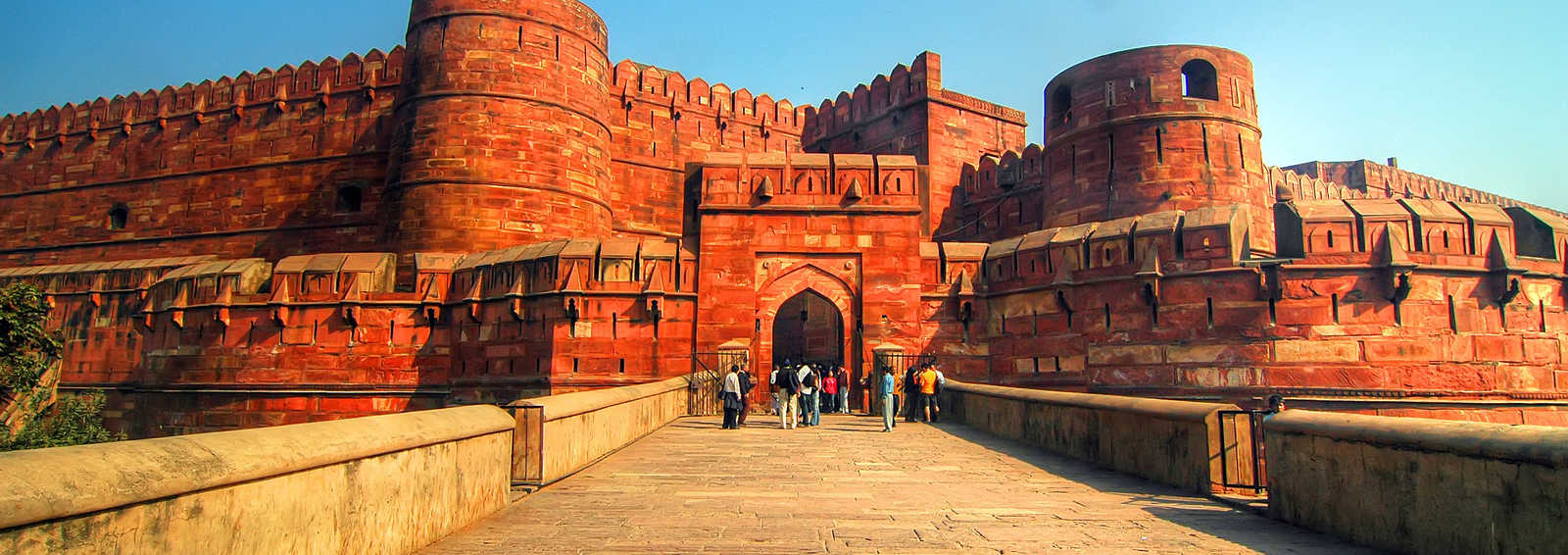
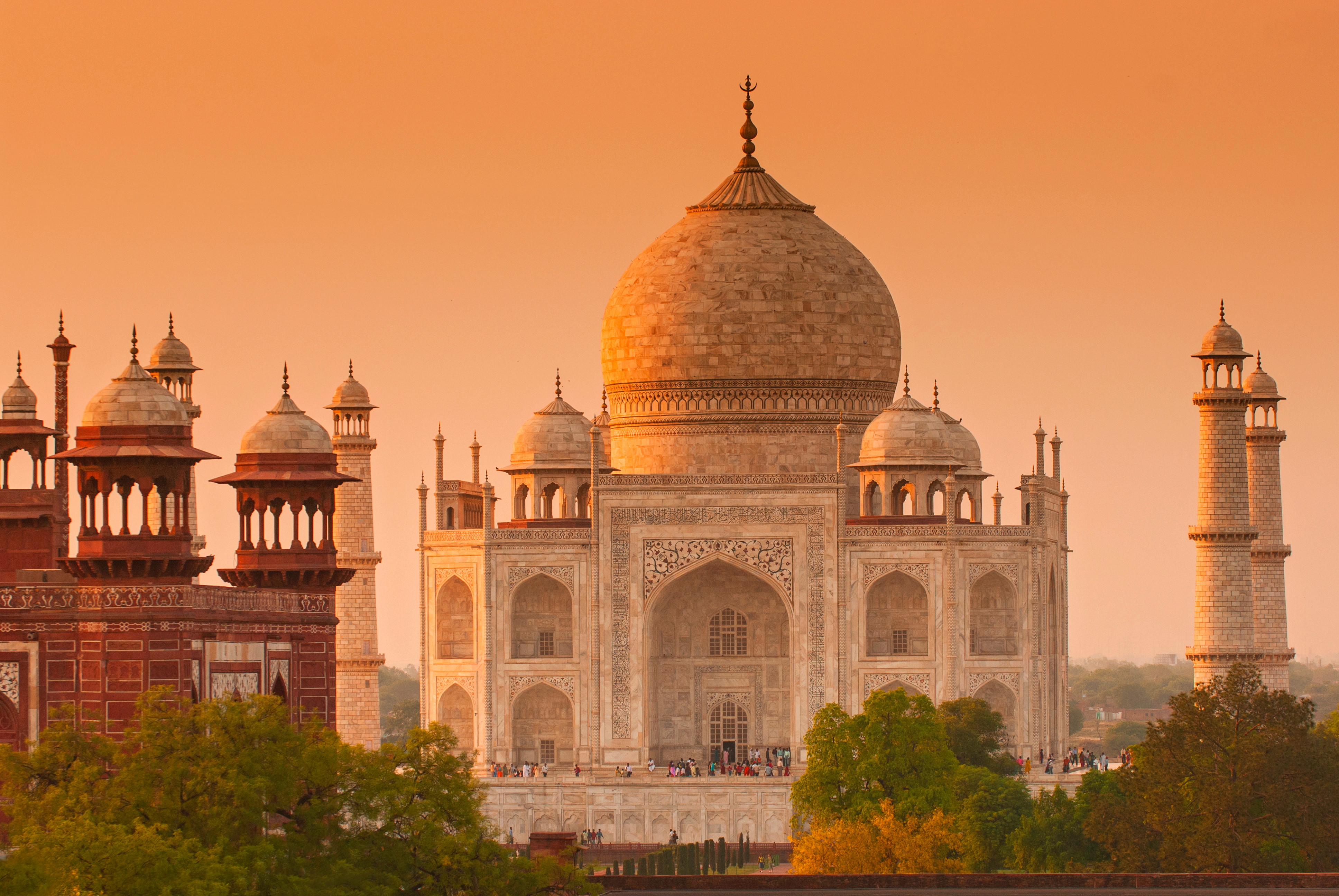
Arriving in Agra in the morning, we transfer to our hotel. No stay in Agra would be complete without a visit to the Taj Mahal, built by the Moghul emperor Shah Jahan in memory of his beloved wife, Mumtaz Mahal, who died in 1631. The Taj is serenely beautiful and never fails to amaze a first-time visitor – the white marble exterior changing colour according to the position of the sun. Nearby is the imposing Red Fort of Akbar, whose mighty sandstone walls enclose the beautiful white marble Pearl Mosque, palaces, halls, courtyards and fountains.Please note: In December and January, our Taj Mahal visit is earlier in the afternoon to avoid fog that can limit visibility during sunset.
Meals: Breakfast
Day 15
Drive to Delhi, visiting elephant conservation centre en route
After breakfast, we begin our journey (approximately four to five hours) back to Delhi, stopping on the outskirts of Agra to visit and support Wildlife SOS. Their work is dedicated to rescuing and caring for sloth bears and elephants. At the Agra Elephant Conservation and Care Centre, we meet an education officer to learn about their vital work and commitment to rehabilitating abused elephants and advocating for their conservation through public awareness campaigns. We take a tour and see some of the rescued elephants and hear their stories.After this informative visit, we resume our drive to Delhi and check into our hotel. It’s your last night together so the tour leader can help to arrange a group dinner.
Meals: Breakfast
Day 16
Adventure ends in Delhi
Our adventure draws to a close after breakfast. If you’d like a little more time in Delhi, speak to your sales representative about extending your stay.
Meals: Breakfast
What’s included
What’s not included
Additional information
Food
Allow around 1,400 – 2,400 rupees (US$20-US$35) per day for lunch and dinner. You can eat out very cheaply in India, but if you go to the more expensive restaurants, you will spend more than the suggested amount. In Agra and Delhi, there is a good choice of restaurants and a selection of Indian and Western food. If you are a vegetarian, India is probably one of the best destinations to travel to with a wide range of dishes on offer. Please note, there are usually some non-spicy curries while we’re at the national parks, but these are in limited supply. Tea and soft drinks are very cheap. A (large) bottle of beer is approximately 600 rupees (US$7). Mineral water is widely available. Please note, service in restaurants can be quite slow.
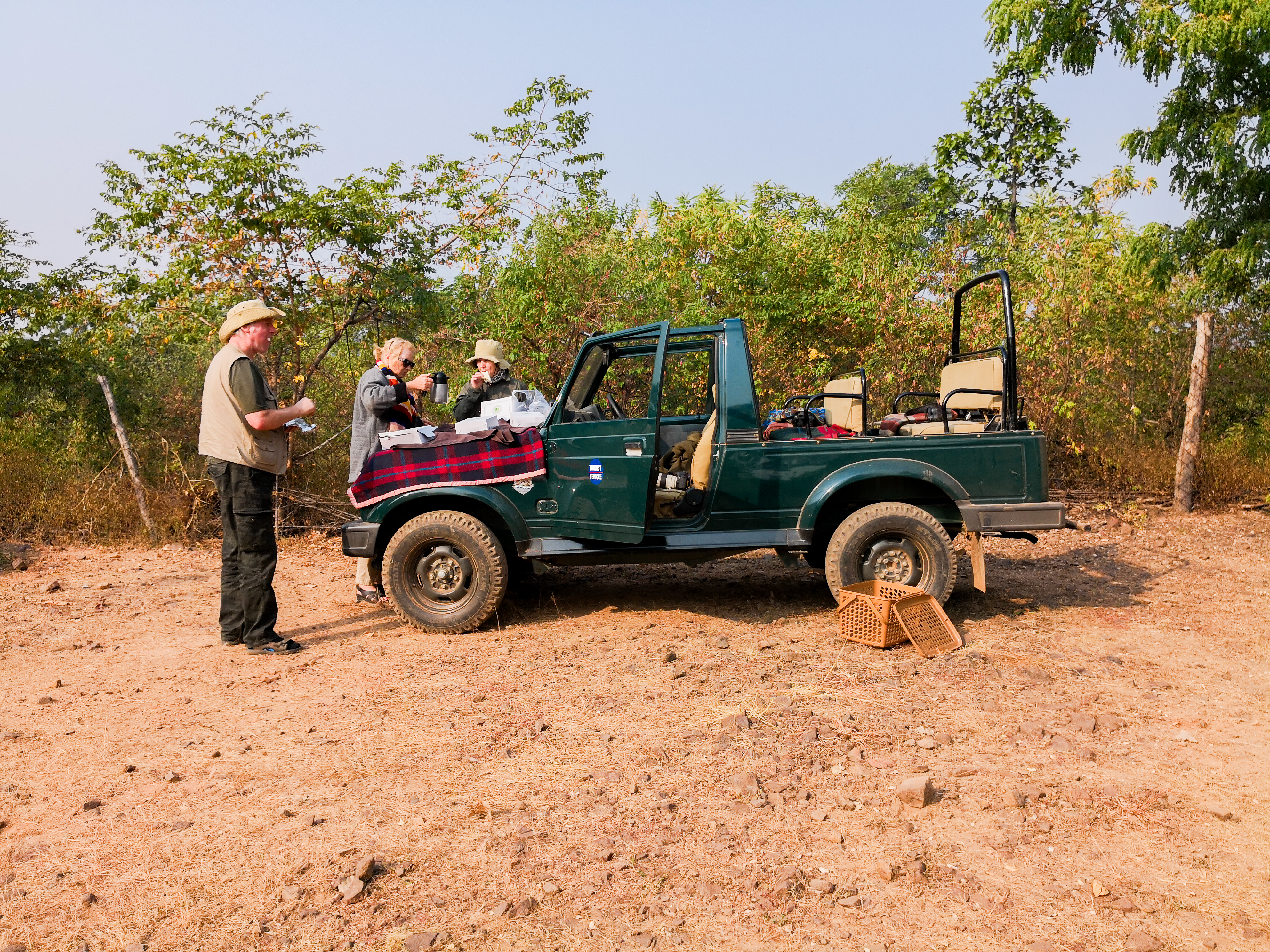
During the game drives (days 2–12), lunches can be purchased at the resorts where we’re staying. These typically offer a good selection of both Western and local cuisine. Drinking water is provided during the drives, and a large container is available in the main vehicle for refilling your personal bottles throughout the journey.
Wildlife SOS Elephant Conservation & Care Centre Visit
Visit the Wildlife SOS Elephant Conservation and Care Centre near Agra to understand ethical, chain-free rehabilitation. Meet an education officer and observe rescued elephants socializing, bathing and foraging in enriched enclosures.
Hear how the charity combats illegal captivity and exploitation, and how traveller choices support better welfare. This stop directly champions responsible travel while giving space to appreciate each elephant’s story and recovery milestones.
Kanha National Park Tiger Safaris (5 Game Drives)
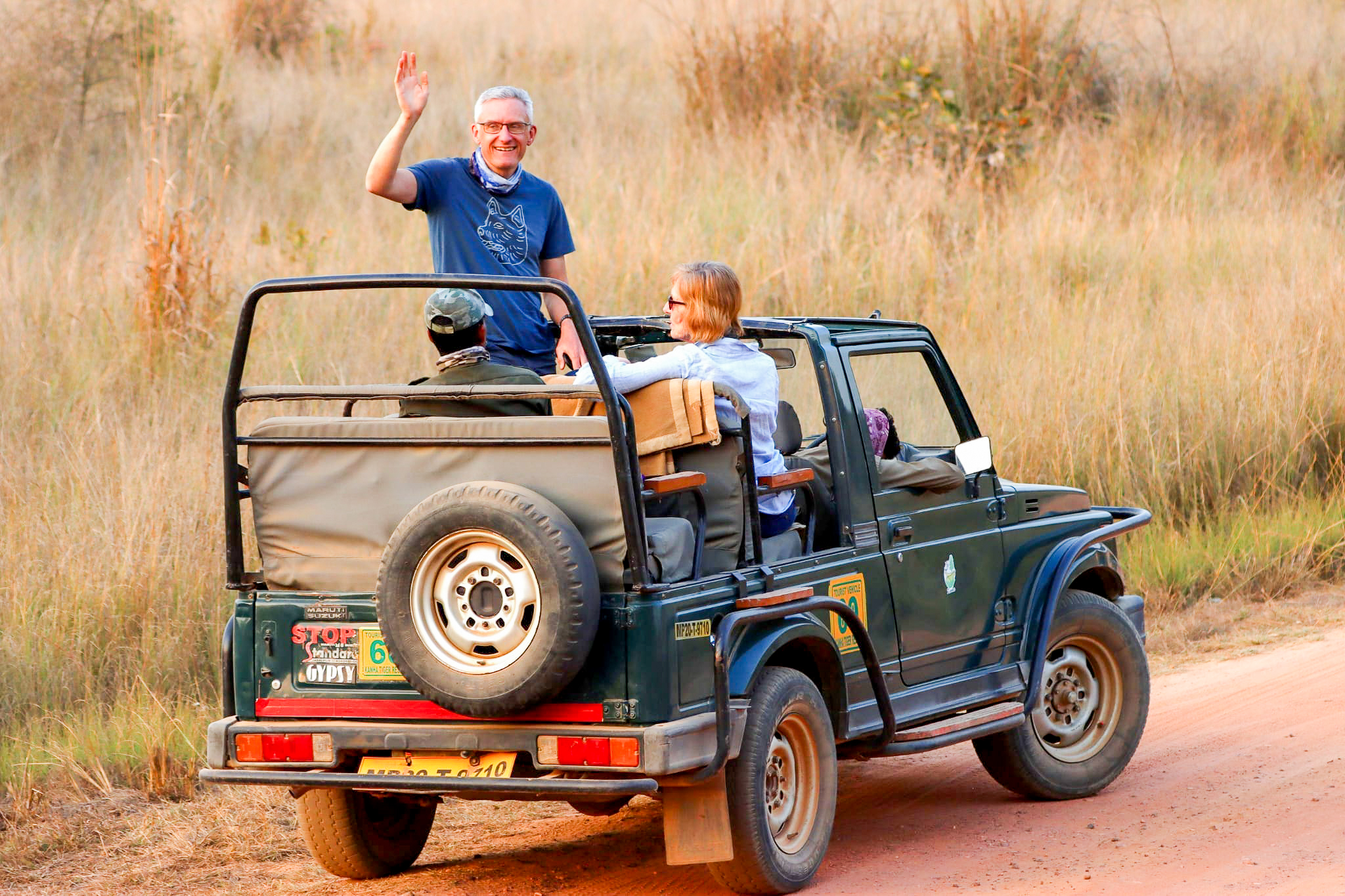
Venture deep into Kanha National Park on five 4×4 safaris across rolling meadows and sal forest where tigers pad along dusty tracks. With your naturalist, scan for barasingha swamp deer, gaur and sloth bear, and learn to read pugmarks and alarm calls.
Celebrated as a conservation success story, Kanha brought the hard-ground barasingha back from the brink. Varied habitats and waterholes often yield daytime sightings. These dawn and afternoon drives balance patient waiting with smart positioning for clear, respectful views.
Bandhavgarh National Park Tiger Safaris (6 Game Drives)
Search the sal and bamboo hills of Bandhavgarh National Park on six jeep safaris, with meadows circling a plateau crowned by the Bandhavgarh Fort. Your guide uses calls and tracks to position the vehicle, sharpening chances to encounter the park’s famed tigers.
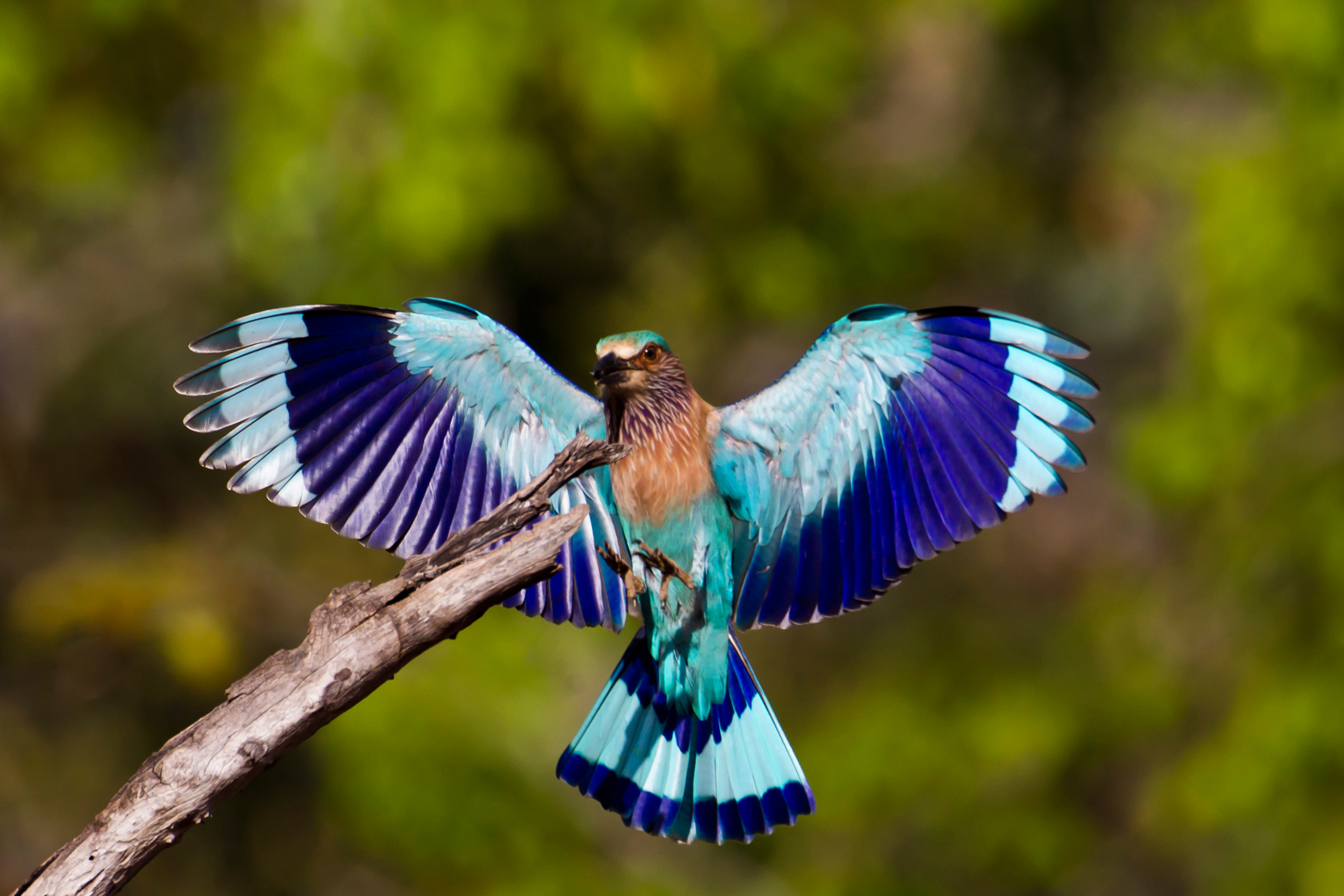
A former royal preserve, Bandhavgarh offers one of India’s highest tiger densities. Between drives, watch for steppe eagles, rollers and kingfishers, and see how scent marks and scratches map territories. Multiple zone entries increase variety and photographic opportunities.
Taj Mahal at Sunset
Visit the Taj Mahal as light softens, admiring perfect symmetry, Quranic calligraphy and gemstone pietra dura inlay set into luminous marble. Stroll the reflecting pools and charbagh gardens while your guide shares the love story of Shah Jahan and Mumtaz Mahal.
As the sun lowers over the Yamuna River, the mausoleum shifts from ivory to rose and gold—a tranquil finale many consider its finest hour. In winter, timings may move earlier to avoid fog and preserve clear views.
Agra Fort Palaces & Courtyards Guided Visit
Explore Agra Fort, Akbar’s red-sandstone citadel. Pass through mighty gates to the audience hall of the Diwan-i-Am and the gleaming Moti Masjid, with marble embellishments added by Shah Jahan.
From arcaded ramparts, glimpse the distant Taj beside the Yamuna. Your guide traces the rise of Mughal power through palaces, armories and courtyards, revealing how this UNESCO site fused defense with courtly elegance.
Welcome Dinner in Delhi
Gather in Delhi for a hosted welcome meal, where you’ll meet your tour leader and fellow travellers and toast the journey ahead. Sample North Indian classics—tandoor breads, creamy black dal and fragrant curries—in a convivial setting.
Your leader shares practical safari tips and city etiquette so you start confident and well prepared. This guided welcome dinner offers time for questions and sets a warm, collaborative mood for the days to come.
Pench National Park Tiger Safaris (4 Game Drives)
Explore Pench National Park on four jeep safaris, following pugmarks through teak and riverine forest in the Satpura foothills. Join guided game drives with expert naturalists for tiger, leopard and dhole, using alarm calls from chital and langurs to hone the search.
Take in scenery that inspired The Jungle Book as the Pench River threads sal woods. Birders watch for serpent eagles and rollers while your guide decodes tracks. A compact mix of meadows and forest boosts sightings on dawn and dusk safaris.