Your itinerary

Day 1
DAY 1
Travel to Osaka
Meals: None
Day 2
Arrive in Kyoto
Arrive in Kyoto – We’ll arrive in Osaka and transfer to the neighbouring city of Kyoto, where we’ll stay for two nights. Our four-star hotel is situated in the Higashiyama district, famous for its traditional wooden buildings and merchant shops. Take a short walk through picturesque streets and alleyways towards Gion district and Pontocho Alley to find your first authentic Japanese meal of the trip. This area boasts some of the most delightfully atmospheric restaurants in Kyoto – the perfect introduction to delicious Japanese cuisine.
Meals: Breakfast
Day 3
Kyoto
Kyoto – After a leisurely morning acclimatising and exploring the hotel’s facilities, including a private spa, we’ll spend the afternoon in the company of a local expert for a tour of the city.
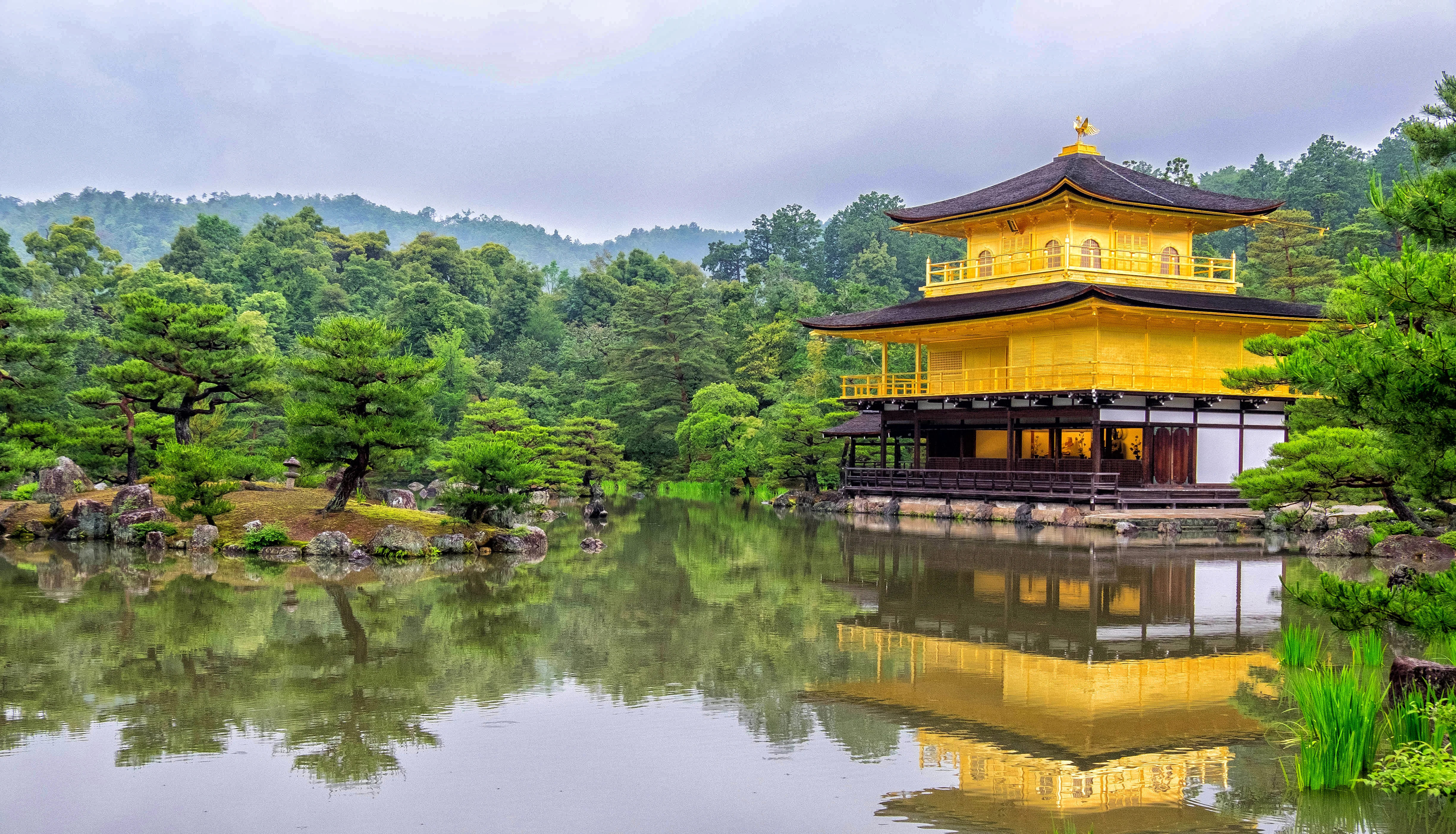
The former capital city of Japan and its cultural heart, Kyoto attracts millions of visitors every year looking for a taste of traditional Japanese culture. Our tour starts with Kinkakuji, an incredible golden temple that glistens in the sun from its picturesque lakeside perch, before heading to Nijo Castle. Built in 1603, this impressive complex takes us back to the dominance of the Shogun, showcasing some of the famed architectural styles. We also enjoy the nearby Honmaru Gardens, created for the visit of Emperor Meiji in 1896. The zen garden was designed, in part, by the emperor, who had a full view of the garden from the top floor of Honmaru-Goten Palace. While we’re there, walk along the garden’s winding pathways and vast lawns and go up to the foundations of the castle-keep to enjoy the view.
We’ll continue to the famous rock garden at Ryōan-ji, a piece of Japanese cultural heritage. During the Heian Period, the temple was an aristocrat’s villa but was converted into a zen temple in 1450 by a top-ranking warlord in the Ashikaga Shogunate. The temple’s deceptively simple garden consists of fifteen rocks spread out on white sand in 248 square metres. These rocks are arranged so that at least one cannot be seen from any angle. However, who designed it and why remains a mystery.
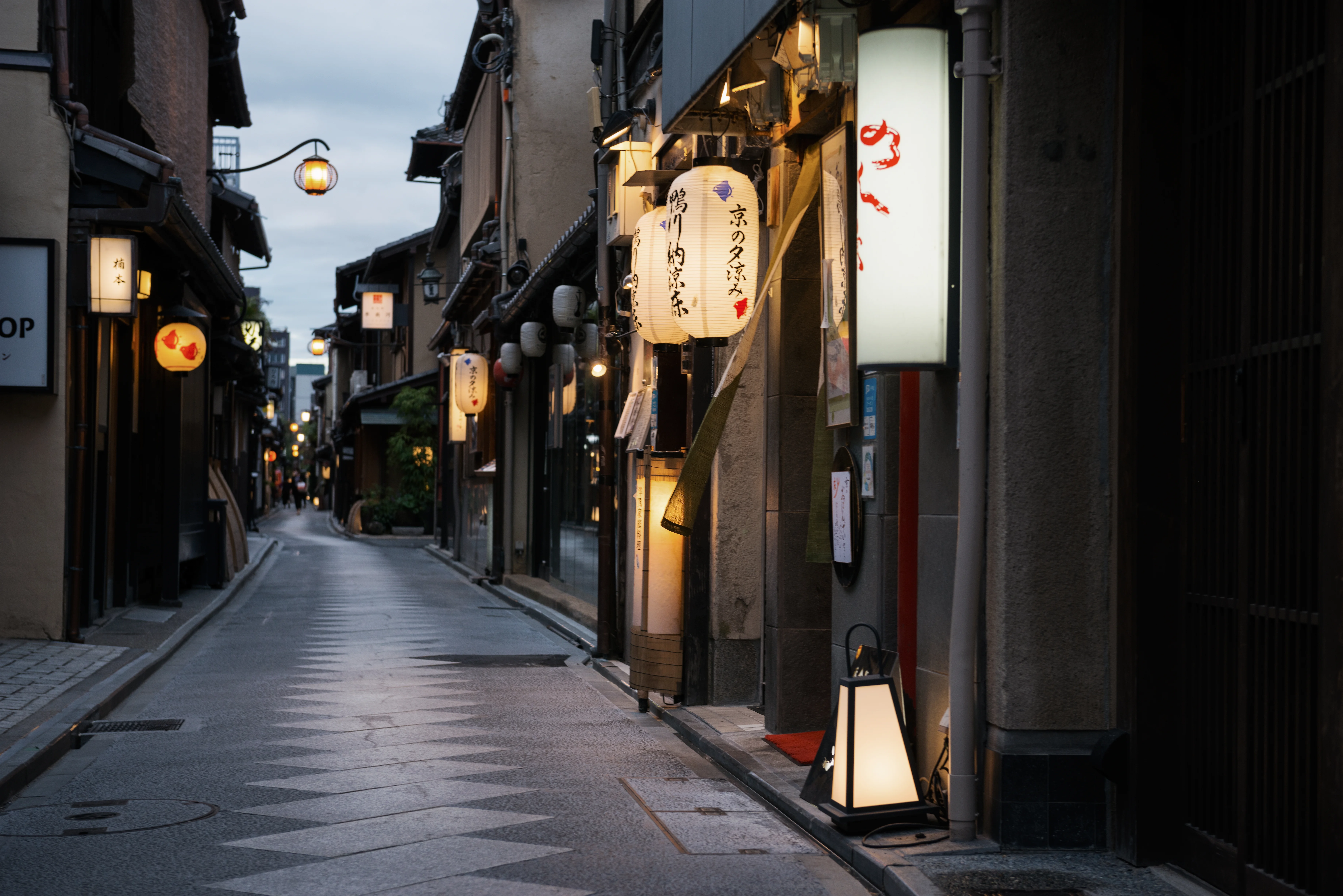
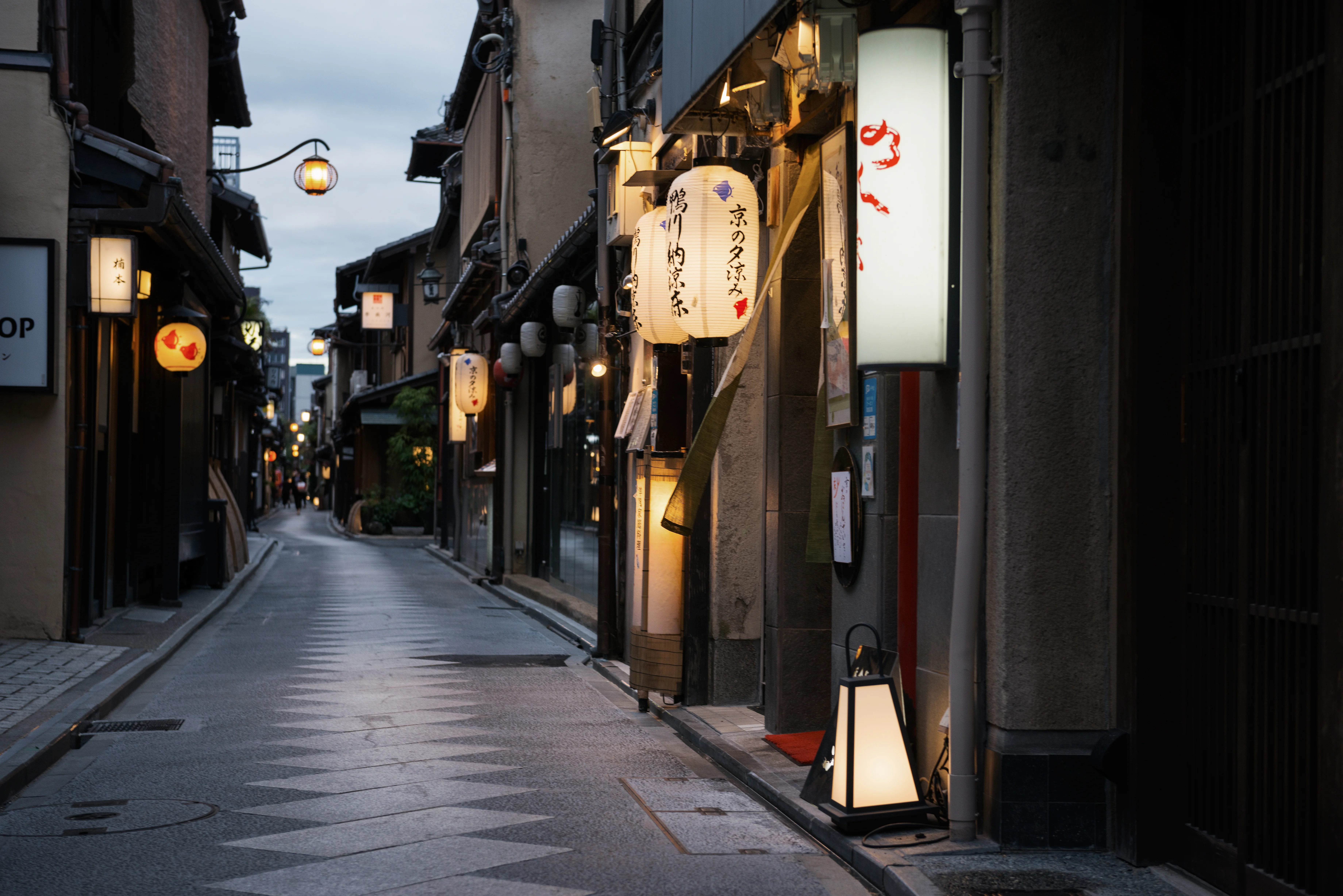
In the early evening, we’ll join a local guide for a fascinating walk around the Gion district of Kyoto. Gion is regarded as Kyoto’s entertainment neighbourhood with modern and traditional theatres, atmospheric tea houses, and so much more. In the early evening, lanterns bathe the area in soft light, adding to the magical ambience. You may even spot traditional Geisha as they head to their engagements.
Meals: Breakfast
Day 4
The Bullet Train
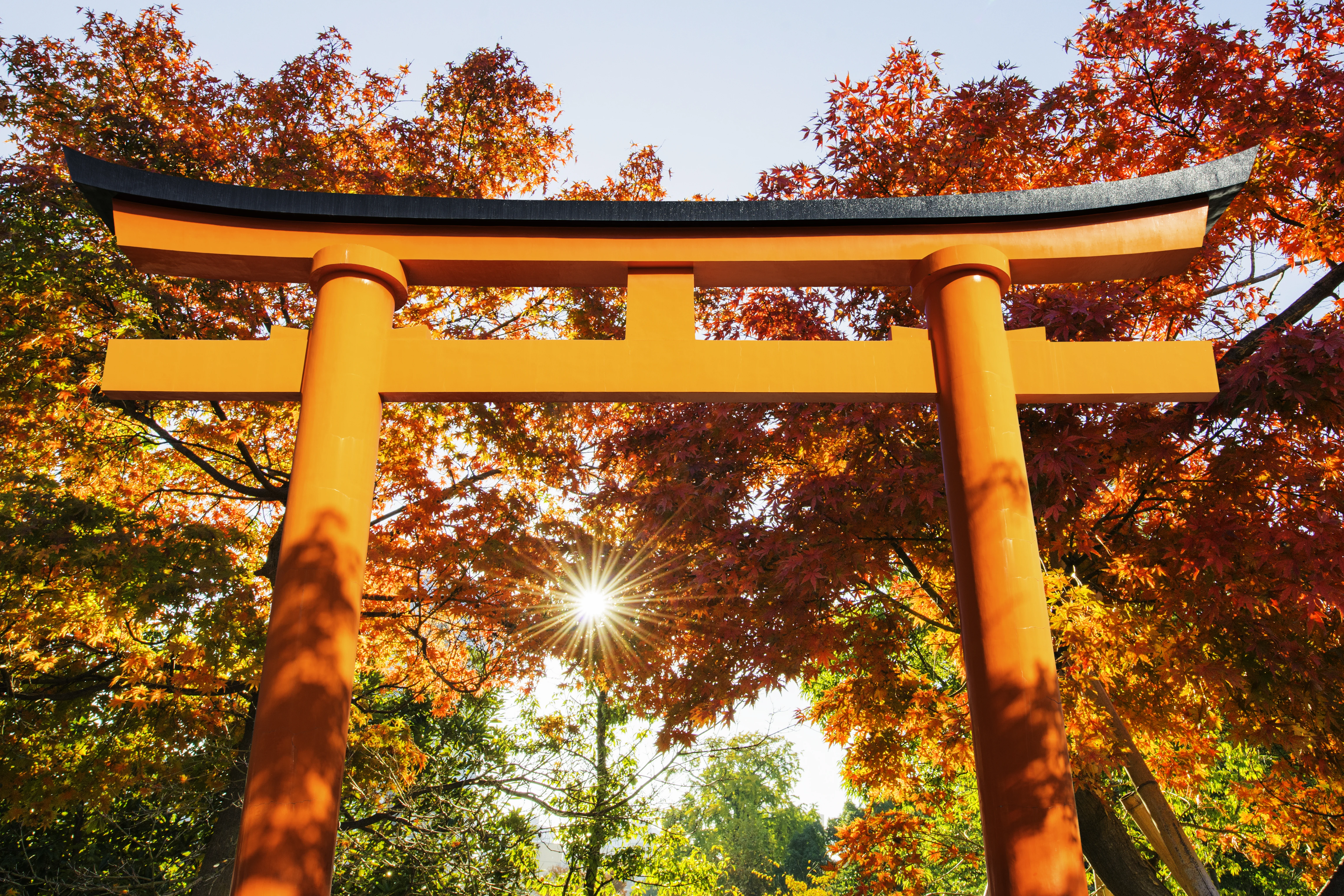
The Bullet Train – This morning we’ll head to southeast Kyoto to the incredible Fushimi Inari-Taisha Shrine. Dedicated to the Inari, the deity of a good harvest and success in business, the shrine features thousands of bright vermillion and black shrine gates, known as tori. The shrine sits at the base of Mount Inari, and it’s designed to draw guests through forest, pagodas and koi ponds.
In the afternoon, we’ll continue our journey west to Mount Fuji on another Japanese icon: the Bullet Train. The two-hour train ride is an interesting experience; watch the Japanese countryside fly by as you cruise at up 200 mph.
Meals: Breakfast
Day 5
Mount Fuji
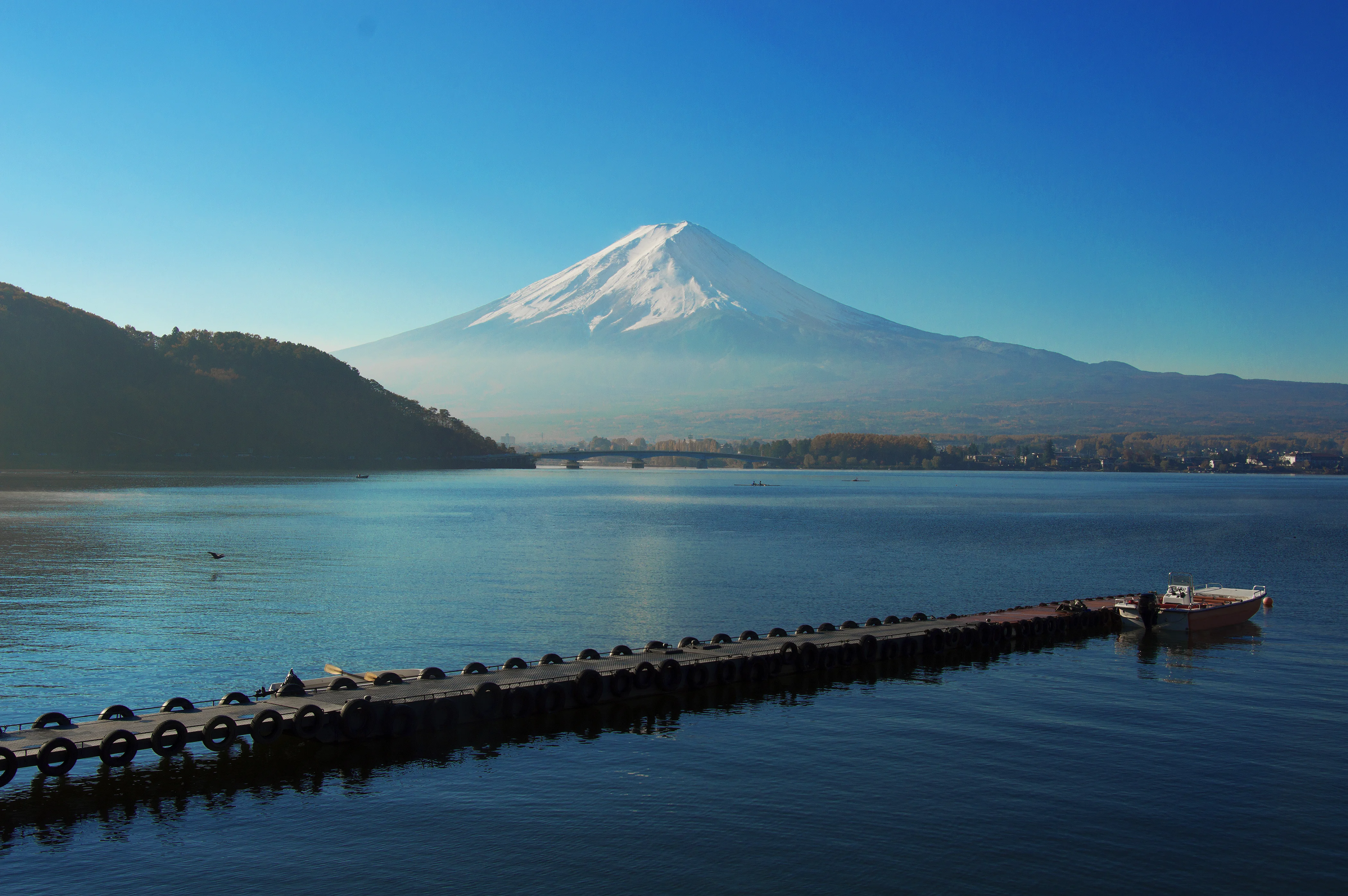
Mount Fuji – We’ll spend the day around Mount Fuji. We start our day with a visit to Lake Yamanaka, the largest of the five lakes surrounding Fuji. Encompassed by pretty parkland, the views of the mountain are incredible if you wish to take photos. We continue to Lake Kawaguchi. Smaller but equally beautiful, you may even be lucky enough to see a perfect reflection of the mountain on a calm day.
Nearby, at the Ichiku Kubota Museum, we’ll discover more about the national dress of Japan, the Kimono. The vibrant colours and patterns are synonymous with Japanese culture, and you may even decide to treat yourself to a keepsake to take home.
Finally, we’ll ascend the Kachi Kachi Ropeway in a cable car to the summit of Mount Tenjo, 400 metres over the lake shore. The observation deck at the top of Mount Tenjo offers unparalleled views of the lake and mountain.
In the evening, you’ll have the opportunity to enjoy the hotel, including the open top-floor bathing pools.
Meals: Breakfast
Day 6
Kamakura
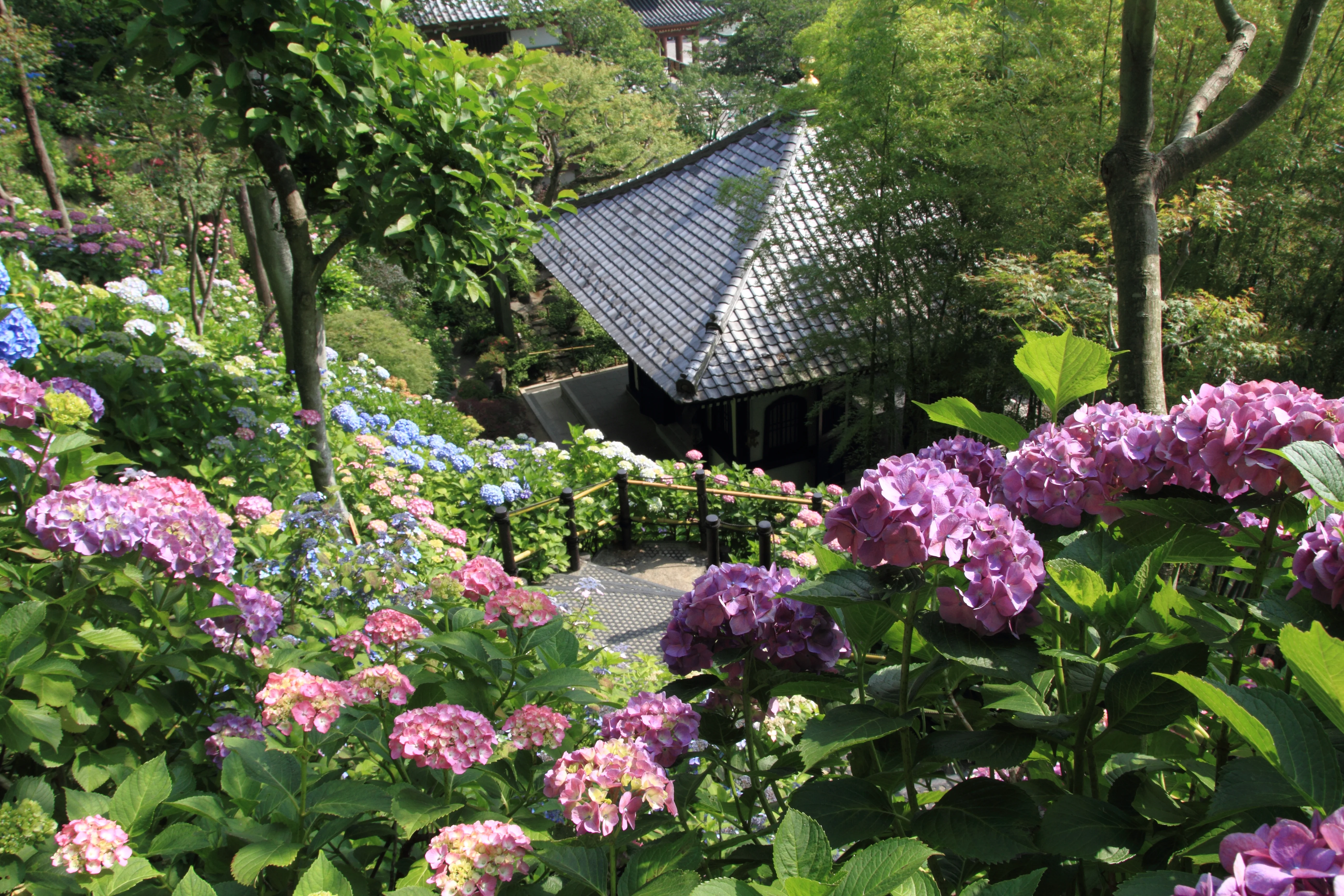
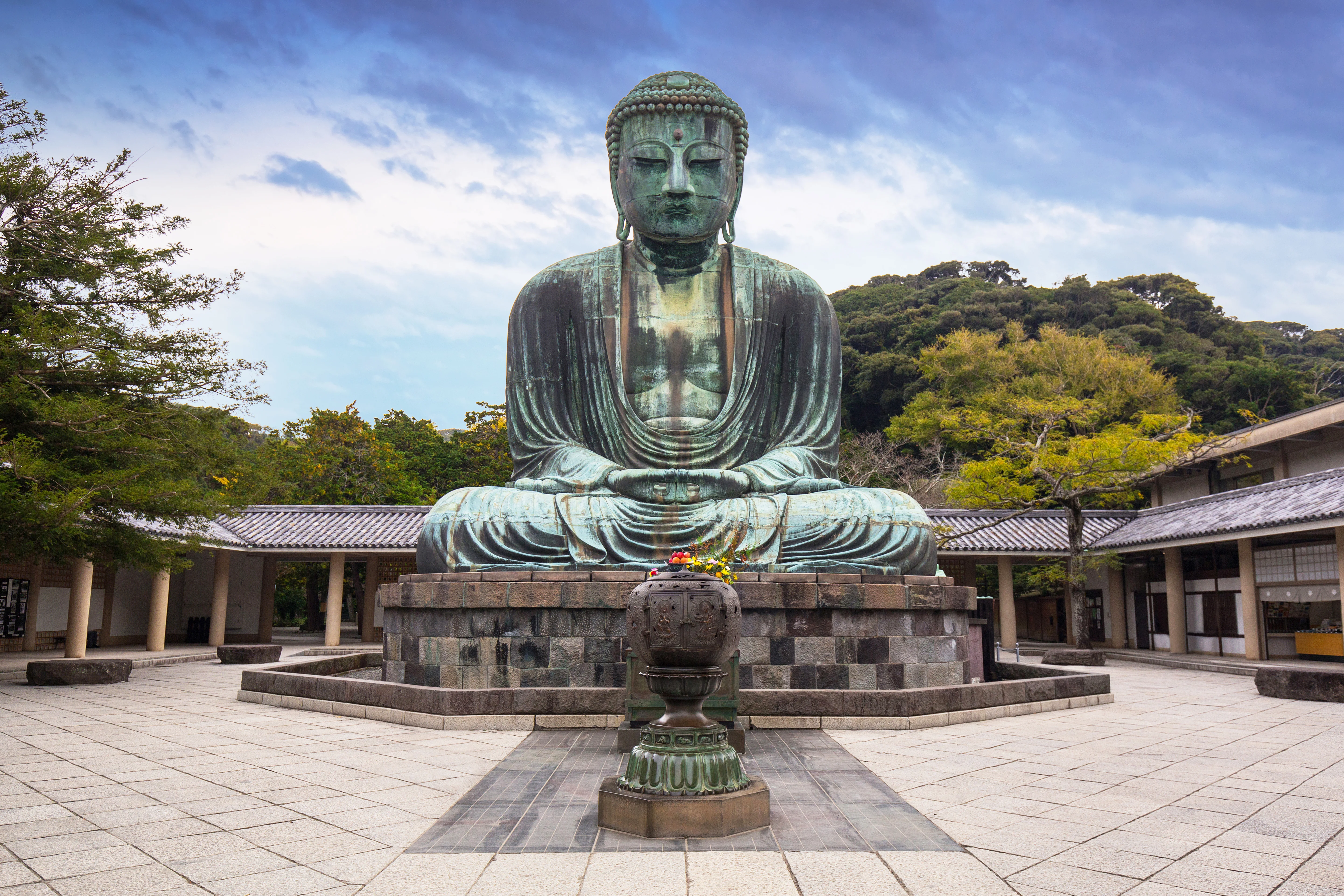
Kamakura – We’ll arrive in Kamakura along the coast of Sagai Bay. The charming small town has a selection of shops specialising in local arts and crafts as well as delicious traditional foods. Enjoy free time to visit the Great Buddha, or Kotoku-in, that dominates the town’s Buddhist temple or explore the gardens of Hasedera, known as the Hydrangea Temple. Wander through this stunning garden passing pools and shrines on the ascent up the hillside to appreciate the views out to sea.
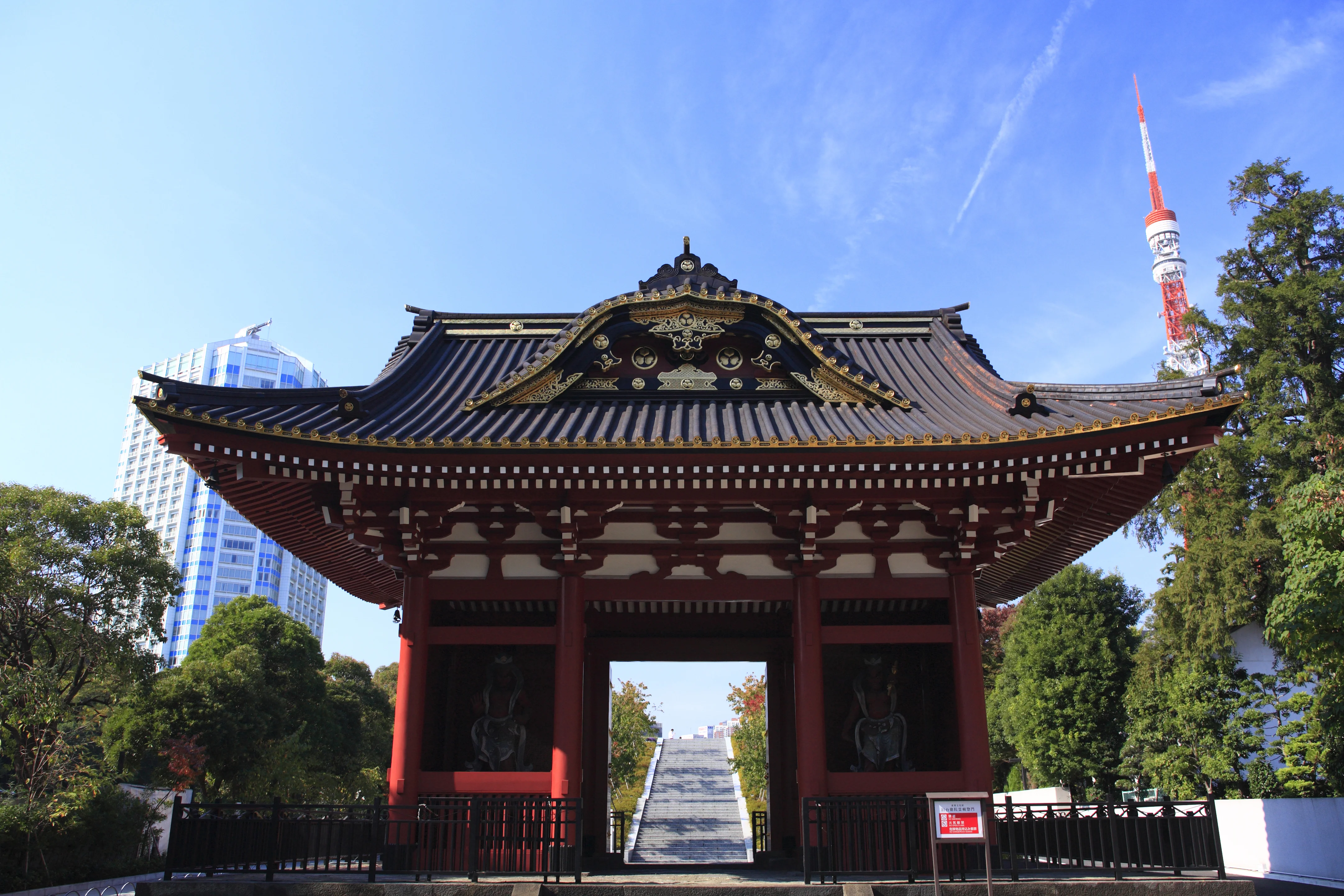
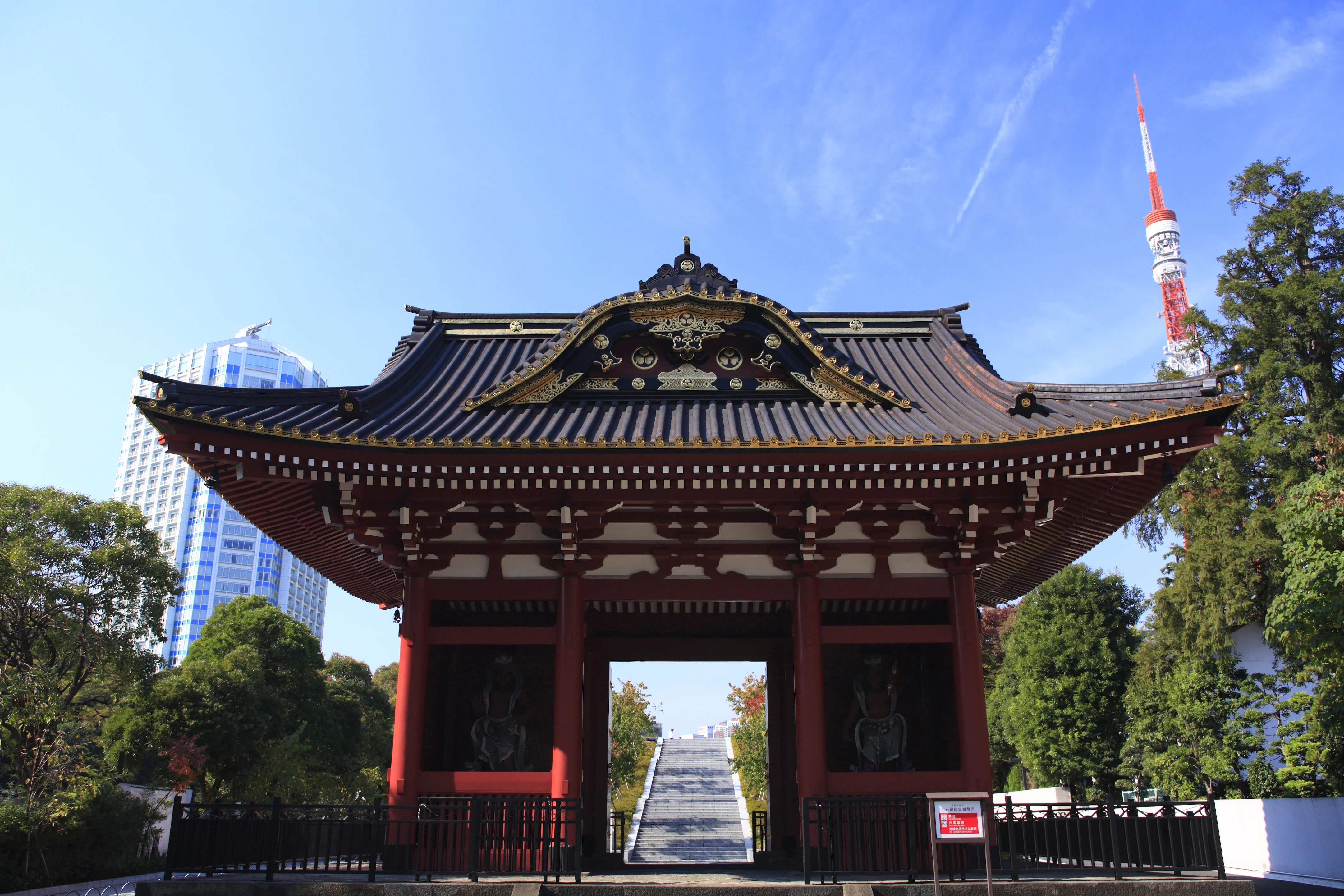
We’ll continue to Toyko later in the afternoon and check in to a hotel located just a short walk from Tokyo Tower and the nearby Shogun’s Zojoji Temple.
Meals: Breakfast
Day 7
Tokyo
Tokyo – Spend the day exploring one of the largest cities in the world, Tokyo. We begin our day with a tour of some of the city’s highlights, including The Imperial Palace – the residence of the Emperor of Japan. At times, the palace feels more like a park than a residence, the grounds help tell the story of Tokyo from a 17th-century former castle to the current seat of the Imperial family.
We’ll visit Shibuya’s iconic zebra crossing, rumoured to be the busiest crossing in the world. Up to 2.4 million people cross this four-way crossing per day; watch the orderly spectacle as hundreds of pedestrians patiently wait for the lights to go green before crossing in a number of directions. As we continue our tour, we’ll pass a statue dedicated to Japan’s most loved dog, Hachiko, whose loyalty to his owner is celebrated outside the nearby station.
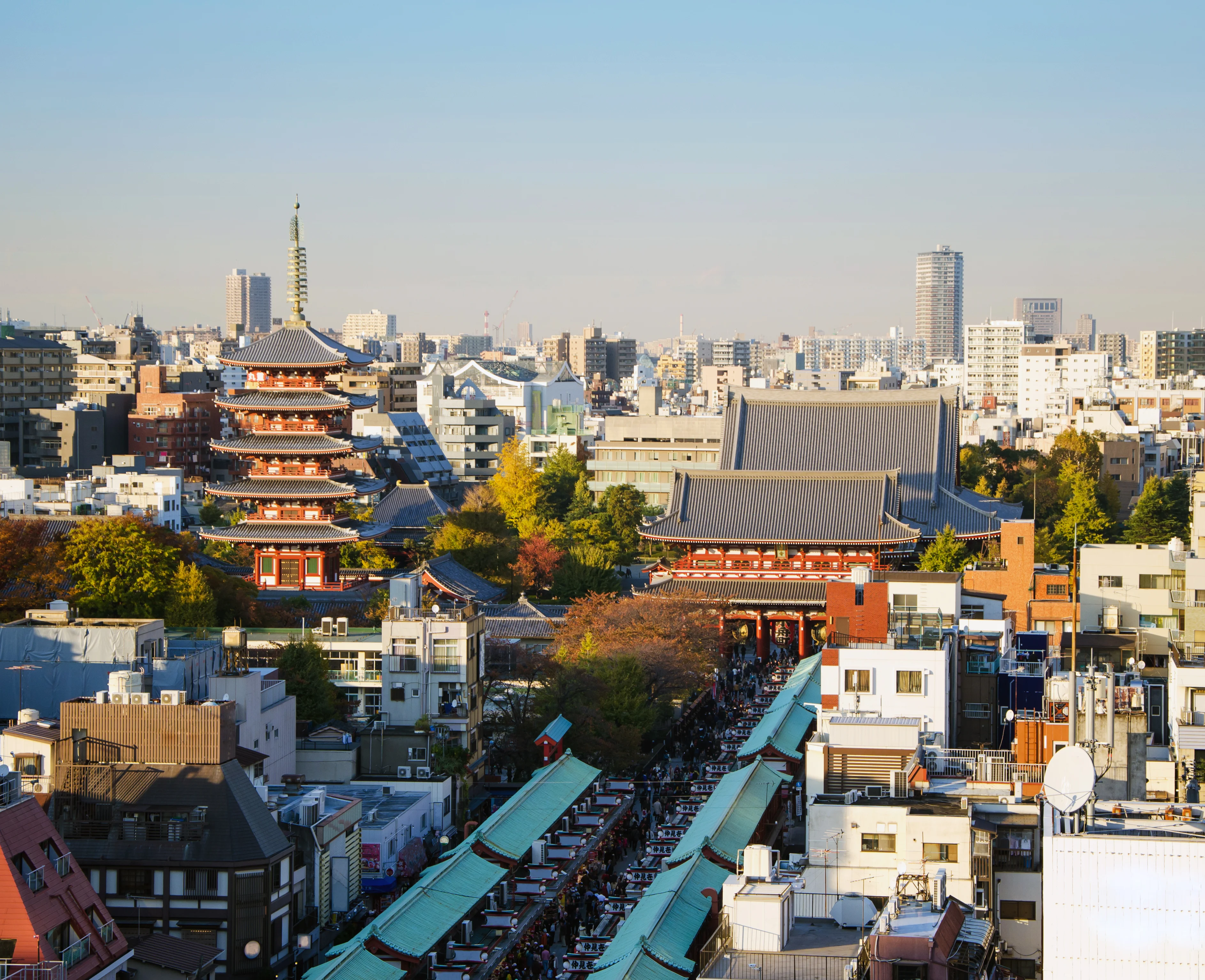
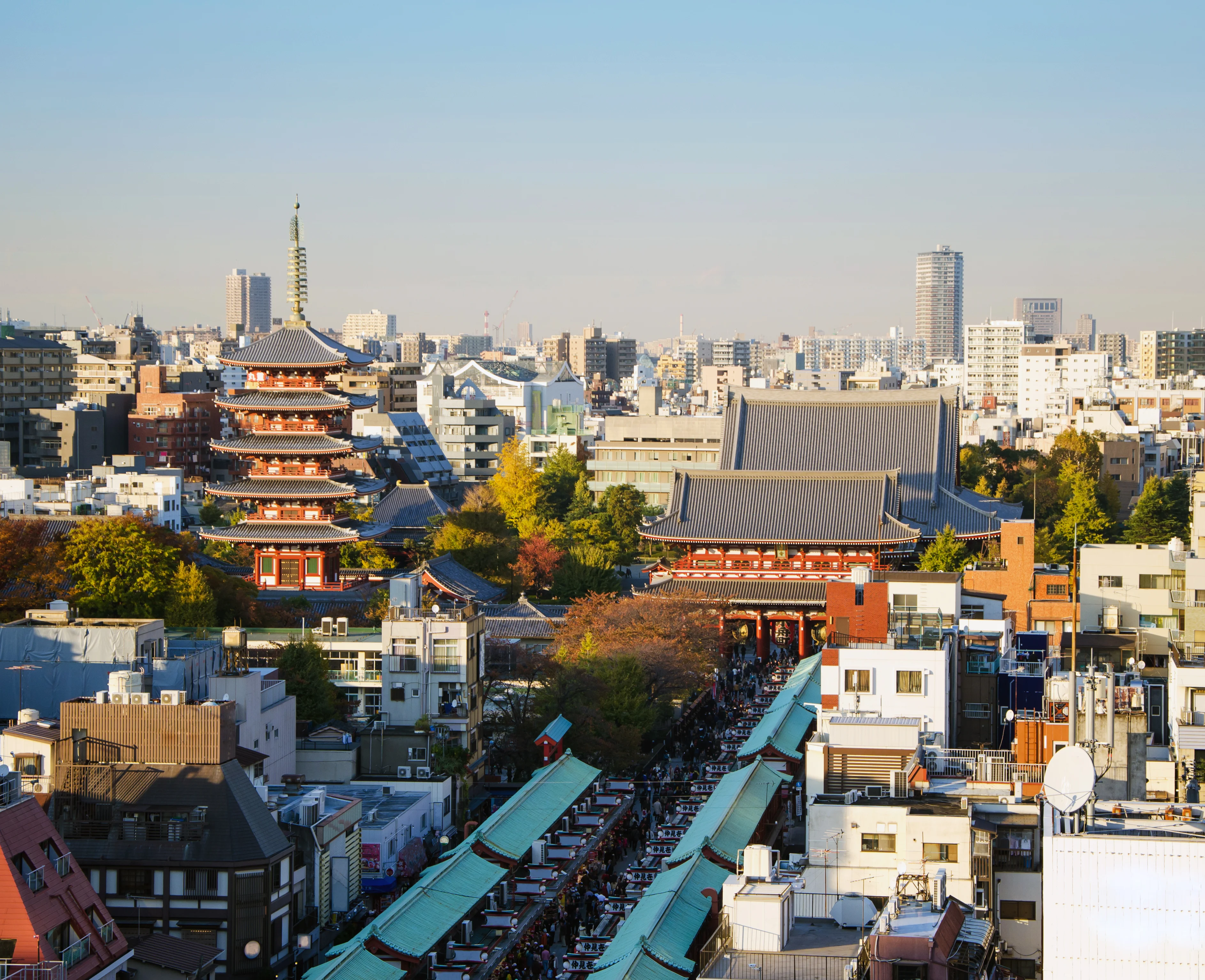
Our last stop of the day is to Sensoji in Asakusa, the oldest temple in the city. This vibrant red Buddhist temple is neighboured by the iconic five-roofed temple, the Kaminarimon Gate and Nakamise shopping street, Tokyo’s biggest souvenir market.
Meals: Breakfast
Day 8
Free day in Tokyo
Free day in Tokyo – Today, you can explore the city at your leisure.
Enjoy a slower pace with a visit to Shinjuku’s national gardens, take a stroll through Yoyogi Park to watch the artists at work, sword jugglers practising or dance troupes honing their skills or visit Tokyo’s National Museum and see the wealth of artefacts that celebrate Japanese culture, heritage and traditions.
For those who want to seek new heights, there are a number of panoramic viewpoints throughout the city. From the government building in Shinjuku, which is free to enter, to Tokyo Tower and the latest addition, the Skytree. Your dedicated Tour Manager can recommend lots of places to visit.
For everything from the latest technology, cameras and computers, Akihabara, or Electric Town, is a sensory treat for lovers of all things electronic. Browse the shops as they vie for your attention with bright neon signs.
Food lovers will enjoy a visit to the Golden Gai, a network of narrow streets teeming with tiny restaurants with open kitchens – many specialising in just one or two traditional Japanese dishes.
Meals: Breakfast
Day 9
Return home
Return home – It’s time to say goodbye and start your journey home.
Meals: Breakfast
Day 10
DAY 10
Arrive home
Meals: None
What’s included
What’s not included
Additional information
Shinkansen Bullet Train Experience
Glide across Japan aboard the high-speed Shinkansen, feeling the effortless acceleration as you travel at 200 mph. Wide windows frame a cinematic sweep of tidy towns, rice paddies, and distant ridgelines while the carriage hums with quiet precision.
Born with the 1964 Tokaido line, this icon of Japanese rail precision reshaped national travel. Settle in with a neatly packed ekiben and watch the landscape unfurl—an everyday ritual elevated to a showcase of punctuality, engineering, and considerate etiquette.
Fuji Five Lakes Scenic Circuit: Lake Yamanaka & Lake Kawaguchi
Savor tranquil perspectives of Fuji from Lake Yamanaka and Lake Kawaguchi, where reed-fringed shores and cedar groves frame the mountain’s snow-capped cone. Pause at overlooks to capture luminous views of Mount Fuji, with reflections shimmering on calm mornings and seasonal color washing the hillsides.
These vantage points within the Fuji-Hakone-Izu landscape distill Japan’s reverence for balance and simplicity. Photographers and daydreamers alike can pause for photos and reflection, appreciating Fuji’s symmetry as weather and light subtly transform its silhouette.
Kachi Kachi Ropeway to Mount Tenjo
Ascend above Lake Kawaguchi on the Kachi Kachi Ropeway to the Mount Tenjo observation deck, where an open panorama takes in water, forest, and the perfect cone of Fuji. Gentle breezes and crisp air heighten the sense of space as the lake glitters below.
Linked to the folk tale of a crafty raccoon and vigilant rabbit, this summit offers sweeping views of Mount Fuji just 400 meters above the shore. It’s a scenic interlude that pairs storytelling with geology, broad horizons with intimate alpine details.
Ichiku Kubota Museum: The Art of the Kimono
Visit the Ichiku Kubota Museum to encounter the luminous world of hand-dyed silk. Marvel at the art of the kimono through Kubota’s revival of tsujigahana techniques—dappled color fields, delicate gradients, and nature motifs rendered with meditative precision.
In galleries overlooking Kawaguchi’s forests, the celebrated tsujigahana dyeing style and Kubota’s “Symphony of Light” series reveal a dialogue between fabric and landscape. The setting—rustic architecture, sculpted gardens—amplifies the quiet intensity of Japan’s textile craftsmanship.
Tokyo Highlights: Imperial Palace, Shibuya Crossing & Senso-ji
Join a guided overview of the capital, pausing at the Imperial Palace precincts to view the Nijubashi bridges and manicured moats. Experience the ordered rush of Shibuya Crossing and greet the loyal Hachiko statue before continuing to Asakusa’s lively arcades.
At Senso-ji Temple & Kaminarimon Gate, incense curls skyward while stalls along Nakamise-dori brim with sweets and crafts. This panorama of Tokyo contrasts ancient devotion with neon dynamism, revealing a city that balances ceremony, community, and restless creative energy.
Kamakura Coastal Visit
Explore the seaside charm of Kamakura, once a shogunate capital framed by forested hills and the expanse of Sagami Bay. Stroll craft-lined streets and savor coastal air as temples and shrines punctuate the town’s relaxed rhythm.
Use your time to see the monumental Great Buddha of Kotoku-in or wander the seasonal blooms of Hasedera Temple gardens. Zen heritage, sea breezes, and small-town warmth combine to offer a gentler counterpoint to Japan’s great cities.
Gion Lantern-Lit Walk
Stroll the atmospheric lanes of Gion district as paper lanterns glow against timber latticework. Thread past Pontocho Alley and willow-lined canals where traditional ochaya teahouses hum discreetly. Your guide interprets customs and etiquette while you scan for elegantly dressed geiko and maiko moving between engagements.
Discover how this entertainment quarter evolved from riverside stages into a living showcase of Kyoto craftsmanship and performance. The preserved lantern-lit teahouses, narrow alleys, and soft evening hush create an intimate window onto Japan’s artistry of refinement and poise.
Fushimi Inari-Taisha Shrine Torii Pathways
Walk beneath the spellbinding tunnels of Fushimi Inari-Taisha, where thousands of vermilion torii gates climb the wooded slopes of Mount Inari. Follow fox-guarded paths past prayer plaques and small shrines as dappled light flickers across lacquered pillars and mossy stones.
Dedicated to the deity of rice and prosperity, the shrine’s gates are donated by merchants in gratitude for good fortune. The rhythmic progression through this forested sanctuary blends color, incense, and birdsong into a serene Shinto experience far from the city’s bustle.
Kyoto Heritage Tour: Kinkaku-ji, Nijo Castle & Ryoan-ji Zen Garden
Explore Kyoto with a local expert on a curated circuit of the city’s icons. Gaze at the shimmering pavilion of Kinkaku-ji (the Golden Pavilion) mirrored in its reflecting pond, then wander the elegant precincts of Nijo Castle & Honmaru Gardens, an emblem of shogunal power. Conclude in meditative silence at the Ryoan-ji Zen Garden, its raked gravel and stone islands inviting quiet contemplation.
Absorb centuries of artistry and ritual as Kyoto’s former imperial status comes to life. Hear how Tokugawa-era architecture, gilded surfaces, and Zen minimalism reveal distinct philosophies—opulence, authority, and restraint—coexisting within Japan’s cultural heart.