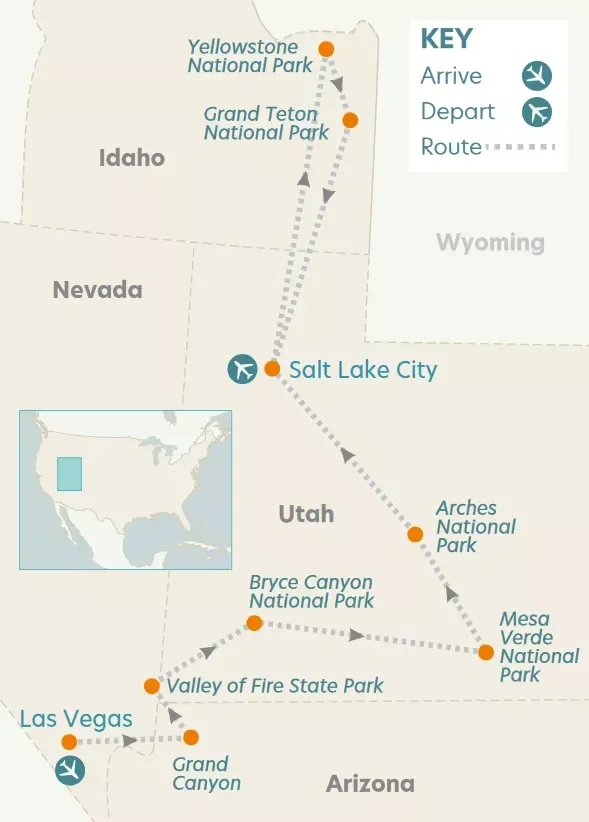
Your itinerary
Day 1
Departure
Departure – Arriving at the airport, you’ll fly to Las Vegas, landing later the same day.
A bright beam of light beckons us towards our pyramid-shaped hotel right on the strip, within walking distance of the action. Tonight, there’s time to relax and unwind after your flight or head out into the night and discover exactly why they call it ‘Sin City’.
Day 2
Grand Canyon West and Hoover Dam
Grand Canyon West and Hoover Dam – Today is our first day exploring and our first bucket list moment as we travel out of Las Vegas to visit the Grand Canyon’s West Rim.
The Grand Canyon, with its red-layered rock, is considered one of the seven natural wonders of the world – and standing at the Western Rim, it’s not hard to see why. At an average of 10 miles across, up to a mile deep and 277 miles long, its massive 1,904 square miles make the canyon bigger than the entire state of Rhode Island.
Grand Canyon West resides in the Hualapai Reservation. Their tribal lands stretch one million acres with over 100 miles including the Grand Canyon and Colorado River – so be prepared for heart-pounding views, especially from the world-famous Skywalk. This breathtaking 10-foot wide, horseshoe-shaped glass bridge extends out over the canyon, giving you a clear view 4,000 feet down to the floor below. The views may be thrilling, but there’s no need to be nervous – the Skywalk is strong enough to hold seventy fully loaded 747-passenger jets, so it’s definitely strong enough to hold you! (pre-book option)
The Hualapai Tribe is a sovereign Indian nation – which means they do not get any federal funding from the US Government – so our visit to the West Rim helps support the tribespeople. We’ll learn more about the heritage and rich traditions that have survived hundreds of years carried on by generations of the Hualapai Nation, like the Hualapai Bird Singers.
Later, we visit another American icon, Hoover Dam. This massive concrete arch-gravity dam is 60 stories high and as wide as two football fields are long, so when we tell you you’ll be amazed by its size, you know we mean it. And walking across the top, you can enjoy sweeping vistas of the bridge and surrounding landscape and Lake Mead, along with vertigo-inducing views looking straight down the dam.
As impressive as its size is, its importance to the surrounding two million acres cannot be overstated. It provides water to the rich farmlands of Southern California’s Imperial Valley, generates enough hydroelectric power to serve 1.3 million people in urban areas – Los Angeles, Phoenix and Tucson – holds flood water back, and stores water during droughts.
For all this and more, the dam is a monument to the ingenuity of the nation’s engineers and the power of its machines. A symbol of an era when an urban, industrial America revelled in harnessing its natural resources.
Tonight, you’ll be free to embrace the buzz of the bright lights of Las Vegas – hopefully, Lady Luck finds you!
Meals: Breakfast
Day 3
Valley of Fire State Park
Valley of Fire State Park – We’ll take a scenic drive through Nevada’s ancient Valley of Fire State Park on our journey from Las Vegas to Bryce.
The park can trace its history back millions of years to the Jurassic period. It was formed by faulting and eroding sand dunes, resulting in dramatic red rock formations rising above the Mojave Desert. The landscape glows as though it’s on fire in the sunlight. Bright red Aztec sandstone stretches skywards or swirls through the valley to create captivating formations that seem to erupt from the grey and tan limestone landscape. Along the way, you may spot ancient, petrified trees from the roadside and stop to see petroglyphs – prehistoric rock carvings that date back more than 2,000 years. These interesting carvings depict hunting, gathering and cultivation as well as petroglyphs of shamanic and spiritual significance.
Meals: Breakfast
Day 4
Bryce Canyon National Park
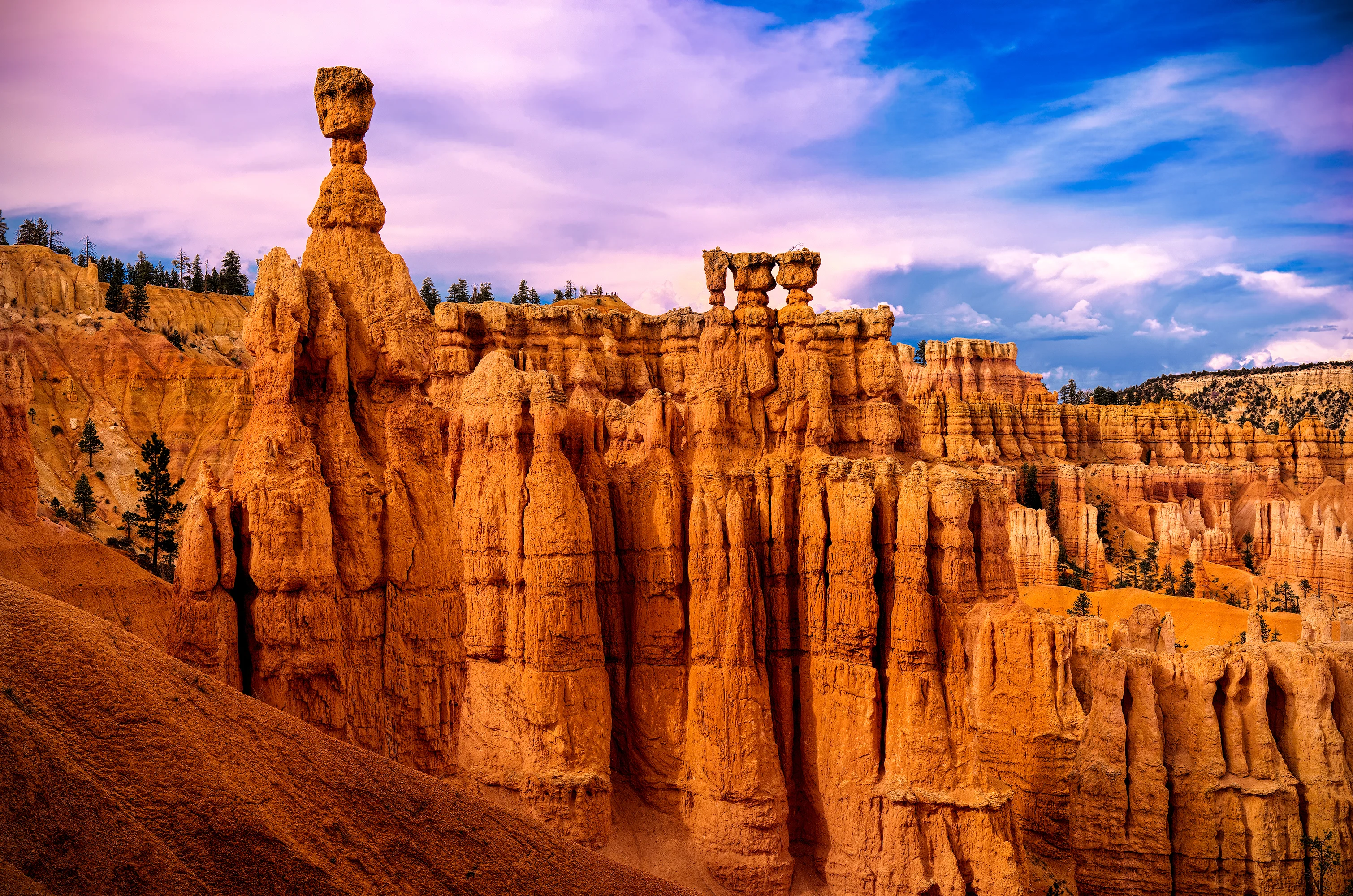
Bryce Canyon National Park – Today we’ll take a full day to explore the other-worldly landscape of Bryce Canyon National Park. It’s famous for its large collection of hoodoos – the distinctive pillars of red, white and orange that soar skywards to touch the blue sky above – which create a strange topography that could easily pass for a fictional planet in a sci-fi film.
Named after Ebenezer Bryce, an early Mormon settler who made his home in the area in 1874, the park doesn’t actually protect a canyon but a series of 14 giant natural amphitheatres. Its bowl shape is formed by the drainage of seasonal rains and melting snow rather than flowing rivers, as canyons are.
There are many fantastic scenic views of Bryce Amphitheatre, like Sunrise Point and Sunset Point. However, what are possibly the most dramatic of all views can be found standing at Bryce Point from which most of the park is visible, as well as the nearby Henry and Escalante Mountain. As we explore, we’ll wind our way through the canyons, passing natural bridges, like Thor’s Hammer and the Grand Staircase, and forests of spruce trees, fir, pine and juniper. During the day there may be the opportunity to take a short walk through the landscape for a more hands-on experience of the spectacular setting.
Meals: Breakfast
Day 5
Navajo Indian Reservations (Antelope Canyon)
Navajo Indian Reservations (Antelope Canyon) – Today we’ll cross state lines as we explore the Navajo Indian Reservation. This is the largest reserve in the United States, covering 27,000 square miles of land spread over four states – Arizona, Utah, New Mexico and Colorado – and encompassing many well-known landmarks.
Here, we’ll begin with a visit to Horseshoe Bend in Arizona. The bend is a well-known landmark, and a social media darling, thanks to its photogenic natural landscape (although, in our opinion, photos can never compare to seeing it with your own eyes). It’s also the site of a decisive battle in the Creek Indian War (1813-1814) in which European powers and the USA Army defeated the Creek Nation, killing more than 800 of their 1,000 warriors and effectively ending Creek resistance to American advances into the southeast, opening the Mississippi Territory for pioneer settlement. It has significant cultural meaning to the Navajo people as one of the places where tribes – the Anasazi, the Paiute, and the Diné (Navajo) – grew crops, hunted, and lived and died for centuries.
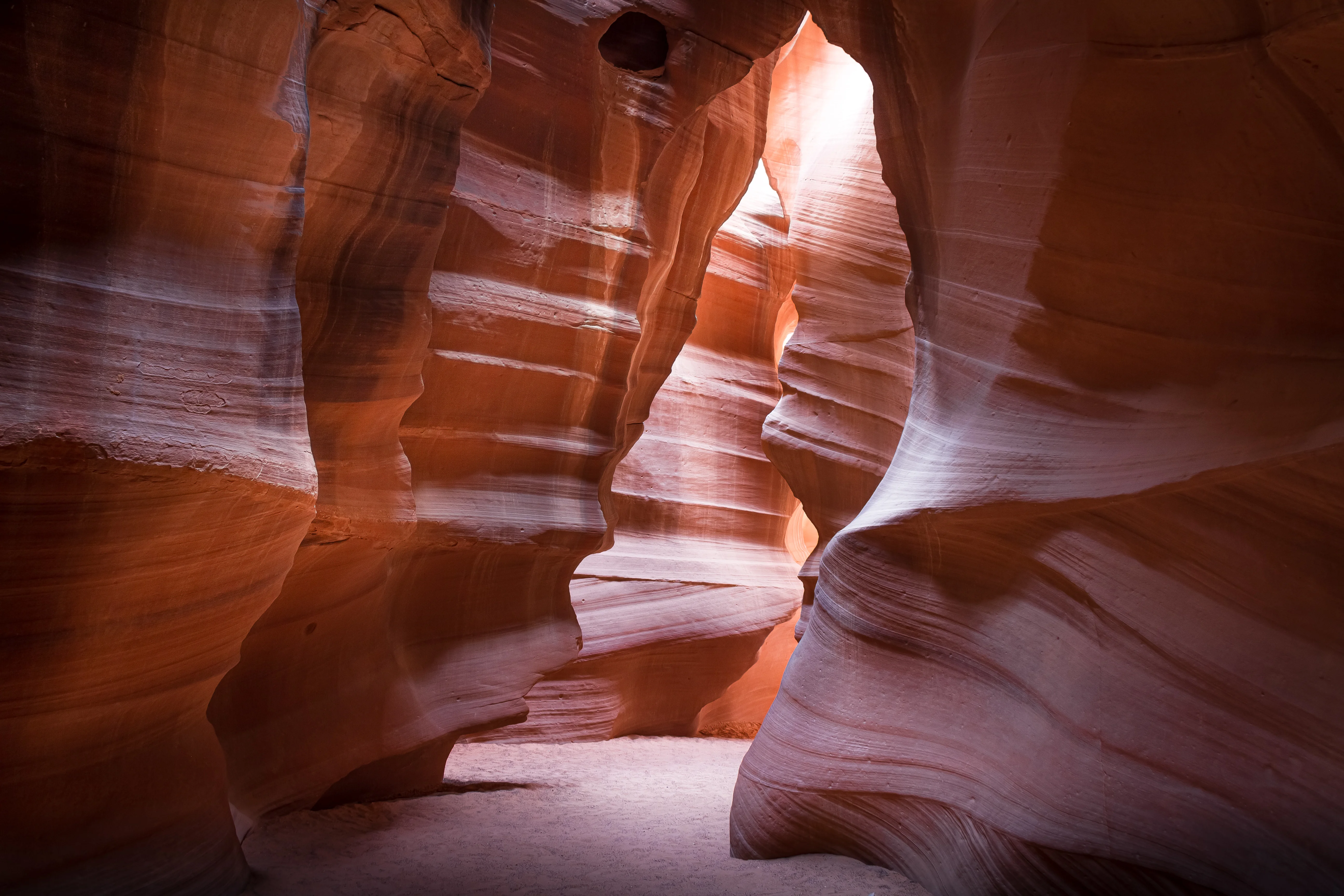
Nearby, we’ll visit Antelope Canyon to experience amazing sandstone formations, beautiful colours, and the light as it hits the canyon – if you have a camera, you’ll want to keep it handy here. Surrounded by epic desert scenery, with countless hues of red and orange, there are vast rock formations at every turn, including the huge wave-like walls of the water-worn ravines that run deep into the earth, known as slots.
Meals: Breakfast
Day 6
Monument Valley and Mesa Verde National Park
Monument Valley and Mesa Verde National Park – Start your day with a visit to Monument Valley. Here, we’ll enjoy a 4×4 tour of the Valley with a Navajo guide. The lower basin of Monument Valley has played a starring role in American Cinema, from John Wayne Westerns to blockbusters like the Transformer franchise. You can marvel at the incredible flat-topped towers of red sandstone and limestone buttes and mesas as they rise dramatically from the surrounding barren desert and learn more about the significance of the land to the Navajo people from our local guide.
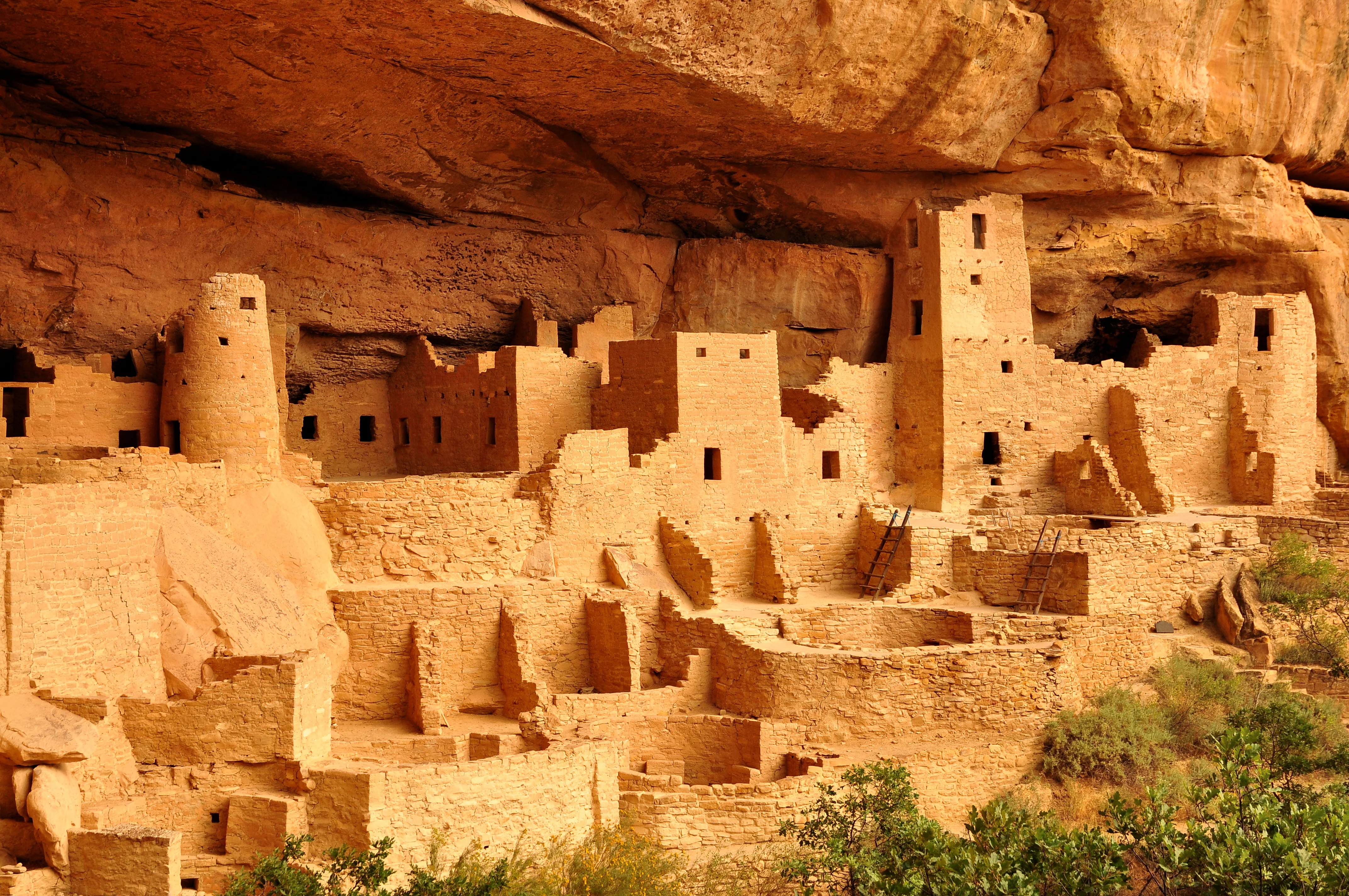
Mesa Verde Park may be one of the lesser-visited national parks, but there’s still plenty to see. As the only National Park devoted to Native American Archaeological remains, the park protects the cultural heritage of 26 Pueblos (American Indian villages) and tribes, offering an almost untouched window into the past. The history here outdates Europe’s ‘discovery’ of the new world by hundreds of years. We’ll visit the past dwellings of the Anasazi, an Ancestral Puebloan people who inhabited the area between 600 AD and 1300 AD. Thanks to the dry desert climate and cliffside location under massive folds in the rock, their intriguing mud-brick cliff dwellings are some of the best preserved in the country – truly an extraordinary sight.
Meals: Breakfast
Day 7
Arches National Park
Arches National Park – Travelling north this morning, we’ll visit one of the highlights of our tour, Arches National Park.
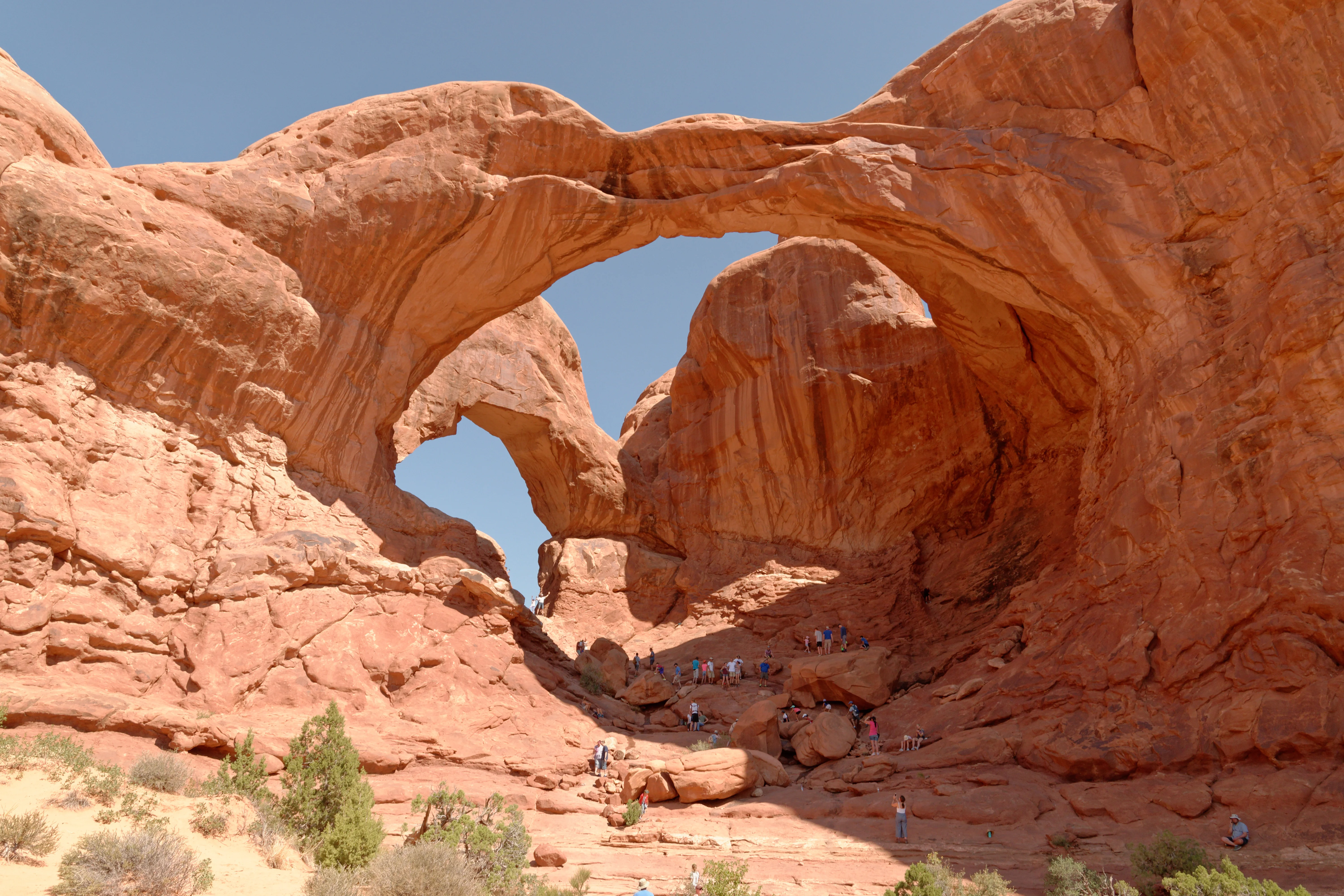
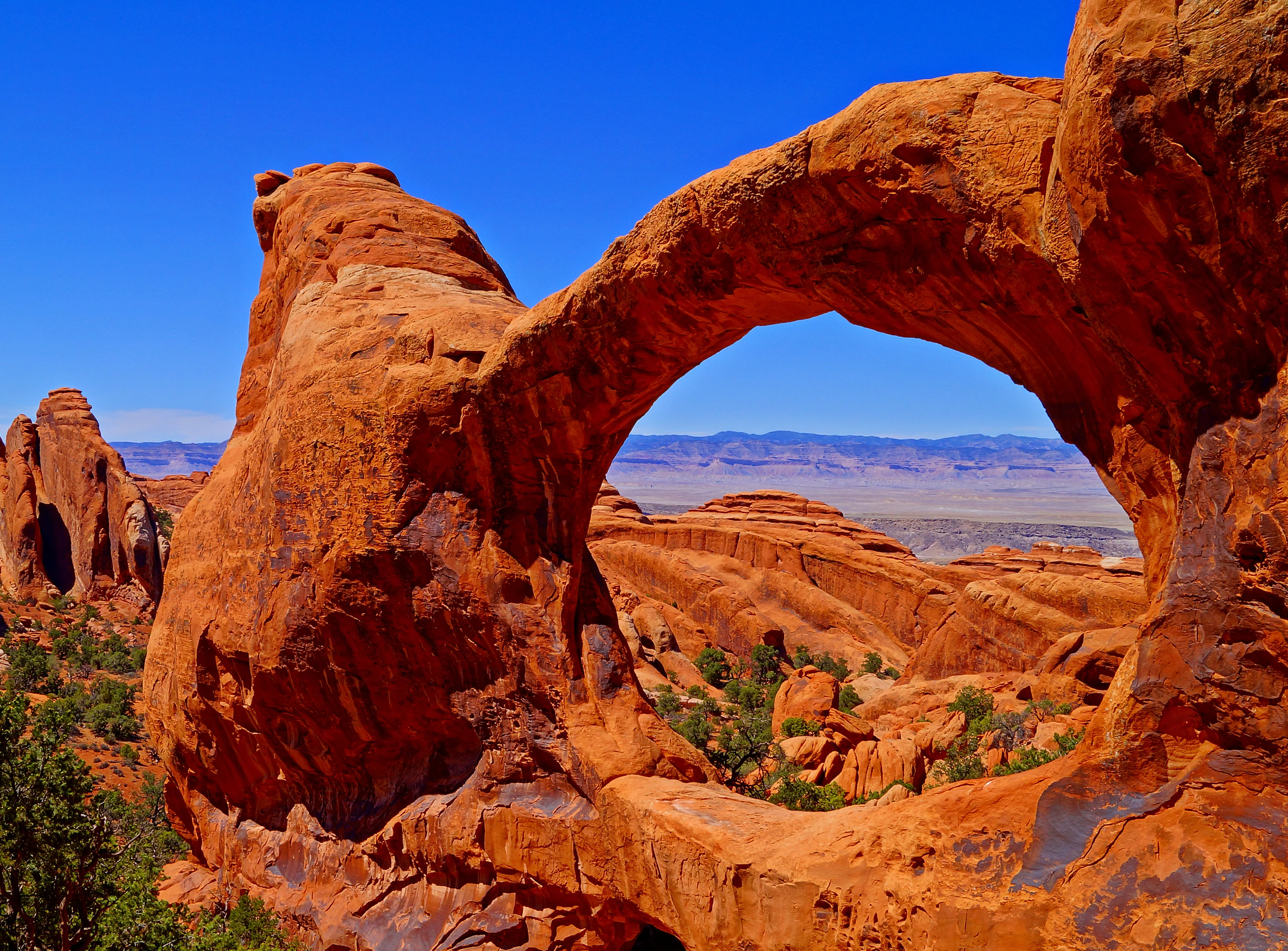
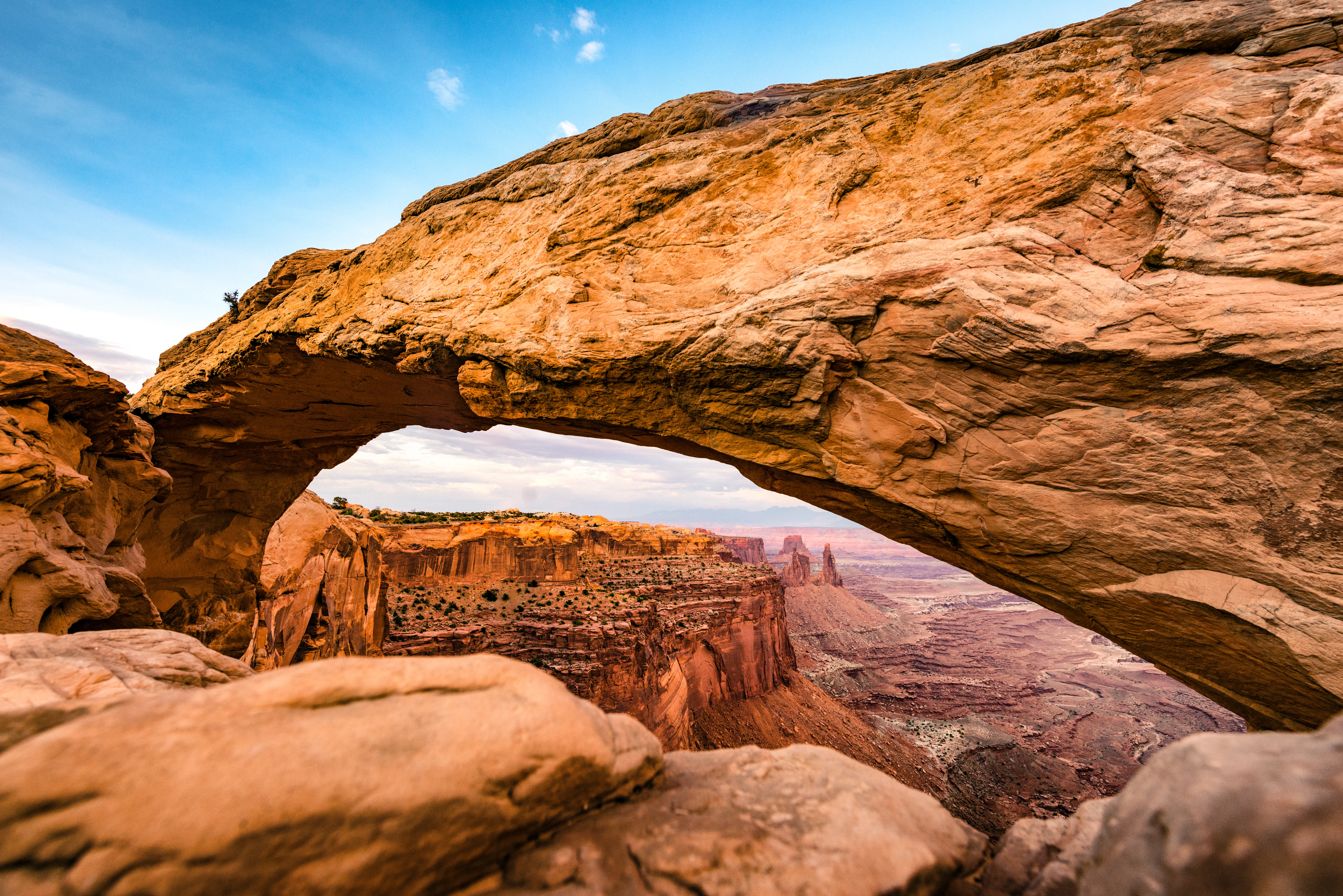
The park boasts the world’s largest concentration of natural sandstone arches within a relatively small area of 73,234-acres. Its Mars-like topography, with its changing colours of oranges and deep reds, is sure to leave an indelible mark on the memory. There are around two thousand colossal sandstone arches – with names like Delicate Arch or Eye of Whale Arch – as well as clusters of monoliths and balanced rock formations, soaring spires and city-sized sandstone pipe organs. The landscape is utterly unique and a photographer’s paradise.
Meals: Breakfast
Day 8
Canyonlands National Park
Canyonlands National Park – Today, we’ll visit Utah’s largest and wildest park, Canyonlands National Park. Its 527 square miles encompass some of the most rugged natural landscapes anywhere on Earth. The park is split into four distinct areas, separated by the natural barriers of the Green and Colorado rivers. They are Island in the Sky, The Needles, The Maze and Horseshoe Canyon. Its colourful landscape has eroded into countless canyons, mesas, arches, and buttes, home to eleven cactus species, twenty moss species, liverworts, grasses and wildflowers. It’s like peering all the way back through time to ancient Earth – a land before humans.
But humans have inhabited the area for over 10,000 years. It was home to Native Americans, then part of the Old Spanish Trail (a European trade route) and winter grazing for ranchers from the 1880s – 1970s, and mined during the nuclear arms race of the 1950s. Even the legendary outlaw Butch Cassidy and his Wild Bunch had a hideout in Canyonlands, then nicknamed Robbers Roost, where they would meet up and hide out after one of their big heists. Their hideout’s location was kept very secretive – most of the visitors were just the women who were romantically involved with the outlaws.
Later, we’ll continue on to Salt Lake City for a one-night stay.
Meals: Breakfast
Day 9
Drive to West Yellowstone
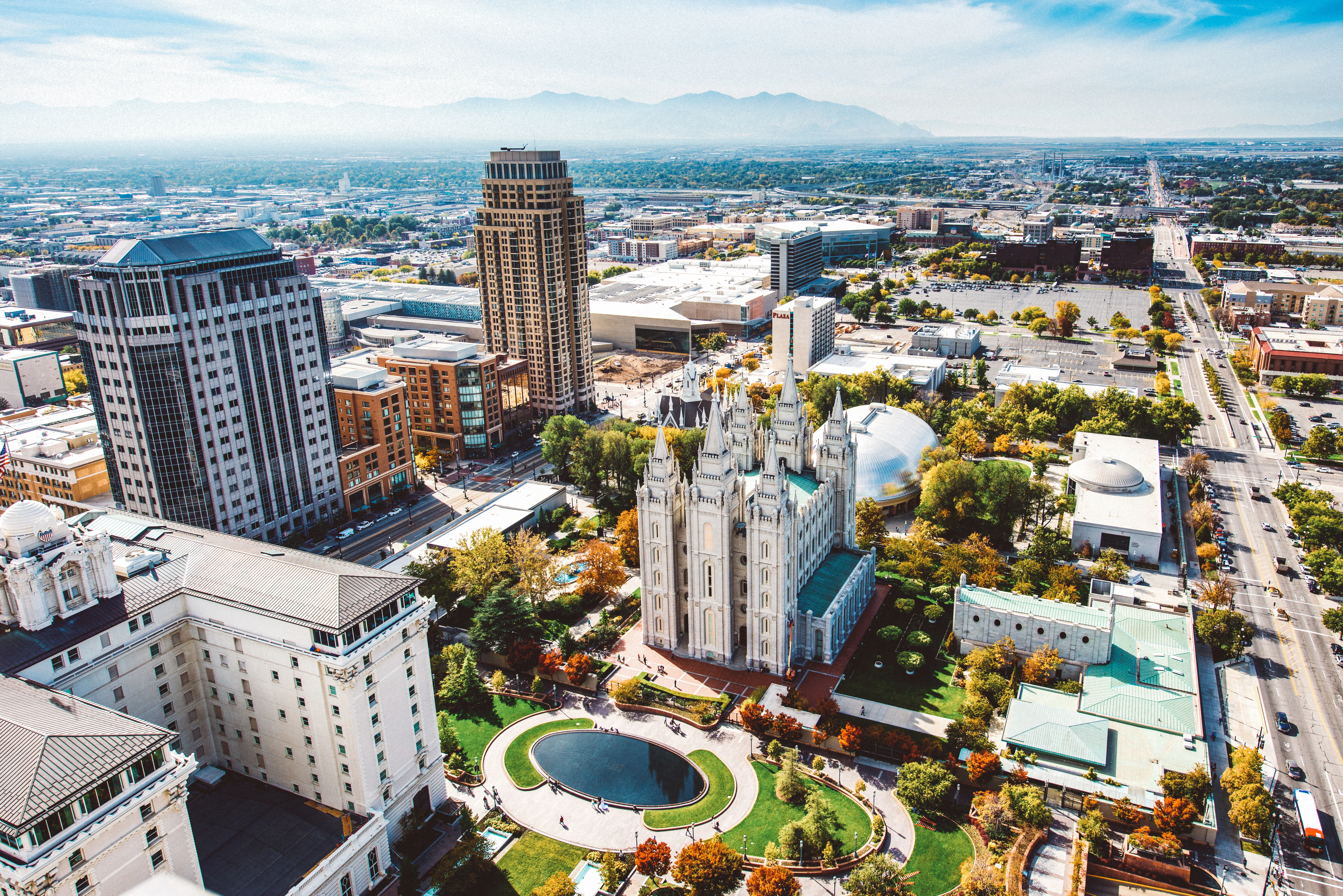
Drive to West Yellowstone – This morning, we’ll take an orientation tour of Salt Lake City, the thriving capital city of Utah surrounded by natural wonders. It was originally settled in 1847 by Mormon pioneers, who faced unbelievable hardship in the hopes of practising their religion and way of life unhindered. We’ll learn more about the city’s history on our tour. We’ll also visit downtown Temple Square – a five-block area encompassing religious buildings and visitor centres with the six soaring spires of the 19th-century Salt Lake Temple. And see Beehive House, an official residence of Brigham Young, the second president of the Mormons who led their exodus west to the Great Salt Lake Valley, founded the city and became the first governor of the Utah Territory.
Later, our scenic journey continues north through the state of Idaho, The Gem State. This fascinating landscape of jagged peaks, emerald-green slopes of thick pine, twisting rivers, frothing rapids and pristine lakes hides an abundance of rare minerals. (Those who love trivia might like to know that the state gem is the Star Garnet – which is exceedingly rare).
Our journey ends in the southern tip of Montana at our hotel in West Yellowstone, where we stay for two nights.
Meals: Breakfast
Day 10
Yellowstone National Park
Yellowstone National Park – Today, we’ll visit one of the USA’s finest and the most well-known parks, Yellowstone National Park. Established in 1862, Yellowstone was the world’s first national park, covering 2.2 million acres of land in Wyoming, Idaho and Montana.
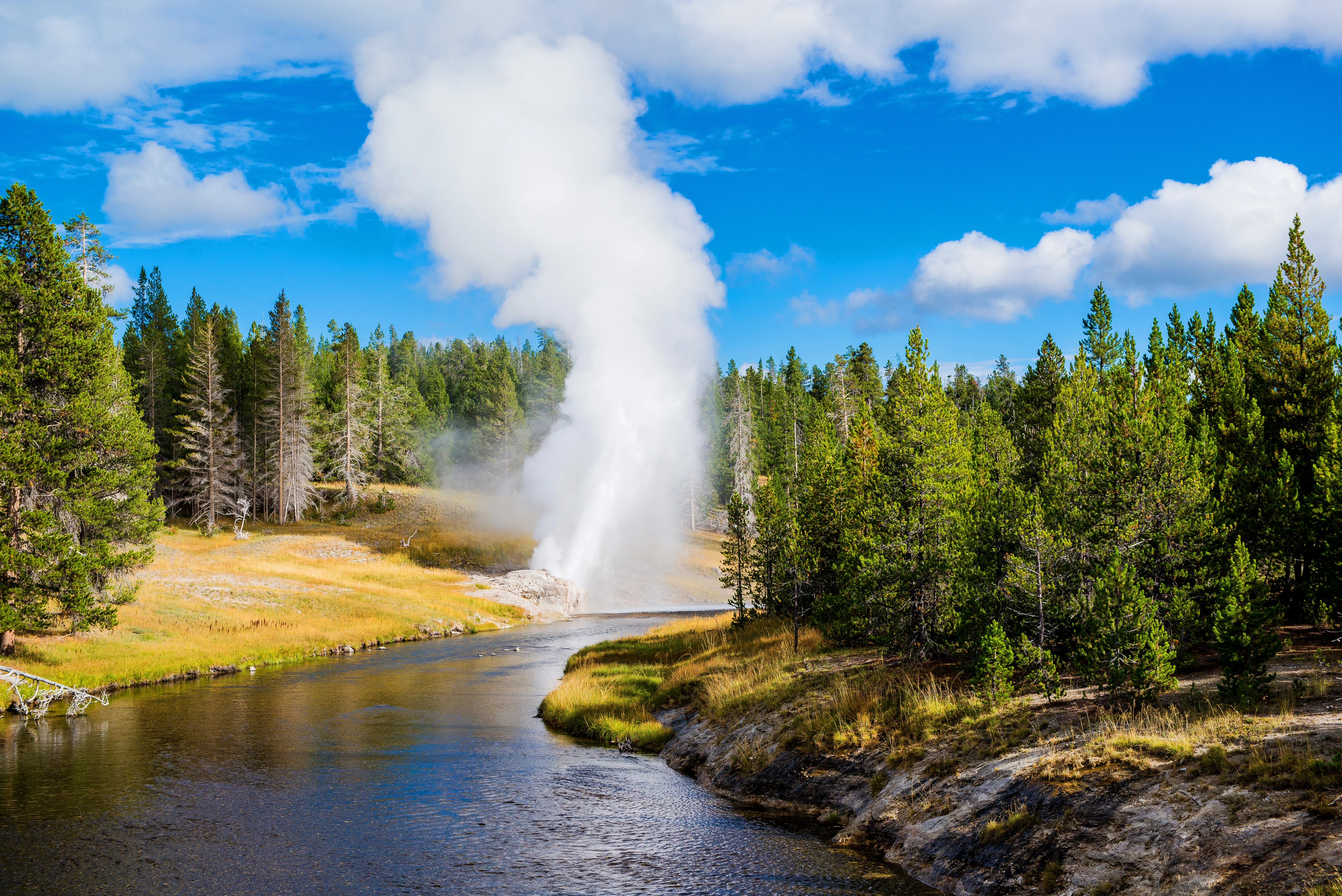
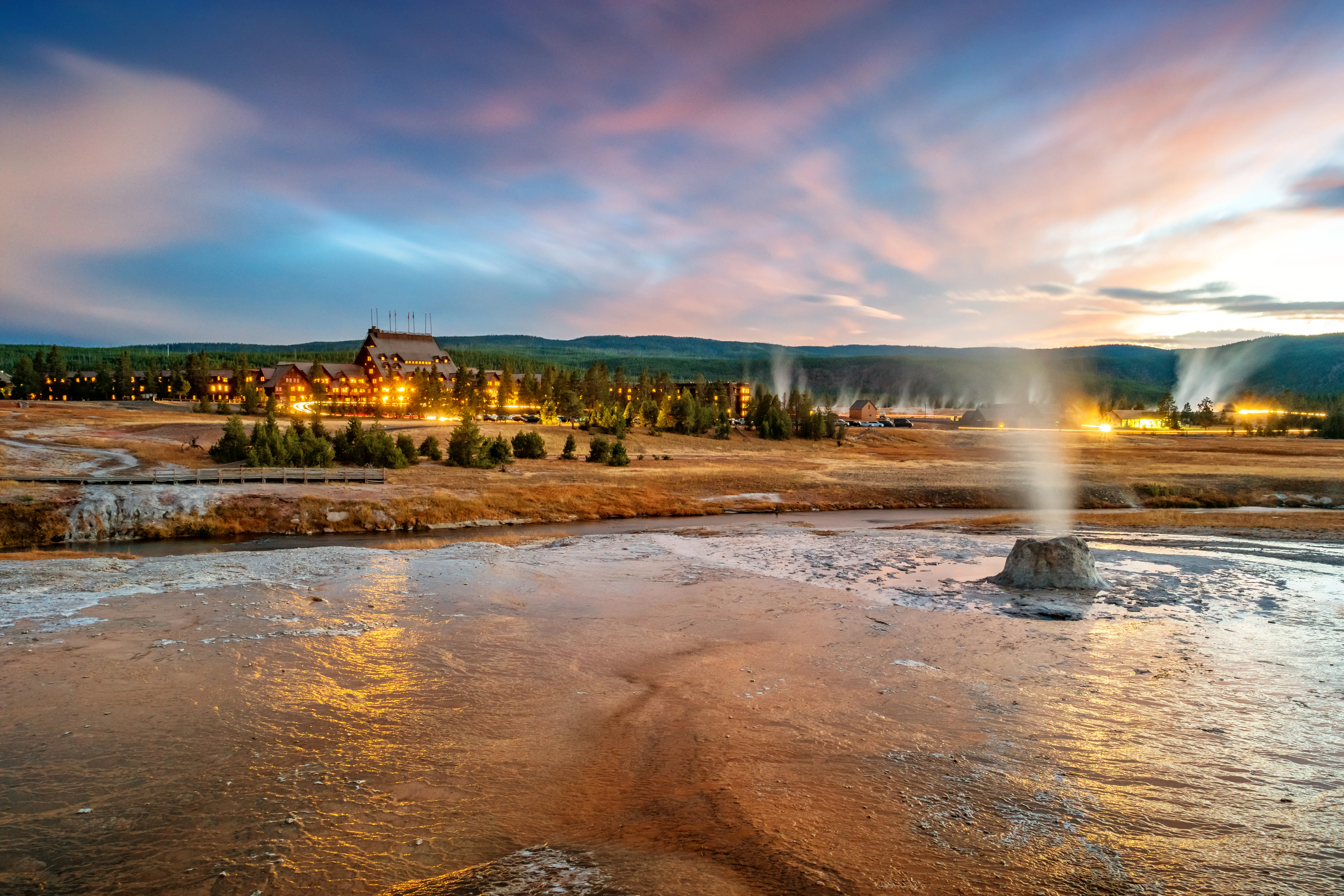
Here, the landscape is alive with activity. The park not only boasts the largest concentration of wildlife in the USA, but it’s also punctuated with volcanic forces – spewing geysers, mud pots, fumaroles and hot springs. Wilderness is the theme of the day as we head into the park’s natural beauty.
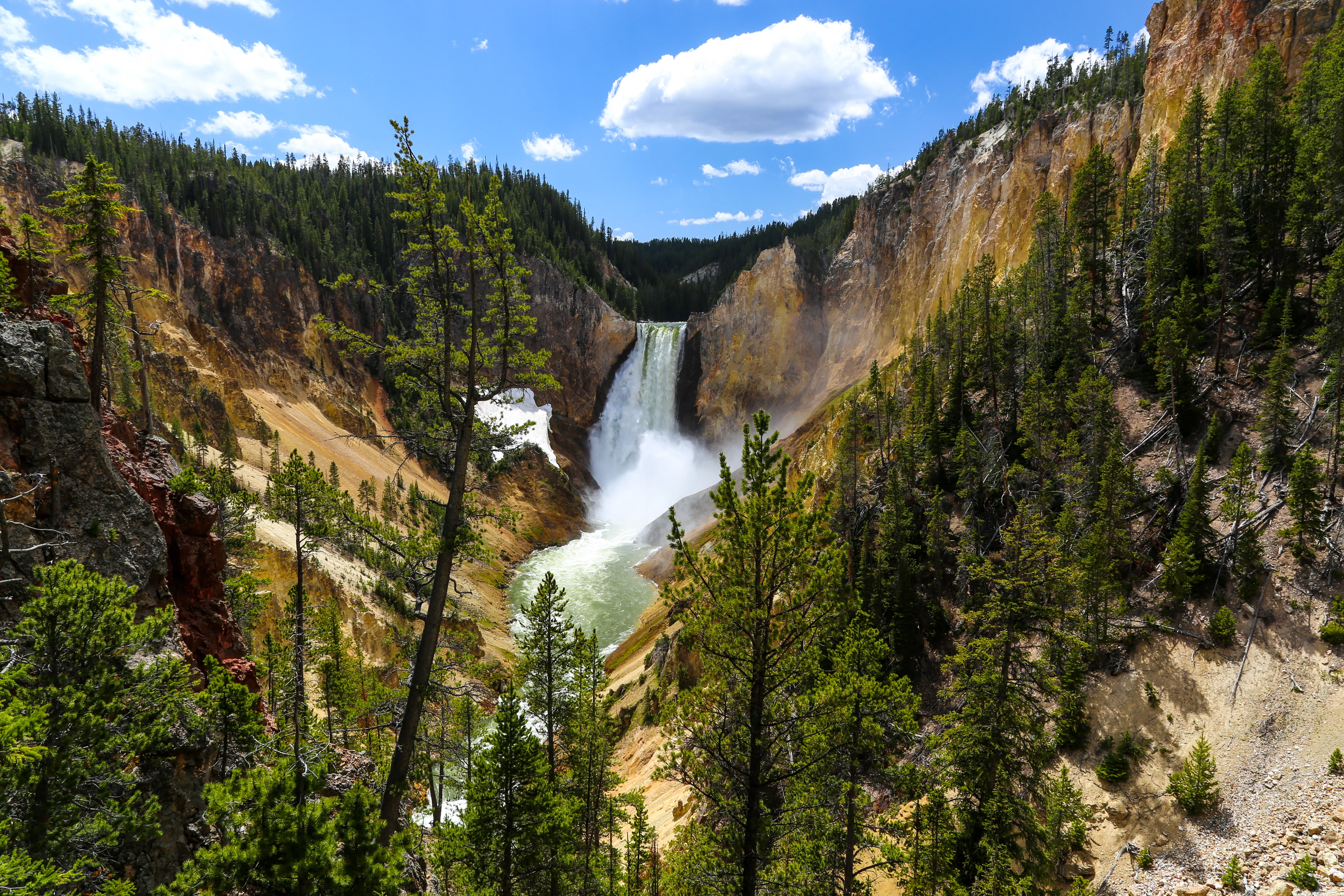
We’ll stop to see the Lower Falls, which may not be as well known as Niagra Falls but are twice the height. A huge curtain of water that tumbles between sheer forested cliff slopes and empties out into the Yellowstone Grand Canyon where steam vents and geysers are still at work on the canyon walls. Look out for bubbling mud pools, steaming rivers, hot springs and magnificent Yellowstone Lake, 136 square miles of crystal-clear water teeming with marine life.
There are opportunities to catch sight of the park’s strikingly diverse wildlife, such as herds of bison and elk, or if you’re lucky, grizzly bears (from a safe distance, of course).
Meals: Breakfast
Day 11
Grand Teton National Park
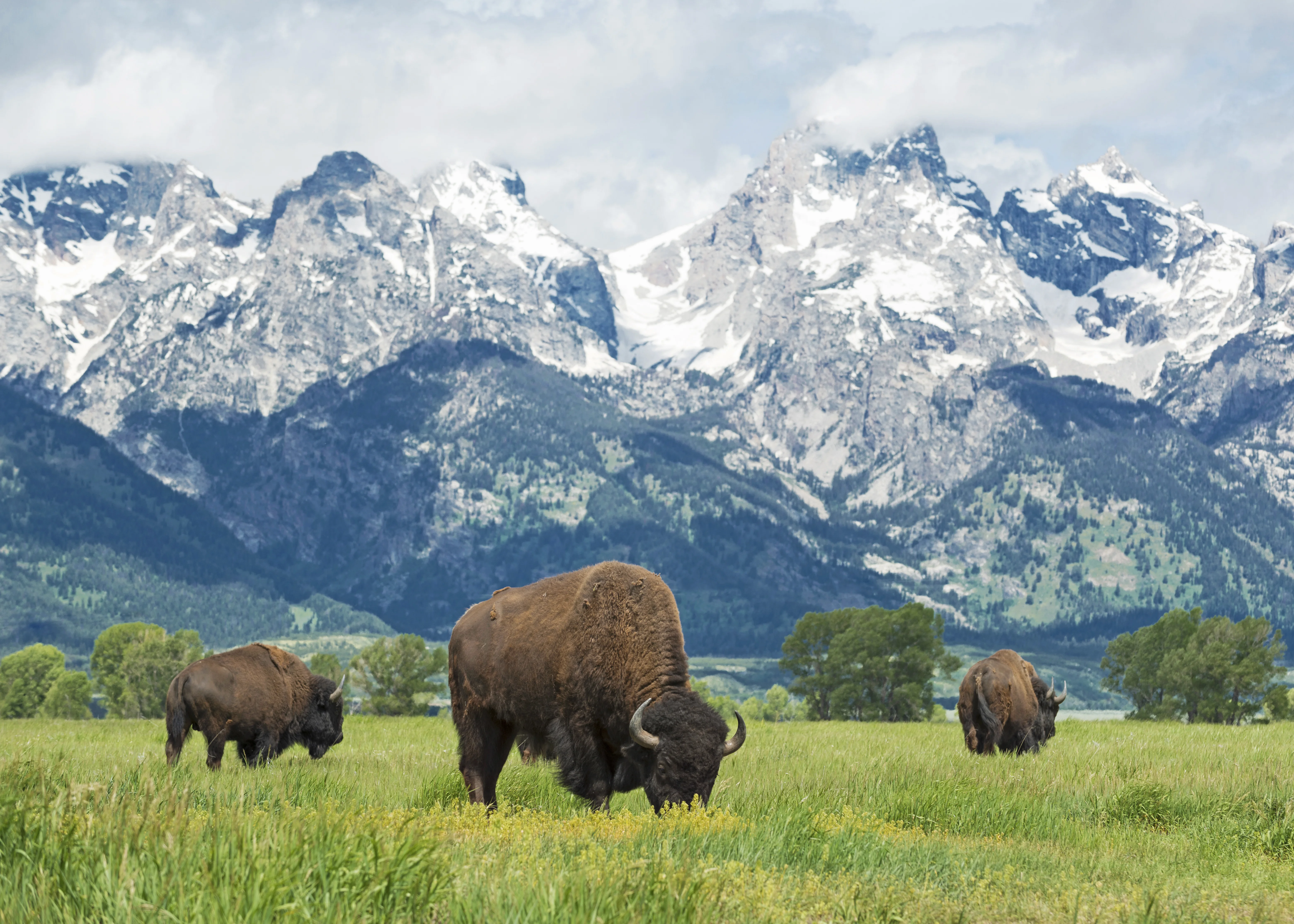
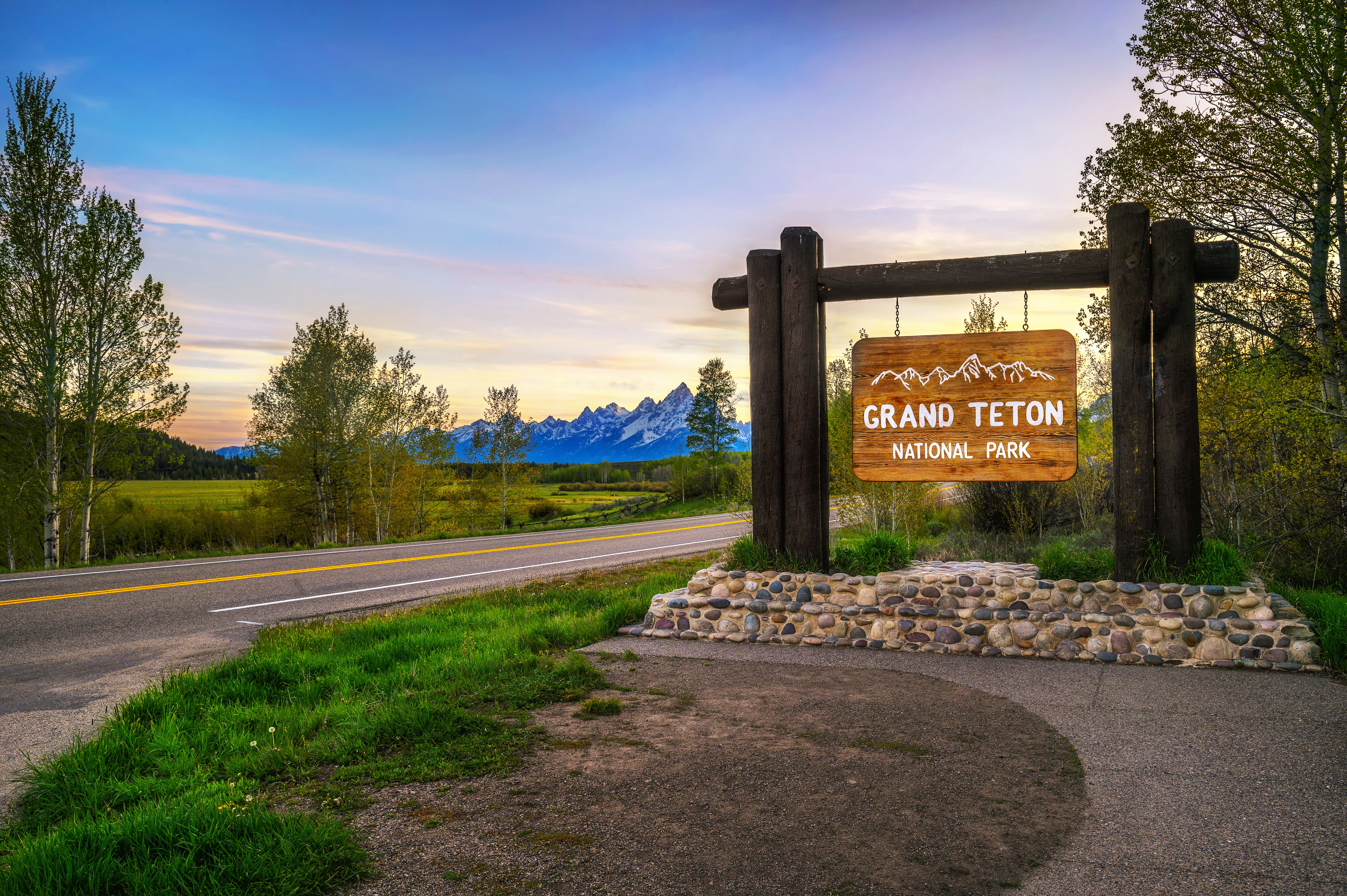
Grand Teton National Park – As we continue our journey this morning,everywhere you look is postcard-worthy. We’ll travel through the stunninglandscapes of Wyoming – The Cowboy State – before arriving at the majestic Grand Teton National Park.
Located in the spectacular Jackson Hole Valley, encompassing nearly 500 square miles, Grand Teton National Park boasts an awe-inspiring array of pristine wilderness. Named for the mighty Teton Range within its borders, locals simply call it the Tetons or the Grand Tetons. The skyline here is dominated by towering peaks covered in golden aspens, red hawthorns, and evergreen pines, firs and spruces that hide the apex predators roaming within.
The crown jewels of the park are the Cathedral Mountain peaks that tower over Cascade Canyon and the Snake River that carries the crystal-clear waters of snowmelt across the valley floor towards the Pacific. We’ll take a scenic drive to see the highlights of the park and mountain range, stopping along the way to take in the views and unleash your inner Ansel Adams by recreating his famous photo, ‘The Tetons and the Snake River’.
Meals: Breakfast
Day 12
The Great Salt Lake State Park and Antelope Island State Park
The Great Salt Lake State Park and Antelope Island State Park – On the last day of our epic journey, we’ll head south again and return to Salt Lake City to see The Great Salt Lake. As the largest natural lake west of the Mississippi river and the largest salt lake in the western hemisphere, this is the best-known geological feature of the area, dating back to prehistoric times when Lake Bonneville covered a large portion of western Utah. After the area was settled by Europeans in 1847, some settlers (and later others) claimed to see what has become known as the North Shore Monster – the Great Salt Lake’s version of the Loch Ness Monster – but, with a maximum depth of just 35 feet of water, we’ll let you decide if that’s plausible or not!
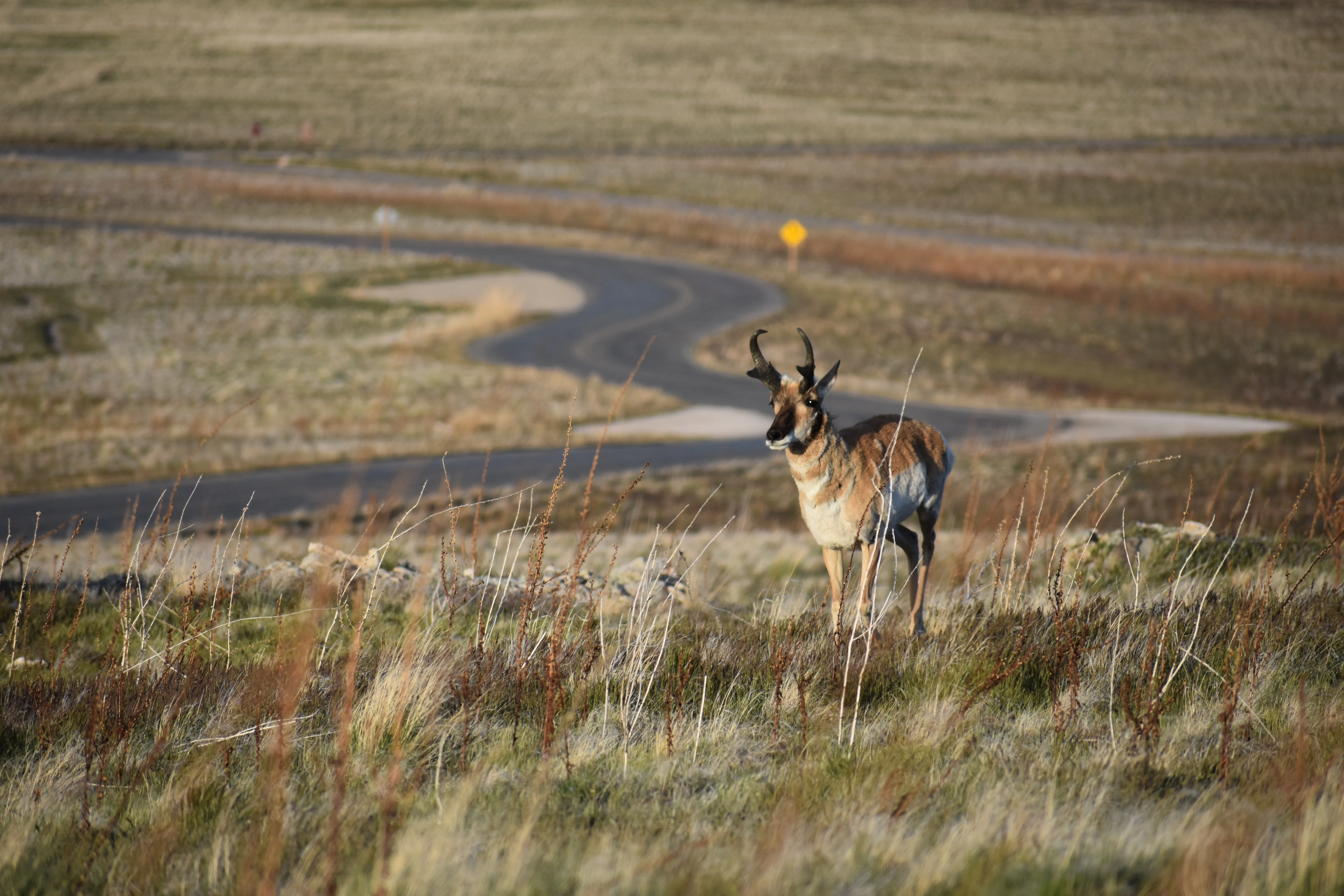
Crossing the seven-mile causeway, we’ll arrive at the 28,000-acre Antelope Island, the largest island on the Great Lake, home to a variety of wildlife. As we drive, you can soak in the views of the Great Salt Lake from a fresh perspective and spot a few of the local wildlife grazing on the roadside – bison, big horn sheep, mule deer and pronghorn antelope roam free, and millions of birds congregate on the shoreline of the Great Salt Lake so there’s plenty to interest the animal lovers in our group.
Meals: Breakfast
Day 13
DAY 13
Return Flight
Meals: Breakfast
Day 14
DAY 14
Arrive home
Meals: Breakfast
What’s included
What’s not included
Additional information
Monument Valley 4x4 Tour with Navajo Guide
Join a Monument Valley 4×4 tour led by a Navajo guide, tracing red-earth tracks between towering mesas and buttes, including the Mitten Buttes and Merrick Butte. The desert floor, dotted with juniper and sage, opens to vistas that feel both cinematic and intimate.
Hear Diné stories that link this sacred homeland to living tradition while you learn how light, weather, and time have shaped the iconic silhouettes. Film lore adds resonance, yet it’s the silence and scale that leave the deepest impression.
Grand Teton Scenic Drive & Snake River Overlook
Drive beneath the jagged skyline of Grand Teton National Park, where the Cathedral Group peaks rise abruptly from sage flats. Pullouts reveal glacial lakes and forested canyons set against the Tetons’ soaring granite walls.
At the Snake River Overlook, frame the river’s silver coils beneath rugged summits—an echo of Ansel Adams’s iconic composition. Aspen groves, spruce, and alpine meadows nurture moose, elk, and raptors in a quintessential Rocky Mountain scene.
Great Salt Lake & Antelope Island Wildlife Drive
Experience the Great Salt Lake via the seven-mile causeway to Antelope Island State Park, where shimmering water meets distant mountains. Shorelines sparkle with salt crystals as high-desert light dances across the inland sea.
Scan for free-roaming bison, pronghorn, mule deer, and bighorn sheep, while flocks of migratory birds crowd the briny shallows. Sagebrush slopes and broad beaches reveal a unique ecosystem shaped by evaporation and the legacy of ancient Lake Bonneville.
Bryce Canyon Amphitheater Viewpoints & Hoodoos Walk
Explore the Bryce Amphitheater from Sunrise and Sunset Points, where crowds of flame-coloured hoodoos rise like sculpted spires against a high-country sky. Stroll easy paths along the rim or descend a short trail for a closer look at these gravity-defying formations.
Shaped by frost-wedging and snowmelt, the hoodoos tell a story of ice, water, and time. From Bryce Point, sweeping views reveal natural bridges, fir and juniper forests, and the grand staircase of uplifted plateaus stretching toward the horizon.
Horseshoe Bend Viewpoint & Antelope Canyon
Visit Horseshoe Bend for a commanding view over a 270-degree meander of the Colorado River, its emerald ribbon framed by sheer Navajo sandstone. The overlook’s airy perch offers vast perspectives ideal for wide-angle photography.
Nearby, step into Antelope Canyon to wander sinuous slot canyons where wave-like walls glow orange and violet under soft beams of light. Managed by the Navajo Nation, the sculpted passageways—carved by flash floods—create shafts of light and textures that reward careful composition and quiet observation.
Mesa Verde National Park Cliff Dwellings
Explore Mesa Verde National Park to view Ancestral Puebloan cliff dwellings tucked beneath sandstone overhangs, including the celebrated Cliff Palace. Overlooks reveal multi-storey masonry, plazas, and kivas sheltered within honey-coloured alcoves streaked by desert varnish.
A UNESCO World Heritage Site, Mesa Verde preserves centuries of ingenuity—from farming on high mesas to sophisticated architecture adapted to arid life. Ranger viewpoints and museum exhibits illuminate community, ceremony, and resilience on the high desert.
Arches National Park Highlights
Discover a realm of otherworldly sandstone fins, monoliths, and more than 2,000 natural spans in Arches National Park. Trails and viewpoints showcase icons including Delicate Arch, Balanced Rock, and the Windows Section, where graceful openings frame desert sky.
Formed from Entrada sandstone and sculpted by freeze-thaw and wind, these arches reveal the artistry of erosion. As the sun moves, ochre and carmine hues intensify, rewarding patient photographers and casual sightseers alike.
Canyonlands National Park: Island in the Sky Overlooks
Survey the mesa-top realm of Island in the Sky, where the plateau edge drops to a vast labyrinth of canyons. Stops at Grand View Point and Green River Overlook open to horizon-wide panoramas etched by water and time.
From this lofty viewpoint, buttes, spires, and sinuous river meanders tell the Colorado Plateau’s geologic story. Sparse juniper and cryptobiotic soil hint at a tenacious desert ecosystem thriving in sun and stone.
Salt Lake City Orientation Tour & Temple Square
Join a guided orientation tour of Utah’s capital, framed by Wasatch peaks and wide boulevards. In the heart of the city, explore Temple Square to admire the six-spired Salt Lake Temple and see the historic Beehive House exterior.
Learn how Mormon pioneers arrived in 1847 to build a faith-centred community on a precise grid plan. Gardens, assembly halls, and visitor centres illuminate the beliefs, architecture, and civic vision that shaped Salt Lake City.
Yellowstone Geothermal Wonders & Grand Canyon of the Yellowstone
Explore geysers and hot springs where steam vents, mud pots, and chromatic pools reveal the force of Yellowstone’s vast caldera. Forested valleys and rolling meadows provide habitat for wildlife—watch for bison and elk along the roadways and river flats.
Stand at the Grand Canyon of the Yellowstone to see the Lower Falls plunge into mist-filled walls stained yellow by iron oxides. Established in 1872, the world’s first national park protects a rare convergence of volcanic spectacle and thriving ecosystems.
Grand Canyon Skywalk Glass Bridge (Optional)
Step onto the Skywalk glass bridge at Eagle Point for heart-pounding views suspended 4,000 feet above the canyon floor. The clear platform arcs beyond the rim, opening a thrilling perspective into the chasm and the sinuous Colorado River below.
Operated by the Hualapai Tribe at the West Rim, this experience is at additional cost and bookable on tour. The Skywalk’s engineering and cliff-edge setting combine for a dramatic encounter with depth, space, and desert light.
Hoover Dam Walk & Lake Mead Vistas
Walk the crest to walk the crest of Hoover Dam and admire sweeping views of Lake Mead and Black Canyon. Stand beside 60-storey concrete walls as desert light shimmers on the reservoir and turbines thrum far below—an encounter with the drama of water harnessed at the edge of the Mojave.
Completed in the 1930s, this New Deal engineering triumph is an arch-gravity dam that transformed the Southwest—taming floods, powering cities, and irrigating farms. Art Deco detailing and monumental spillways speak to an era of audacious nation-building.
Valley of Fire State Park Scenic Drive & Petroglyphs
Discover Valley of Fire State Park, where blazing Aztec sandstone domes and ridges ripple in crimson, rust, and gold. A scenic drive reveals wind-carved alcoves, swirls of cross-bedded rock, and quiet desert basins that glow as the sun arcs across the sky.
Short stops highlight ancient petroglyphs etched by Indigenous peoples and remnants of petrified wood—traces of ecosystems long vanished. This Jurassic landscape, forged from shifting dunes and relentless erosion, invites contemplation of geologic time and the Mojave’s stark beauty.
Grand Canyon West Rim on Hualapai Lands
Experience sweeping panoramas from the Grand Canyon West Rim across the vast chasm carved by the Colorado River. Look out from viewpoints on the Hualapai Reservation—including Eagle Point and Guano Point—as red and umber cliffs glow in desert light, the silence broken only by wind over stone. Take time to pause for photos and reflection along the rim.
Hear how the Hualapai steward access and share cultural perspectives tied to this sacred landscape. Striated walls reveal nearly two billion years of geologic history, offering a humbling sense of scale and time in one of America’s most iconic natural settings.