Your itinerary
Day 1
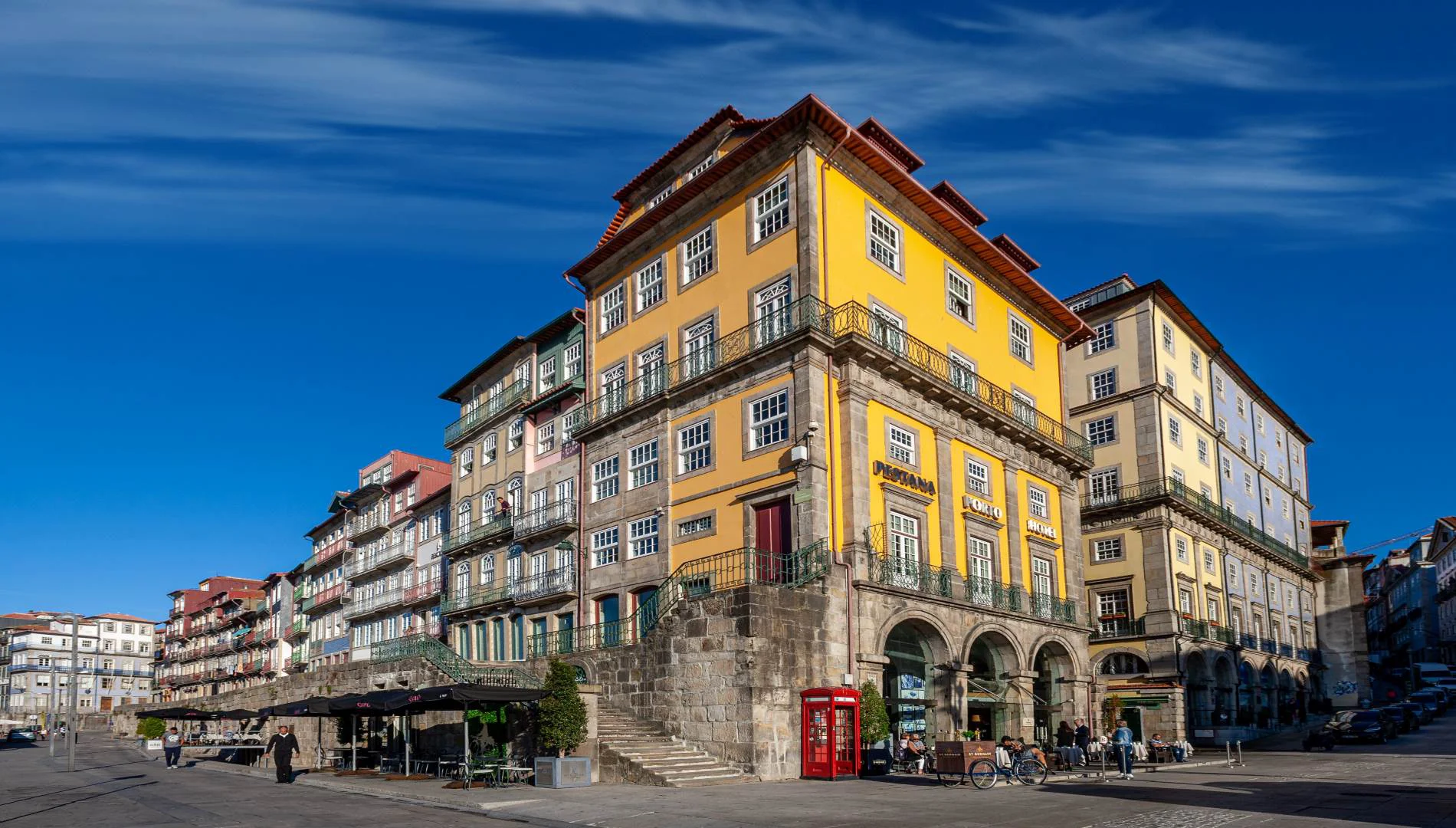
Arrival in Porto
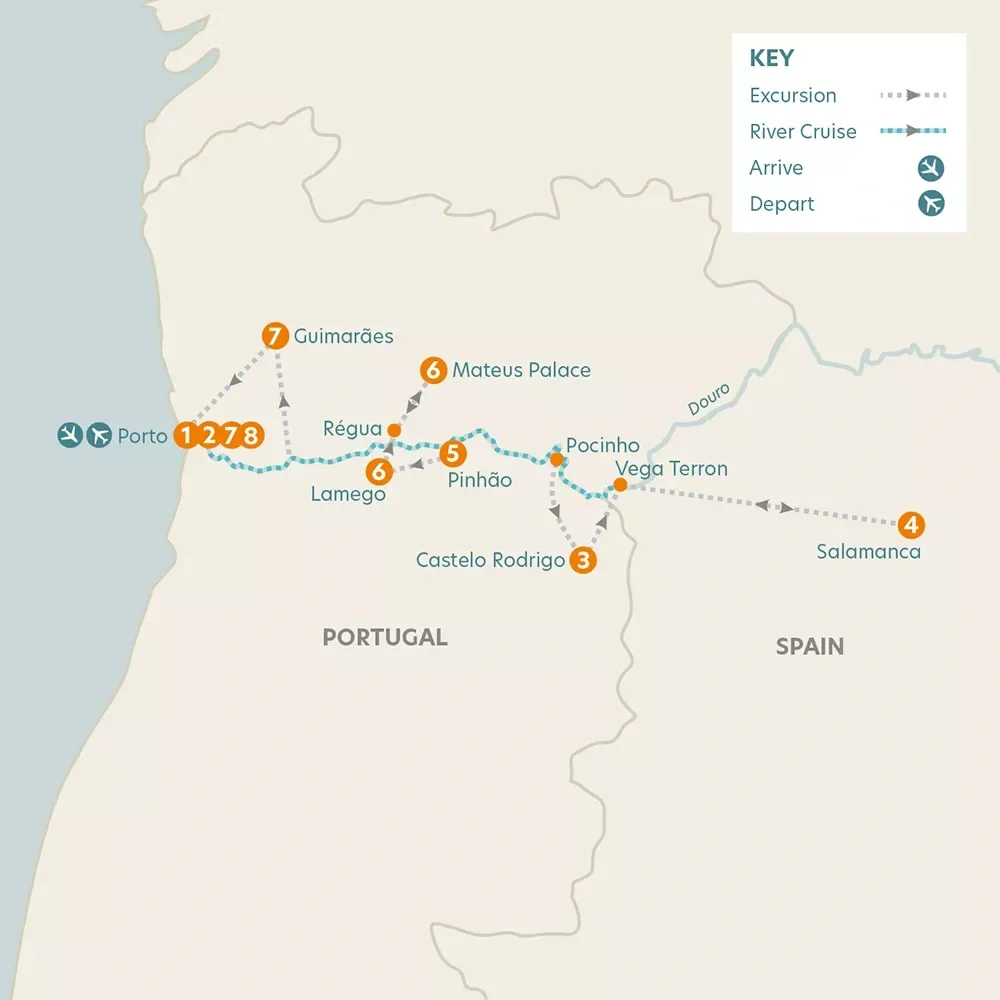
Arrive in Porto and board your ship in the late afternoon. If arriving earlier, explore the city at leisure from a central mooring. Settle into your cabin and enjoy the first dinner on board.
Meals: Dinner
Day 2
Porto
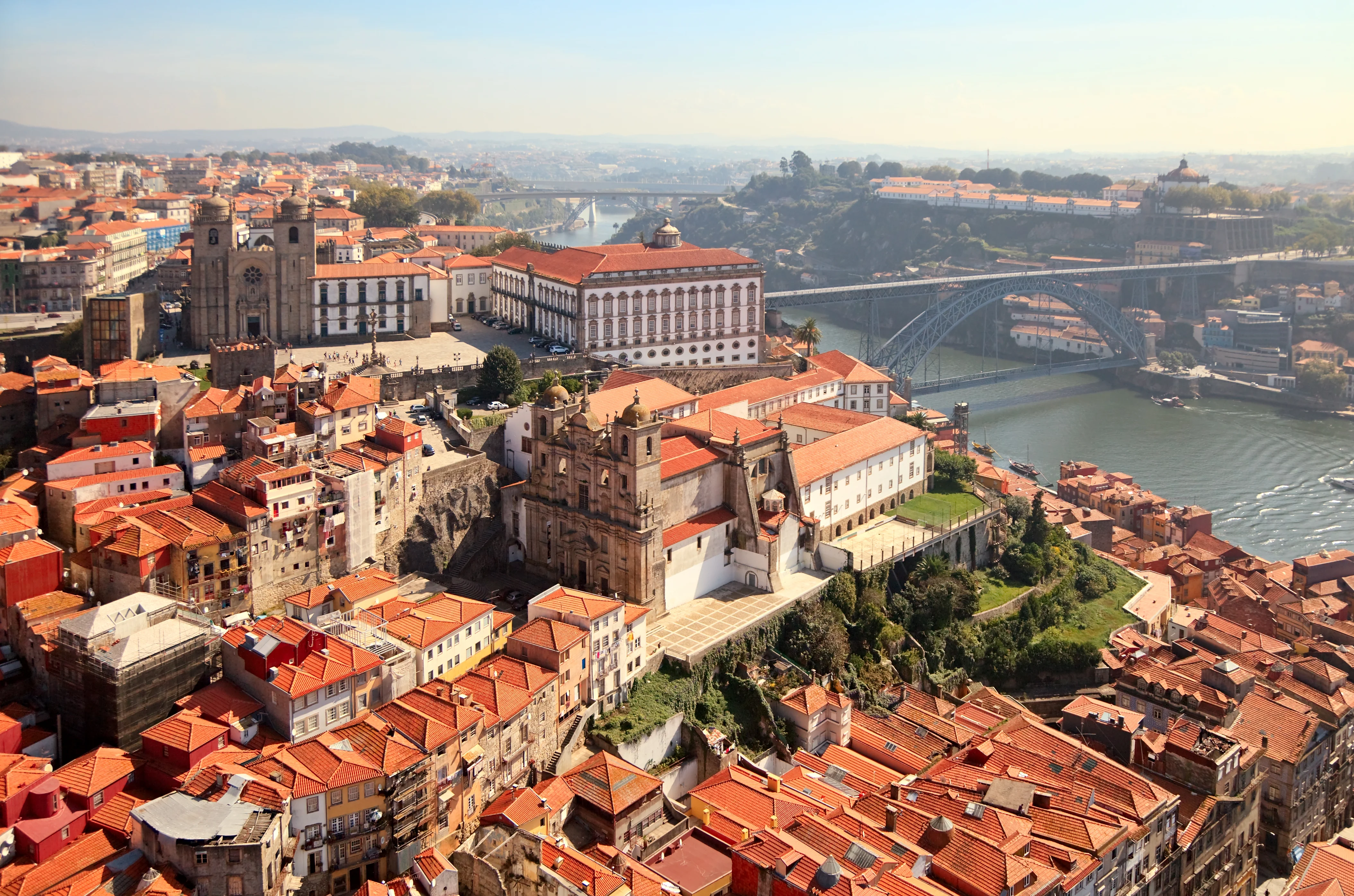
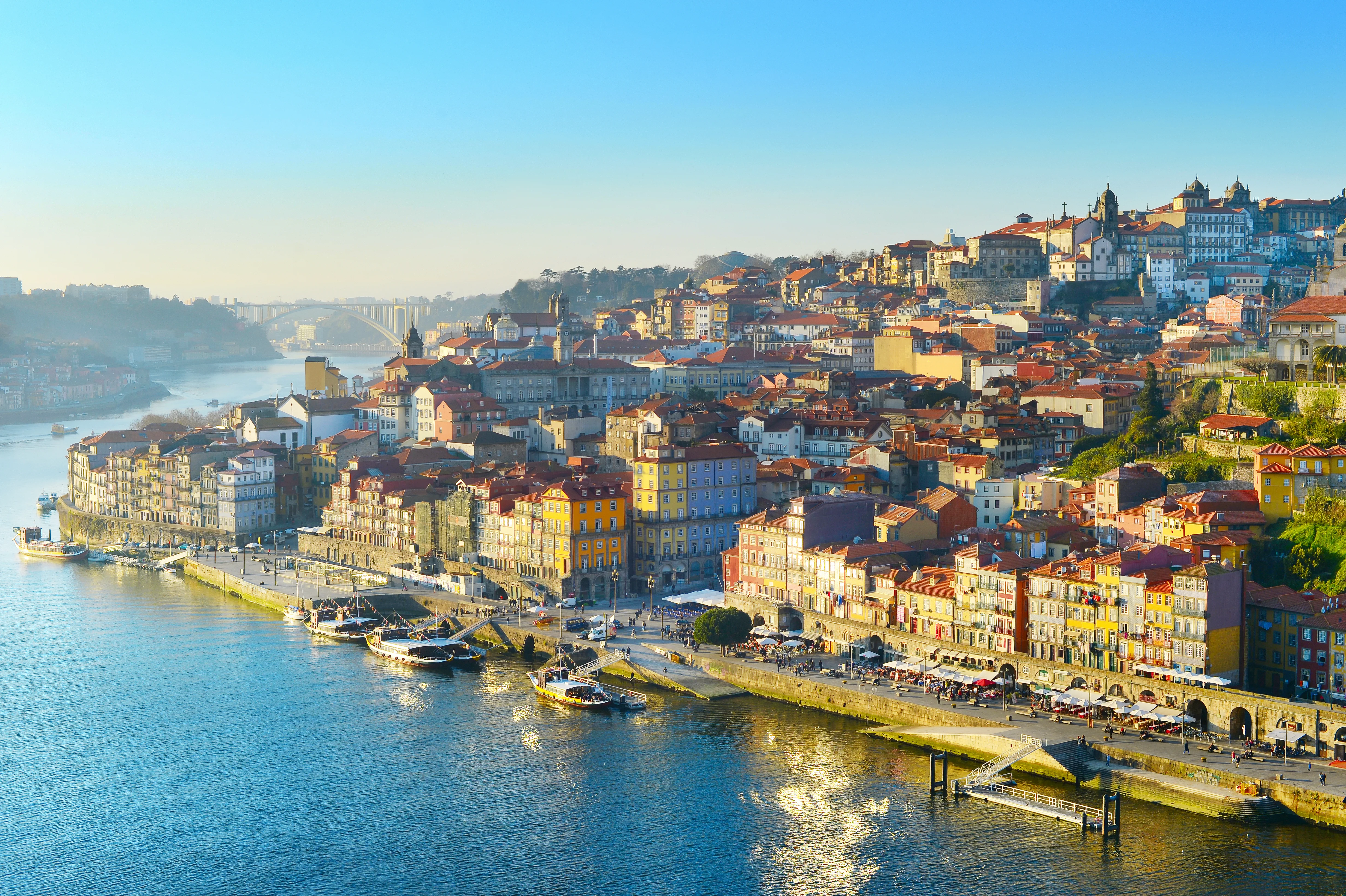
Morning coach tour of Porto, including the Old Town and Porto Cathedral in the Batalha district. Afternoon sail to Régua. In the evening, dock at Peso da Régua and dine with wines at Quinta da Pacheca.
Meals: Dinner
Day 3
Castelo Rodrigo or Foz Côa Engravings Museum
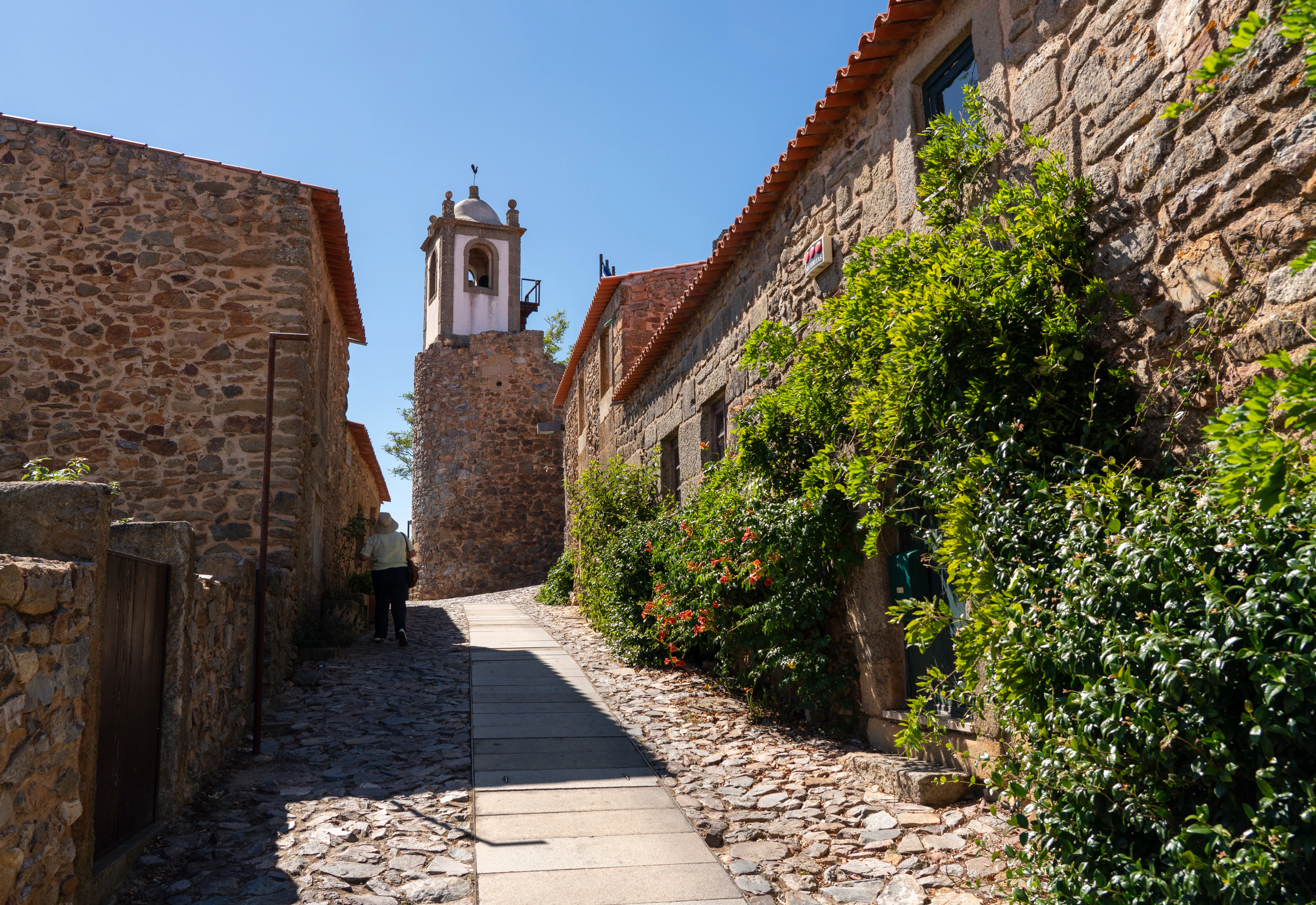
Morning sailing with a leisurely breakfast. Afternoon choice: visit the 12th‑century walled village of Castelo Rodrigo (Gothic castle; views to the Spanish border, Figueira de Castelo Rodrigo and the Monastery of Santa Maria de Aguiar), or tour the Foz Côa Engravings Museum with replicas, interactive displays and an optional hike with many steps (choose prior to travel).
Meals: Breakfast
Day 4
Salamanca or Almeida
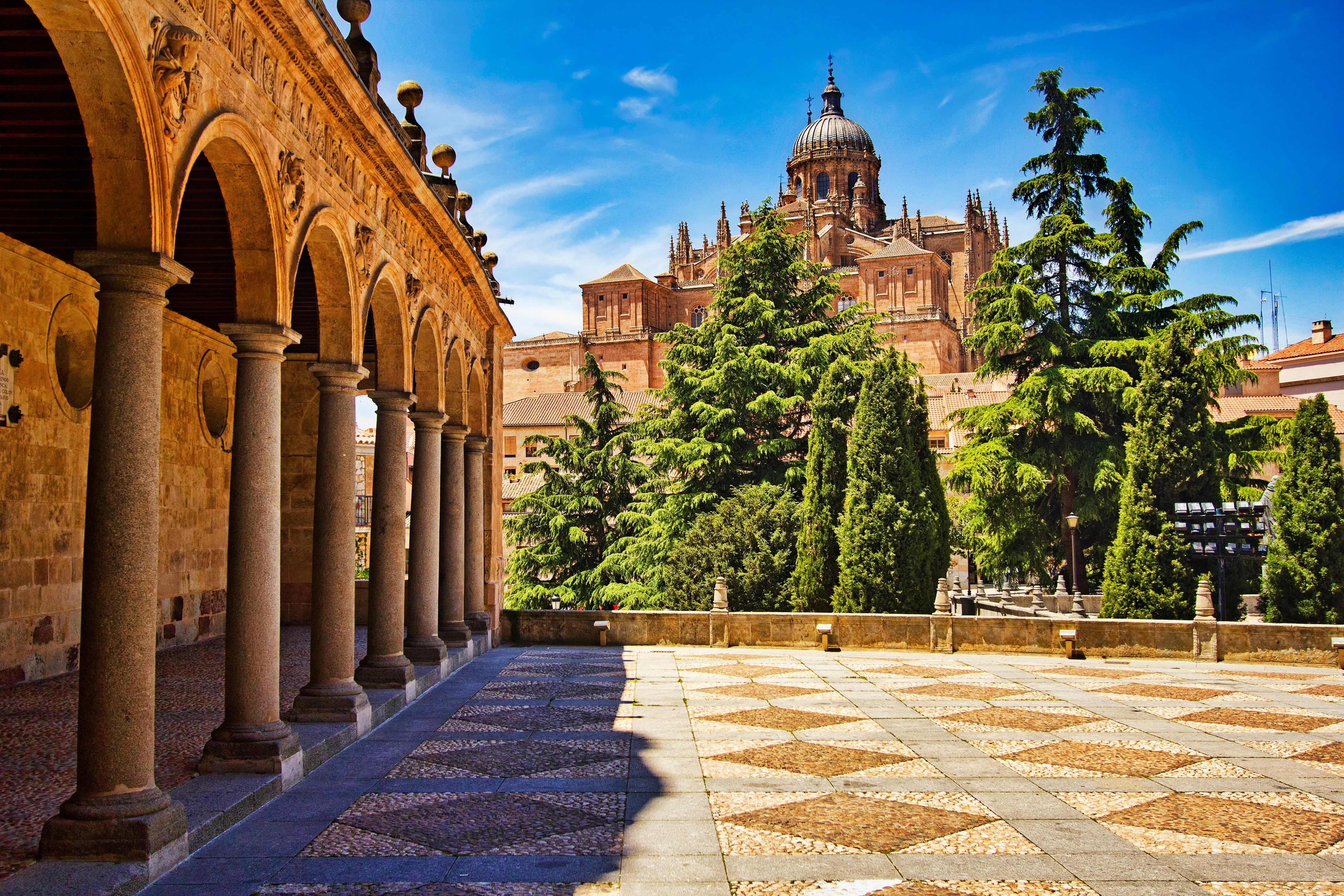
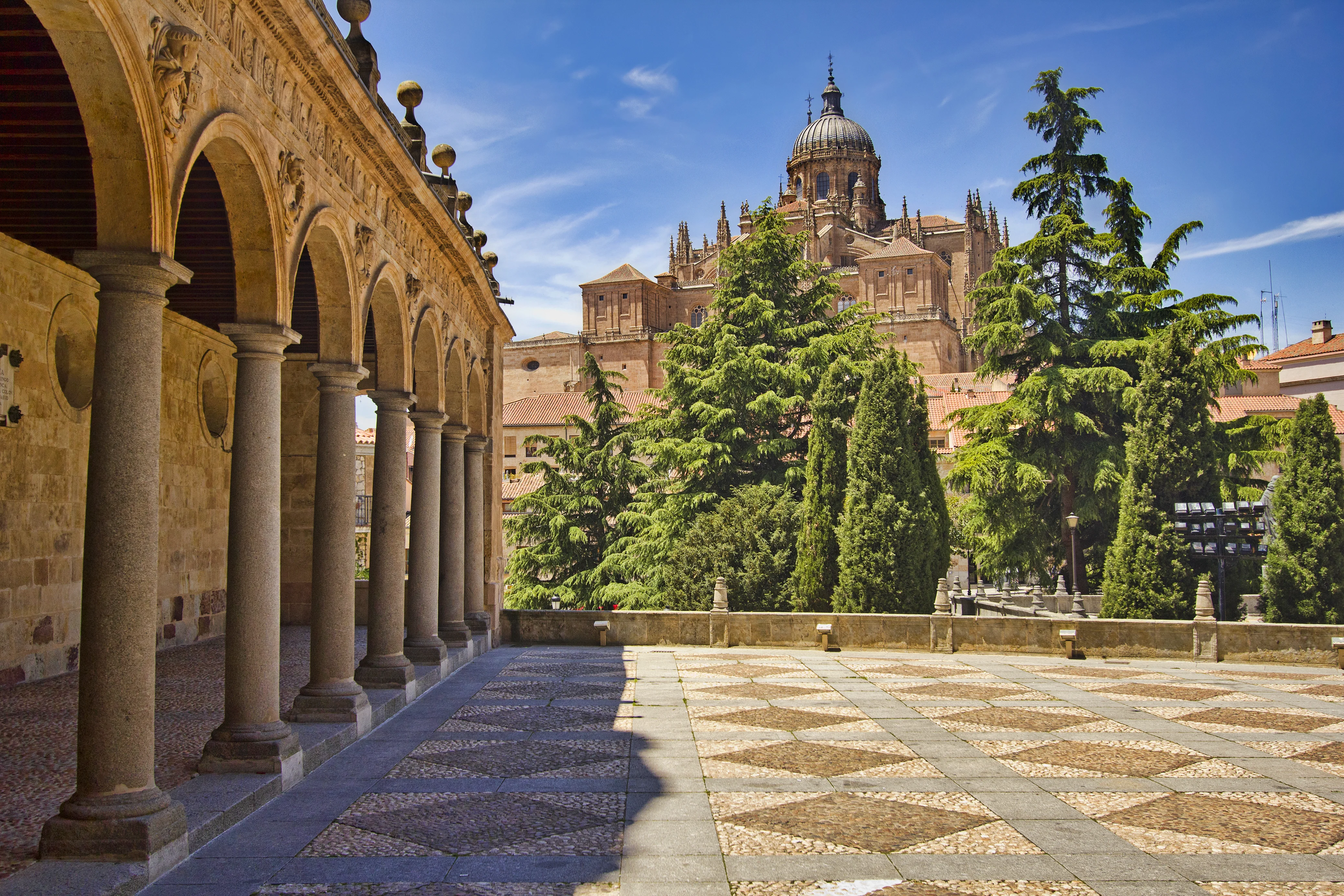
Choice of tours: full‑day Salamanca with free time, guided city tour and visits to the Old and New Cathedrals, plus a flamenco show with tapas lunch; or morning tour to the star‑shaped fortress of Almeida with its military museum, returning to the ship for lunch and an afternoon at leisure onboard.
Meals: Lunch
Day 5
Pinhão and Lamego or Mateus Palace
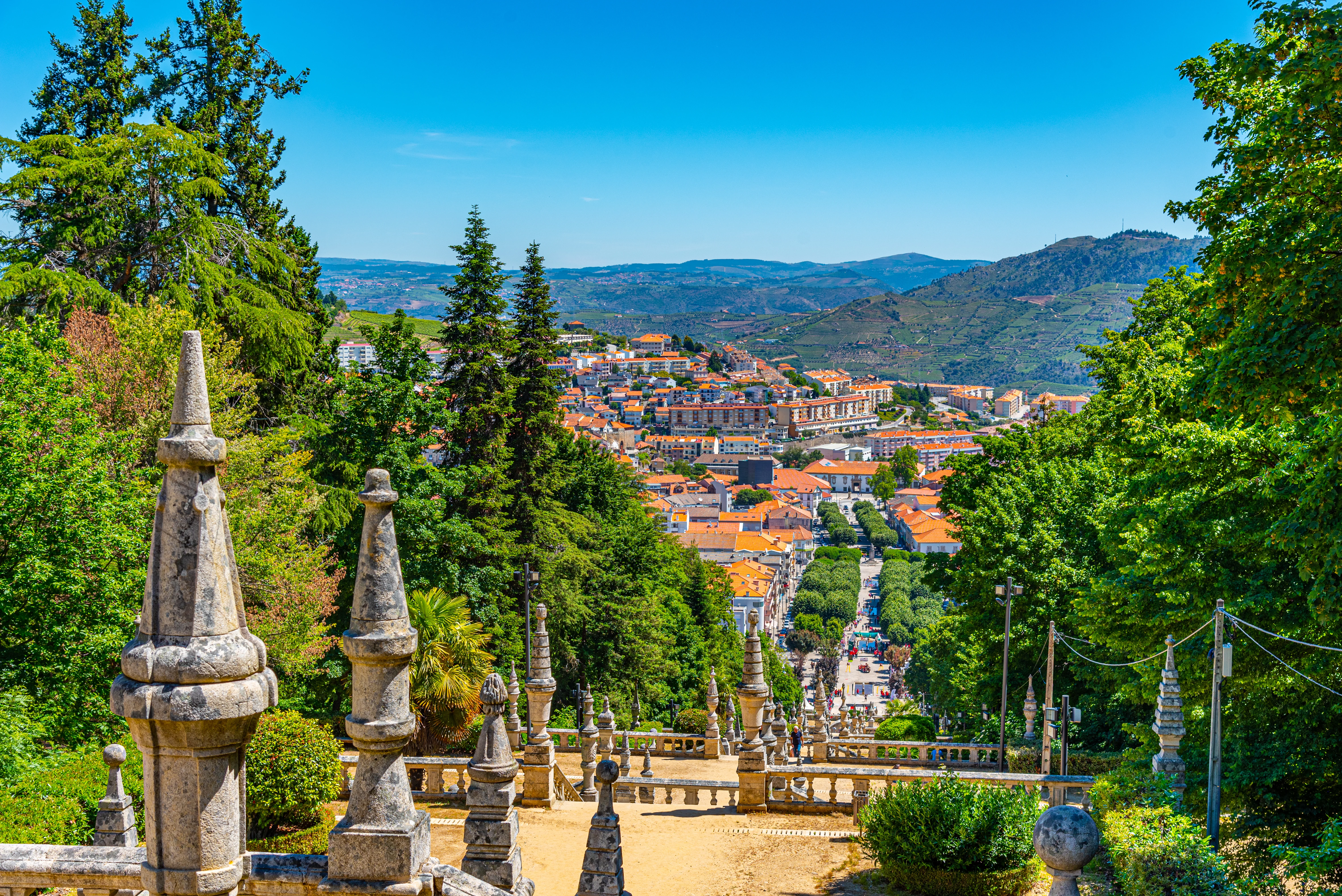
Arrive in Pinhão after breakfast; free time or orientation walk, including the azulejo‑adorned train station. After lunch on board, choose Lamego (Sanctuary of Nossa Senhora dos Remédios with 686‑step staircase, Moorish castle, cathedral, elegant villas, Avenida cafés/market) or Mateus Palace with its iconic Baroque façade and formal gardens.
Meals: Breakfast,Lunch
Day 6
Quinta da Avessada
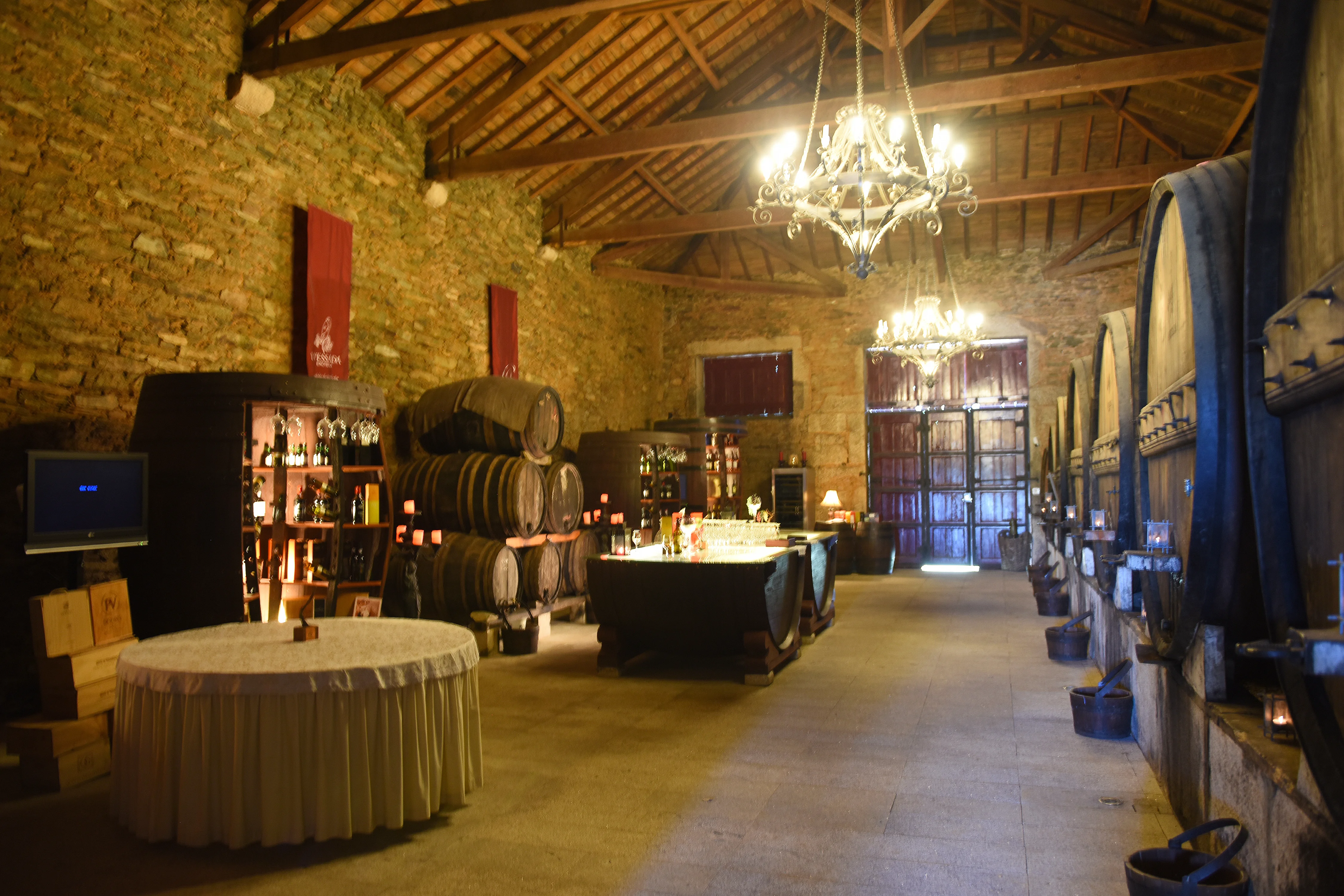
Morning cruising through the Douro. Visit Quinta da Avessada for a traditional lunch with Moscatel tastings, guided by the owner, and learn about vineyard and winemaking traditions. Free time in Peso da Régua; after dinner, enjoy a Portuguese folklore show onboard.
Meals: Lunch,Dinner
Day 7
Vila Nova de Gaia Port Cellar or Guimarães
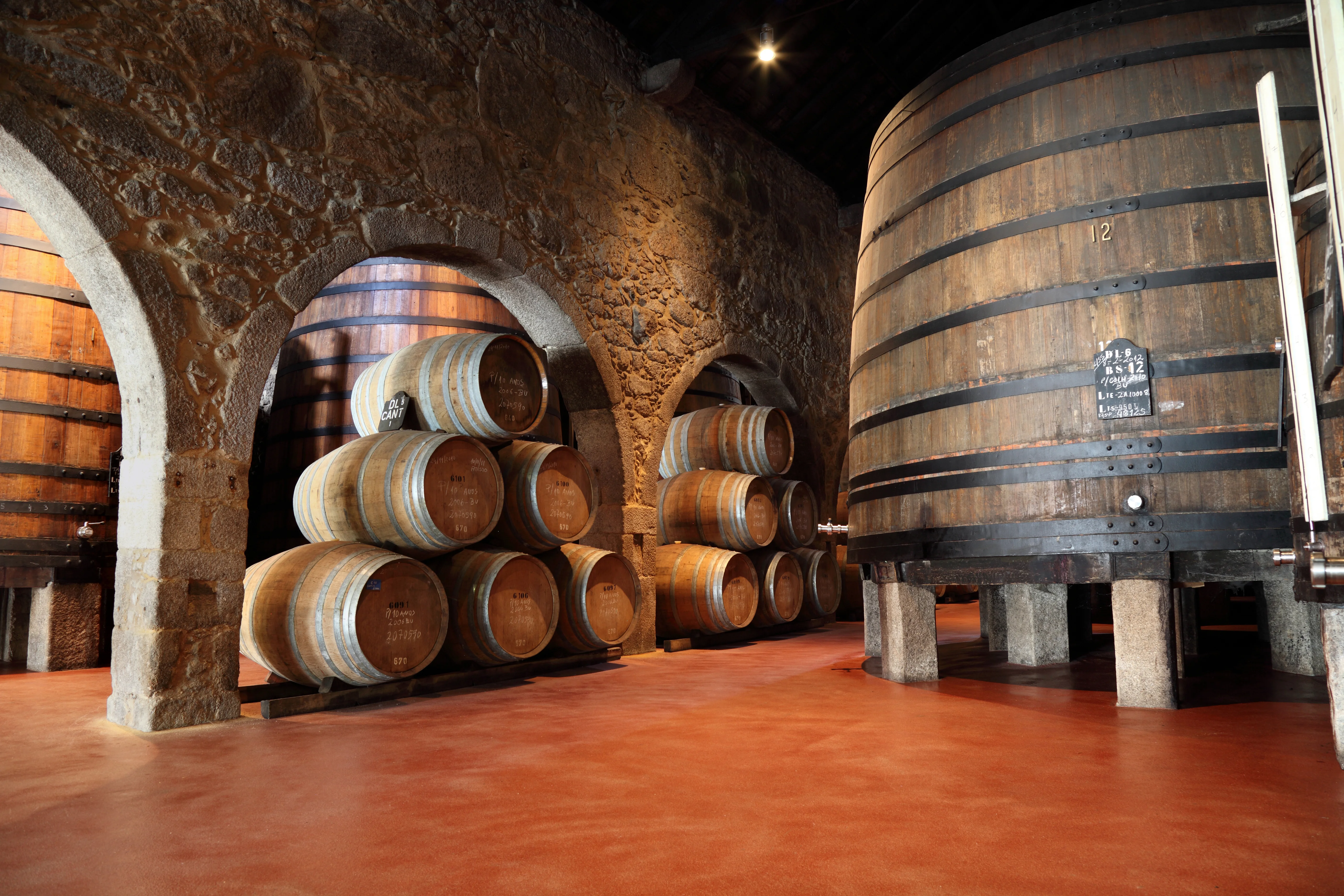
Morning sailing back to Porto. Afternoon choice: port tasting in Vila Nova de Gaia, or tour Guimarães (Paço dos Duques de Bragança and historic centre), with time to find lunch in local cafés. Chef’s dinner onboard this evening.
Meals: Dinner
Day 8
Return home
Enjoy a final breakfast on board, disembark in Porto and, depending on your arrangements, spend some free time before departing.
Meals: Breakfast
What’s included
What’s not included
Additional information
Pinhão Orientation Walk & Azulejo Station
Walk the riverside lanes of Pinhão on an orientation walk through a village encircled by terraced vines. Pause at the landmark Pinhão railway station azulejos, where hand-painted panels immortalise the grape harvest, rabelo boats and quinta life in striking cobalt and ochre.
At the confluence of river and rail, Pinhão showcases the Douro’s working heart—quiet quays, whitewashed houses and terracotta roofs backed by endless vineyard contours. It’s a compact, photogenic stop that captures the valley’s seasonal rhythms and artisanal legacy.
Portuguese Folklore Show On Board
Enjoy a lively Portuguese folklore show on board, with traditional melodies, rhythmic percussion and regional dance steps. Costumes, strings and accordions set the tone as performers share stories of village life, harvests and courtship in a warm, convivial setting.
The Douro’s cultural heartbeat resonates in call-and-response songs and spirited choreography. Between numbers, learn how rural traditions shaped community gatherings and seasonal festivals—an evening of lively rhythms and colourful costume that pairs perfectly with a glass of Douro wine.
Salamanca Guided Tour, Cathedrals & Flamenco Lunch
Discover Salamanca on a guided tour through golden sandstone streets to the elegant Plaza Mayor. Step inside Salamanca’s two cathedrals—the Romanesque-Gothic Old Cathedral and the soaring New Cathedral—to admire carved choirs and the famed Final Judgement fresco before enjoying a flamenco show with lunch.
Home to one of Europe’s oldest universities, the city radiates scholarship and style. Plateresque facades, scholarly cloisters and café terraces reveal a place where learning, ritual and performance animate every square and side street.
Quinta da Pacheca Dinner & Estate Wines
Dine at Quinta da Pacheca, an 18th-century wine estate framed by orderly rows of vines and broad Douro views. Settle in for a regional dinner accompanied by estate wines, appreciating the balance between traditional recipes and the quinta’s elegant white, red and port styles.
Discover how this pioneering property, once bottled under its aristocratic owner, helped define Douro winemaking. In granite lagares and modern cellars, craftsmanship and climate meet—resulting in dramatic views over the Douro and wines that mirror the valley’s stony warmth.
Lamego Sanctuary Staircase & Historic Town
Explore Lamego, crowned by the Sanctuary of Nossa Senhora dos Remédios. Admire the sweeping city views and descend the 686-step Baroque staircase, a cascade of azulejos, fountains and formal parterres where pilgrims have paused for centuries to pause for photos and reflection.
Back in town, find traces of an older Lamego—Moorish ramparts, a Gothic cathedral and 18th-century mansions along the grand Avenida. Cafés spill onto pavements, pairing convent sweets with Douro wines in a setting that blends devotion, artistry and small-city charm.
Mateus Palace & Baroque Gardens
Visit the elegant Mateus Palace, its symmetrical facade mirrored in a reflecting pool and framed by sculpted hedges. Stroll the Baroque gardens—ornamental parterres, statues and a fragrant cypress tunnel—that make this estate one of northern Portugal’s horticultural showpieces.
Associated worldwide with the Mateus Rosé label, the palace embodies 18th-century ambition and craftsmanship, often linked to the talents of Nicolau Nasoni. Inside and out, carved stone, timber and topiary illustrate a refined chapter of Portuguese aristocratic life.
Castelo Rodrigo Hilltop Village & Scenic Views
Visit the walled village of Castelo Rodrigo, perched high above almond groves with commanding panoramas of Portugal’s borderlands. Wander cobbled lanes to remnants of the 12th-century castle, stone houses and a small church tied to medieval pilgrimage routes where travellers would pause for photos and reflection.
Strategically placed on the frontier, the village blends Leonese and Portuguese influences. Terraces overlook the Riba Côa valley, while weathered ramparts and ruined manors recall centuries of defence, devotion and cross-border trade.
Côa Valley Museum & Prehistoric Rock Art
Explore the striking museum of the Côa Valley Archaeological Park, where galleries interpret one of Europe’s richest ensembles of prehistoric rock engravings. Engage with interactive displays, replicas and portable art that illuminate Palaeolithic artists and the wild fauna they etched into schist.
This UNESCO-listed cultural landscape spans open-air sites across the Côa and Siega Verde. From the museum’s vantage points, the valley’s austere beauty—sun, stone and sparse vegetation—helps explain why ibex, deer and aurochs still stride across its ancient panels.
Almeida Star-Fort & Military Museum
Explore the 12-point star fortress of Almeida, an immense trace-italienne defence of ramparts, ravelins and deep ditches. Walk concealed passages and gun positions before delving into the Museu Histórico Militar, where uniforms, maps and artillery narrate frontier warfare.
Shaped by the Peninsular War, Almeida endured siege and a devastating powder-magazine blast that shook its granite bastions. From ground level the walls seem austere; from above, the geometry reveals ingenious overlapping fields of fire that once guarded Portugal’s border.
Quinta da Avessada Moscatel Lunch & Vineyard Tour
Visit Quinta da Avessada for a convivial vineyard tour hosted by the estate team, followed by a traditionally cooked lunch. In cellars and vines, learn how sun-ripened Muscat grapes become Moscatel de Favaios, tasting expressive aperitif and dessert styles that showcase the plateau’s altitude and warmth.
Stories of seasonal work, grape selection and gentle fortification reveal why Moscatel thrives here. Between stone terraces and broad horizons, the Douro’s terroir speaks through amber tones, floral aromas and a finish touched by dried fruit and citrus.
Vila Nova de Gaia Port Wine Cellar Tasting
Visit a port wine cellar on the south bank in Vila Nova de Gaia to trace the craft from vineyard to lodge. Learn why barrels mature here in Atlantic-kissed warehouses before sampling tawny, ruby and white ports that express age, blend and grape variety.
Hear how 17th-century merchants began to fortify wines for stability, establishing a style that would become Portugal’s most famous export. Among stacked pipes and sweet aromas, the story of Porto and Gaia unfolds in each glass you taste.
Guimarães Historic Centre & Ducal Palace
Explore the birthplace of Portugal, where granite lanes weave between medieval squares and arcades. Visit the hilltop Guimarães Castle and the restored Paco dos Duques de Braganca, whose timbered halls display tapestries, weaponry and furnishings that chart the rise of the Braganza dynasty.
A UNESCO-listed historic centre anchors cafés and workshops around Largo da Oliveira. The legacy of Afonso Henriques and the first kingdom is tangible in towers, crenellations and courtyards that still frame civic life in this proud northern city.
Douro River Scenic Navigation & Deep-Lock Passage
Cruise the Douro River through terraced vineyards and schist hillsides where quintas cling to sun-baked slopes. Feel the drama of engineering as the ship glides into the immense Carrapatelo Lock and through the Valeira Gorge, revealing cliff faces and vine-striped amphitheatres that change with the light.
Hear tales of the agile rabelo boats that once shot these currents with barrels of young wine bound for Gaia. This UNESCO-listed landscape embodies a unique alliance of nature and viticulture, with vertiginous terraces and stone walls etched over generations.
Porto Panoramic City Tour & Sé Cathedral
Explore Porto on a guided panoramic tour through the UNESCO-listed historic centre, skirting the quays of Ribeira and the slender silhouette of the Dom Luís I Bridge. Meander past azulejo-clad churches and the Baroque spire of Clérigos while taking in hillside views that reveal the city’s centuries of maritime trade and wine heritage.
Visit the Porto Cathedral (Sé), whose 12th-century Romanesque core and later Baroque chapels evoke a fortress watching over the Douro. Inside and out, learn how tiled facades, granite lanes and port lodges shaped Porto’s identity, from medieval merchants to modern winemakers.