Your itinerary

Day 1
Adventure starts in Cluj-Napoca
Arrive in Cluj-Napoca. Meet your leader and fellow travellers around 6pm for a welcome briefing and group dinner.
Meals: Dinner
Day 2
Travel north to the Maramures region
Drive to Maramures with a lunch stop in Breb to see traditional wooden gates and houses. Visit the Unesco-listed wooden church in Desesti. Overnight in Botiza with a weaving demonstration before dinner.
Meals: Breakfast,Dinner
Day 3
Visit the ancient capital of Maramures and Barsana Monastery
Visit the Merry Cemetery in Săpânța. Explore the Memorial of the Communism victims museum in Sighetu Marmației, then continue to the Bârsana Monastery.
Meals: Breakfast,Lunch,Dinner
Day 4
Visit the medieval town of Sighisoara
Depart Maramures after a final artisan visit. Stop for a wine tasting in Transylvania, then continue to Sighisoara to explore the medieval citadel and towers, including the Tailors’ Tower.
Meals: Breakfast,Lunch
Day 5
Discover Transylvania; overnight in Sibiu
Journey through fortified churches, including Unesco-listed Biertan. Enjoy lunch with a local family before arriving in Sibiu.
Meals: Breakfast,Lunch
Day 6
Drive to Viscri via Carta and Lisa
Travel along the Făgăraș Mountains, visiting the ruins of a centuries-old Franciscan monastery in Cârța and the Vâltori wool workshop in Lisa. Have lunch with a local family, then arrive in Viscri to visit the fortified church restored with support from The Prince’s Foundation; optional visit to the King’s museum house.
Meals: Breakfast,Lunch,Dinner
Day 7
Walk through Viscri; continue to Brasov
Morning village walk with a visit to a blacksmith, then continue to Brașov to see highlights such as the White and Black Towers, the Council House and St Nicholas Church. Overnight and dinner in the village of Măgura.
Meals: Breakfast,Dinner
Day 8
Explore Dracula’s castle
Visit Bran (Dracula’s) Castle. Enjoy lunch in the yard of a fortified church and dinner with a campfire if weather permits. Free time to stroll Măgura; optional bear watching with specialist guides at extra cost.
Meals: Breakfast,Lunch,Dinner
Day 9
Arrive in Bucharest stopping at Peles Castle en route
Travel to Bucharest via Peles Castle. See the Palace of Parliament from outside, then arrive mid to late afternoon. Check in and bid farewell to your local guide.
Meals: Breakfast
Day 10
Adventure ends in Bucharest
After breakfast, depart or extend your stay in Bucharest.
Meals: Breakfast
What’s included
What’s not included
Additional information
Food
All breakfasts, five light lunches and six dinners are included.
We indulge in fantastic home-cooked meals on this trip as we spend most nights staying with local families and in guesthouses. Breakfasts consist of homemade bread and cheeses plus a selection of locally sourced meats, salad and tea/coffee. The light lunches are prepared by guesthouses. Some days we have traditional vegetable soup for lunch with homemade crème fraiche and bread.
Dinners are usually two or three courses, centred around pork or chicken. Lots of guesthouses will prepare sarmale cu mamaliguta, a traditional Romanian dish of minced pork wrapped in pickled cabbage leaves and served with polenta and a chilli.
It’s not all about the food though; every household makes their own tuica (pronounced tsweeka), a spirit usually made from plums and flavoured with herbs from their garden or the surrounding area. This is usually drunk while being welcomed into the house and after dinner.
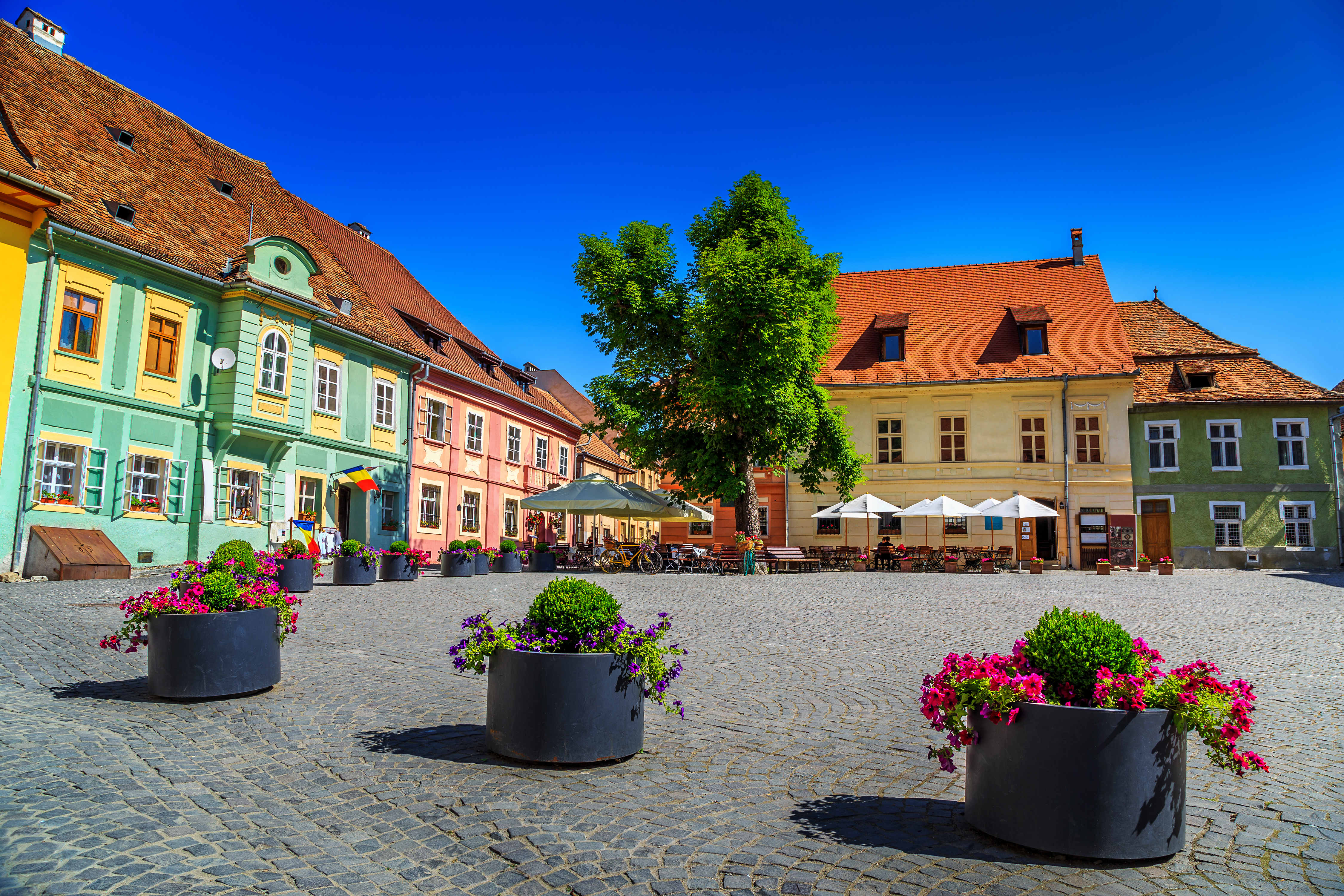
Sibiu Old Town Orientation Walk
Stroll Sibiu’s elegant squares—Pia?a Mare (Great Square) and Pia?a Mica—beneath “sleeping-eye” rooftop dormers and pastel facades. Note the Council Tower, the Bridge of Lies, and arcaded merchants’ houses that define this former European Capital of Culture.
Your leader points out museums, cafés, and viewpoints so you can return with purpose later. Saxon architecture, civic pride, and lively street life make Sibiu a joy to explore.
Botiza Weaving Demonstration with Local Artisan
Witness a live weaving demonstration in Botiza where the shuttle’s rhythm and wool’s lanolin scent fill a family workshop. Watch motifs emerge—rope of life, sunbursts, and vegetal patterns—each symbol carrying layers of belief, season, and kinship.
Hear how natural dyes and inherited looms sustain this Maramure? craft. The encounter connects you directly with the maker’s hand, revealing the patience and precision behind regional textiles and household dowries.
Breb Village Walk & Traditional Lunch
Walk the lanes of Breb to admire elaborately carved Maramure? wooden gates and traditional homesteads set beneath the arc of Rooster’s Ridge, the rim of an ancient volcanic crater. Pause to chat with villagers and photograph haystacks and timber barns that outline a deeply rooted way of life.
Sit down to a homestyle lunch showcasing seasonal produce and farmhouse recipes. The rustic setting and slow tempo amplify Breb’s charm, revealing how craftsmanship and agriculture still shape daily rhythms.
Memorial of the Victims of Communism, Sighet
Enter Sighet’s former political prison for a sobering tour of the Memorial of the Victims of Communism. Walk cells-turned-galleries where testimonies, photographs, and personal effects document decades of surveillance, arrests, and repression.
Contextual displays illuminate Romania’s 20th-century struggles and the fragile work of rebuilding civil society. The experience invites quiet reflection and strengthens understanding of the country you’re exploring.
Bârsana Monastery Wooden Complex
Explore the Bârsana Monastery, a showcase of Maramure? carpentry and sacred art. Wander between the needle-spired belfry, sculpted porches, and herb-scented gardens as wood grain and incense set a contemplative mood.
Learn how traditional joinery and Orthodox devotion shaped this modern monastic ensemble in historic style. The interplay of craftsmanship and spirituality makes Bârsana a highlight of the wooden-church landscape.
Transylvanian Wine Tasting
Taste Transylvania through a guided sampling of local varietals, including crisp, aromatic whites like Feteasca Regala. Discuss climate, soils, and cellar techniques with your host while comparing bouquets and finishes.
The region’s gently rolling vineyards—often dubbed a “new Tuscany”—have nurtured wine for centuries. This stop reveals a lesser-known facet of Romanian culture, pairing terroir with stories of revival and tradition.
Biertan Fortified Church (UNESCO)
Visit the Biertan Fortified Church, encircled by stout walls and towers that once safeguarded a Saxon community. Step into the nave to admire carved furnishings and stone details that echo a prosperous guild town.
From its hilltop perch, ringed fortifications and wide views reveal how faith and defense intertwined in rural Transylvania. This church anchors a network of UNESCO-listed fortified villages across the region.
Family-Hosted Transylvanian Lunch
Share a table with a local family for a warm, home-cooked meal—perhaps sarmale cu mamaliga or garden-fresh soups. Conversation flows easily as you learn about village routines, harvests, and celebrations.
The setting and flavors deepen cultural connection far beyond restaurants. Expect generous hospitality and insights into seasonal cooking, pantry traditions, and cherished recipes passed down through generations.
Lisa Water-Powered Wool Workshop & Village Lunch
See a traditional water-driven fulling mill (vâltori) in Lisa whirl wool into dense, durable fabric—a technique preserved across generations. Wooden channels, tumbling water, and the mill’s steady thrum animate this living craft.
Continue with a simple village lunch where seasonal dishes highlight pastoral life at the foot of the Fagara?. The combination of technology and tradition illuminates Transylvania’s resourceful spirit.
Viscri Fortified Church & Village (UNESCO)
Visit Viscri’s white-washed fortified church, a compact jewel of rural Saxon heritage. Climb the precincts for village views and step through small exhibits that trace daily life, crafts, and defense on the edge of history.
Learn how restoration efforts, supported by The Prince’s Foundation, helped safeguard architecture and traditions. The harmony of fields, lanes, and church walls captures Transylvania’s timeless rhythm.
Viscri Village Walk & Blacksmith Visit
Amble along Viscri’s earthen lanes to a working forge where you’ll meet a village blacksmith. Watch sparks fly as iron is shaped on the anvil, a craft that still services carts, gates, and horseshoes.
The smithy’s heat, ringing hammer, and centuries-old techniques bring Saxon village life into sharp focus. It’s a rare window into the skills that sustained remote communities.
Bran Castle (Dracula’s Castle) Guided Visit
Climb into legend at Bran Castle, a 14th-century stronghold perched on a rocky spur. Navigate steep stairways and timbered rooms while hearing how the Dracula myth converges with the real history of Queen Marie’s royal residence.
Courtyards, ramparts, and mountain views provide a dramatic backdrop to stories of defense, diplomacy, and modern restoration in the Southern Carpathians.
Bear Watching from Forest Hides (Carpathians)
Join specialist guides for an evening of bear watching from purpose-built hides on the forest edge. Learn about behavior, conservation, and safety while scanning clearings for movement in the soft light.
This optional, additional-cost experience is bookable on tour and subject to availability and weather. Expect patient observation, strict wildlife etiquette, and the thrill of seeing Carpathian fauna in its natural habitat.
Cluj-Napoca Welcome Dinner & Introduction
Meet your group and meet your Tour Director over a convivial welcome dinner in lively Cluj-Napoca. Taste Transylvanian flavors while hearing practical tips and cultural insights that set the scene for the journey ahead, framed by the city’s Austro-Hungarian boulevards and student-fueled energy.
Discover how Cluj’s layered past—from medieval markets to fin-de-siècle architecture—shaped this modern cultural hub. Expect regional dishes and local hospitality that gently introduce Romania’s culinary traditions and relaxed dining rhythms.
Dese?ti Wooden Church (UNESCO) Visit
Step inside the Wooden Churches of Maramure? tradition at Dese?ti Church, noted for its soaring shingled spire and hand-painted icons. Cross the threshold to find timber walls glowing with folk-naïf biblical scenes and incense-softened light.
Learn how centuries of villagers built and protected this house of worship and why its architecture—steep roofs, dovetailed beams, and sky-pointing belfry—embodies both resilience and reverence within Romania’s northern highlands.
Sapân?a Merry Cemetery
Visit the Merry Cemetery of Sapân?a, where brightly painted crosses and witty epitaphs celebrate lives with humor and candor. Stroll among azure blues and floral borders while stories—work, love, quirks—unfurl in folk verse.
Discover how local artisan Stan Ioan Patra? sparked this tradition, reframing remembrance through art. The result is a poignant, disarming reflection on community and memory in Maramure?.
Sighi?oara Medieval Citadel Walk (UNESCO)
Explore Sighi?oara’s hilltop stronghold, following cobbles past pastel townhouses to the Clock Tower and artisan lanes. Trace the legacy of Saxon guilds in watchtowers and walls that frame one of Europe’s best-preserved medieval citadels.
Absorb the atmosphere of steep stairways and timbered facades as your leader highlights stories of merchants, craftsmen, and princes. The citadel’s compact scale makes every corner feel like a stage set from history.
Câr?a Cistercian Abbey Ruins
Walk among the 13th-century remains of the Câr?a Cistercian Abbey, where Gothic arches frame the Fagara? foothills. Weathered stone, tracery, and a quiet churchyard reveal the order’s austere aesthetics on a dramatic Carpathian stage.
Hear how monastic agriculture and craftsmanship influenced the region. The interplay of ruin and landscape invites evocative photographs and a reflective pause.
Fortified Church Courtyard Lunch (Bra?ov Countryside)
Dine alfresco within the protective walls of a Transylvanian fortified church. Rustic tables and orchard shade set the tone for a hearty spread of local dishes and house preserves.
The setting—where faith, harvest, and defense once met—adds resonance to each bite. It’s a flavorful pause that connects you to Saxon village traditions and convivial hospitality.
Carpathian Campfire Evening in Magura
Gather under the peaks for an atmospheric campfire evening beside your guesthouse in Magura. Share stories, sip a warming digestif, and enjoy a relaxed countryside dinner as stars prick the dark Carpathian sky.
When weather permits, the crackle of wood and mountain silence create a mood of simple camaraderie, capping the day with a distinctly rural Romanian note.
Pele? Castle Tour, Sinaia
Tour the neo-Renaissance Pele? Castle, nestled in forested Sinaia. Admire intricately carved wood interiors, stained glass, and themed salons that reveal the tastes of Romania’s royal family against a dramatic Carpathian backdrop.
From weapon collections to royal portraits, each room layers European influences with local craftsmanship. The palace’s artistry and setting make it one of Eastern Europe’s standout residences.