Your itinerary

Day 1
Adventure starts in Delhi
Begin your adventure in pulsating Delhi. It’s a city split in two, with historic Old Delhi in the north and the nation’s capital, New Delhi, in the south.
Around 6pm, we gather as a group to get to know each other and learn more about the adventures ahead. Your tour leader then ensures a big welcome by arranging a group dinner at a nearby restaurant.
Want more time in Delhi? Secure pre-tour hotel nights through your sales representative
Meals: Dinner
Day 2
Morning tour of Old Delhi; afternoon exploring New Delhi
Head out after breakfast for a tour of Old Delhi, starting outside Jama Masjid, the largest mosque in India, before being guided through the narrow streets of Old Delhi, through the Kinari Bazar (or we can explore by rickshaw, additional cost). We finish at Jama Masjid and learn about the history of the building. Those interested can enter the mosque, let your tour leader know if you’d like to and they can assist with arranging (fees may apply).
Continue exploring the city in the afternoon, beginning with New Delhi, visiting the tomb of Mughal emperor Humayun, which was built by his widow Hamida Banu Begam and is now a World Heritage site. We then drive past fine colonial buildings, including Rashtrapati Bhawan, a 320-acre (130ha) estate built by British architect Edwin Lutyens in 1931, which comprises the official residence of the President of India; Parliament House; and India Gate, a memorial dedicated to soldiers who died during the First World War.
Return to the hotel late afternoon with the evening free.
Meals: Breakfast
Day 3
Drive to Jaipur; evening free
We head on the road after breakfast for our drive (approximately five to seven hours, depending on traffic) to the Pink City of Jaipur.
On arrival, we check into the hotel and can relax for the evening.
Meals: Breakfast
Day 4
Explore Jaipur; evening free
Enjoy a full day to explore Jaipur, the capital of Rajasthan and one of the most attractive cities in India. Built in the late 18th century, it is a planned city of broad sandstone avenues that were later painted pink.
Early risers can join a dawn walking tour as the Pink City begins to wake. Visiting different chowkris (blocks) within the walled city, we can see the local people start their day and watch the rituals that take place in early morning markets and small temples. We can also interact with different artisan communities, while also sampling local food and drink.
We return to the hotel in time to join anyone preferring a more leisurely start for a later breakfast and to freshen up, before the whole group heads out mid-morning.
We visit one of the most intriguing sites in India, Jantar Mantar (Jaipur Observatory), an assembly of immense marble-and-brass astronomical instruments in a pleasant garden. We also see the impressive landmark, the Hawa Mahal (Palace of the Winds).
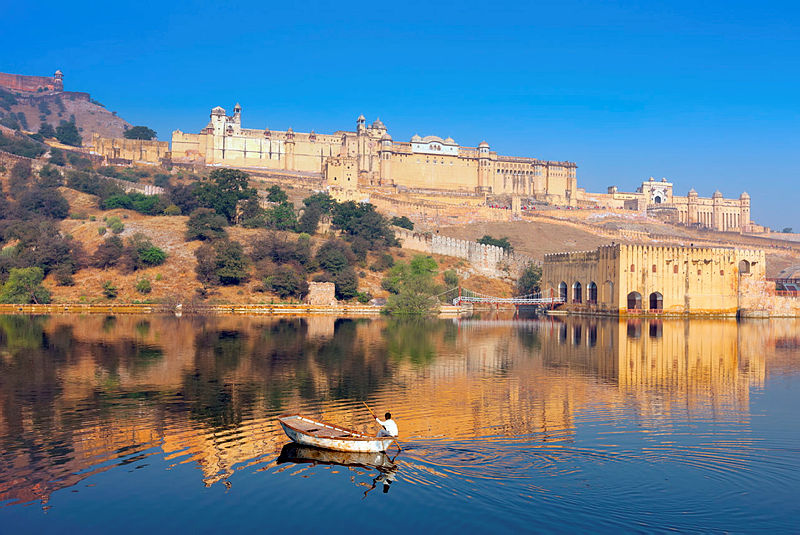
Then travel just outside the main city to the Amber Palace, an imposing hilltop fort above a lake with large courtyards, finely decorated interiors and a Chamber of Mirrors. The evening is free for you to relax.
Meals: Breakfast
Day 5
Drive to Agra; afternoon visit to Agra Fort and sunset at the Taj Mahal
Begin with an early breakfast before driving (four to five hours) to Agra.
We arrive this afternoon and start our half-day sightseeing tour, first visiting Agra Fort, whose mighty sandstone walls enclose the white-marble Pearl Mosque and the palaces, halls, courtyards and fountains of Emperor Akbar’s sons and successors: Jehangir and Shah Jahan.
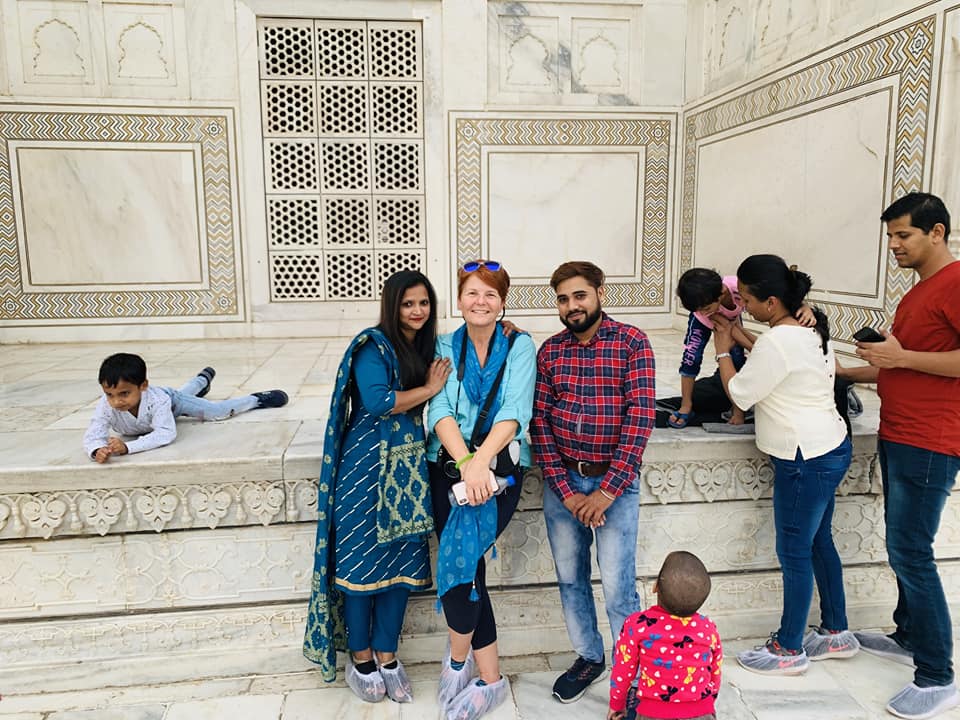
Later, we visit the Taj Mahal for sunset, when the white-marble exterior is illuminated by the soft light and the crowds are smaller. After admiring it from the outside, we head inside, with a chance to explore the beautiful inner chambers and mausoleum, while our tour leader shares the history of this New World Wonder.
Meals: Breakfast
Day 6
Morning train to Varanasi; afternoon visit to Sarnath, the site of Buddha's first sermon
Rise early to reach Agra station for our 6am Vande Bharat Express train to Varanasi. Rest and relax on board before we arrive around 1pm and transfer to our hotel.
On the river Ganges, Varanasi is one of the holiest cities in India and stands at the centre of the Hindu universe. As such, the city lives and breathes Hinduism: there are thousands of pilgrims, wandering holy men (Sadhus), religious elders and casual visitors. There is time to visit emporiums specialising in silks and brocades or maybe take a massage by the riverbanks.
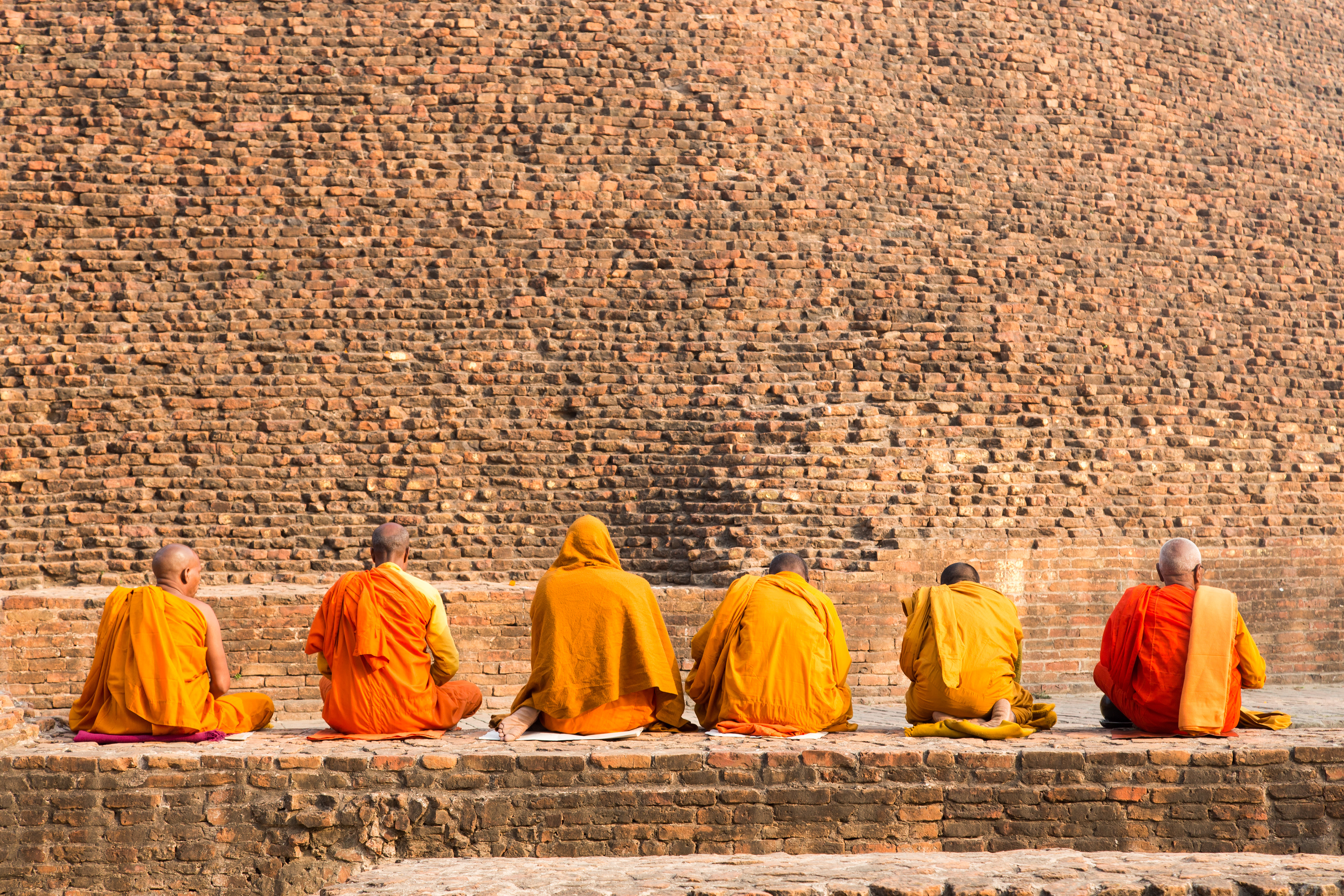
In the afternoon, we visit the nearby Sarnath Temple. The main monument here is the Dhamekh Stupa, the spot where Buddha is believed to have given his first sermon. The evening is free to relax.
Upgrade to a premium room with a balcony today – speak to your sales representative for more details
Meals: Breakfast
Day 7
Dawn boat ride on Ganges visiting bathing ghats; free afternoon; witness an evening aarti ceremony
Varanasi, on the Ganges, is one of the holiest cities in India and a key destination in Hinduism: there are thousands of pilgrims, wandering holy men (Sadhus), religious leaders and casual visitors. Explore the narrow lanes and many temples or watch the Hindu ceremonies that take place around the clock.
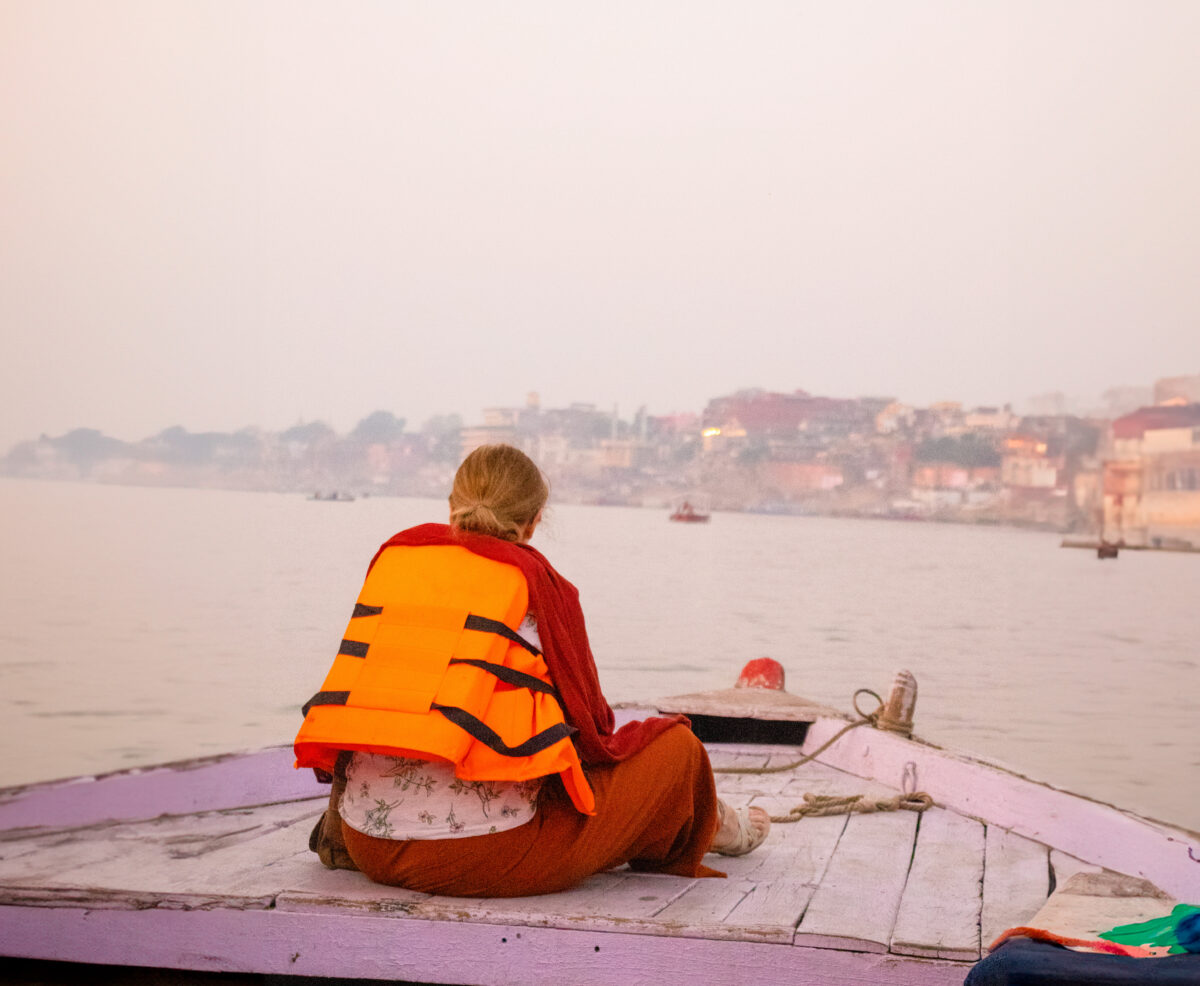
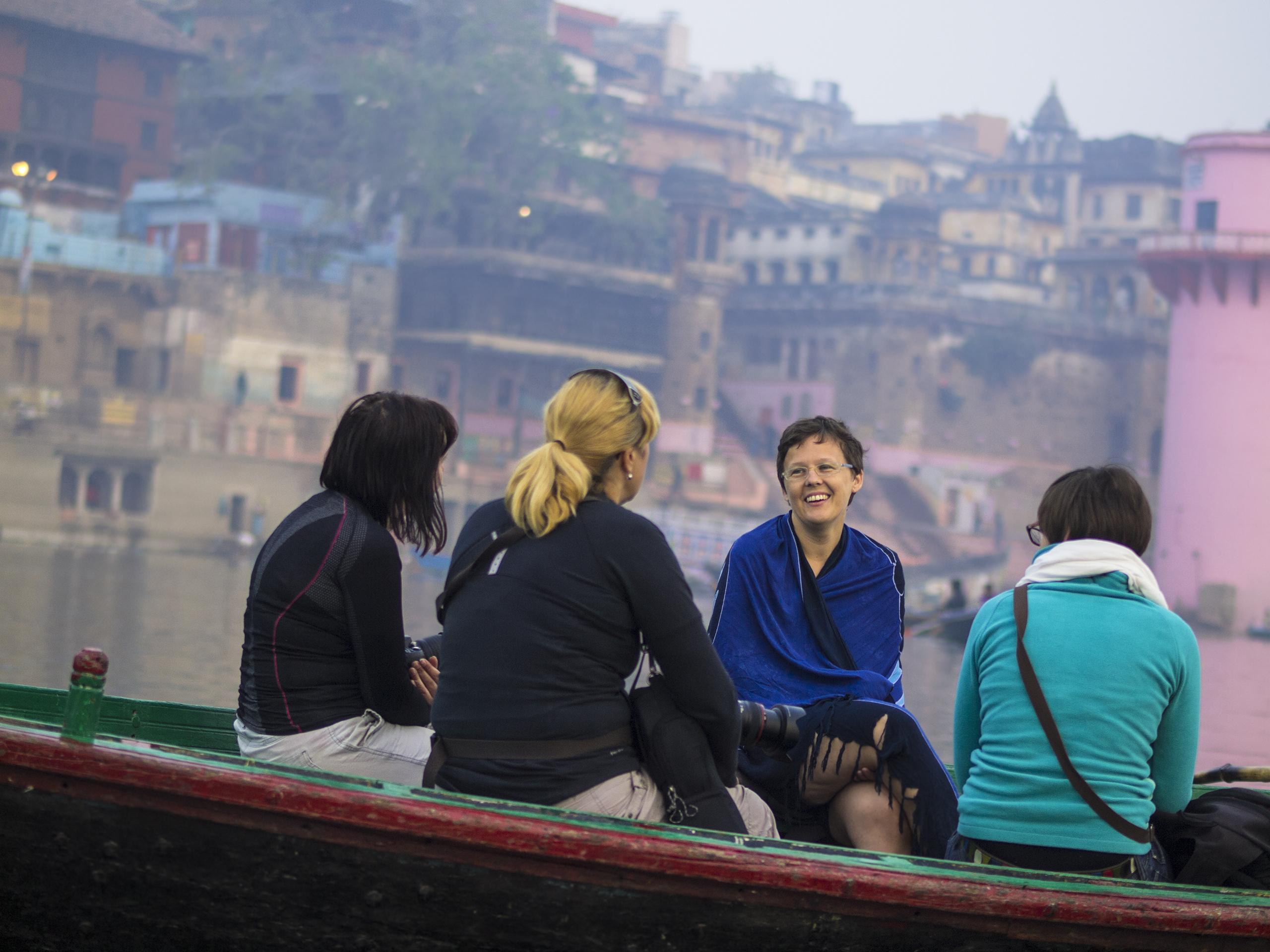
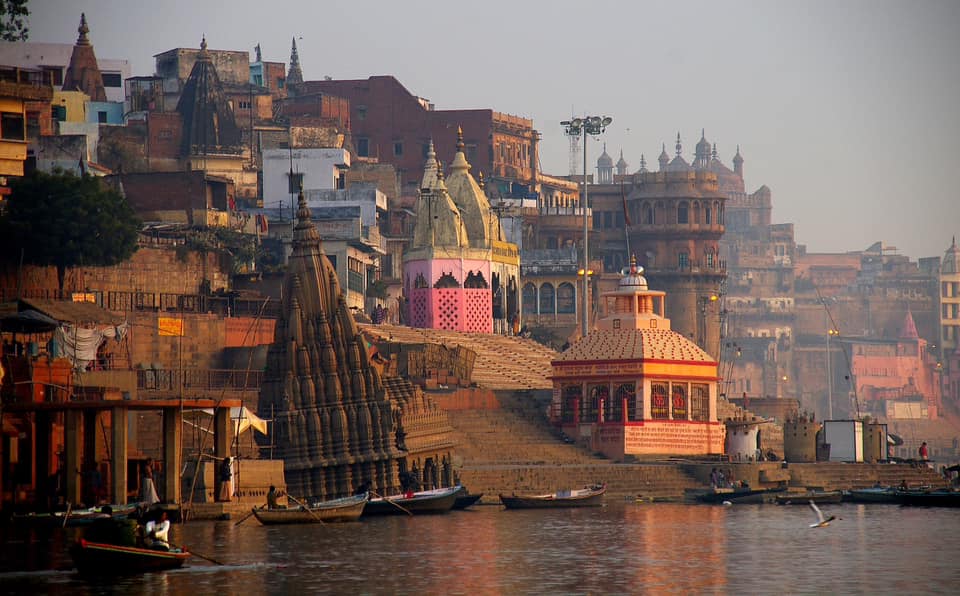
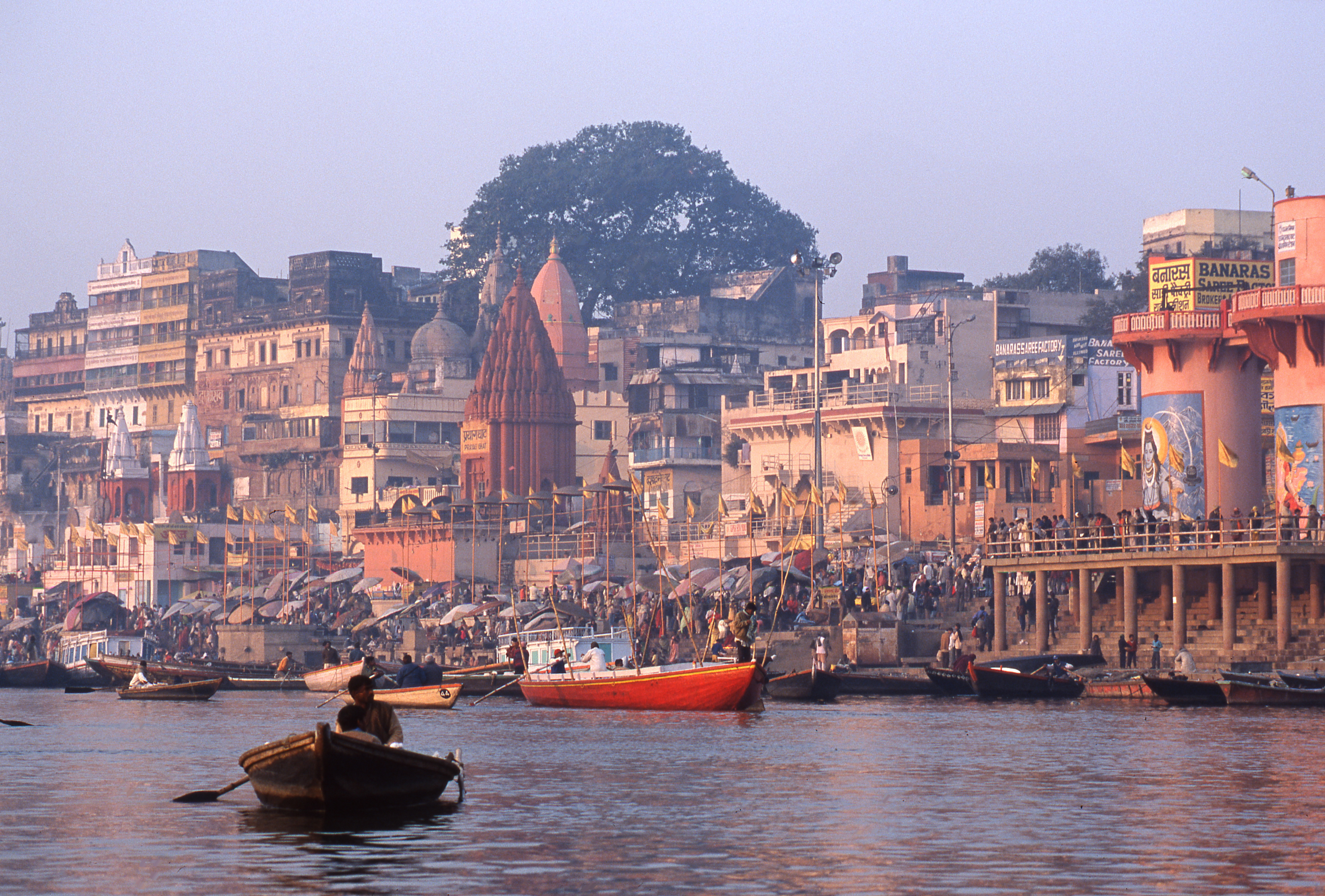
We rise early this morning, just before dawn, and take a boat onto the Ganges. On this trip, we see the city wake up and the extraordinary ghats (the steps leading down to the river), where thousands of Hindu pilgrims come every morning to submerge themselves in the river’s holy waters. In the evening, witness an aarti ceremony from the banks, in which priests wave lamps, chant and ring bells and devotees join the rituals.
Upgrade to a premium room with a balcony today – speak to your sales representative for more details
Meals: Breakfast
Day 8
Cross border to Nepal; head to the World Heritage site of Lumbini
We leave the hotel at 6am and board a private bus for our long drive to Nepal. We drive across the northern plains, passing through a few towns and lots of villages. Leave our bus at the Saunali border and walk (approximately 1,640ft/500m) through customs and immigration to Nepal.
In Nepal, we enter the terai, the narrow plain running along the southern breadth of the country. We drive (approximately one hour) to Lumbini, birthplace of the Buddha, where we spend the night. The total driving time today is approximately 12 hours.
Meals: Breakfast
Day 9
Drive to Chitwan National Park
Early this morning there is a short (optional) rickshaw ride around Lumbini gardens. The Buddha was born here, and the area is being developed into a place of pilgrimage for Buddhists from all over the world.
Travelling east and parallel to the mountains, we reach Chitwan (approximately a seven to eight-hour drive), where we spend two nights. The park, with jungle and thick forest, was once a royal hunting ground but was made a conservation area in 1973. During your stay, you can enjoy an optional ox-cart ride in Tharu village or an evening dance performance, both providing a glimpse into the fascinating lives of the local people.
Meals: Breakfast,Lunch,Dinner
Day 10
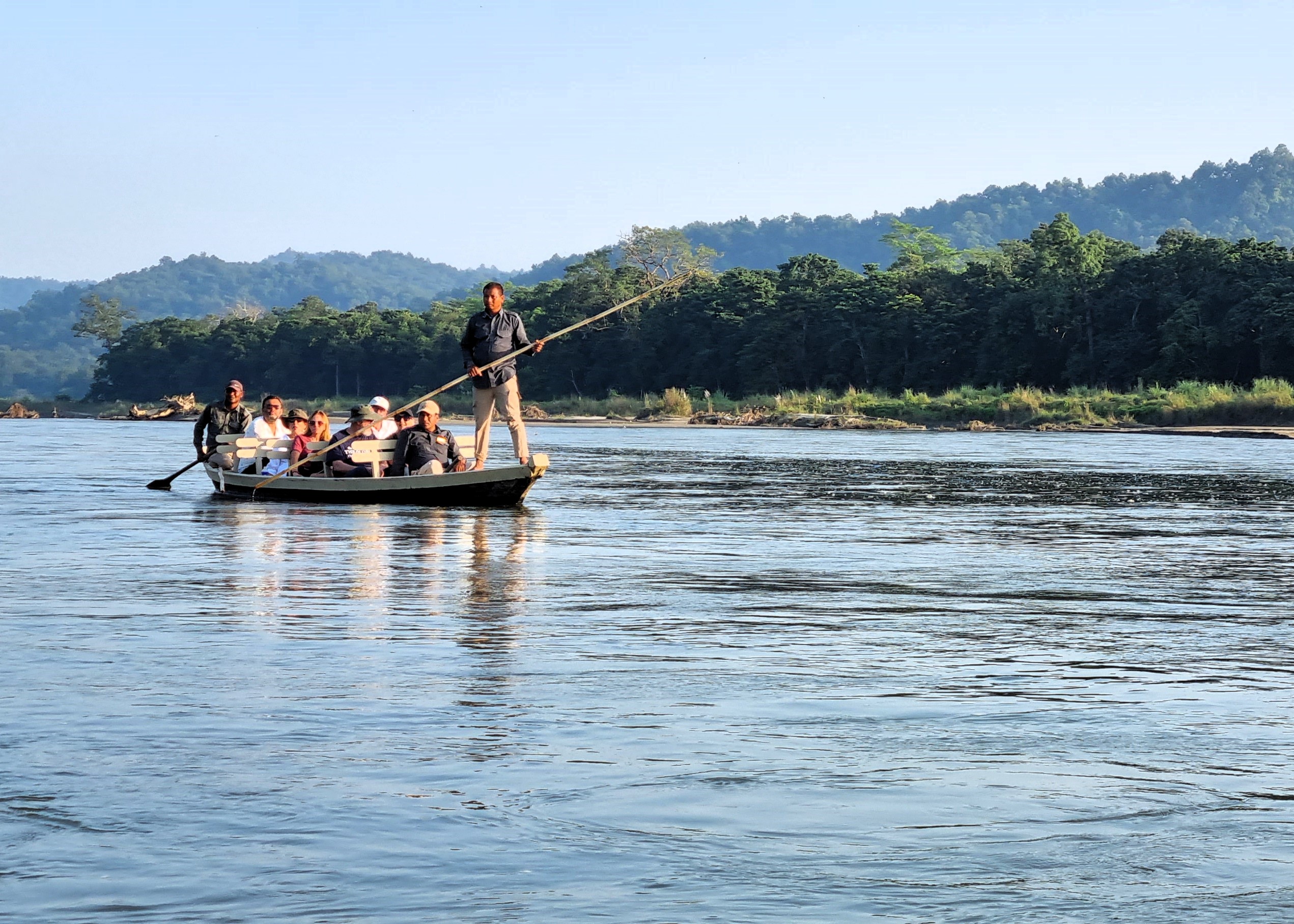
Chitwan National Park; jeep safari and dug-out canoe excursion
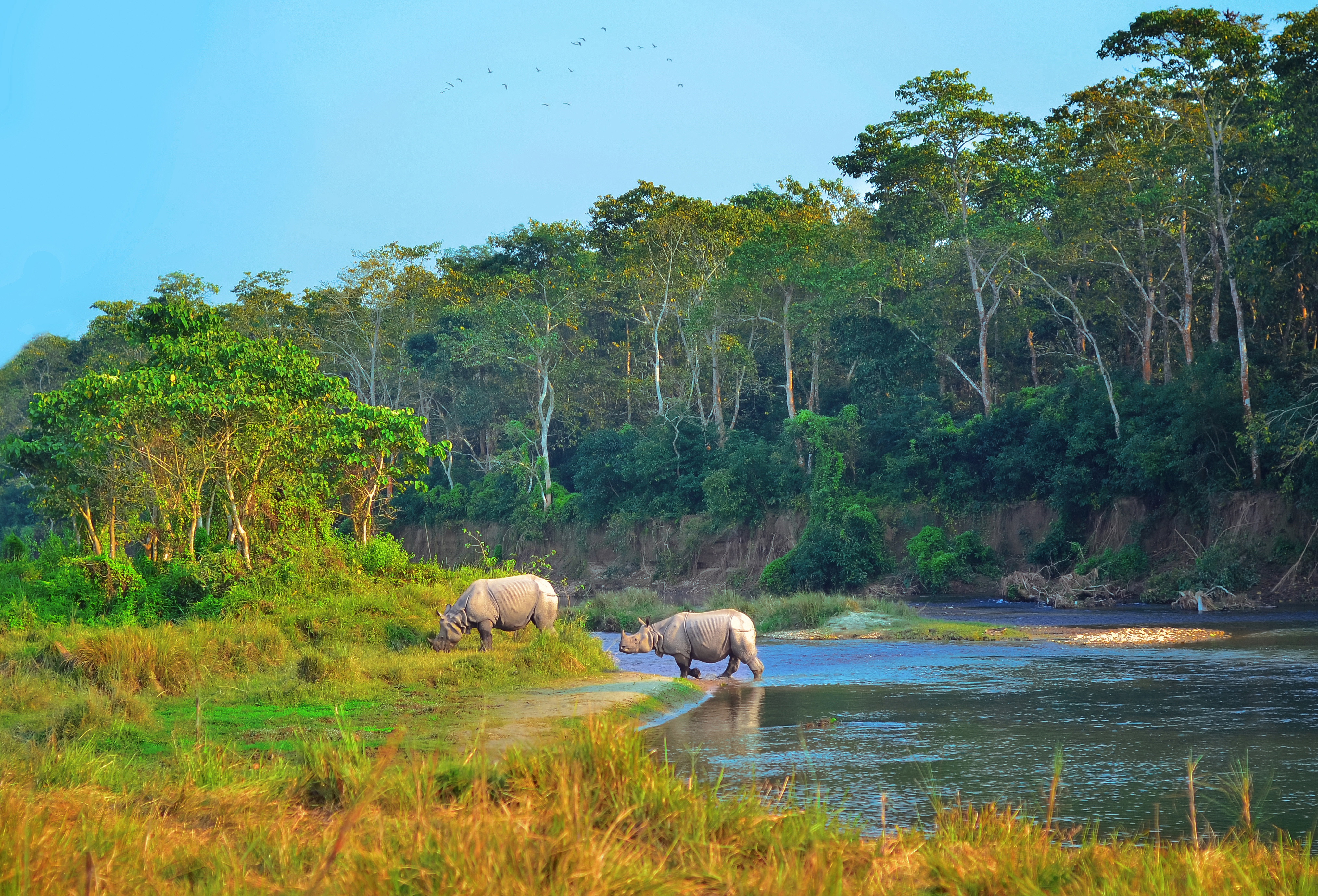
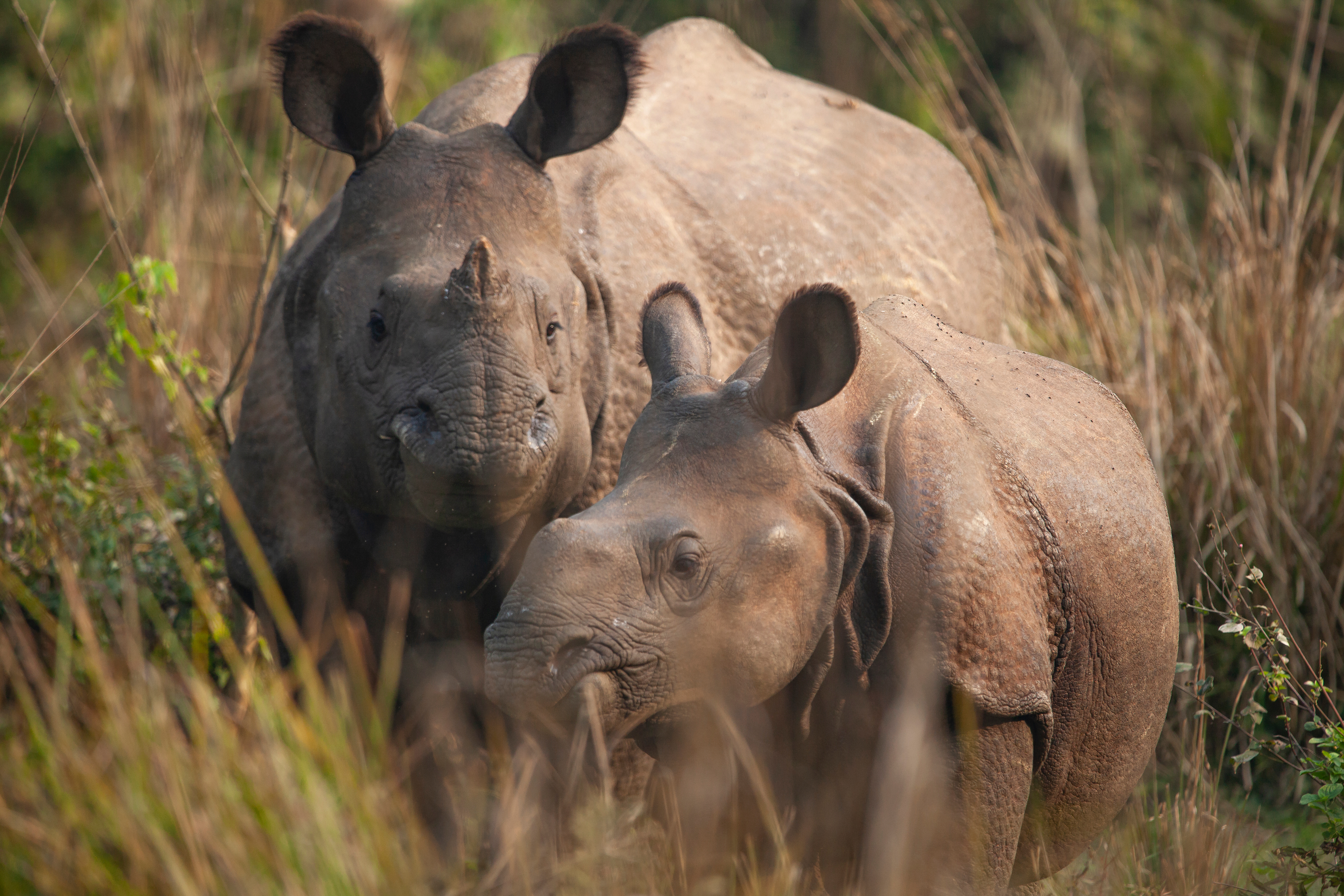
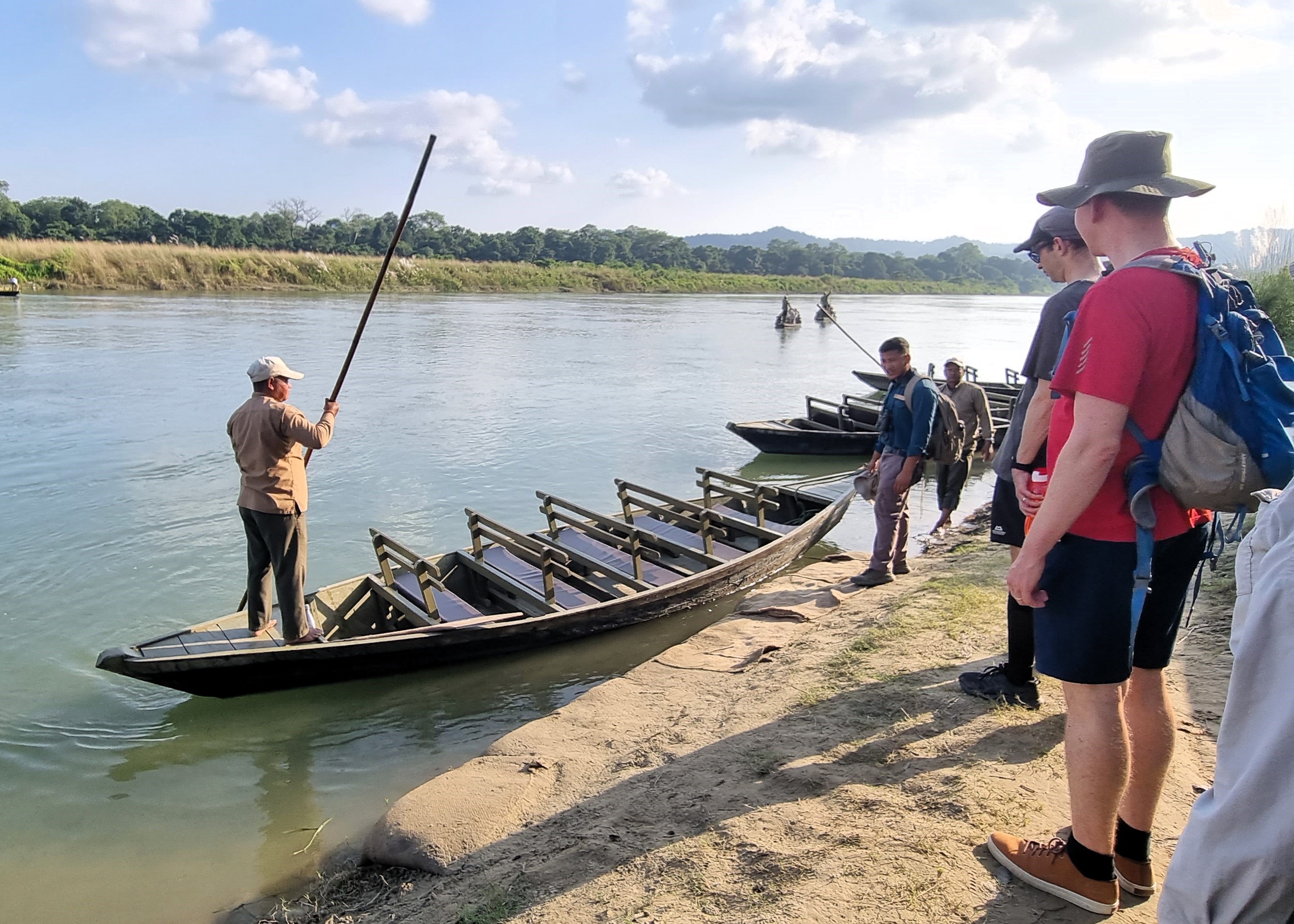
Chitwan National Park and the surrounding forest cover 356sqmi (923sqkm) of the terai and afford excellent wildlife-viewing opportunities. Here you have an excellent chance of seeing Indian one-horned rhinos, sambar and chital deer, langur and rhesus monkeys, mongooses, jackals, otters and crocodiles. The more elusive animals include tigers, leopards, sloth bears and Indian bison. More than 500 bird species have also been recorded here.
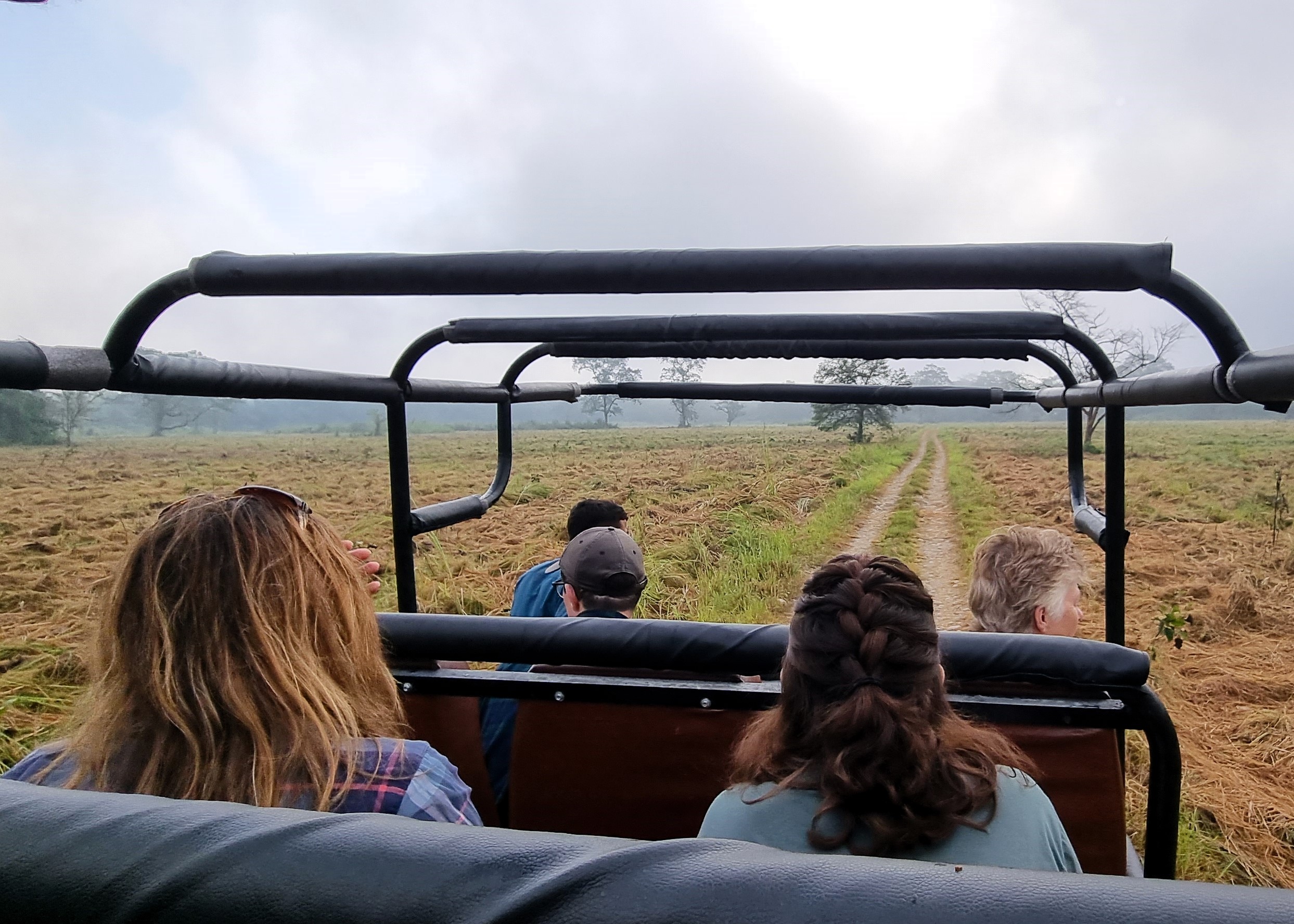
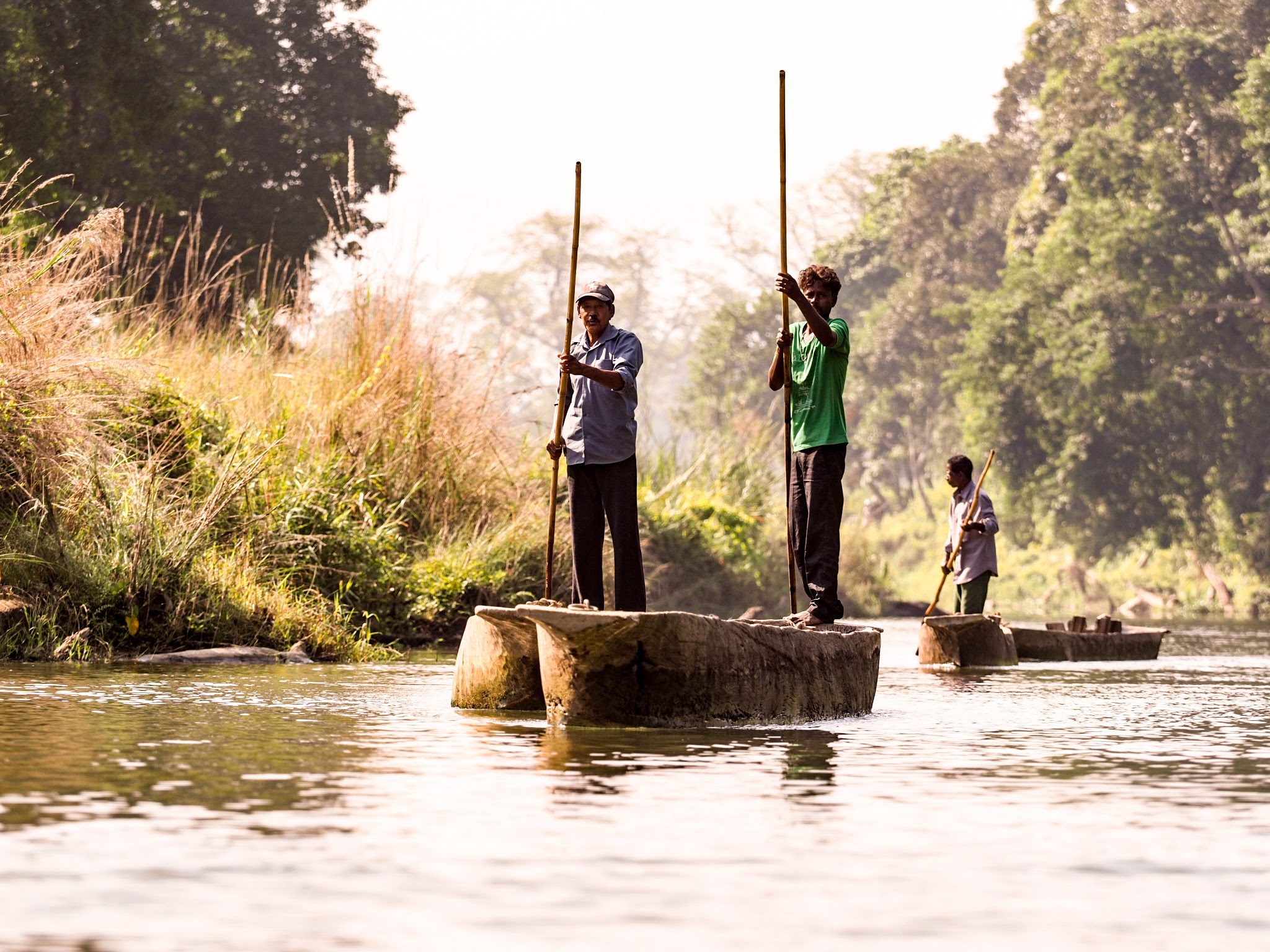
Wildlife activities are managed and escorted by experienced naturalist guides and included in your stay is a jeep safari and dug-out canoe excursion. Birdwatching outings can also be arranged.
Meals: Breakfast,Lunch,Dinner
Day 11
Drive to Pokhara with views of the Annapurna range en route
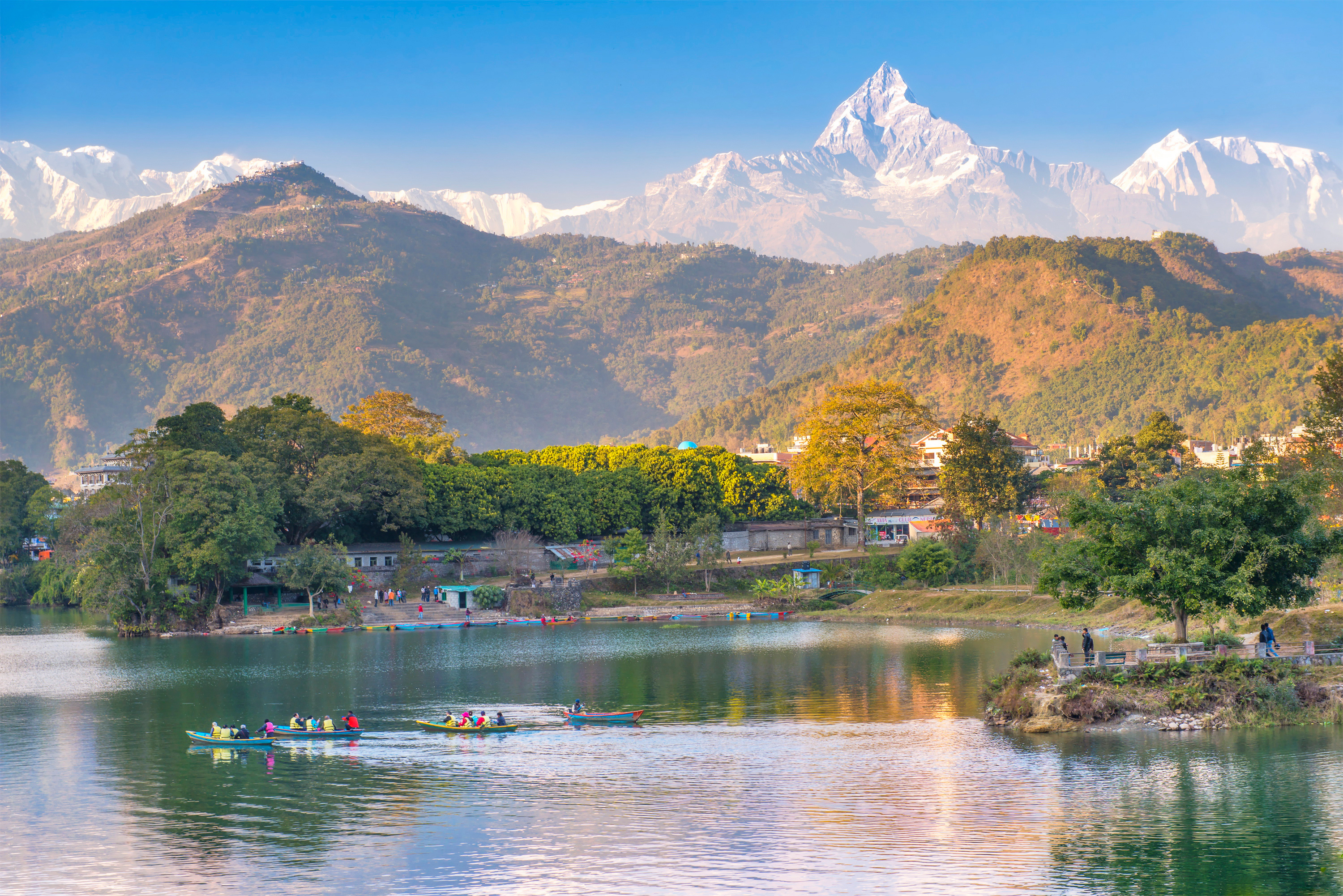
Today’s journey to Pokhara is 87mi (140km) and takes five to six hours. We follow the gorge of the Narayani River and soon we are in the Himalaya foothills. The scenery changes dramatically from the forests and farmlands of the terai to steep, terraced hills. As we near Pokhara, we begin to see the magnificent Annapurna mountains, part of the Himalaya range. At only 3,280ft (1,000m), among semi-tropical plants and with a delightfully warm climate, it is much closer to the main Himalaya peaks than Kathmandu. Machhapuchhare (Fishtail Peak) dominates the skyline, especially on a clear morning. We stay in a simple hotel near Phewa Lake, with a wide choice of restaurants and other facilities nearby.
Meals: Breakfast
Day 12
Sunrise over mountains; dawn walk from Sarangkot to Pame
Head into the hills before dawn for an even better views of the peaks. An early start is required for the clearest view; once there, the whole Annapurna range can be seen with virtually no intervening hills.
We start by driving (approximately 40 minutes) to Sarangkot; from there, it’s a short walk to the remains of a hilltop fort that overlooks the lake – one of the best viewpoints for Machhapuchhare, the most treasured mountain in the region.
After enjoying time here, walk back towards Pokhara, descending steps and trail paths, finishing just before at Pame (approximately 2hr 30min walk), where you can stop to enjoy your packed breakfast before a short transfer back to our hotel.
A packed breakfast will be arranged by your tour leader for anyone wishing to take part in the walk down to Pame from Sarangkot. If you choose not to join the walk, a transfer will be arranged from Sarangkot back to Pokhara, returning to the hotel for breakfast. Please let your tour leader know the day before if you do not wish to join the full morning walk.
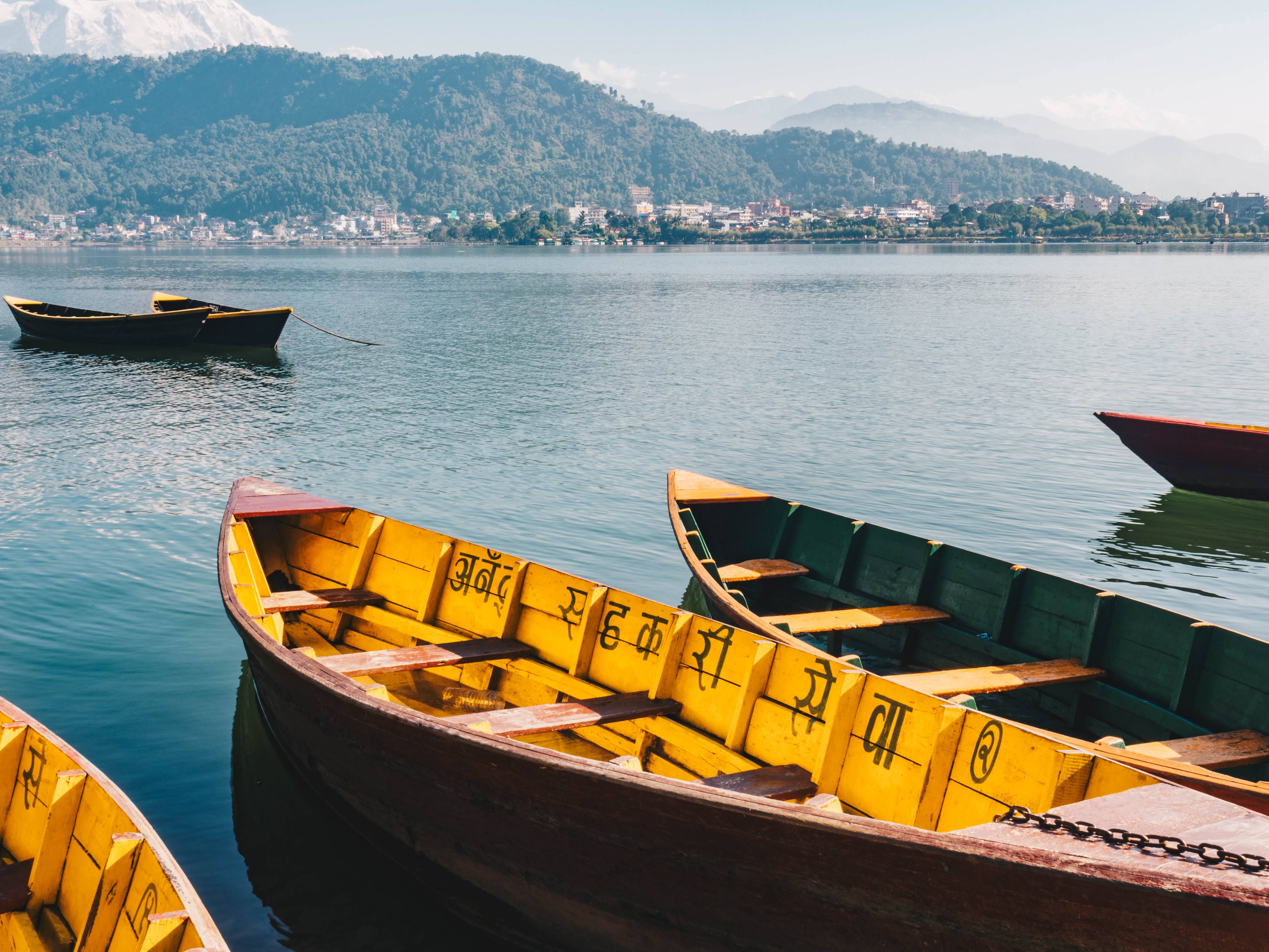
For many, Pokhara is a place to relax, enjoying a spot beside the beautiful lake; it’s been a busy trip, so if you prefer to skip the morning activity and enjoy the time at your leisure, you’re more than welcome to do so. This afternoon, sit back and take in the surroundings or perhaps rent a rowboat or bicycle for a few hours exploring the lake at a leisurely pace.
Distance covered: 3mi (5km)
Activity hours: 2hr 30min
Meals: Breakfast
Day 13
Follow Marsyangdi and Trisuli rivers to Kathmandu
Leave early for the long drive to Kathmandu, along the Chinese-built road running parallel to the main Himalaya range. The distance is only 125mi (200km) but it is a slow climb through the mountains and ongoing road-widening construction along the route plus some bumpy conditions in places mean the journey takes 7 to 8 hours. The views, however, are stunning as we follow the Marsyangdi and Trisuli rivers, passing numerous villages and terraces stretching up the hillside. We arrive in Kathmandu this evening and check into our centrally located hotel.
There is the option to book a flight from Pokhara to Kathmandu, avoiding the long journey. This can be done in advance or during the trip, for an additional supplement. Please speak to your sales representative for more information.
Meals: Breakfast
Day 14
Visit Pashupatinath and Bodnath; free time
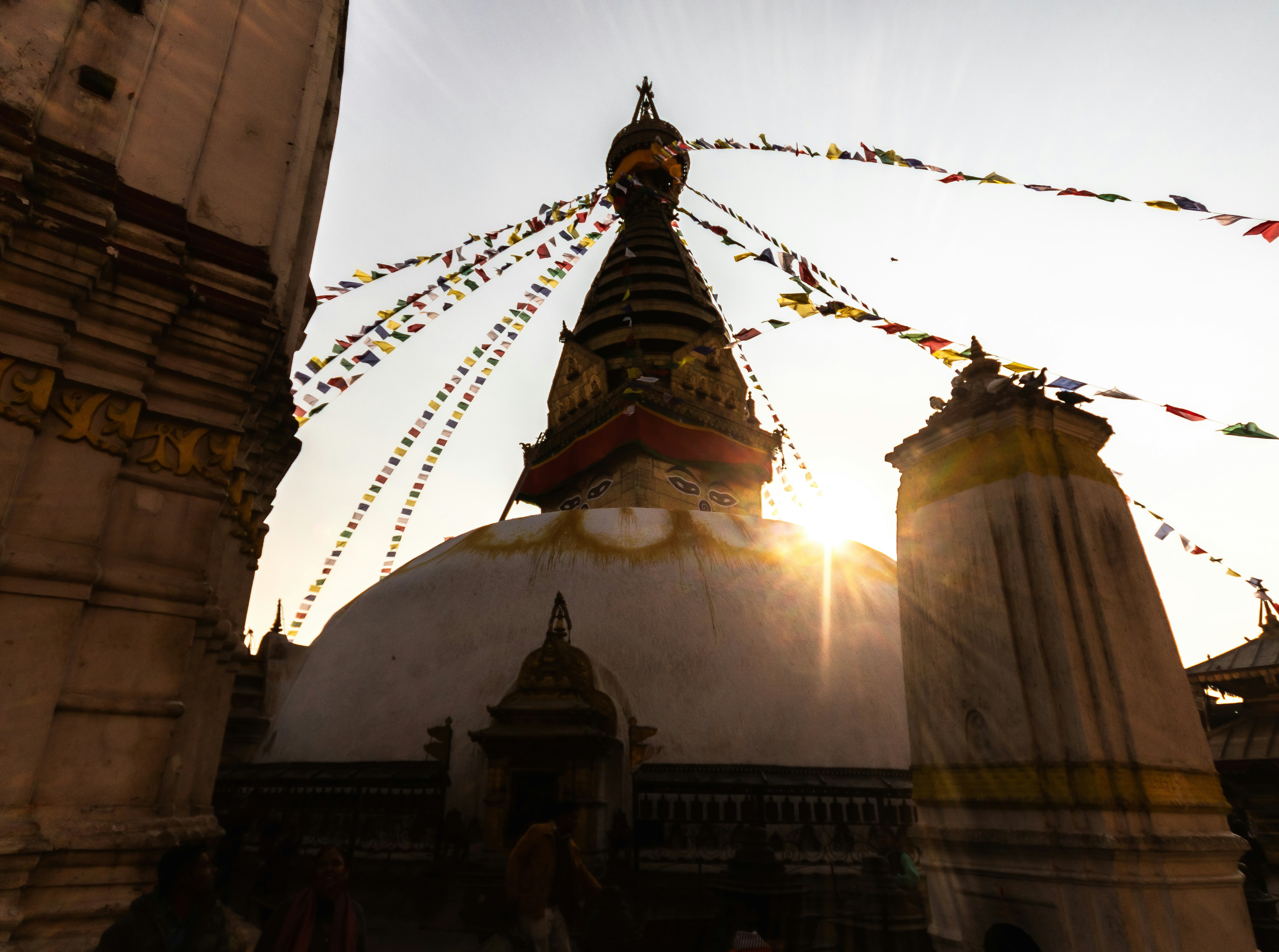
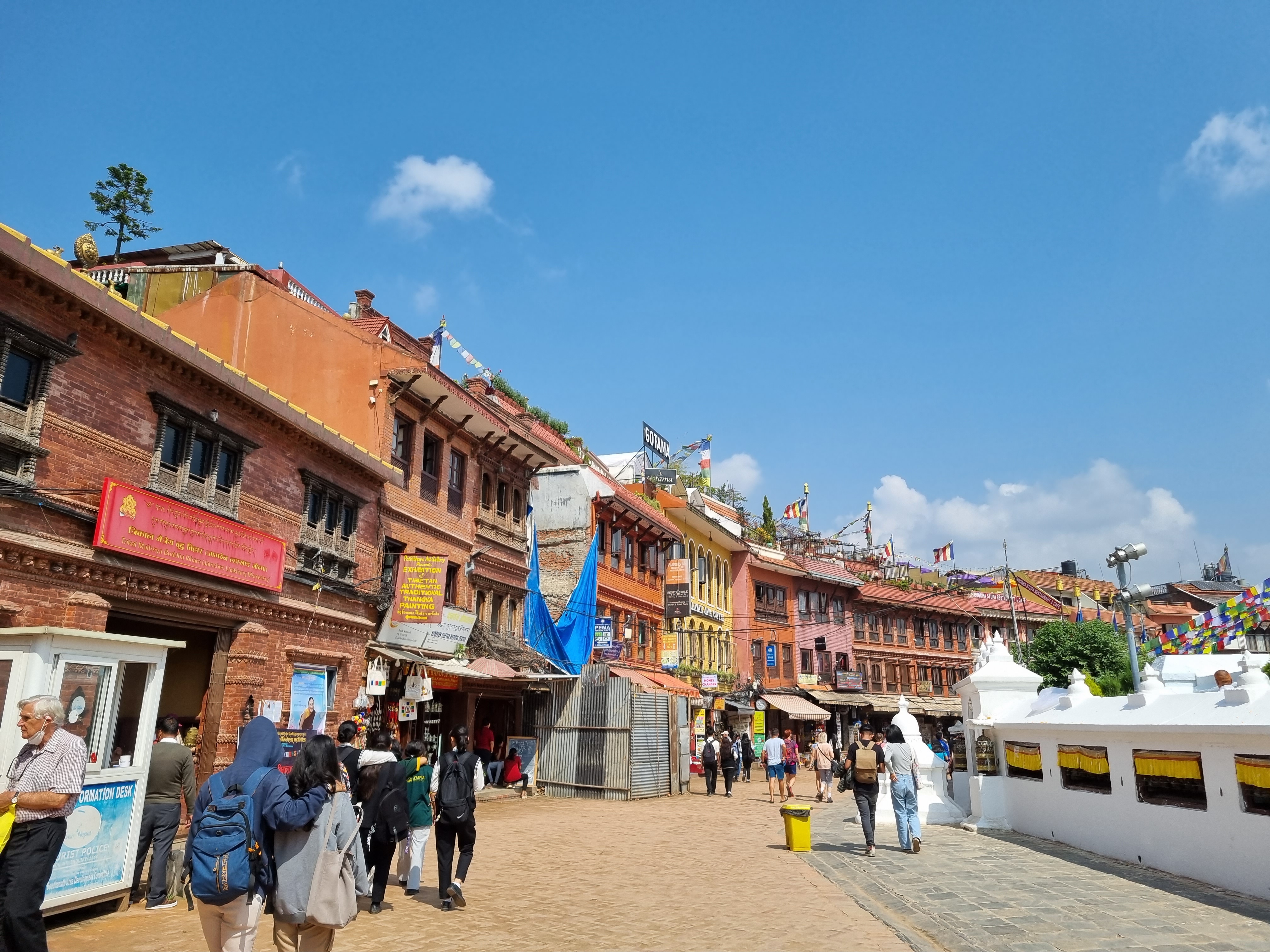
We have today to explore Kathmandu and the valley. There is a half-day sightseeing tour of Pashupatinath, the most important Hindu temple in the valley, and Bodnath, one of the largest Buddhist stupas in the world. The rest of the time is free for individual exploration. You may like to visit Durbar Square with its old royal palace and intricately carved temples, or Swayambhunath, a hilltop stupa home to hundreds of macaques.
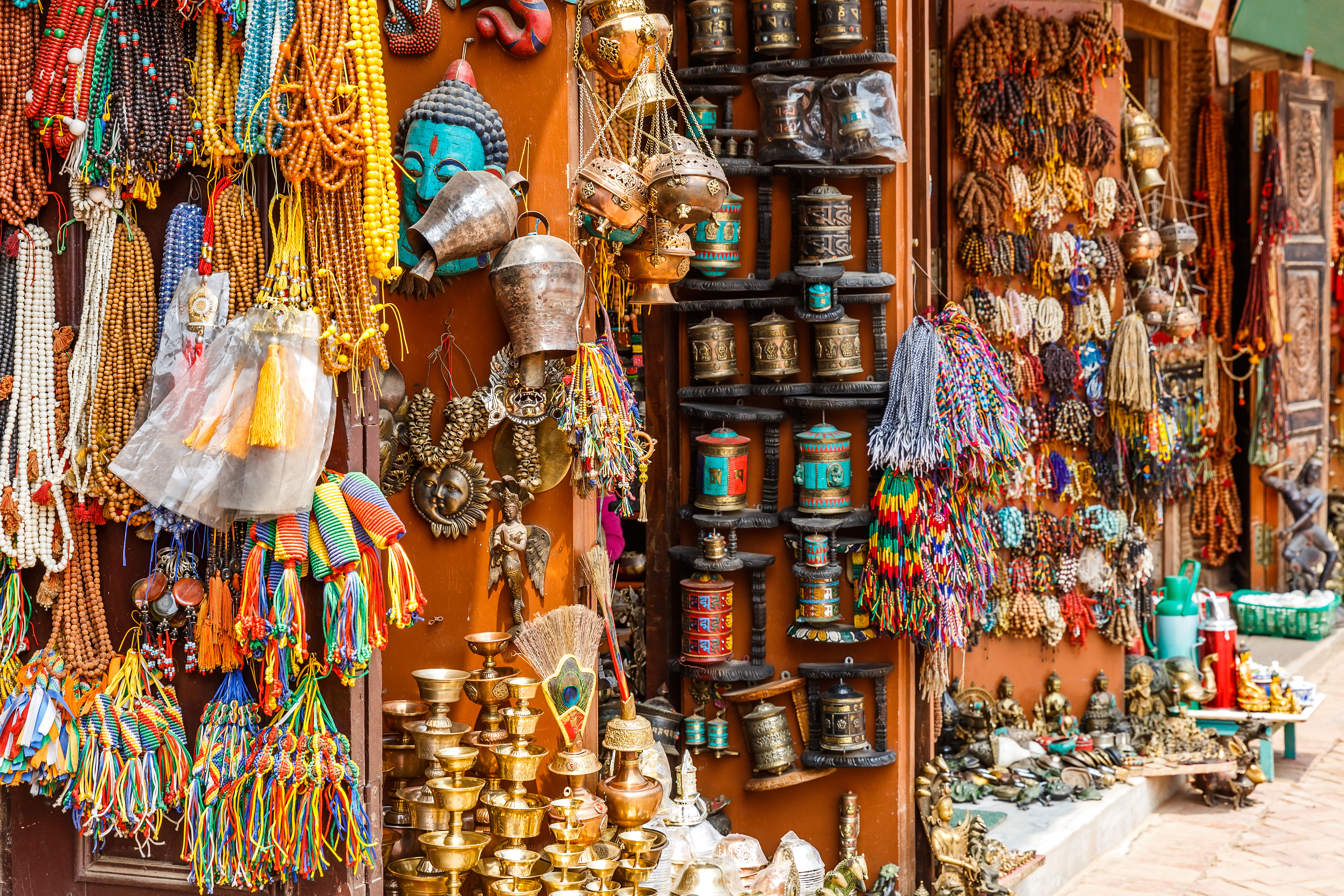
Kathmandu also offers many shopping opportunities: clothes, trinkets, Tibetan and Nepalese handicrafts and superb bookshops. It also has a wide variety of restaurants serving some of the best food from the sub-continent and you can find wonderful pizzas and apple pie.
Meals: Breakfast
Day 15
Adventure ends in Kathmandu
The adventure comes to an end this morning at check-out. Unless, of course, you’d like to join our exciting extension, in which you spend four days hiking in the Annapurna region, taking in magnificent mountain views as you pass through Gurung villages. This extension would commence from day 13, starting in Pokhara. Speak to your sales representative to book.
Meals: Breakfast
What’s included
What’s not included
Additional information
Kathmandu Valley: Pashupatinath Temple & Boudhanath Stupa
Visit Pashupatinath, Nepal’s most revered Shiva temple complex on the Bagmati River, where shrines, ghats and saffron-clad sadhus reflect layers of sacred tradition. Continue to the vast Boudhanath Stupa, ringed with prayer wheels and fluttering flags.
Circle the white dome alongside pilgrims as your leader explains Buddhist symbolism and the stupa’s role in monastic life. The pairing reveals the valley’s intertwined Hindu and Buddhist heritage in two emblematic spaces of worship.
Chitwan National Park: Jeep Safari & Dug-out Canoe
Head into Chitwan with expert naturalists for a jeep safari across riverine forest and grassland, scanning for one-horned rhino, deer and monkeys. Drift later by dug-out canoe as kingfishers dart and crocodiles bask on sandy banks.
Learn how conservation transformed a former royal hunting reserve into a haven for more than 500 bird species and endangered mammals. The park’s mosaic of habitats offers excellent chances for wildlife encounters at calm, camera-ready distances.
New Delhi Highlights & Humayun’s Tomb
Discover the spacious boulevards and ceremonial core of New Delhi as you drive past Rashtrapati Bhavan, Parliament House and India Gate, masterworks of Lutyens’ imperial vision. Continue to UNESCO-listed Humayun’s Tomb, where Persian-influenced gardens frame red sandstone and white marble geometry.
Learn how this 16th-century mausoleum inspired later Mughal masterpieces, culminating in the Taj. Notice the soaring dome, delicate latticework and symmetrical charbagh layout that blend power, paradise and memory into one elegant complex.
Old Delhi Walking Tour & Jama Masjid
Explore the lanes of Old Delhi on foot to experience bustling bazaars, spice-scented alleyways and the artistry of wedding trimmings in Kinari Bazaar. Pause at the grand gateways of Jama Masjid, India’s largest mosque, as your leader decodes Mughal design and the rhythms of daily devotion around its vast courtyard.
Along the way, hear stories that trace the quarter’s evolution from imperial capital to contemporary marketplace. Expect sensory overload—ringing cycle bells, the sizzle of street snacks, and vivid splashes of marigold and silk at every turn.
Jaipur Dawn Heritage Walk in the Walled Pink City
Walk through Jaipur at first light to see the Pink City awaken. Join locals at flower and milk markets, greet chai wallahs setting up their kettles, and watch artisans unbolt shutters to reveal blocks of traditional chowkris alive with color and craft.
Your leader shares insights on city planning from the 1700s and how daily rituals sustain community ties. Expect soft morning hues on rose-hued facades, temple bells, and the aroma of cardamom drifting across quiet courtyards.
Jaipur City Highlights: Jantar Mantar, Hawa Mahal & Amber Fort
Visit Jantar Mantar, the open-air astronomical observatory where monumental instruments still map the heavens with astonishing accuracy. Pause for photos at the Hawa Mahal (Palace of the Winds), its honeycombed facade once allowing royal women to observe street life unseen.
Continue to the hilltop Amber Fort, overlooking Maota Lake. Within its courtyards and corridors, admire frescoes, marble inlay and the glittering Chamber of Mirrors—a showcase of Rajput artistry and strategic design.
Agra Fort & Taj Mahal at Sunset
Explore the UNESCO-listed Agra Fort, whose red sandstone ramparts guard elegant palaces and pavilions from the Mughal zenana to the Diwan-i-Khas. Hear how emperors shaped an era of art, power and poetry along the Yamuna River.
As evening approaches, admire the Taj Mahal in the mellow light that turns marble to rose and gold. Step through the forecourt to contemplate its perfect symmetry and the love story of Shah Jahan and Mumtaz Mahal engraved in pietra dura.
Sarnath: Dhamekh Stupa and Buddhist Heritage
Visit sacred Sarnath to stand before the cylindrical Dhamekh Stupa, traditional site of the Buddha’s first sermon. Walk peaceful gardens that echo the ancient deer park where the Dharma was first taught to five disciples.
Your leader connects the site to Ashokan patronage and early Buddhist monastic life, highlighting inscriptions and stonework that illuminate how teachings spread from the Ganges plain across Asia.
Dawn Boat Cruise on the Ganges, Varanasi
Cruise the Ganges at first light to watch bathing ghats stir with priests, pilgrims and morning prayers. Glide past steps garlanded with marigolds as saris are rinsed, lamps flicker, and the river’s misty currents carry quiet chants downstream.
Your guide shares the significance of Varanasi’s riverfront, from devotion and purification to artisanal life along the banks. This contemplative journey reveals why the Ganga is regarded as a living goddess in Hindu faith.
Varanasi Evening Aarti Ceremony on the Riverbank
Witness an evening aarti ceremony on the ghats as priests circle flaming lamps, bells ring, and rhythmic mantras rise into the night. From your vantage on the riverbank, feel the energy of collective devotion as incense drifts over the water.
Your leader explains the symbolism of light offered to the Ganga and how these rituals bind community, faith and city life. It’s an evocative counterpart to the serenity of the dawn boat cruise.
Sarangkot Sunrise Viewpoint & Walk to Pame, Pokhara
Catch first light from Sarangkot as the Annapurna range and Machhapuchhare (Fishtail Peak) glow above Phewa Lake. After savoring the panorama from the hilltop fort site, descend on village paths and steps toward Pame.
This gentle walk combines crisp mountain air with rural Nepalese life—terraced fields, prayer flags and the clink of cowbells—before returning to lakeside Pokhara. It’s a scenic window onto Himalayan foothill culture without high-altitude exertion.
Old Delhi Rickshaw Ride through Chandni Chowk
Ride a cycle rickshaw through Chandni Chowk to weave among spice stalls, silver shops and sari merchants at handlebar height. This nimble vantage lets you pause for photos and inhale the aromas of cardamom and cumin without the crush of foot traffic.
It’s a lively add-on to the Old Delhi walk, offering a different pace and perspective on Mughal-era streets still humming with trade. This experience is at additional cost and bookable on tour.
Lumbini Garden Rickshaw Circuit
Explore the tranquil monastic zone of Lumbini by rickshaw, circling landscaped avenues and meditation ponds linked to Maya Devi’s sacred birthplace. Glide between international monasteries, each reflecting distinct Buddhist architectural traditions.
The slow pace encourages quiet reflection and easy photography in this World Heritage site dedicated to peace. This experience is at additional cost and bookable on tour.
Tharu Village Ox-cart Ride & Cultural Dance Performance
Journey by traditional ox-cart through a Tharu settlement near Chitwan to see stilted homes, grain stores and fields worked by hand. As evening falls, enjoy a Tharu cultural dance showcasing rhythmic drumming, colorful attire and community storytelling.
Your hosts explain customs and seasonal rituals that anchor village life along the Terai. This cultural add-on offers a respectful window into local heritage. It is at additional cost and bookable on tour.
Chitwan Birdwatching with Naturalist Guide
Set out at dawn with a specialist guide to spot Himalayan avifauna—from hornbills and barbets to drongos and kingfishers—across forest edges and riverbanks. Learn to identify calls and behaviors while practicing quiet fieldcraft for closer sightings.
With more than 500 recorded species, Chitwan is a paradise for enthusiasts and curious beginners alike. This targeted excursion is at additional cost and bookable on tour.
Row a Wooden Boat on Phewa Lake, Pokhara
Hire a traditional wooden skiff to glide across Phewa Lake, watching reflections of Annapurna peaks ripple beside lakeside temples and forested slopes. Pause mid-water to absorb the hush and take panoramic photos.
This leisurely outing suits a relaxed afternoon, pairing mountain views with Pokhara’s serene mood. It is at additional cost and bookable on tour.
Cycle the Pokhara Lakeside & Valley Trails
Rent a bicycle to spin along Phewa Lakeside and quiet backroads lined with paddies, cafés and prayer flags. Gentle gradients and frequent viewpoints make this a scenic way to soak in the lakeside atmosphere at your own pace.
Your leader can suggest easy circuits with photo stops and chai breaks. This independent-style activity is at additional cost and bookable on tour.
Welcome Dinner in Delhi: North Indian Flavours & Trip Briefing
Begin your journey by gathering with your group in New Delhi to meet your Tour Director over a convivial dinner. Sample classics of North Indian cuisine—perhaps fragrant biryanis, tandoori-grilled breads and rich paneer dishes—while learning how regional spices shape everyday cooking and celebrations.
Your leader outlines the adventure ahead and shares tips on local etiquette and street-food safety. This relaxed introduction helps you soak in the city atmosphere and sets the tone for a culturally curious exploration of India and Nepal.
Food
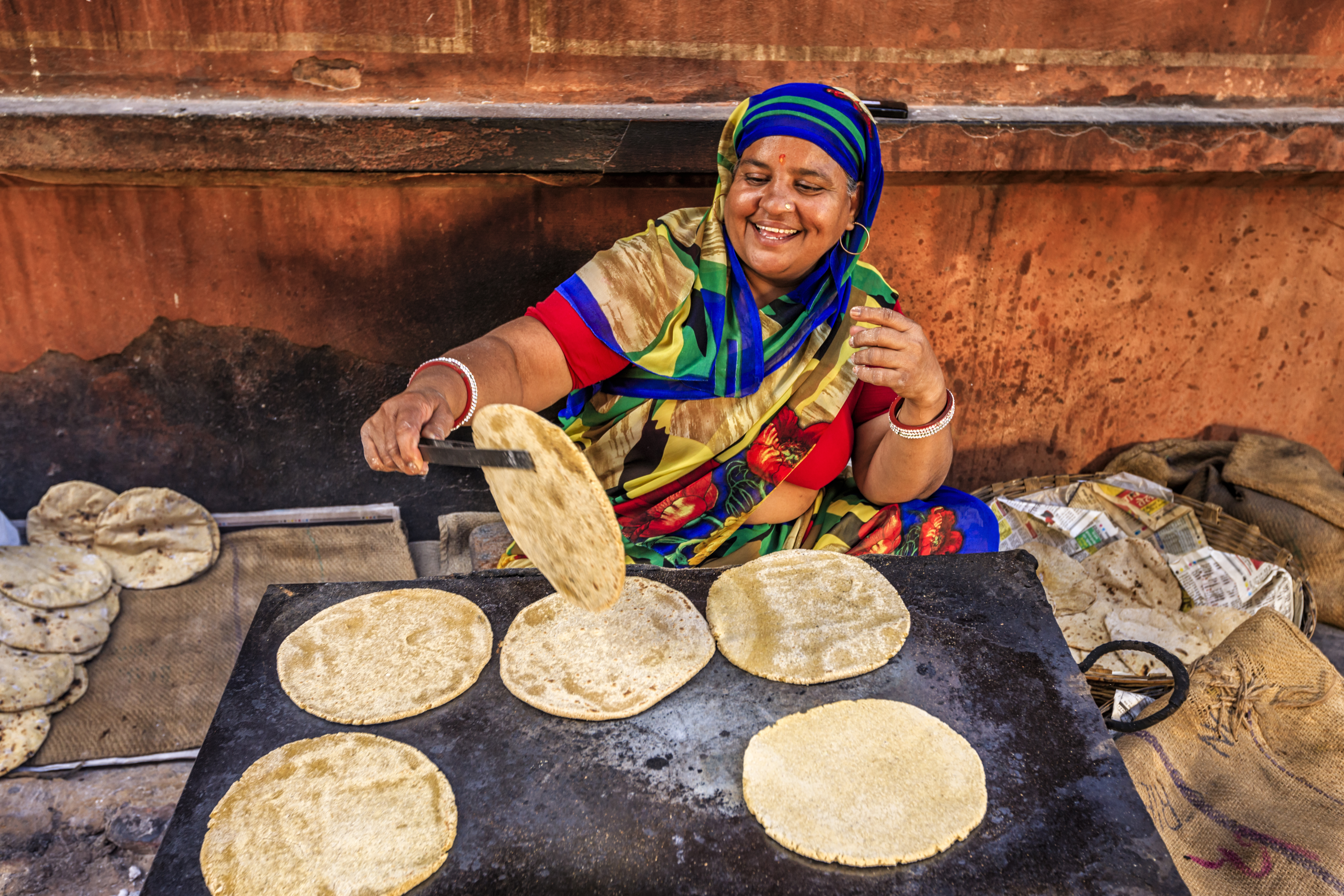
Allow the equivalent of US$24 per day for meals not included. You can eat out very cheaply in India and Nepal, but if you go to more expensive restaurants, you will spend more than the suggested amount. In most towns there is a good choice between Indian, Chinese and Western food. If you are a vegetarian, India and Nepal are probably two of the best destinations you can visit. Tea and soft drinks are very cheap. A (large!) bottle of beer is approximately US$4.80. Drinking water is provided in large containers in our vehicle, so please bring a refillable water bottle with you. Where meals are not included, the leader will encourage people to try certain restaurants and street food vendors. They can make recommendations that will boost small businesses and celebrate local specialties. In India, we can even see how some food and drinks, such as masala chai (tea), samosa (mashed potato snacks), jalebe (Indian doughnuts) and lassi (yoghurt drink), are made.