Your itinerary

Day 1
Adventure starts in Cairo
Welcome to Cairo, where the ancient and modern worlds connect seamlessly. Many flights arrive into Cairo late today, but if you arrive earlier, you may want to head to the hotel pool for a refreshing post-flight dip.Want more time in Cairo? Secure pre-tour hotel nights through your sales representative, allowing you extra time to explore the city and relax into the adventure.
Day 2
Tour the ancient wonders of Cairo, including the Grand Egyptian Museum
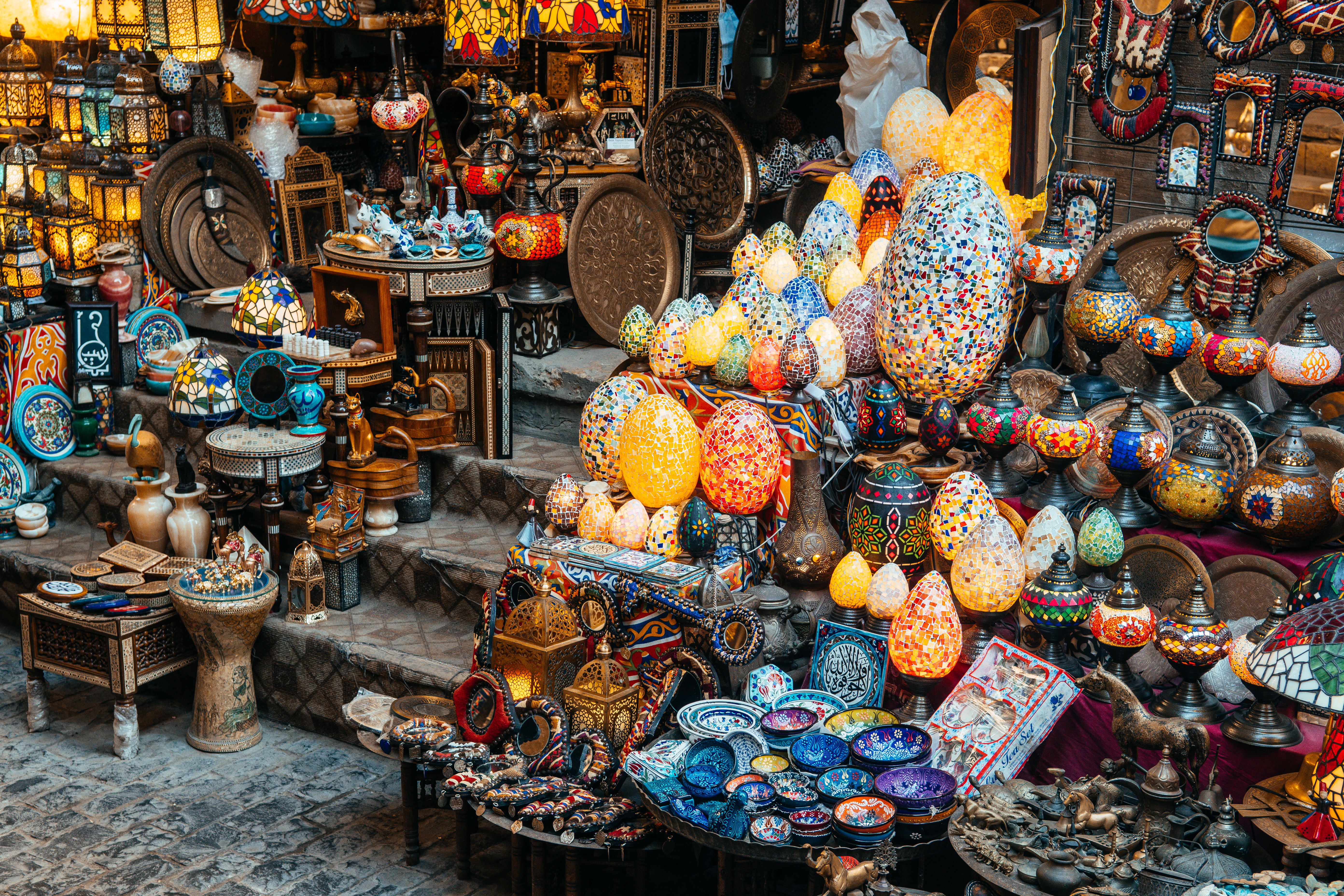
Around 7am, say hello to your tour leader and fellow travellers, when we gather as a group to get to know each other and learn more about the adventures ahead.Then, to set the scene, we visit the impressive Grand Egyptian Museum. Highlights we expect to see include the vast Great Hall, home to the colossal statue of Ramesses II, and the Grand Stairs, which present Egypt’s ancient story through a series of striking displays. Explore the Tutankhamun Galleries, where treasures from the boy king’s tomb offer insight into his life and legacy. We also explore areas such as the Khufu Boat Museum and the Main Galleries, where artefacts spanning thousands of years showcase the richness of Egypt’s past.Continue our learning at the National Museum for Egyptian Civilization, which covers Egypt from prehistoric times to now. In this vast museum is the Royal Mummies Hall, which displays the mummified remains of 20 pharaohs, including Hatshepsut, Seti I and II, plus multiple Ramses.Finally, we visit the ancient Khan El Khalili bazaar, navigating the narrow alleys lined with vendors selling everything from spices to gold.This evening, your tour leader ensures a big welcome over a group dinner.
Meals: Dinner
Day 3
Marvel at the pyramids of Giza and Saqqara
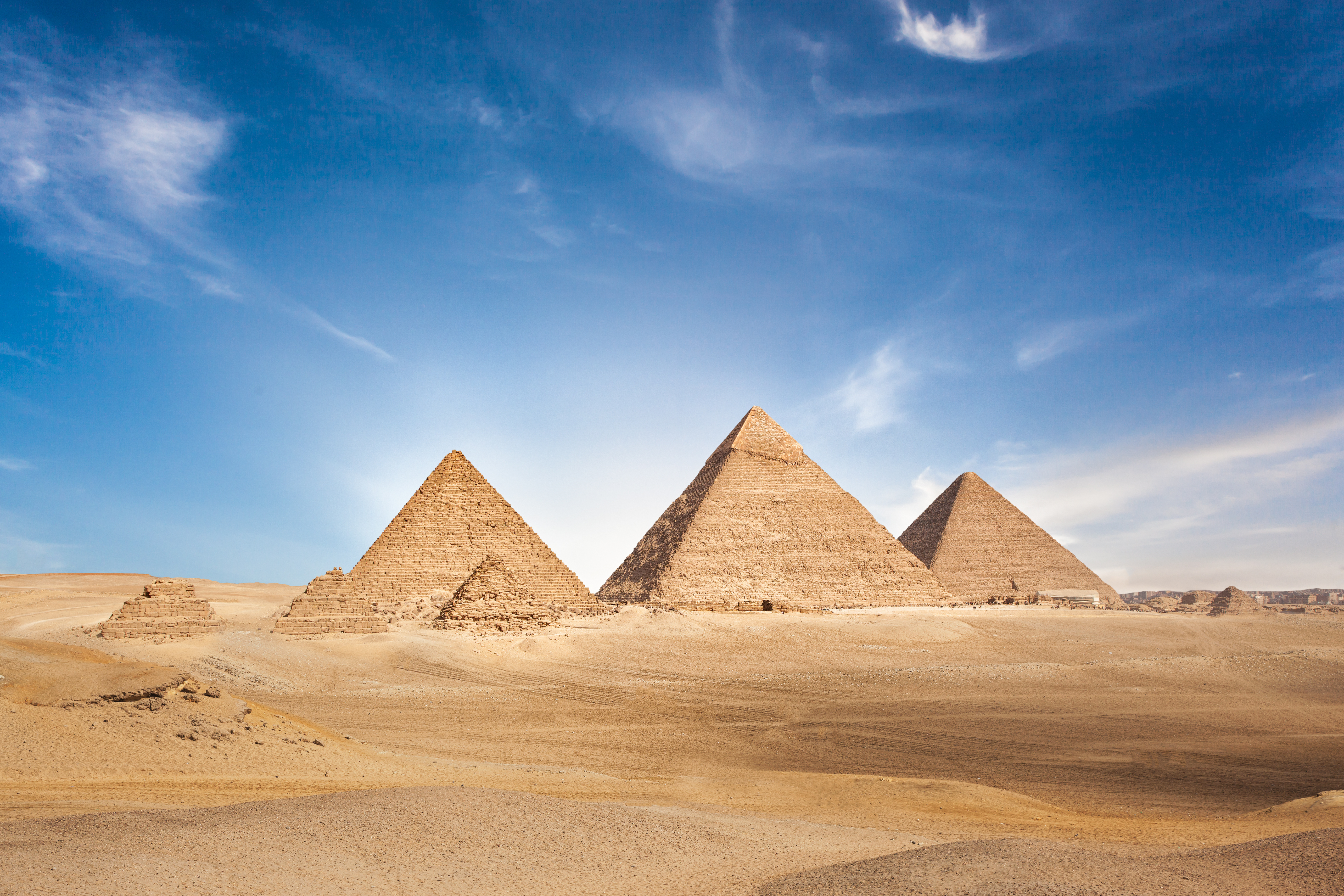
First on our sightseeing today is Giza, home to the Pyramids of Cheops, Chephren and Mycerinus and the mysterious Great Sphinx. Only the throng of sightseers milling around their huge foundations keep you in the 21st century. If you’d like to go inside these grand structures, it is possible to buy an entrance ticket locally.We then visit Saqqara, a necropolis that pre-dates Giza and is now the largest archaeological site in Egypt. It’s home to the oldest pyramid in the world, the Step Pyramid (or the Pyramid of Djoser), plus the tombs of ancient rulers. If you’d like to explore inside the stepped pyramid, it is possible to buy a ticket locally.
Meals: Breakfast
Day 4
Free time in Cairo, fly to Aswan
We have free time this morning to relax. You may wish to unwind at the hotel, enjoying the sun and taking a swim in the pool before our flight to Aswan. Alternatively, you could use the time to head back to the Pyramids of Giza for one last exploration.In the afternoon, we transfer to Cairo Airport to catch our flight to Aswan. Settle into the hotel upon arrival or head out and explore the markets.Upgrade to a Nile-view room today – speak to your sales representative for more details
Meals: Breakfast
Day 5
Tour of Aswan
Today we visit the highlights of Aswan, first taking a motorboat to the Philae temple complex on Agilkia Island. The standout structure here is the Temple of Isis, an impressive classical monument built around 690 BCE for the ancient goddess. We also visit the vast Aswan High Dam, which was built in the 1960s to manage flooding, increase hydroelectric power and provide a reliable source of water for agriculture.In the afternoon, we visit the Nubian village of Animalia, where we can immerse ourselves in the indigenous Nubian culture with a visit to a traditional house and small museum. We then explore the Nile by felucca (a traditional Egyptian sailing boat). On this one-hour ride, we can truly enjoy the peace of the Nile and the beauty of the surrounding landscape, where the vast desert almost reaches the water’s edge. (The timings of the felucca sailing might be changed according to weather conditions).Capping an activity-packed day, we enjoy an Egyptian dinner on the island of Gharb Sohil.Upgrade to a Nile-view room today – speak to your sales representative for more details
Meals: Breakfast,Dinner
Day 6
Free day in Aswan, optional visit to Abu Simbel
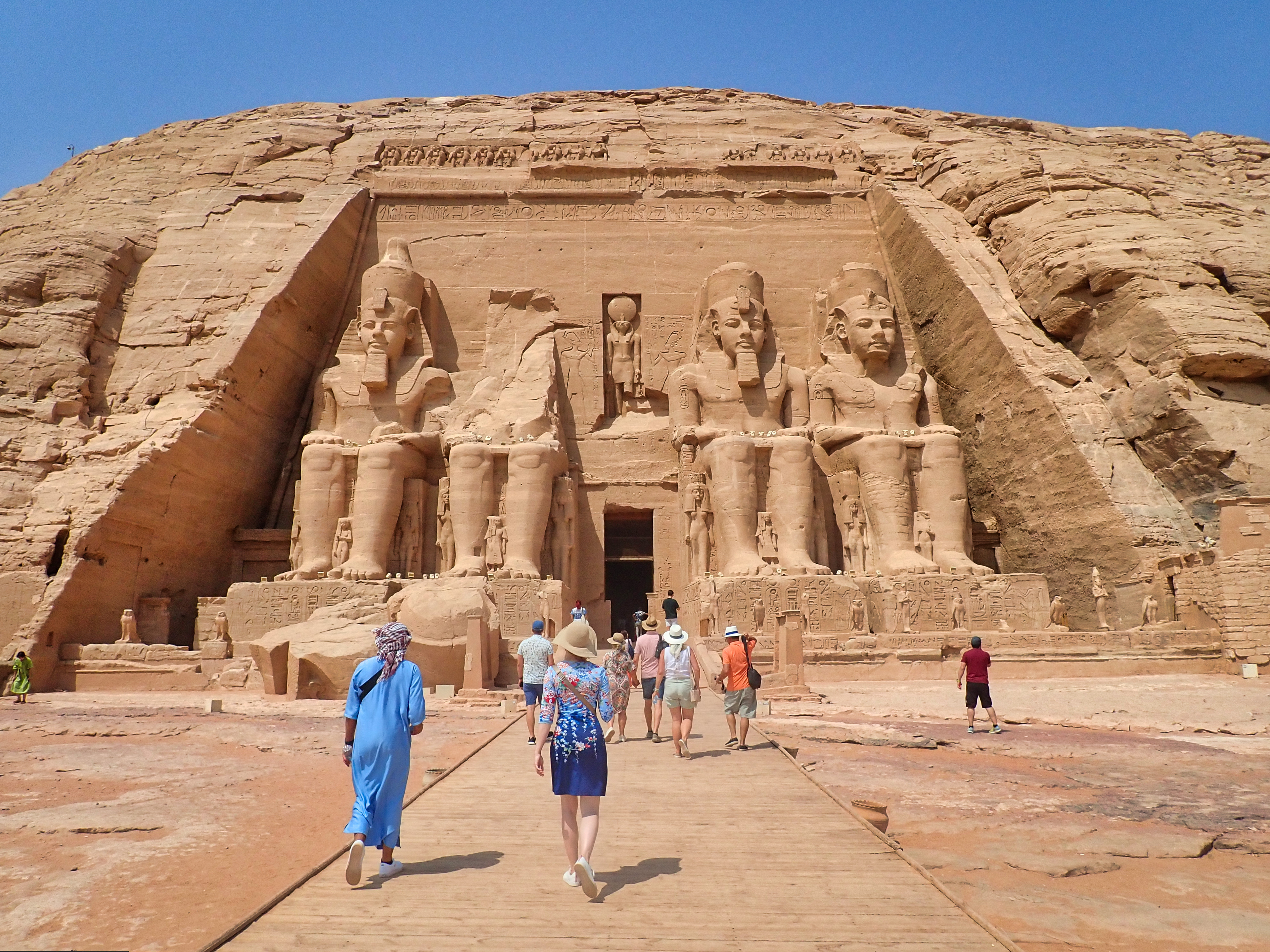
We have a day at leisure. There’s the option to visit the magnificent temples of Abu Simbel, where four great seated statues of Ramses II stare east towards the rising sun. Built by the pharaoh, the two temples were originally on the banks of the Nile; however, they were raised to a higher site in the late 1960s when waters from the new Lake Nasser rose behind the Aswan High Dam.Upgrade to a Nile-view room today – speak to your sales representative for more details
Meals: Breakfast
Day 7
Visit the Kom Ombo and Edfu temples, en route to Luxor
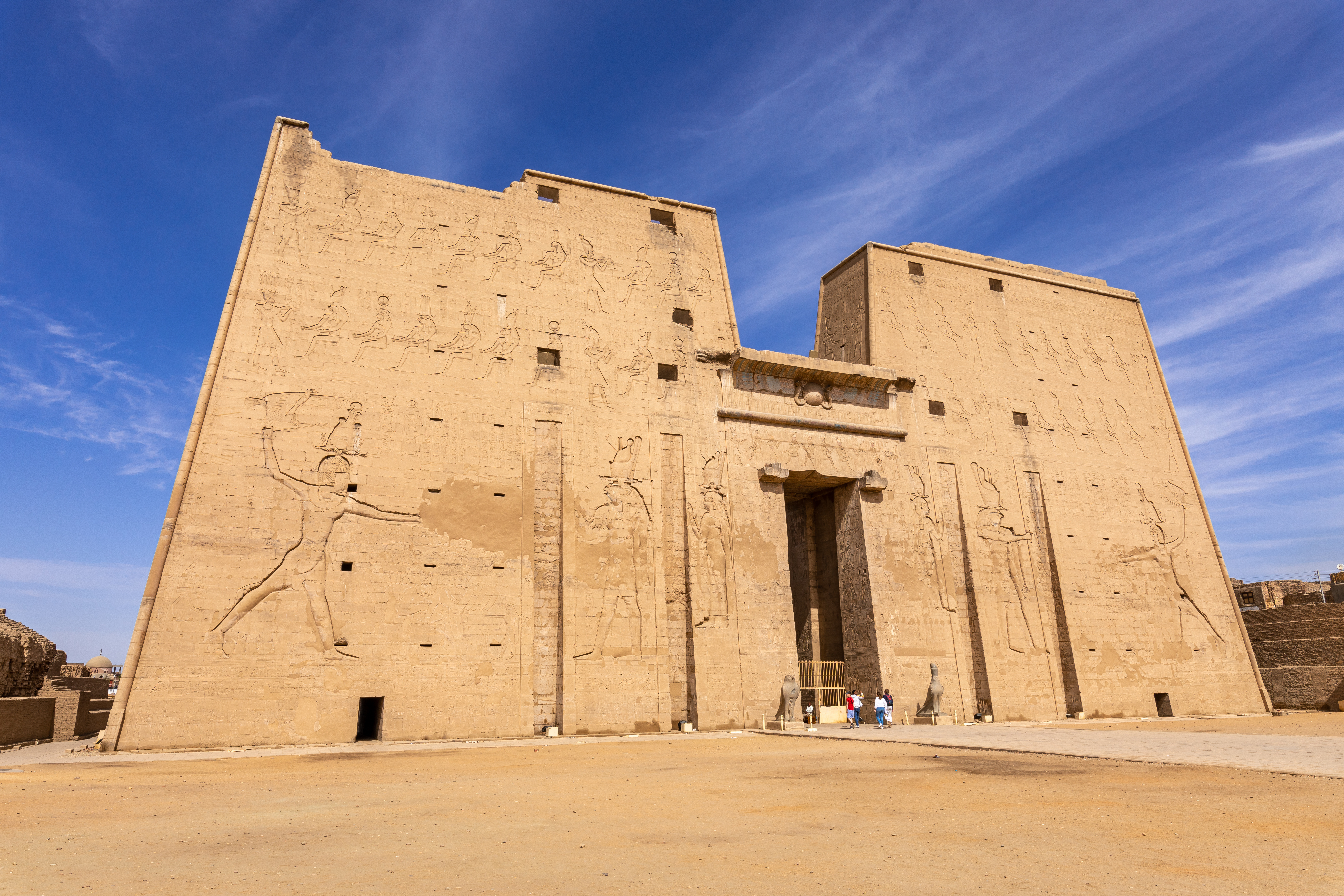
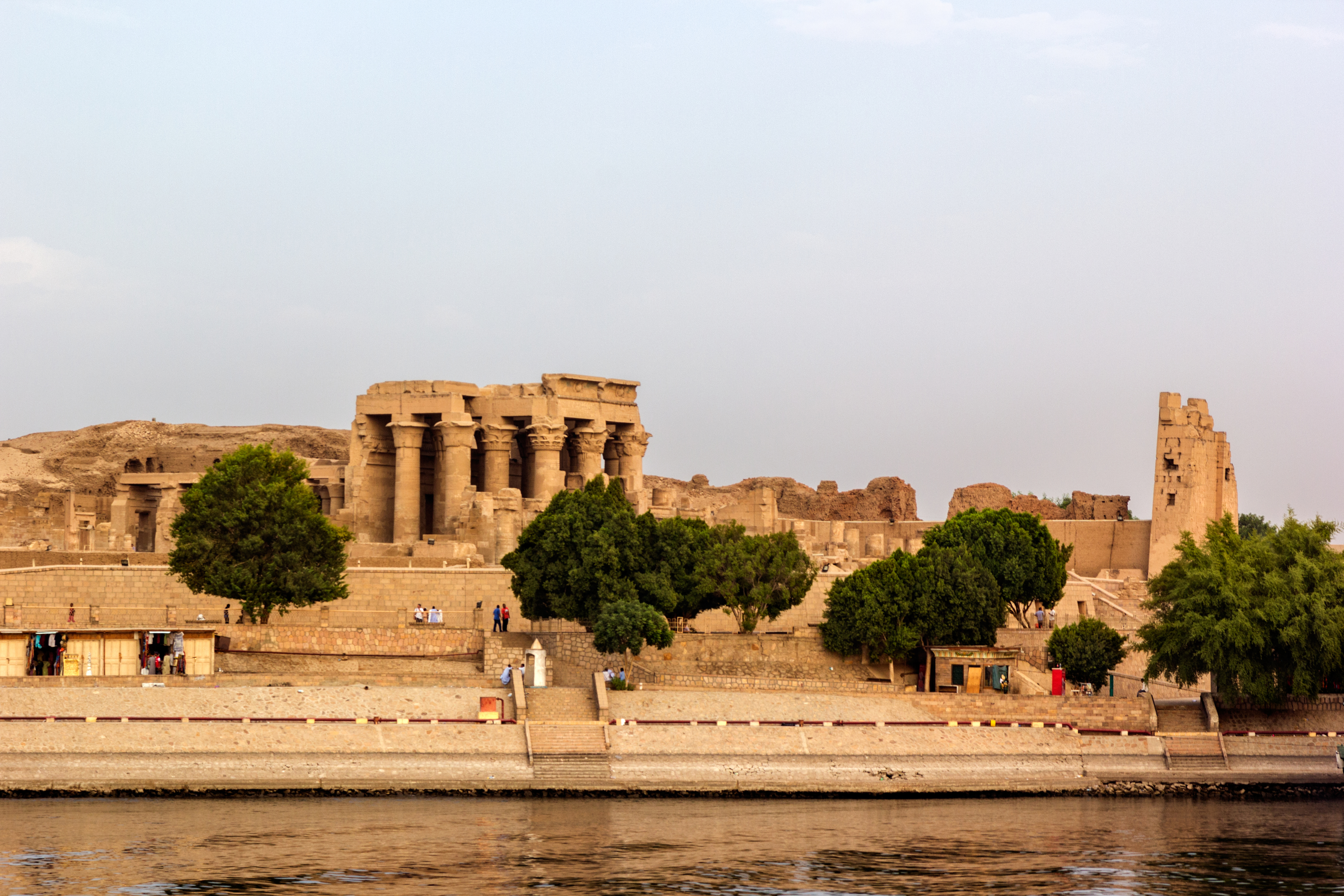
Explore the Kom Ombo and Edfu temples today as we transfer (with a total drive time of 8hr 30min) to Luxor today. The temple of Kom Ombo, dedicated to the gods Sobek and Horus, sits on scenic spot by the Nile, while Edfu is home to the remarkably well-preserved Temple of Horus, a grand structure that served as the centre of the cult.Upgrade to a Nile-view room with a balcony today – speak to your sales representative for more details
Meals: Breakfast
Day 8
Luxor tour and farewell dinner
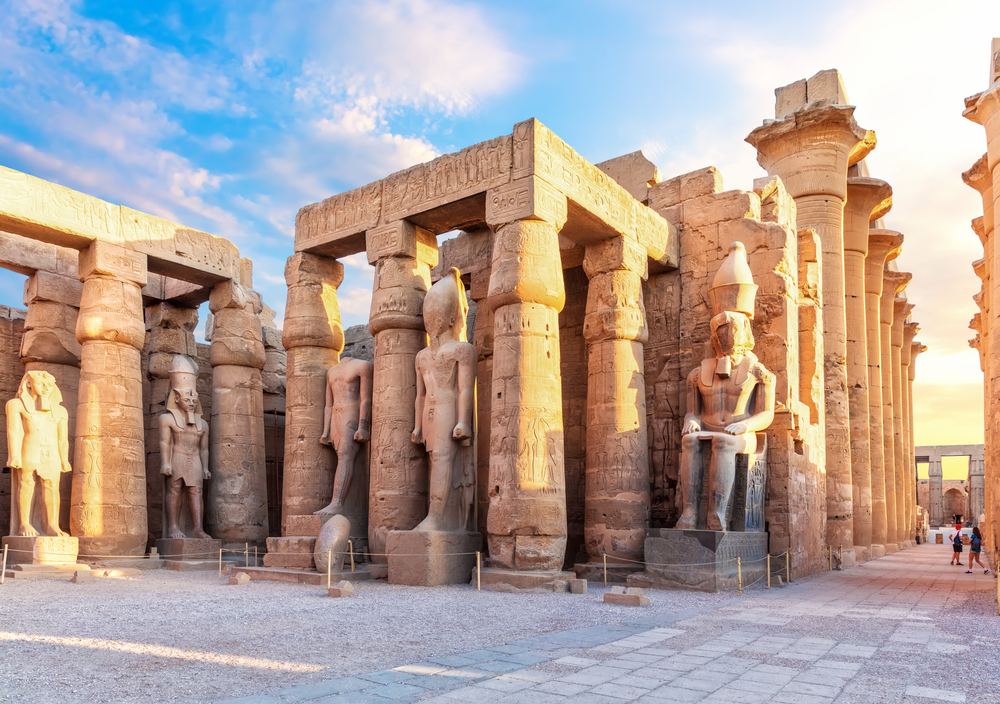
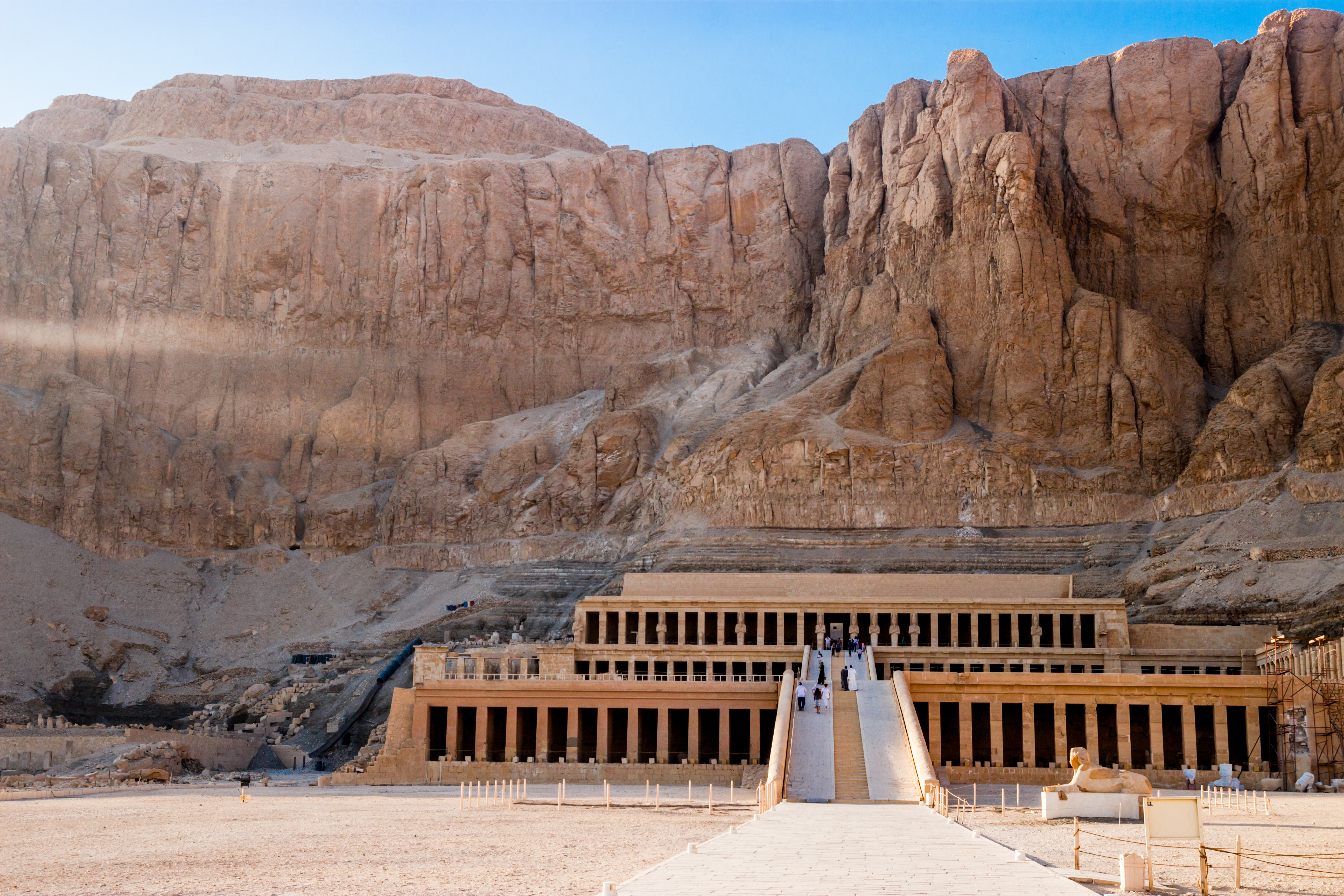
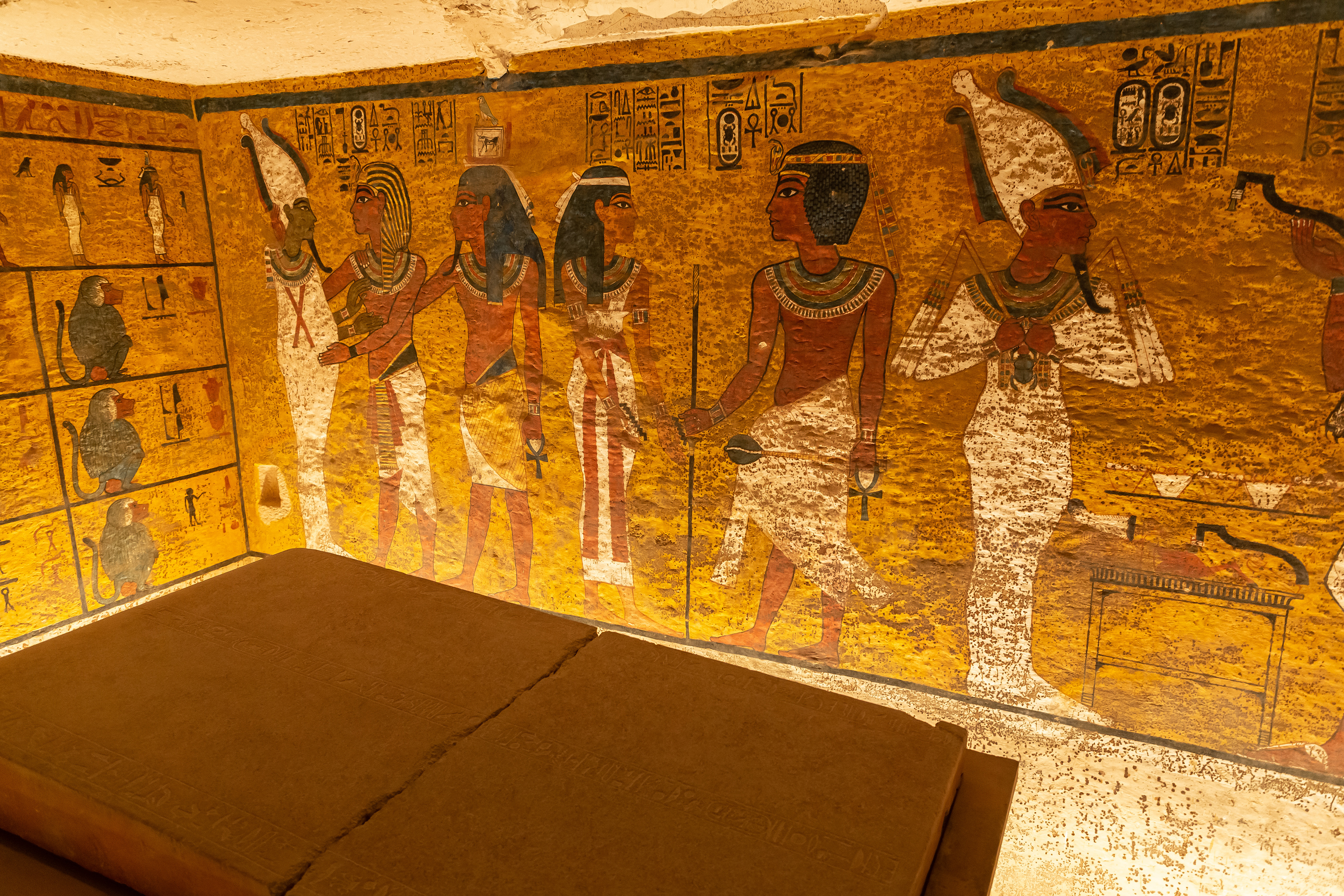
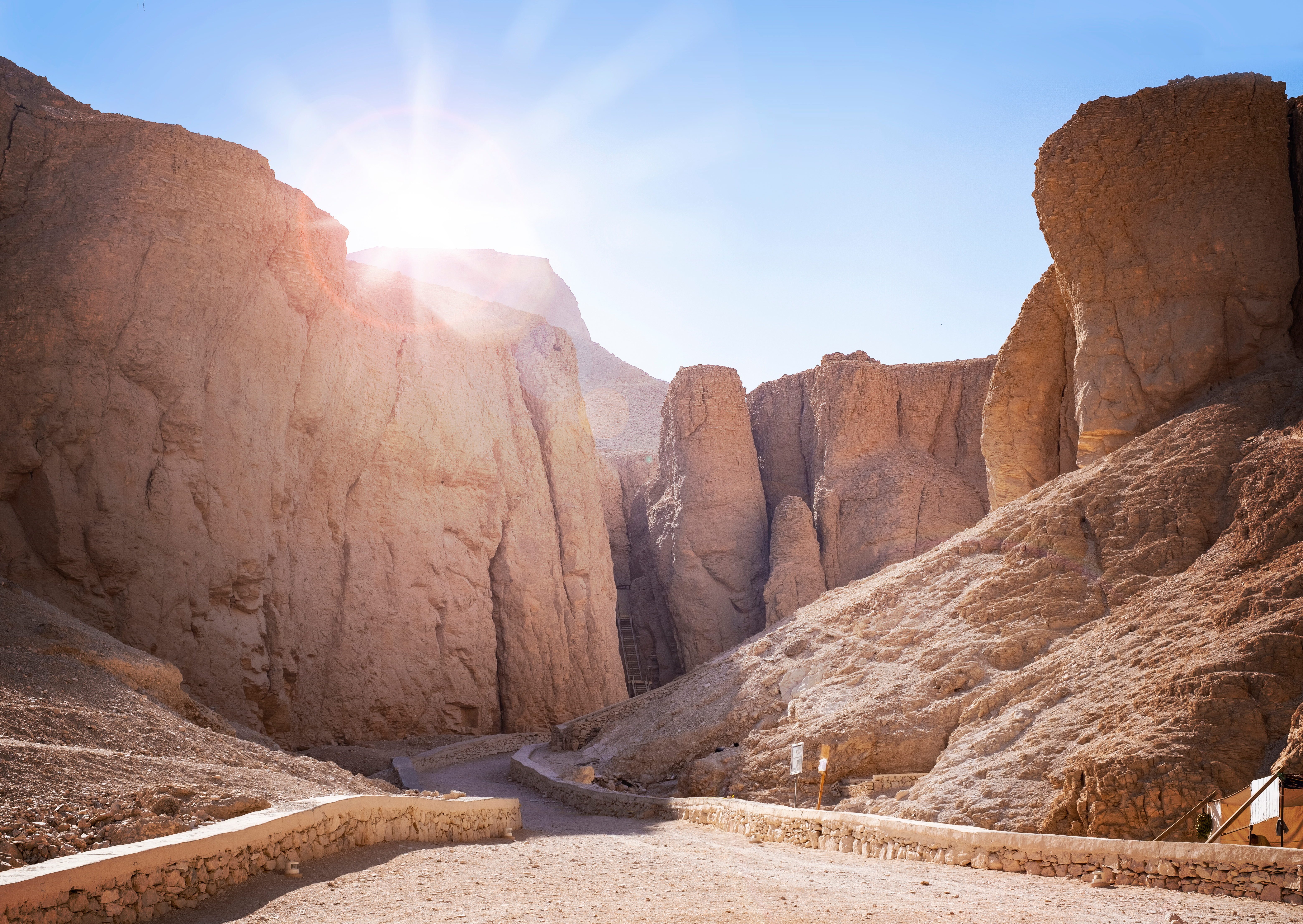
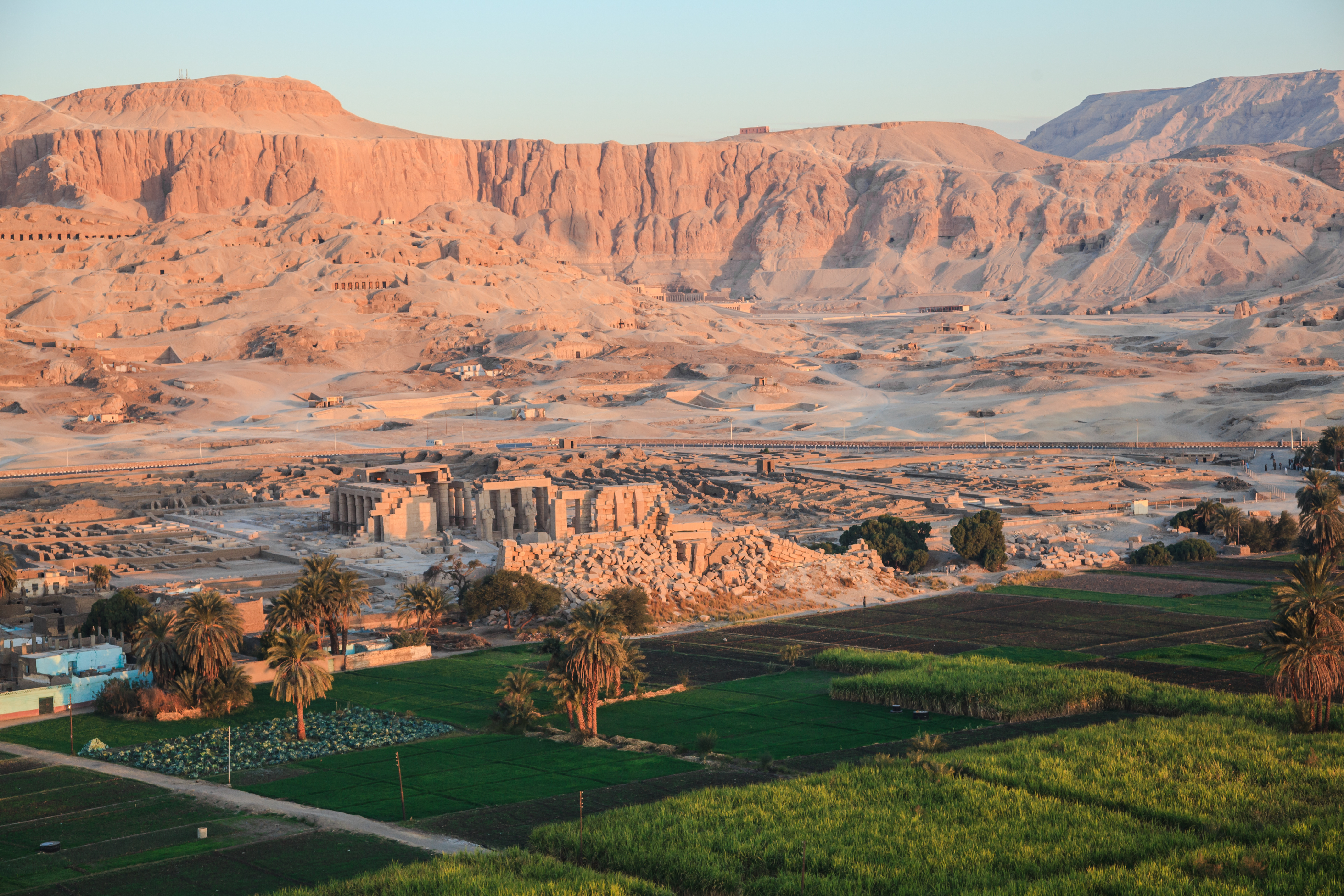
Start at the Valley of the Kings on the west bank of the Nile, which contains the once-hidden tombs of more than 62 pharaohs, including Tutankhamun, Seti I, Ramses III and IV. A discreet entrance in the hillside takes us underground, where a series of corridors and antechambers leads to the burial chamber and sarcophagus. The walls are covered in brightly painted images and hieroglyphs – a map of the afterlife to ensure the king’s safe passage.One ticket allows us to see three tombs, usually those regarded as the most impressive; however, a visit to the tombs of Ramses VI and Tutankhamun (extra tickets, payable locally) are recommended. Visits to tombs are now strictly controlled to halt further deterioration of wall paintings – each is periodically closed. On crowded days, make sure to have a quick visit to each of the included tombs if you want to add extra tombs as your tour leader will give a fixed meeting time.We then visit the Memorial Temple of Hatshepsut, a three-tiered monument that looks particularly impressive at the bottom of a limestone cliff.In the afternoon, we visit Luxor Temple and the huge Karnak Temple complex on the east bank of the Nile. Built over more than 1,500 years, Karnak is a mixture of pylons, courtyards, halls and sanctuaries. The Hypostyle Hall has 134 columns, some of which are more than 75ft (23m) high.In the evening, we have a farewell dinner together at a local restaurant, a chance to relive our adventures and perhaps start planning the next!Upgrade to a Nile-view room with a balcony today – speak to your sales representative for more details
Meals: Breakfast,Dinner
Day 9
Adventure ends in Luxor
The adventure ends in Luxor today. If you’d like to explore a little more, speak to your sales representative about extending your stay in Luxor.
Meals: Breakfast
What’s included
What’s not included
Additional information
National Museum of Egyptian Civilization & Royal Mummies Hall
Discover the sweeping story of Egypt at the National Museum of Egyptian Civilization, from prehistoric settlements to contemporary craft traditions. Survey finely curated objects that trace daily life, religion, and state power across dynastic, Greco-Roman, Coptic, and Islamic eras.
Descend to the hushed Royal Mummies Hall to meet Hatshepsut, Seti I, and Ramesses II. Subdued lighting, precise climate control, and expert interpretation honor these rulers while revealing medical insights and embalming techniques—an evocative encounter with the people behind the monuments.
Saqqara Necropolis & Step Pyramid of Djoser
Visit Saqqara, the vast necropolis of ancient Memphis, to admire the pioneering Step Pyramid of Djoser designed by the architect Imhotep. Explore Old Kingdom tomb chapels where carved reliefs depict agriculture, fishing, feasting, and offerings to sustain the dead.
Hear how mastaba tombs evolved into pyramids and why Saqqara remained sacred for over three millennia. Vivid pigments and fine hieroglyphs reveal elite status and ritual belief, offering a textured counterpart to the grand geometry of Giza.
Khan el-Khalili Bazaar Walk
Wander through the Khan el-Khalili, Cairo’s storied bazaar of narrow alleys, brass workshops, spice mounds, and gold merchants. Absorb the cadence of bargaining, the scent of cardamom and frankincense, and the sparkle of hammered copper and inlaid mother-of-pearl.
Pause near timeworn caravanserais and historic mosques as your leader highlights artisan traditions and local etiquette. Consider a mint tea at a centuries-old coffeehouse to soak up the old-city atmosphere and watch life unfold in one of the Islamic world’s great marketplaces.
Giza Plateau: Pyramids & the Great Sphinx
Stand before the pyramids of Khufu (Cheops), Khafre (Chephren), and Menkaure (Mycerinus) at the Giza Plateau. Take in the geometric precision of these Fourth Dynasty masterpieces and gaze at the enigmatic Great Sphinx guarding the desert edge.
Learn how quarrying, ramp systems, and seasonal labor made these royal tombs possible, then pause for photos and reflection at sweeping viewpoints. Discuss ongoing conservation that balances visitor access with the preservation of ancient masonry and bedrock formations.
Philae Temple of Isis by Motorboat
Glide by motorboat through granite islets to Philae on Agilkia Island, approaching pylons etched with delicate Ptolemaic reliefs. Stroll colonnades, sanctuaries, and courtyards devoted to Isis, the divine mother whose cult radiated across the Mediterranean.
Learn how the temple complex was relocated from its flood-threatened original site after the building of the Aswan dams. The island’s palms, birdlife, and mirrored water lend an intimate backdrop to the refined artistry of late-period Egyptian religion.
Aswan High Dam & Lake Nasser Viewpoint
Visit the transformative Aswan High Dam, a 20th-century engineering feat that tamed annual Nile floods, expanded irrigation, and powered modern Egypt. Look out over the vast expanse of Lake Nasser, one of the world’s largest man-made lakes.
Discuss geopolitics, hydroelectric output, and the dam’s cultural impact—including the international campaign that safeguarded Nubian monuments. The panorama underscores how water management reshaped landscapes, livelihoods, and archaeological stewardship along the Upper Nile.
Nubian Village Visit at Animalia
Immerse yourself in Nubian heritage at Animalia, a community-run house museum that shares local lifeways along the Nile. Step into painted rooms, examine traditional tools and baskets, and hear stories of river culture, displacement, and resilience.
Conversations with hosts illuminate language, music, and architecture distinctive to Nubia. Handcrafted motifs, spices, and textiles offer an authentic window into a people whose identity is deeply tied to the river’s rhythms and the desert’s luminous light.
Felucca Sail on the Nile at Aswan
Set out aboard a traditional felucca, its tall lateen sail catching the breeze as you trace palm-lined banks and granite outcrops. Drift past islands and sandy coves, with shifting light on the water and silhouettes of desert hills.
Your crew trims canvas while you settle into the boat’s cushions to savor the river’s hush. This quintessential Nile moment blends gentle motion, soothing breezes, and timeless scenery—an experience often remembered as the trip’s quiet soul.
Nubian Dinner on Gharb Sohil Island
Share an evening of regional flavors with an Egyptian dinner in a Nubian home on Gharb Sohil. Sample slow-cooked stews, spiced rice, river fish, and freshly baked bread, complemented by hibiscus karkadeh and warm hospitality.
Hosts explain culinary traditions shaped by the river, trade routes, and desert farming. Hand-painted facades, rhythmic conversation, and aromatic kitchens offer a convivial close to a culture-rich day in Aswan.
Temples of Kom Ombo & Edfu
Explore twin-devoted Kom Ombo, perched above a Nile bend and dedicated to Sobek the crocodile god and Horus the falcon. Continue to Edfu Temple, one of Egypt’s best-preserved sanctuaries, with towering pylons and crisp Ptolemaic reliefs.
Decode scenes of purification, offerings, and sacred processions as your leader highlights iconography and temple planning. River breezes, ochre stone, and hieroglyphic bands frame a vivid portrait of late pharaonic religion along Upper Egypt’s temple trail.
Luxor West Bank: Valley of the Kings & Temple of Hatshepsut
Enter the UNESCO-listed Valley of the Kings to visit three richly decorated royal tombs, their corridors painted with spells and constellations guiding a pharaoh to eternity. Continue to the terraced Temple of Hatshepsut, framed by sheer limestone cliffs.
Discuss royal ideology, artists’ workshops, and conservation that protects fragile pigments. The silence of rock-cut chambers and Hatshepsut’s axial design reveal the West Bank’s profound dialogue between architecture, desert geology, and belief in the afterlife.
Luxor East Bank: Karnak Temple Complex & Luxor Temple
Walk the grand avenues of Karnak, a vast complex where the Great Hypostyle Hall rises on 134 papyrus-bundle columns carved with royal names and solar hymns. Later, admire the elegant Luxor Temple, aligned to the Nile and ancient festivals.
Trace building phases spanning over 1,500 years as successive pharaohs added courts, obelisks, and sanctuaries. Reliefs, sacred lakes, and the restored Avenue of Sphinxes illuminate Thebes’ ritual topography and the living city that grew around its holy precincts.
Cairo Welcome Dinner with the Group
Gather in Cairo to meet your tour leader and travelling companions over a convivial welcome dinner. Share first impressions of the city and the river that shaped one of history’s most influential civilizations.
Your leader outlines practical tips for museum visits, temples, and etiquette, setting expectations for a smooth journey. Seasonal Egyptian dishes and lively conversation mark a warm start to your cultural immersion.
Farewell Dinner in Luxor
Conclude your Egyptian journey with a relaxed farewell dinner in Luxor. Raise a glass to fresh discoveries—from royal tombs to river breezes—and the camaraderie forged along the Nile.
Reflect on favorite moments and swap recommendations for future travels. This closing meal provides a fitting coda in a city where temples glow at dusk and history lingers in the warm evening air.
Enter the Great Pyramid of Khufu (Optional)
Step inside the Great Pyramid of Khufu through narrow passages leading to monumental chambers deep within the core masonry. Sense the precision engineering and staggering ambition of the Fourth Dynasty’s master builders.
This entry requires a limited-availability ticket at additional cost, bookable on tour. Your leader explains access protocols and preservation rules that protect fragile interiors while allowing visitors to stand within one of antiquity’s most audacious creations.
Enter the Step Pyramid of Djoser at Saqqara (Optional)
Venture into the Step Pyramid of Djoser, experiencing the earliest large-scale stone complex from the inside. Corridors and chambers reveal the architectural leap that prefigured smooth-sided pyramids.
Tickets are limited and carry an additional cost, bookable on tour. Your leader outlines safety considerations and conservation measures that balance visitor access with the safeguarding of Old Kingdom stonework and decorative elements.
Abu Simbel Temples Excursion from Aswan (Optional)
Journey to Abu Simbel to face the four colossal seated figures of Ramesses II and the adjacent temple honoring Nefertari. Carved into a Nubian cliff and now reassembled above rising waters, the complex commands the desert shoreline.
This excursion is at additional cost and bookable on tour. Learn how an international UNESCO effort relocated the sanctuaries block by block in the 1960s—an extraordinary rescue that preserved solar alignments and the aura of pharaonic power.
Valley of the Kings: Tomb of Tutankhamun Entry (Optional)
Enter the Tomb of Tutankhamun to see the young pharaoh’s small but storied burial chamber, whose discovery reshaped modern archaeology. Wall paintings glow with vivid color, and the atmosphere evokes Howard Carter’s celebrated find.
This special entry carries an extra ticket cost, bookable on tour. Your leader explains how conservation controls and limited access preserve pigments and delicate plaster in one of the world’s most famous tombs.
Valley of the Kings: Tomb of Ramesses VI Entry (Optional)
Descend into the Tomb of Ramesses VI, admired for far-reaching corridors, star-studded ceilings, and radiant scenes from the Book of the Dead and Book of Gates. The scale and clarity of decoration are among the valley’s finest.
Admission is at additional cost and bookable on tour. Expert guidance highlights royal theology and the tomb’s exquisite astronomical motifs, showcased under carefully managed lighting that protects and reveals in equal measure.
Grand Egyptian Museum: Great Hall, Grand Stairs & Tutankhamun Galleries
Explore the newly unveiled Grand Egyptian Museum, entering the Great Hall where a colossal statue of Ramesses II sets the scene. Ascend the Grand Stairs lined with masterpieces and continue into galleries that chronicle Egypt’s artistry and ingenuity across millennia.
Delve into the Tutankhamun Galleries to encounter the boy king’s treasures, then view masterworks linked to Khufu’s pyramid age and later dynasties. Thoughtful displays, controlled light, and spacious halls allow close study of craftsmanship while preserving fragile materials—an illuminating prelude to the ancient sites encountered later in the journey.