Your itinerary

Day 1
Adventure begins in Dushanbe
Begin your adventure in Dushanbe, the capital and cultural heart of Tajikistan, laid along the Varzob River and framed by the foothills of the Hissar Range.Most international flights arrive either late tonight or in the very early hours of Day 2, so we recommend booking pre-tour hotel nights to ease into the trip.Want more time in Dushanbe? Secure pre-tour hotel nights through your sales representative.
Day 2
Discover the culture and identity of Dushanbe
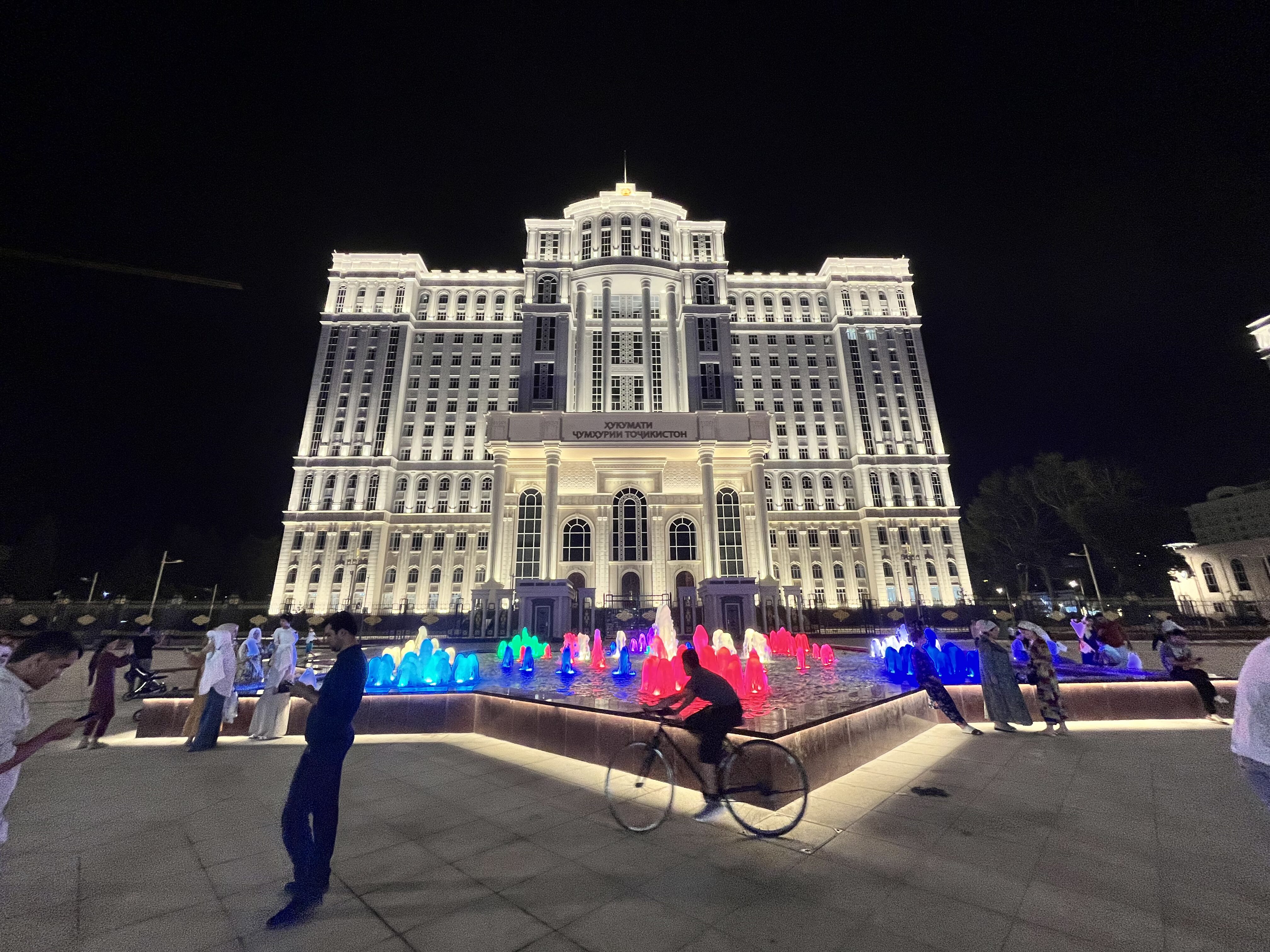
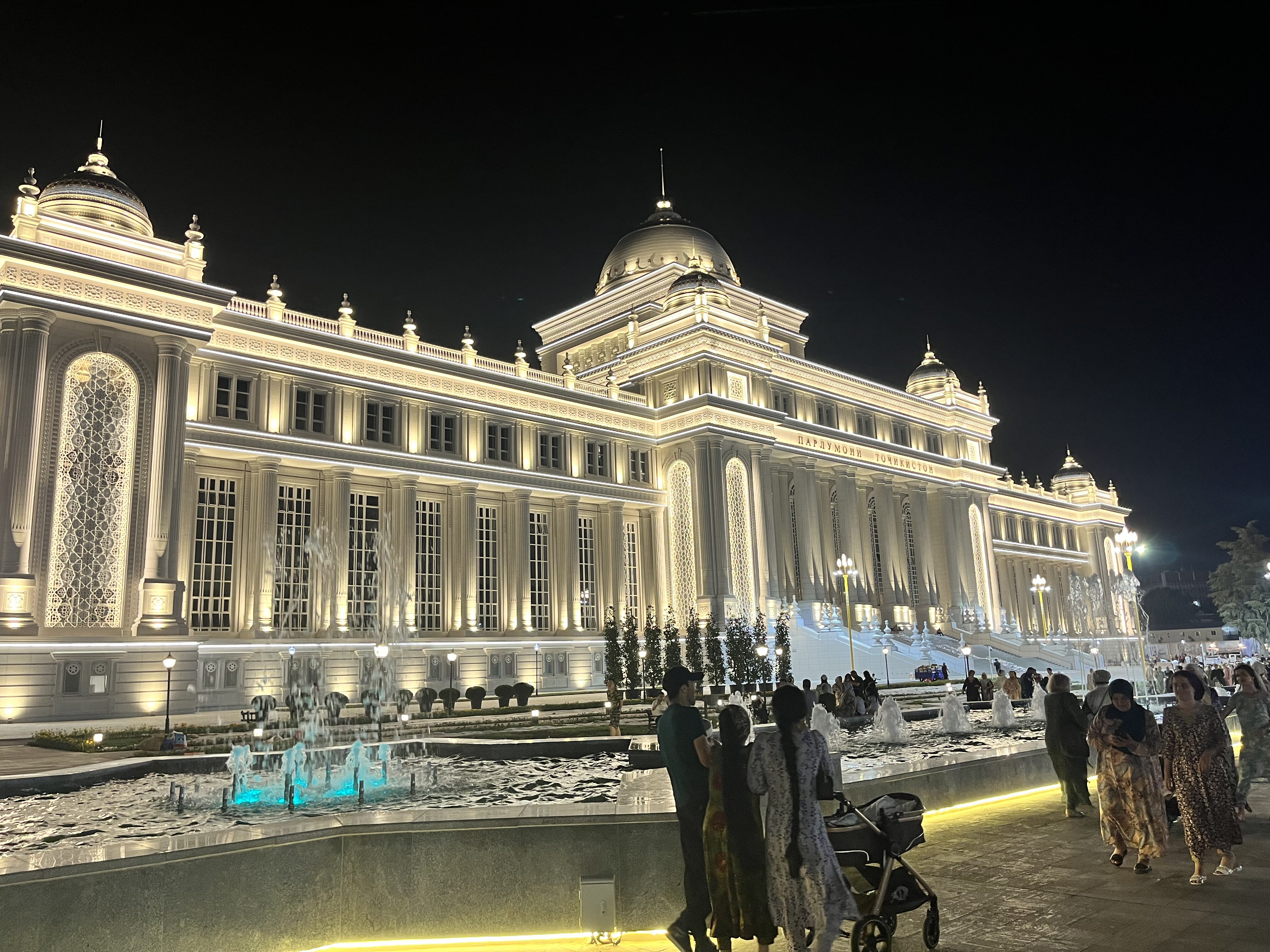
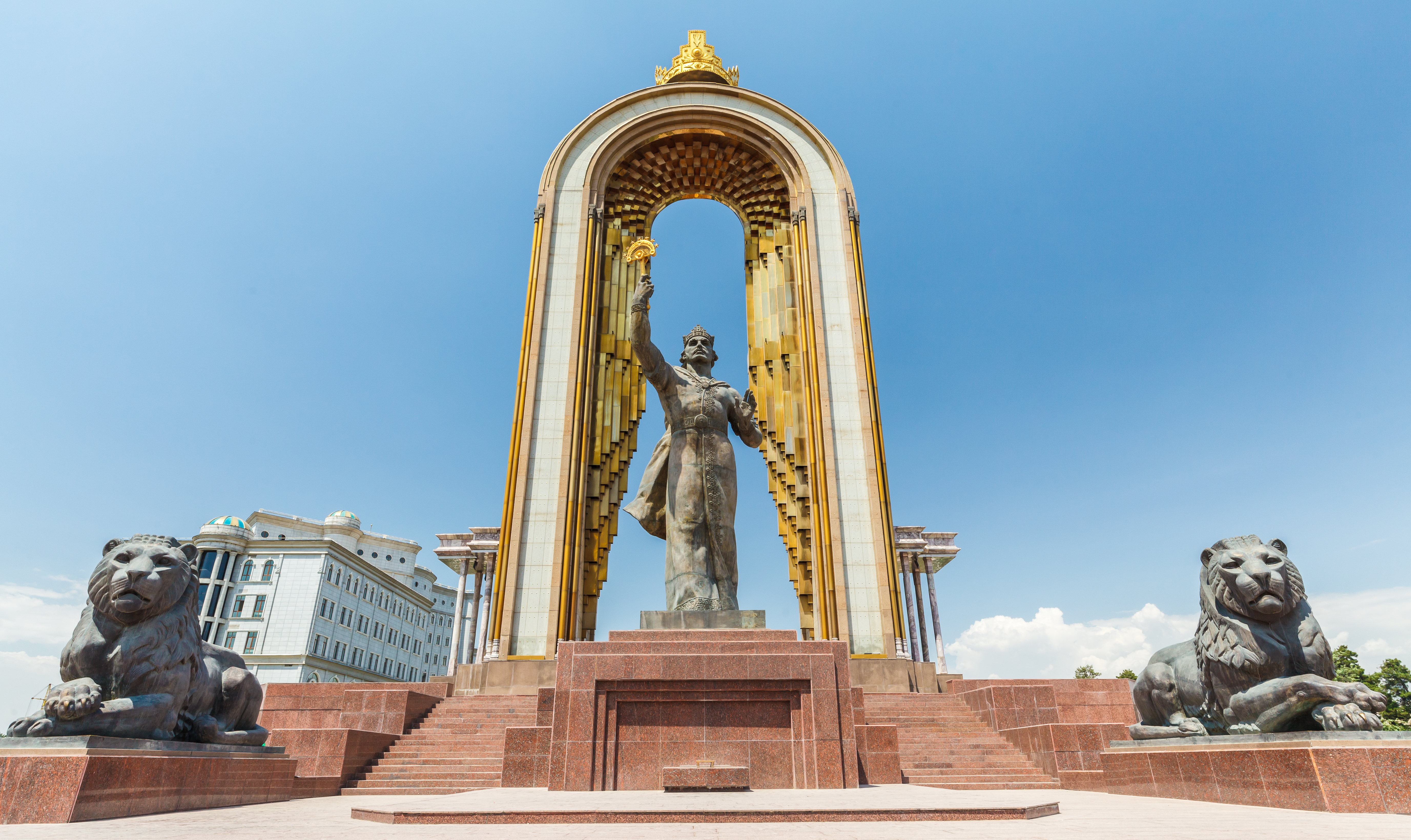
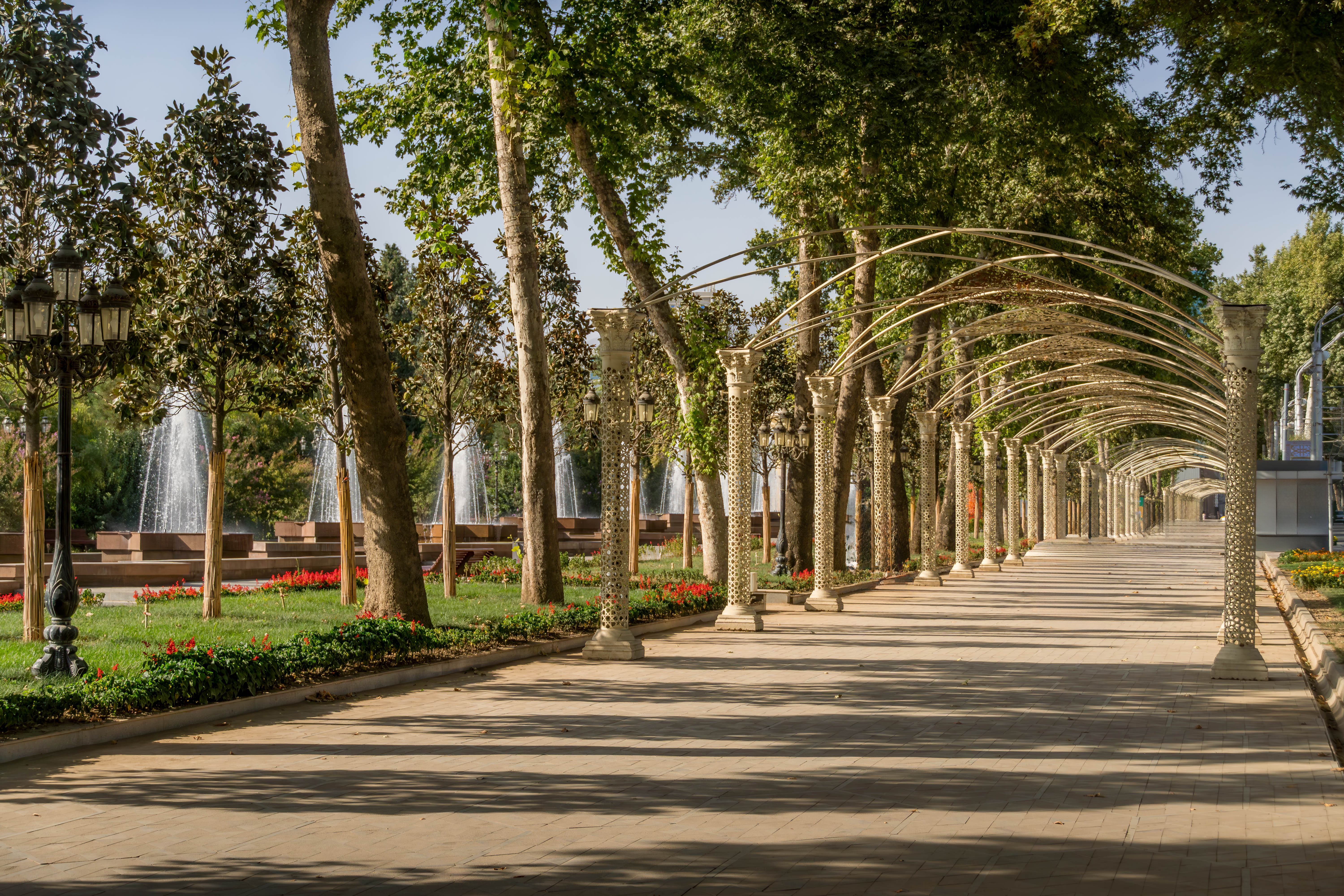
Meet our tour leader for a welcome briefing at 9am before setting out to understand how Dushanbe reflects the history, culture, and national pride of Tajikistan.Our exploration takes in the Ismail Somoni monument, dedicated to the ninth-century founder of the Tajik state, and the statue of Rudaki, regarded as the father of Persian-Tajik literature. We also pause at the National Flagpole, once the tallest in the world, and visit the National Museum of Antiquities, where highlights include the reclining Buddha and the skeleton of the Sogdian princess uncovered at Sarazm.For lunch, we gather at a local restaurant for classic Tajik dishes, an introduction to the tastes we’ll encounter throughout our time in the country. Later, we visit the palace of Kokhi Navruz, an architectural showcase, whose carved ceilings and ornamented halls reveal the skills still practised across the country by Tajik artisans.The afternoon is free to relax before dinner. In the evening, we stretch our legs on a gentle walk past the Ayni Opera and Ballet Theatre, Kurushi Kabir Park, and along Rudaki Avenue, where fountains and public spaces fill with local life.
Meals: Breakfast,Dinner
Day 3
Explore the Silk Road stronghold of Hisor Fortress • Relax by the scenic Iskandarkul Lake
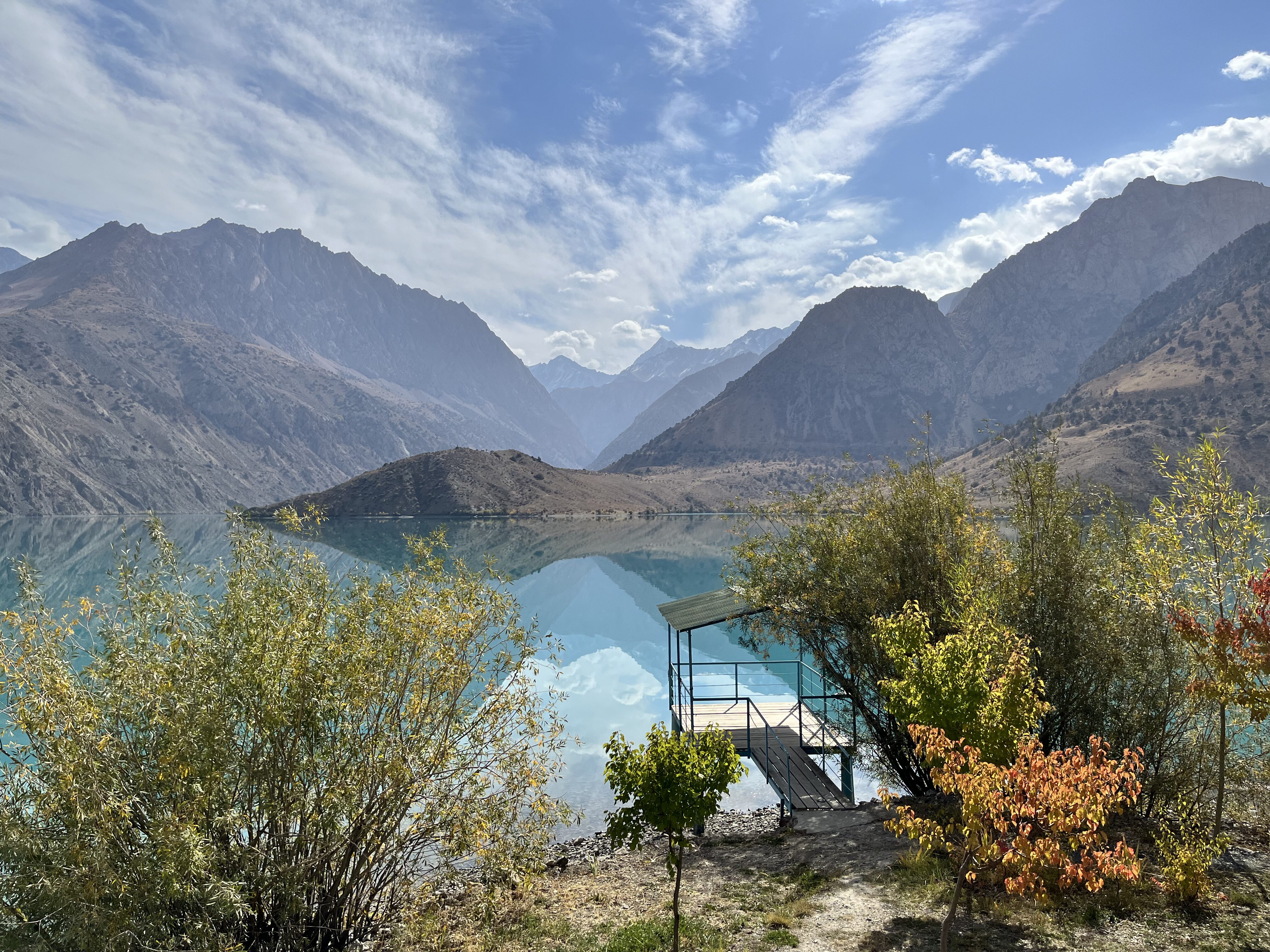
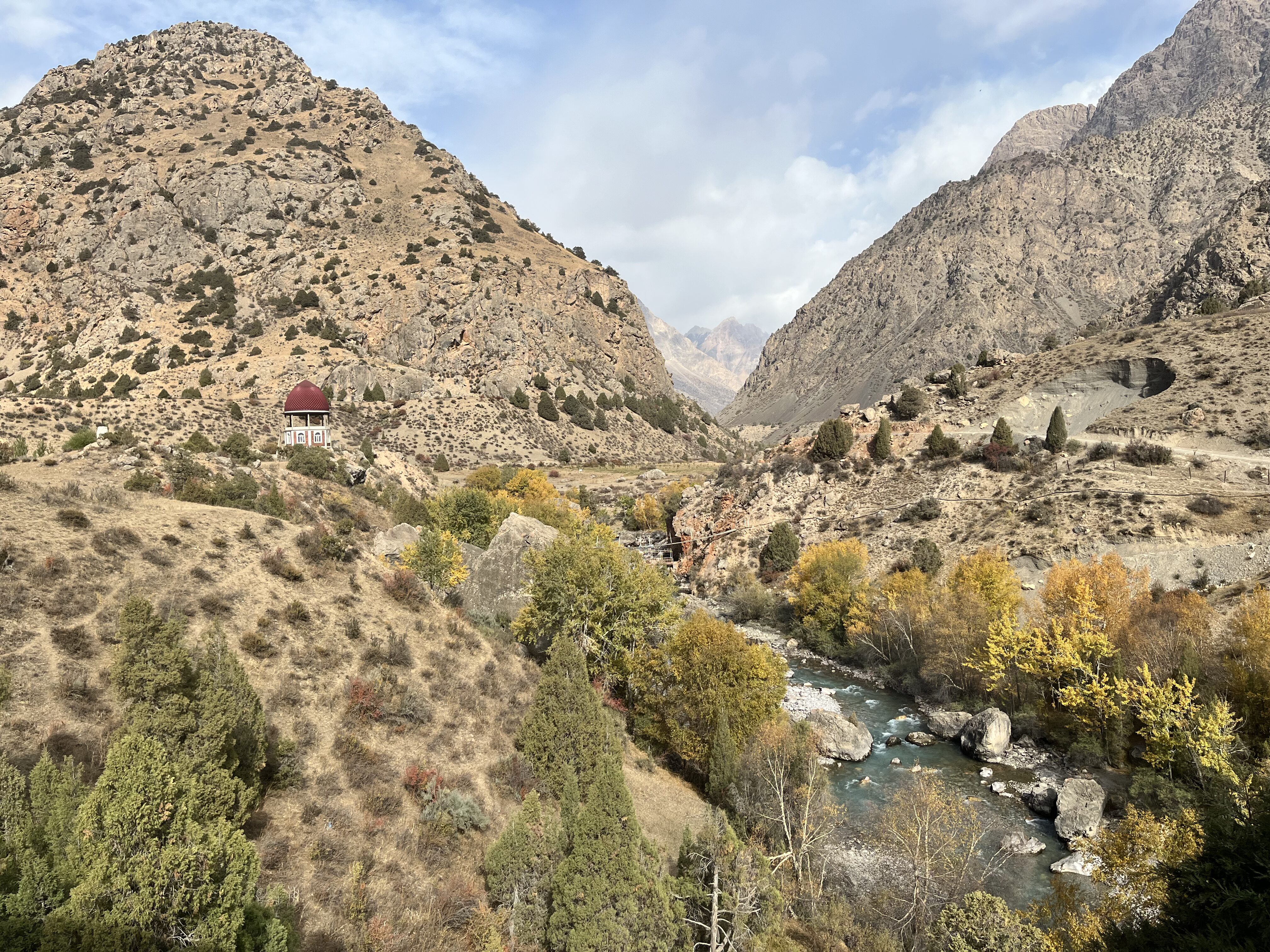
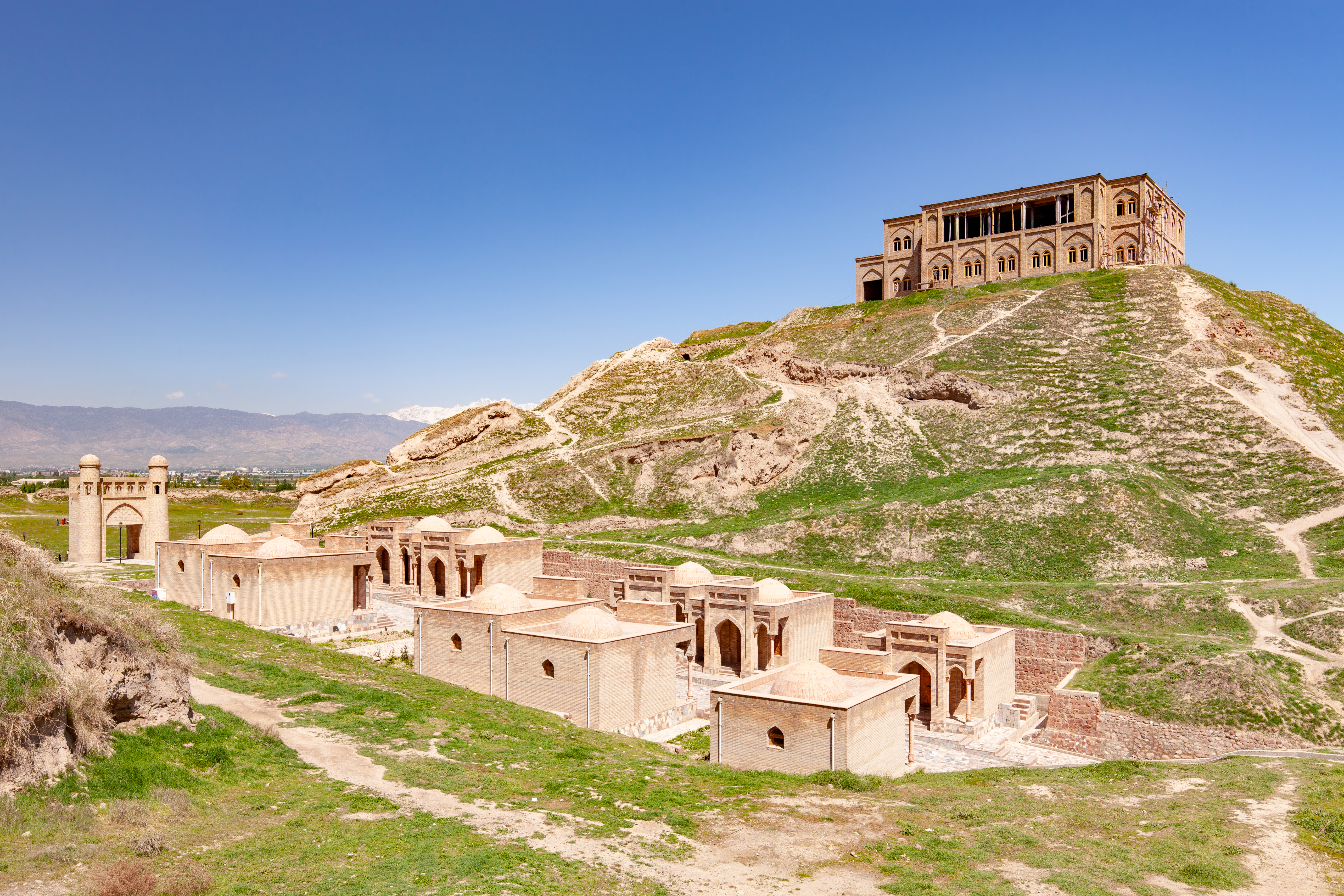
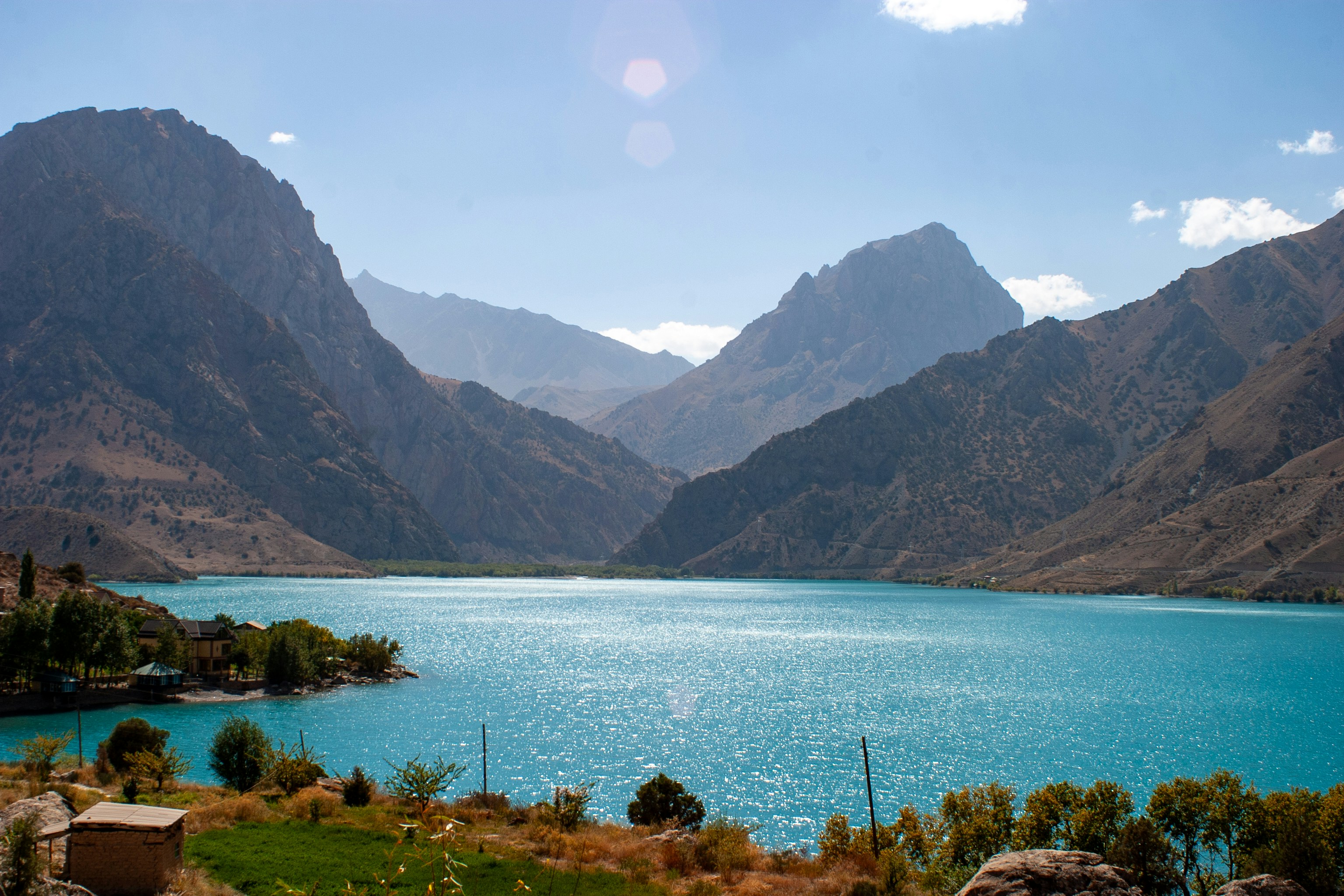
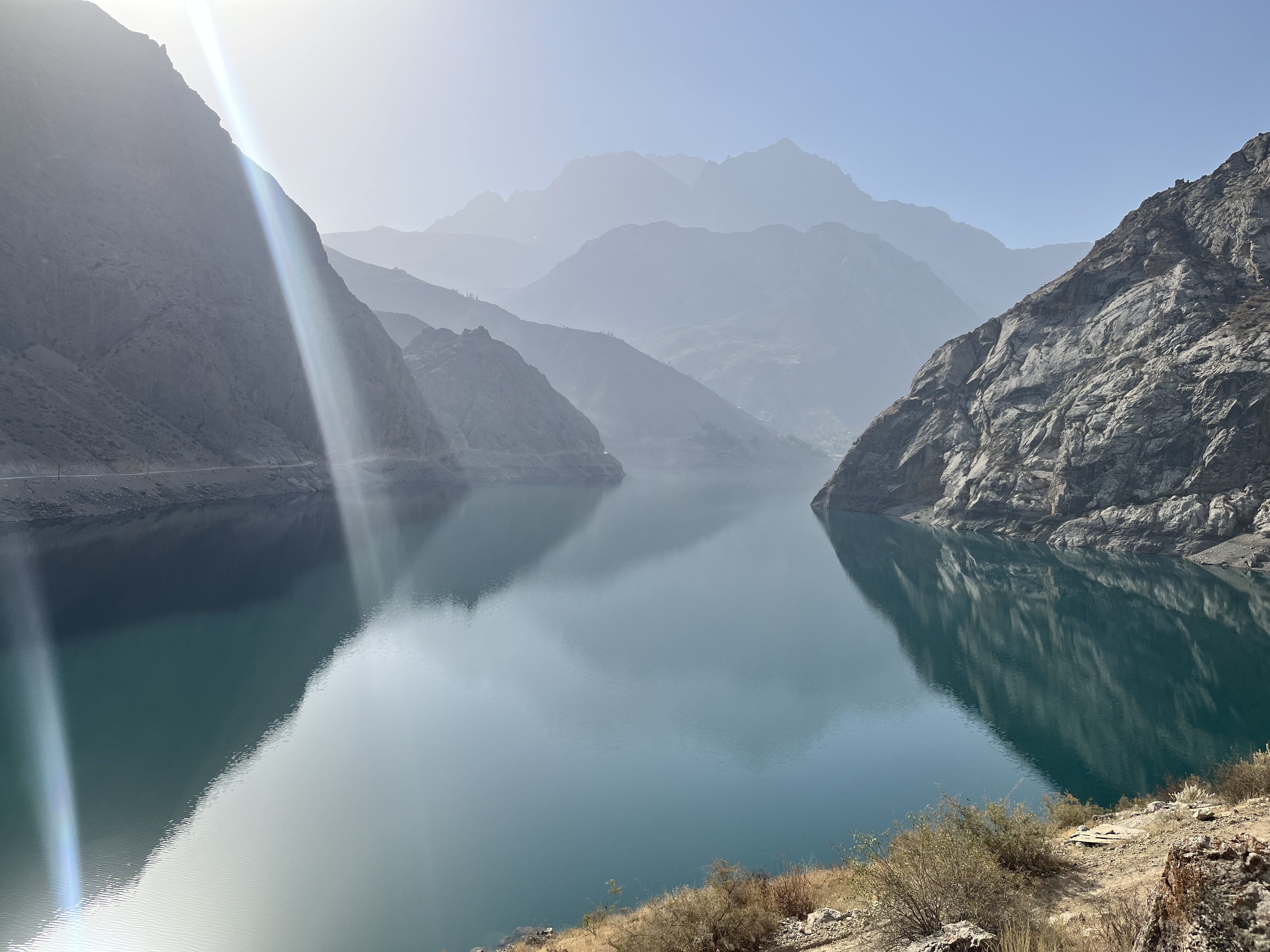
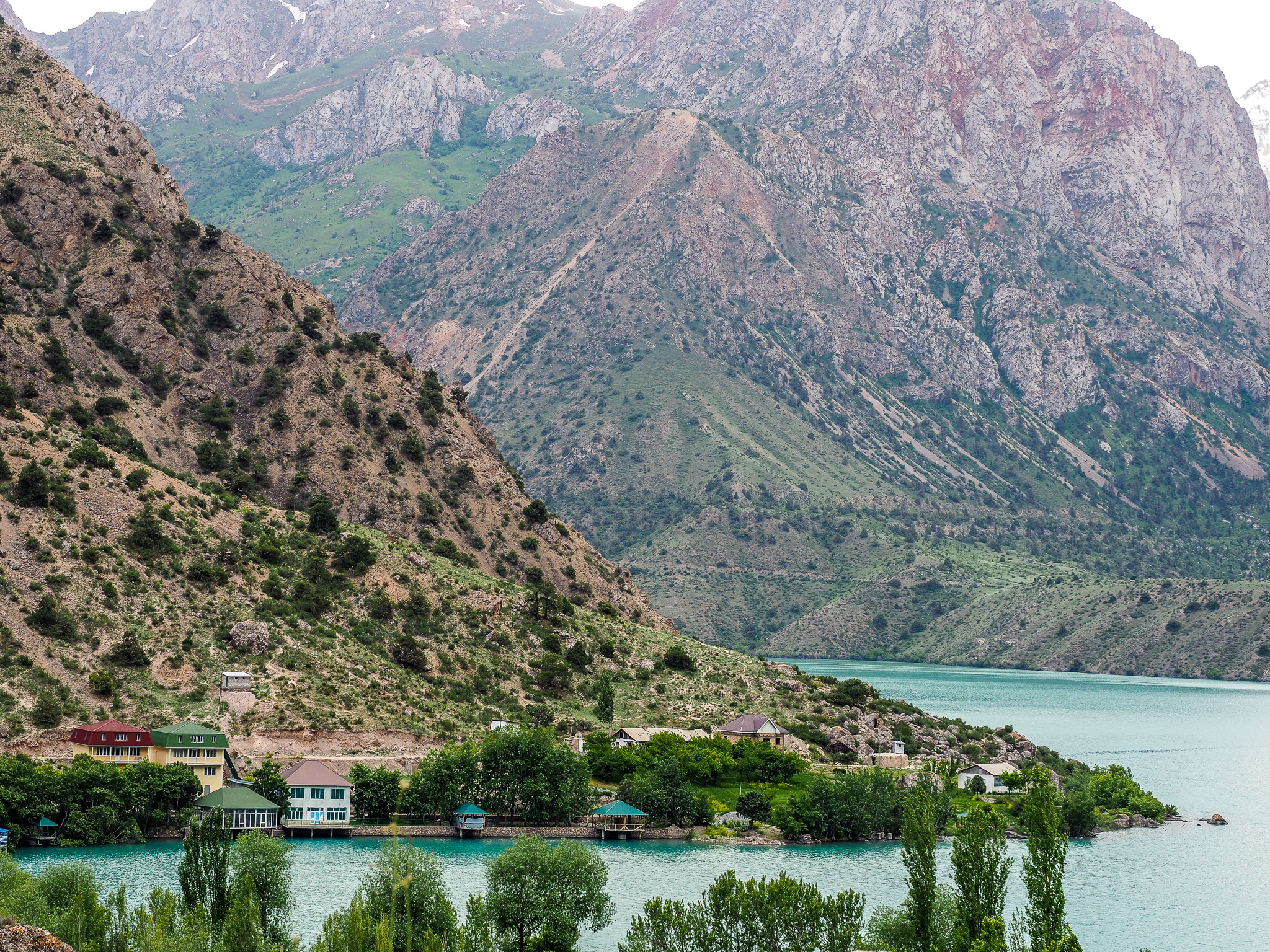
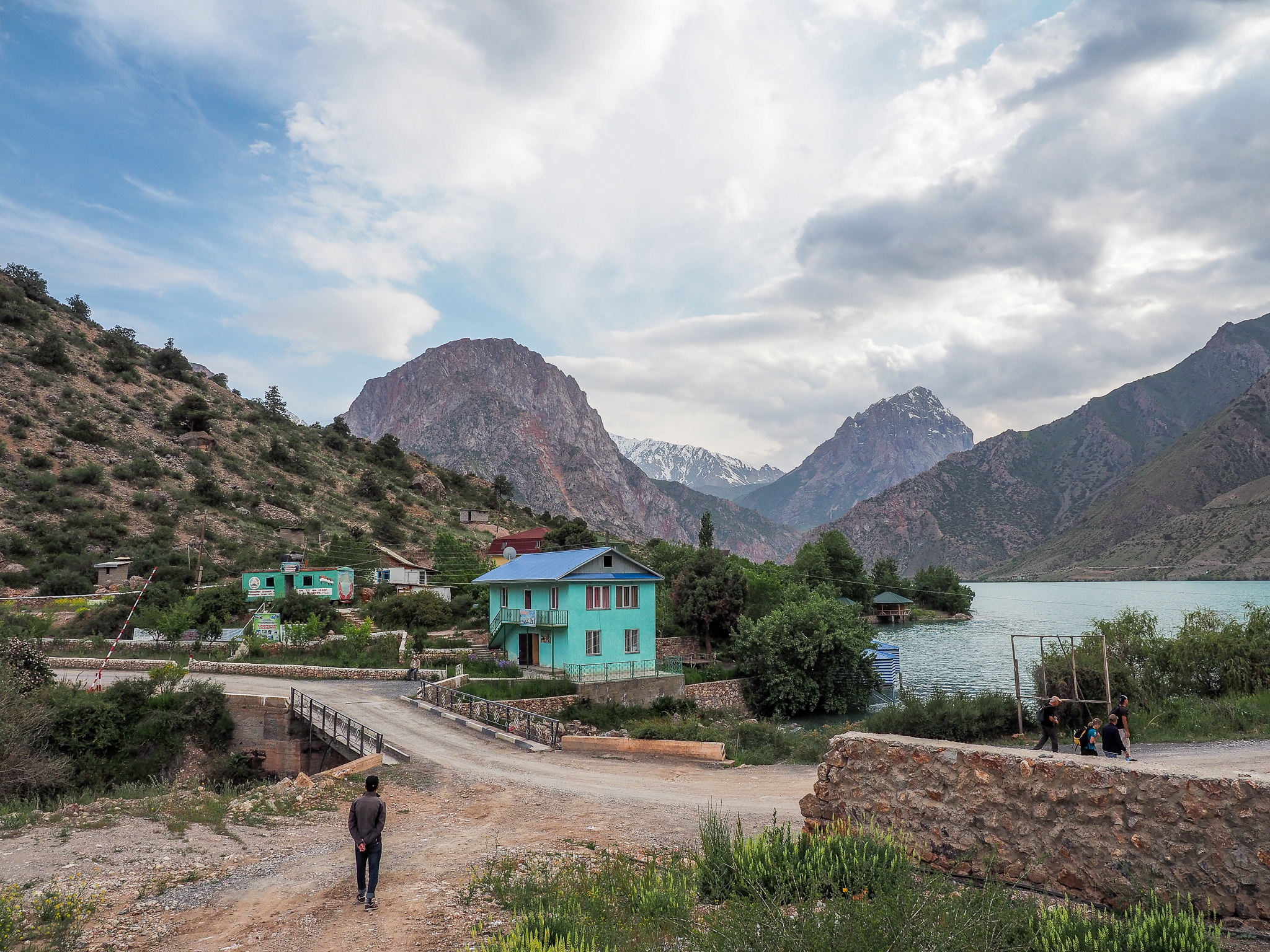
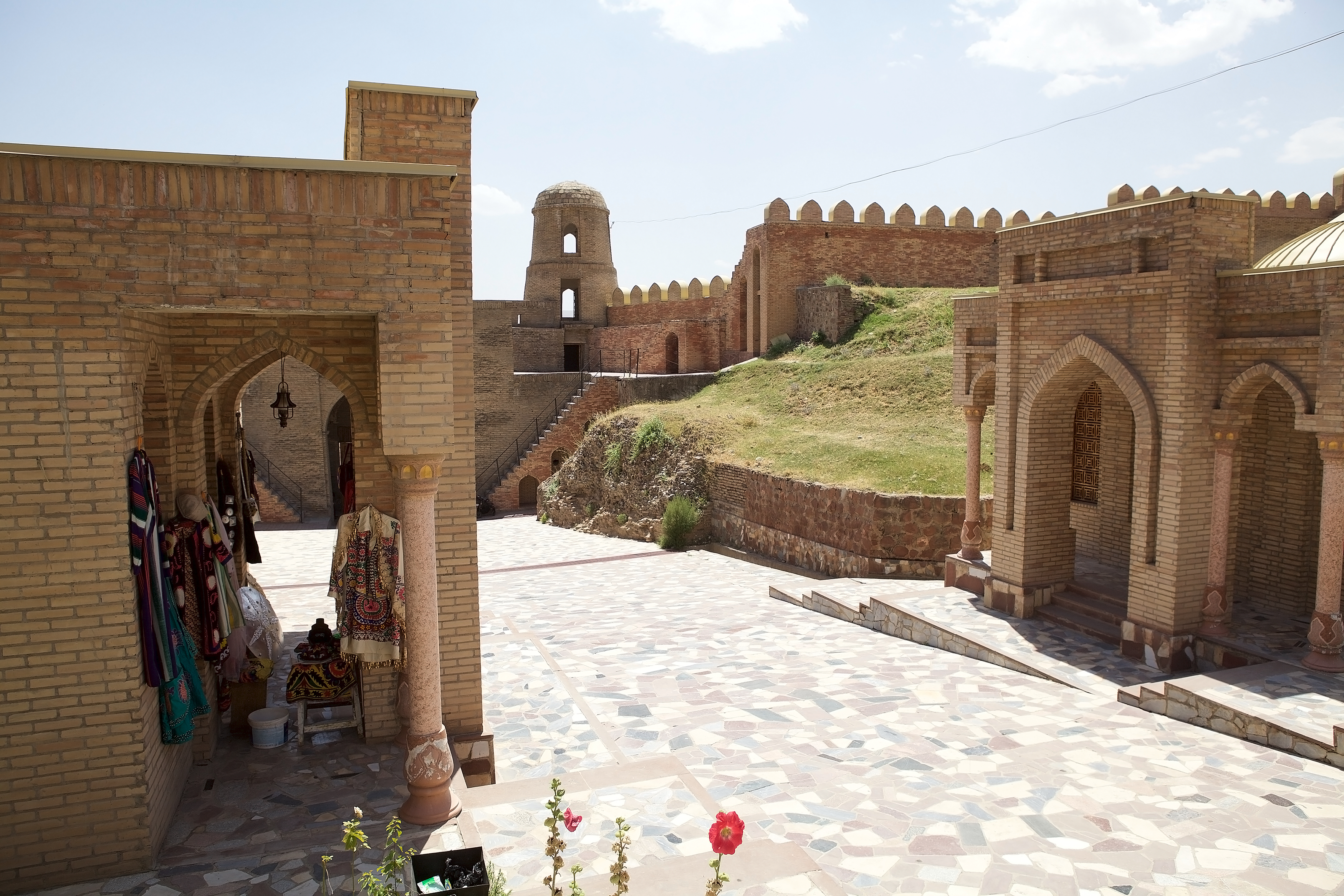
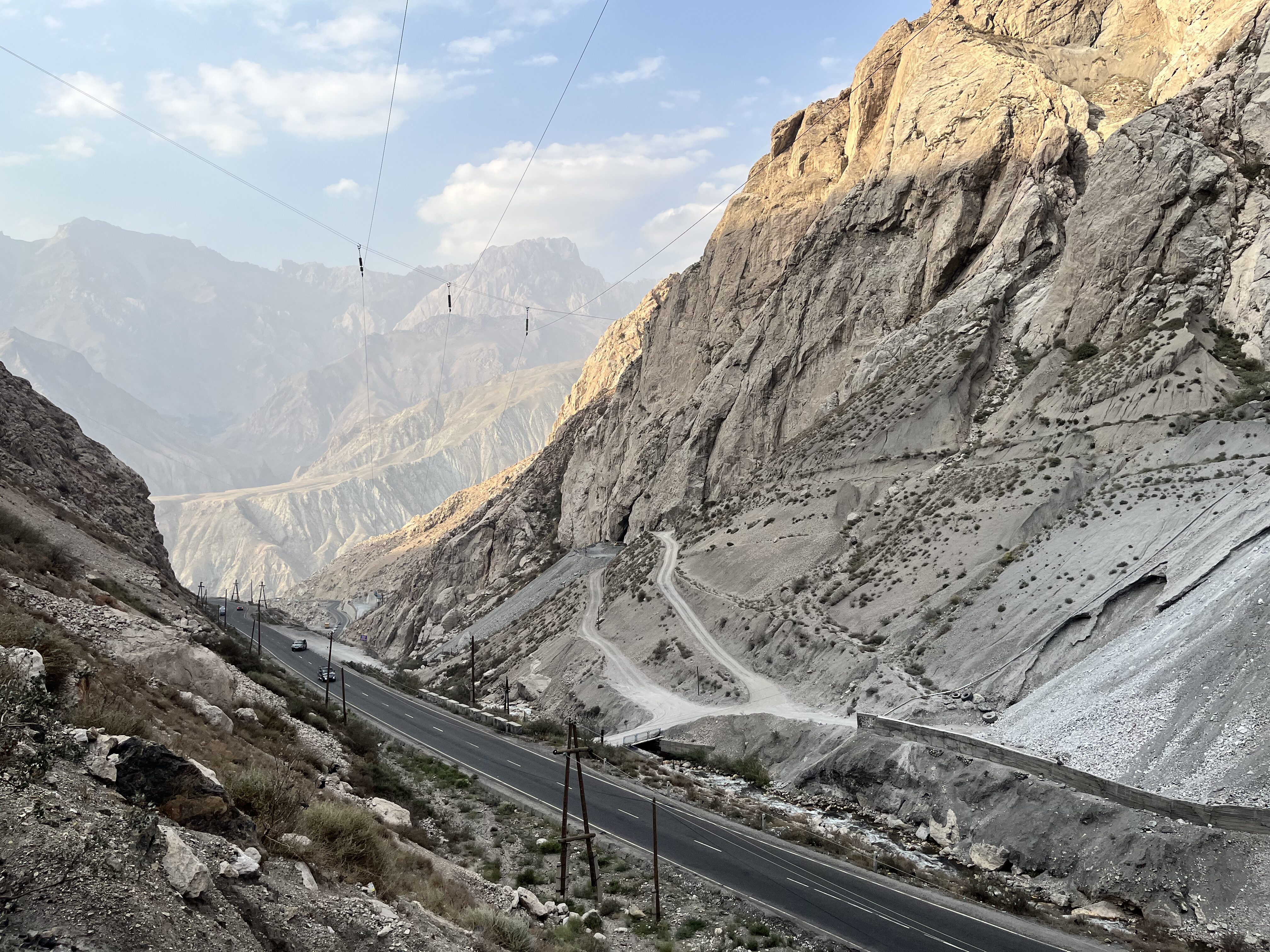
Depart Dushanbe after breakfast, driving (45 minutes) to Hisor Fortress, one of the key strongholds on the ancient Silk Road. Our tour leader brings the ruins to life, explaining how power shifted through centuries of conquest and rule.We return to Dushanbe for lunch, then take a scenic drive (four hours) into the Fann Mountains. The road climbs steadily, following river valleys and high pastures, before reaching Iskandarkul, a serene mountain lake named after Alexander the Great and long woven into local legend. Here, we can take a refreshing dip or simply relax on the shores.Once settled into our lakeside accommodation, we explore on foot, visiting the nearby waterfall known locally as Fann Niagara and walking to Snake Lake, a smaller alpine pool fed by mountain streams.There is also time for an optional boat ride on the lake. As evening descends, we enjoy dinner by the water, watching the light change across the surrounding peaks.
Meals: Breakfast,Dinner
Day 4
Witness village life in Saratog • Join an embroidery masterclass in Panjakent
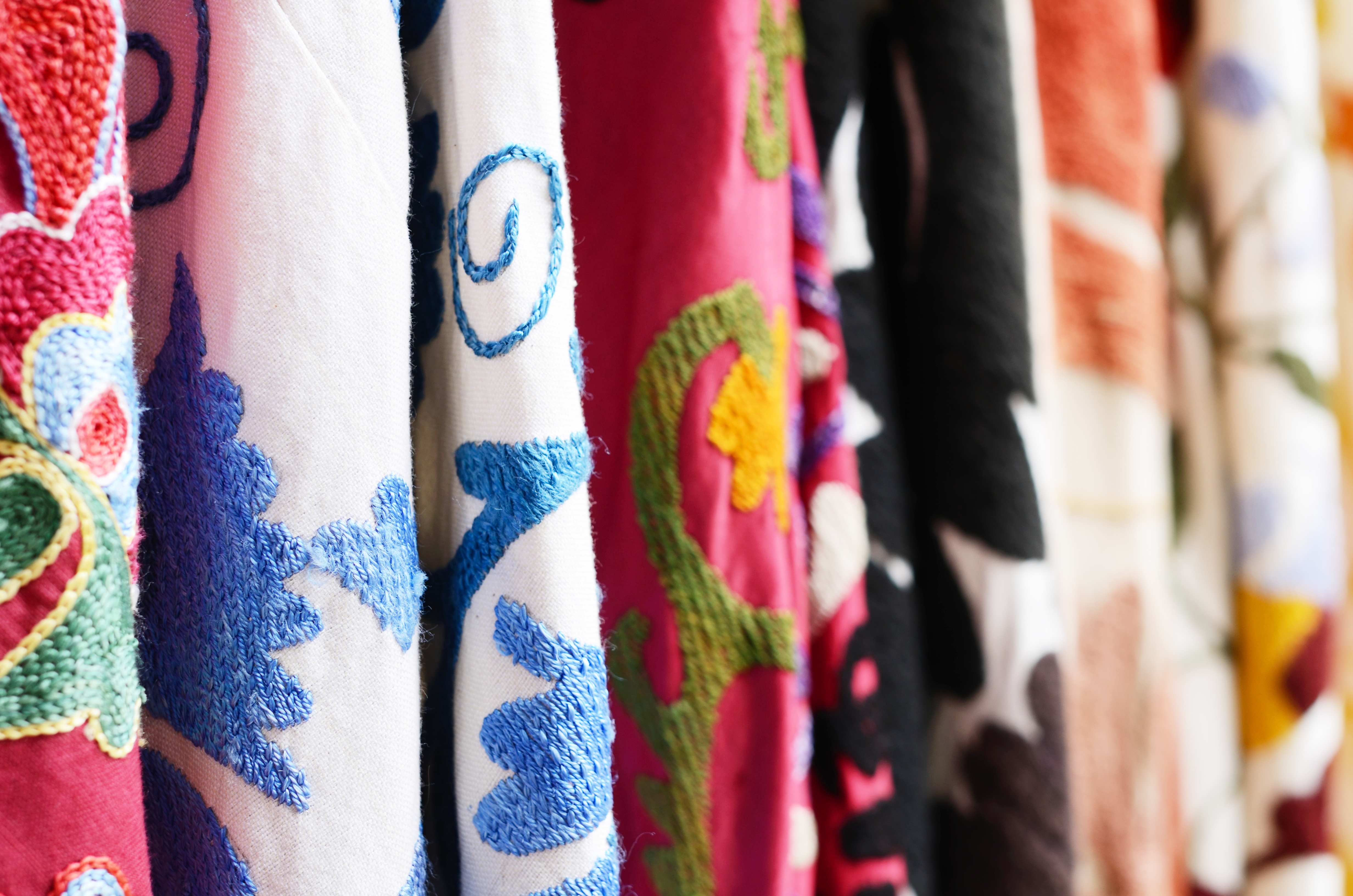
Bid farewell to Iskanderkul and travel (two hours) through mountain passes toward Saratog village. En route, we stop at Panjchashma, meaning ‘five springs’, which are believed to have healing properties for different parts of the body.In Saratog, we slow the pace and walk through the village, meeting residents whose lives remain closely tied to the surrounding valleys. A gentle riverside hike in the Arg Valley includes a bridge crossing and follows a largely flat route, giving us time to take in the landscapes.Continuing west, we drive (three hours) to Panjakent, often called the Pompeii of Central Asia for its archaeological importance. Lunch introduces us to Panjakent plov, a regional version of Central Asia’s most celebrated dish.Later, we meet local artisans for a suzani embroidery masterclass. Panjakent was recognised in 2025 as a World Craft City for suzani, a tradition passed down through generations using traditional techniques such as dolduzi, bosmaduzi, and zanjiraduzi. Our hosts explain how patterns, colours, and stitches reflect local identity.There may also be time to join an optional halva-making session, in which you’ll learn all about the popular nutty-sweet confection.
Meals: Breakfast,Lunch
Day 5
Hike to Voru village • Homecooked dinner with a Panjakent family
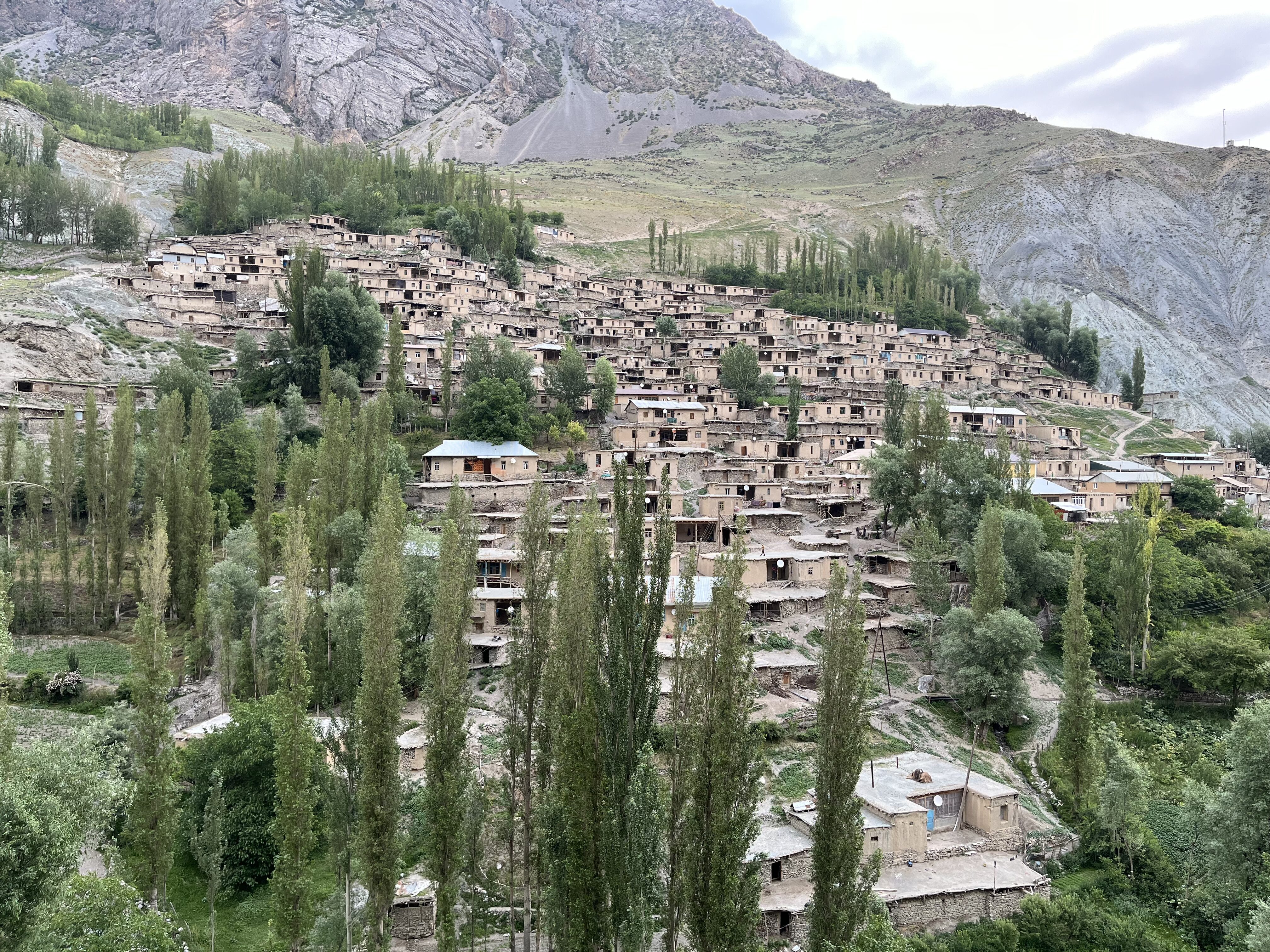
Today focuses on Voru village, known for its dramatic terraced layout. Houses are stacked into the mountainside so that one family’s roof becomes another’s courtyard, a practical response to limited space that also reinforces community ties.We drive (2hr 30min with photo stops) to the river crossing before hiking (6mi/9.5km/four-hour round trip) to the village. In Voru, we share tea on the rooftop of a village home, looking out across the valley.We also visit the blacksmith workshop of Master Sulton, whose family has practised this trade for generations. His tools and methods remain largely unchanged, and the workshop continues to serve local needs while producing small handmade items.Lunch is hosted in Zimtut village on our return, where a local family prepares a home-cooked meal. Back in Panjakent, we visit Old Panjakent and the Historical Museum before sitting down for dinner with a local family in their home.
Meals: Breakfast,Lunch,Dinner
Day 6
Discover the stunning Seven Lakes • Cross into Uzbekistan
Set out early to drive (2hr 30min with photo stops) for the Seven Lakes of Marguzor, a chain of alpine lakes linked by legend and geography. According to local stories, the lakes were formed from the tears of seven sisters mourning their father, and each lake differs in colour and character.We begin at Mizhgon (Lake 1) and continue to Marghuzor (Lake 6), where we have lunch, before either going by vehicle or a walk to Hazorchashma (Lake 7), the highest of the seven. The route allows us to see how mineral content, depth, and light affect the appearance of each lake.In the afternoon, we return to Panjakent, stopping along the way at Sarazm, the first World Heritage site in Tajikistan. Dating to the fourth millennium BCE, Sarazm reveals early urban planning and long-distance trade links stretching from the Indus Valley to the Iranian Plateau.By mid-afternoon, we reach the Jarteppa border, where we say goodbye to our Tajik tour leader and meet our Uzbek tour leader after completing formalities. We continue (1hr 15min) to the great Silk Road city of Samarkand and end the day with dinner in a local family home, an introduction to Uzbek cooking and hospitality.
Meals: Breakfast,Lunch,Dinner
Day 7
Uncover the Silk Road legacy of Samarkand
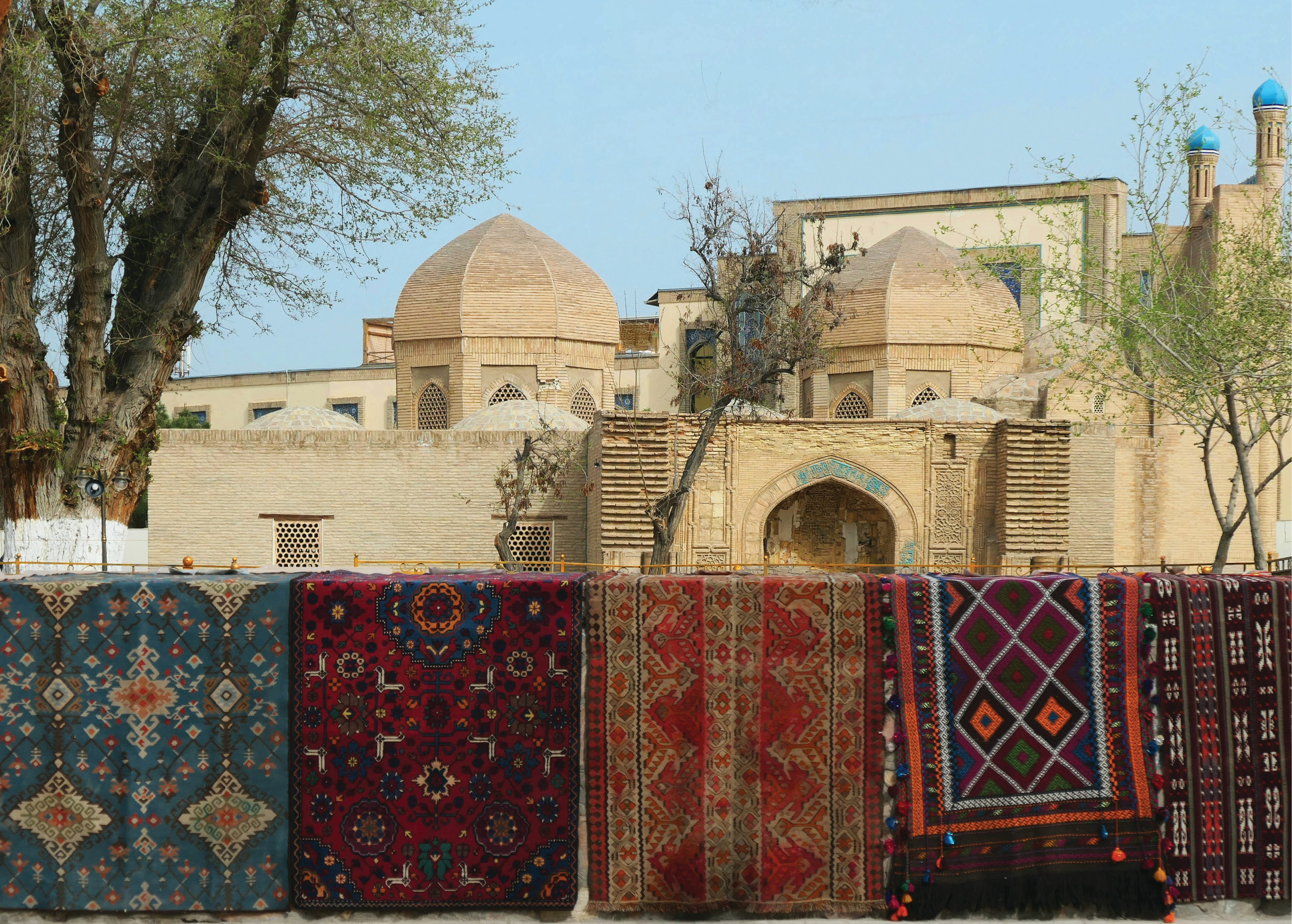
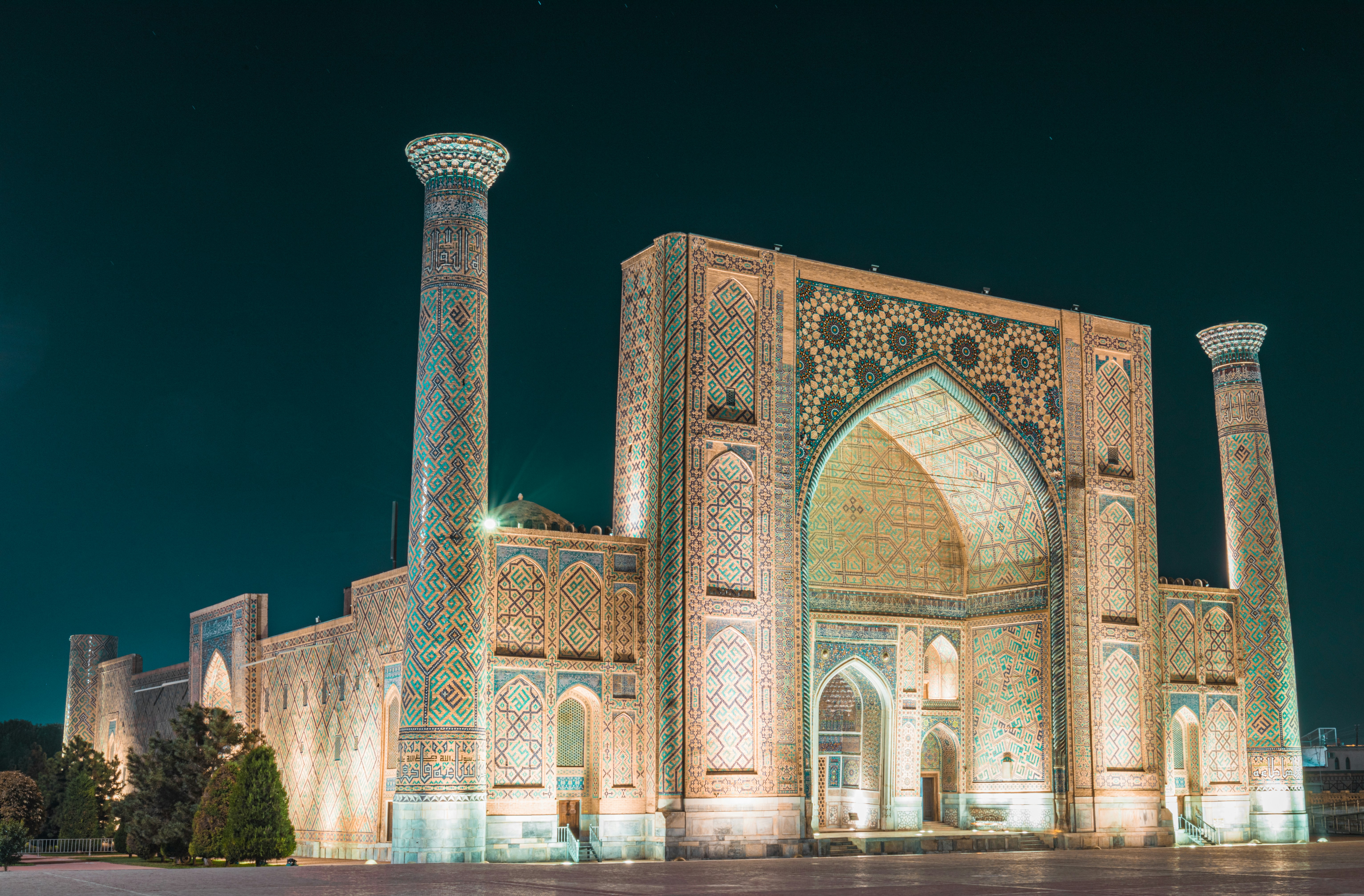
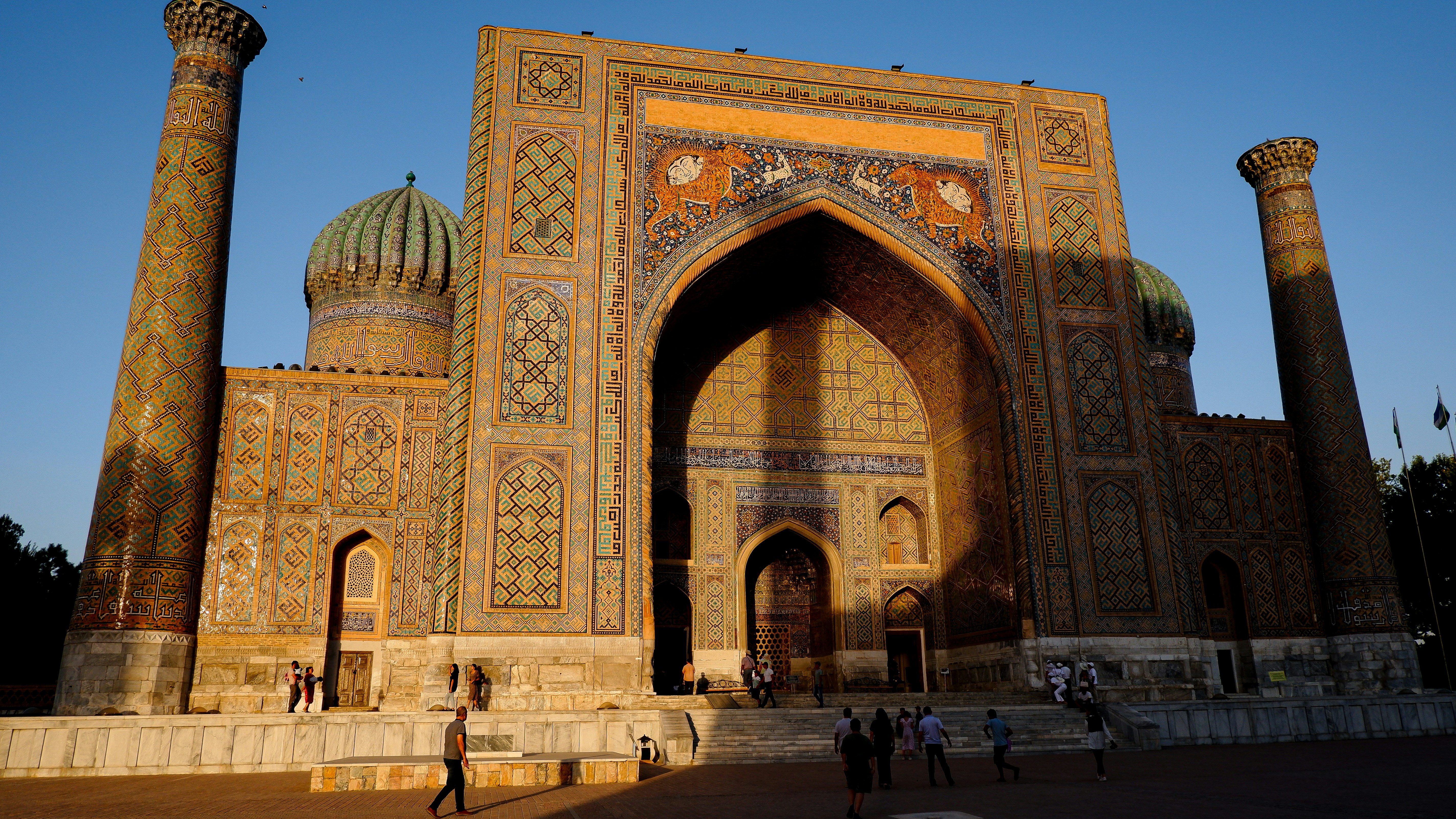
Samarkand sits at the heart of the Silk Road, and today we explore how its architecture reflects centuries of power, learning, and trade.We visit the grandiose Bibi Khanum Mosque and the magnificent Gur-Emir mausoleum, where Tamerlane, the founder of the Timurid Empire, his sons, and his grandson Ulugbek are buried. Late afternoon is free to browse the local bazaar, where textiles and handicrafts remain an important part of Samarkand’s economy.During your free time, you may also wish to join an optional wine tasting at the Khovrenko Winery, which includes a cellar visit and degustation.In the evening, we visit Registan Square, the heart of the city with three grand madrasahs, to see the complex illuminated after dark.
Meals: Breakfast
Day 8
Explore the ruins of Rabat-i-Malik • Tour a ceramics workshop in Gijduvan • To Bukhara
Travel (four hours) by road to Gijduvan, stopping at the ruins of Rabat-i-Malik, once a key caravanserai on the Silk Road. In Gijduvan, we visit a ceramics workshop where techniques and patterns have been passed down through generations.Lunch is hosted by a master potter and their family, offering insight into how craft traditions are sustained today. We then continue (45 minutes) to the Silk Road city of Bukhara, arriving mid-afternoon with time at leisure.
Meals: Breakfast,Lunch
Day 9
Walk through historic Bukhara
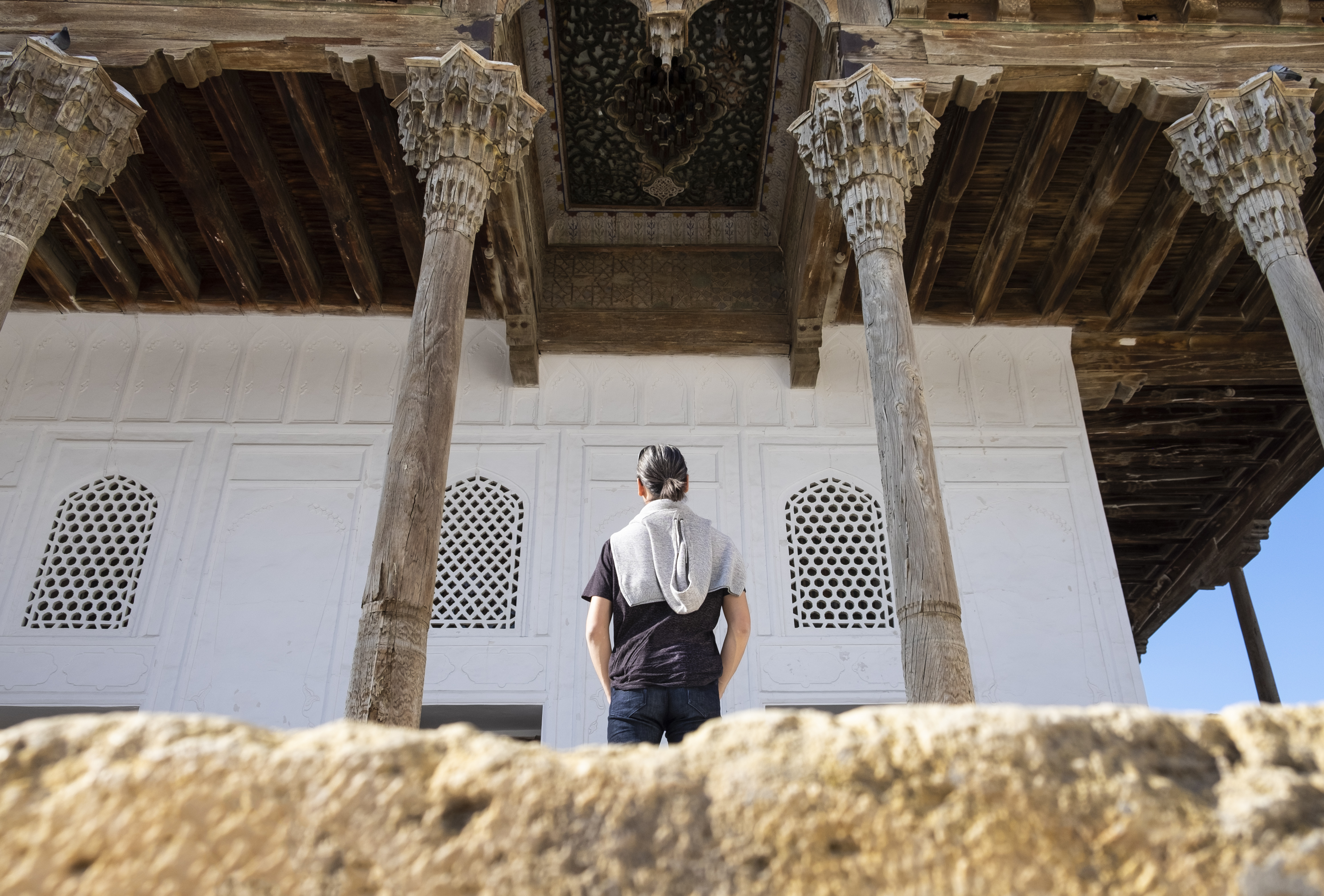
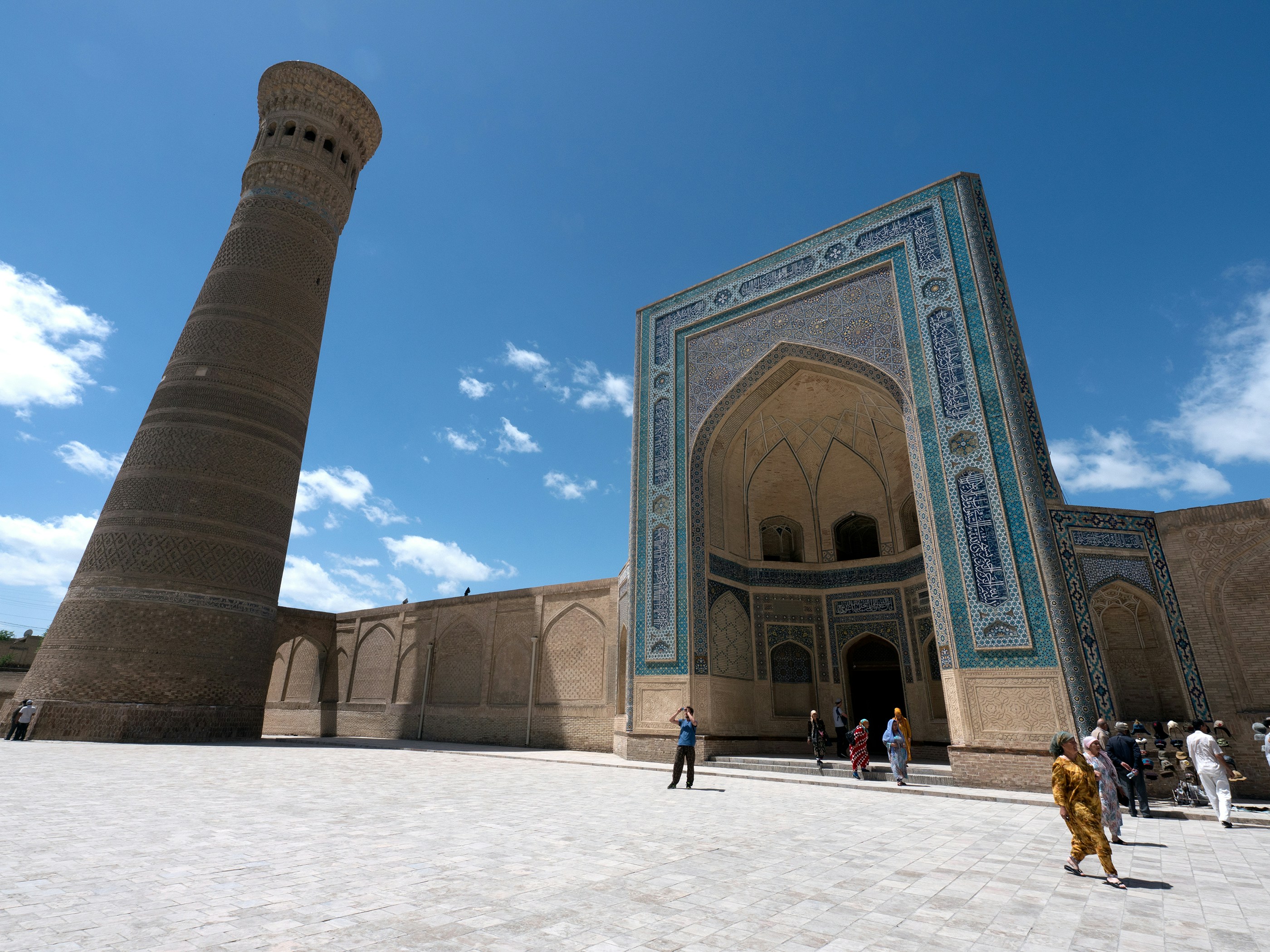
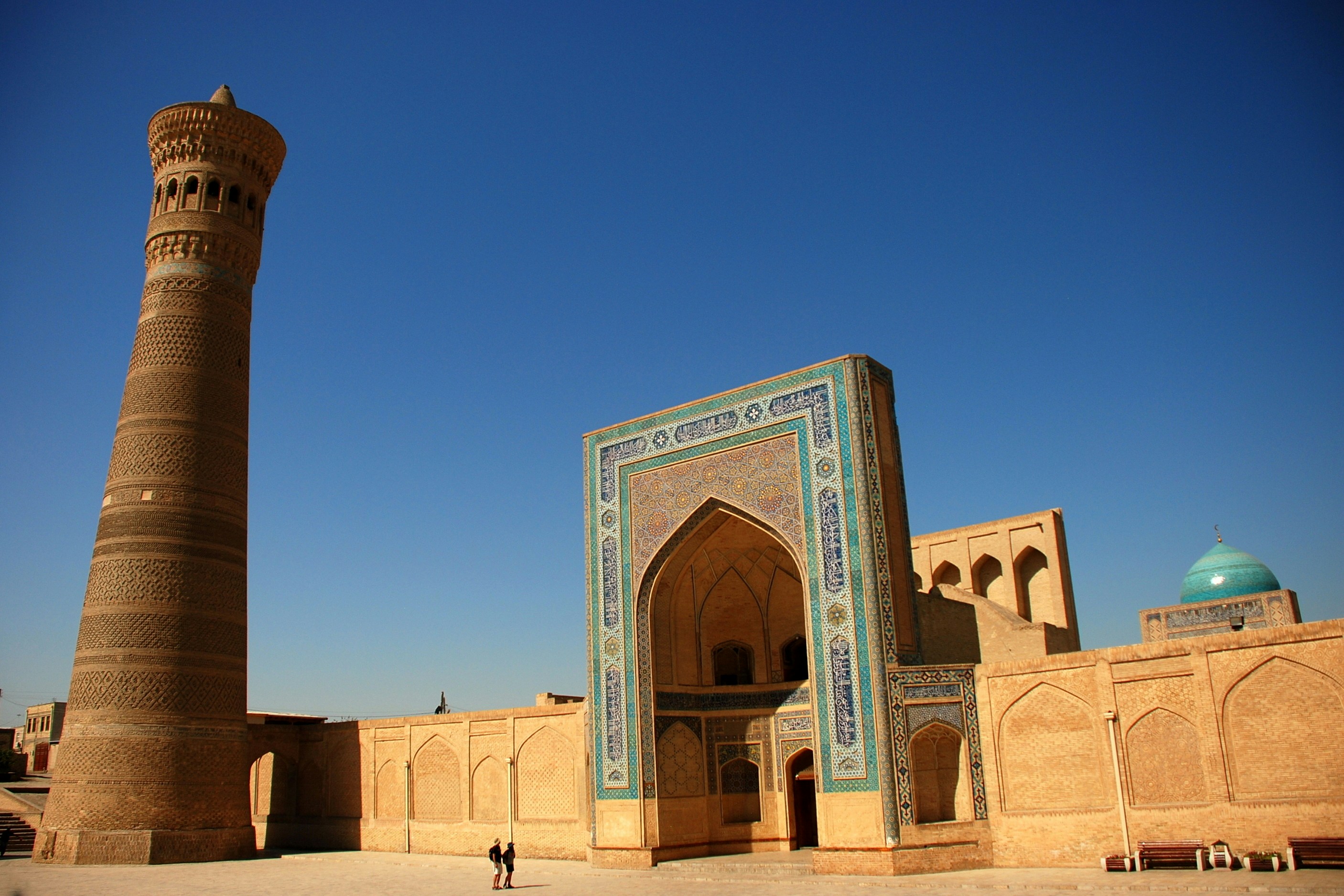
The old town of Bukhara has remained a hub of learning and religion for more than a millennium. Today’s guided walk introduces the most important sites, beginning with the Ismail Samani Mausoleum, an early example of Islamic architecture in Central Asia.We continue to Chashma-i-Ayub, associated with the prophet Job, and the Bolo-Hauz complex, where emirs once prayed. At the Ark Fortress, our tour leader explains how rulers governed from behind its walls.At the Poi-Kalyan Ensemble, we see the Kalon Minaret, Friday Mosque, and Miri-Arab Madrasa, still active today. The afternoon is free to explore at our own pace.
Meals: Breakfast
Day 10
Experience Bukhara’s craft and community life
Continue to explore the wonders of Bukhara today, visiting the Kukeldash and Nadir Devonbegi madrasas, along with the associated khanaqa (Sufi lodge) and pond that formed part of the city’s social fabric. We also stop at the Magok-i-Attari Mosque, one of the oldest religious sites in the city.Later, we browse the historic trading domes of Bukhara, once organised by profession and still active today.In the evening, we are welcomed into the home of the Toshev family, well-known local artisans, where we share a home-cooked dinner, learn about their craft traditions, and celebrate our adventure through Central Asia together.
Meals: Breakfast,Dinner
Day 11
Adventure ends in Bukhara
We’ve traced Silk Road cities, walked villages in the Fann Mountains, learned from artisans, and crossed from Tajikistan into Uzbekistan, but now it’s time to begin our return journey home.
Alternatively, if you’d like to extend your adventure, speak to your sales representative to discuss our range of extension options.
Meals: Breakfast
What’s included
What’s not included
Additional information
Panjakent Suzani Embroidery Masterclass
Meet local artisans and join a hands-on suzani embroidery masterclass in Panjakent, a city recognized as a World Craft City. Learn how motifs carry blessings and identity while practising stitches such as dolduzi and zanjiraduzi under expert guidance.
Hear how cooperative workshops keep techniques alive from dowry cloths to contemporary commissions. Thread, color, and rhythm turn into a tactile dialogue with Tajik heritage you can feel between your fingers.
Food
Uzbek cuisine centres on plov, shish kebabs, and freshly baked bread. Tea is widely drunk. Tajik cuisine is hearty and meat-based, shaped by Persian, Afghan, and Russian influences. Beef and lamb feature prominently, alongside grains, vegetables and dairy. Plov is central to daily life, joined by dishes such as manti, laghman, qurutob and fresh seasonal fruit.
Please note, vegetarian food choices may be rather limited. If you are strictly vegetarian, or have any special dietary requirements, please notify us well in advance. The availability of certain specialised products for restricted diets, eg gluten-free or dairy-free, is minimal or non-existent and we strongly recommend you bring these specialised dietary items from home.
Saratog Village Walk & Arg Valley Riverside Hike
Experience mountain life on foot as you walk through Saratog village and follow the Arg Valley riverside trail. The route is largely flat, skirting poplar groves and irrigation channels fed by snow-fed streams, with time to greet residents tending orchards and gardens.
Along the way, learn about water rights, seasonal transhumance, and shared labor that sustain high-valley communities. A short stop at the sacred Panjchashma “five springs” reveals beliefs that link each spring to healing properties.
Iskandarkul Lake Boat Ride
Glide across Iskandarkul on an optional boat ride that skims turquoise waters beneath serrated, snow-flecked peaks. From the lake’s surface, cliffs and scree slopes loom larger, and the stillness amplifies wind, gulls, and the hush of altitude.
This experience is at additional cost and bookable on tour. The relaxed cruise provides new vantage points for photography and a serene complement to shoreline walks.
Hisor Fortress Guided Visit
Explore a storied Silk Road outpost as you explore Hisor Fortress, a Silk Road stronghold guarding approaches to the Hissar Valley. Wander beneath the reconstructed arched gate and through madrasa courtyards where rulers once projected power and caravans paused before mountain crossings.
Hear how the site’s strategic location drew Persians, Mongols, and emirs across the centuries. From the ramparts, pause for photos and reflection over farmland and foothills that still channel regional trade and travel.
Iskandarkul Lake Walk & Fann Niagara Waterfall
Walk the shores of a legend-laden alpine lake as you walk beside Iskandarkul Lake, a turquoise mirror cupped by jagged Fann peaks. Follow gentle paths to the Fann Niagara waterfall and on to quiet Snake Lake, where reed beds ripple and birdsong carries over turquoise alpine waters.
Local lore links the lake to Alexander the Great; the setting’s light and stone tell their own story of glaciers, snowmelt, and limestone. The easy terrain invites unhurried photography and fresh-air contemplation.
Voru Village Hike & Rooftop Tea with Residents
Ascend on foot to a dramatic terrace-built settlement as you hike to Voru village, where roofs act as neighbors’ courtyards. Share rooftop tea with residents while surveying stepped lanes and fruit trees clinging to the mountainside.
Visit Master Sulton’s blacksmith workshop to see bellows, anvils, and time-worn tools at work, preserving everyday metalwork for the valley. The village layout embodies communal reliance and elegant solutions to scarce flat land.
Zimtut Village Home Lunch
Break bread with a local family and share a home-cooked lunch in Zimtut village. Expect Tajik hospitality and regional flavors—perhaps fragrant plov, salads brightened with mountain herbs, and freshly baked non—served in a shaded courtyard.
Conversations flow as easily as tea, offering insight into household rhythms, seasonal produce, and the social etiquette that underpins rural life. This is a simple table elevated by stories, generosity, and place.
Old Panjakent Ruins & Historical Museum
Step into a vanished Sogdian world as you explore Old Panjakent, a 5th–8th-century Sogdian city of mud-brick walls, temples, and merchants’ homes. Paths thread through foundations that once faced caravans bound for Samarkand and beyond.
The adjacent Historical Museum contextualizes the site with artifacts, carvings, and mural fragments, revealing cosmopolitan trade links and Zoroastrian-Buddhist layers. Together, ruins and displays illuminate daily life on the Silk Road’s eastern marches.
Seven Lakes of Marguzor Scenic Exploration
Trace a chain of mountain basins known as the Seven Lakes of Marguzor, each a different hue. Pause at overlooks to admire colour-shifting waters shaped by depth, mineral content, and light, continuing up-valley toward the high-set Hazorchashma (Lake 7).
Local legend casts the lakes as sisters formed by tears; geology tells of rockfalls and glacial action. The route blends myth and mineral, offering wide-angle photography and quiet, clear-air moments.
Sarazm UNESCO Archaeological Site Visit
Visit the Sarazm UNESCO World Heritage Site, an expansive settlement from the fourth millennium BCE. Boardwalks and shelters reveal house plans, metallurgical areas, and storage pits that prefigure later Silk Road urbanism.
Interpretive panels explain early urban planning and trade linking Central Asia with the Iranian Plateau and the Indus. Standing amid mud-brick outlines, you encounter the deep roots of exchange long before empires rose.
Samarkand: Bibi-Khanym Mosque & Gur-Emir Mausoleum
Encounter Timurid grandeur as you enter the colossal Bibi-Khanym Mosque, once among the Islamic world’s largest. Continue to the Gur-Emir Mausoleum, where Tamerlane rests beneath a slab of nephrite jade amid Timurid craftsmanship in carved stone, gilt muqarnas, and cobalt tile.
Learn how imperial ambition fused artistry and engineering to broadcast power across the Silk Road. The complex geometry and epigraphy reward unhurried looking and quiet awe.
Registan Square Illuminations by Night
Witness Registan Square transformed after dusk as the three grand madrasas glow in warm light. Stand amid the plaza’s perfect proportions while the tilework glow reveals layers of turquoise, lapis, and gold against the night sky.
This architectural stage—Ulugh Beg, Sher-Dor, and Tilya-Kori—embodies Samarkand’s role as a seat of scholarship and commerce. Evening quiet amplifies calligraphy, portals, and domes into an unforgettable city tableau.
Samarkand Family Home Dinner
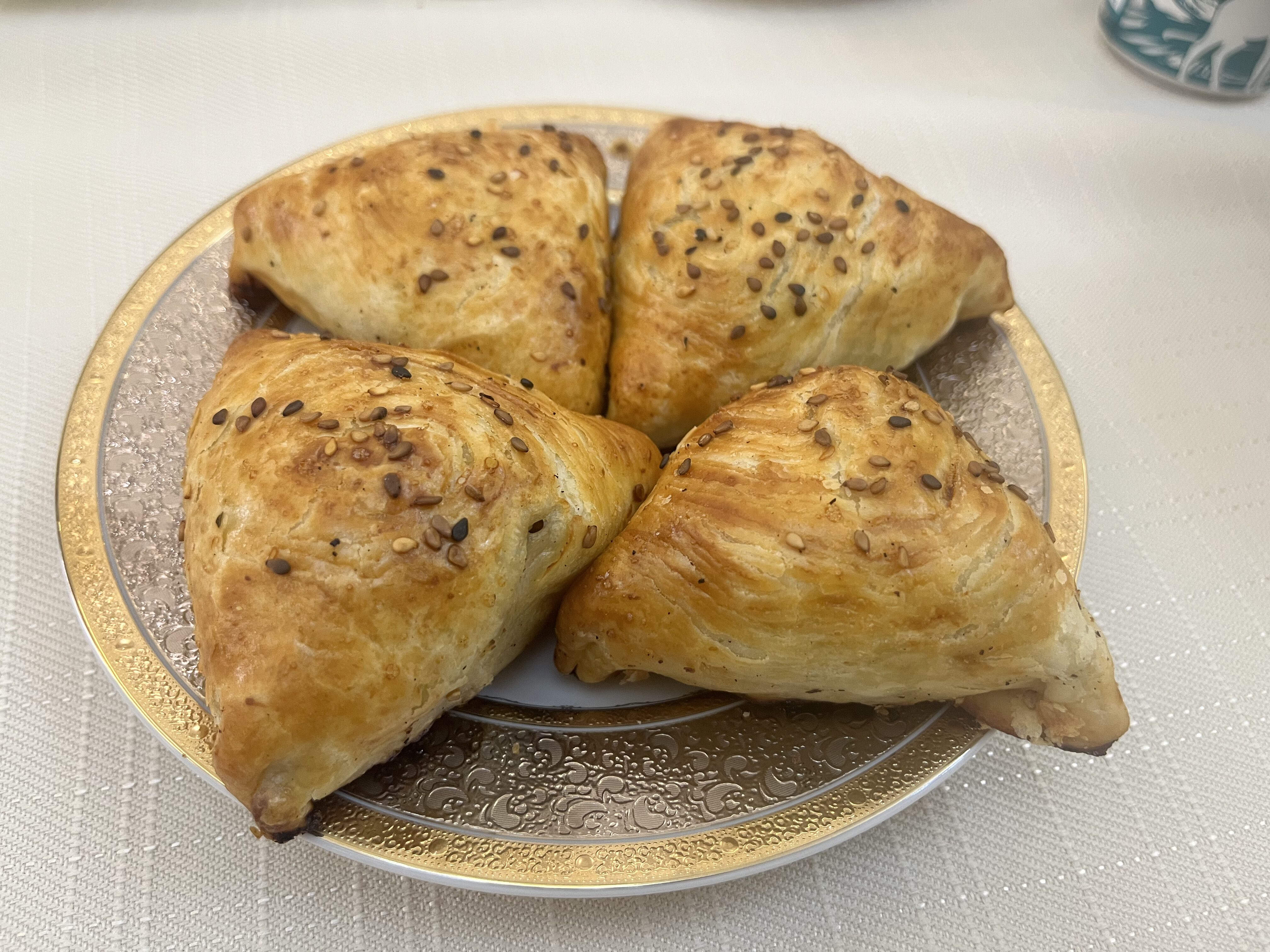
Sit down to dinner in a local home, a warm introduction to Uzbek hospitality. Expect shared platters—perhaps samsa, salads, and broths—anchored by pilaf and freshly baked non, with seasonal produce from nearby gardens.
Between toasts and recipes, hosts share stories of festivals, family crafts, and everyday life in Samarkand’s mahallas. The meal turns history into conversation around a welcoming table.
Rabat-i-Malik Caravanserai & Gijduvan Ceramics Workshop with Hosted Lunch
Pause at the Rabat-i-Malik caravanserai, once a fortified stop on the steppe route, to read travel in brick, portal, and ruined courtyard. Continue to a Gijduvan ceramics workshop to watch clay turn to turquoise-glazed bowls in family kilns.
A hosted lunch with a master potter opens a window onto techniques, motifs, and apprenticeship lines that bind generations. Patterns and recipes flow together, sustaining craft at the heart of Uzbek identity.
Bukhara Old Town Walking Tour & Poi-Kalyan Ensemble
Walk through a living museum of faith and power, from the brick-woven Ismail Samani Mausoleum and Chashma-i-Ayub to the prayer halls of Bolo-Hauz and the citadel of the Ark Fortress. Streets lead to the Poi-Kalyan Ensemble, crowned by the Kalon Minaret.
Hear how scholars, khans, and merchants shaped this oasis over a millennium. Courtyards, domes, and carved pillars reveal Bukhara’s enduring role as a center of learning and devotion.
Bukhara Madrasas & Lyabi-Hauz Quarter with Trading Domes
Explore the Lyabi-Hauz ensemble, anchored by the reflective pool of Lyabi-Hauz and framed by the Kukeldash and Nadir Devonbegi madrasas. Step into the Magok-i-Attari Mosque, among Bukhara’s oldest sacred sites, where layers of worship run deep.
Browse nearby trading domes once organized by craft—spices, caps, silk—now home to artisans reviving traditional techniques. The quarter’s shaded lanes, tea stands, and brick vaults create a timeless marketplace atmosphere.
Toshev Family Hosted Dinner in Bukhara
Be welcomed by an artisan household and share a home-cooked dinner celebrating Bukharan flavors. An artisan family introduces signature dishes, seasonal salads, and breads fresh from the tandyr, served in a courtyard alive with conversation.
Between courses, hear stories of craft traditions—designs, apprenticeship, and the city’s guild heritage—connecting table, workshop, and community. Hospitality here is both meal and masterclass.
Panjakent Halva-Making Workshop
Learn confectionery craft in a hands-on halva-making workshop, toasting nuts and stirring syrup until it turns to fragrant caramel. Shape and garnish the sweet while discovering stories behind festive treats and everyday tea-table favorites.
This experience is at additional cost and bookable on tour. Expect practical techniques from local cooks, and leave with tips for recreating textures and aromas at home.
Samarkand Khovrenko Winery Tasting
Sample Uzbek vintages during a guided visit to the Khovrenko Winery, combining a cellar visit and degustation. Taste a selection of local vintages while learning how climate and irrigation shape winemaking on the Zeravshan plain.
This experience is at additional cost and bookable on tour. Guides share the city’s little-known wine history and the revival of heritage varietals for modern palates.
Dushanbe City Highlights & National Museum of Antiquities
Discover Tajikistan’s capital as you join a guided city exploration of its emblematic sights, including the Ismail Somoni Monument, the Rudaki statue, and the sky-piercing flagpole. Continue to the National Museum of Antiquities to see the celebrated reclining Buddha and finds from Sarazm before admiring the lavish interiors of the Kokhi Navruz Palace, a showcase of contemporary Tajik craftsmanship.
Absorb the city’s mood on an easy evening stroll along Rudaki Avenue past the Ayni Opera and tree-lined squares. The blend of Persian-Tajik literary heritage, Soviet-era planning, and post-independence artistry frames Dushanbe’s evolving identity.