Your itinerary

Day 1
Adventure starts in Athens
Our adventure begins in Athens, an ancient capital soaked in myth and legend. Depending on when you land, you may have time to explore a little or perhaps dive into a taverna to sink your teeth into the much-loved local cuisine.Around 6pm, say yassou (hello) to your tour leader and fellow travellers, when we gather as a group for the first time to get to know each other and learn more about the adventures ahead.Your tour leader then ensures a big welcome by arranging a group dinner at a nearby restaurant.Want more time in Athens? Secure pre-tour hotel nights through your sales representative.Upgrade to a room with a balcony or a view – speak to your sales representative for more details
Meals: Dinner
Day 2
Morning walking tour of Athens, including the Acropolis, Acropolis Museum and Plaka; afternoon free to explore Athens
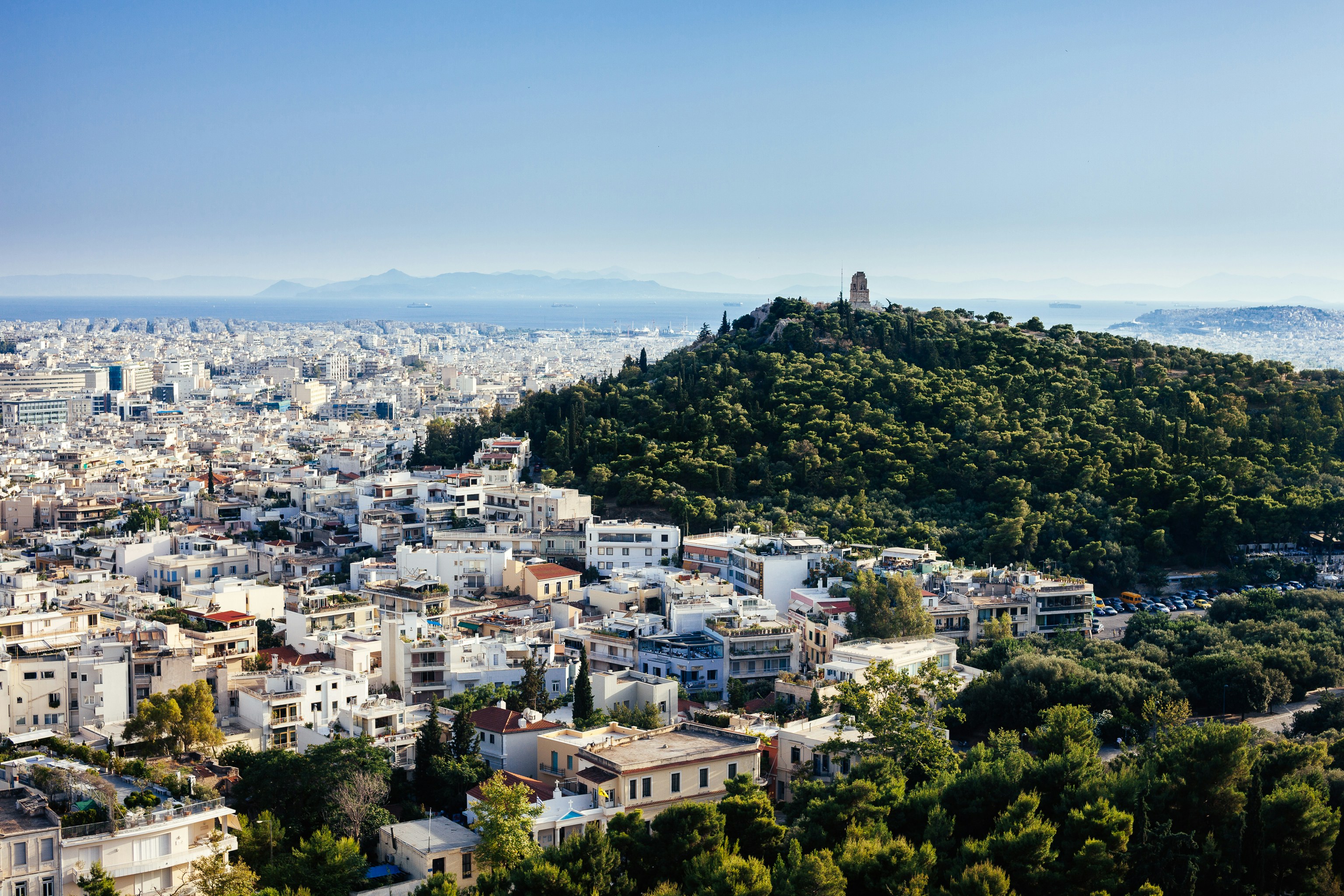
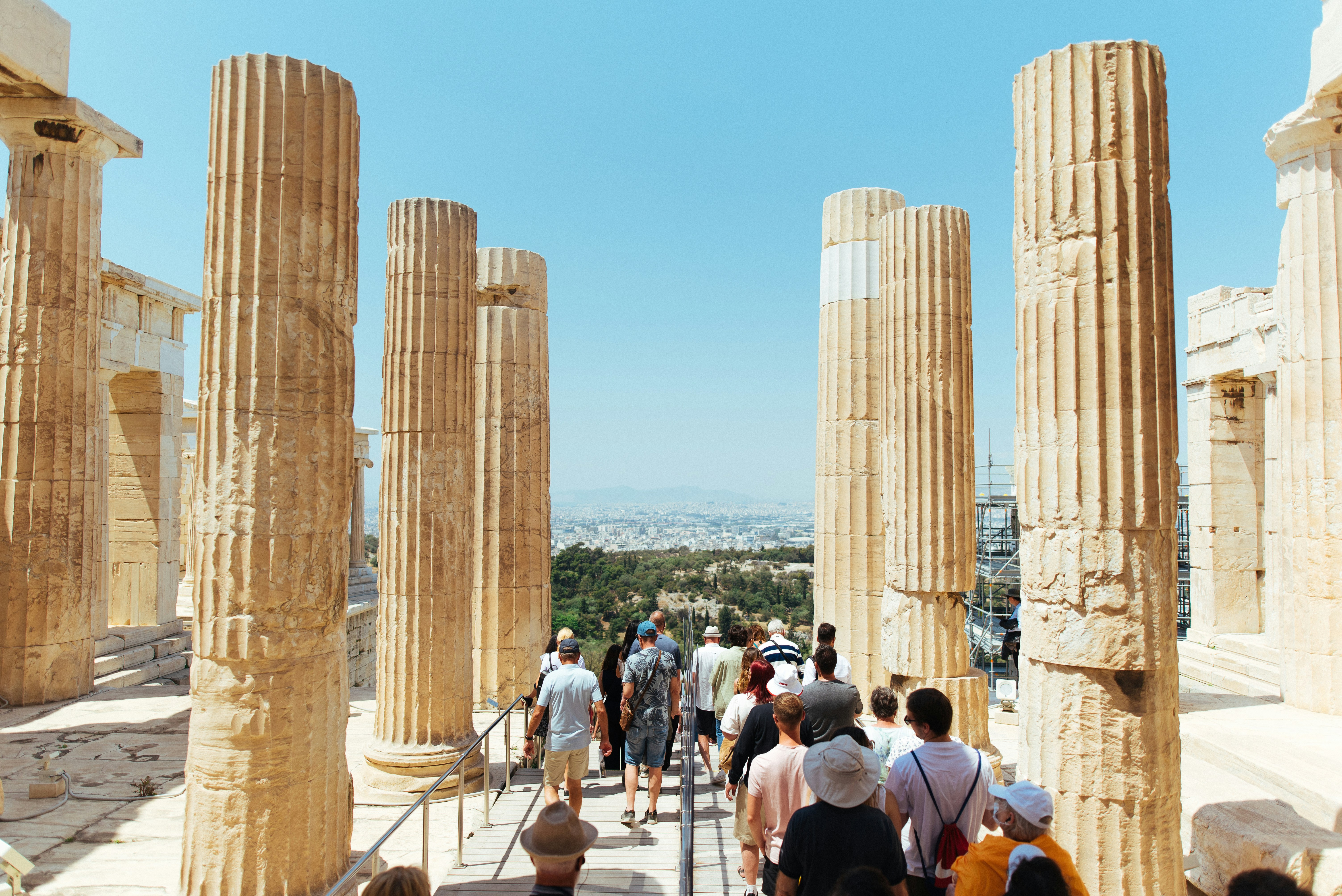
Embark on a walking tour of Athens this morning, taking in the Acropolis ruins and artefact-filled Acropolis Museum. This walk is a journey through the history of the city, from the classical world ruled by the Olympian deities to the 21st century.The afternoon is free for you to explore Athens on your own. Your leader can suggest where to visit.Please note: During busy periods, the walking tour might take place in the afternoon when it is quieter and the morning will be free.Upgrade to a room with a balcony or a view – speak to your sales representative for more details
Meals: Breakfast
Day 3
To Nafplio, visiting Ancient Corinth and Mycenae en route
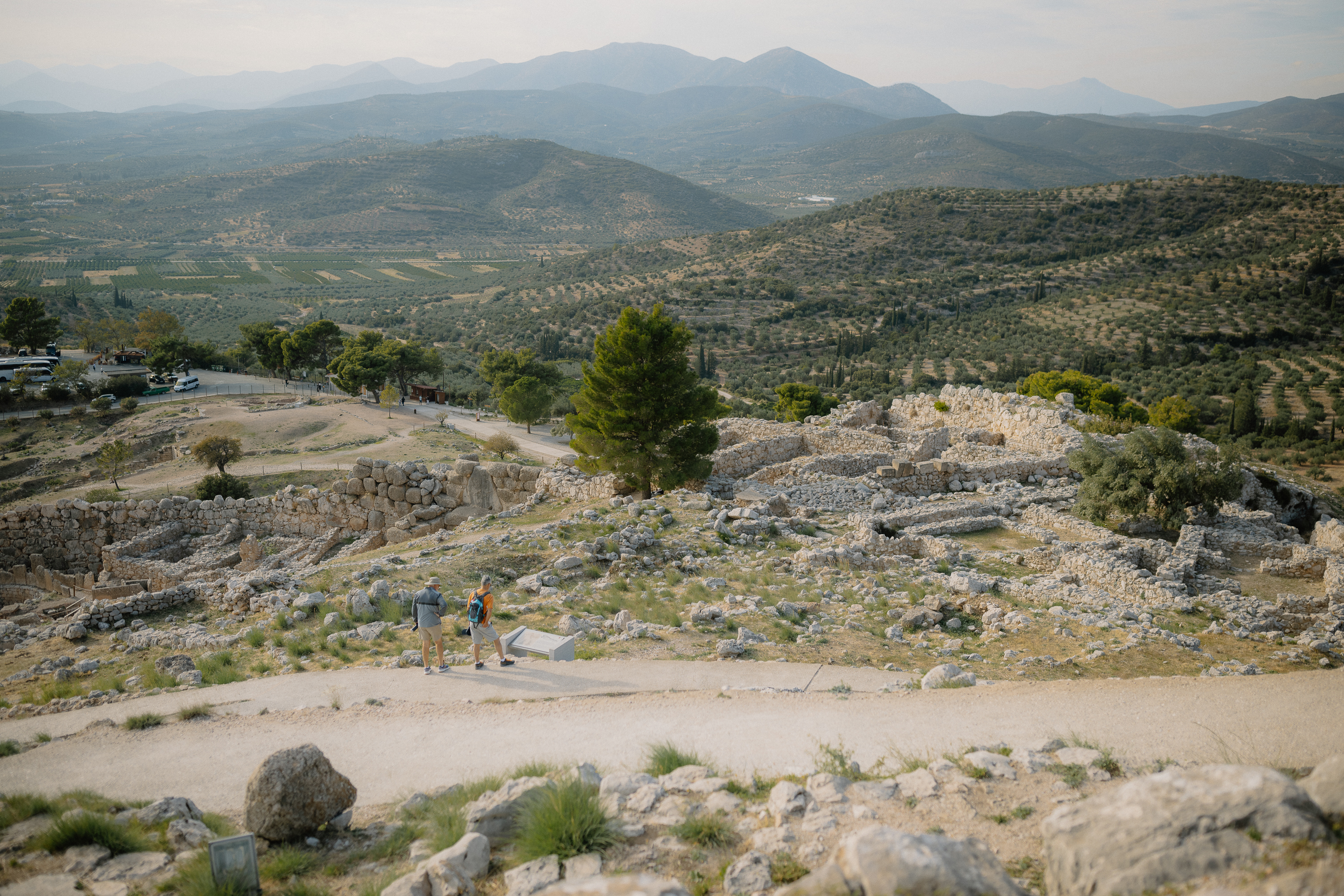
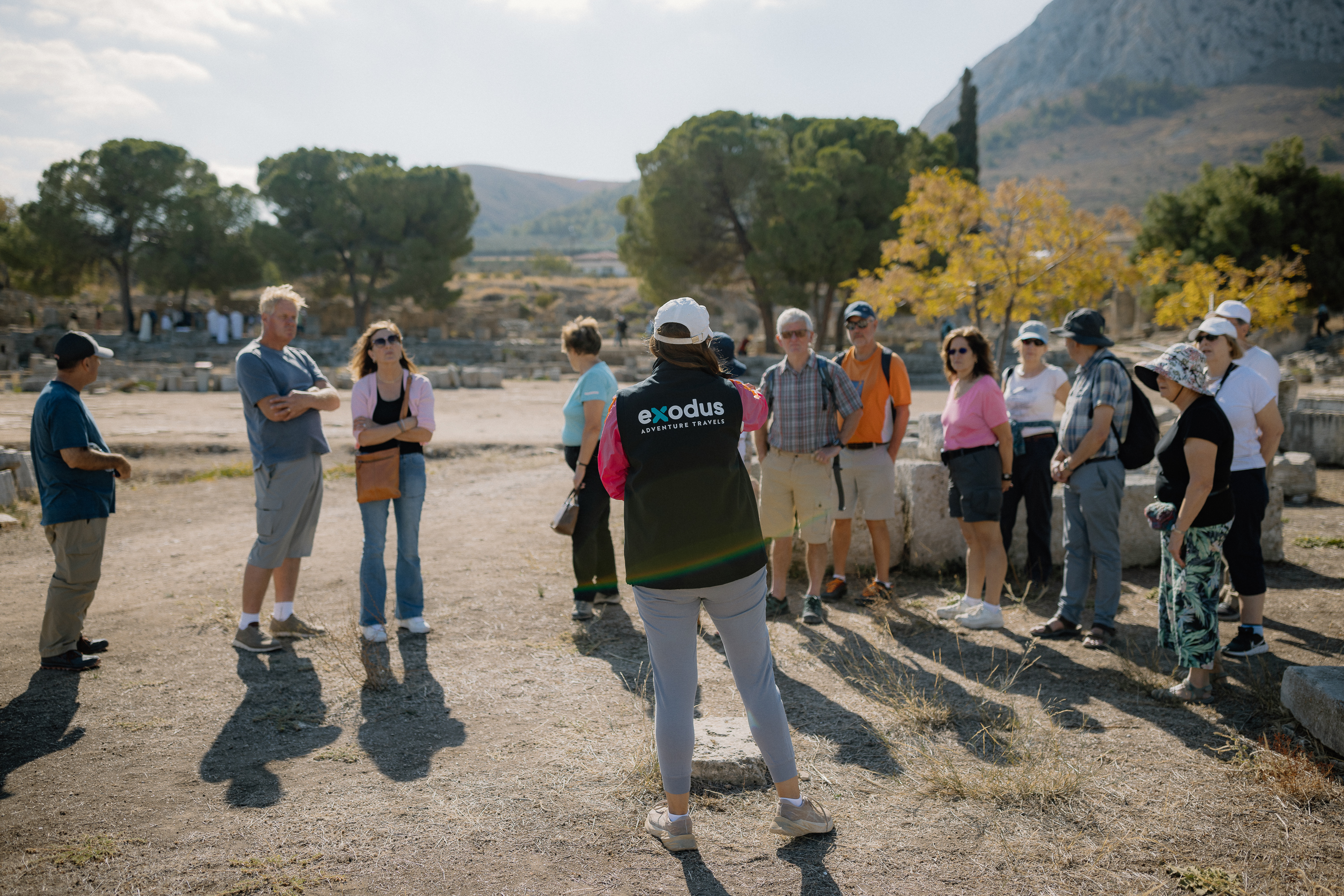
Head to Nafplio after breakfast. On the way, stop at the Corinth Canal, which separates the Peloponnese from mainland Greece and connects the Gulf of Corinth with the Aegean Sea. We then visit the archaeological site of Corinth, one of the major cities in antiquity and an important centre of trade. Extended excavations here have revealed a Roman forum, temples, fountains and various other monuments.Then continue to the archaeological site of Mycenae, the kingdom of Agamemnon, who led the Greeks in the Trojan war, and the most important and richest palatial centre of the Late Bronze Age in Greece. Mycenae comprises a fortified acropolis and surrounding funerary and habitation sites. We then head to the picturesque town of Nafplio, where we spend the night.Upgrade to a mini-suite today – speak to your sales representative for more details
Meals: Breakfast
Day 4
Visit the Acropolis of Ancient Tiryns, then Ancient Epidaurus
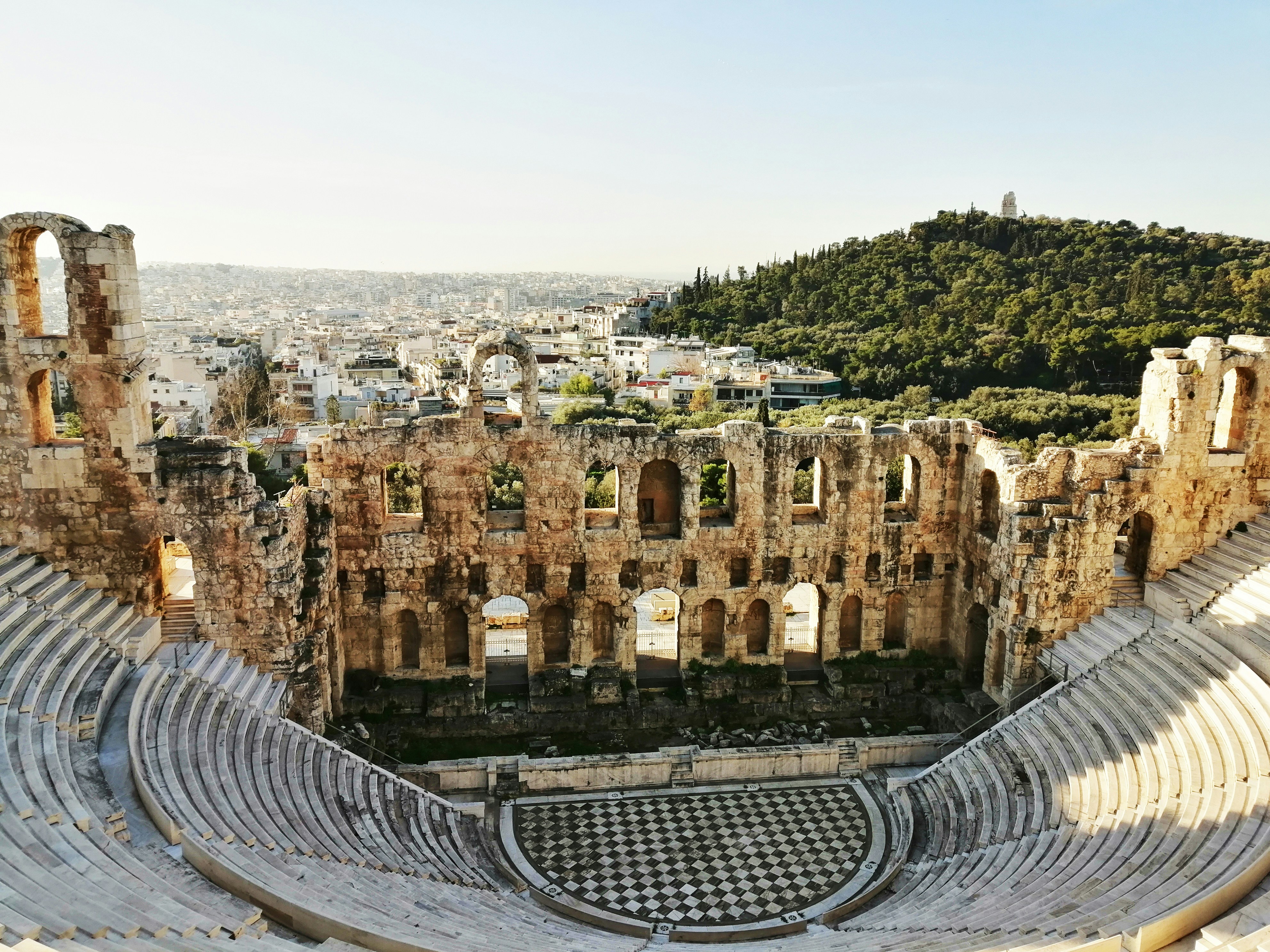
Explore two World Heritage sites today: Ancient Tyrinth, near Nafplio, then Ancient Epidaurus. In the morning, head to the small town of Tyrintha (just 10 minutes from Nafplio) to visit the Mycenaean acropolis of Ancient Tiryns with walls that, according to legend, were built by the Cyclops.We then head to Ancient Epidaurus (approximately a 45-minute drive from Nafplio), home to the Sanctuary of Asclepius, the most famous healing centre of the Greek and Roman world. We also visit the Ancient Theatre of Epidaurus, the finest and most renowned of its kind, which perfectly combines acoustics with elegance and symmetrical proportions. Return to Nafplio for a delightful evening walk in the beautiful alleys of the old town.Upgrade to a mini-suite today – speak to your sales representative for more details
Meals: Breakfast
Day 5
Morning visit to the Fortress of Palamidi; explore Mystras
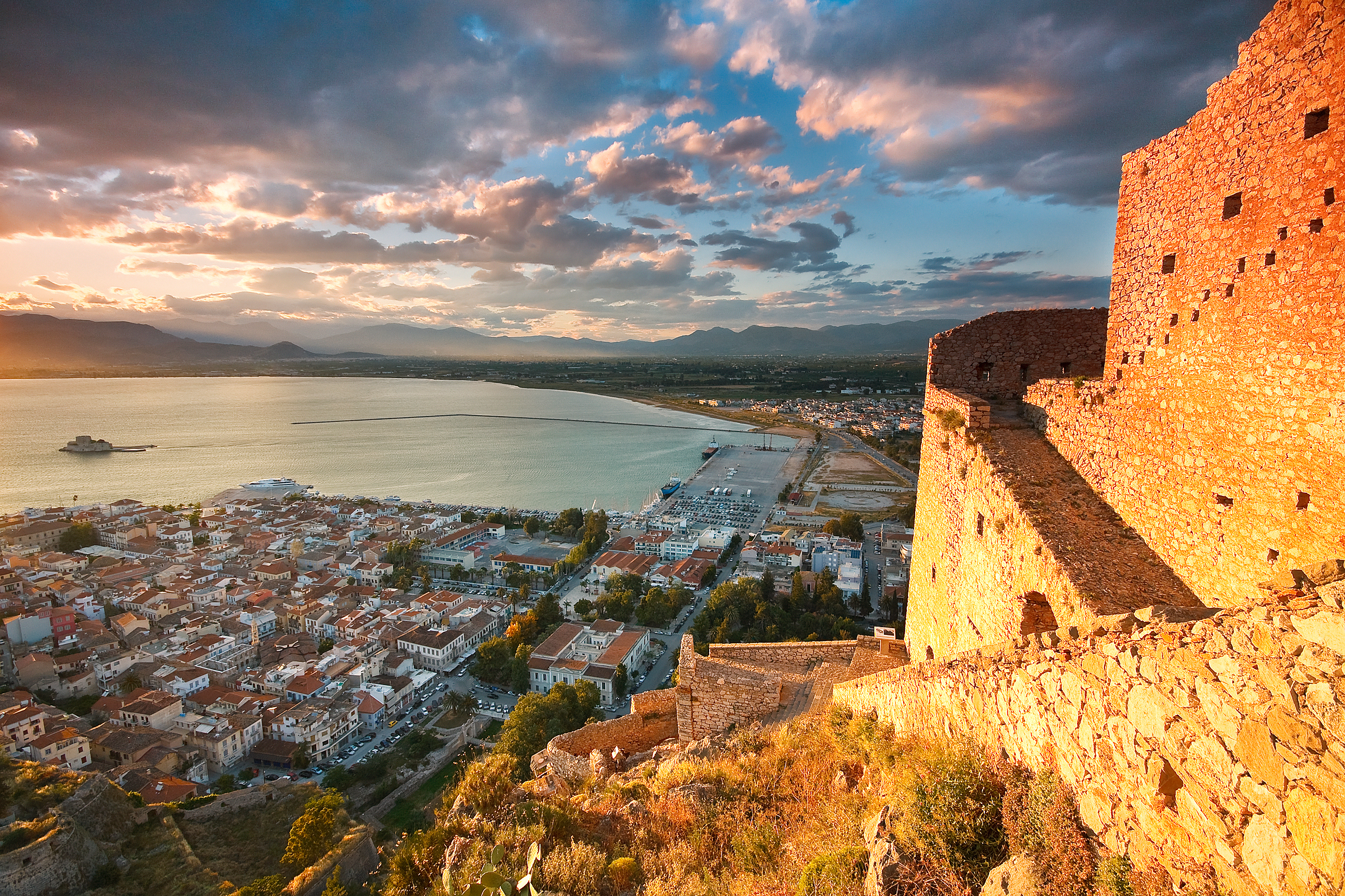
Enjoy one more exploration of Nafplio with a morning visit to the hilltop Fortress of Palamidi, which stands guard over the town. It was initially fortified by the Venetians during the second Venetian occupation of the area (1686-1715). In 1715, it was captured by the Turks and remained under their control until 1822, when it was liberated by the Greeks. The most important monuments of the site are the castle, the Church of St Andrew, and the prison of Kolokotronis, a hero of the Greek Revolution.We then transfer (approximately two hours) to Mystras, the most famous medieval town in Greece. Explore the site on foot, including several beautiful Byzantine churches, most built between the 12th and 15th centuries, the palaces of the Mystras despots (which are currently closed for maintenance), and some urban buildings.
Meals: Breakfast
Day 6
Depart for Pylos, visiting Ancient Messene and the Castle of Pylos
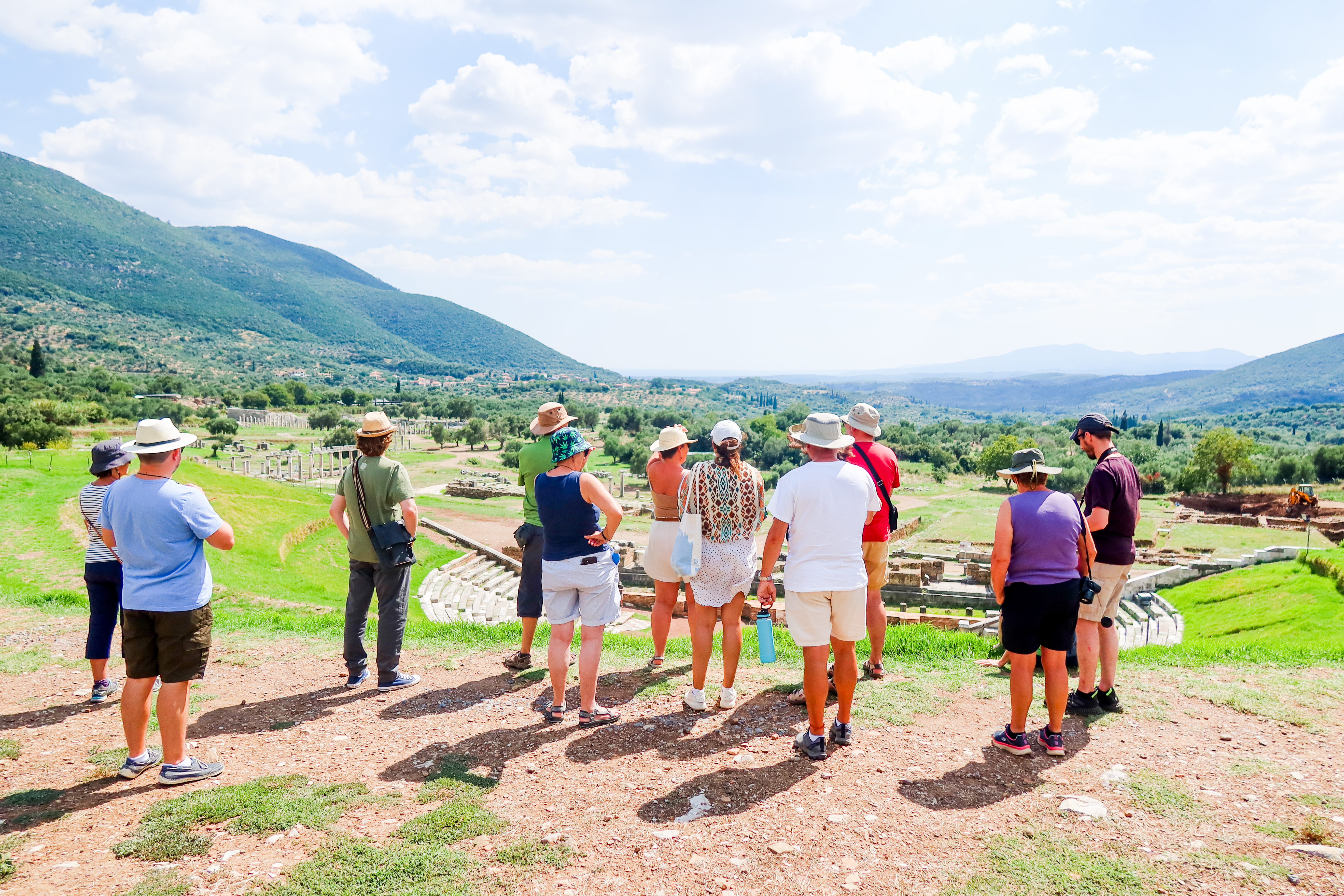
Head to Ancient Messene after breakfast, one of the finest and best restored, yet still relatively unknown, archaeological sites in Greece. Lying in a fertile valley below Mount Ithomi, the site was first inhabited during the Late Neolithic or early Bronze age. We visit the ancient theatre, the agora, and the Asclepeion. The stadium and the gymnasium are among the most impressive and well restored complexes in Ancient Messene.We then drive to the seaside town of Pylos, where we check into our hotel. En route, we visit the Castle of Pylos, which hosts a fine exhibition and museum of underwater antiquities. Here, we learn about underwater archaeology in Greece; how research, excavations, and preservation of the antiquities take place. Also see contents from shipwrecks found in the sea near the Peloponnese and Ionian islands.Upgrade to a sea-view room today – speak to your sales representative for more details
Meals: Breakfast
Day 7
Visit the Mycenaean Palace of Nestor; explore Ancient Olympia, the site of the first Olympic Games
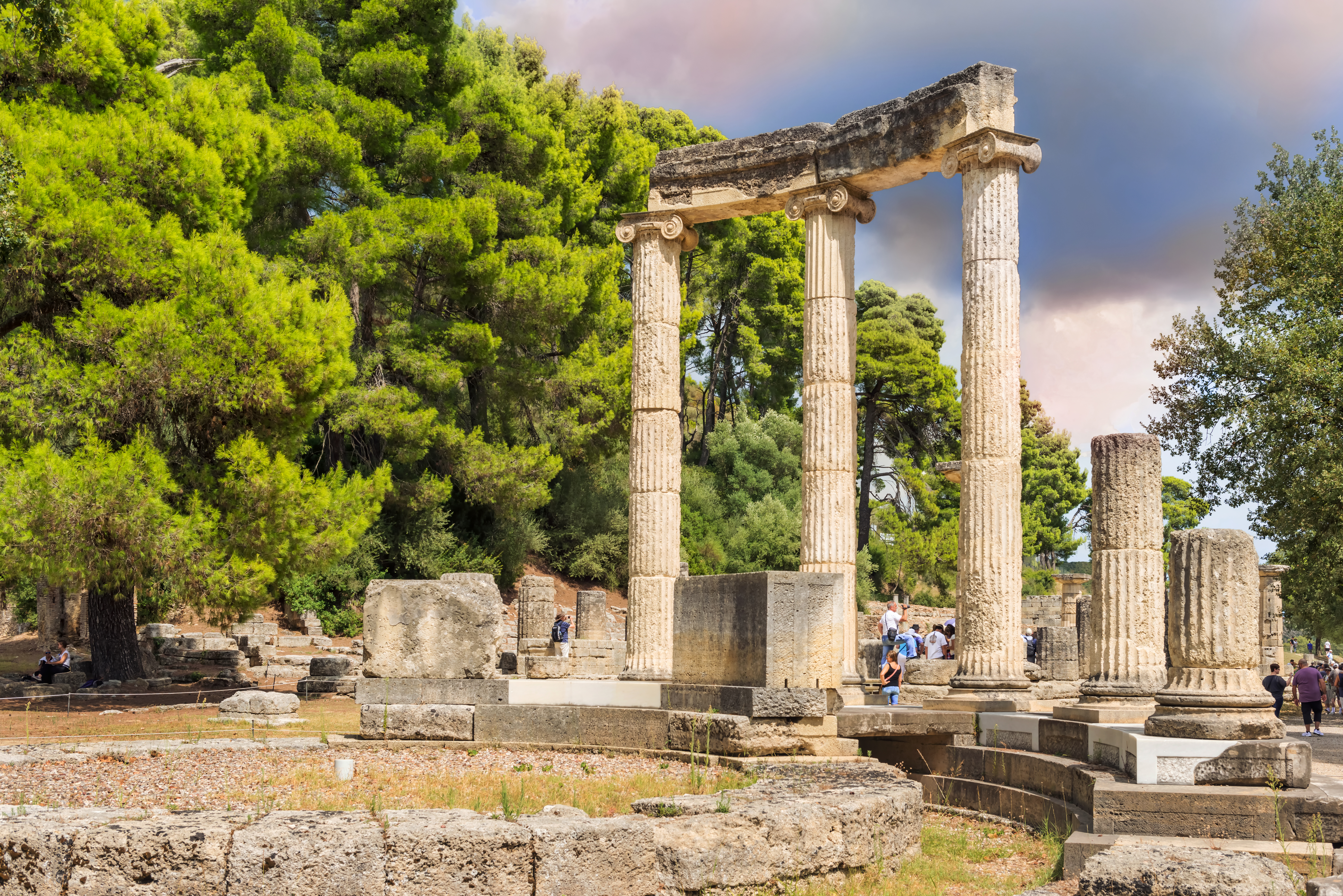
Drive to the Mycenaean Palace of Nestor after breakfast, which lies 11mi (17km) north of Pylos. It’s described in Homer’s Odyssey as the court of the hero Nestor, who took part in the voyage of the Argonauts and sent 90 ships to fight in the Trojan War. From the raised walkways and explanatory text, you get a good idea of the layout of a Mycenaean palace complex.Our next destination is Olympia (approximately a two-hour drive), where we visit Ancient Olympia, the site that hosted the first Olympic Games. Dedicated to Zeus, the father of the gods, at the confluence of two rivers, it was the most important religious and athletic site in Ancient Greece. Our exploration includes the Sanctuary of Zeus and the many buildings around it, such as an athletic premises used for the preparation and celebration of the Olympic Games, administrative buildings, and other lay buildings and monuments.
Meals: Breakfast
Day 8
Explore the World Heritage site of Delphi
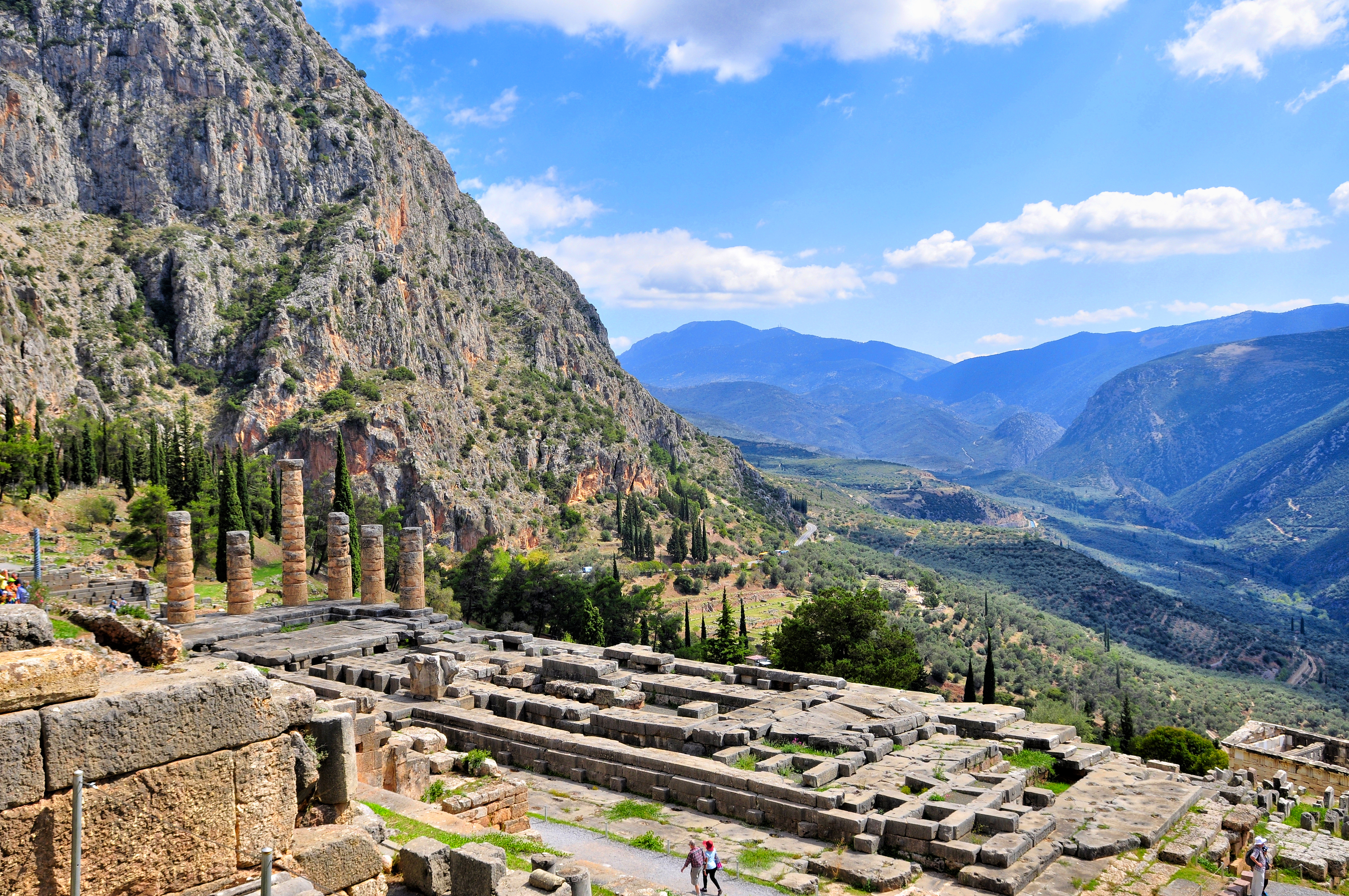
After breakfast, we drive (approximately 3hr 30min to four hours) to Delphi. En route, we cross from the Peloponnese peninsula to mainland Greece and have the chance to admire the cable-stayed Rio–Antirrio Bridge, an modern masterpiece of architectureEnjoy lunch in one of the local restaurants upon arrival, before we explore the magnificent archaeological site of Delphi on foot, which was considered the place where heaven and earth met in ancient times. According to mythology, it is here two eagles sent by Zeus from the ends of the universe to find the navel of the world met. The Sanctuary of Delphi, on the slopes of Mount Parnassos, was for many centuries the cultural and religious hub and symbol of unity for the Hellenic world. At the archaeological site, we visit the Temple of Apollo, the Treasury of the Athenians and of the Siphnians, the ancient theatre and possibly the stadium.
Meals: Breakfast
Day 9
Easy morning in Delphi; visit Temple of Poseidon in Cape Sounio; airport drop off
You can sleep in a bit longer this morning, as you have a long day ahead! After checking out, we pass by Arachova, a picturesque town on the slopes of Mount Parnassos. Stroll around, purchase local souvenirs or enjoy a drink in one of the numerous cafes. We then depart for Athens (approximately a 2hr 30min drive).Continue to the southernmost tip of the Attica peninsula to Cape Sounio, where you can enjoy lunch. We visit the fifth-century BCE Temple of Poseidon with its magnificent panoramic view of the Aegean Sea (on a clear day you can see at least seven islands). This doric temple was put up during the Golden Age of Pericles during 444-400 BCE, probably by the same architect who designed the Temple of Hephaestus at the Ancient Agora, whose name is unfortunately lost. It was devoted to Poseidon, the Olympian god of the sea; inside the temple stood a 20ft (6m) bronze statue of Poseidon, surviving in parts and preserved in the Archaeological Museum of Athens.Being a seafaring state, Athens had incredible faith in Poseidon and built the temple right near the sea. Along with the Parthenon and the Temple of Aphaea, on nearby Aegina Island, Poseidon’s mighty monument completes the Sacred Triangle of antiquity.After, we transfer (approximately one hour) to Athens International Airport where our adventure ends. Alternatively, speak to your sales representative about booking extra nights in the capital, giving you a chance to explore this history-soaked city at your own pace.
Meals: Breakfast
What’s included
What’s not included
Additional information
Food
Breakfast is included at all the hotels and there is one dinner included at the start.
Simple buffet-style Greek breakfasts consist of bread/toast, butter, jam, fresh juice, milk, local yoghurt, eggs, honey, and coffee/tea.
Other meals are not included, and we suggest you allow approximately €175-€250 to cover them, more if you include alcoholic or expensive fruit juices with each meal.
Your group leader will assist in organising group meals at most stops, so you may benefit from better choices and good food. For lunch and dinner, we will go to different tavernas and restaurants, where we can sample typical Greek meze dishes, olives, fresh fish, vegetables and more.
Mycenae Citadel and Cyclopean Walls
Discover the hilltop stronghold of Mycenae, seat of the fabled Atreids. Enter beneath the Lion Gate, then walk along Cyclopean walls that guarded a Bronze Age world of palace courts and storerooms. Peer into Grave Circle A, where gold-rich burials revealed the artistry of an early Greek civilization.
Contextualised by your guide, the site connects archaeology with epic: this is the kingdom of Agamemnon celebrated in Homer. From the ramparts, the Argolid’s hills and groves paint the same landscape known to poets for three millennia.
Tiryns Mycenaean Acropolis
Walk the compact but formidable stronghold of Tiryns, famed for Cyclopean fortifications so massive legend said giants set them. Thread through vaulted galleries and corridors that reveal sophisticated engineering and a palace complex paced by courts and megaron halls.
A UNESCO World Heritage site, Tiryns anchors the Mycenaean presence on the Argolid plain. The interplay of stone, light and sea breezes evokes an era when warriors, artisans and rulers forged a culture that shaped the Greek world.
Epidaurus Sanctuary of Asclepius & Ancient Theatre
Visit the serene Sanctuary of Asclepius, where pilgrims once sought healing through ritual and rest. See the foundations of the Tholos and the Abaton, and wander among cypress and laurel in a landscape long associated with wellbeing.
Stand in the Ancient Theatre of Epidaurus, a 4th-century BCE masterpiece whose perfect acoustics carry a whisper to the top tiers. This harmonious blend of art, science and setting expresses classical ideals of proportion and civic life.
Palamidi Fortress Panoramic Views over Nafplio
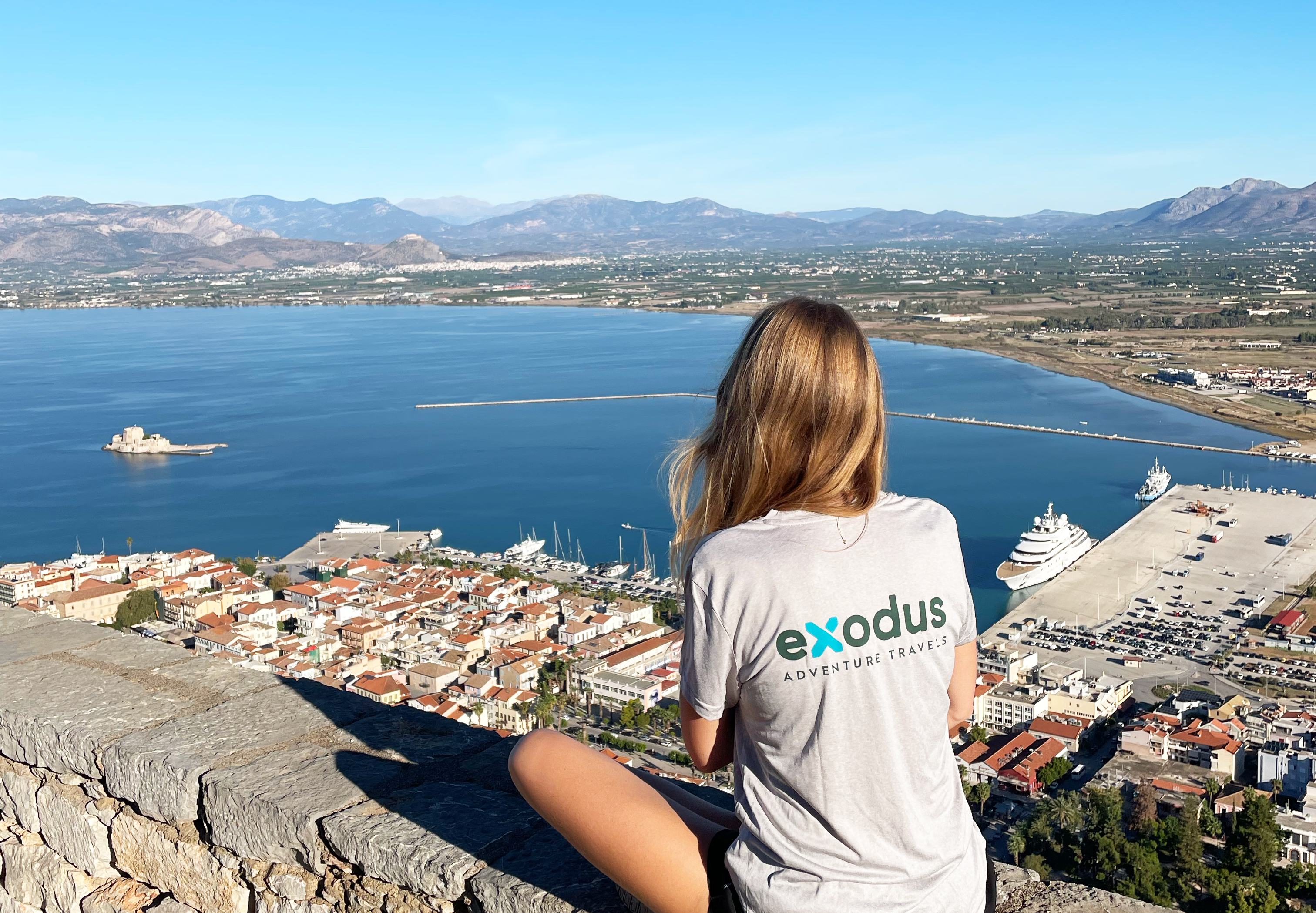
Ascend to the Venetian-built Palamidi to survey Nafplio and the Argolic Gulf from soaring ramparts. Traverse bastions linked by zigzagging stairways and pause at lookouts for misty mountain passes, terracotta rooftops and the islet fort of Bourtzi floating offshore.
Raised by Venetians in the early 1700s, captured by the Ottomans and seized by Greeks in 1822, Palamidi embodies struggle and nationhood. Visit the cell of Kolokotronis, hero of independence, and reflect on the fortress’s role in the Greek War of Independence.
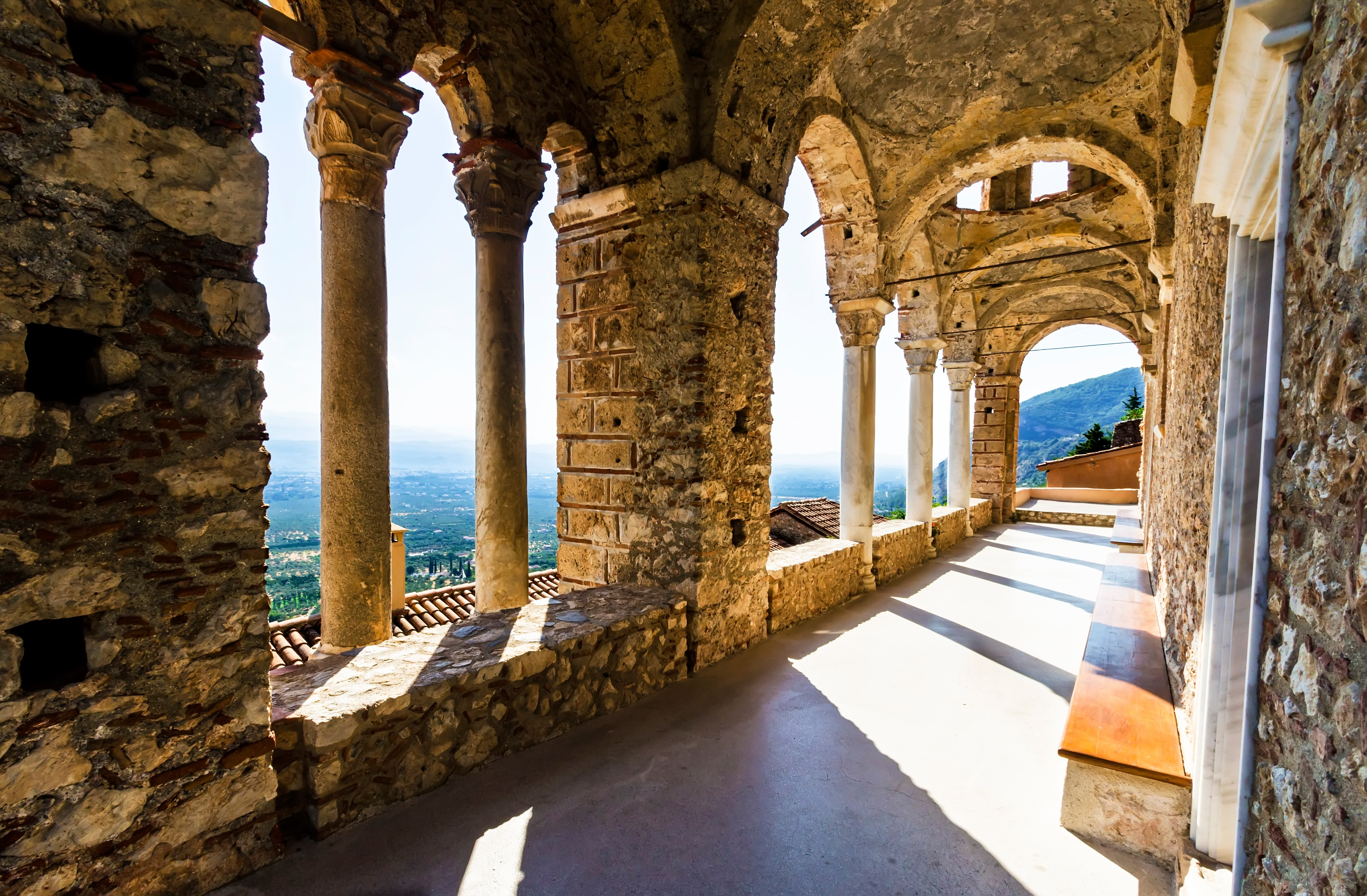
Mystras Byzantine Hilltown & Frescoed Churches
Explore Mystras, a terraced Byzantine city cascading down Mount Taygetus. Wander cobbled lanes to churches glowing with Paleologan frescoes, pause in monastery courtyards scented with pine, and take in views over the Spartan plain from ruined palaces and ramparts.
Capital of the Despotate of the Morea, Mystras bridged East and West as Byzantine culture flourished late into the Middle Ages. The site’s art and architecture illuminate Orthodoxy, courtly life and the twilight of empire in the Peloponnese.
Ancient Messene Archaeological Park
Walk a remarkably complete ancient city at the foot of Mount Ithomi. Enter by the monumental Arcadian Gate, cross the agora and theatre, and descend to the Stadium and Gymnasium where processions and athletic training once animated civic life.
Founded in 369 BCE by Epaminondas after Sparta’s defeat, Messene’s grid of streets, stoas and sanctuaries showcases classical urban planning. Thoughtful restoration reveals a living cityscape set within olive groves and mountain air.
Pylos Castle (Neokastro) & Museum of Underwater Antiquities
Visit Neokastro, the seaside fortress of Pylos, its bastions guarding the blue sweep of Navarino Bay. Within the walls, explore exhibits that illuminate underwater archaeology in Greece, from survey techniques to remarkable finds lifted from ancient shipwrecks.
Artifacts, models and multimedia trace commerce and conflict across the Ionian routes. The castle’s sea-brushed ramparts and chapels layer Ottoman, Venetian and modern Greek chapters onto a strategic headland shaped by winds and tides.
Palace of Nestor at Ano Englianos
Explore the best-preserved Mycenaean palace at Pylos, associated with Homer’s wise king Nestor. Elevated walkways guide you over storerooms lined with pithoi, a megaron with central hearth, and a royal bath, revealing the rhythms of Bronze Age court life.
Here, Linear B tablets once recorded offerings and trade, linking myth to history. From the palace ridge, pause for photos and reflection over rolling hills and the sea routes that bound the western Peloponnese to the Aegean world.
Ancient Olympia: Sanctuary of Zeus & Stadium
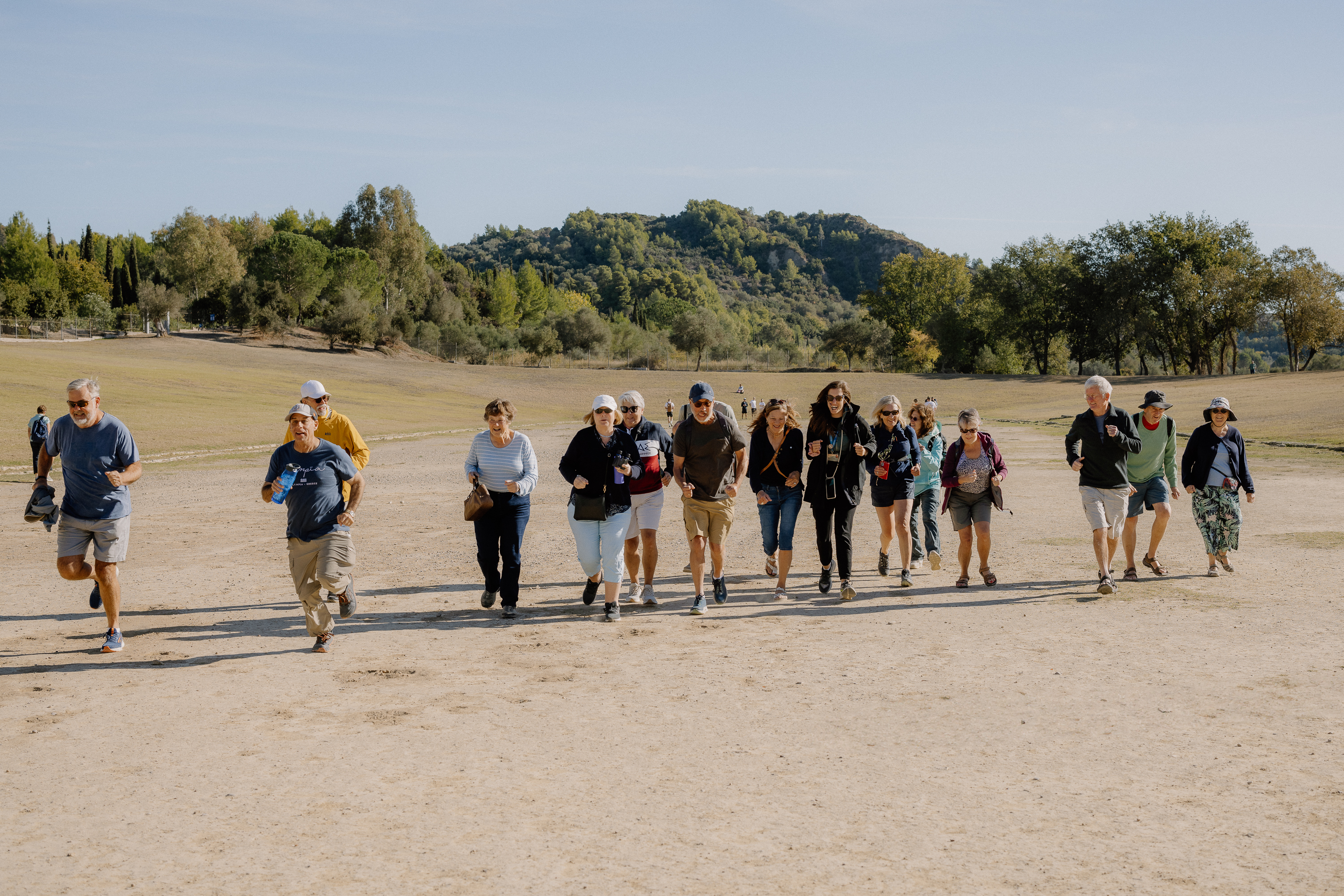
Visit the sacred grove of Altis at Olympia, spiritual heart of the Games. Walk among the columns of the Temple of Zeus and the Heraion, admire the circular Philippeion, and enter the stadium to stand on the ancient starting line etched in stone.
Hear how the Olympic truce drew athletes from across the Greek world and how victors wore olive wreaths rather than gold. In this tranquil river valley, athletics, religion and identity converged for more than a millennium.
Delphi Sanctuary on Mount Parnassus
Ascend the Sacred Way at Delphi, threading between treasuries to the Temple of Apollo and the clifftop theatre. The path reveals marble inscriptions, votive bases and sweeping views over silvery olive groves cascading to the Bay of Itea.
At this Panhellenic sanctuary, petitioners once sought the oracle’s counsel beside the omphalos, the navel of the world. Political decisions, colonisation and private dilemmas alike passed through a veil of ritual, myth and mountain light.
Cape Sounio & the Temple of Poseidon
Travel to the cliff-edge promontory of Sounio to visit the Temple of Poseidon, a Doric colonnade gleaming above the Aegean. Walk the headland paths and frame sunlit views across the islands that once guided sailors home to Attica.
Raised in the Golden Age of Pericles, the sanctuary honored the sea’s Olympian master and anchored a maritime identity. Lore links Sounio to the “Sacred Triangle” of antiquity with the Parthenon and Aphaea, uniting land, myth and horizon.
Athens Welcome Dinner in a Neighborhood Taverna
Taste the spirit of Athens at a convivial welcome meal in a family-run taverna, where you’ll meet your tour leader and fellow travellers. Settle into the evening rhythm as you sample regional wines and pass around shared meze plates layered with tangy feta, grilled vegetables and herbs brushed with Attican olive oil.
Discover how Greek dining is a social ritual shaped by warm Athenian hospitality. Clinking glasses to yamas, your group bonds over seasonal dishes while your leader outlines local tips and cultural etiquette that will enrich every stop of your journey across the mainland.
Athens Walking Tour: Acropolis, Acropolis Museum & Plaka
Join a guided walking tour that climbs the limestone crown of the Acropolis to admire the Parthenon and the elegant Erechtheion. From this storied plateau, gaze over Athens’ tapestry of rooftops and the Saronic Gulf before descending to the city’s graceful boulevards.
Continue to step inside the Acropolis Museum, where light-filled galleries reveal friezes and the famed Caryatids. Conclude amid the marble lanes of Plaka, a quarter of neoclassical facades, Byzantine chapels and lively cafés that bridge classical myth with the modern metropolis.
Ancient Corinth Archaeological Site & Corinth Canal Viewpoint
Explore Ancient Corinth, a once-mighty city of trade and power. Walk the Roman Forum (Agora) and Bema, where civic life unfolded and St Paul addressed the Corinthians. Trace colonnaded streets to the Peirene Fountain and picture the Acrocorinth citadel rising above the plain.
En route, pause for photos and reflection at the dramatic Corinth Canal, a 19th-century engineering feat carved through the Isthmus to join the Aegean and Ionian seas. Sheer limestone walls frame a ribbon of turquoise water many leagues below.