Your itinerary

Day 1
Adventure starts in Tirana
Begin in Tirana; at 4.30pm meet your tour leader and fellow travellers at the hotel, take an orientation tour of the renovated New Bazaar, then enjoy a group dinner.
Meals: Dinner
Day 2
Visit Elbasan Fortress en route to Pogradec
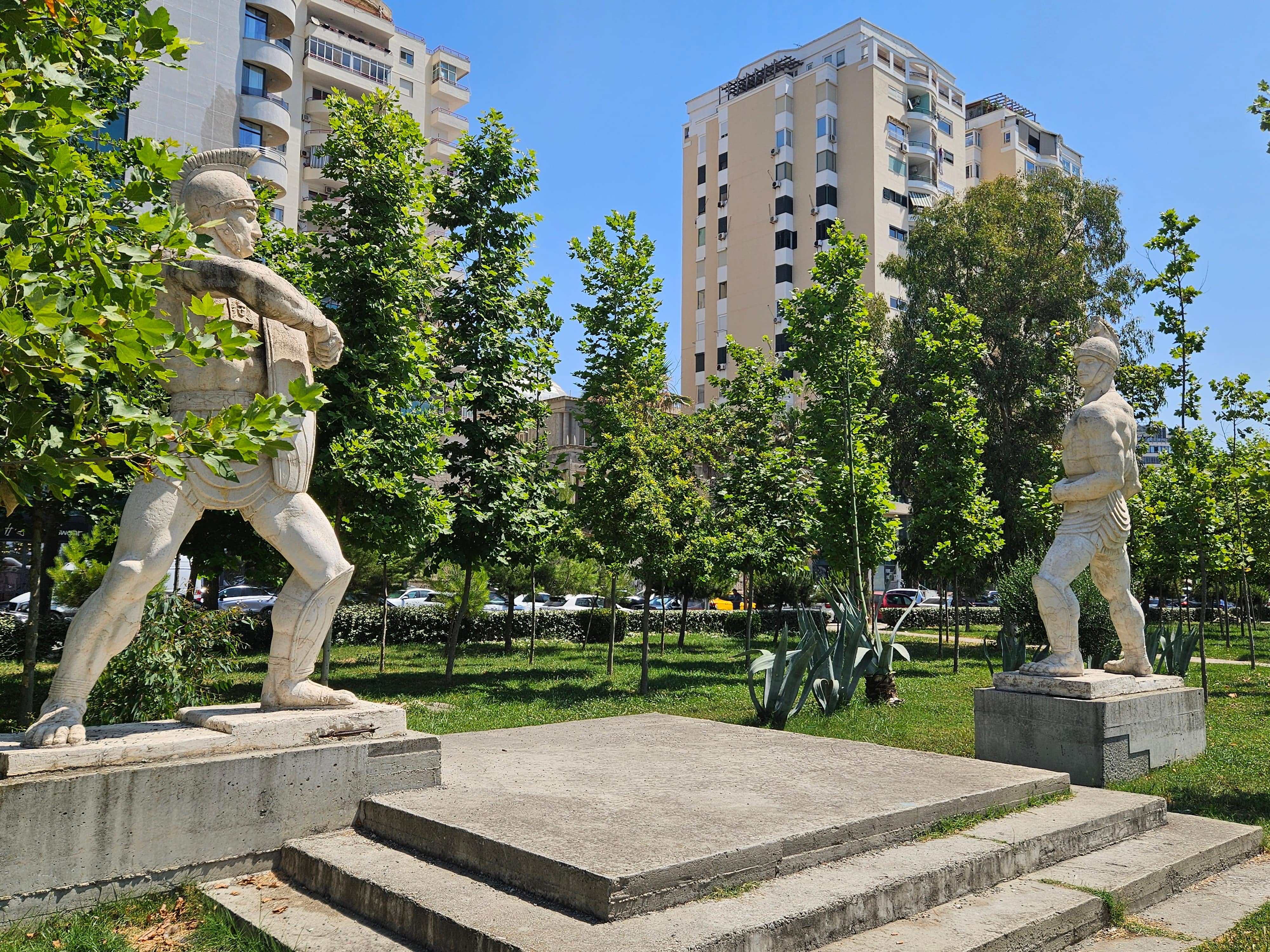
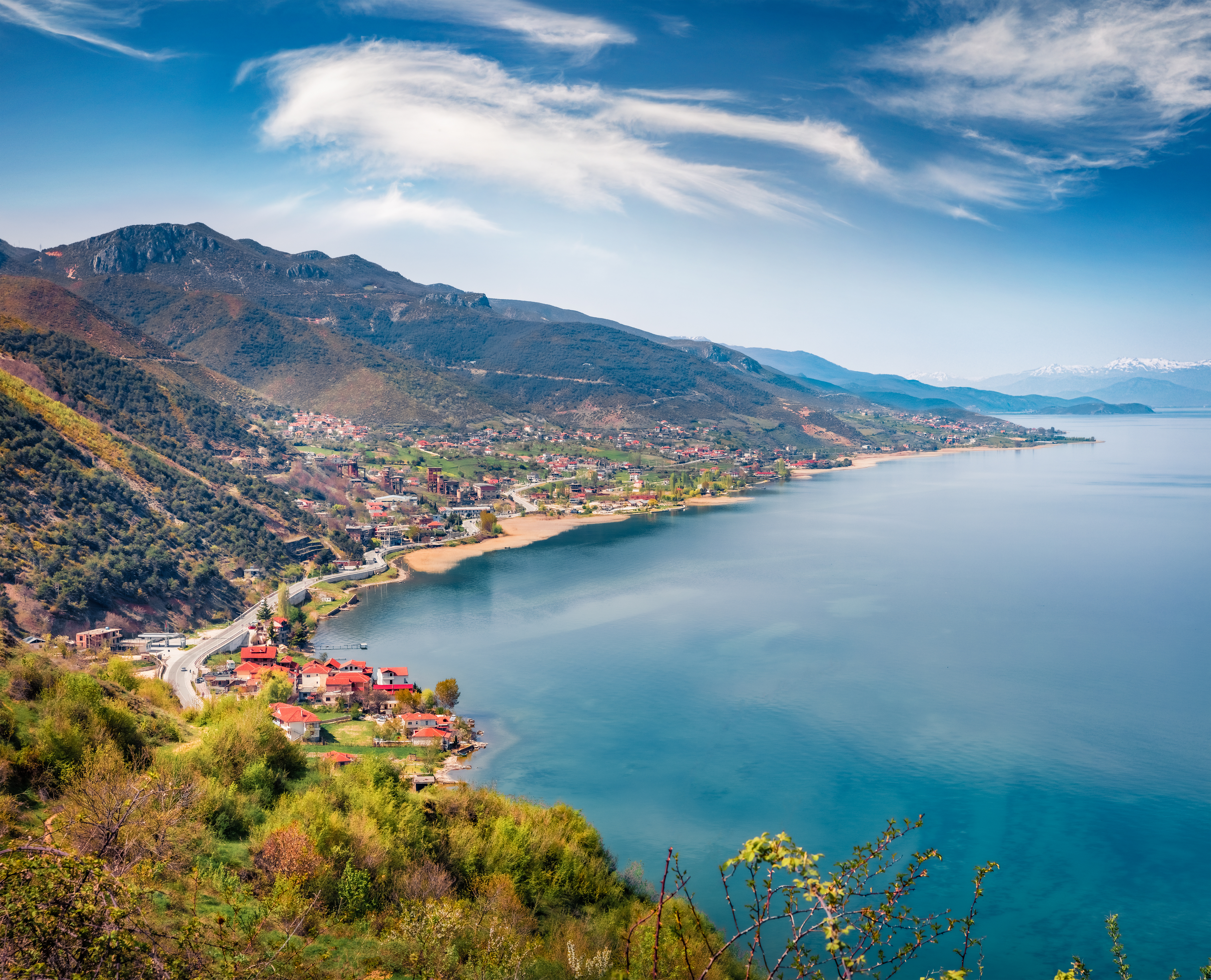
Walking tour of Tirana visiting the remains of an old castle, the Pyramid of Tirana and the Prime Minister’s Office; visit Bunk’Art 2 or 1; continue through the Blloku neighbourhood. Drive to Pogradec with a short stop at the 15th-century Elbasan Fortress and a stop in Lin to walk through the village and have coffee, reaching lakeside Pogradec on Lake Ohrid.
Meals: Breakfast
Day 3
Transfer to the artists village of Voskopoje; continue to Korçë
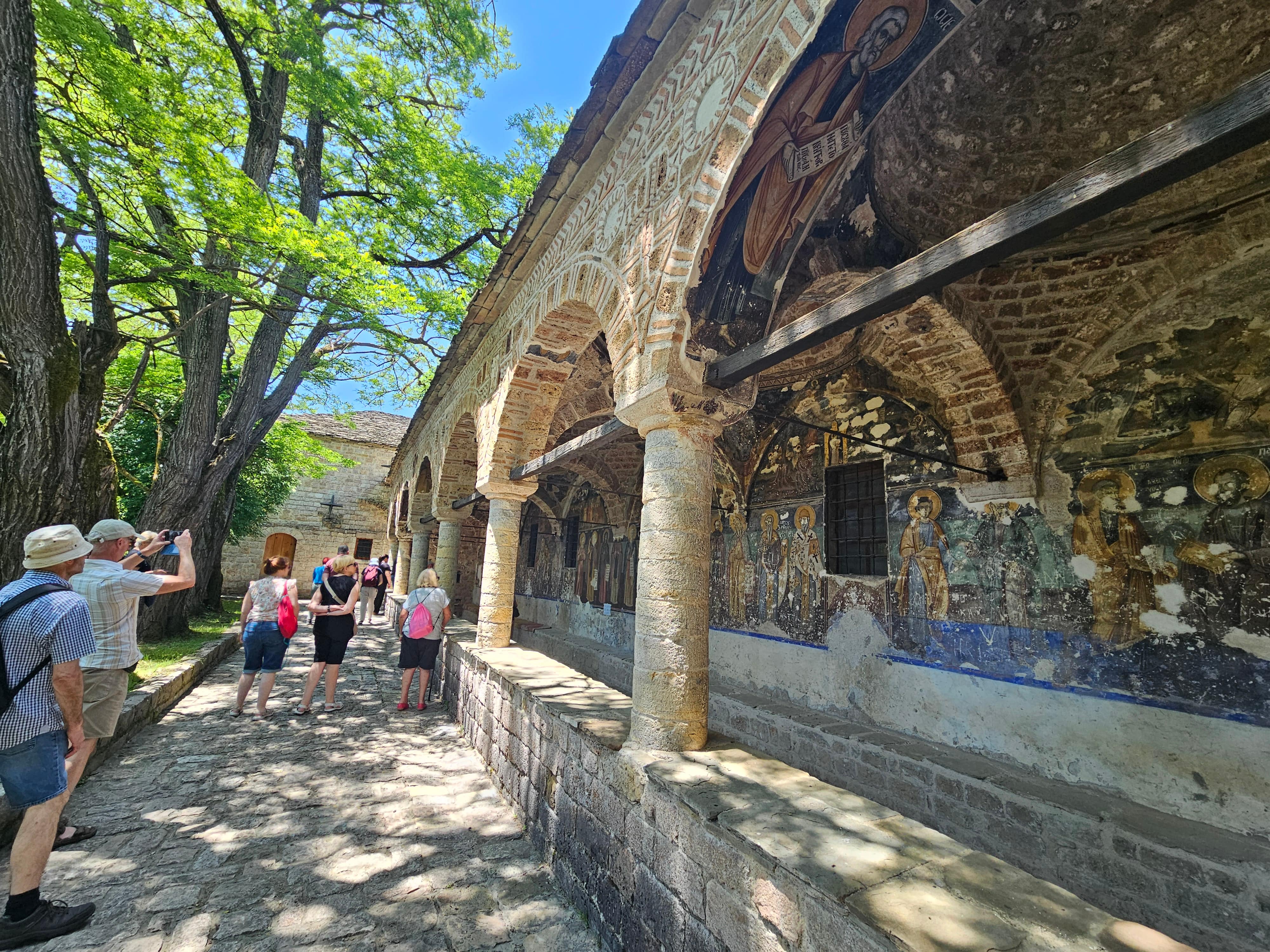
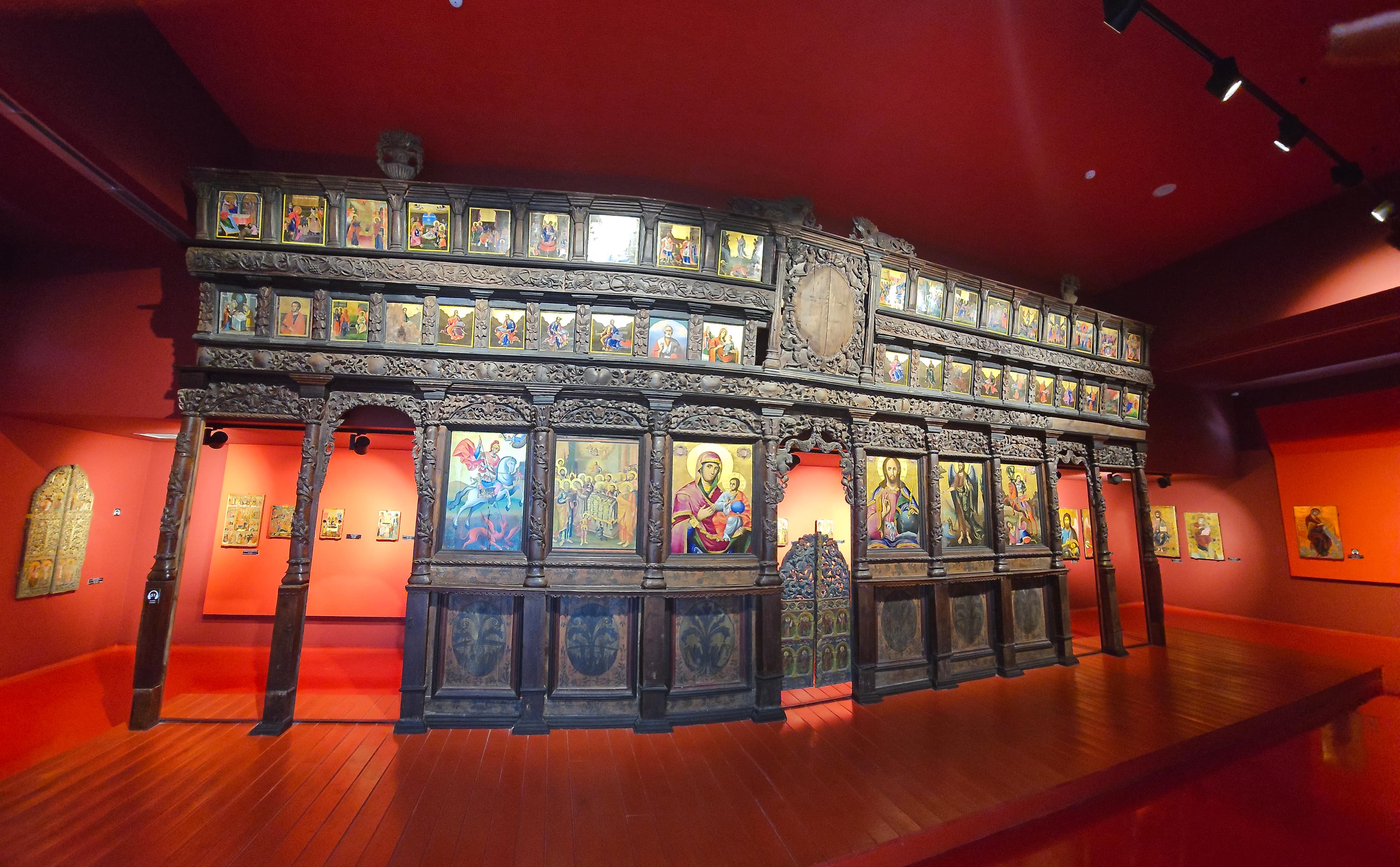
Drive to Voskopojë (Moscopole) for a 40-minute walk to visit one of the oldest churches; continue to Korçë at the foot of Moravia Mountain, an important trading and handicraft centre known as the City of Museums. Seasonal note: during March, April, October and November, visits to the Medieval Arts Museum in Korçë and to Voskopoja may be done in reverse order.
Meals: Breakfast
Day 4
Drive via the mountain village of Ersekë to the gastronomic city of Përmet
Scenic mountain drive with sweeping views across the Gramos and Nemercka ranges; short stop in high-altitude Ersekë (1,050m). Continue to the hot springs for time to relax and swim, then arrive in Përmet on the Vjosë River, famed for food, wine, gliko sweets and raki.
Meals: Breakfast
Day 5
To Gjirokastër via the characterful village of Dhoksat
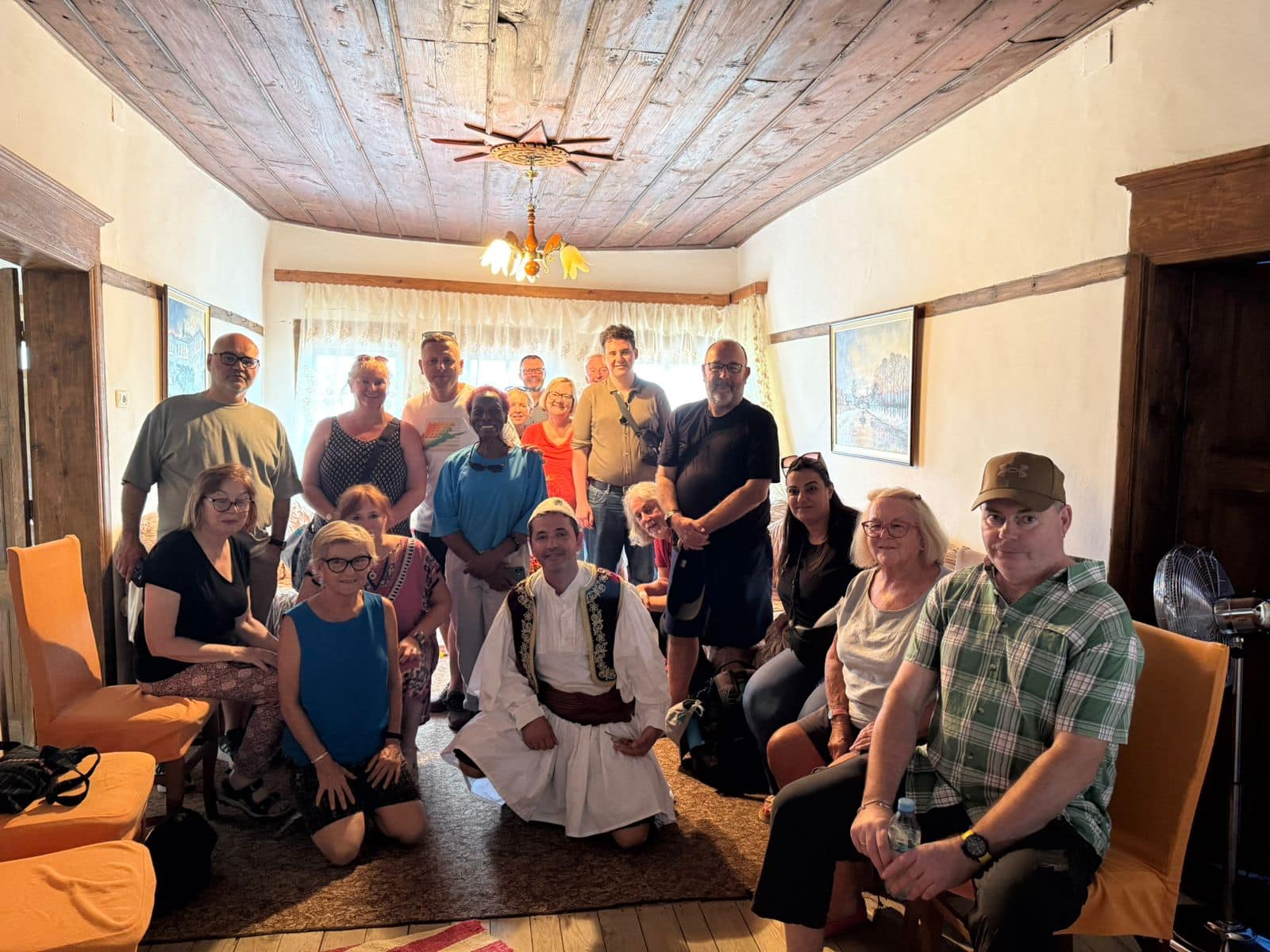
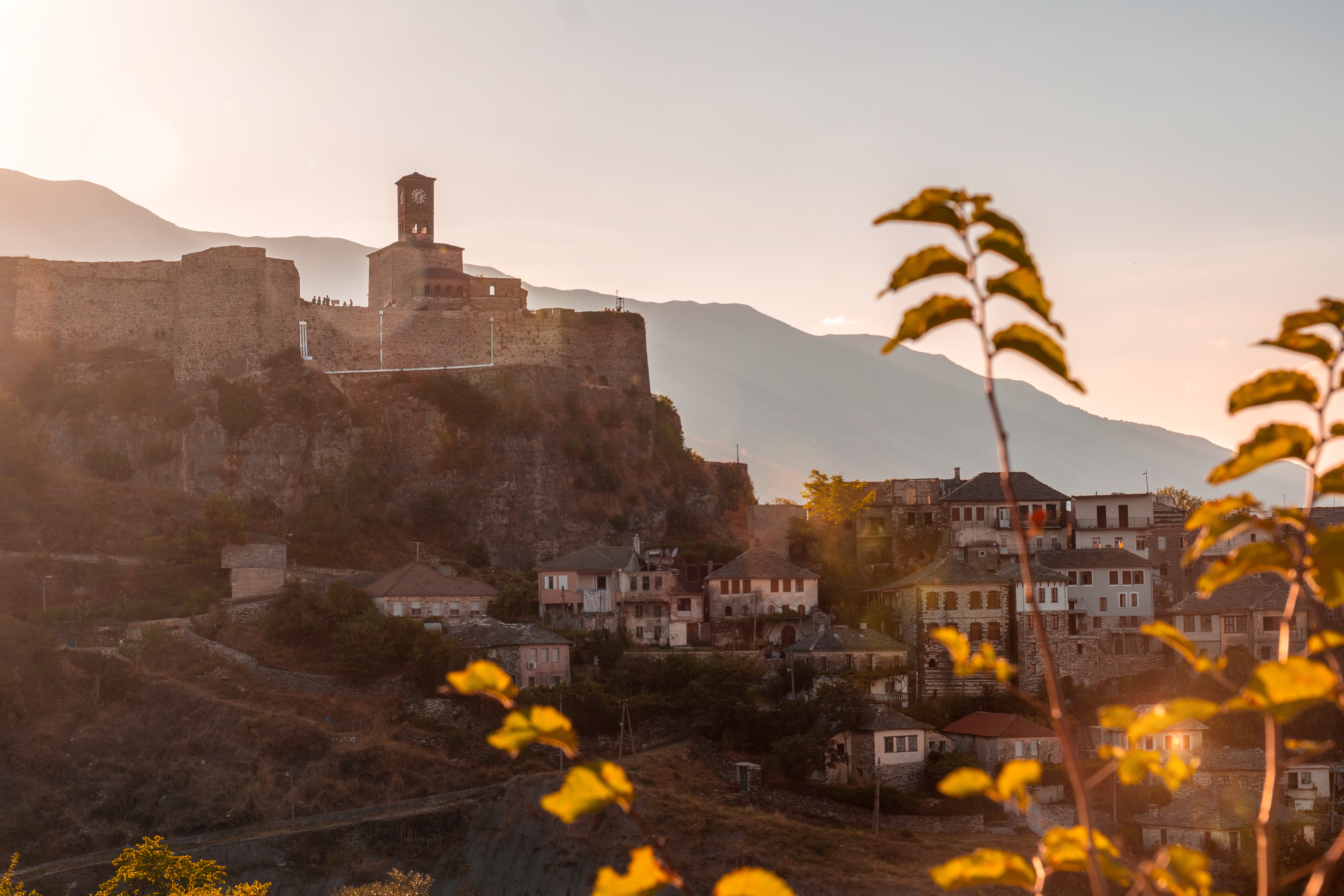
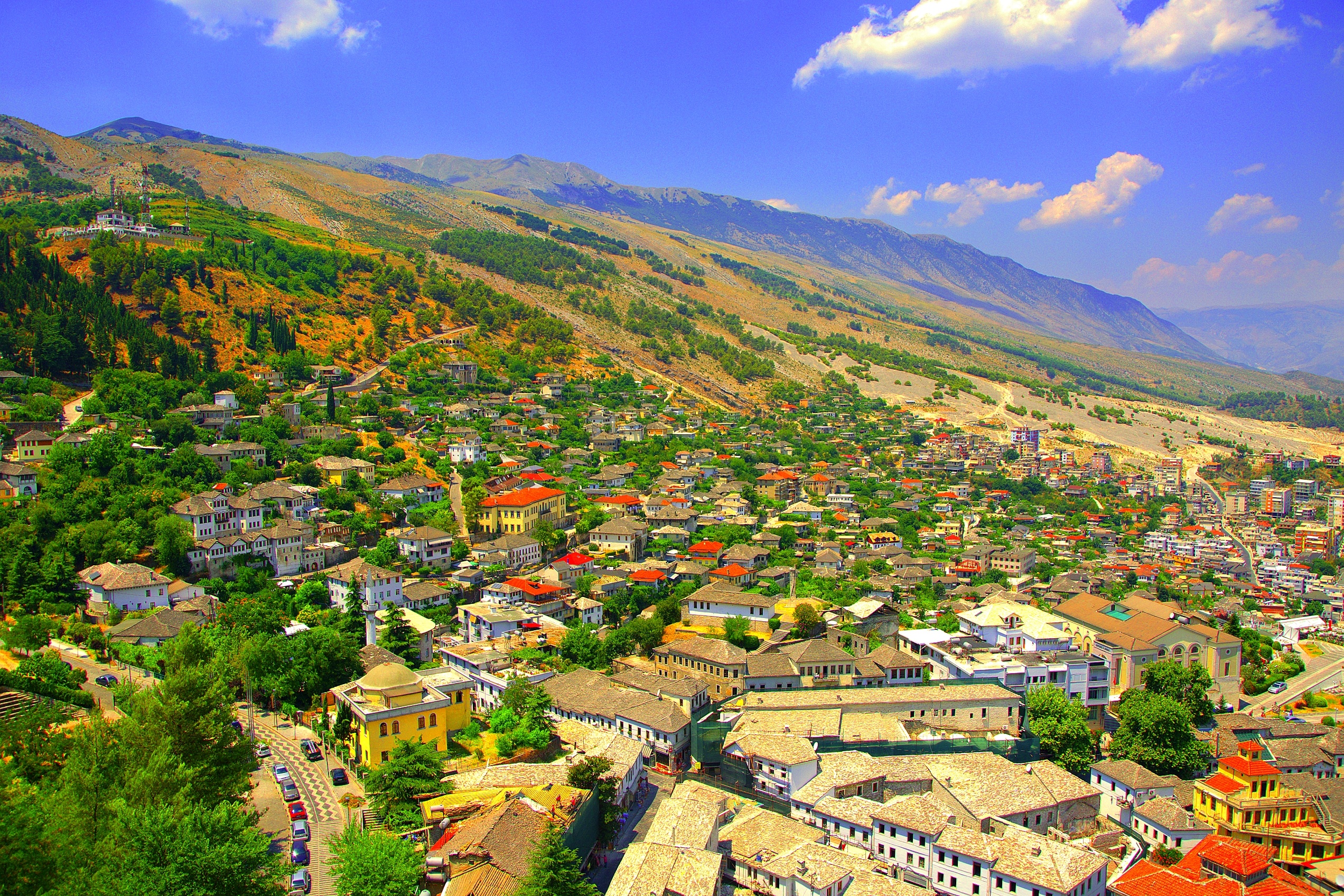
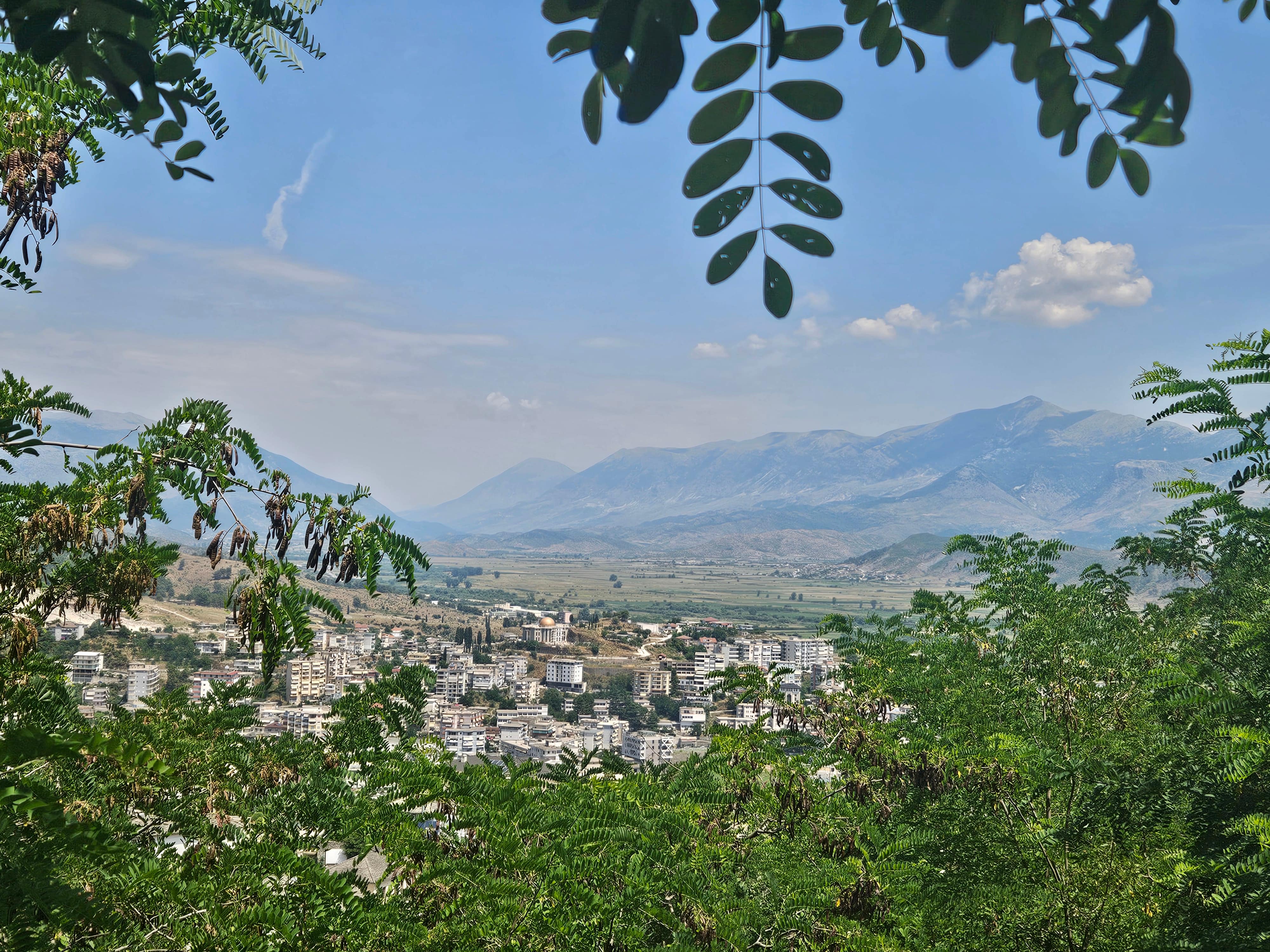
Drive to Gjirokastër with a homecooked lunch hosted by a local family in Dhoksat. In the afternoon, enjoy a guided visit of Gjirokastër’s cobbled old town and castle, and visit Skënduli House. Note: lunch with the local family may be changed to dinner depending on availability.
Meals: Breakfast,Lunch
Day 6
Visit Butrint, continue to Llogora National Park
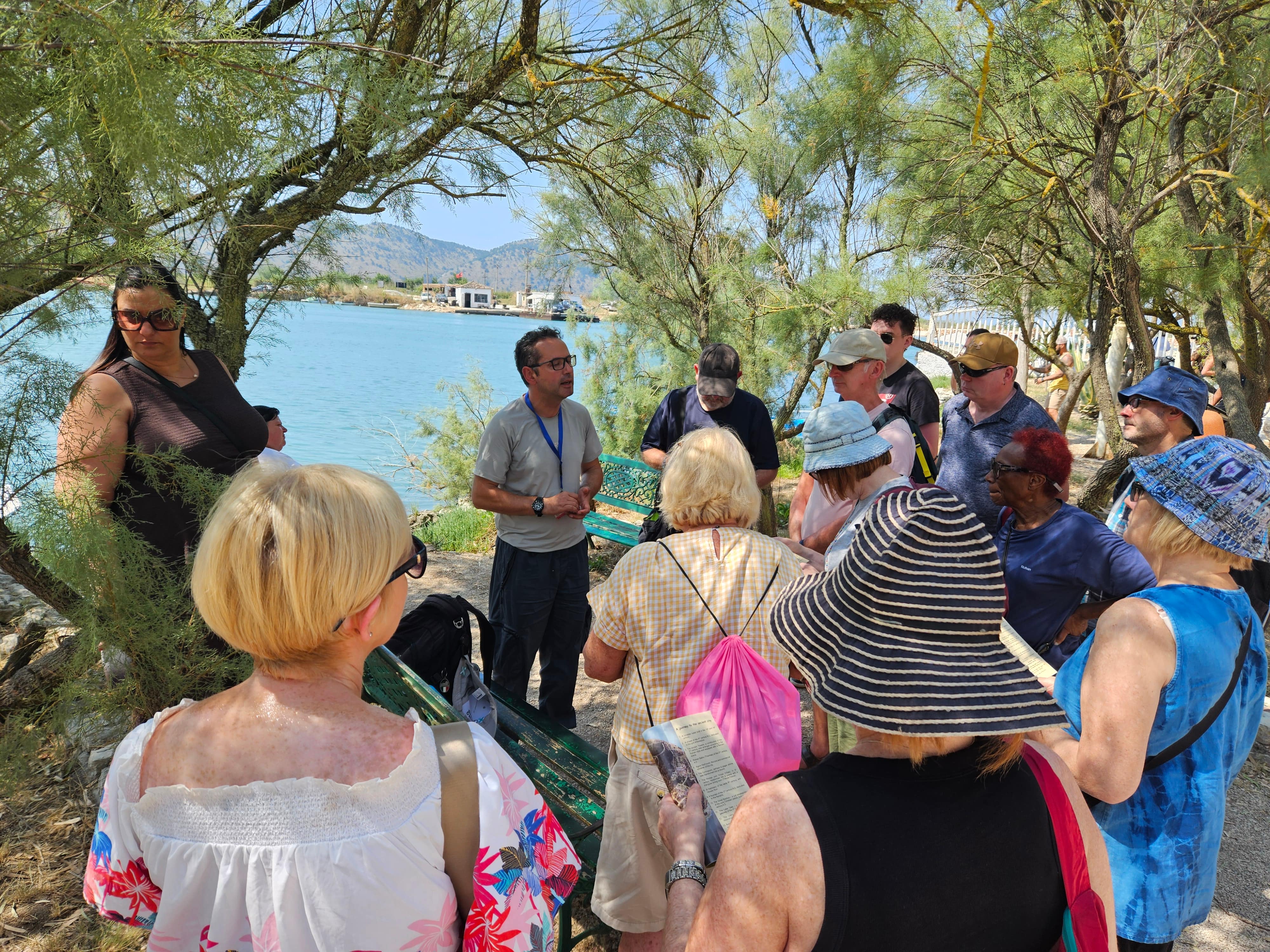
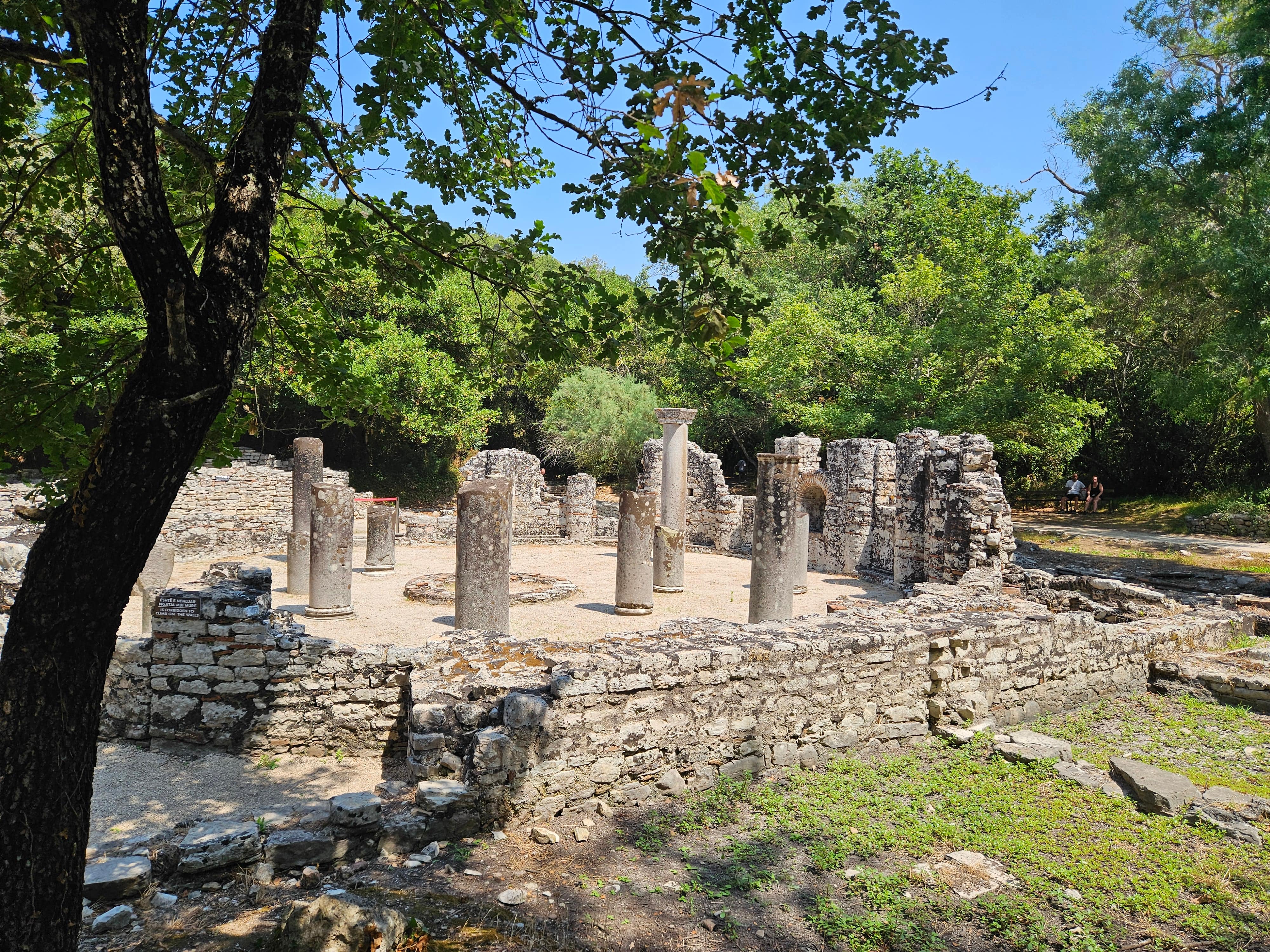
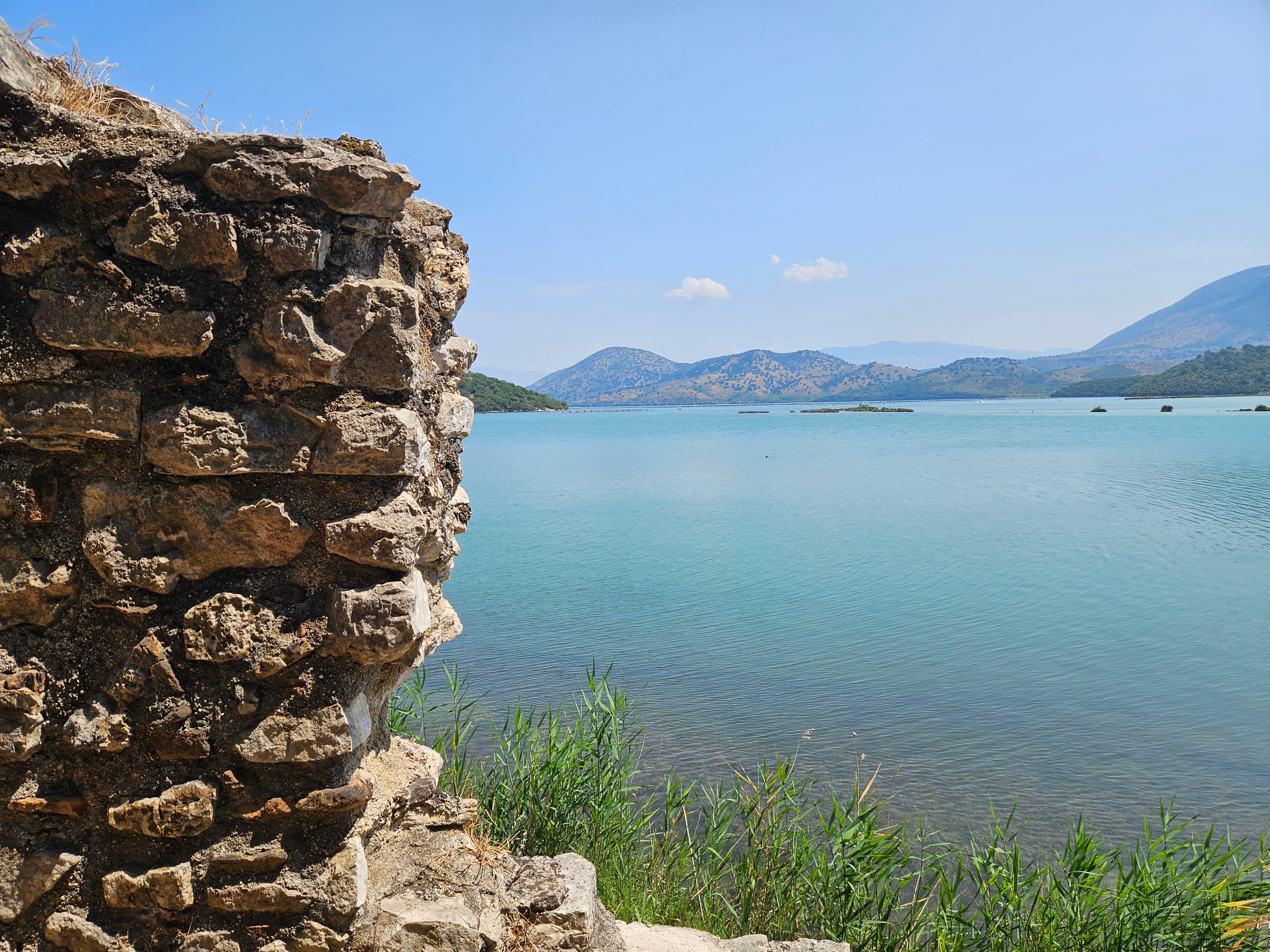
Early visit to Unesco-listed Butrint National Park, once home to a sanctuary dedicated to Asclepius with significant Roman-period remains. Afterward, drive to Llogora National Park, stopping along the coast.
Meals: Breakfast
Day 7
Llogora National Park walk and visit Apollonia
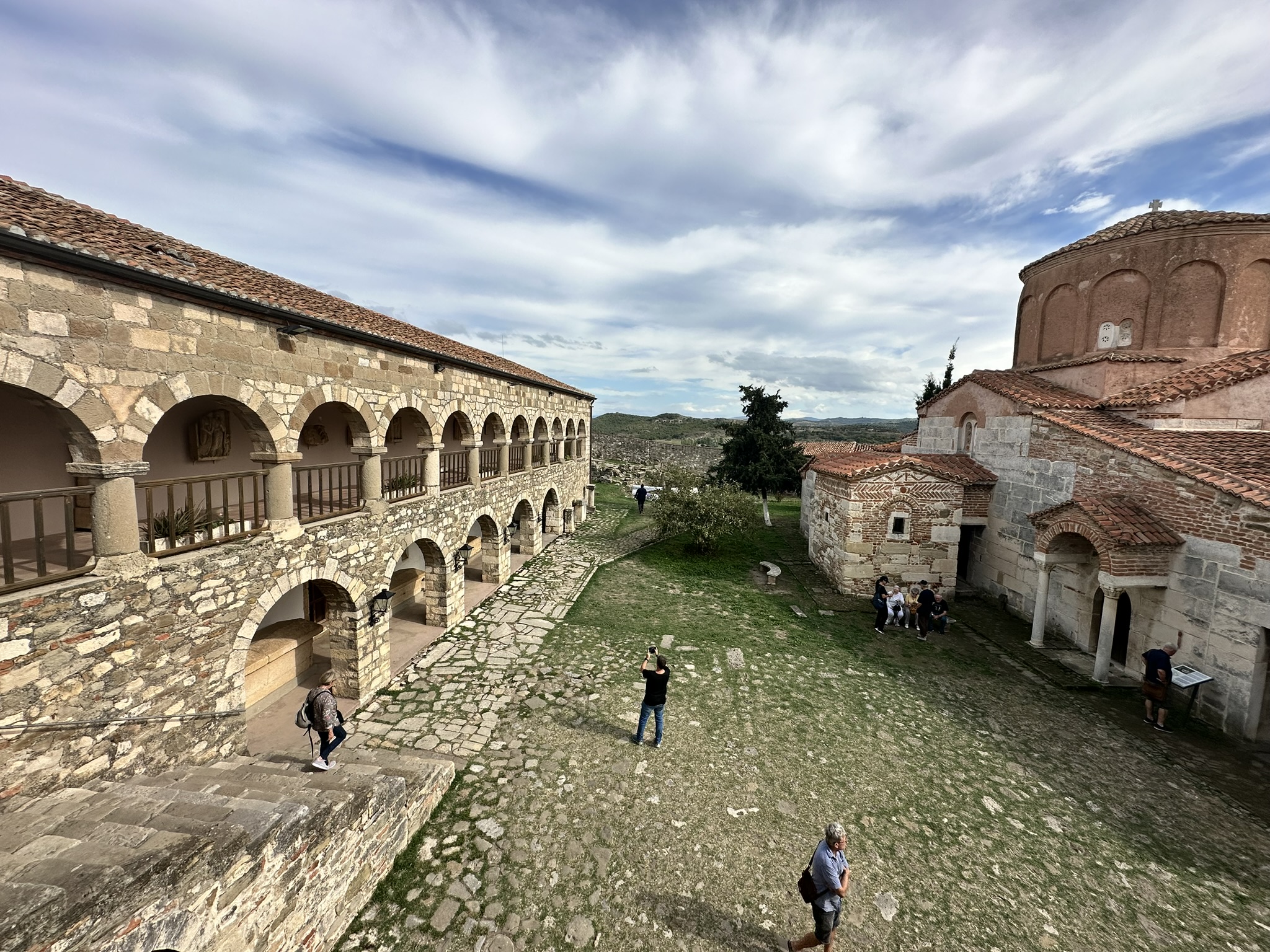
Hike a 4km round trip on Caesar’s Path in Llogora National Park (possibly to Caesar’s Field) with an opportunity for a swim in the Ionian Sea. Visit the ruins of Apollonia, then transfer inland to Unesco-listed Berat.
Meals: Breakfast
Day 8
Day in Berat
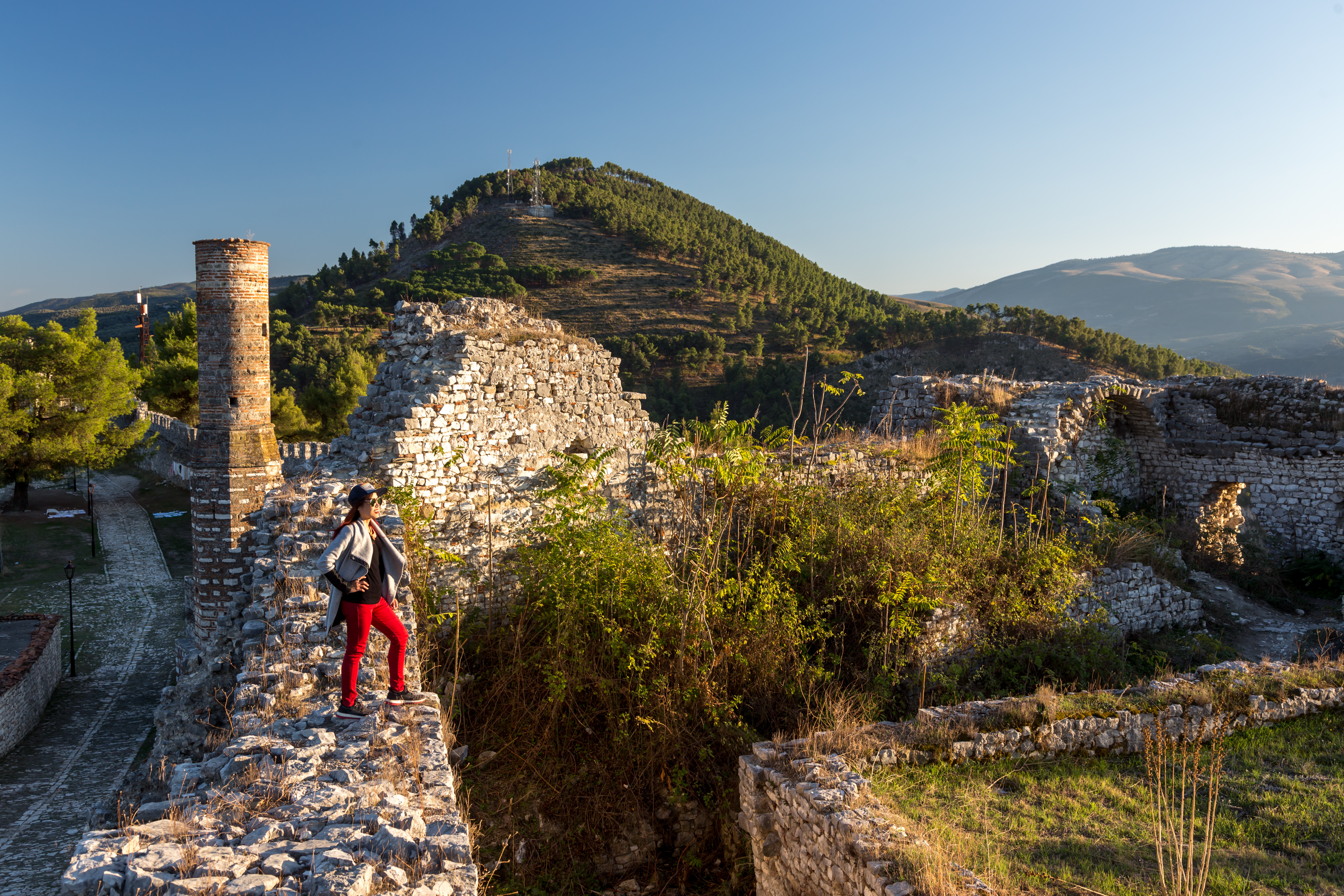
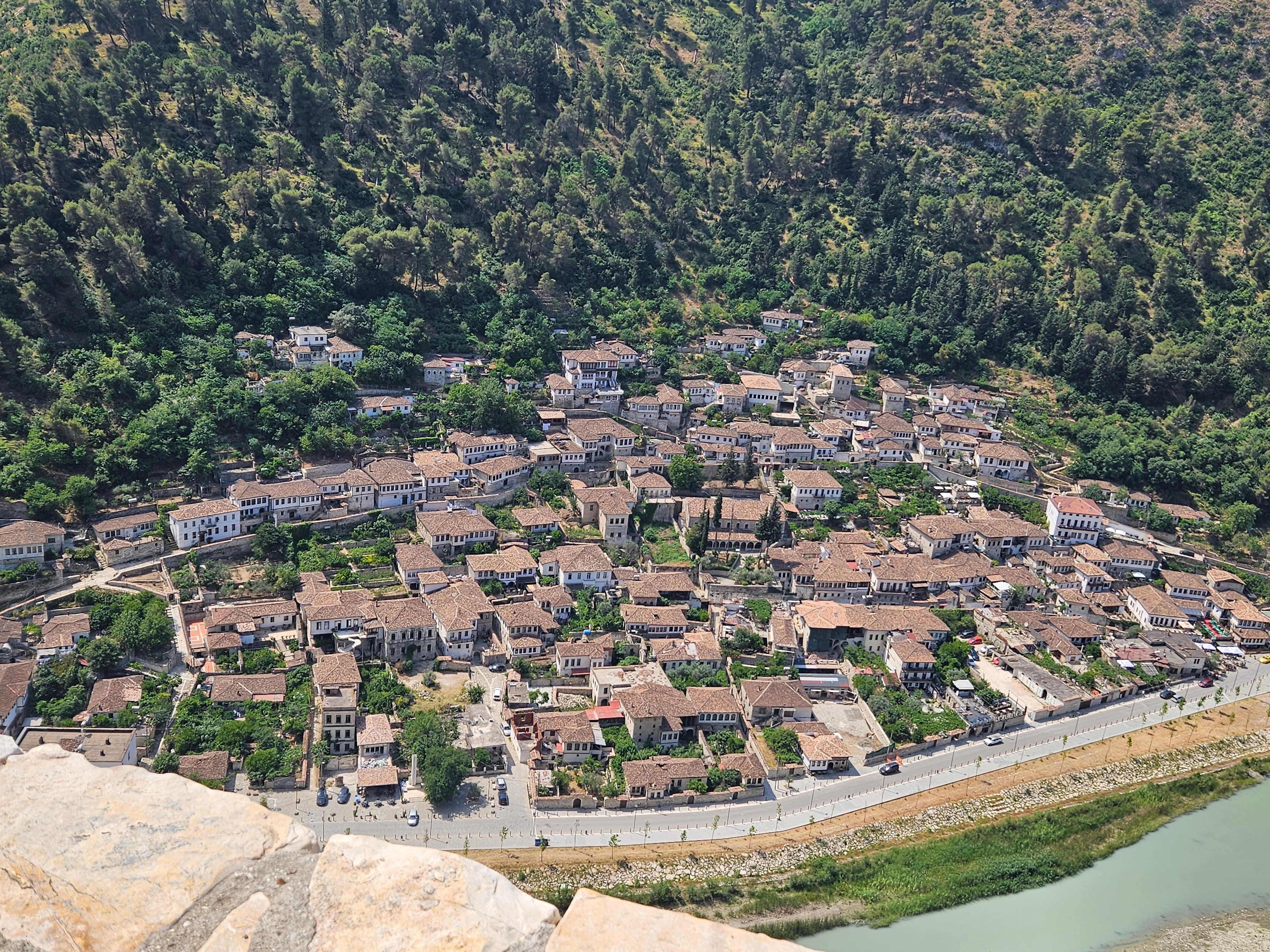
Guided tour of Berat’s old district; walk up to Berat Castle for views and visit the Onufri Museum (Museum of Iconography). Visit the House of Cac Dollani, then enjoy free time to explore.
Meals: Breakfast
Day 9
Drive to amphitheatre and port of Durrës; continue to Krujë
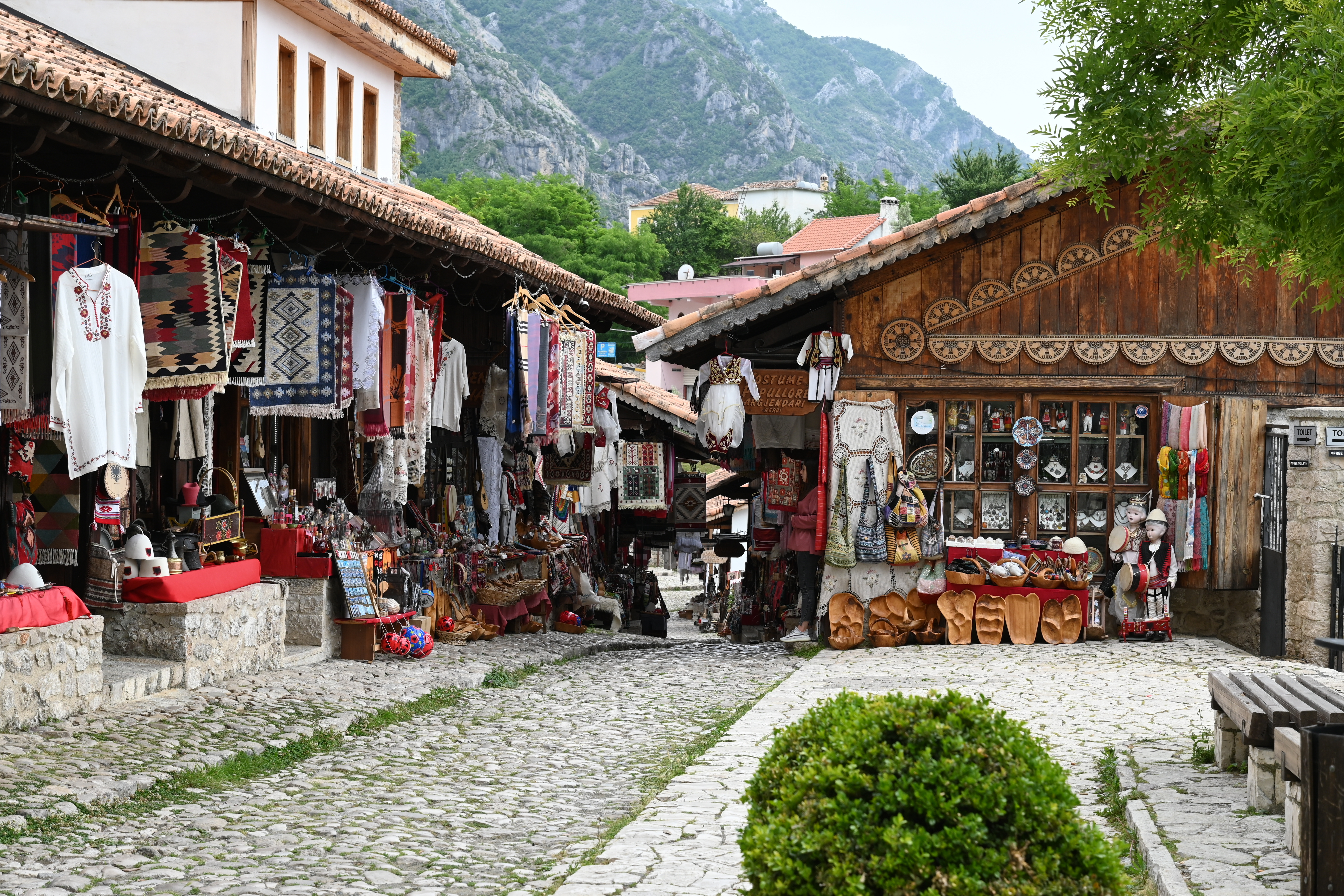
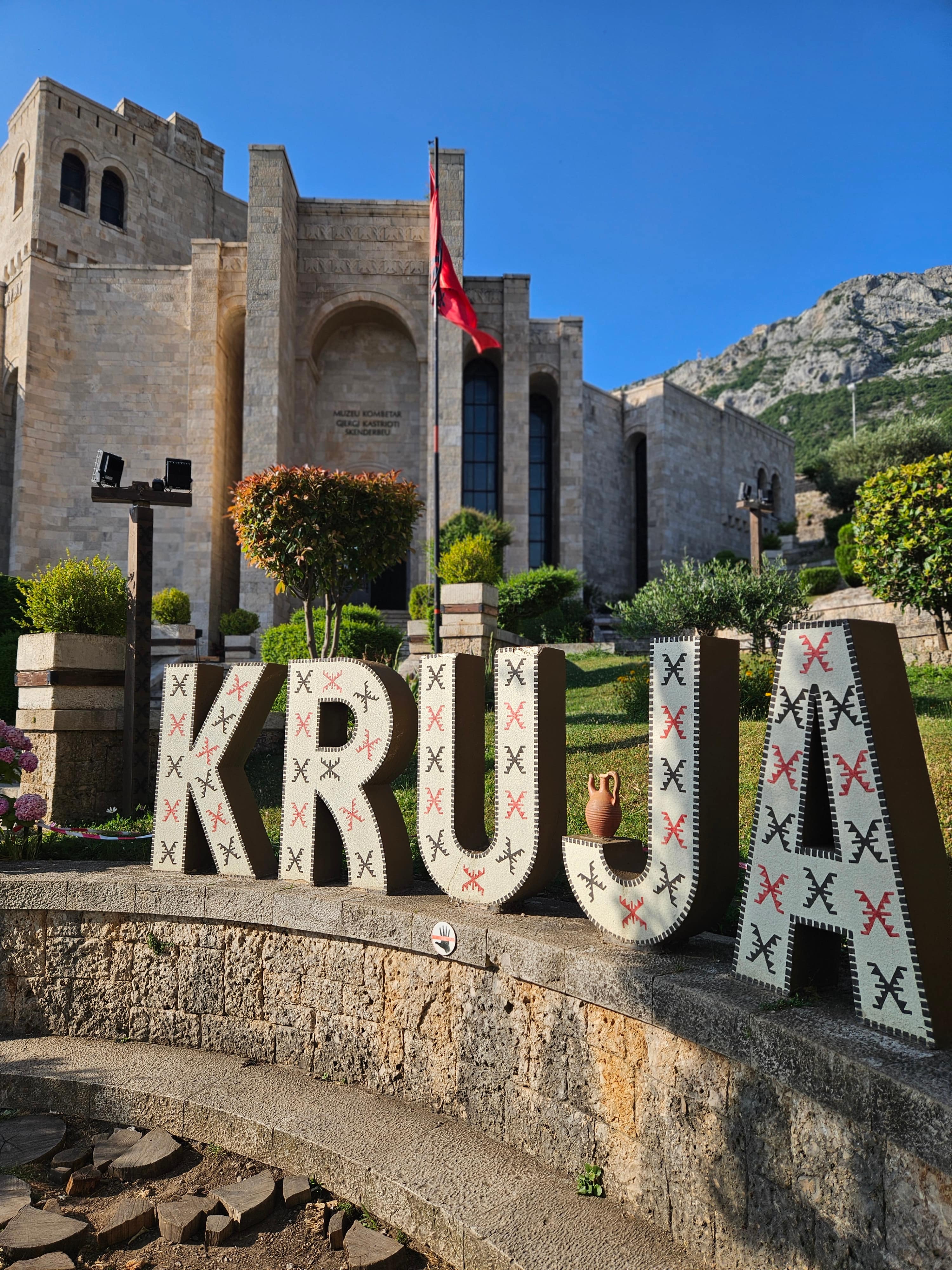
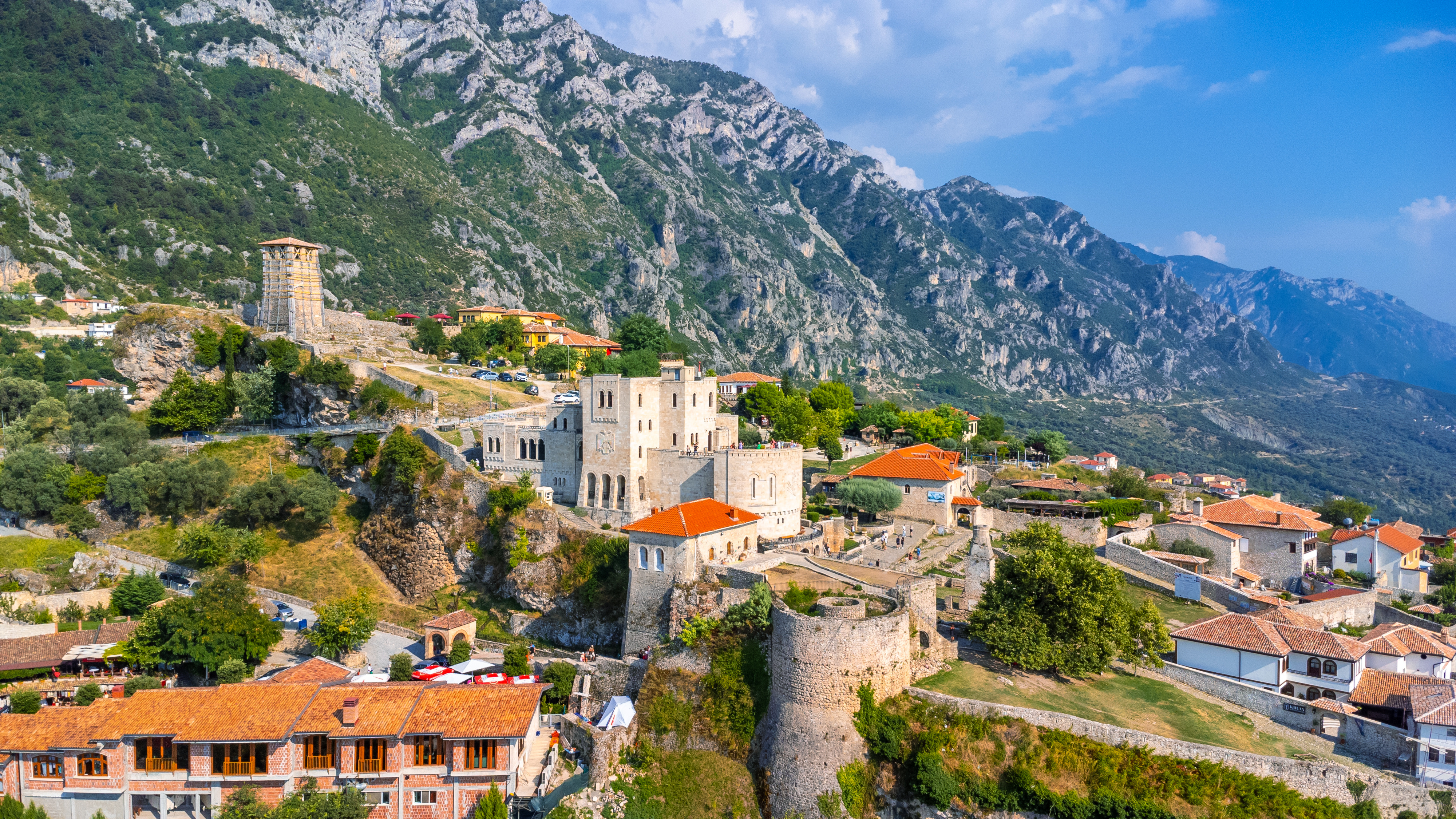
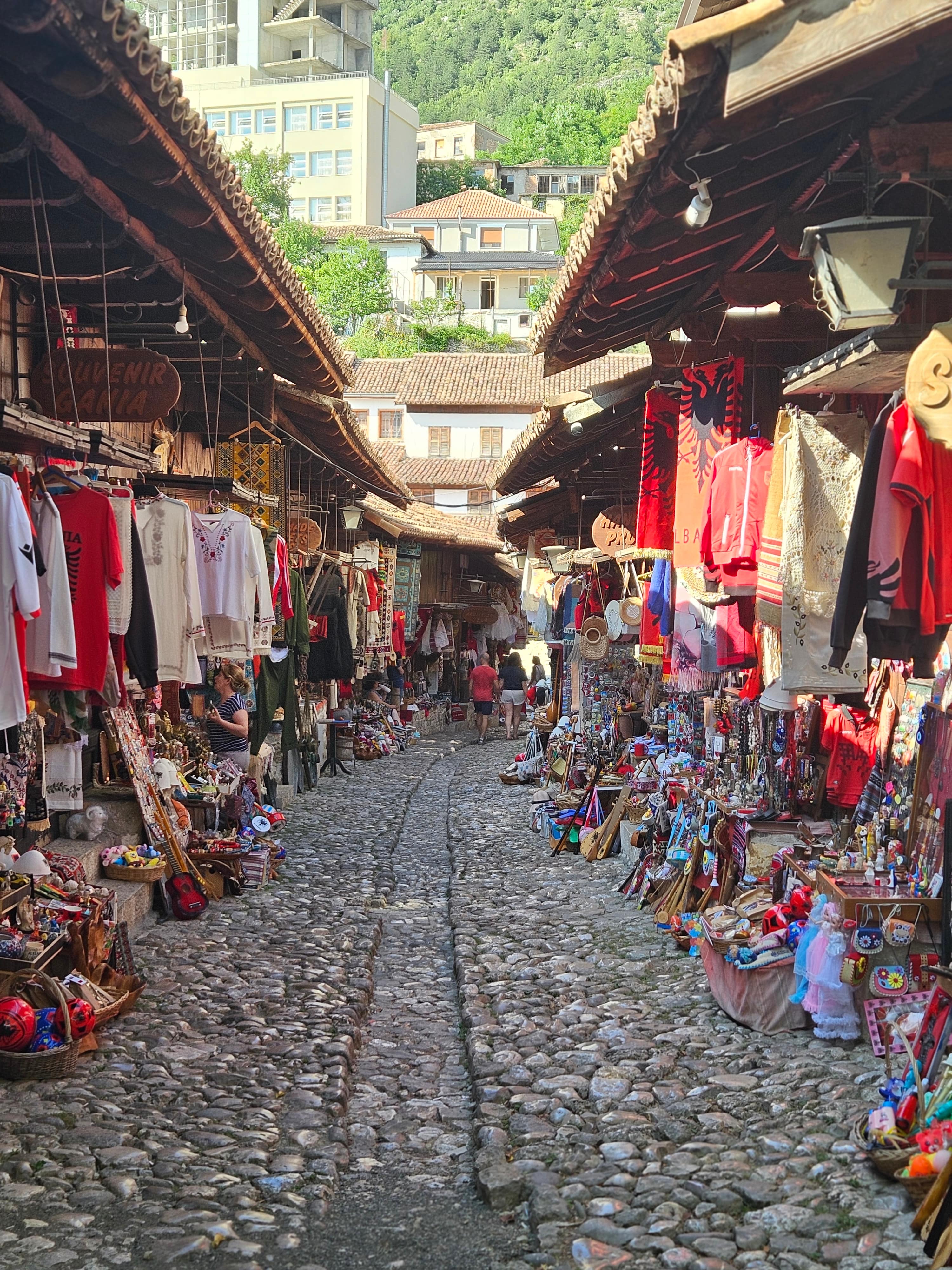
Drive to Durrës to visit the Balkans’ largest amphitheatre, then continue to the medieval citadel of Krujë. Visit the Skanderbeg Museum with views to the Adriatic Coast and wander the medieval bazaar.
Meals: Breakfast
Day 10
Adventure ends in Kruje
Trip ends in Krujë after breakfast; begin your return journey home or extend your stay.
Meals: Breakfast
What’s included
What’s not included
Additional information
Food
Food in Albania is quite varied thanks to the many influences on the country, particularly from Turkey, Greece and Italy. Dairy products, especially milk and yoghurt, are present in almost every meal, usually locally sourced.
Under dictator Enver Hoxha, Albania was isolated from the world and therefore became a self-sustaining country. The fertile valleys, fresh mountain springs and Mediterranean climate means it is still very much a subsistence culture and shows very little sign of changing. In the countryside, expect your food to be very locally sourced. Breakfasts are typically eggs, fresh bread, jam, honey and coffee. For lunch and dinner, meat dishes are often goat or lamb, with fish dishes such as trout and whitebait. Courses often come in meze form, complimented with a variety of vegetables and salad, freshly baked bread, homemade cheeses, local wines and, of course, raki. In the coastal cities, there are several restaurants with an array of Mediterranean cuisine and fresh seafood available.
We recommend you always drink bottled water. The most environmentally friendly method is to share the larger reusable glass bottles served in most restaurants.
Elbasan Fortress & Lin Village Walk on Lake Ohrid
Visit the 15th-century Elbasan Fortress, where stout walls built by Ottoman sultans protect cobbled lanes and centuries-old houses. The citadel’s calm courtyards and minaret silhouettes hint at Elbasan’s former role on the Via Egnatia trade route.
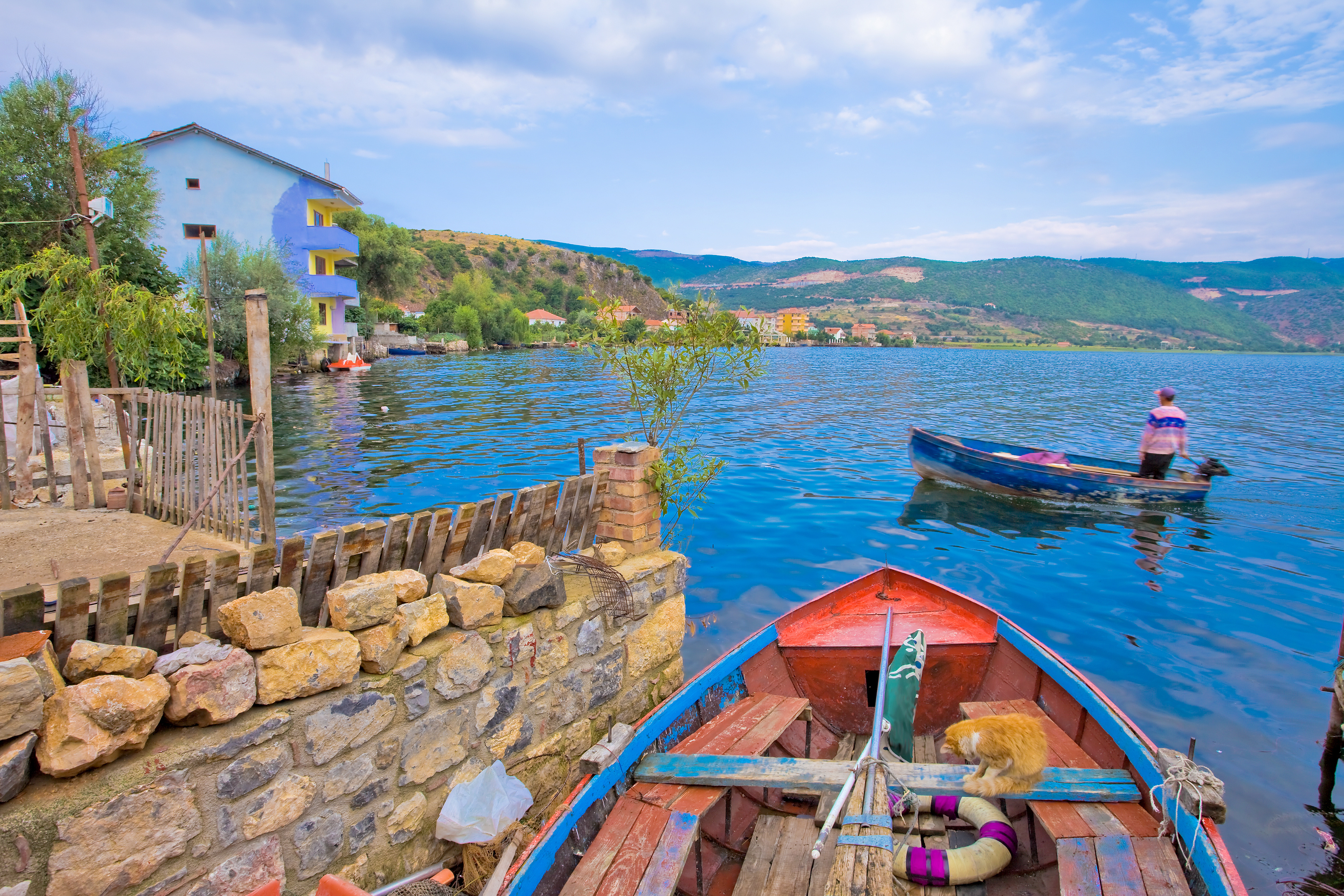
Continue to stroll the shoreline settlement of Lin beside Lake Ohrid, part of a UNESCO World Heritage region famed for endemic species and early Christian mosaics. Pause for photos and reflection as mountains rise above mirror-like waters and wooden skiffs bob by the pier.
Voskopoja Churches Walk & Korçë Museum of Medieval Arts
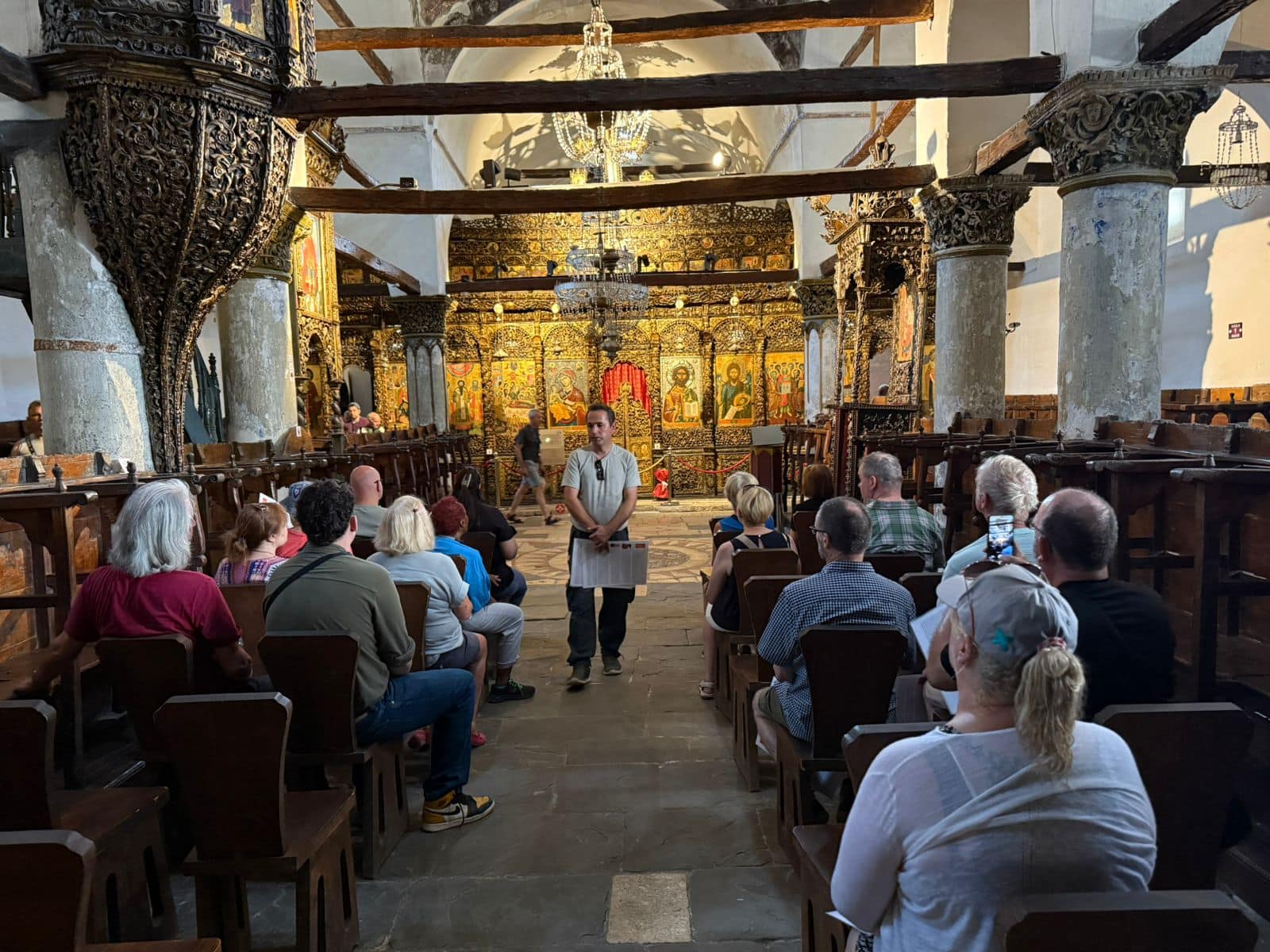
Step into a highland enclave as you walk to frescoed churches in Voskopoja, once a thriving 18th-century cultural hub. Vaulted naves glow with saints and floral borders painted by master iconographers of the region’s famed Albanian school.
In nearby Korcë, the Museum of Medieval Art showcases gilded icons, processional crosses, and liturgical textiles. Curated galleries trace techniques and symbolism, revealing how sacred images bridged Byzantine traditions and local craftsmanship across the centuries.
Përmet Hot Springs & Ottoman Bridge
Unwind in nature as you soak in mineral-rich pools at the Bënjë hot springs near Përmet. Steam curls above turquoise basins while limestone cliffs and the Langarica Canyon frame a serene mountain backdrop.
Cross the graceful arch of the Kadiut Ottoman Bridge, its stonework reflecting in clear riverwater. Local lore praises the springs for restorative qualities; the setting’s stillness and alpine air make the experience as contemplative as it is rejuvenating.
Dhoksat Home-Cooked Lunch & Cultural Exchange
Sit down to a home-cooked lunch with a local family in the stone-built village of Dhoksat. Taste farm-to-table dishes such as byrek pies, slow-cooked lamb, garden salads, and gliko preserves served with mountain tea or raki.
Conversation flows as hosts share customs, seasonal recipes, and village life rhythms. This intimate encounter with Albanian hospitality adds depth to the journey—food as storytelling, and a table as the most welcoming doorway into culture.
Gjirokastër Castle & Skenduli House Guided Visit
Climb the ridge to Gjirokastër Castle for sweeping valley views over slate rooftops in this UNESCO World Heritage “stone city.” Cannon-lined ramparts, vaulted prisons, and museum exhibits narrate Ottoman rule, local revolts, and 20th-century chapters.
Descend to the Skenduli House, a masterpiece of Ottoman-era architecture with carved ceilings, guest salons, and hidden dowry rooms. Your guide decodes family life, status symbols, and defensive design in a mansion built to impress and endure.
Butrint National Park Archaeological Tour
Wander ancient avenues in Butrint National Park, a marsh-fringed peninsula layered with Greek, Roman, Byzantine, and Venetian remains. Step inside the Roman theatre, trace colonnades by the forum, and see bathhouses, basilicas, and fortified gates entwined with laurel and fig.
At the acropolis slope, the sanctuary to Asclepius recalls a time of pilgrim healings. As a UNESCO World Heritage site, Butrint’s ruins and wetlands reveal a coastal city that rose, faltered after earthquakes, and left a hauntingly beautiful archaeological palimpsest.
Albanian Riviera Coastal Drive & Llogara Pass Viewpoints
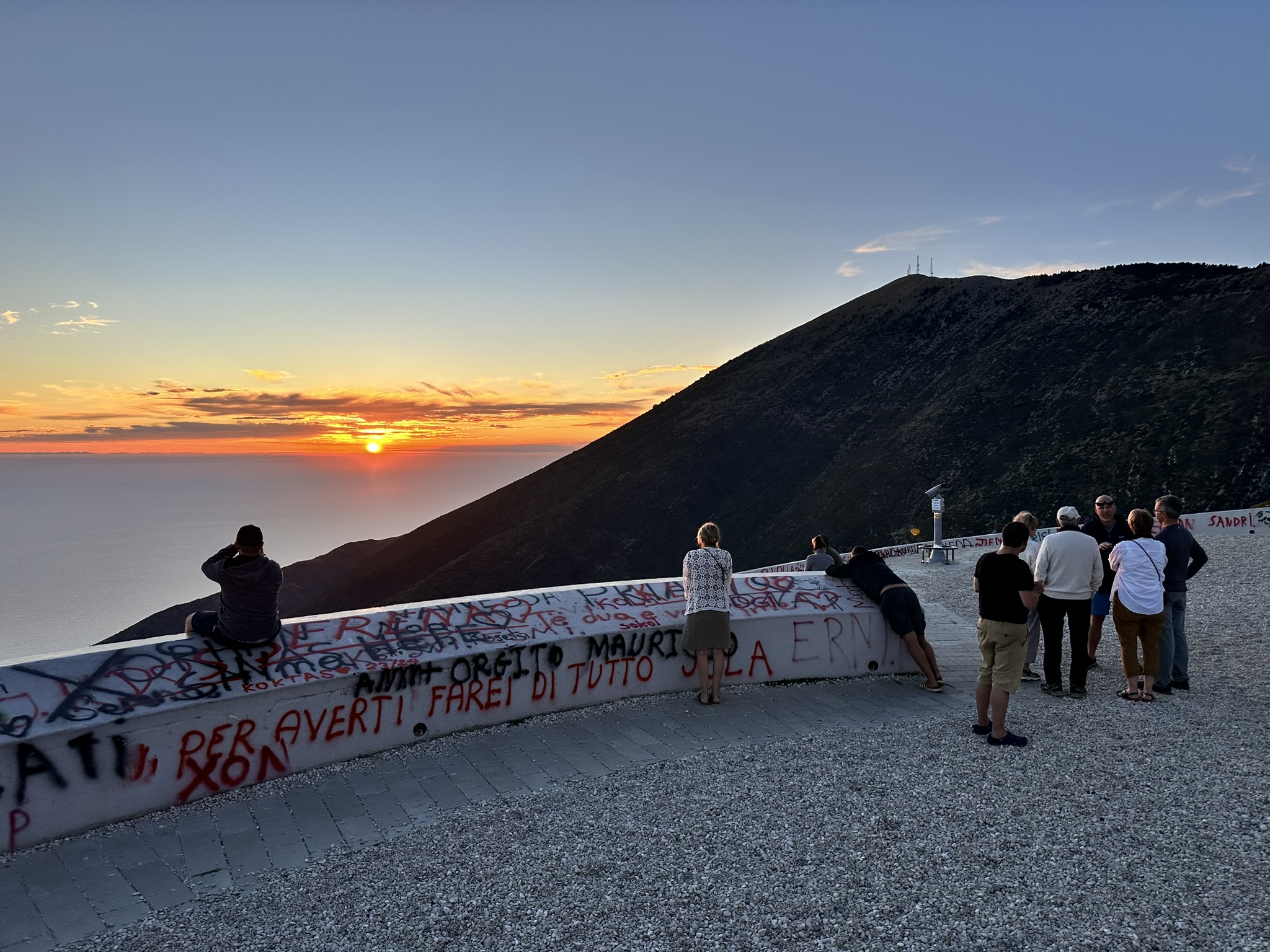
Sweep along the Albanian Riviera where cypress-speckled slopes meet luminous coves. The road climbs to the Llogara Pass, opening Ionian Sea vistas with islands on the horizon and terraced olive groves folding to the shoreline.
Your driver selects scenic stops to pause for photos and reflection. Sea breezes, resin-scented pines, and dramatic switchbacks set a cinematic frame for one of the Balkans’ great coastal journeys—wild, under-the-radar, and startlingly beautiful.
Llogora National Park Hike on Caesar’s Path
Enter the high forests of Llogora as you hike Caesar’s Path, a gentle 4km route linked by lore to Julius Caesar’s campaign of 48 BCE. Wind-twisted pines, soaring griffon vultures, and alpine meadows accompany the trail.
Listen for cowbells and woodpeckers in the cool mountain air, with open clearings revealing cobalt sea far below. Depending on conditions, there may be time to dip your toes in the Ionian at a nearby bay later the same day.
Apollonia Archaeological Park Guided Visit
Walk the colonnaded streets of Apollonia Archaeological Park, founded by Greek colonists and later a thriving Roman city famed for learning. Porticoes, odeon, and remnants of stoas frame fields where olives now sway.
Admire the monastery complex with its Byzantine church and museum treasures. Here, emperor Augustus studied before destiny called him to Rome. Earthquakes and silting sealed Apollonia’s fate, leaving a pastoral site where antiquity and countryside mingle harmoniously.
Berat Castle, Onufri Museum & Old Town Walk
Ascend to hilltop Berat Castle to gaze over the City of a Thousand Windows, where whitewashed houses cascade to the river. Within stout walls, lanes thread between chapels and courtyards still lived in by local families.
Visit the Onufri Museum to see radiant icons and an ornate iconostasis celebrated for cinnabar reds. Ambling the Mangalem and Gorica quarters, learn why Berat’s Ottoman vernacular architecture and layered faith heritage earned UNESCO recognition.
Durrës Amphitheatre & Early Christian Crypt
Discover the Balkans’ largest arena at the Durrës Amphitheatre, where gladiators once battled before 15,000 spectators. Arched corridors and seating tiers evoke the city’s Roman prime as ancient Dyrrachium on the Adriatic.
Descend to the early Christian crypt adorned with rare mosaics—delicate tesserae that hint at a community’s faith within the empire’s fading light. The juxtaposition of spectacle above and devotion below captures Durrës’ shifting fortunes through time.
Krujë Skanderbeg Museum & Medieval Bazaar
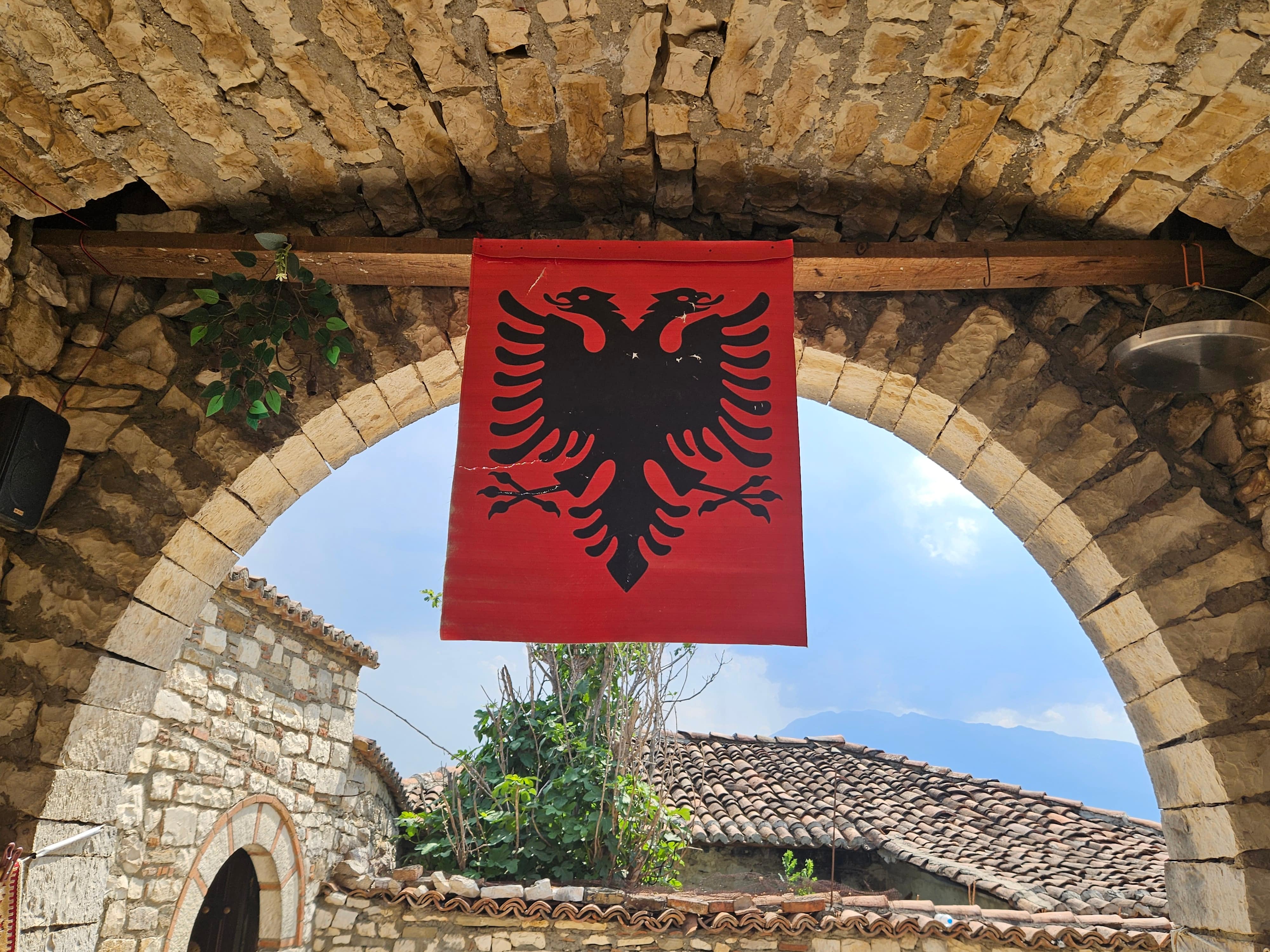
Enter the hilltop citadel to tour the Skanderbeg Museum, dedicated to Albania’s national hero who earned the epithet “Champion of Christ” for halting Ottoman advances. Exhibits trace 15th-century campaigns, heraldry, and the culture that rallied around resistance.
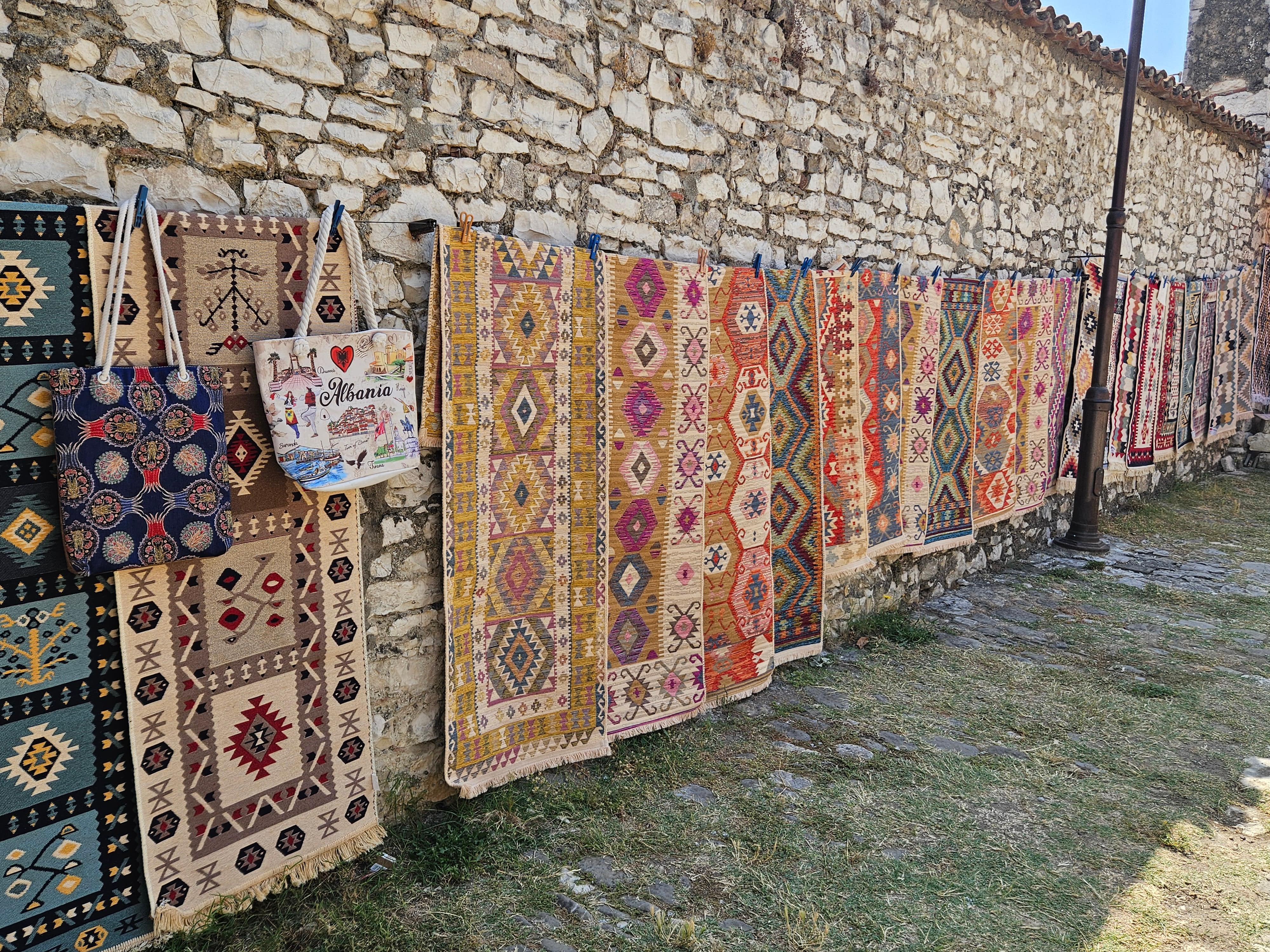
Amble through the medieval bazaar, a timber-framed market street lined with kilims, woodenware, and filigree. From fortress walls, take in panoramas to the Adriatic, a fitting finale that links mountain strongholds to the sea-laced horizon.
Tirana City Walking Tour & Bunk’Art Museum
Explore Albania’s capital as you join a guided walking tour to see the Pyramid of Tirana, the Prime Minister’s Office, and remnants of Tirana Castle. Trace the city’s layers from Ottoman alleys to pastel facades and the café culture of the Blloku neighborhood, once reserved for the communist elite.
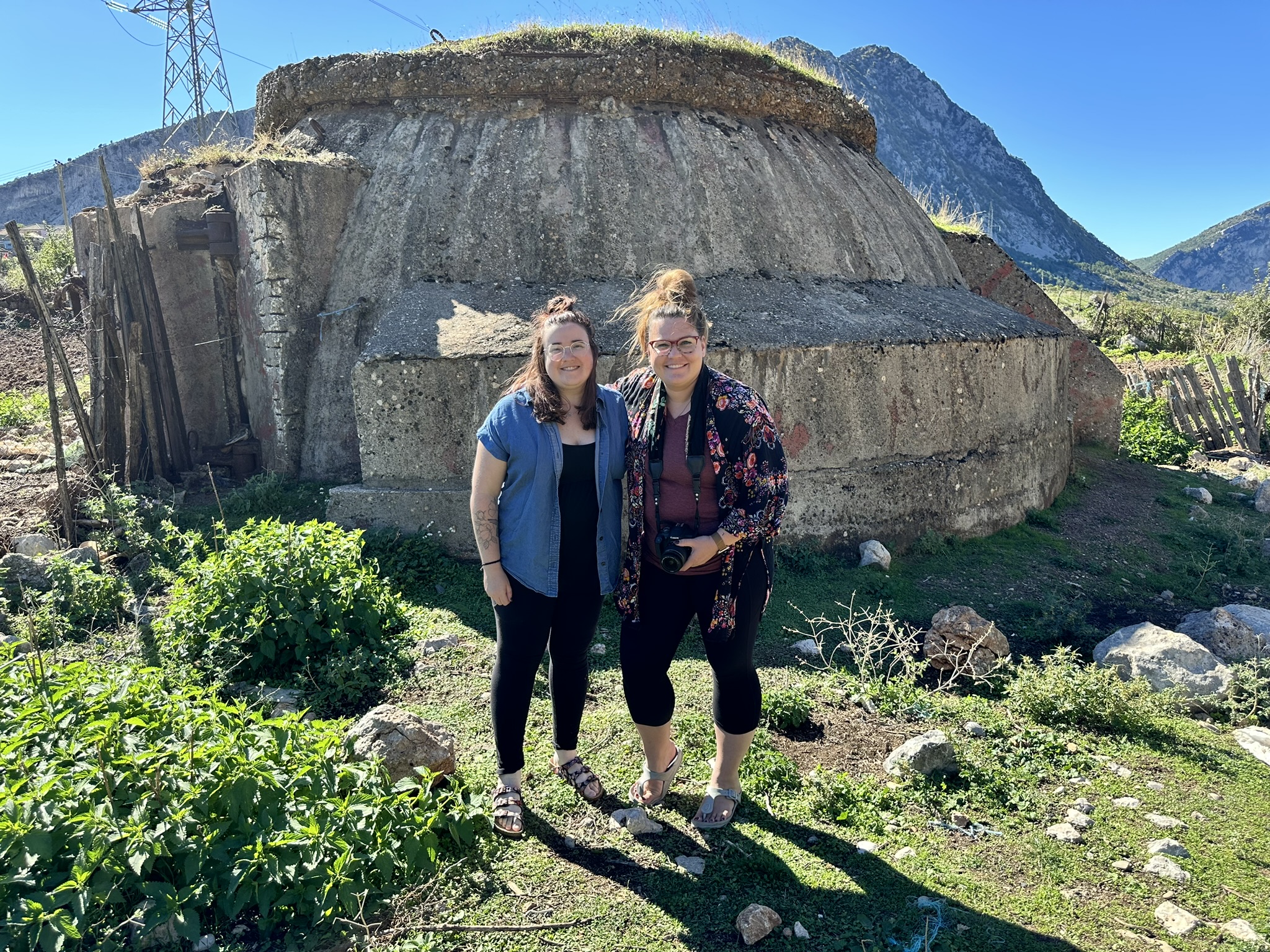
Cap the visit by stepping inside the Bunk’Art Museum (1 or 2), a Cold War bunker reimagined with immersive exhibits on state surveillance and daily life under Hoxha. The raw concrete chambers and archival soundscapes provide sobering context to modern, fast-evolving Tirana.
Tirana New Bazaar Orientation & Welcome Dinner
Arrive to a warm start as you meet your Tour Director and enjoy an orientation stroll through the revived New Bazaar (Pazari i Ri). Fruit pyramids, spice-laden stalls, and clinking glasses set a lively tone amid restored Ottoman shopfronts and street art.
Gather for a convivial welcome dinner celebrating Albania’s seasonal produce—think village cheeses, grilled lamb, and local wine. This shared first meal frames the journey ahead with stories of the country’s regional cuisines and the hospitality that underpins everyday Albanian life.