Your itinerary
Day 1
DAY 1
Arrival in Ljubljana
Meals: Breakfast
Day 2
Free afternoon in Ljubljana
Free afternoon in Ljubljana – This morning, we’ll begin our exploration in earnest. Splitting into smaller groups, we’ll follow a local guide to explore Ljubljana’s highlights as they entertain us with facts and personal anecdotes from life in this often-overlooked capital.
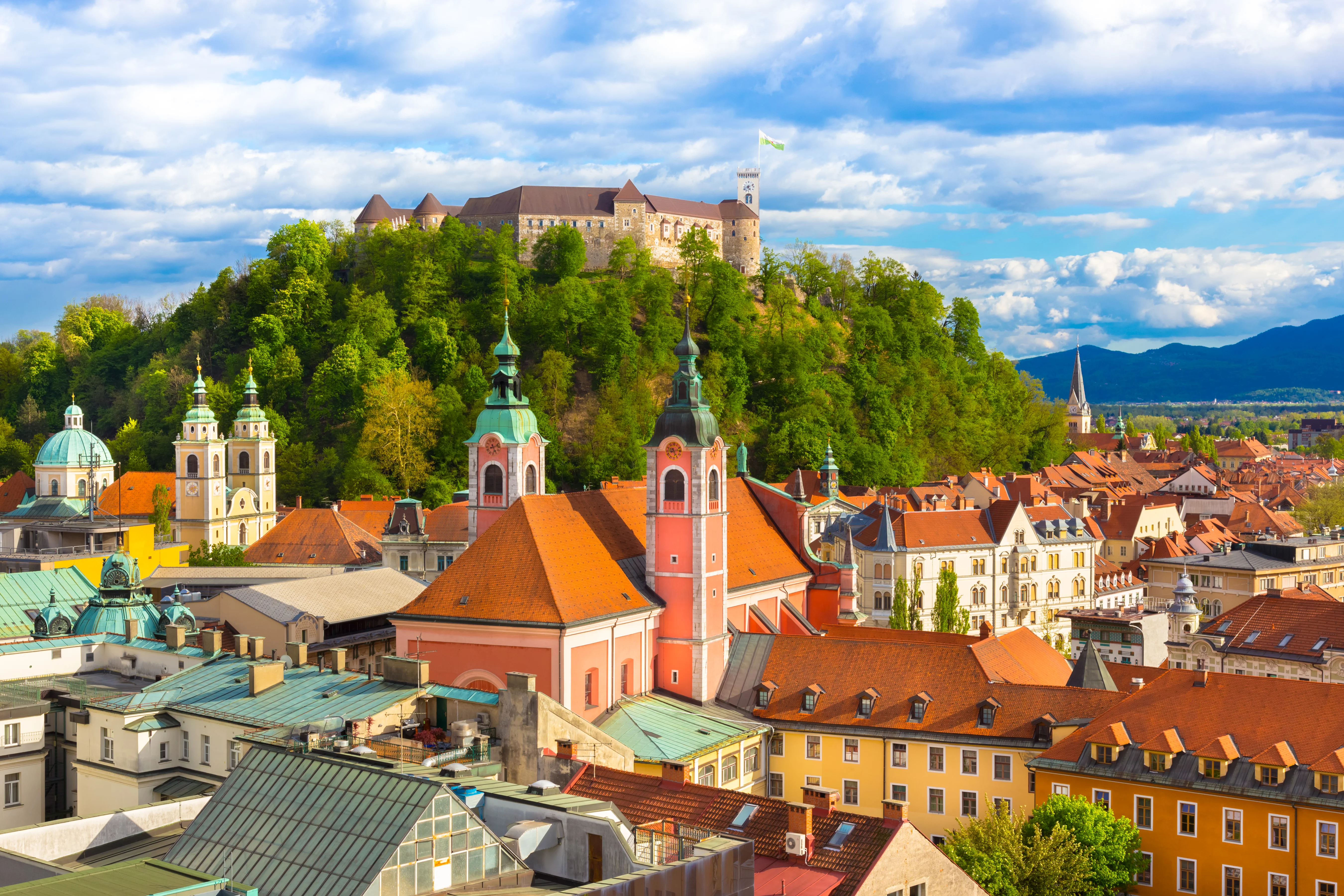
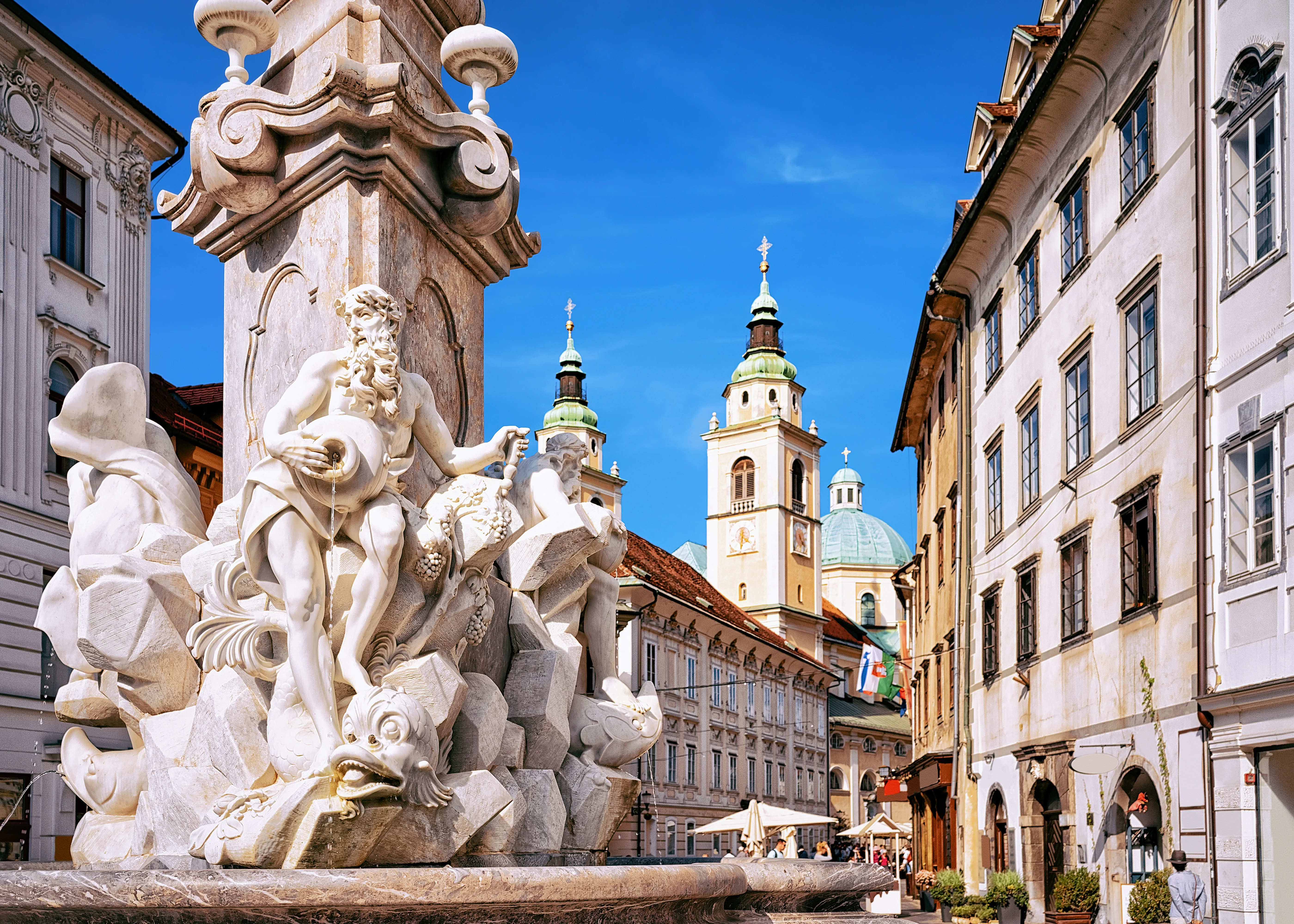
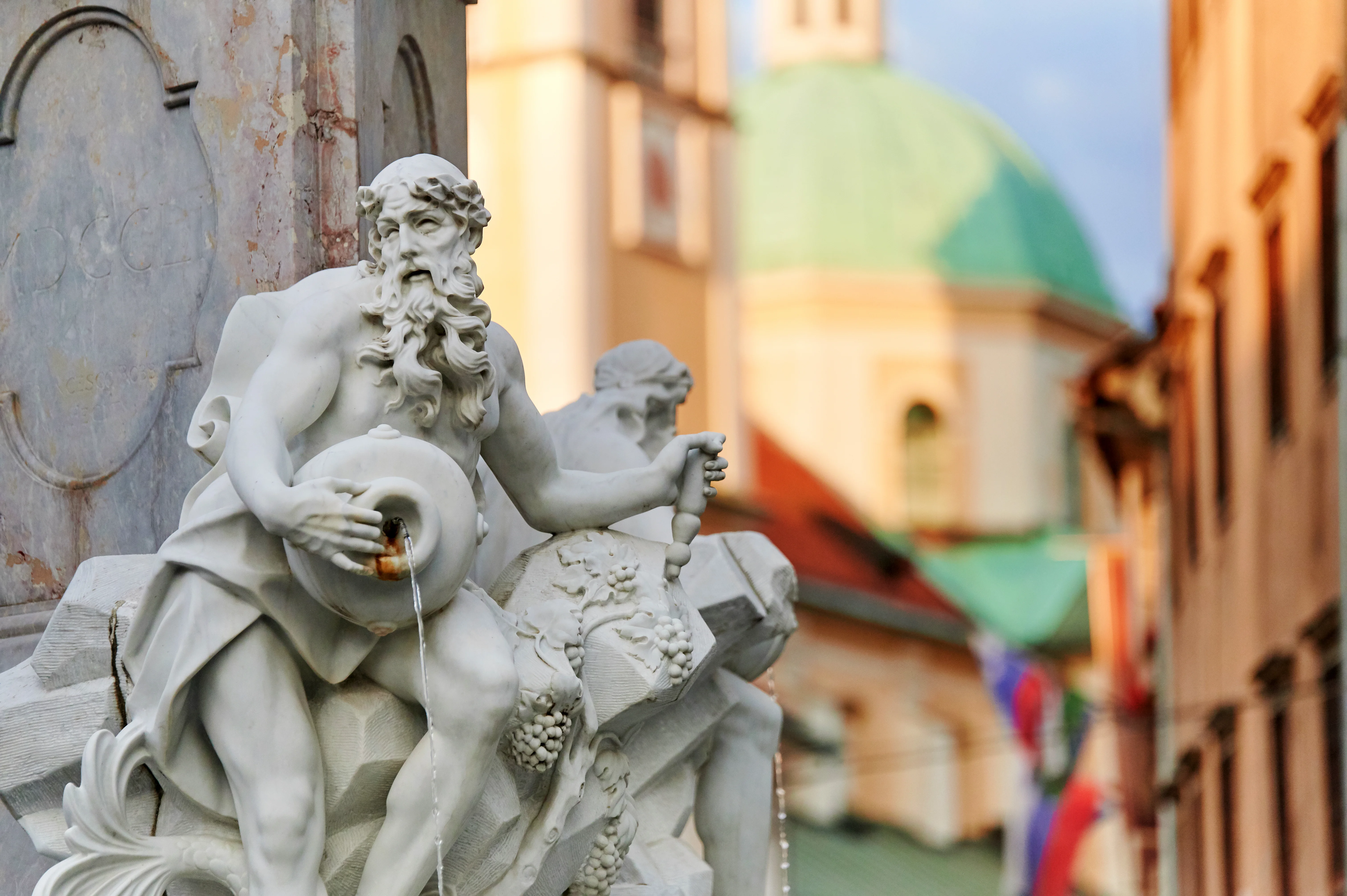
Our tour takes us through the enchanting pedestrianised Old Town nestled between the base of Castle Hill and the river. Towering above the thickly forested mound sits the 15th-century castle, which has endured as a fortress, a residence for the provincial governor, a barracks, and even a prison. The old town is a charming maze of white-walled, red-roofed buildings hiding a trio of squares, each home to some of the city’s landmarks, including the Town Hall, the Hercules Fountain, the Church of St Florian, and the Sticna Mansion, famous for the remarkable Stična Manuscripts crafted by Cistercian monks. And let us not forget the breathtaking Church of St. Nicholas, a perfect example of Roman baroque architecture. (Be sure to glance inside for a glimpse of its ornate gilded interiors – one of our first “wow” moments of the tour.)
Ljubljana owes much of its beauty to the visionary Slovene architect Jože Plecnik. His 1920s replanning of the city redefined it as one of the most beautiful European capitals, opening up stunning vistas and creating lush green spaces. Among his many masterpieces, is the Tromostovje – or Triple Bridge, which we’ll cross. As we do, stop and gaze up at the distinctive salmon-coloured Franciscan Church of the Annunciation, and the bronze statue of esteemed Slovene – the poet, France Prešeren – which stands in front of the elegant white façade of the Central Pharmacy building.
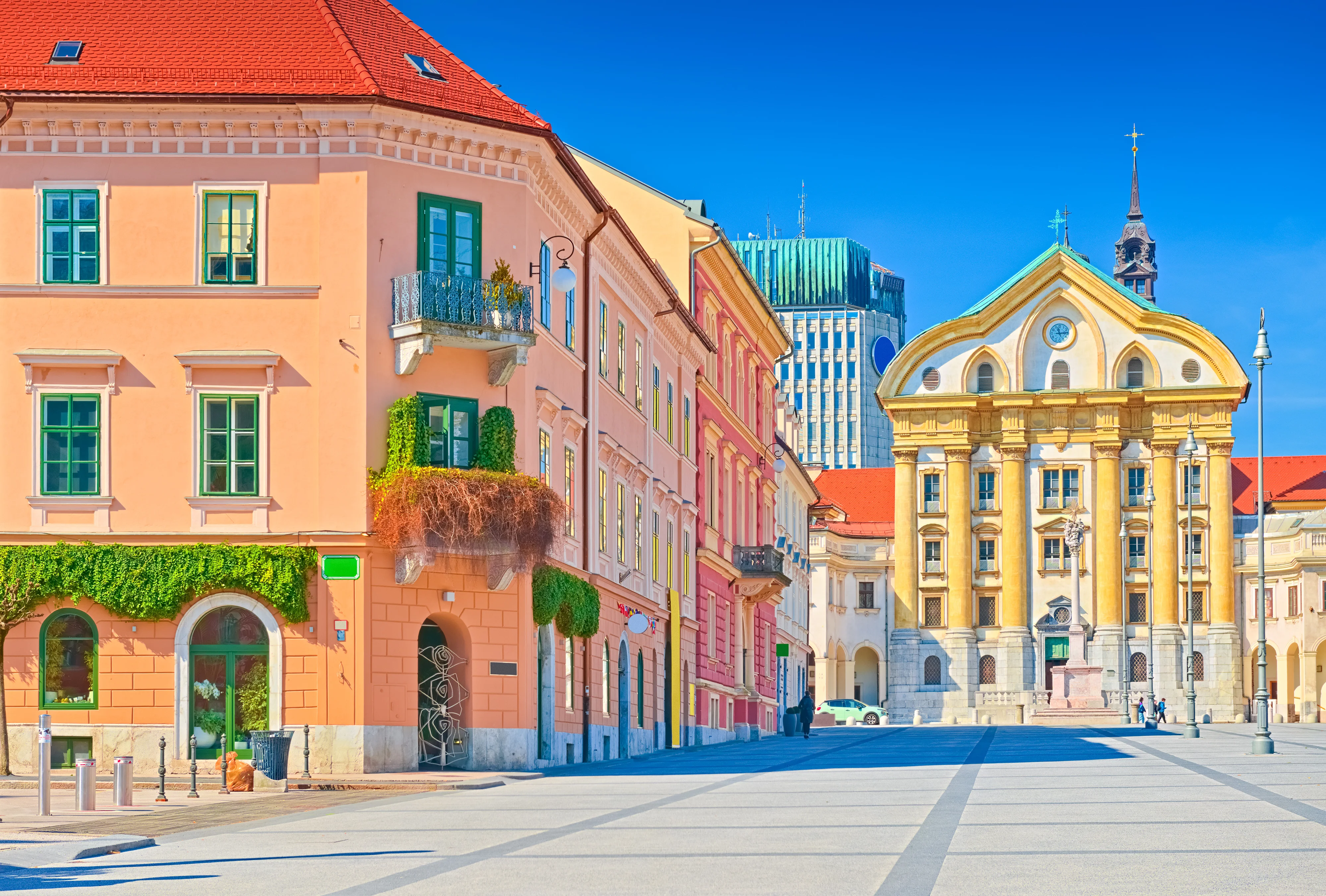
This afternoon is yours to explore. Don’t miss Ljubljana’s oldest department store Centromerkur. Standing pride of place on the city’s central piazza, it occupies an impressive Secessionist building dating from 1903 and offers a nostalgic shopping experience. Or, you could stop in to see another Plecnik masterpiece: the collonaded Central Market. Here, amidst the vibrant stalls of fresh fruit and vegetables, you’ll find yourself surrounded by locals, immersing yourself in the city’s everyday life.
If shopping isn’t for you, head up to the castle for a birds-eye view of the city. You could enjoy a 10-minute walk uphill from the Central Ljubljana Market in Vodnik Square or ride the funicular from Krek Square.
Alternatively, you might choose to relax on a riverboat cruise, or simply stroll the café-lined promenade – either way, be sure to look out for the Dragon Bridge as you go.
Whatever path you choose, keep your eyes open for the subtle reminders of Communism scattered throughout the city. For example, if you look closely at the Art Nouveau wall panels of the Križanke monastery church, you’ll spot hammers, sickles and red stars among the flower motifs.
Personalise your holiday (2026 only) –
Explore the spectacular Postojna cave system on an underground train (2026 departures only)
Price: £69pp
The Postojna Caves, which are a magnificent 24km long were carved over millions of years by the Pivka river and are home to stalactites and stalagmites, the most famous of which is 5 meters tall. It was here, in these caves that the world’s first underground railway was opened in 1872 and your guided tour will allow you to explore 5km of these karst caves partially by train and partially by foot to get up close to these majestic ornaments.
Make sure to pack sturdy shoes and a coat at it is approximately 10°C in the caves. Please also note that whilst the majority of the tour is by train, there is a 1.5km walk once down in the caves.
Please contact us to add the above experience to your booking.
Meals: Breakfast
Day 3
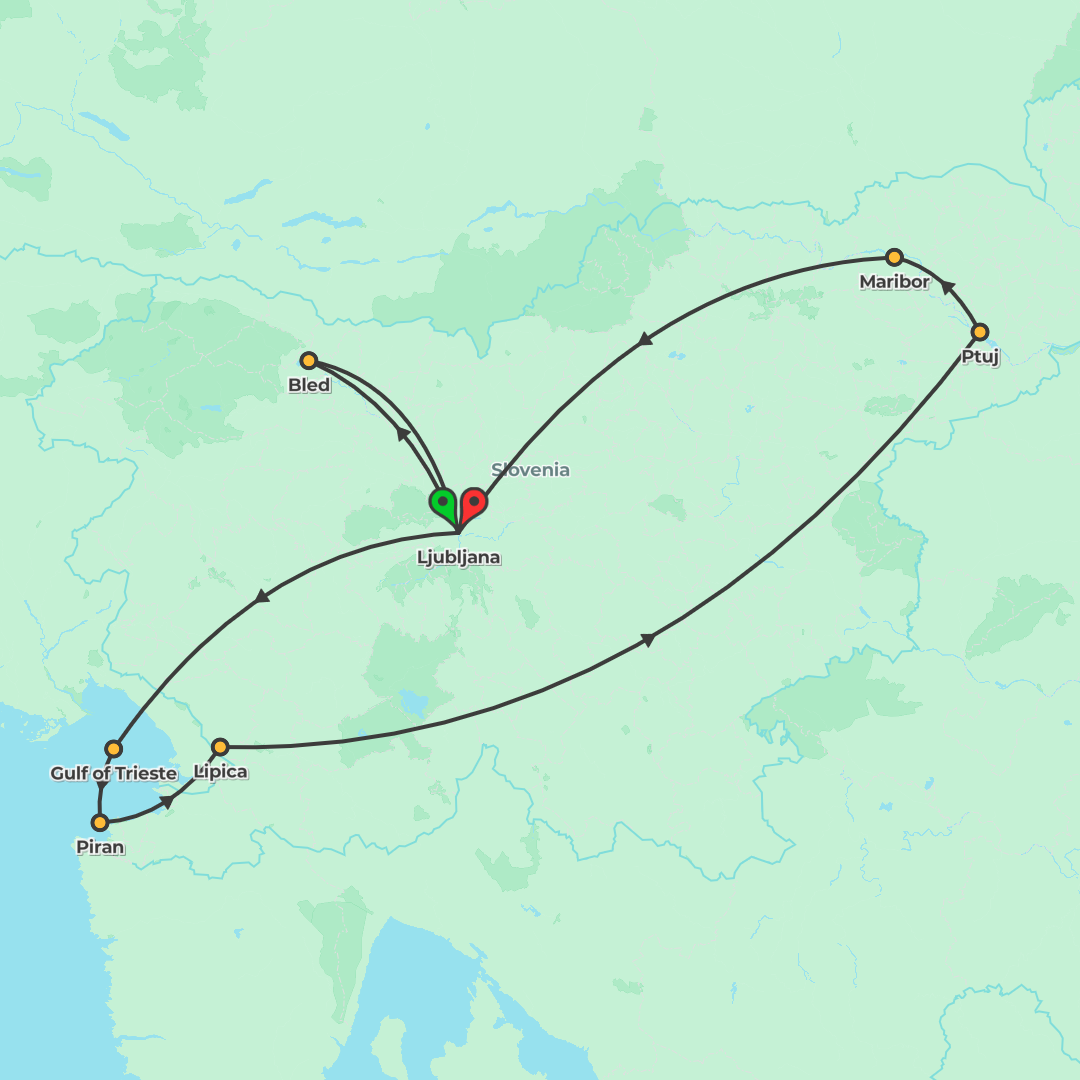
Piran & Lipica
Piran & Lipica – This morning sees us crossing to the other side of the country, to the tiny stretch of coastline at the Gulf of Trieste. Facing Venice across the Adriatic, seaside Piran mirrors its Italian neighbour with its Venetian-gothic architecture, pristine marble-paved square (which used to be the inner harbour, until the off-putting smell of stagnant water encouraged the powers that be to fill it in), and its winding alleyways lined with a wishy-washy rainbow of shuttered houses.
You’ve got many works of Venetian art to meander between, including the 19th century statue of local violinist and composer Giuseppe Tartini (who you can learn more about in the museum at nearby Tartini House), and depictions of St George by Venetian baroque painters in the town’s cathedral – a white-walled building that sits on a cliff beside the blue waters below. Piran even has its own ‘Venetian House’, an exquisite 15th century palace overlooked by the cathedral’s replica of St Mark’s bell tower in Venice.
Once you’ve perused this coastal town’s main landmarks, why not energise yourself with a walk up to the town walls, where you can scale the Gate Tower and walk along part of the parapet? Or simply stroll the harbour and promenade, perhaps stopping for a delicious seafood lunch made with ingredients that you’re unlikely to find fresher across the whole of land-locked Slovenia.
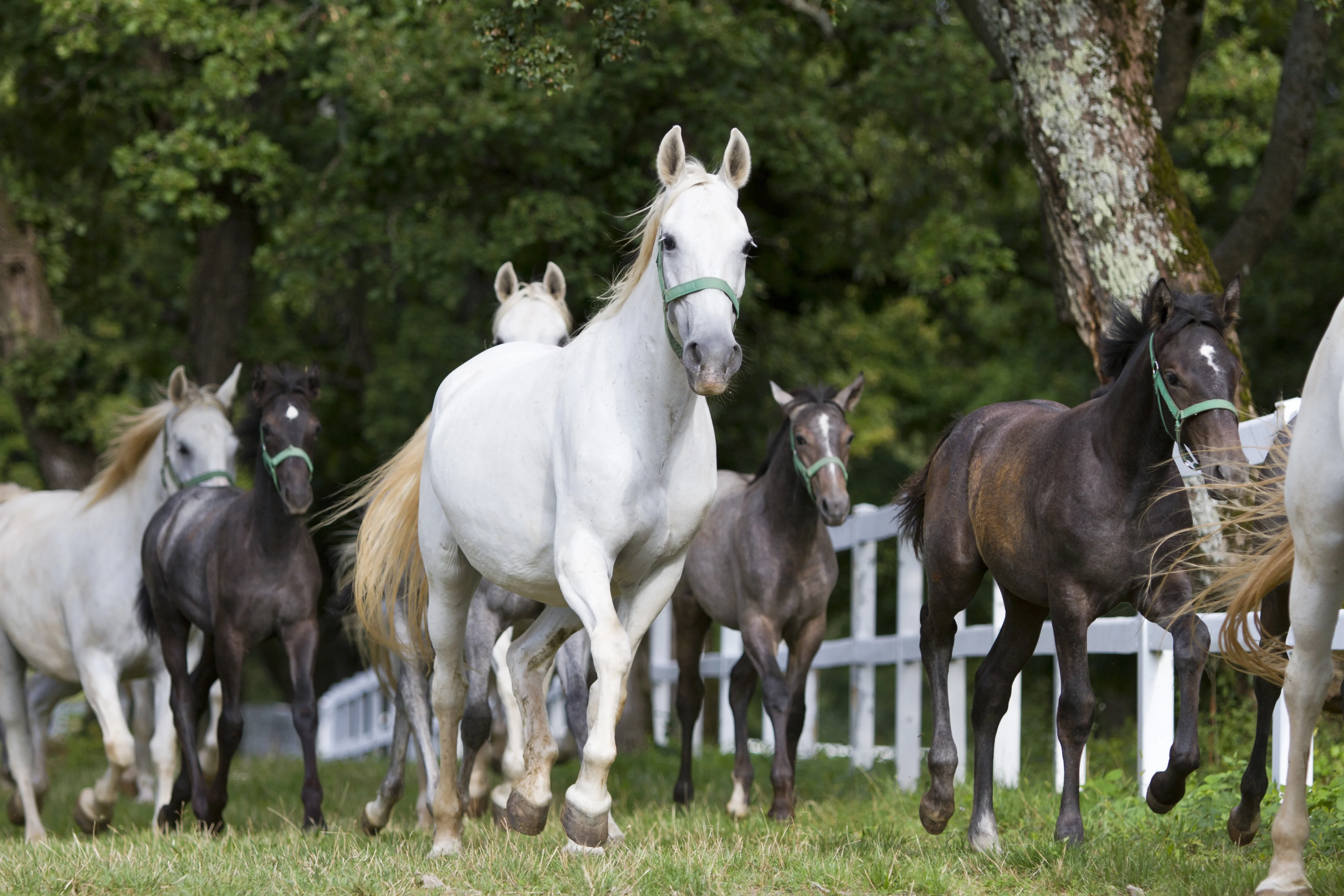
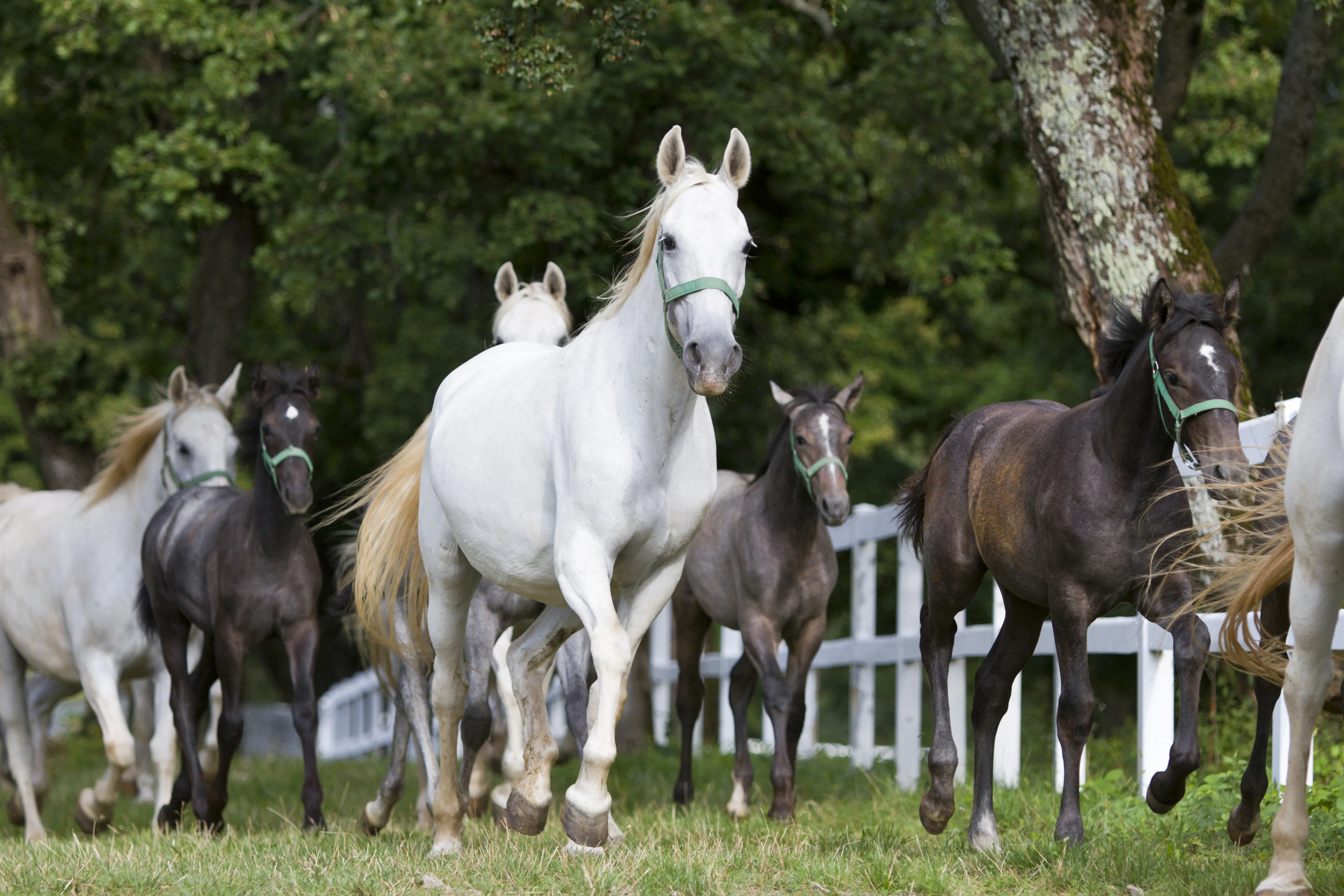
This afternoon we’ll move on to nearby Lipica, where we’ll enjoy the privilege of getting close to a rare and prestigious breed of horses. Originally bred for the Habsburg imperial court in Vienna, the tradition of breeding Lipizzan horses has thrived for over 450 years, uniting communities and fostering a profound sense of shared identity. This cherished practice holds such significance in local culture that it has earned a place on UNESCO’s List of the Intangible Cultural Heritage of Humanity.
During our visit to the Lipica Stud Farm, we’ll see their beauty for ourselves and watch as these highly trained horses perform intricate routines – you don’t have to be a hippophile to appreciate their incredible presentation. We’ll then enjoy a guided tour of the 400-horse farm where there will be ample opportunity to learn about this distinctive white breed, easily recognisable by the letter L branded on their left cheek, as well as the rich history of the farm itself, which has stood for over 440 years.
Meals: Breakfast
Day 4
Ptuj & Maribor
Ptuj & Maribor – After breakfast, we head inland, northeast towards the Hungarian border.
We’ll stop first in Slovenia’s oldest settlement on record, Ptuj. (There’s evidence it was settled in the Stone Age and by the 1st century B.C. it was a Roman settlement.) Bright red rooftops and medieval architecture, crowned by Ptuj Castle, give the old town a distinct charm. Ptuj packs plenty of historical importance into its small centre, and after a brief orientation of the old town, you’ll be left to uncover these gems for yourself. The town is surrounded by Drava Wine regions, known for producing a mix of dry, sparkling and dessert white wines so why not seek out a bottle or two to smuggle home in your suitcase?
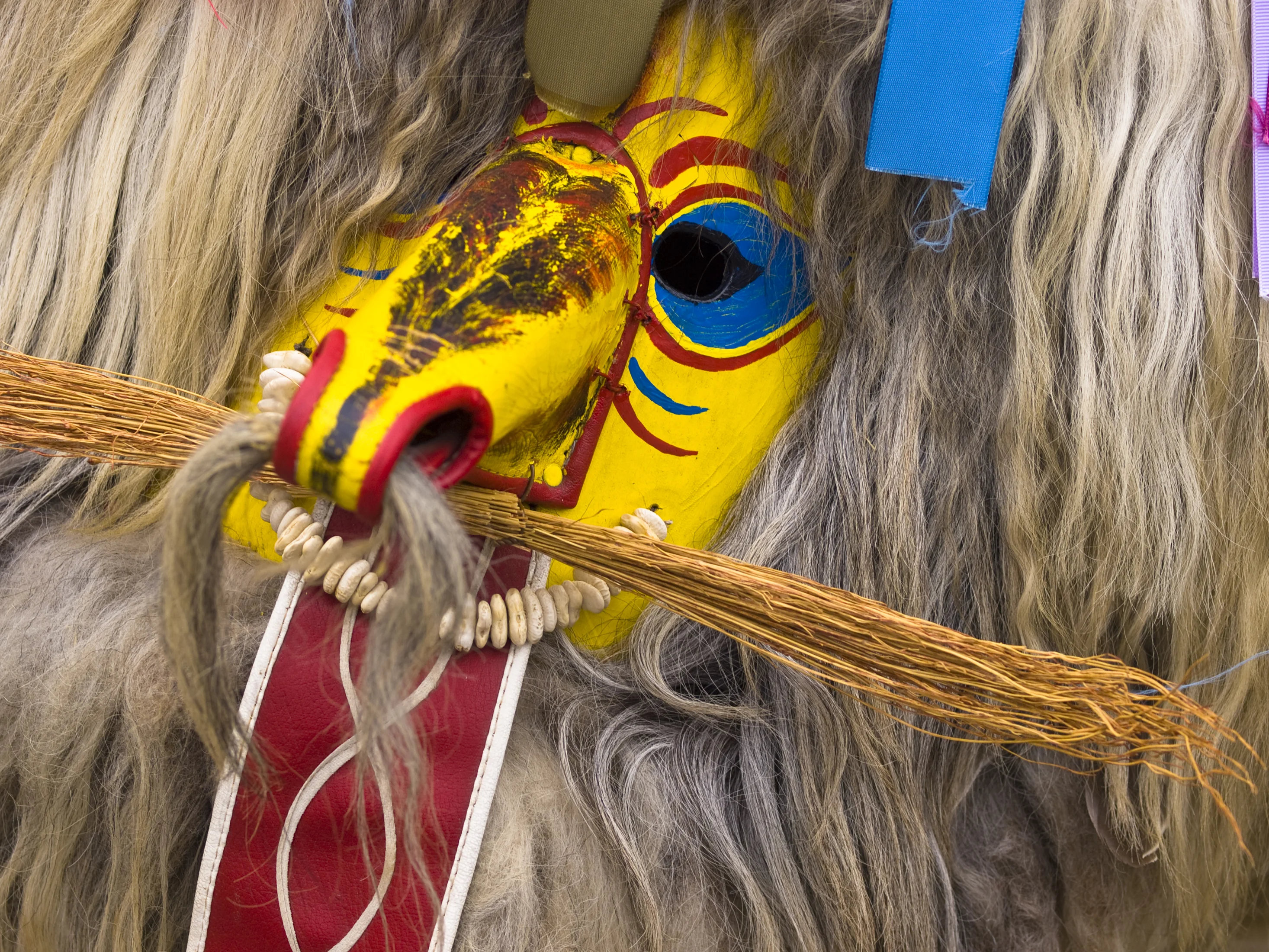
The castle is home to a museum with a series of fascinating exhibitions, including a collection of traditional carnival masks, used during Shrovetide as part of an 11-day festival, Kurentovanje. Or perhaps you’ll simply wander the quaint cobbled streets and enjoy a break in one of the pavement cafes.
Just 30 minutes north, is Ptuj’s big sister, Maribor – Slovenia’s second-largest city. Here, we’ll follow a local guide into the heart of the city, Lent, to see the oldest fruitful grapevine in the world. It produced its first grapes at the turn of the 17th century – making it over 400 years old – and is the only plant with its own museum. The vine has survived difficult times, including the Turkish invasions, WWII bombings and fires.
Other sights on our tour include the Renaissance-style Town Hall and the Plague Column that sit on the bustling Main Square, and the imposing, red-bricked Franciscan church and monastery, between stops, our tour guide will regale us with interesting titbits, historical stories and personal anecdotes from their life in Slovenia.
While Slovenia might not be the first country that comes to mind when you think of famous wine regions, it has a long wine-making history, and Maribor’s warm summers and sunny days make the region ideal for growing grapes. This afternoon, we’ll have the opportunity to sample some of its varieties for ourselves and learn more about the production of Slovenia wine, during a wine tasting.
After a busy day of exploring, we’ve taken the hassle out of finding the perfect place to eat this evening. Tonight, we’ll enjoy dinner at a historic restaurant at the foot of Ljubljana Castle. Share a drink with your fellow explorers and savour the unique flavours of Slovenia in a laid-back, homely atmosphere.
Meals: Breakfast,Dinner
Day 5
Lake Bled
Lake Bled – One of our guests, Wendy, put it best: ‘Lake bled is simple good for the soul’. Other guests have called it ‘unspoilt’, ‘beautiful’, ‘romantic’, ‘picturesque’ … the list goes on. The lake’s undeniable natural beauty makes today a real highlight – not just of your tour, but of your wider travels.
Our journey north from Ljubljana through the undulating tree-covered countryside, including the Soca Valley. This captivating region serves as a perfect prologue to the wonders that await us: the glassy waters of Lake Bled, nourished by ancient underground springs, framed by forested hills, castle-topped cliffs and the mountains of the Julian Alps.
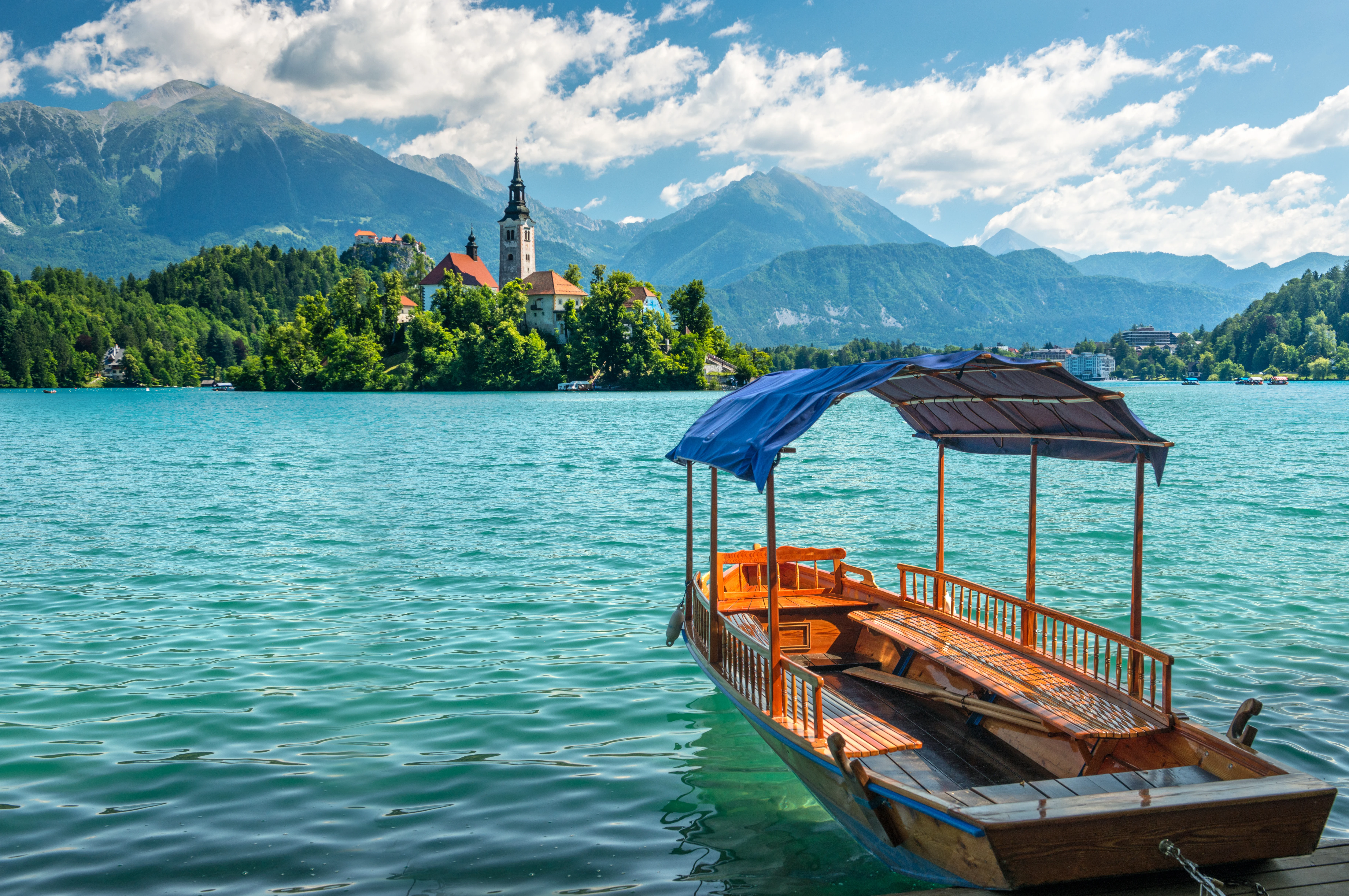
At the heart of this picturesque landscape lies the instantly recognisable Bled Island, a tiny tear-shaped gem crowned by the Church of the Assumption. As we glide across the crystalline waters in traditional Pletna rowing boats – canopied and full of history – we’re invited to experience the island’s storybook charm to its full effect.
On reaching the island, you’re free to explore. You tread the same path as local newlyweds, ascending the 99 steps of the south staircase – a romantic tradition where husbands carry their brides all the way to the very top. Perhaps you’ll request permission to ring the wishing bell in the spired tower to ask for a special favour or lose yourself in the beauty of the remains of the 15th century frescoes and the gold alter inside the church. Alternatively, embrace serenity strolling the island’s perimeter, soaking up a full 360 degrees of jaw-dropping views back across the lake.
We couldn’t possibly visit Lake Bled without sampling the famous bled cake – locally known as ‘kremšnita’. A local favourite since 1953, Bled cake features layers of puff pastry, custard, whipped cream and icing sugar. Once back on shore, we’ll stop for a well-earned break at the home of the bled cake, enjoying a coffee and taste of the local delicacy whilst taking in the views of the lake.
Enjoy free time in Bled, before returning to the hotel.
Meals: Breakfast
Day 6
DAY 6
Return home
What’s included
What’s not included
Additional information
Welcome Drink & Orientation in Ljubljana
Begin your Slovenian journey as you meet your Tour Director and fellow travellers over a relaxed welcome drink. Get acquainted with the neighbourhood, discuss meeting points, and preview the highlights awaiting you from mountain lakes to Mediterranean shores.
During the orientation briefing, pick up insider tips on local etiquette, dining spots, and scenic walks along the Ljubljanica. This friendly kickoff sets the tone for a well-paced, culturally rich exploration with a small group and expert guidance.
Postojna Cave by Underground Train (2026 departures only)
Venture into Slovenia’s best-known karst wonder on a guided visit to Postojna, where you’ll ride the underground train through vast chambers hung with stalactites and stalagmites. The 24 km system was carved by the Pivka River, revealing fantastical limestone forms in cathedral-like caverns.
Walk a further section on foot to admire delicate formations, and learn about the world’s first underground railway opened in 1872. This optional excursion is at additional cost (£69pp), bookable on tour, involves around 1.5 km of walking, and enjoys a cool approx. 10°C cave air. Available on 2026 departures only.
Piran Old Town & Tartini Square
Wander the Adriatic’s prettiest pocket of Slovenia in Piran, where marble-paved Tartini Square opens to a web of lanes washed in sea light. Trace Venetian echoes at the pink-trimmed Venetian House and linger by the harbor as fishing boats nudge the quay and cafe tables glow with limoncello glasses.
Climb to St George’s Cathedral and the medieval town walls for sweeping views across the Gulf of Trieste. Gothic windows, campanile silhouettes and salt-tinged breezes frame a town shaped by traders, sailors and composers—most famously Giuseppe Tartini, whose statue watches over the square that bears his name.
Lipica Classical Riding School Performance & Stud Farm Tour
Visit the historic Lipica Stud Farm, cradle of the imperial Lipizzaner horses. Watch a display of precise classical dressage—arched necks, measured steps and rider-horse harmony honed over centuries—before exploring the leafy estate of paddocks and whitewashed stables.
Founded in the 16th century for the Habsburg court, Lipica’s living tradition of breeding and training is recognized as UNESCO Intangible Cultural Heritage. During a guided tour of the historic stables, learn about bloodlines, training methods and the distinctive “L” brand, and appreciate how this heritage shapes local identity to this day.
Ptuj Old Town & Castle Museum
Discover Slovenia’s oldest recorded town, where Ptuj Castle crowns a maze of cobblestone lanes and red-tiled roofs above the Drava River. Stroll past medieval facades, quiet courtyards and baroque churches that reveal a small center rich in character and stories.
Inside the castle museum, encounter the flamboyant Kurentovanje carnival masks and folk costumes, then trace the town’s deeper roots back to Roman Poetovio. From hilltop views to intimate streetscapes, Ptuj layers Roman, medieval and Habsburg chapters into a compact, photographable tapestry.
Maribor Walking Tour & Wine Tasting
Follow a local guide through Maribor’s riverside Lent quarter to the Old Vine House, home to the world’s oldest grapevine, still fruitful after four centuries. See the handsome Main Square and Plague Column, the red-brick Franciscan church, and bridges arching over the Drava as the city’s wine heritage unfolds around you.
Continue to a vaulted cellar to sample regional wines with notes shaped by Styrian hillsides and long summer days. Discuss Styrian terroir and traditions linked to the Old Vine’s legacy while comparing crisp whites and local specialties poured by your host.
Lake Bled Pletna Boat to Bled Island & Church of the Assumption
Glide by traditional Pletna boat across Lake Bled’s mirror-smooth waters, with cliff-top Bled Castle and the Julian Alps framing the scene. The handcrafted, canopied boats are rowed standing up—an old craft passed through generations that keeps the lake blissfully quiet.
Land on Bled Island to visit the Church of the Assumption. Climb the 99 stone steps and ring the wishing bell, a time-honored ritual said to bring good luck. Between peals, soak up serene views of forests, peaks and rippling reflections all around.
Bled Cream Cake at the Birthplace with Lake Views
Taste a slice of culinary history as you savour Bled cream cake (kremšnita) at the birthplace of the original recipe by the lakeshore. Flaky puff pastry, silky vanilla custard and whipped cream balance in perfect lightness—an Alpine-sweet classic since 1953.
Settle into a window seat for lakeside views of Bled’s island and castle while your coffee steams beside that powdered-sugar top. It’s a gentle pause that pairs Slovenia’s beloved dessert with the lake’s postcard panorama.
Traditional Slovenian Dinner beneath Ljubljana Castle
Share a convivial dinner in a historic restaurant tucked beneath Ljubljana Castle. Expect traditional Slovenian dishes that bridge Alpine heartiness and Mediterranean brightness—think seasonal soups, local cheeses, garden vegetables and regional meats, paired with Styrian or Karst wines.
Hosts introduce recipes rooted in farmhouse kitchens and market stalls, celebrating short supply chains and family producers. Conversation flows, glasses clink, and the castle’s floodlit walls set a warm, old-town backdrop to a relaxed evening of flavours and stories.
Ljubljana Old Town Walking Tour & Plecnik Landmarks
Explore Slovenia’s capital with a local expert as you join a guided walking tour through the car-free Old Town. Cross Jože Plecnik’s Triple Bridge, admire the colonnaded Central Market and riverside arcades, pause in Prešeren Square, and meet the watchful dragons on the Dragon Bridge. Along the way, spot the baroque Church of St Nicholas and elegant townhouses lining the Ljubljanica River.
Hear how Roman Emona grew into a graceful Habsburg city and, later, a showcase of 20th-century urban design. Plecnik’s human-scaled architecture links squares, bridges and riverbanks, creating a lived-in museum of ideas where cafes spill onto cobbles and street musicians echo between pastel facades.