Your itinerary

Day 1
DAY 1
Departure
Day 2
Arrival in Tokyo
Arrival in Tokyo – Arriving late afternoon (Tokyo time, of course), we’ll transfer to our hotel in the heart of the city and check in.
This evening is your first opportunity to sample some authentic Japanese cuisine. The city is a favourite with foodies thanks to its innovative and experimental culinary scene – so what will it be? Sushi? Ramen? Gyoza? Our mouths are watering just thinking of all the options.
Day 3
Tokyo
Tokyo – We’ll start our Japanese adventure in earnest this morning by exploring more of Tokyo, Japan’s capital and largest city.
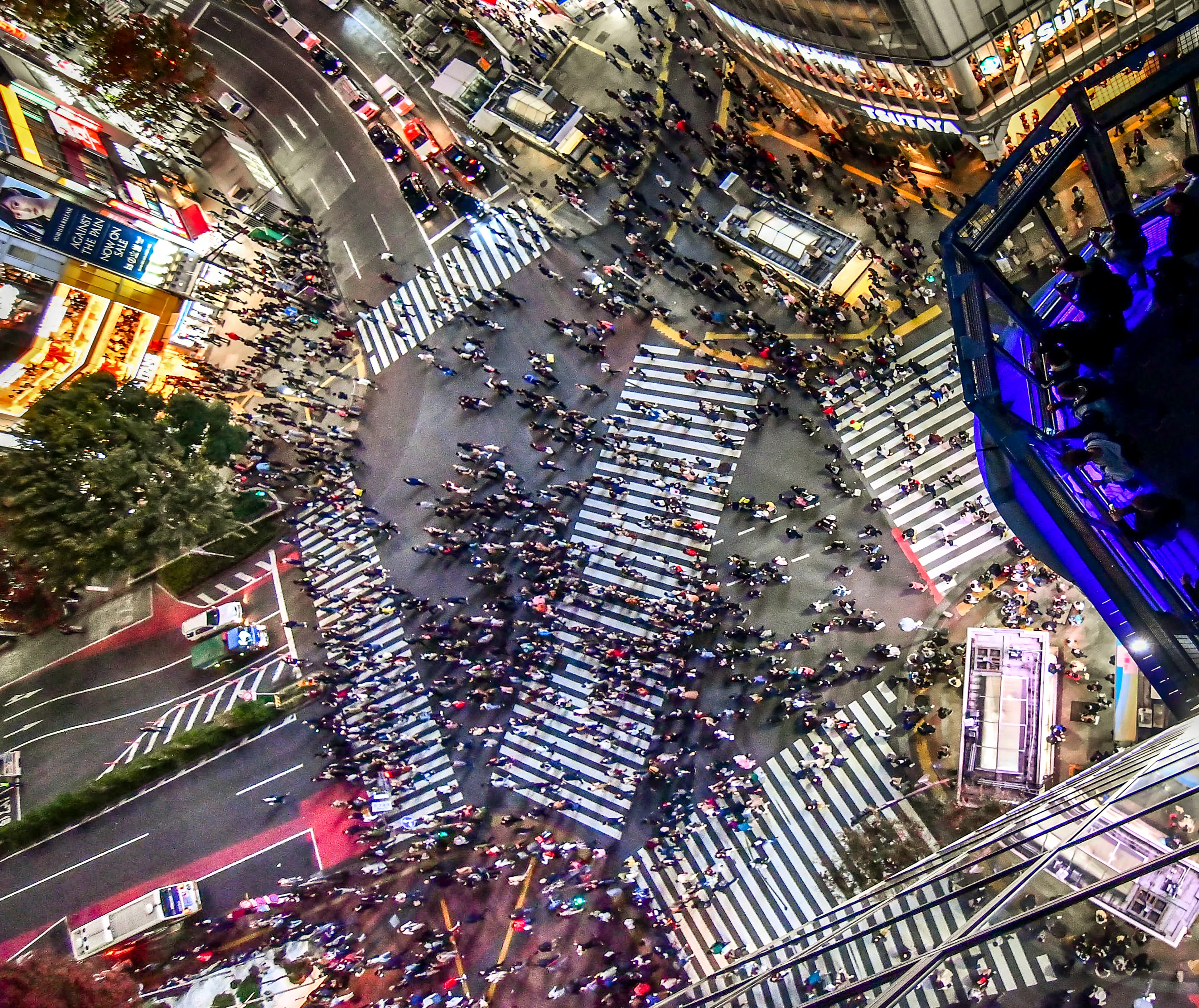
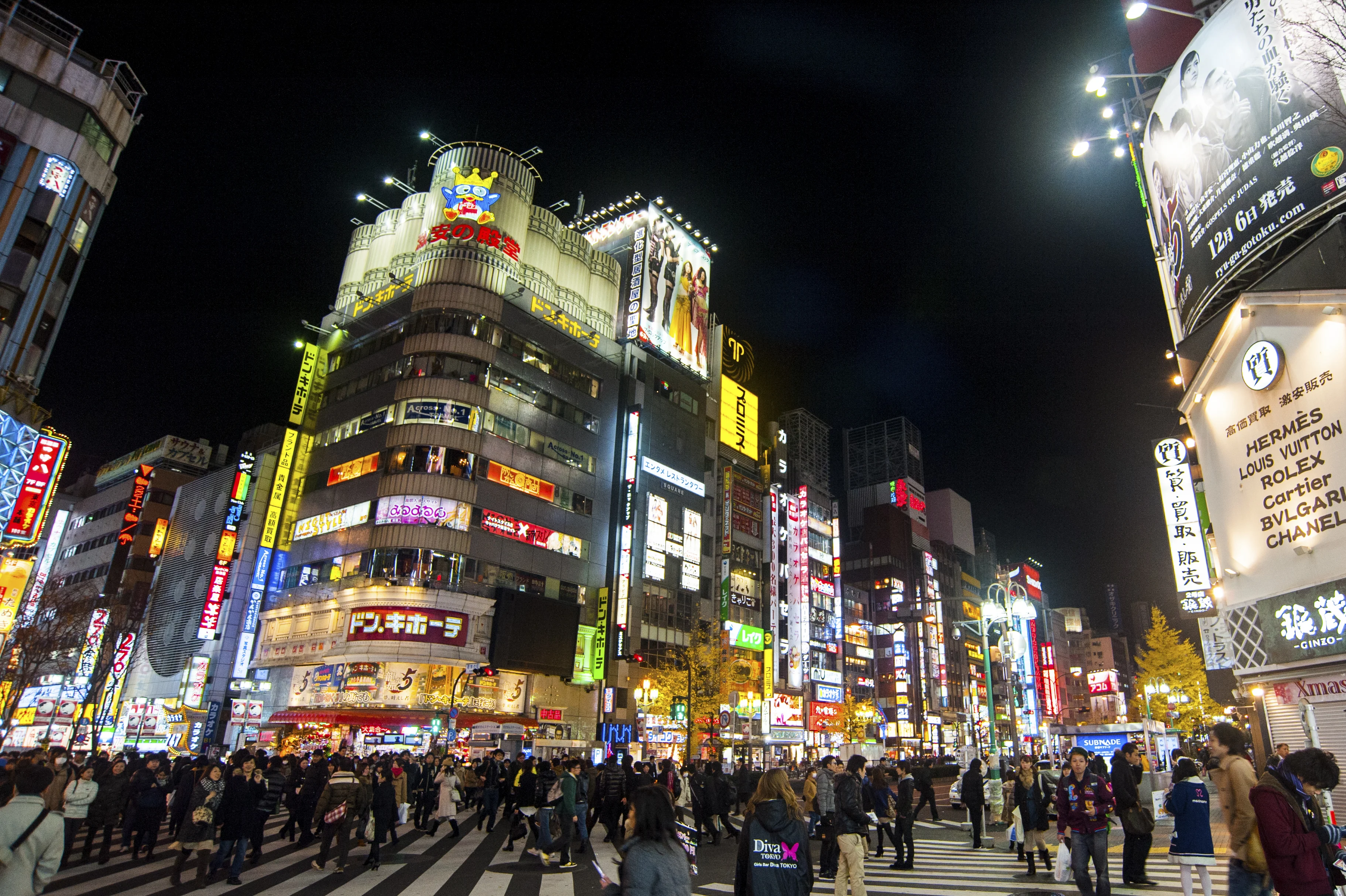
At first glance, Tokyo might seem similar to other great Asian cities – Singapore or Shanghai – with its gleaming glass skyscrapers and busy, fashionable shops. But you’ll soon notice some fascinating differences – like the spotlessly clean and surprisingly quiet streets (there’s no beeping of horns here; that would be far too impolite).
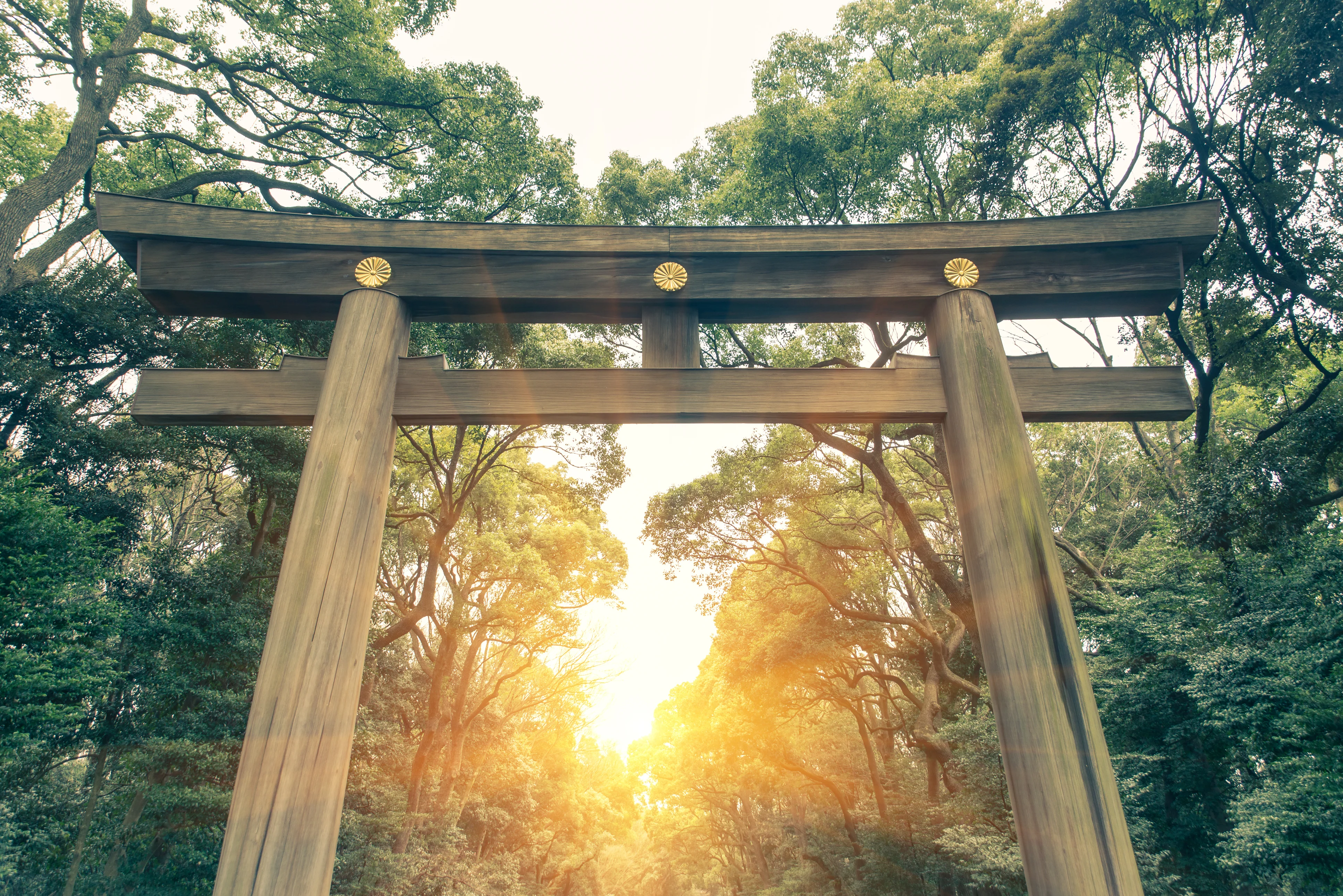
Our first stop is the famous Meiji Shrine, dedicated to the deified spirits of Emperor Meiji and his consort, Empress Shoken. As you enter the outstandingly lush parkland under a massive Torii gate (the first of many we’ll see on our tour), the sights and sounds of the busy city are replaced by a tranquil forest. The serene atmosphere is great for a relaxing stroll and quiet reflection – it is also still a working religious site so you might be lucky enough to stumble upon a typical Japanese wedding ceremony. Then we move on to some of the city’s most renowned quarters, including Omotesando Street – Tokyo’s answer to Rodeo Drive – full of luxury brand shops.
Then we move on to some of the city’s most renowned quarters, including Omotesando Street – Tokyo’s answer to Rodeo Drive – full of luxury brand shops.
And then Akihabara, or Electric Town – it’s a sensory treat for lovers of all things electronic. It has everything from the latest technology, cameras and computers – even one of the first stores devoted to personal robots. You won’t know where to look first as the shops vie for your attention with bright neon signs.
Today we’ll savour some Japanese cuisine during an included lunch, in the form of a traditional bento box.
Meals: Lunch
Day 4
Tokyo
Tokyo – Today we’ll start in Askusa – an area centred around Sensoji Temple, Kaminarimon (Thunder Gate) and Nakamise shopping street. You can stroll streets lined with traditional small houses and browse stalls filled with authentic souvenirs and quintessential Japanese goods. It’s a unique insight into the Tokyo of a hundred years ago.
Then we’ll hop on a boat down the Sumida River to Ginza, widely recognised as one of the world’s most luxurious shopping destinations. It’s brimming with ultra-modern department stores, boutiques, restaurants and coffee houses.
Your afternoon is free to shop, explore, or perhaps indulge in some fascinating people-watching with a traditional cup of green tea. Another option is to head to the Tokyo National Museum, just a few stops away on the metro. It houses Japan’s largest collection of art, with pottery, paintings and prints, textiles, fashion and oriental antiquities from Japan and other Asian countries – China, Korea, Southeast Asia, Central Asia, India and Egypt. The museum has over six buildings (each big enough to be a museum in its own right), and it’s easy to spend an afternoon getting lost among the art and history on display here.
Meals: Breakfast
Day 5
Mount Fuji & Hakone
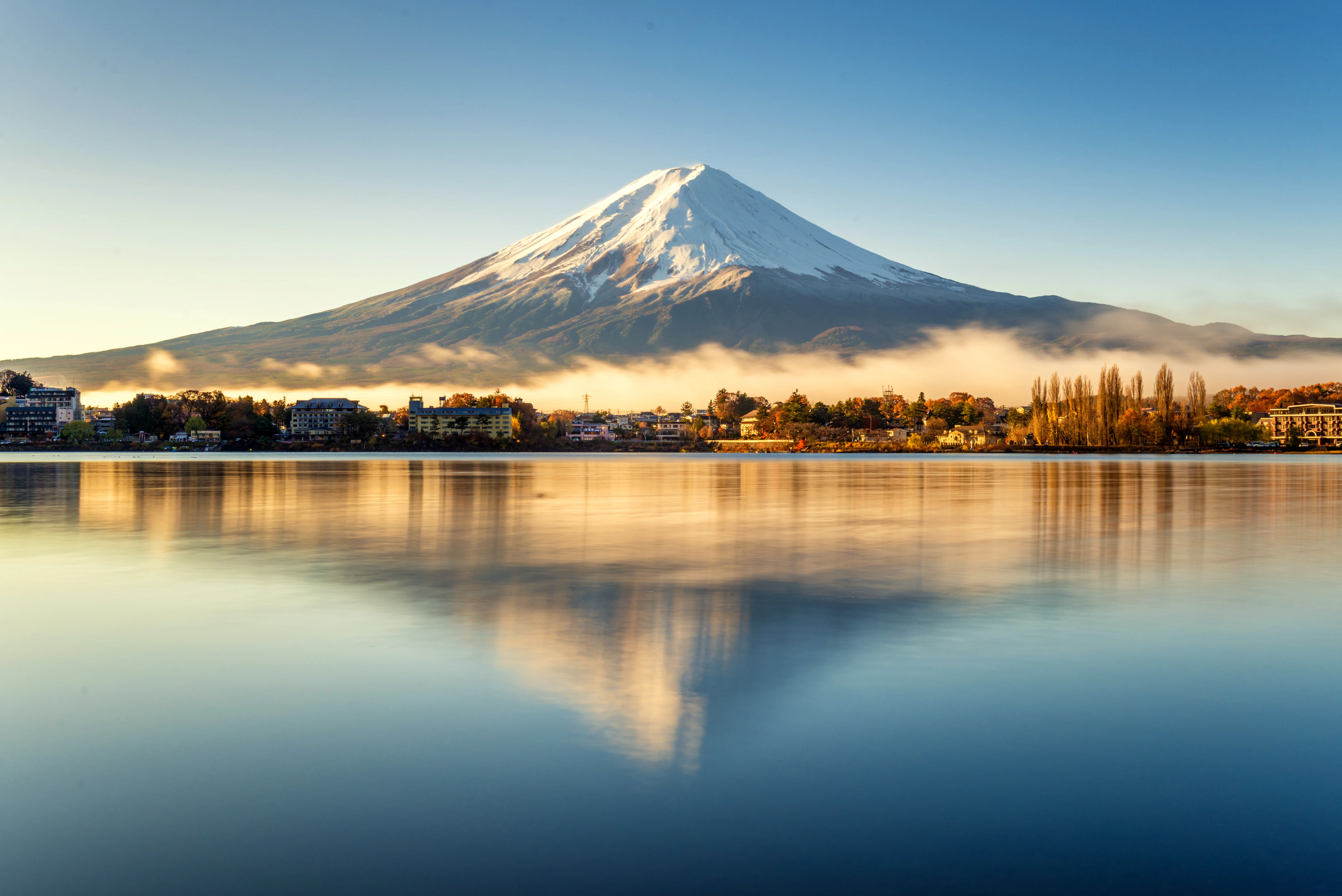
Mount Fuji & Hakone – After three days of exploring the capital, we’ll escape the hustle and bustle as we drive towards Mount Fuji. Arguably Japan’s most instantly recognisable sight, the volcano is fringed by thick forest and a crescent-shaped ring of glass-like lakes. It’s one of the world’s greatest views and, unquestionably, a highlight of our adventure through Japan. To make the most of these views, we’ll visit two of the lakes to appreciate the panorama from different perspectives. Even an amateur photographer is sure to get some spectacular photos here so make sure a camera is on your packing list!
We’ll then visit the Kubota Itchiku Art Museum, an exceptional museum dedicated to the Kimono artist Itchiku Kubota. Inspired by a fragment of Tsujigahana textile exhibited in the Tokyo National Museum, that he devoted his life to reviving the lost art of Tsujigahana silk dyeing. The vibrant colours and patterns are synonymous with Japanese culture, with creations depicting, nature, the seasons and the cosmos. You may even decide to treat yourself to a keepsake to take home.
The first stop is a well-kept Japanese secret, Lake Kawaguchi. It’s relatively unknown to tourists but offers fantastic views that are particularly breathtaking during the cherry blossom season (around mid-April) and the autumn colours (around the first half of November).
Next, we head south to the mountain resort of Hakone and descend to the smooth dark blue waters of Lake Ashi for an unusual sightseeing cruise aboard the Japanese version of a 19th-century pirate ship. From here it’s easy to appreciate the natural beauty of the lakes, on a clear day, the views of Mount Fuji are one of the world’s greatest panoramas. Plus look out for the partially submerged Gate of Peace on the edge of the lake’s shore.
The entire area around our hotel this evening is geo-thermally active, it’s the perfect opportunity to try one of Japan’s unmissable experiences – bathing in an ‘onsen’, or hot spring, at our very own hotel.
Meals: Breakfast
Day 6
Bullet Train to Hiroshima
Bullet Train to Hiroshima – Our day will start with a ride on Japan’s iconic bullet train. With reclining seats, plenty of legroom, and air-conditioned comfort, the Shinkansen – also known as the Bullet Train – can reach speeds of up to 189 mph as it passes colourful flower fields, untouched nature tea crops, small towns and great cityscapes. There’s no experience to rival a journey on these lightning-fast trains in the Western world; it really is an incomparable way to travel.
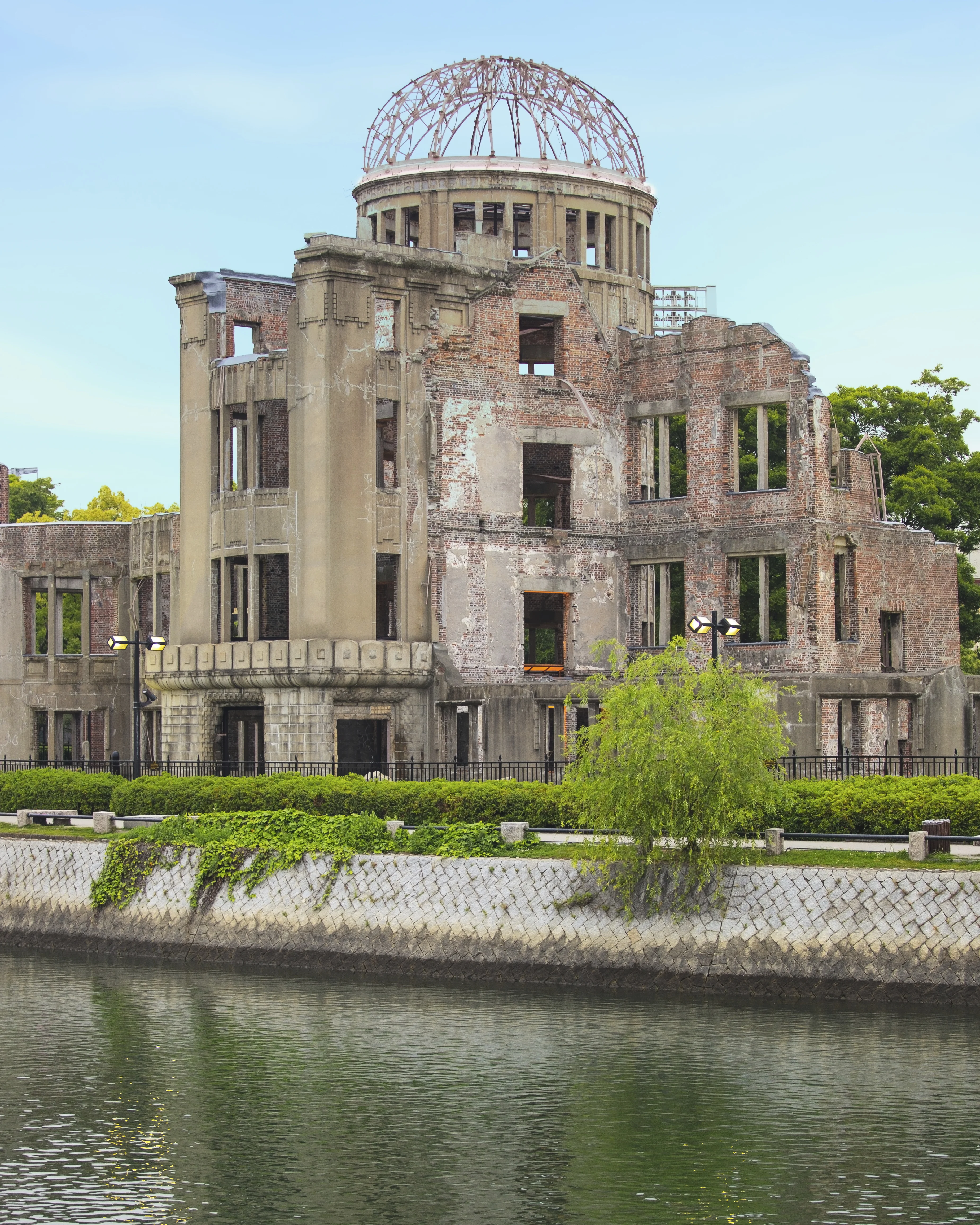
Arriving at lunchtime, we’ll visit Hiroshima’s Peace Park and Museum, displaying the remains of the only building to survive the atomic bomb blast of August 1945. The city has been completely rebuilt. There are (almost) no signs left of the devastation of that fateful day except the 120,000 square meter Peace Memorial Park. The personal details displayed in the museum can be quite upsetting and serve to remind us that we should not take peace for granted. Yet you may notice the ‘Peace Clock’ – a small digital counter indicating the number of days since the last atomic test – it’s surprisingly recent.
Later, we’ll check into our hotel, where we stay for two nights.
Meals: Breakfast
Day 7
Hiroshima
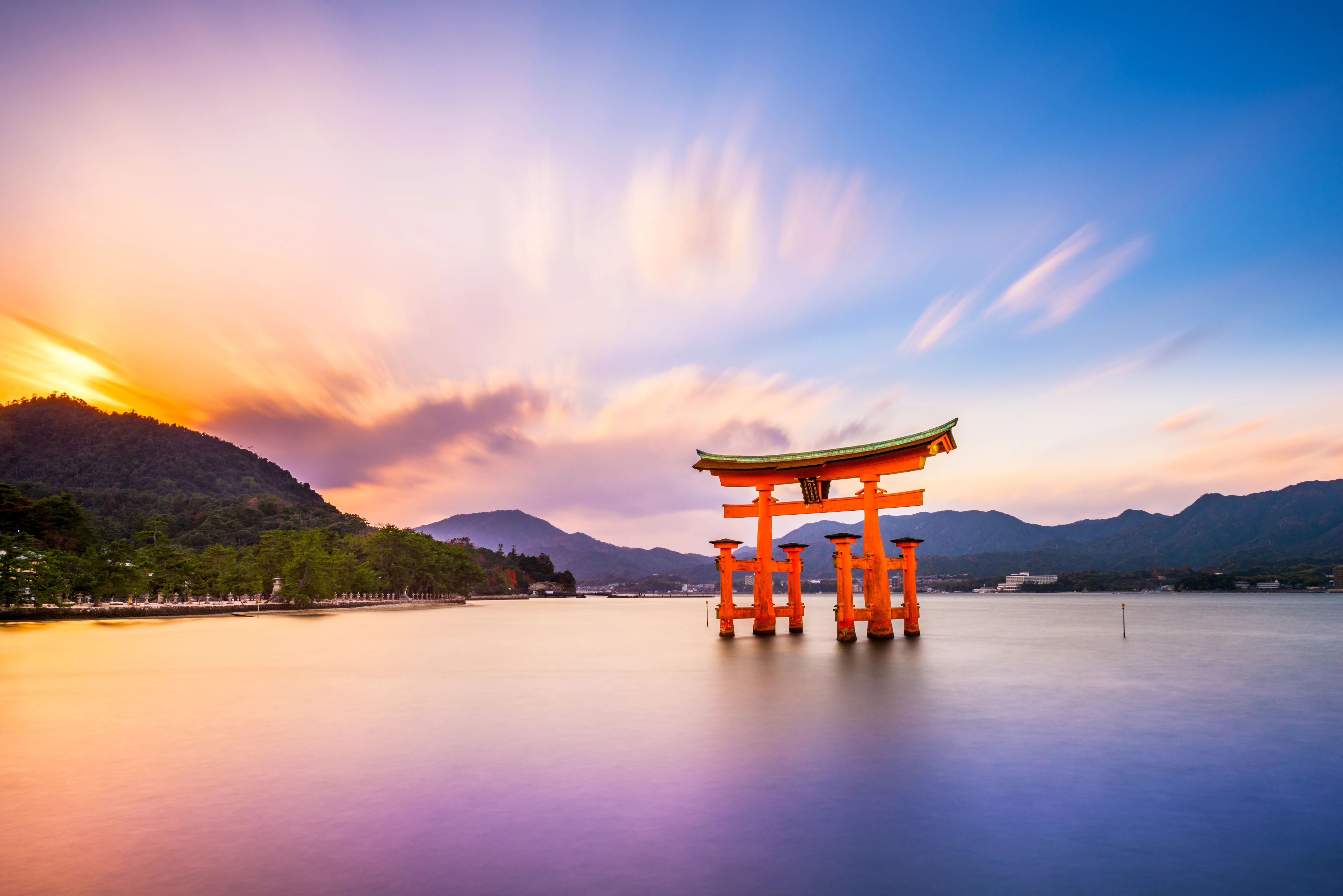
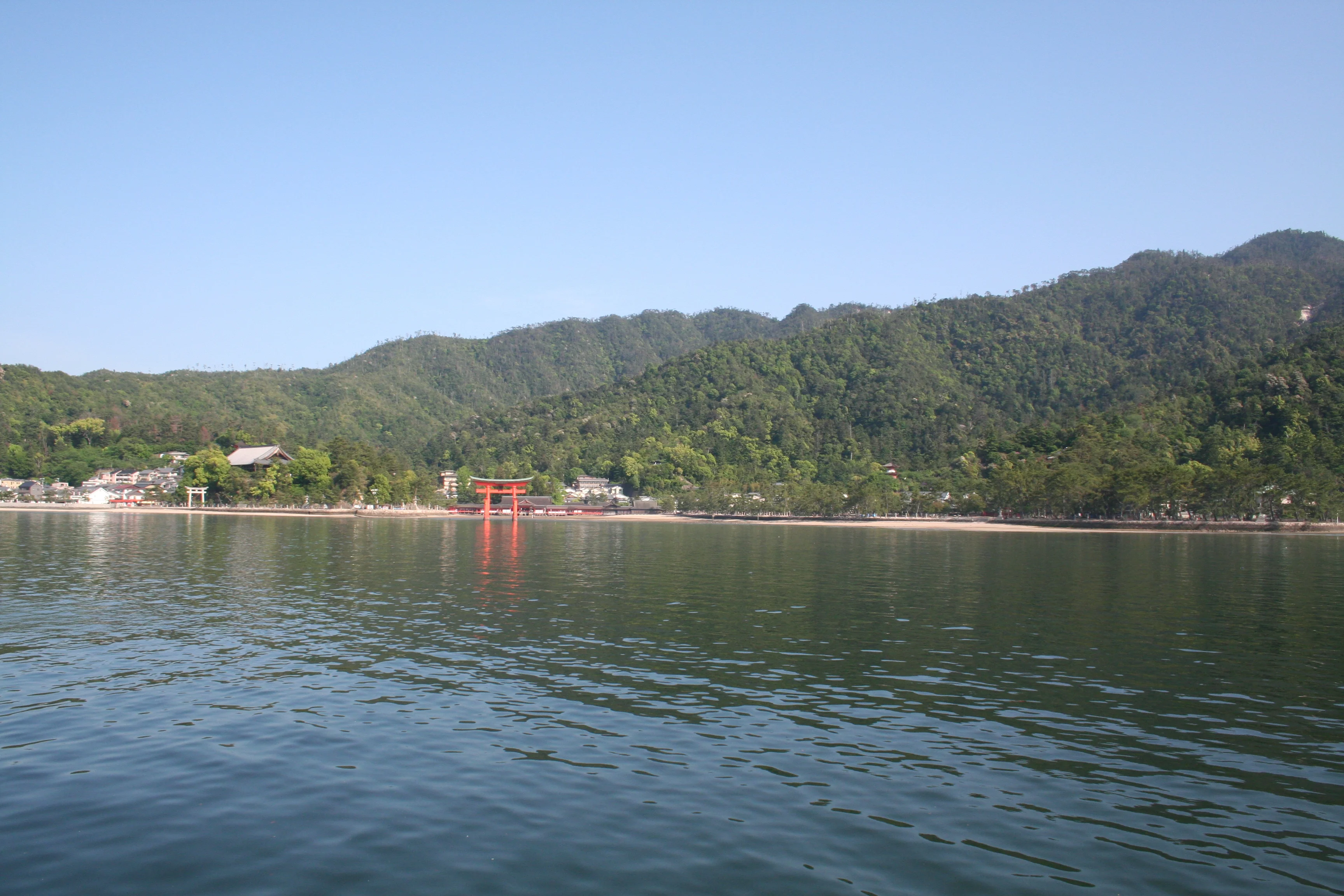
Hiroshima – This morning, we’ll be on our way to one of the country’s most distinctive views on the small island of Itsukushima in Hiroshima Bay, known to the locals as Miyajima, or ‘Shrine Island’. It’s famous for the giant Torii gate, which at high tide seems to float on the water, and the Itsukushima Shrine, which – like the Torri gate – is built over the water. This popular little island is easy to explore by foot. It has a relaxed holiday atmosphere where wild deer wander the same streets as the visitors, with lots of interesting shops and a covered market.
The afternoon will be yours to spend at leisure. You could take a visit to Genbaku Dome, the only structure left standing in the wake of the first atomic bomb, now a UNESCO-protected memorial and a powerful symbol of the most destructive force ever created by humankind. Or visit Hiroshima Castle – reconstructed after the bomb along with a shrine, some ruins and a few buildings of the Ninomau (second circle of defence) – and climb to the top floor for lovely panoramic views of the surrounding city. Perhaps you’ll just head downtown to the bustling Hondori Street and try Hiroshima’s famous speciality: Hiroshima-style okonomiyaki. It’s a popular pan-fried dish that consists of batter and cabbage – “okonomiyaki” may sometimes be translated as “as-you-like-it pancake” but we think it’s more like Japan’s answer to pizza.
Meals: Breakfast
Day 8
Korakuen Gardens
Korakuen Gardens – Leaving Hiroshima by coach, we’ll head towards the old imperial capital of Kyoto. On the way, we’ll stop at Okayama, the setting for the Japanese fairytale of Momotaro (or the Peach Boy). So the story goes a child – who came to an elderly couple by way of a large peach – grows up and protects his village from the oni monsters with the help of a dog, a monkey and a bird. You may notice references to him throughout the city as we make our way to Korakuen Garden. Built in 1700, Korakuen is renowned as one of Japan’s most exquisite gardens, with lawns, lakes, wooden bridges shrines and teahouses. We’ll have plenty of time to explore this traditional Japanese landscape garden, so you can wander on the winding paths to uncover groves of plum, cherry and maple trees, tea and rice fields, an archery range and a crane aviary before carrying on to Kyoto for our four-night stay.
Meals: Breakfast
Day 9
Kyoto and tea ceremony
Kyoto and tea ceremony – Visiting Kyoto feels like stepping back in time, showcasing its impressively preserved culture that spans centuries. There’s an almost otherworldly quality to the city. Here, Geisha still tiptoe through the cobbled alleyways of Gion, and Zen monks tend to manicured gardens in ancient temples. World heritage shrines, age-old traditions and modern life have found an easy balance – it’s effortlessly charming and infinitely interesting.
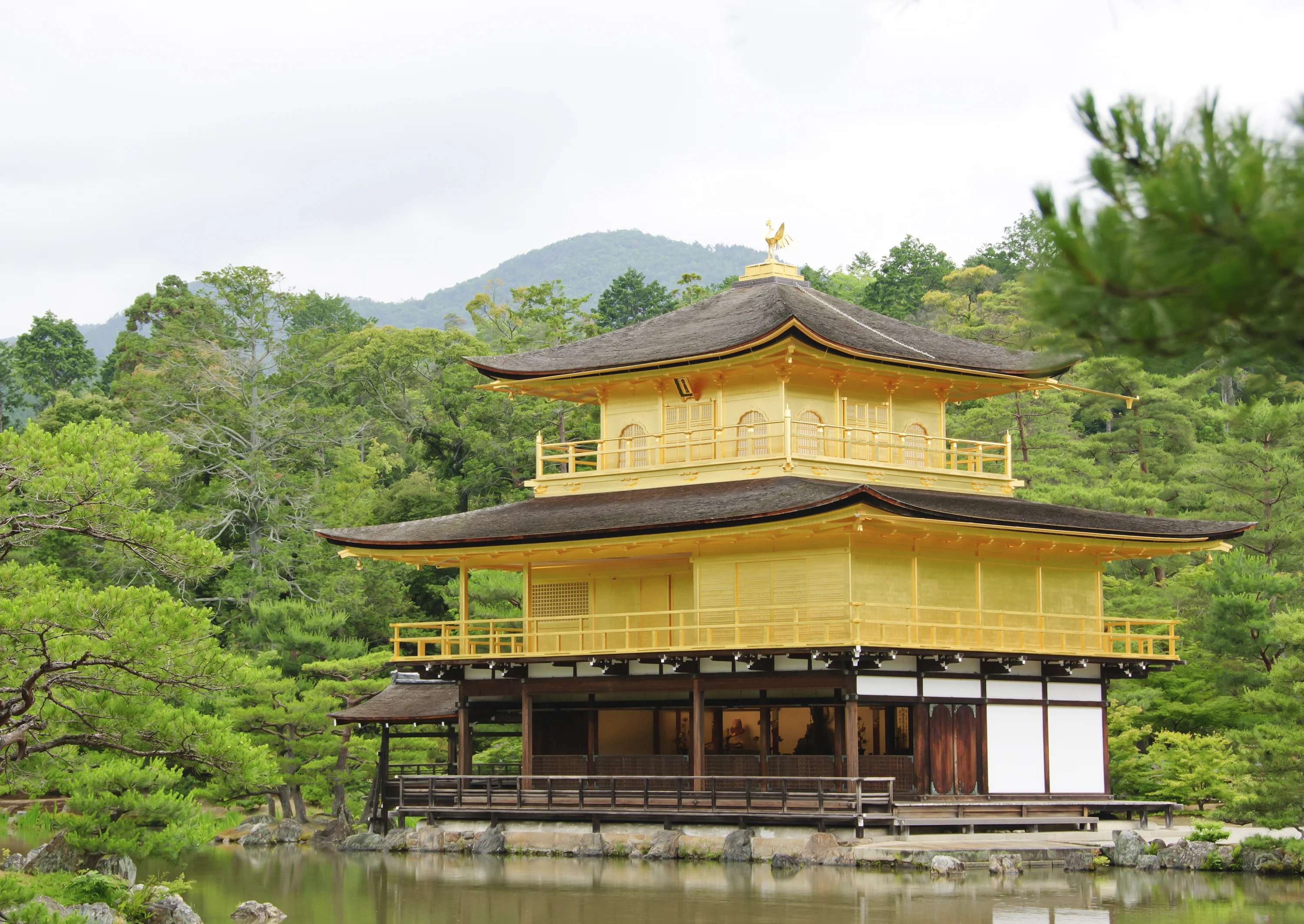
First, we’ll visit the beautiful Golden Pavilion, which dates back to the classical Muromachi period of Japanese temple design. Perfectly overlooking its lake and garden. It offers a breathtaking view of its surrounding lake and garden. The upper floors are entirely covered in gold leaf, glowing intensely in the morning light.
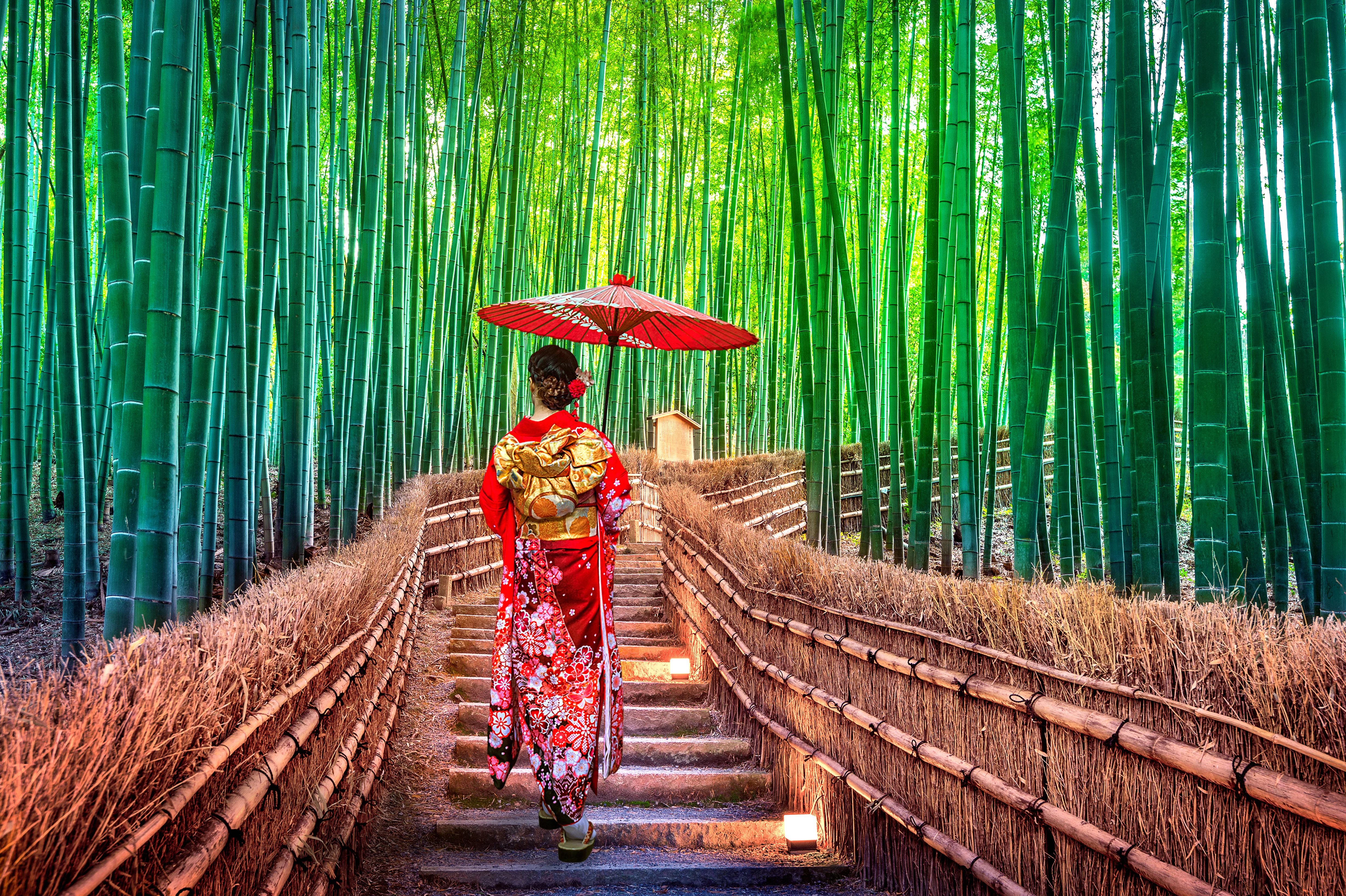
Our next stop is the Arashiyama Bamboo Forest a captivating maze of walkways lined with towering green bamboo columns. Sunlight filters through this natural fortress, creating an enchanting green hue.
Then we’ll visit Nijo Castle, an iconic monument in the heart of Kyoto. Built in the 17th century, it’s famous for its unique wooden floors designed to creak like a nightingale’s song, thus warning its occupants of any impending stealthy attack.
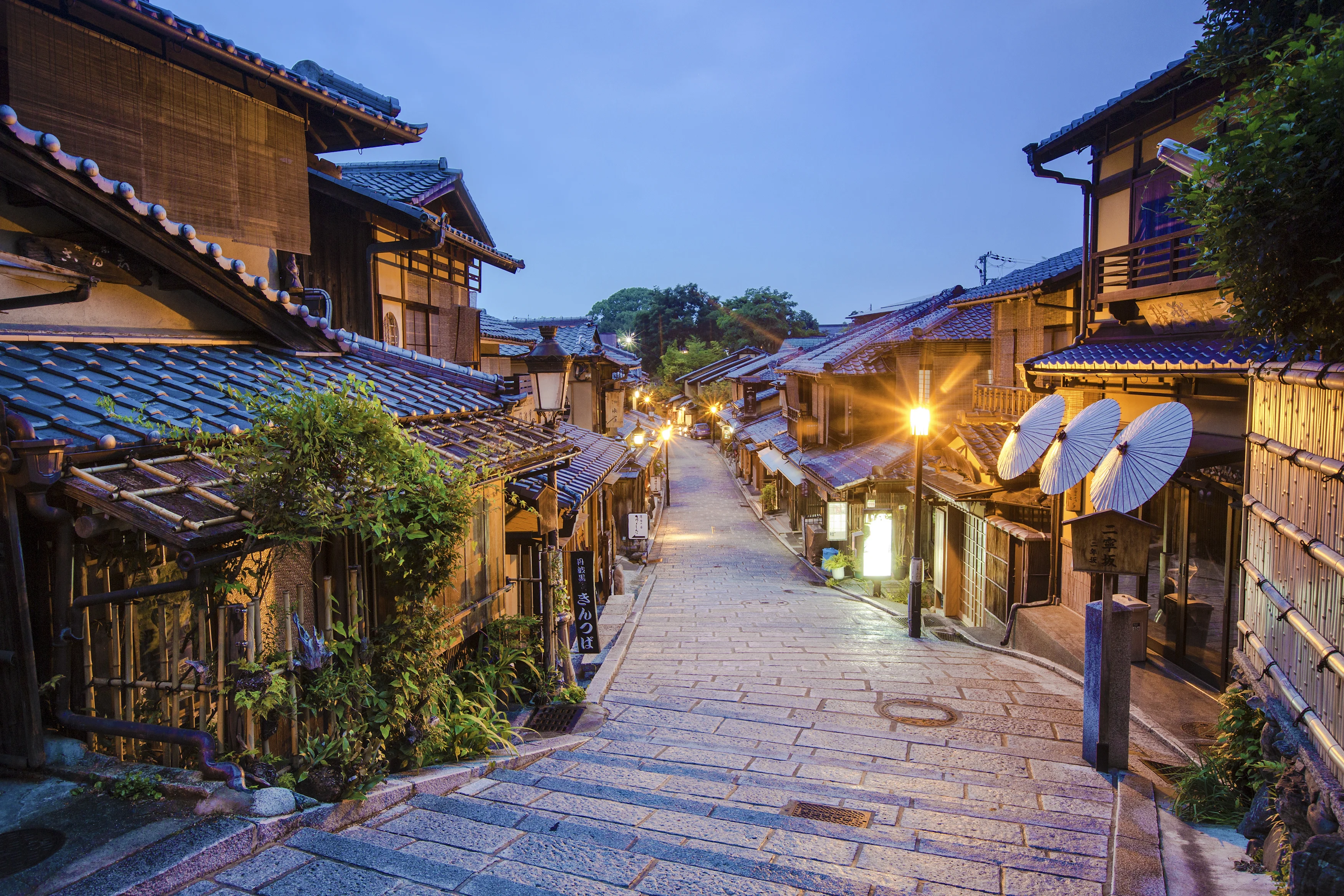
Finally, we take a walking tour through Kyoto’s Gion district. It’s the classic image of Japan; streets of wooden houses, the unmistakable sound of wooden sandals reverberating on the pavements, bright, silk-clad geishas, cherry trees and a host of traditional restaurants.
We also experience a traditional Japanese tea ceremony that is steeped (pun intended) in history. This ceremonial way of preparing and drinking green tea, typically in a traditional tearoom with a tatami floor, allows guests to enjoy the hospitality of their host in an atmosphere distinctly away from the fast pace of everyday life – it’s a fitting end to a busy day exploring Kyoto.
Meals: Breakfast
Day 10
Nara
Nara – Japan’s oldest permanent capital, Nara, is close by to Kyoto and our destination for today.
On our way, we’ll stop at the Fushimi Inari Shrine in southern Kyoto, dedicated to the Shinto god of rice, Inari. Famous for its thousands of vermillion torii gates, which cage a network of trails to form two wooden tunnels up a hillside into the wooded forest of the sacred Mount Inari.
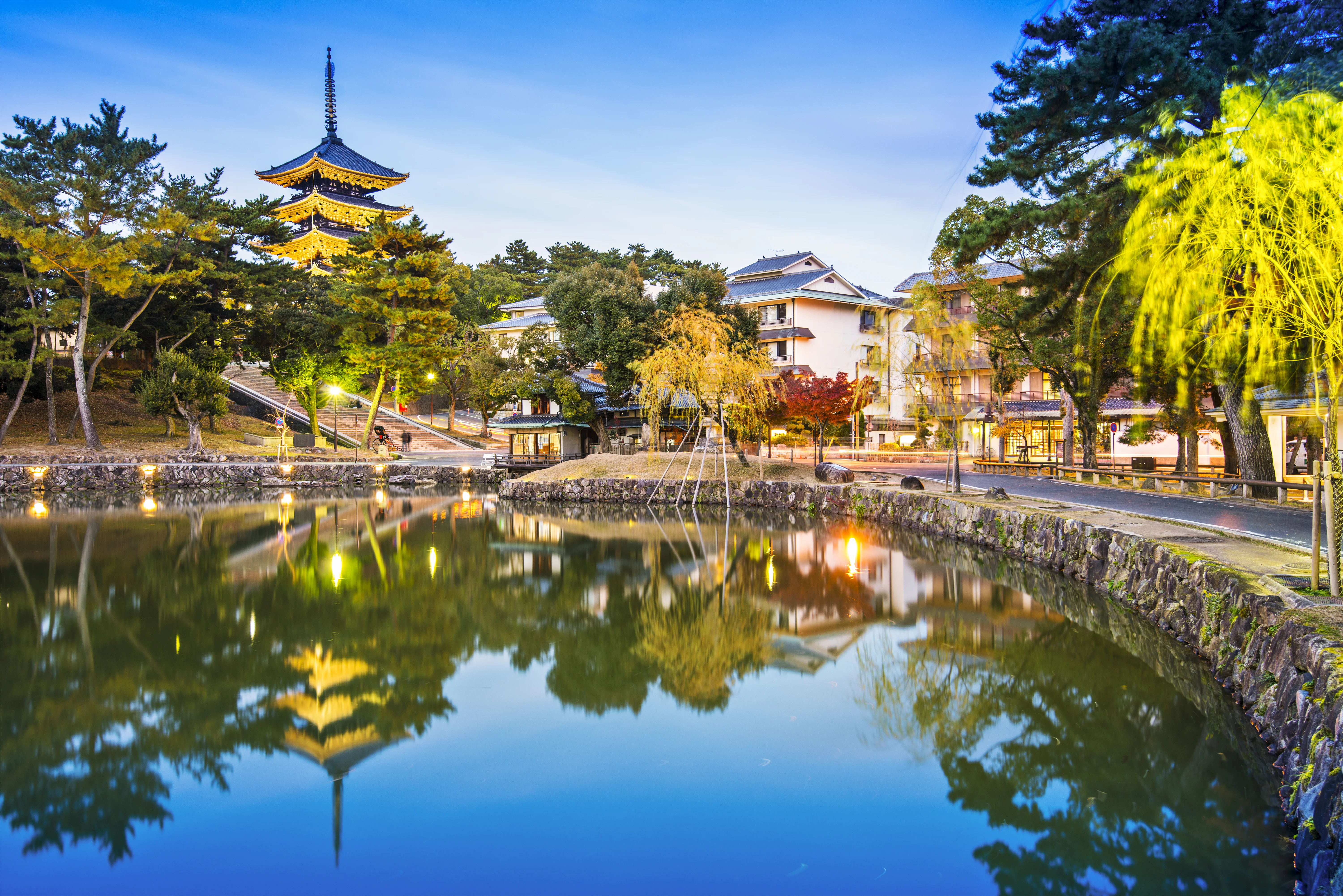
Established in 710 AD, the city is full of cultural treasures, including some of Japan’s oldest and largest temples. As you arrive, you’ll be greeted by the dozens of tame deer considered for centuries to be messengers of the gods.
The gentle deer may be fascinating, but the real draw is the Todai-ji temple, which we’ll see on our tour of Nara following a local Japanese guide around the city. Until recently, Todai-ji’s main hall held the record as the world’s largest wooden building (even though the present reconstruction from 1692 is only two-thirds the original size). Inside is a 15-metre-tall seated Buddha, one of Japan’s largest bronze Buddha statues. The temple is just one of many of Nara’s UNESCO World Heritage sites.
Nara is also famous as the birthplace of sake, a drink that has been offered to the gods since ancient times as an essential part of celebrations. With pure water and premium rice, Nara creates some of the best sake in the entire country. To say they’re “experienced brewers” is an understatement – some of the local breweries have been run by the same family for over 350 years. We can’t really leave the ancient former capital without visiting the Sake Museum to learn more about this traditional drink and, of course, taste it for ourselves.
Meals: Breakfast
Day 11
Free day in Kyoto
Free day in Kyoto – You’ll be free today to explore and discover the many delights and attractions of Kyoto. There are still more enchanting temples to see – like the 15th-century Silver Pavilion and the even older Eikando temple, marvels of architectural and garden design within an easy walk of each other along the charming Philosopher’s Path.
Personalise your holiday –
Spend a night in Ryokan, a traditional Japanese Inn in Kyoto
Price: from £99pp (2025 & 2026)
For a traditional Japanese experience, stay in a ryokan, where you’ll sleep on Japanese-style futon and enjoy a beautifully prepared kaiseki dinner.
Find out more about the Ryokan at the Gion Yoshiima website.
Please contact us for more information and to add the above experience to your booking.
Meals: Breakfast
Day 12
Bullet Train to Toyama
Bullet Train to Toyama – After a morning at leisure in Kyoto, we’ll pack up and take the bullet train to Toyama for a three-night stay. The rest of the day will be free time for you to spend as you wish.
Meals: Breakfast
Day 13
Kurobe Gorge
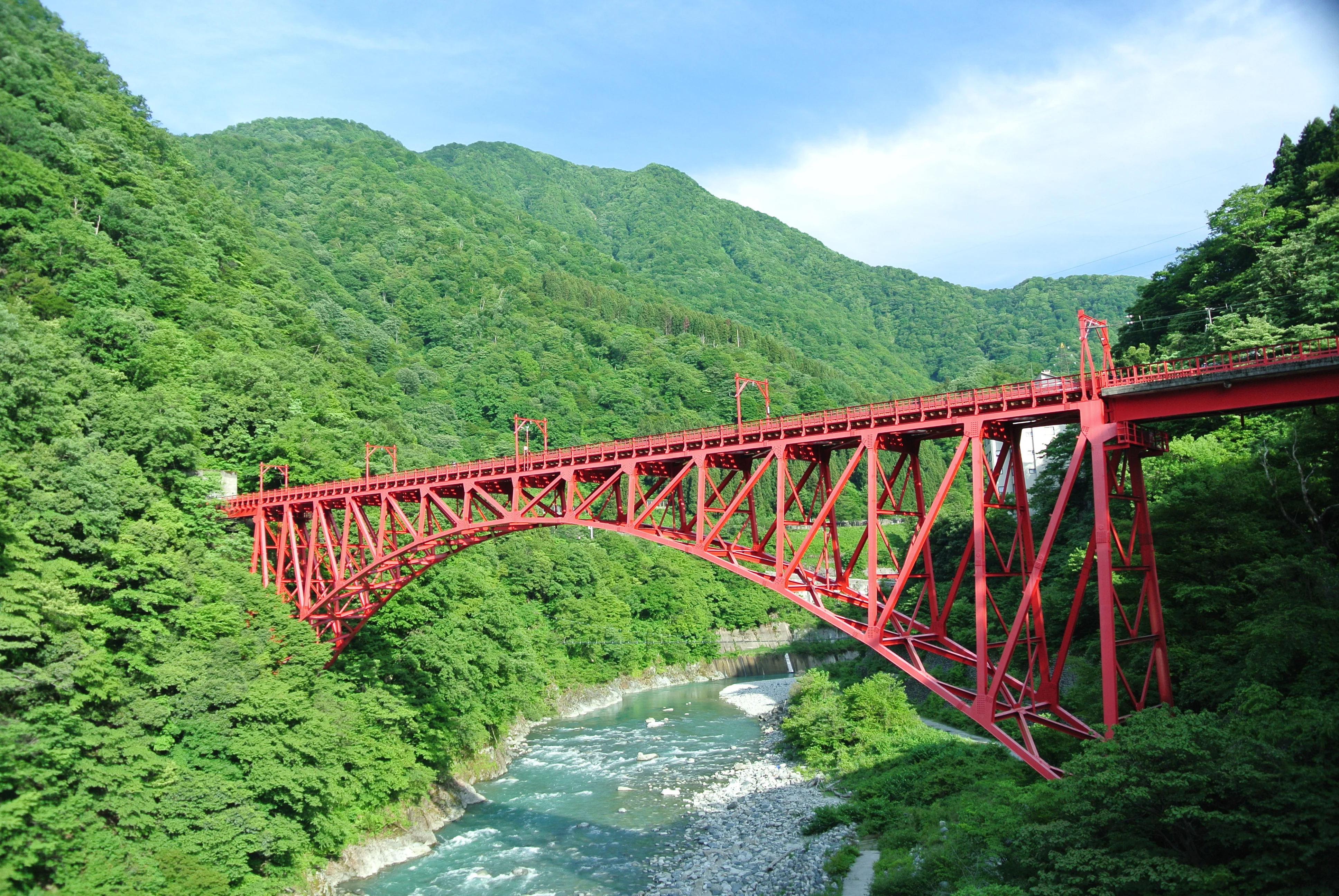
Kurobe Gorge – Carpeted by a beautiful forest the Kurobe ravine is one of the deepest gorges in Japan. Today, we’ll pass the steep cliffs and untouched forest of this mountainous area on a scenic ride on the Kurobe Gorge Railway. Originally built to help construction of the Kurobe Dam, you can sit back and marvel at the views as the train winds along a 20km stretch of the gorge. We’ll stop along the way at a few little stations where we’ll get off to admire some of Japan’s great Alpine scenery.
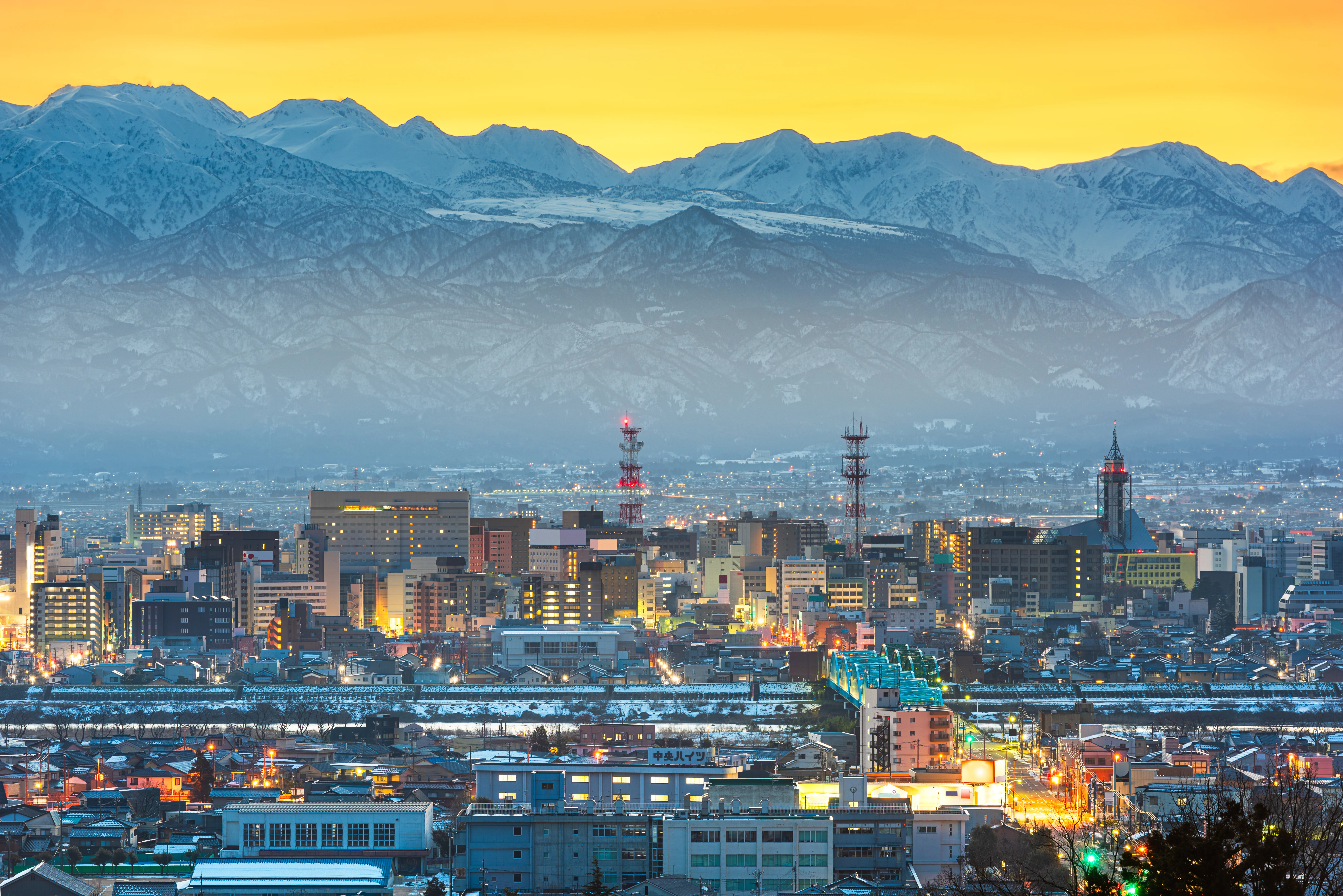
Back in Toyama this afternoon, you’re free to explore as you wish. Toyama means rich with mountains – and they’re not lying about that! The city offers views of a series of 3,000-meter peaks in the Northern Japan Alps as well as the Sea of Japan. Historically a powerful castle town, today the city is a thriving fusion of high-tech modern amenities and traditional 19th-century wooden buildings.
Within an easy walk of our hotel is Toyama Castle Park, home to the reconstructed castle, and an art museum. In early-mid April, it’s also a fantastic place to see the city’s famous cherry blossom – but the park’s Japanese gardens are still beautiful year-round. If you’re looking for an experience that’s unique to the city, check out its glass products. The city is home to the largest collection of glass artists in the entire country and you can learn more about them at the Toyama Glass Art Museum, which is just a 10-minute walk from our hotel. If you can’t decide where to go, our Tour Manager or local guide will be on hand to offer suggestions.
Meals: Breakfast
Day 14
Kanazawa and Gokayama
Kanazawa and Gokayama – This morning, we’ll head west to Kanazawa, a city that produces 99% of Japan’s gold leaf. You’ll find gold leaf everywhere, even in unexpected things like gold leaf-covered ice cream.
Our first stop in Kanazawa is Omicho Market, the city’s largest fresh food market. Its colourful network of covered streets is home to around 200 shops and stalls, most specialising in local seafood.
As the second largest city to escape destruction by air raids in WWII, much of its historical buildings have survived. As we walk around the enchanting Higashi Chaya geisha district we’ll see traditional chaya (teahouse) – an exclusive type of restaurant where guests are entertained by geisha who perform song and dance – as well as other cafes and shops.
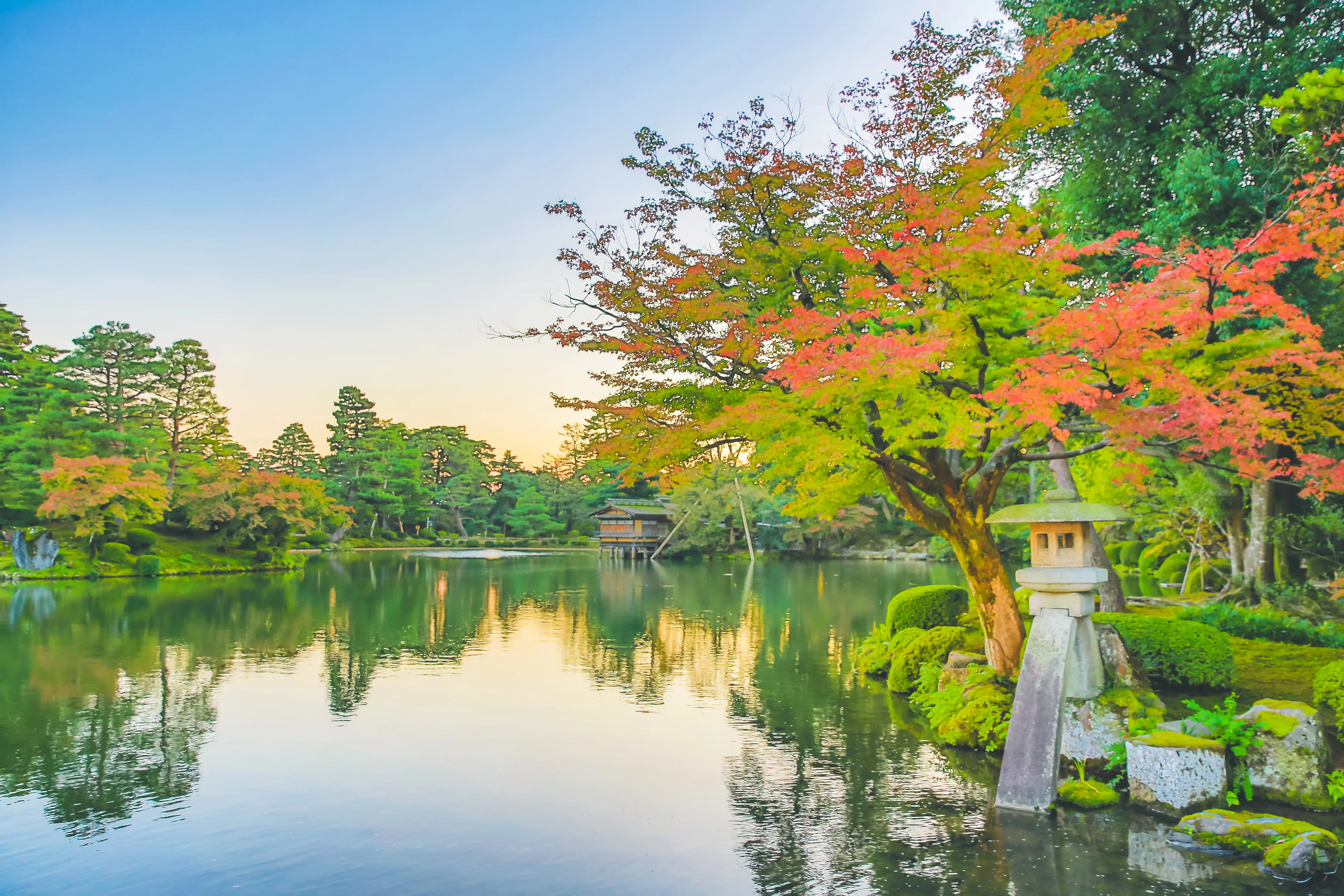
Then we’ll visit Kenrokuen, which is widely regarded as one of Japan’s three most beautiful landscape gardens. Since opening its doors to the public in 1871, the garden has enchanted visitors with a captivating array of flowering trees that look different in every season – there’s always something new to see.
We also visit the village of Gokayama, a UNESCO World Heritage Site known for its traditional gassho-zukuri farmhouses, some of which are more than 250 years old.
Meals: Breakfast
Day 15
Kurobe Alpine Route to Nagano
Kurobe Alpine Route to Nagano – Cameras at the ready today as we journey from Toyama to Nagano with scenic views of the Northern Alps of Japan.
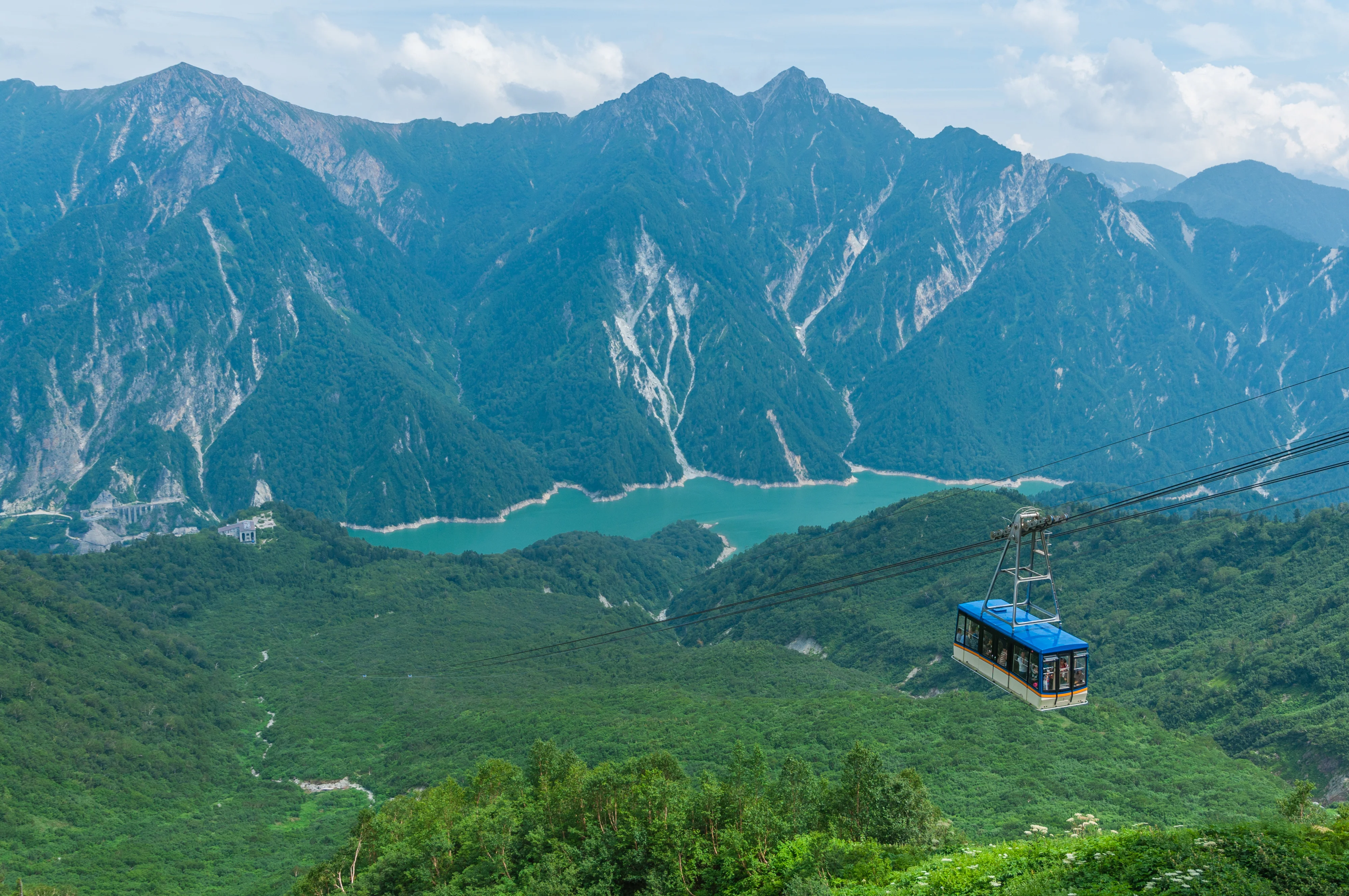
Known as the Roof of Japan, the Tateyama Kurobe Alpine Route was officially opened in 1971 and links Toyama City with Omachi in Nagano. The route takes us on a unique journey through the Northern Japanese Alps and Tateyama Mountain Range, which can only be travelled by a range of different transport methods, trains, busses, cable cars, ropeway and Japan’s last remaining trolley bus. The name ‘Roof of Japan’ comes from the views at the highest altitudes along the route – a knee-trembling 2,450 metres at Murodo Station and 3,015 metres from Mount Tateyamam – from where you can literally look out over the ‘un-kai’ or ‘cloud sea’. Needless to say, you’re guaranteed some spectacular views on today’s adventure (if the weather cooperates).
We’ll see the magnificent, curved wall of the Kurobe Dam, Japan’s tallest dam at around 54 storeys tall. Then we’ll enjoy a bird’s eye view of the reservoir from Tateyama Ropeway – a single span of cable with no intermediate towers to block the panoramic vistas as we continue to climb higher.
Once we reach Nagano, we’ll then board a bullet train to Tokyo, where we’ll spend one night.
Meals: Breakfast
Day 16
DAY 16
Return home
Meals: Breakfast
What’s included
What’s not included
Additional information
Miyajima Island & Itsukushima Shrine
Ferry across Hiroshima Bay to Miyajima (Itsukushima), where sacred peaks meet the sea and deer wander temple paths. Walk the boardwalks of the Itsukushima Shrine complex, a Shinto masterpiece poised over tidal flats.
At high tide the Great Torii Gate appears to float, creating a mirage-like frame for the island’s wooded slopes. Browse artisanal streets for maple-leaf cakes and lacquerware, absorbing a centuries-old pilgrimage atmosphere.
Nara Sake Museum Visit & Tasting
Learn how water, rice and skill converge in Japan’s historic brewing heartland during a guided sake museum visit in Nara. Exhibits trace centuries-old techniques, cedar casks and the careful work of toji master brewers.
Conclude with a tasting of regional styles—from crisp ginjo aromas to rounder junmai profiles—while discovering pairing traditions. This cultural tasting connects festival customs and everyday dining to the nation’s signature drink.
Kurobe Gorge Railway Scenic Journey
Ride open-air cars along the Kurobe Gorge Railway, threading red bridges and cliff-hugging tunnels above the emerald Kurobe River. Forested slopes, waterfalls and tiny wayside stations create a panorama of Japan’s rugged Northern Alps.
Originally built for dam construction, the line now offers unhurried immersion in mountain scenery. Crisp air, cedar scent and shifting light invite you to pause for photos and reflection between dramatic bends.
Hiroshima Peace Memorial Park & Museum
Reflect on history during a guided visit to Hiroshima Peace Memorial Park, where lawns, memorials and the A-Bomb Dome stand as witnesses to August 1945. The park’s stillness invites contemplation beside the Cenotaph and Flame of Peace.
Step into the Peace Memorial Museum for personal stories, artifacts and context that illuminate the city’s resilience. The experience is sober yet hopeful, underscoring Hiroshima’s message of reconciliation and the urgency of peace.
Korakuen Garden, Okayama
Stroll one of Japan’s famed trio of landscape gardens at Korakuen, a spacious circuit of lawns, ponds and teahouses designed in 1700 for a feudal lord. Meander over arched bridges beneath plum and maple groves as cranes circle the skies.
Views open to Okayama Castle, lending a castle-and-garden tableau straight from the Edo period. Seasonal plantings and quiet teahouse corners reveal the garden’s guiding ideals of harmony, perspective and grace.
Kyoto’s Golden Pavilion (Kinkaku-ji)
Visit Kinkaku-ji, the Golden Pavilion, whose upper stories shimmer with gold leaf above Kyoko-chi, the Mirror Pond. Sculpted pines, islets and stone lanterns compose reflective scenes that change with each step along the garden path.
Rooted in the Muromachi era’s aesthetics, the pavilion’s blend of aristocratic elegance and Zen restraint captures Kyoto’s timeless poise. The glowing facade and tranquil waters create a sublime study in light and stillness.
Arashiyama Bamboo Grove Walk
Walk beneath towering bamboo in Arashiyama, where dappled light and a soft, wind-borne hush turn paths into green corridors. The vertical rhythm of swaying culms and the clack of stems create an evocative sensory moment.
Nearby temple precincts and riverside vistas frame Kyoto’s western hills, but it’s the grove’s cool shade and shifting soundscape that linger, embodying the wabi-sabi spirit of beauty in motion and time.
Nijo Castle: Seat of the Shogun
Step inside Nijo Castle, a 17th-century stronghold where the Tokugawa shoguns received imperial envoys. Glide over famous “nightingale floors” that sing underfoot, a clever defense against intruders.
Elaborate Kano-school screen paintings, sculpted transoms and manicured gardens reveal the wealth and power of Edo-period rule. The complex’s moats and walls add martial gravitas to an otherwise refined, art-laden residence.
Gion District Walking Tour
Wander Gion’s lantern-lit lanes, lined with wooden machiya townhouses and discreet teahouse facades. Hear the faint clip of maiko and geiko wooden sandals on cobbles as tradition and everyday life mingle in atmospheric alleys.
Learn how seasonal gatherings, tea arts and classical dance sustain Kyoto’s entertainment culture. The district’s willow-shaded canals and noren curtains offer a quiet, time-slowed mood rare in modern cities.
Traditional Japanese Tea Ceremony (Kyoto)
Experience a host’s hospitality during a Japanese tea ceremony, where matcha is whisked to a froth in a tatami-floored tearoom. Observe the choreography of utensils—the chawan bowl, bamboo whisk and scoop—each movement calibrated for grace.
Rooted in Zen ideals of harmony and respect, the ritual invites calm focus and appreciation of seasonal sweets, ceramics and silence. It’s an intimate encounter with Kyoto’s refined cultural heart.
Fushimi Inari Taisha Torii Gate Trails
Walk beneath thousands of vermilion torii as pathways climb Mount Inari from Fushimi Inari Shrine. Fox statues, guardians of the rice deity, flank lanterns and sub-shrines along the wooded ascent.
Choose your pace on these iconic trails—short loops or longer climbs reward with city views and shrine vistas. The interplay of color, forest shade and the shrine’s hum of devotion creates a powerful sense of place.
Kanazawa Omicho Market & Higashi Chaya District
Browse Omicho Market, Kanazawa’s lively pantry, where stalls brim with snow crab, glistening sashimi and seasonal produce. Conversations with vendors reveal culinary rhythms shaped by the Sea of Japan and local craft.
Continue to the Higashi Chaya geisha district to see preserved teahouses and gold-leaf boutiques. Lattice windows, teahouse etiquette and quietly elegant streets speak to a city that escaped wartime destruction and cherishes tradition.
Kenrokuen Garden, Kanazawa
Wander the “Garden of Six Sublimities” at Kenrokuen, where spaciousness, seclusion, artistry, antiquity, water and panoramas are perfectly balanced. Follow streams to Kasumiga-ike Pond and the iconic two-legged Kotoji-toro lantern.
Seasonal scenes—plum blossom, irises, fiery maples, and winter’s yukitsuri rope supports—reveal a garden designed for beauty in every month. Vantage points frame Kanazawa’s castle, linking nature and history in harmonious views.
Gokayama Gassho-zukuri Farmhouse Village
Visit UNESCO-listed Gokayama to see steep-roofed gassho-zukuri farmhouses built like praying hands. Thick thatch and timber frames withstand deep snow while spacious attics once housed silk-worm cultivation.
Stroll lanes between paddies and workshops, learning how families preserved mountain life through communal craft and song. The village’s timeless silhouettes and alpine air offer a vivid counterpoint to Japan’s urban dynamism.
Tateyama Kurobe Alpine Route & Kurobe Dam
Traverse the Northern Alps on the Tateyama Kurobe Alpine Route, linking valleys and ridgelines by cable cars, ropeway and Japan’s last trolley bus. High plateaus reveal sweeping views above a shifting “sea of clouds.”
Peer across Kurobe Dam, Japan’s tallest, curving between granite walls with glacial-blue waters below. In spring, towering snow corridors may line the Murodo area, underscoring the route’s dramatic mountain environment.
Stay in a Traditional Ryokan with Kaiseki Dinner (Kyoto)
Experience Japanese hospitality at a traditional ryokan in Kyoto. Sleep on soft futon atop tatami mats, swap shoes for slippers, and unwind in communal baths before savoring a multi-course kaiseki dinner that showcases seasonal ingredients and exquisite presentation.
This atmospheric stay invites you to slow down, embrace minimalist comfort and appreciate Kyoto’s culinary artistry. Offered at additional cost and bookable on tour, subject to availability.
Asakusa Senso-ji Walk & Sumida River Cruise to Ginza
Explore historic Asakusa on foot, passing the Kaminarimon (Thunder Gate) and its giant lantern to reach Senso-ji, Tokyo’s oldest Buddhist temple. Amble along Nakamise-dori, where snack stalls and craft shops evoke the Edo era with sweet rice crackers and hand-printed fans.
Board a boat to cruise the Sumida River, gliding under elegant bridges with skyline views of Tokyo Skytree. Disembark in sophisticated Ginza, whose polished department stores and galleries reveal the city’s modern flair.
Fuji Five Lakes Views & Kubota Itchiku Art Museum
Savor classic vistas of Mount Fuji mirrored on Lake Kawaguchi, where still water and wooded slopes frame Japan’s most storied peak. Pause for photographs as seasonal colors—cherry blossom or maple—soften the volcanic silhouette and amplify the scene’s quiet majesty.
Visit the Kubota Itchiku Art Museum to see glowing kimono masterpieces reviving the lost Tsujigahana dyeing technique. Rich pigments, cosmic motifs and meticulous craft link nature’s cycles to wearable art, deepening the region’s cultural resonance.
Hakone Lake Ashi ‘Pirate Ship’ Cruise & Torii Views
Cruise the deep-blue waters of Lake Ashi aboard a playful replica tall ship, watching forested ridgelines unfold and—weather permitting—the distant cone of Fuji appear like a paper-cut silhouette.
From the deck, glimpse the lakeshore’s vermilion Heiwa no Torii of Hakone Shrine seemingly rising from the water. The journey blends lighthearted fun with classic Hakone scenery, making space to pause for photos and reflection amid cool mountain air.
Tokyo Icons: Meiji Shrine, Omotesando & Akihabara Orientation
Discover serene and cutting-edge Tokyo in one sweep as you visit Meiji Shrine, a cedar-scented Shinto sanctuary dedicated to Emperor Meiji and Empress Shoken. Step beneath a towering torii gate into leafy precincts where votive ema hang and the city’s bustle fades to whispers.
Continue through Omotesando’s elegant boulevard of flagship architecture before exploring Akihabara, Electric Town, where neon storefronts showcase gadgets, retro arcades and anime culture. This guided orientation balances tradition and tech to ground your Tokyo stay with vivid contrasts.
Nara Park & Todai-ji Great Buddha
Join a guided exploration of Nara, meeting the tame deer of Nara Park before entering Todai-ji, once the world’s largest wooden hall. Inside sits the 15-metre bronze Great Buddha (Daibutsu), a serene colossus of faith and artistry.
As Japan’s first permanent capital, Nara’s temples and shrines shaped early Buddhism and court culture. The scale of Todai-ji and the park’s tranquil lawns set a contemplative mood.