Your itinerary

Day 1
Adventure starts in Kathmandu
Begin your adventure in Kathmandu, a brief stop on our way to Bhutan. You’re free to arrive at any time as there are no activities planned today.
Want to explore Kathmandu further? Secure pre-tour hotel nights through your sales representative.
Day 2
Fly to Paro
Today we fly to Paro. Our route takes us over the eastern Himalaya and, if the weather is clear, we should get a fantastic view of magnificent peaks including Everest, Lhotse, Nuptse, Makalu and Kanchenjunga. The Paro Valley is considered one of the most beautiful in Bhutan, with blue pine-covered hills and attractive solidly built houses among the paddy fields.
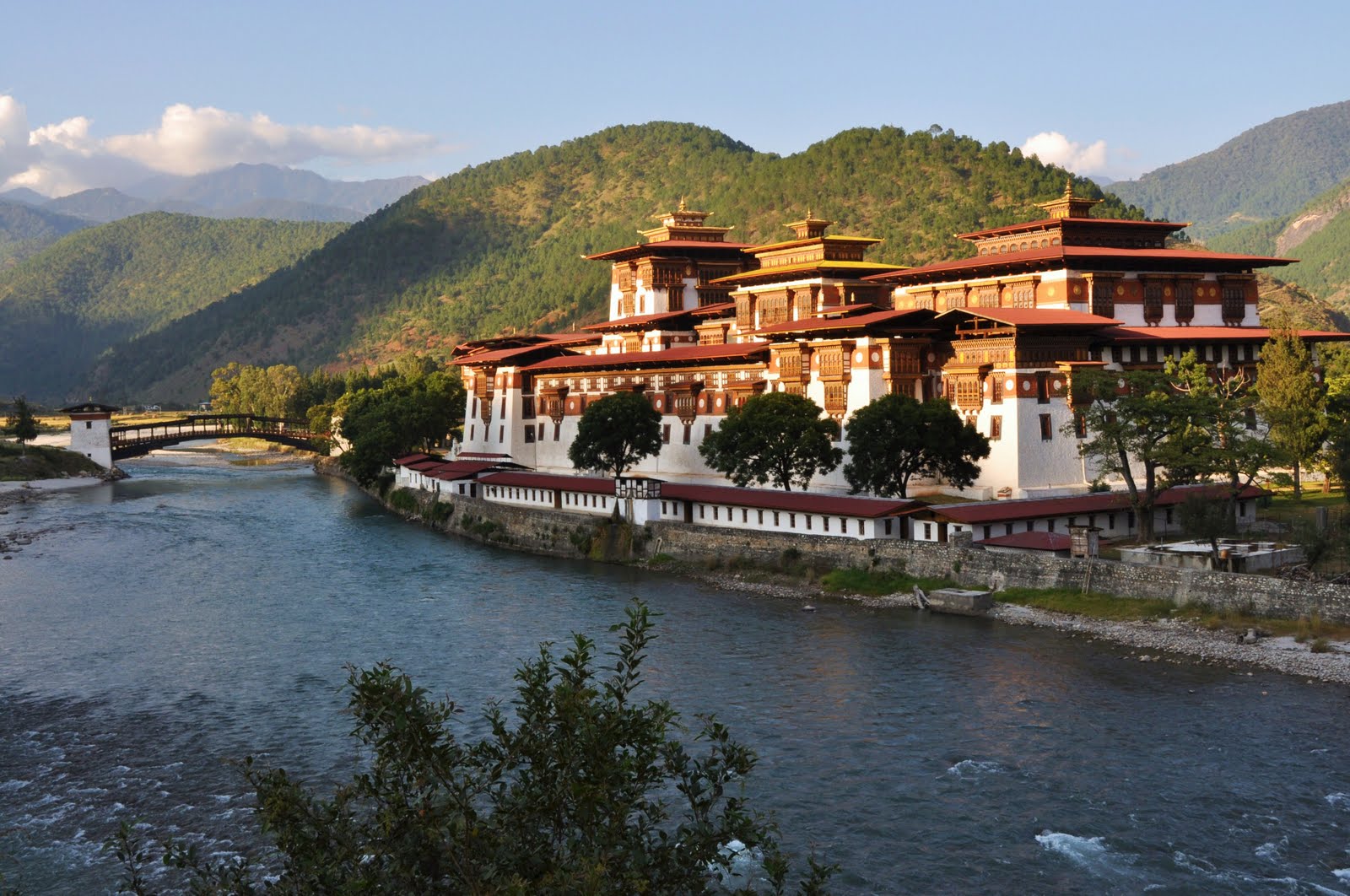
Say hello to your tour leader and fellow travellers, when we gather as a group to get to know each other and learn more about the adventures ahead. If there is the time in the afternoon there will be a visit to visit the museum and Rinpung Dzong. Your tour leader then ensures a big welcome over dinner together.
Meals: Breakfast,Lunch,Dinner
Day 3
Drive to Thimphu
Today we have an hour’s drive to Thimphu, the relatively new capital of the Kingdom of Bhutan. The ancient city of Punakha was replaced as the capital by Thimphu in 1961 by the third king, Druk Gyalpo Jigme Dorji Wangchuck. The main sights include Kuensel Phodrang, known locally as Buddha Point, where there is a huge statue of Buddha overlooking the whole valley. Simtokha Dzong, the oldest dzong (fortified monastery) in Bhutan, built in 1629 now serves as the Institute of Language and Cultural Studies. It houses numerous statues and paintings of various religious figures and deities.
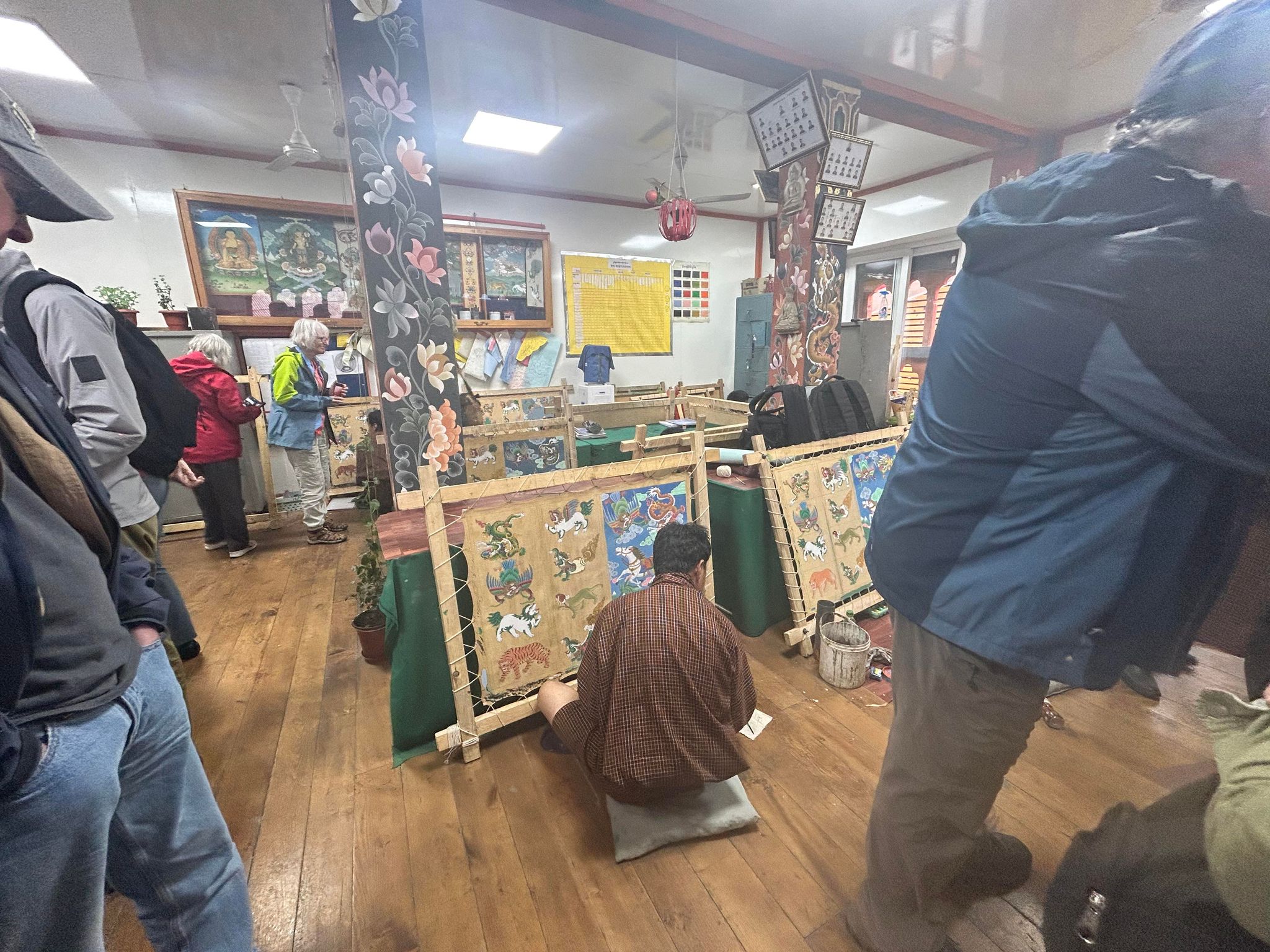
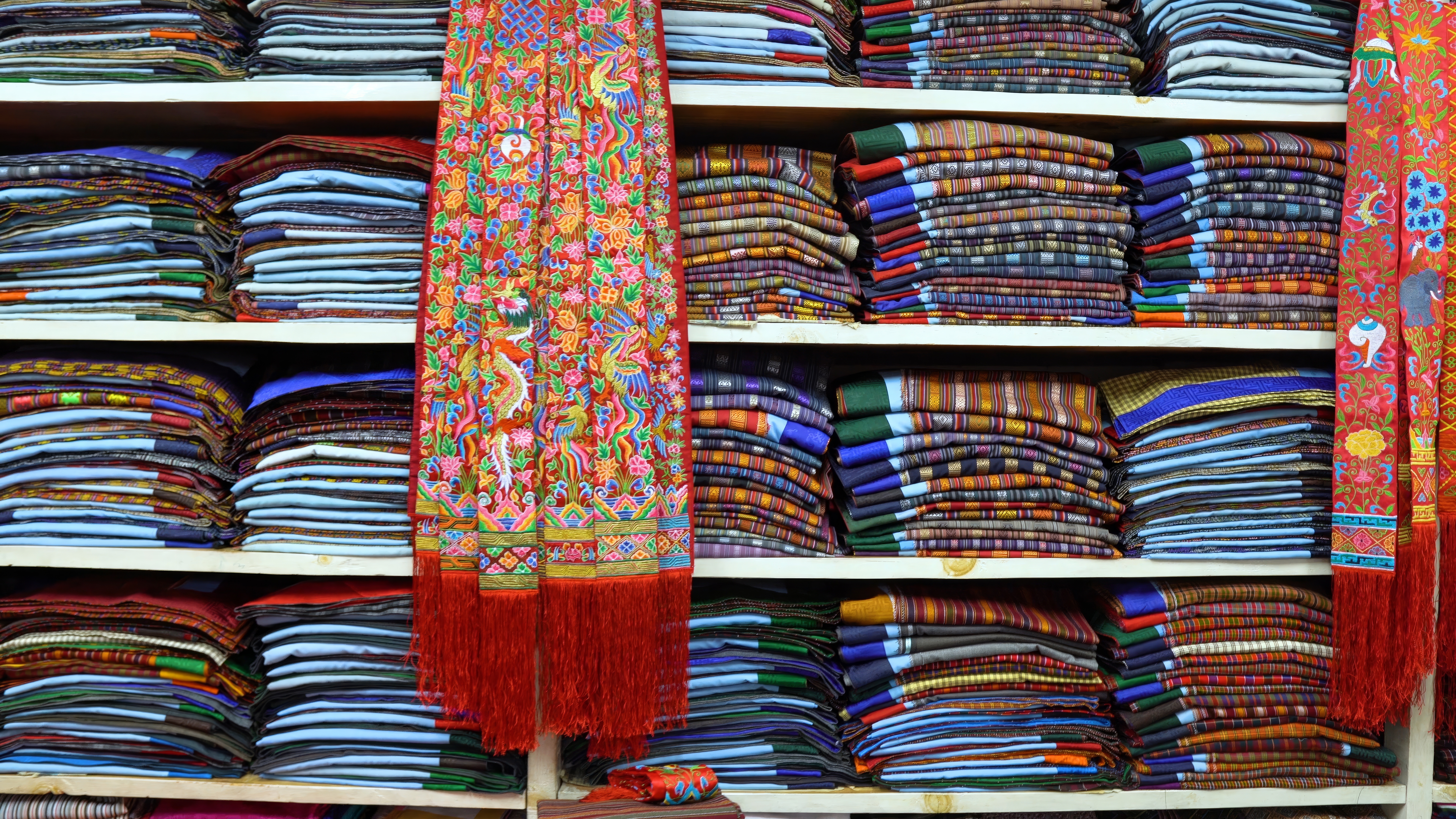
You can also view Takin Reserve from above on your journey into Thimphu and visit a paper factory and weaving centre to see authentic local weaving techniques, plus the local market is interesting to explore.
Meals: Breakfast,Lunch,Dinner
Day 4
Drive to Gangtey; visit Wangdiphodrang Dzong monastery
We leave Thimphu in the morning and drive east to Gangtey. The route climbs steadily on a good road to the Dochula Pass, where there are 108 chortens (Buddhist shrines).
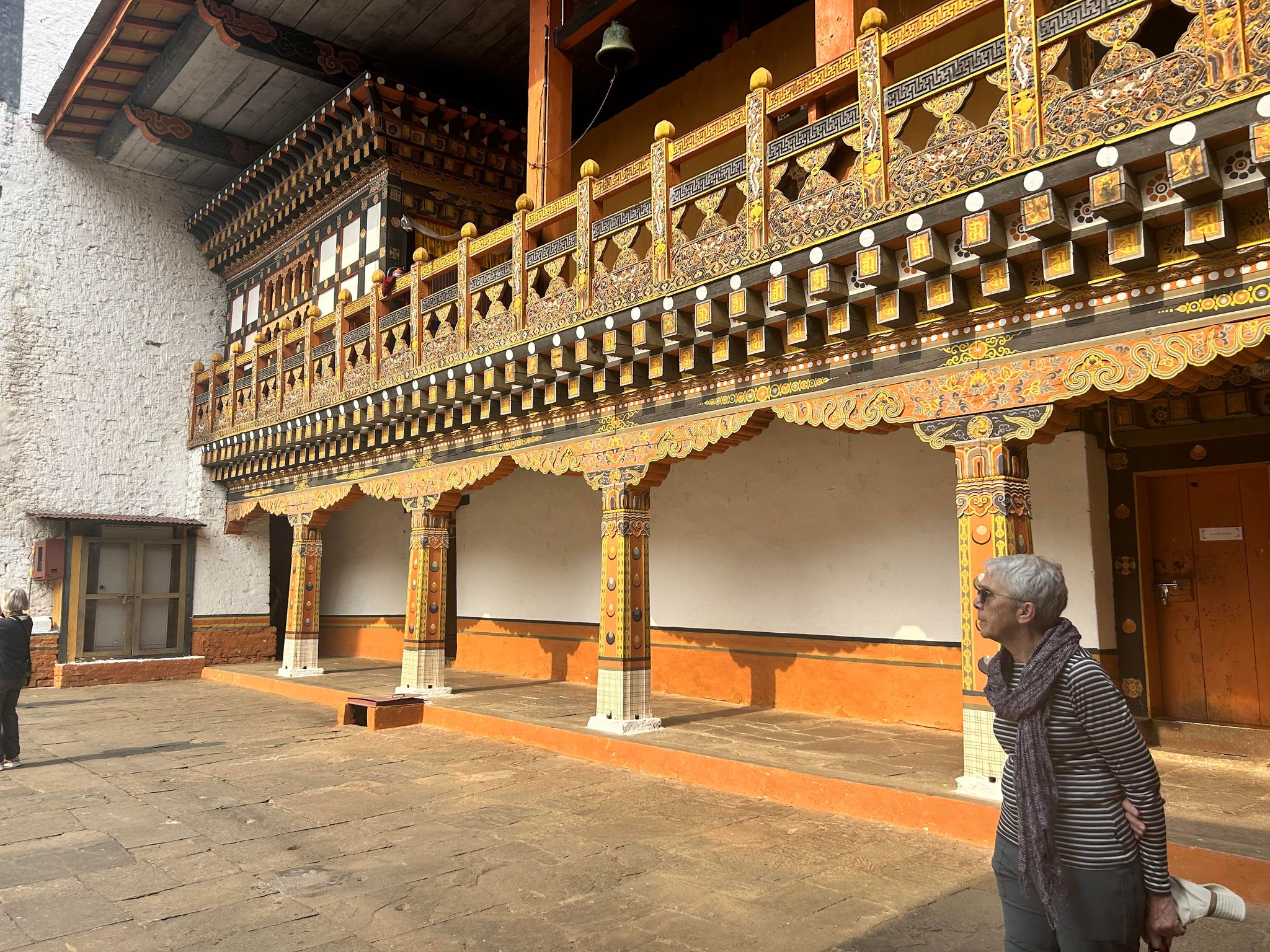
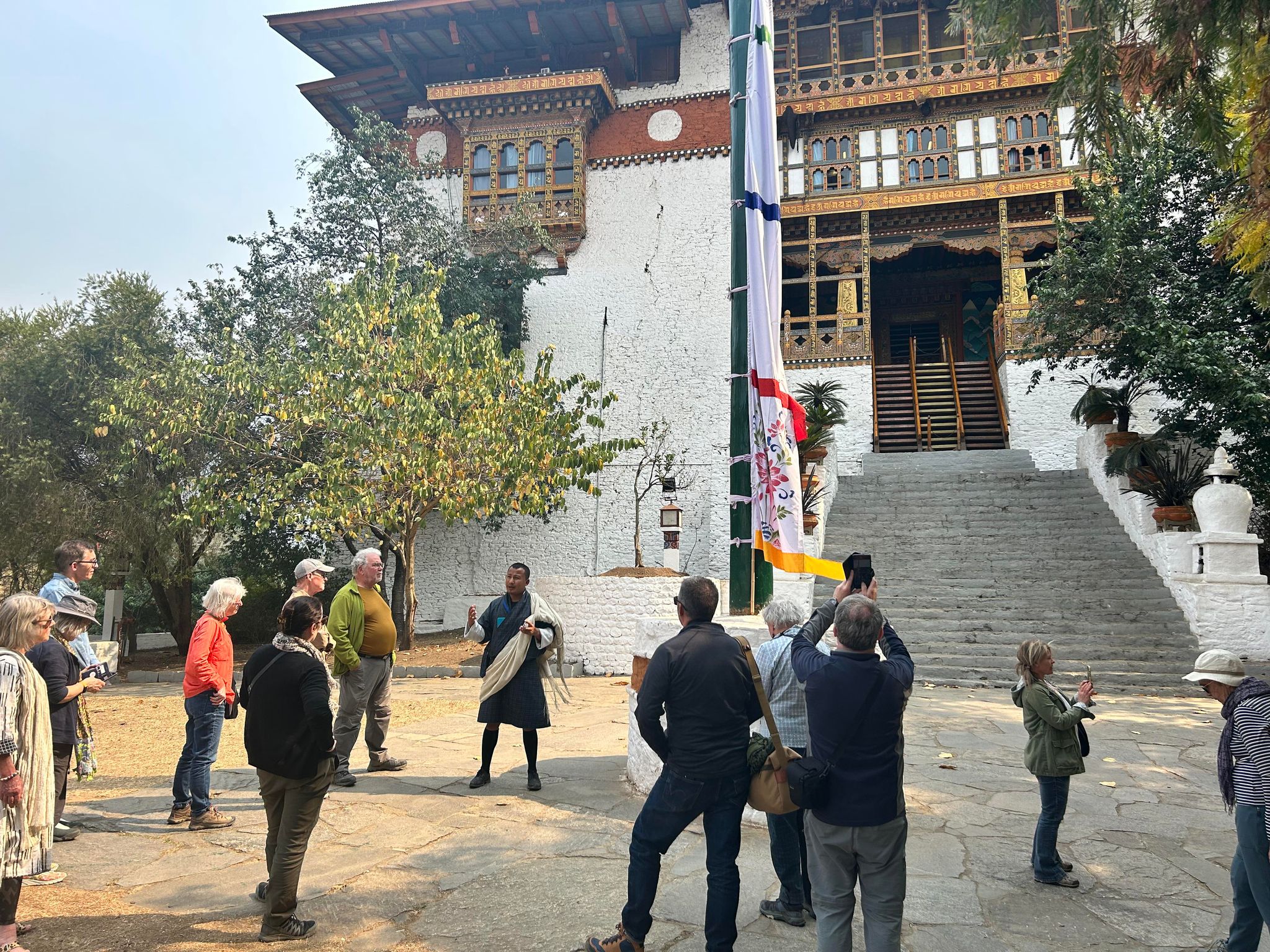
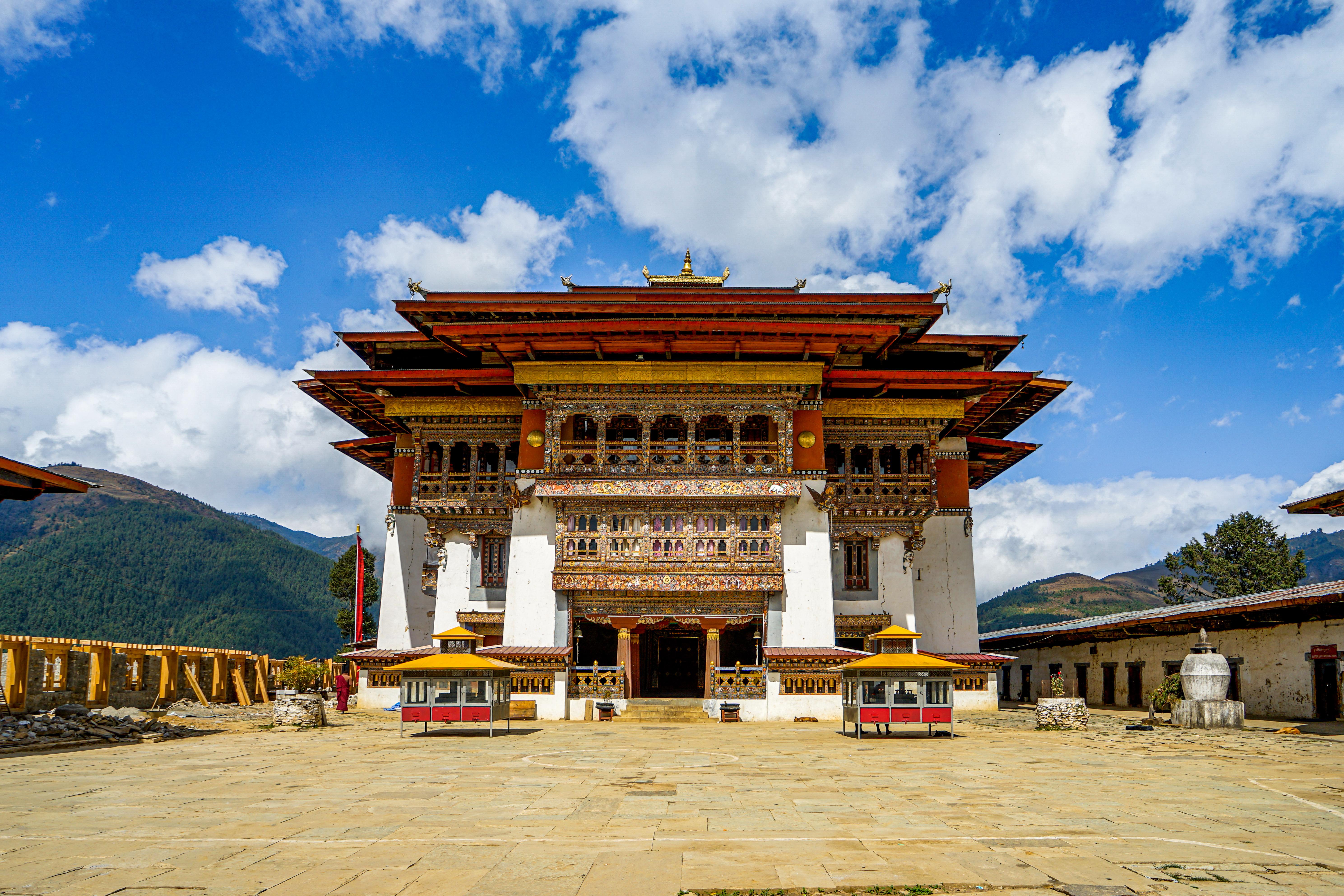
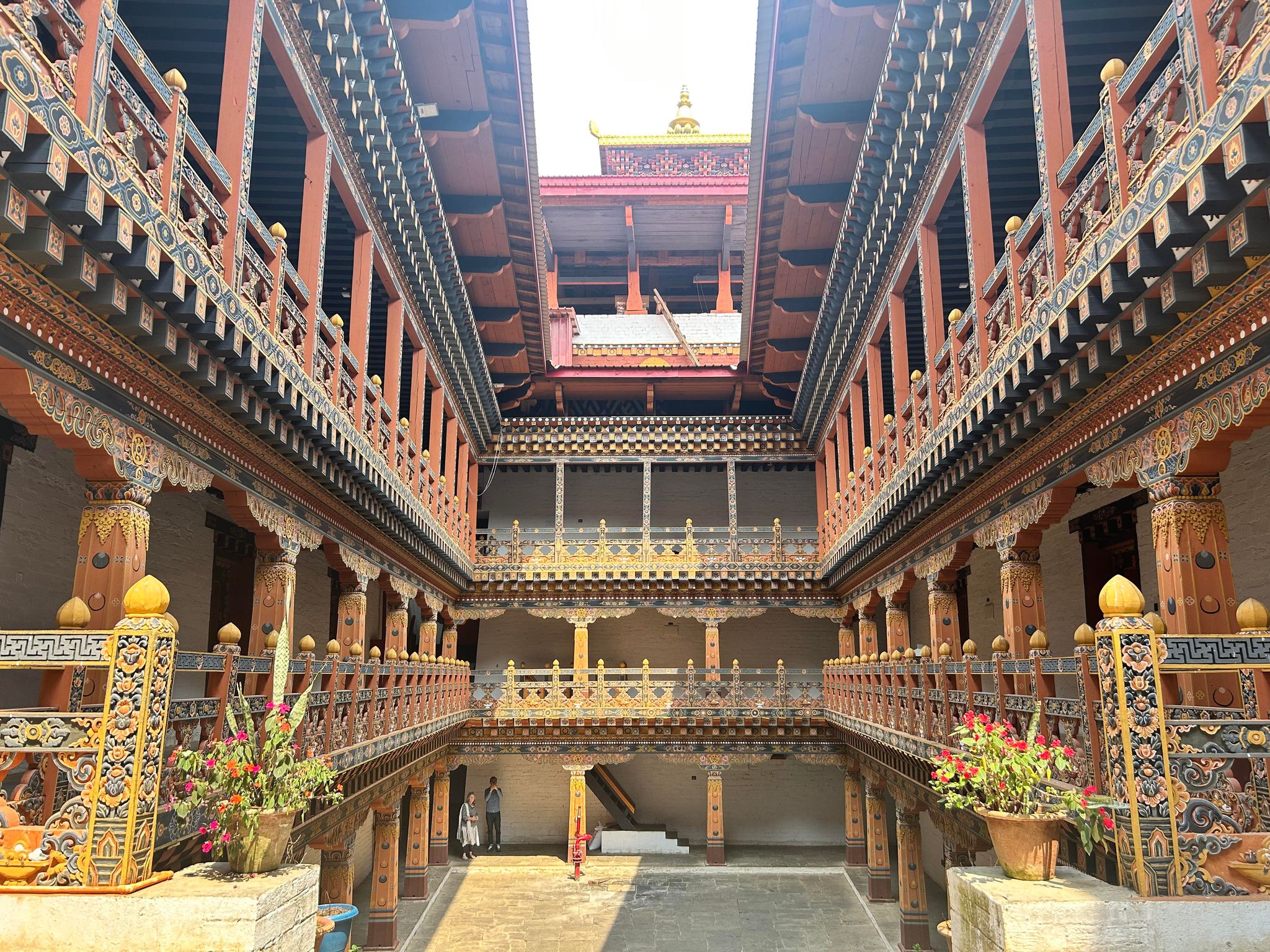
At 10,000ft (3,050m), we can enjoy glorious views over the eastern Himalaya, weather dependent. We then descend to the valley floor and continue to sub-tropical Wangdue. We stop to visit the Wangdiphodrang Dzong, one of the larger monastery’s we visit on this trip it overlooks the picturesque river and rural agricultural fields surrounding it and has an impressive courtyard.
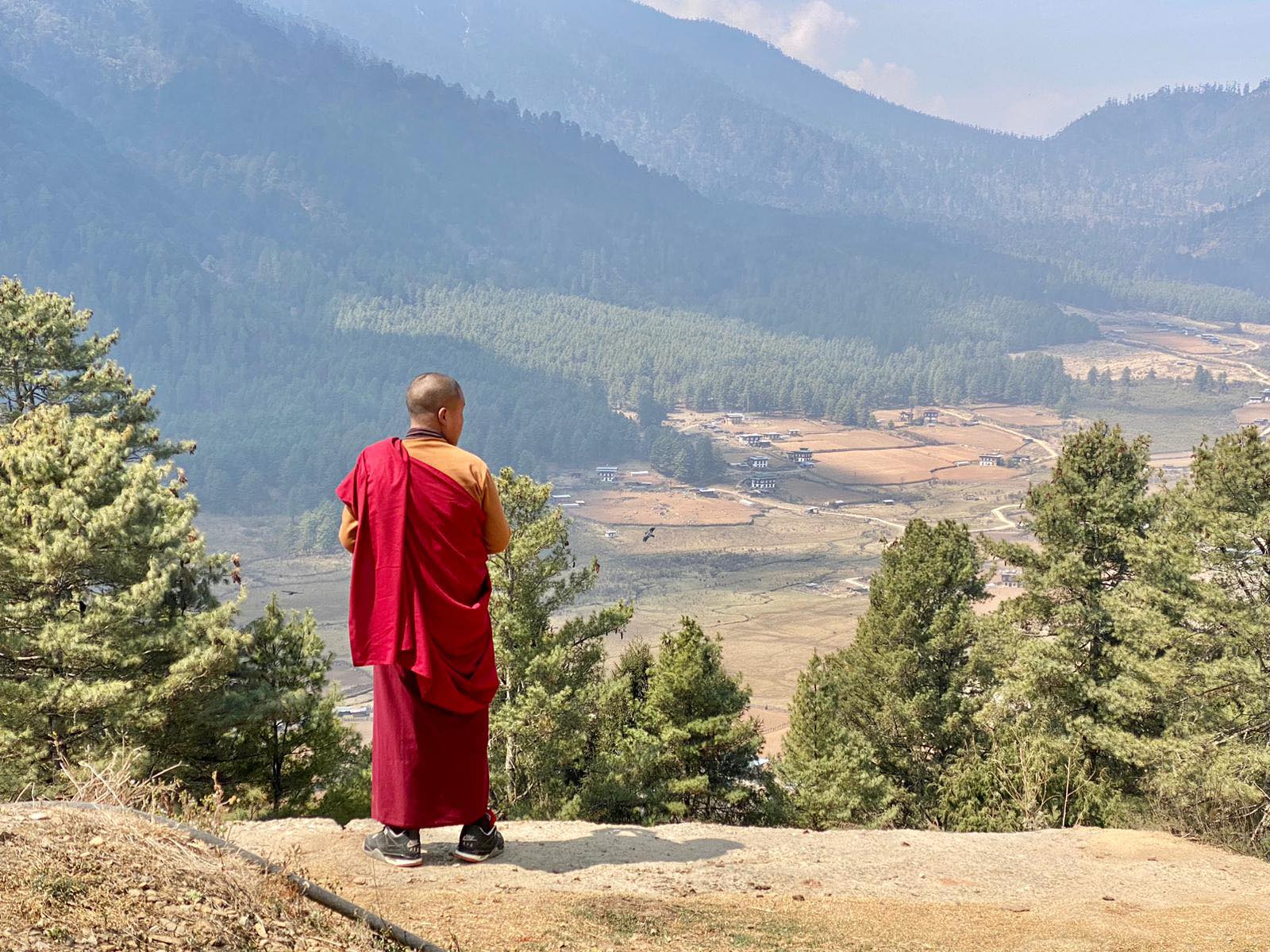
This afternoon, we have plenty of time to explore the Phobjikha Valley, one of the most beautiful in Bhutan. This wide-open U-shaped glacial valley is home to barking and sambar deer plus wild boars, while Himalayan black bears have also been spotted here. It is also where black-necked cranes come to roost during winter. Usually arriving from Tibet towards the end of October, they announce their appearance by circling the monastery three times. Come spring, they again fly three times around the monastery before returning to Tibet.
Today’s drive is approximately 78mi (125km) and takes four to five hours, although variable road conditions may mean we spend longer on the road.
Meals: Breakfast,Lunch,Dinner
Day 5
Morning hike through the Gangtey Valley. Afternoon visit to Khewang Lhakhang
This morning, we set off on foot from our hotel for a walk through the Gangtey Valley (approximately 3mi/5km, two to three hours) – the climb up to the monastery involves around 1,640ft (500m) ascent. This glacial valley comprises farmlands, pastures and blue-pine forests and we may encounter herders caring for their livestock.
After lunch, we visit the 15th-century Khewang Lhakhang, on the east side of the Phobjikha Valley. It features a trio of two-storey statues depicting the past, present and future Buddhas. We can also visit the Black-Necked Crane Visitor Center, where we learn about the conservation efforts to protect these majestic birds. We also have a short visit to a farmhouse and an optional hot-stone bath, which costs approximately 830 ngultrums (US$10).
Meals: Breakfast,Lunch,Dinner
Day 6
Drive to Punakha, visit Chimi Lhakhang, Punakha Dzong
We drive back westwards to subtropical Punakha, which may take about three hours. En route, we visit the Chimi Lhakhang, built in 1499 to honour Drukpa Kuenley. Nicknamed the Divine Madman or Mad Saint, he was a maverick spiritual leader, who subdued a demon controlling the Dochu La. He built a chorten where the monastery stands and was reputed to have unorthodox ways of teaching Buddhism – he advocated for phallic symbols to be painted on walls and houses, which were intended to drive away the evil eye. Most of the houses in this area are decorated with highly ornate phallic paintings. We walk through the village to the monastery with a chance to see traditional Bhutanese-style farmhouses.
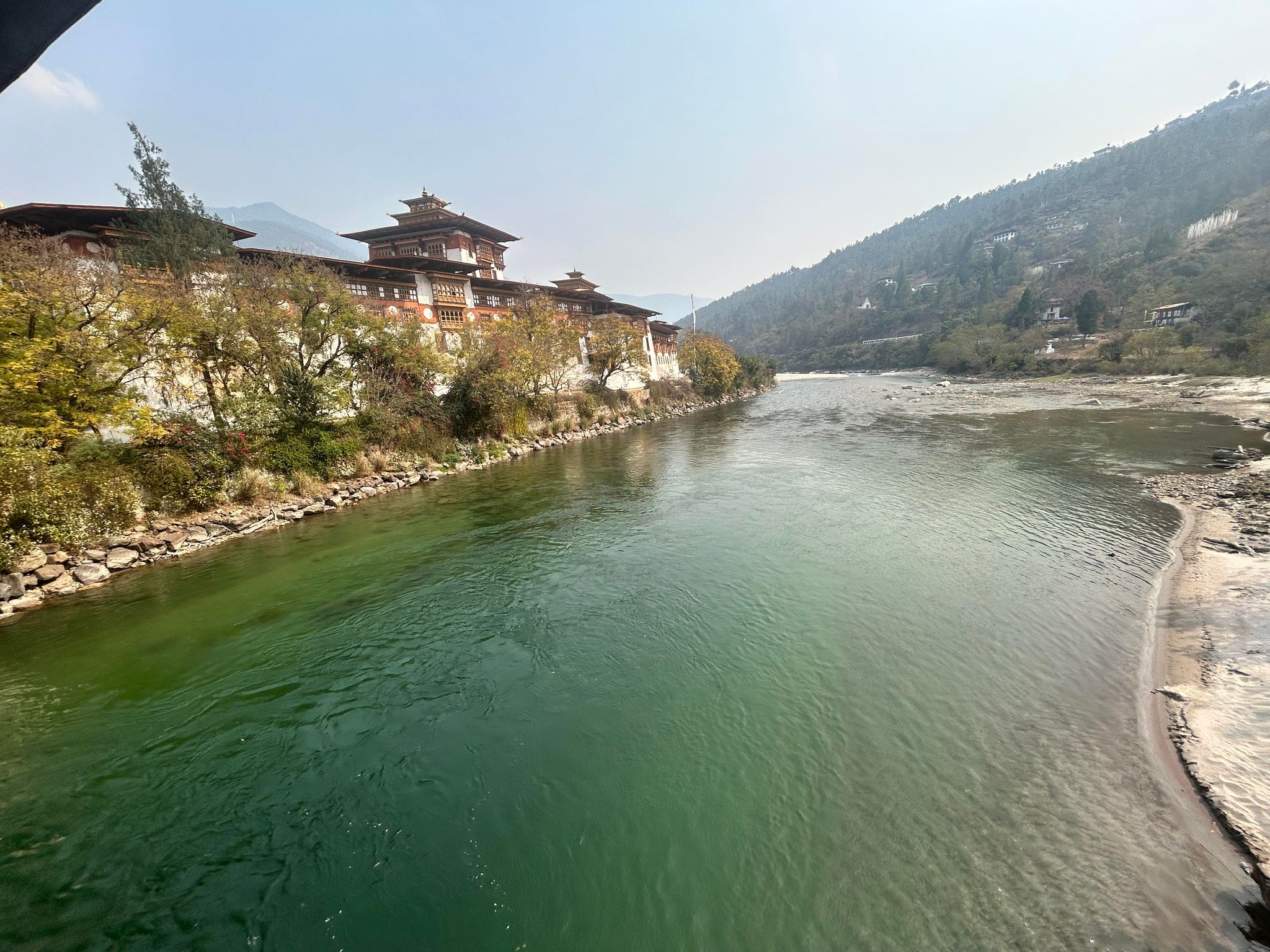
We then continue to Punakha, which at 3,940ft (1,200m) is warmer than Paro or Thimphu. Punakha was once the capital of Bhutan and is still the winter residence of the monastic body. We visit the dzong, one of the most beautiful in Bhutan. This remarkable fortress between the Mo and Po Chhu rivers has survived many fires, an earthquake and several floods.
Time permitting, we drive to the Khamsum Yuelley Namgyal Chorten at the end of the valley, which houses representations of the tantric form of Buddhist deities. Built for the protection of the country and the present king, the chorten also offers impressive views of the valley below.
Meals: Breakfast,Lunch,Dinner
Day 7
Drive to Paro, visiting Tachogang Lhakhang Bridge, Dzongdrakha Goemba and Kyichu Lhakhang monastery
In the morning, we drive for about three hours back to Paro. En route, we visit the Tachogang Lhakhang Bridge, which crosses the Paro Chhu. This 600-year-old bridge, popularly known as the Iron Chain Bridge, was built by Thangtong Gyalpo in the late 1300s, who is said to have built 108 bridges in Tibet and Bhutan. Made of wood and iron, this is the first bridge built in Bhutan.
We continue our drive and come to the Dzongdrakha Goemba, also known as Mini Taktsang, a serene site above the village of Bondey on the western side of the Paro Valley. Often overlooked by tourists because of its rather old facade, this divine place comprises four shrines, while stories related to spirits, saints and magic are narrated here.
Before arriving at our hotel, we stop at Kyichu Lhakhang. Built in the seventh century, it is said to be the oldest temple in Bhutan and therefore holds great spiritual significance to the country. Legend says a king built it in one night on an ogre’s foot.
Meals: Breakfast,Lunch,Dinner
Day 8
Full day at Paro Festival
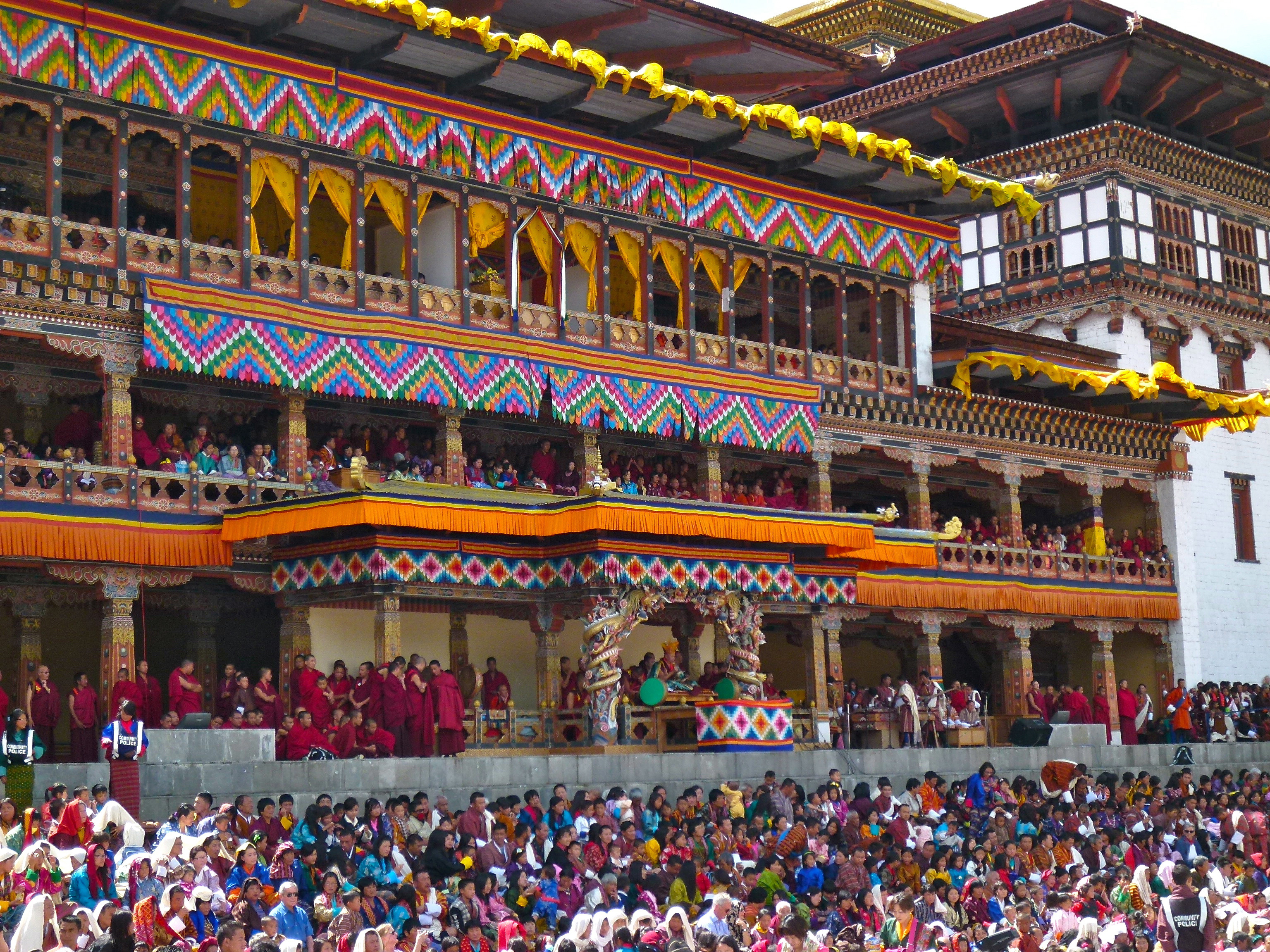
Paro Festivals is one of the largest religious celebrations in Bhutan, held annually since the 17th century.
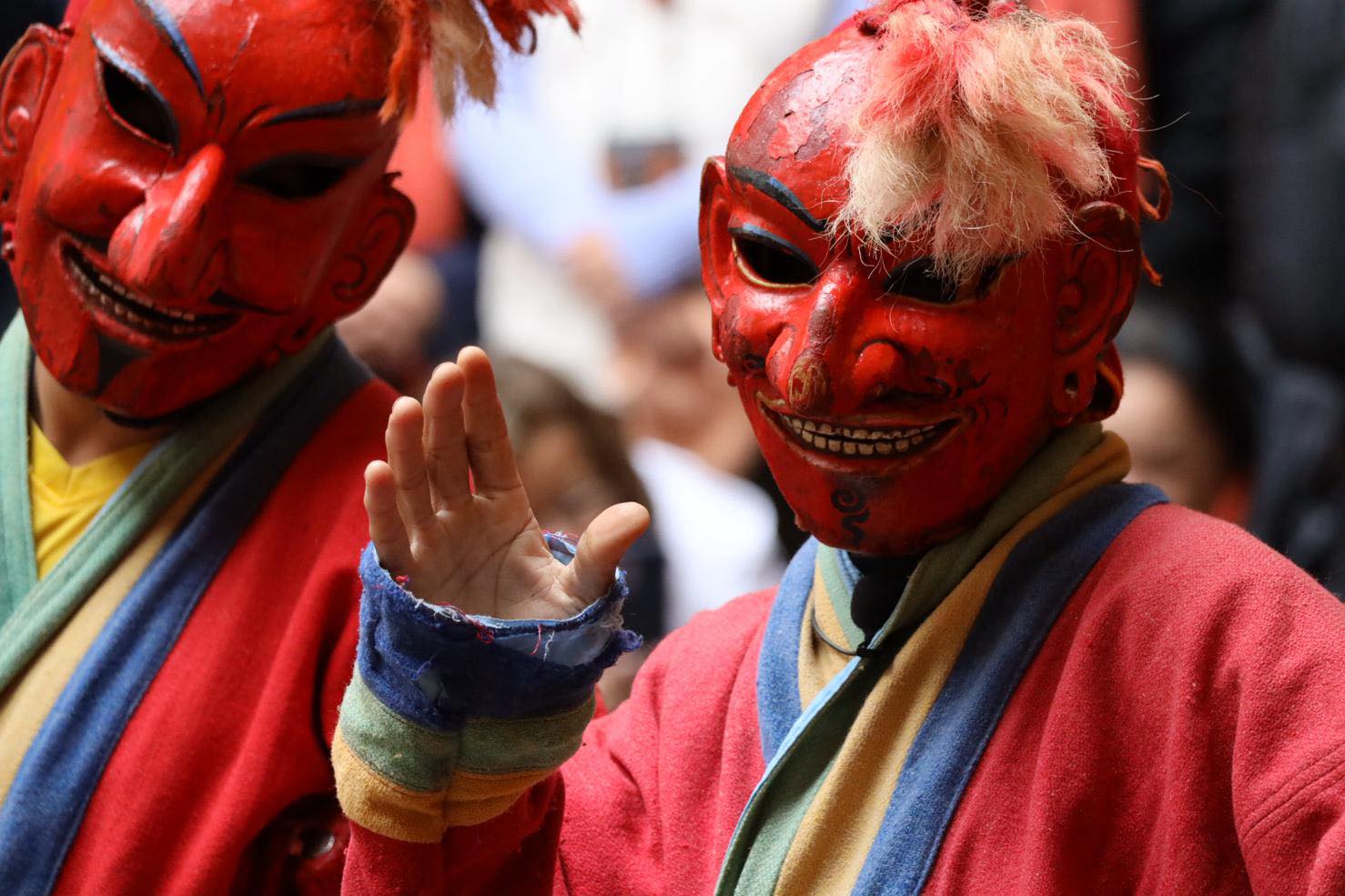
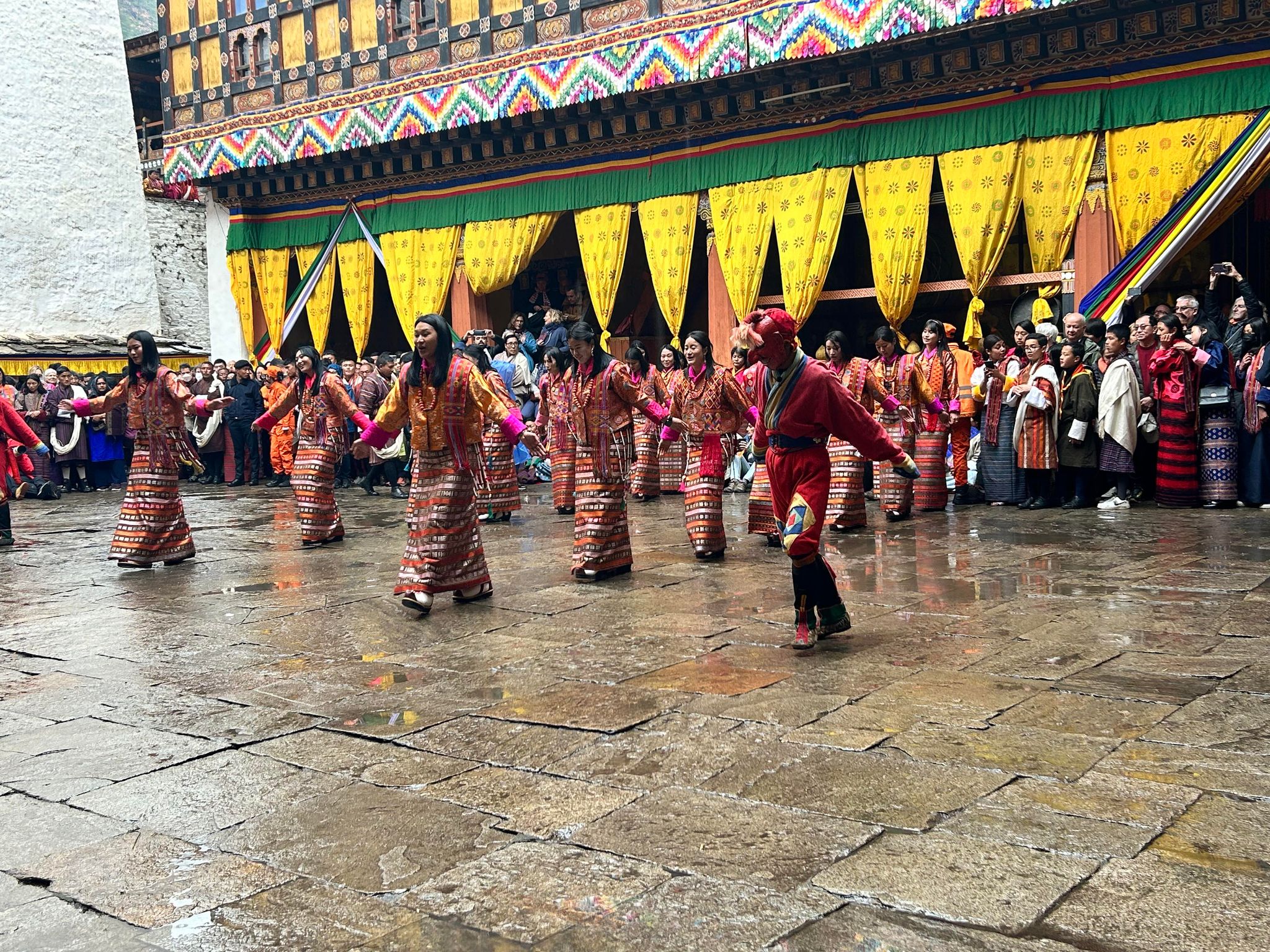
We spend the whole day experiencing this vibrant festival, gathering alongside thousands of Bhutanese people to see the monks and lay dancers dressed in colourful brocade and silk costumes, wearing painted masks and re-enacting the stories of the religious and lay history of Bhutan through music and dance. For several days, there are masked dances and prayer meetings, and a general carnival atmosphere prevails as old friends reunite. The Bhutanese all wear their finest national dress for the festival and one of the highlights is the riot of colours of the magnificent silks on display.
Meals: Breakfast,Lunch,Dinner
Day 9
Day walk to Taktsang, Tiger’s Nest Monastery
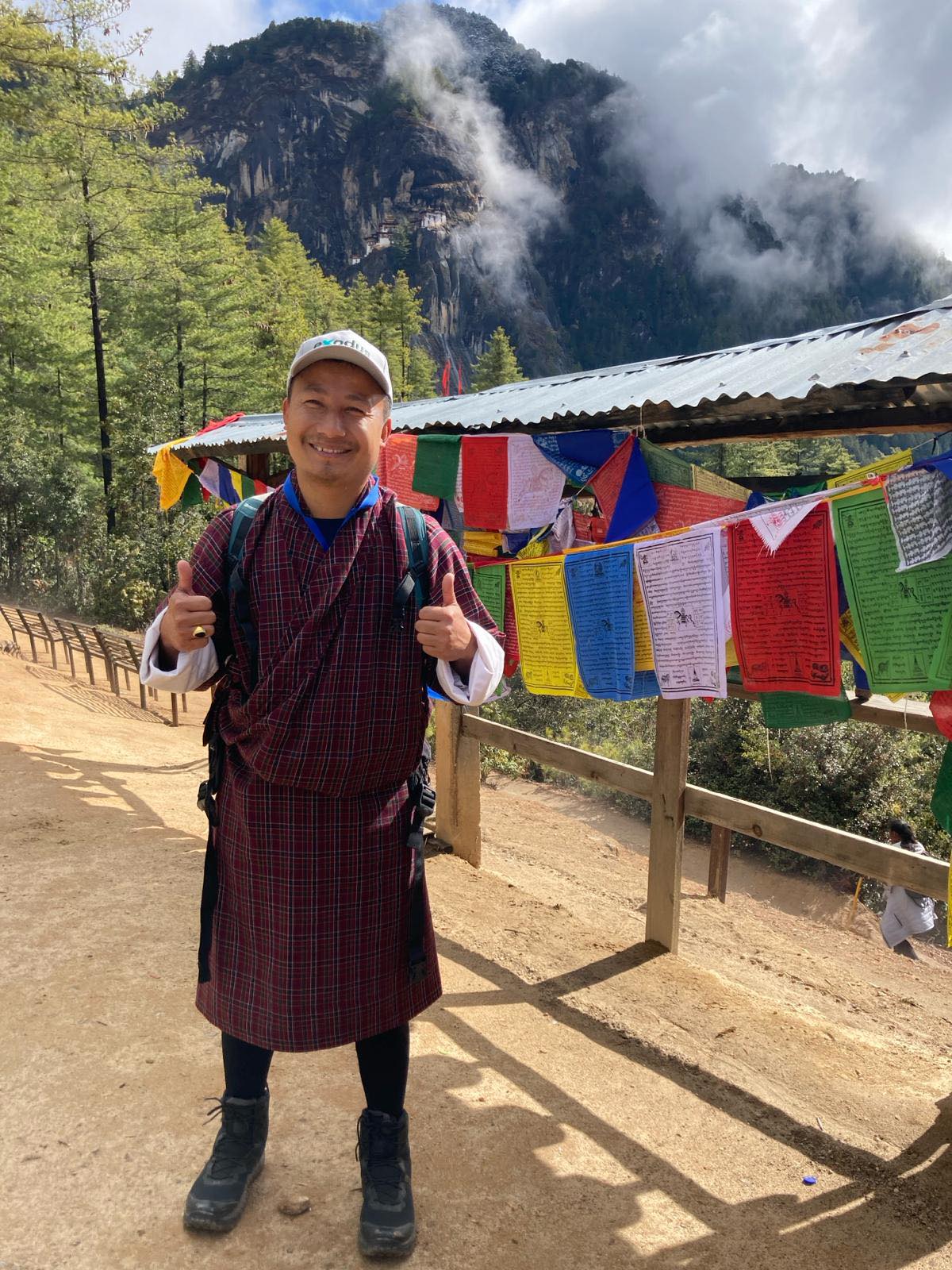
Today we hike (approximately 6.8mi/11km round trip with an elevation of approximately 915m) to Taktsang Monastery, also known as the Tiger’s Nest. This spectacular building is perched on the ledge of a cliff high above the Paro Valley.
Partly destroyed by fire in 1998, it has now been completely restored to its former magnificence. From the car park to the cafeteria viewpoint is about two hours’ uphill walk through the forest. From here, we have incredible views of the monastic buildings that cling to the cliff. For the energetic, there is the chance to walk even higher to the actual monastery. This takes another two hours and involves walking up and down stone steps. We highly recommend a trekking pole or you can buy a wooden stick at the car park. There are horses available up to the cafeteria for those who do not wish to hike but please note this is an unregulated activity and helmets are not available. We spend about an hour at the monastery looking around the temples (photography is not allowed inside) before descending to the cafeteria for lunch. After lunch, we return to the car park and drive back to our hotel. There should be some time to have a look round Paro before dinner.
Meals: Breakfast,Lunch,Dinner
Day 10
Fly to Kathmandu
We transfer to the airport to check in for our flight back to Kathmandu. The rest of the day is free for individual sightseeing or shopping. You may want to visit Durbar Square in the heart of the old city, the monkey temple at Swayambhunath, the largest Buddhist stupa on earth at Boudhanath or the Hindu temple at Pashupathinath. Another option is to take a taxi to Bhaktapur, the medieval city 10.5mi (17km) east of the capital. Bhaktapur has its own Durbar Square with many temples and statues and a maze of narrow streets, which are generally quieter than the capital.
Our representative in Kathmandu can give you more information on what there is to see.
Meals: Breakfast
Day 11
Adventure ends in Kathmandu
Your journey ends in Kathmandu after breakfast. If you’d like to spend more time in the Nepalese capital, speak to your sales representative about extending your stay.
Meals: Breakfast
What’s included
What’s not included
Additional information
Food
Breakfast is included throughout the trip plus eight lunches and eight dinners while in Bhutan.
During your adventure in Bhutan, prepare to savor a delightful array of flavors that blend Bhutanese and Western cuisines. While Bhutanese dishes are traditionally seasoned with chilies, often tempered for foreign palates, the local cuisine boasts rich and varied tastes. Enjoy a diverse selection of meat, vegetable, rice, and potato dishes, alongside iconic specialties like ema datshi—featuring chilies and cheese. If you desire a more authentic or spicier culinary experience, don’t hesitate to share your preferences with your trip leader, who will endeavor to tailor meals to your liking.
Breakfasts are an assortment of cereals, eggs, toast, fruit and often some Bhutanese dishes. Lunches are taken in a restaurant and dinners are either in the hotel or at a local restaurant.
Please allow approximately 2,500-3,350 ngultrums (US$30-US$40) per day for other main meals in Kathmandu.
Tachogang Lhakhang Iron Chain Bridge
Stop at the Tachogang Lhakhang Iron Chain Bridge spanning the Paro Chhu, attributed to the 14th-century master engineer and saint Thangtong Gyalpo. Its design recalls the era when hand-forged chains connected remote valleys.
Admire the bridge’s simple elegance, fluttering prayer flags, and the temple above dedicated to the “Temple of the Excellent Horse.” The crossing evokes Bhutan’s ingenuity in bridging rivers long before modern roads.
Paro Rinpung Dzong & National Museum (Ta Dzong)
Explore Rinpung Dzong, a masterpiece of Bhutanese fortress architecture rising above terraced fields and the river’s cantilever bridge. Wide courtyards and painted galleries reveal the union of monastic and civic life.
Continue to the hilltop National Museum of Bhutan (Ta Dzong), a former watchtower housing thangkas, folk artifacts, and natural history exhibits. Together, they frame Paro’s heritage from medieval defense to cultural preservation; visits are typically arranged subject to flight times.
Kyichu Lhakhang: Bhutan’s Oldest Temple
Step into Kyichu Lhakhang, a seventh-century sanctuary revered as one of the Himalaya’s earliest Buddhist temples. Spin the pilgrimage prayer wheels outside before entering candlelit chapels scented with juniper.
Hear the legend of Tibetan king Songtsen Gampo building 108 temples in a single day to subdue a giant demoness, with Kyichu pinning one limb. The site’s deep stillness and orange trees add to its timeless grace.
Taktsang (Tiger’s Nest) Hike & Monastery Visit
Hike through blue pine forest to Taktsang (Tiger’s Nest), Bhutan’s most iconic cliff-perched monastery soaring above the Paro Valley. Follow well-worn stone paths and steps to panoramic viewpoints where prayer flags snap in the breeze and the complex appears impossibly anchored to the rock.
On arrival, step quietly through incense-scented temples restored after the 1998 fire and learn legends of Guru Rinpoche. Photography is not permitted inside, preserving the site’s meditative hush and sense of devotion.
Thimphu Cultural Circuit: Buddha Point, Simtokha Dzong & Artisan Workshops
Explore Thimphu’s highlights, beginning at Buddha Point (Kuensel Phodrang) where a colossal gilded Buddha overlooks the valley. Continue to Simtokha Dzong (1629), Bhutan’s oldest fortress-monastery, noted for protective deities and fine murals.
Witness living traditions at a handmade paper studio producing Deh-sho paper and a weaving centre preserving intricate kira and gho patterns. When conditions allow, pause above the Motithang area to view Bhutan’s national animal at the takin preserve from a scenic vantage.
Dochu La Pass Chortens & Himalayan Panorama
Pause at Dochu La (3,050m) where 108 Druk Wangyal chortens crown a ridgeline framed by fluttering prayer flags. On clear days, the eastern Himalaya forms a sweeping Himalayan panorama that invites photos and quiet reflection.
Learn how the memorial chortens express Bhutan’s spiritual identity and the country’s deep connection with the mountains. The pass bridges temperate forests and subtropical lowlands, revealing Bhutan’s remarkable ecological range in a single vista.
Wangdue Phodrang Dzong Visit
Visit Wangdue Phodrang Dzong, a commanding monastery-fortress set above the Punatsangchhu River. Walk its broad courtyards and admire the strategic siting that once controlled vital east–west routes across central Bhutan.
Inside, discover assembly halls and chapels that speak to Bhutan’s dual monastic and administrative heritage. The dzong’s recent restoration preserves traditional craftsmanship, from rammed earth walls to carved timber galleries, maintaining continuity with centuries of Buddhist statehood.
Gangtey Valley Nature Walk to Gangtey Monastery
Walk the gentle trails of the Phobjikha—an open, U-shaped glacial basin of pastures and blue pine forests. Follow farm tracks and village paths as the valley widens to reveal traditional stone farmhouses and terraced fields.
Climb steadily to the hilltop Gangtey Monastery, seat of the Pema Lingpa lineage, and enjoy sweeping views across Phobjikha’s glacial bowl. The route offers an unhurried immersion in rural life, bird calls, and crisp alpine air.
Khewang Lhakhang & Black-Necked Crane Visitor Centre
Visit the 15th-century Khewang Lhakhang, a pastoral hillside temple known for statues of the past, present, and future Buddhas. Its quiet circumambulation path and hillside setting invite contemplation amid fields and forest.
Continue to the Black-Necked Crane Visitor Centre to learn about these revered winter visitors from the Tibetan Plateau. Exhibits and viewing scopes (seasonal) illuminate conservation efforts for this endangered species and the cultural lore that protects them.
Chimi Lhakhang (Fertility Temple) Village Walk
Walk through rippling paddies to Chimi Lhakhang (Fertility Temple), built in honour of the maverick saint Drukpa Kunley—the Divine Madman. Pass traditional farmhouses adorned with phallic murals meant to ward off the evil eye.
Inside the small, time-worn shrine, learn how playful teachings and blessings for fertility became part of Bhutan’s living folklore. The village approach reveals everyday rhythms—drying chilies, stacked firewood, and fields edged with prayer flags.
Punakha Dzong at the Confluence
Explore Punakha Dzong, Bhutan’s most photogenic fortress, anchored at the confluence of the Mo Chhu and Po Chhu. Cross the traditional bridge to vast courtyards, whitewashed walls, and elaborately carved galleries beneath a golden spire.
As the winter seat of Bhutan’s monastic order, the dzong holds important relics and stories of royal coronations. In spring, jacaranda blossoms tint the riverbanks violet, adding a painterly flourish to the scene.
Khamsum Yuelley Namgyal Chorten Hike & Viewpoint
Hike a hillside path through rice terraces and pine to the Khamsum Yuelley Namgyal Chorten, a richly painted stupa dedicated to peace and protection of the realm. The route reveals farm life and river views below.
Climb to the top for sweeping valley vistas and frescoes of tantric deities rendered in brilliant pigments. This visit is typically included when time allows and weather conditions are favourable.
Dzongdrakha Goemba (Mini Taktsang)
Visit Dzongdrakha Goemba, a serene cluster of cliffside chapels often called “Mini Taktsang”. A short footpath leads to quiet shrines where butter lamps flicker and murals narrate local legends.
From ledges overlooking the Paro Valley, pause for photos and reflection as your guide shares tales of saints, spirits, and the ridge-top hermitages that once dotted Bhutan’s high places.
Welcome Briefing & Dinner in Paro
Meet your group for a hosted introduction to Bhutan and meet your Tour Director. Enjoy a relaxed welcome dinner featuring Bhutanese staples—think red rice, momos, and the chilli-and-cheese classic ema datshi—alongside milder dishes.
Your leader outlines cultural etiquette, festival customs, and hiking advice for high-altitude days ahead. This convivial start helps you connect with fellow travellers and set intentions for a journey rooted in shared discovery.
Phobjikha Farmhouse Visit
Visit a traditional farmhouse in the Phobjikha Valley to glimpse Bhutan’s rural rhythms—mud-plastered walls, timber balconies hung with drying chilies, and wood-fired kitchens.
Conversations with your hosts reveal how seasonal work, prayer, and careful stewardship of land and livestock shape daily life in this high valley. It’s an intimate counterpoint to dzong grandeur and festival pageantry, showcasing Bhutan’s lived culture.
Traditional Hot-Stone Bath (Phobjikha)
Unwind in a Bhutanese hot-stone bath heated by fire-roasted river stones that crack to release minerals into the water. Set in a rustic wooden tub at a local farmhouse, the soak offers deep warmth after valley walks.
This restorative ritual is part of Bhutan’s homegrown wellness traditions and can be arranged while in Phobjikha. This is an optional experience at additional cost (approx. 830 BTN / US$10) and is bookable on tour.
Paro Festival: Sacred Masked Dances
Experience the devotion and colour of the Paro Tshechu as monks and lay performers enact masked cham dances in vivid brocade. Gather with local families in national dress to watch symbolic stories of Guru Rinpoche and Bhutan’s history unfold to the beat of drums and long horns.
Absorb the festival’s carnival atmosphere while learning how these rituals reinforce Buddhist teachings and community bonds. Depending on the schedule, you may also witness blessings or rare textiles displayed by the monasteries during this revered religious celebration.