Your itinerary

Day 1
Adventure starts in Kathmandu
Begin your adventure in Kathmandu, the start point for countless Himalayan adventures and the capital of Nepal.You’re met at the airport and transferred to the hotel. Around 6pm, bid namaste to your tour leader and fellow travellers, when we gather as a group for the first time to get to know each other and learn more about the adventures ahead.Your tour leader then ensures a big Nepalese welcome by arranging dinner at a local restaurant.Want to explore Kathmandu further? Secure pre-tour hotel nights through your sales representative.
Meals: Dinner
Day 2
Early flight to Lukla • Trek to Phakding
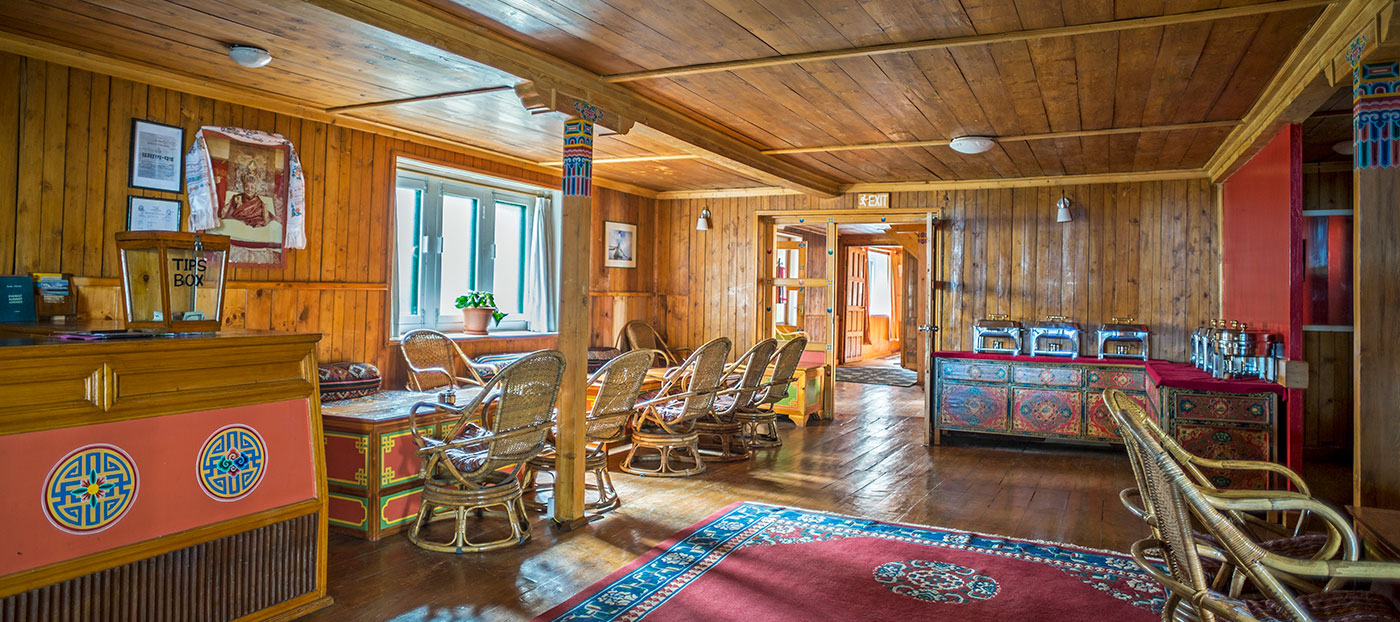
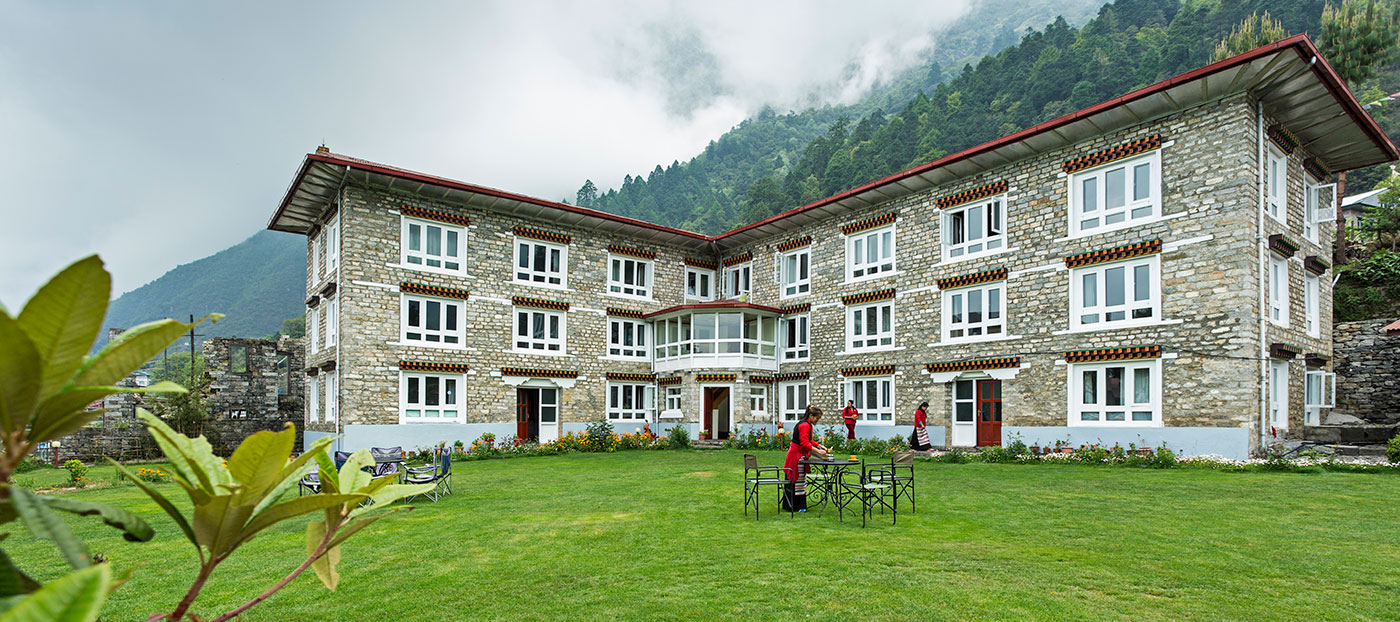
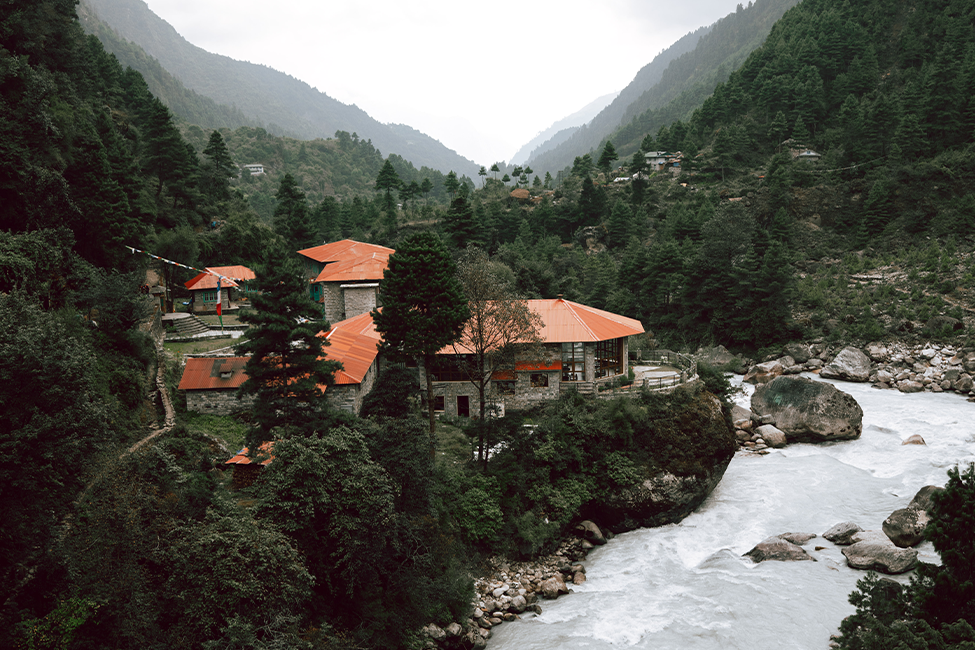
Leave very early (approximately 3am!) for the four-hour drive to Manthali Airport, where we catch one of the first morning flights to Lukla. The hotel provides us with packed breakfasts, which we eat en route.Our flight takes us to the newly resurfaced mountain airstrip, and we enjoy a refreshing welcome tea at a Lukla lodge before commencing our first trek.Pass through several villages before stopping for lunch at a beautiful riverside spot, below the base of the Kusum Kanguru mountain. Passing a majestic mani stone at Thada Kosi river, we reach our Phakding lodge.After, enjoy free time at the riverside lodge or opt for a short trip to a higher village and a delightful tiny gompa perched on the valley side. In the evening, we gather for drinks by the fire, followed by a delightful meal at a newly built restaurant overlooking the Dudh Kosi river.
Meals: Breakfast,Dinner
Day 3
Ascend to Namche Bazaar • Explore Sherpa villages
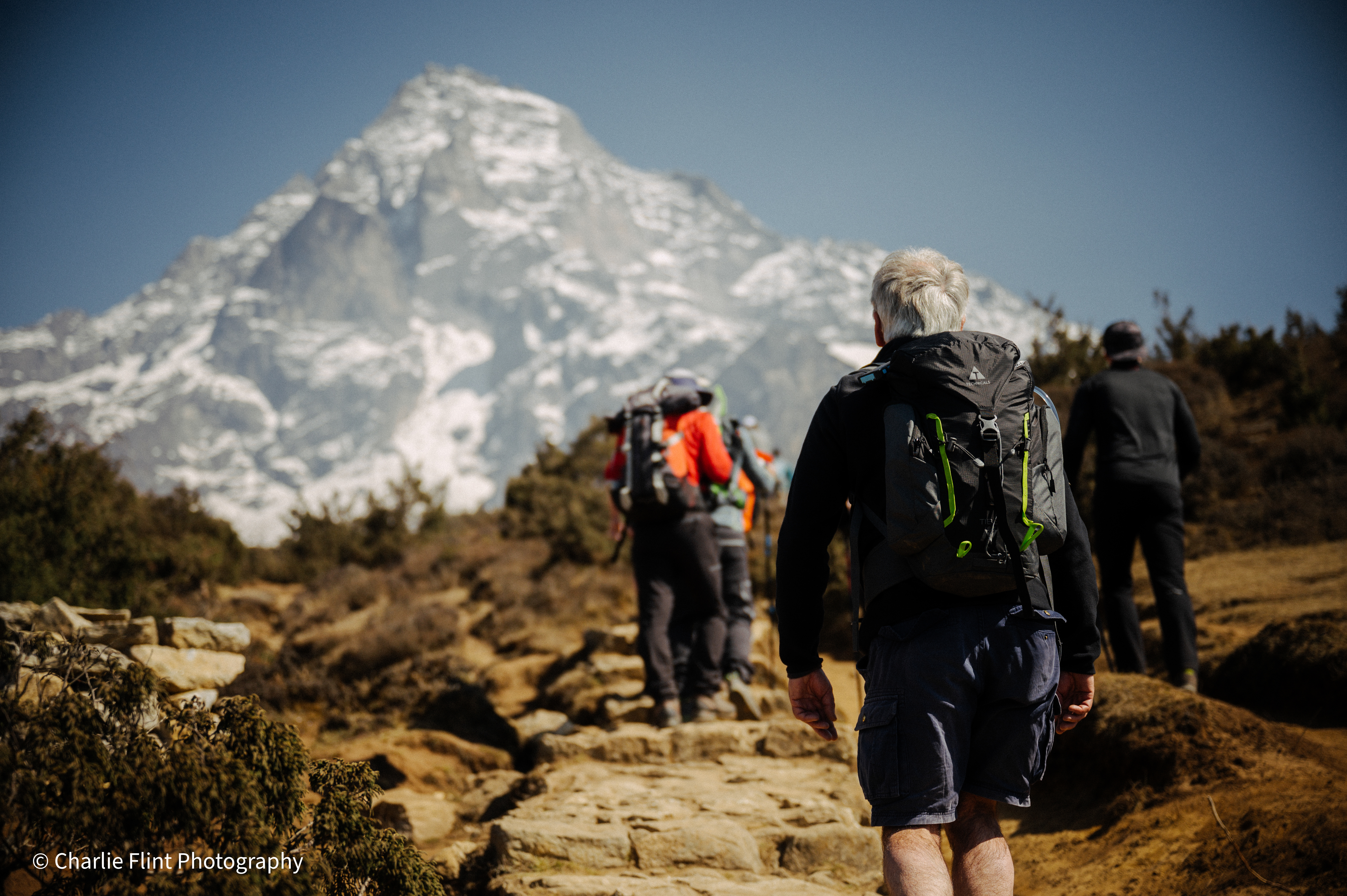
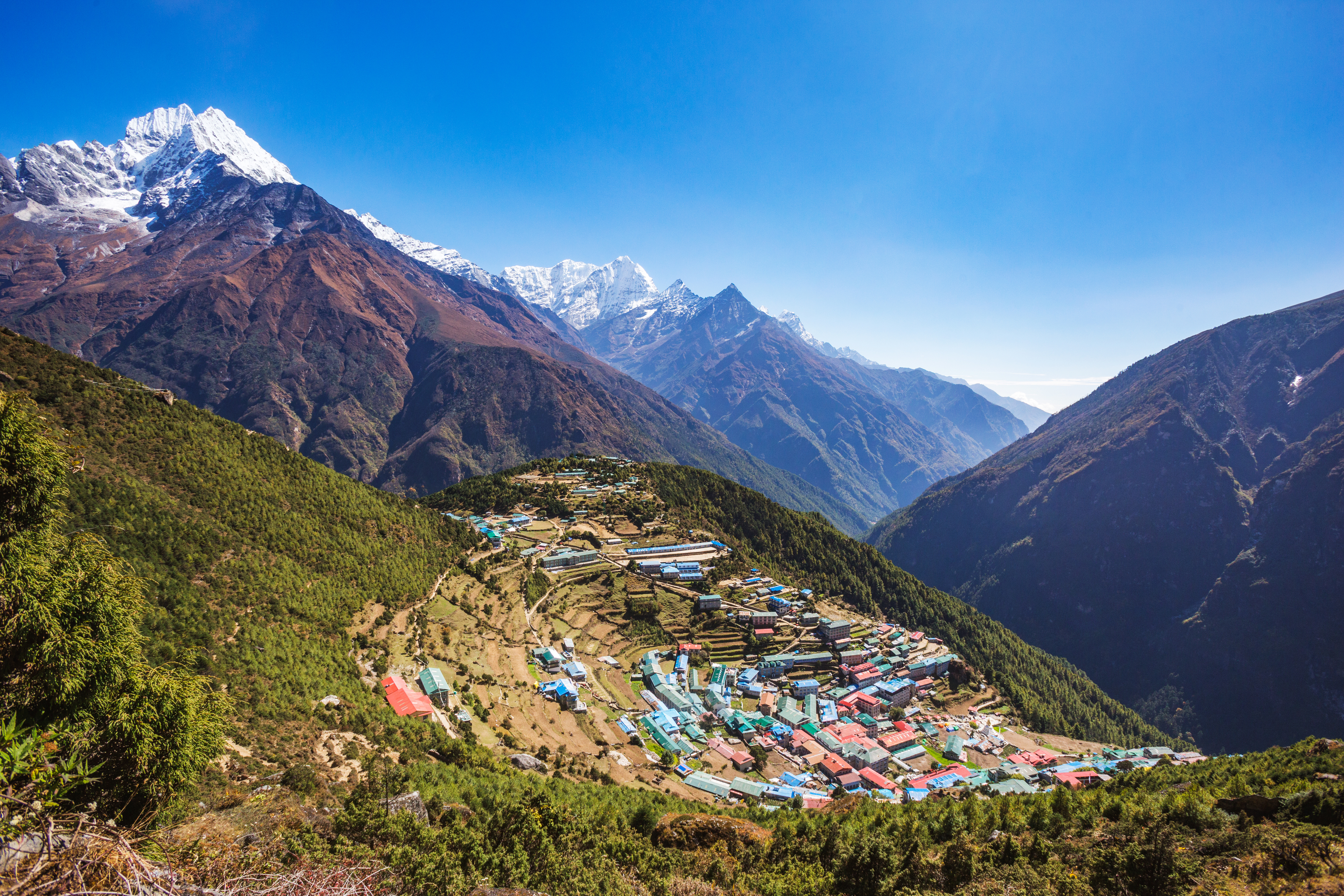
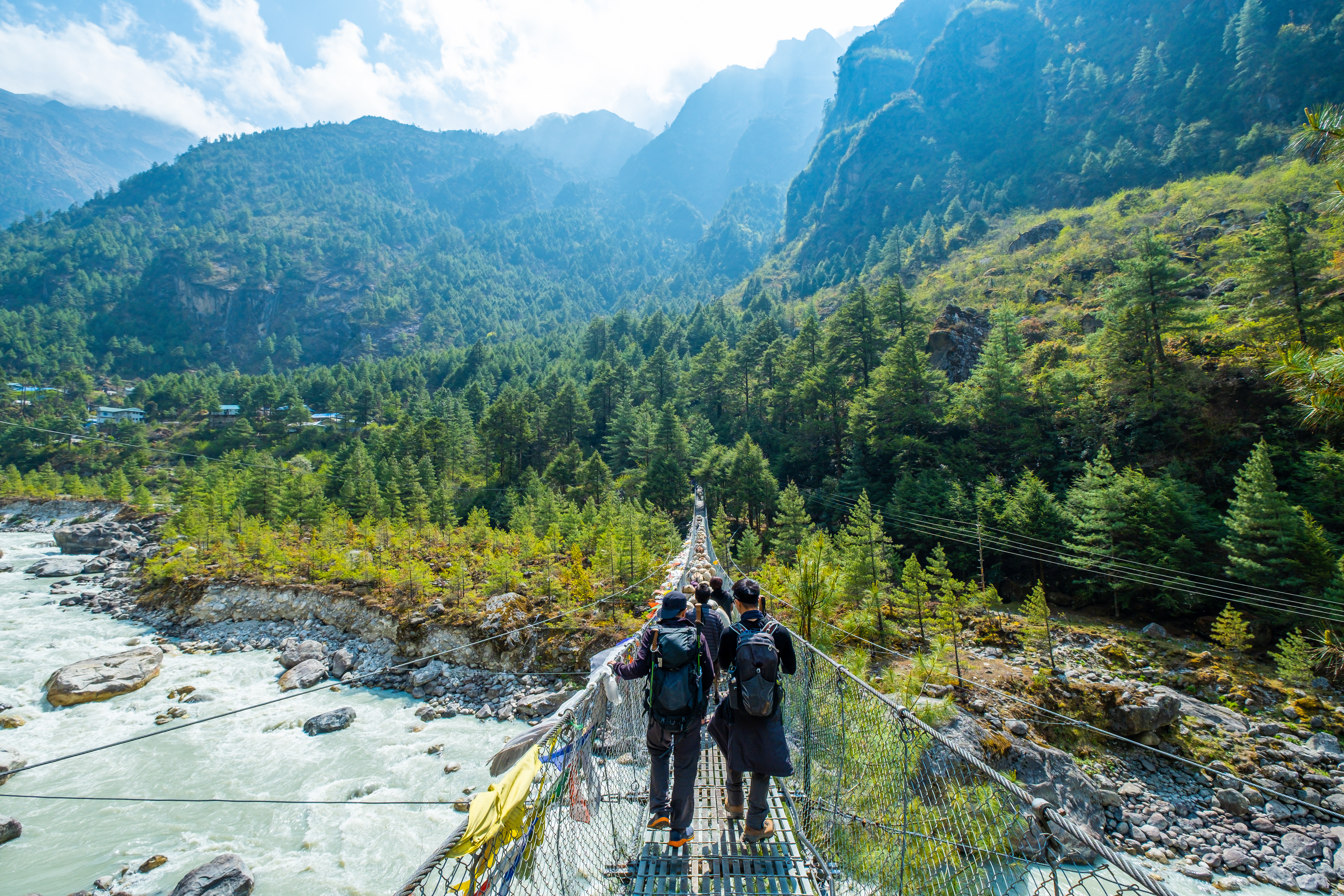
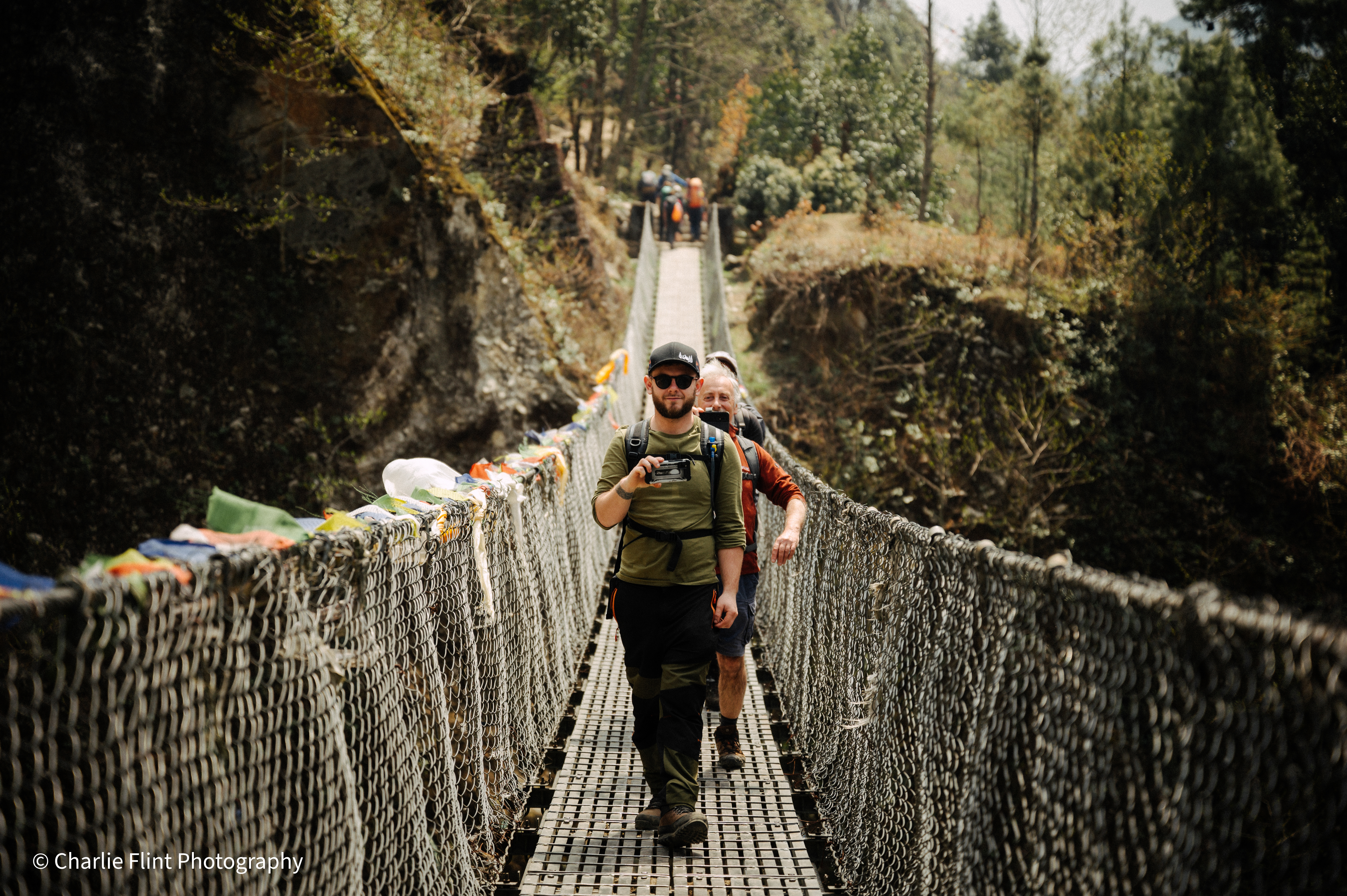
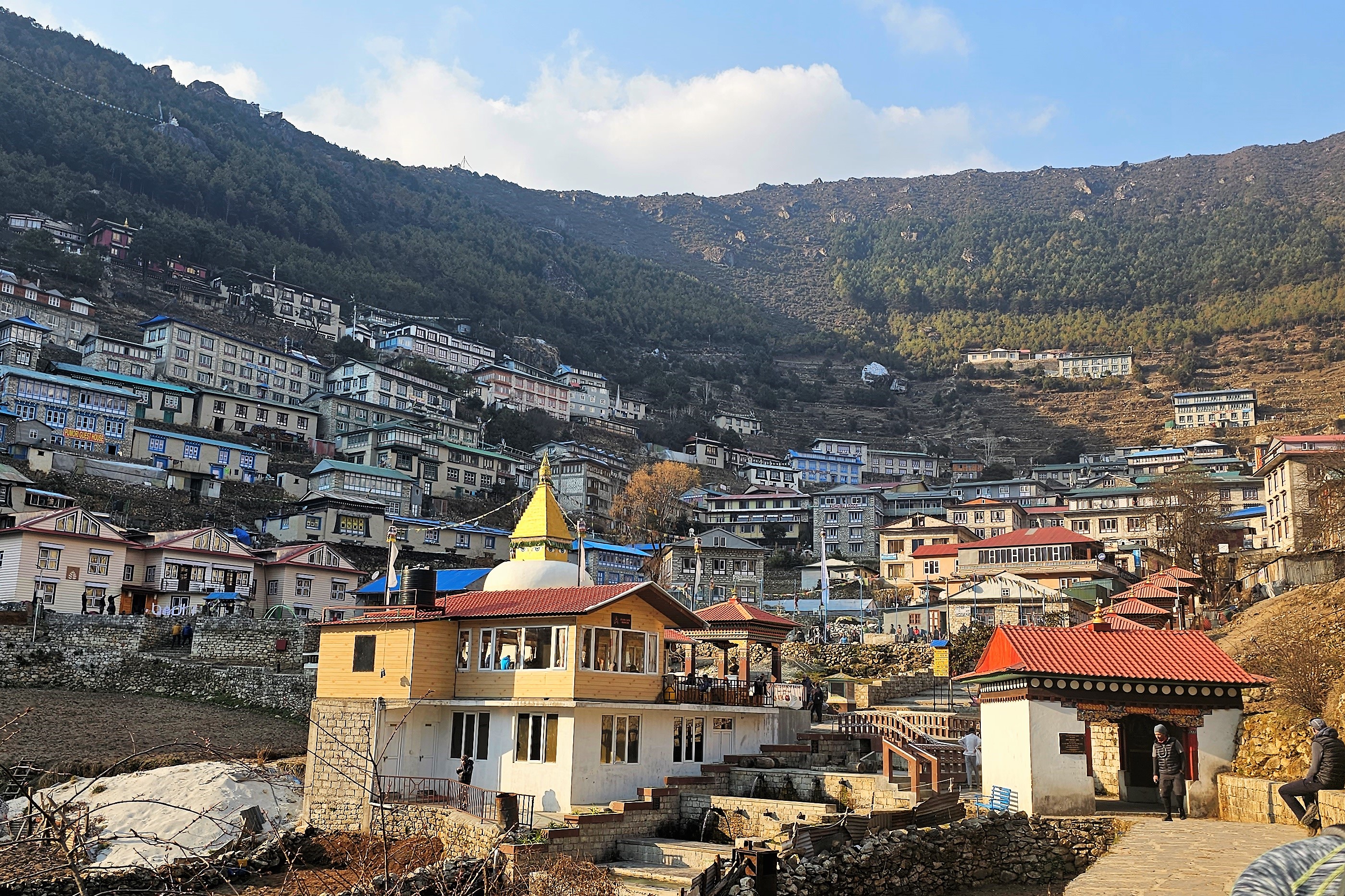
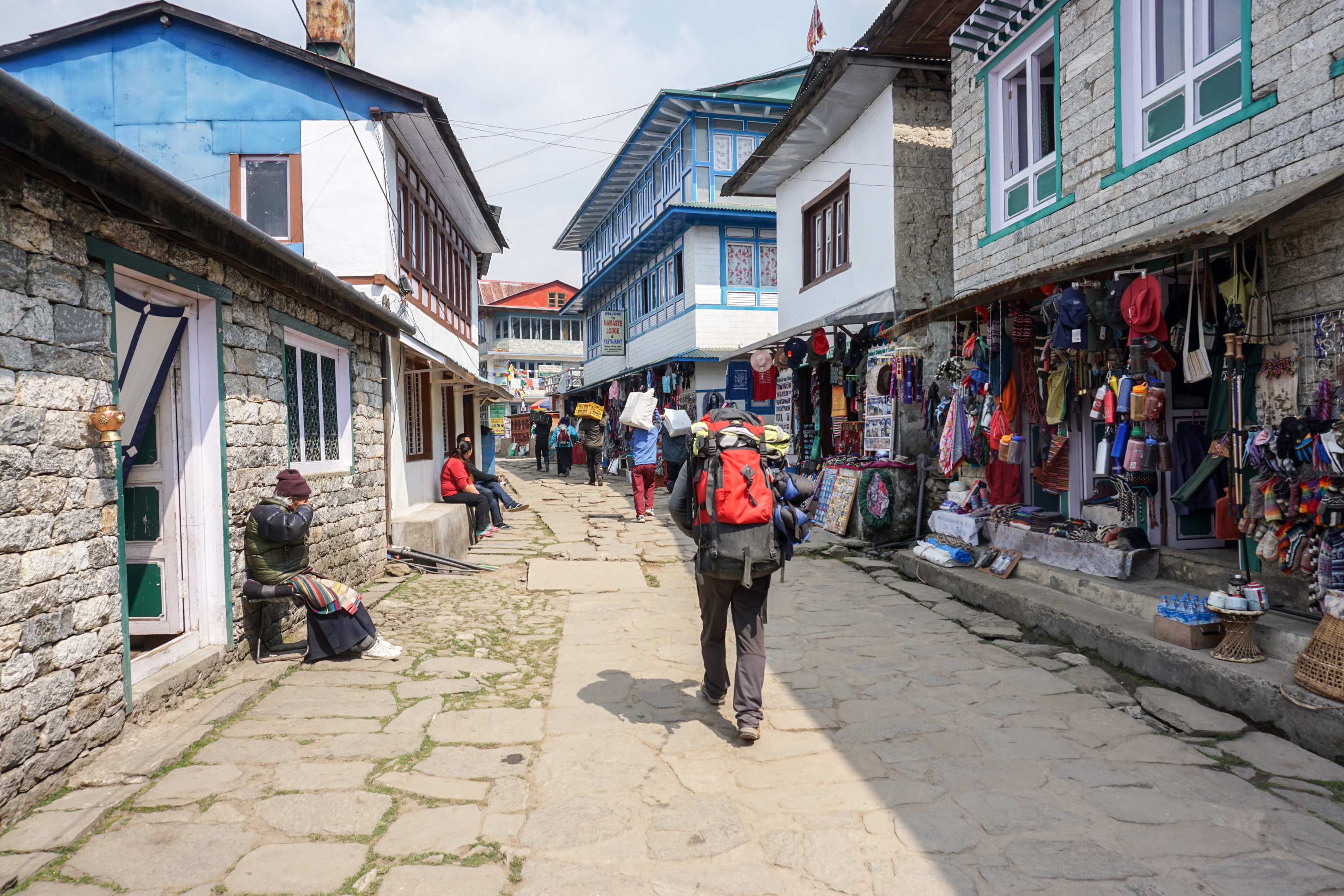
Heading out of Phakding, we follow the Dudh Kosi north. Today’s walk is one of the toughest of the trip, but we take it slowly, enjoying the scenery as we climb slowly up to Namche Bazaar. The trail is well marked and comfortably broad, while walking in the cooler part of the morning means it is easier to breathe and gradually get used to the increasing altitude.Along the way, there are two suspension bridges to cross as we zig-zag along and across the Dudh Kosi, passing through the Sherpa villages of Benkar, Monzo and Jorsale. A final bridge brings us to the foot of the steep climb to Namche. Halfway up the ascent, we may get our first glimpse (cloud permitting) of the Everest summit behind the great ridge of Nuptse-Lhotse.A last 985ft (300m) climb brings us to Namche Bazaar, the Sherpa capital and the main town in the area. It always bustles with trekkers, coffee shops, bakeries and stores selling all kinds of trekking and climbing gear and Tibetan souvenirs.
Meals: Breakfast,Dinner
Day 4
Visit the Sagarmatha National Park Museum • Trek to Tashinga
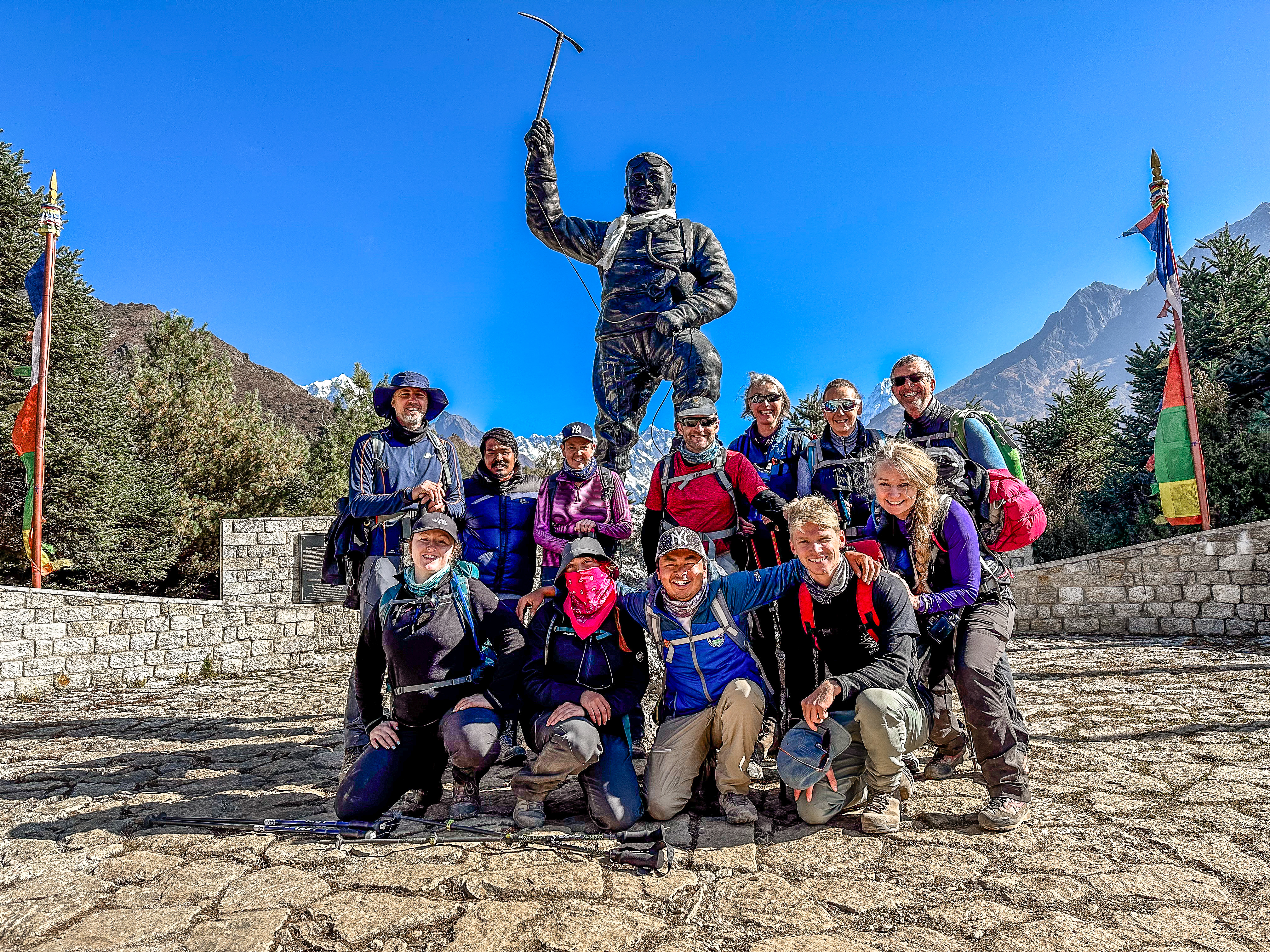
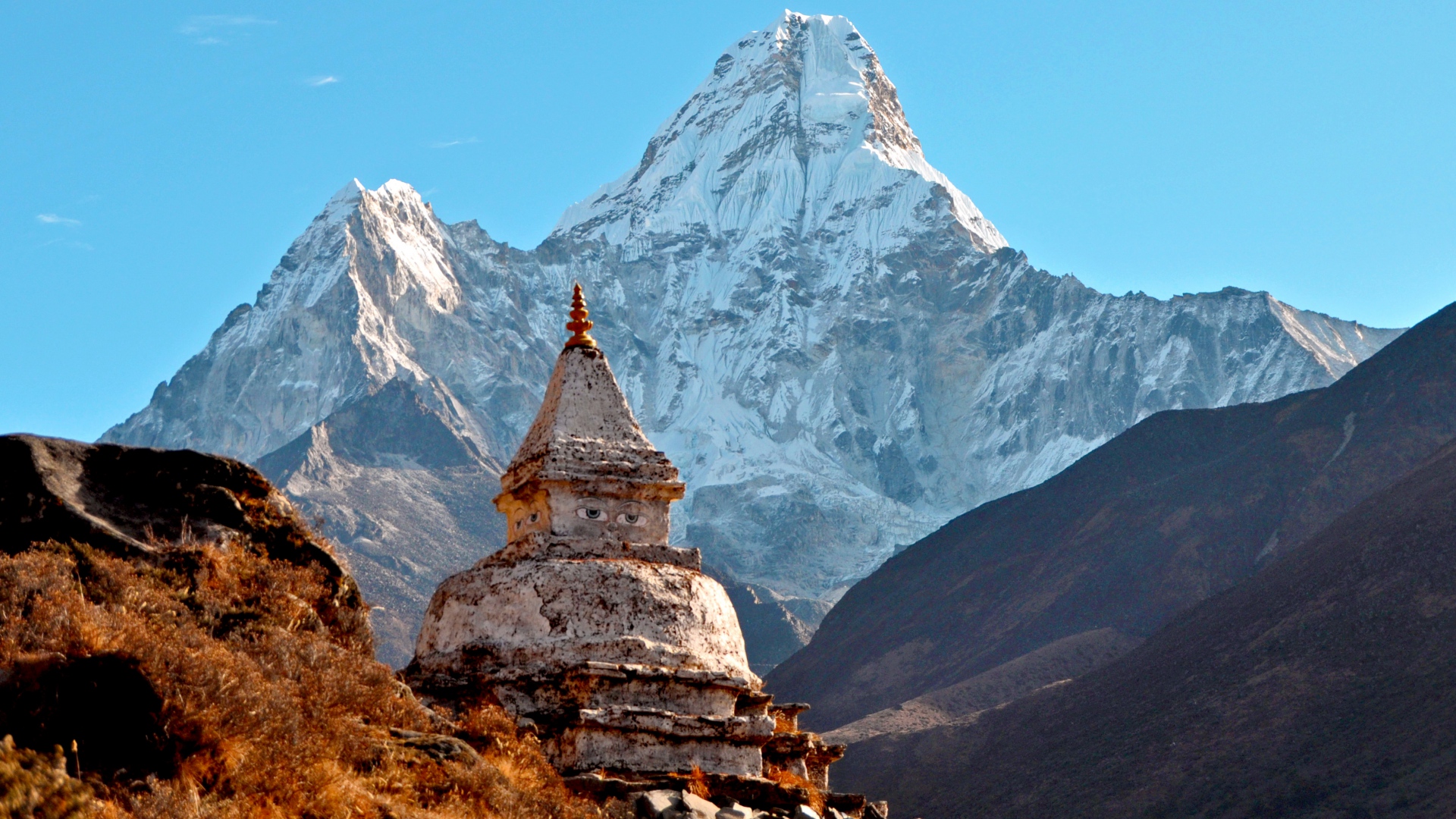
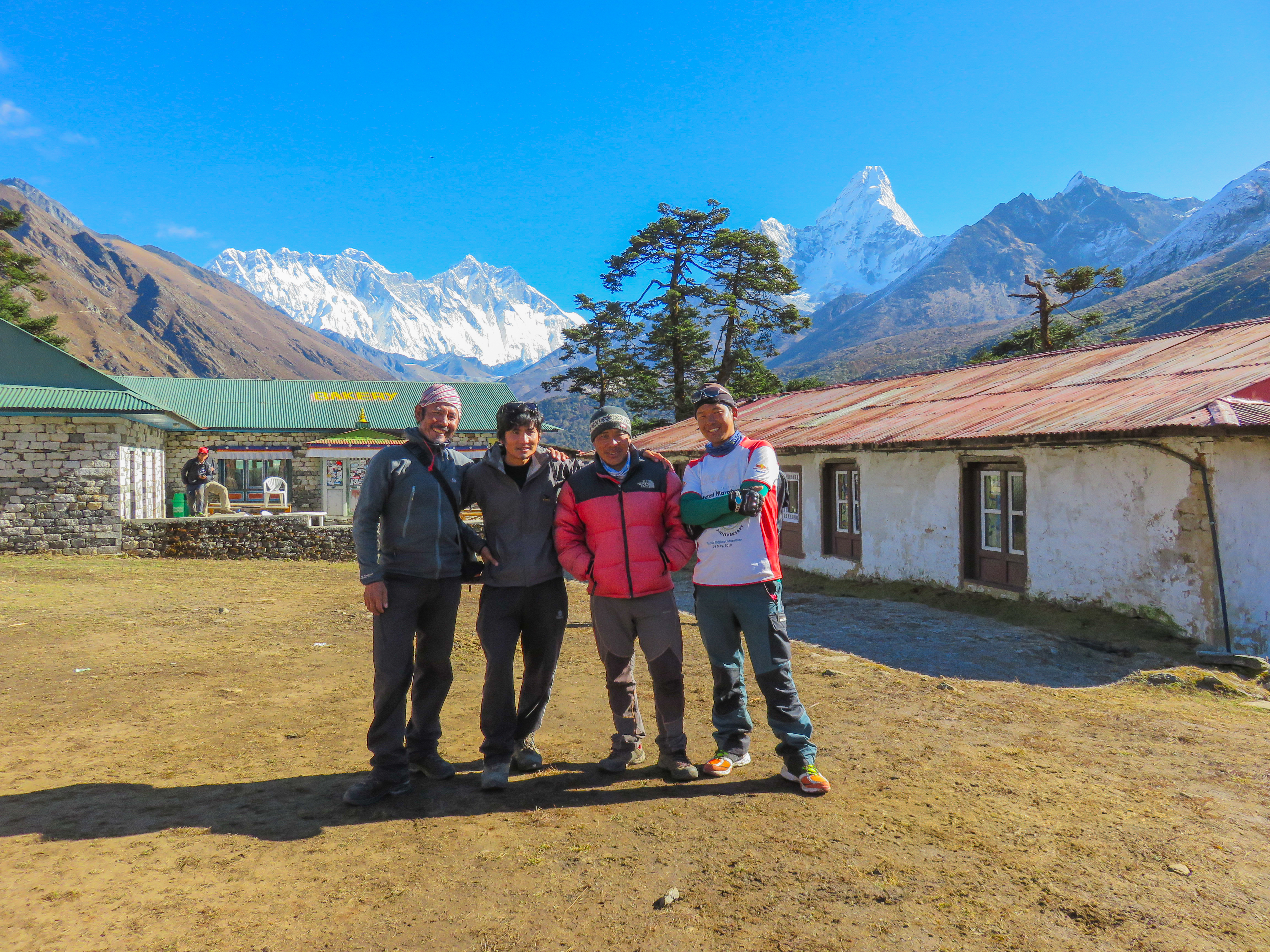
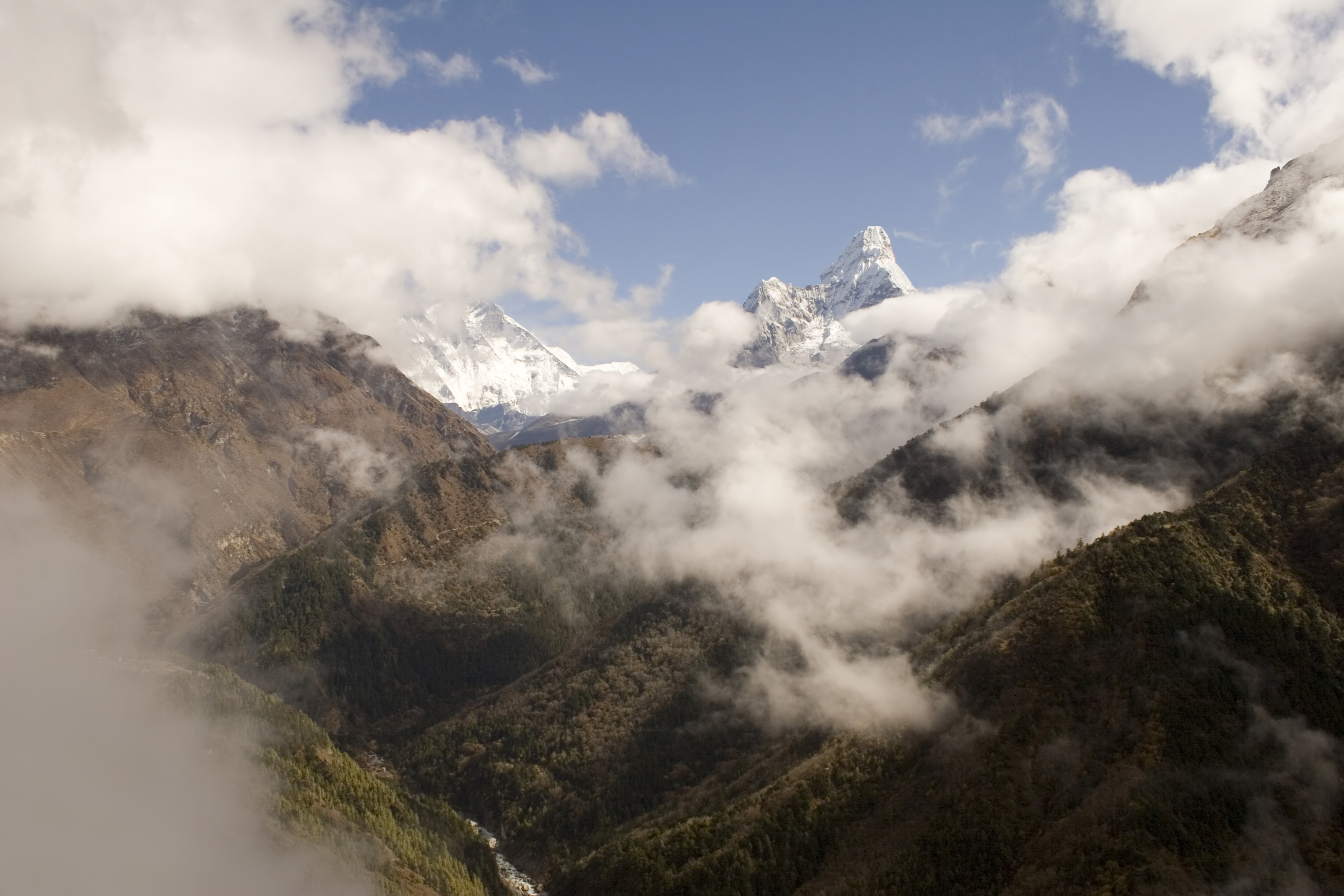
In the morning, there’s time to visit the Sagarmatha National Park Museum and Tenzing Norgay Memorial before heading to Tashinga.Our route follows the classic approach to Everest and along the way there are excellent opportunities to view the world’s tallest peak (weather permitting). We keep to the almost-level winding trail for about 2hr 30min before taking a slight detour off the main trail; after a short walk, we arrive at our lodge for the night.There is time to relax in the afternoon and enjoy views of Ama Dablam, Kusum Kanguru and Thamserku.
Meals: Breakfast,Dinner
Day 5
Through the Sherpa heartland to Tengboche Monastery
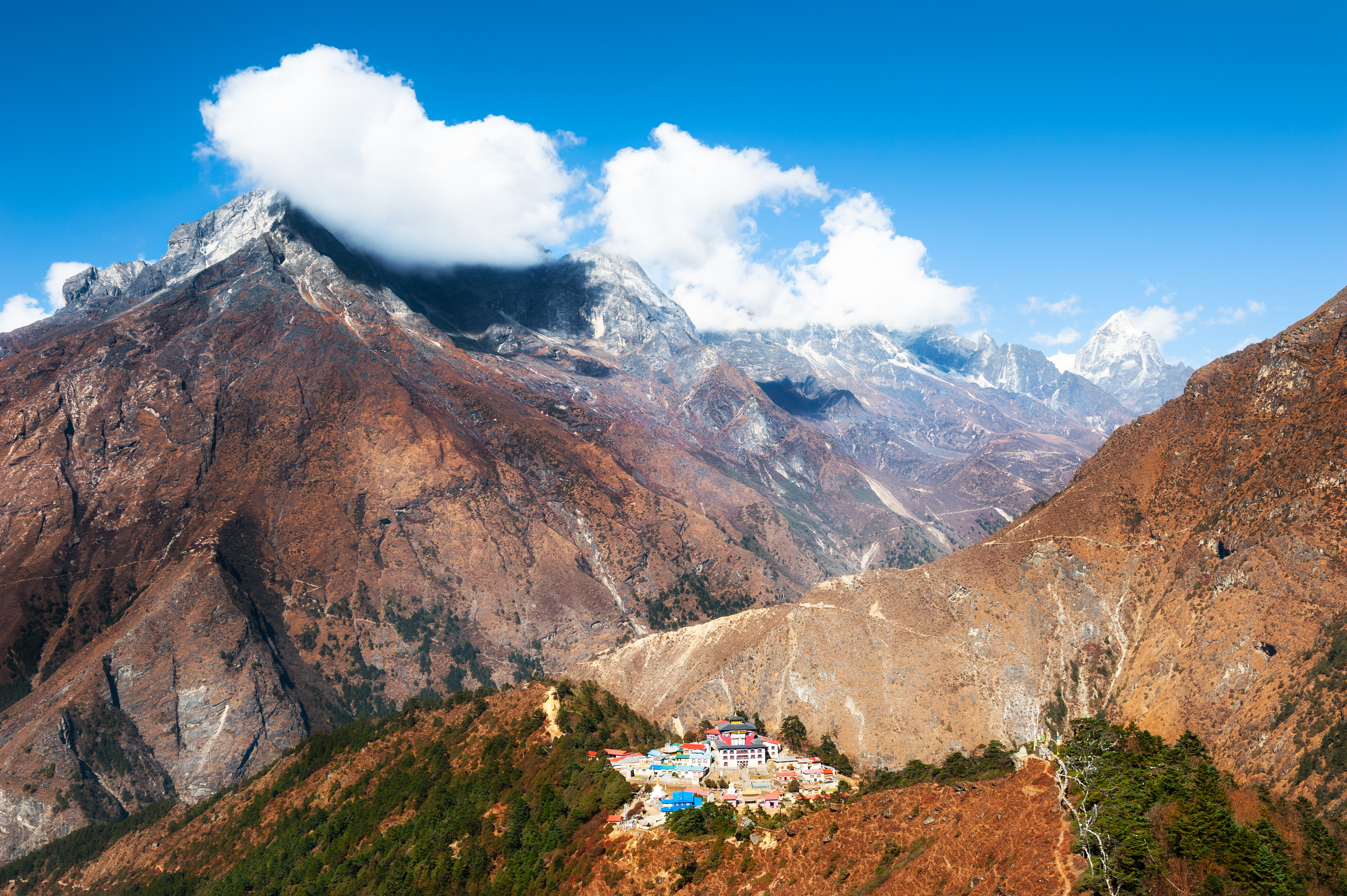
Looking across the valley from the lodge, we can see the path sloping diagonally upwards to Tengboche Monastery.Begin the trek by descending to the small hamlet of Phunki Tenga, which lies beside the Dudh Kosi. Cross the suspension bridge before beginning a steep ascent for about an hour. This part of the trail passes through fairly heavy forest of rhododendron and pine, so it is well shaded and cool. Once out of the forest, the trail becomes gentler and more gradual all the way to the monastery.The setting of Tengboche is magical, backdropped by some of the most brilliant peaks in the Himalaya. Here, we enjoy a magnificent view of Everest, a great photo opportunity. The monastery itself was accidentally burned down in 1989 but was rebuilt thanks to the expertise of local Sherpa communities and support from international organisations.After a leisurely lunch and tour of the monastery and its surroundings, we retrace our steps to Tashinga.
Meals: Breakfast,Dinner
Day 6
To Mende, taking the high trail above Namche Bazaar
Leaving Tashinga, we retrace part of our route to Namche Bazaar for about an hour. Then we detour off the main trail, taking the path to Khumjung village, which heads gently up the shallow valley and into Khumjung, the education centre of Khumbu.Time permitting, we visit the Khumjung Monastery and Kunde hospital. From here, we continue to take the high trail above Namche Bazaar, bypassing Syangboche airport. The valley ahead is extremely rugged but beautiful; as we wander along the forest track, look out for monal pheasants and small herds of thar.At the small village of Tesho, we turn off the main trail and head slowly up a closed valley. The last half hour of the climb to Mende is short, steep and guaranteed to take your breath away. This is where the past few days of hiking will be appreciated!At the lodge, the awesome views make the effort of getting there well worth it.
Meals: Breakfast,Dinner
Day 7
Visit Laudo Monastery • Trek to Monjo
Before beginning the descent to Monjo, we visit Laudo Monastery, 15 minutes’ walk above Mende. The main temple is only 40 years old and was used until recently as a meditation school for Western students of Buddhism. It has a remarkable meditation room built underneath a huge rock, where people go on retreat for three years, three months or three days. The friendliest caretaker in the whole of Khumbu will be more than happy to serve butter tea and explain a little about the monastery.Following our visit, we begin the decent, retracing our path to Phurte; from there, we take the lower trail to Namche. After three hours of easy walking, we arrive at Namche Bazaar for lunch. The rest of the trail is an easy descent to Monjo.
Meals: Breakfast,Dinner
Day 8
Continue to Lukla • Visit Gumila Monastery
The return trek to Lukla follows a slightly different route to avoid walking through Phakding again. Keeping to a trail high above, on the other side of the Dudh Kosi, we visit the old Gumila Monastery before descending to the main trail.After a short lunch break at Thada Kosi, we continue for a further two hours or so before we reach Lukla.
Meals: Breakfast,Dinner
Day 9
Back to Manthali • Flight to Kathmandu
Fly back to Manthali Airport on one of the first flights of the day (approximately 7am to 7.30am) to allow for the five to six-hour bus transfer back to Kathmandu, arriving in the city mid to late-afternoon.That gives you time to enjoy the excellent hotel facilities, perhaps with a post-trek spa treatment or dip in the garden pool. There are also two excellent restaurants to enjoy or speak to your tour leader for their local recommendations.
Meals: Breakfast
Day 10
Discover monkeys and temples in Kathmandu • Afternoon at leisure
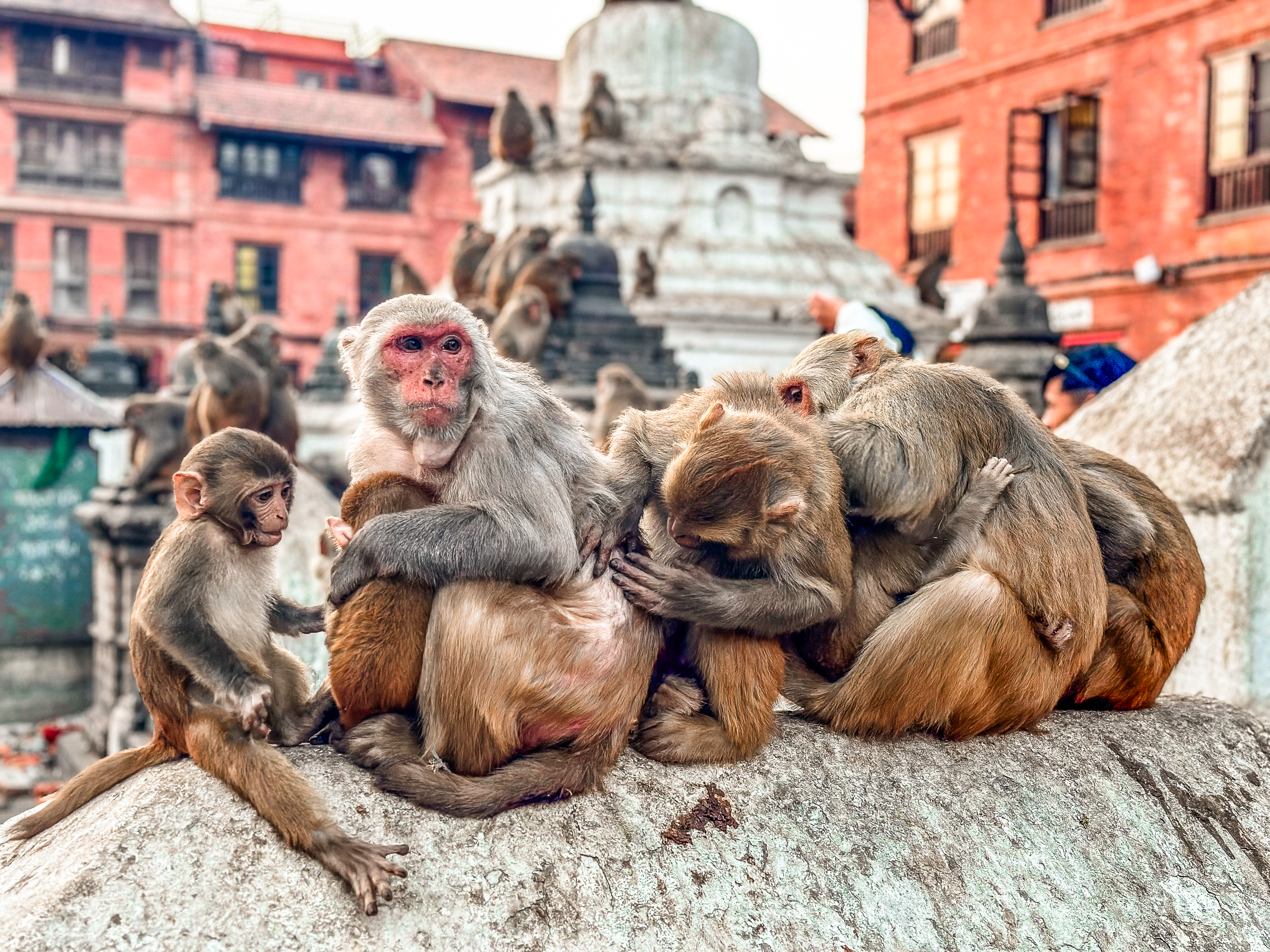
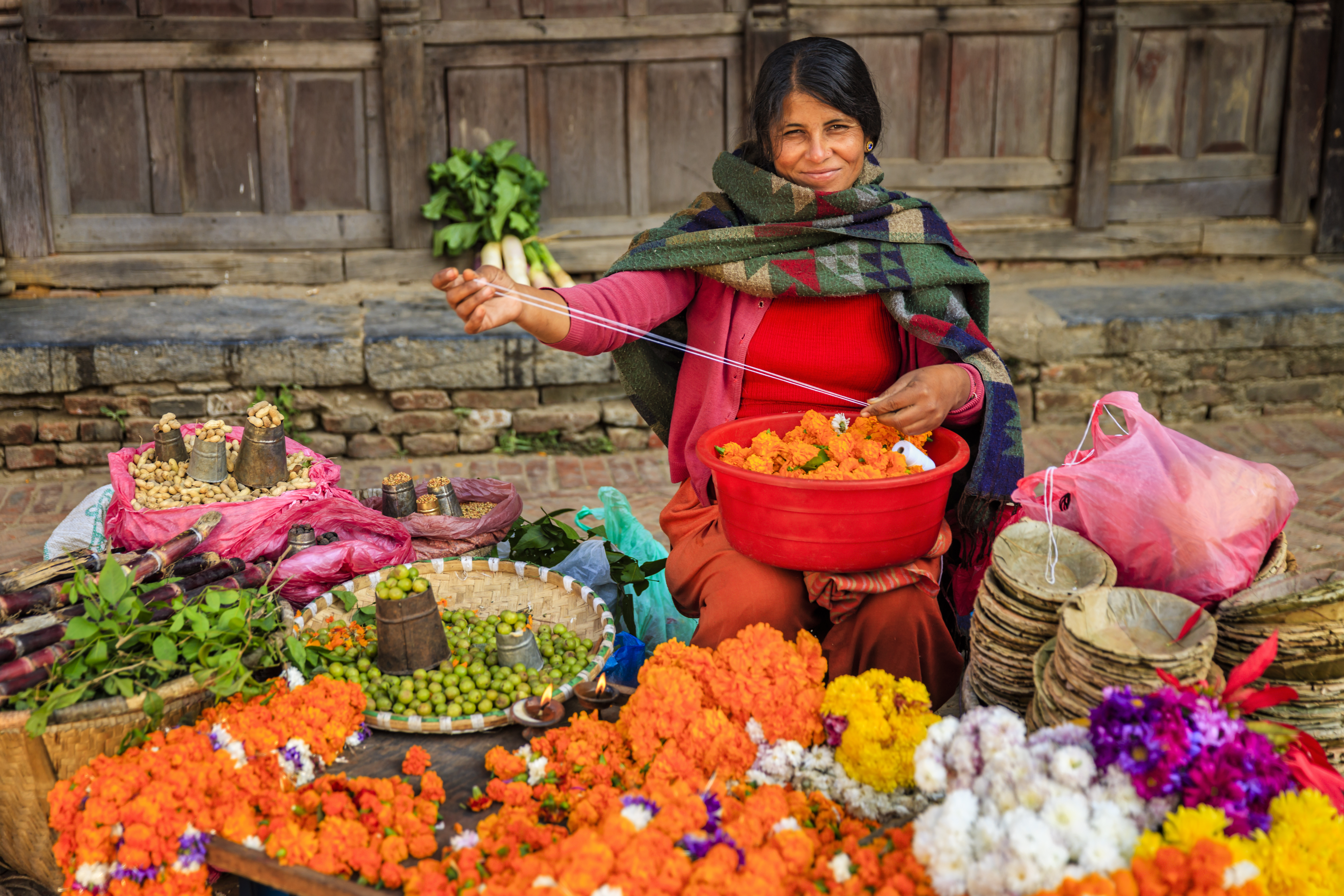
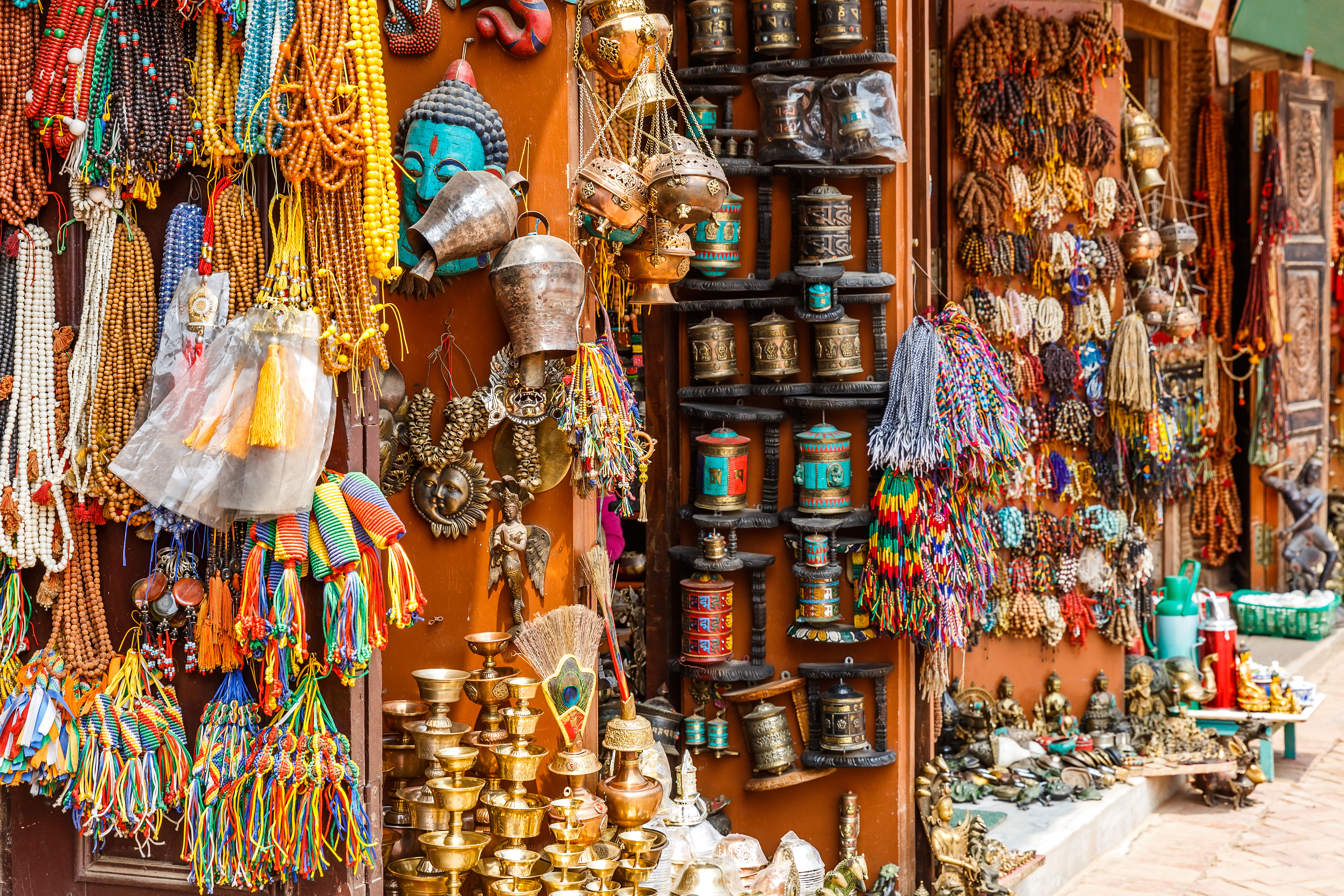
This morning, we meet our local city guide and visit Swayambhunath, the Monkey Temple, a great introduction to the rich history and spiritual significance of Kathmandu. It’s perched on a hill, offering panoramic views of the city and Kathmandu Valley. The site is known not only for its religious importance but also for the playful rhesus macaque monkeys that roam around, adding to the charm and unique atmosphere of the place. It’s a peaceful spot to take in both the natural beauty and religious devotion of Nepal.Then, moving to Kathmandu Durbar Square, we dive into the history and architecture of the city. Despite damage from the 2015 earthquake, this World Heritage site still showcases incredible buildings, temples and statues from the Malla kings era. The restoration efforts are ongoing, so it’s fascinating to see the blend of old and new. The square is also home to the Kumari Ghar, the residence of the Kumari, the Living Goddess, who is believed to be the earthly manifestation of the goddess Taleju. Visitors often catch glimpses of her from the balcony.From Durbar Square, we walk to the buzzy Thamel district via the old market for your last chance to pick up souvenirs.
Meals: Breakfast
Day 11
Adventure ends in Kathmandu
You’ve walked in the footsteps of some of the world’s great adventurers; but today, the tour ends, so it’s time to start your return journey home.
Alternatively, join our add-on safari tour in Chitwan or our Annapurna to Chitwan: Walks & Wildlife adventure, which can be combined with this trip. Speak to your sales representative to book.
Meals: Breakfast
What’s included
What’s not included
Additional information
Food
Breakfast is included throughout the trip, as are eight dinners (a welcome dinner in Kathmandu and half-board on trek).
Lunches are taken at lodges en route – sometimes one of your guides will go ahead with the group’s order to make it more expedient.
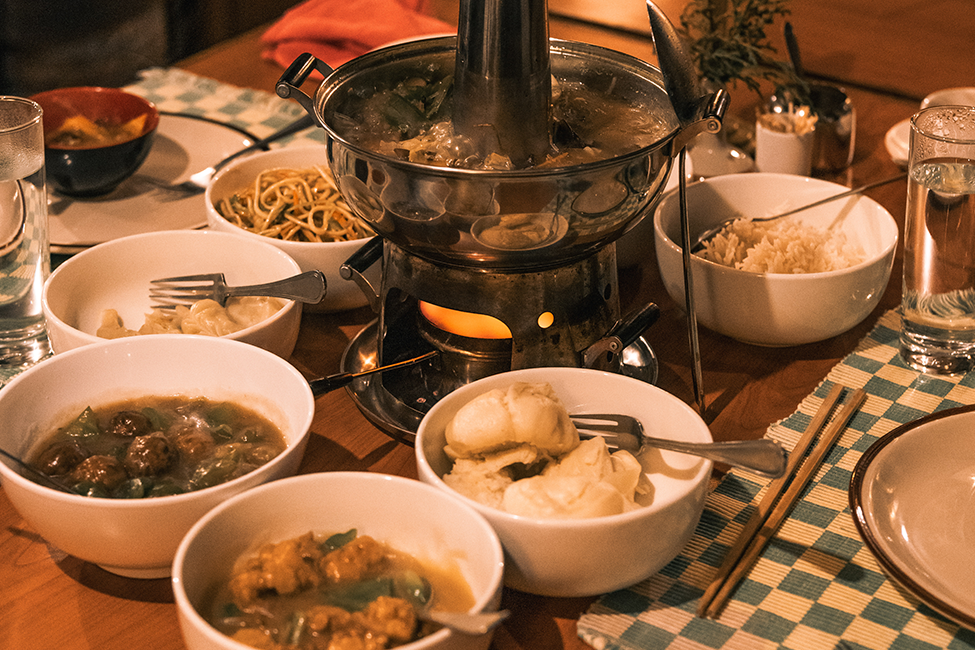
Breakfast and dinners in the lodges range from traditional Nepalese food to Chinese and Western dishes. The food is good quality and usually buffet style. You are provided with safe drinking water on trek.
Meat is available in the lodges, but we advise against eating it. Meat is often carried in the heat for several days before reaching the lodges and can cause stomach upsets or illness. Germs can also be spread by handling dirty money – we recommend using hand sanitiser.
Dietary requirements
Gluten-free diets: We strongly recommend you bring extra food and snacks with you to supplement the food on trek as there will be little variety available to you, particularly for breakfast. Even many of the soups are powdered and contain gluten. Gluten-free breakfast options are limited to vegetable fried rice and a choice of egg. On specific days only, a trekkers breakfast (without the toast/with an extra egg) will be served.
Vegan diets: Breakfasts are limited to a choice of muesli/porridge made with water each day, and on specific days only, a trekkers breakfast (without the egg) or vegetable fried rice.
Lactose-free diet: The same will apply although you will also have a choice of egg each day.
Drinking water
Staying hydrated is vital at altitude, where it is generally recommended to drink at least 0.7gal to 1gal (three to four litres) per day.
We strongly encourage you not to buy bottled water on trek as this contributes to the growing plastic pollution problem in Nepal.
All lodges provide free cold water. This should not be drunk untreated, so we recommend you bring a reusable bottle/water bladder/CamelBak (ideally two and wide mouth) and use an effective form of water treatment. There are a wide range of products available including Steripens or purification tablets, which are the quickest and easiest options to use on trek – we recommend talking to an outdoor retailer for the latest advice as technologies are improving all the time. Make sure to check the product’s performance in cold/freezing conditions and consider battery life (lithium batteries are best in cold conditions).
Exodus has partnered with Water-to-Go, a filtration system that eliminates more than 99.99 percent of all microbiological contaminants from any non-saltwater source – visit Water-to-Go for more information. Exodus customers can claim 15 percent off their first order and, better still, 15 percent of the purchase value will be donated to the Exodus Travels Foundation. These bottles filter the water as you drink, though the spout may not be the most efficient while moving on trek. Please note, if the water freezes it will clog up the filter. In this event, defrost before use by sitting the filter in lukewarm water for 10-15 minutes.
Sagarmatha National Park Museum & Tenzing Norgay Memorial
Explore the hilltop Sagarmatha National Park Museum above Namche for exhibits on Himalayan geology, wildlife and Sherpa culture. Step outside to the Tenzing Norgay Memorial, where prayer flags snap in the wind and viewpoints frame the surrounding ridgelines and villages.
Gain context for trekking in a UNESCO World Heritage site, from the red rhododendron forests to blue sheep and soaring lammergeiers. Stories of the 1953 Everest ascent illuminate the human side of these mountains and deepen appreciation for the region’s resilience, spirituality and traditions.
Gumila Monastery Visit above the Dudh Kosi
Detour to visit Gumila Monastery, a hillside gompa overlooking the Dudh Kosi. Step inside to admire vivid murals and spin the prayer wheels, joining a daily rhythm that has guided valley life for generations.
Learn about the monastery’s ties to the Nyingma tradition and take in a quiet vantage over the river gorge. This serene stop offers time to pause for photos and reflection before rejoining the trail toward Lukla and the final chapter of your Khumbu journey.
Kathmandu Welcome Dinner with Nepali Flavours
Meet your group and meet your Tour Director over a convivial welcome dinner at a local restaurant, where steaming plates of dal bhat and momo arrive alongside fragrant curries, pickles and warm spiced tea. This first evening sets an easygoing tone as you share expectations for the trail ahead.
Discover how Nepal’s mountain larder and Newari culinary traditions shape everyday meals. Your leader introduces dining etiquette and regional specialties, helping you decode menus during the trek and savour the balance of rice, lentils, seasonal vegetables and comforting soups that fuel Himalayan journeys.
Dudh Kosi Gorge Trek: Lukla to Phakding
Begin your Everest hike as you trek the Dudh Kosi gorge on stone paths threading hamlets, pines and potato terraces. Pass mani walls carved with “Om Mani Padme Hum” and cascades of prayer flags while the glacial river churns below. Peaks like Kusum Kanguru rise abruptly, hinting at the giants to come.
Learn why the Dudh Kosi—“Milk River”—takes its name from silty snowmelt, and notice chortens and prayer wheels marking village thresholds. The relaxed gradient offers time to settle into your stride and breathing rhythm before reaching a welcoming riverside lodge for the night.
Namche Bazaar Ascent & Hillary Suspension Bridges
Follow the river to Jorsale and cross the Hillary suspension bridges, fluttering with prayer flags high above a roaring gorge. Tackle the zigzag climb and ascend to Namche Bazaar, the amphitheatre-shaped Sherpa capital, where cafés, outfitters and spice-scented stalls fill stone alleys.
Pause mid-ascent for a potential first glimpse of Everest peeking beyond the Nuptse–Lhotse wall, a thrilling moment when clouds part. Hear how Namche grew from a high-altitude trading post on the salt routes into today’s vibrant hub for mountaineers, yak caravans and village life.
Tengboche Monastery Hike & Everest Panoramas
Walk shaded trails of rhododendron and pine to visit Tengboche Monastery, poised on a high ridge with panoramic views of Everest and Ama Dablam. Listen for conch shells and low chants as juniper incense drifts across brightly painted doorways and prayer wheels.
Learn how the gompa—rebuilt after the 1989 fire—anchors monastic life and festival rites for surrounding Sherpa communities. Broad terraces offer space to pause for photos and reflection, capturing crystalline summits and the quiet dignity of one of Khumbu’s most revered spiritual sites.
High Trail via Syangboche to Khumjung & Mende
Take the high trail above Namche past the rough-hewn Syangboche airstrip to stone-roofed Khumjung village, then continue through larch and rhododendron toward the secluded Mende ridge. Scan the slopes for iridescent Himalayan monal pheasants and nimble herds of Himalayan thar.
Ridgeline vantage points open to Khumbila, Kongde Ri and serrated skylines. Chortens, mani walls and fluttering flags lend a meditative rhythm to the walk, culminating at Mende’s lofty perch—an oasis of stillness where the scale of the Khumbu feels both intimate and immense.
Laudo Monastery Meditation Cave Visit & Butter Tea
Walk a short hillside path to visit Laudo Monastery, where a renowned meditation room beneath a great rock reveals the austere solitude sought by practitioners. Explore the compact temple adorned with thangkas and simple offerings.
Hear about extended retreat traditions and sip creamy butter tea with the friendly caretaker, gaining insight into Sherpa Buddhist life beyond the main trail. The setting’s hush and the cool stone of the cave create a contemplative counterpoint to the energy of the trekking route.
Swayambhunath Stupa & Kathmandu Durbar Square Guided Visit
Join a guided city tour to hilltop Swayambhunath (Monkey Temple), where a gilded stupa, all-seeing Buddha eyes and fluttering prayer flags crown sweeping panoramic views over the Kathmandu Valley. Climb past spinning prayer wheels and watch rhesus macaques dart between shrines as incense drifts on the breeze.
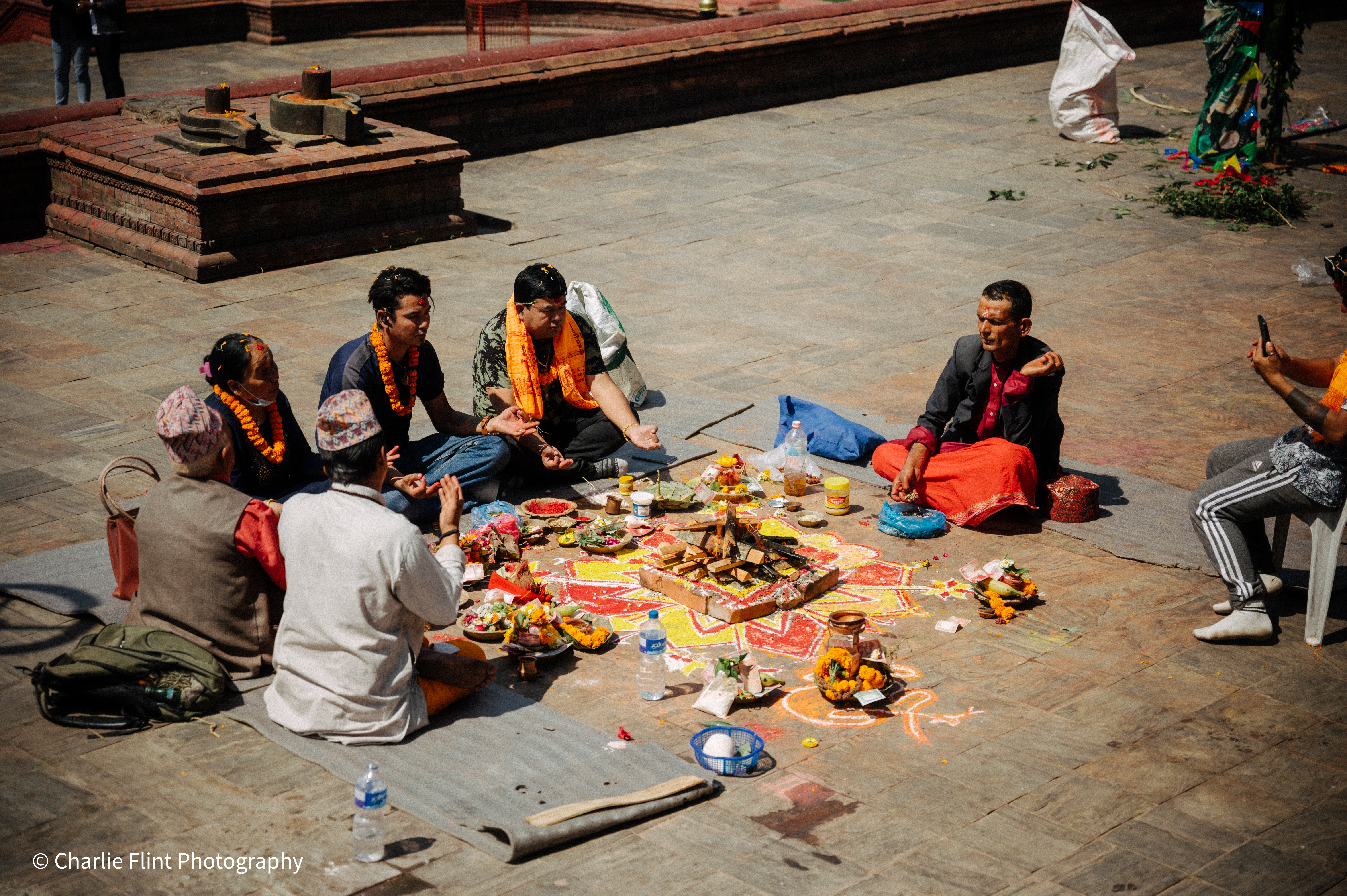
Continue to Kathmandu Durbar Square, a UNESCO complex of palaces and pagoda temples from the Malla era. Explore courtyards, earthquake-restored shrines and the Kumari Ghar, learning about Nepal’s tradition of the Living Goddess, the Kumari, before strolling historic lanes toward the Thamel bazaar.