Your itinerary

Day 1
Adventure starts in Beijing
Our adventure begins in Beijing, the capital of China and home to world-renowned landmarks such as the Forbidden City. Free arrival transfers are available for everyone arriving into either Beijing Capital Airport (PEK) or Daxing Airport (PKX).Around 6pm, say ni hao to your tour leader and fellow travellers, when we gather as a group for the first time to get to know each other and learn more about the adventures ahead. Your tour leader then ensures a big welcome by arranging a group dinner at a local restaurant.Want more time in Beijing? Secure pre-tour hotel nights through your sales representative.
Meals: Dinner
Day 2
Sightseeing including the Forbidden City, Jingshan Park and a walking tour of the ‘hutongs’
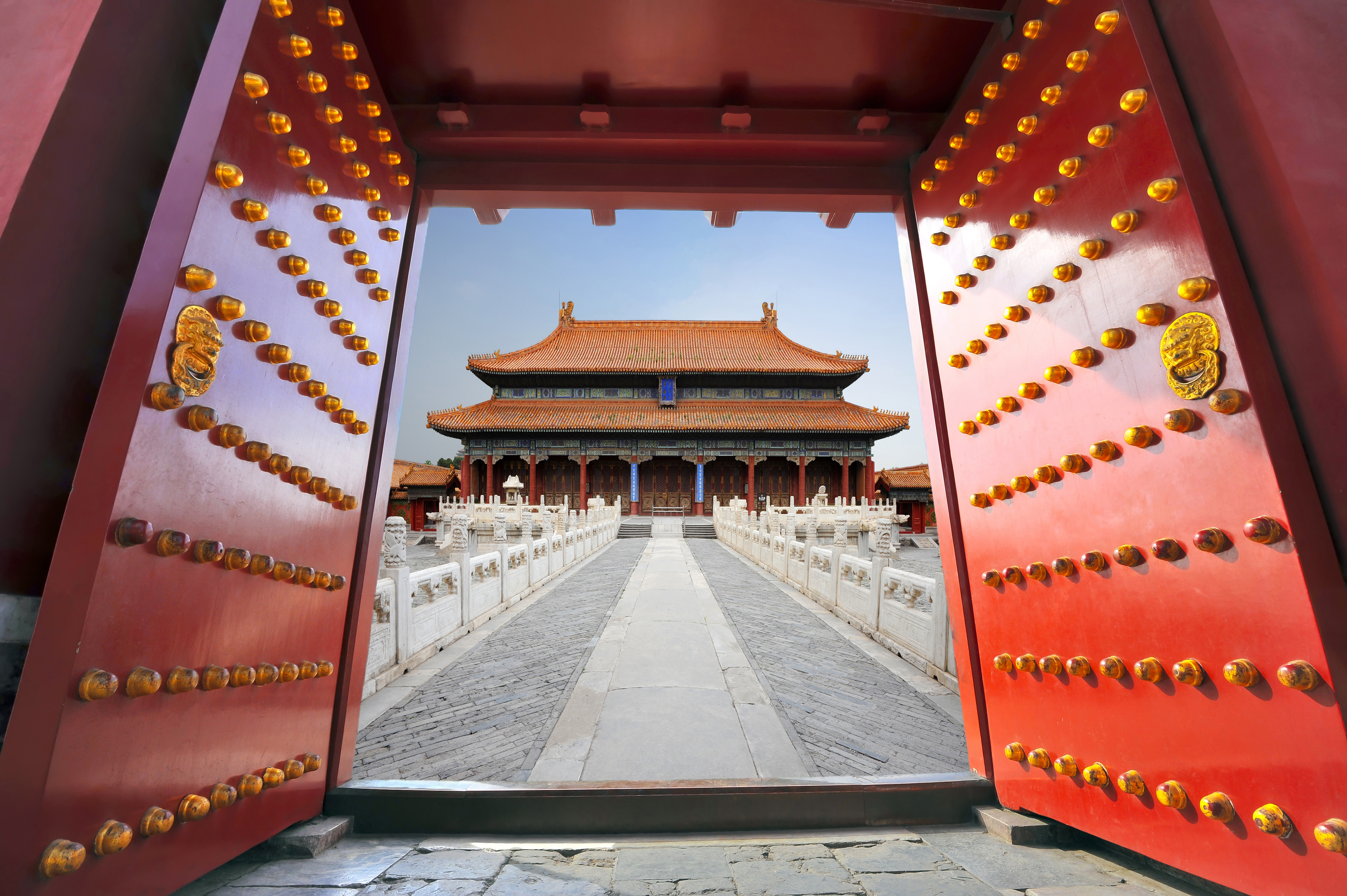
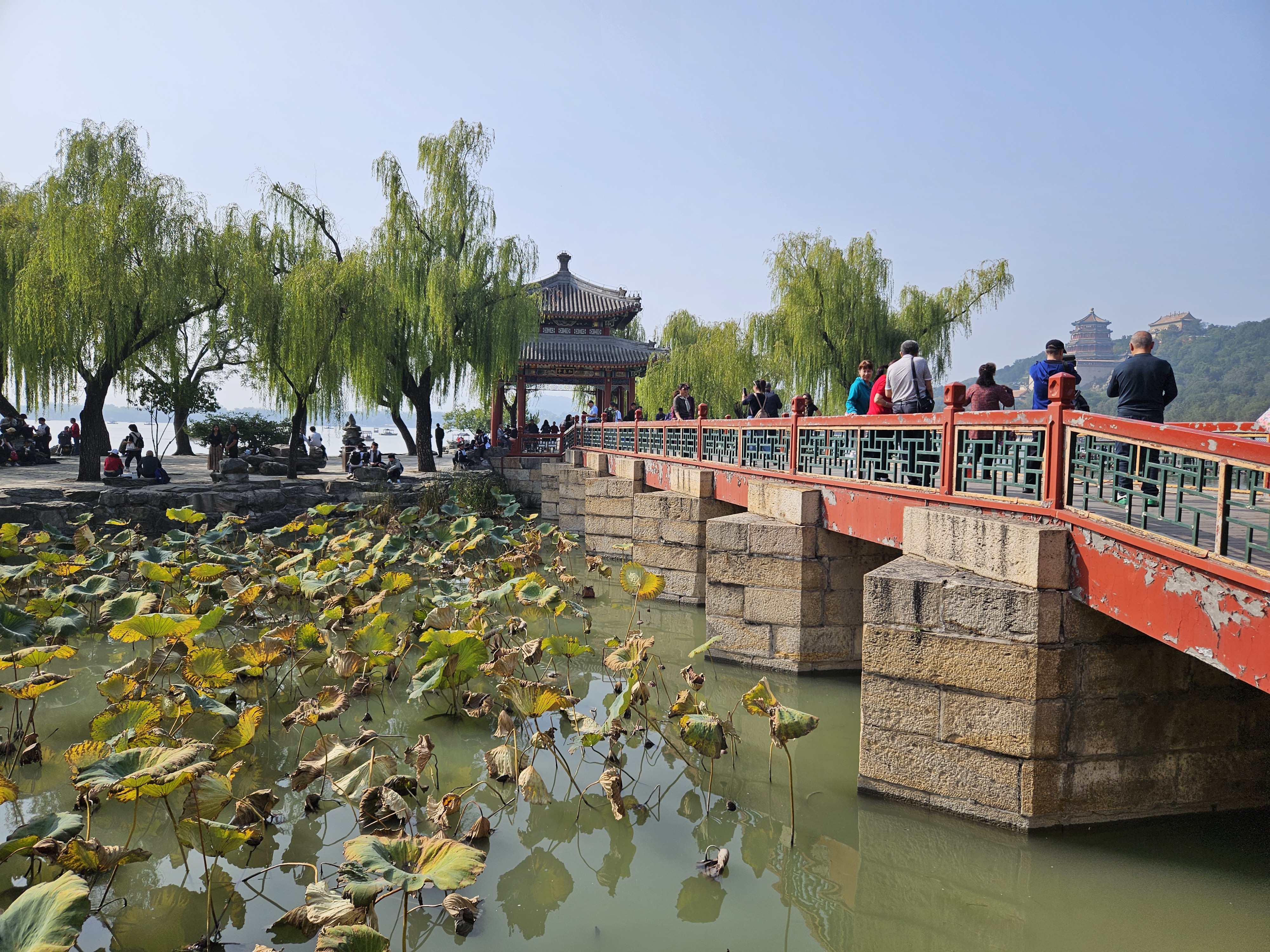
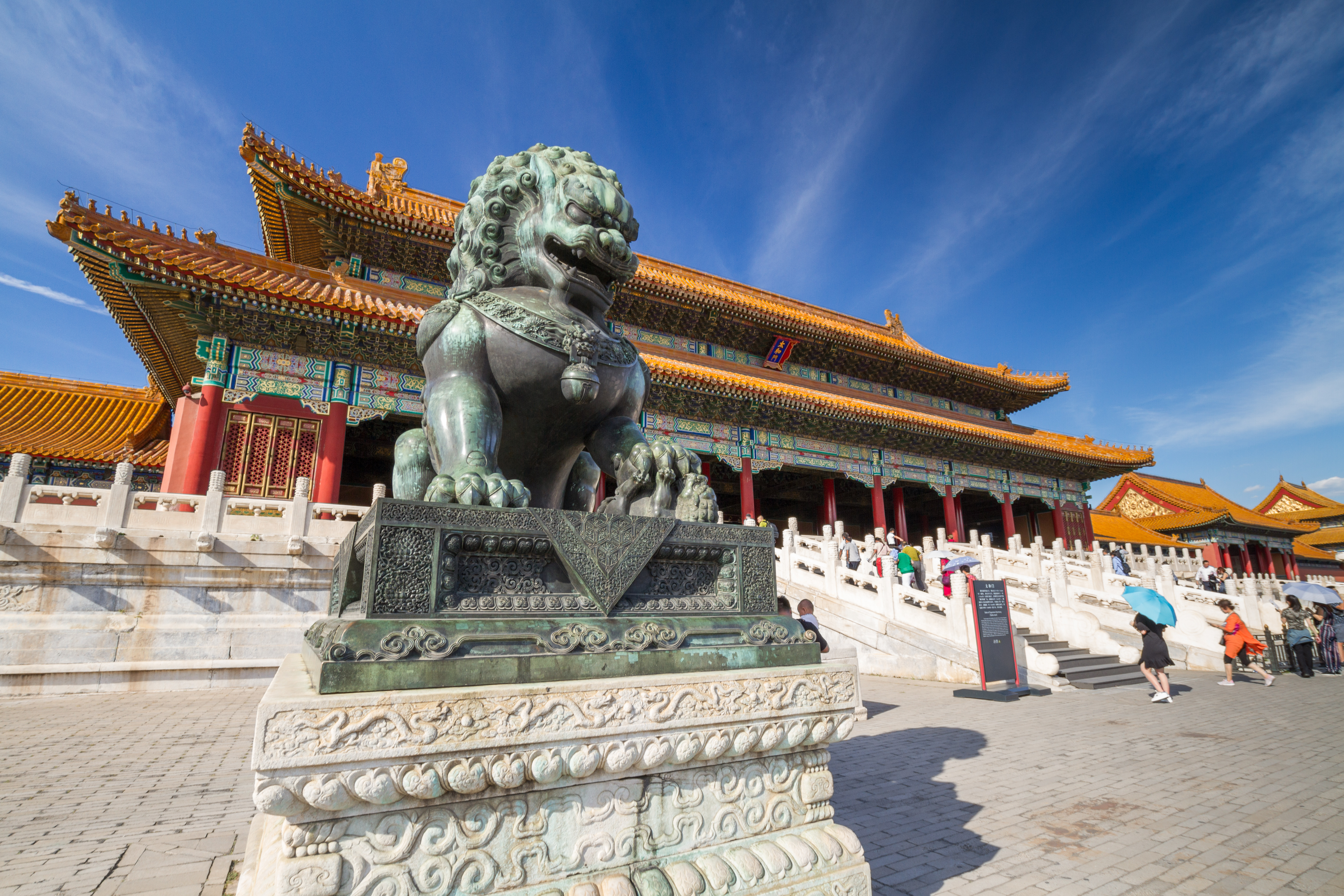
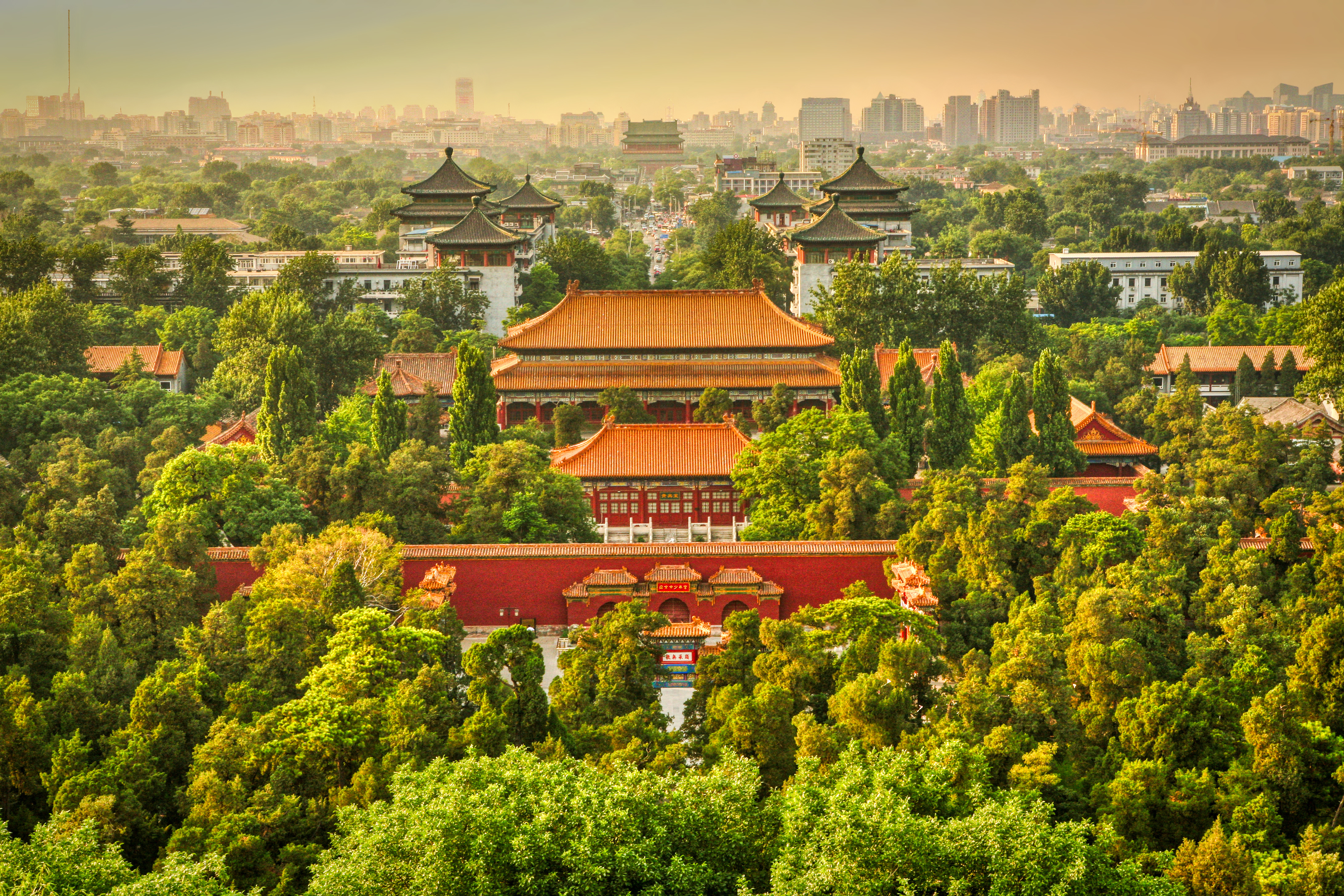
We head straight to Tiananmen Square (approximately 30 minutes by public bus/metro), one of the largest squares in the world, able to hold more than a million people. The square is named after the Tiananmen (meaning Gate of Heavenly Peace) at its north, which leads to the Forbidden City. Continuing on foot, we spend a few hours exploring the innumerable courtyards and temples of the Forbidden City. Exiting via the north gate of the complex, we walk directly to Jingshan Park and climb to the top of the hill for a different vantage point.After lunch, we have a walking tour around traditional hutongs (narrow alleys of the old town), before meandering back to the hotel.Note: Following the Covid-19 pandemic, maximum numbers of daily visitors to the Forbidden City have been significantly reduced, impacting availability of tickets. Our local team aim to secure tickets for the Forbidden City, but if unable to do so, we visit the Ancestral Temple (used during the Ming and Qing Dynasties to offer sacrifices to ancestors, and architecturally quite similar to the Forbidden City) and the Temple of Heaven instead. You will be advised at the start of the trip if this change needs to be made.
Meals: Breakfast
Day 3
Visit the Great Wall of China; return to Beijing
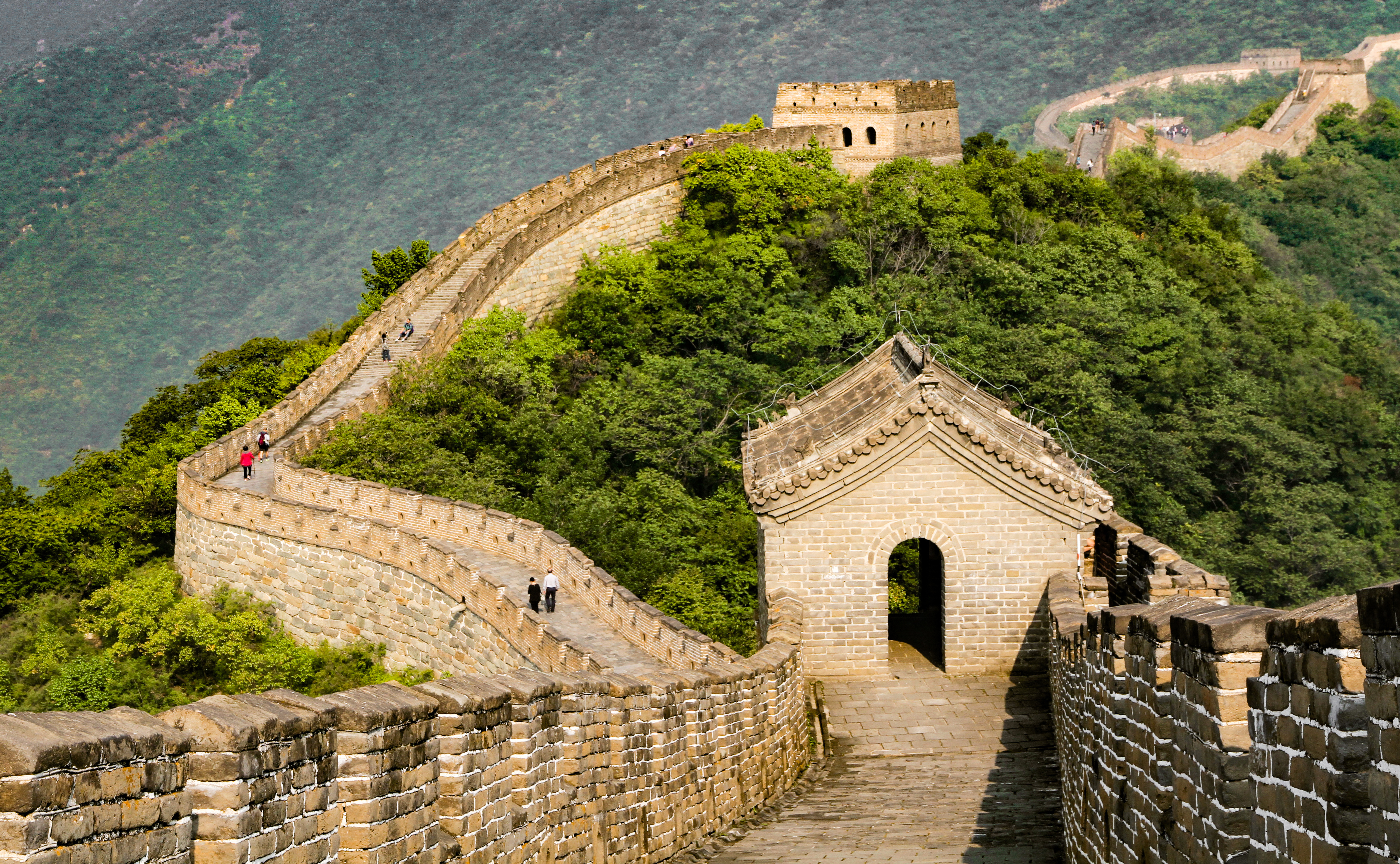
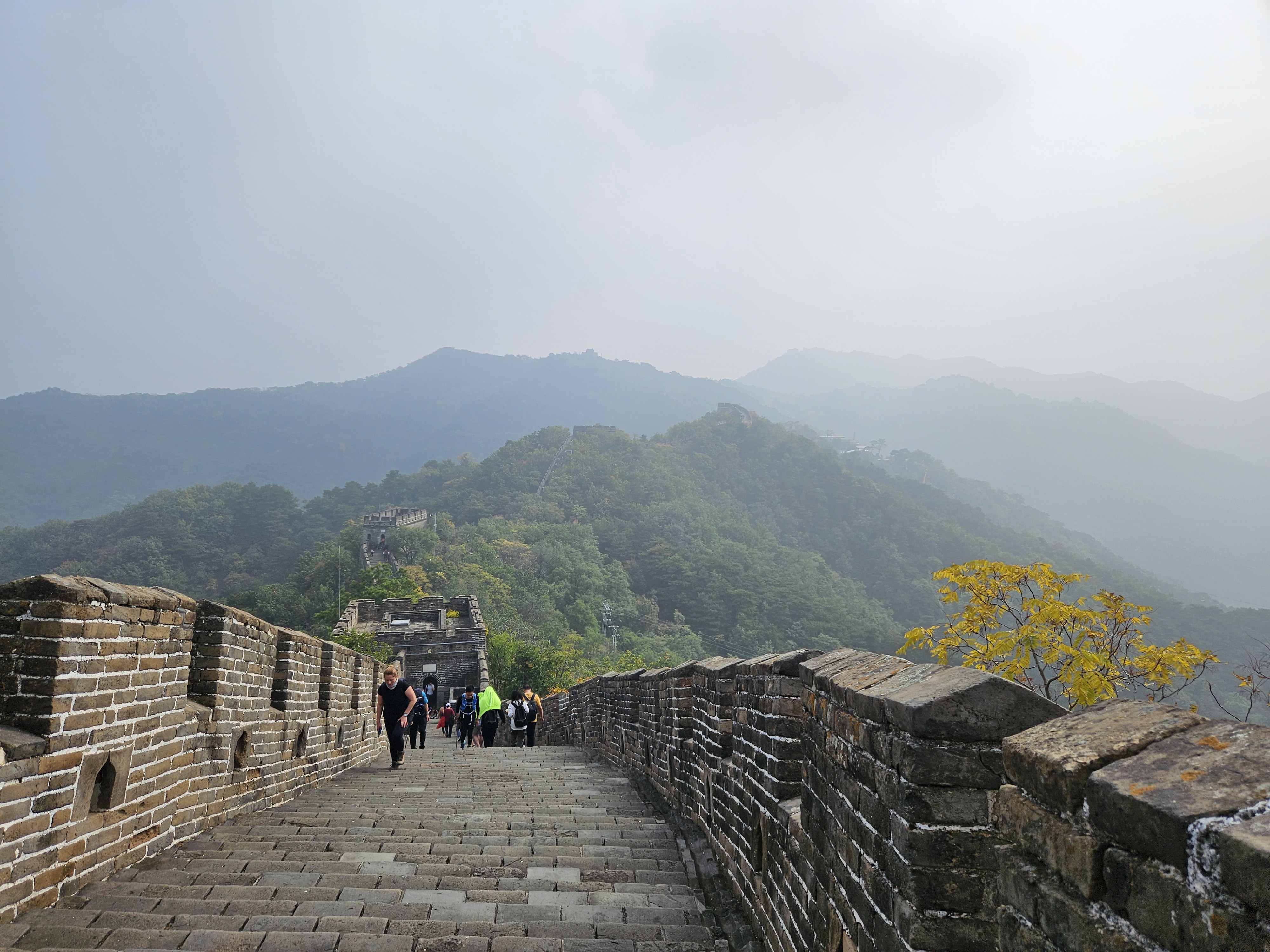
We leave the capital and head into the countryside (approximately two hours’ drive) to visit one of the best-preserved sections of the Great Wall, at Mutianyu. It is an impressive sight, snaking across mountains and valleys into the distance. We take the shuttle bus to the ticket office; from there, it’s about a 40-minute uphill walk to the top of the Great Wall (anyone not wanting to walk can pay to take the cable car, which takes about eight minutes). We spend the next couple of hours or so walking along the top of the wall. There are some steep steps to navigate and anyone who suffers from vertigo may find it difficult. This section of the Great Wall used to serve as the northern barrier, defending the capital and the imperial tombs. The wall here stands up to 28ft (8.5m) high and 16ft (5m) wide, and there are 22 watchtowers along its 7,380ft (2,250m) stretch.
Meals: Breakfast
Day 4
Bullet train to Xi’an; afternoon walking tour of the Muslim Quarter
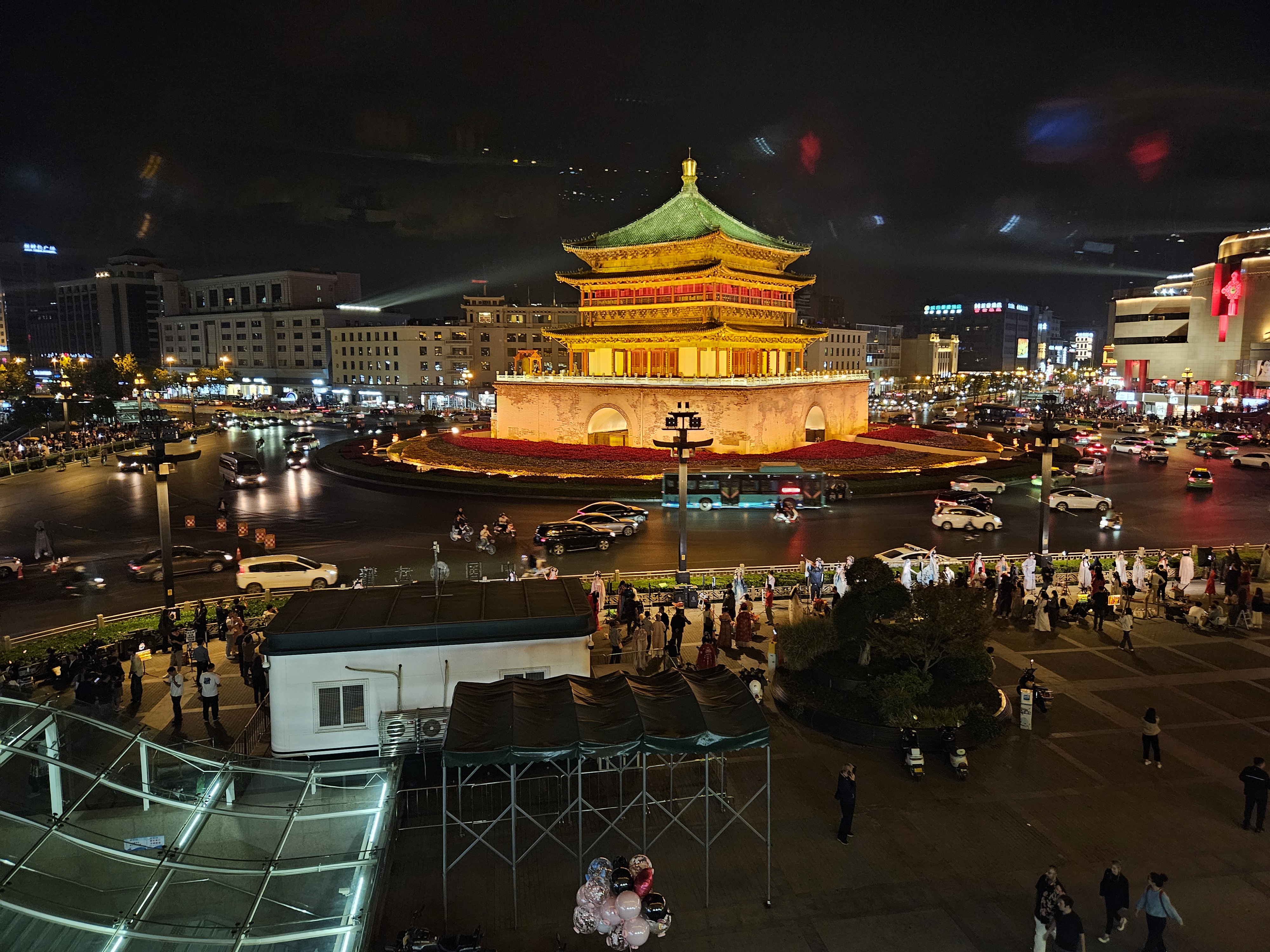
We take a bullet train to Xi’an this morning, which takes about 4hr 30min. Considered by many to be the final stop on the ancient Silk Road, Xi’an is one of the few cities in China to have retained its city walls, probably because they are so massive that no revolutionary was willing to tackle the huge task of removing them.This afternoon, we embark on a walking tour, passing the Bell and Drum Plaza and exploring the spice markets of the vibrant Muslim Quarter. Optionally, we may be able to visit Gao’s family mansion and enjoy a shadow puppetry show (approximately 30 yuan/US$4.15 per person). We return to the hotel to check in at about 2pm, and the rest of afternoon is free.
Meals: Breakfast
Day 5
Excursion to the Terracotta Warriors
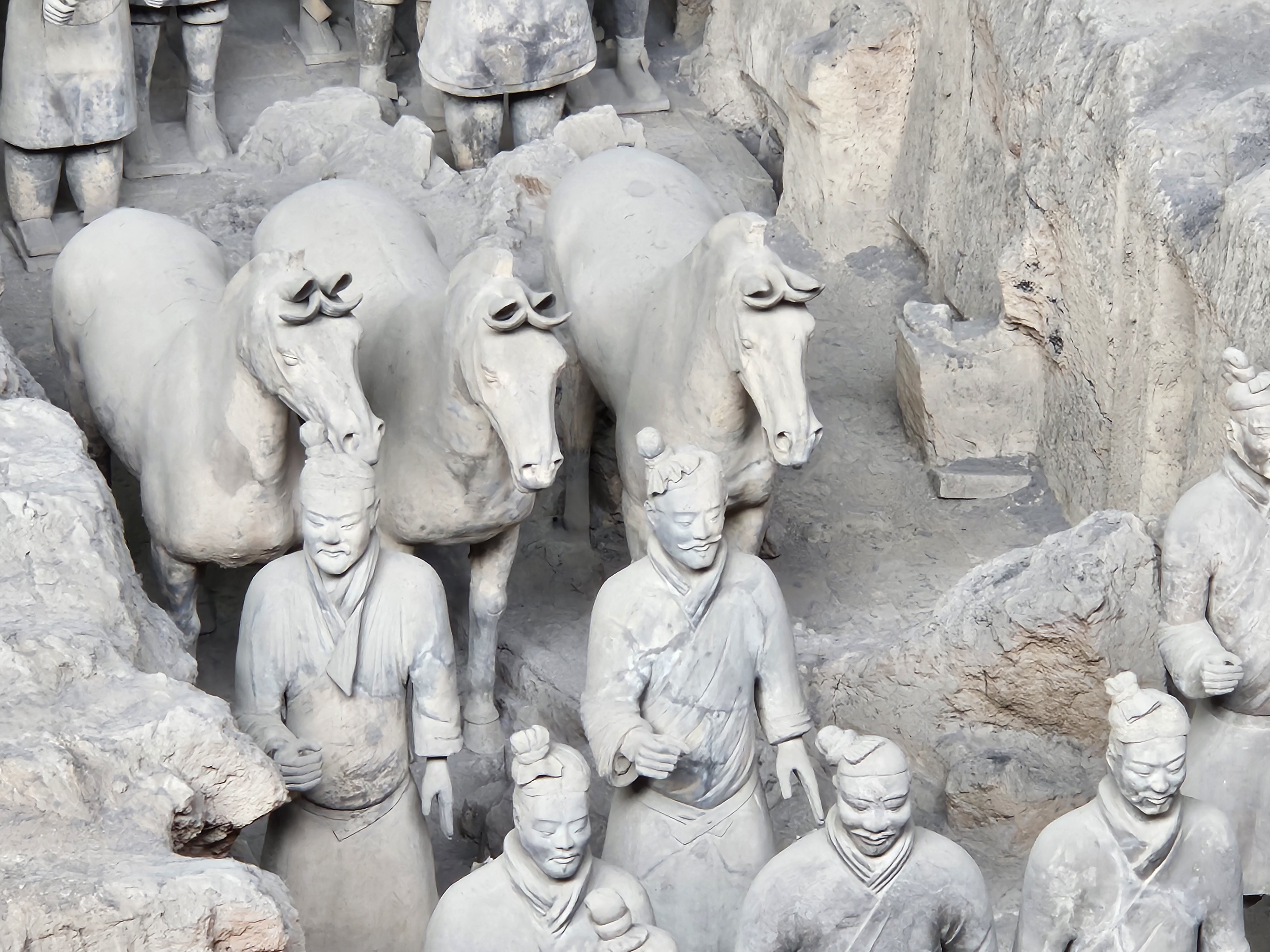
Today we visit the Terracotta Warriors of Emperor Qin (the transfer is approximately two hours each way). Originally four armies were planned, at each point of the compass, life-size and lifelike. Three have been found and it is assumed the emperor’s successors decided enough was enough before the fourth was begun. The first pit excavated had an estimated 6,000 figures in its one army. The third pit has been opened to the public, which contains the ‘command post’ for the entire operation. This is one of the great tourist attractions in China and some people may find the sheer numbers of visitors overpowering. After our visit, we have lunch at a nearby farmer’s restaurant before driving back to Xi’an.
Meals: Breakfast,Lunch
Day 6
Free day in Xi’an; optional cycling along the old city walls.
There are no planned activities today, but your leader will provide information on what is available to do and help you to arrange it. Perhaps you might like to walk (or hire bikes and cycle) along the city walls to appreciate the sheer scale of these constructions.
Meals: Breakfast
Day 7
Bullet train to Chengdu; afternoon walking tour around the People’s Park – try Chinese water calligraphy (weather permitting)
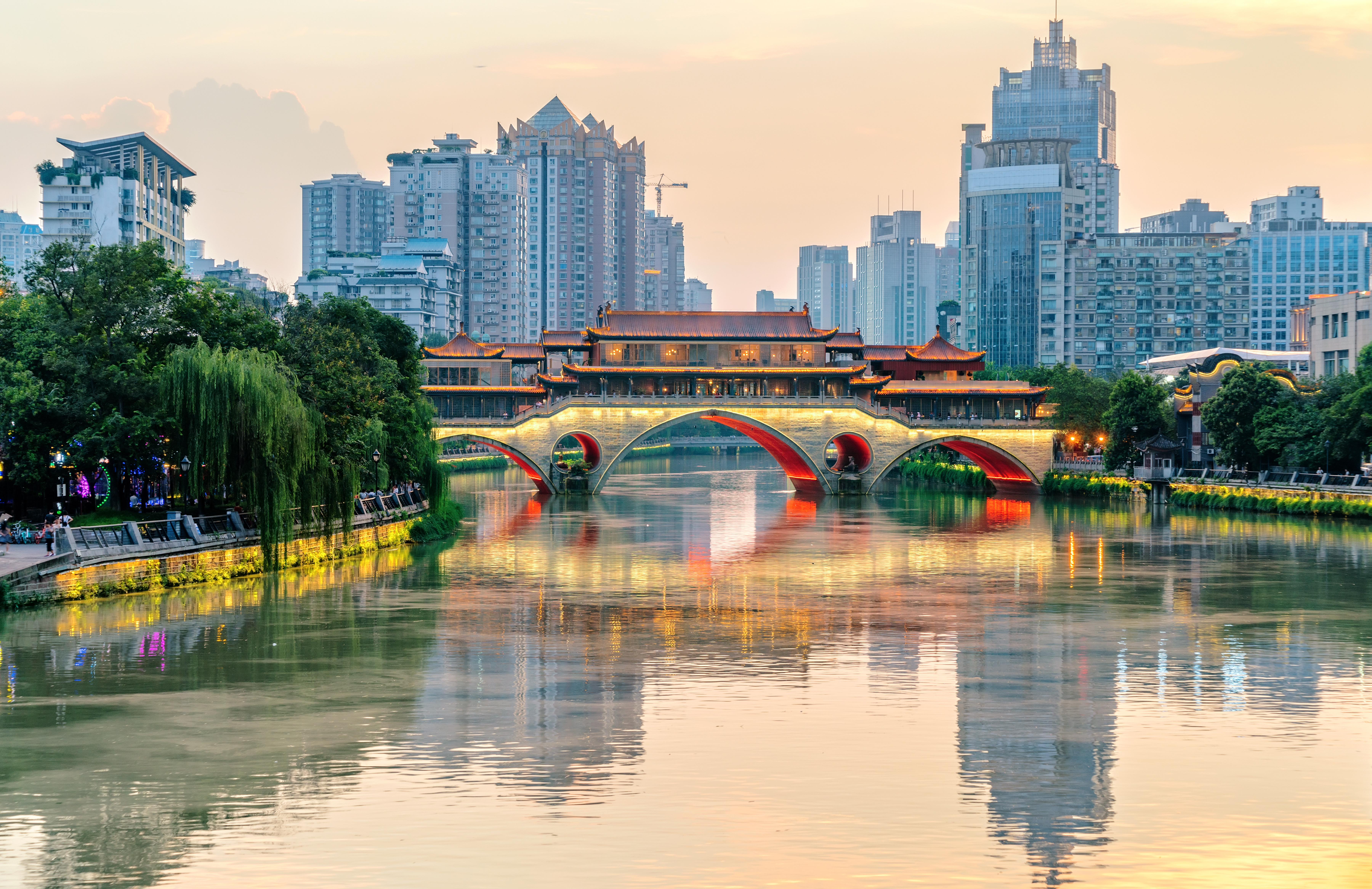
Take a short transfer to the train station and board a late morning bullet train to Chengdu (approximately four hours), the capital of Sichuan province, arriving in the early afternoon. This region is recognised throughout China as being ‘the spicy province’ and major flavour combinations include garlic, star anise, chili peppers, and the ever-present Sichuanese peppercorn (hua jiao). We recommend having a hotpot dinner during your stay here (spicy or mild broths are available).In the late afternoon, we set off for a walking tour, passing through the city centre square (Tianfu Square) and visiting the People’s Park where, weather permitting, we can see and have a go at Chinese water calligraphy.
Meals: Breakfast
Day 8
Visit the Giant Panda Breeding Centre
We leave early today to spend the morning at the Giant Panda Breeding & Research Base, which is 6mi (10km) outside the city. These furry animals once roamed large expanses of Asia, but the last survey estimated the world’s population of wild giant pandas at only 1,864. Giant pandas eat for up to 14 hours a day and so hopefully we will witness these highly endangered animals feeding, as this is when they’re most active. Otherwise, we can watch the pandas indulge in their next favourite past time – sleeping! Afterwards, we drive back to Chengdu and the afternoon is free to explore at your own pace.
Meals: Breakfast
Day 9
Fly to Shanghai; afternoon visit to the Yu Yuan Gardens
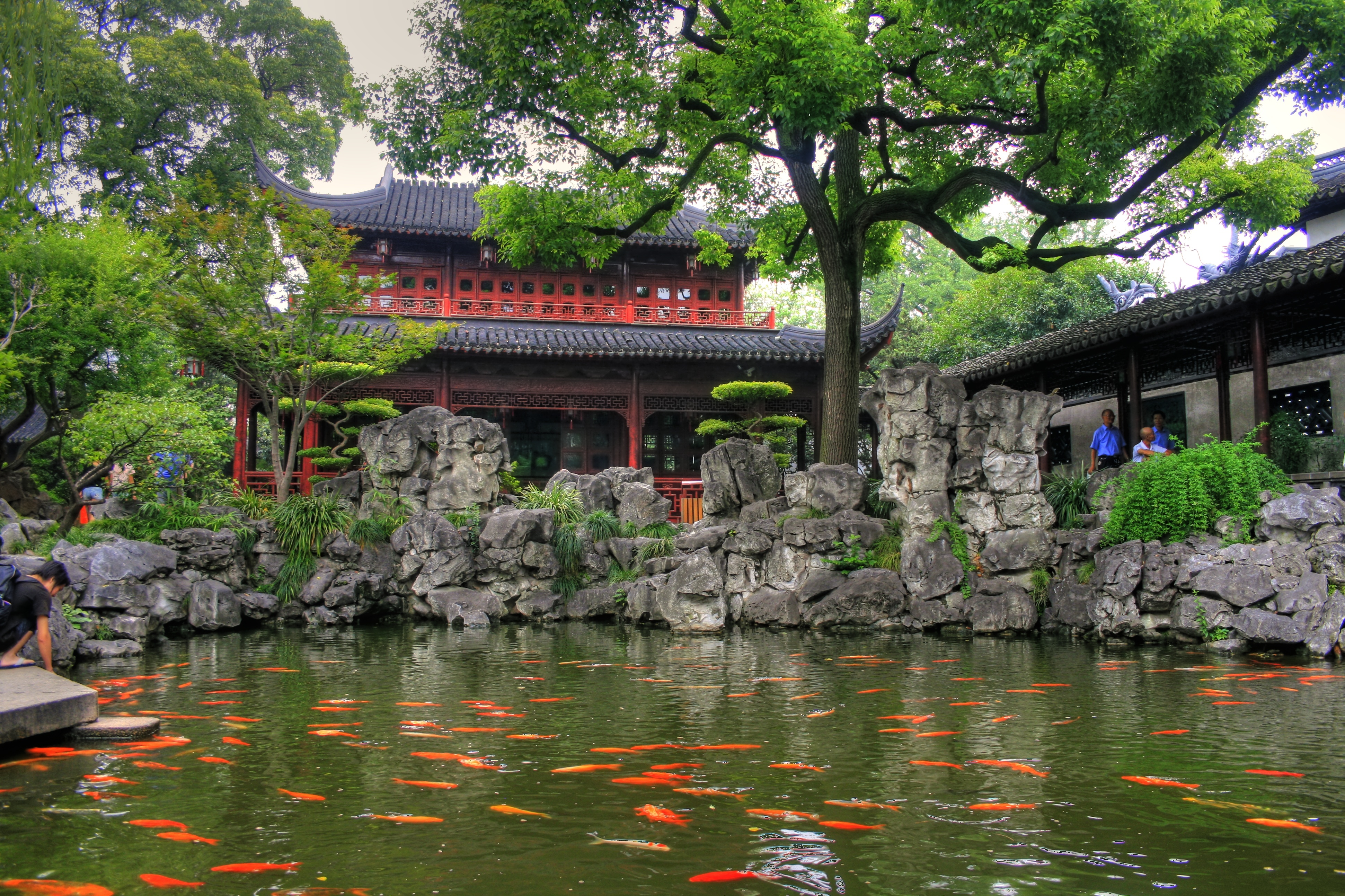
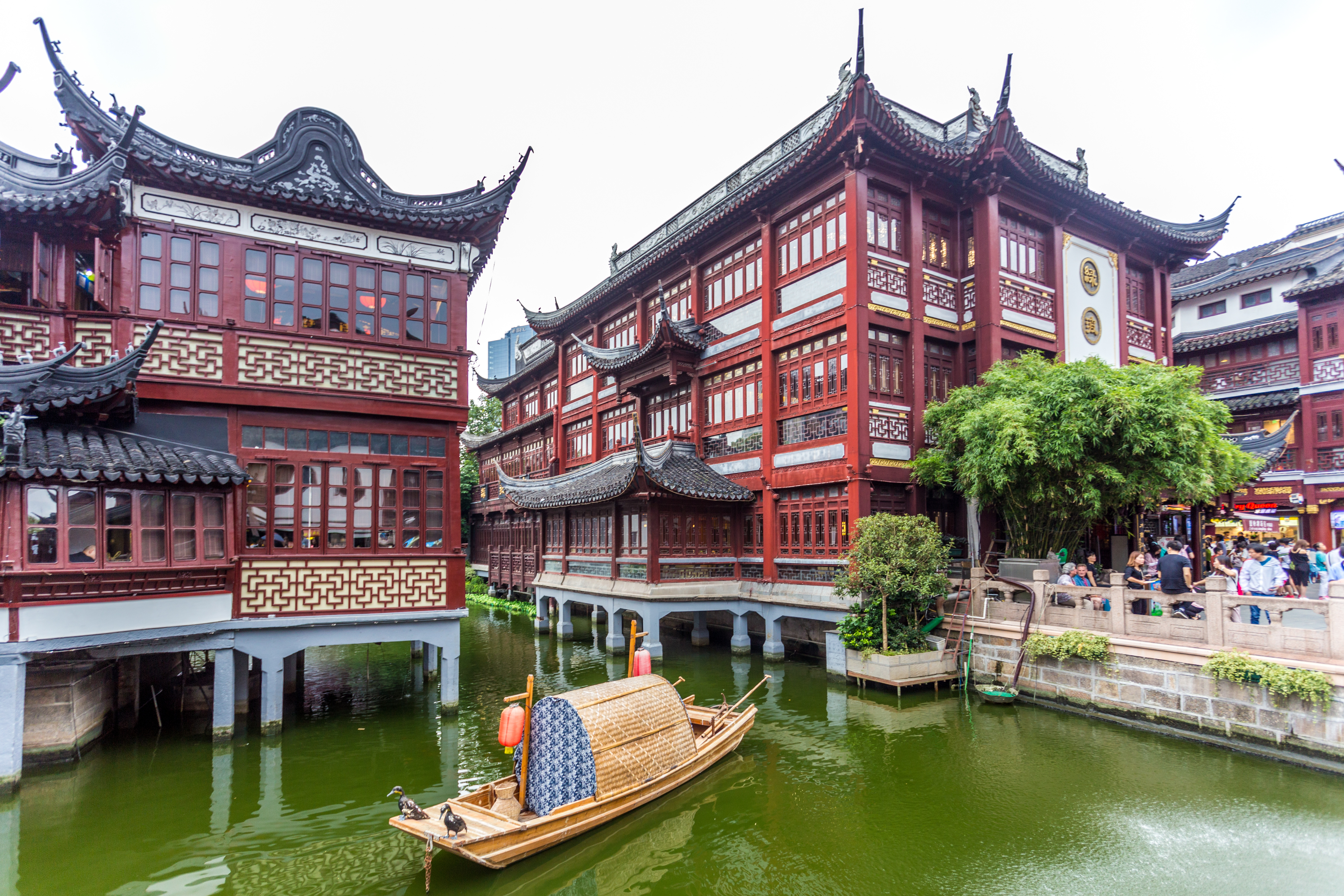
We catch an early flight to Shanghai, so we take a simple box breakfast with us from the hotel. The flight is approximately 2hr 30min; we should land by late morning and arrive at our hotel by lunchtime. With a population of around 12m, Shanghai is a cosmopolitan coastal hub with a futuristic skyline.This afternoon, we take the public bus (metro) to visit the Yu Yuan Garden. Dating to the Ming Dynasty, the intricate, colourful garden covers about 2ha (five acres), and is divided into sections. There are numerous water features and small paths connecting the different corners of the garden.
Meals: Breakfast
Day 10
Explore the Bund waterfront area and the French Concession
After breakfast, we set off to discover some of the highlights of Shanghai on foot, starting with the Bund waterfront area to see iconic buildings, before exploring Nanjing Road (one of the busiest shopping streets on the planet) and the French Concession with its tree-lined avenues, cafes and Tudor mansions. The afternoon is at your leisure.
Meals: Breakfast
Day 11
Adventure ends in Shanghai
The trip ends in Shanghai after breakfast, and we begin our return journeys. If you’d like more time in Shanghai, please speak to your sales representative about extending your stay.Free transfers are included for everyone to Shanghai Pudong International Airport (PVG) or Shanghai Hongqiao International Airport (SHA).
Meals: Breakfast
What’s included
What’s not included
Additional information
Food
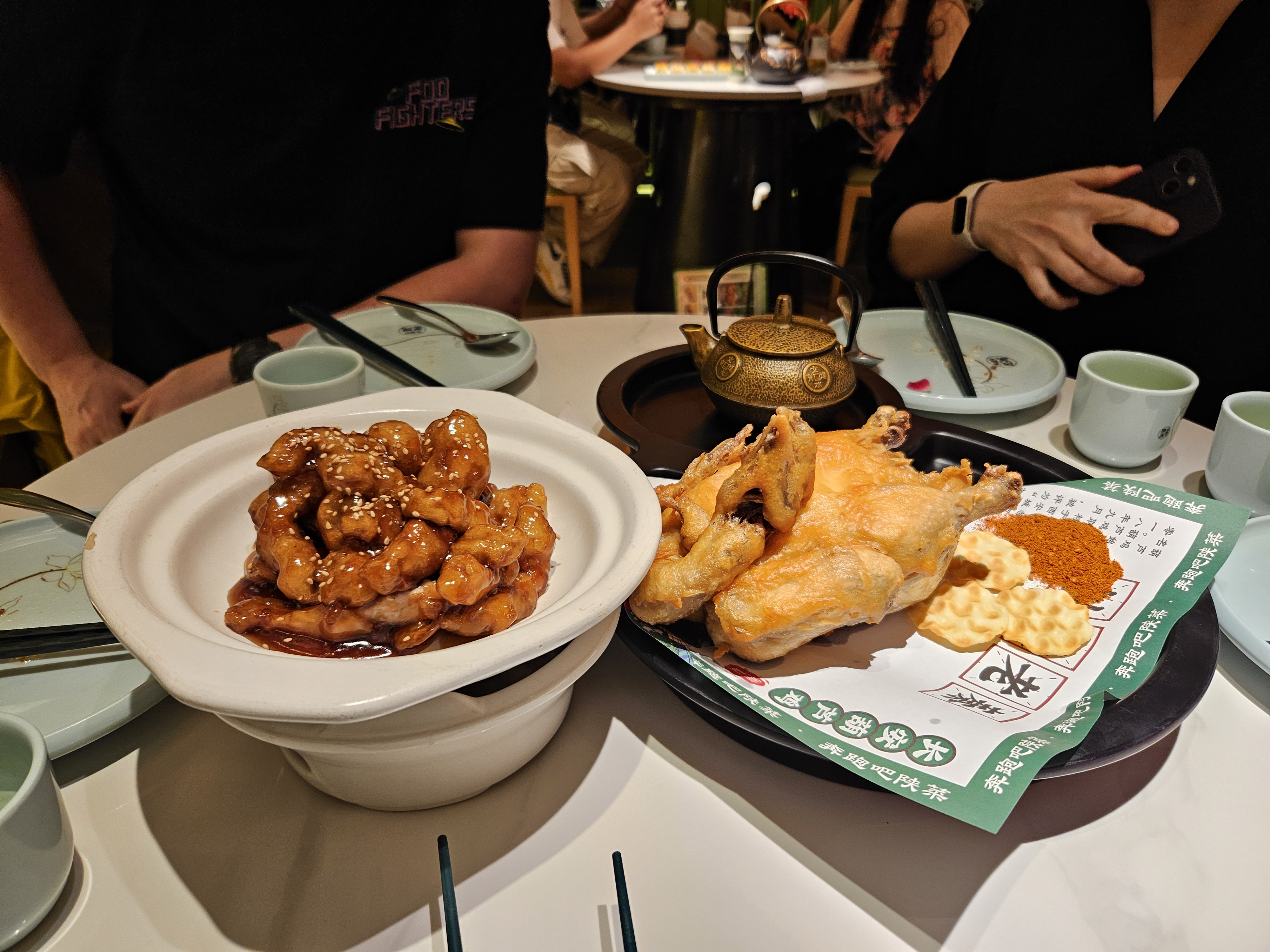
One of the major draws of China is its exciting and varied cuisine. On this trip, you can try many different dishes selected with your tour leader’s help and based on the group’s dietary requirements and preferences. Meals generally consist of shared dishes, which is the best way to experience as many different ingredients as possible and try things you might not usually choose. Examples of popular dishes include: ma po tofu, a delicious tofu dish made with beef, chillies and onion; gong bao chicken, a very popular dish with chilli and peanuts; Peking duck, served with hoisin sauce and pancakes; and dumplings in many shapes and sizes. Chengdu in Sichuan province is known for its spicy hotpots but you can request mild options too. There are many different dishes to try and your leader will always try to accommodate tastes, but if you do tire of Chinese food there are often opportunities to eat Western-style dishes in the cities we visit.
Vegetarians can be accommodated, though options are often quite limited. Vegans will find options are very limited. Not all food allergies and intolerances are well understood in China. Options that contain no gluten at all are very limited (soy sauce contains gluten and is very widely used). Peanut oil is also used widely.
Beijing Welcome Dinner at Local Restaurant
Savor a Beijing welcome dinner at a neighborhood restaurant as you meet your Tour Leader and traveling companions. Sample classic dishes served family-style—perhaps Peking duck, gong bao chicken, and handmade dumplings—guided by local recommendations.
Gain practical tips on ordering and table customs, from toasting etiquette to the art of communal dining. This convivial start sets the tone for exploring Beijing’s culinary scene, with flavors ranging from fragrant sesame to the tingle of Sichuan pepper.
Tiananmen Square, Forbidden City & Jingshan Park
Explore Tiananmen Square before entering the Forbidden City, a walled complex of throne halls, courtyards, and vermilion gates that housed emperors of the Ming and Qing dynasties. Walk broad ceremonial ways and glimpse gilded dragons, carved marble bridges, and guardian lions.
Climb to Jingshan Park for a sweeping view over the soaring palace roofs and Beijing’s old city grid. On some departures, entrance may be substituted with the Temple of Heaven and the Imperial Ancestral Temple, preserving the imperial narrative with superb architecture.
Beijing Hutong Walking Tour
Walk the hutong alleys of old Beijing with your leader, tracing lanes lined with grey-brick siheyuan courtyards and tiny neighborhood shops. Navigate pocket squares, steaming baozi stalls, and bicycle-lined doorways that reveal the city’s lived-in charm.
Hear how these lanes evolved from imperial-era urban planning to present-day community hubs. Pause to appreciate everyday Beijing life—mahjong clacks, tea thermoses, and laundry fluttering—offering a human-scale counterpoint to the capital’s grand monuments.
Mutianyu Great Wall Walk
Hike a restored stretch of the Great Wall at Mutianyu, tracing crenellated ramparts between weathered watchtowers as the Wall follows misty mountain passes. Choose gentler or steeper sections to match your pace and pause for sweeping photos.
Learn how Ming forces fortified this northern defense of the capital and why the Wall’s width and height vary with the terrain. Travellers may opt for the cable car to reach the ridge with ease (additional cost), freeing more time for exploration along the battlements.
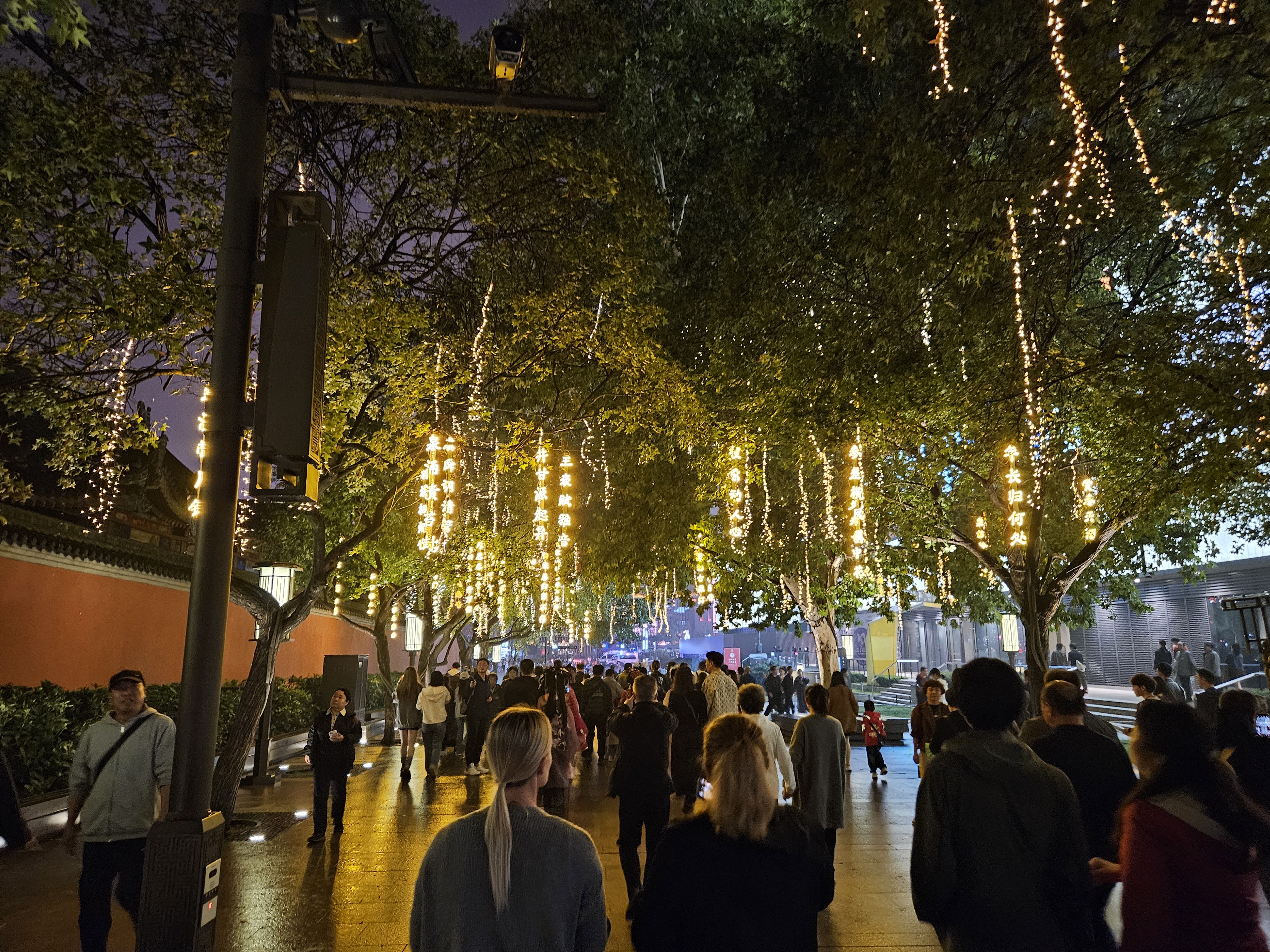
Xi’an Muslim Quarter Walking Tour & Bell and Drum Towers
Stroll Xi’an’s Muslim Quarter, passing spice stalls, sesame bakeries, and charcoal grills on lively Huimin Street en route to the Bell and Drum Towers. The aromas of cumin, chili, and freshly baked flatbreads set an irresistible rhythm.
Unpack the district’s Silk Road heritage and the blend of Hui traditions and Tang-dynasty history. Your leader points out local specialties—from biangbiang noodles to pomegranate juice—amid a vibrant street scene ideal for photos and snacking.
Terracotta Warriors of Emperor Qin Museum
Visit the Museum of the Terracotta Warriors, where ranks of life-size soldiers, horses, and charioteers guard the mausoleum of Qin Shi Huang. Stand before formations that once lay hidden for millennia beneath the Shaanxi soil.
Survey vast Pit 1 and the command post of Pit 3 while learning about the 1974 farmer discovery and ongoing restoration. The scale of these archaeological halls and the individualized faces reflect the ambition of China’s first emperor.
Chengdu People’s Park Walk & Water Calligraphy
Explore People’s Park, Chengdu’s beloved green heart, where locals sip jasmine tea, play mahjong, and practice Chinese water calligraphy on sun-warmed paving stones. Try a brush yourself as characters bloom and fade in minutes.
Your leader introduces tea house culture and the park’s famous matchmaking corner, illustrating Chengdu’s unhurried rhythm. The gentle soundtrack of birdsong, board games, and soft conversation captures Sichuan’s easygoing spirit.
Chengdu Research Base of Giant Panda Breeding
Spend a morning at the Giant Panda Breeding & Research Base, observing pandas amid bamboo groves and landscaped enclosures when they’re most active—often during feeding. Expect quiet paths, rustling leaves, and the gentle clatter of bamboo.
Learn about conservation work safeguarding a species with fewer than 2,000 in the wild, and watch playful cubs climb, tumble, and nap. Red pandas also reside here, offering a close look at Sichuan’s emblematic wildlife.
Yu Garden (Yuyuan Garden) Visit
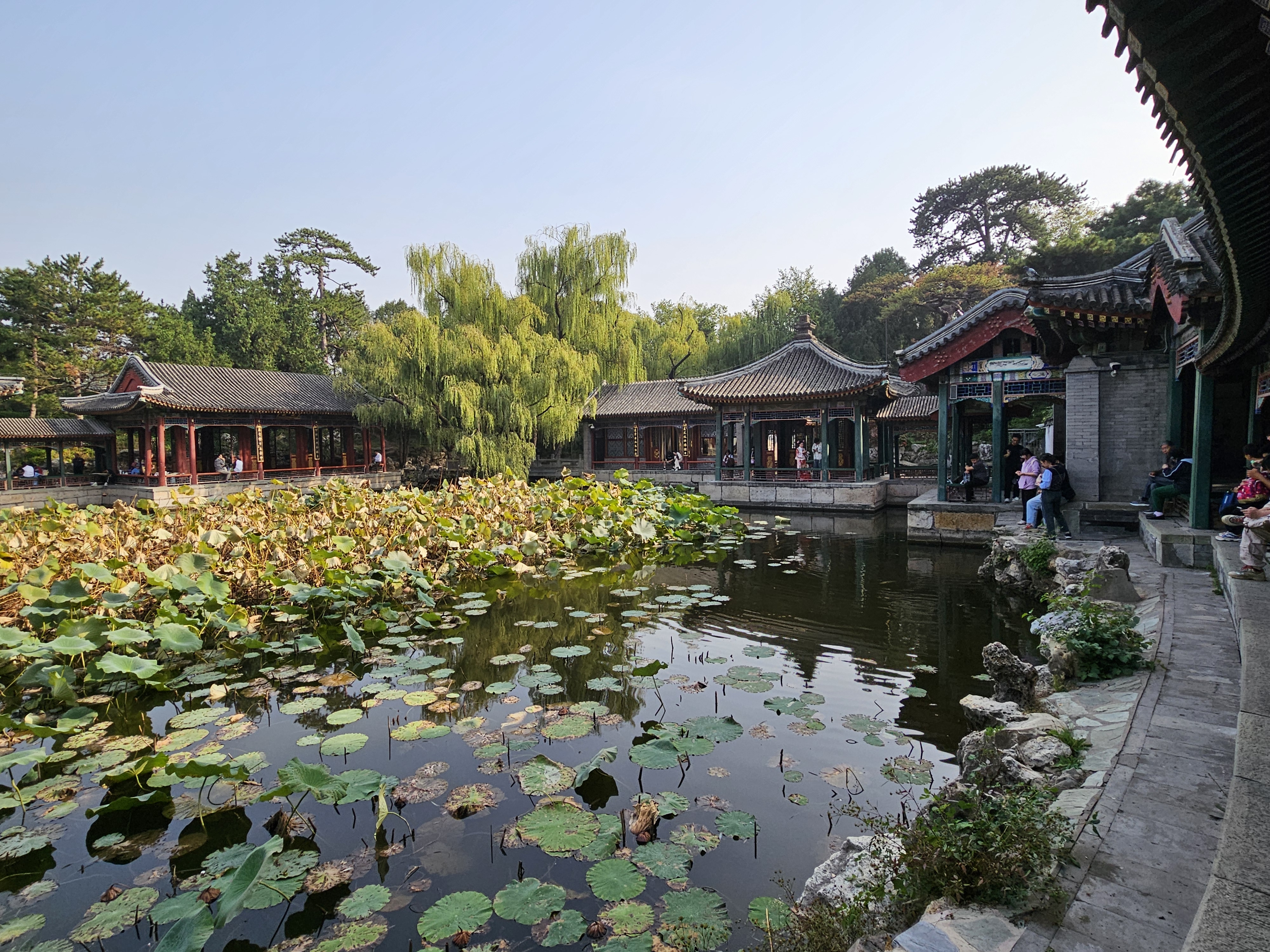
Wander the classical Yu Garden (Yuyuan Garden), a Ming-era retreat of koi ponds, grottoes, and lacquered pavilions linked by zigzag paths. Intricate lattice windows and dragon-topped walls frame picture-perfect scenes.
Cross the Bridge of Nine Turnings toward the historic Huxinting Teahouse and admire Ming-dynasty landscaping principles—balance, framing, and borrowed scenery—shaping this tranquil five-acre sanctuary in Shanghai’s Old City.
The Bund Waterfront & French Concession Walk
Take in The Bund waterfront, where grand Art Deco banks and neoclassical facades face the futuristic Pudong skyline of the Shanghai Tower and Oriental Pearl TV Tower across the Huangpu River.
Continue through the French Concession along plane-tree boulevards and shikumen lanes, tracing layers of colonial-era architecture, creative studios, and café culture that define Shanghai’s cosmopolitan character.
Xi’an City Walls Cycling
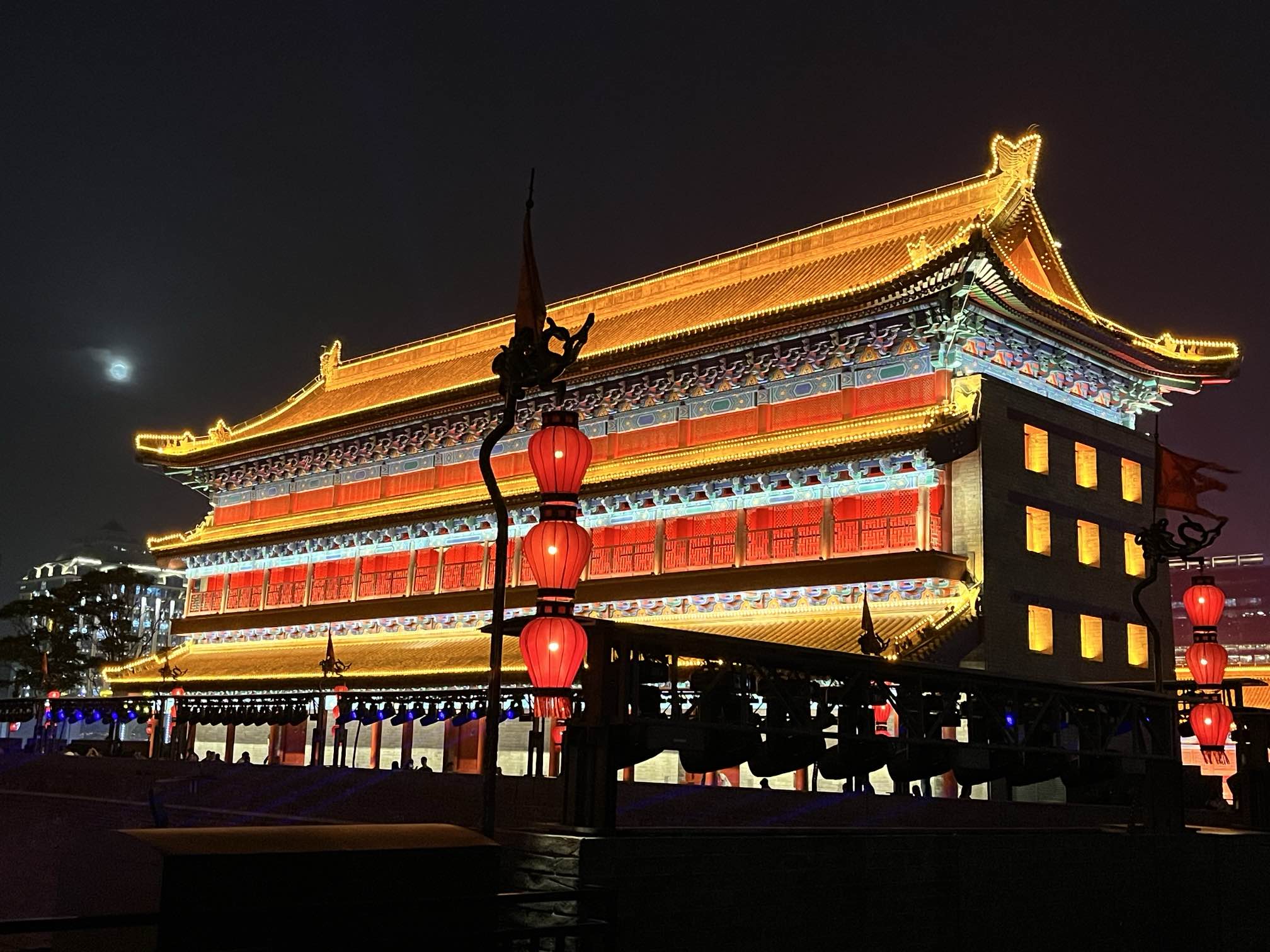
Ride a rental bike atop the Xi’an city walls, circling massive ramparts and crenellations with broad views over neighborhoods old and new. The flat, wide pathway is ideal for an easygoing pedal.
This classic circuit links watchtowers and gates that survived centuries of upheaval, offering skyline views and a tangible sense of Tang-era urban planning. Optional activity at additional cost, bookable with your leader during the tour.
Gao’s Family Mansion & Shadow Puppetry Show
Step into Gao’s Family Mansion, a restored courtyard residence, for an intimate shadow puppetry show that animates legends with cut-leather silhouettes and musicians’ rhythms.
Discover how this folk art tradition flourished across Shaanxi long before cinema, shaping local storytelling with light and shadow. Optional experience at additional cost (subject to availability), bookable on tour in Xi’an’s Muslim Quarter.