Your itinerary

Day 1
Adventure begins in Cairo
Welcome to Cairo, where the ancient and modern worlds connect seamlessly. Many flights arrive into Cairo late today, but if you arrive earlier, you may want to head to the hotel pool for a refreshing post-flight dip.Want more time in Cairo? Secure pre-tour hotel nights through your sales representative, allowing you extra time to explore the city and relax into the adventure.
Day 2
Tour the ancient relics and landmarks of Cairo, including the Grand Egyptian Museum
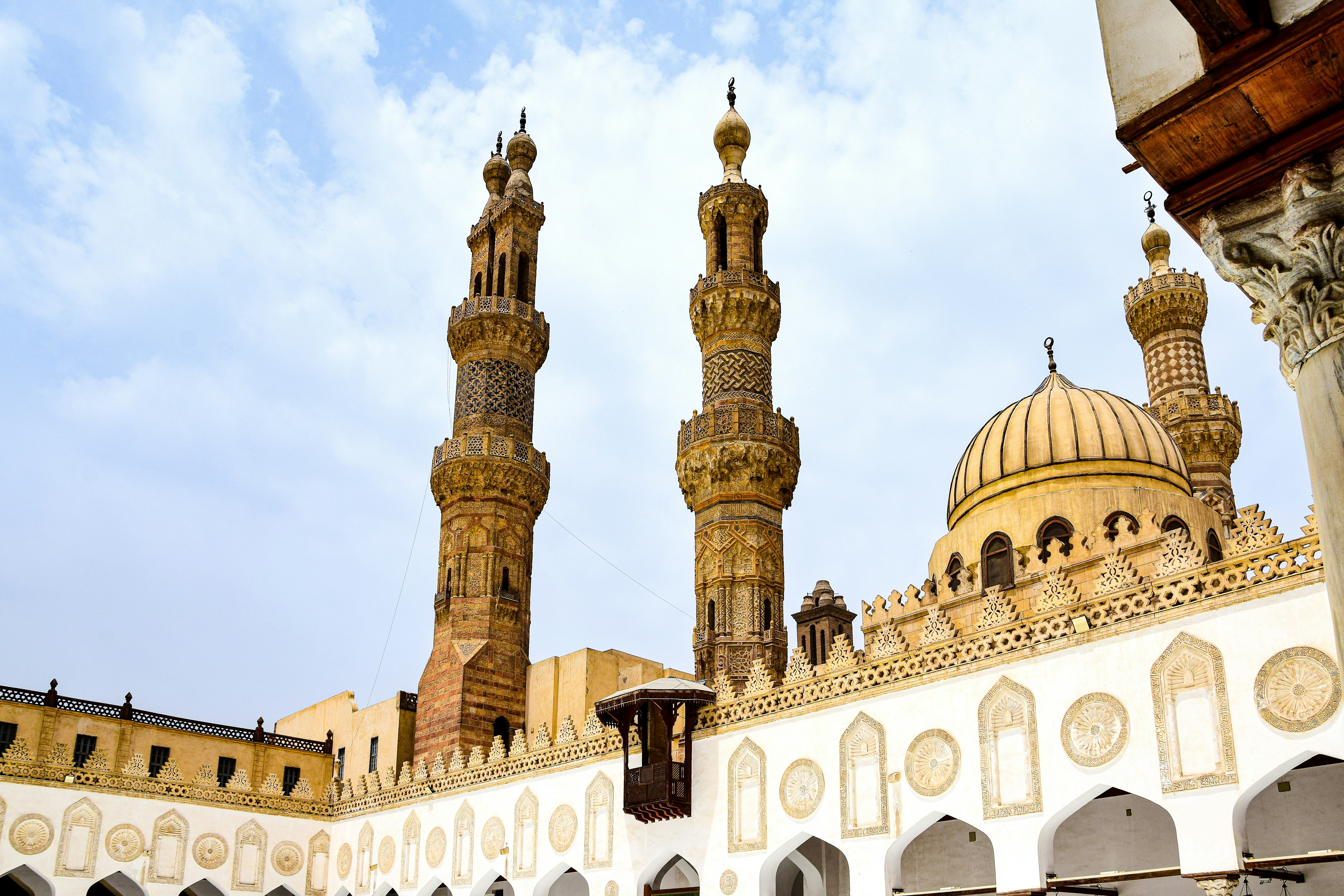
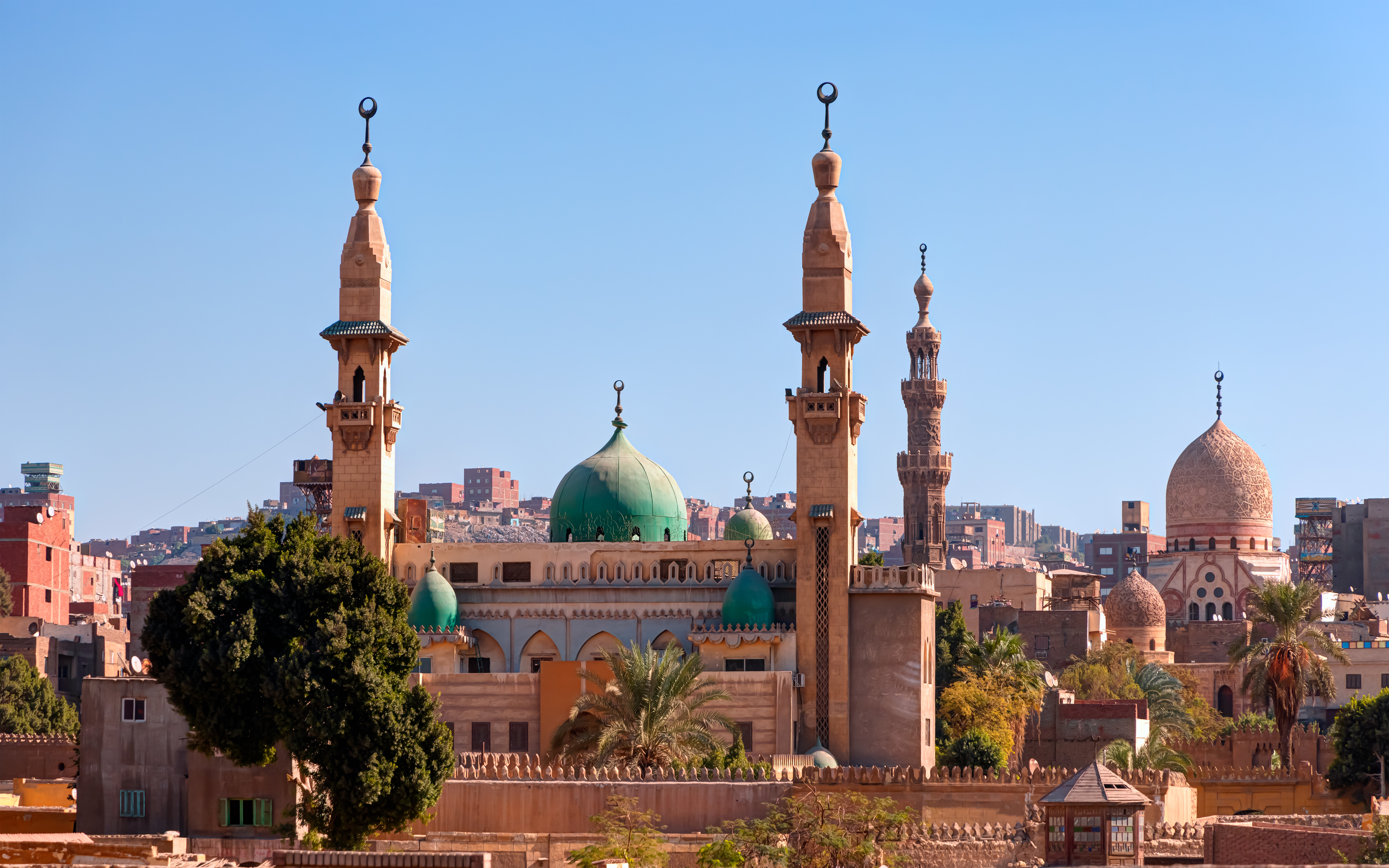
After breakfast, meet your tour leader and fellow travellers as we gather as a group to get to know each other and learn more about the adventures ahead.We then head into the city for a full-day tour, beginning at the impressive Grand Egyptian Museum. Highlights we expect to see include the vast Great Hall, home to the colossal statue of Ramesses II, and the Grand Stairs, which present Egypt’s ancient story through a series of striking displays. Explore the Tutankhamun Galleries, where treasures from the boy king’s tomb offer insight into his life and legacy. We also explore areas such as the Khufu Boat Museum and the Main Galleries, where artefacts spanning thousands of years showcase the richness of Egypt’s past.We continue to the National Museum of Egyptian Civilization for further insight into this fascinating heritage, before visiting Al Azhar Mosque, one of Cairo’s oldest mosques. Please note that modest dress is required to enter, and while the mosque may occasionally close without notice, we will still pass by to see it.This evening, your tour leader ensures a big welcome over a group dinner.
Meals: Dinner
Day 3
Visit the Pyramids and Great Sphinx of Giza
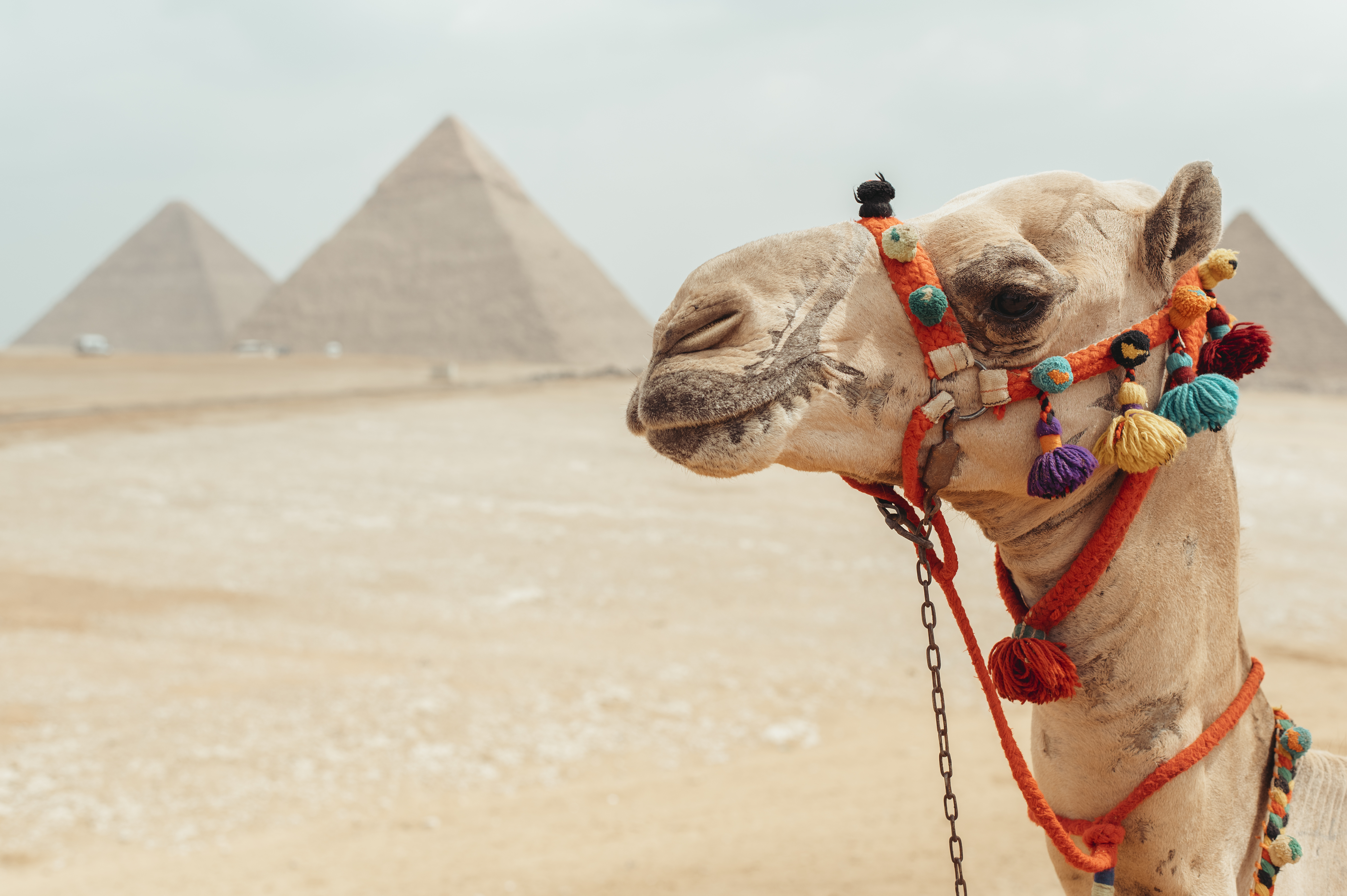
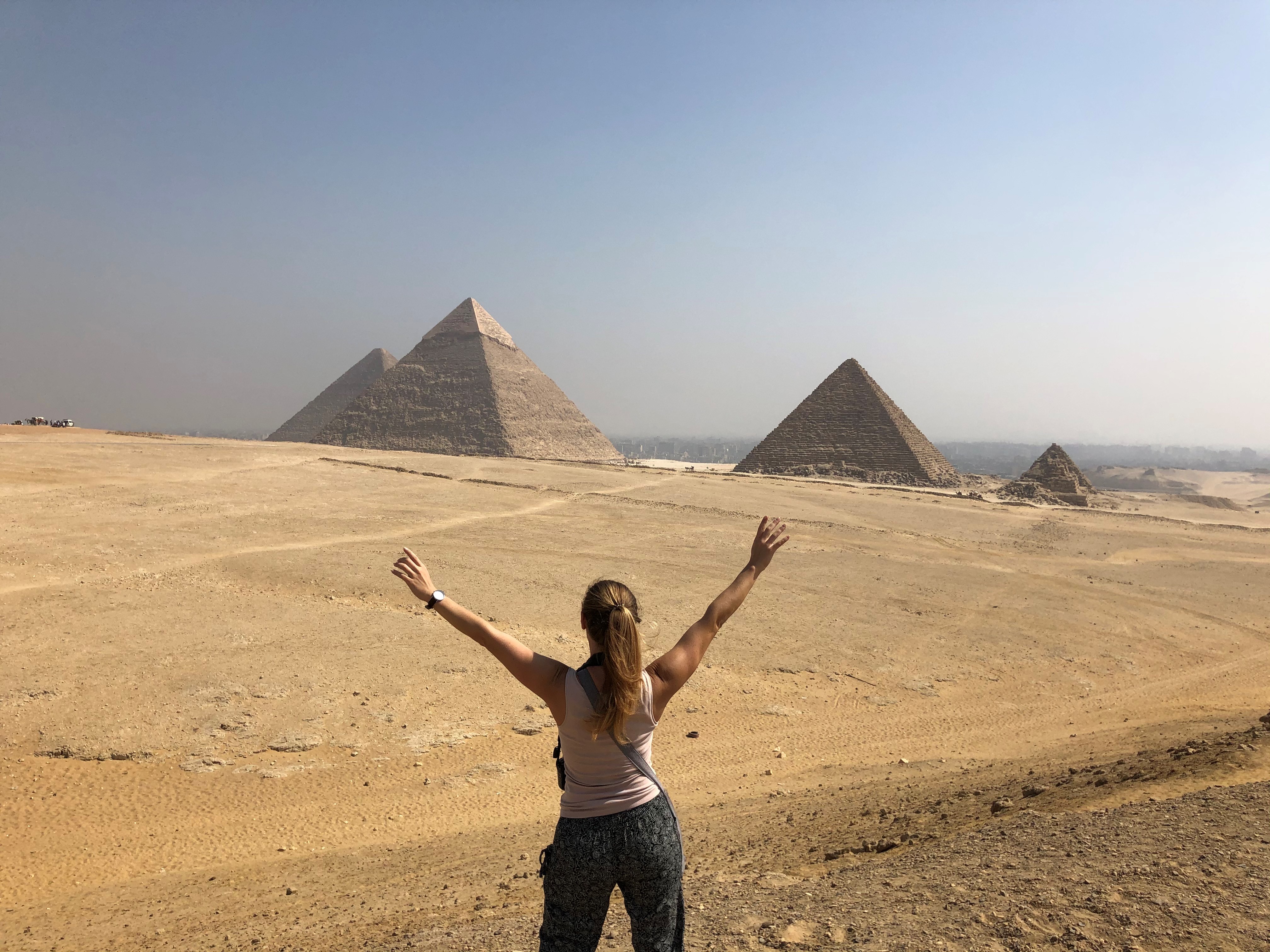
Begin with a visit to Giza, home to the iconic pyramids and sphinx, where we explore the site and admire these 4,500-year-old monuments. Only the throng of sightseers milling around their huge foundations keep you in the 21st century. If you’d like to go inside these grand structures, it is possible to buy an entrance ticket locally.The afternoon is free to relax at our hotel, explore Cairo or join an optional excursion to Saqqara and Memphis.
Meals: Breakfast
Day 4
Visit the Monastery of Saint Bishoy and El Alamein; continue to Alexandria
Start with a 90-minute drive to Wadi El Natrun, where the ancient Egyptians extracted salt to use for mummification. The area was also important for early Christians, and we visit the ancient Monastery of Saint Bishoy.Then we transfer (two hours) to El Alamein, the site of a decisive Allied victory during the Second World War, where we can visit the War Cemetery and Military Museum. More than 80,000 soldiers were killed or wounded here, but the victory led Sir Winston Churchill to say: “Before Alamein we never had a victory. After Alamein we never had a defeat”.After, we transfer (two hours) to Alexandria, where we enjoy dinner at a local restaurant.
Meals: Breakfast,Dinner
Day 5
Tour the landmarks of Alexandria
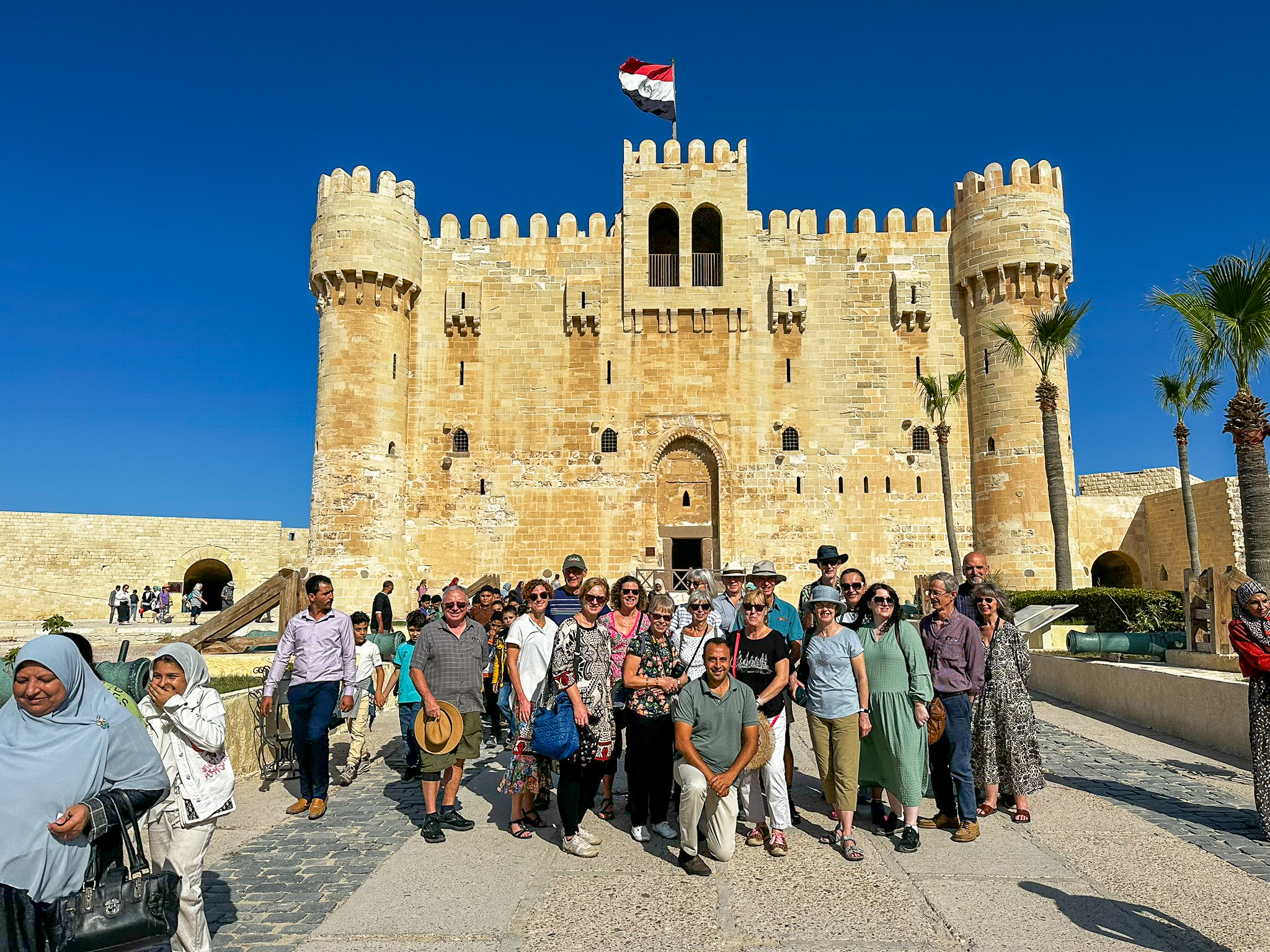
Founded by Alexander the Great in 331 BCE, Alexandria was home to the Lighthouse of Alexandria, one of the Seven Wonders of the Ancient World, and its Great Library was the largest library of its time. Unfortunately, they no longer survive, but there is still much to see in this Mediterranean port city.Our tour begins with a visit to the city catacombs followed by the impressive Qaitbay Fortress and the Bibliotheca Alexandrina – Alexandria’s modern revival of the Great Library.
Meals: Breakfast
Day 6
Fly to Aswan
Return to Cairo (three to four hours) to catch our flight to Aswan.Upgrade to a Nile-view room today – speak to your sales representative for more details
Meals: Breakfast
Day 7
Aswan: Nubian tour and felucca ride
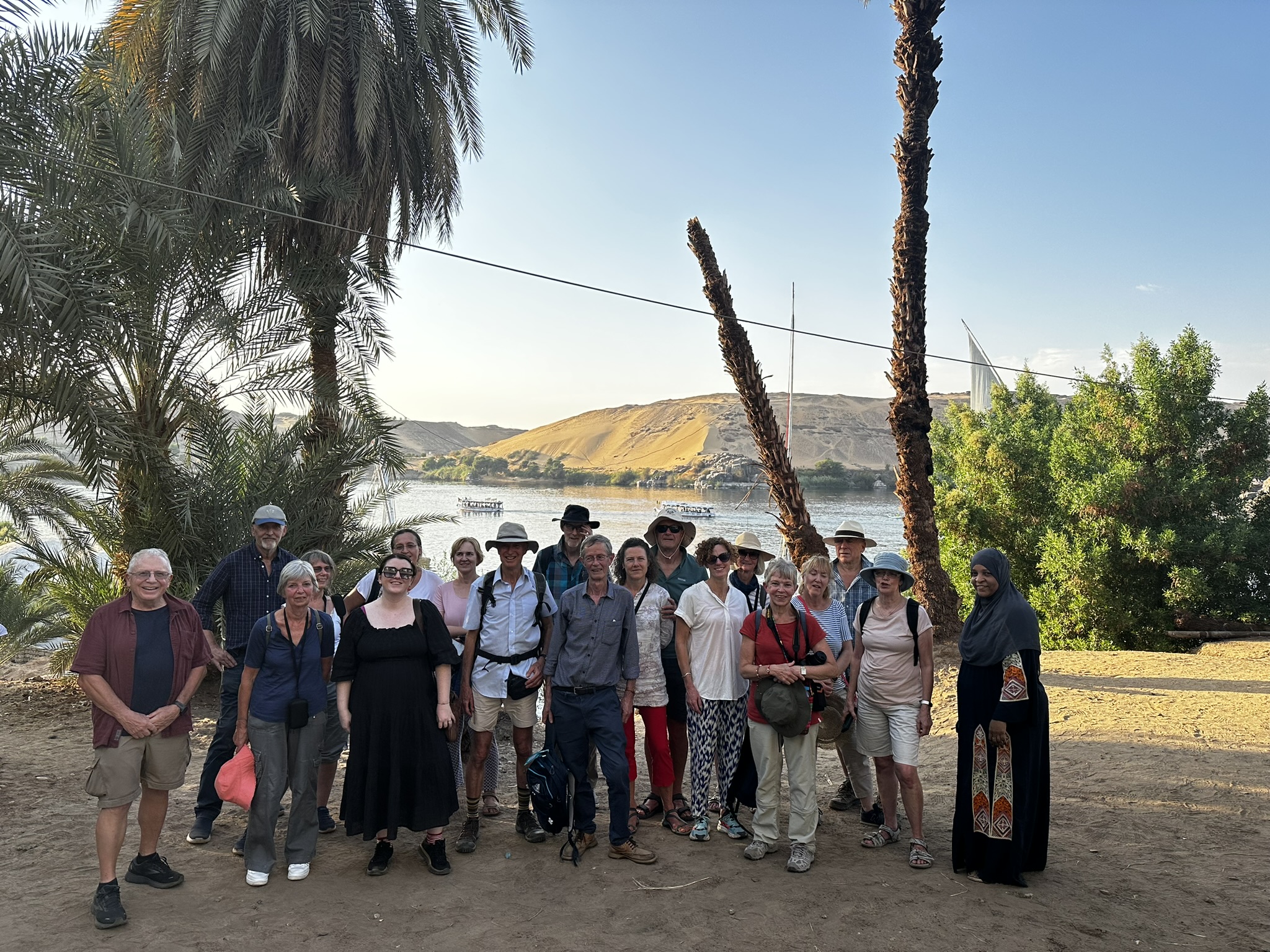
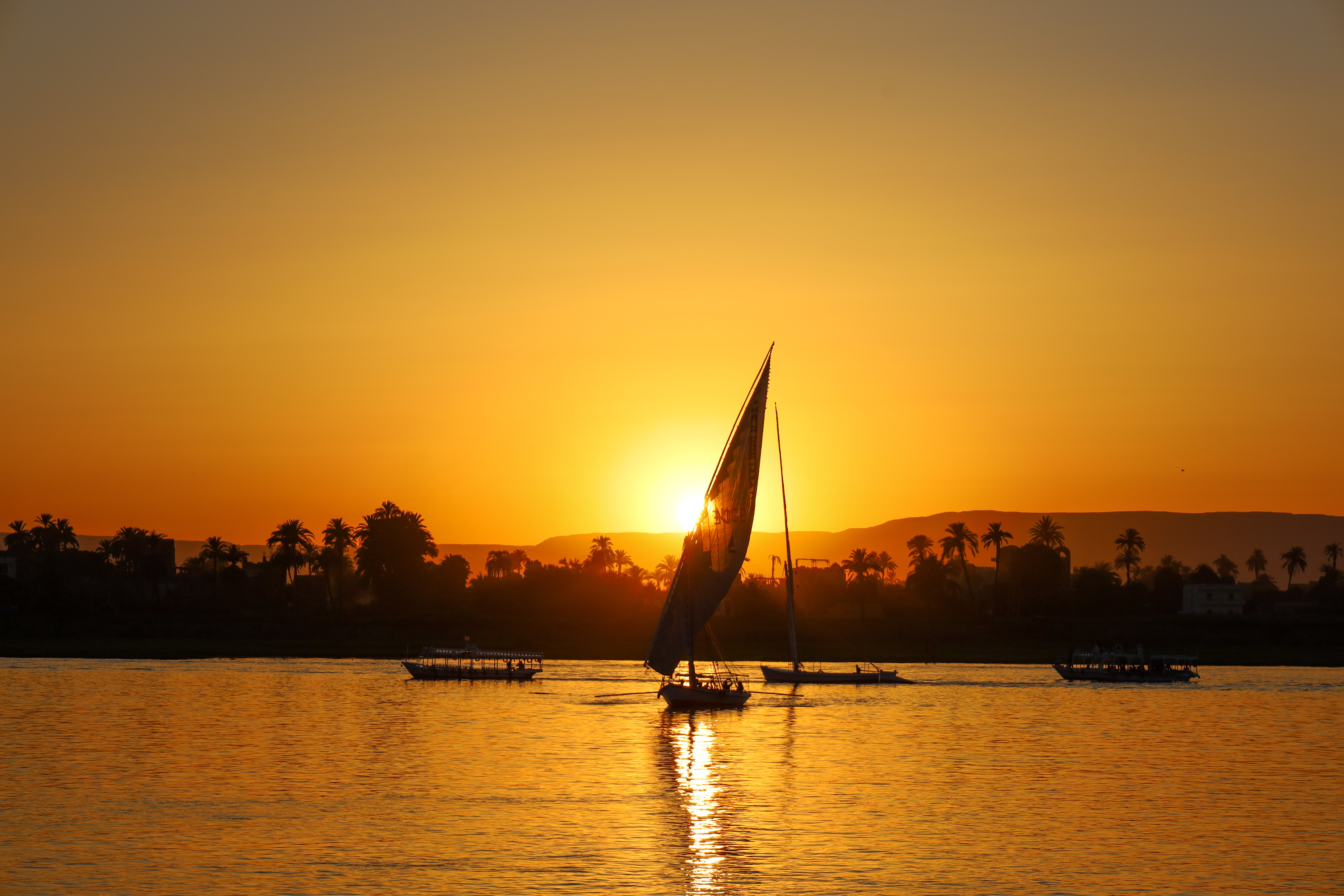
Spend the day learning about the indigenous Nubian people and their way of life.Begin with a visit to the Nubian Museum, which charts the history and culture of the Nubian people, before a Nubian lunch on a felucca (traditional Egyptian sailboat) as we explore the Nile.In the afternoon, we take a 15-minute-or-so camel ride to the mud-and-stone ruins of the Monastery of St Simeon. We also have time to meet a Nubian family at their home on Elephantine Island before finishing with a barbecue on the shores of the Nile.Please note: If you prefer not to ride a camel, it is possible to walk the 2.5mi (4km) over sandy and stony ground. This part of the trip takes place in the middle of the day when the sun is at its highest.Upgrade to a Nile-view room today – speak to your sales representative for more details
Meals: Breakfast,Lunch,Dinner
Day 8
Optional visit to Abu Simbel; board Nile cruise
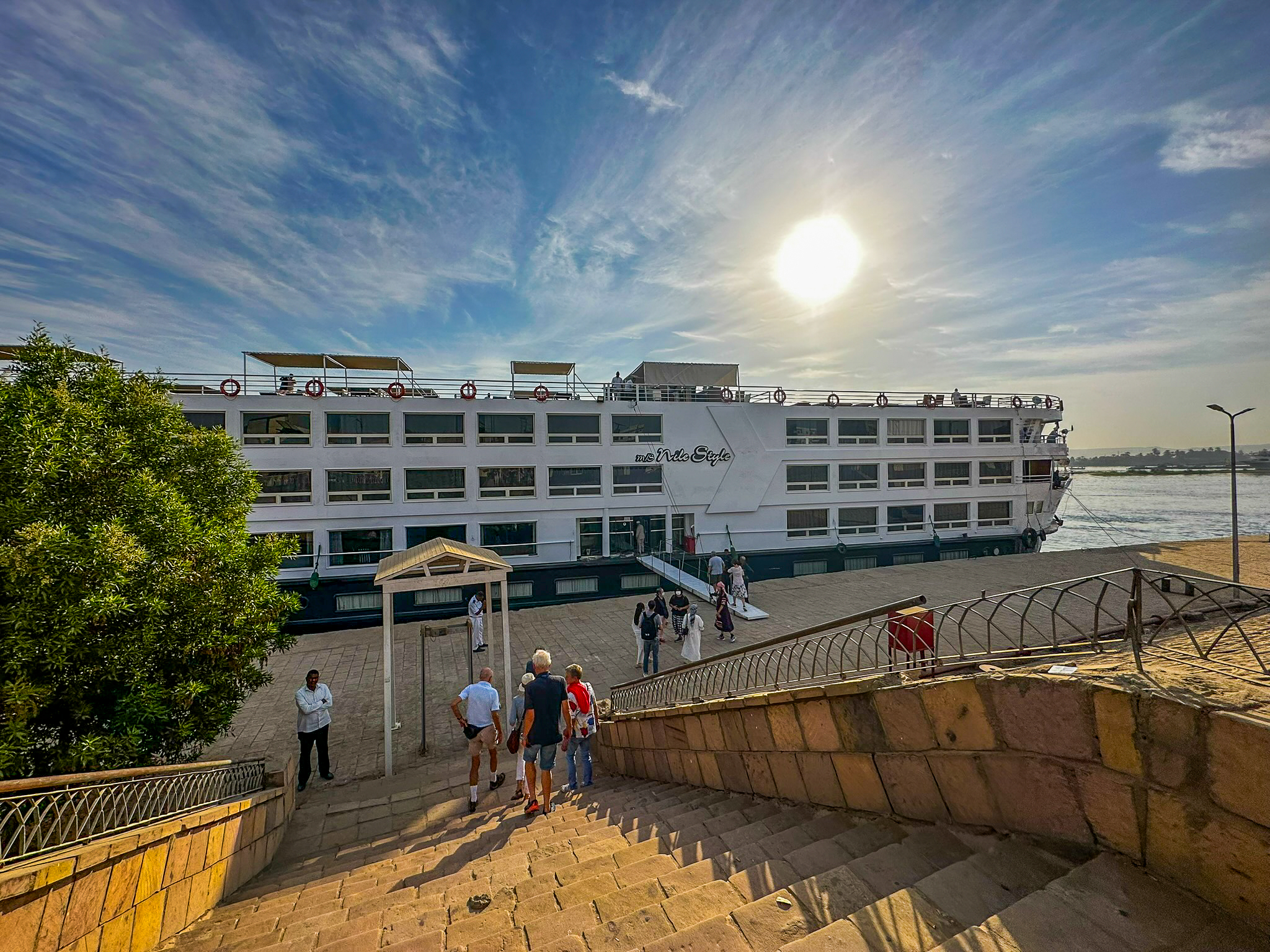
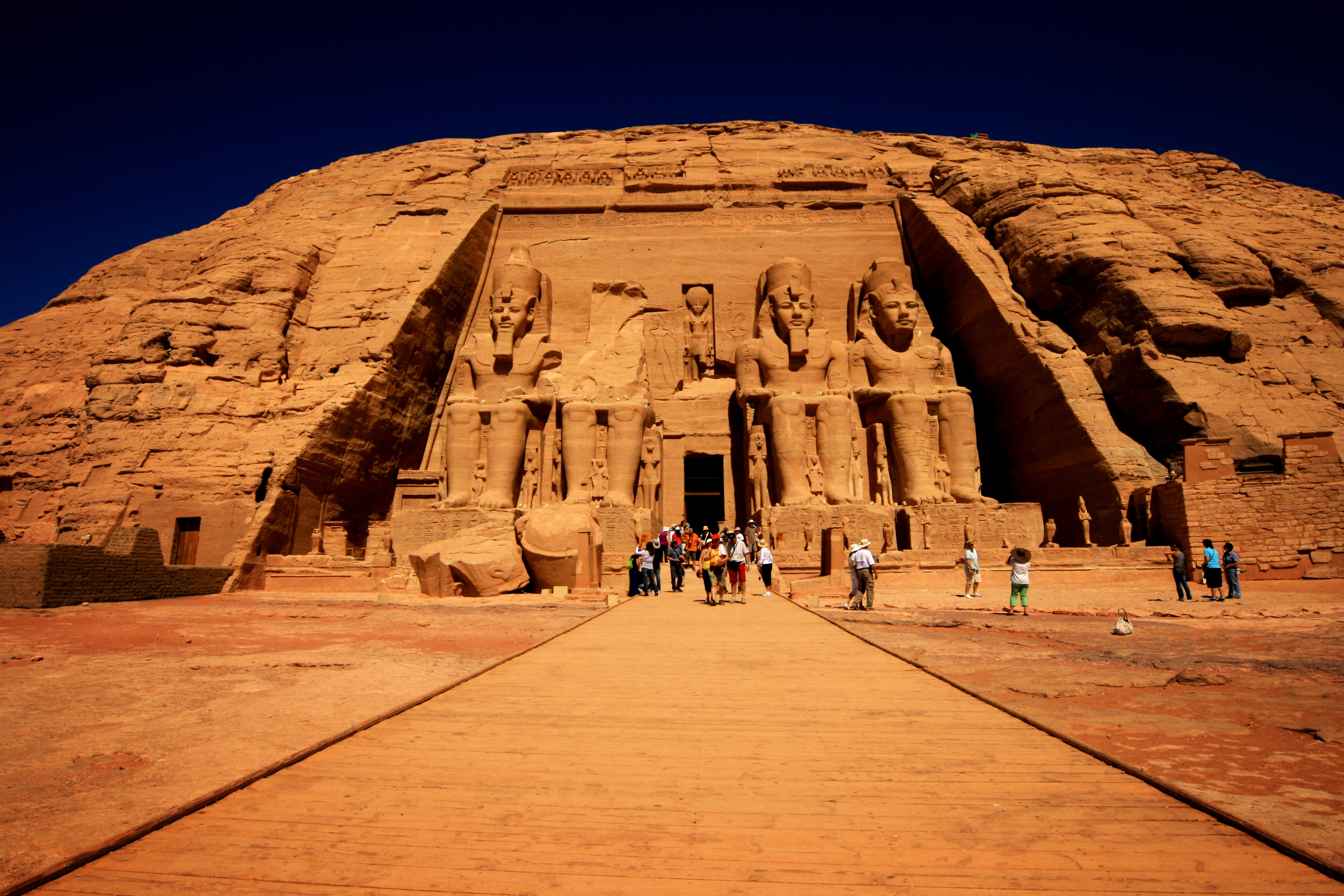
Today, there is the option to visit the magnificent temples of Abu Simbel to the south through the Nubian Desert. Built by Ramses II, the two temples are among the most spectacular in Egypt with four great seated statues of the pharaoh staring east towards the rising sun. You have the option to add this excursion by bus or plane. In both instances you are picked up early in the morning with a breakfast box and return to Aswan in the afternoon. You arrive at the destination around 8am, where you have approximately two hours to visit the temples. For those flying to Abu Simbel, the timing is different. In the afternoon we are transferred to our cruise boat and relax before enjoying lunch on board. For the rest of the day, there is the option to explore the Aswan market or attend the sound and light show at Philae Temple. Upgrade to an upper-deck cabin today – speak to your sales representative for more details
Meals: Breakfast,Lunch,Dinner
Day 9
Visit Philae Temple and Aswan High Dam; sail to Kom Ombo and Edfu
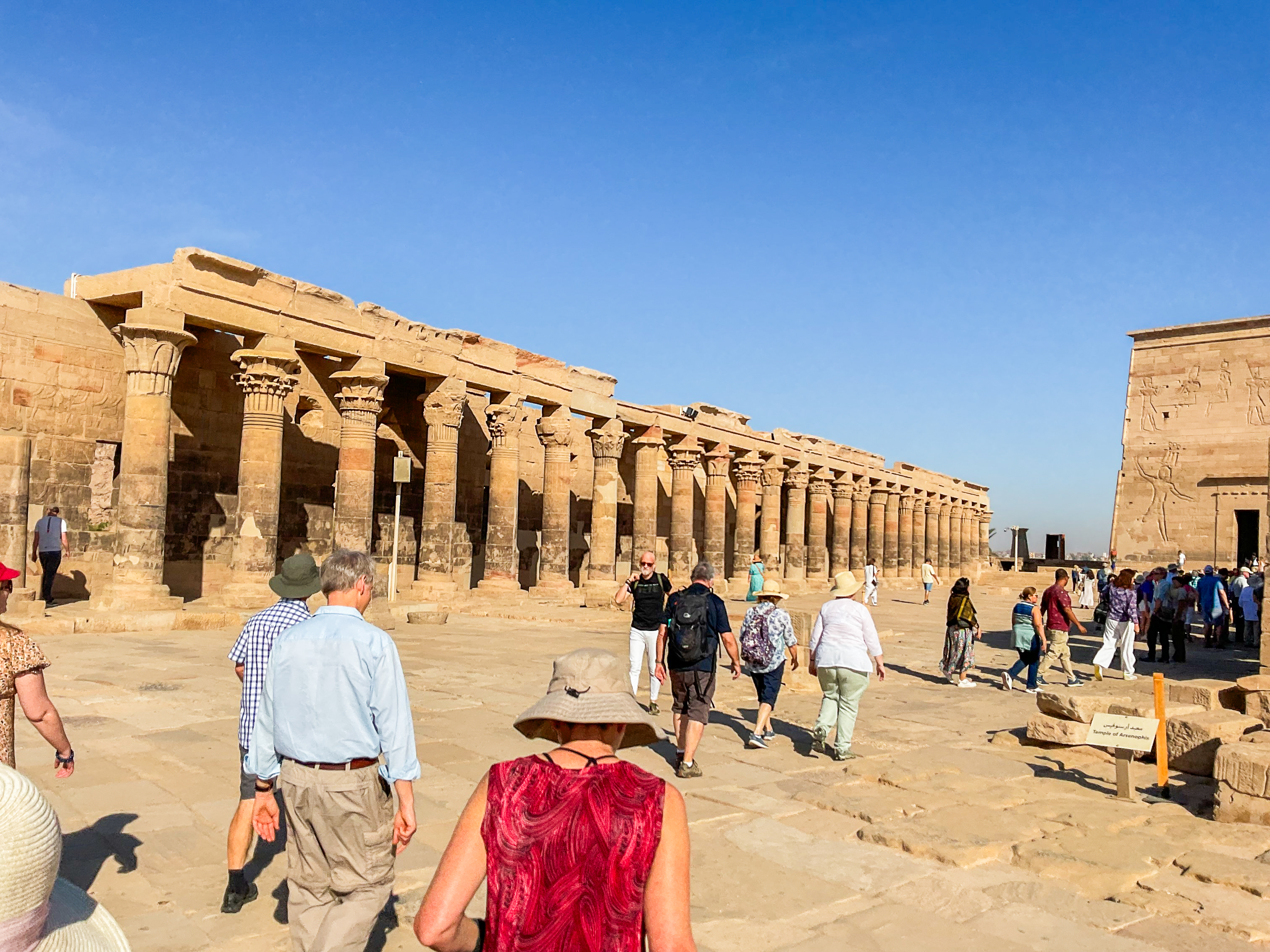
Begin with a visit to the Philae temple complex. The standout structure here is the Temple of Isis, an impressive classical monument built around 690 BCE for the ancient goddess. We also visit the vast Aswan High Dam, which was built in the 1960s to manage flooding, increase hydroelectric power and provide a reliable source of water for agriculture. After lunch, we sail to the temple of Kom Ombo, which is dedicated to the gods Sobek and Horus and sits on scenic spot by the Nile, before continuing to Edfu, where we spend the night. Upgrade to an upper-deck cabin today – speak to your sales representative for more details
Meals: Breakfast,Lunch,Dinner
Day 10
Tour Edfu; sail to Luxor
Rising early, we start our day exploring Edfu, home to the remarkably well-preserved Temple of Horus, a grand structure that served as the centre of the cult. We then sail north along the Nile to Luxor, crossing the Esna lock, where we have dinner and hopefully witness a stunning sunset over the river.Upgrade to an upper-deck cabin today – speak to your sales representative for more details
Meals: Breakfast,Lunch,Dinner
Day 11
Disembark in Luxor; explore the Valley of the Kings
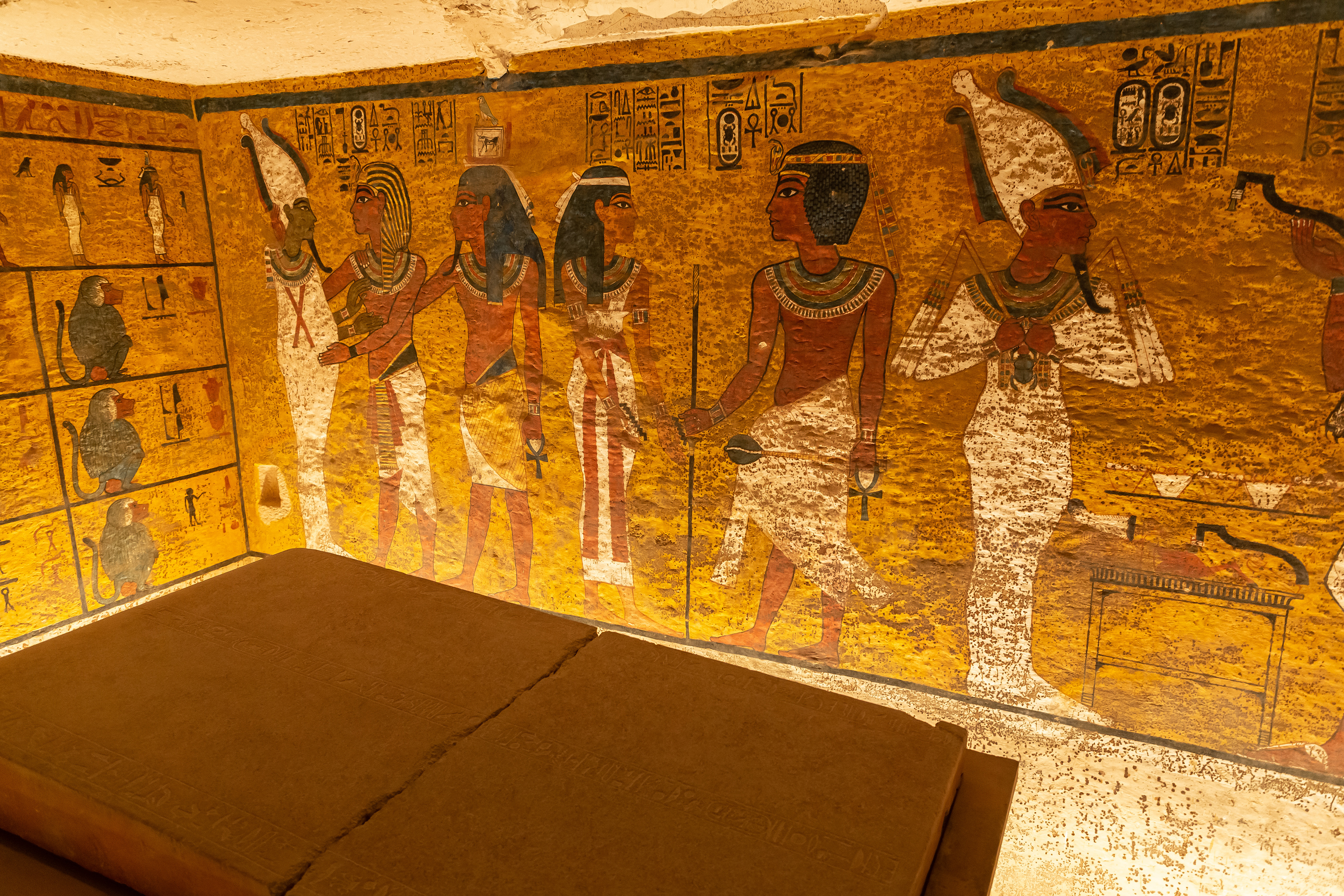
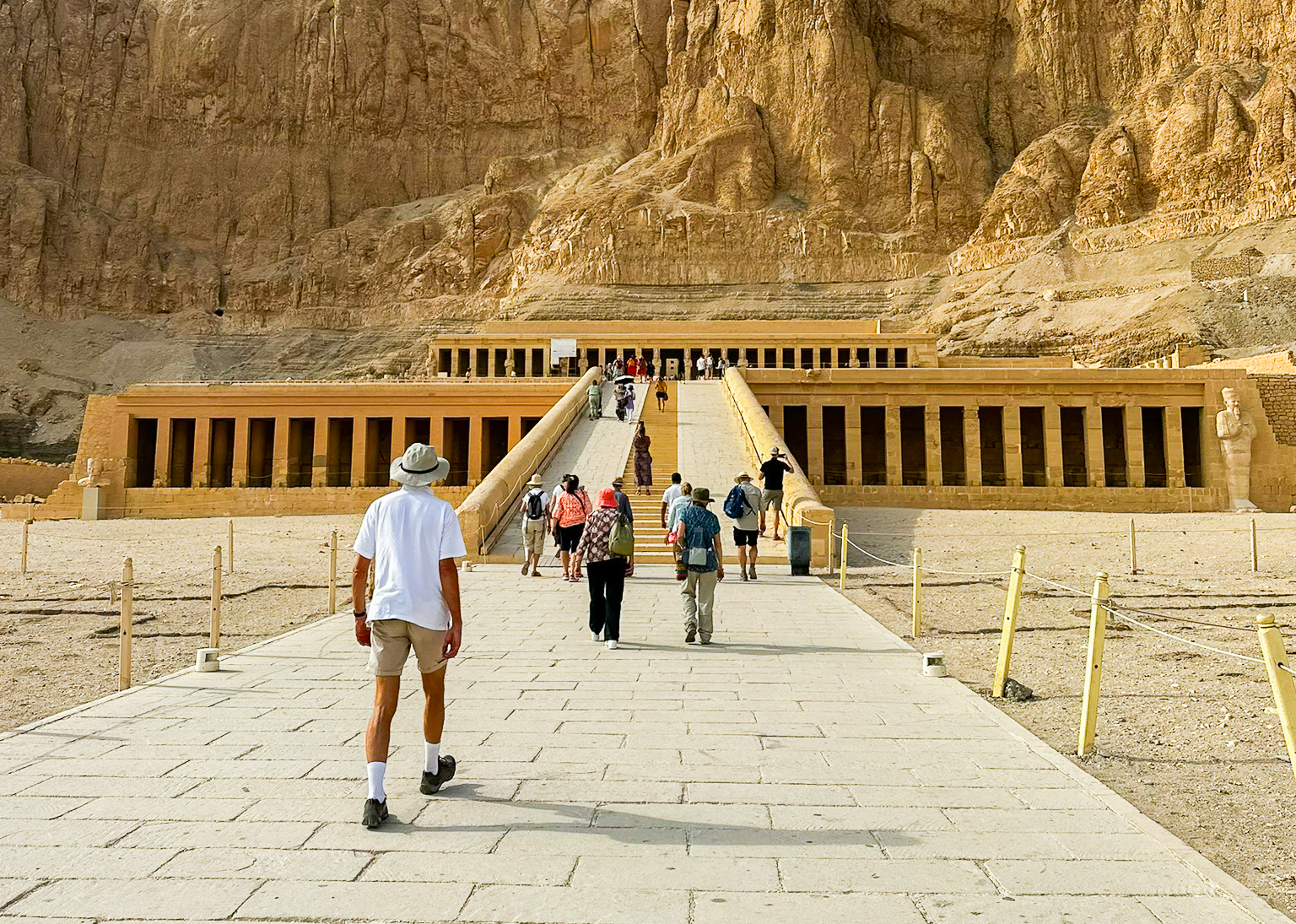
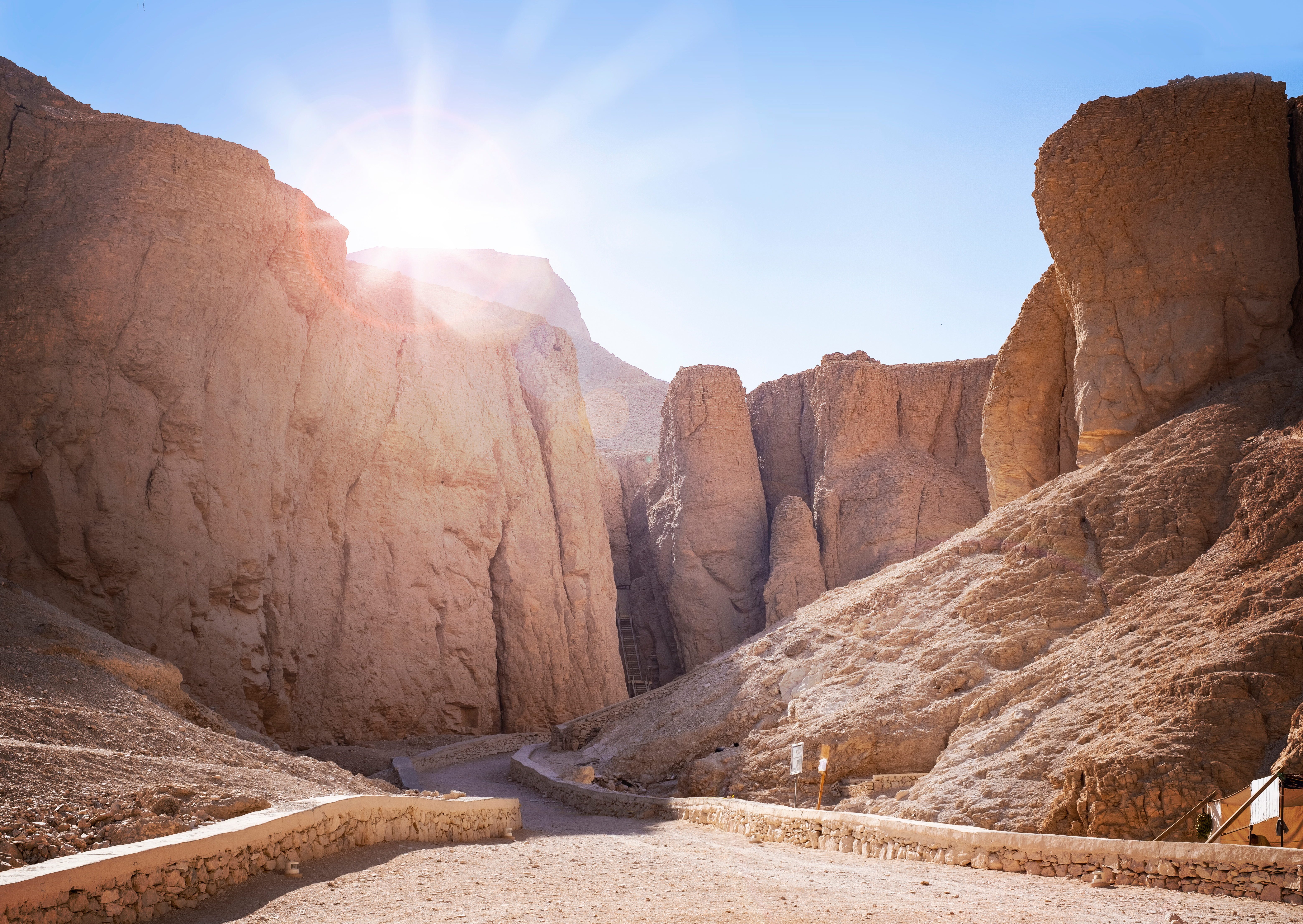
Disembark after breakfast and explore the Valley of the Kings on the west bank of the Nile. The valley contains the once-hidden tombs of more than 62 pharaohs, including Tutankhamun, Seti I, Ramses III and IV. A discreet entrance in the hillside takes visitors underground; a series of corridors and antechambers leads us down to the burial chamber and sarcophagus. The walls are covered in brightly painted images and hieroglyphs – a map of the afterlife to ensure the king’s safe passage. One ticket allows us to see three tombs. The ticket usually allows entry into what are regarded as the most impressive tombs, but a visit to the tombs of Ramses VI and Tutankhamun (both extra tickets, payable locally) are recommended. Visits to tombs are now strictly controlled to halt further deterioration of wall paintings – each tomb is periodically closed for several weeks.After, we visit the Mortuary Temple of Hatshepsut, a magnificent monument to the ancient pharaoh under a limestone cliff.Then, we visit the massive stone statues of the Colossi of Memnon before transferring to our hotel. The rest of the day is free to relax or wander around the streets of Luxor.Upgrade to a Nile-view room with balcony today – speak to your sales representative for more details
Meals: Breakfast
Day 12
Luxor tour including Karnak and Luxor temples
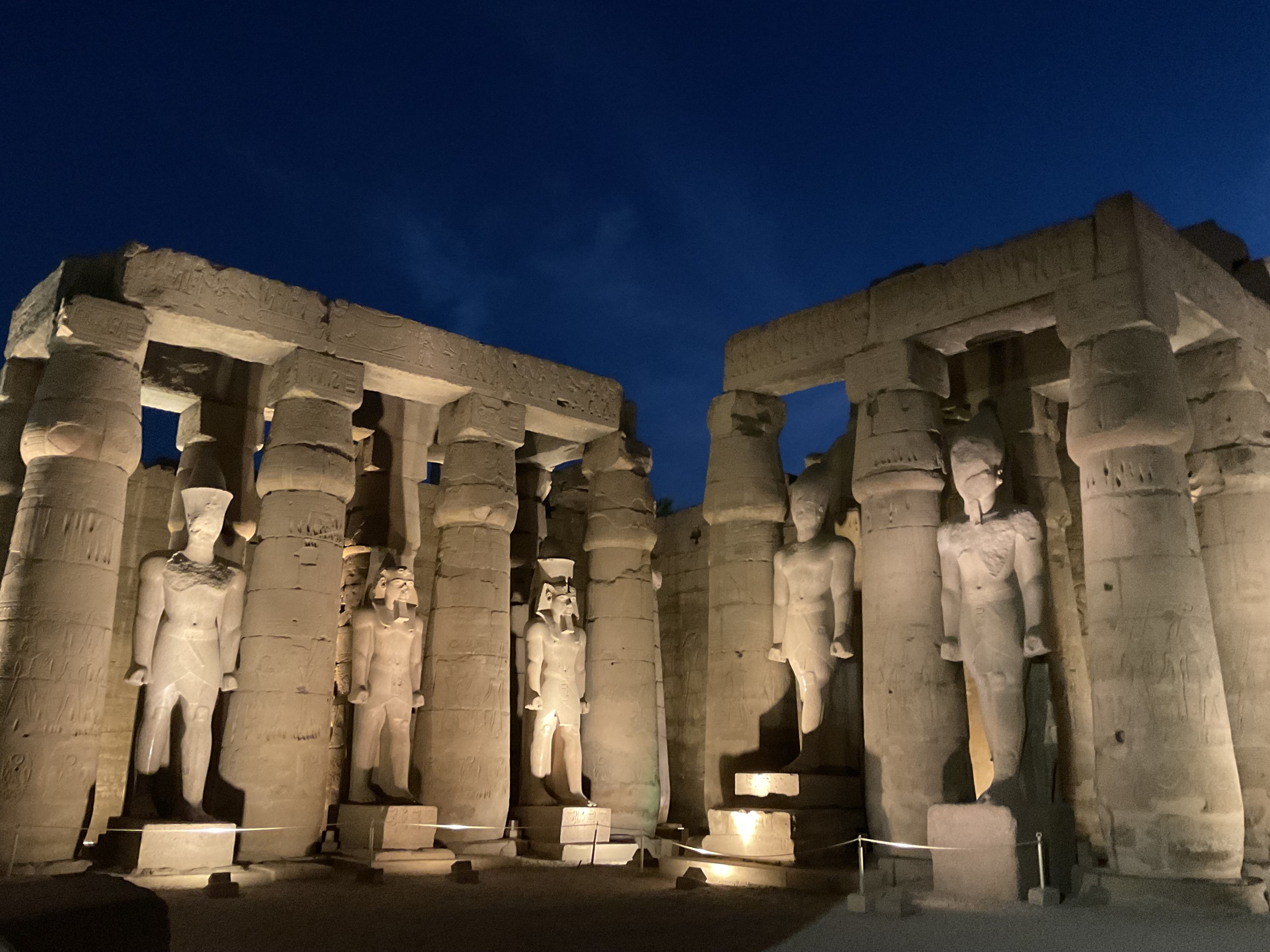
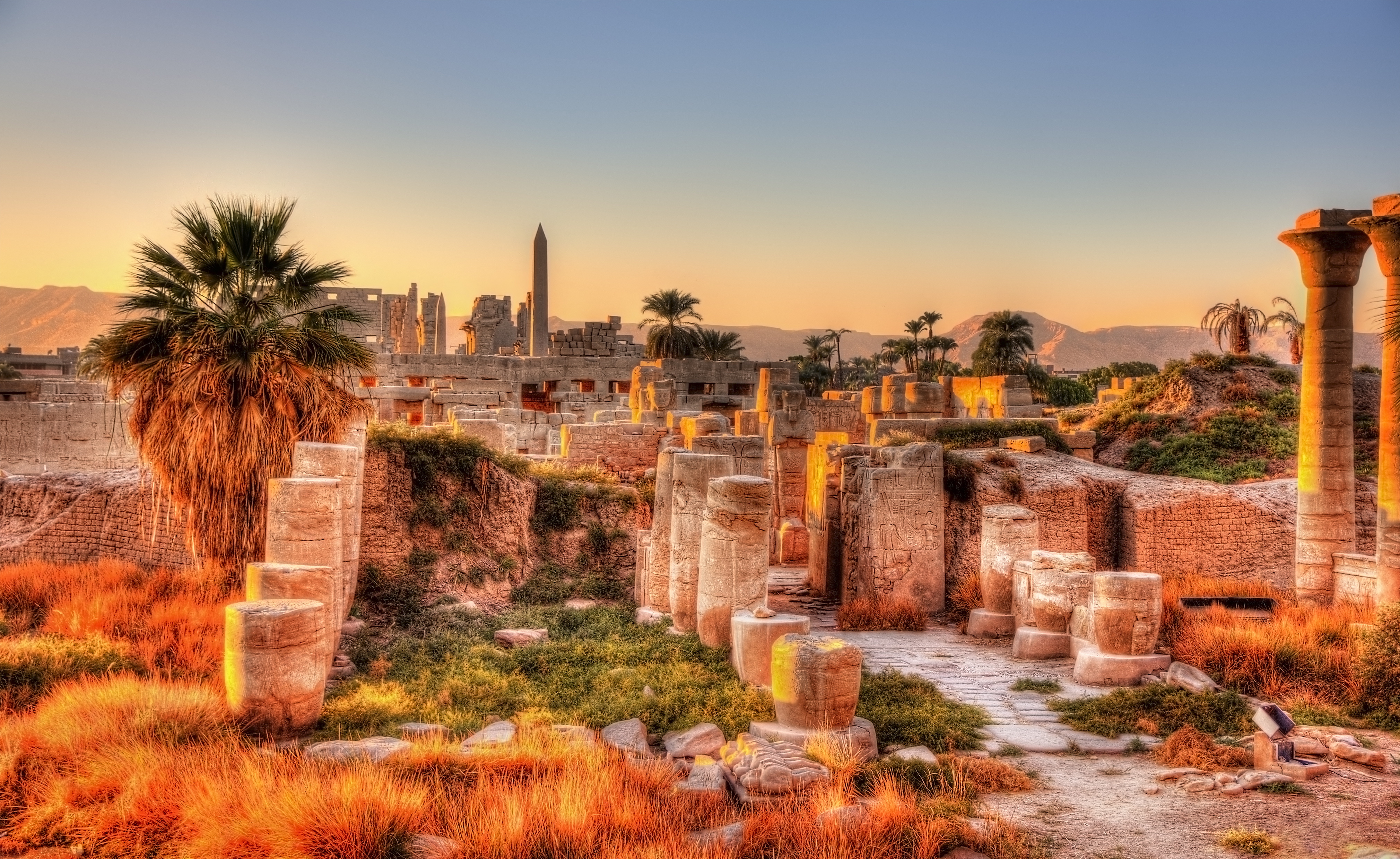
For our penultimate day, we have a half-day tour of Luxor’s east bank. Luxor is often called the greatest open-air museum in the world and this morning we visit the extraordinary Karnak and Luxor temples, which stand within the modern city.There should also be an opportunity to visit the A.C.E animal hospital to learn about the efforts taken to improve animal welfare in Egypt.After a leisurely afternoon, we enjoy our final dinner together at one of this historic city’s restaurants.Upgrade to a Nile-view room with balcony today – speak to your sales representative for more details
Meals: Breakfast,Dinner
Day 13
Adventure ends in Luxor
You’ve seen many marvels in Egypt, but now it’s time for one last breakfast before beginning your journey home. If you’ve still a little adventure in you, speak to your sales representative about joining our post-trip excursion to the Red Sea.
Meals: Breakfast
What’s included
What’s not included
Additional information
Food
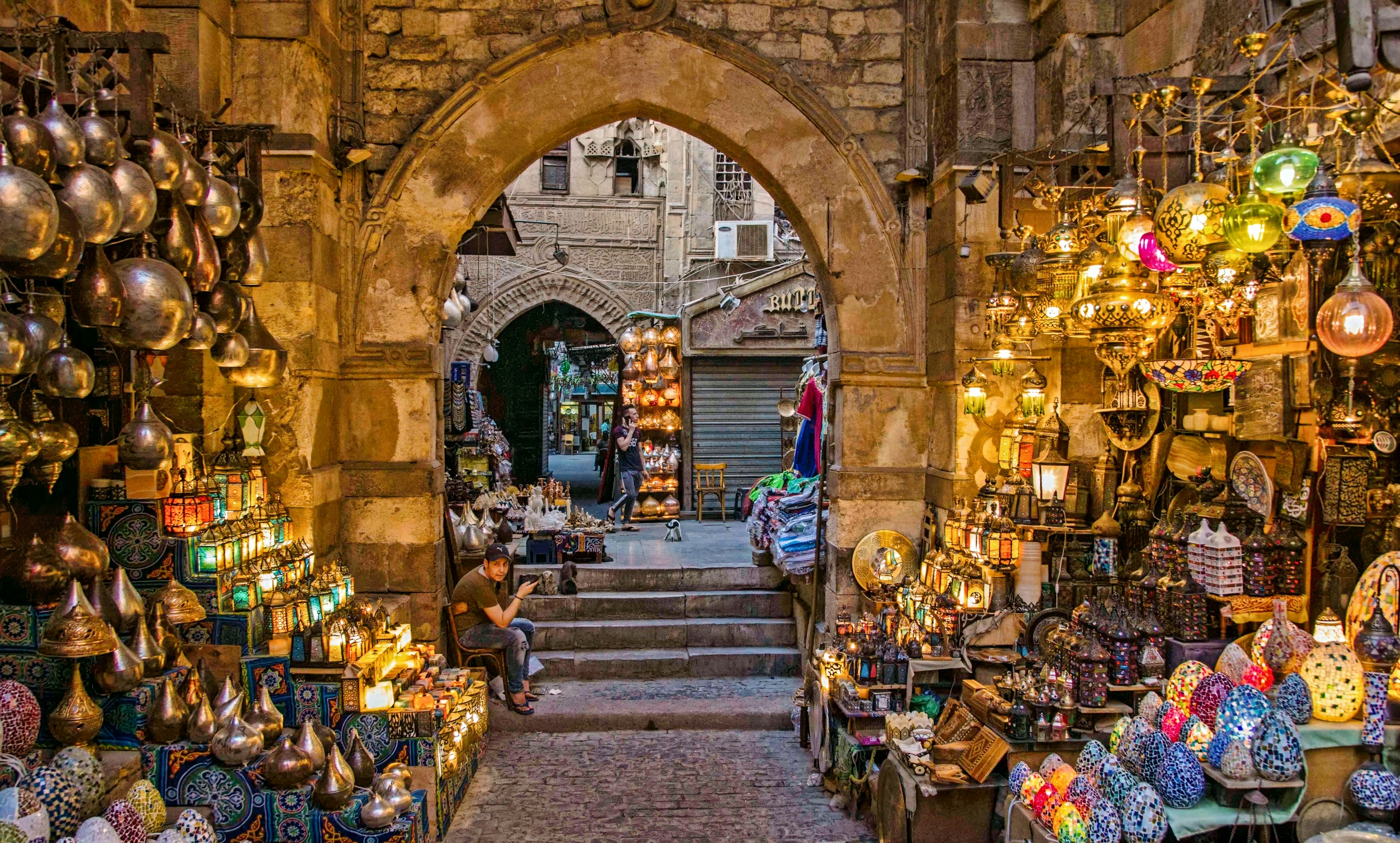
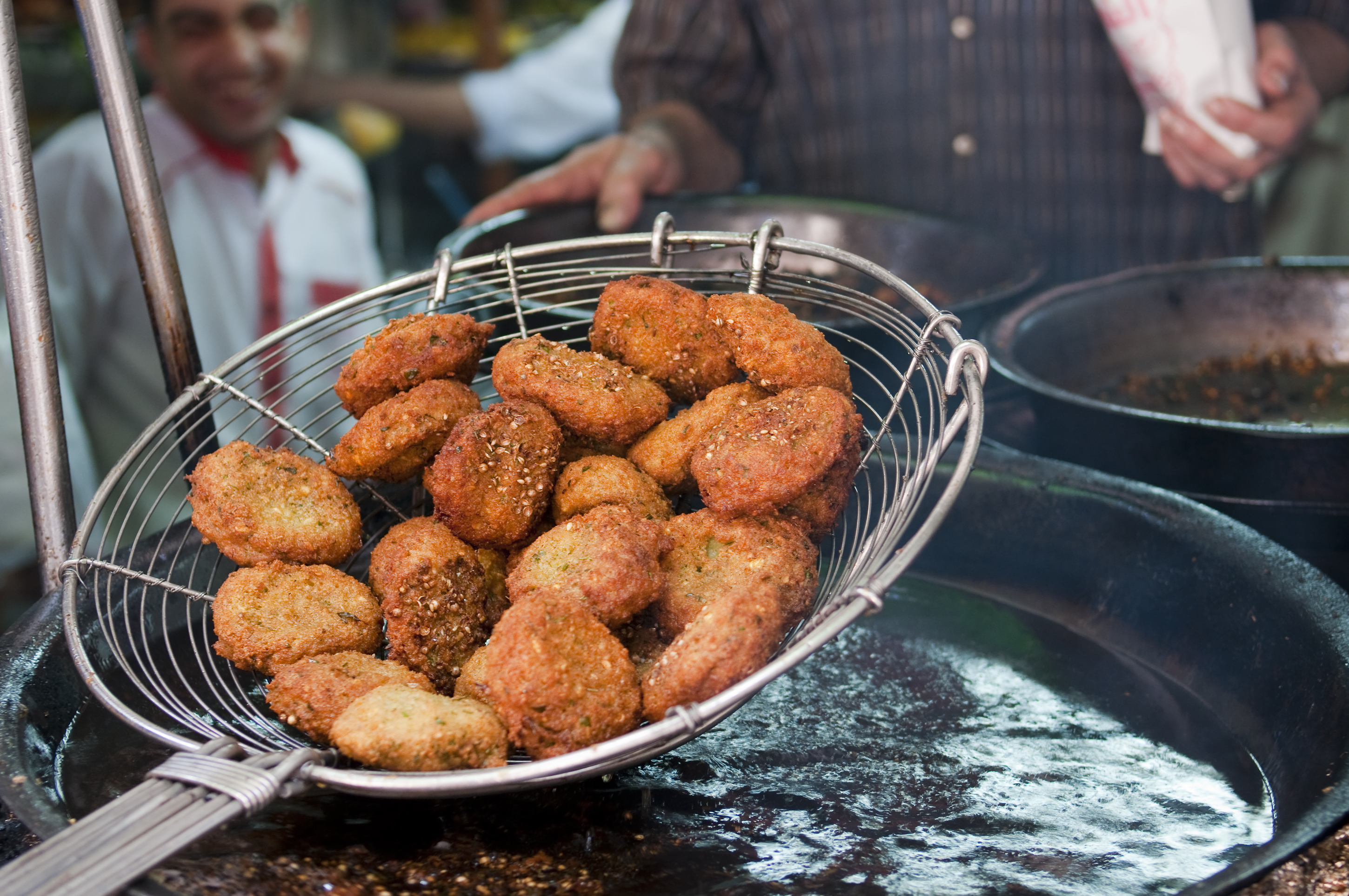
In the itinerary, we state which meals are included on which day. For meals not included, we suggest you allow approximately US$15 for lunch and US$20 for dinner. Food in Egypt involves such things as kebabs, chicken, stews, pitta bread, falafel, beans, vegetables, pickles and salads. Dishes tend to be simple and wholesome, and vegetarians can be catered for, though the options may be somewhat limited. On travel days, we can either visit a supermarket or a restaurant to pick up some food. On non-travel days, lunches can be enjoyed at a local restaurant.
Meals on the cruise are open buffets, which include Western and Egyptian dishes. Drinks and water are not included at hotels and on the cruise.
Philae Temple Sound & Light Show
Return to Philae after dusk for a sound and light show that animates pylons and colonnades with narration and music. The temple silhouettes on the water gain a theatrical aura as myths of Isis and Osiris unfold beneath the stars.
This optional add-on is at additional cost and bookable on tour. It offers a different, atmospheric perspective on a site you see by day.
Saqqara Step Pyramid & Memphis Open-Air Museum
Extend your exploration to Saqqara’s Step Pyramid of Djoser, the prototype of later pyramids, set amid mastabas with vivid tomb art. Continue to Memphis to see the colossal limestone statue of Ramesses II and other sculptural remains in the open-air museum.
This optional add-on is at additional cost and bookable on tour. It enriches the Giza visit by tracing pyramid design back to its earliest monumental expression.
El Alamein War Cemetery & Military Museum
Pay respects at the El Alamein War Cemetery and explore the Military Museum at the site of the pivotal 1942 North African campaign. Neat rows of headstones and moving exhibits trace the multinational forces that fought across the coastal desert.
Interpretive displays, maps and period equipment set the scene for the battle that reversed Axis momentum—echoing Churchill’s remark that “Before Alamein we never had a victory”. This visit adds modern history to an ancient-focused journey.
Felucca Sail on the Nile with Nubian Lunch
Set sail aboard a traditional felucca, catching the afternoon breeze as the lateen sail billows and the river glides by granite outcrops and palms. Between gentle tacks, enjoy a freshly prepared Nubian lunch on the water, tasting home-style flavors tied to the river’s rhythms.
The creak of wood and wash of current create a timeless mood. This unhurried cruise connects scenery with culture, revealing how communities have navigated and nourished life on the Nile for millennia.
National Museum of Egyptian Civilization & Royal Mummies Hall
Explore the story of Egypt across millennia at the NMEC, culminating as you descend to the Royal Mummies Hall. Here, softly lit galleries present the preserved rulers of ancient Egypt, accompanied by subtle interpretation that underscores their achievements and burial traditions.
Upstairs, themed exhibits link daily life, crafts and belief to what you’ve seen among the dynastic masterpieces. The museum’s modern design and clear chronology provide essential context before encountering temples, tombs and monuments along the Nile.
Al-Azhar Mosque: Cairo’s Living Seat of Learning
Visit Al-Azhar Mosque, founded in 970 CE and long associated with one of the world’s oldest universities. Step through gateways into serene courtyards and admire elegant Fatimid arches and carved mihrabs that speak to a millennium of scholarship and devotion.
Your Tour Leader explains customs and respectful etiquette—modest dress is required—while you pause to appreciate the balance of light and geometry. Even when prayer times limit access, viewing this revered complex anchors Cairo’s spiritual identity.
Giza Plateau: Pyramids of Khufu, Khafre & Menkaure with the Great Sphinx
Stand before the world’s most fabled monuments as you visit the Pyramids of Giza and gaze upon the Great Sphinx. Your Tour Leader helps decode building techniques, from precise stone courses to the remnants of polished limestone casing that once gleamed under desert sun.
Walk selected viewpoints for sweeping photos and learn how this royal necropolis expressed pharaonic power and cosmic order. Sand, sky and geometry combine to make Giza an enduring symbol of human ambition on the Nile.
Wadi El Natrun: Monastery of Saint Bishoy
Visit the Monastery of Saint Bishoy in the desert depression of Wadi El Natrun, a cradle of early Christian monasticism. Pass fortified walls, quiet chapels and age-worn icons that reflect centuries of prayer and resilience.
Your Tour Leader outlines how the desert’s isolation nurtured contemplation and why this complex remains central to Coptic identity. The scent of incense and the sound of wooden doors echo a living tradition that has endured since late antiquity.
Alexandria: Catacombs of Kom el Shoqafa
Descend into the Catacombs of Kom el Shoqafa, a multi-level necropolis where Hellenistic, Roman and Egyptian motifs entwine. Spiral down the helical staircase to reliefs of gods mingling with classical garlands and banquet scenes.
Your visit illuminates Alexandria’s cosmopolitan past, when cultures blended at the edge of the Mediterranean. Carved chambers, loculi and a central rotunda reveal both the solemnity and artistry of private burials in the city’s imperial age.
Qaitbay Citadel on the Harbour
Explore the Qaitbay Citadel, a 15th-century fortress guarding Alexandria’s Eastern Harbour, built on the legendary site of the Lighthouse of Pharos. Stout walls, sea-sprayed ramparts and narrow stairways frame panoramic Mediterranean views.
Inside, modest exhibits recall Mamluk-era defenses and maritime trade. Outside, the wind, salt air and gulls evoke the city’s seafaring spirit, connecting past signal fires with today’s bustling corniche.
Bibliotheca Alexandrina: Tour the Modern Great Library
Visit the Bibliotheca Alexandrina, a striking revival of the ancient Great Library. Enter a sun-drenched reading hall that slopes toward the sea, its granite facade etched with scripts from around the world, celebrating the universal language of knowledge.
Guided exhibits and specialist museums inside the complex highlight manuscripts, science and the city’s intellectual legacy. The building’s bold geometry and cultural programming position Alexandria once again as a beacon of learning.
Aswan Nubian Museum
Explore Aswan’s acclaimed Nubian Museum, showcasing the art, language and lifeways of the indigenous communities of the Nile’s southern reaches. Sculptures, jewelry and household objects are set among evocative dioramas and UNESCO-documented heritage.
Learn how Nubia’s kingdoms bridged Africa and Egypt, and how 20th-century dams reshaped landscapes and lives. This museum deepens appreciation for the cultures you’ll encounter along this stretch of the river.
Camel Ride or Walk to the Monastery of St Simeon
Choose to ride a camel across sandy paths or walk the 2.5mi (4km) route to the atmospheric ruins of the Monastery of St Simeon, perched above the west bank. Mud-brick and stone walls outline chapels and cells from a once-thriving desert community.
Your approach across rippling dunes sets the contemplative tone. At the complex, your Tour Leader brings to life the hermits and pilgrims who sought solitude here, framed by open desert and river views.
Nubian Family Visit on Elephantine Island & Riverside Barbecue
Cross to Elephantine Island to meet a local family and learn about Nubian traditions, language and architecture. Painted facades, woven mats and everyday objects reveal customs rooted in the river and desert.
As evening draws in, gather for a relaxed barbecue on the Nile’s edge. Grilled flavors mingle with the scent of acacia as you trade stories under a violet sky—an encounter that places hospitality at the heart of your journey.
Nile River Cruise: Aswan to Luxor
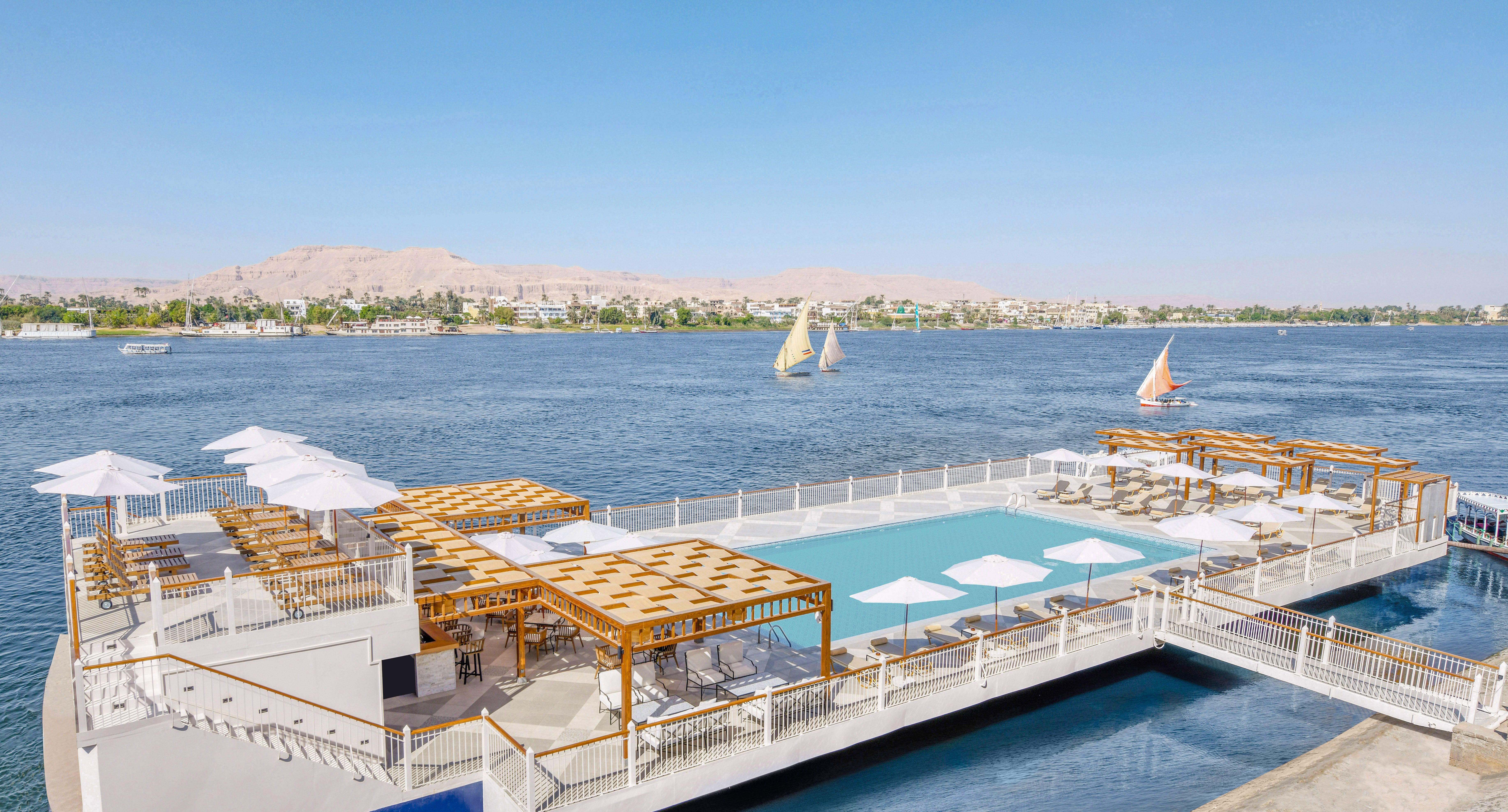
Cruise the Nile aboard a comfortable riverboat featuring a sundeck and dipping pool. Watch fertile banks give way to desert plateaus, sail past feluccas and fishing skiffs, and experience the Esna lock transit as river life unfolds at eye level.
Between temple visits, unwind in the lounge or on deck as the light changes from ochre noon to sunset over the river. This classic passage ties Upper Egypt’s monuments together in effortless style.
Philae Temple of Isis & Aswan High Dam
Boat to the relocated island sanctuary of Philae’s Temple of Isis, its colonnades mirrored in still water. Reliefs, pylons and sacred inscriptions testify to a cult that thrived into Roman times, now preserved thanks to a UNESCO rescue project.
Continue to the Aswan High Dam, whose 20th-century engineering created Lake Nasser and transformed agriculture and power generation. Together, these sites frame ancient devotion and modern ambition on the Nile’s southern frontier.
Kom Ombo Temple & Crocodile Museum
Visit riverside Kom Ombo Temple, uniquely dedicated to Sobek and Horus the Elder. Twin sanctuaries and mirrored halls reveal a rare double design, while medical reliefs hint at ancient practice.
Nearby, the Crocodile Museum displays mummified reptiles once venerated along this bend of the Nile. Standing on the bluff at golden hour, it’s easy to imagine priests watching for the river’s seasonal rise.
Edfu: Temple of Horus
Explore the remarkably preserved Temple of Horus at Edfu, a Ptolemaic masterpiece with towering pylons and shadowed hypostyle halls. Carved scenes narrate the triumph of Horus over Seth and the renewal of kingship.
From crisp hieroglyphs to intact sanctuaries, Edfu offers a vivid sense of temple ritual. The monumental scale and clarity of the reliefs make this one of the most instructive stops on the Nile.
Valley of the Kings: Entry to Three Tombs
Enter the Valley of the Kings to visit three royal tombs included with your ticket. Descend painted corridors to burial chambers where vivid afterlife scenes—solar boats, protective deities, star-studded ceilings—still glow against limestone.
Your Tour Leader explains symbolism in the Book of the Dead texts and how rotational closures protect fragile pigments. This encounter with New Kingdom belief brings pharaonic eternity into the present moment.
Temple of Hatshepsut & Colossi of Memnon
Admire the terraced Mortuary Temple of Hatshepsut at Deir el-Bahari, a harmony of colonnades and cliffs honoring Egypt’s formidable female pharaoh. Painted chapels and reliefs celebrate divine birth, trade with Punt and ritual offerings.
Nearby, pause at the Colossi of Memnon, colossal seated statues that once guarded Amenhotep III’s temple. The sweep of the West Bank sets these monuments in their dramatic desert amphitheater.
Karnak & Luxor Temples: Avenue of Sphinxes
Walk through Karnak’s Hypostyle Hall, where a forest of papyrus-topped columns soars overhead, and trace the sacred lake and pylons of the vast Temple of Amun. Follow the restored Avenue of Sphinxes toward Luxor Temple, anchored in the heart of the modern city.
Reliefs, obelisks and colossal statues map three thousand years of royal patronage. Evening light often lends the sandstone a warm glow that enhances inscriptions and architectural lines.
Welcome Dinner in Cairo
Meet your Tour Leader and traveling companions over a hosted welcome dinner in Cairo. Share first impressions while sampling Egyptian dishes—perhaps smoky baba ghanoush, grilled kofta, or a bowl of comforting koshary layered with lentils and pasta.
This convivial start sets the tone for collaborative exploration, with practical tips and cultural insights woven between courses. It’s a relaxed moment to align expectations and savor the city’s culinary rhythms.
Abu Simbel Temples Excursion (by Bus or Plane)
Opt to visit the Abu Simbel temples, carved for Ramesses II and Nefertari and rescued stone-by-stone above Lake Nasser. Four colossal seated statues greet you before richly carved interiors that celebrate victory, divinity and royal devotion.
This optional add-on is at additional cost and bookable on tour, with travel by bus or plane depending on preference and availability. Guided time on site ensures you experience the complex’s artistry and epic relocation story.
Giza Pyramid Interior Entry
Choose to step inside a pyramid to experience narrow passages, corbelled ceilings and the charged hush of an ancient burial chamber. The contrast between monumental exteriors and intimate interiors reveals the engineering genius of Old Kingdom builders.
This optional add-on is at additional cost and bookable on tour; access is timed and capacity-controlled to protect the structure. Your Tour Leader advises on which pyramid is open and the level of stooping or stair climbing involved.
Valley of the Kings: Tutankhamun and Ramesses VI Tomb Tickets
Enhance your West Bank visit with entry to the Tomb of Tutankhamun and the exquisitely decorated Tomb of Ramesses VI. From the boy-king’s modest yet iconic chamber to celestial ceilings and intricate Book of the Dead scenes, these add depth to the standard selection.
This optional add-on is at additional cost and bookable on tour, subject to rotating openings and crowd management policies that protect fragile pigments.
Grand Egyptian Museum: Ramesses II, Grand Stairs & Tutankhamun
Discover Cairo’s newest cultural landmark as you step inside the Grand Egyptian Museum, where a colossal statue of Ramesses II presides over the light-filled Great Hall. Explore the Grand Stairs leading to masterworks that trace Egypt’s artistic evolution and view exquisite objects from the Tutankhamun Galleries that illuminate the life of the young pharaoh.
Curated displays reveal craftsmanship in gold, stone and faience, setting iconic pieces within their ancient Nile context. Clear sightlines, climate-controlled cases and thoughtful storytelling elevate this museum visit beyond a checklist into a deep encounter with Egypt’s material culture.