Your itinerary
Day 1
Depart UK
Depart UK – Arrive at the airport for your flight to Kolkata.
Day 2
Arrival in Kolkata
Arrival in Kolkata – Touching down in India this afternoon, we transfer to the heart of the vibrant city of Kolkata (formerly Calcutta) — a place where colonial charm meets rich culture. After settling into our comfortable hotel for a two-night stay, there’s time to relax and refresh before we head out for the perfect introduction to this region.
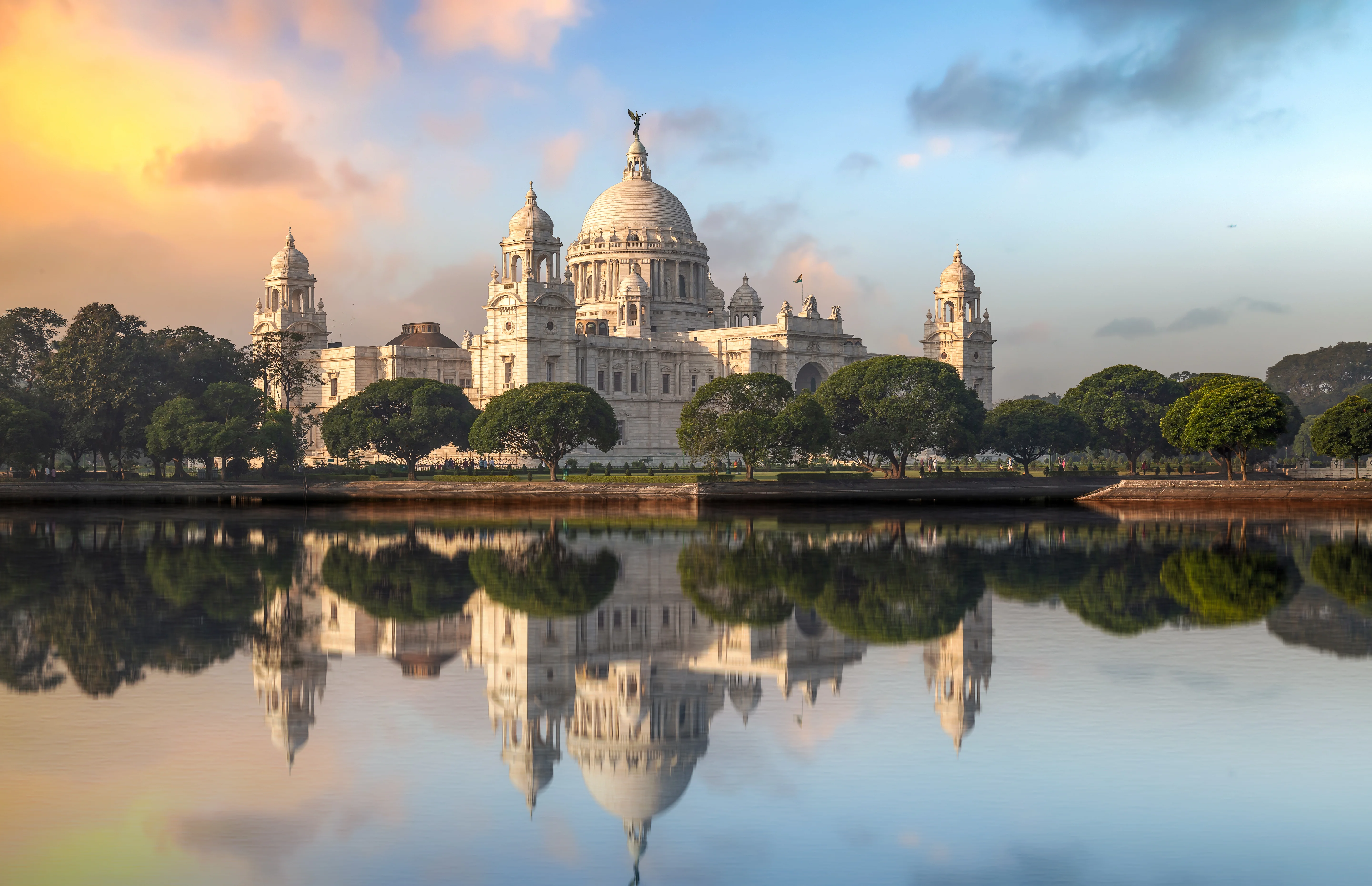
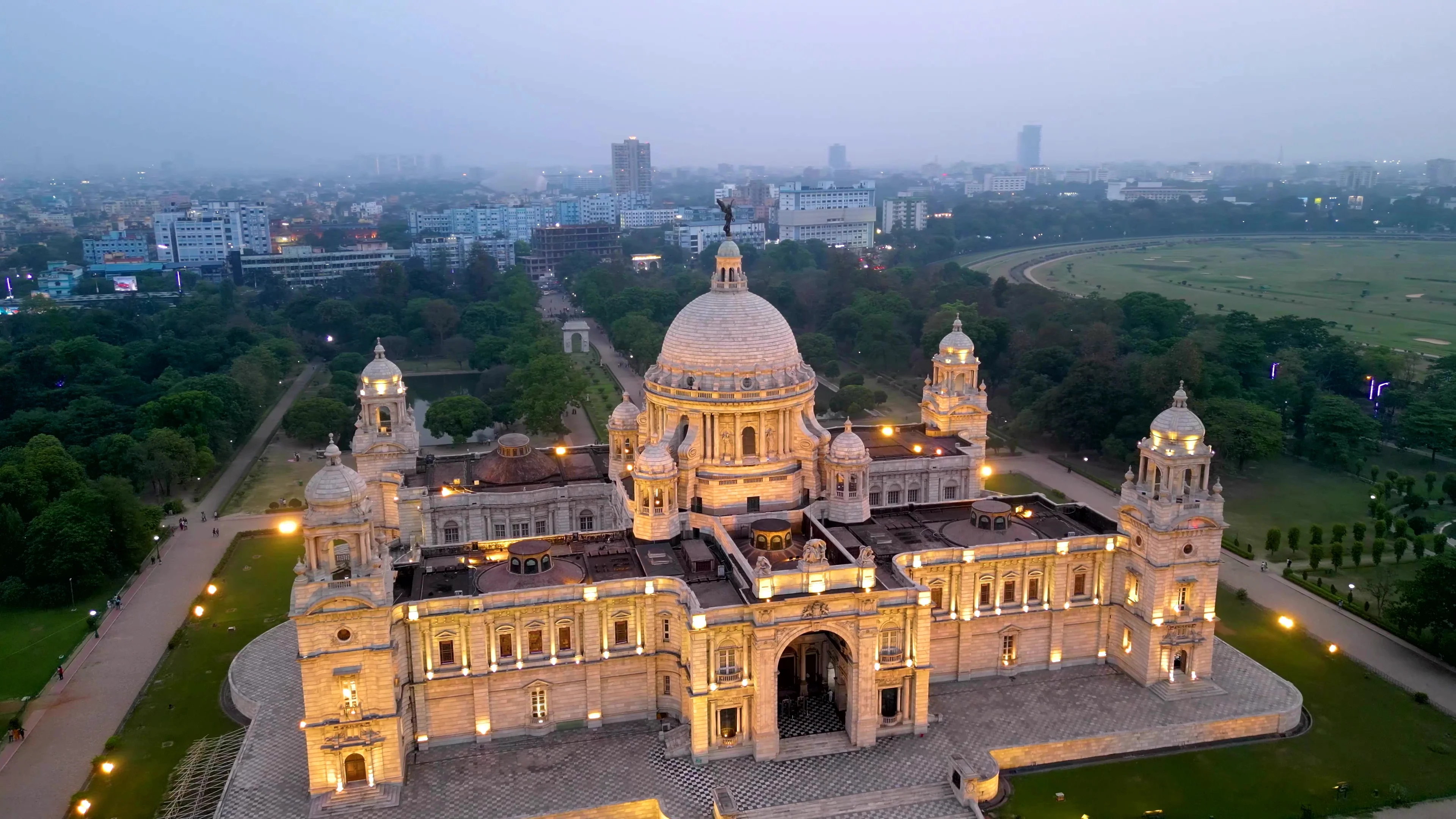
Tonight, we’ll dine at the elegant Glenburn Penthouse, a beautifully restored colonial-style residence with sweeping views over the city, including the Victoria Memorial — nicknamed ‘Taj of the Raj’, thanks to its impressive white marble, gigantic dome and square design. Here, we’ll enjoy a delicious welcome dinner, followed by an illuminating guest lecture that brings to life the story of Bengal, a land of poets, revolutionaries and timeless traditions. It’s the perfect introduction to the spirit of eastern India.
Meals: Dinner
Day 3
Kolkata
Kolkata – Kolkata, India’s third-largest city, is a festival of the human experience. Its chaotic patchwork of colonial architecture is decorated with garlands of marigolds and infused with the scent of Bengal street food. Today we’ll dive into its rich tapestry on a sightseeing tour, led by an expert local guide who’ll share fascinating insights into daily life in the city.
We’ll begin in the heart of old Kolkata with a guided walk around Dalhousie Square, or ‘BBD Bagh’, as the locals call it. Once the nerve centre for the East India Company’s most imposing buildings, it holds echoes of the Empire at its peak. Our tour will walk you through its highlights, including the stately General Post Office — a masterpiece of Indo-Saracenic and Neoclassical styles, with a magnificent dome — and a visit inside the serene St John’s Parish Church, one of the city’s oldest Anglican landmarks.
After an included lunch, we’ll take a closer look at the Victoria Memorial, a gleaming white-marble monument often dubbed the ‘Taj of the Raj’. With its sweeping lawns and vast white marble dome, it commemorates the death of Queen Victoria and serves as a grand reminder of Kolkata’s colonial past. Inside, the building holds a collection of art and books, including beautifully illustrated works by William Shakespeare on display in 25 galleries.
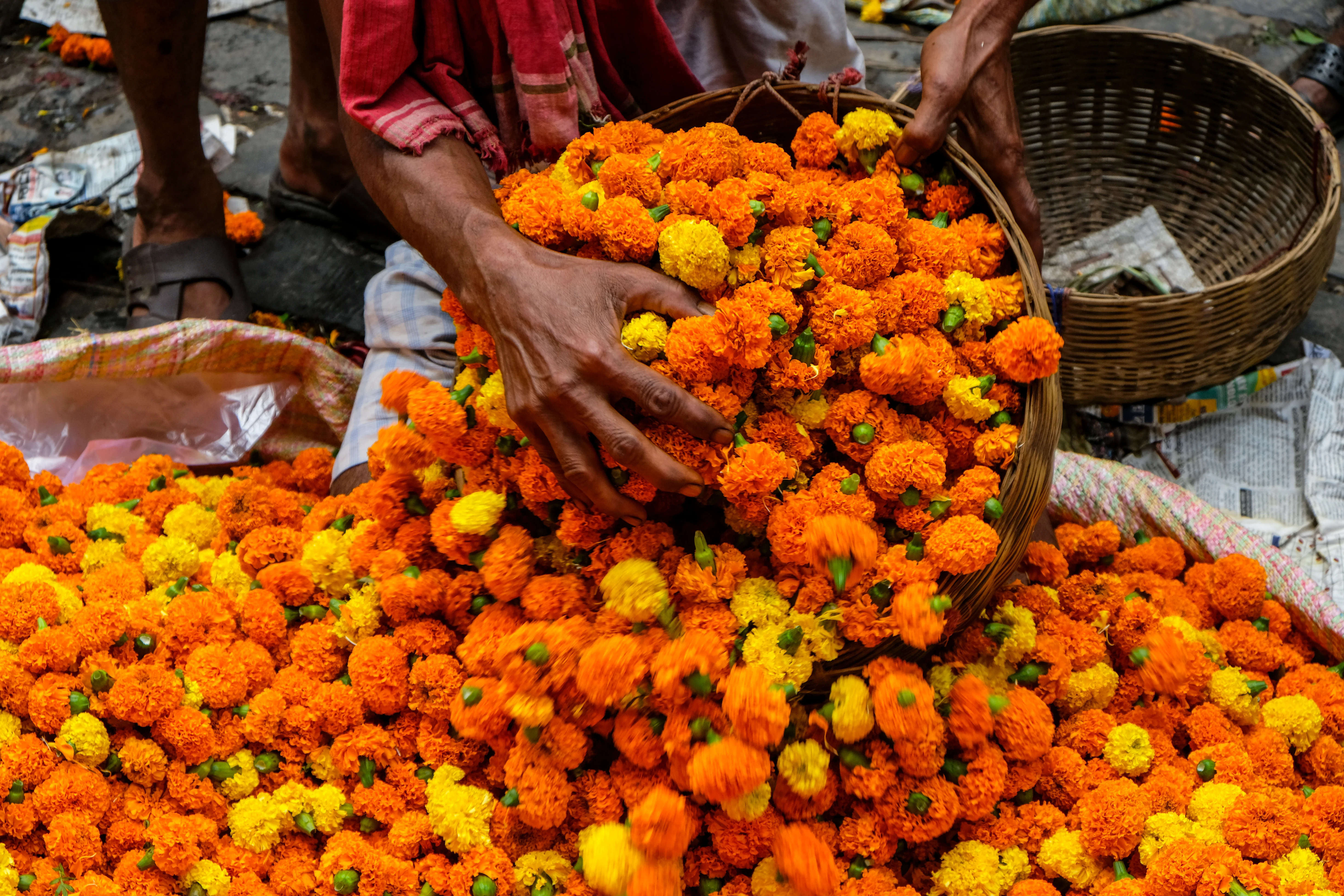
Near the southeast end of Howrah Bridge — one of the longest cantilever bridges in the world — is one of the city’s most colourful and captivating corners. The Mullik Ghat flower market is a feast of colour and fragrance. Unlike the UK’s cut flowers, stalls here sell fresh flower heads, flower decorations, and garlands in every hue imaginable. Marigolds in brilliant orange and yellow, delicate roses and exotic orchids are piled high, destined for temples, weddings and sacred rituals.
Meals: Lunch
Day 4
Kolkata to Darjeeling
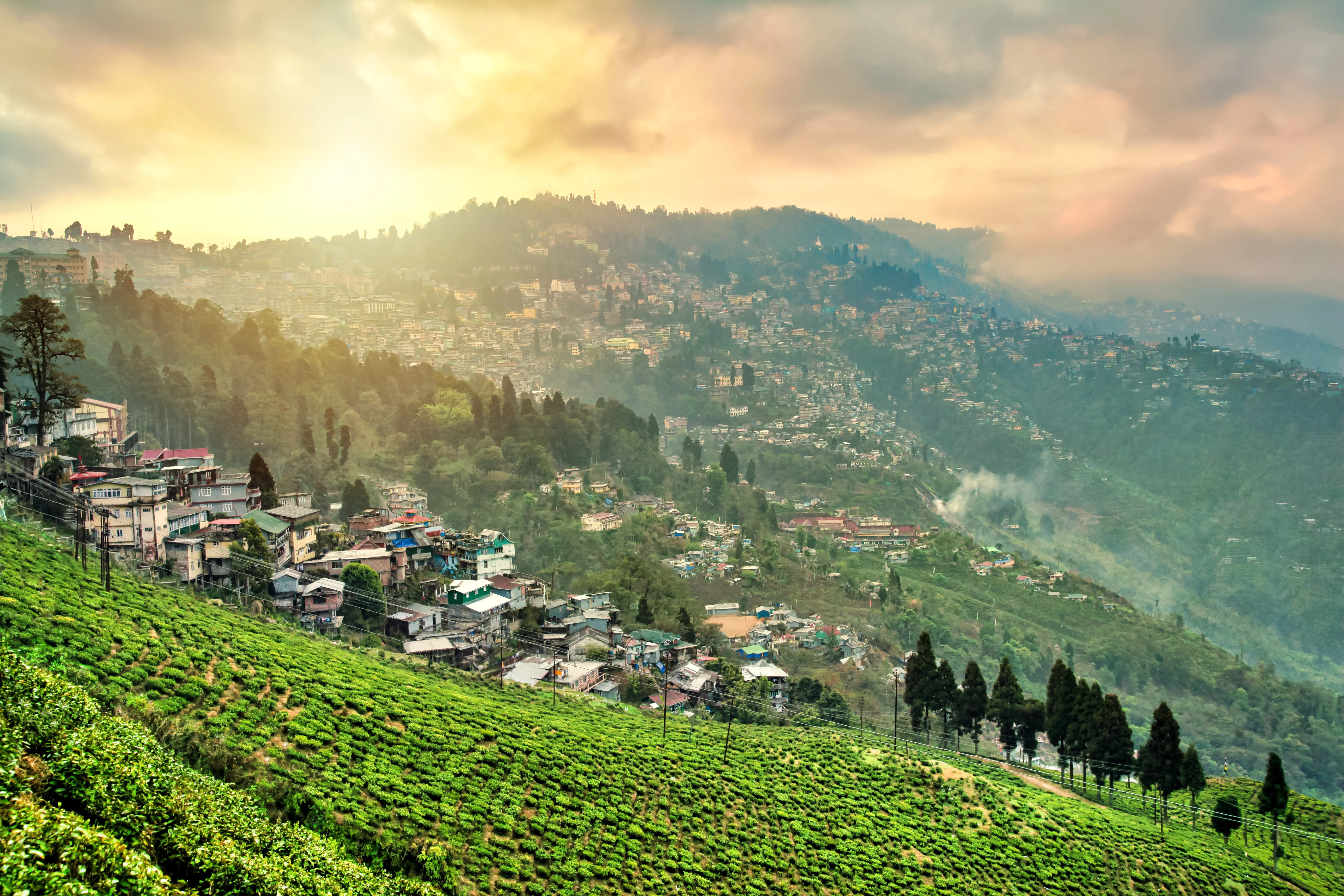
Kolkata to Darjeeling – Today we bid goodbye to Kolkata and take a short internal flight to Bagdogra in the Darjeeling district of West Bengal. From here, we’ll begin our journey into the hills of the Eastern Himalayas. The scenery changes from tropical plains to emerald-green slopes carpeted with tea gardens and fluttering prayer flags as we travel along winding mountain roads.
Climbing into the cool, misty height, our destination is one of the most beautiful hill stations in India, Darjeeling, 6,700 feet above sea level. Once the summer retreat for British Colonial officers, Darjeeling is steeped in old-world elegance and quiet grandeur. Before we reach our hotel, we’ll see Victorian architecture, Buddhist monasteries and sweeping views of snow-capped peaks.
Check into our hotel for the next three nights and settle in. Tomorrow, we’ll begin exploring in earnest but for now, simply arriving feels like stepping into another world.
Meals: Breakfast
Day 5
Darjeeling
Darjeeling – Early risers can enjoy a magical excursion to a nearby Sherpa village, where we’ll watch the sun rise over the Himalayas. When the first golden light spills across the peaks, the silhouette of Kanchenjunga may reveal itself in all its glory — a moment of quiet awe that any budding photograph will want to capture.
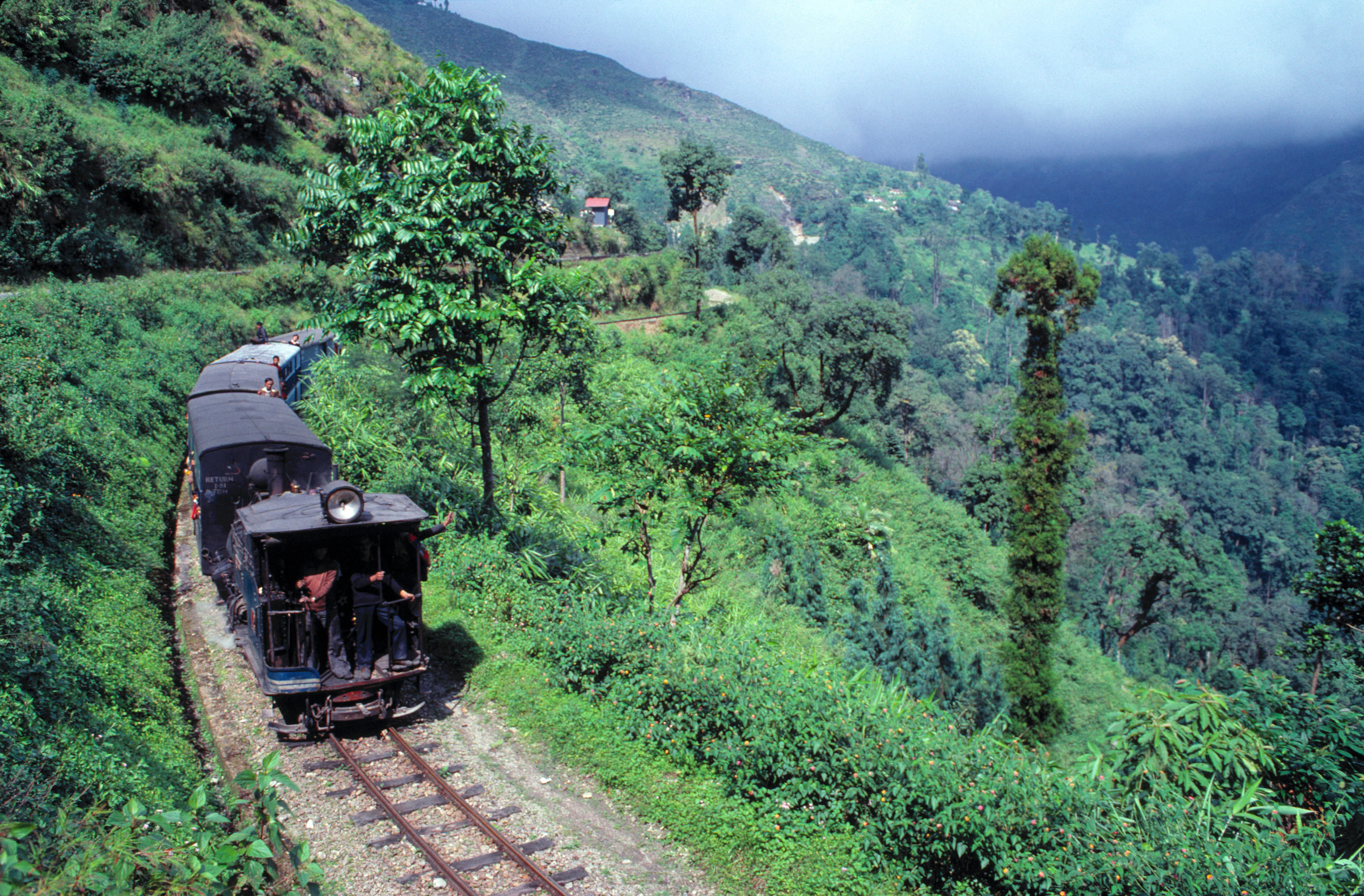
Returning to the hotel for a well-earned breakfast, our day exploring Darjeeling begins in earnest with a ride aboard a marvel of 19th-century engineering. Designed and built by the British in 1880, the Darjeeling Himalayan Railway, affectionally known as the Toy Train, transformed north Bengal’s sleepy hill economy, giving rise to new villages, tea estates and residential schools. Today, it retains most of its original charm and was Asia’s first ‘industrial heritage’ site to be inscribed on UNESCO’s World Heritage List.
As the miniature steam engine chugs its way up the steep gradients and seemingly impossible curves, we pass through breathtaking landscapes, tea gardens and hillside hamlets. A highlight of the journey is the Batasia Loop, a spiralling section of track that offers panoramic views of Darjeeling town and the majestic Kanchenjunga range.
After free time for lunch, we’ll set out on a heritage walk to discover Darjeeling’s colonial heritage. From the Mall Road — a scenic promenade lined with old-world shops, bookstalls, and charming cafés — to St Andrew’s Church and the nearby Planters’ Club, echoes of the past linger in every cobbled lane. As we pause to enjoy vistas of the valley below and breathe in the crisp mountain air, we think you’ll agree that Darjeeling lives up to its moniker, the “Queen of the Hills”.
Meals: Breakfast
Day 6
Darjeeling Tea Estate
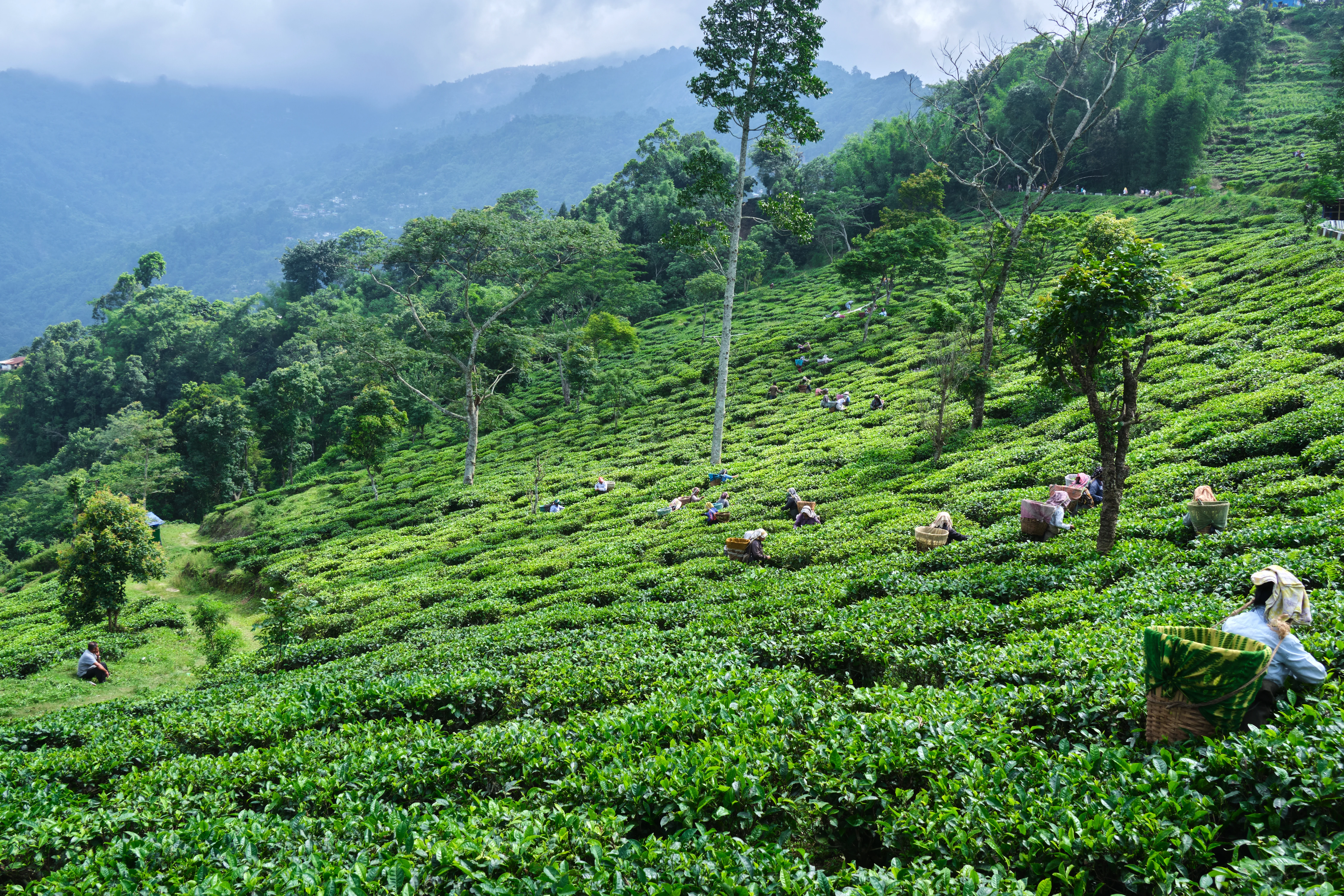
Darjeeling Tea Estate – After breakfasting this morning, we’ll take a scenic drive through the hills to the Glenburn Tea Estate, a tranquil haven nestled on the banks of the Rangeet River, in the shadow of the Kanchenjunga Mountain range.
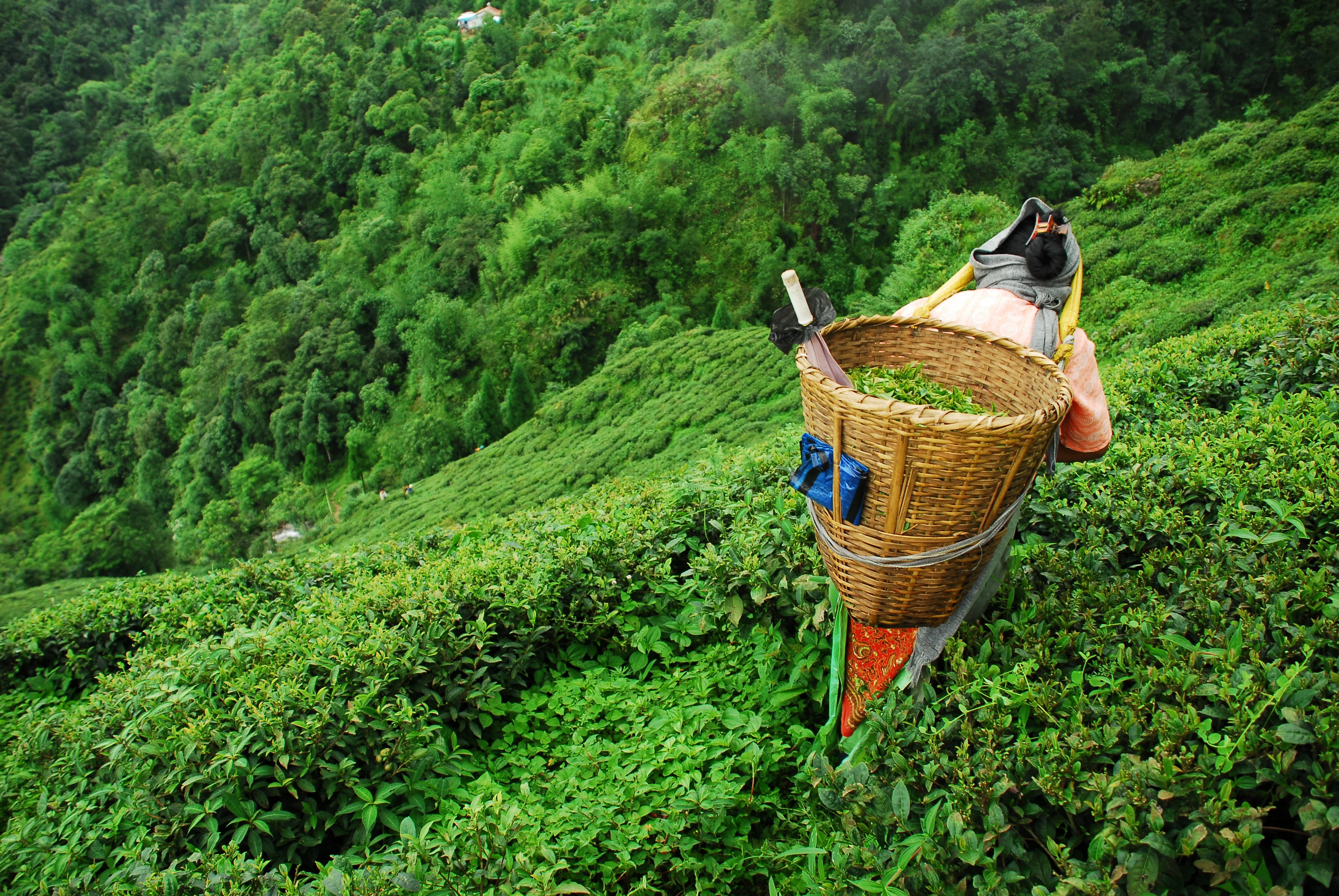
This family-run estate, passed down through generations of expert tea planters, offers a fascinating glimpse into the world of tea. We’ll explore the estate with a guide, wandering through the lush gardens and working factories to find out how the humble tea leaf is transformed into the perfect cup. A guided tea-tasting session introduces us to the Glenburn Estate’s range of black, green, oolong and white teas — each with a different aroma, flavour, appearance and story. By the time we leave, you’ll be a tea connoisseur!
Our visit ends with lunch on the estate, after which we’ll return to our hotel and spend the rest of the day at leisure.
Meals: Breakfast,Lunch
Day 7
Darjeeling to Phuentsholing
Darjeeling to Phuentsholing – The journey is a long one, but it’s the only way to cross into Bhutan — and it’s anything but dull. We’ll wind our way through classic Indian villages and ever-changing landscapes, arriving at the border in the early afternoon. After a quick hello to both Indian and Bhutanese immigration, we continue to Phuentsholing.
The difference is unmistakable. India is a whirlwind of colour and sound; Bhutan, by contrast, greets us with calm and quiet. Here, it’s actually illegal to toot your own horn without good reason — you won’t find a single traffic light in the entire country.
After time to settle into our hotel, we set out to visit the Kharbandi Goempa Monastery. Perched on a hillside overlooking the plains of India, this sacred site was founded by the Royal Grandmother, Ashi Phuntsho Choden, and is one of the oldest Buddhist temples in Bhutan.
Inside, the monastery is a treasure trove of spiritual artistry — from beautifully crafted statues to vivid murals, and intricate paintings that depict the life and teachings of the Buddha. Among its most striking features are a towering 10-foot statue of Guru Padmasambhava, along with life-size representations of other revered deities.
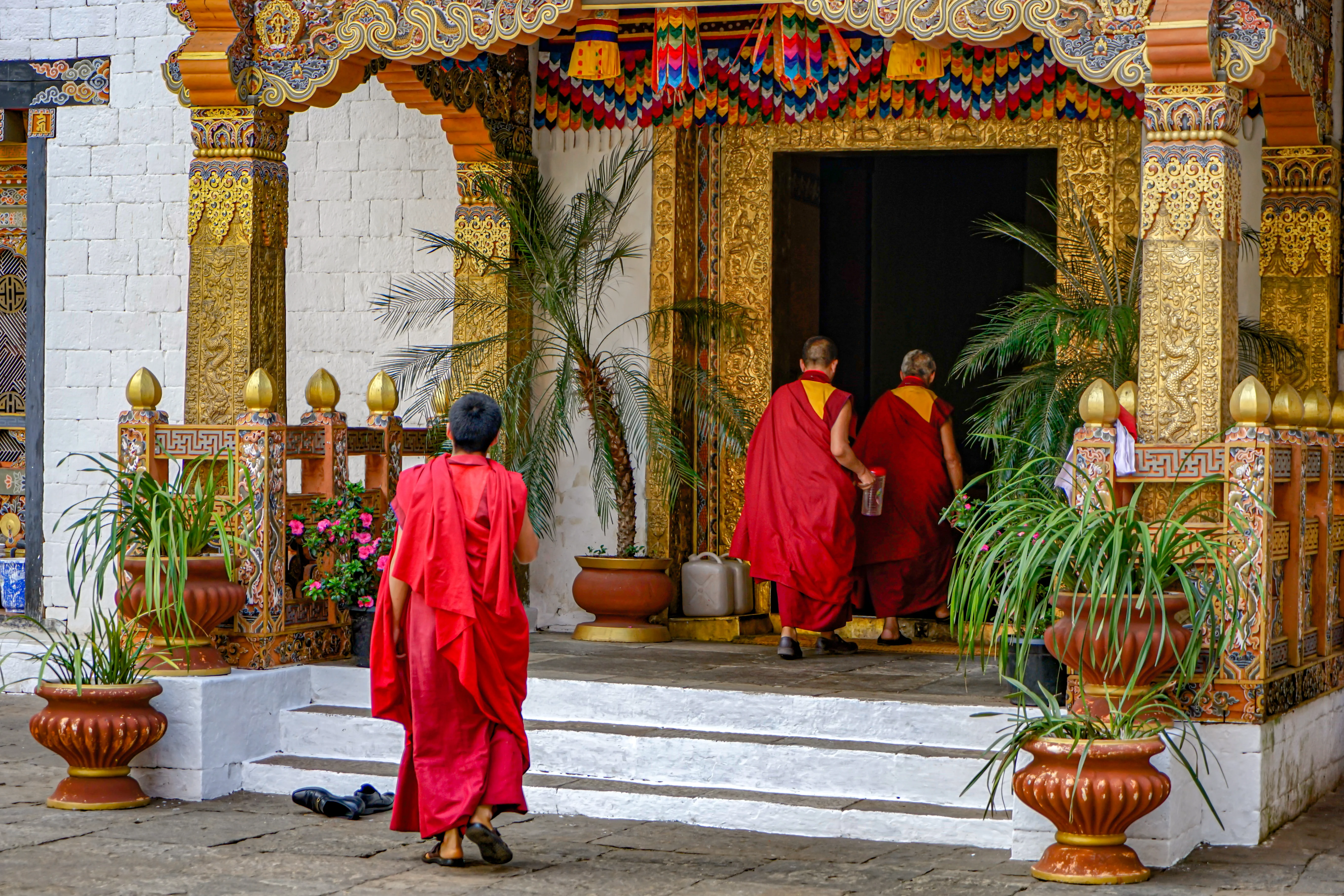
Outside, the peaceful tropical gardens invite quiet reflection. Dotted with eight whitewashed chortens (stupas) symbolising key events in the Buddha’s life, the grounds are also adorned with fluttering prayer flags, enormous prayer wheels, and traditional Bhutanese architecture — all set against a backdrop of lush greenery and mountain air.
Meals: Breakfast
Day 8
Phuentsholing to Thimphu
Phuentsholing to Thimphu – This morning, we set off for Thimphu, arriving at our hotel in time for lunch.
After time to settle in, we will visit one of Thimphu’s most noticeable landmarks – Thimphu Chorten. Located in the southern central part of the city, a place of worship and a monument to Bhutan’s third king, Jigme Dorji Wangchuck, revered as the father of modern Bhutan. Adorned with intricate carvings, golden spires, and vibrant murals and, inside, you’ll find statues and paintings that honour the king’s legacy and reflect the deep roots of Buddhist culture.
This afternoon we visit one of Bhutan’s most iconic landmarks, Tashichho Dzong, a grand dzong (fortress-monastery) that has stood for centuries as both a spiritual sanctuary and a seat of power. Located to the north of Thimphu, on the west bank of the Wang Chhu River, it is one of the city’s most famous sights.
Originally established in the 13th century, the dzong has been rebuilt several times over the centuries, due to fires and an earthquake, yet its grand whitewashed walls and red and gold tiered towers are a striking symbol of Bhutanese resilience and craftsmanship. Through the southern gates is the administrative centre of the small mountain country, housing the throne room and offices of the king (though it’s not open to the public). We’ll enter through the northern gate, which opens into the monastic quarters – the summer residence of Bhutan’s central monk body.
Inside, we pass murals of guardian kings and revered figures like Drukpa Kunley, before stepping into a vast courtyard dominated by a utse (central tower), which houses sacred relics, including the funeral chorten of the 69th Je Khenpo. Nearby we’ll see the Lhakhang Sarp chapel and the dukhang (assembly hall), home to a large Buddha statue and royal thrones.
Surrounding the dzong are further symbols of Bhutan’s heritage: a traditional cantilever bridge to the northeast, the king’s residence to the southeast and the National Assembly across the river. West of the dzong is the Neykhang Lhakhang which houses protective deities. Its religious significance means it is closed to visitors, but it certainly adds to the spiritual gravity of the site.
Returning to our hotel before dinner this evening, meet an expert local to find out more about Bhutan’s Gross National Happiness policy, which prioritises well-being over purely economic growth and its influence on public policy.
Meals: Breakfast,Dinner
Day 9
Punakha
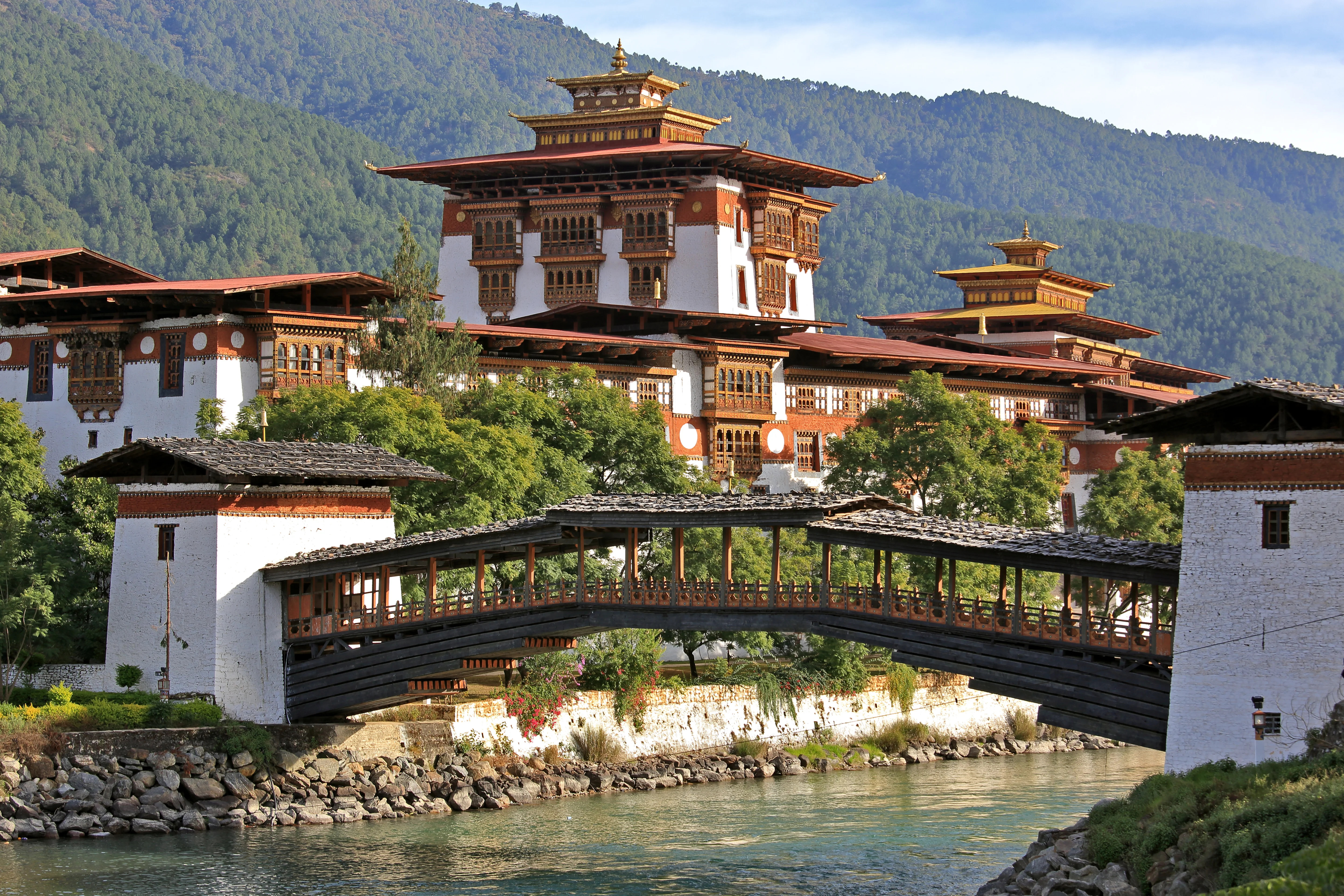
Punakha – This morning, we leave the capital behind and journey over the scenic Dochu La Pass, where, on a clear day, the snow-capped peaks of the eastern Himalayas stretch across the horizon. Descending into the lush Punakha Valley, we arrive at one of Bhutan’s most breathtaking landmarks — the Punakha Dzong.
Often considered the most beautiful dzong in the country, Punakha Dzong is steeped in history and grandeur. It was here that all of Bhutan’s kings have been crowned, and its architecture is a striking example of traditional Bhutanese design – with high, arched windows, grand wooden doors, and tiered, flared roofs that seem to float above the whitewashed walls.
Its serene location at the confluence of two rivers gives it unparalleled natural beauty and spiritual calm. Inside, peaceful courtyards are adorned with intricate Buddhist murals in soft yet vibrant hues, while saffron-robed monks move quietly through the corridors, continuing the rhythms of monastic life.
Depending on the season, we’ll take a gentle stroll through fields of rice, wheat or vegetables – an everchanging patchwork that gives us a real taste of rural life. Our walk leads us to Chimi Lhakhang, a temple famous for its blessings of fertility and a place where local legend and daily life intertwine.
After our visit, we’ll return to our hotel in Thimphu and spend the rest of the day at leisure.
Meals: Breakfast
Day 10
Thimphu & Paro
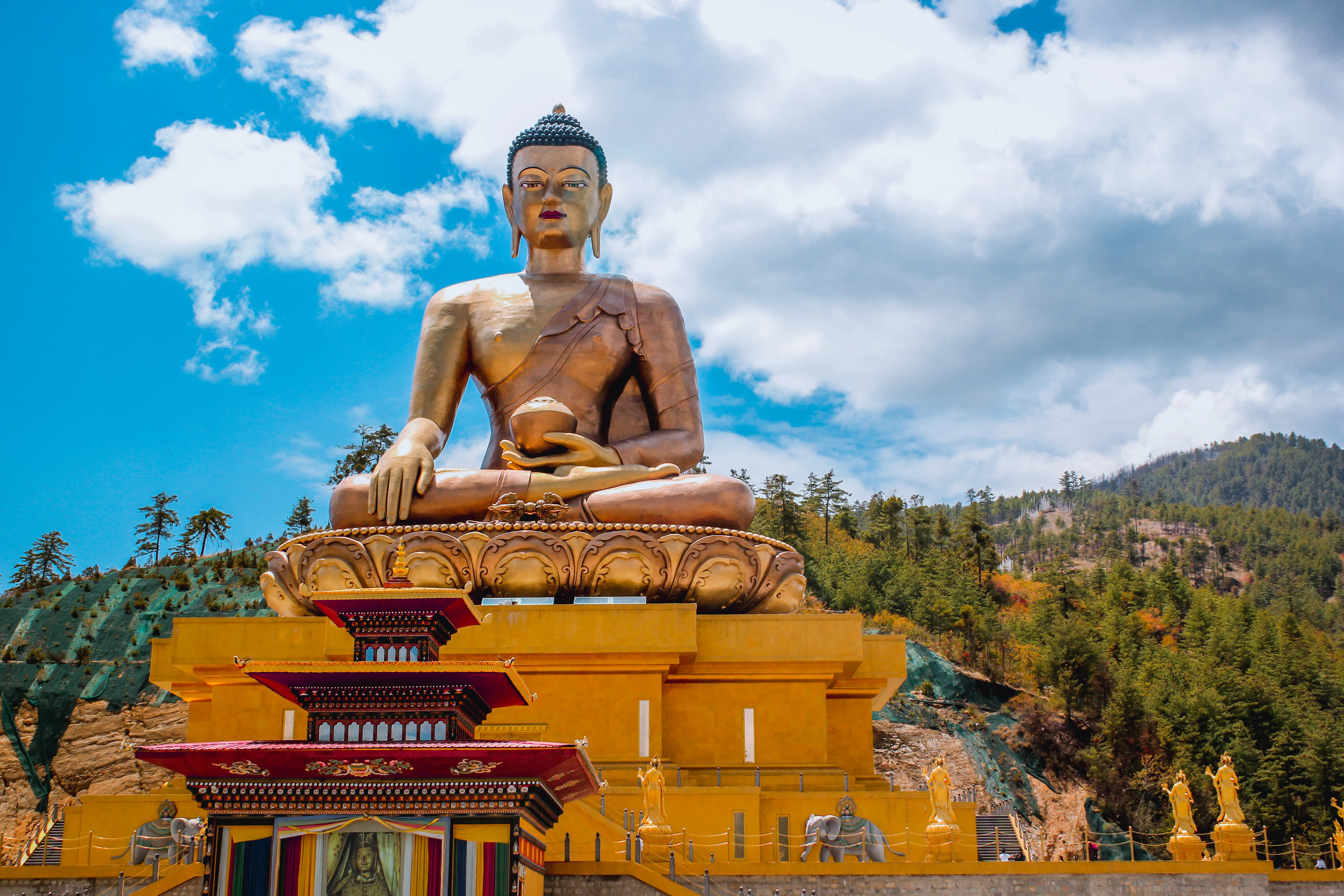
Thimphu & Paro – Our day begins at one of Thimphu’s most noticeable landmarks. One of the largest Buddha stupas in the world at 177 feet, and gilded entirely in gold the Buddha Dordenma Statue is visible from everywhere in Thimphu — you can’t miss it. Built from 2006 to 2015, its construction fulfilled an ancient prophecy, bringing peace and prosperity to the entire world.
Next, we’ll enjoy a visit to the Royal Textile Museum to see its fascinating display of ancient and modern textiles in exhibits that explore the rich traditions of Bhutan’s national arts of thagzo (weaving) and tshemzo (embroidery). Highlights include wedding clothes worn by the fourth king and his four wives — a stark contrast to the everyday attire worn by Bhutanese men and women, also on display.
Sticking to the theme of Bhutanese craftsmanship, our last visit is to the Craft Bazaar, located in Norzin Lam, one of Thimphu’s main thoroughfares. With around 80 colourful stalls and shops, this open-air market is a celebration of the country’s dedication to preserving its traditional art forms while catering to contemporary market demands. From handwoven scarves and carved masks to handmade paper and traditional jewellery, it’s the ideal place to find a meaningful souvenir and support local artisans.
After much of the day spent exploring Thimphu, we head off to Paro for a three-night stay.
Meals: Breakfast
Day 11
Paro
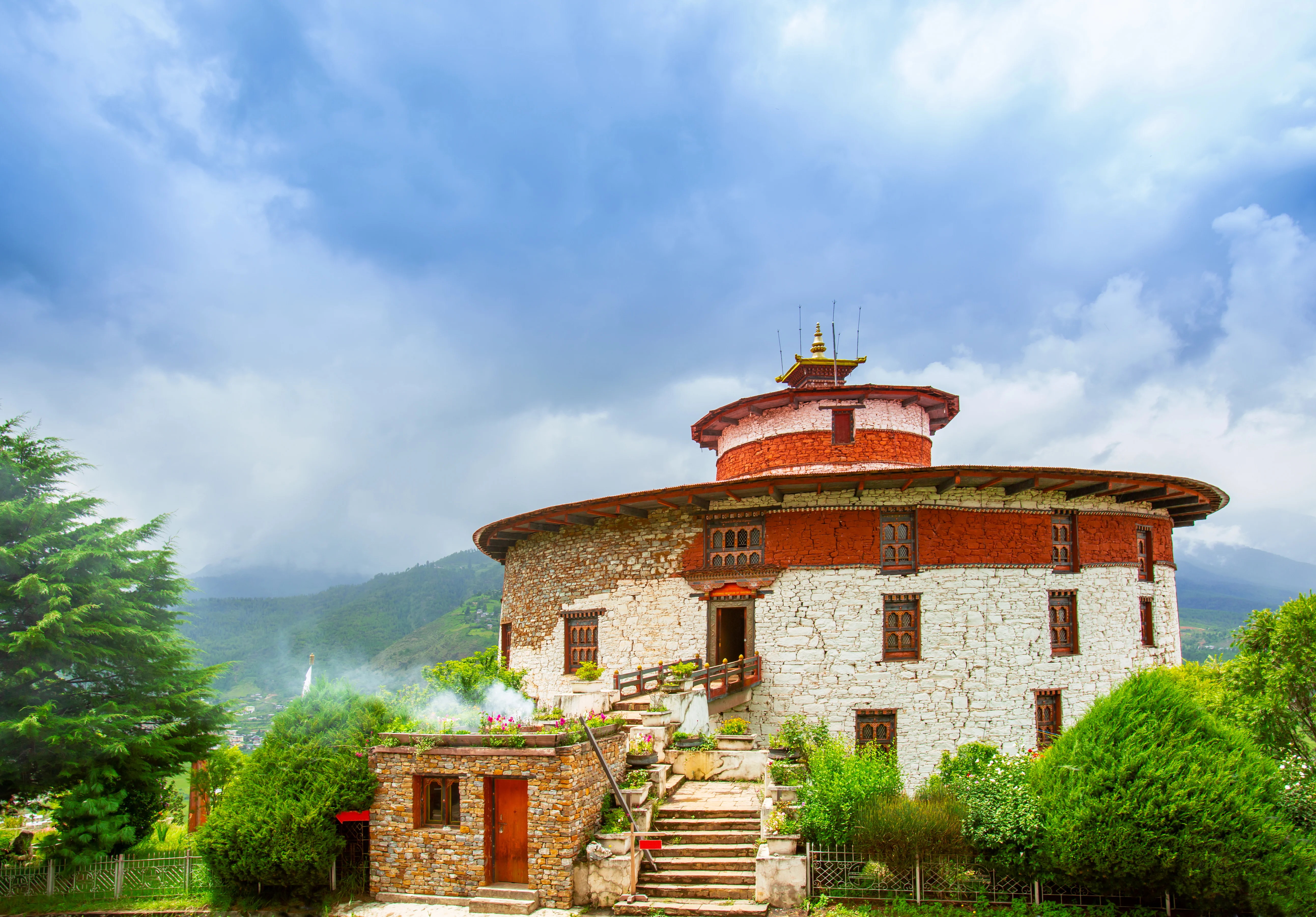
Paro – Our exploration of Paro begins perched high above the city, at the Ta Dzong. Originally built to protect the Rinpung Dzong from the unceasing assaults from Tibet and India, it is now a national museum housing more than 3,000 artifacts dating back 1,500 years. Learn more about how magic and science are inseparable in Bhutan, see ancient relics discovered by Bhutan’s treasure finders and marvel at rare treasures, including a stone egg allegedly laid by a mule and a ritual dagger said to belong to the protector Dorje Lekpa.
After time to explore, we’ll head to a local market for an introduction to some of Bhutan’s unique local produce — squares of dried jellied cow skin known as khoo (a local snack) to fresh husky betel nut (a fruit that looks like an orange egg), imported from India. Then, after whetting your appetite, we’ll head to a traditional farmhouse for an authentic Bhutanese lunch.
The rest of the afternoon is at leisure as we head back to our hotel in Paro. Take this time to unwind, soak in the serene surroundings and recharge — tomorrow’s hike to the iconic Tiger’s Nest awaits.
Meals: Lunch
Day 12
Tiger’s Nest Monastery
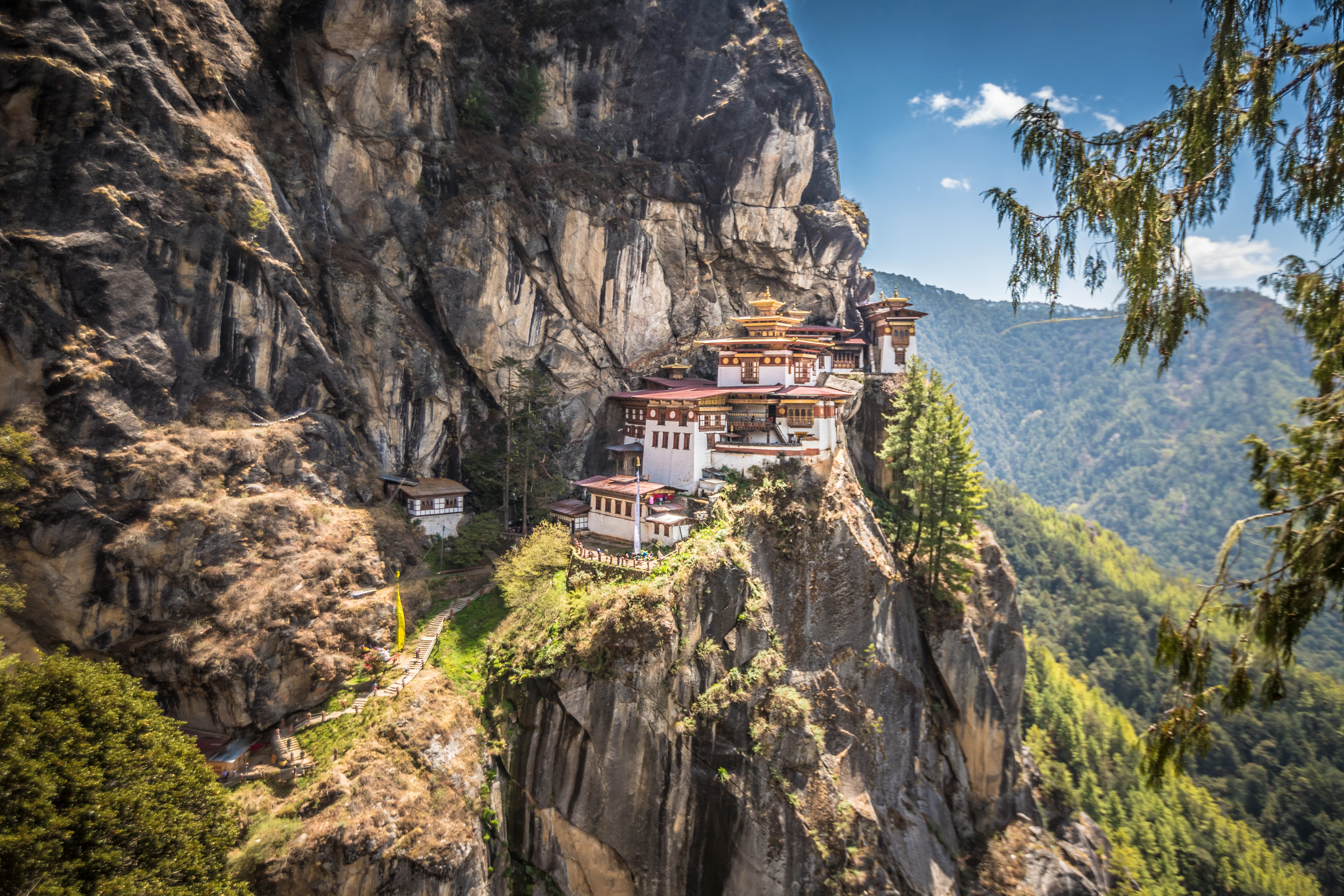
Tiger’s Nest Monastery – Enjoy a real highlight of the holiday today, a pilgrimage to the most sacred Buddhist site in Bhutan, Taktsang Goemba – better known as the Tiger’s Nest Monastery. Clinging dramatically to a cliff overlooking the Paro Valley, this legendary monastery marks the spot where it’s said Padmasambhava, the 8th-century Indian sage who brought Buddhism to Bhutan, meditated after flying here on the back of a tigress.
Reaching the monastery is an adventure in itself. The only way up is on foot via a steep hike up a rough but well-trodden mountain path for around two and half hours. As we wind through pine forest and prayer-lined trails, we’ll gain about 550m (1,800 ft) in elevation. Midway to the top, we’ll pause for a rest at the café while enjoying the scenic views.
As we continue the final zigzagging ascent along the cliff’s contours, the full majesty of the monastery unveils itself before you — a vision that feels almost otherworldly.
Upon arrival, we begin our guided tour of the monastery complex, including the sacred Drubkhang cave, where Guru Rinpoche is said to have meditated for three months. The inner sanctum, sealed behind gilded doors, is surrounded by vivid murals of his eight manifestations and powerful deities like Dorje Drolo and Tseringma. As we ascend through chapels and lhakhangs, we’ll encounter sacred relics, hidden carvings, a holy spring and even descend into the original Tiger’s Nest cave via steep wooden ladders carved into the cliffside.
Top tip: Near the entrance, look for the relic stone – Bhutanese pilgrims stand at a marked spot, close their eyes and try to put their thumb into a small hole in the rock said to conceal a treasure hidden by Guru Rinpoche. It’s a playful yet spiritual karmic test and a memorable way to end this extraordinary experience before we make our way back down the mountainside.
As we descend from the monastery, we pause at the café for a well-earned lunch before continuing our journey back to the hotel. The rest of the day is yours to enjoy at leisure, whether you choose to relax, reflect or simply take in the tranquil surroundings.
Meals: Lunch
Day 13
Paro to Kolkata
Paro to Kolkata – On arrival in Kolkata, we will follow in the footsteps of countless Christan pilgrims to a place of quiet reverence — the Missionaries of Charity’s ‘Motherhouse’. This is the final resting place of Mother Teresa. In the adjacent museum, simple yet powerful relics of her life are on display. Upstairs is the room where she worked and slept from 1953 to 1997, her modest room remains just as it was — a small, sunlit space where she lived, worked and prayed from 1953 until her passing in 1997. It’s a moving tribute to a life of compassion and service.
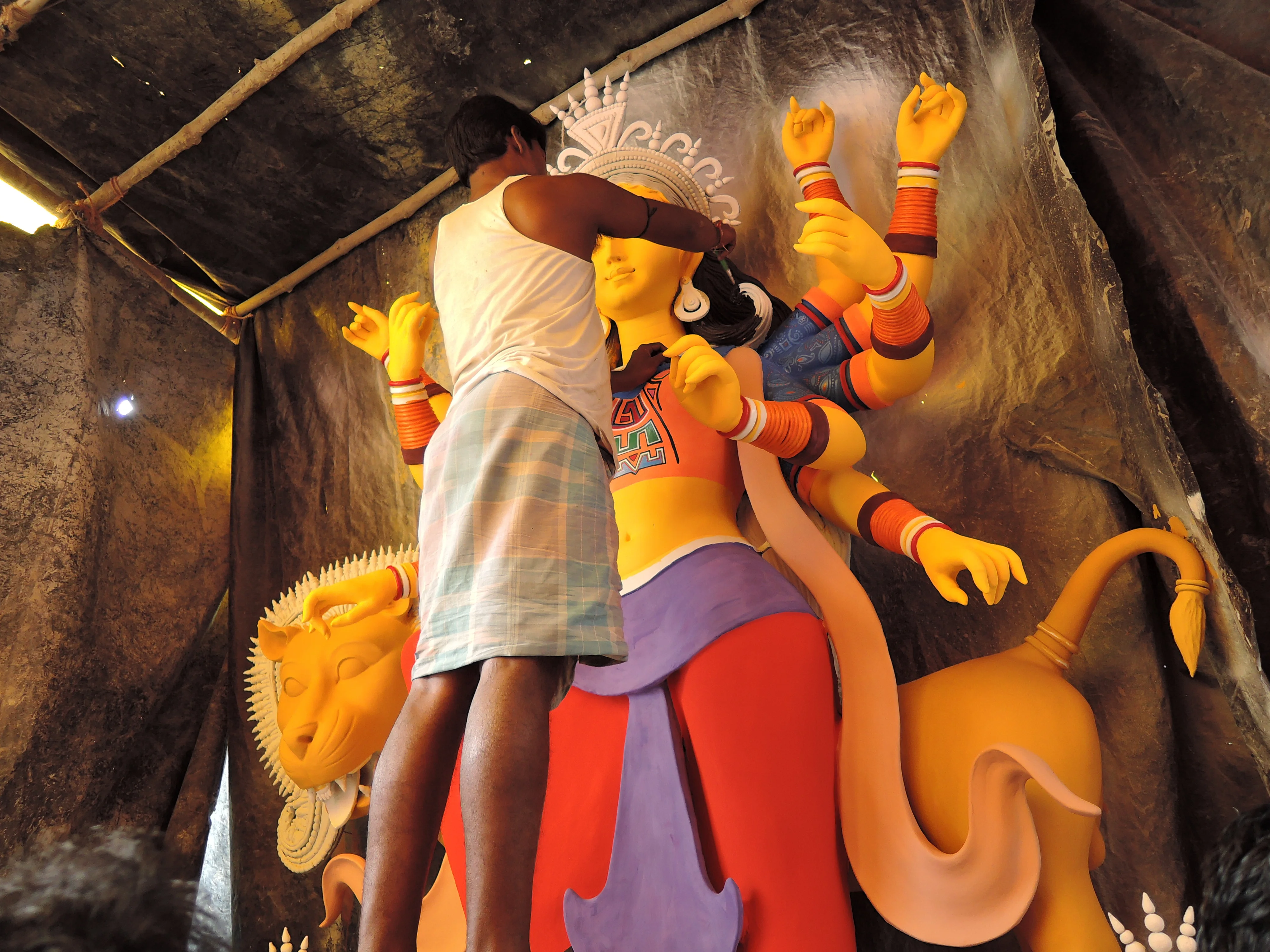
In the winding alleys of Kumartuli, the artisan quarter, time seems to slow and silence carries the scent of clay. We wander through a world shaped by devotion. Here, master artisans coax divinity from earth, their hands dancing over damp clay as gods and goddesses slowly awaken beneath their touch.
Meals: Breakfast
Day 14
DAY 14
Departure
Meals: Breakfast
What’s included
What’s not included
Additional information
Thimphu Highlights: Memorial Chorten, Tashichho Dzong & Buddha Dordenma
Join locals circling the Memorial Chorten, spinning prayer wheels beneath a golden spire that honours Bhutan’s third king. The rhythm of mantras sets a contemplative tone for the capital.
Continue to Tashichho Dzong, the monastic–civic heart with white ramparts and red-gold roofs, then ascend to the colossal Buddha Dordenma. The gilded statue overlooks the valley, sheltering thousands of smaller Buddhas within its serene, echoing interior.
Thimphu Arts & Crafts: Royal Textile Museum & Craft Bazaar
Explore Bhutan’s fabric traditions at the Royal Textile Museum, where thangzo weaving and tshemzo embroidery reveal regional patterns, looms and ceremonial attire. Trace the threads of Bhutanese identity from royal garments to everyday gho and kira.
Wander Norzin Lam’s Craft Bazaar to meet artisans and choose handwoven scarves, bamboo work and hand-made paper. The experience connects museum mastery to living craft heritage on the street.
Gross National Happiness Insight Session with Local Expert
Hear from a specialist who will explain Bhutan’s Gross National Happiness—a policy framework balancing culture, environment, good governance and equitable development. Learn how well-being indicators shape schools, healthcare and conservation decisions.
Discuss everyday impacts, from protected forests to preserved living traditions, and consider lessons for the wider world. The conversation adds depth to temple visits and landscapes, linking values to daily Bhutanese life.
Punakha Valley: Dochu La Pass, Punakha Dzong & Chimi Lhakhang
Cross the cloud-brushed Dochu La Pass, where 108 chortens crown a windswept ridge and peaks line the horizon on clear days. Descend into a lush valley to marvel at Punakha Dzong, set at the confluence of two rivers and famed for coronations and spring jacaranda.
Walk through fields toward Chimi Lhakhang, the “fertility temple” of the Divine Madman, where blessings mingle with rustic village life and terraced paddies.
Paro Cultural Day: Ta Dzong National Museum, Local Market & Farmhouse Lunch
Climb to Ta Dzong, the circular watchtower turned National Museum, to browse thangkas, festival masks and sacred relics that map Bhutan’s valleys and beliefs. Exhibits highlight the interplay of myth, mindfulness and mountain life.
Sample seasonal produce at a local market before a countryside interlude: a traditional farmhouse lunch featuring red rice and warming flavours. The day balances scholarship with home-grown hospitality.
Tiger’s Nest (Taktsang) Monastery Hike & Guided Visit
Hike pine-scented trails lined with prayer flags to the cliff-perched Tiger’s Nest Monastery, Bhutan’s most sacred site. The path gains steady elevation to viewpoints where the whitewashed complex clings impossibly to rock.
Inside, your guide reveals chapels, murals and stories of Guru Rinpoche’s meditation. The setting’s otherworldly stillness and valley vistas reward the ascent, creating a reflective finale to Bhutan’s spiritual landscapes.
Kharbandi Goempa Monastery, Phuentsholing
Visit a hillside sanctuary founded by the Royal Grandmother to absorb Bhutan’s contemplative spirit. Courtyards edged with prayer wheels open to murals of guardian deities, while statues of Guru Padmasambhava and Buddhas preside in quiet grace.
Stroll tropical gardens dotted with whitewashed chortens and fluttering flags, gazing across the Dooars plains below. The scene bridges two worlds—India’s bustle and Bhutan’s calm—through art, devotion and mountain air.
Kolkata: Mother Teresa’s Motherhouse & Kumartuli Artisans’ Quarter
Visit the Missionaries of Charity to quietly pay respects at Mother Teresa’s tomb and glimpse her simple room—an intimate space that reflects a life of service. The adjacent museum preserves letters, photographs and mementos that chart her humanitarian mission.
Continue to Kumartuli’s riverside workshops, where sculptors shape clay into festival deities for Durga Puja. Watch as deft hands conjure divinity from earth, a practice that connects Kolkata’s neighborhoods to enduring devotional traditions.
Darjeeling Hill Station Highlights: Himalayan Sunrise & Heritage Stroll
Rise early to pause for photos and reflection as dawn washes the Kanchenjunga range in pink and gold from a Sherpa hamlet lookout. Prayer flags lift in the breeze while the mountains sharpen against the brightening sky.
Later, wander Darjeeling’s Mall Road past tea salons and bookshops, calling at St Andrew’s Church and the Planters’ Club. The walk reveals the town’s blend of mountain calm and Raj-era elegance, framed by crisp air and hillside vistas.
Darjeeling Himalayan Railway ‘Toy Train’ Ride & Batasia Loop
Ride the Darjeeling Himalayan Railway, a 19th-century marvel that climbs on narrow tracks through tea gardens and mist. As the little engine whistles, windows frame hamlets and ridgelines in a slow-motion panorama.
Circle the famed Batasia Loop—ingenious spirals that help conquer the gradient—while Kanchenjunga hovers on clear days. The UNESCO-listed line remains a living museum of mountain rail engineering and nostalgic hill-station travel.
Glenburn Tea Estate Tour, Tasting & Lunch
Discover how tender leaves become nuanced brews as you tour a working tea estate overlooking the Rangeet River. Walk among emerald bushes, peek into withering rooms and rolling machines, and learn the art of oxidation and firing.
Compare black, green, oolong and white teas in a guided tasting, noting aroma, liquor and finish. A leisurely lunch on the veranda pairs regional dishes with views of misty mountain passes and terraced slopes.
Kolkata City Highlights: Dalhousie Square, St John’s Church, Victoria Memorial & Mullik Ghat
Explore Kolkata’s historic core on a guided walk around Dalhousie Square (BBD Bagh), where domed colonial buildings tell the story of empire and commerce. Step inside St John’s Church to see serene memorials before continuing to the Victoria Memorial, a marble landmark with art-filled galleries.
Conclude amid the colour of the Mullik Ghat flower market beneath Howrah Bridge, where garlands of marigold and rose feed the city’s rituals. This curated circuit blends architectural elegance with the city’s most vibrant street-life.
Welcome Dinner at the Glenburn Penthouse & Bengal Guest Lecture
Dine in style as you meet your Tour Director and fellow travellers over a curated welcome dinner at the elegant Glenburn Penthouse. Perched above Kolkata’s rooftops, this colonial-inspired residence frames views of the Victoria Memorial and the Hooghly River’s lights.
After dessert, settle in for an illuminating talk that brings the story of Bengal to life—from poet-saints to freedom movements. The session sets the scene for Kolkata’s layered heritage and helps decode the city’s from Raj-era grandeur to modern creativity.