Your itinerary
Day 1
Adventure begins in Tunis
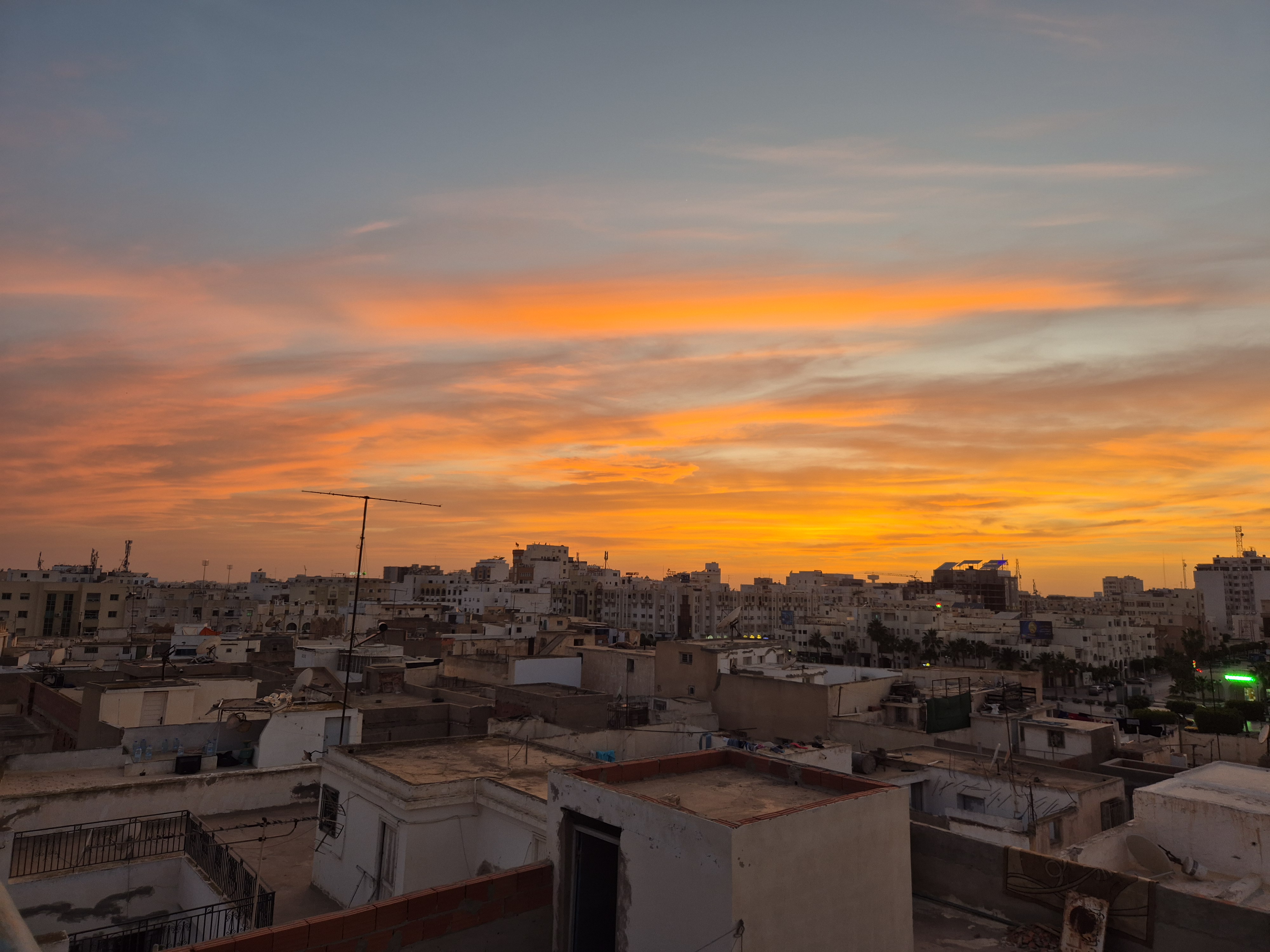
Arrive in Tunis. The welcome briefing is tomorrow morning. If you arrive early, explore the UNESCO-listed medina, Zitouna Mosque, historic palaces and souqs.
Day 2
Trace the rise and fall of Carthage
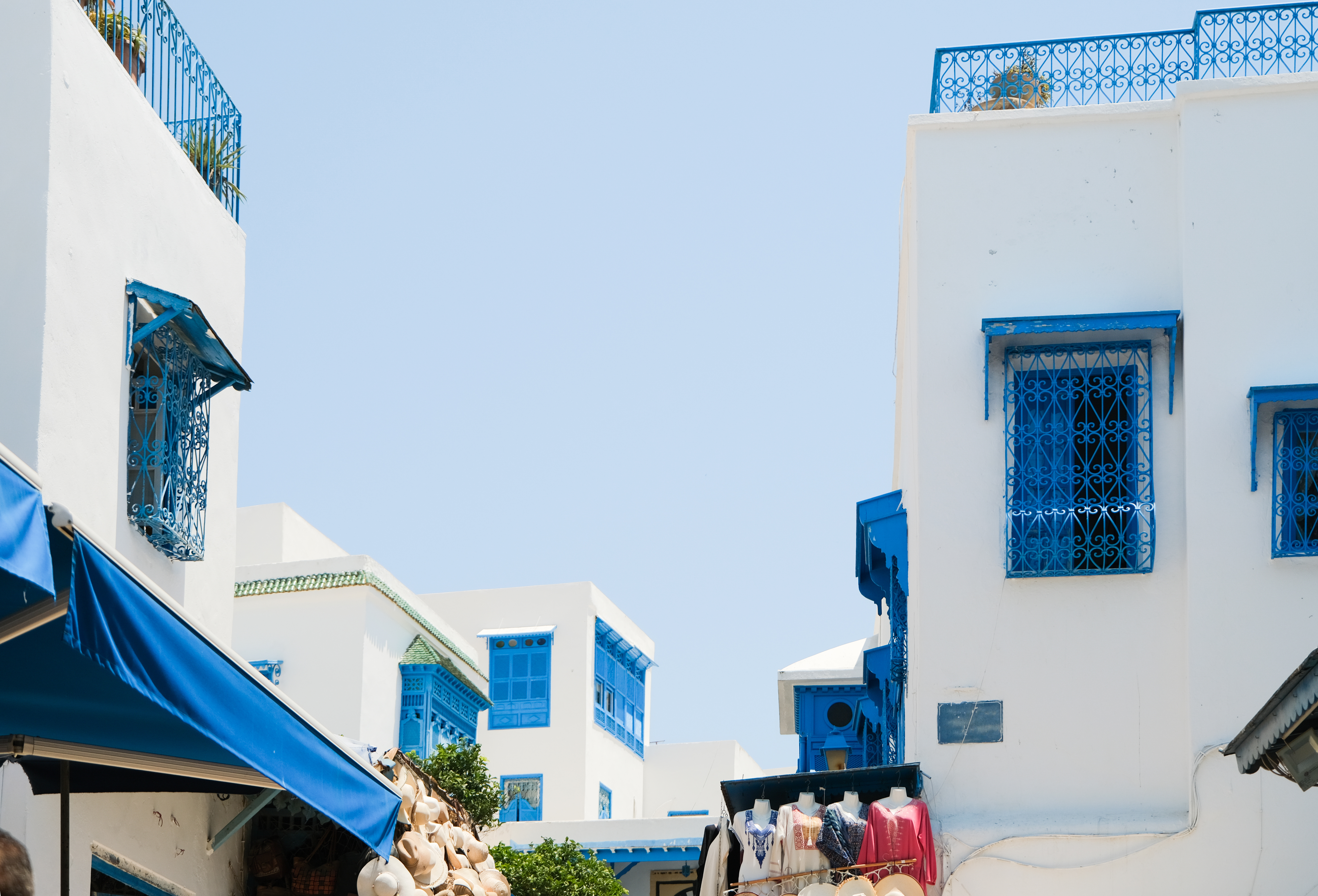
Meet the group for a welcome briefing, then visit the Bardo National Museum. Continue to Carthage to explore its Punic and Roman remains with the tour leader, then visit Sidi Bou Said. Return to Tunis medina for an included welcome dinner at Fondouk El Attarine.
Meals: Breakfast,Dinner
Day 3
Shop and cook in the Tunis medina
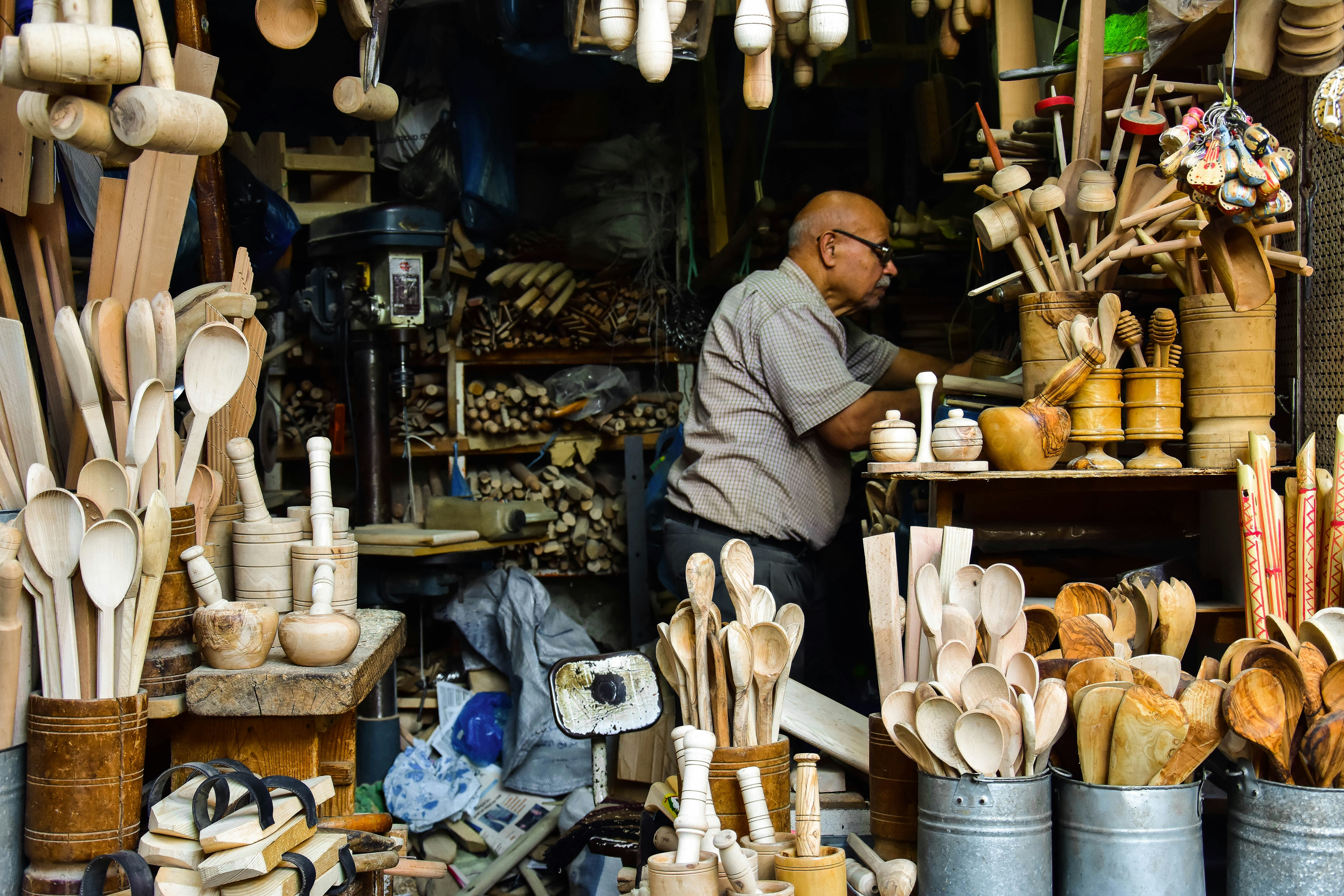
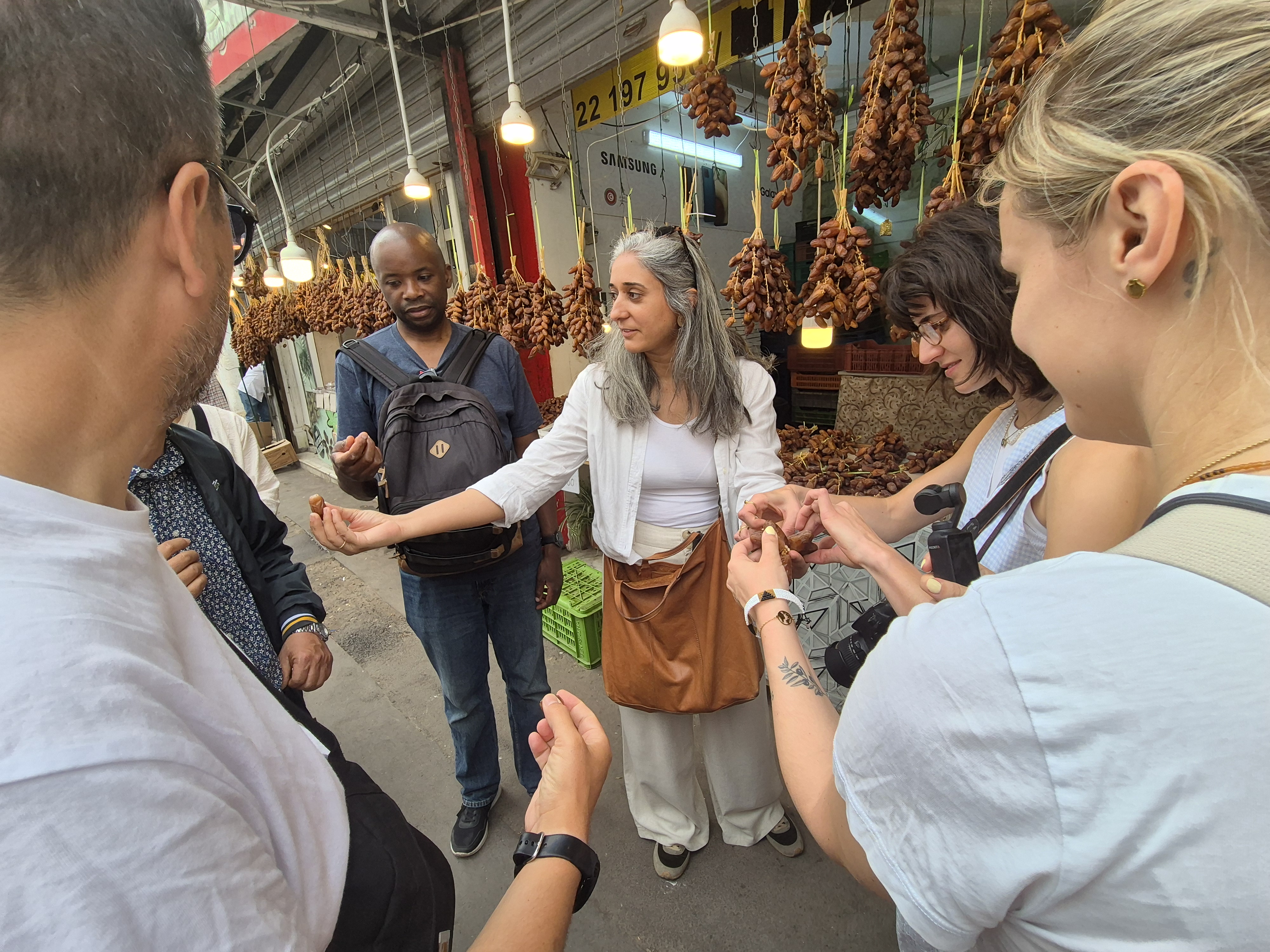
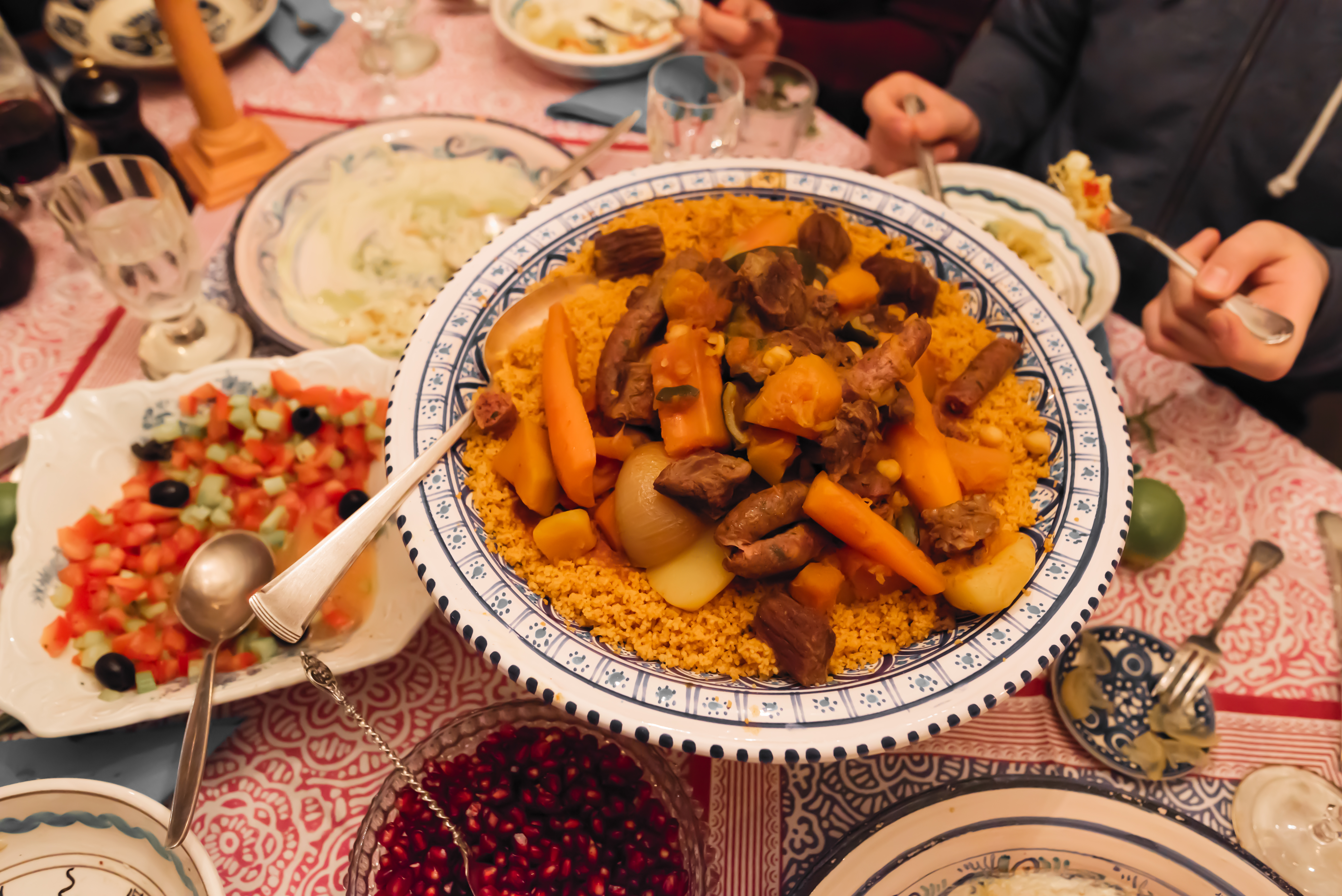
Take a guided tour of Tunis medina’s central market and choose ingredients for a Tunisian dish. Join a local chef for a hands-on cooking demonstration in a traditional house, then eat the food you have prepared. The remainder of the day is free to explore.
Meals: Breakfast,Lunch
Day 4
Taste Tunisian produce at a family farm • Discover the Roman ruins of Dougga
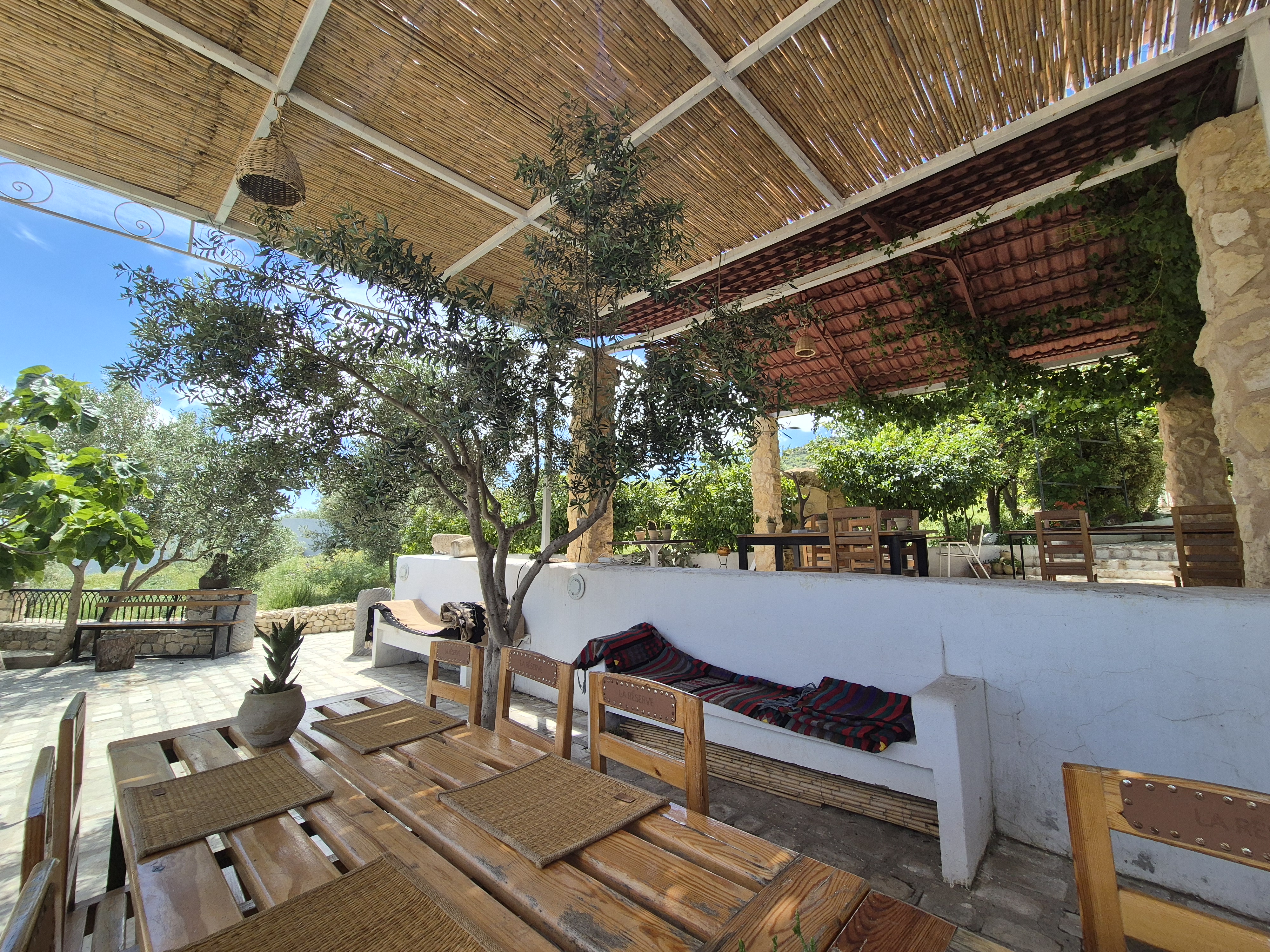
Drive from Tunis to Domaine Ben Ismail, a family-run farm near Majaz al Bab. Taste local cheeses and olive oils, followed by a traditional lunch. Visit the archaeological site of Dougga, including its temples, theatre and baths, then continue to Kairouan.
Meals: Breakfast,Lunch
Day 5
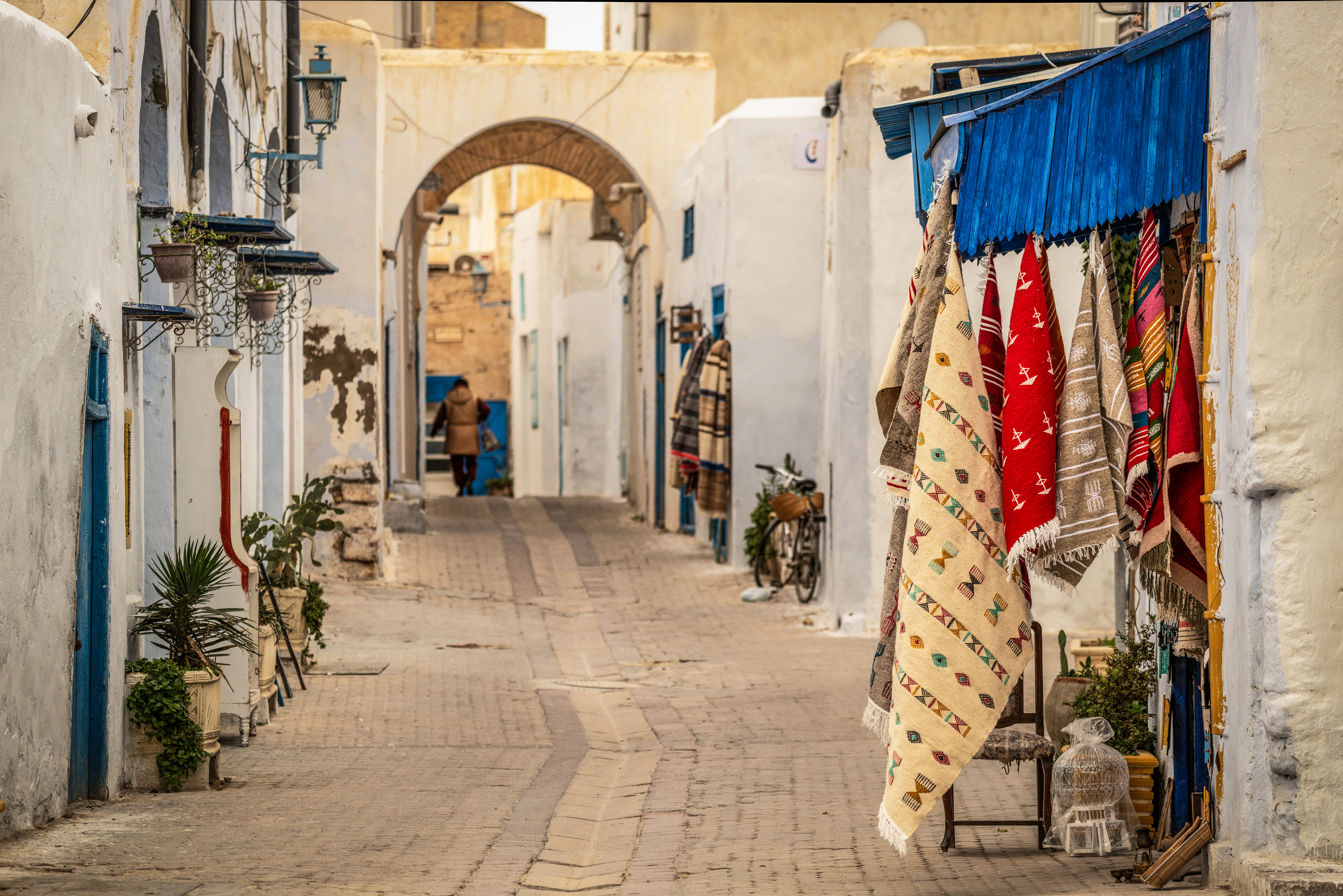
Uncover Kairouan’s Islamic heritage
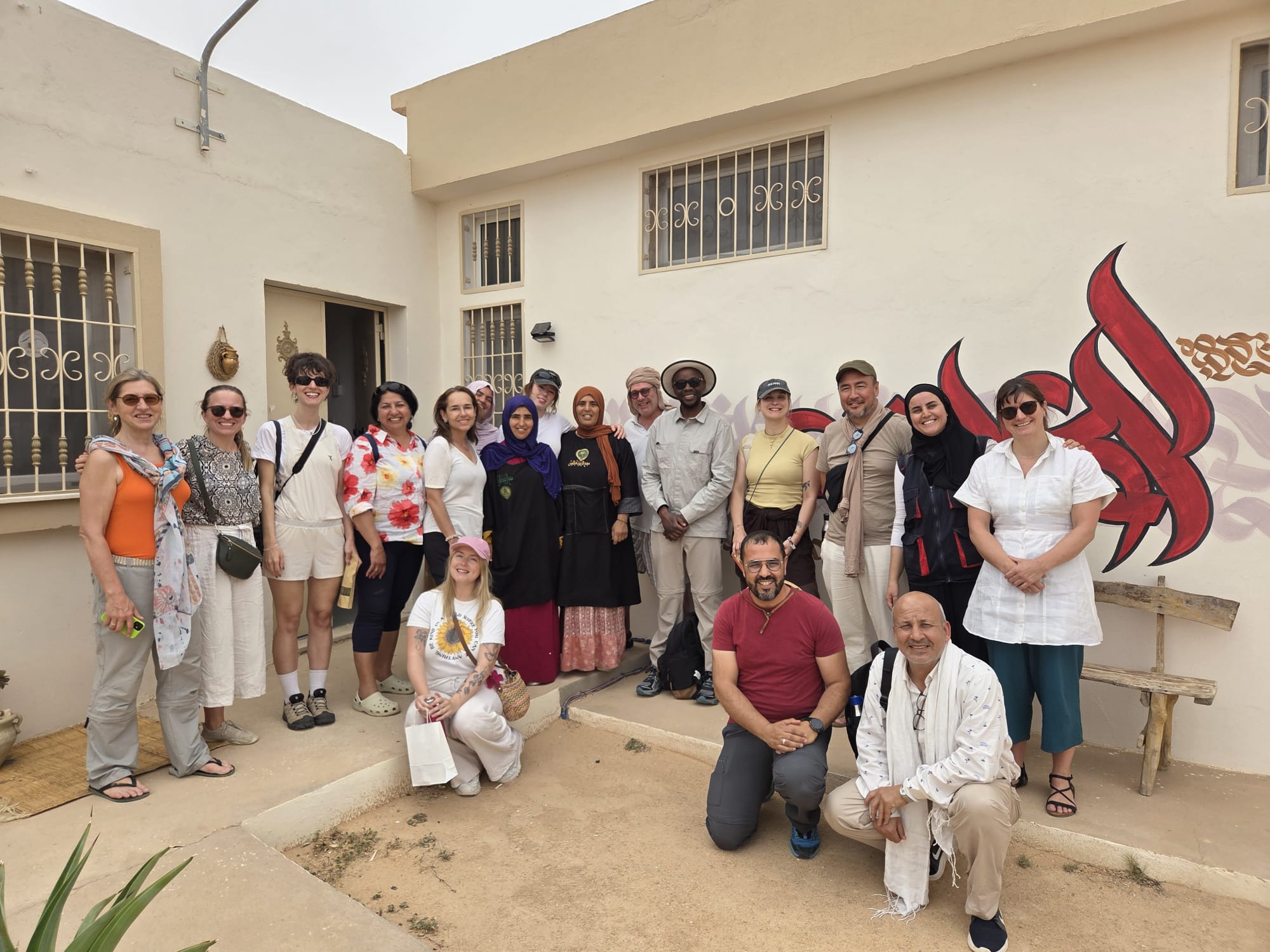
Explore Kairouan’s UNESCO-listed medina, Great Mosque and Mausoleum of Sidi Sahbi with the tour leader. The afternoon is free, or you can join an optional Arabic calligraphy workshop with a local artisan.
Meals: Breakfast
Day 6
To Tozeur, gateway to the Sahara
Leave Kairouan and visit the Rakada Museum before travelling south to Tozeur. Explore the old quarters and visit EdenPalm Oasis, including its museum, a guided walk among the palms and a tasting of dates and local products. If time allows, you may visit the Dar Cherait Museum.
Meals: Breakfast,Dinner
Day 7
Discover the desert architecture of Tozeur
Explore Tozeur’s old quarter with the tour leader, seeing its desert architecture and brickwork patterns. The afternoon is free, or join an optional 4×4 excursion to Chebika, Tamerza and Mides, continuing off-road towards Ong Jmal and the Mos Espa Star Wars film set.
Meals: Breakfast,Dinner
Day 8
Cross the salt flat of Chott el Jerid • Adventure in the Sahara
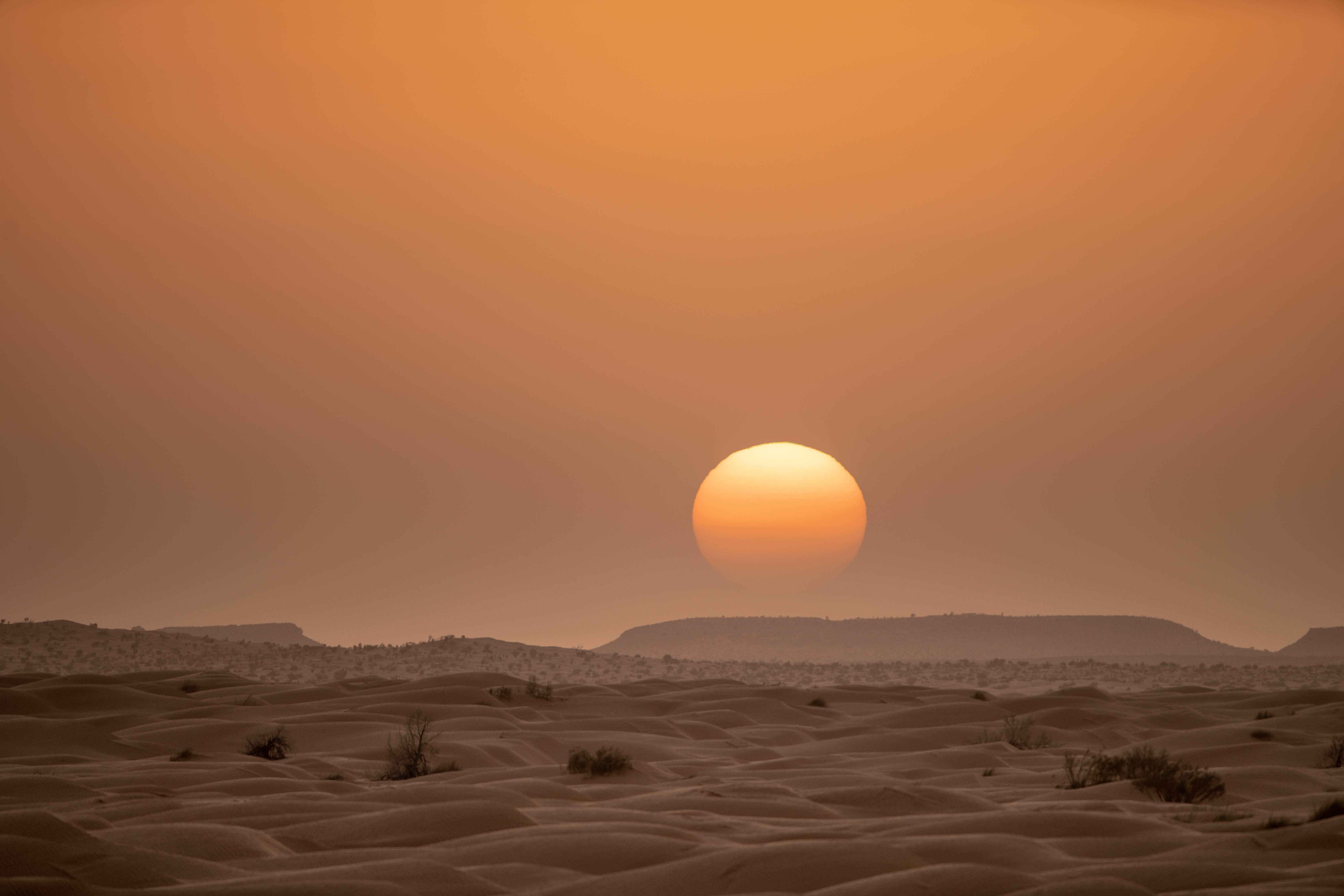
Cross Chott el Jerid to Douz and meet a craftsperson for a traditional shoemaking demonstration in the medina. Transfer to 4x4s and travel across the Sahara to Tembaine. There is time to try sandboarding and see khobz el mella desert bread being prepared. Dinner and overnight at the camp among the dunes.
Meals: Breakfast,Dinner
Day 9
Discover underground homes and Star Wars history • Enjoy an Amazigh-hosted dinner
Travel by 4×4 across the dunes towards Douz, then enter the Dahar region. Visit Tamezret village museum and Matmata’s underground homes, including Hotel Sidi Driss, used for interior scenes in Star Wars. Continue through Toujane, where weaving is a village craft, and share an Amazigh-hosted dinner with GDA El Ferech.
Meals: Breakfast,Dinner
Day 10
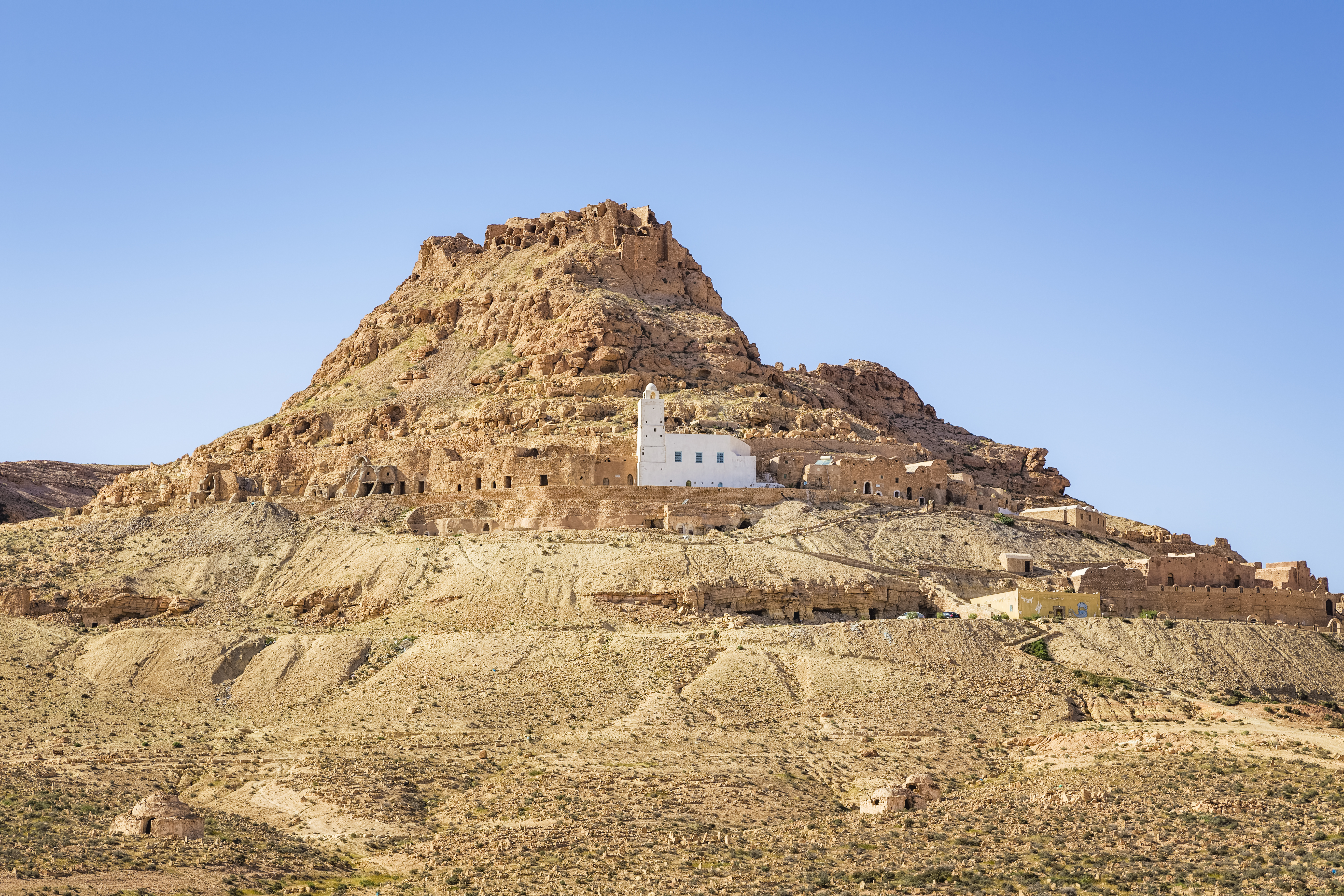
Read the landscape at Douiret and Chenini
Visit Douiret’s hillside ksar and traditional stone homes, then walk through Chenini to see its cliffside dwellings, ancient granaries and views across the Dahar mountains. Transfer to Sfax (3 hours 30 minutes).
Meals: Breakfast
Day 11
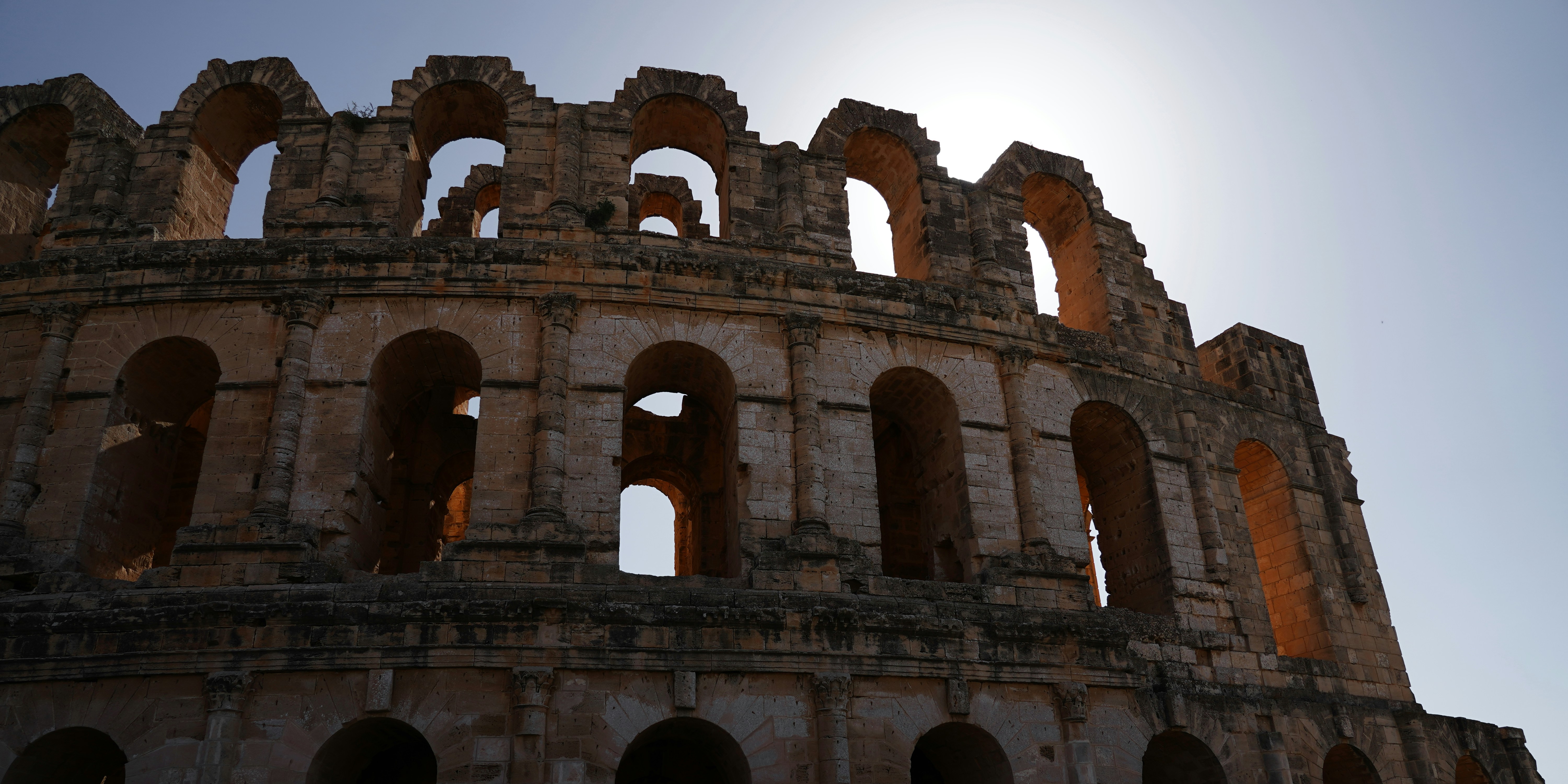
Stand inside El Jem’s Roman amphitheatre
Visit El Jem’s Roman amphitheatre, then continue to Sousse and explore its UNESCO-listed medina, including the ribat, ramparts, Great Mosque and kasbah. Gather for a farewell dinner with live traditional music.
Meals: Breakfast,Dinner
Day 12
Adventure ends in Sousse
Begin your return journey. The group airport transfer departs around 15:30. Before then, you can relax at the hotel, have lunch overlooking the marina, walk to Port El Kantaoui harbour, browse local shops or spend time at the beach.
Meals: Breakfast
What’s included
What’s not included
Additional information
Food
Tunisia’s food reflects a mix of Mediterranean, Arab and Berber influences, with fresh ingredients, fragrant spices and the famous harissa chilli paste adding flavour to many dishes. Popular specialities include couscous, brik pastries, fresh seafood and colourful salads, while mint tea, strong coffee and excellent local olive oil are all part of daily life.
Hotel breakfasts are typically generous, featuring fresh bread, pastries, fruit, yoghurt, and eggs.
Lunches: 12-60 dinars (US$4-US$21)
Dinner: 20-80 dinars (US$7-US$28)
Soft drinks: 2-8 dinars (US$0.70-US$3)
Alcohol availability can be limited outside of Tunis, but if available:
Beer and wine: 12-24 dinars (US$4-US$8)
Bardo National Museum
Explore the Bardo National Museum in Tunis, where intricate mosaics, sculpture and archaeological finds bring more than two millennia of Tunisian history into view. Look closely at scenes of everyday life, mythology and the natural world preserved in stone.
The museum’s celebrated Roman mosaics offer a vivid introduction to the cultures that shaped Tunisia, from ancient Carthage to the Roman period. Your visit provides context for the archaeological sites explored across the country.
Ancient Carthage
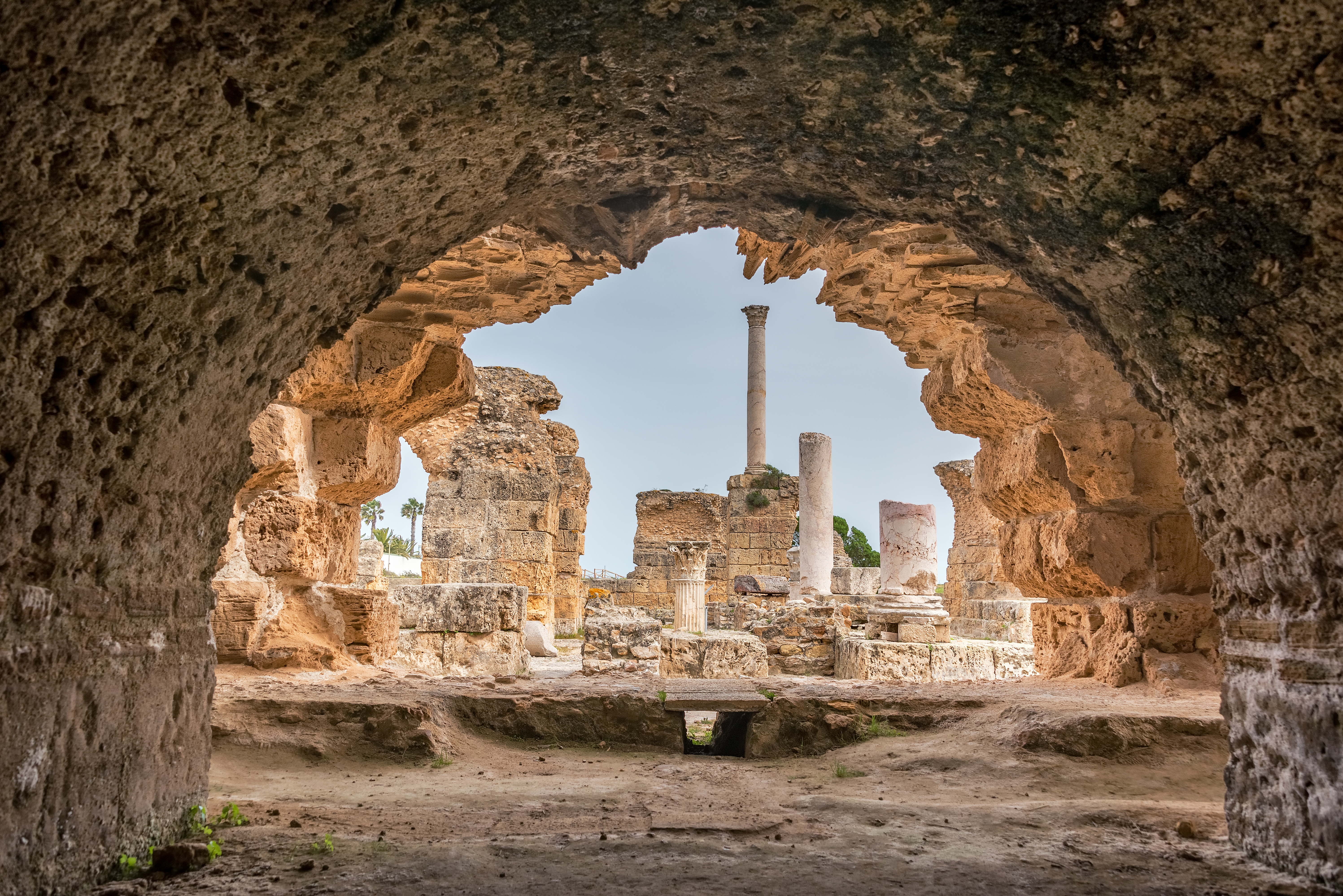
Walk among the remains of Carthage, the Mediterranean trading power founded by Phoenician settlers near modern Tunis. With your tour leader’s insight, distinguish traces of the Punic city from the Roman settlement built over it.
Carthage’s layered ruins tell a story of commerce, rivalry and reinvention. Rome destroyed the city in 146 BCE, but its later rebuilding means the site reveals more than one chapter of North African history beneath your feet.
Sidi Bou Said Village Visit
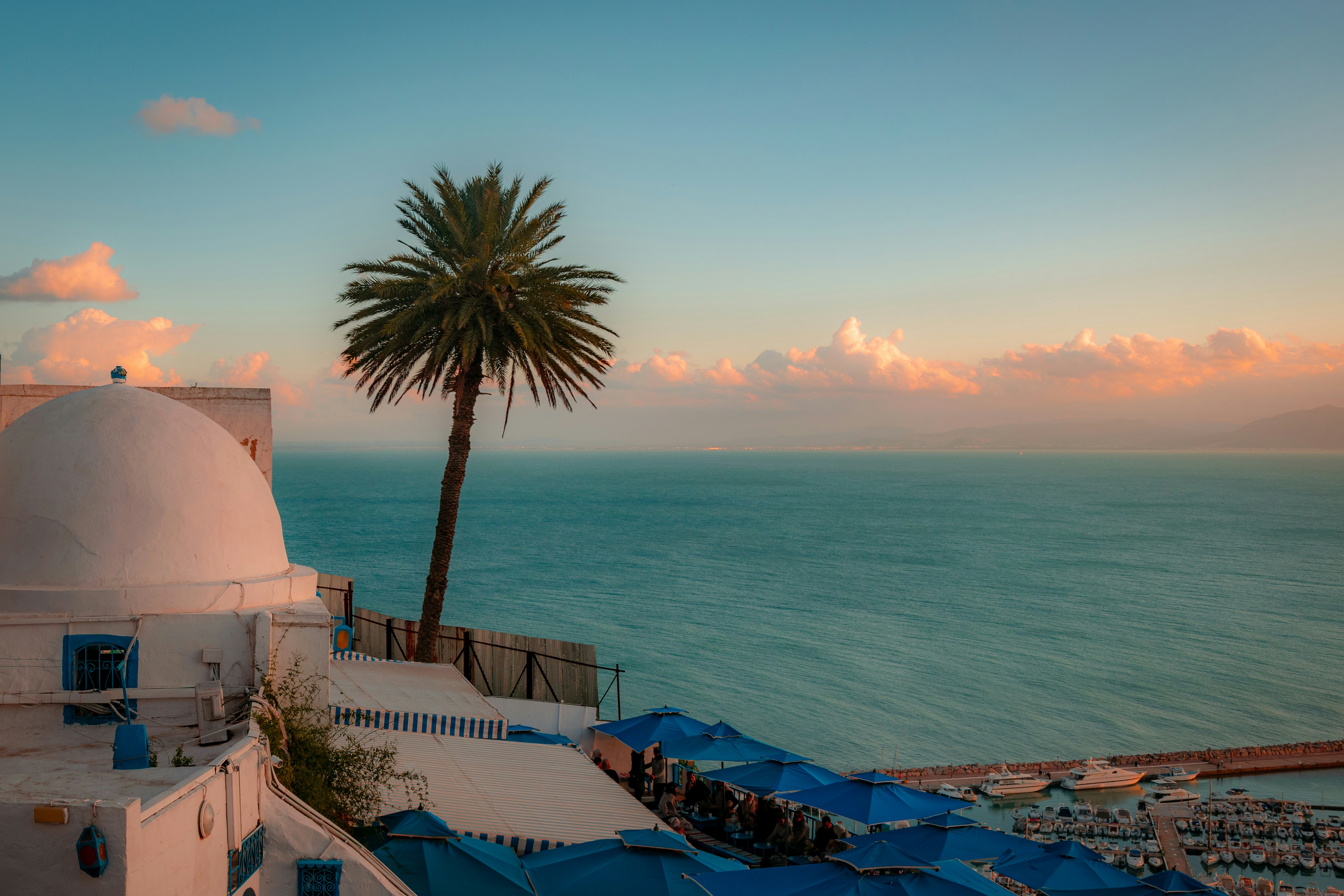
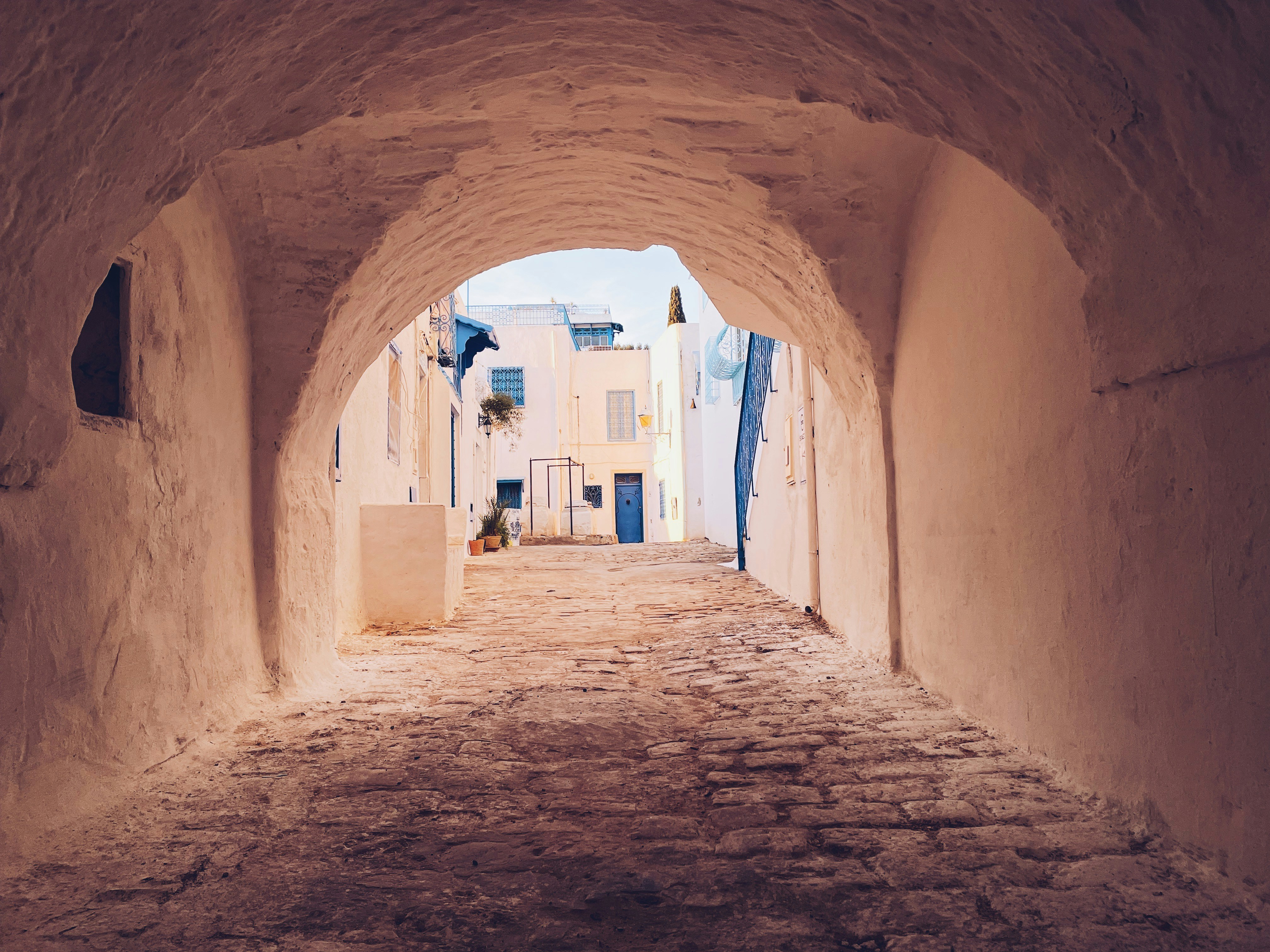
Explore the blue-and-white lanes of Sidi Bou Said, a hilltop village overlooking the Gulf of Tunis. Walk its cobbled streets and take in whitewashed walls, blue-painted doors and glimpses of the Mediterranean between the buildings.
The village’s distinctive palette and coastal setting have long drawn visitors and artists. It offers a change of pace from the capital and a chance to experience the intimate streetscape of one of Tunisia’s best-known villages.
Welcome Dinner at Fondouk El Attarine
Share a welcome dinner at Fondouk El Attarine in the Tunis medina, where Tunisian-Mediterranean cuisine is served in a restored caravanserai. The meal is an opportunity to meet fellow travellers around a table rooted in the city’s culinary traditions.
Caravanserais once accommodated merchants moving through trading centres such as Tunis. Dining within one connects the flavours on the table with the medina’s longstanding role as a meeting place for people and goods.
Tunis Medina Market Visit & Cooking Class
Shop the central market in Tunis medina on a guided visit, selecting ingredients for a Tunisian dish. In a traditional house, work with a local chef during a hands-on cooking session and sit down to eat what you have prepared.
The experience connects market produce with the techniques used in Tunisian home cooking. Against the medina’s backdrop of historic streets and souqs, it offers a practical, flavour-led way to learn about the city’s food culture.
Cheese & Olive Oil Tasting at Domaine Ben Ismail
Visit Domaine Ben Ismail, a family-run farm near Majaz al Bab, for a tasting of local cheeses and premium olive oils. A traditional lunch featuring regional and artisanal produce makes this a fuller introduction to the area’s food.
Olive oil is central to Tunisian cooking and agricultural life. Tasting it alongside locally made cheese highlights the ingredients themselves, while the farm setting places those flavours close to their source.
Roman City of Dougga
Explore Dougga’s Roman ruins with your tour leader, walking between temples, a theatre and baths at one of North Africa’s best-preserved ancient city sites. The surviving buildings make it possible to picture how public life was organised here.
Set in the Tunisian countryside, Dougga preserves an unusually legible ancient streetscape. Expert local insight helps reveal the purpose of its monumental spaces and the layers of history behind the city’s enduring stonework.
Kairouan Medina, Great Mosque & Sidi Sahbi Mausoleum
Walk with your tour leader through Kairouan’s UNESCO-listed medina to the Great Mosque and Mausoleum of Sidi Sahbi. Explore the streets and religious landmarks that express the city’s importance in Tunisia’s Islamic heritage.
Founded in the seventh century, Kairouan became a major centre of learning and faith in North Africa. Its monuments and historic urban fabric offer insight into the architecture and traditions of a city with lasting spiritual significance.
Roman Ruins of Sbeitla
Walk through Sufetula’s ancient forum at Sbeitla to see its striking Capitol: three separate temples dedicated to Jupiter, Juno and Minerva. Explore the paved streets, baths and churches that remain from different periods of the city’s life.
The unusual trio of temples gives Sbeitla an architectural identity of its own. Moving through the wider ruins reveals how civic, religious and everyday spaces fitted together in this well-preserved North African site.
Tozeur Old Quarter Walking Tour
Explore Tozeur’s old quarter with your tour leader, studying the small bricks set at different depths to create geometric patterns across its facades. Walk through streets shaped by the town’s desert setting and oasis heritage.
These patterned walls are a distinctive feature of Tozeur’s architecture. The guided walk draws attention to details that are easy to miss and shows how local building traditions give the southern town its recognisable character.
Douz Traditional Shoemaking Demonstration
Meet a craftsperson in the medina of Douz for a traditional shoemaking demonstration. Watch skilled handwork up close and learn about a craft practised in this desert town at the edge of the Sahara.
Douz has long been associated with routes into the desert. Seeing a maker at work adds a human-scale perspective to the town, connecting its streets and trading heritage with the practical skills kept alive by local artisans.
Sahara 4x4 Journey & Tembaine Desert Camp
Travel by 4×4 across the Sahara sands to a camp among the dunes at Tembaine. Try sandboarding, watch the preparation of khobz el mella—desert bread cooked beneath hot sand, ash and embers—and share dinner at camp.
Spending the night deep in the desert offers time to experience the dunes beyond a brief visit. With little around the camp but sand and open sky, the setting brings the scale and stillness of the Sahara into focus.
Tamezret Village Museum
Visit the village museum in Tamezret to learn about Amazigh history and culture in southern Tunisia. The stop introduces the communities whose traditions and settlements are closely tied to the rocky Dahar region.
Amazigh heritage remains an important part of the area’s identity. Exploring it in a village setting provides context for the local architecture, craft traditions and hospitality encountered elsewhere in Tunisia’s south.
Matmata Underground Homes & Hotel Sidi Driss
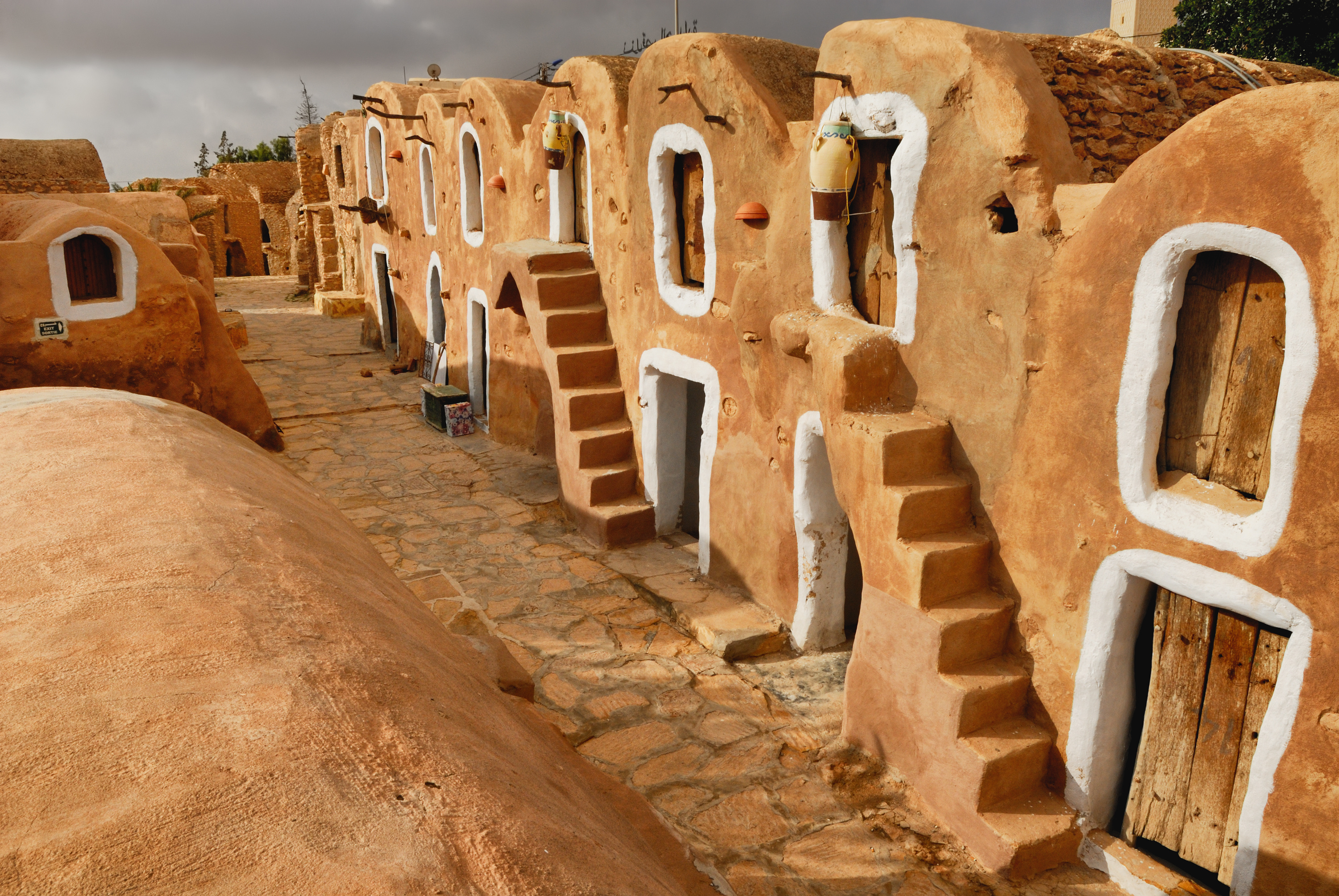
Step inside Matmata’s underground homes, dug into the earth around open courtyards to help regulate indoor temperatures. Visit Hotel Sidi Driss, another underground building, used for interior scenes in the Star Wars films.
These troglodyte dwellings reflect a resourceful response to southern Tunisia’s climate. Seeing their rooms from within reveals more than their unusual appearance, while the film connection shows how this local architecture reached audiences far beyond the Dahar region.
Amazigh-Hosted Dinner with GDA El Ferech
Share an Amazigh-hosted dinner with GDA El Ferech and meet the people preparing and serving the food. Conversation with your hosts offers a chance to learn about the meal and experience local hospitality in southern Tunisia.
This is more than a restaurant stop: the hosted setting places food within the living culture of the region. Gathering around the table gives space for personal exchange and a closer understanding of Amazigh traditions.
Douiret & Chenini Amazigh Village Walks
Explore the historic Amazigh villages of Douiret and Chenini in Tunisia’s Dahar region. Take in Douiret’s hillside ksar and stone homes, and walk gently through Chenini to see cliffside dwellings, old granaries and views across the mountains.
The villages show how communities adapted their buildings to steep, exposed terrain. Their fortified forms and elevated storage spaces make the relationship between architecture, landscape and everyday life especially clear.
El Jem Roman Amphitheatre
Stand inside the Roman amphitheatre at El Jem and look up at the tiers of arches that supported one of the ancient world’s largest arenas. Its vast interior conveys the scale of gatherings once held here.
Built on flat ground rather than into a hillside, the amphitheatre depended on an ambitious system of masonry and arches. With capacity for up to 35,000 spectators, it offers a striking encounter with Roman engineering in North Africa.
Sousse Medina Heritage Visit
Explore the UNESCO-listed medina of Sousse with your tour leader, learning how its ribat, ramparts, Great Mosque and kasbah relate to the city’s past. The historic streets offer a close view of this fortified coastal centre.
Sousse was an important commercial and military port under the Aghlabids. Your tour leader’s commentary connects its surviving defensive and religious landmarks to the trade and security needs that shaped the medieval city.
Farewell Dinner with Traditional Music
Gather for a farewell dinner in Sousse in a Tunisian setting, accompanied by live traditional music. Share a final hosted meal with fellow travellers while the performance gives the evening its festive character.
Music adds a cultural dimension to the meal and creates space to reflect together on the places and people encountered across Tunisia. It is a shared celebration rather than a routine hotel dinner.
Kairouan Arabic Calligraphy Workshop
Join a local artisan in Kairouan for an Arabic calligraphy workshop. Learn how strokes and letter forms are created, then try the techniques yourself in a hands-on introduction to this expressive art.
Calligraphy has a deep connection with the visual culture of the Islamic world, making Kairouan a meaningful place to study it. This experience is optional, at additional cost and bookable on tour.
Mountain Oases & Ong Jmal 4x4 Excursion
Travel by 4×4 to Chebika, Tamerza and Mides, encountering a mountainside watercourse, a waterfall-fed oasis and a deep desert canyon. Continue off-road towards Ong Jmal and the surviving Mos Espa Star Wars set.
The route brings together sharply contrasting landscapes around Tozeur, from palms and running water to exposed rock and desert scenery. This experience is optional, at additional cost and bookable on tour.