Your itinerary

Day 1
Adventure begins in Beijing
Begin in Beijing. Meet your tour leader and fellow travellers around 6pm for an introduction to the trip, followed by a group dinner. Pre-tour hotel nights can be arranged.
Meals: Dinner
Day 2
High-speed train to Lanzhou • To Xiahe, Little Tibet
Take a high-speed train from Beijing to Lanzhou, a journey of around 6hr 45min, then transfer by road for three hours to Xiahe, also known as Little Tibet. Its Tibetan culture and traditions offer an introduction to the region while the stay provides time to adjust to the altitude of around 9,840ft (3,000m).
Meals: Breakfast,Lunch,Dinner
Day 3
Discover the Tibetan religion, culture and heritage of Xiahe
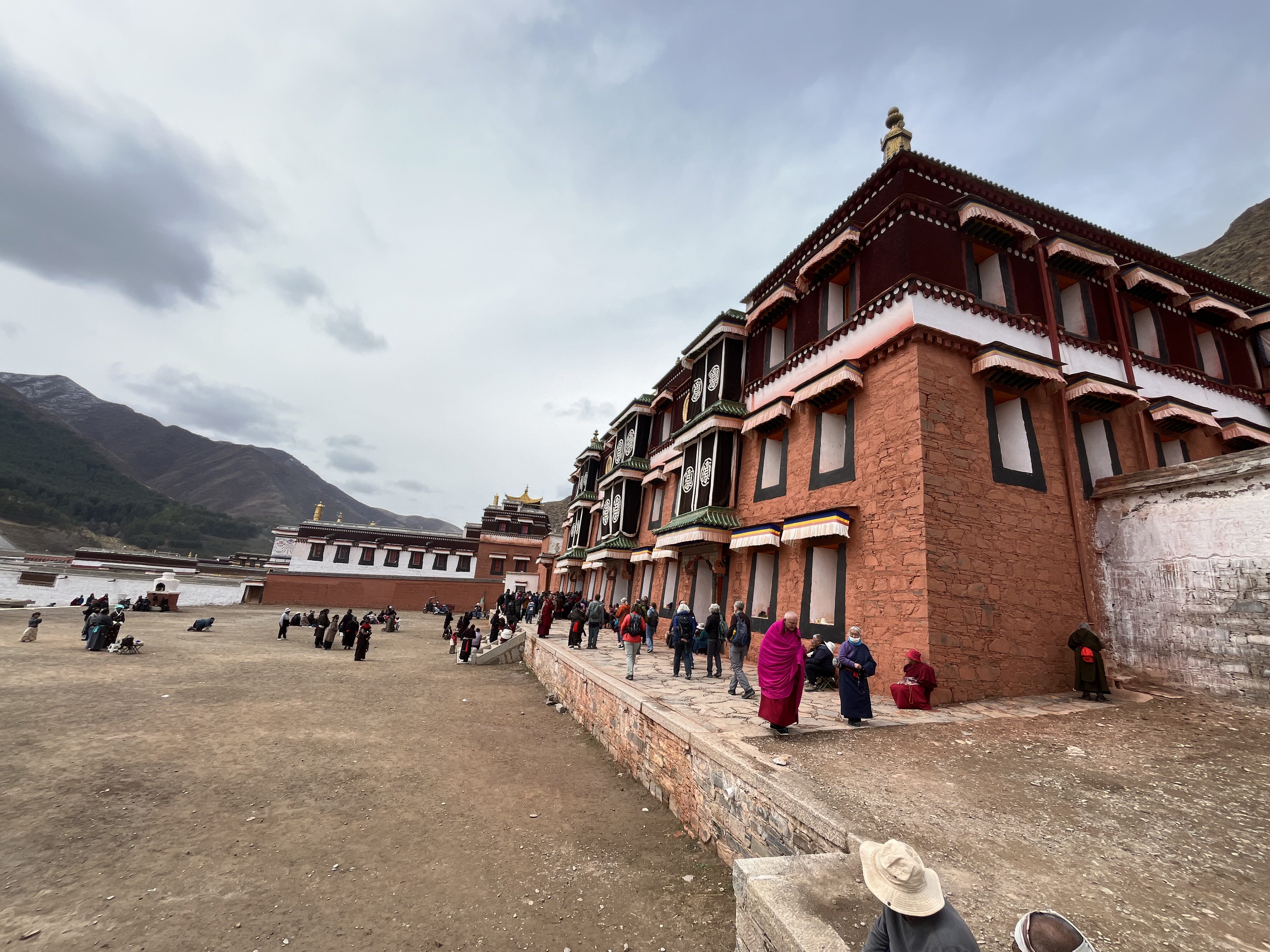
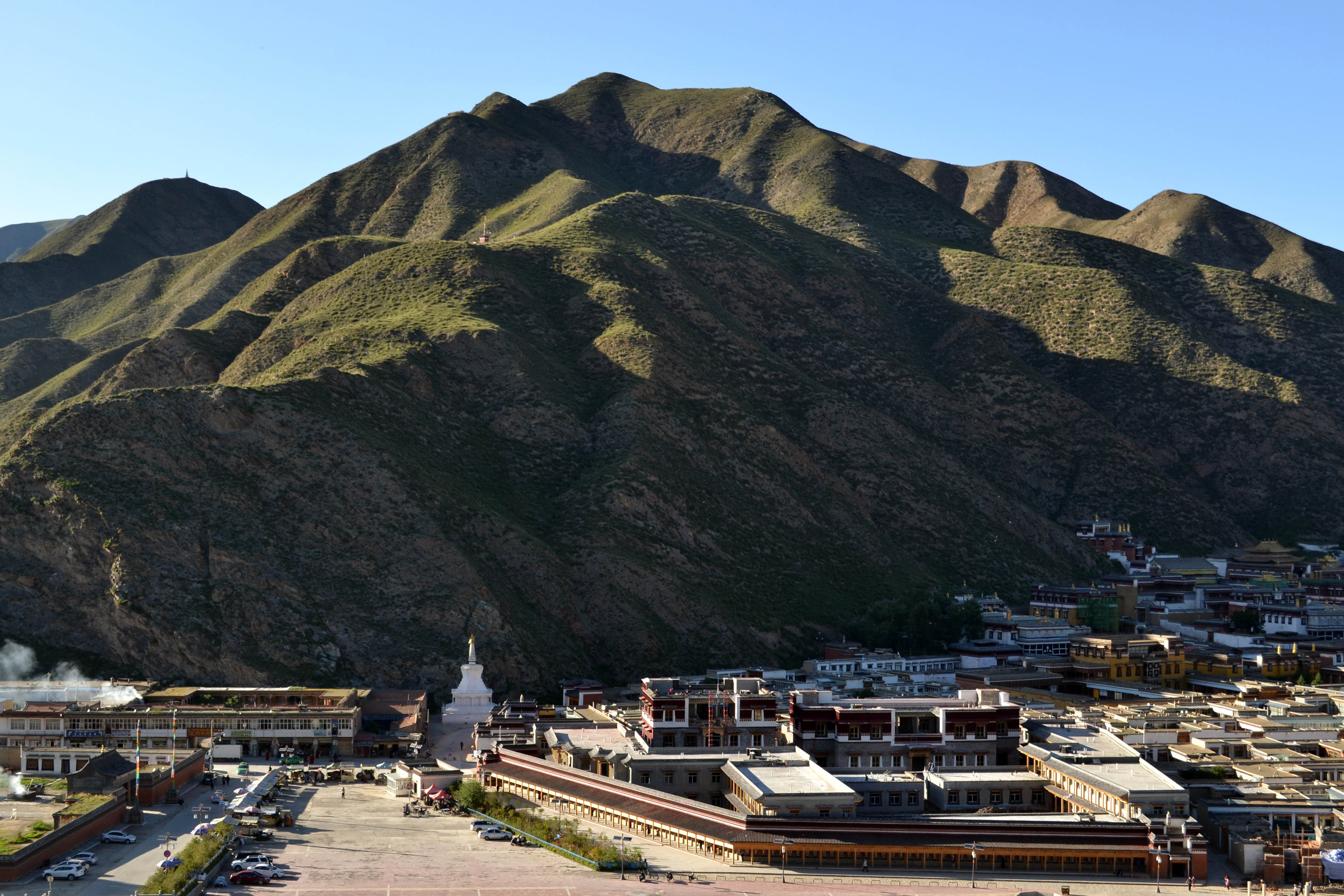
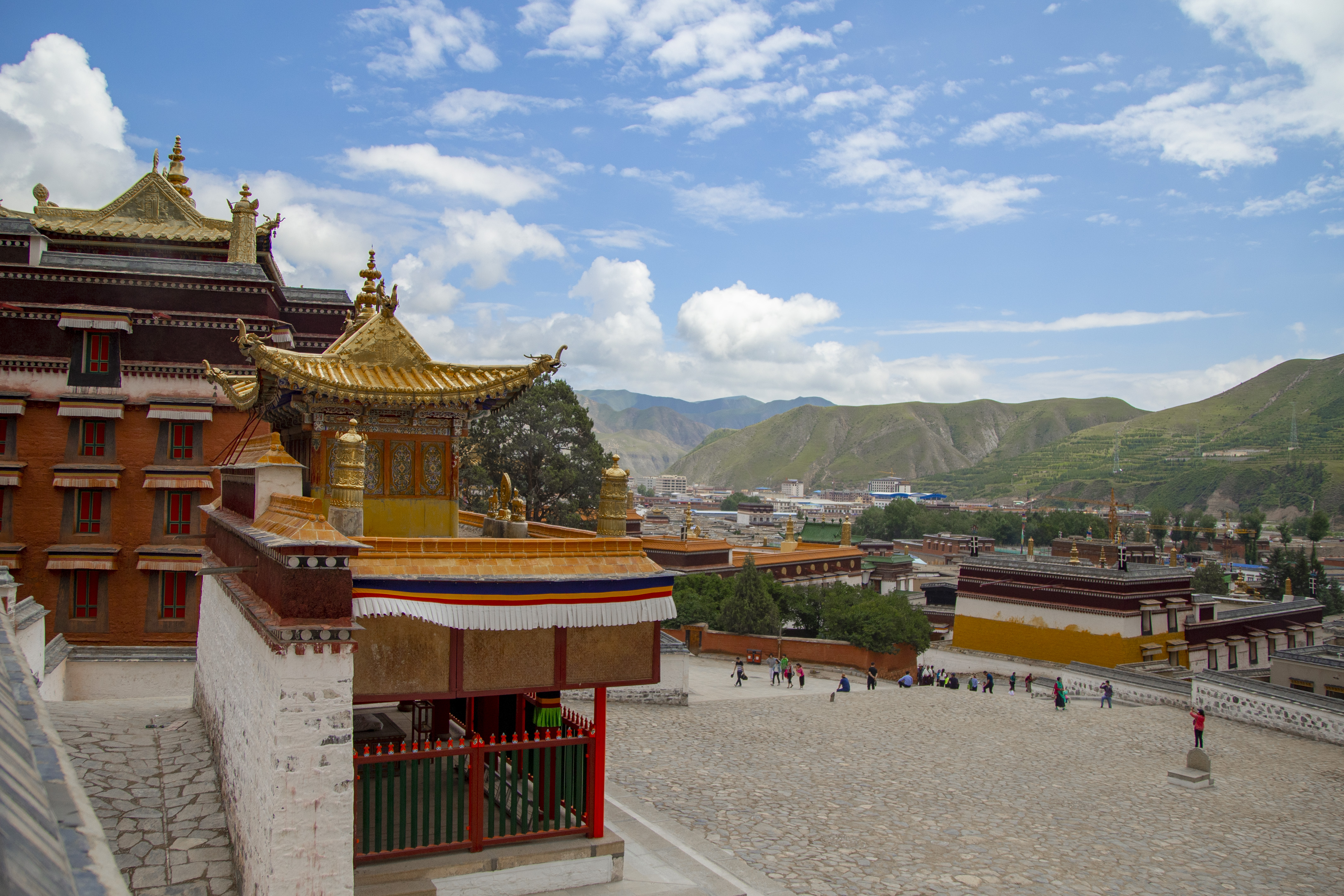
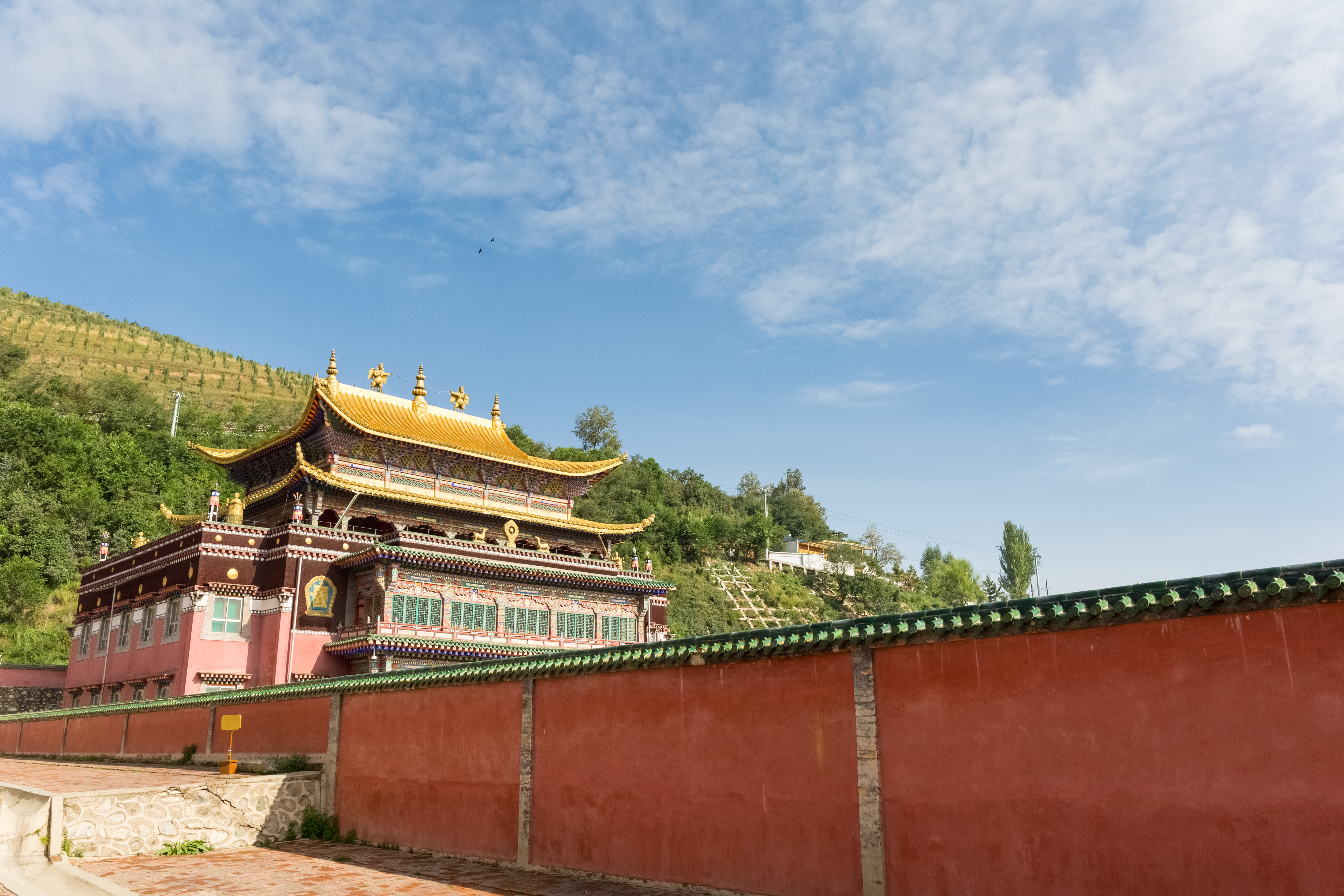
Visit Labrang Monastery, one of the six great monasteries of the Yellow Hat sect of Tibetan Buddhism. In the afternoon, explore Xiahe market with your tour leader and meet vendors selling traditional products, including yak wool goods, religious trinkets and Tibetan clothing.
Meals: Breakfast
Day 4
Picturesque drive to the thangka-making monastery of Wutun • To Xining
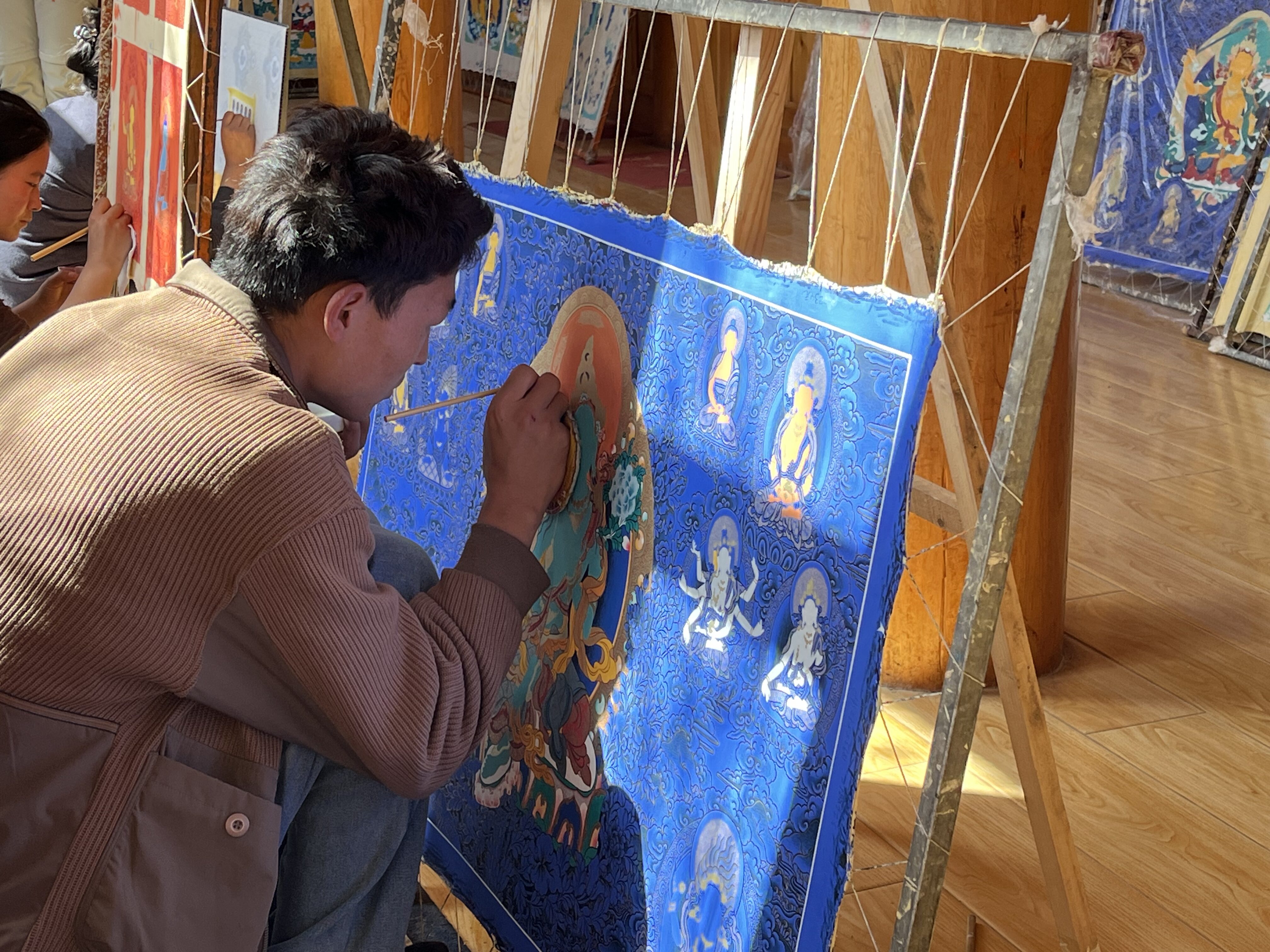
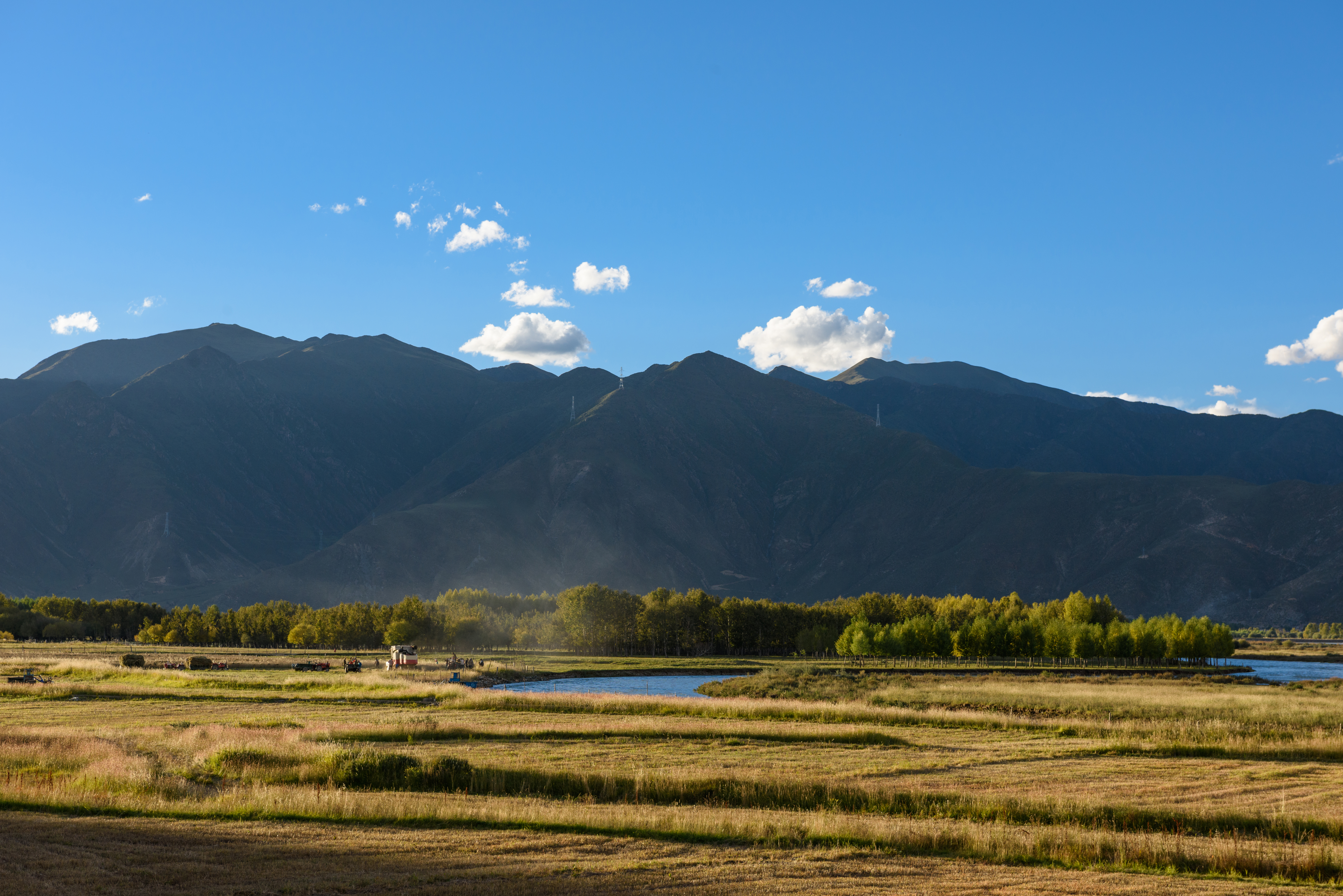
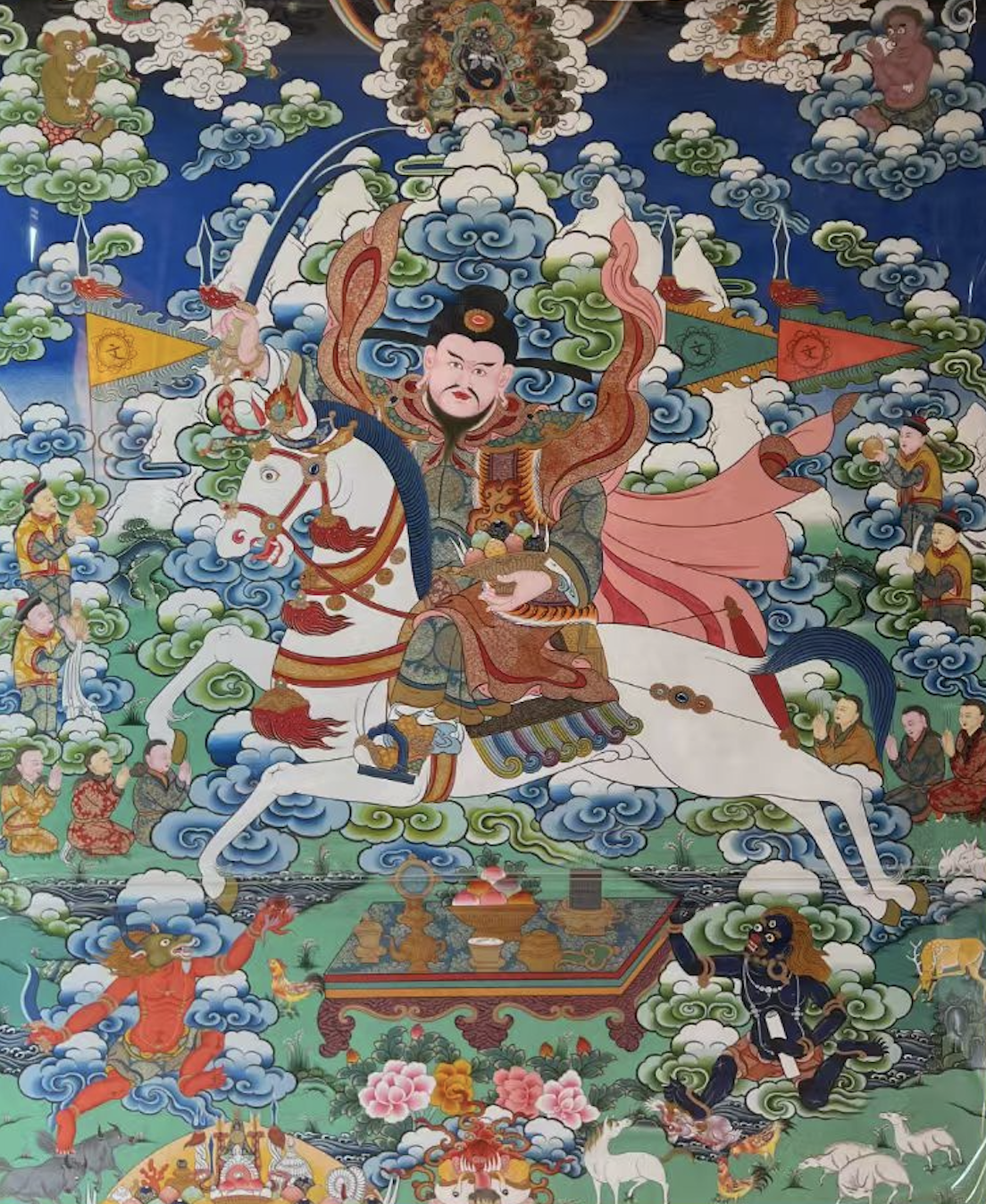
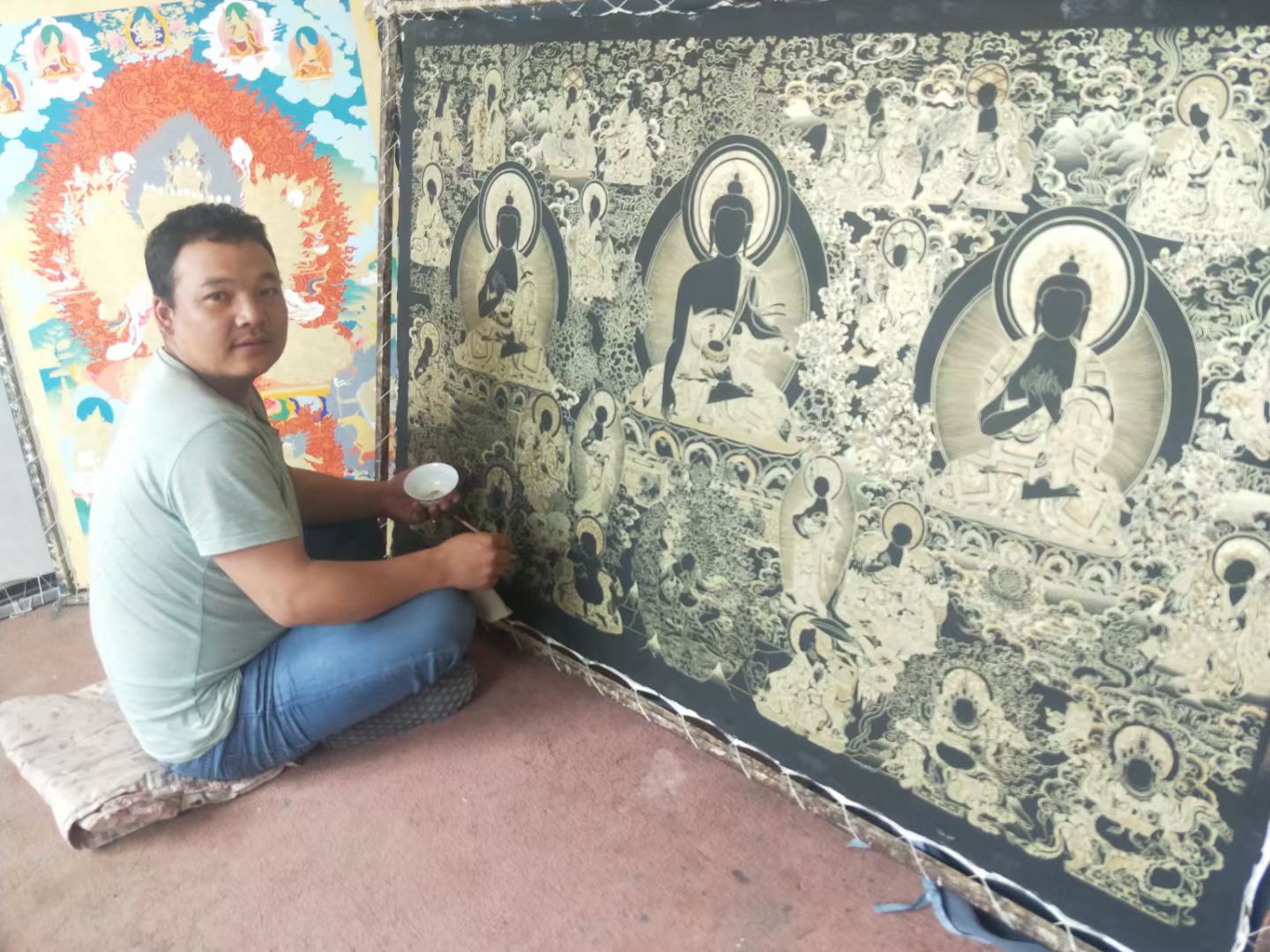
Drive through the Ganjia grassland to Wutun in Tongren county, arriving after around three hours. Visit Wutun Monastery and watch artist-monks create traditional Tibetan Buddhist thangka paintings. Continue for around three hours to Xining, passing the Longwu River valley.
Meals: Breakfast,Lunch,Dinner
Day 5
Explore Kumbum Monastery • Board the Sky Train to Lhasa
Visit Kumbum Monastery, also known as Ta’er Temple, the birthplace of Tsongkhapa and one of the six great Yellow Hat monasteries. Then visit the 600-year-old Dongguan Mosque, explore Mo Street and have dinner. Tonight, board the sleeper train to Lhasa. The approximately 21-hour, 1,240mi (2,000km) journey crosses Tanggula Pass at 16,640ft (5,072m); sleep in soft sleeper berths.
Meals: Breakfast,Lunch,Dinner
Day 6
Continue our scenic train journey • Arrive in Lhasa
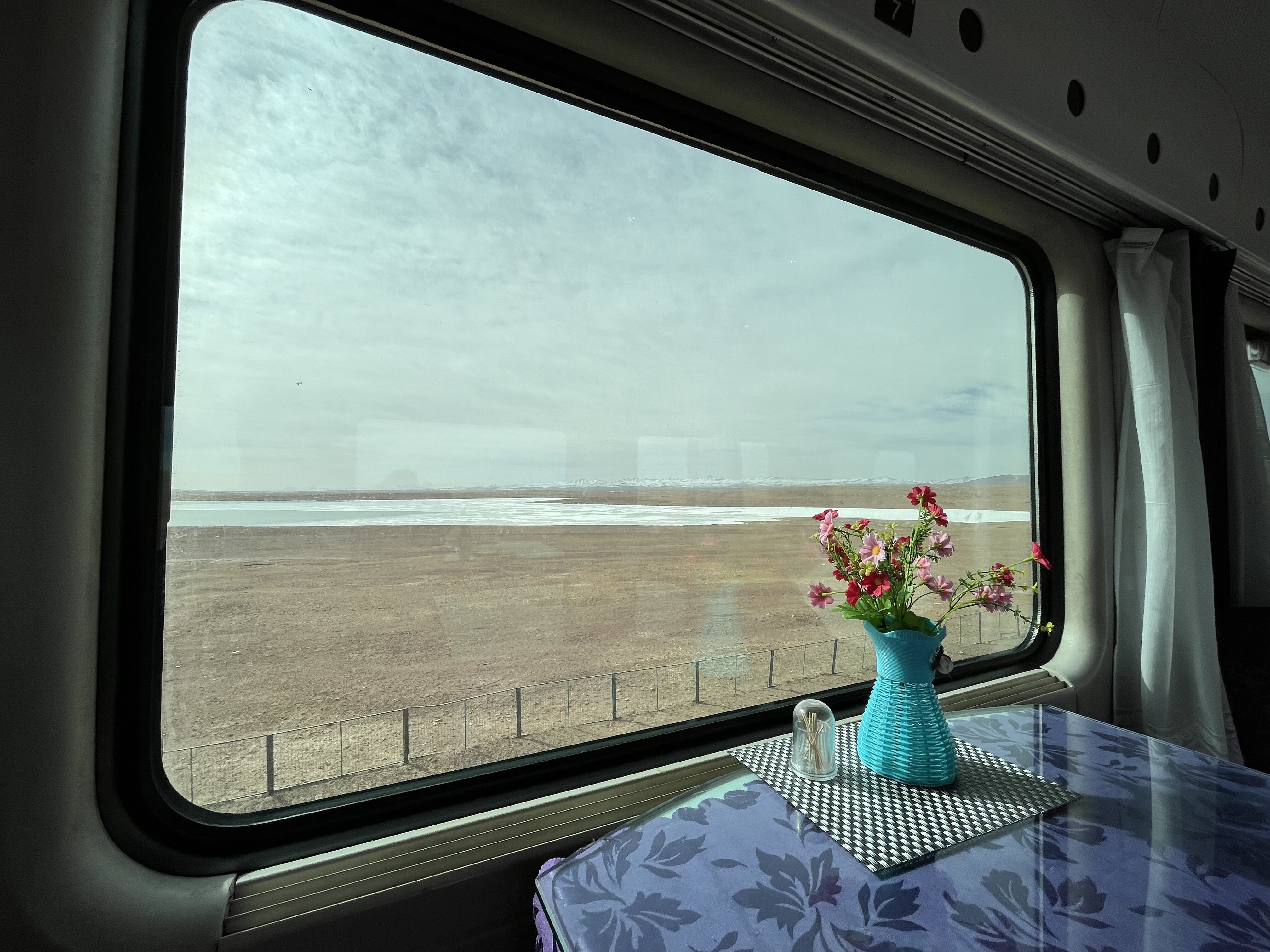
Spend most of the day aboard the Sky Train, viewing deserts, grasslands, snow-capped mountains and lakes. Your local guide can teach you Tibetan words or how to play mahjong. Arrive in Lhasa at 5:40pm and transfer for around 30 minutes to the hotel for dinner, with views of the Lhasa River en route.
Meals: Breakfast,Lunch,Dinner
Day 7
Explore temples and join pilgrims in Lhasa
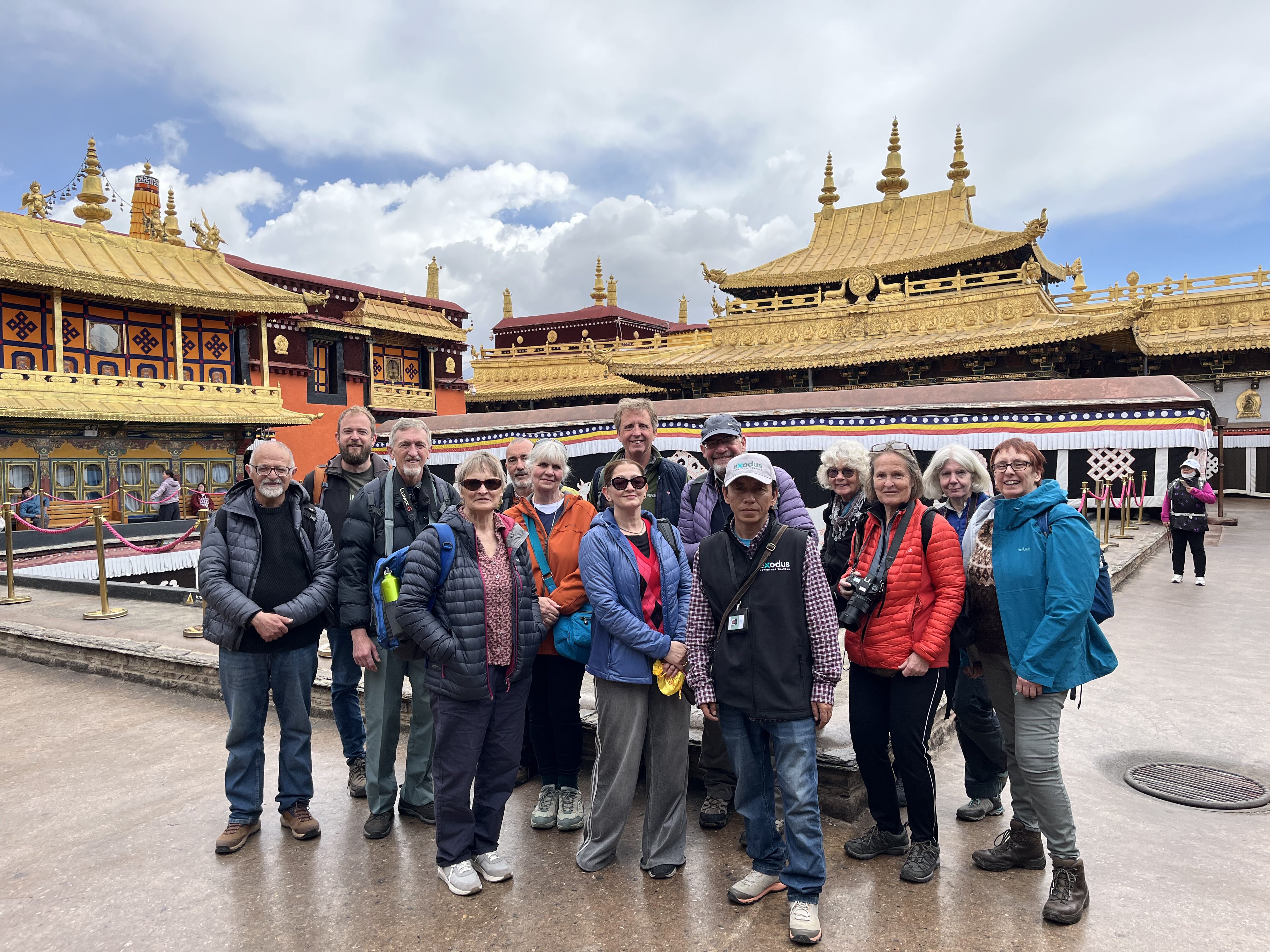
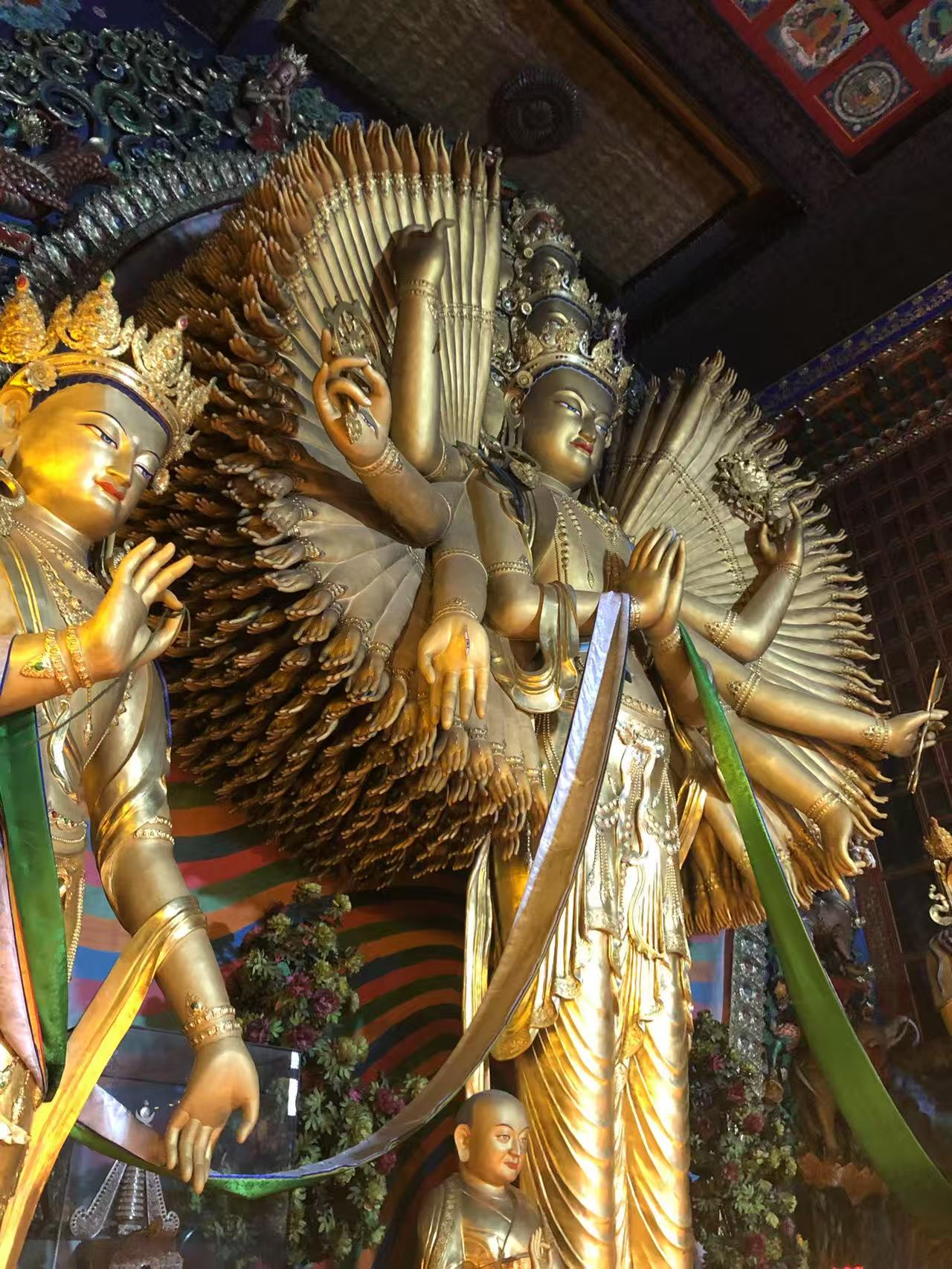
Explore Jokhang temple, including its golden Buddha. Join pilgrims walking clockwise around Barkhor Street on its sacred kora. In the late afternoon, visit Sera Monastery to witness philosophical debating, except on Sundays.
Meals: Breakfast,Lunch,Dinner
Day 8
Witness Lhasa trading at a local market • Master Tibetan cuisine in a cooking class
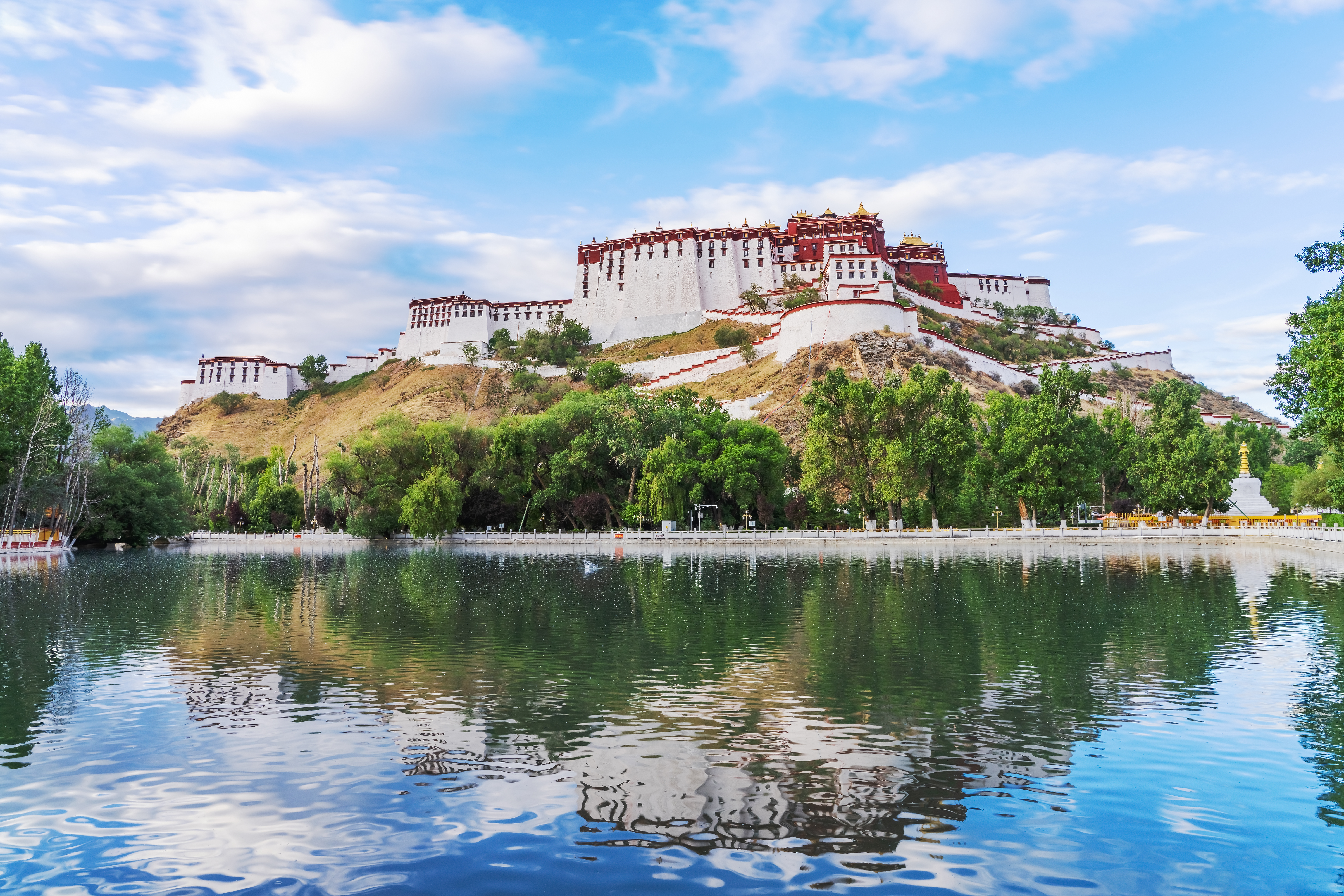
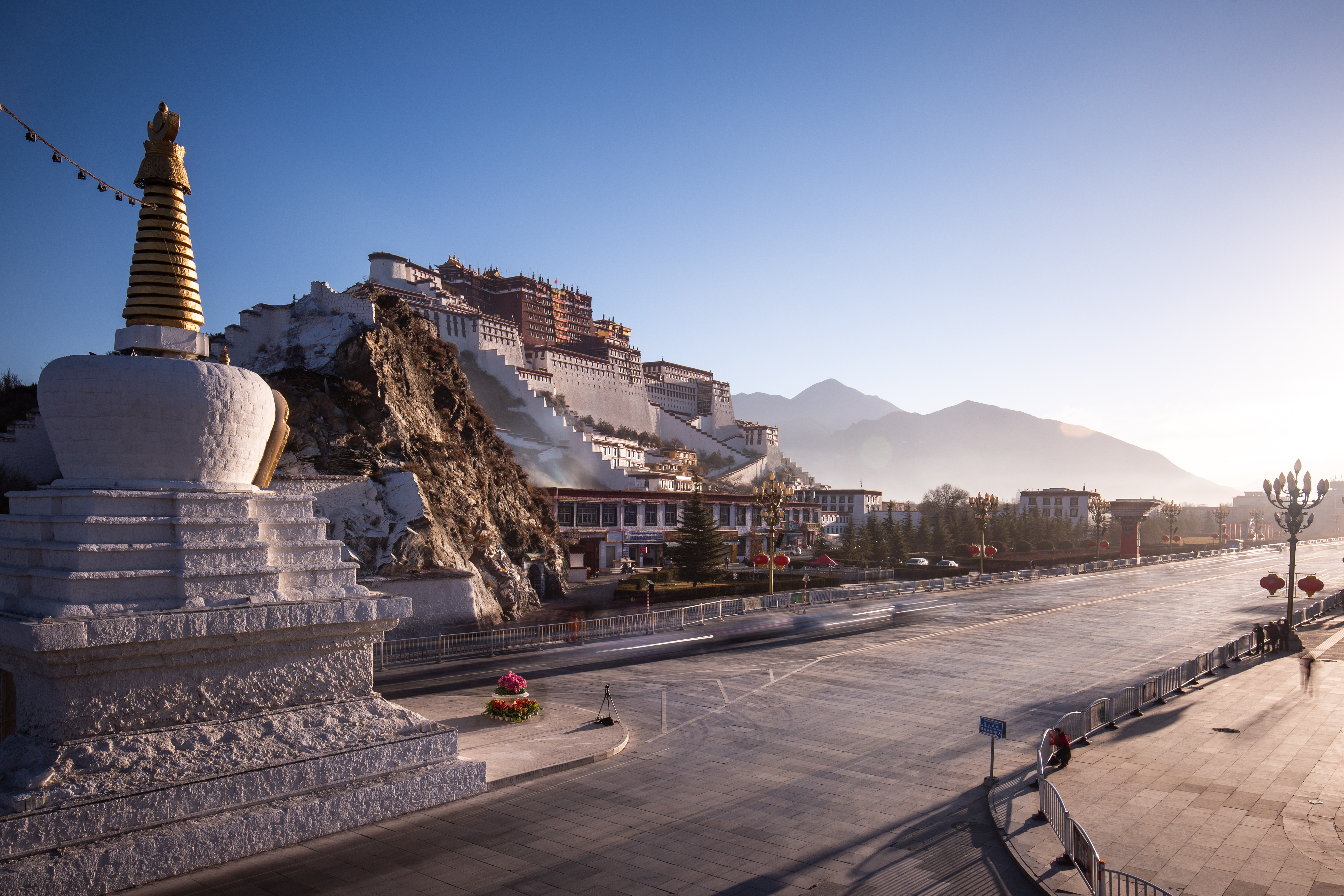
Explore a large local market in Lhasa, including its food stalls. Visit Pawang Monastery and Potala Palace, with its White Palace, Red Palace, chapels, shrines and tombs of the Dalai Lamas. For a Tibetan cooking class, visit a grocery store with a local guide to buy seasonal produce, then prepare dishes such as Tibetan yak cheese, vegetarian momos and yak butter tea.
Meals: Breakfast,Lunch,Dinner
Day 9
To Gyantse via Yumdrok Lake
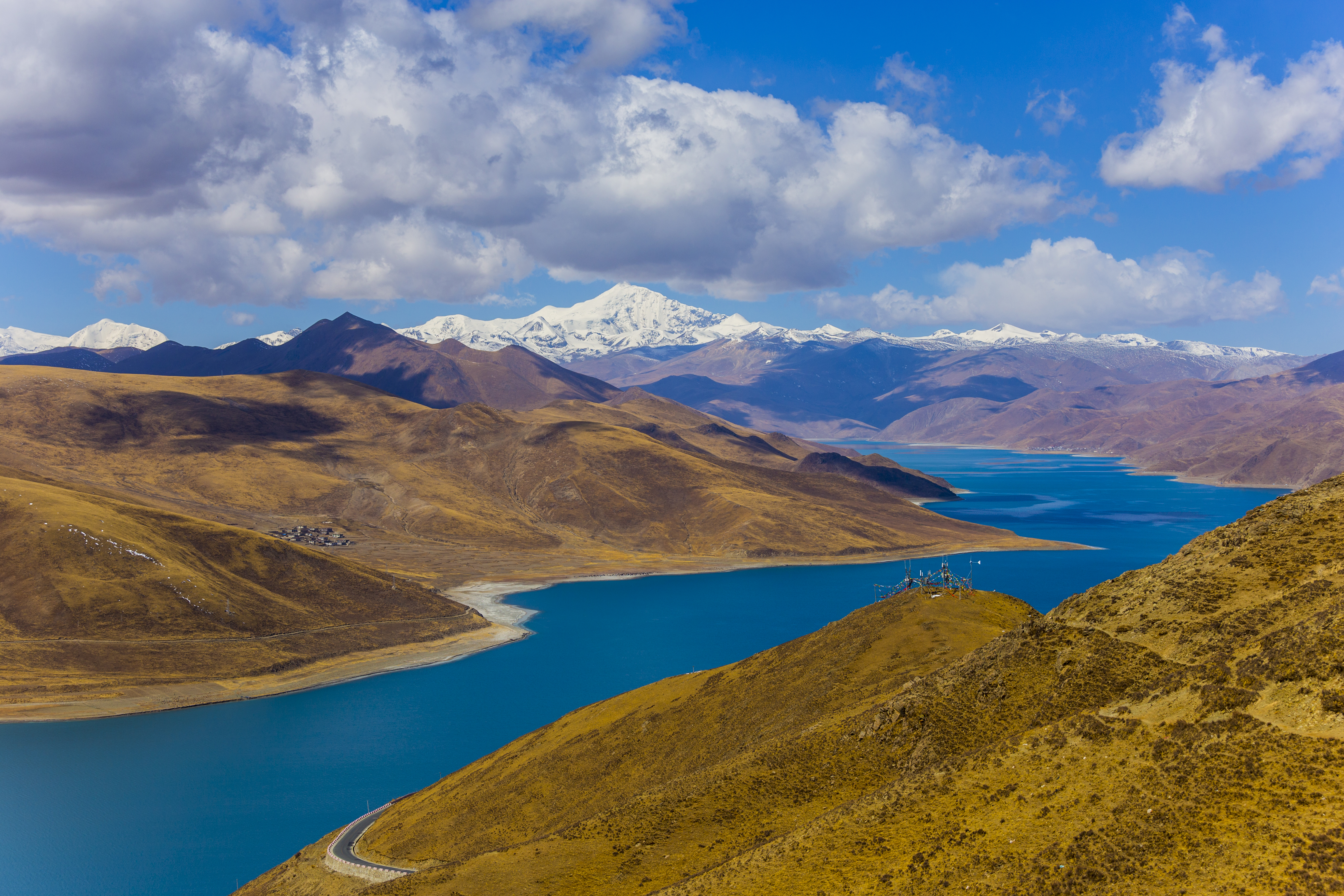
Drive from Lhasa through the Kyichu Valley to the Yarlung Tsangpo river and over Khamba La, with views of Yamdrok Tso and the Himalaya. Follow the lake’s western shore and cross Karo La at 16,550ft (5,045m) to reach Gyantse. Visit Pelkhor Choede monastery and its eight-level Kumbum Pagoda. Total drive time is around 3hr 30min.
Meals: Breakfast,Lunch,Dinner
Day 10
To Shigatse to explore the home of the Panchen Lamas
Drive for around one hour through small villages to Shigatse. Visit Tashilumpo Monastery, home to the Panchen Lamas, and tour its decorated buildings. Afterwards, optionally walk a kora around the monastery or visit the local market.
Meals: Breakfast,Lunch,Dinner
Day 11
Discover the murals and scriptures of Sakya Monastery
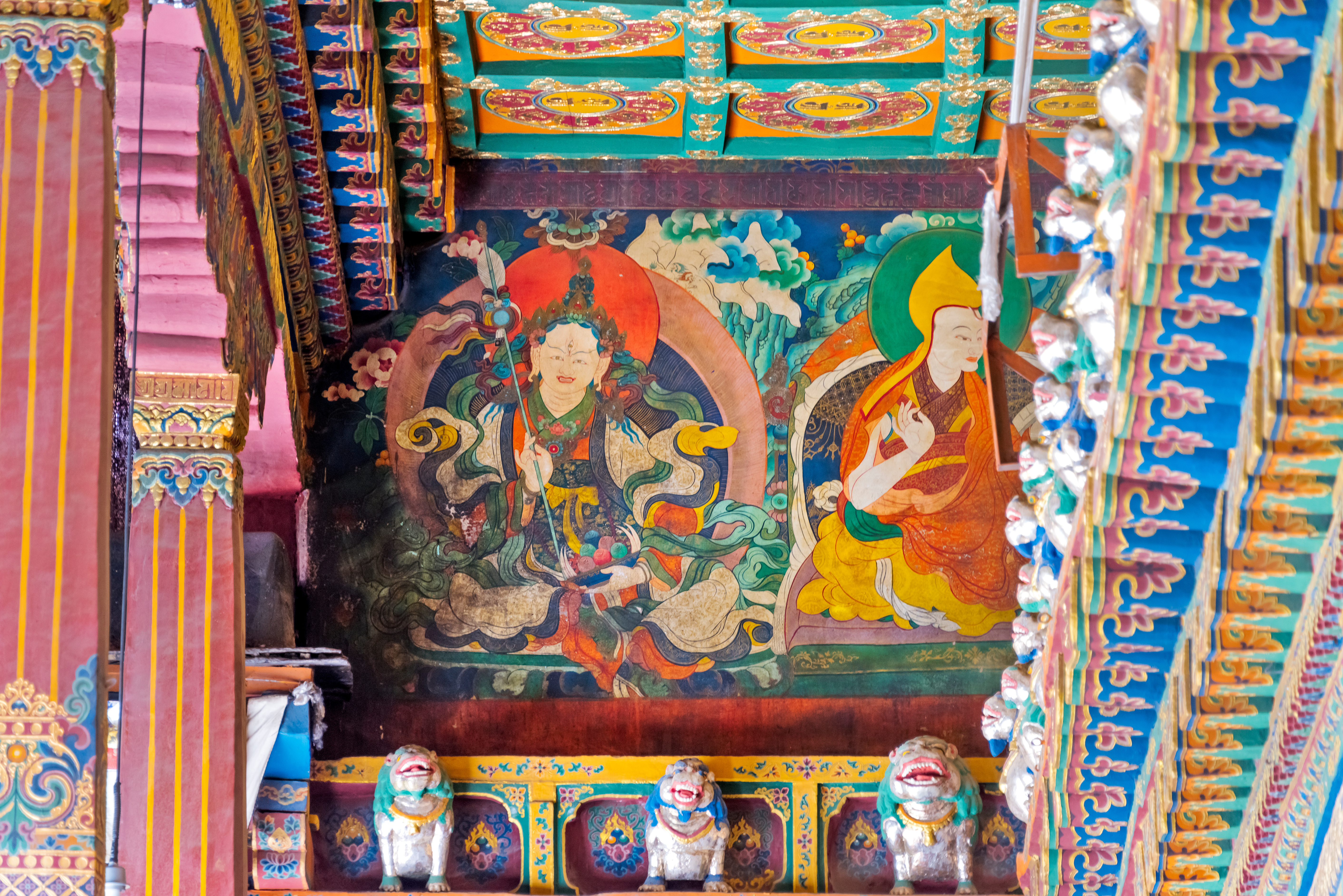
Transfer for around three hours to Sakya and visit the principal monastery of the Sakyapa sect. See its Tibetan Buddhist scriptures, thangkas and murals, including Yuan Dynasty portraits of Sakya ancestors and a depiction of Phakpa’s meeting with Kublai Khan.
Meals: Breakfast,Lunch,Dinner
Day 12
See Everest and other Himalaya giants in Everest National Park • To Ganggar
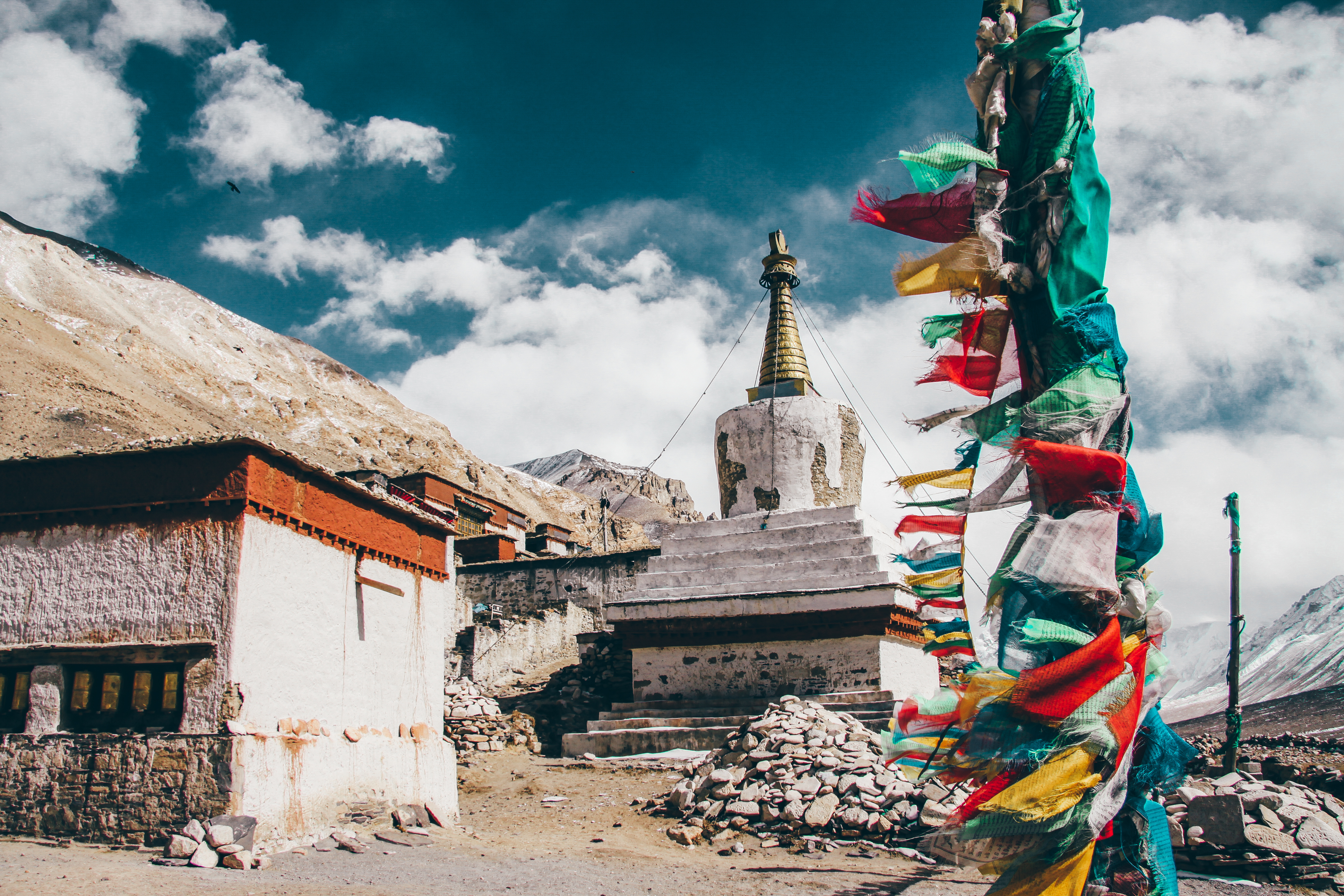
Transfer for around five hours into Everest National Park and drive to Pang La at 16,570ft (5,050m) for views of Everest, Makalu, Lhotse and Cho-Oyu. Continue to Rongphu monastery, where the north face of Everest is visible on a clear day. In the late afternoon, drive around 1hr 30min to Ganggar for a night in a Simple hotel.
Meals: Breakfast,Lunch,Dinner
Day 13
To Kyirong, visiting Lake Pelkutso en route
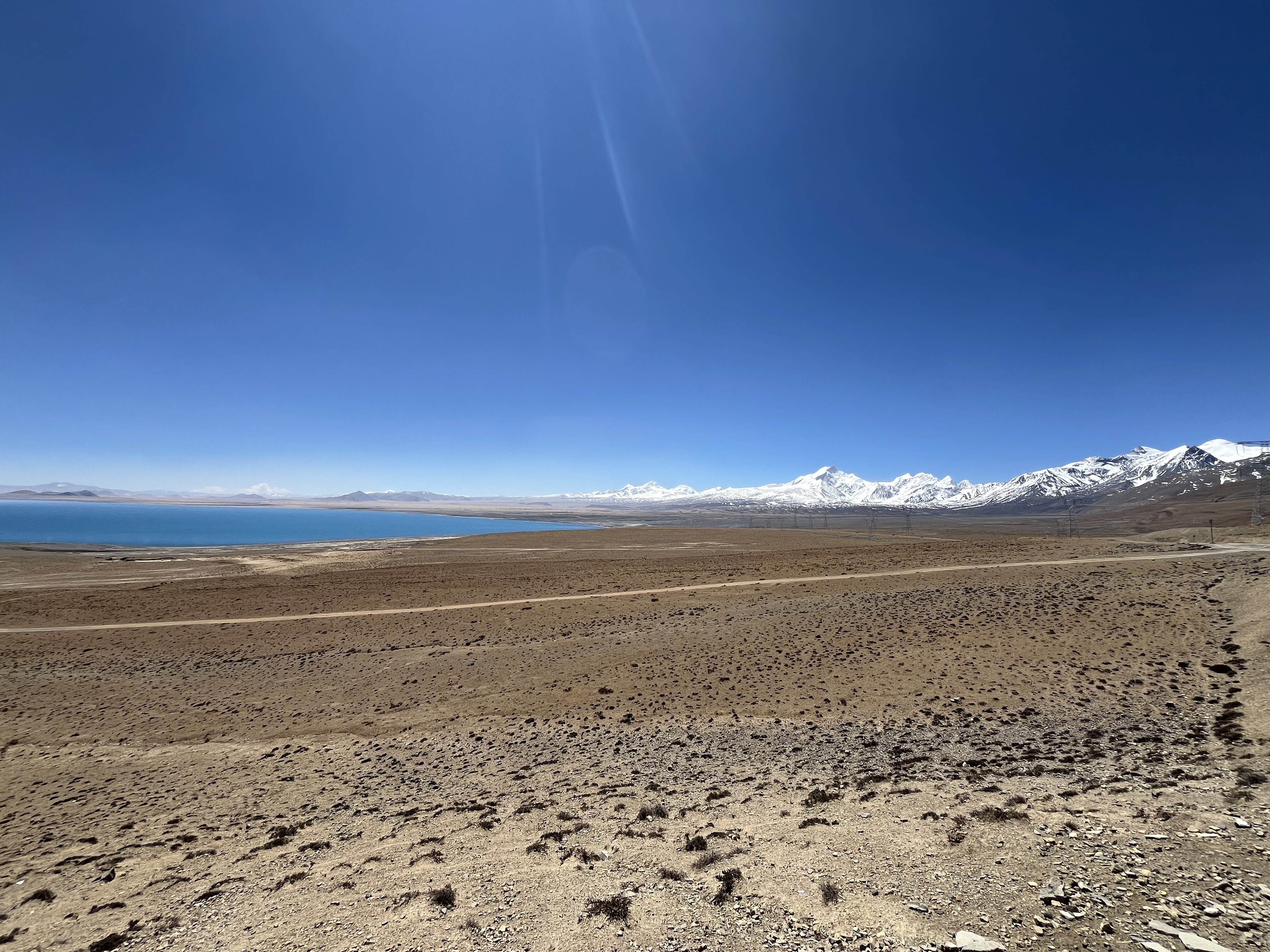
Continue along the Friendship Highway, seeing Shishapangma to the south. Drive beside Lake Pelkutso, stopping for views of the mountain and a chance to spot Tibetan antelope, wild donkeys, wild horses and yaks. Reach Kyirong County Township, then descend into the Kyirong Valley for the night. Total drive time is around seven hours.
Meals: Breakfast,Lunch,Dinner
Day 14
To Kathmandu via the Friendship Bridge
Travel around 45 minutes to the Tibet-Nepal border. Say farewell to your Tibetan guide and pass through immigration and customs unaccompanied. Across the border, meet the Nepalese vehicle for the transfer to Kathmandu. Total drive time is eight to nine hours.
Meals: Breakfast
Day 15
Adventure ends in Kathmandu
The tour ends in Kathmandu. Begin your journey home or arrange an extension.
Meals: Breakfast
What’s included
What’s not included
Additional information
Beijing Welcome Dinner & Group Introduction
Meet your tour leader and fellow travellers at a group gathering in Beijing, with an introduction to the journey through China, Tibet and Nepal. Share questions and get to know the people travelling alongside you.
Gather for a welcome dinner arranged by your tour leader. In a capital whose history stretches back more than 3,000 years, the meal offers a relaxed setting to begin discovering the places and traditions at the heart of the trip.
Labrang Monastery & Xiahe Market
Visit Labrang Monastery in Xiahe, a major centre of the Gelug, or Yellow Hat, school of Tibetan Buddhism. Explore its religious heritage in a town often called Little Tibet, where Tibetan traditions remain prominent beyond the borders of the Tibet Autonomous Region.
Explore Xiahe market with your tour leader and meet vendors selling yak-wool goods, Tibetan clothing and religious objects. The market gives everyday context to the beliefs and craftsmanship encountered at the monastery.
Wutun Monastery & Thangka Artists
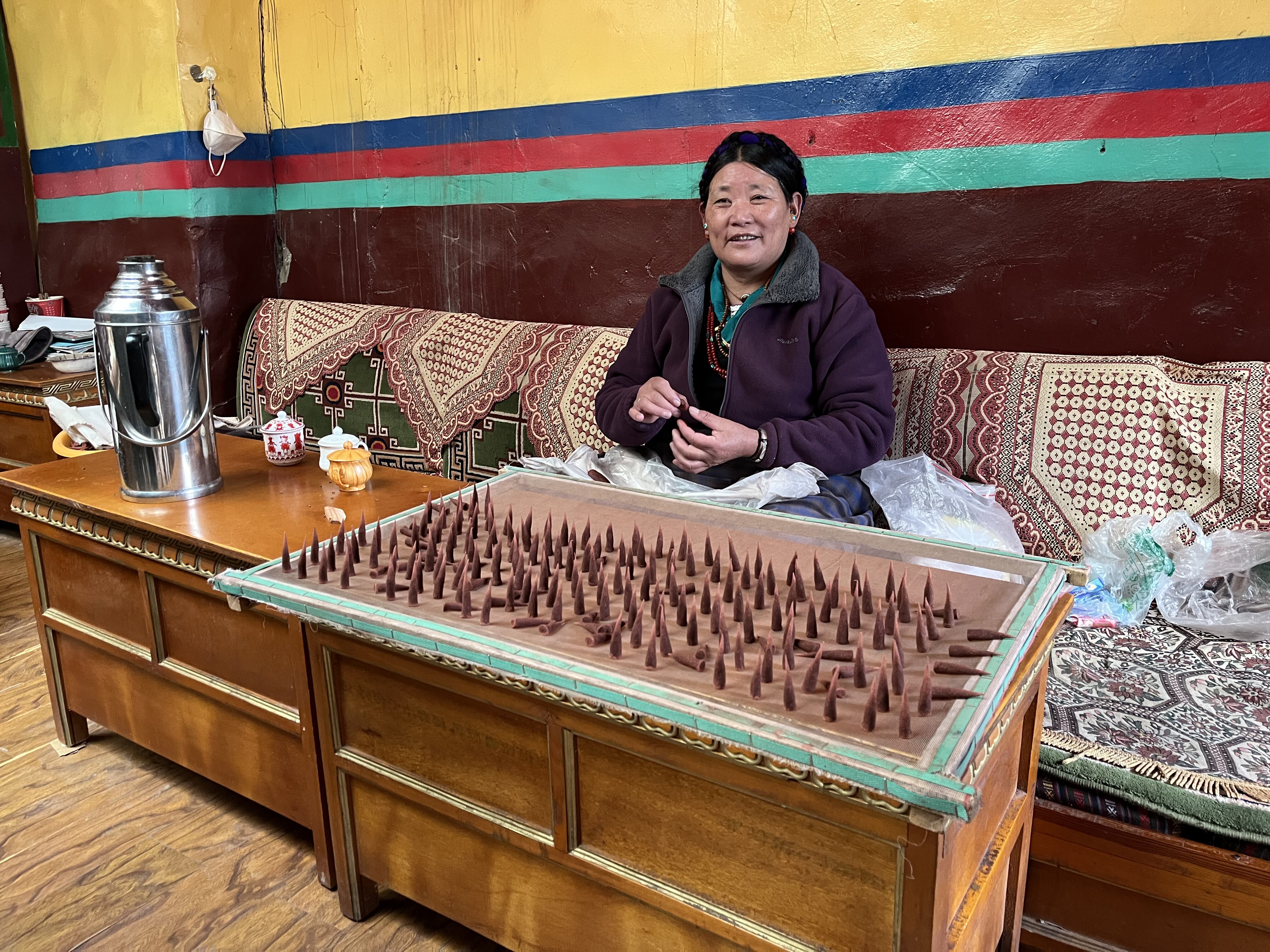
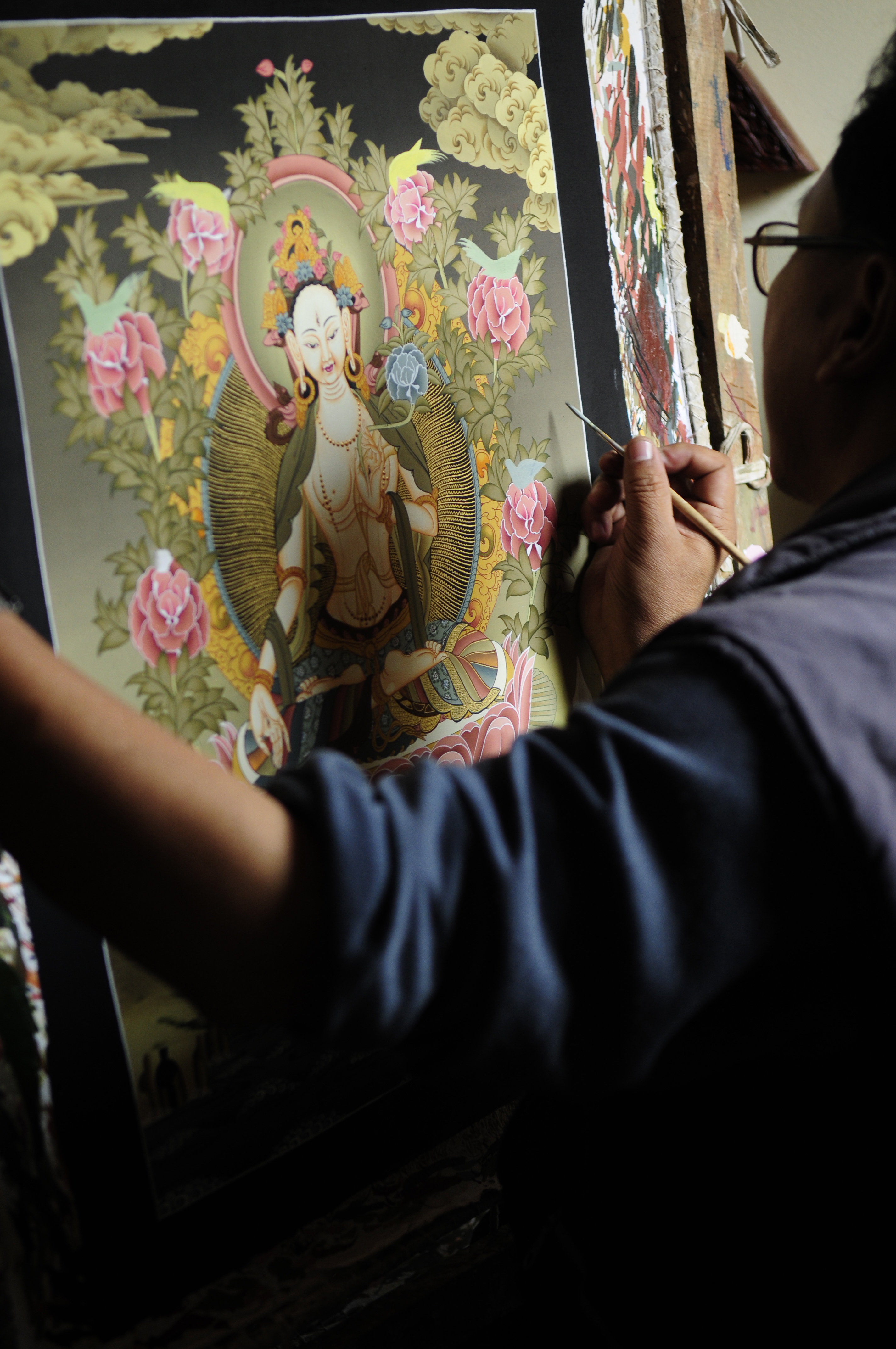
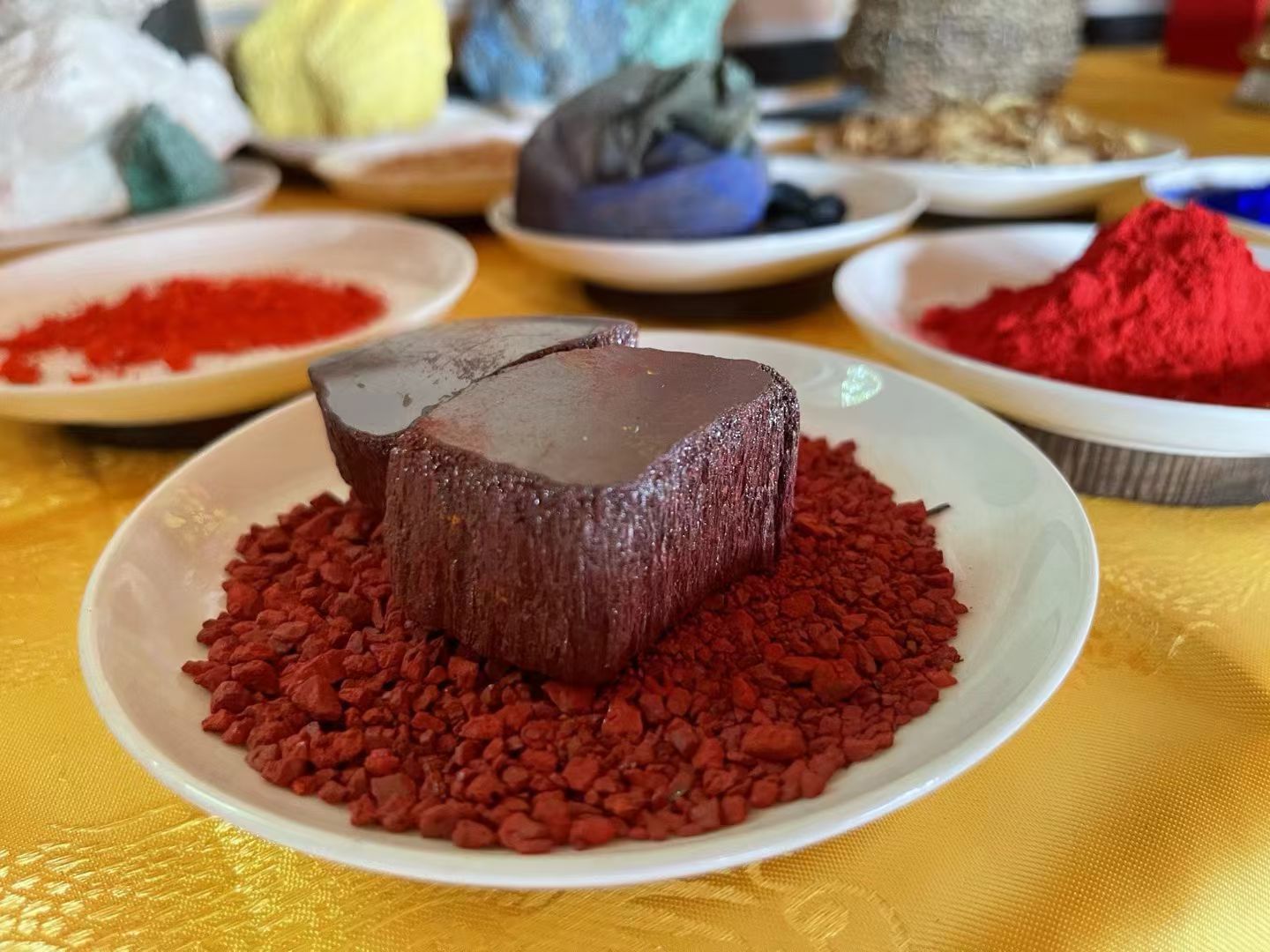
Visit Wutun Monastery in Tongren County and watch artist-monks create intricate thangkas. These Tibetan Buddhist paintings, traditionally made on cotton or silk, often depict Buddhas, deities or mandalas in finely worked colour.
See a living artistic tradition in a village known for religious painting. Watching the artists at work reveals the patience and skill behind images made for contemplation and teaching, rather than simply viewing the finished works.
Kumbum Monastery
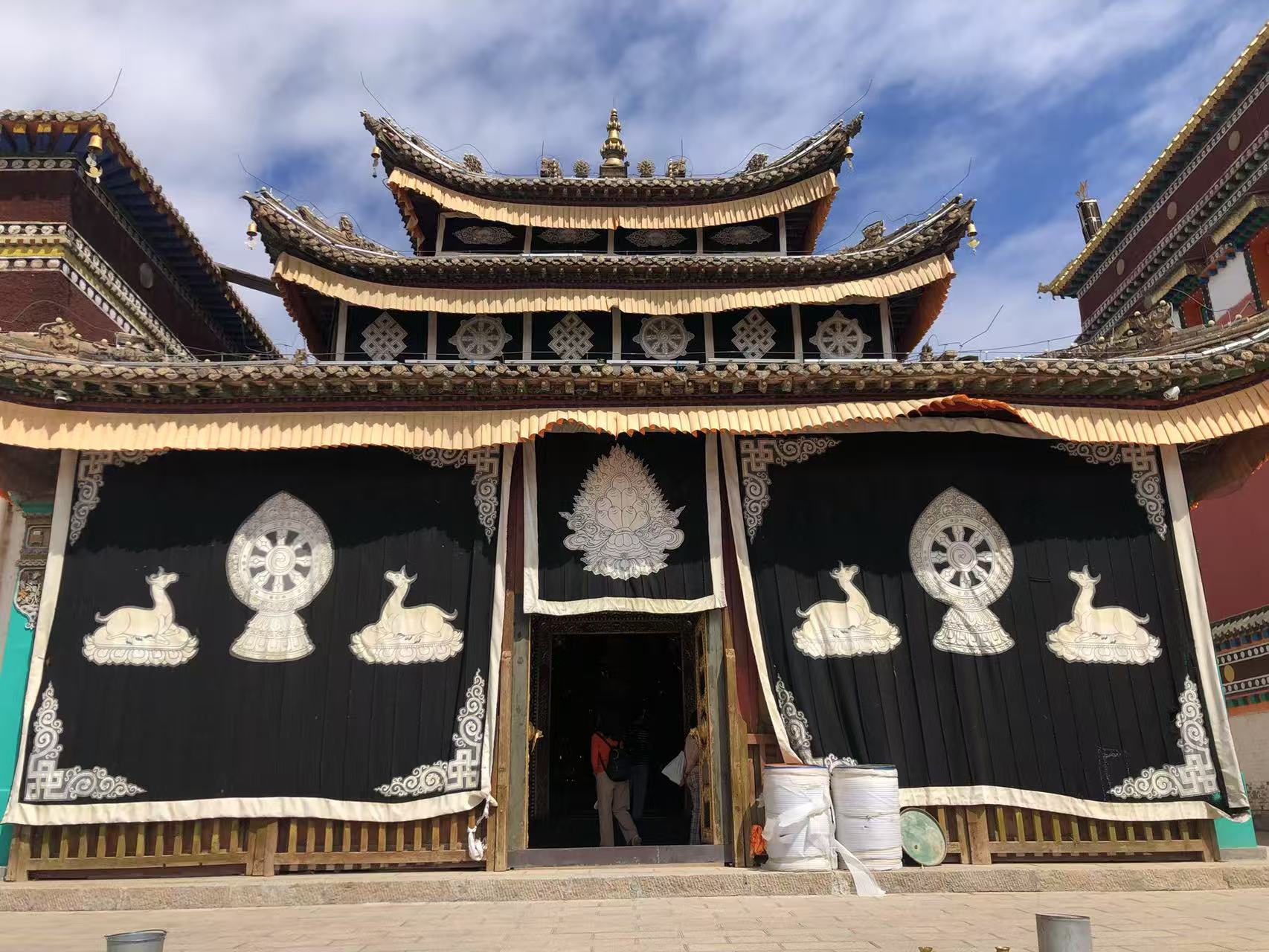
Explore Kumbum Monastery, also known as Ta’er Temple, near Xining. This active monastic centre is associated with Tsongkhapa, founder of the Gelug school of Tibetan Buddhism, and is home to hundreds of monks.
Discover one of the Gelug school’s six great monasteries while learning why Tsongkhapa’s birthplace became an important place of pilgrimage. Its religious significance offers a deeper perspective on the monasteries and devotional practices encountered across the Tibetan plateau.
Dongguan Mosque & Mo Street
Visit Dongguan Mosque in Xining, a longstanding centre of the city’s Muslim community, and explore nearby Mo Street’s food-focused bustle. The street’s stalls and eateries offer a lively glimpse of local tastes.
These visits reveal a different side of the journey’s cultural landscape. Xining has long been a meeting point for communities and trade routes, and its mosque and market streets reflect traditions distinct from those of the Tibetan monasteries.
Sky Train Journey to Lhasa
Ride the Sky Train from Xining to Lhasa on a roughly 21-hour journey across the Tibetan plateau. From the windows of your soft-sleeper carriage, watch grasslands, desert, lakes and snow-capped mountains unfold across the high-altitude landscape.
The railway climbs to about 5,072m at Tanggula Pass, making it the world’s highest railway line. Time aboard brings a close-up view of the plateau’s scale; your local guide may also share Tibetan words or introduce the Chinese tile game mahjong.
Jokhang Temple & Barkhor Pilgrimage Walk
Explore Jokhang Temple in Lhasa, Tibet’s most sacred temple and part of the city’s World Heritage-listed historic ensemble. Discover its history and revered Buddha image amid the steady movement of pilgrims.
Walk clockwise around Barkhor Street, following the kora, or devotional circuit, surrounding the temple. This active pilgrimage route places you alongside worshippers and offers a direct sense of how religious practice shapes daily life in Lhasa.
Sera Monastery & Monastic Debates
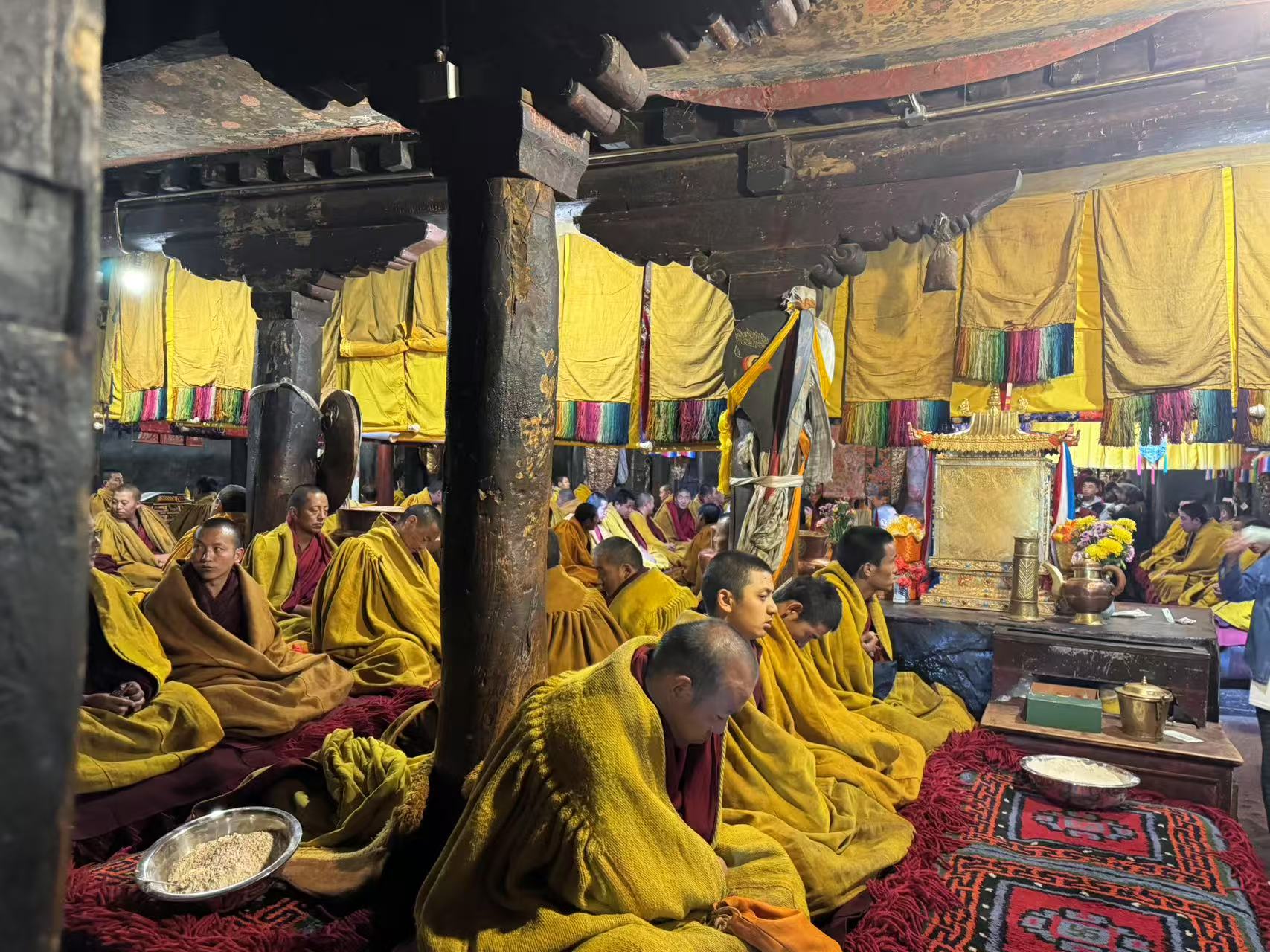
Visit Sera Monastery, one of Lhasa’s great monastic universities, to learn about Tibetan Buddhist study and philosophical inquiry. Its courtyards and religious buildings form a setting for a tradition of rigorous debate.
Watch monks debate Buddhist philosophy when sessions are taking place, with animated gestures punctuating the exchange of questions and answers. Debates are not held on Sundays, so this part of the visit depends on the day’s schedule.
Lhasa Local Market
Explore a large local market in Lhasa and observe the rhythms of everyday trade. Browse stalls selling fresh produce and see foods such as momo dumplings and yak-butter cheese among the market offerings.
Discover the ingredients of Tibetan daily life beyond the city’s celebrated temples and palaces. The mix of shoppers, vendors and food stalls makes this a grounded introduction to local tastes and the practical traditions that sustain them.
Pawang Monastery
Visit Pawang Monastery during your time in Lhasa and learn about its association with Tonmi Sambhota, traditionally credited with developing the Tibetan script. The site connects religious heritage with the written language used across Tibetan culture.
Consider the roots of Tibetan calligraphy in a monastic setting, where writing has long played a role in preserving teachings and producing sacred texts. It is a quieter, more focused counterpoint to Lhasa’s larger pilgrimage sites.
Potala Palace
Explore the Potala Palace, Lhasa’s monumental former residence of the Dalai Lamas, rising above the city. Discover the distinction between its secular White Palace and religious Red Palace as you encounter chapels, shrines and the tombs of past Dalai Lamas.
Step into a landmark of Tibetan history whose layered architecture reflects centuries of spiritual and political life. Its commanding position and richly decorated interiors make the palace as significant for what it preserves as for its striking skyline.
Tibetan Cooking Class in Lhasa
Cook Tibetan dishes with a local guide in Lhasa, beginning with a visit to a grocery store to choose seasonal produce. In the kitchen, learn to prepare foods such as vegetarian momos, Tibetan yak cheese and yak-butter tea.
Get hands-on with everyday food traditions rather than only tasting the finished dishes. Folding dumplings and working with distinctive highland ingredients offer a practical connection to the cuisine and hospitality of the Tibetan plateau.
Yamdrok Tso & Himalayan Pass Views
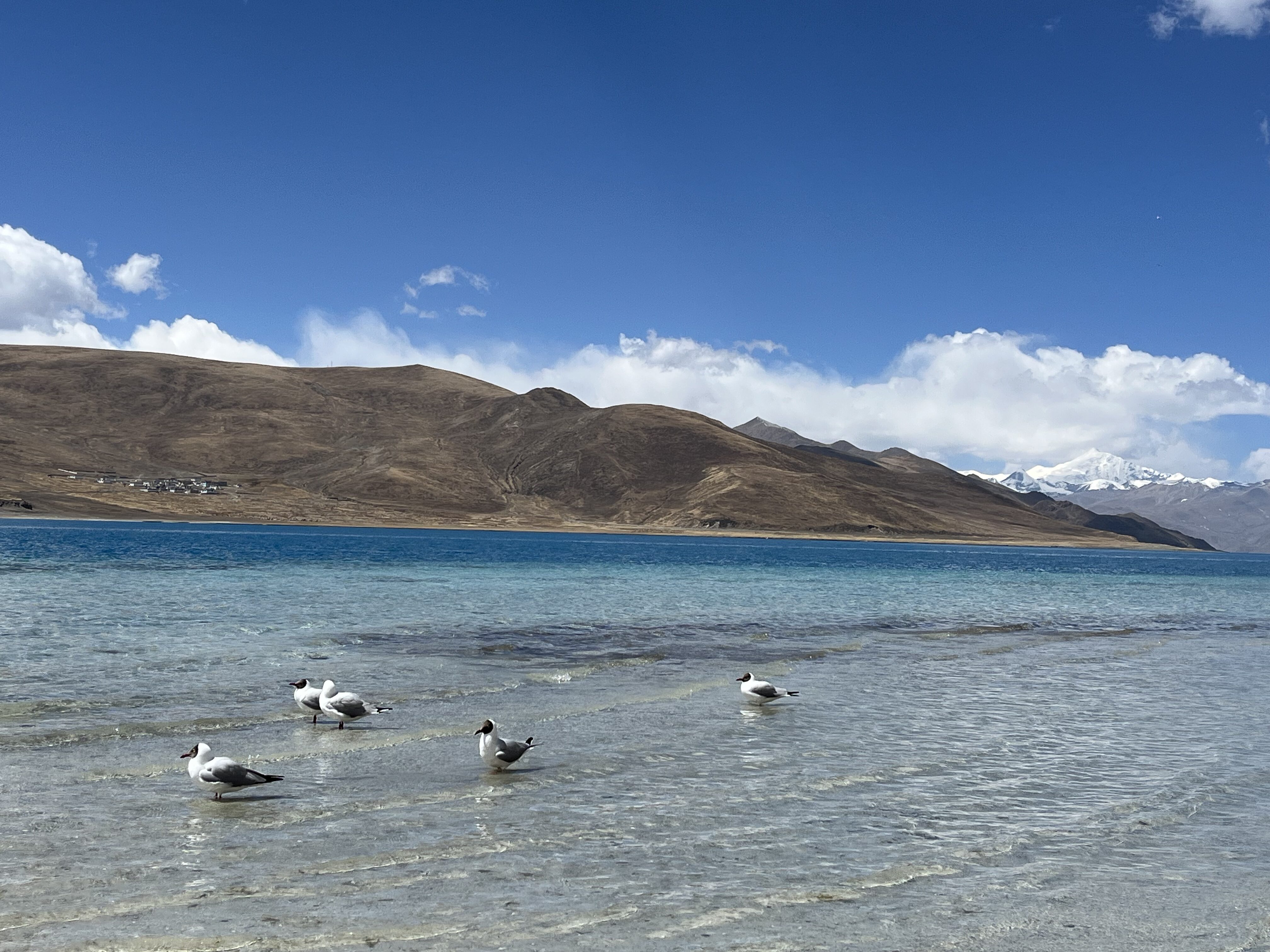
Take in views over Yamdrok Tso from the route across Khamba La, where the lake’s turquoise water stretches beneath distant snow-capped ranges. The journey follows its western shores and crosses the high Karo La pass.
Experience the scale of the Tibetan highlands as broad water, mountain slopes and Himalayan horizons fill the landscape. Yamdrok Tso is one of Tibet’s most revered lakes, giving the scenery cultural significance as well as visual drama.
Pelkhor Choede Monastery & Kumbum Pagoda
Visit Pelkhor Choede Monastery in Gyantse and see its remarkable Kumbum Pagoda. This eight-level structure is conceived as a three-dimensional mandala, filled with religious imagery.
Discover why the Kumbum is celebrated for its 100,000 images as you learn how its architecture expresses Buddhist ideas through space, form and art. The monastery is one of Gyantse’s defining historic sites, offering a distinctive encounter with Tibetan religious craftsmanship.
Tashilhunpo Monastery
Tour Tashilhunpo Monastery in Shigatse, the traditional seat of the Panchen Lamas. Explore buildings adorned with religious images and intricate decoration while hearing the stories associated with this influential Tibetan Buddhist centre.
Discover the heritage of the Panchen Lamas within an active monastic setting. If you wish, you may also walk a kora around the monastery, following a devotional circuit that offers another perspective on its place in local religious life.
Sakya Monastery Murals & Scriptures
Explore Sakya Monastery, the principal monastery of the Sakya school of Tibetan Buddhism. Discover its extensive collection of scriptures, thangkas and murals, including portraits of figures important to the school’s history.
Examine murals dating from the Yuan dynasty, among them depictions associated with Phakpa and Kublai Khan. These works connect Tibetan religious history with the wider political world of the 13th and 14th centuries, giving the monastery particular artistic and historical depth.
Pang La Himalayan Panorama
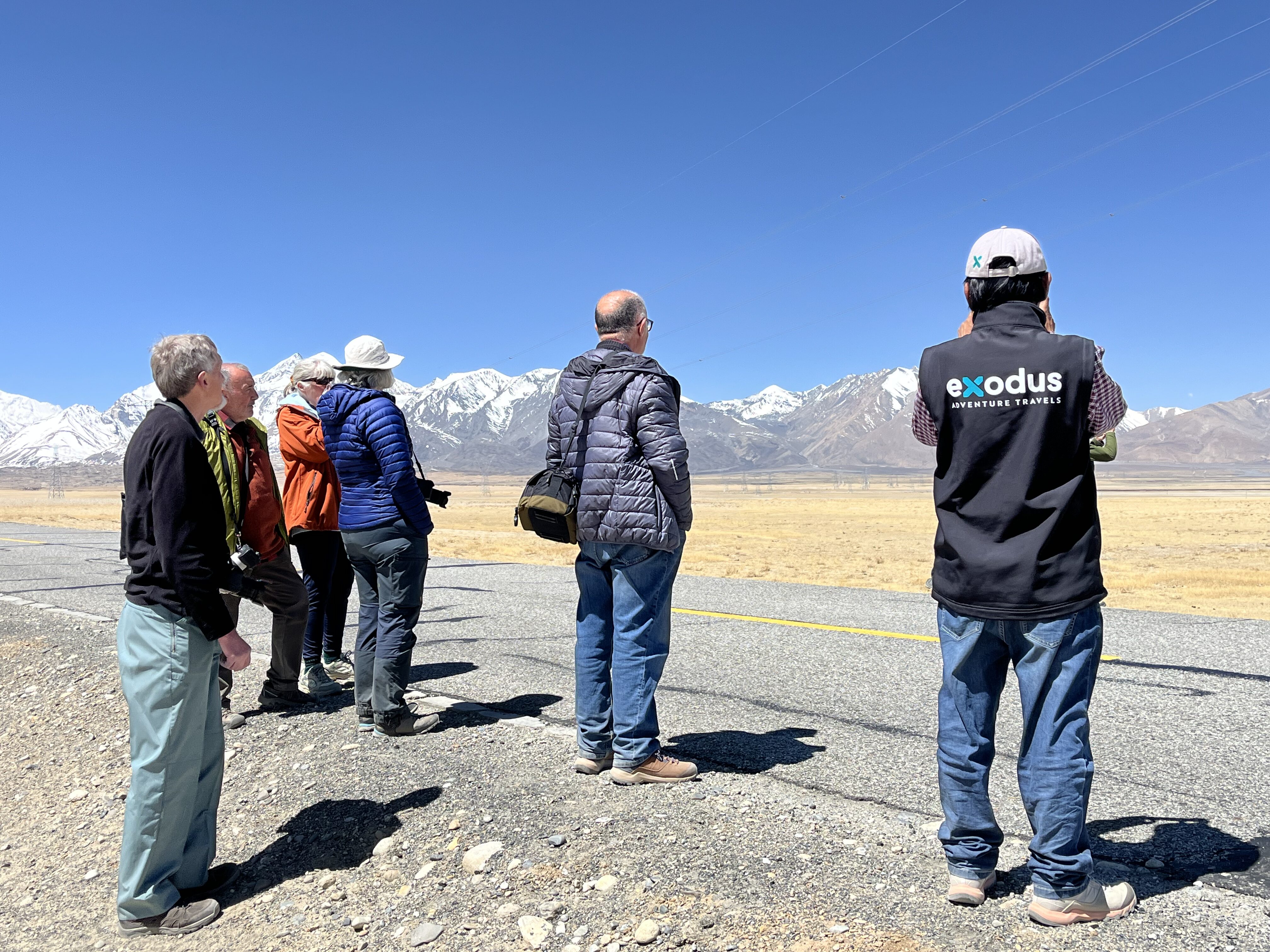
Gaze across the Himalaya from Pang La, a high pass at approximately 5,050m in the Everest region. In clear conditions, the panorama includes four peaks above 8,000m: Everest, Makalu, Lhotse and Cho Oyu.
Take in the sweep of the world’s highest mountains from a vantage point that reveals their immense scale. Visibility depends on the weather, but the pass itself offers a striking perspective on the rugged terrain of the Tibetan plateau.
Rongphu Monastery & Everest North Face
Visit Rongphu Monastery in the Everest region, widely described as the world’s highest monastery. On a clear day, look towards the north face of Mount Everest from its extraordinary high-altitude setting.
Encounter a place of worship beneath the Himalaya, where monastic life continues in a landscape shaped by extreme elevation and weather. The visit pairs a significant Buddhist site with one of the journey’s most sought-after mountain views.
Lake Pelkutso & Shishapangma Views
Stop beside Lake Pelkutso to take in its turquoise waters and views towards Shishapangma, the highest mountain located entirely in Tibet. The lakeside pause brings the open landscape of the plateau into focus.
Watch for wildlife across the surrounding highlands, where sightings may include Tibetan antelope, wild donkeys, wild horses or yaks. Animal encounters cannot be guaranteed, but the lake and mountain backdrop make this a rewarding place to observe and photograph the region’s scenery.
Food
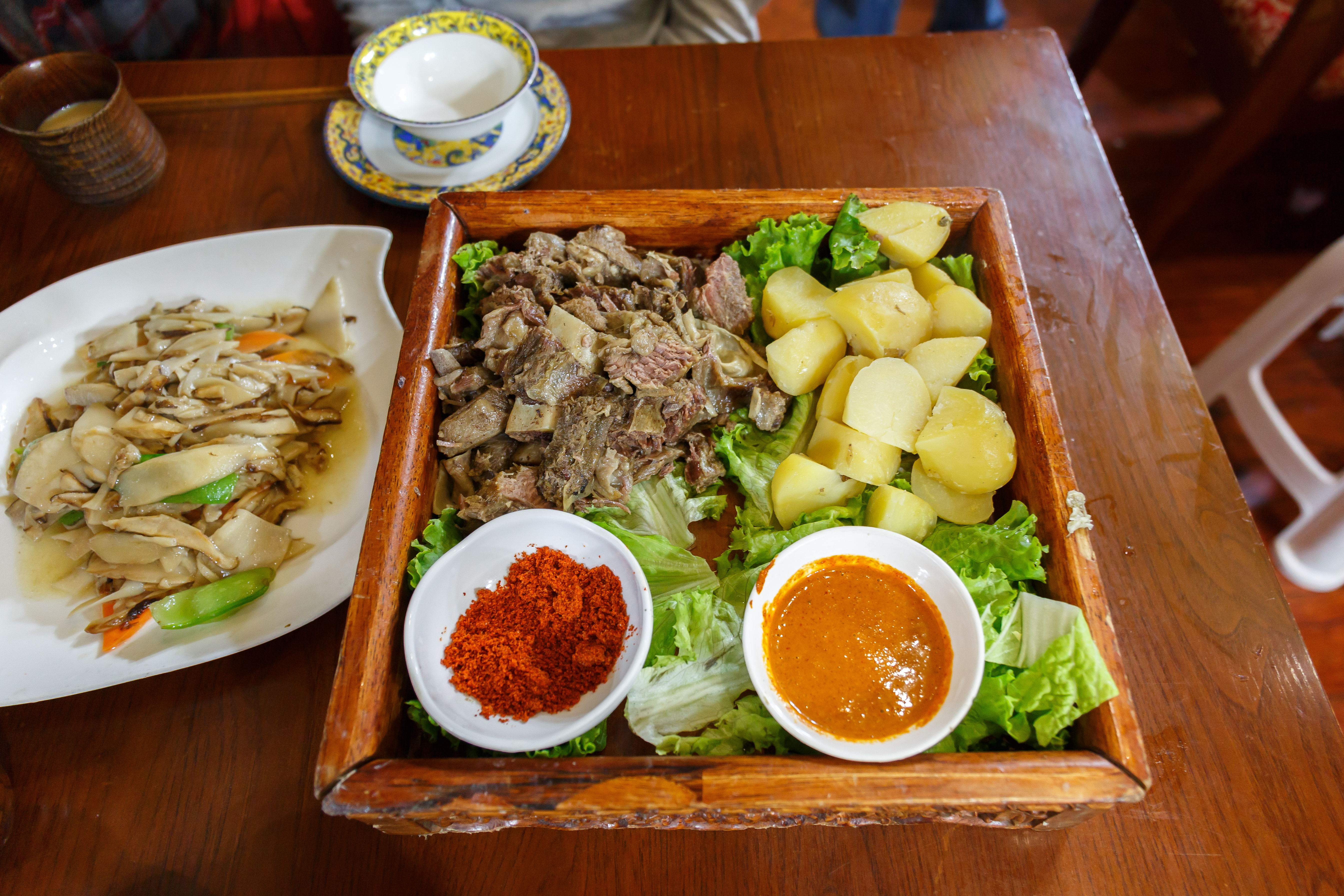
Tsampa, a dough made with roasted barley flour and yak butter, is the staple food of the Tibetan people, eaten with almost every meal. Meat also features heavily in the Tibetan diet, normally beef and mutton, plus sausages. In many cities or towns, Tibetan food is supplemented by Chinese food, mostly Sichuan cuisine. To drink, there’s butter tea, sweet tea and chang, also known as barley wine.