Your itinerary

Day 1
Adventure starts in Seoul
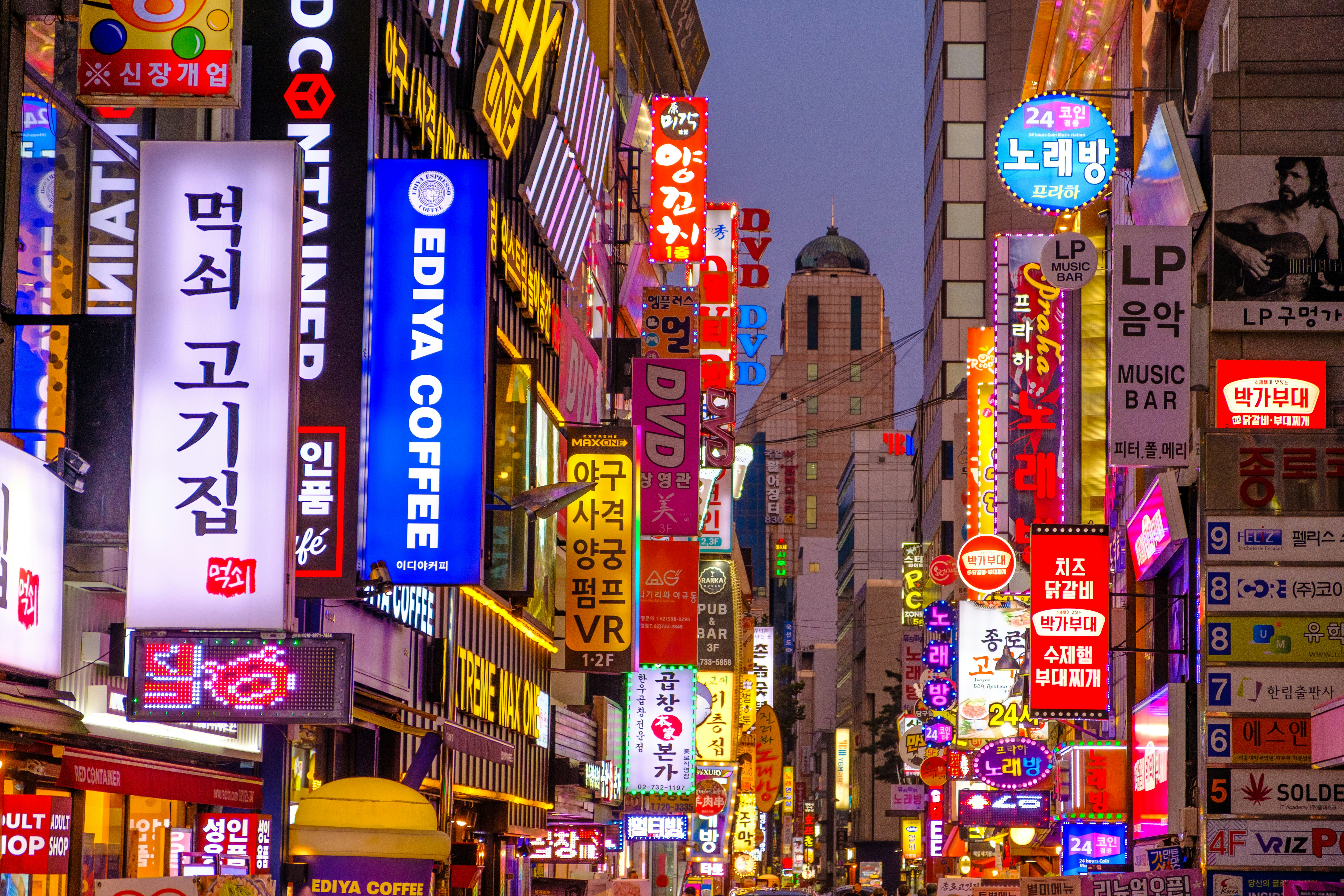
Arrive in Seoul. Time permitting, join a short orientation near the hotel and visit Gwangjang Market for traditional food and drink; the market also sells vintage clothing and textiles during the day. Meet the tour leader and group around 6pm, followed by a group dinner.
Meals: Dinner
Day 2
Walk through Seoul’s royal history and artisan streets
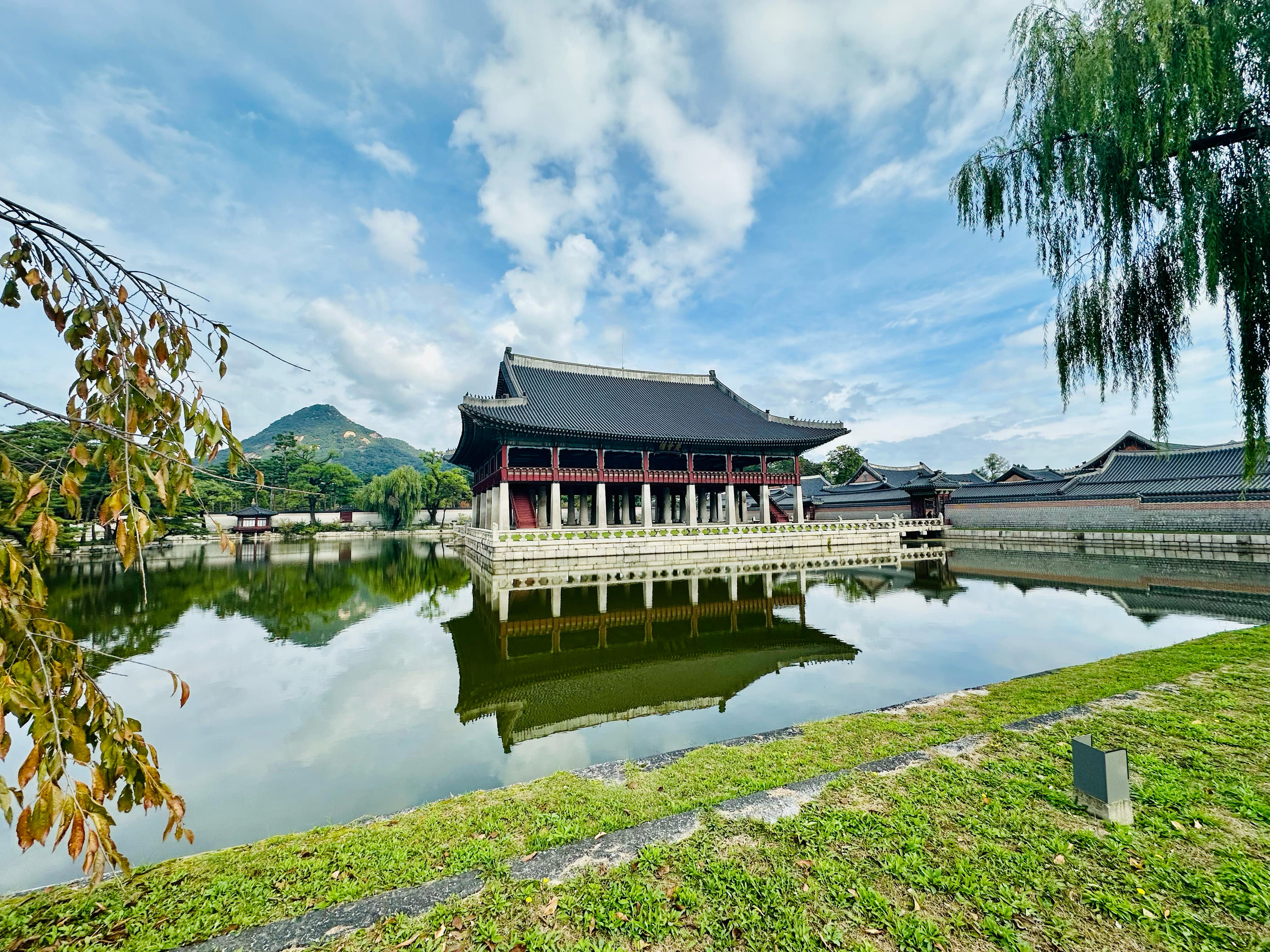
Take a fast-paced walking tour of Seoul, visiting Cheonggyecheon canal, Tapgol Park, the artisan streets of Insadong, Jogyesa Temple and Gwanghwamoon, where statues honour Admiral Yi and King Sejong. Explore Gyeongbokgung Palace, where you may see the changing of the guard, and Bukchon Hanok Village. The order of visits may change.
Meals: Breakfast
Day 3
Visit the DMZ • Understand Korea’s divided peninsula
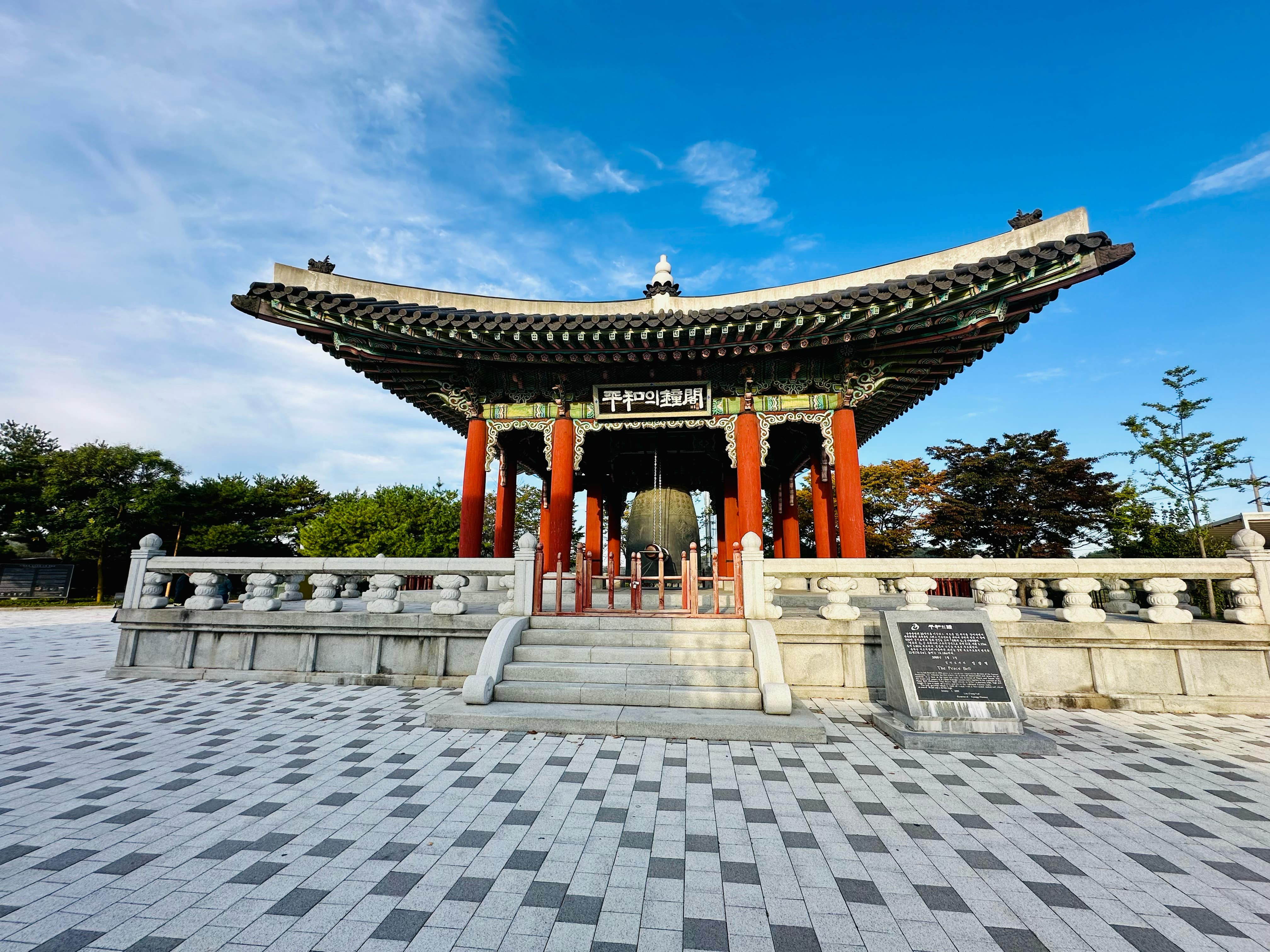
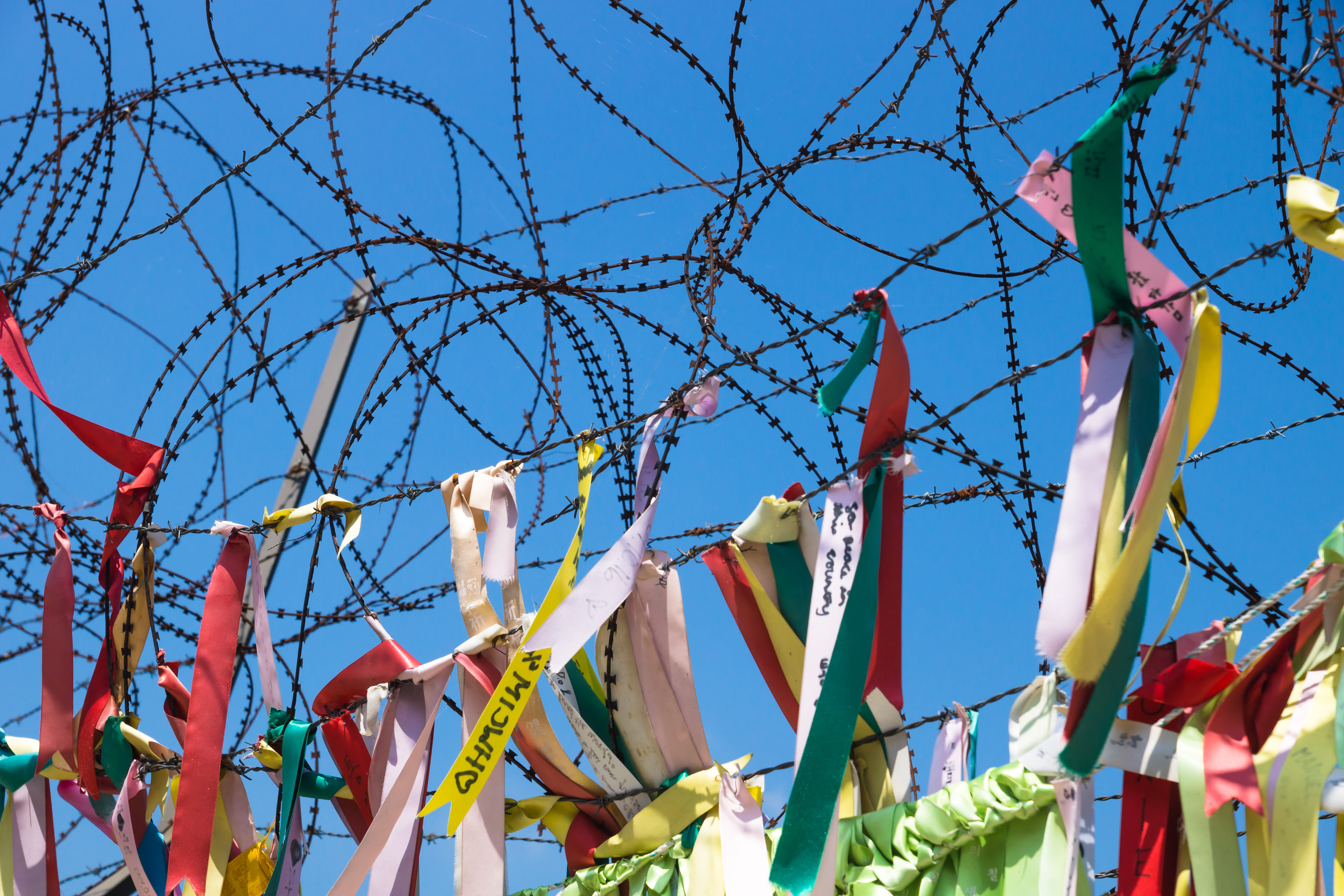
Travel to the Korean Demilitarized Zone (DMZ). Visit the Third Infiltration Tunnel and observation points overlooking the border, and learn about the Korean War and the division of the peninsula. Enjoy a traditional Korean lunch. DMZ access is restricted for some nationalities; passport details must be supplied in advance, and photography is restricted in certain areas. Follow the local guide’s and military personnel’s instructions.
Meals: Breakfast,Lunch
Day 4
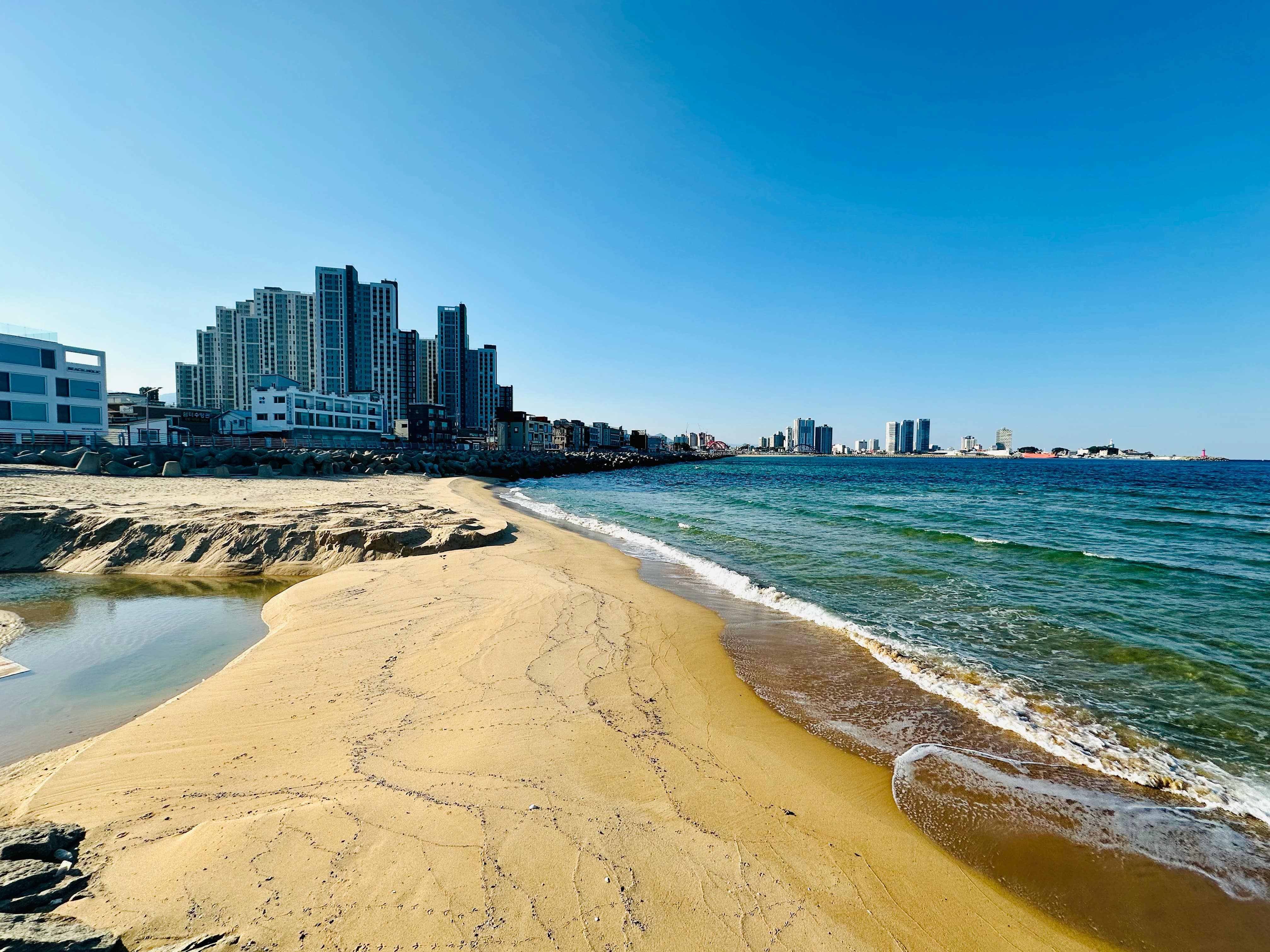
Visit a Joseon residence • Follow the coast to Naksansa Temple and Sokcho
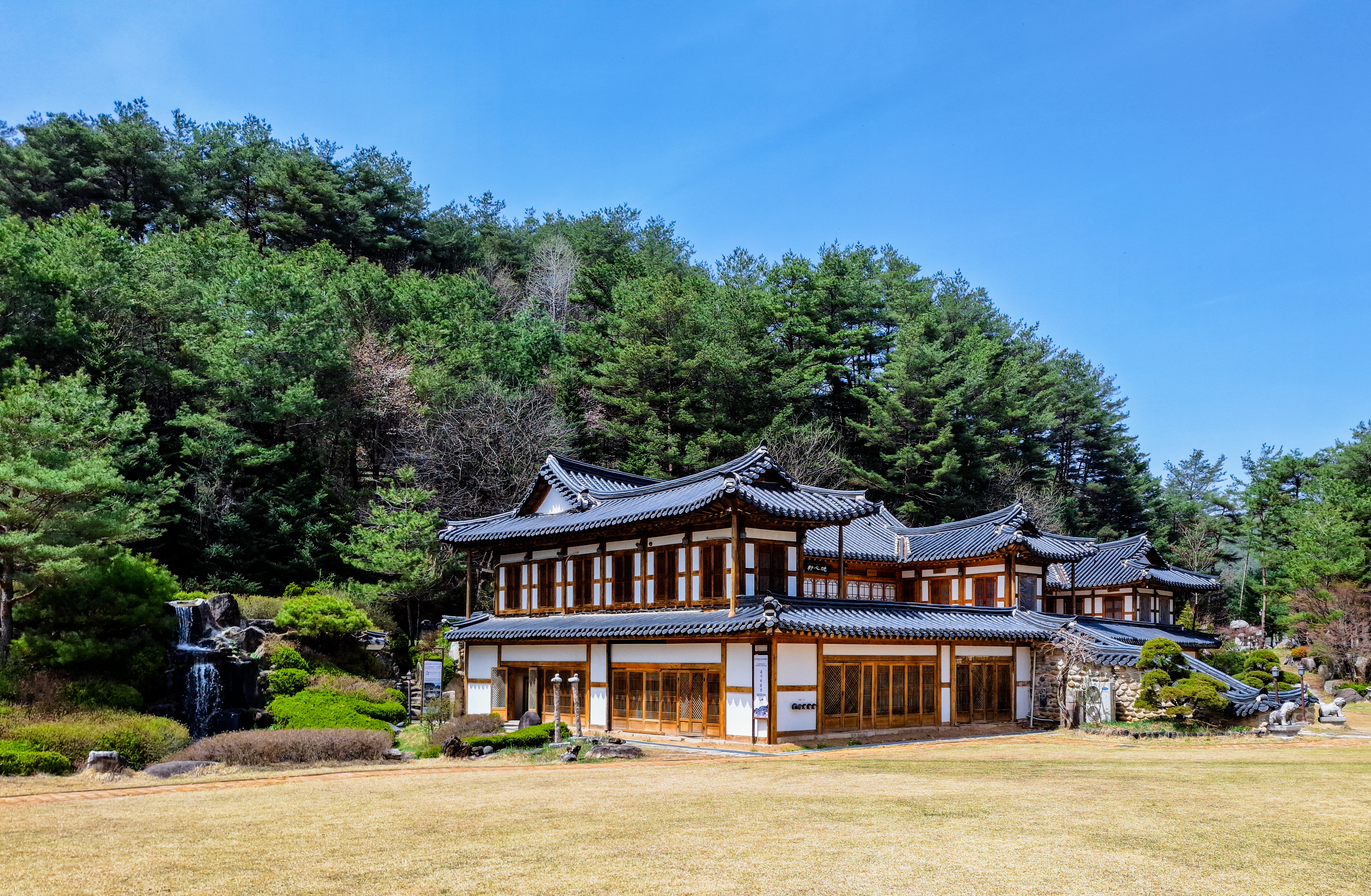
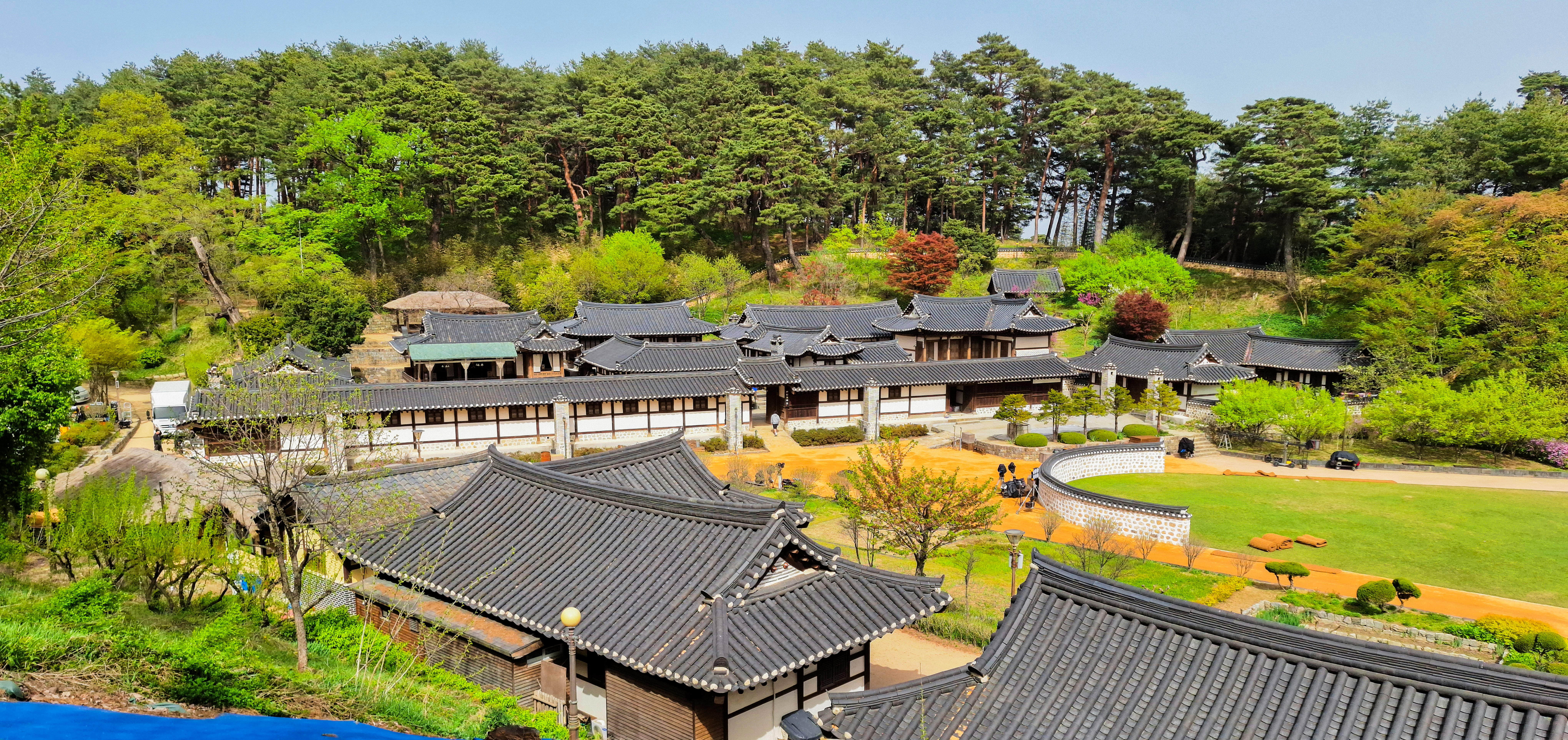
Transfer approximately three hours to coastal Gangneung. Visit Seongyojang House, a preserved Joseon Dynasty aristocratic residence, and the oceanfront cafés of Anmok Coffee Street. Continue north to Naksansa Temple on cliffs above the East Sea, then travel to Sokcho near Seoraksan National Park.
Meals: Breakfast
Day 5
Spend a day among the peaks of Seoraksan National Park
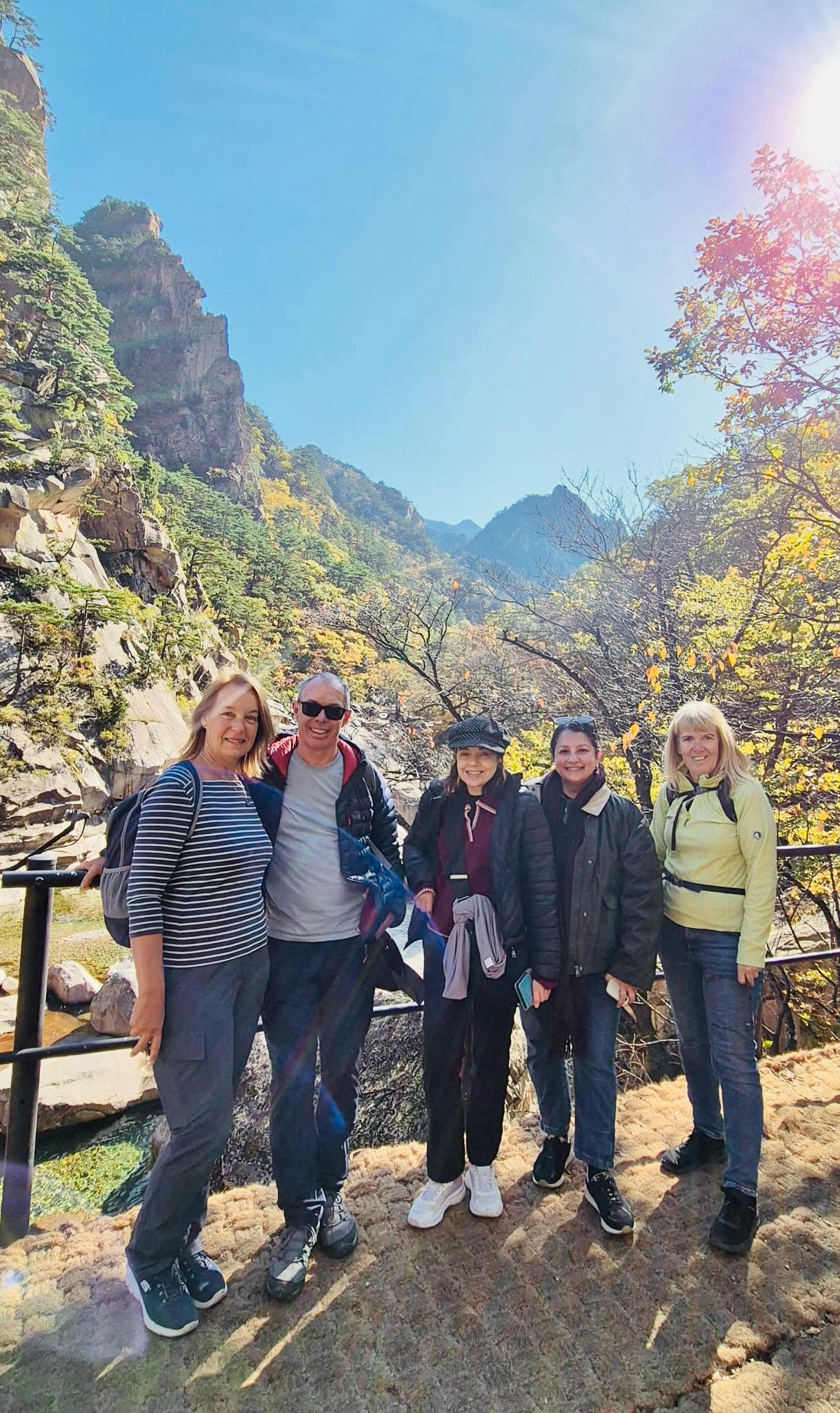
Explore the Seorak Mountains, starting near the large Buddha statue at the foot of the peaks. Choose from trails of 2km to 10km, join the leader for an optional short, easy walk, or take a cable car to a mountaintop for views.
Meals: Breakfast
Day 6
Travel to Andong • Discover village life and Confucian traditions in Hahoe
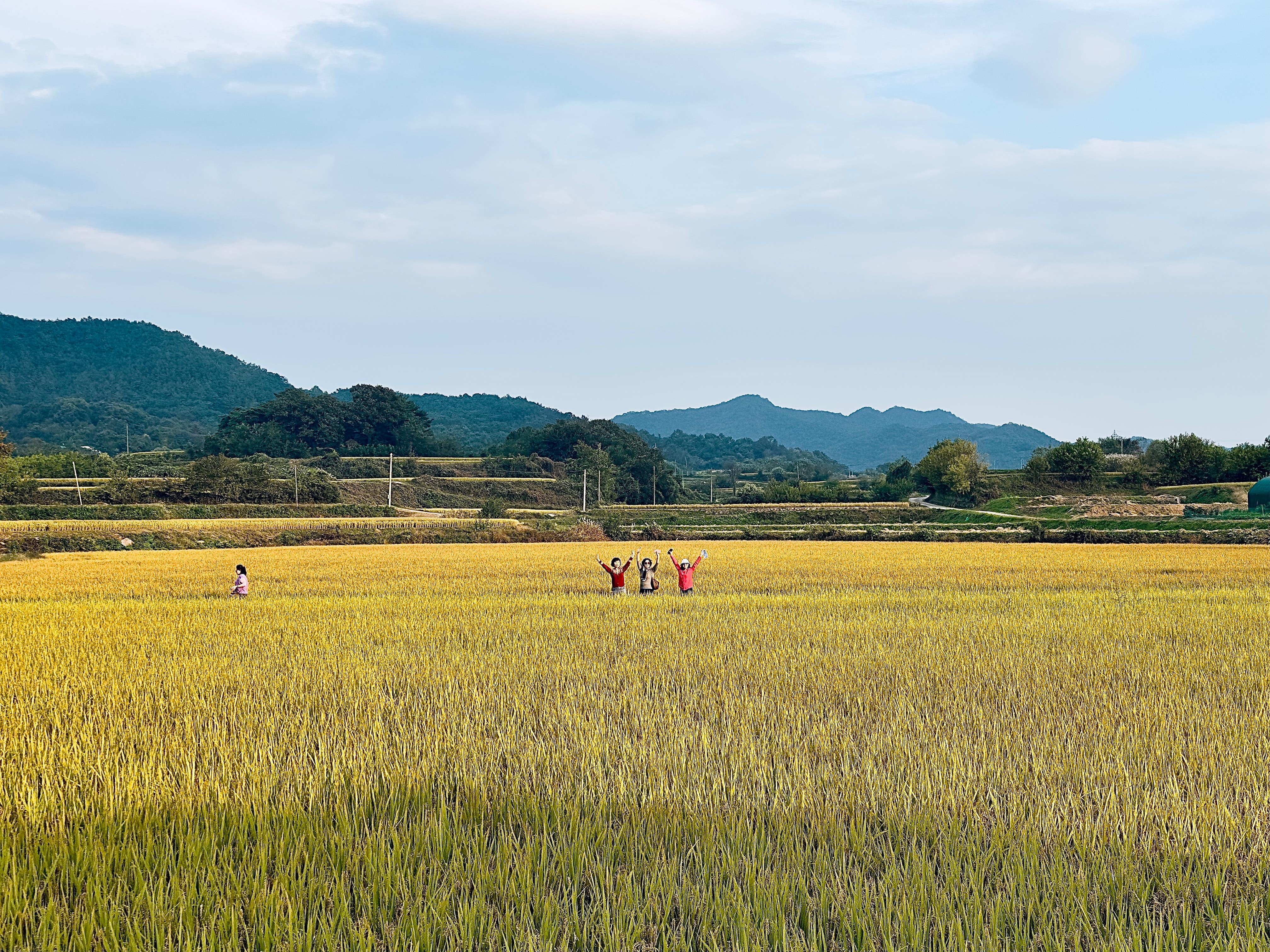
Travel approximately four hours by private minibus to Andong. Visit Andong Hahoe Village to see its Confucian traditions and the houses of farmers and yangban gentry.
Meals: Breakfast
Day 7
Make bibimbap • Explore the royal tombs of Gyeongju
Travel approximately 2hr 30min to Gyeongju, stopping at Dosan Confucian Academy. Make bibimbap and eat the dish for lunch. In Gyeongju, explore the royal burial mounds at Daereungwon Tumuli Park and visit Cheomseongdae Observatory. Check into the hotel and spend the evening at leisure.
Meals: Breakfast,Lunch
Day 8
Admire Buddhist masterpieces • Uncover the treasures of the Shilla Kingdom
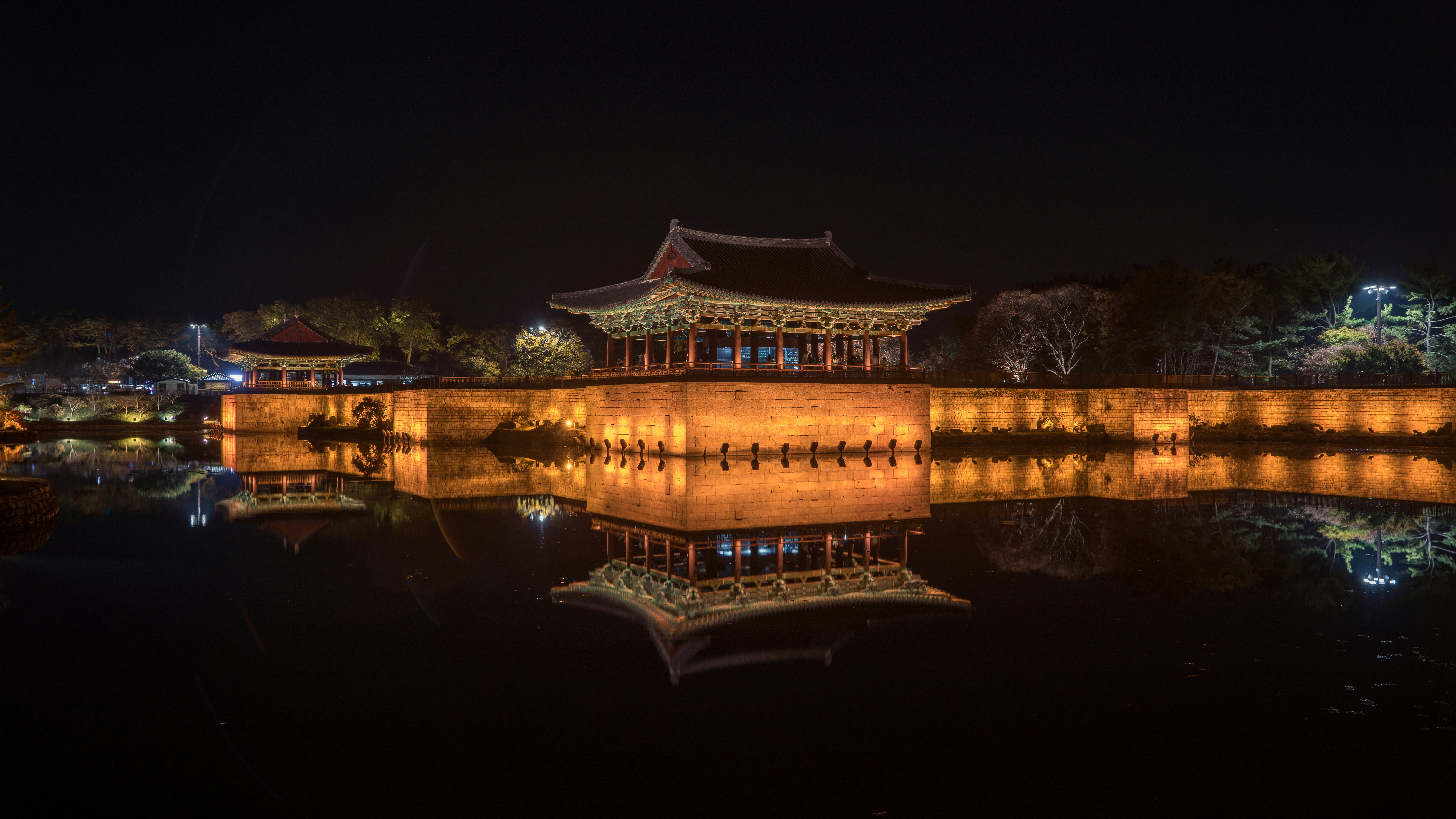
Visit the UNESCO-listed Seokguram Grotto and Bulguksa Temple. In the afternoon, explore the National Museum of Gyeongju and its Shilla Kingdom artifacts. End the day at Anapji Pond and the Gyeongju Market area.
Meals: Breakfast
Day 9
Experience the life of a Buddhist monk with an overnight stay at Haeinsa Temple
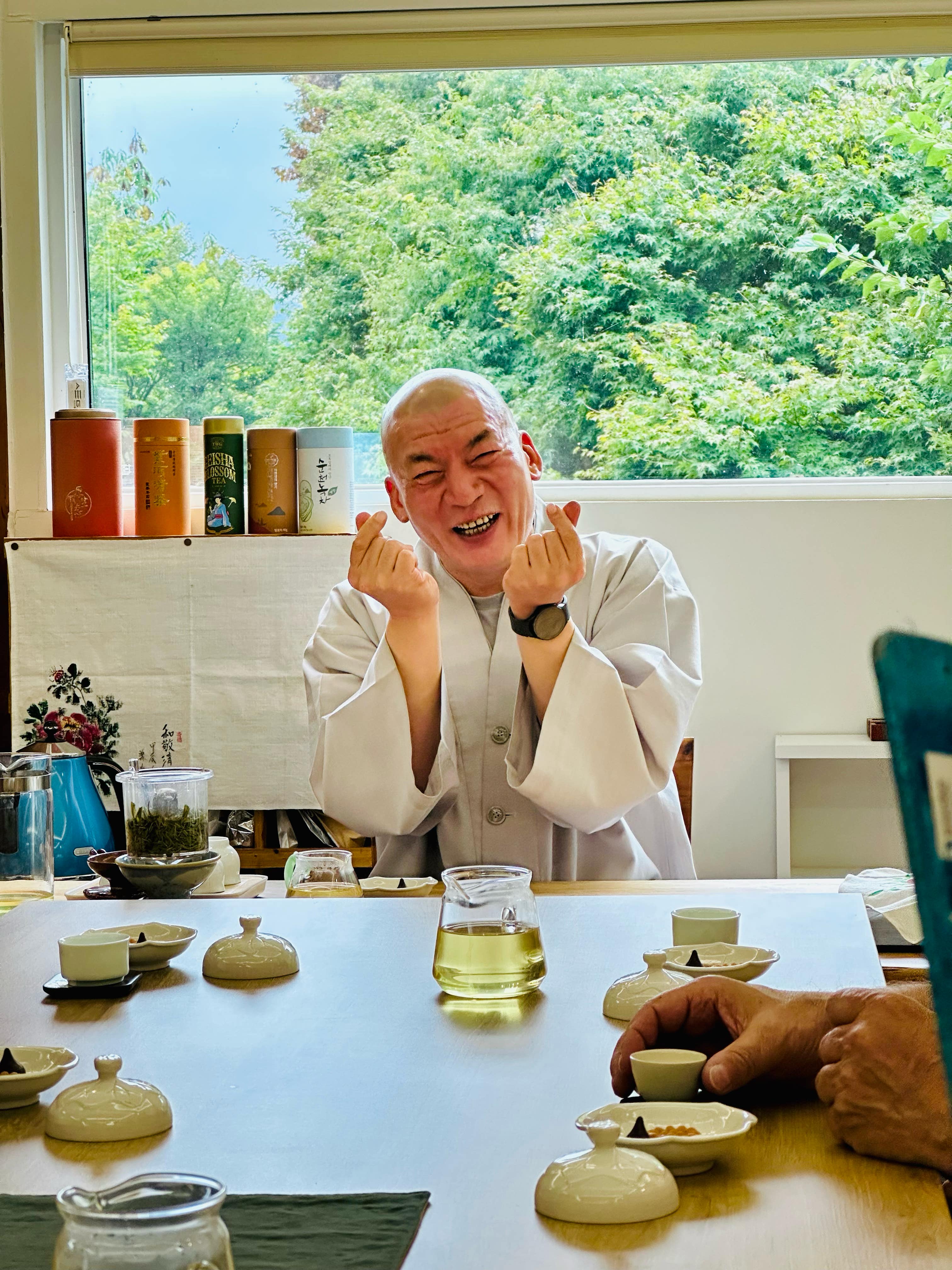
Transfer approximately three hours to Haeinsa Temple, home to the Tripitaka Koreana Buddhist texts engraved on woodblocks. Change into simple monk clothing, attend introductions and an opening ceremony, explore the temple complex, and meet monks. After a vegetarian Buddhist dinner, join a tea ceremony; lights out is at 9pm. The temple programme may change. For departures when Haeinsa is closed, visit Busan from Gyeongju on Day 9 and travel to Haeinsa from Busan on Day 10 instead; departures starting 18 October 2026, 19 September 2027 and 17 October 2027 follow this alternative plan.
Meals: Breakfast,Dinner
Day 10
Join an early temple ceremony • Discover Busan’s coast and hillside art
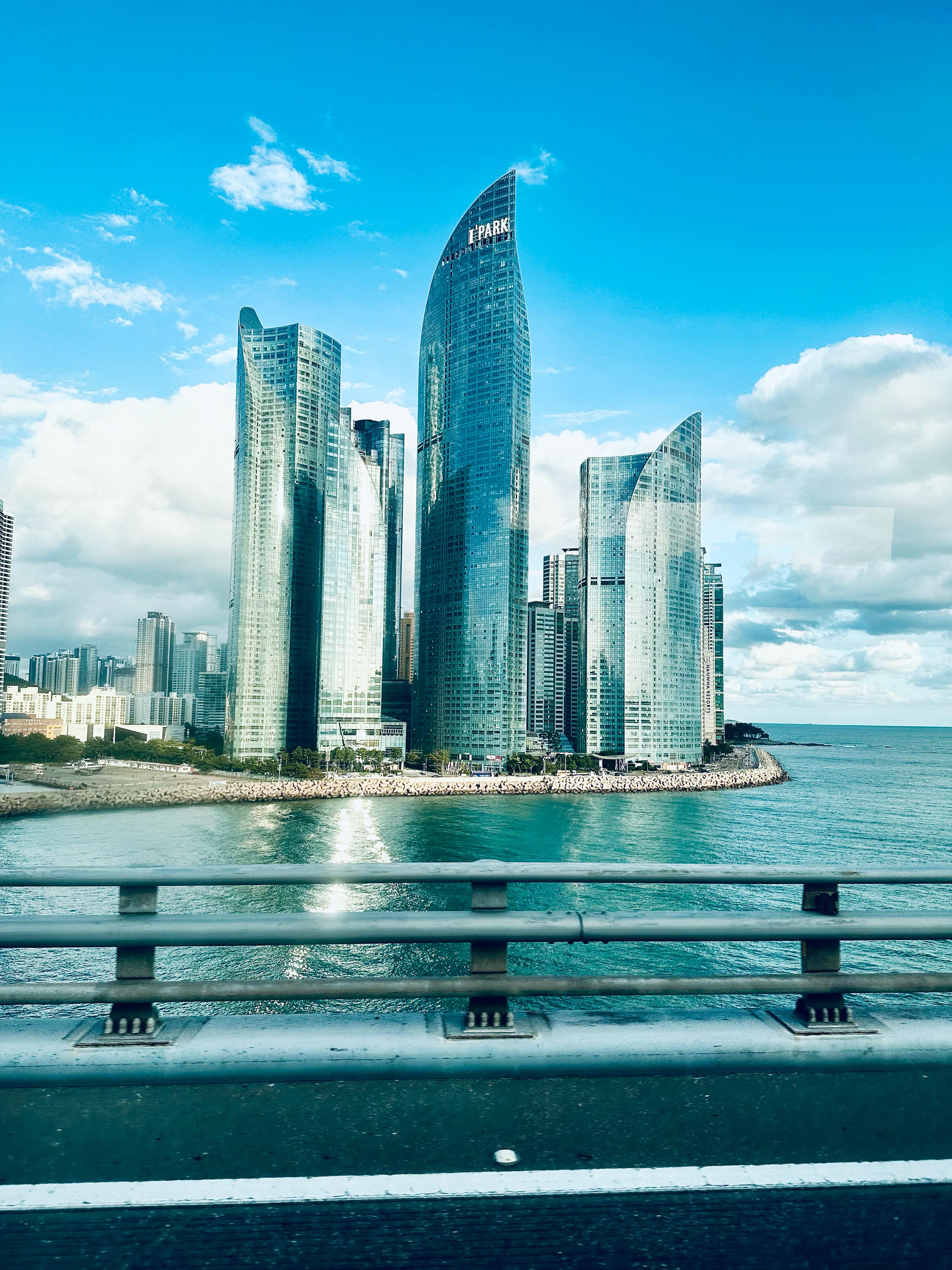
Early risers can join an optional ceremony and meditation at Haeinsa at 3.30am. Breakfast is served at 6am before an approximately two-hour transfer to Busan. Visit Nurimaru APEC House on Dongbaekseom Island and Haeundae beach, then walk through Gamcheon Culture Village to see its murals, art spaces and coastal views. The order of visits may change. On specified alternative-plan departures, travel from Busan to Haeinsa Temple on Day 10 instead.
Meals: Breakfast
Day 11
Visit Busan’s memorials and markets • Travel to Seoul by bullet train
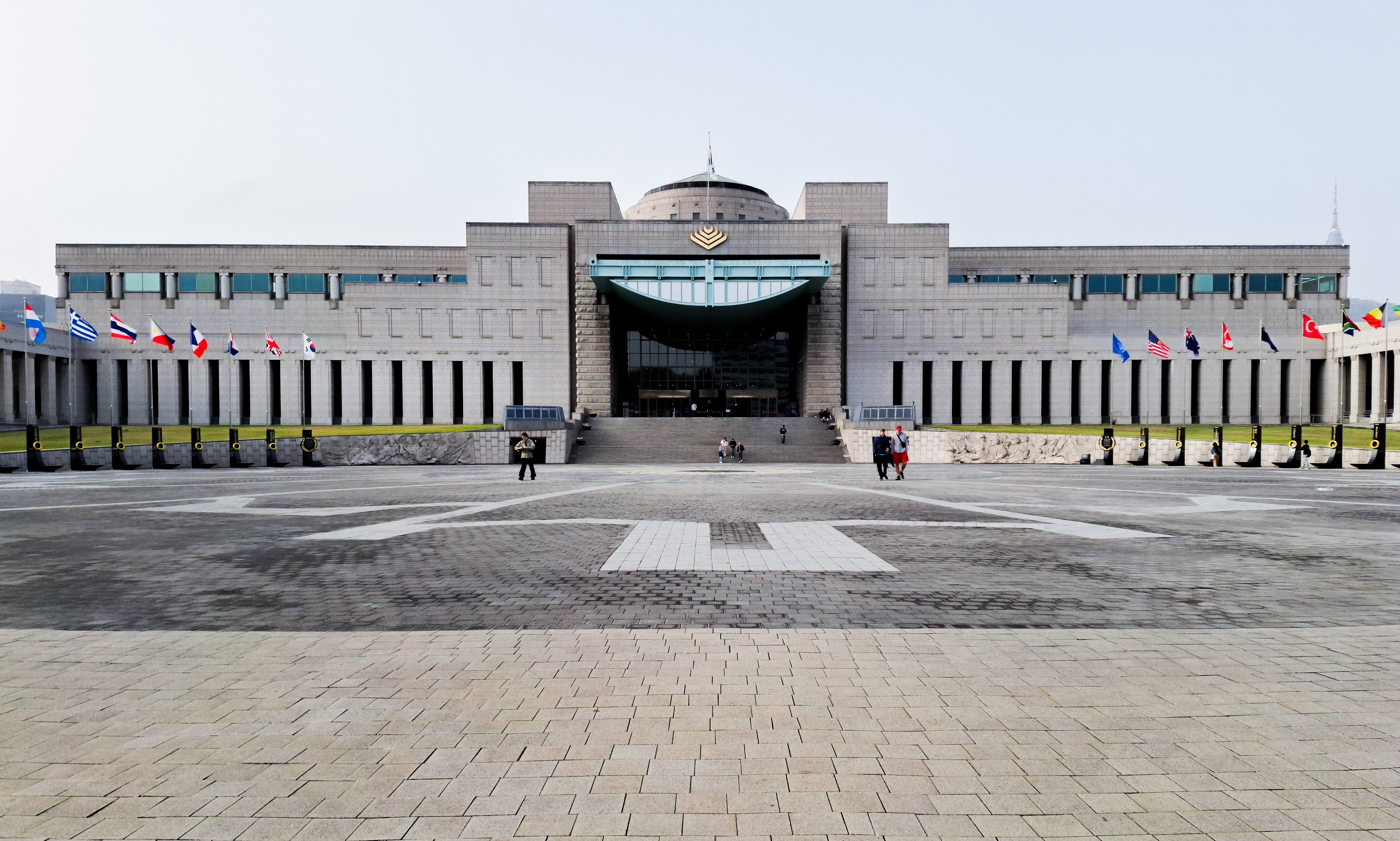
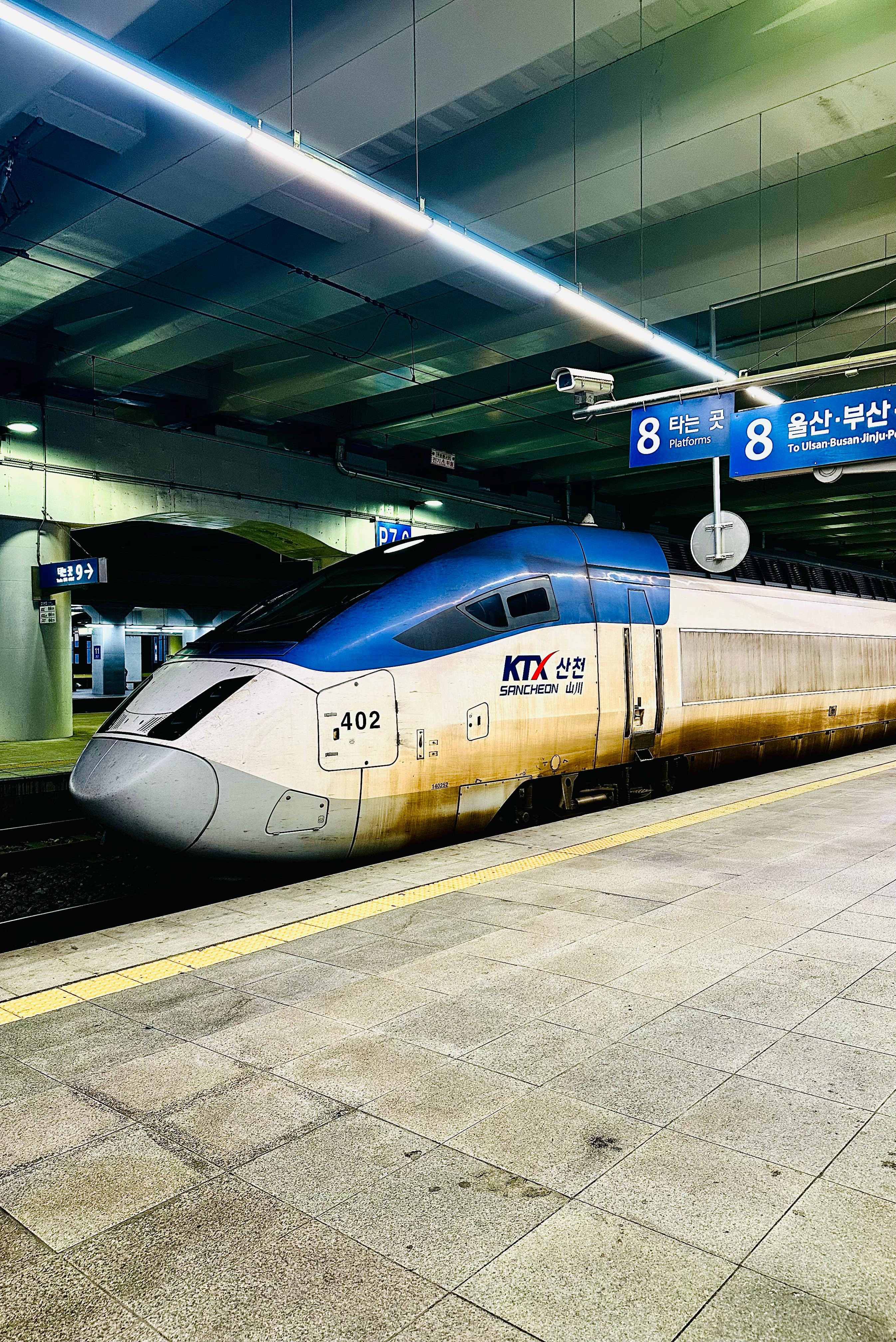
Visit the UN Memorial Cemetery and Oryukdo Skywalk. Browse the seafood stalls at Jagalchi Fish Market and the shops and street-food stalls at Gukje Market. In the afternoon, transfer to Busan Station and take a high-speed KTX train to Seoul; a later departure allows more time in Busan. The order of visits may change.
Meals: Breakfast
Day 12
Adventure ends in Seoul
The tour ends in Seoul. Begin your journey home or extend your trip.
Meals: Breakfast
What’s included
What’s not included
Additional information
Seokguram Grotto & Bulguksa Temple
Visit the 8th-century Seokguram Grotto, where a serene granite Buddha gazes toward the East Sea from a domed stone chamber. The setting highlights Silla artistry, symmetry and spiritual poise.
Continue to UNESCO-listed Bulguksa Temple, its lacquered halls framed by the iconic Dabotap and Seokgatap pagodas. Stone terraces, bridges and cedar-scented courtyards reveal the fusion of landscape and architecture central to Korean Buddhism.
Seoraksan Cable Car to Gwongeumseong Fortress
Glide by cable car to the rocky crest of Gwongeumseong Fortress for panoramic views over granite spires, thick pine forests and, on clear days, the distant East Sea. Short boardwalks lead to dramatic photo spots.
This is an optional experience at additional cost, bookable on tour and weather-permitting. It’s an effortless way to savor Seoraksan’s high-country drama without a strenuous hike.
Busan Tower Night Panorama
Ascend the 118m Busan Tower in Yongdusan Park for an evening sweep of neon harbors, hillside neighborhoods and the glittering arc of Gwangalli Bridge. Floor-to-ceiling windows frame a luminous cityscape built between mountains and sea.
This is an optional experience at additional cost, bookable on tour. It pairs perfectly with a post-dinner stroll and offers superb night photography across Korea’s vibrant second city.
Hosted Welcome Dinner in Seoul
Meet your group and meet your Tour Leader at a hosted welcome dinner that introduces the rhythms of Korean dining. Share tables lined with colorful banchan, tangy kimchi, and fragrant stews as you learn how to wrap morsels in crisp lettuce and toast the evening with a friendly geonbae.
Your leader decodes local etiquette—from pouring customs to the balance of flavors—so you can relax into the convivial, communal spirit that defines meals across the peninsula.
Seoul Heritage Walking Tour: Cheonggyecheon, Insadong & Gyeongbokgung Palace
Explore downtown Seoul on foot, tracing the revitalized Cheonggyecheon Stream and pausing at Tapgol Park, cradle of the 1919 independence movement. Continue into artisan-lined Insadong for calligraphy shops and quiet teahouses, then visit Jogyesa Temple, the heart of Korean Zen Buddhism draped in lanterns.
At grand Gyeongbokgung Palace—a 14th-century Joseon seat—admire gate pavilions, courtyards and, when schedules align, the colorful changing of the guard. Nearby Bukchon Hanok Village reveals narrow lanes of timber-tiled hanok homes with city panoramas.
Korean Demilitarized Zone: Third Tunnel & Border Observatories
Journey to the Korean Demilitarized Zone (DMZ) for an eye-opening look at the peninsula’s division. Descend into the Third Infiltration Tunnel, discovered in 1978, and learn how this tense frontier shaped modern Korean history.
From strategic border observatories, gaze across the landscape while specialist guides outline the 1953 armistice and today’s protocols. Expect heightened security procedures and a sober, compelling perspective on two nations still separated by a narrow strip of land.
East Coast Heritage: Seongyojang House, Anmok Coffee Street & Naksansa Temple
Step inside Seongyojang House, a beautifully preserved Joseon-era aristocratic residence of courtyards, ondol-heated floors and lotus ponds that reveal the refinement of Confucian domestic life. Afterwards, stroll the oceanfront cafés of Anmok Coffee Street, where sea breezes mingle with the aroma of fresh roasts.
Continue to cliff-perched Naksansa Temple, a coastal sanctuary dedicated to Gwanseum-bosal. Hear waves break below prayer halls and pause by hilltop viewpoints surveying the deep-blue East Sea.
Seoraksan National Park Guided Nature Walk
Walk gentle forest paths beneath jagged granite as you explore Seoraksan National Park, a UNESCO Biosphere Reserve famed for spring blossoms and ember-red autumns. Begin by the towering Great Unification Buddha near Sinheungsa, then follow clear streams to broad valley viewpoints.
Your leader shares geology and ecology—wind-carved ridgelines, fir and pine stands, and wildlife habitat—while you pause for photos and reflection amid some of Korea’s most photogenic mountain scenery.
Andong Confucian Heritage: Hahoe Folk Village & Dosan Seowon
Wander UNESCO-listed Hahoe Folk Village, where thatched farmers’ cottages and tile-roofed yangban mansions nestle between river bends and fields. Learn about ancestral rites and the region’s famed mask-dance tradition that still animates village festivals.
Nearby, visit Dosan Seowon, a 16th-century Confucian academy founded by scholar Yi Hwang (Toegye). Timber lecture halls and stone terraces evoke an education system whose values shaped Joseon society for centuries.
Bibimbap Cooking Class & Lunch
Roll up your sleeves for a hands-on bibimbap class. Arrange seasonal namul, crisp greens and warm rice, balance heat with silky gochujang, and finish with toasted sesame and nori. Your instructor shares tips on harmony of flavors and textures.
Discover how this beloved bowl appears in royal, regional and temple styles before savoring your own creation for lunch—an edible lesson in Korea’s devotion to color, seasonality and balance.
Gyeongju Royal Tombs at Daereungwon Tumuli Park
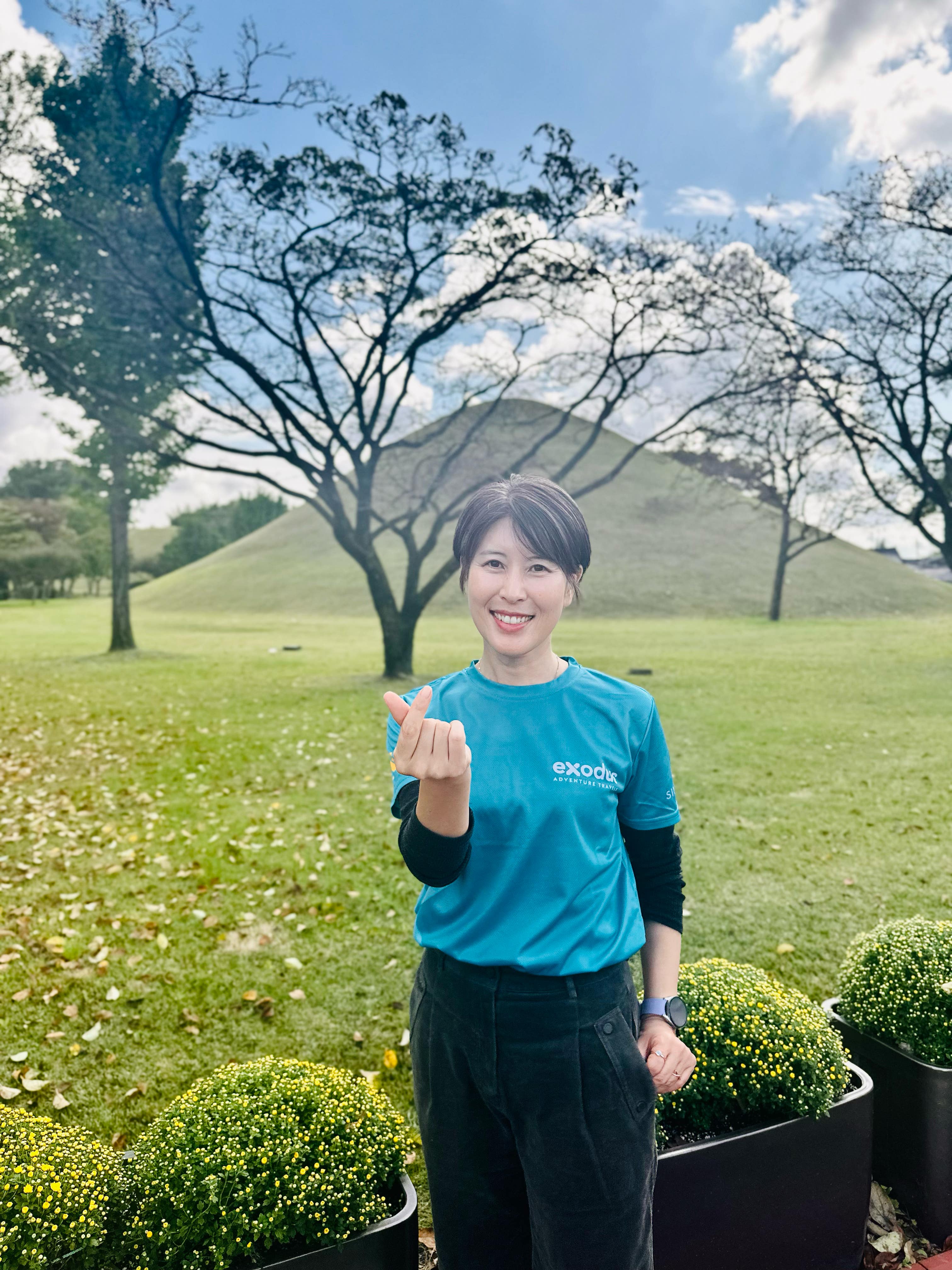
Walk among the grassy mounds of Daereungwon Tumuli Park, resting place of kings and nobles from the Shilla dynasty. Learn how stone-lined chambers and precious grave goods illuminated royal life in Korea’s ancient capital.
When accessible, step inside a reconstructed burial to see how the tomb architecture once safeguarded crowns, ornaments and armor. The quiet parkland offers a contemplative counterpoint to Gyeongju’s city streets.
Gyeongju Museum, Cheomseongdae & Anapji (Wolji) Pond
Examine Silla treasures at the Gyeongju National Museum—gilded crowns, ornaments and relics that trace a millennium of royal culture. Curated galleries lend context to the palaces, tombs and temples you encounter nearby.
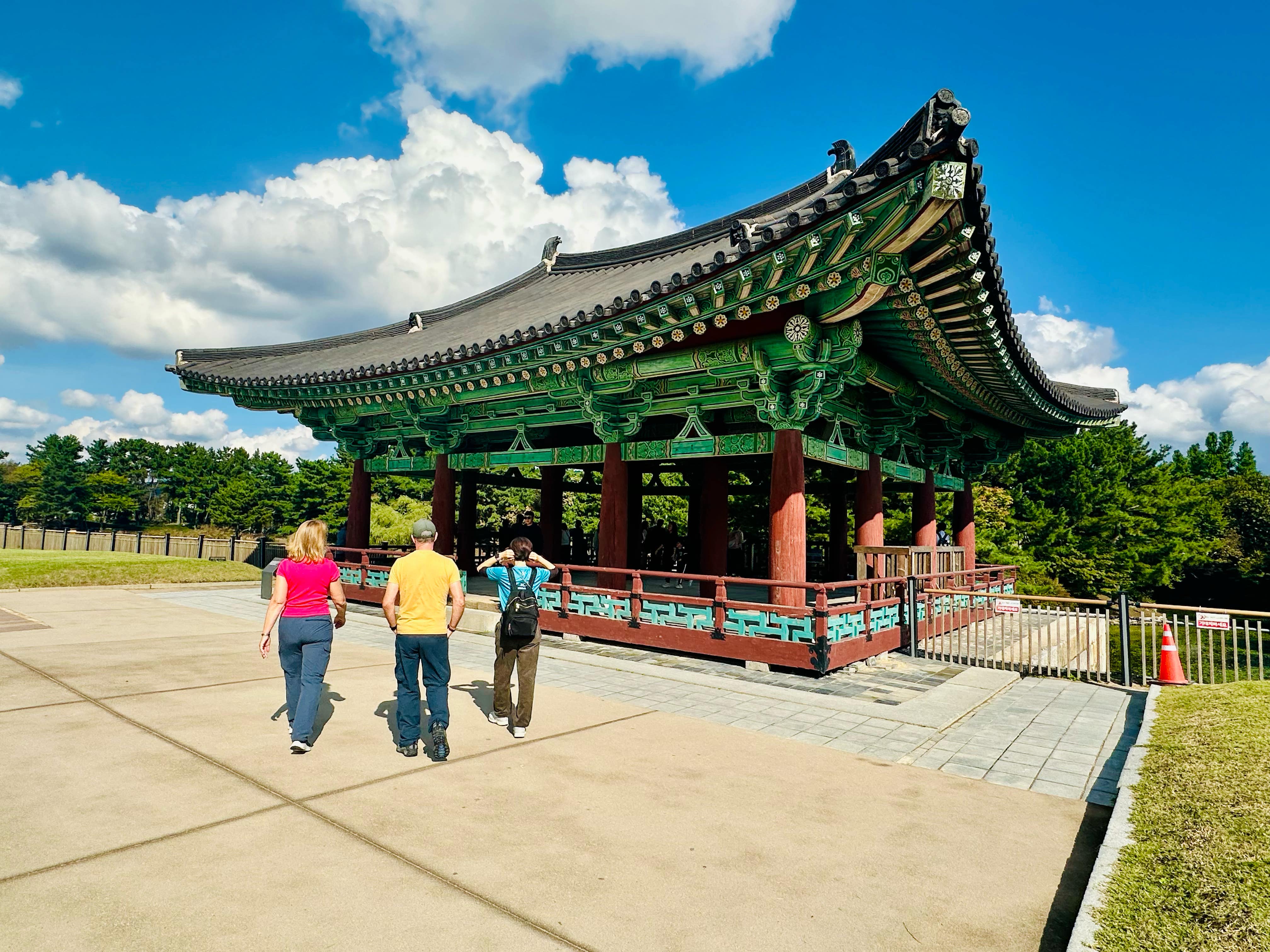
Outdoors, view the 7th-century Cheomseongdae Observatory, Asia’s oldest surviving star tower, before a tranquil stroll at Anapji (Wolji) Pond, where pavilions reflect in still waters as lanterns glow toward dusk.
Haeinsa Temple Stay & Ceremonies with Tripitaka Koreana
Settle into UNESCO-listed Haeinsa Temple in Gayasan National Park, don simple attire and join monks for quiet tea, chamseon meditation and resonant chanting. A seasonal vegetarian meal offers a lesson in mindful nourishment and monastic rhythm.
See the revered Tripitaka Koreana—80,000+ woodblocks preserved in the ingenious Janggyeong Panjeon depositories—and feel centuries of devotion in cedar-scented courtyards where bells carry on mountain air.
Busan Coastal Icons: Gwangalli Bridge, UN Memorial Cemetery & Nurimaru APEC House
Take in sweeping shoreline views, including the illuminated span of Gwangalli Bridge, a modern symbol arching over Busan’s bays. Coastal breezes and camera-ready viewpoints set a relaxed, maritime tone.
Pay respects at the UN Memorial Cemetery, honoring soldiers from 21 nations, then continue to Nurimaru APEC House on Dongbaekseom. Glass curves and pine groves frame sea panoramas where world leaders once met.
Jagalchi Fish Market & Gukje Market Exploration
Navigate aisles of live tanks, gleaming fillets and shellfish towers at Jagalchi Fish Market, Korea’s largest. If you wish, sample just-cut hoe (Korean sashimi) for a bracing taste of the sea beside the piers.
Wander into the maze of Gukje Market, a post-war trading hub turned treasure trove of housewares, fabrics and street bites. The soundtrack is pure Busan—friendly bargaining and the clatter of woks.
Seoul Orientation Walk & Gwangjang Market Tastings
Ease into the city with a leader-led orientation walk that threads through central Seoul to the storied Gwangjang Market. Browse bustling food alleys and, if you wish, sample crispy bindaetteok with makgeolli as vendors call out orders and sizzling pans perfume the air.
Opened in the early 1900s, Gwangjang is famed for vintage textile arcades by day and neon-lit snack stalls by night. This is a vivid primer on everyday Korean life—fast, friendly, and deliciously down-to-earth.