Your itinerary
Day 1
Adventure starts in Tirana
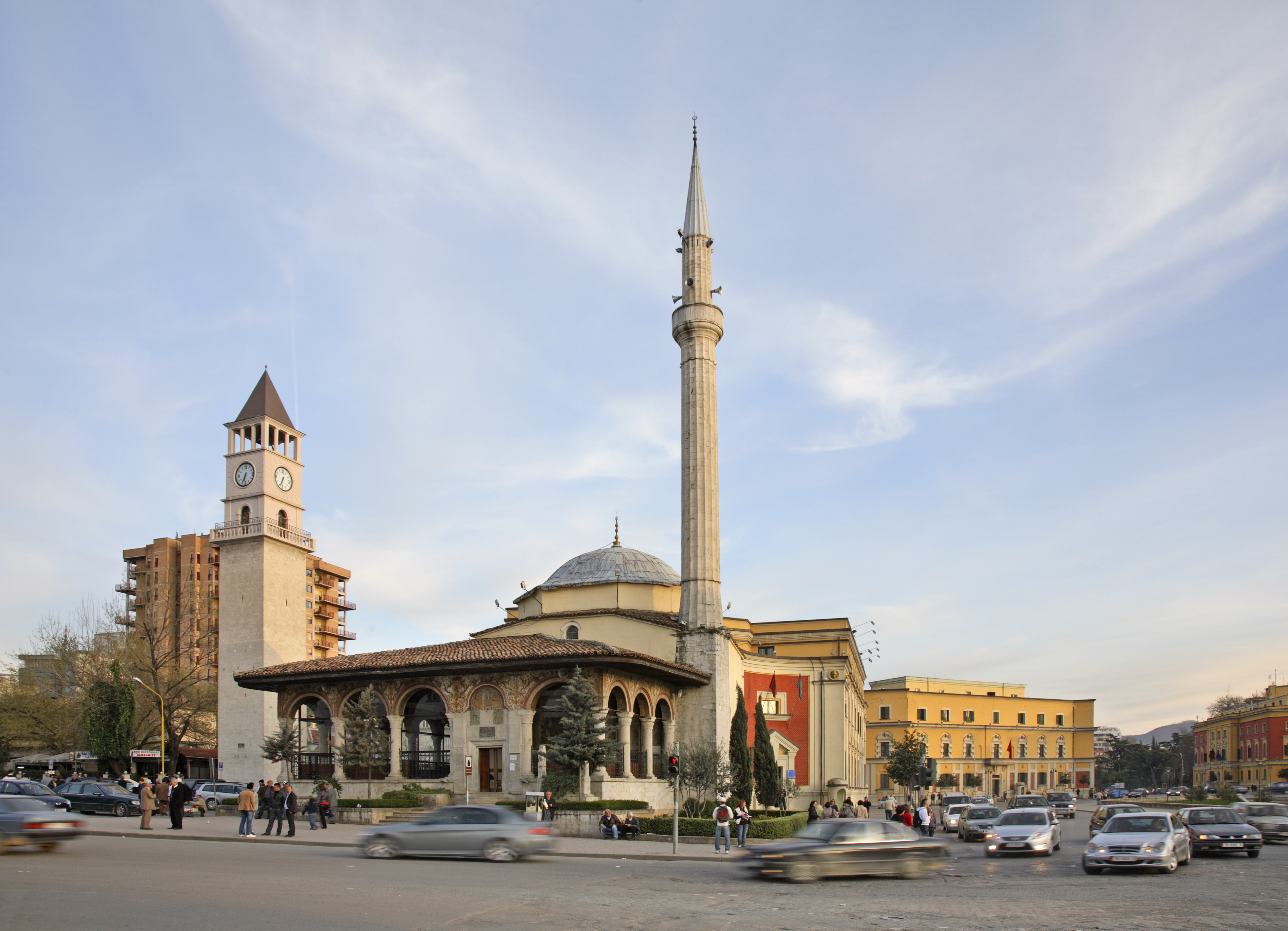
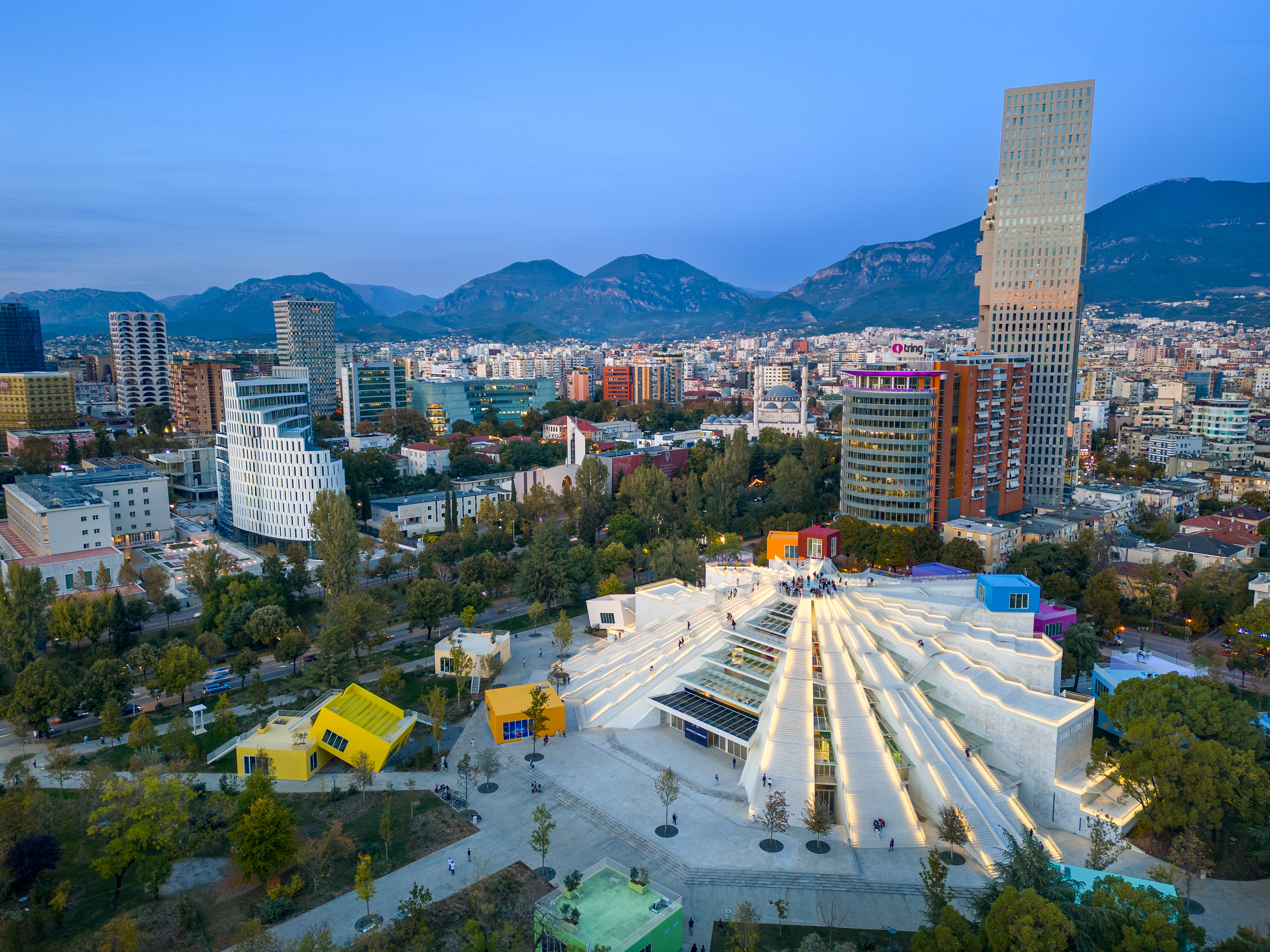
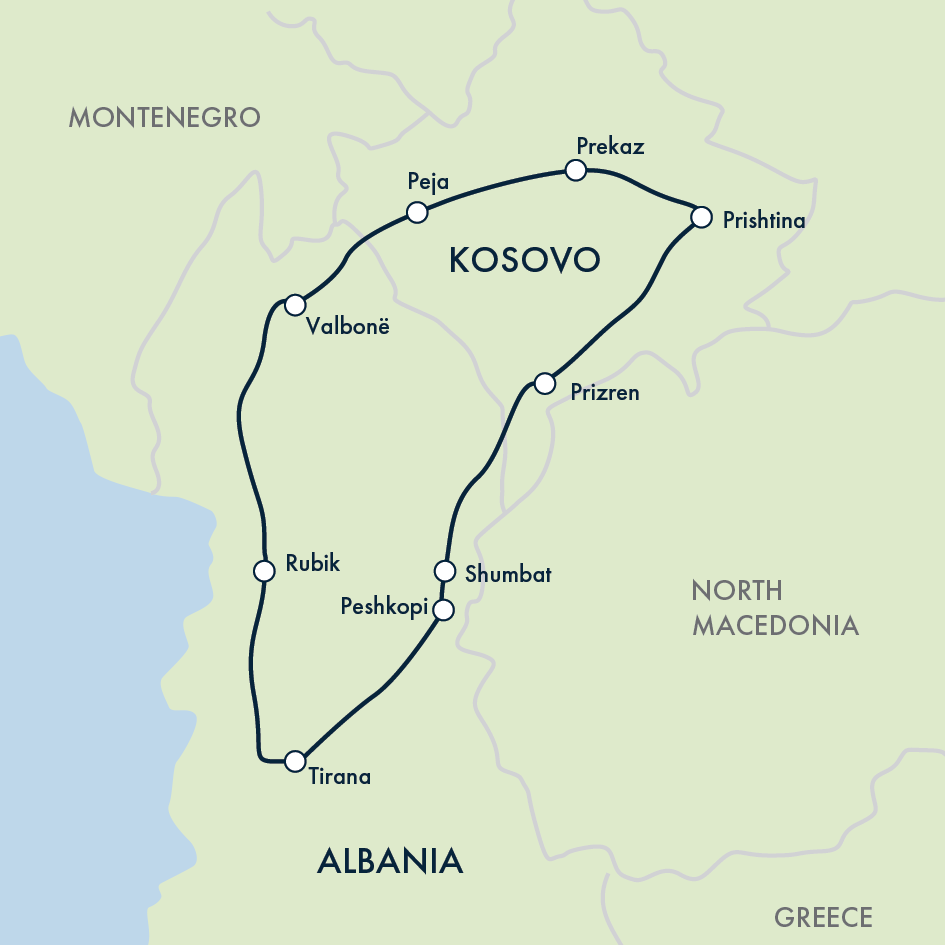
Meet the tour leader and fellow travellers at the hotel at 6pm. Take a walking tour of central Tirana, including Skanderbeg Square, Et’hem Bey Mosque and the Pyramid of Tirana, followed by a group dinner.
Meals: Dinner
Day 2
Explore the fortified home of Kulla Hupi • Lunch in foodie Rabdisht • To Peshkopi
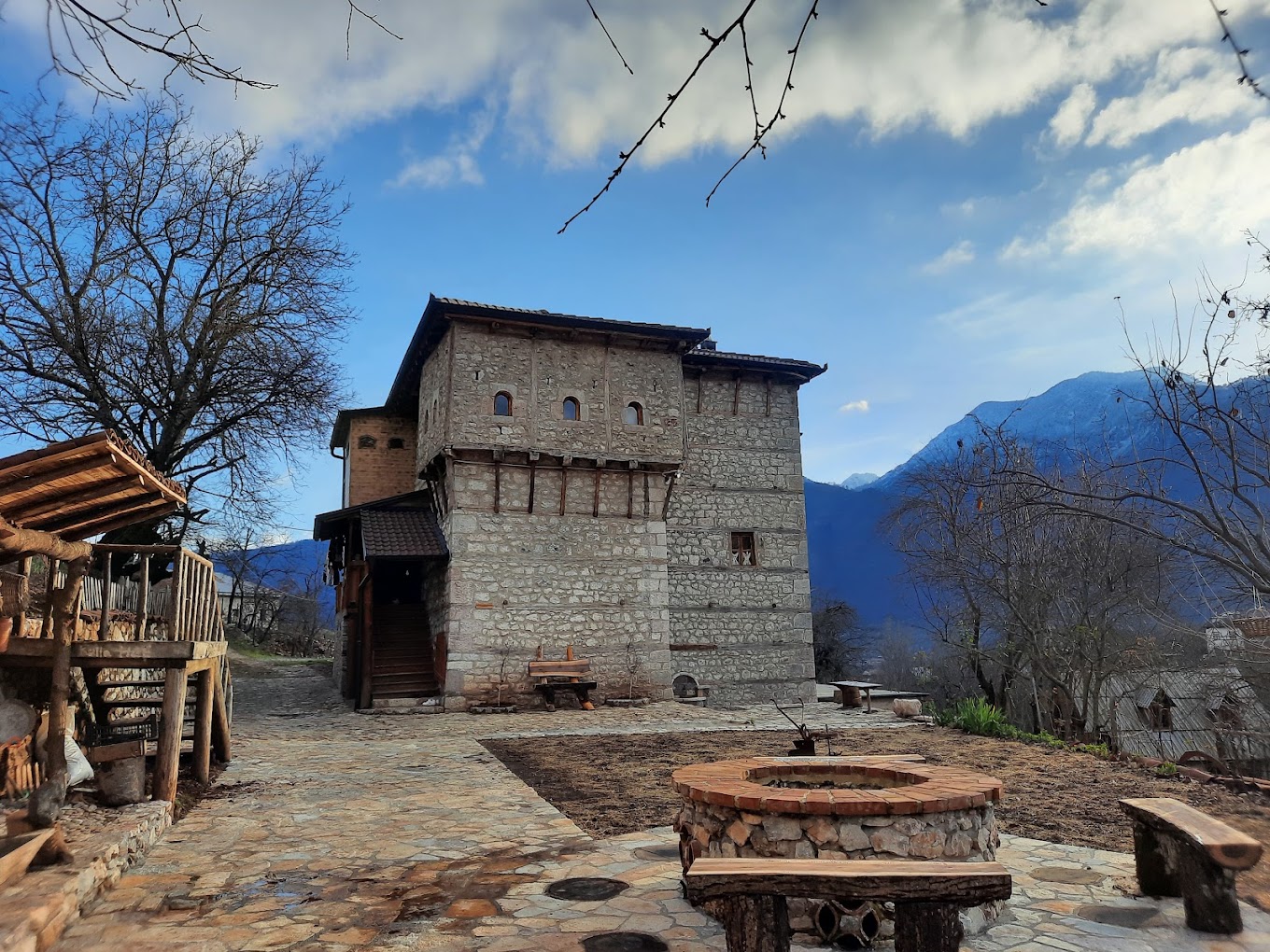
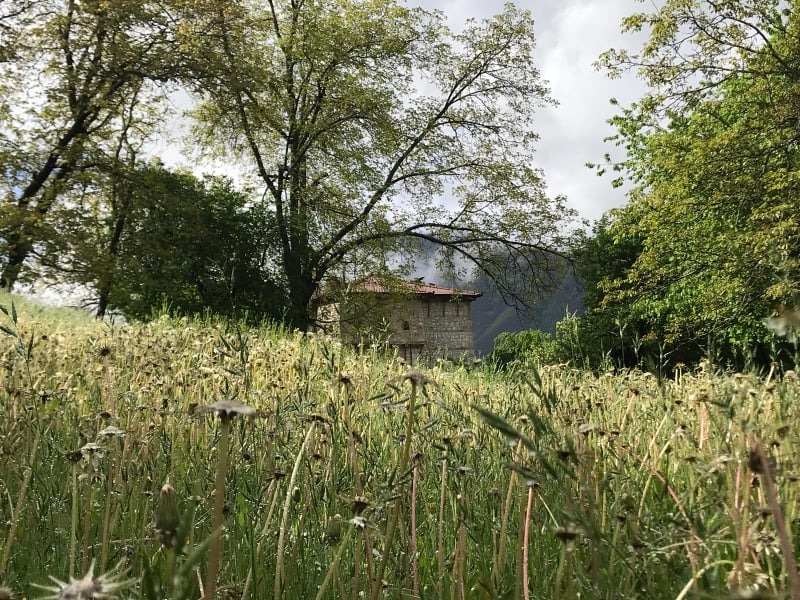
Transfer from Tirana to Kulla Hupi (1hr 20min), a 200-year-old fortified stone house, for a snack and an introduction to its history. Continue to Rabdisht (one hour) for lunch at a guesthouse, then transfer to Peshkopi for free time.
Meals: Breakfast,Lunch
Day 3
Scenic walk in Radomire • Explore the traditions of Kukës • To Prizren, Kosovo
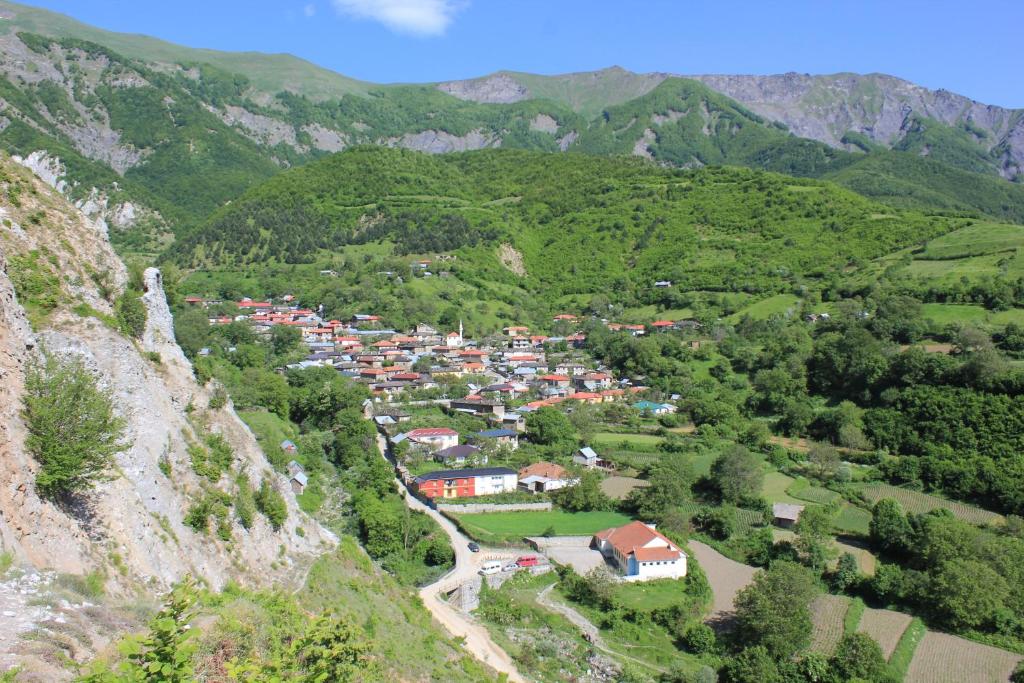
Transfer to Radomire (one hour) and take a one-hour walk to Liqeni i Zi (Black Lake), then return for coffee. Have lunch at Zgara e Bushtrices overlooking the Korab Mountains. Transfer to Kukës (45 minutes to one hour), which sheltered Kosovar Albanian refugees during the Kosovo War. Walk to a workshop to learn about traditional textile and carpet weaving, watch an artisan at work and try the loom. Continue to Prizren, Kosovo.
Meals: Breakfast,Lunch
Day 4
Gain a deeper understanding of the Kosovo War in Prekaz • Tour the highlights of Prishtina
Transfer from Prizren to Prekaz (1hr 10min) and explore the Adem Jashari Memorial Complex, including the Jashari family homes, graves and museum, to learn about the events leading to the Kosovo War. Visit the Gazimestan memorial and the tomb of Ottoman Sultan Murad I. Transfer to Prishtina (one hour); after lunch, tour Mother Teresa Boulevard, the Newborn Monument, the Cathedral of Saint Mother Teresa and government buildings.
Meals: Breakfast
Day 5
Visit Gracanica Monastery • Explore Ulpiana’s Roman ruins • Tour Peja Orthodox Monastery and Church
Leave Prishtina for Gracanica Monastery (30 minutes) to see its Serbo-Byzantine architecture, medieval paintings and murals. Drive to Ulpiana Archaeological Park (less than five minutes) to explore Roman remains, including a basilica, public baths and mosaics. After lunch, travel to Peja Orthodox Monastery and Church (1hr 30min) for a guided visit, then continue to the hotel.
Meals: Breakfast
Day 6
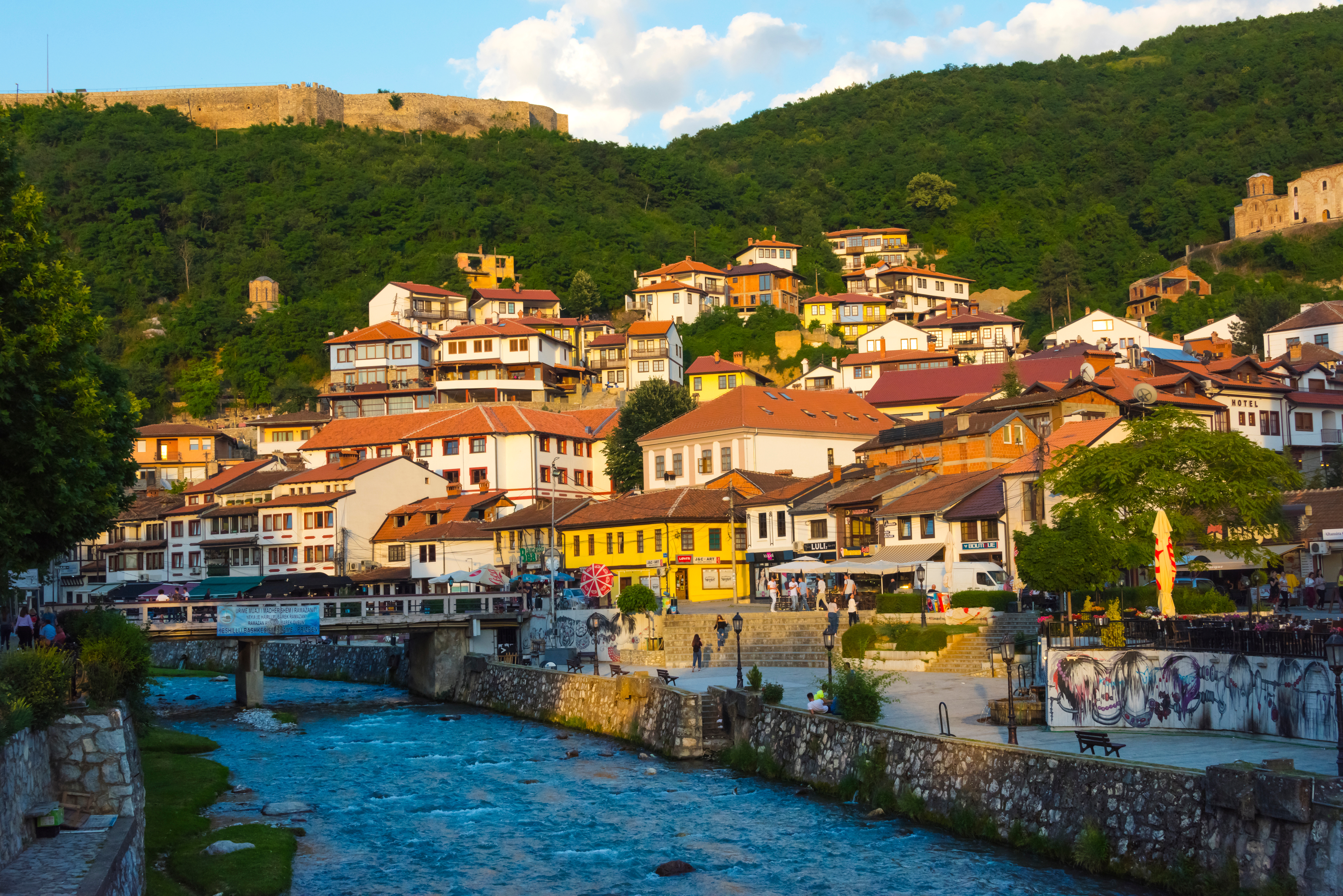
Explore Decan Monastery • See daily life in Gjakova’s Old Bazaar • To Valbona
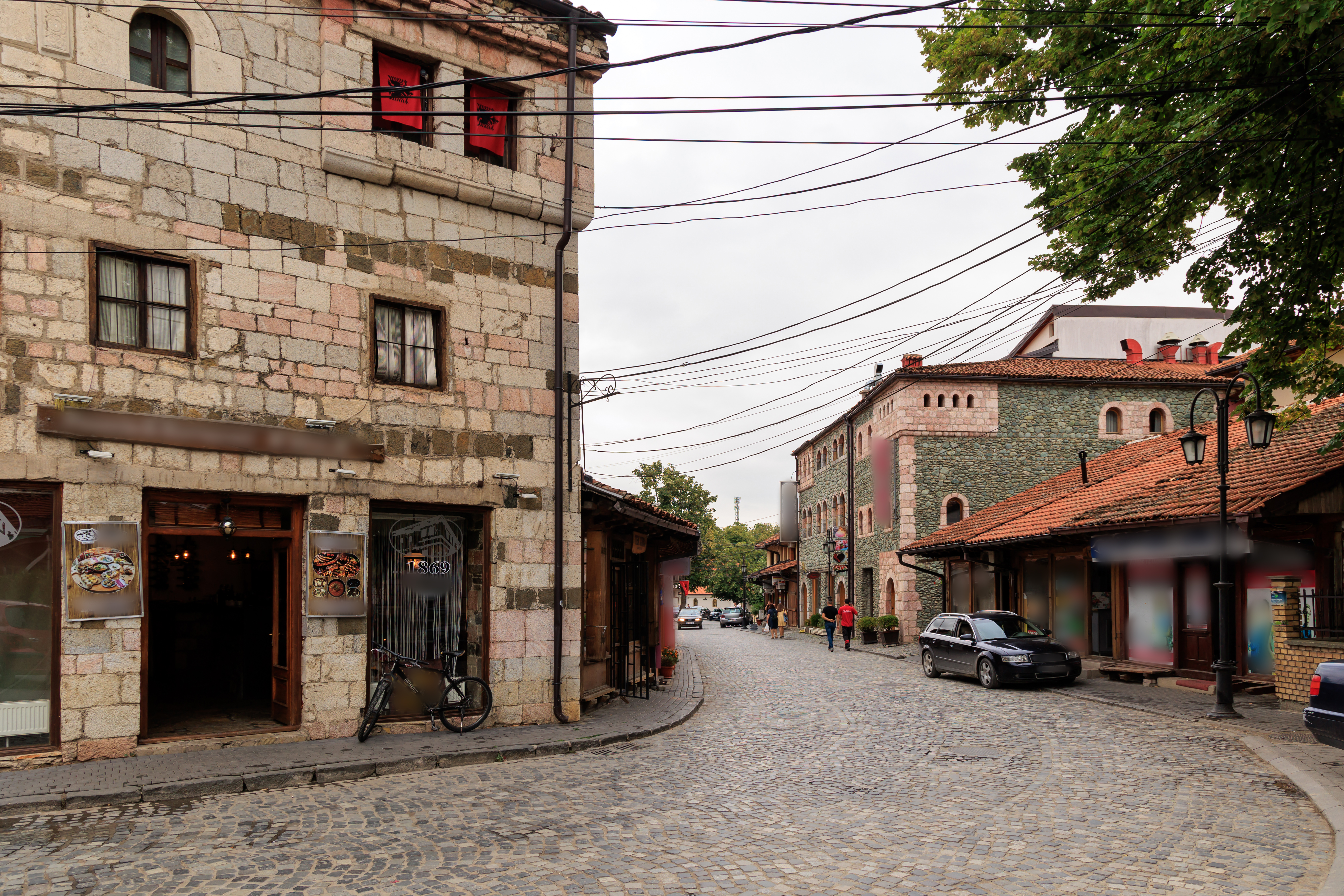
Visit Visoki Decani monastery to see its frescoes and learn about its history. Tour Gjakova’s Ottoman-era Çarshia (Old Bazaar), including its traditional shops, Hadum Mosque, old stone bridges and artisans’ workshops. Have a traditional local lunch in the bazaar, then drive to Valbona, Albania (1hr 30min).
Meals: Breakfast,Lunch
Day 7
Lake Koman Ferry • Farm-to-table meal at Mrizi i Zanave • To Rubik
Transfer for one hour, then take a two-hour ferry ride across Lake Koman through the Albanian Alps. Travel to the farm restaurant Mrizi i Zanave (2hr–2hr 30min) for a meal featuring locally sourced Albanian food. Transfer to Rubik (1hr 15min) and spend the evening at leisure in the old village of Katund i Vjeter.
Meals: Breakfast,Lunch
Day 8
Adventure ends in Rubik
The tour ends in Rubik. Begin the journey home or extend your stay.
Meals: Breakfast
What’s included
What’s not included
Additional information
Food
Food in Albania is quite varied thanks to the many influences on the country, particularly from Turkey, Greece and Italy. Dairy products, especially milk and yoghurt, are present in almost every meal, usually locally sourced. Kosovar food is equally influenced by Balkan, Turkish and Mediterranean cuisines.
We recommend you always drink bottled water. The most environmentally friendly method is to share the larger reusable glass bottles served in most restaurants.
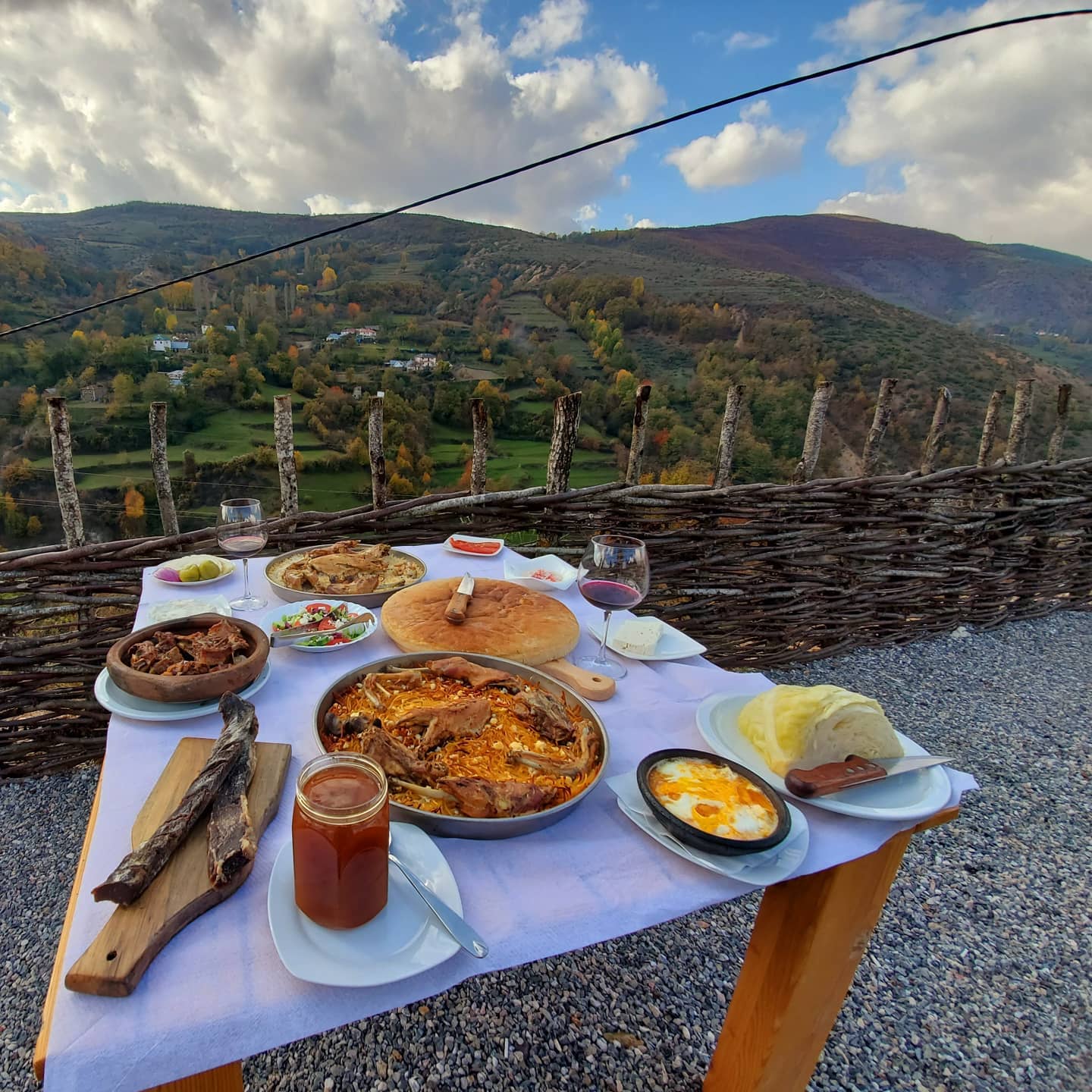
Rabdisht Village Guesthouse Lunch
Taste local dishes at a guesthouse in Rabdisht, a northern Albanian village known for its stone buildings and regional cooking. The hosted lunch is an opportunity to experience the area through food prepared and served in a village setting.
Set among the mountains of the Dibër region, Rabdisht offers a quieter perspective on Albanian hospitality. The meal connects the village’s reputation for good cooking with the people and place behind it.
Adem Jashari Memorial Complex, Prekaz
Explore the Adem Jashari Memorial Complex in Prekaz, including the remains of the Jashari family homes, their graves and a museum dedicated to their story. Allow time for reflection at a site central to understanding Kosovo’s modern history.
Adem Jashari and members of his family were killed during a siege by Serbian forces in 1998. Their deaths became a powerful symbol of resistance in the period leading to the Kosovo War. The preserved site conveys the human cost behind that history.
Tirana City-Centre Walking Tour
Explore Albania’s capital on a guided walk through central Tirana, taking in Skanderbeg Square, Et’hem Bey Mosque and the Pyramid of Tirana. The route brings together the city’s Ottoman heritage, national monuments and contemporary public spaces.
See how Tirana has reworked its past: the Pyramid, originally built as a memorial to communist leader Enver Hoxha, has been transformed into a cultural space. Your tour leader provides context for the city’s changing architecture and lively street life.
Albanian Welcome Dinner
Meet your tour leader and fellow travellers over a group dinner in Tirana, arranged as a warm introduction to Albania. Share a table, get acquainted with the people you’ll travel with and hear more about the places and communities on the route.
It is a chance to settle into the capital’s social atmosphere rather than simply eat an evening meal. Conversation with your local tour leader offers an early perspective on Albanian hospitality and the traditions you’ll encounter across the north.
Kulla Hupi Fortified House Visit
Visit Kulla Hupi, a traditional fortified stone house in northern Albania, and enjoy a snack while learning about its approximately 200-year history. Its sturdy construction offers a tangible introduction to a form of home shaped by the region’s past.
Hear how architecture could serve both domestic life and protection in mountain communities. Spending time inside the house makes northern Albania’s history more immediate than a view of its stone exterior alone.
Radomire Walk to Liqeni i Zi
Walk from Radomire to Liqeni i Zi, or Black Lake, on a guided outing of around one hour in the Korab Mountains. Take in the mountain scenery and the relative quiet of this less-visited corner of northern Albania.
Radomire lies near Mount Korab, Albania’s highest peak, making it a gateway to a striking highland landscape. The walk offers time outdoors and a closer view of the natural setting that defines the region.
Kukës Traditional Weaving Workshop
Meet a local artisan in Kukës and watch textile and carpet weaving on a traditional loom. Learn about materials and patterns used in the region, with an opportunity to try the loom under expert guidance.
Weaving is among Albania’s longstanding craft traditions, requiring patient, skilled work to build a pattern thread by thread. The workshop also brings you into a town that sheltered Kosovar Albanian refugees during the Kosovo War, adding context to Kukës’s recent history.
Gazimestan Memorial and Sultan Murad I’s Tomb
Visit Gazimestan, the memorial to the 1389 Battle of Kosovo, and the nearby tomb of Ottoman Sultan Murad I. Together, these sites introduce a much older chapter of the region’s history and its enduring significance.
The battle between Ottoman and Serbian-led forces occupies an important place in historical memory. Murad I died during the conflict; visiting his tomb alongside Gazimestan gives you space to consider how one event has been remembered across centuries and communities.
Prishtina City Tour
Walk through central Prishtina with your tour leader, following Mother Teresa Boulevard and seeing landmarks including the Newborn Monument and Cathedral of Saint Mother Teresa. The route also takes in the capital’s government buildings and busy public spaces.
Prishtina’s streets reflect both longstanding traditions and Kosovo’s recent history. Unveiled when Kosovo declared independence in 2008, the Newborn Monument is a focal point for that story; the boulevard offers a view of everyday life in the capital.
Ulpiana Archaeological Park
Explore Ulpiana Archaeological Park near Gracanica and see remains associated with the ancient Roman city, including a basilica, public baths and mosaics. The excavated site offers a close look at urban life in this part of the Balkans centuries before modern Kosovo.
Ulpiana developed into an important Roman-era settlement and continued to change in late antiquity. Its surviving foundations and decorative fragments help make the scale and complexity of the former city visible on the ground.
Gjakova Old Bazaar Tour
Tour Gjakova’s Ottoman-era Carshia, or Old Bazaar, walking among traditional shops and artisans’ workshops. See how commerce, craft and community life share the streets of one of the Balkans’ largest historic bazaars.
The wider bazaar area includes landmarks such as the Hadum Mosque, while old stone bridges add to Gjakova’s historic character. A guided visit gives you a closer look at the daily rhythms of the quarter and the traditions that have shaped it.
Lake Koman Ferry Journey
Cross Lake Koman by ferry on a journey of around two hours through a narrow waterway framed by steep mountain slopes. Watch the scenery shift along the shores, with the dramatic peaks of the Albanian Alps rising around the lake.
Lake Koman is a reservoir whose winding shape creates an almost fjord-like passage through northern Albania’s rugged terrain. The ferry is a practical crossing, but the sustained views from the water make it a distinctive scenic experience in its own right.
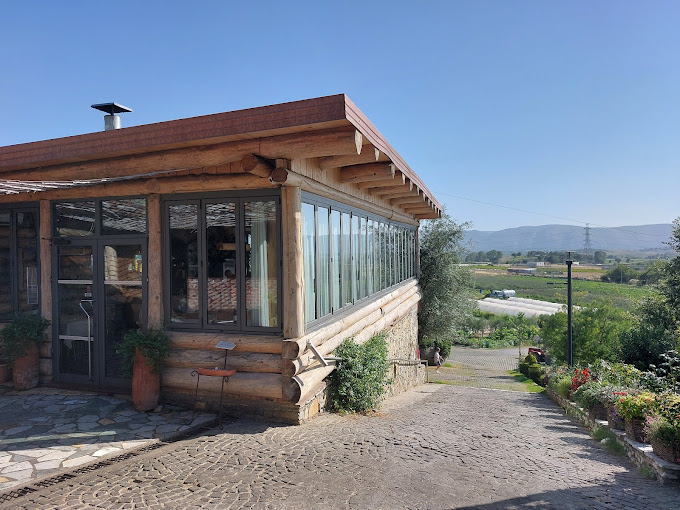
Farm-to-Table Meal at Mrizi i Zanave
Enjoy a farm-to-table meal at Mrizi i Zanave, a restaurant set amid farmland in northern Albania. Taste traditional Albanian cooking built around locally sourced ingredients in the rural setting that helps produce them.
The restaurant’s field-to-fork approach places growers, seasonal produce and regional food traditions at the centre of the experience. Sharing a meal here offers a direct connection between the flavours on the table and the agricultural landscape beyond it.
Gracanica Monastery
Step inside Gracanica Monastery to admire its Serbo-Byzantine architecture and richly painted medieval interior. Built in the early 14th century for Serbian king Stefan Milutin, it remains an active Serbian Orthodox religious site near Prishtina.
Look closely at the frescoes covering its walls and vaults, where religious scenes turn the church interior into a layered work of art. The monastery is part of the UNESCO-listed Medieval Monuments in Kosovo, recognised for their exceptional Byzantine and Romanesque heritage.
Patriarchate of Pec Monastery
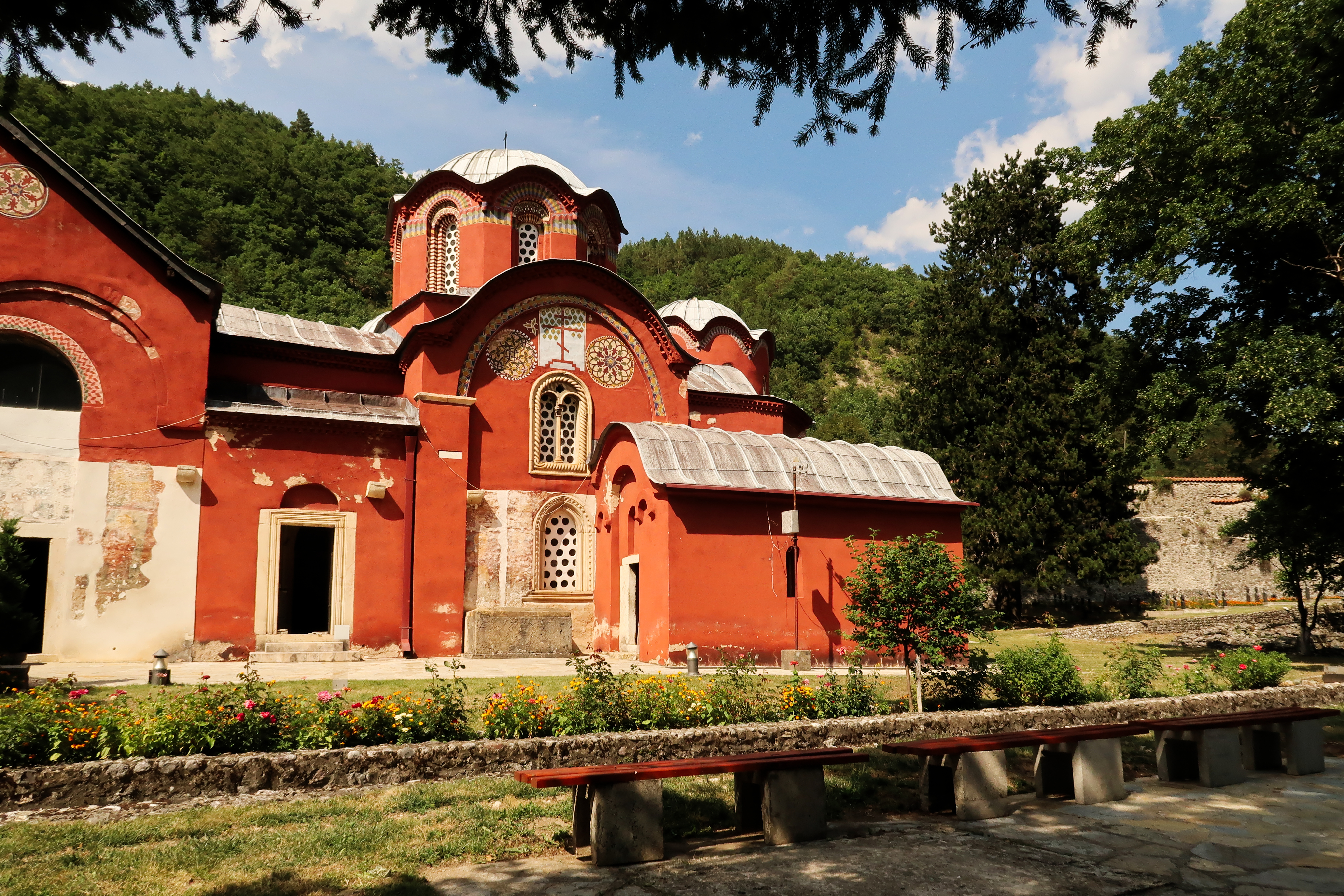
Visit the Patriarchate of Pec, the historic Serbian Orthodox monastery and church complex on the outskirts of Peja. Explore its architecture and religious heritage with your tour leader, gaining insight into why the site holds such importance.
For centuries, the complex served as a seat of the Serbian Orthodox Church. Its connected churches and medieval frescoes make it both a place of worship and a record of artistic traditions. It is also part of the UNESCO-listed Medieval Monuments in Kosovo.
Visoki Decani Monastery
Explore Visoki Decani Monastery, a medieval Serbian Orthodox monastery near Decan, and study the intricate frescoes inside its church. Learn about the site’s history and its continuing religious significance.
Founded in the 14th century, the monastery brings together distinctive stone architecture and an extensive cycle of medieval wall paintings. Its artistic and historical importance has earned it UNESCO World Heritage status. Visiting the interior reveals details that are easy to miss from its imposing exterior.