Your itinerary
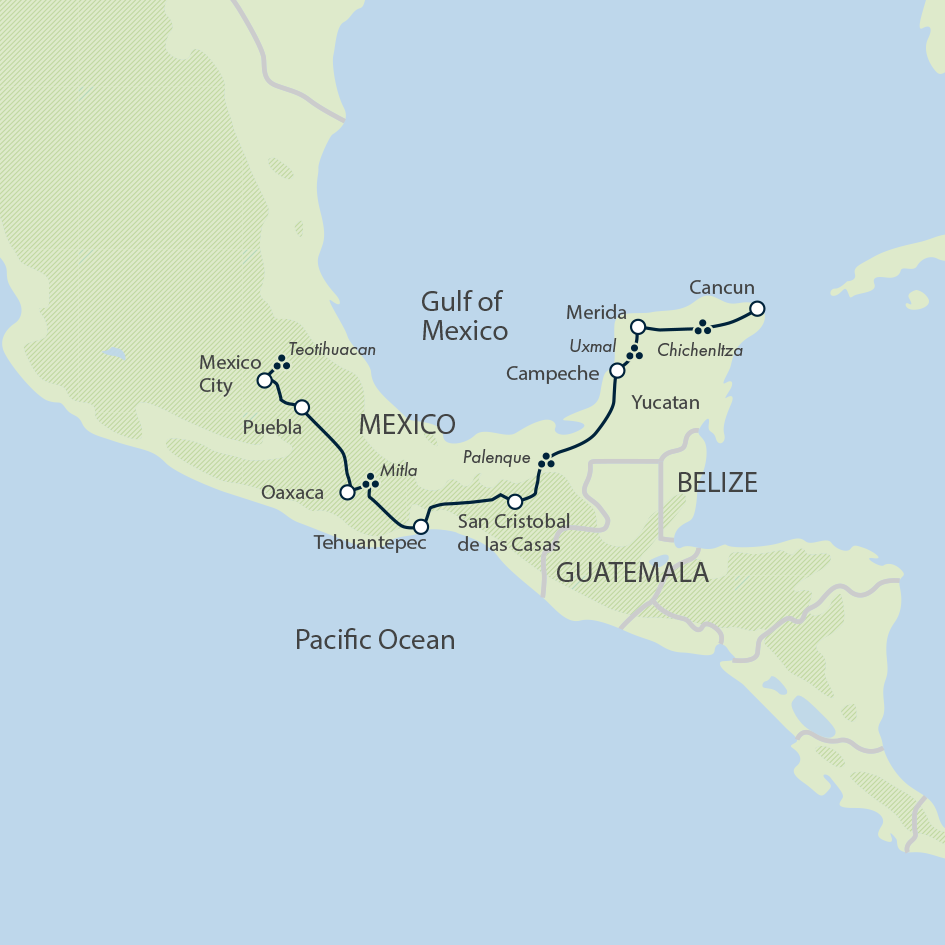
Day 1
Adventure starts Mexico City
Welcome to Mexico City, one of the most exciting capitals in the world and known for its layers of Aztec, colonial, and modern history.
Today is all about settling into the hotel and city, as we have our welcome briefing tomorrow morning.
Want more time in Mexico City? Secure pre-tour hotel nights through your sales representative.
Day 2
Discover museums, Coyoacán and Frida Kahlo
Come together this morning for our welcome briefing, where your tour leader outlines the journey ahead and answers any questions.
We then visit two of Mexico City’s most important museums: the Museo Nacional de Historia, housed in Chapultepec Castle, and the National Museum of Anthropology, whose collections provide essential context for the civilisations we’ll encounter throughout the trip.
Turning to the city’s creative heart, we head south to Coyoacán, a district with deep pre-Hispanic roots and a long association with artists and intellectuals. Cobbled streets, shaded squares and colonial churches give it a distinctly different rhythm to the city centre.
Subject to availability, we visit Casa Azul, the former home of Frida Kahlo. Preserved much as it was during her lifetime, the house offers insight into Kahlo’s work, her political ideas and her relationship with artist Diego Rivera.
We round off the day with a welcome dinner at Azulísimo, where Chef Zurita has curated a menu based on traditional cuisine from the capital.
Meals: Breakfast,Dinner
Day 3
Walk the historic centre and local markets • Cruise the canals of Xochimilco
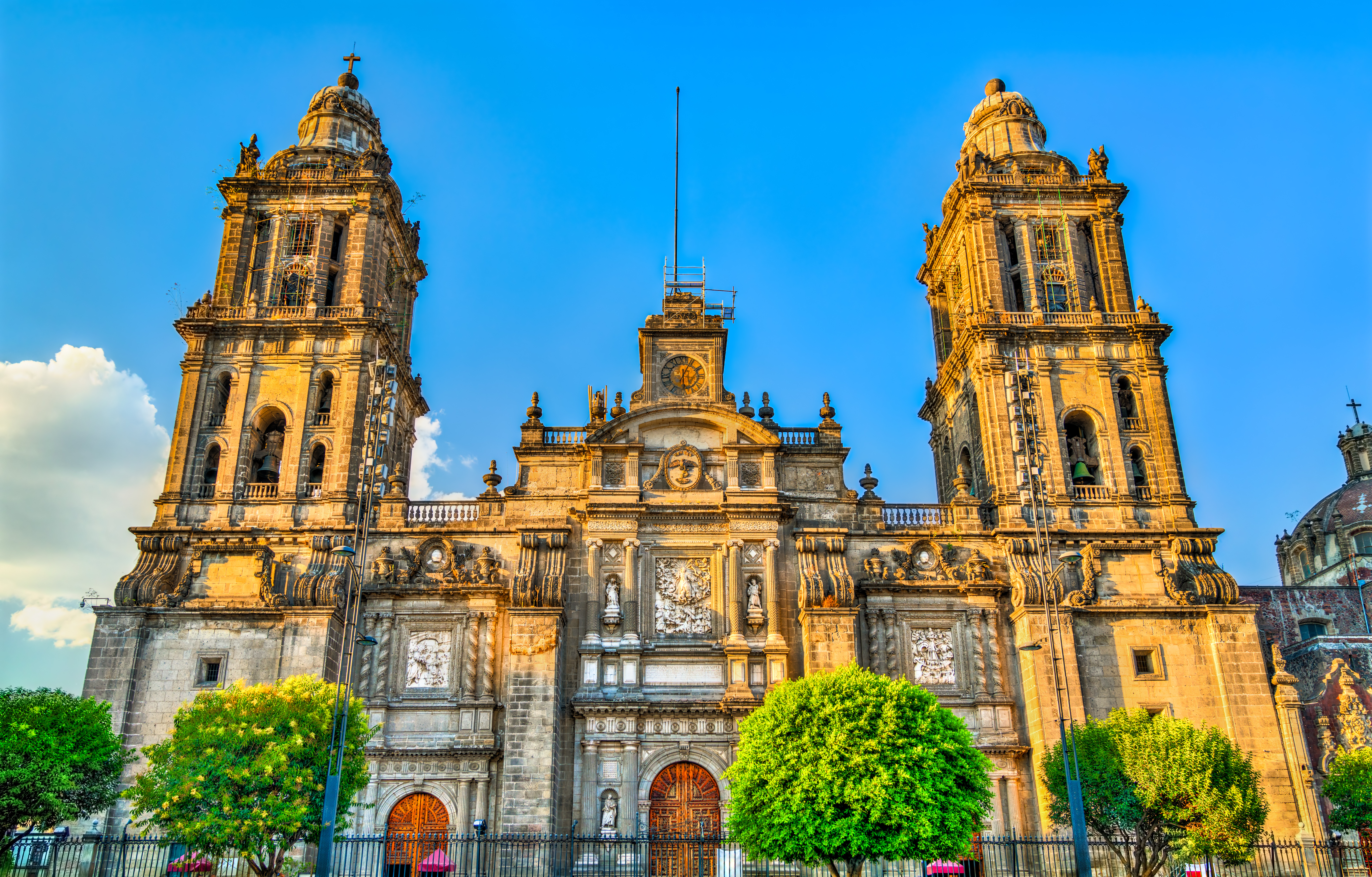
Explore the historic centre of Mexico City on foot, beginning at the Zócalo, once the ceremonial heart of the Aztec city of Tenochtitlán and still the country’s main civic square. Nearby, we see the Metropolitan Cathedral, built directly over the ruins of the Templo Mayor, before finishing near the Palacio de Bellas Artes, a landmark of early-20th-century architecture.
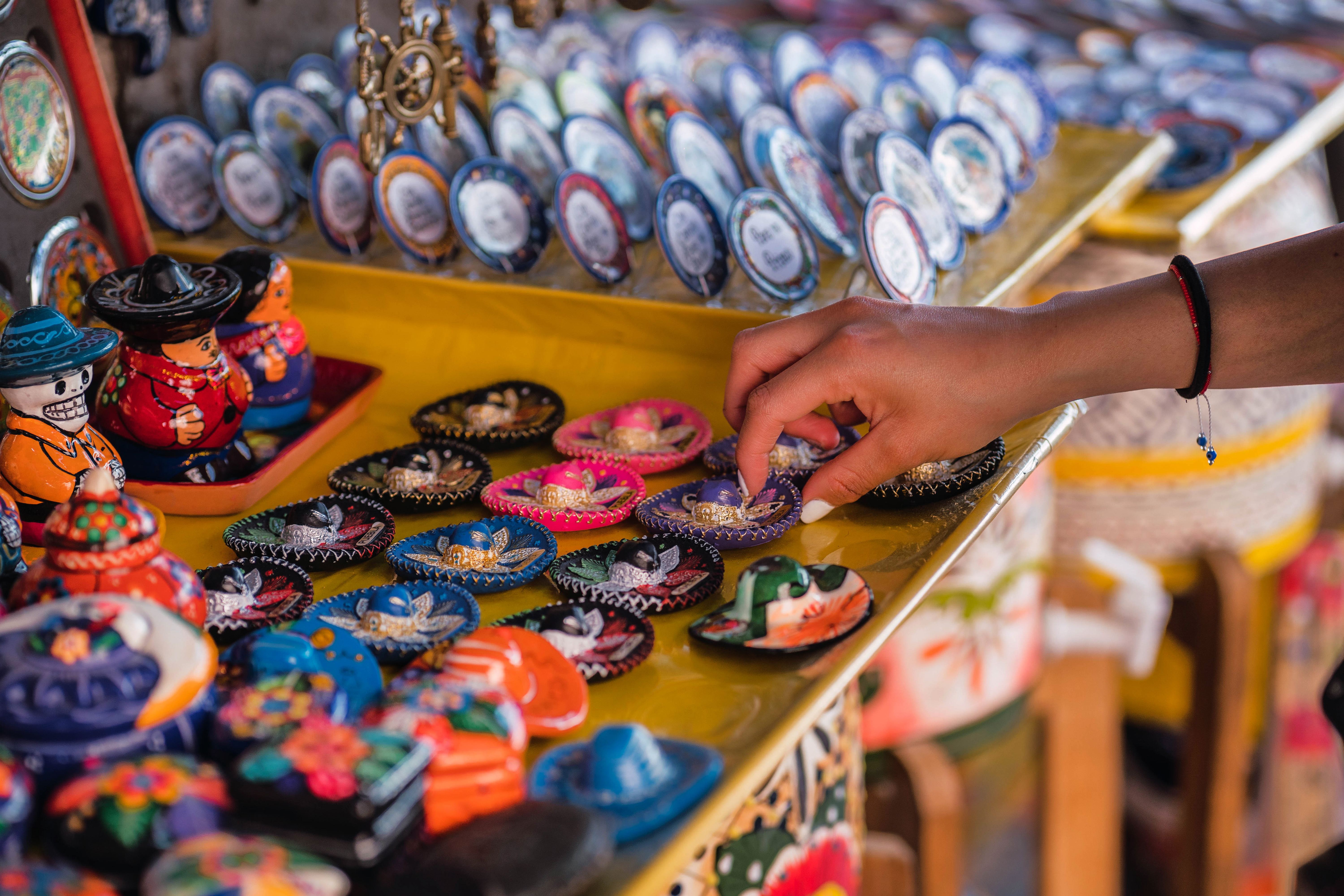
Food and craft traditions come into focus as we visit Mercado de San Juan, enjoying a small food tasting, and Mercado de la Ciudadela for handicrafts.
Later, we travel south to Xochimilco, where we take a trajinera boat onto the canals – with a snack included. Cruising the waterways, we learn all about chinampas, ingenious floating gardens built by the Aztecs, some of which are still in use today.
Meals: Breakfast
Day 4
Tour Teotihuacán • To Puebla • City tour with Palafoxiana Library
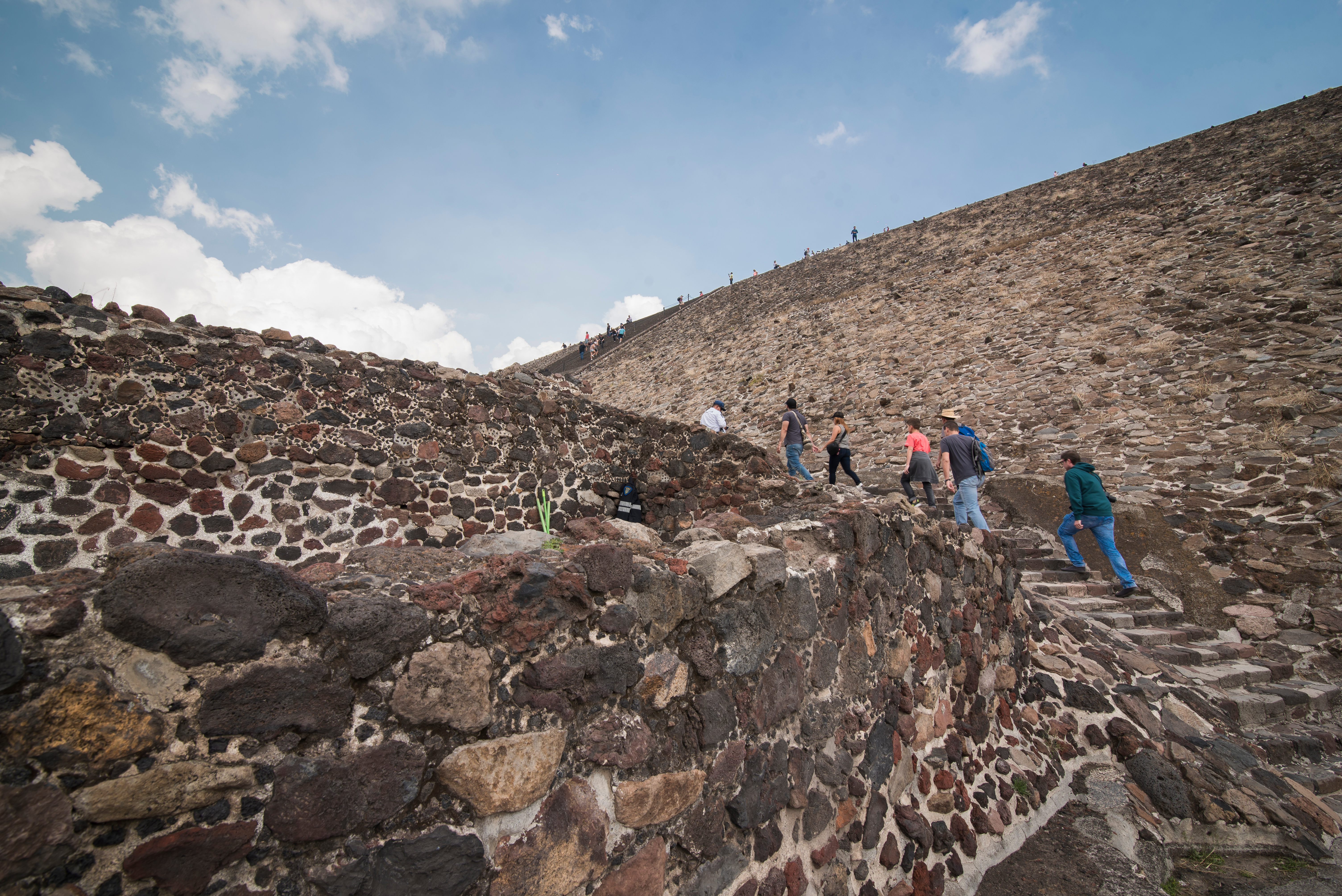
Transfer (1hr 15min) to Teotihuacán, one of the most significant cities of ancient Mesoamerica. At its height, around 450 CE, it was among the largest urban centres in the world. With a local guide, we walk the Avenue of the Dead and explore the monumental Pyramids of the Sun and Moon, gaining insight into the city’s urban planning and enduring mysteries.
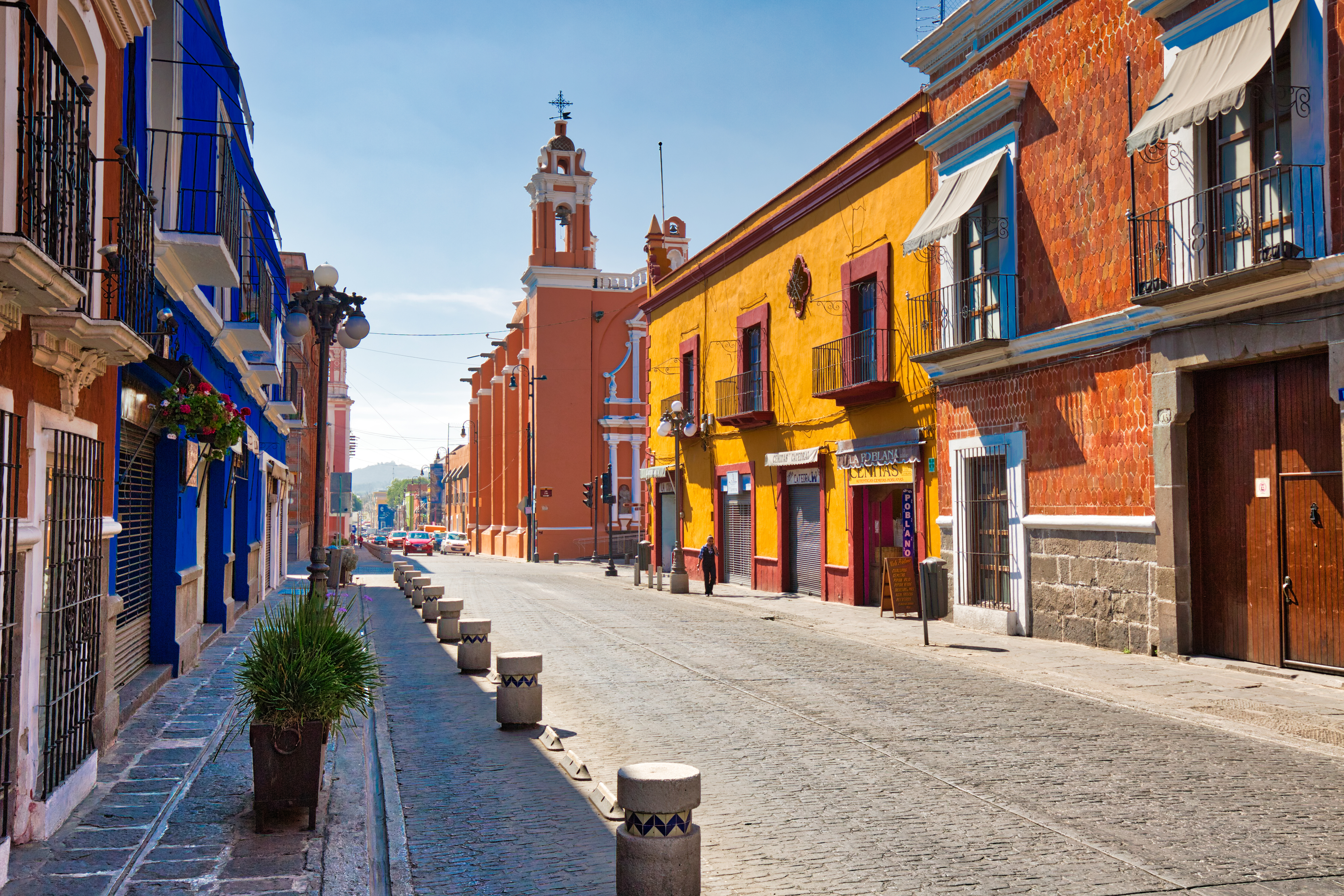
Lunch is at La Catrina Restaurant before we continue (2hr 30min) to Puebla. Founded in the 16th century, Puebla became a key colonial centre linking Mexico City with the port of Veracruz.
In the afternoon, we enjoy a guided city tour, including the Palafoxiana Library, founded in 1646 and widely regarded as the oldest public library in the Americas.
Meals: Breakfast,Lunch
Day 5
Visit Zapotitlán Botanical Garden • To Oaxaca
Begin at the Zapotitlán Botanical Garden, set within a semi-arid biosphere reserve known for its extraordinary diversity of cacti and desert plants. Lunch is at Itandehui Restaurant, known for its pre-Hispanic menu.
We then drive (four hours) to Oaxaca, a UNESCO-listed city with a strong indigenous presence and a long tradition of craftsmanship. The historic centre is compact and walkable, with shaded streets, markets and important religious buildings clustered around the main square.
Meals: Breakfast,Lunch
Day 6
Explore Monte Albán, San Antonio Arrazola, and Oaxaca
Our next exploration of Mexican history takes us to the Zapotecan site of Monte Albán. While the name dates to a 16th-century Spanish landowner, previous names come from the Mixtec word Sahandevul, meaning at the foot of the sky, or from the Zapotecan Danibaan, meaning sacred mountain. In 500 BCE, the Zapotecans moved into the Oaxaca region and began the monumental task of levelling the top of a 5,250ft (1,600m) high mountain that intersects and divides three valleys. Here, they built the city of Monte Albán with a maze of subterranean passageways, rooms, drainage and water-storage systems.
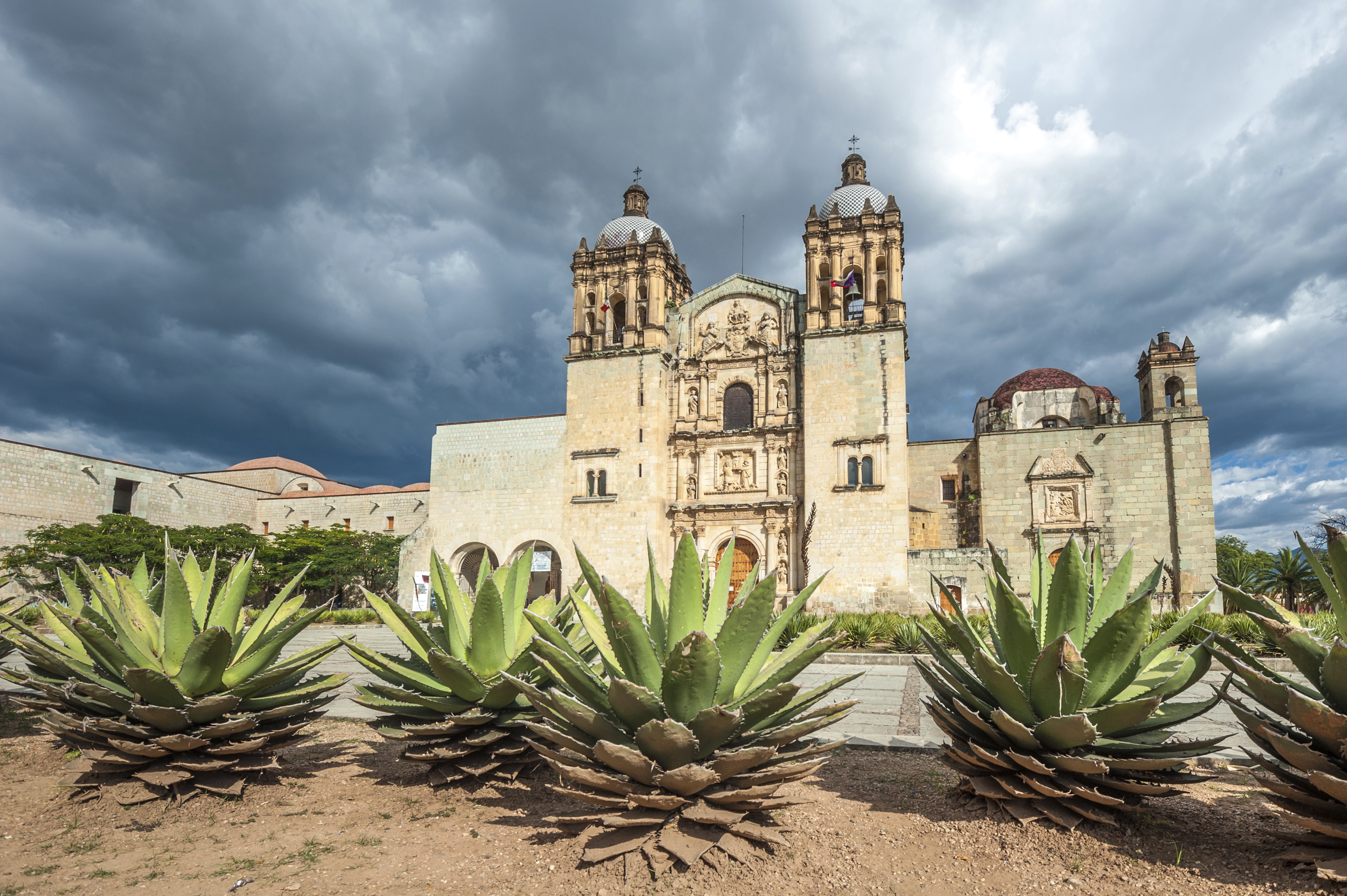
We later return to Oaxaca and explore the cobbled streets, vibrant squares and churches of the historic city. We also visit the Museum of Cultures Santo Domingo.
Meals: Breakfast
Day 7
Learn how to create popular Mexican dishes
Oaxaca’s reputation for regional cuisine takes centre stage today as we join a hands-on cooking class led by a Zapotec cook. After selecting ingredients from our host’s own produce store, we prepare a full meal together, learning techniques passed down through generations. We then sit down to enjoy the results.
The afternoon is free to spend at leisure, with the option to visit San Antonio Arrazola for an introduction to alebrijes – the brightly painted, hand-carved figures that blend real and imagined animals and have become a defining expression of Oaxacan folk art.
Meals: Breakfast,Lunch
Day 8
Visit the ancient tree at Tule and ruins of Mitla • Mezcal tasting • To Salina Cruz
Begin at Santa María del Tule, home to an enormous ahuehuete (Mexican bald cypress) tree believed to be more than 2,000 years old. Its vast trunk is marked by natural shapes that invite closer inspection.
We continue to Mitla, a Zapotec ceremonial centre distinguished by its intricate geometric stone mosaics, unlike anything else in pre-Columbian Mexico.
From here, we travel to Santiago Matatlán (30min) to visit a mezcal distillery and learn how this agave spirit is produced, followed by a tasting.
Later, we stop at a beach on the Pacific coast, where you can swim (weather permitting) or take a walk on the sands, before driving to Salina Cruz.
Meals: Breakfast
Day 9
Cruise through the Sumidero Canyon • To San Cristóbal de las Casas
Take a boat trip through the Sumidero Canyon, where steep limestone walls rise dramatically above the Grijalva River and wildlife is often spotted along the banks.
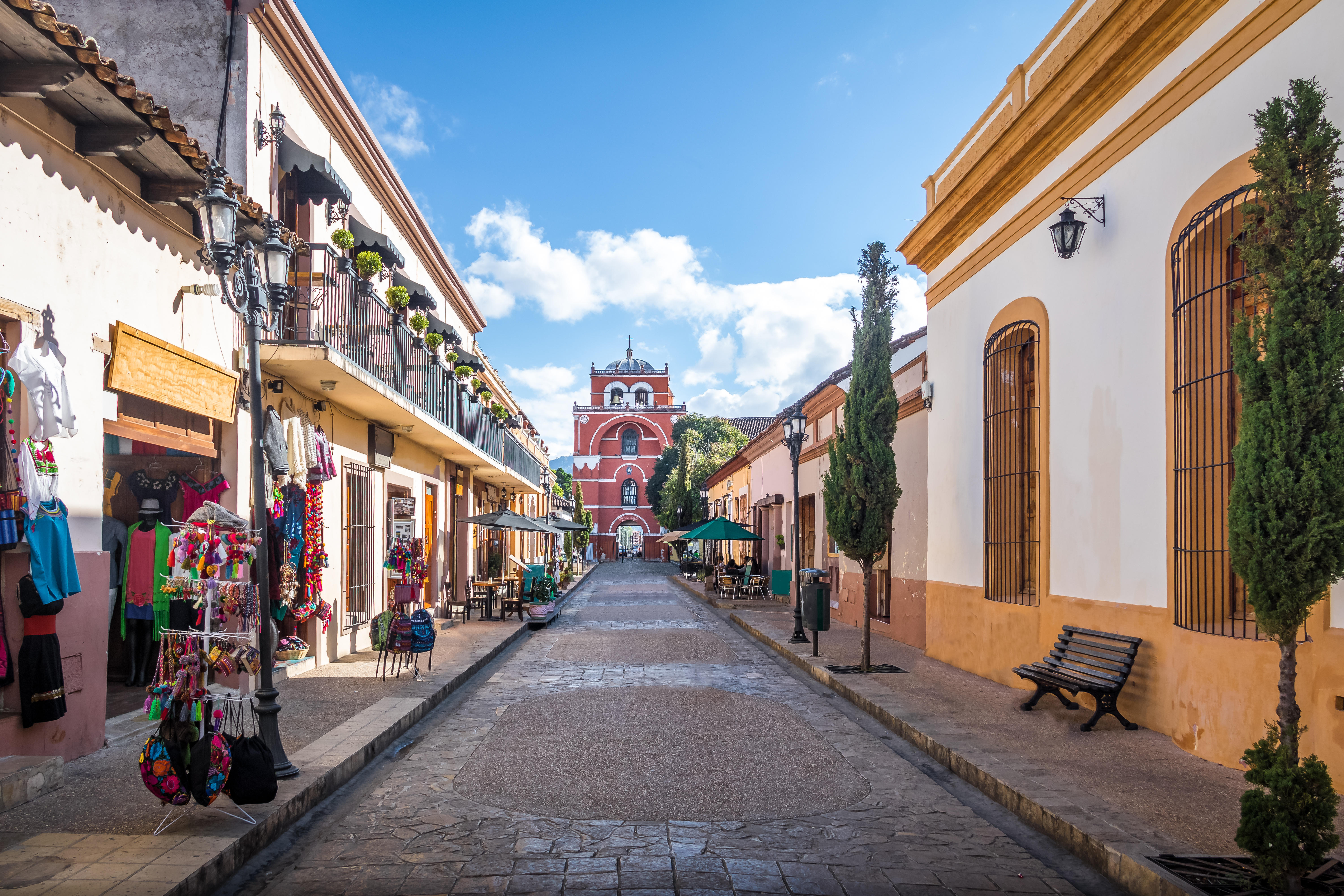
After, we drive to San Cristóbal de las Casas (about six hours plus stops), a highland city known for its colonial layout and strong indigenous identity.
Meals: Breakfast
Day 10
Tour the markets and crafts of San Cristóbal
Explore San Cristóbal de las Casas, browsing markets and cafes that showcase local produce and crafts made by Tzotzil communities.
In the afternoon, there is an optional excursion to Chamula and Zinacantán. In Chamula, we visit the church where Catholic and Maya rituals coexist, creating a distinctive ceremonial atmosphere. In Zinacantán, we meet a family of weavers and learn about textile traditions that remain central to daily life.
Meals: Breakfast
Day 11
Day of the Dead traditions and festival in Romerillo
Day of the Dead is possibly the most colourful tribute to human mortality there is. Traditionally, 31 October is for cleaning graves. They are made to look fresh, and planks of wood are placed on top to represent doors.
On 1 November, the festivities begin. Offerings are made to the dead, typically their favourite food and drink, while the ‘doors’ are opened so friends and family can speak with their loved ones. There is mourning but also smiles and laughter – the experience is life affirming and uplifting.
To fully immerse ourselves in the celebrations, we visit cemeteries around San Cristóbal to see altars and tributes and explore markets and bakeries selling Day of the Dead essentials – a great chance to sample specialities only available at this time of year.
We also visit the Chamulan village of Romerillo, where the Day of the Dead traditions haven’t changed in many years – providing us with a very authentic experience. Here, the cemetery is covered with huge blue wooden crosses decorated with chrysanthemums, which makes for a very colourful view.
Meals: Breakfast
Day 12
To Villahermosa • Optional visit to the Roberto Barrios Waterfalls
Leaving around 5.30am with a breakfast box, we drive (4hr 15min) to Villahermosa, stopping for lunch at El Edén Restaurant.
We arrive at our hotel early afternoon. Later, those who wish can visit the Roberto Barrios Waterfalls (around a 1hr 10min drive from our hotel).
This series of cascades sits within the subtropical jungle of Chiapas and is known for its tiered falls and forest setting − an atmospheric counterpoint to the archaeological wonders waiting nearby.
Meals: Breakfast,Lunch
Day 13
Explore the jungle ruins of Palenque • To Campeche
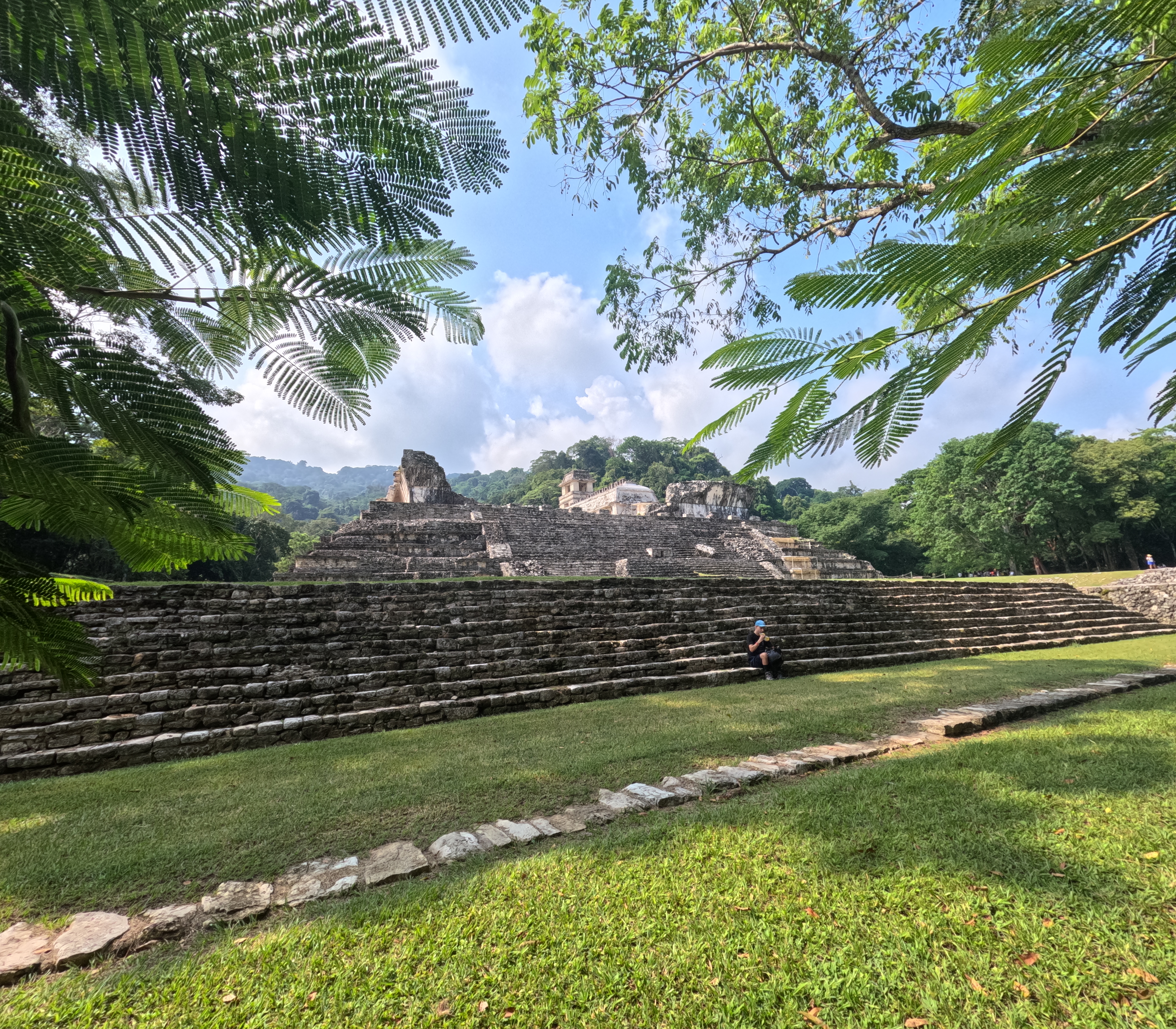
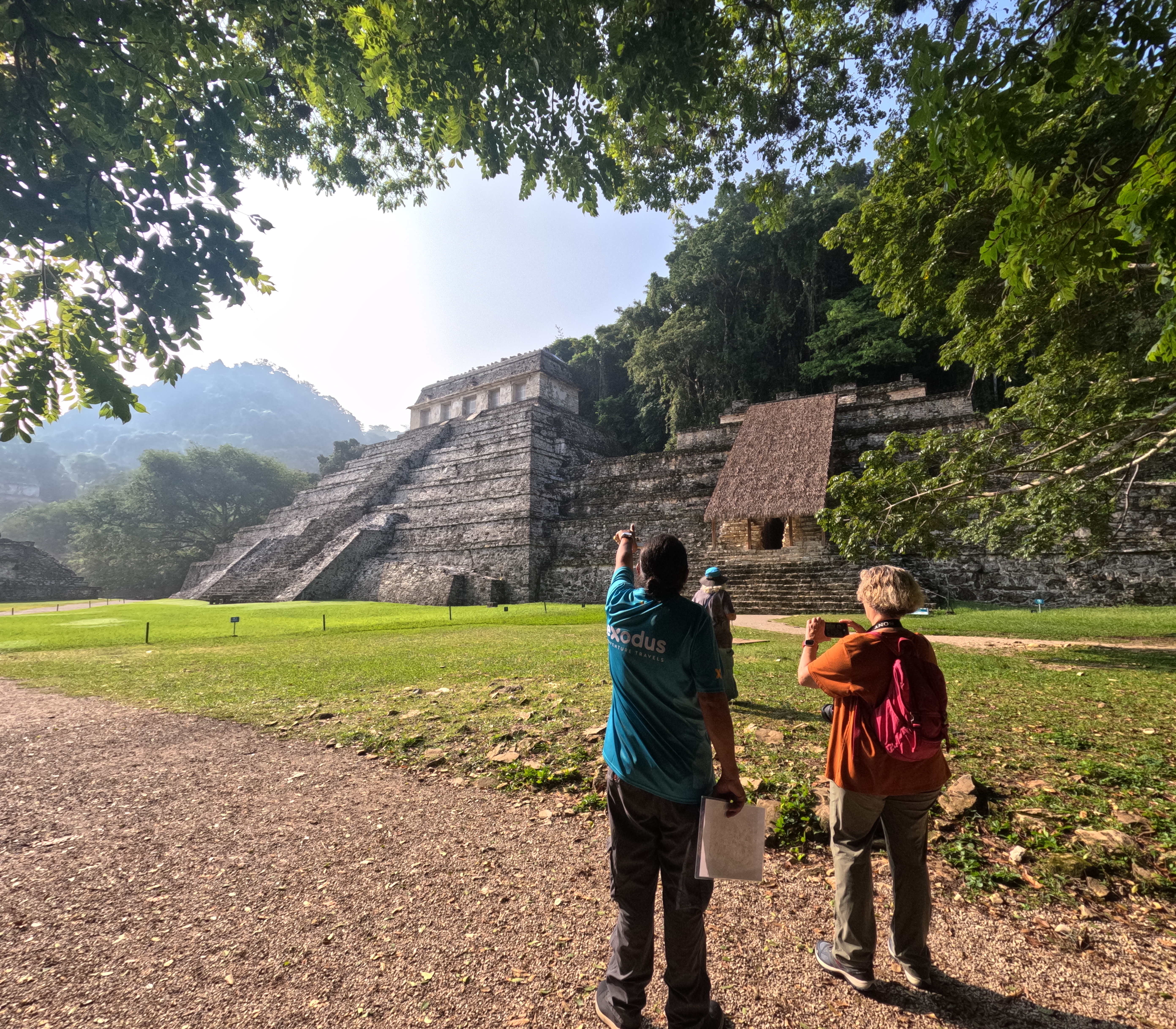
We explore the Maya city of Palenque, set within dense jungle and renowned for the quality of its stone carvings and inscriptions. At its peak in the seventh century, Palenque was a powerful city-state, and its architecture remains among the finest in the Maya world.
We then transfer to Campeche (6hr 20min), a fortified colonial city on the Gulf of Mexico. An orientation walk introduces the historic centre and its defensive walls, built to protect against pirate attacks.
Meals: Breakfast
Day 14
Discover the ruins of Uxmal • Enjoy a traditional lunch • To Mérida
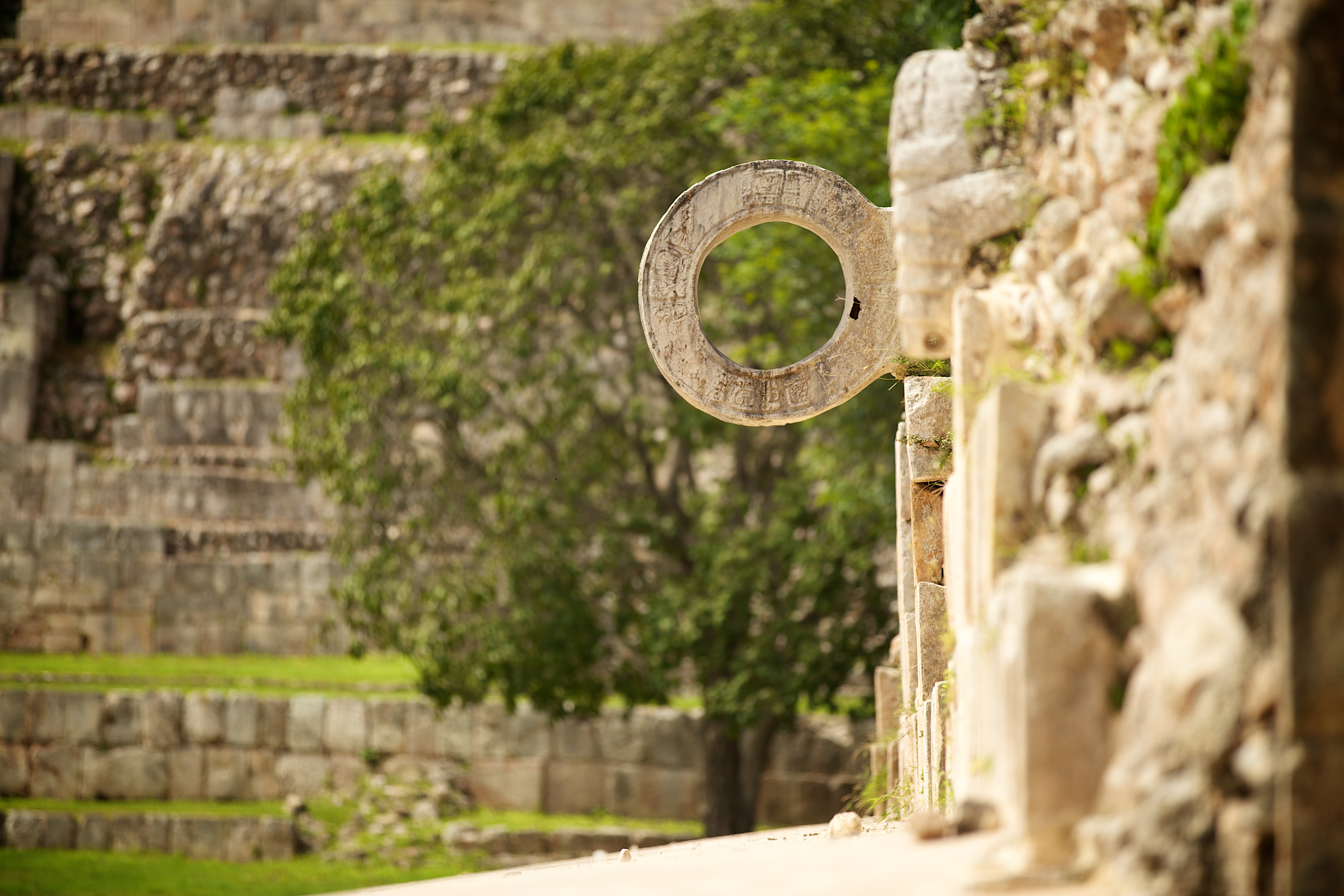
After a 2hr 35min drive from Campeche is our second Maya site: Uxmal. Quite open, it contrasts the jungle ruins of Palenque we visited yesterday. This site, which dates to the Late Classic era (500 CE to 800 CE), features the Pyramid of the Magician; the Nunnery Quadrangle, which has long, elaborately carved facades; and a ball court, where a traditional ball game was played, sometimes ending in human sacrifice.
Having worked up an appetite, we drive (20 minutes) to a Maya family restaurant in Muna. Here we eat pollo pibil and cochinita pibil (slowly cooked pork and chicken). The meat is roasted for about five hours with achiote paste and wrapped in banana leaves.
After lunch, it’s about a 1hr 20min drive to Mérida, where several colonial buildings, including the cathedral, were built using stones from nearby Maya ruins. Arriving mid-afternoon, we have a walking tour of Mérida, returning later to enjoy the main square, which is particularly delightful at night.
Meals: Breakfast,Lunch
Day 15
Explore Izamal • Swim in Yokdzonot cenote • To Chichén Itzá
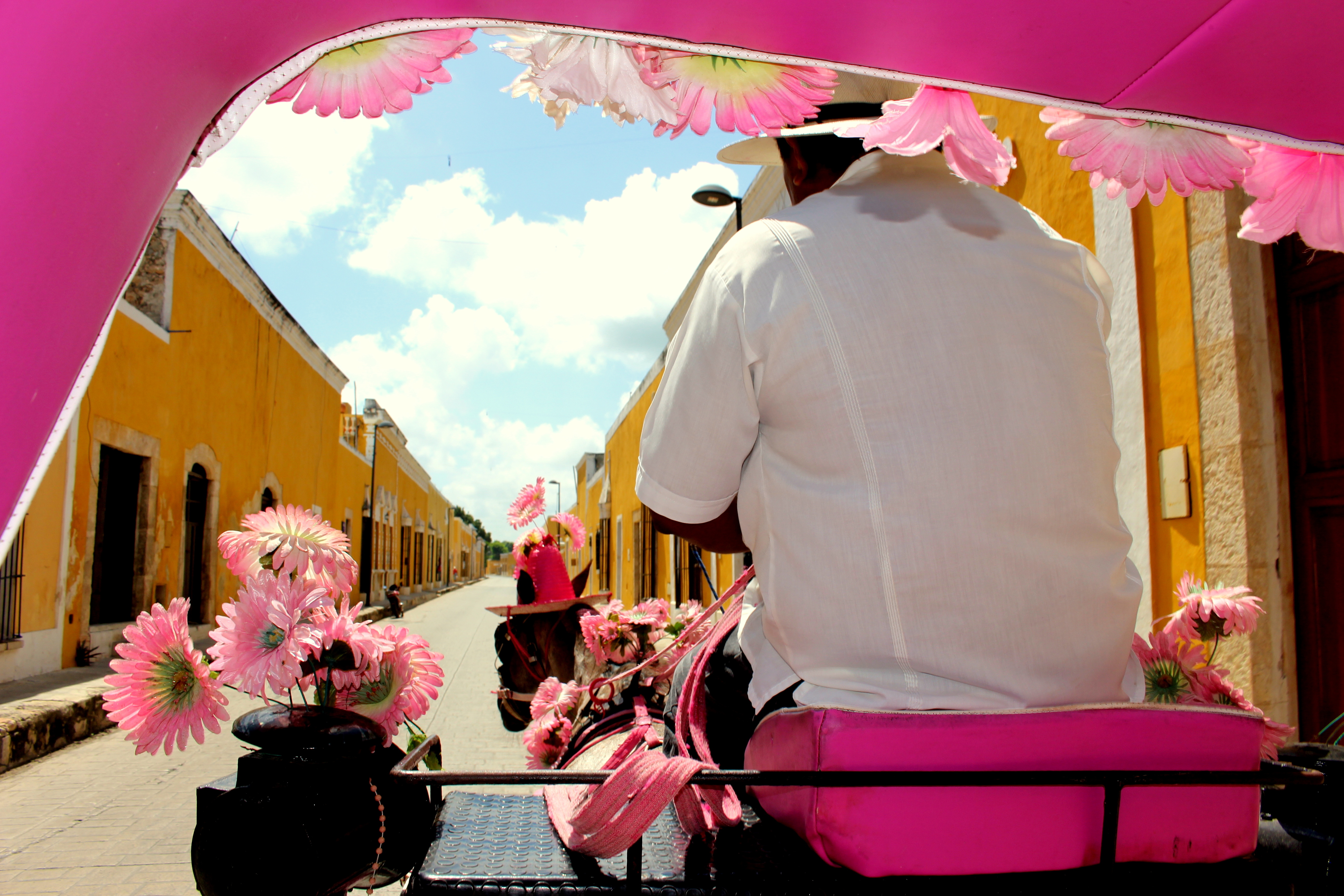
Our first stop, after a 1hr 40min drive, is Izamal, a one-time Maya settlement now marked as a Pueblo Mágico (magic town) by the Mexican government. The town has yellow-and-white buildings and is known for the 16th-century Franciscan monastery built on top of a huge Maya pyramid.
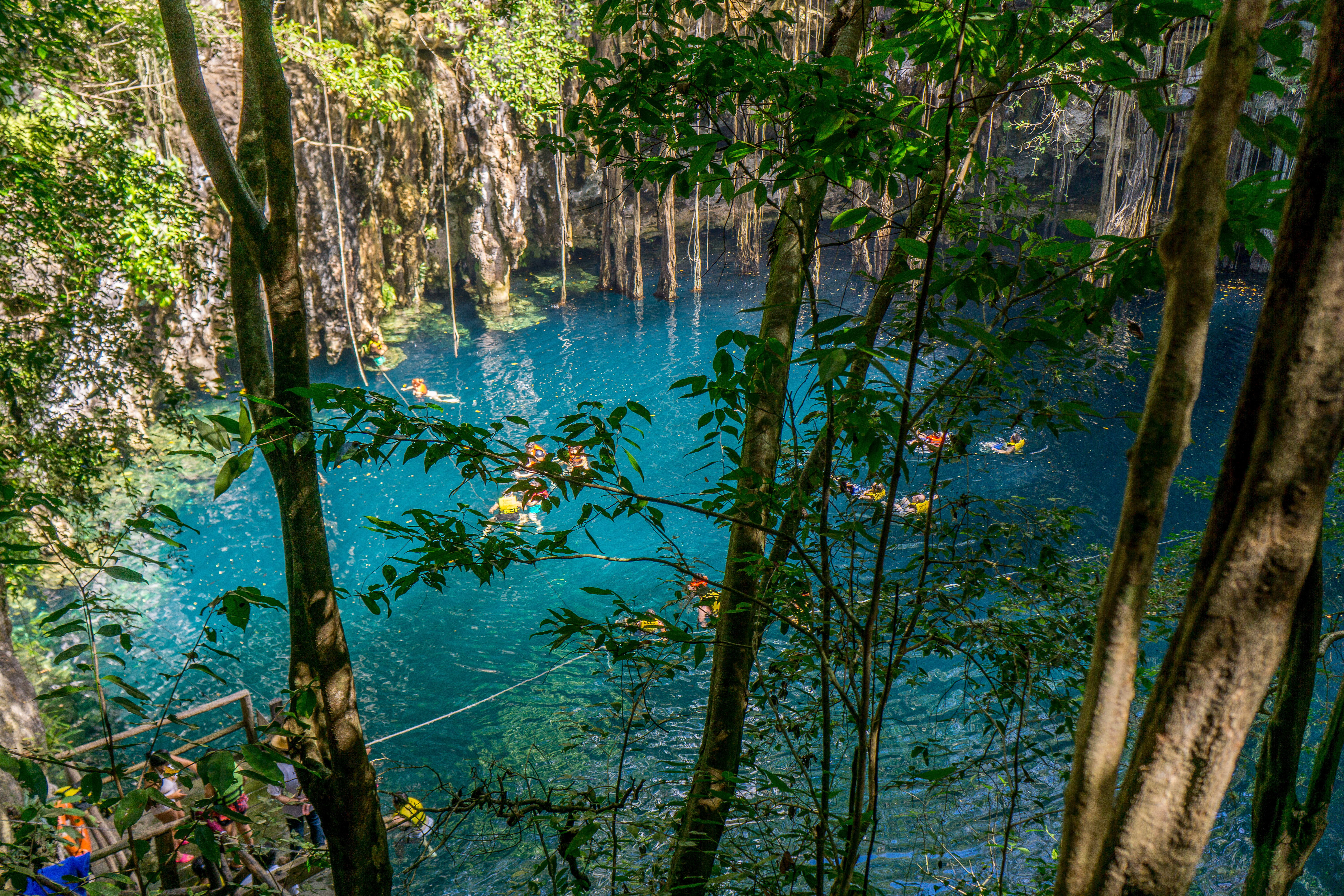
We then continue (1hr 10min) to Yokdzonot cenote, a natural swimming hole with vertical walls decorated with thick mangrove roots.
From here, we transfer (25 minutes) to our hotel near Chichén Itzá, ready for our exploration tomorrow (total drive time: about 3hr 30min plus stops).
Meals: Breakfast
Day 16
Tour the wonders of Chichén Itzá • Adventure ends in Cancún
Our final day starts with a visit to Chichén Itzá. Having spent the night near the site, we can get in early before the day-trippers arrive from the beach resorts.
Chichén Itzá served as the political and economic centre of the Maya civilisation and thrived from around 600 CE to 1200 CE. The pyramid of Kukulkan, the Temple of Chac Mool, the Hall of the Thousand Pillars and the Great Ball Court can still be seen today and demonstrate an extraordinary commitment to architecture, space and composition. The pyramid itself was the last, and possibly greatest, of all Maya pyramids.
This afternoon, we drive about three hours to Cancún airport where the tour ends.
Want more time in Cancun? Secure post-tour hotel nights through your sales representative.
Please note: The group transfer back to Cancún is scheduled to align with a chosen flight; therefore, you should not book flights leaving before then. Please contact your sales representative for the timings of this flight.
Meals: Breakfast
What’s included
What’s not included
Additional information
Food
Breakfast generally consists of fruits, cereals, beans and eggs.
For meals not included, budget around 255-340 Mexican pesos (US$15-US$20) for lunch and 255-510 pesos (US$15-US$30) for dinner. A beer costs about 70 pesos (US$4).
There is a lot more to Mexican cuisine than tacos and tortillas and we can discover the wealth of dishes on offer.
In Oaxaca, we attend a cooking class, the exact dishes we learn to cook can vary but generally include tortillas, salsas, mole (chocolate-based savoury dishes) and guacamole. We also learn about Mexican drinks, visiting a mezcal distillery.
Note: Drinking water is provided on the bus from large containers to minimise the amount of single-use plastic bottles used; please bring a refillable bottle with you.
Campeche Walled City Orientation Walk
Walk the fortified bastions of UNESCO-listed Campeche, where ramparts and sea-facing batteries once guarded trade routes. Stroll pastel-painted streets framed by iron balconies and leafy squares.
Hear tales of pirate raids in the Gulf and explore how European defenses merged with local materials and styles. This concise orientation helps you navigate museums, seafood eateries, and sunset viewpoints along the malecón.
Mérida Historic Centre Walking Tour
Explore Mérida’s main square and surrounding streets, where the cathedral’s stone blocks were repurposed from nearby Maya sites. Grand facades and shaded arcades reveal the city’s prosperity and evolving identity.
Learn about henequen fortunes, mestizo traditions, and musical evenings that animate elegant boulevards. Your walk equips you with context and suggestions for further discovery in Yucatán’s cultural capital.
Chichén Itzá Early Access Guided Tour
Beat the crowds and arrive early to explore El Castillo (Temple of Kukulcán), the Great Ball Court, and ceremonial complexes of Chichén Itzá. Your guide deciphers alignments, acoustics, and power symbols across the site.
Hear how Toltec influences, processional avenues, and water-centred ritual shaped this once-dominant city. Subtle echoes and serpent-shadow lore bring mathematics, myth, and empire into focus.
Chapultepec Castle & National Museum of Anthropology
Step inside Chapultepec Castle, seat of emperors and presidents, to explore the Museo Nacional de Historia and its sweeping views over the city. Continue to the National Museum of Anthropology to encounter Aztec and Maya masterpieces that frame the civilizations you’ll meet across Mexico.
From imperial salons to iconic artifacts like colossal stone heads and ritual objects, this curated visit reveals how landscape, power, and belief shaped Mesoamerica and the modern nation alike.
Santiago Matatlán Mezcal Distillery Tour & Tasting
Tour a traditional palenque in Santiago Matatlán, heartland of mezcal. See roasted agave crushed by stone, fermented in open vats, and distilled—often in copper stills—before you sample artisanal mezcal guided by local experts.
Discover agave varieties, terroir, and sustainable practices that shape aroma and flavor, from smoky and herbal to floral and fruity. Responsible tasting etiquette is emphasized throughout the visit.
Traditional Yucatec Pibil Lunch in Muna
Taste cochinita and pollo pibil at a family-run spot in Muna, savoring achiote-marinated meats slow-cooked in earth ovens and served in banana-leaf parcels. Sides bring bright salsas and fragrant tortillas.
Hosts share techniques and stories behind this celebratory preparation, rooted in Maya practice and citrus-spice marinades introduced in colonial times. It’s a flavorful counterpoint to the morning’s ruins.
Yokdzonot Cenote Swim
Swim in a jungle cenote at Yokdzonot, descending to cool, crystalline waters beneath cliffs draped with roots and vines. The natural pool invites a refreshing float in a dramatic limestone sinkhole.
Managed by a local cooperative, Yokdzonot balances visitor access with conservation. Listen to birdsong echo off liana-draped walls as you relax between archaeological highlights on the peninsula.
Mercado de San Juan Tasting & La Ciudadela Handicrafts
Savor the capital’s flavors as you sample regional delicacies at the storied Mercado de San Juan—from seasonal fruits and cheeses to chilies and fresh tortillas—guided by your Tour Leader. Continue to Mercado de la Ciudadela to browse textiles, ceramics, and woodwork that reflect Mexico’s rich artisanal traditions.
Learn how market culture anchors daily life in the city and provides a showcase for techniques passed down through generations, from natural-dye weaving to intricate clay work and hand-carved pieces.
Xochimilco Trajinera Cruise & Chinampas Heritage
Drift through UNESCO-listed wetlands as you cruise the canals of Xochimilco aboard a colorful trajinera. Glide past working fields and flower beds on floating chinampas while enjoying a light snack and lively waterside scenery.
Hear how these ingenious agricultural islands sustained Aztec Tenochtitlán and still support urban farming today. This gentle trip captures the canal’s festive spirit and the resilience of traditional techniques shaped by the Valley of Mexico’s lakes.
Coyoacán Walk & Frida Kahlo’s Casa Azul (subject to availability)
Wander Coyoacán, a leafy district of cobbles, courtyards, and cafés long favored by artists and intellectuals. When tickets permit, enter the Casa Azul, the cobalt home where Frida Kahlo lived and painted with Diego Rivera, preserved with personal mementos and studio spaces.
Absorb the neighborhood’s slower rhythm and discover how Coyoacán’s colonial churches and market squares set the tone for Kahlo’s deeply rooted, modern Mexican aesthetic. Admission is timed and limited; the visit is planned but not guaranteed.
Welcome Dinner at Azulísimo: Contemporary Capital Flavors
Settle into the journey and sit down to a curated welcome dinner at Azulísimo, where seasonal ingredients and classic recipes are reimagined with finesse. Expect balanced flavors—smoky chilies, bright herbs, and market-fresh produce—paired with warm hospitality.
Guided by the restaurant’s culinary team, this menu highlights the capital’s breadth of cuisine, from street-stall inspirations to elegant plating. It’s a tasteful introduction to Mexico’s culinary heritage and the stories behind each dish.
Teotihuacán Pyramids: Avenue of the Dead, Sun & Moon
Travel back millennia as you walk the Avenue of the Dead through monumental Teotihuacán, pausing before the Pyramid of the Sun and the Pyramid of the Moon. Your guide deciphers urban planning, murals, and the mysteries of Teotihuacán, once among the world’s largest cities.
Hear theories of power, trade, and cosmology while observing the site’s precise alignments. The scale of plazas and platforms reveals a society organized around celestial cycles and civic ceremony.
Puebla Historic Centre & Biblioteca Palafoxiana
Stroll Puebla’s UNESCO-listed centre, where elegant arcades and baroque facades glow with signature Talavera tiles. Step into the Biblioteca Palafoxiana (1646), often considered the oldest public library in the Americas, lined with carved shelves and ancient volumes.
Founded on a strategic colonial route, Puebla blends scholarly legacy with culinary and architectural distinction. Your visit reveals the city’s role in education, trade, and the diffusion of craft traditions across New Spain.
Zapotitlán Desert Botanical Garden in the Tehuacán-Cuicatlán Reserve
Explore a desert botanical garden set within the Tehuacán-Cuicatlán Biosphere Reserve, a cradle of agave and cactus diversity. Walk among towering columnar cacti and observe endemic species adapted to semi-arid life.
Guides explain how ancient agricultural practices and water management shaped this valley, where human ingenuity and biodiversity have coexisted for millennia. The sculptural plants and big skies make striking photographs and vivid field lessons.
Monte Albán Archaeological Zone: Zapotec Capital on a Sacred Ridge
Stand atop a sacred mountain city as you explore Monte Albán, the highland capital engineered by the Zapotec civilization. Plazas, terraces, and ball courts crown the ridge with panoramic valleys unfolding on every side.
Learn how builders leveled the summit and channeled water through hidden systems, creating a ceremonial center whose carved stones and tombs preserve centuries of belief, governance, and artistic exchange.
Oaxaca Historic Centre & Museum of Cultures at Santo Domingo
Walk Oaxaca’s colonial streets lined with polished green cantera stone and shaded plazas. Visit the Templo de Santo Domingo complex and its Museum of Cultures, where artifacts trace Zapotec and Mixtec legacies into the colonial era.
From gilded chapels to ethnographic treasures, the museum reveals a crossroads of languages, trade routes, and agricultural traditions that continue to animate workshops and markets across the valleys.
Zapotec Cooking Class & Lunch in Oaxaca
Join a hands-on cooking class led by a Zapotec cook, selecting fresh ingredients before learning to prepare tortillas, salsas, and mole sauces. Understand nixtamalized corn and the balance of chilies, herbs, and seeds central to Oaxacan cuisine.
Gather for a shared lunch to taste the dishes you’ve created, with cultural context around family kitchens, market rhythms, and the craft of mezcal that pairs so naturally with regional flavors.
Tule Tree & Mitla Geometric Mosaics
Visit the Tule Tree, an ancient ahuehuete famed for its vast girth and sculptural bark. Continue to Mitla, a ceremonial center distinguished by geometric stone mosaics that cloak palace walls with intricate fretwork.
Hear how Zapotec and Mixtec artisans mastered dry-stone patterns that appear almost woven in stone. The contrast of living monument and precise masonry underscores the region’s layered sacred landscape.
Sumidero Canyon Boat Safari on the Grijalva River
Cruise the Grijalva River beneath sheer limestone walls as you enter Sumidero Canyon, a dramatic gorge carved over millions of years. The boat threads past waterfalls, caves, and forested banks.
Guides share insights into geology and local wildlife—keep an eye out for herons, kingfishers, and basking crocodiles. The interplay of light and cliff faces offers striking photo opportunities from the waterline.
San Cristóbal Markets & Highland Crafts Walk
Browse highland markets in San Cristóbal de las Casas, where Tzotzil and Tzeltal artisans display embroidered blouses, shawls, and woolens. Cafés pour aromatic Chiapas coffee while stalls brim with fruit, honey, and spices.
Learn how textile traditions encode identity and ceremony through color, weave, and symbol. This cultural walk connects you with the rhythms of a city that balances colonial charm and living indigenous heritage.
Day of the Dead in Romerillo & San Cristóbal
Witness Day of the Dead traditions as families prepare altars with candles, pan de muerto, and marigolds, and share stories that bridge past and present. In the Chamulan village of Romerillo cemetery, fields of blue wooden crosses bloom with chrysanthemums.
Guided with sensitivity, you observe rituals, taste seasonal bakery specialties, and learn how offerings, incense, and song honor loved ones. Photography is time-and-place dependent and always subject to community guidance.
Palenque Archaeological Site: Temples in the Jungle
Explore Palenque’s temples emerging from rainforest, where finely carved Maya reliefs and hieroglyphs still speak. Visit complexes around the Palace and the Temple of the Inscriptions, set amid jungle-wrapped ruins and birdsong.
Your guide decodes royal lineages, sacred caves, and water management that sustained this Classic-era city. The setting’s humidity, cicadas, and filtered light add atmosphere to the exquisite stonework.
Uxmal Archaeological Zone: Puuc Masterpieces
Admire the Pyramid of the Magician and the Nunnery Quadrangle at Uxmal, where Puuc-style friezes of masks and latticework exemplify Late Classic Maya artistry. The open, manicured grounds contrast Palenque’s jungle ambiance.
Guides unpack cosmology, royal propaganda, and the rain-god Chaac woven into stone mosaics. Precision masonry and elegant proportions make Uxmal a highlight of Yucatán architecture.
Izamal Pueblo Mágico & Convento de San Antonio de Padua
Wander the yellow-washed streets of Izamal, a Pueblo Mágico where colonial and pre-Hispanic layers meet. Climb the broad atrium of the Convento de San Antonio de Padua, raised atop a vast Maya platform.
Hear how pilgrimage, monastic life, and ancient sacred geography intersect in this luminous town. Market stalls and horse-drawn carriages add to the timeless atmosphere of courtyards and arcades.
San Juan Chamula Church & Zinacantán Weaving Family (Optional)
Enter San Juan Chamula church where pine needles carpet the floor, candles flicker, and copal incense scents the air—an intense blend of Catholic imagery and Maya ritual. Continue to a Zinacantán weaving family to see backstrap looms and vibrant textiles.
This cultural visit offers rare insight into living tradition and is at additional cost, bookable on tour. Respect for local customs and guidance on photography are essential parts of the experience.
San Antonio Arrazola Alebrijes Workshop (Optional)
Meet woodcarvers in San Antonio Arrazola to learn how alebrijes—fantastical creatures—are hand-shaped from copal and painted with vivid pigments. Watch sanding, detailing, and stories emerge from each hand-carved figure.
Discover symbolism, sustainable sourcing, and the workshop economy that sustains this Oaxacan art form. This experience is at additional cost and bookable on tour; purchases directly support local artisans.
Roberto Barrios Waterfalls (Optional)
Hike to turquoise cascades at the Roberto Barrios waterfalls, a string of limestone pools nestled in Chiapas jungle. Listen to rushing water and birds as you move between natural terraces and shaded lookouts.
Swimming opportunities depend on weather and conditions. This nature outing is at additional cost and bookable on tour, offering a serene counterpoint to the region’s archaeological wonders.
Mexico City Historic Centre Walk: Zócalo, Cathedral & Palacio de Bellas Artes
Explore Mexico City’s heart on foot and join a guided walking tour from the vast Zócalo to the Metropolitan Cathedral, rising above layers of history where the Templo Mayor ruins still surface. Continue to the opulent Palacio de Bellas Artes, a beacon of art nouveau and art deco elegance.
Hear how Tenochtitlán’s ceremonial core evolved into a modern metropolis as you trace grand avenues and lively plazas. Expect stories of conquest, faith, and creativity woven into the city’s architecture and public art during your time in the capital.