Your itinerary

Day 1
Adventure begins in Qawra • Welcome dinner
Begin your adventure in Qawra, a lively seaside zone of St Paul’s Bay in northern Malta.
Around 6pm, say bongu (bon-ju) to your tour leader and fellow travellers, when we gather as a group for the first time to get to know each other and learn more about the adventures ahead.
Your tour leader then ensures a big Maltese welcome by arranging a group dinner.
Want to extend your adventure? Secure pre-tour hotel nights through your sales representative.
Meals: Dinner
Day 2
Discover the Three Cities • Explore the views and landmarks of Valletta
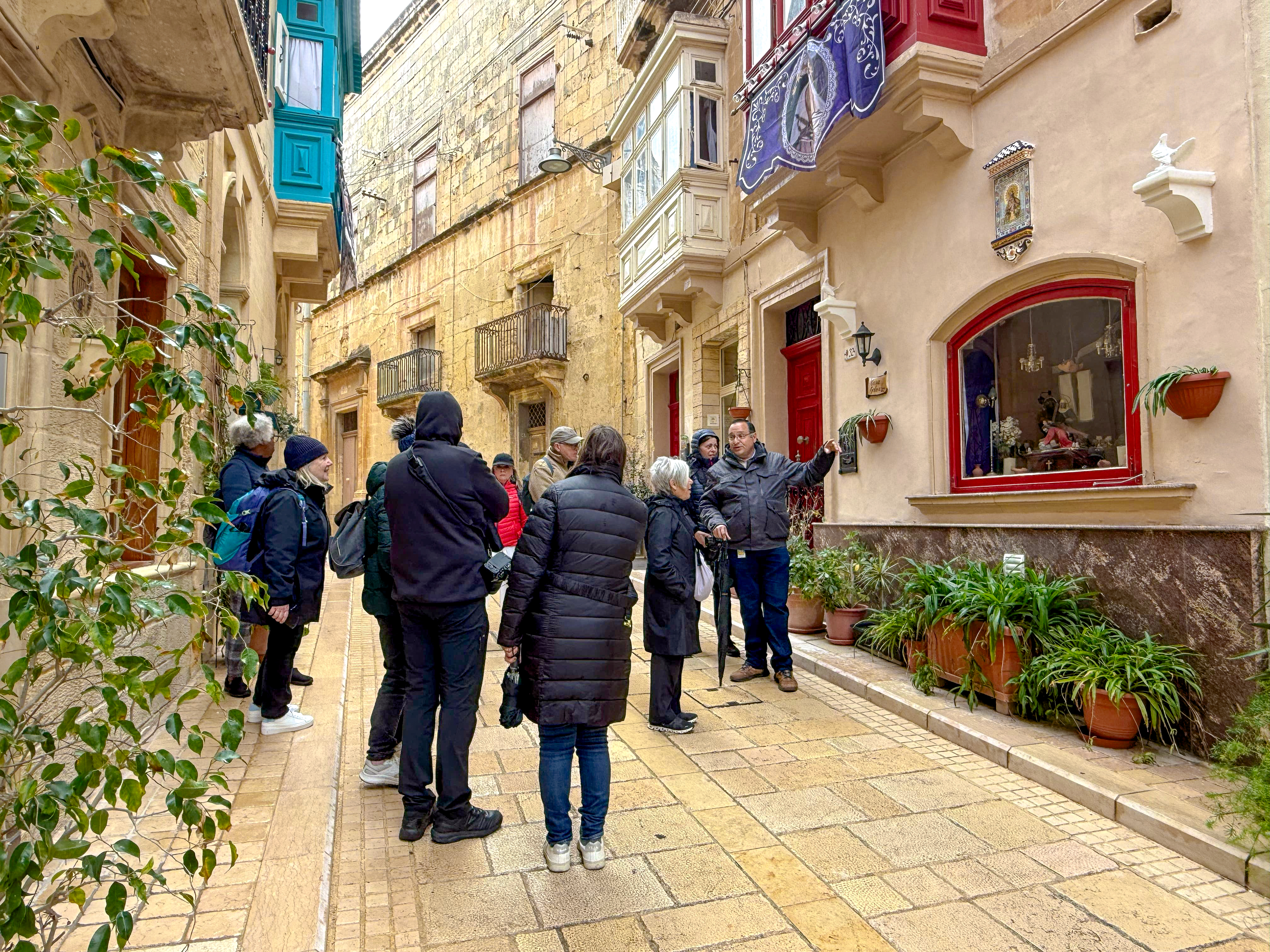
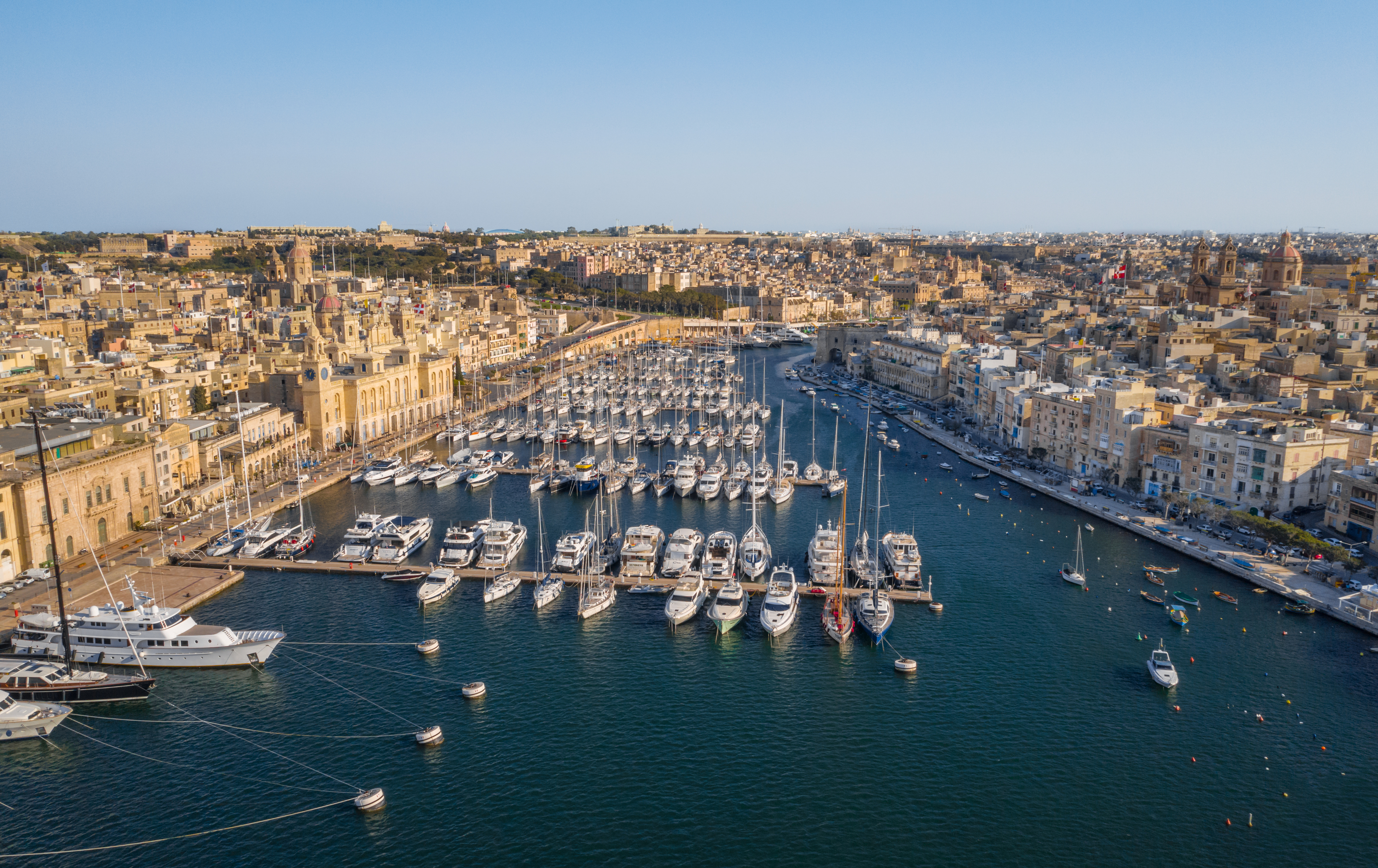
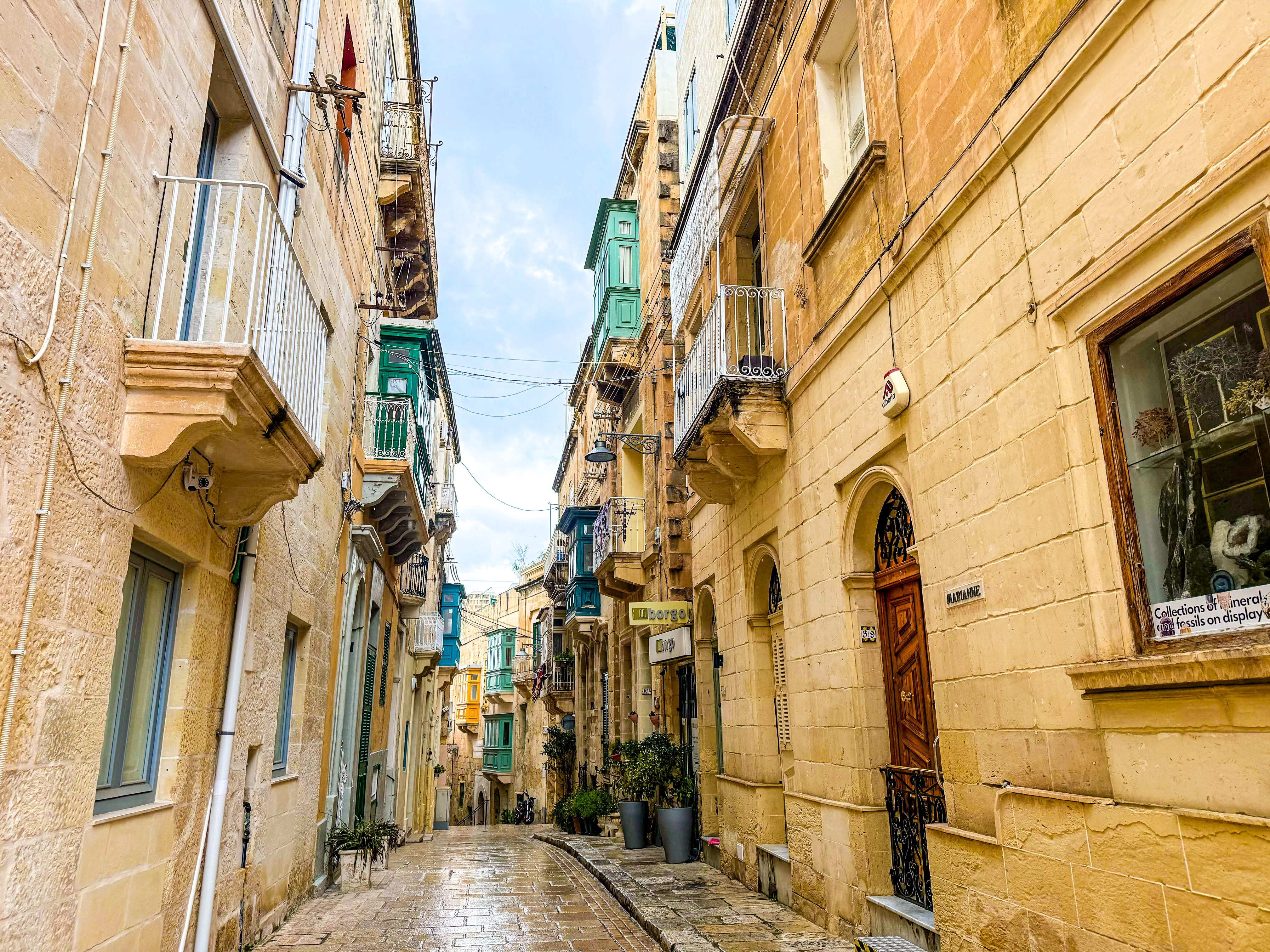
Begin with an exploration of the Three Cities: Birgu (also known as Vittoriosa), Senglea and Cospicua. This historic trio, which are separated from the capital, Valletta, by the Grand Harbour, has provided home and fort to almost every civilisation who settled on the island, including the Knights of St John.
Guided by our expert tour leader, we delve into Malta’s past and present. Our exploration takes us to the top of Birgu, with glorious views over Valletta, and to Senglea to see the Gardjola Gardens.
After, enjoy a short cruise across the harbour to Valletta, taking a traditional dghajsa water taxi (weather dependent), while gazing over the Three Cities from the water.
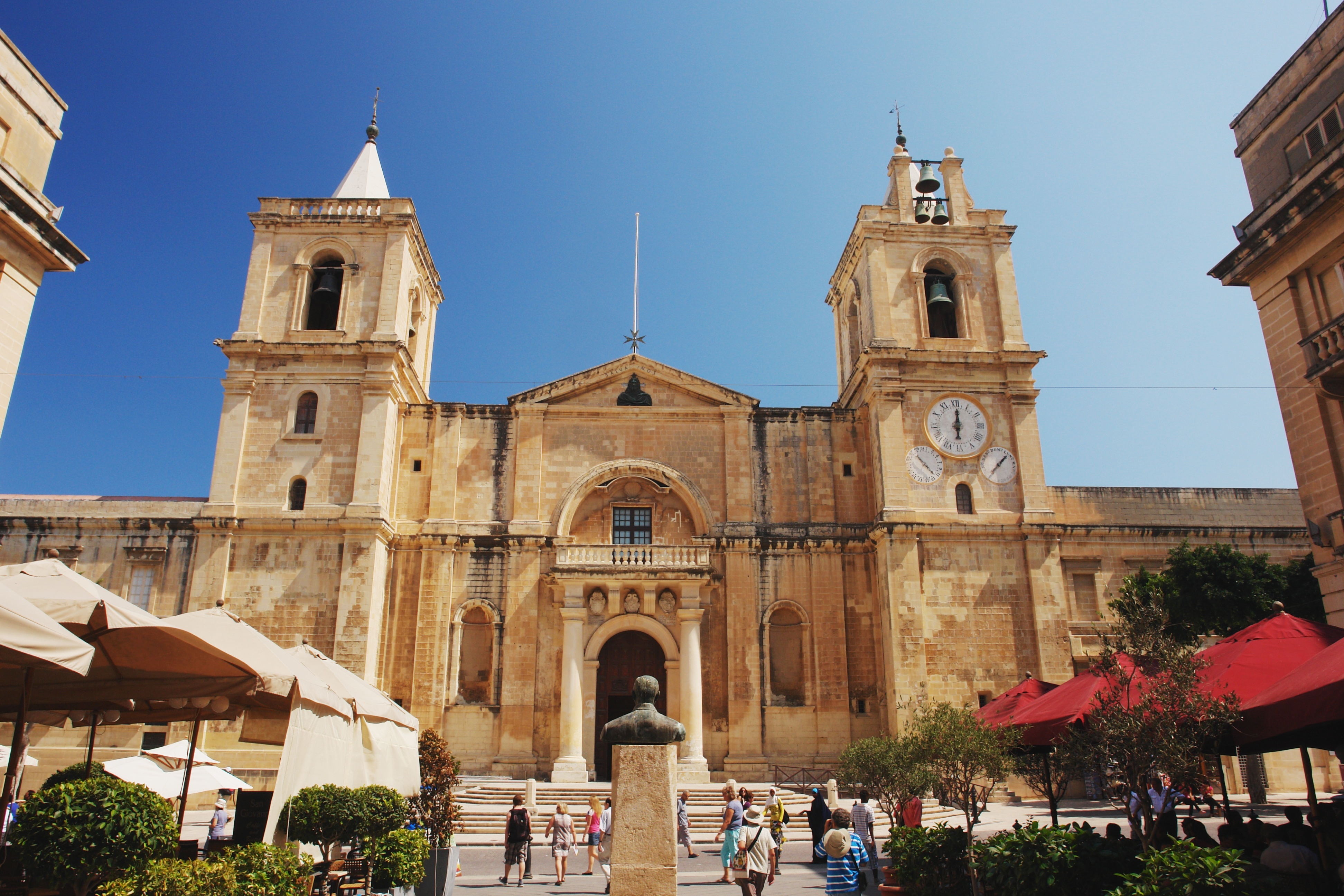
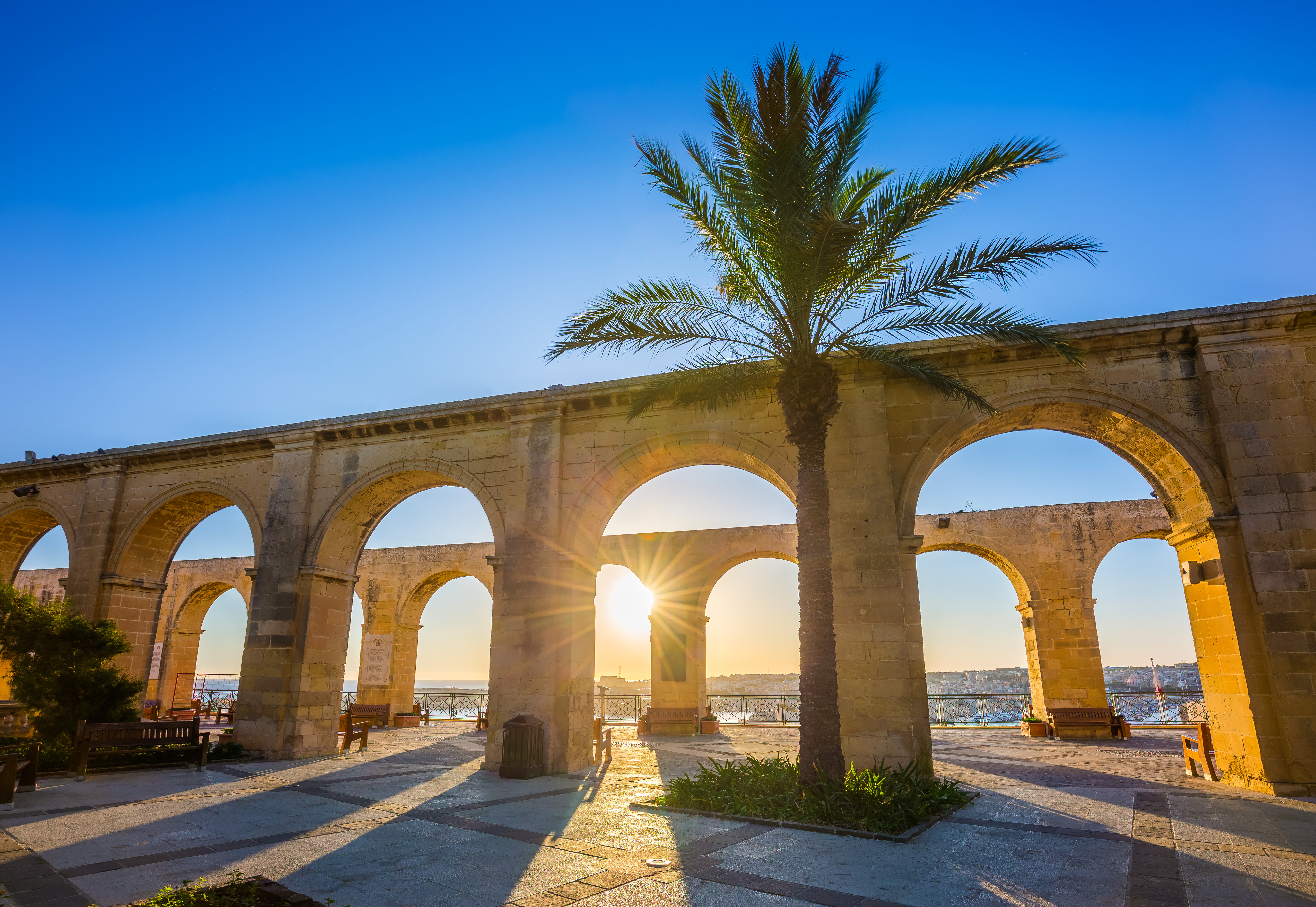
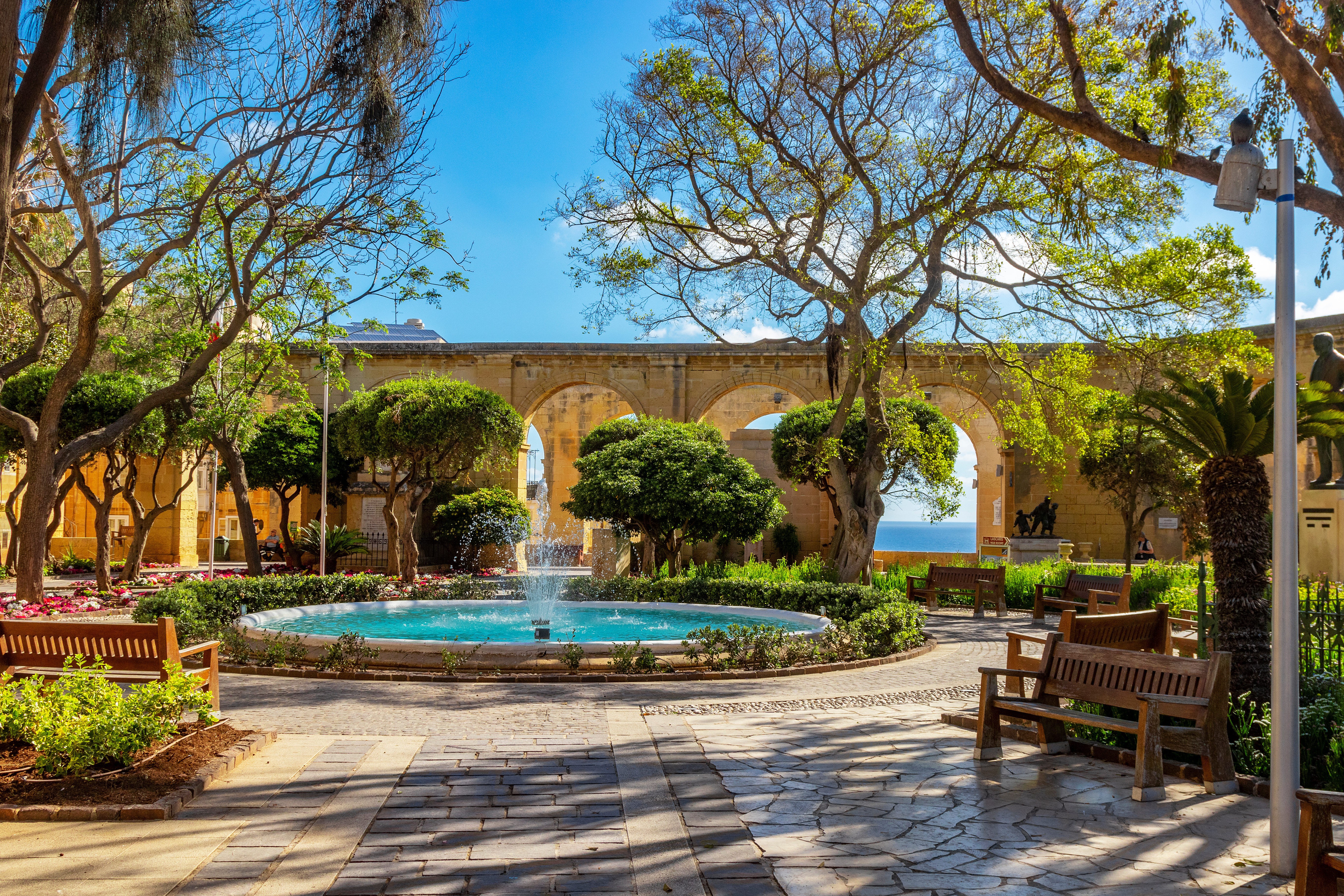
Arriving in the capital, we take a panoramic lift to the Upper Barrakka, a public gardens with views over the Grand Harbour. Taking the minibus back from the main gate, we explore the highlights of Valletta, including the magnificent St John’s Co-Cathedral, where we can see Caravaggio’s The Beheading of St John the Baptist, plus the Grandmasters Palace and many of the city squares.
Meals: Breakfast
Day 3
Experience a different side to the Maltese archipelago in sister island Gozo
We’re off to Gozo today, Malta’s sister island, separated by 3mi (5km) of sea. After breakfast, we depart our hotel by minivan, heading north for the 25-minute ferry crossing to Mgarr Harbour, where our Gozo discovery begins.
Though small, Gozo is packed with history and culture, which we explore with our expert tour leader.
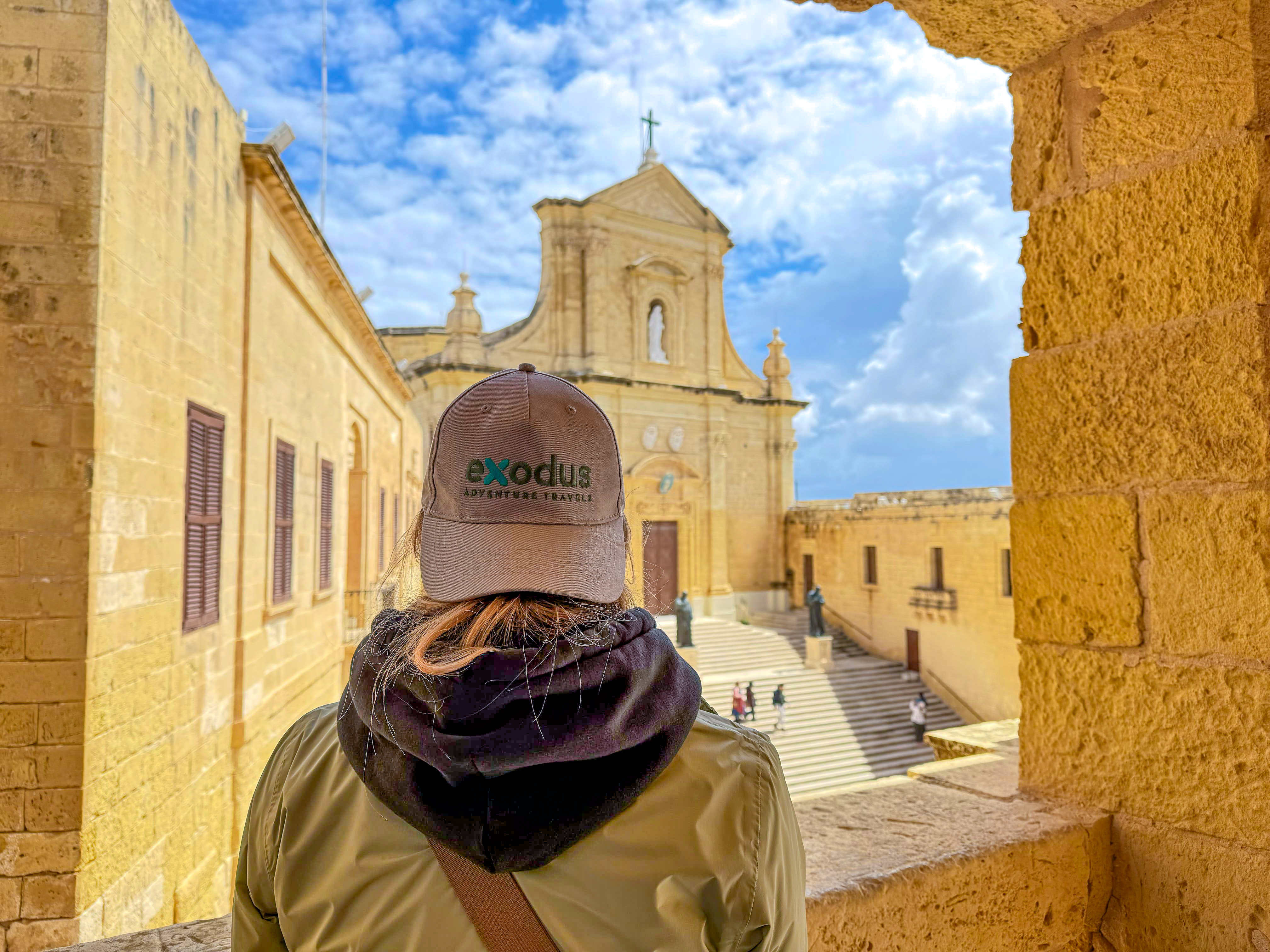
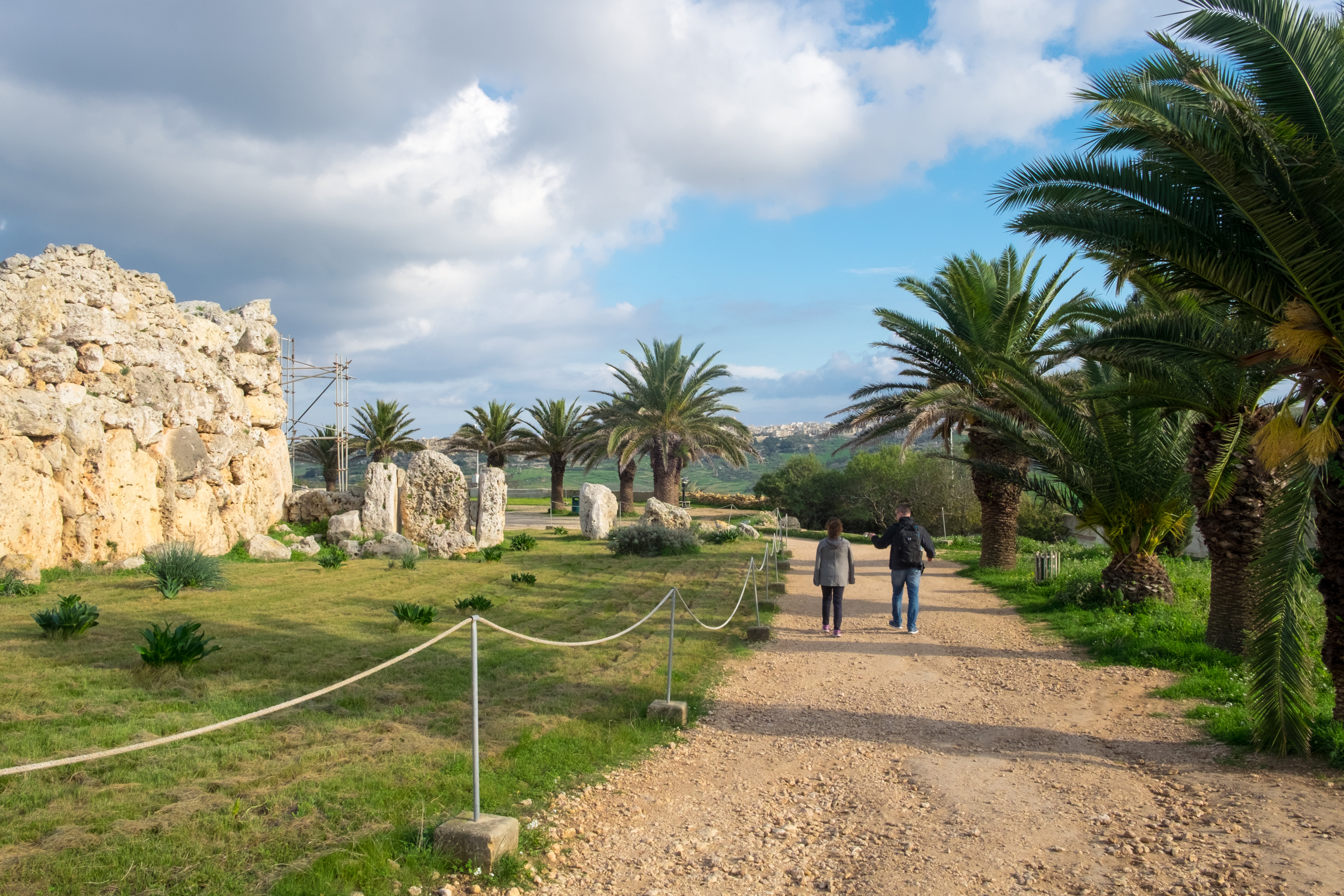
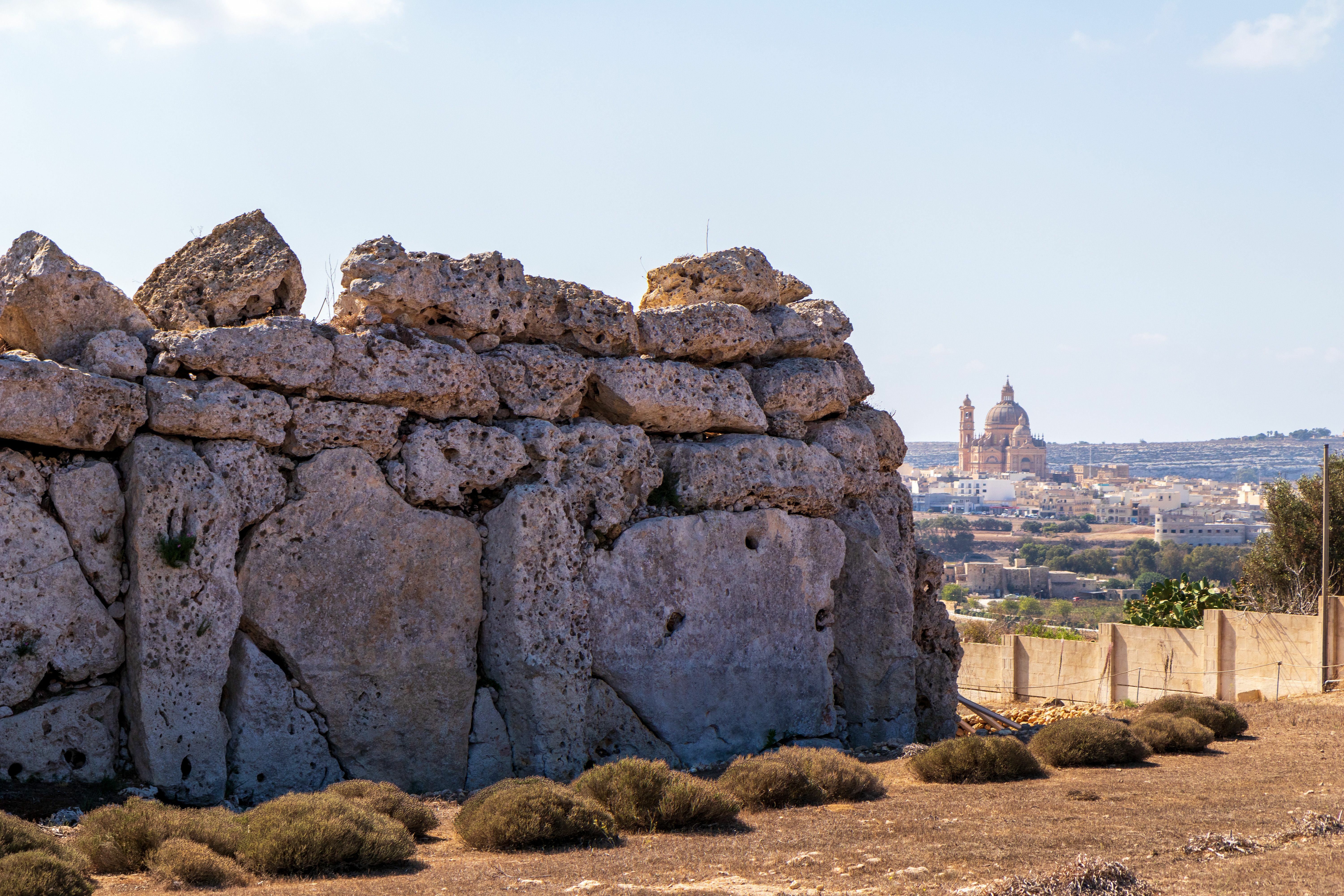
Our odyssey of discovery takes us to the 5,000-year-old Ggantija Temples, where we learn about Neolithic life on the island. We then head to the capital of Gozo, Victoria, to explore the citadel and magnificent Basilica of Ta Pinu.
We also explore Dwejra Natural Park, where scenes for Game of Thrones were filmed, and the salt pans of Qbajjar, where we learn about the Gozitan salt harvesting tradition, which stretches back to the Phoenician era.
In the late afternoon, we catch the ferry back to the mainland and return to the hotel.
Meals: Breakfast
Day 4
Discover ancient temples • Boat into the Blue Grotto • Visit Ghar Dalam • To Marsaxlokk
After breakfast, we travel (35 minutes) to southern Malta to explore the hilltop megalithic temple complex of Hagar Qim, which was discovered under rubble in 1839, and dates from around 3600 BCE. We also explore the Mnajdra Temple complex, which stands about 1,640ft (500m) further down.
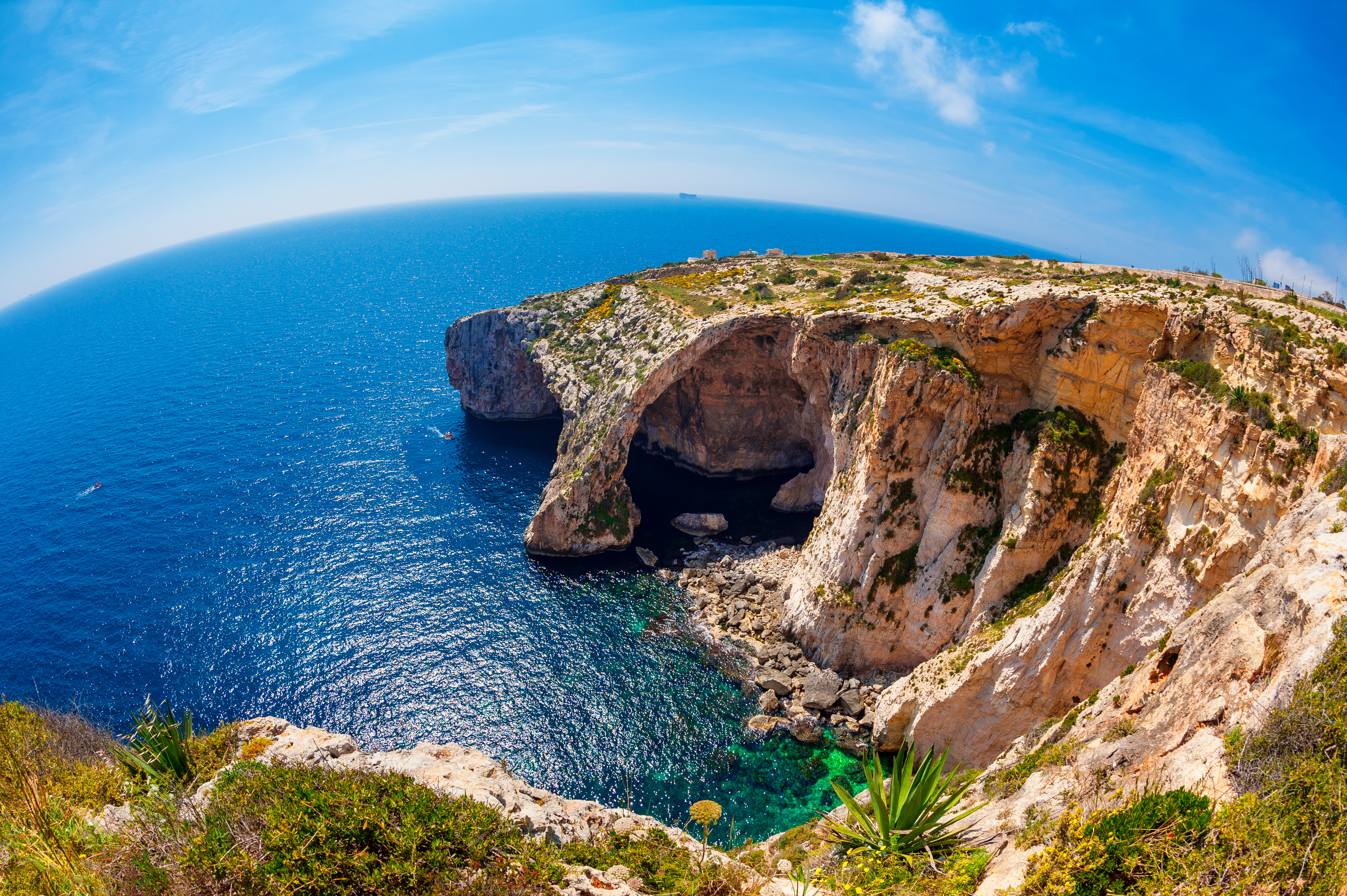
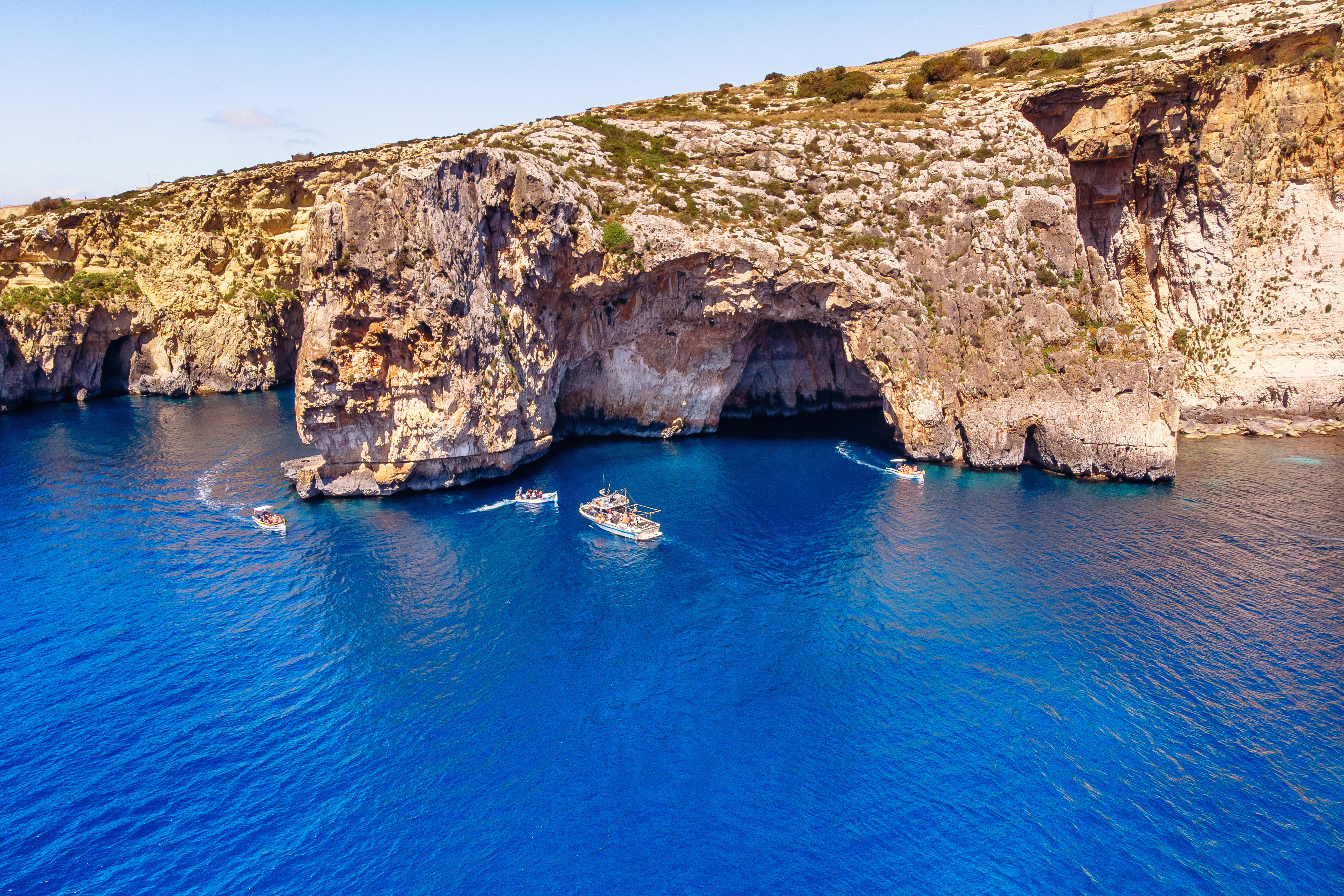
After, we have a five-minute drive to the Blue Grotto, which is actually several sea caverns. Every day from sunrise until about 1pm, sunlight streams through the cave, throwing numerous shades of blue on the cave walls. We explore in a traditional boat, weather permitting.
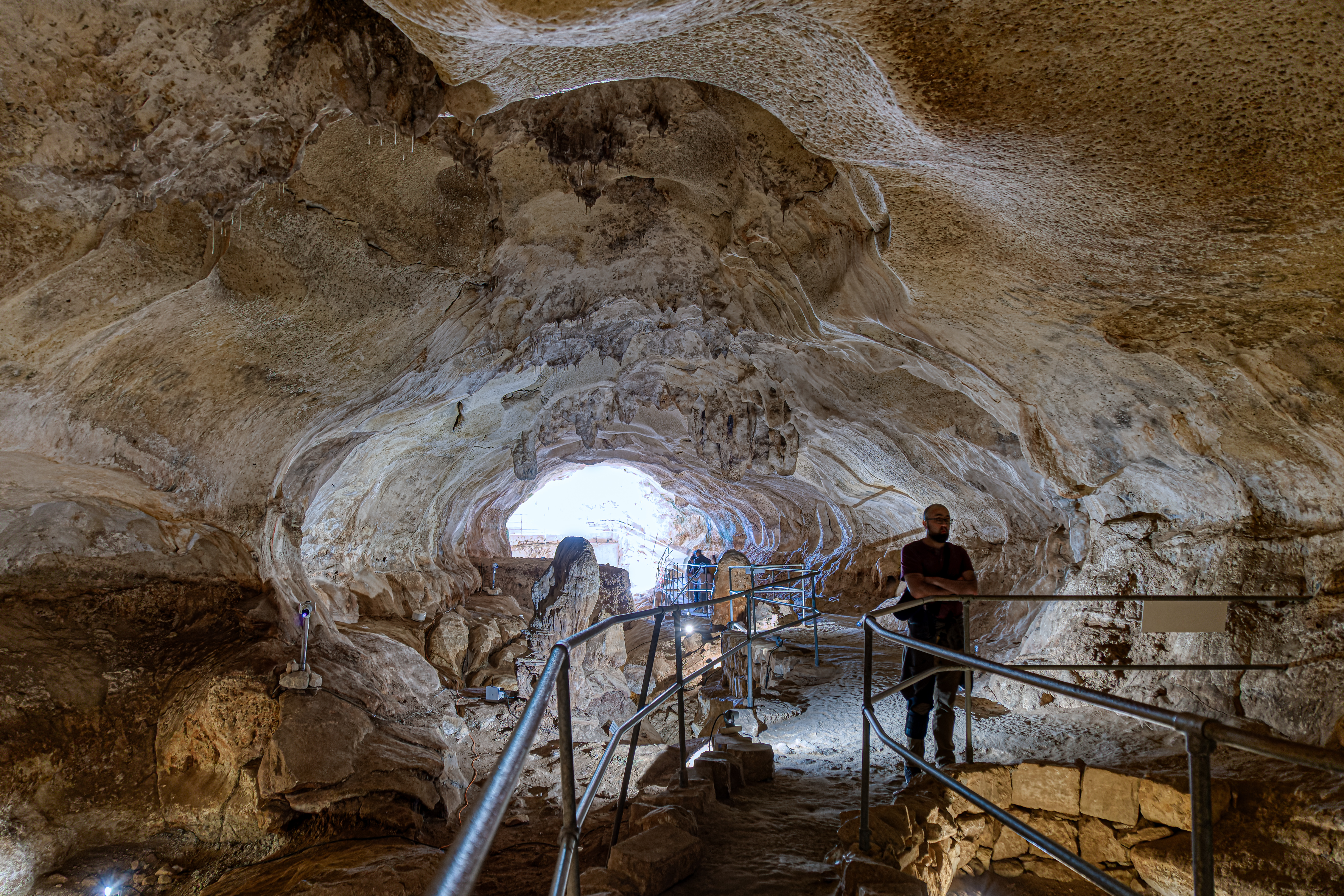
Back on land, we visit the Għar Dalam, meaning dark cave, which provides the earliest evidence of human presence in Malta, with artefacts dating back 7,400 years to the Neolithic period. The attraction is divided into two sections: the cave and a museum, which displays a treasure of remains ranging from animal bones to artwork, with the most important discovery being two teeth from a Neanderthal man.
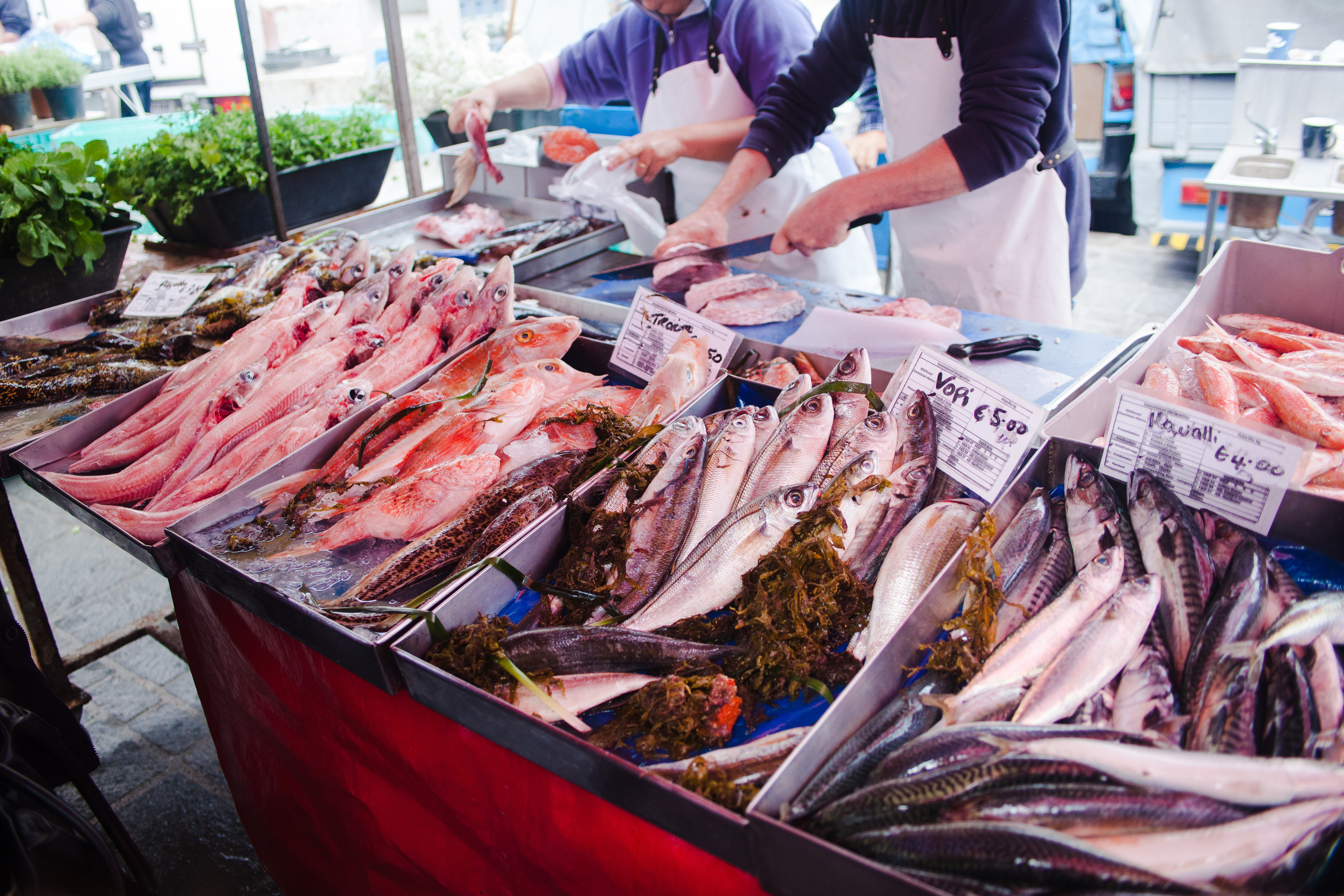
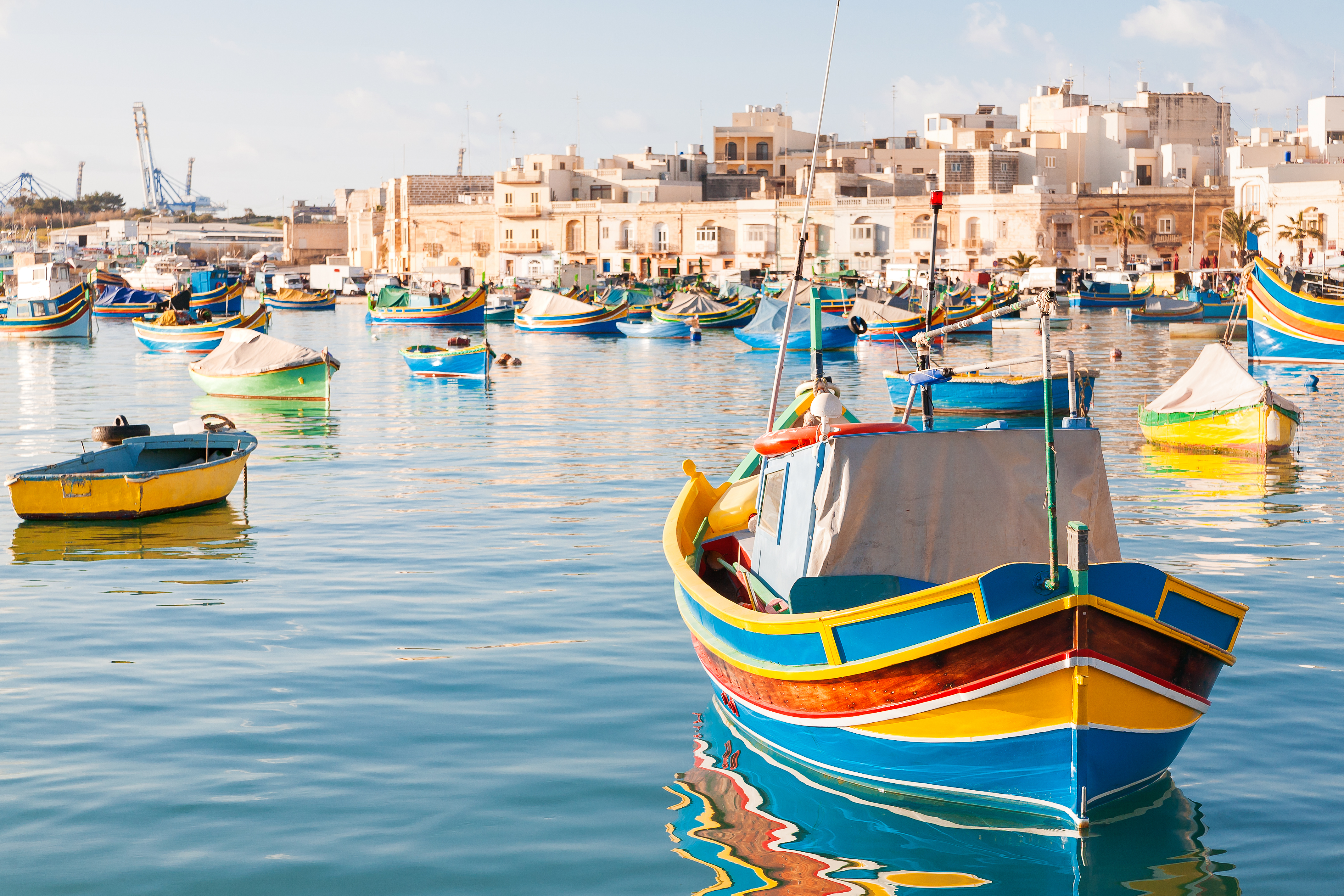
The final stop is Marsaxlokk, a traditional fishing village in the southeast of Malta. Here, we can enjoy lunch at a traditional fish restaurant in the harbour, before returning to the hotel in the early afternoon.
Meals: Breakfast
Day 5
Explore Rabat’s Roman catacombs • Into the walled city of Mdina • Walk the Dingli Cliffs • See the magnificent Palazzo Parisio
Take a bus (25 minutes) to the inland city of Rabat, which was founded by the Romans. Here, we visit St Paul’s Catacombs, a complex of interconnected, underground cemeteries in use up to the fourth century. These Roman catacombs represent the earliest and largest archaeological evidence of Christianity in Malta, where Christians, Jews and Pagans were buried near each other.
After, we head to Mdina, one of the finest ancient walled cities in Europe, an extraordinary mix of medieval and baroque architecture, with magnificent panoramic views from the bastions. Here, we visit the 17th-century St Paul’s Cathedral, which was designed by vanguard baroque architect Lorenzo Gafa, and holds a rich collection of historic artefacts, including engravings by Rembrandt.
After lunch, we head to the Dingli Cliffs. At 830ft (253m) above sea level, it’s the highest point on the Maltese islands, offering views of the Mediterranean, petite terraced fields, and the tiny uninhabited island of Filfla.
Walking along the cliffs, we see a little chapel dedicated to St Mary Magdalene on the cliff’s edge.
Finally, we head to Palazzo Parisio, one of Malta’s premier heritage attractions. Built as a hunting lodge in 1722 by grand master Antonio Manoel de Vilhena, it was taken over by the Order of St John after his death, eventually passing into the hands of the Parisio family who used it as a summer residence. In 1798, the palace briefly served as a barracks during the French occupation of Malta, before being acquired by the Marquis Giuseppe Scicluna who enriched and endowed it to its present state.
Often described as a miniature Versailles, this quintessentially Maltese palazzo is a glorious showcase of Maltese and Italian craftsmanship. The magnificent gilded, mirrored ballroom is unique in Malta. Additionally, the two walled gardens rank among the best in Malta, a fine example of classic baroque formality mixed with the vivid colours and scents of the Mediterranean.
After, we transfer back to the hotel for our final night.
Please note: We head to the Wignacourt Museum instead of the catacombs in 2027. Here, Malta’s Christian heritage comes alive through baroque art, World War Two shelters, and the sacred grotto linked to St Paul’s arrival in 60 CE.
Meals: Breakfast
Day 6
Adventure ends in Qawra
Having time travelled through Malta, explored Gozo and witnessed the azure walls of the Blue Grotto, our adventure comes to an end today. Begin your return journey home. Or, if you’d like more time to explore the island, speak to your sales representative about extending your stay.
Meals: Breakfast
What’s included
What’s not included
Additional information
Food
Food and drink prices are generally moderate by Western European standards, though tourist hotspots such as Valletta, Sliema and St Julian’s are more expensive.
Food
Cheap/local café meal: €10-€15
Mid-range restaurant main course: €15-€25
Pizza or pasta: €10-€16
Seafood dishes: €18-€35+
Drink
Beer: €2.50-€6
Glass of wine: €5-€8
Soft drink: €2-€4
Coffee: €2-€3
Maltese Welcome Dinner in Qawra
Meet your tour leader and fellow travellers in Qawra, a seaside neighbourhood on St Paul’s Bay, for an introduction to the Maltese islands and the journey ahead. Share a group welcome dinner arranged by your tour leader.
The gathering offers a chance to hear about Malta’s layered history while getting to know the people travelling with you. Your tour leader is on hand to answer questions and help you settle into the island’s easygoing coastal atmosphere.
Guided Exploration of Malta’s Three Cities
Explore Birgu, Senglea and Cospicua with your expert tour leader on the shores of Malta’s Grand Harbour. Take in views across the water to Valletta from Birgu and visit Senglea’s Gardjola Gardens, a vantage point overlooking the harbour.
Known collectively as the Three Cities, these fortified communities sheltered successive settlers and became closely associated with the Knights of St John. Their streets and waterfront defences reveal a different perspective on Malta’s past from that of the capital opposite.
Valletta Landmarks & St John’s Co-Cathedral
Explore Valletta’s squares and historic landmarks, including views from the Upper Barrakka Gardens over the Grand Harbour. Visit St John’s Co-Cathedral to see its richly decorated interior and Caravaggio’s The Beheading of St John the Baptist.
Founded by the Knights of St John, Valletta combines imposing fortifications with an intimate grid of streets. The exploration also takes in the Grandmaster’s Palace, connecting the city’s public spaces with the order that shaped its architecture and political life.
Victoria Citadel on Gozo
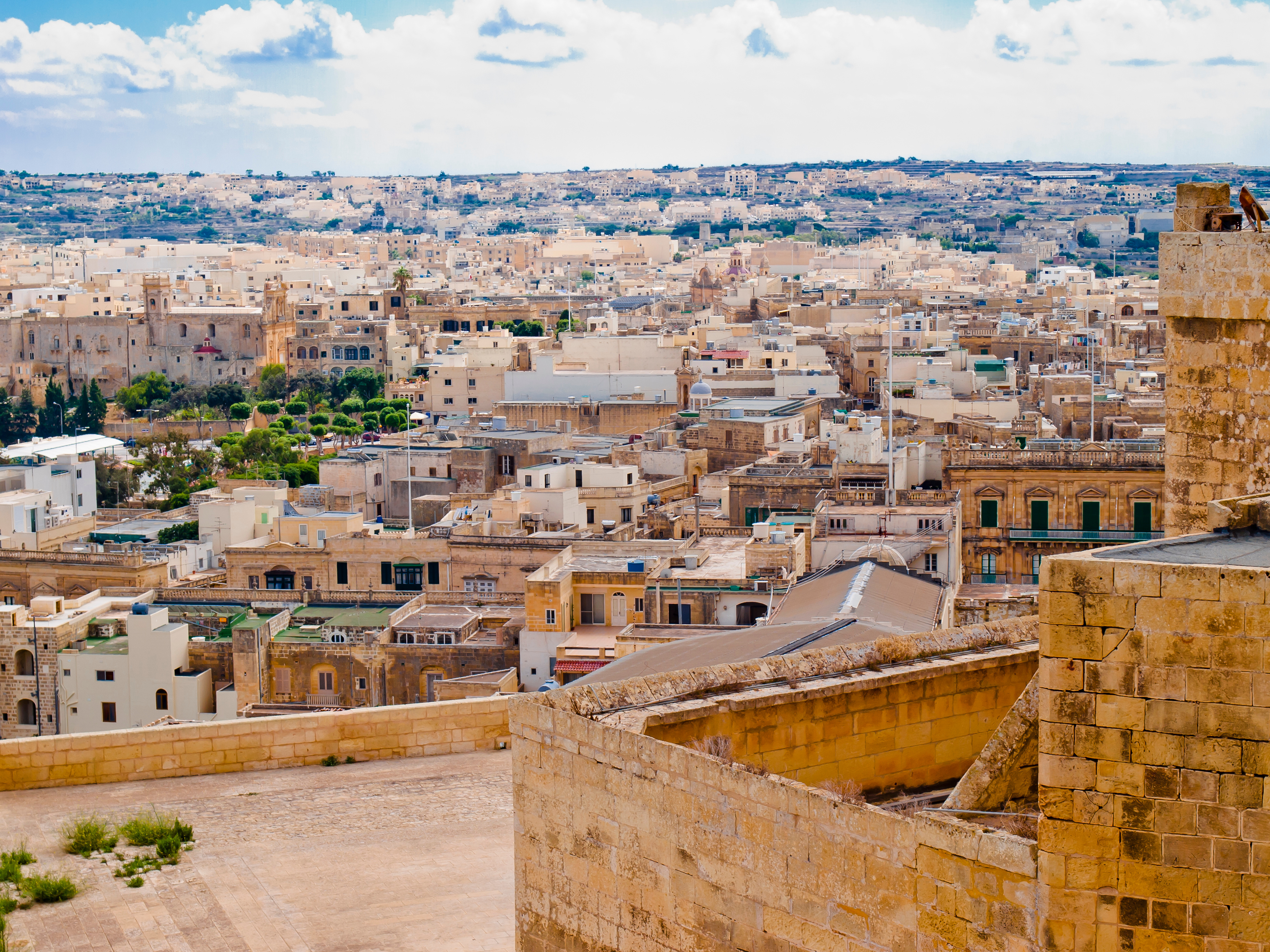
Explore the citadel above Victoria, Gozo’s capital, with your tour leader. Walk within its fortified setting and look out across the island from the elevated heart of the town.
The citadel has long served as a place of refuge for Gozitans. Its walls speak to the island’s need for protection, while its position offers a clear view of Gozo’s compact landscape. It is a rewarding contrast to the harbour fortifications and grand architecture of Malta’s larger cities.
Ta’ Pinu Basilica
Visit the Basilica of Ta’ Pinu on Gozo and take in the scale of its church against the island’s rural landscape. Your tour leader introduces the site’s importance to Maltese religious life.
Ta’ Pinu is a place of pilgrimage, closely associated with local accounts of a Marian apparition in the 19th century. Its devotional significance makes this stop more than an architectural visit, offering insight into the faith and traditions that remain part of everyday life across the islands.
Dwejra Natural Park
Explore Dwejra Natural Park on Gozo’s western coast, where limestone formations meet the open Mediterranean. Take in a landscape shaped by wind and sea, with your tour leader providing context for this distinctive corner of the island.
Dwejra’s stark coastal scenery has also appeared on screen, including in Game of Thrones. Away from Gozo’s towns and churches, the visit highlights the natural forces that continue to shape the Maltese archipelago.
Qbajjar Salt Pans
Visit the salt pans of Qbajjar on Gozo’s coast and learn about the island’s long-standing salt-harvesting tradition. See the shallow, rock-cut basins where seawater can evaporate under the Mediterranean sun.
Salt production on Gozo reaches back to the Phoenician era. These working coastal features connect a practical craft to the island’s natural conditions: limestone, seawater and heat. Your tour leader explains how the tradition has endured across generations, adding a human story to the shoreline.
Blue Grotto Boat Trip
Take a traditional boat into the Blue Grotto’s sea caverns on Malta’s southern coast, weather permitting. Watch for shifting blue light on the cave walls as sunlight enters the water and reflects around the rock.
Despite its name, the Blue Grotto comprises several caverns rather than a single cave. The play of light is strongest in the morning, when sun and sea create the vivid colours for which this stretch of coastline is known.
Marsaxlokk Fishing Village
Explore the harbour at Marsaxlokk, a fishing village on Malta’s southeastern coast. Take in the waterfront and its traditional fishing-village setting, with time to appreciate a side of the island centred on the sea rather than its fortified cities.
The harbour offers a glimpse of Malta’s continuing maritime traditions. There is an opportunity to have lunch at a local fish restaurant; lunch is not included as a separate experience, so you can choose whether and where to eat.
Rabat’s St Paul’s Catacombs or Wignacourt Museum
Explore Malta’s early Christian heritage in Rabat. On departures before 2027, visit St Paul’s Catacombs, an interconnected underground burial complex used into the fourth century and associated with Christian, Jewish and Pagan communities.
For 2027 departures, the Wignacourt Museum replaces the catacombs. Its baroque art, World War Two shelters and sacred grotto linked to St Paul offer a different view of Rabat’s religious history. The two sites are alternatives, not visits included together.
Mdina Walled City & St Paul’s Cathedral
Explore the walled city of Mdina, where medieval lanes and baroque buildings sit within imposing bastions. Enjoy panoramic views from the fortifications and visit St Paul’s Cathedral in the heart of the old city.
Designed by Maltese baroque architect Lorenzo Gafà, the 17th-century cathedral holds historic works including engravings by Rembrandt. Mdina’s compact streets and elevated position convey its former importance as Malta’s capital, while its architecture shows how successive eras left their mark within the walls.
Dingli Cliffs Walk
Walk along the Dingli Cliffs, the highest point of the Maltese islands at approximately 830 feet (253 metres) above sea level. Look across the Mediterranean, terraced fields and towards the small uninhabited island of Filfla.
Along the cliff edge, see the chapel dedicated to St Mary Magdalene. The walk pairs wide coastal views with a quieter rural landscape, showing how closely Malta’s agricultural land meets its steep western shoreline.
Palazzo Parisio & Gardens
Tour Palazzo Parisio and its walled gardens in Naxxar. Step inside to see the gilded, mirrored ballroom and richly worked interiors that have earned the palazzo its “miniature Versailles” nickname.
Originally built as an 18th-century hunting lodge, the property was later transformed into a showcase of Maltese and Italian craftsmanship. Outside, formal baroque garden design meets Mediterranean colour and scent, offering a distinct contrast to the island’s ancient temples and stone fortifications.
Traditional Dghajsa Cruise Across the Grand Harbour
Cross Malta’s Grand Harbour by traditional dghajsa water taxi, weather permitting. From the boat, look back at the fortified waterfronts of the Three Cities and towards Valletta’s limestone skyline.
The short crossing makes the harbour itself part of the experience. For centuries, this sheltered waterway shaped Malta’s trade and defence; seeing its bastions and quays from the water brings the close relationship between the capital and the Three Cities into focus.
Gozo’s Ggantija Temples
Visit the Ggantija Temples on Malta’s sister island, Gozo, with your expert tour leader. Explore the surviving stone structures and learn what this roughly 5,000-year-old complex reveals about Neolithic life on the island.
Among the world’s oldest freestanding monuments, the temples take their name from a local association with giants. Their great limestone blocks give a tangible sense of the skill and communal effort involved in building a ceremonial site long before Malta’s later fortified cities appeared.
Hagar Qim & Mnajdra Temples
Explore the megalithic temples of Hagar Qim and Mnajdra on southern Malta. Walk among monumental limestone remains at the hilltop Hagar Qim complex and visit Mnajdra, set a short distance farther down the slope.
Hagar Qim dates from around 3600 BCE and was uncovered beneath rubble in the 19th century. Together, the complexes offer a close encounter with Malta’s prehistoric builders, whose carefully arranged stone chambers survive in a landscape overlooking the Mediterranean.
Ghar Dalam Cave & Museum
Visit Ghar Dalam cave and museum in southern Malta to examine evidence of the island’s deep past. Explore the cave and see displays of finds that include animal remains and artefacts linked to early human presence.
Meaning “dark cave”, Ghar Dalam preserves evidence of people on Malta dating back roughly 7,400 years to the Neolithic period. Its layered discoveries help place the island’s celebrated temples within a much longer story of settlement and environmental change.