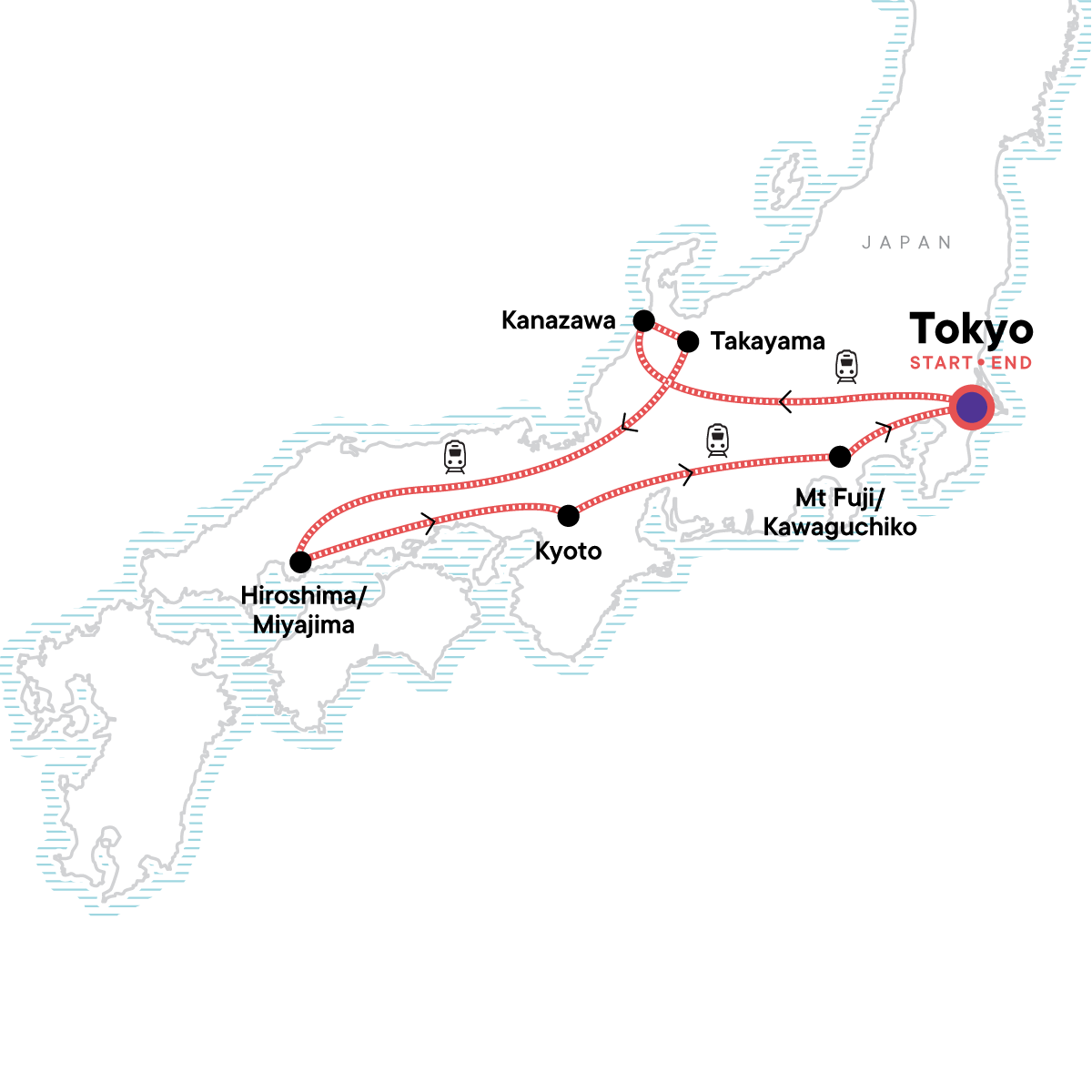
Your itinerary
Day 1
Day 1: Tokyo
Arrive in Tokyo. No planned activities until an evening welcome meeting around 6:00 pm; bring your passport for JR Pass details. Optional group dinner.
Day 2
Day 2: Tokyo/Kanazawa
Collect your JR Pass in the morning. Take the Shinkansen to Kanazawa in the afternoon. Evening free; optional group dinner.
Day 3
Day 3: Kanazawa
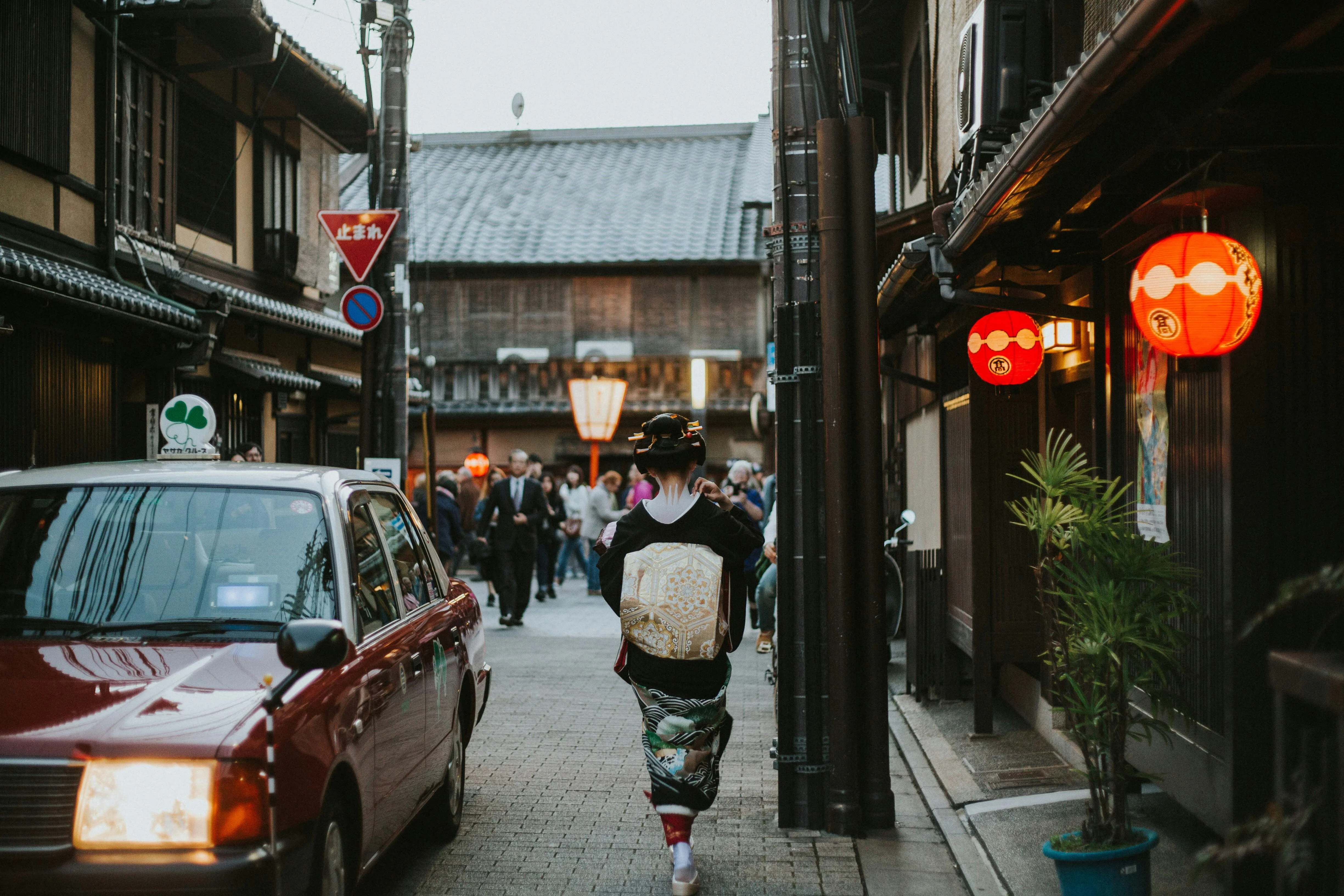
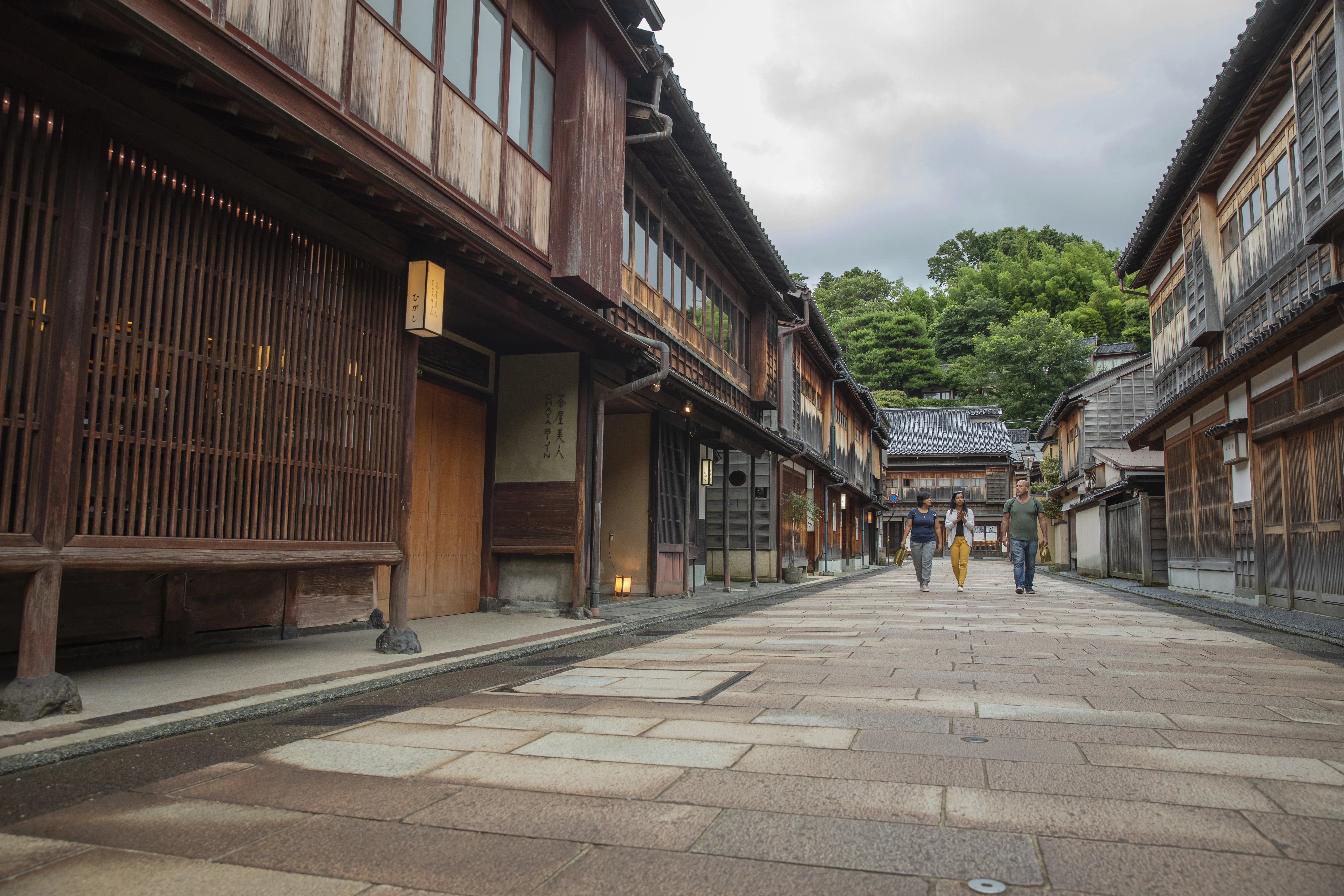
Explore the Higashi Chaya geisha district, stroll Kenroku-en garden, and walk the Nagamachi Samurai District. Optional visit to Kanazawa Castle or museums; free time in the afternoon.
Day 4
Day 4: Kanazawa/Takayama
Travel to Takayama by train and arrive in the afternoon. Free time to explore; relax in a traditional inn.
Day 5
Day 5: Takayama
Visit Hida No Sato folk village, then walk Takayama’s old town with its sake breweries and craft shops. Free day for markets, cycling, or hot springs.
Day 6
Day 6: Takayama/Hiroshima
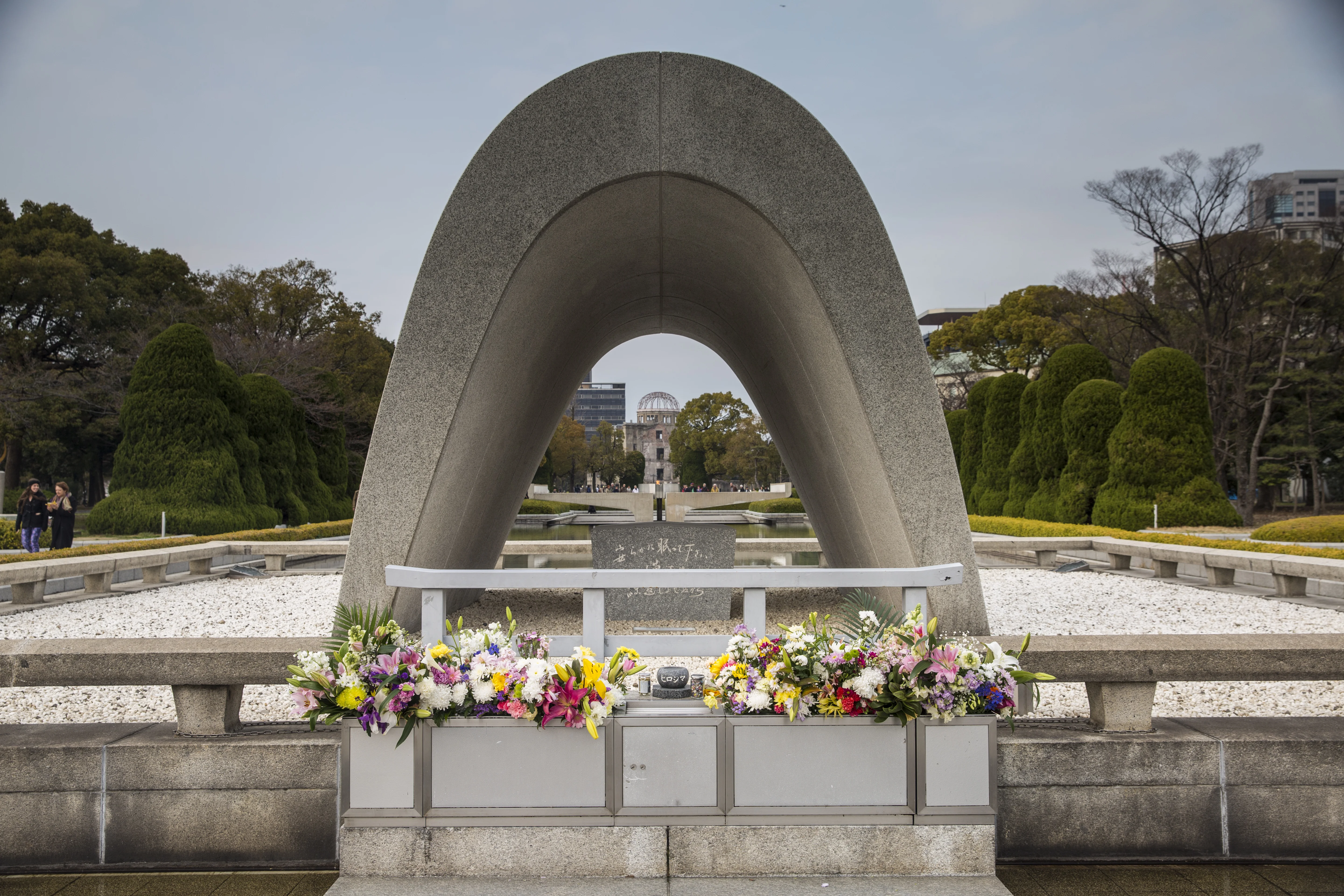
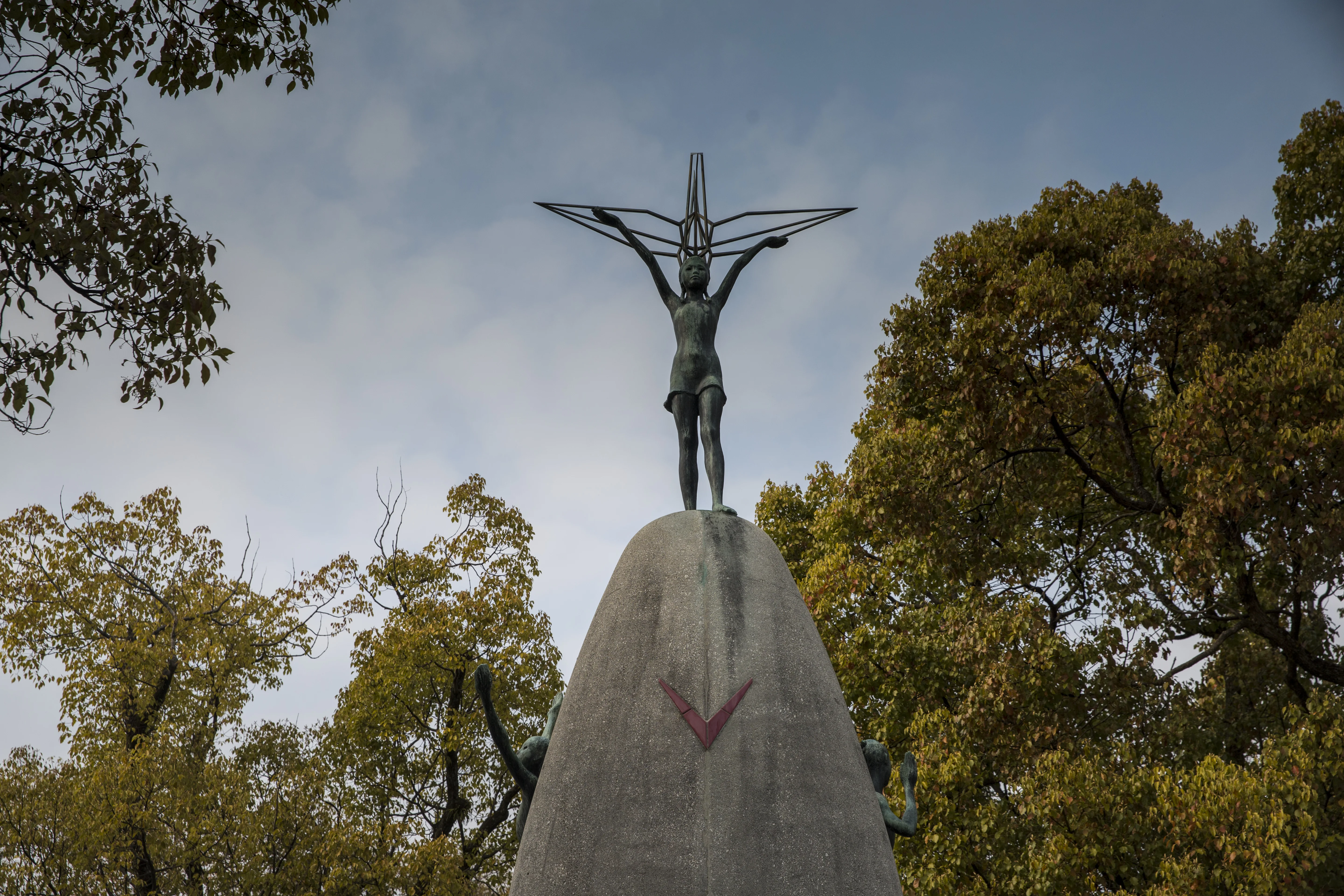
Take the Shinkansen to Hiroshima and visit the Peace Park and Museum, including the A-Bomb Dome and the Sadako Sasaki memorial.
Day 7
Day 7: Hiroshima
Ferry to Miyajima Island to see the floating Torii Gate. Free time for shrines and temples, local treats, and an optional hike up Mt Misen.
Day 8
Day 8: Hiroshima/Kyoto
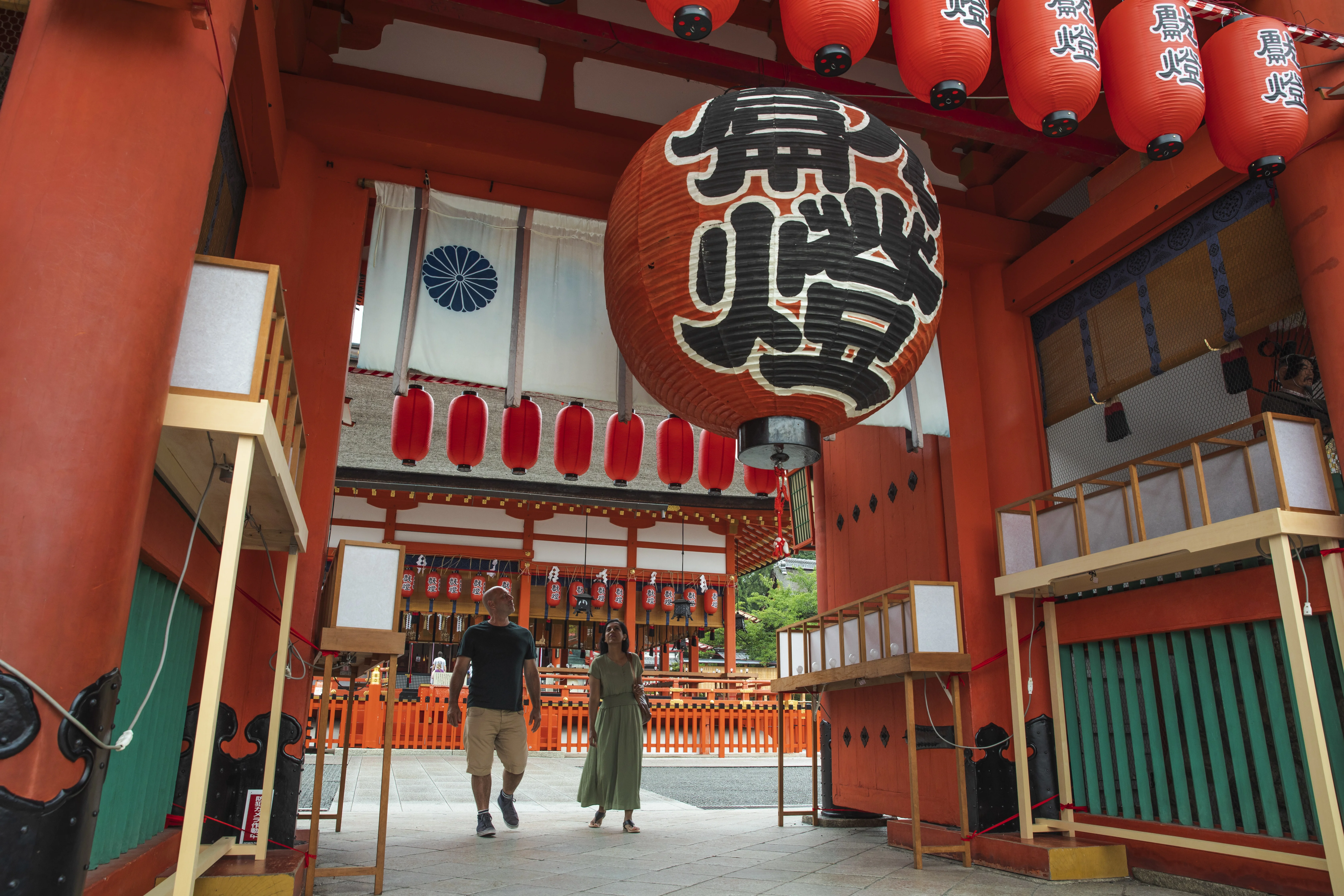
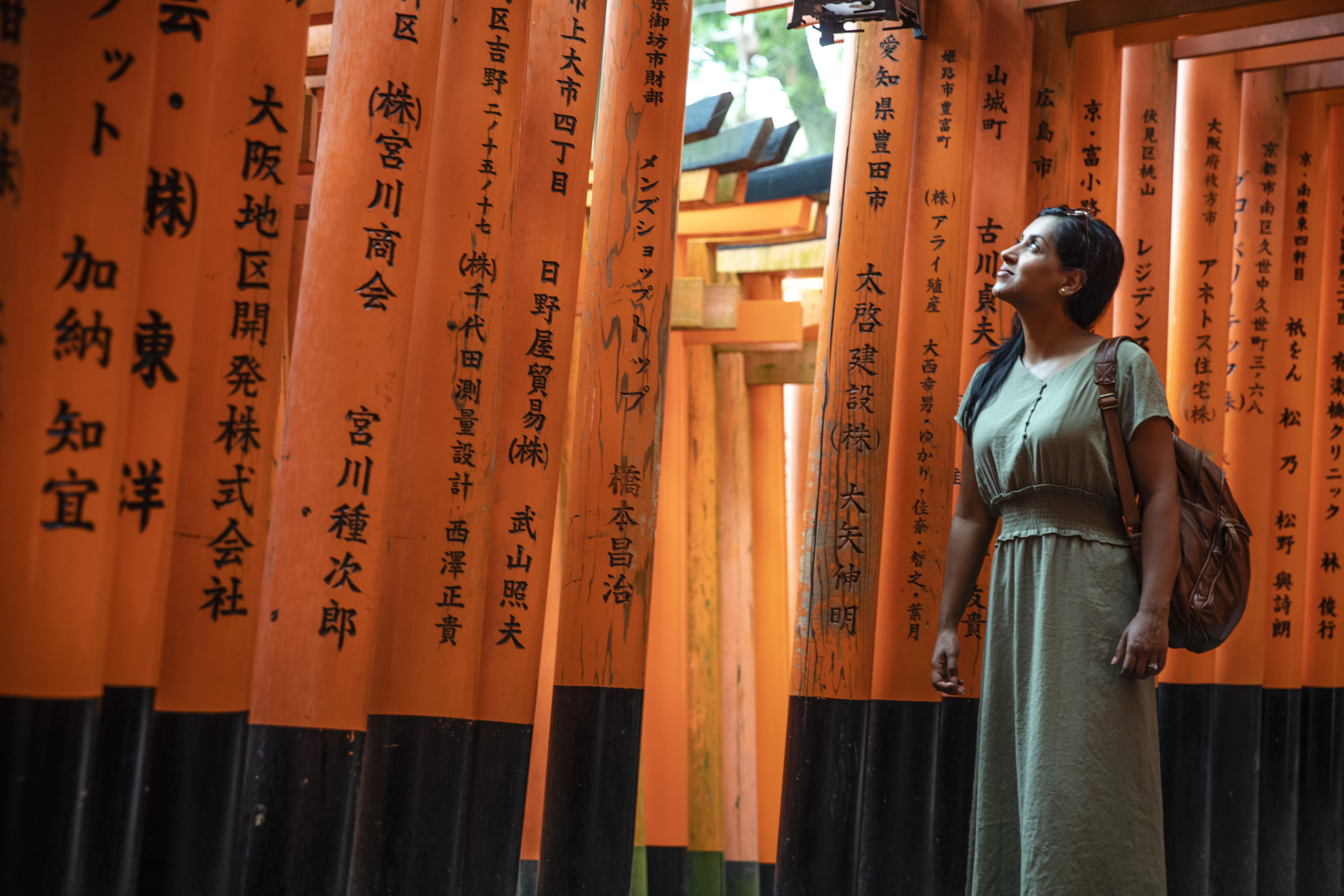
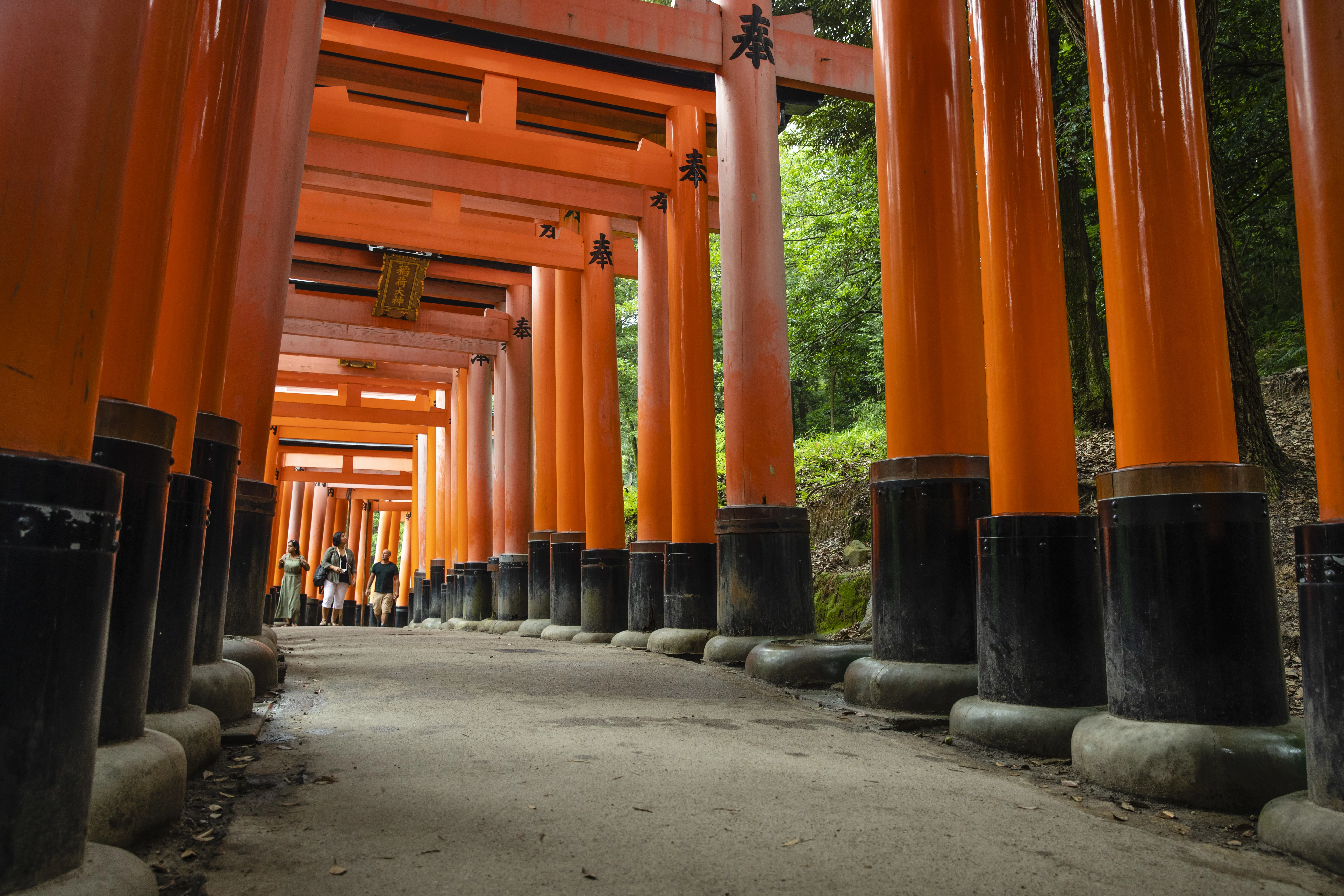
Shinkansen to Kyoto; visit Fushimi Inari Taisha and walk beneath thousands of torii gates. Stroll Gion in the evening.
Day 9
Day 9: Kyoto
Visit Nijo Castle and gardens and see Kinkaku-ji (Golden Pavilion). Afternoon free.
Day 10
Day 10: Kyoto
Free day in Kyoto; options include Ryoan-ji, the Silver Pavilion, and the Philosopher’s Path to Nanzen-ji.
Day 11
Day 11: Kyoto/Fujikawaguchiko
Travel to the Mt Fuji region (multiple train changes plus a short taxi). Optional onsen at the hotel before a kaiseki dinner.
Meals: Dinner
Day 12
Day 12: Fujikawaguchiko/Tokyo
Morning walk around Lake Kawaguchiko in the Five Lakes region with views of Mt Fuji (weather permitting). Travel to Tokyo by train.
Meals: Breakfast
Day 13
Day 13: Tokyo
Free day in Tokyo for museums, gardens, and shopping. Meet the group in the evening for a final dinner.
Day 14
Day 14: Tokyo
Depart at any time. Your CEO can assist with onward travel; consider booking post-tour accommodation.
What’s included
What’s not included
Additional information
Meals Included
1 breakfast, 1 dinner
Group Size
Solo Travellers
We believe single travellers should not have to pay more to travel so our group trips are designed for shared accommodation and do not involve a single supplement. Single travellers joining group trips are paired in twin or multi-share accommodation with someone of the same sex for the duration of the trip. Some of our Independent trips are designed differently and single travellers on these itineraries must pay the single trip price.
Meals
Eating is a big part of traveling. G Adventures knows that worldwide, local cuisines define the cultures. We think sampling regional delicacies are intrinsic to truly experiencing the country. We want you to be able to try foods according to your individual tastes, comforts, and budgets.
Generally meals are not included in the trip price when there is a choice of eating options, to give you the maximum flexibility in deciding where, what and with whom to eat. It also gives you more budgeting flexibility. At times, meals will be taken together as a group. Other times, your CEO will point you in the direction of several delicious options, and you will have free time to pick and choose at will. Often in Japan it is fun to get some snacks and beverages with the salarymen in the evenings at small restaurants, and other times it is fun to sit with a few friends at a sushi train.
Your CEO will always strive to cater for all dietary requirements/preferences, but please keep in mind that Vegetarianism/Veganism is very uncommon in Japan so this may mean a more limited selection for you.
Please refer to the Meals Included and Budget Information for information regarding included meals on your trip. Japan’s kitchen is at your fingertips!
Minimum Age
You must be 18 to travel unaccompanied on a G Adventures tour. For minors travelling with a guardian over 21 years old, the minimum age is 12.
Local Dress
In Asia the dress standard is more conservative than it is back home. When packing try to pick loose, lightweight, long clothing that will keep you cool in the usually hot and humid climate of Asian summers. In predominately Buddhist, Hindu and Muslim countries we ask that you dress respectfully and avoid very short shorts/skirts and singlets/tanktops when visiting temples, mosques or other holy sites.
Important Notes
1. The most convenient way to get around Japan is by public transportation and on foot. The country’s train system is often considered one of the best in the entire world so the majority of our trips utilize this efficient train network. In this tour, you will need to be able to spend the majority of the day on your feet and carry your luggage through busy train stations and streets. On average, tours in Japan walk about 15,000 steps a day. Please ensure you are fit enough to carry your own luggage and spend most of the day on your feet.
2. Japan Rail Pass
Please note that only foreigners traveling as a tourist are able to use a Japan Rail Pass. If you are a Japanese citizen
esident or traveling on a student/business/military/diplomatic visa, please advise us at time of booking as you will not be able to take advantage of the rail pass.
3. Tattoos
Tattoos are not common or widely accepted in Japan. There is no cause for concern, but do your best to cover your tattoos when possible and note that you may not be permitted to enter public spas or onsens (hot springs).
4. Luggage size restriction – Effective from May 2020 onwards
All G Adventures tours in Japan use the world-famous Shinkansen bullet trains, which have a restriction on maximum luggage size. Your luggage must be less than 160cm in total. This is roughly the size that most airline companies consider as “carry-on baggage” and allow in overhead storage compartments.
We strongly recommend bringing a day pack or backpack to use during the day, in addition to your carry-on sized luggage. Please see “What to take” under Tour details for more information.
5. ACCOMMODATION NOTE:
Please be aware that properties we stay in with only two stories may not have elevators installed and climbing the stairs with your luggage will be necessary.
Group Leader
All G Adventures group trips are accompanied by one of our Chief Experience Officer (CEO). The aim of the group leader is to take the hassle out of your travels and to help you have the best trip possible. They will provide information on the places you are traveling through, offer suggestions for things to do and see, recommend great local eating venues and introduce you to our local friends.
While not being guides in the traditional sense, you can expect them to have a broad general knowledge of the countries visited on the trip, including historical, cultural, religious and social aspects.
About Accommodation
Japan is one of the most populous countries in the world and space is at a premium. Therefore, hotels rooms are small! Additionally, most Japanese hotels do not have designated non-smoking rooms. Therefore, we ask hotels to deoderise rooms before check in. Please note rooms for couples usually still have two twin beds in Japan. Rooms with one large Queen or King bed are not common.
Ryokan are traditional inns found across Japan. Featuring tatami floors (soft mats of woven straw), futon beds, Japanese-style baths, cotton kimono (casual robe worn to lounge around or to head to the bath), and elaborate meals (often served in the comfort of your own room), a ryokan is the perfect place to experience traditional customs and hospitality. As ryokan are usually top tier accommodations, most guests stay only one night, often to celebrate a special occasion or holiday. Don’t be intimidated by the formalities inherent to a stay at a ryokan, your hosts will welcome you the same way they do all their guests. Have fun and enjoy this relaxing opportunity to learn more about Japan’s unique customs.
Minshuku are Japan’s answer to the Western bed and breakfast. Similar to ryokan, they have traditional features like tatami floors, futon beds, and Japanese-style baths. Minshuku are often family-run, and as such they offer a great opportunity to interact with local people and learn more about the nation’s customs. More affordable and simpler than ryokan, minshuku tend to have smaller guestrooms, shared bathroom facilities, and any included meals (traditional, local, and delicious) are served in a communal dining room.
Please note that some of the traditional Japanese inns used on this tour only offer shared bathing facilities. This means that individual shower stalls will not be available, instead several shower stations are available in an open, same-sex bathing area. Shared bathhouses and onsen (hot springs) are an essential part of Japan’s culture, traditionally serving as a place for men or women to gather, relax, and discuss the days happenings.
What to Take
It’s essential to pack as lightly as possible for rail travel in Japan. All G Adventures tours use the world-famous Shinkansen bullet trains, which have a restriction on maximum luggage size.
Any luggage brought on board must be less than 160cm in total (calculated as the sum of the height + width + depth of your luggage). This is roughly the size that most airline companies consider as “carry-on baggage” and allow in overhead storage compartments. We strongly recommend bringing a day pack or backpack to use during the day (for daily essentials like water, cameras, passport, etc.).
Please note that travellers who bring luggage that exceeds this restriction will be directly penalized by the Central Japan Railway Company. Any luggage between 160–250cm will require a fee of 1,000 JPY per luggage, for each leg of your train journey, and is strictly subject to availability. Any luggage over 251cm in total is prohibited on the Shinkansen trains.
If you absolutely must bring more than what fits into a single carry-on bag plus day pack, you may bring a second carry-on bag which also must be less than 160cm in total. Please note, however, that as with all G Adventures tours, you must be able to carry your luggage unassisted.
You will also be walking with your luggage in busy public train stations to catch connecting trains, so it is highly recommended that you travel light and have easy to handle luggage and capable of walking up and down the stairs with your luggage without any assistance. A large bag will be an inconvenience to you and will slow you down!
We recommend keeping the weight of your bags between 10-15kg/22-30lb. Suitcases are not recommended for G Adventures trips! Most travellers carry a backpack or rolling bag of small to medium size. You will also need a day-pack
ucksack to carry daily essentials like water, cameras, passport, i-pods etc.
Takuhaibin – Japan’s takuhaibin service is a convenient and reliable way to transfer luggage from one location to another throughout the country. Pick-up/drop-off/delivery dates and times can be easily scheduled (usually overnight) and costs are moderate. Service can be arranged at most hotels and airports. Using Takuhaibin to send your luggage between hotels, or from hotel to airport, is a great way to travel light and avoid hauling large bags on crowded trains or up and down stairs – just be sure to pack an overnight bag with everything you’ll need until you’re reunited with your luggage the following day.
Spending Money
Every traveller is different and therefore spending money requirements will vary. Some travellers may drink more than others while other travellers like to purchase more souvenirs than most. Please consider your own spending habits when it comes to allowing for drinks, shopping and tipping. Please also remember the following specific recommendations when planning your trip.
Kinkaku-ji (Golden Pavilion), Kyoto
See the shimmering Kinkaku-ji (Golden Pavilion), where the top floors are clad in gold leaf and mirrored in the Mirror Pond. Pebbled paths lead to viewpoints that frame the pavilion with pines and water.
Once the villa of shogun Ashikaga Yoshimitsu, the temple—rebuilt in 1955—embodies Muromachi-era elegance. Garden islands symbolizing cranes and turtles add layered symbolism to the brilliant, reflective scene.
Fushimi Inari Taisha Torii Trail, Kyoto
Walk beneath thousands of vermilion torii at Fushimi Inari Taisha, Kyoto’s famed mountain shrine to the deity of rice and prosperity. Trails thread through cedar forest past mossy sub-shrines and stone fox guardians.
Each gate bears the name of its donor, forming glowing tunnels of color that ebb and flow with the slope of Inari-yama. The rhythm of footsteps and cicada song creates a meditative ascent within city limits.
Nagamachi Samurai District Walk, Kanazawa
Walk the cobbled lanes of the Nagamachi Samurai District, flanked by earthen tsuchi-kabe walls and stone-lined canals. Step into preserved residences such as the Nomura family home to admire delicate gardens and heirloom artifacts.
Gain context on Edo-period Kanazawa, where powerful retainers served the Maeda lords. The district’s quiet lanes and nagaya-mon gates evoke a disciplined martial world balanced with aesthetic refinement.
Hida No Sato Folk Village, Takayama
Visit Hida No Sato Folk Village, an open-air museum of thatched gassho-zukuri farmhouses relocated from the Hida region. Wander between steep-roofed homes designed for heavy mountain snow and peek inside to see farm tools, weaving looms, and hearths.
Interpreters illuminate rural life shaped by seasons and altitude, while mountain air and rustic views deliver a tranquil sense of old Japan just beyond Takayama’s historic streets.
Hiroshima Peace Memorial Park & Museum
Reflect in Hiroshima Peace Memorial Park & Museum, where exhibits convey the human stories of 1945. Pause by the A-Bomb Dome (Genbaku Dome)—a skeletal landmark that survived the blast—and the Children’s Peace Monument honoring Sadako Sasaki.
Walk the cenotaph’s axis that frames the dome and visit the Peace Flame, pledged to burn until nuclear weapons are abolished. The experience is sobering, compassionate, and profoundly hopeful.
Miyajima Island Ferry & Itsukushima Shrine
Ride the local ferry to Miyajima Island across the Seto Inland Sea, then wander the boardwalks of Itsukushima Shrine. At high tide, photograph the iconic “floating Torii Gate” rising from the bay with forested slopes behind.
Deer roam shaded streets where stalls sell maple-leaf cakes, and coastal paths offer gentle views. The island’s shrine architecture and maritime setting provide a serene, salt-tinged atmosphere.
Kenroku-en Garden Walk, Kanazawa
Stroll through Kenroku-en Garden, celebrated as one of Japan’s three great gardens, where sculpted pines frame ponds, streams, and tea houses. Seek out the emblematic Kotoji stone lantern reflected in Kasumigaike Pond and seasonal touches from cherry blossom to autumn color.
Developed by the Maeda clan, Kenroku-en embodies the classical ideal of six virtues—spaciousness, seclusion, artifice, antiquity, watercourses, and panoramas—creating a harmonious landscape that feels balanced in every direction.
Lake Kawaguchiko Five Lakes Walk
Explore Lake Kawaguchiko on foot, following easy lakeside promenades with potential views of Mt Fuji cresting above the water. Gentle paths weave past reeds, maples, and viewpoints ideal for photos.
Seasonal highlights range from cherry blossoms around Oishi Park to the crimson corridor of autumn leaves. In clear weather, Fuji’s snowcap and lake reflections combine for a quietly spectacular panorama.
Onsen Spa Soak, Kawaguchiko
Unwind in a traditional hot spring as you visit an onsen spa, where mineral-rich waters soothe travel-tired muscles. Many baths include open-air rotenburo, letting mountain air mingle with cedar-scented steam.
Learn bathing etiquette—rinse thoroughly before soaking, no swimwear, quiet conversation—and embrace centuries-old wellness culture. In this calm setting, the warmth and stillness invite deep relaxation.
Kaiseki Dinner at a Ryokan
Savor a multi-course kaiseki dinner at your ryokan, a graceful progression of seasonal ryori presented like edible art. Expect delicate broths, mountain vegetables, and freshwater fish served on lacquer and porcelain.
Rooted in the tea ceremony, kaiseki balances taste, texture, and seasonality. In yukata robe with attentive ryokan hospitality, the meal becomes a serene cultural experience as well as a feast.
Takayama Sake Brewery Tasting
Sample regional sake in Takayama’s historic Sanmachi-suji, where cedar-beamed breweries display the hanging cedar sugidama that signals a fresh brew. Try a guided flight comparing crisp ginjo with richer junmai styles.
Learn how local rice, water, and koji mold shape flavor profiles, and browse sake cups and bottles to take home. This experience is at additional cost and bookable on tour, subject to availability and season.
Mt Misen Ropeway & Summit Walk, Miyajima
Ride the Mt Misen Ropeway above maple and cedar forest, then follow a short trail to viewpoints over the panoramic Seto Inland Sea. Weather permitting, islands and straits unfold in every direction.
Combine sea breezes with a peaceful forest walk near temple precincts for a rewarding contrast to the shrine below. This activity is at additional cost and bookable on tour.
Kanazawa Gold Leaf Craft Workshop
Discover Kanazawa’s signature craft in a hands-on gold leaf workshop. Under expert guidance, apply delicate foil to create a small keepsake—often chopsticks, a dish, or a bookmark—using time-honored techniques.
Learn why Kanazawa produces the vast majority of Japan’s gold leaf and how artisans decorate everything from confections to temples. This cultural activity is at additional cost and bookable on tour.
Kyoto Traditional Tea Ceremony
Join a tea master for a traditional tea ceremony in Kyoto, observing graceful gestures and the quiet rhythm of the room. Practice whisking matcha and savor a seasonal wagashi sweet that balances the tea’s bitterness.
Learn the etiquette of bowing, bowl rotation, and mindfulness born from Zen aesthetics. This intimate cultural experience is at additional cost and bookable on tour.
Higashi Chaya District Stroll, Kanazawa
Explore Kanazawa’s preserved geisha quarter, the Higashi Chaya District, where wooden lattice-fronted machiya line narrow lanes. Step into historic teahouses to learn how performances once entertained wealthy patrons in this refined neighborhood.
Hear stories of geisha culture that has endured since the 17th century and browse artisan boutiques showcasing crafts like gold leaf and lacquerware. The area’s atmospheric streets offer intimate snapshots of Kanazawa’s artistic heritage.
Meet Your CEO & Group Welcome, Tokyo
Begin your journey in Tokyo as you meet your CEO and group for a hosted welcome and trip briefing. Get practical insights on how to navigate Japan’s rail system, use your JR Pass efficiently, and move confidently through busy stations with luggage.
Discuss cultural touchpoints—shoe etiquette, temple customs, and dining manners—and preview the route from modern capitals to timeless shrines. This relaxed session sets expectations and builds camaraderie, helping you feel prepared for the experiences ahead, typically on day 1 of the tour.
Nijo Castle & Gardens, Kyoto
Step inside Nijo Castle, the Kyoto residence of the first Tokugawa shogun, and listen for the famed “nightingale floors” designed to chirp underfoot. Corridors are lined with gilded Kano-school screen paintings of pines, tigers, and seasonal flowers.
Between the Honmaru and Ninomaru compounds, stroll landscaped gardens shaped by ponds and islands. The site reveals shogunal authority expressed through refined aesthetics and strategic design.