Your itinerary

Day 1
Adventure starts in Tokyo
Our tour starts in Tokyo, the busy capital of Japan, which has a unique contrast of ultramodern and traditional, from neon-lit skyscrapers to historic temples.Around 6pm, say konnichiwa to your tour leader and fellow travellers, when we gather as a group for the first time to get to know each other and learn more about the adventures ahead.Your tour leader then ensures a big Japanese welcome by arranging a group dinner.Want more time in Tokyo? Secure pre-tour hotel nights through your sales representative.
Meals: Dinner
Day 2
Morning orientation walk and free afternoon to explore Tokyo
Today we enjoy a half-day orientation tour encompassing some of the city highlights, starting from the popular Asakusa district, where we visit Senso-ji, a seventh-century Buddhist temple. We approach the temple via the Nakamise, a shopping street home to a variety of traditional snacks and souvenirs. We then continue towards the Ueno area and walk through the beautiful public park filled with temples, shrines and about half a dozen museums. The afternoon is free for individual sightseeing; your leader can recommend other local attractions, such as Shibuya, known for the busy crossing, and Meiji Shrine.
Meals: Breakfast
Day 3
Train to Kanazawa; afternoon cycle loop and sightseeing
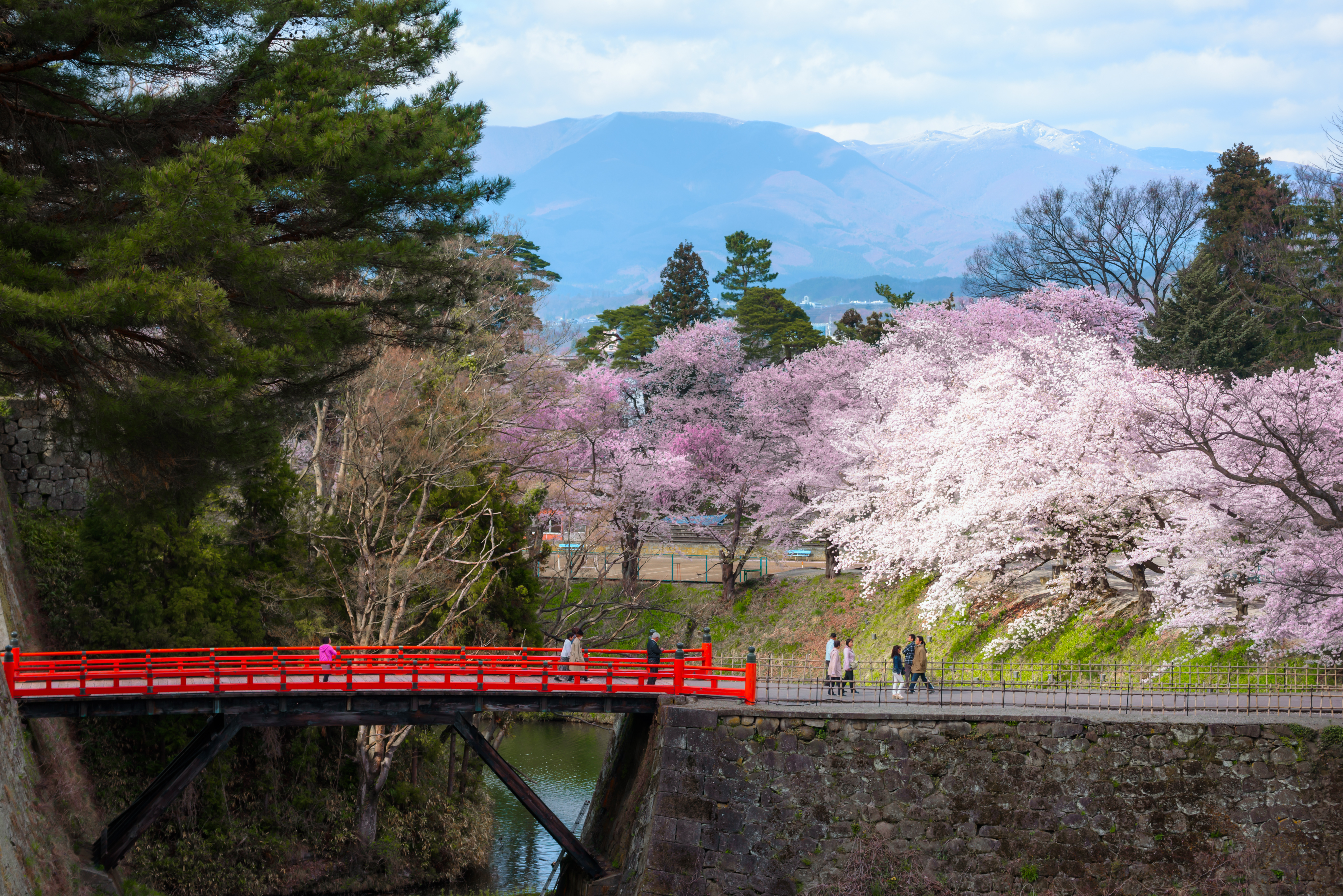
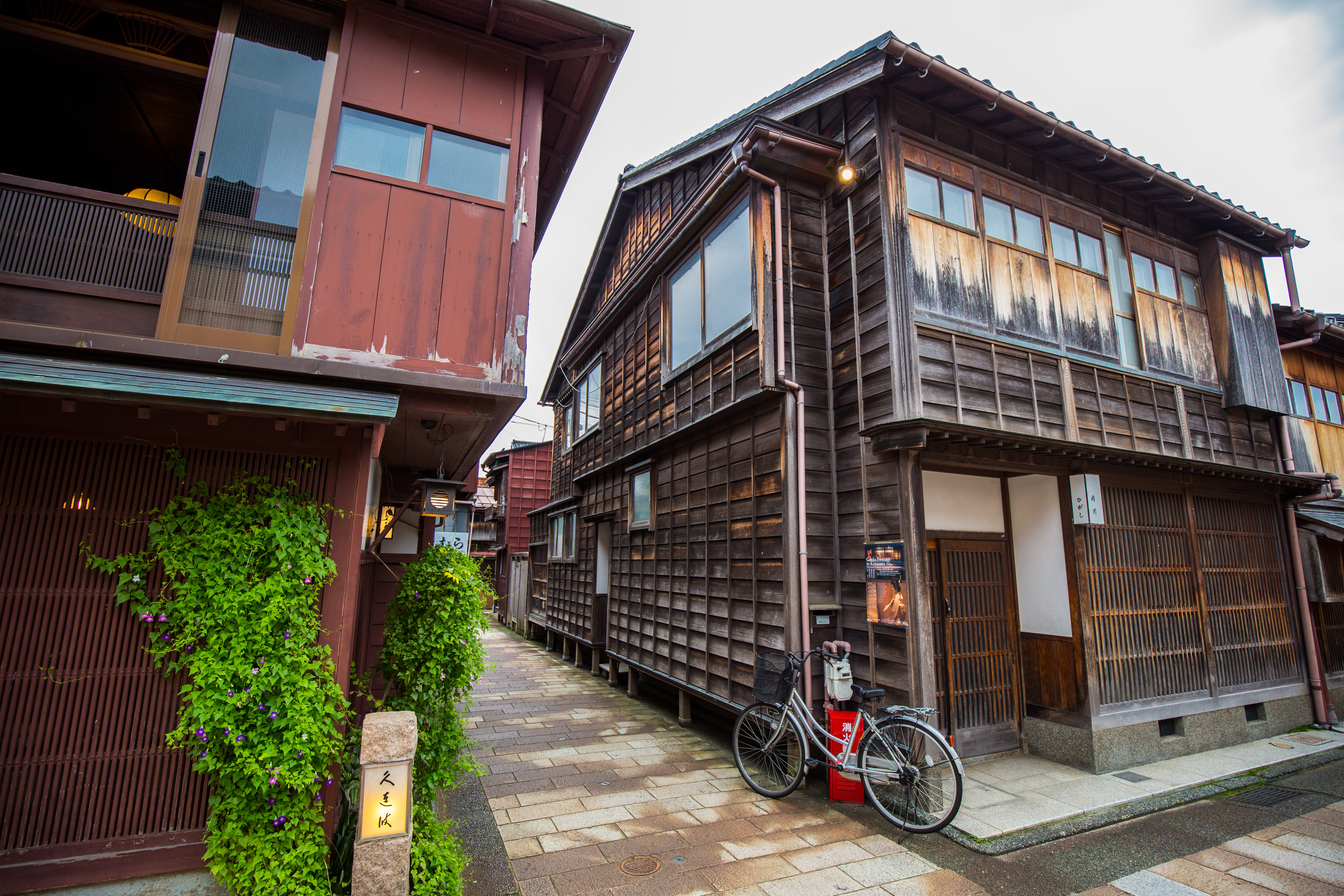
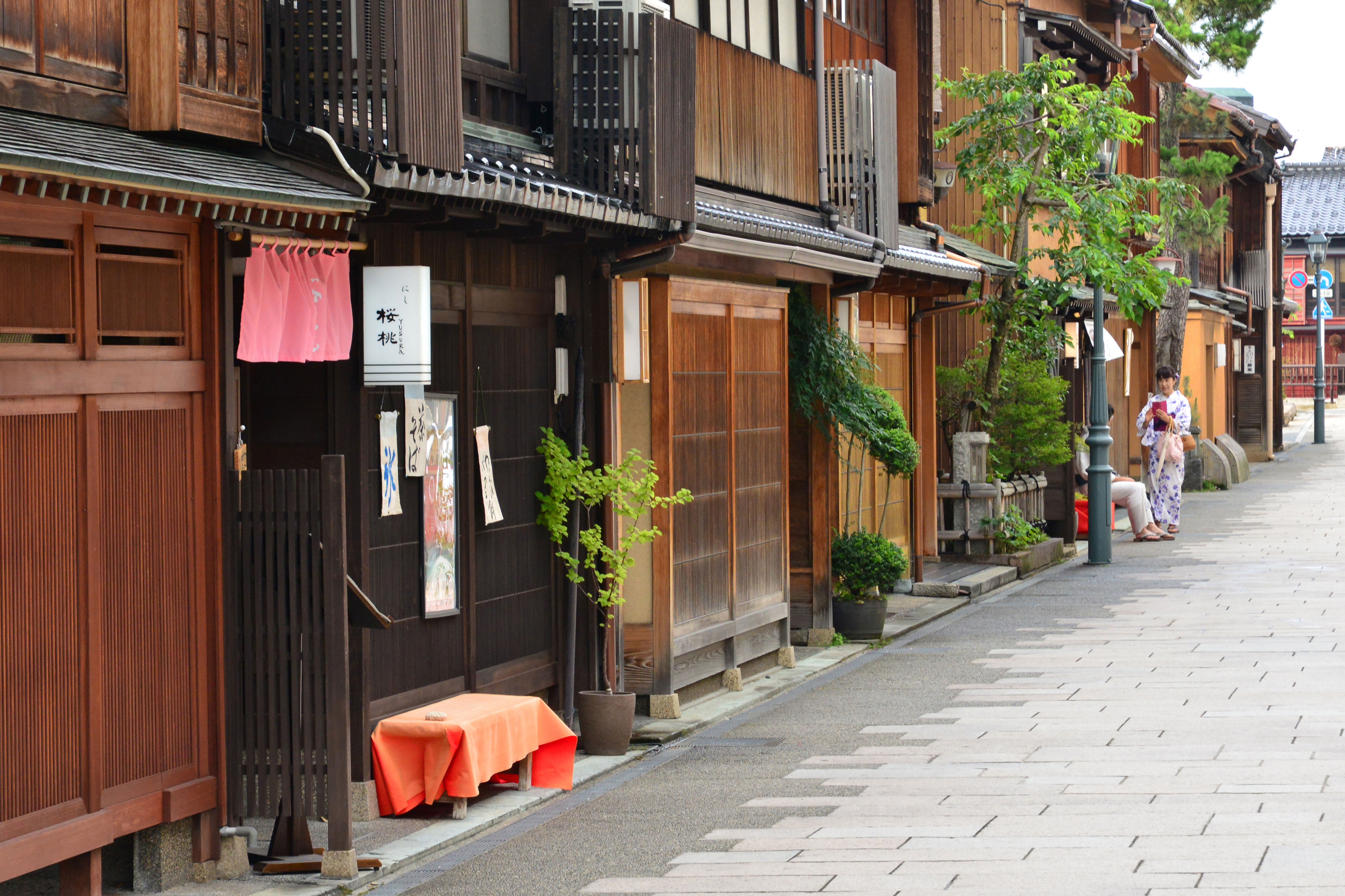
In the morning, we take the express train (approximately 2hr 30min) to Kanazawa, in the western Ishikawa Prefecture, an atmospheric town that once rivalled Kyoto as the historic jewel of mainland Japan. After lunch, we enjoy a short cycling loop around the city, a good opportunity to fine-tune the bikes while enjoying some of the main attractions in town. We ride through the popular Nagamachi Samurai District, an area that preserves a historic atmosphere with samurai residences, narrow lanes and canals. We also visit Kenrokuen, one of the most beautiful landscape gardens in Japan, which is particularly spectacular during cherry blossom and autumn season.
Meals: Breakfast
Day 4
Cycle from Kanazawa along the seaside coast; enjoy sunset at Oshima Bridge
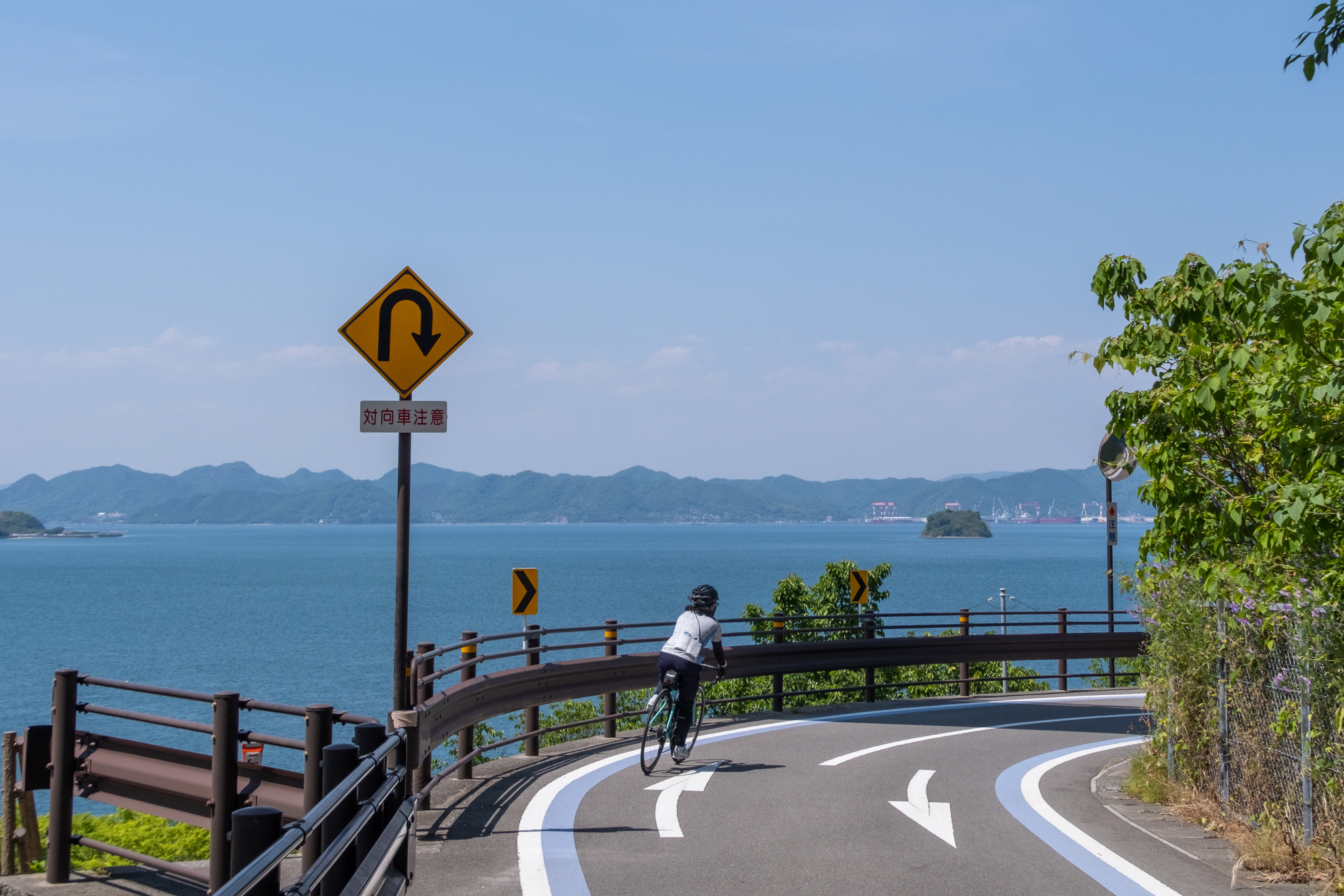
We depart Kanazawa after breakfast and cycle to the sea on a dedicated cycling path along the rugged coastline and past fishing villages. After a leisurely and flat ride by the Sea of Japan, we arrive at Kaga, a town known for hot springs and traditional crafts. Here, we take a break from cycling to enjoy a local lunch.Recharged and rejuvenated, we visit the splendid house of a ship owner from the Edo period before continuing the journey towards the resort town of Kyukamura, our final destination, and enjoy sunset at nearby Oshima Bridge.
Meals: Breakfast,Dinner
Day 5
Ride the Echizen-kaigan Coast; journey inland towards Echizen
Cycle south along the Echizen-kaigan coastline, winding past dramatic cliffs and cascading waterfalls. Along the way, we pause for a scenic oceanside lunch before turning inland towards the town of Echizen, the city of artisans.
Meals: Breakfast,Dinner
Day 6
Discover the art of Japanese knife crafts; ride along the old Hokuriku railway line to Tsuruga village
Begin with a visit to Takefu Knife Village, a unique hub where nine workshops share one creative space. Enjoy an exclusive factory tour and witness artisans forging blades with exceptional skill, surrounded by the heat and rhythm of traditional craftsmanship.Afterwards, we stop at an inn from the late Edo period where you can order soba noodles before riding towards Tsuruga through the former Hokuriku railway line.This evening, we enjoy a dinner at a local restaurant in the village of Tsuruga, where we spend the next two nights.
Meals: Breakfast,Dinner
Day 7
Final ride in the Fukui prefecture, taking in the lakes of Mikata and Wakasa Bay
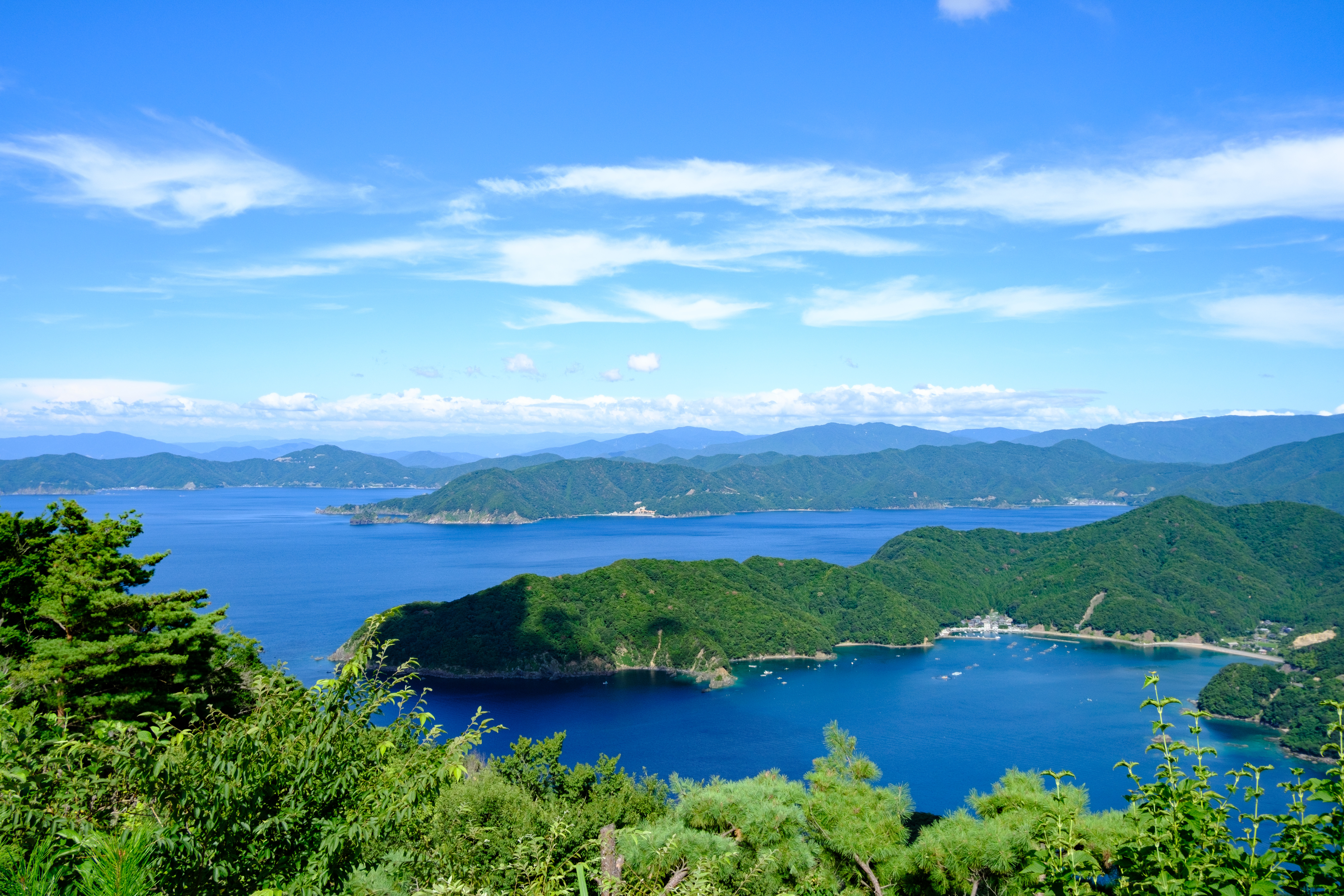
After breakfast, for our final ride in the Fukui prefecture, we embark on a loop around the five lakes of Mikata and Wakasa Bay, including a break for lunch at a seafood restaurant in a tranquil setting.Today’s cycling route also passes through Wakasa Wan Quasi-National Park and offers magnificent views throughout.
Meals: Breakfast
Day 8
Travel to Unesco-listed Shirakawa-go village by train and bus; overnight in a traditional ‘gassho-zukuri’ farmhouse
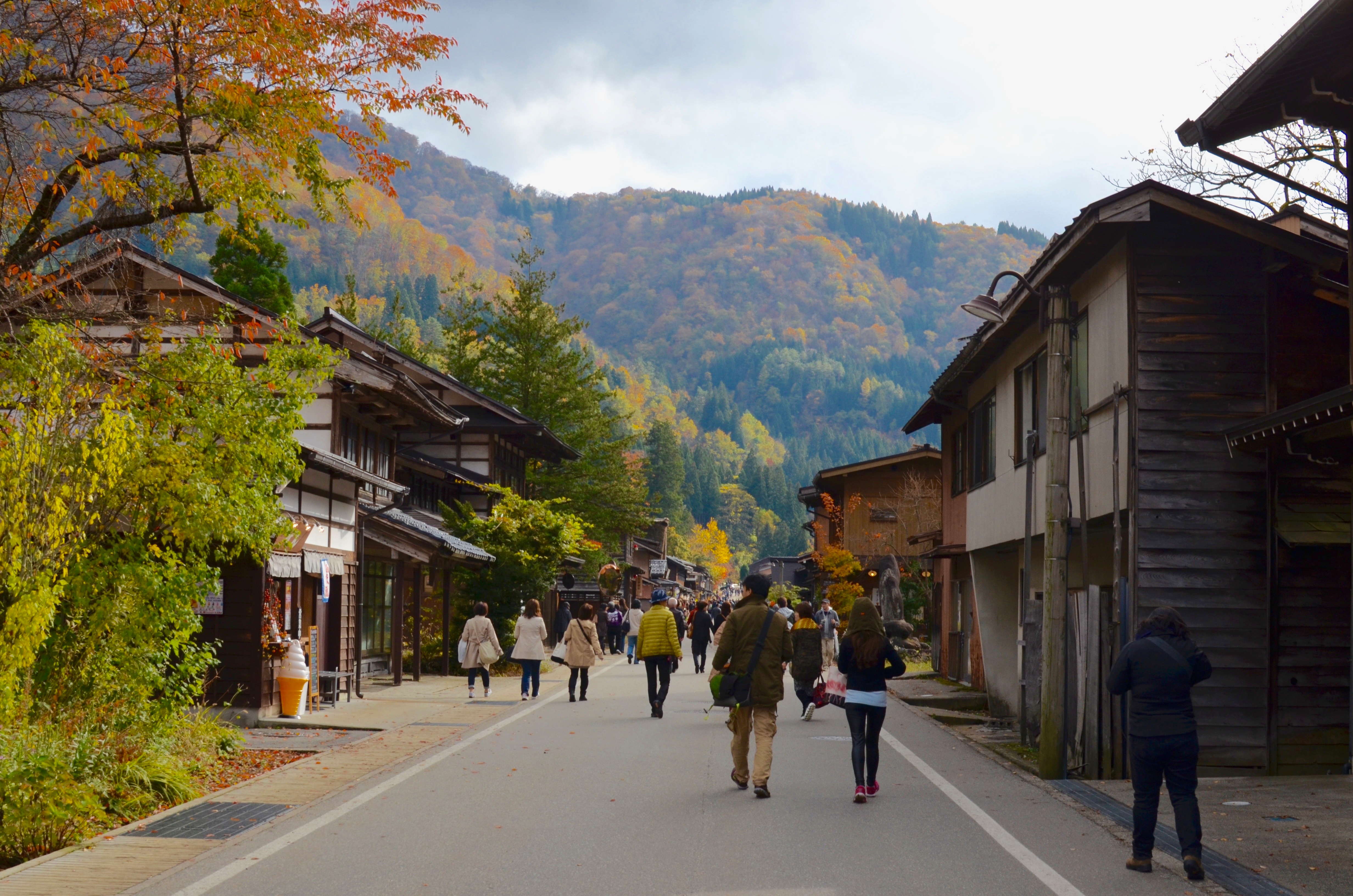
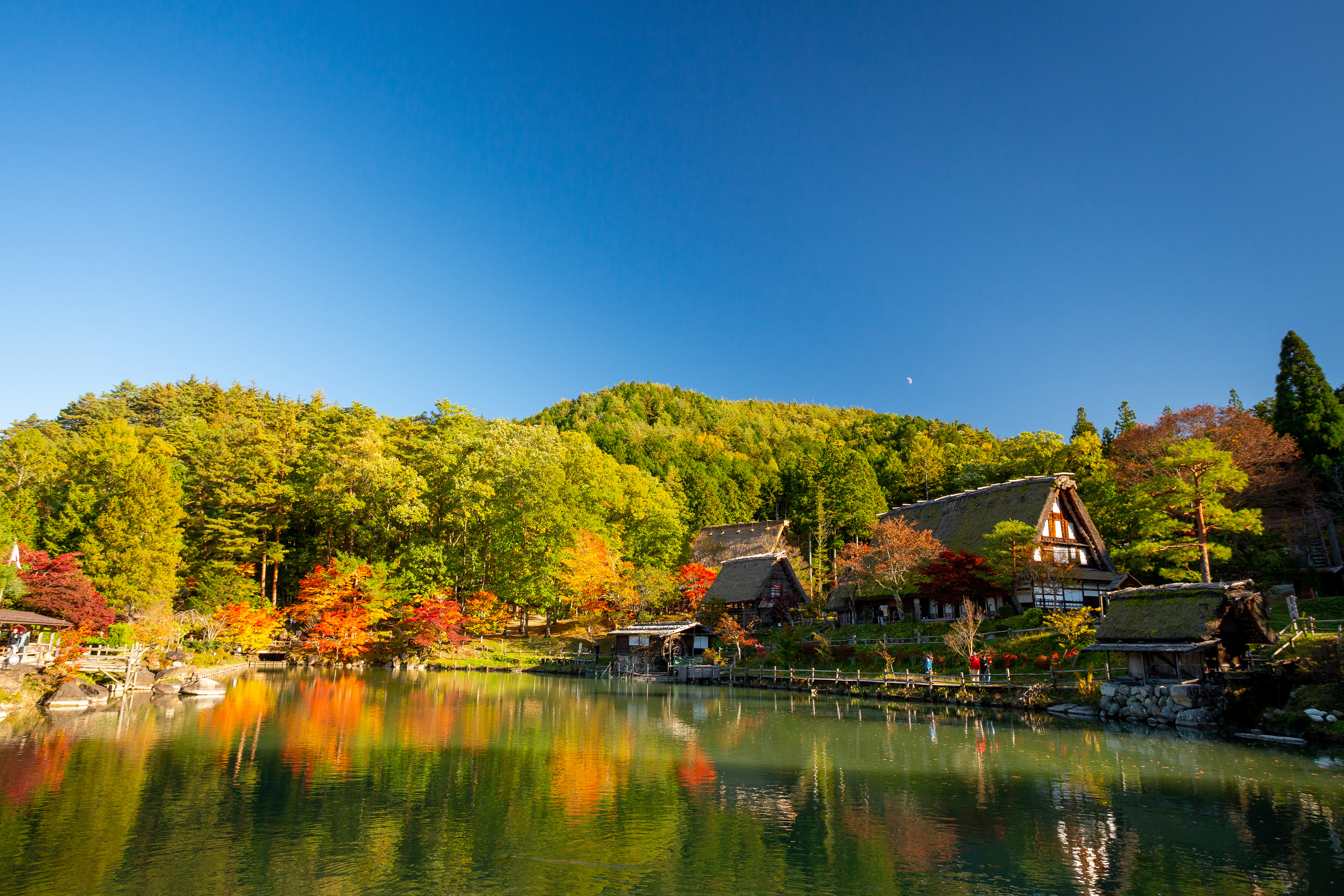
We take a break from cycling today and experience a dramatic change of landscape as we travel inland by shinkansen (bullet train) to Kanazawa and then bus (approximately three hours) to Shirakawa-go, a secluded mountainous region cut off from the rest of Japan for a long period of time. Villages in this area are famous for their traditional gassho-zukuri farmhouses, which were declared a Unesco site in 1995. Their unique architectural style is characterised by steep thatched roofs, built to withstand heavy winter snowfall, and provide a large attic space for the cultivation of silkworms. We arrive in Shirakawa-go in the afternoon in time to enjoy a leisurely walk through the picture-perfect mountain village, with the opportunity to visit some of the oldest buildings. Although not always guaranteed due to limited availability, we usually spend the night at one or more gassho-zukuri, run by local farmers, allowing us to get a real feel of a Japanese family home.Important: As there is no storage for large suitcases on the shinkansen, you will need to pack a small overnight bag for tonight. You are reunited with your main luggage tomorrow (Day 9) at the Takayama hotel.
Meals: Breakfast,Dinner
Day 9
Challenging ride to Hida Takayama, at the foothills of the Japanese Alps
Today is the most challenging ride of the trip as we cycle inland to Hida Takayama, at the foothills of the Japanese Alps. Riding out of Shirakawa-go, from an altitude of approximately 1,640ft (500m), we gradually climb up 3,610ft (1,100m) for the first 28mi (45km) of the route. There are some wonderful views to enjoy along the way, from the picturesque shores of Miboro Lake and quaint rural villages to hillsides and forested valleys that burst into colour during autumn. On the last section of the ride, we enjoy two great descents before reaching our destination: Hida Takayama, often named Little Kyoto because of the similarity of its architecture and quaint atmosphere.
Meals: Breakfast
Day 10
Cycle to the castle town of Gujo Hachiman, past little villages, local shrines and paddy fields
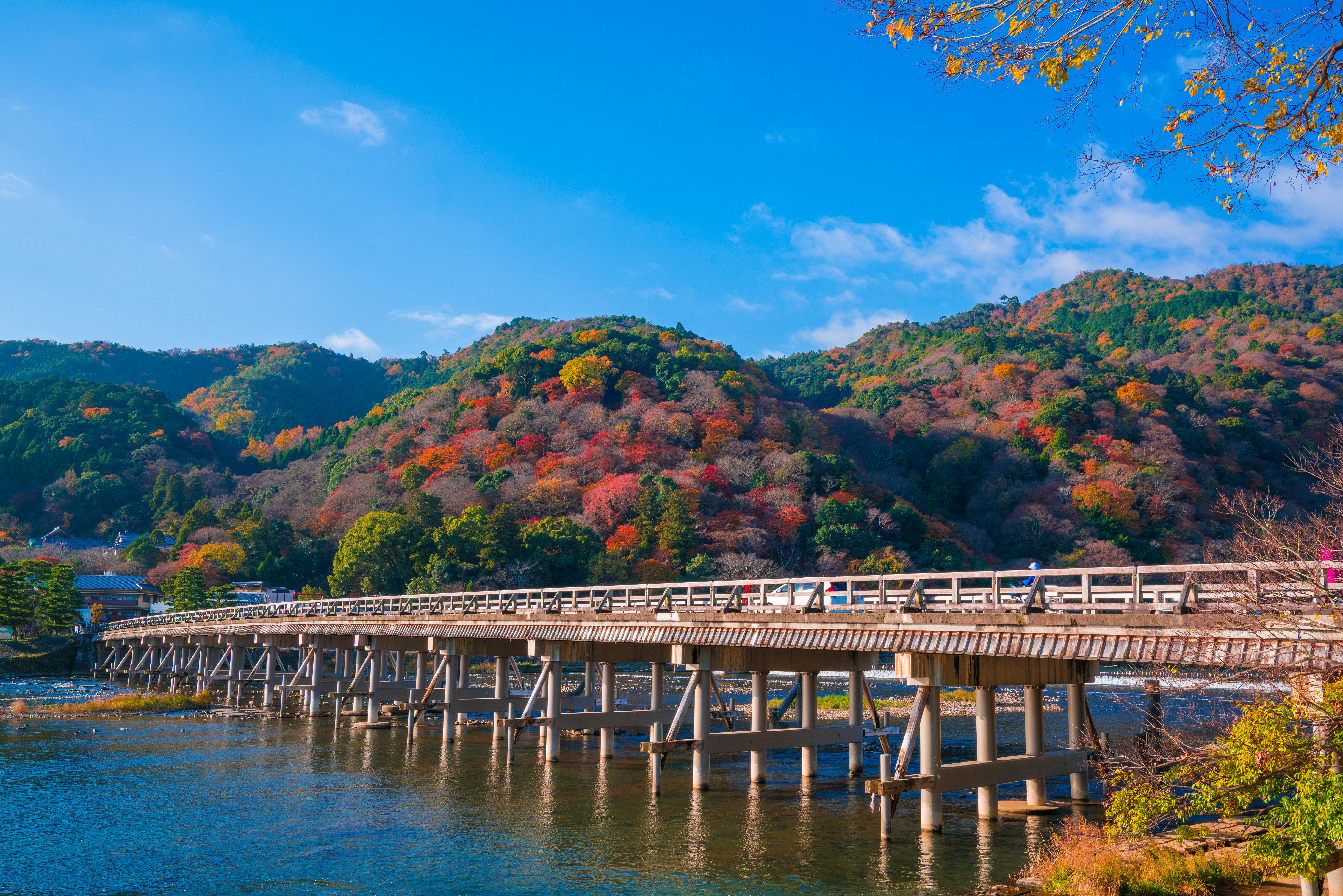
Today we cycle the Hida Seseragi Highway, a beautiful route following swift mountain streams (and one of the most popular places to experience the striking autumn colours in Japan). Riding past little villages, shrines and paddy fields, we reach the pleasant riverside town of Gujo-hachiman, known for its pristine waterways and 16th-century castle. Before dinner, we have time for a pleasant stroll through the vibrant town centre and along the atmospheric canals and waterways, which are still used daily by the local people for washing rice, vegetables and laundry.
Meals: Breakfast,Dinner
Day 11
Cycle along the Nagara River to the town of Gifu
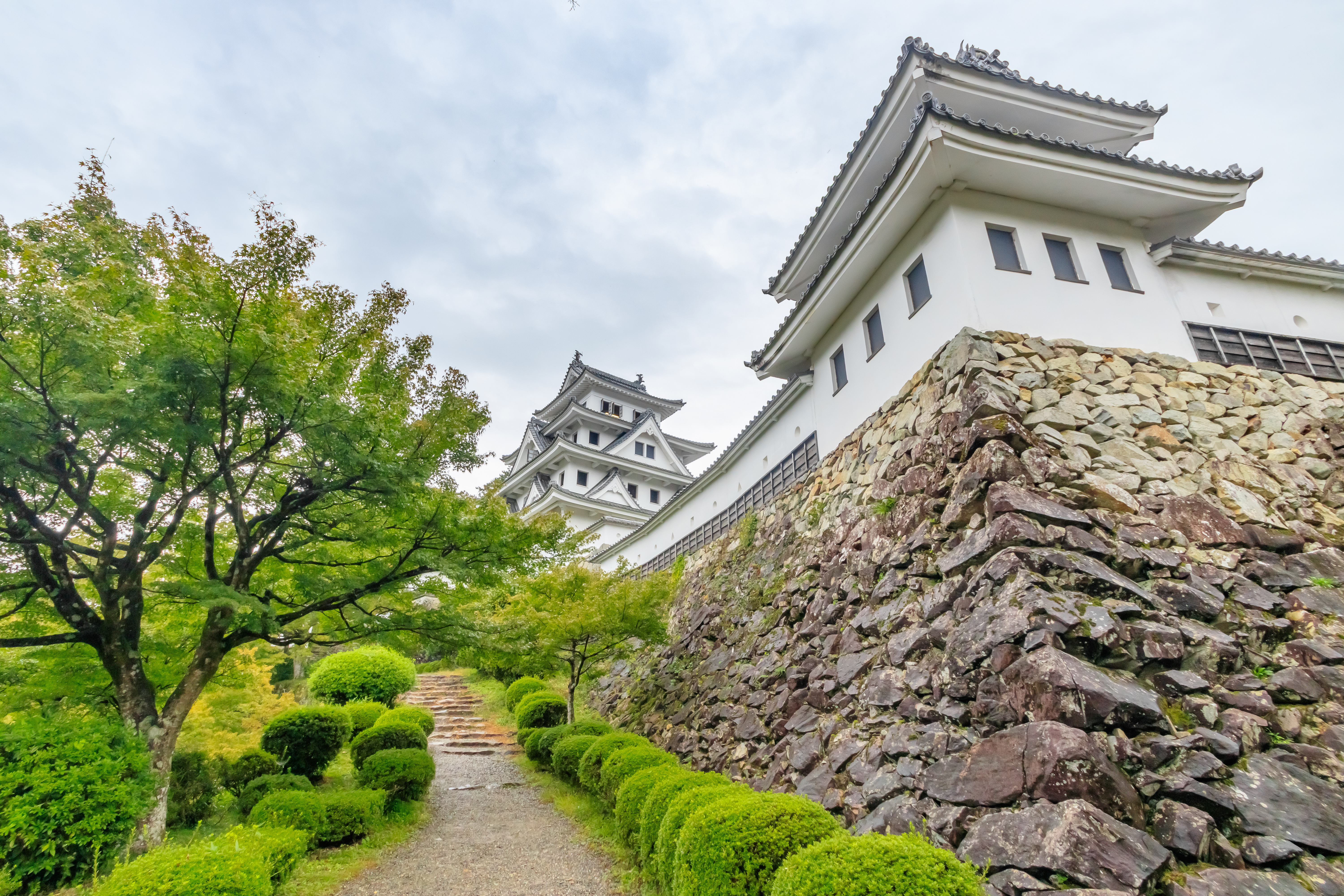
After breakfast, we have the option to walk to the hilltop Gujo Castle built in 1559 by the local feudal lord, where we can enjoy wonderful vistas.Today’s pleasant and more leisurely ride follows the Nagara River, famed across Japan for its clear water and quiet beauty. Some sections of the riverside are particularly picturesque during cherry blossom season when more than 400 cherry trees are in full and glorious bloom. We pedal along the river for most of the day and stop in the pleasant town of Mino, a century-old production centre of high-quality traditional Japanese paper. Our final destination today is Gifu; we should arrive in time for an optional visit to the castle atop Mount Kinka. We overnight in Gifu City.Important: As there is no storage for large suitcases on the shinkansen train tomorrow, you will need to pack a small overnight bag for tonight. You are reunited with your main luggage tomorrow (Day 12) at the Kyoto hotel.
Meals: Breakfast
Day 12
Travel to Kyoto by train; free time for sightseeing
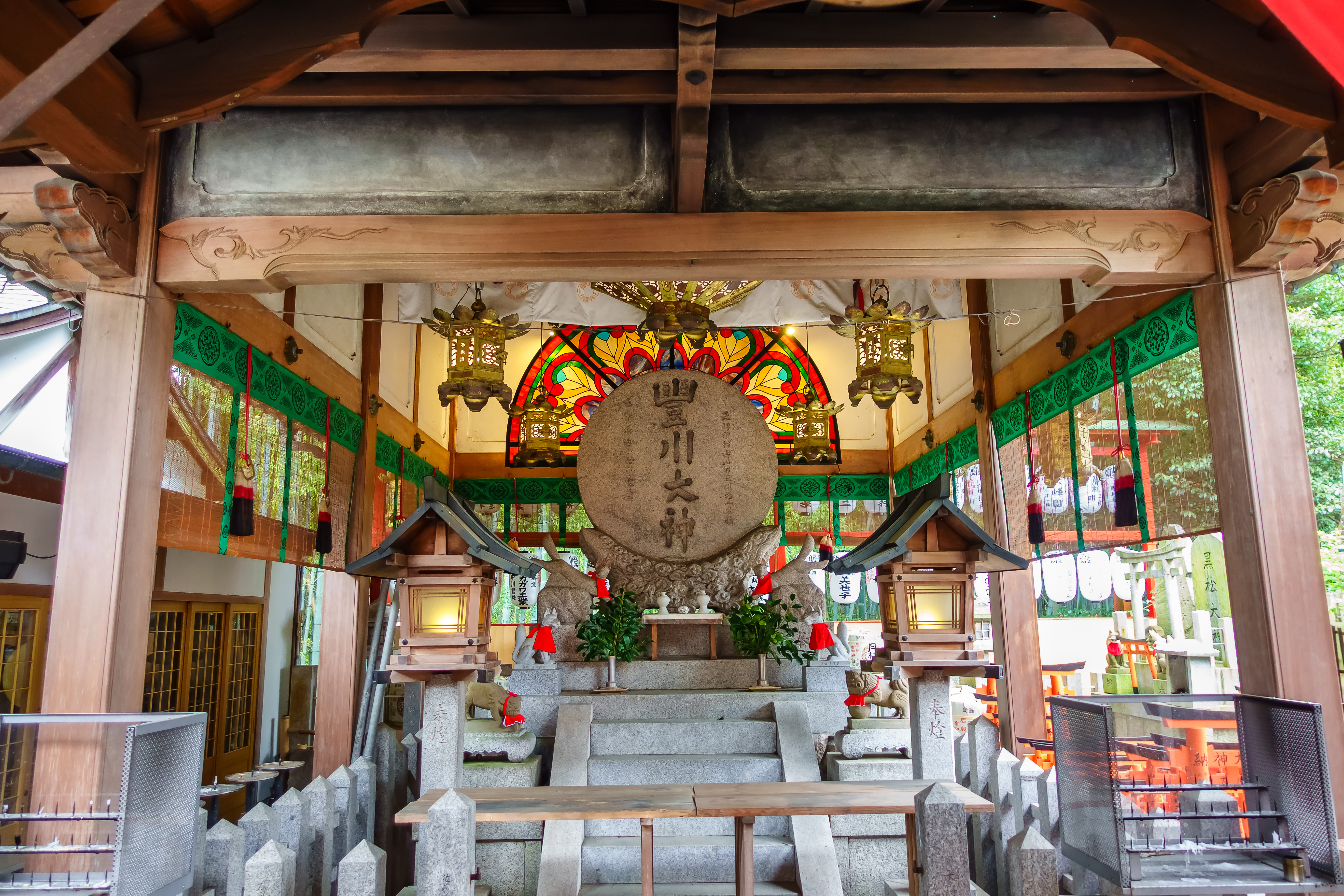
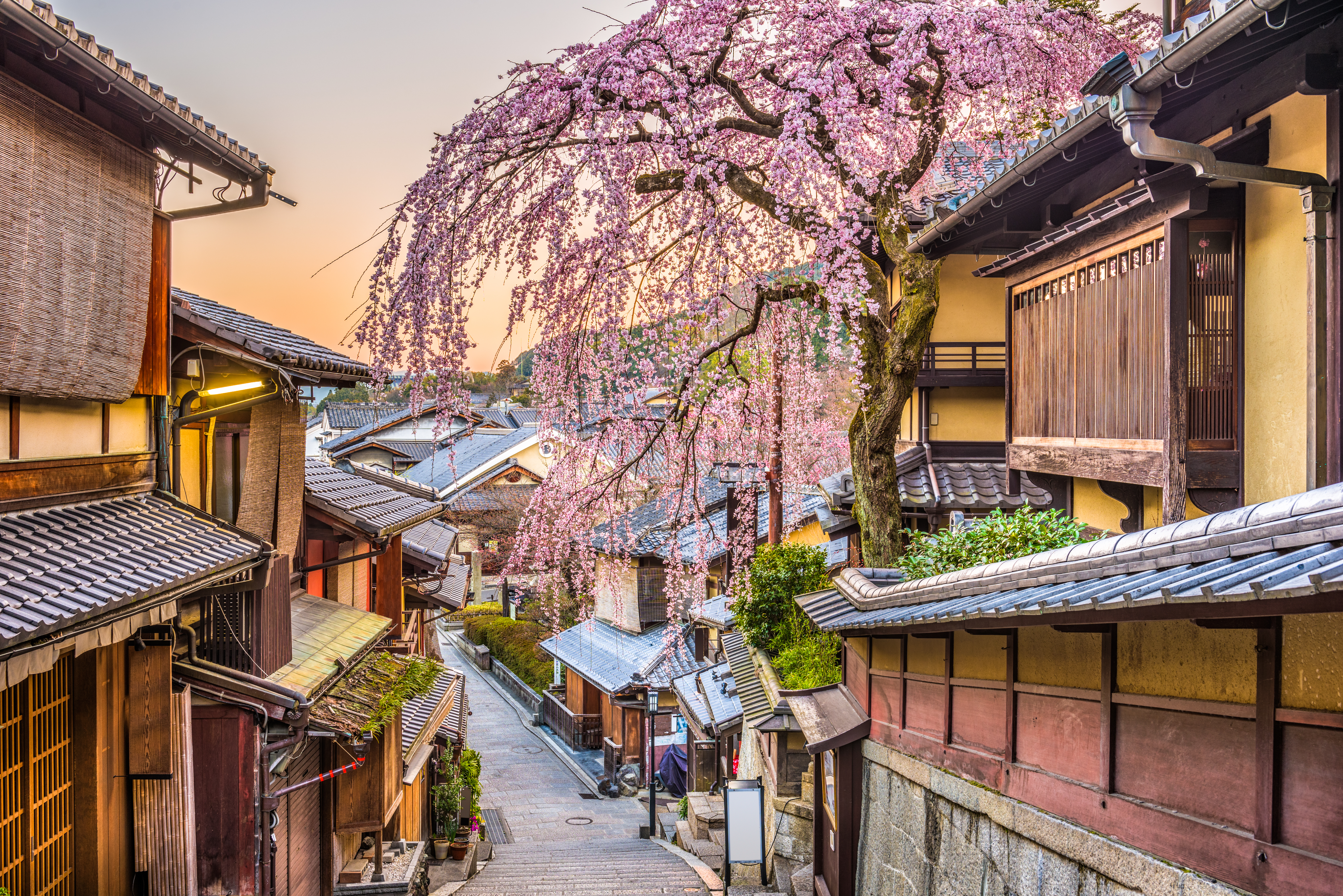
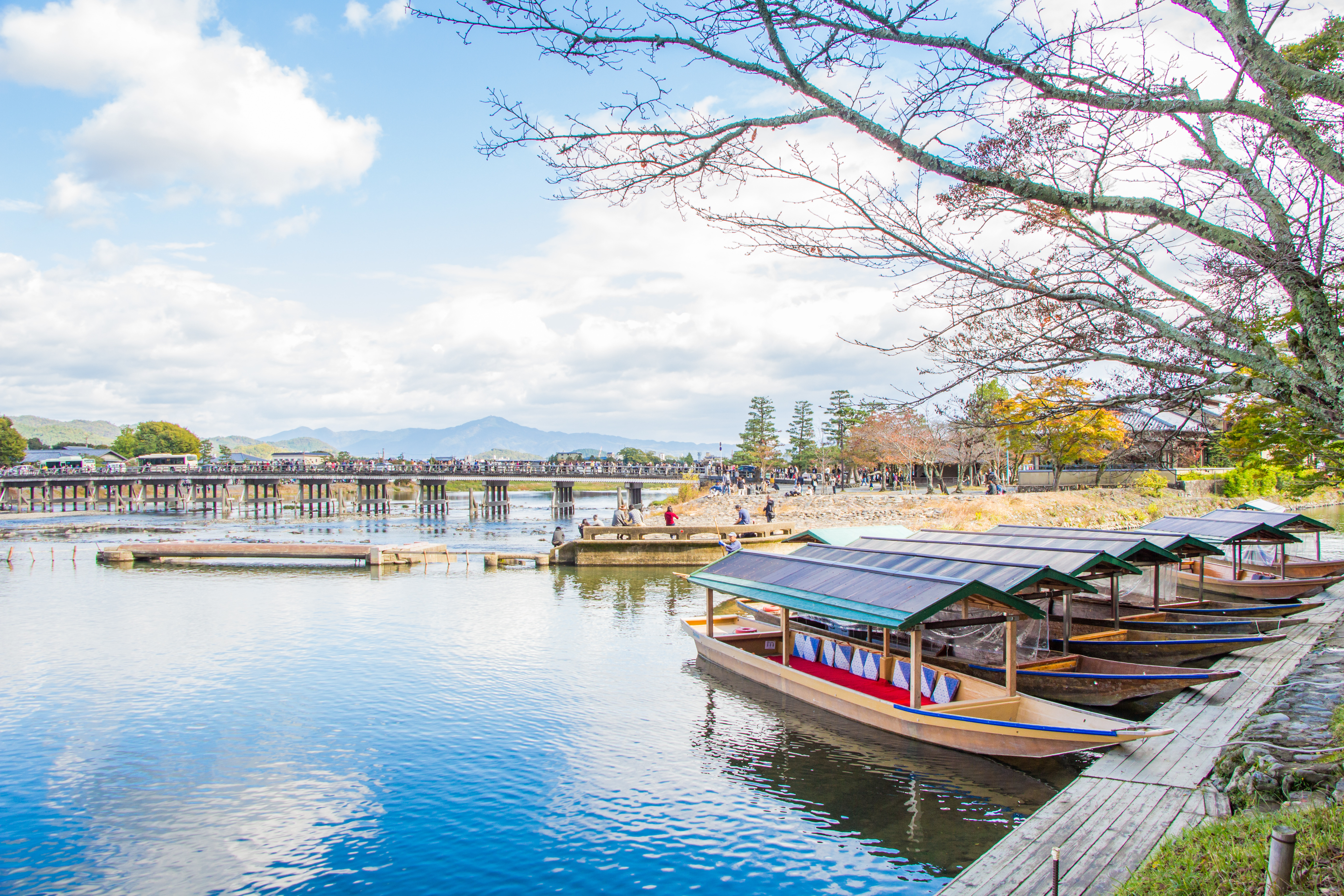
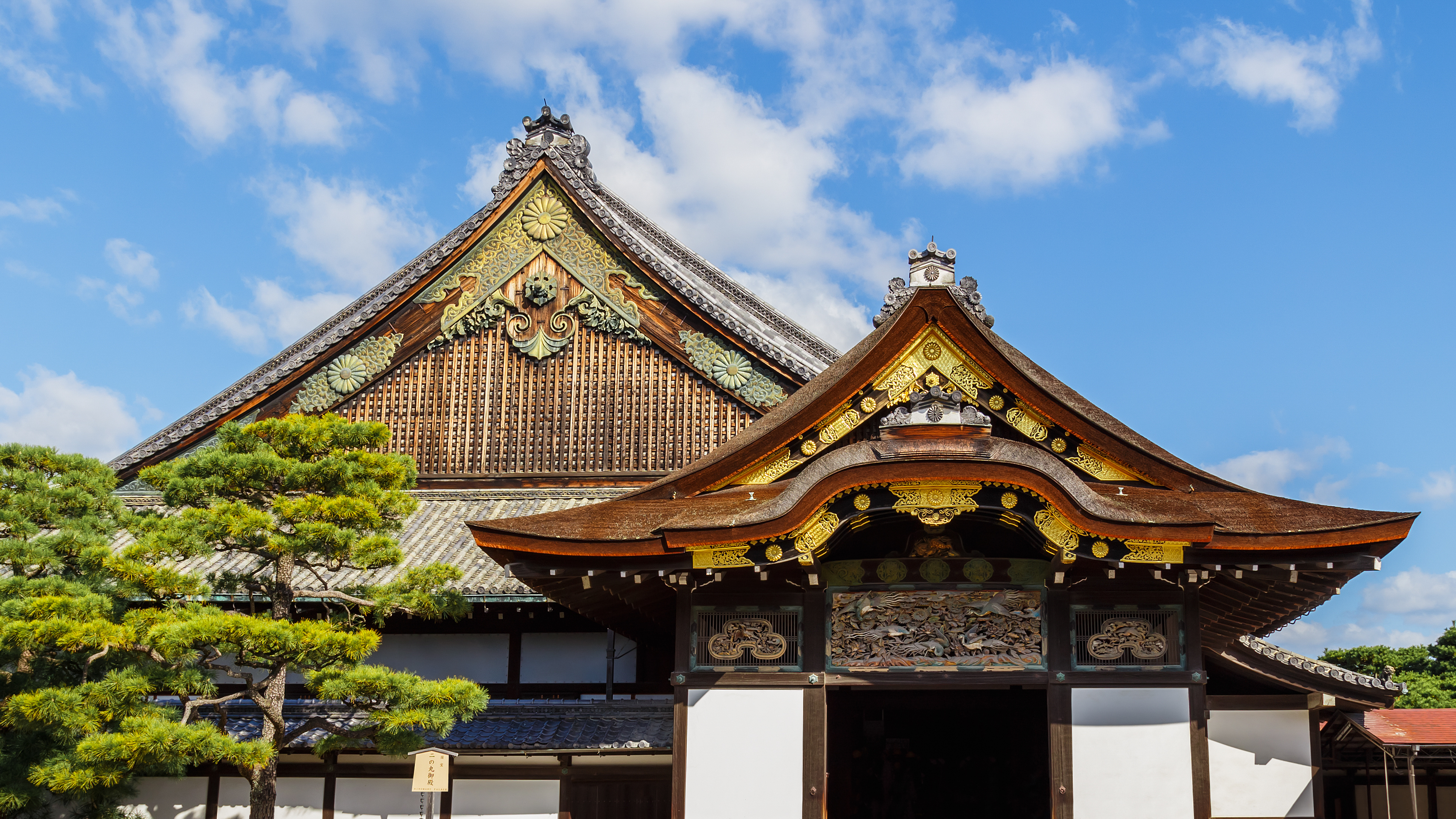
We take a break from cycling today; instead, we travel by train (approximately two hours) to the wonderful city of Kyoto. With more than 2,000 temples, shrines and gardens, Kyoto is a treasure house of Japanese heritage and remains one of the most fascinating cities in Asia. Unlike many other Japanese towns, it escaped the ravages of both the Second World War and modern urban development thereby keeping intact much of the spirit and architecture of traditional Japan. The day is free for individual sightseeing with many highlights to explore, including Nijo castle, built in 1603 as a residence for the Tokugawa shoguns; Kiyomiduzera temple; and the scenic Fushimi Inari Shrine, featured in the movie Memoirs of a Geisha (2005). We also recommend a walk in the historic district of Gion, which is at its most atmospheric in the early evening, when the lanterns are lit and apprentice geishas flit about the backstreets as they head to their appointments.
Meals: Breakfast
Day 13
Final circular ride exploring quintessential Kyoto experiences
Set off on a scenic bike ride along the Kamo River this morning, enjoying glimpses of Kyoto life as we follow the clear waters north into the tranquil Tadasu-no-Mori forest. Here, we pause to explore the ancient Shimogamo Shrine before continuing east to the refined Silver Pavilion and its famous gardens. We then ride along the peaceful Philosopher’s Path and arrive at Nanzen-ji, where Zen architecture, rock gardens, and a striking brick aqueduct create a perfect blend of history and harmony with nature.Turning west, we roll into Gion, Kyoto’s iconic geisha district. We visit Tatsumi Bridge – made famous by Memoirs of a Geisha – and learn about the traditions of maiko and geisha that still thrive in this atmospheric area. After returning to the hotel, the afternoon is yours to relax or continue exploring the city by foot.In the evening, the tour leader arranges an optional celebratory farewell dinner in one of the most authentic restaurants in the city.
Meals: Breakfast
Day 14
Adventure ends in Kyoto
The tour ends this morning after breakfast. Of course, if you’d like a bit more time to explore, you can speak to your sales representative about extending your stay.
Meals: Breakfast
What’s included
What’s not included
Additional information
Food
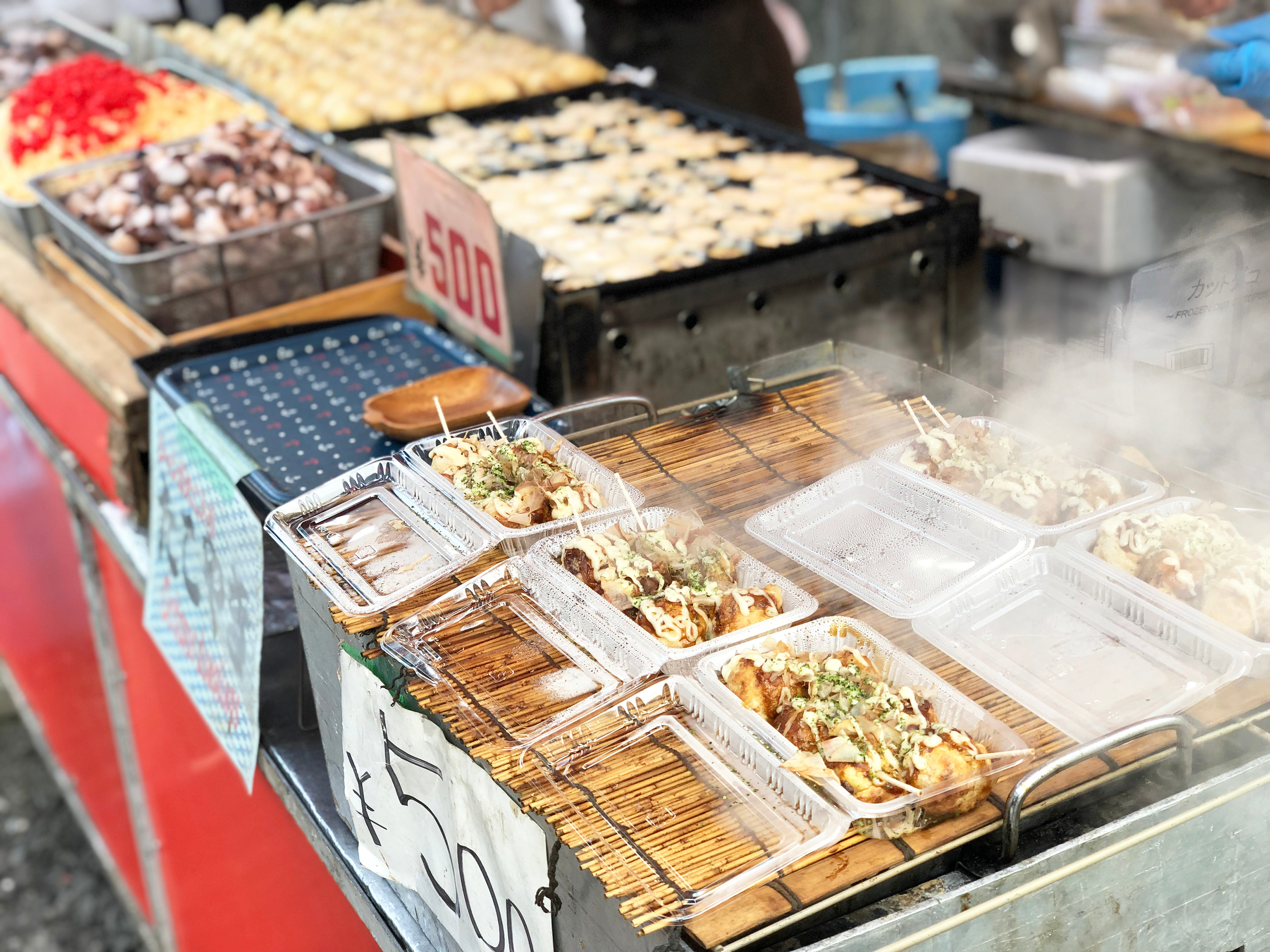
Japanese cuisine is usually one of the main highlights of any trip to Japan. It is based on rice with miso soup and other dishes usually prepared with seasonal ingredients. Seafood is very common, and usually grilled or deep fried. Sushi and sashimi aside, other staple dishes include soba or udon noodles, sukiyaki (meat, fish and vegetables cooked in broth) and yakiniku (grilled meat).
Some of the included dinners are taken at Japanese style hotels or ryokans (traditional guesthouses), which may serve a kaiseki-style dinner, a multi-course meal including a dozen tiny dishes prepared with locally sourced seasonal ingredients. When food is not included, your leader can recommend the best local eateries and arrange some group meals for a full immersion in the varied and excellent cuisine of Japan.
You may also find it beneficial to bring cycling snacks with you from home if you have high-energy bars or gels you like to use during a ride. For those who wish to contribute, a kitty is normally arranged and will be used to provide snacks and drinks during the rides.
Worth knowing
Food for certain diets (including gluten-free, vegetarian or vegan) is minimal or non-existent in many areas of Japan. The group meals arranged by the tour leader are in traditional eateries where the choices of vegan dishes may be limited to simple salads or boiled rice. However, there are several vegan restaurants in Kyoto and Tokyo. Please let us know before travel of your dietary requirements.
Most stocks, which are common in Japanese cuisine, contain animal products and even vegetable tempura is mostly fried in the same oil as meat or fish. While some substitutions may be possible, strict vegetarian or vegan meals cannot be guaranteed. Those who can consume dashi stocks typically have fewer issues, but for those concerned, we recommend bringing supplementary food items.
Gujo Castle Hilltop Walk
Climb a forested ridge to walk to Gujo Castle, a graceful timber keep overlooking canals and rooftops. Enjoy hilltop panoramas that reveal the geometry of waterways and terraces etched into the valley below.
Learn how the fortress, founded in 1559, guarded trade routes threading the mountains. This optional activity is bookable on tour at additional cost and offers a tranquil, history-rich start to the day amid birdsong and morning mist.
Kanazawa Cycle Loop: Nagamachi Samurai Quarter & Kenrokuen Garden
Explore Kanazawa by bike on a guided city ride through the atmospheric lanes of the Nagamachi Samurai District, where earthen walls and narrow canals shelter former warrior residences. Continue to the serene Kenrokuen Garden to admire teahouses, reflective ponds and the iconic Kotoji-toro stone lantern.
Gain insight into Maeda clan wealth and tastefully restrained aesthetics that shaped this rival to Kyoto. The loop blends heritage streetscapes with sculpted landscapes, revealing how samurai culture, artistry and horticultural ideals interwove to create one of Japan’s most refined castle towns.
Seaside Cycling to Kaga & Edo-Period Shipowner’s Residence with Oshima Bridge Sunset
Ride a dedicated coastal path to the Sea of Japan, passing fishing hamlets and windswept coves as you cycle the Sea of Japan coast. En route, visit a preserved Edo-period shipowner’s residence to glimpse merchant life along the Kitamae shipping route, from storied ledgers to lacquered interiors.
Learn about the Kitamaebune coastal trade that once fueled regional fortunes, then continue toward Kyukamura for a golden close at sunset at Oshima Bridge, where the surf’s low thunder and salt air set a contemplative tone for the evening.
Echizen-kaigan Coast Ride to Echizen
Follow the rugged Echizen-kaigan coastline, weaving past lava-black headlands and sea caves while gulls wheel overhead. The route brings cinematic horizons, dramatic cliffs and cascading waterfalls, balanced by quiet inlets where boats bob against weathered piers.
Arrive inland to ride into Echizen, the city of artisans, a place renowned for washi paper and fine cutlery. The shift from ocean vistas to craft towns reveals Fukui’s twin identity: maritime resilience along the shore and meticulous handwork flourishing just beyond the breakers.
Takefu Knife Village Workshop Tour
Step inside Takefu Knife Village, a cooperative where master smiths share forges and whetstones. Join an exclusive factory tour to watch billets glow and sparks fly as artisans forging blades hammer, temper and polish steel into kitchen knives prized across Japan.
Uncover Echizen’s 700-year blade-making heritage, rooted in samurai swordcraft and now refined for culinary precision. The rhythmic clang of hammer on anvil, the scent of quenched steel and the deft hands of veteran makers illuminate a living tradition of exceptional craftsmanship.
Rail-Trail Ride to Tsuruga on the Former Hokuriku Line
Glide along gentle grades as you ride the former Hokuriku railway line toward the Sea of Japan. This rail-trail delivers smooth pacing through farmland and woodland, threading forest-lined cuttings and tunnels once carved for steam locomotives.
Roll into the historic port town of Tsuruga, a harbor long connected to trade and travel between Kansai and Hokuriku. The gentle rail-trail gradients make for an easy, scenic day, while station relics and wayposts evoke the romance of early modern transport across coastal Japan.
Mikata Five Lakes & Wakasa Bay Coastal Loop
Trace a sweeping circuit to loop the Five Lakes of Mikata and the inlets of Wakasa Bay. Calm lagoons mirror passing clouds while sea breezes carry the scent of pine and brine; occasional overlooks reveal layered blues where lakes meet open water.
Ride through Wakasa Wan Quasi-National Park, learning how differing salinity tints each lake a distinct shade. Between fishing hamlets and wooded promontories, the interplay of coastal ecology and human livelihood creates a quietly compelling landscape of lakes shifting in color.
Shirakawa-go UNESCO Village Walk & Gassho-zukuri Farmhouses
Walk the mountain hamlet of Shirakawa-go, where steep thatches and timber beams define gassho-zukuri farmhouses. Step inside preserved dwellings when available to see smoky hearths and vast attics once used for sericulture, surrounded by vegetable plots and riverside paths.
Declared a UNESCO World Heritage site in 1995, the village’s steep thatched roofs built for heavy snow speak to centuries of self-reliance in a secluded valley. Traditional craftwork, clear streams and mountain silhouettes frame a rare portrait of rural Japan kept remarkably intact.
Alpine Ascent Ride to Hida Takayama via Miboro Lake
Tackle the tour’s most challenging ride, a sustained climb through cedar forests and farm hamlets to highland vistas above Miboro Lake. Crisp air and bellbird calls accompany the effort, rewarded by sweeping alpine descents into the Hida basin.
Arrive in Hida Takayama’s old town, nicknamed Little Kyoto for its latticed merchant houses and sake breweries. The day pairs athletic satisfaction with traditional atmosphere, revealing how mountain routes shaped trade, taste and tenacity in Japan’s northern heartlands.
Hida Seseragi Highway Ride to Gujo-Hachiman & Canal Stroll
Follow the Hida Seseragi Highway, a cyclist-loved route beside swift mountain streams, passing shrines, paddies and cedar mills. Roll into Gujo-Hachiman, a riverside town famed for latticework streets and clear canals that thread between homes.
Celebrate water culture on a gentle walk along the town’s pristine waterways, still used daily by residents. Timber bridges, stone wash basins and a castle-crowned ridge set a lyrical scene in a community where summer dance festivals and spring snowmelt define the rhythm of life.
Nagara River Riverside Cycling to Gifu & Mino Paper Heritage
Spin beside jade-clear waters as you cycle the Nagara River, renowned nationwide for pristine flow and seasonal cherry-blossom tunnels. Pause in Mino, a historic town celebrated for Mino washi paper used in shoji screens and lanterns.
Continue to Gifu at the foot of Mount Kinka, where rivers, foothills and castle lore converge. The route balances leisurely riding with cultural texture, connecting artisanship, waterways and the broad plains that nurture central Japan’s towns and traditions.
Kyoto Cycling Highlights: Kamo River, Shimogamo Shrine, Ginkaku-ji & Philosopher’s Path
Glide through Japan’s cultural capital as you cycle the Kamo River to the ancient forest of Tadasu-no-Mori and Shimogamo Shrine. Continue to Ginkaku-ji (Silver Pavilion) with its raked sand garden, then follow the Philosopher’s Path and Nanzen-ji beneath a graceful brick aqueduct.
Encounter Kyoto’s layered elegance—from Heian-era ritual to Zen contemplation—before moving through lantern-lit alleys in Gion, where geisha traditions persist. Stone lanes, temple bells and riverside breezes compose a ride that marries contemplative beauty with living heritage.
Gifu Castle Visit on Mount Kinka
Ascend by ropeway or hiking trail to visit Gifu Castle atop Mount Kinka, a strategic eyrie tied to Oda Nobunaga’s unification campaigns. Museum exhibits trace samurai tactics while terraces open to wide views over the Nagara River and plains.
Appreciate the city’s geography from this storied height, where ridgelines, waterways and castle towns interlock. This optional visit is at additional cost, bookable on tour, and pairs well with an evening glow across the river valley when time allows.
Tokyo Orientation Walk: Asakusa Senso-ji & Ueno Park
Discover Tokyo’s historic heart as you join a guided orientation walk through Asakusa to Senso-ji, the city’s oldest Buddhist temple. Approach along the Nakamise shopping street, where stalls sell rice crackers and paper charms, and pause by the incense burner before continuing into the cultural greenery of Ueno Park.
Hear how this riverside quarter evolved from merchant Edo to modern Tokyo, with shrines, museums and seasonally blooming cherry groves shaping the district’s character. Expect vivid street life, vermilion gates and the resonant clang of prayer bells framing your first taste of the capital’s timeless spirituality.