Your itinerary
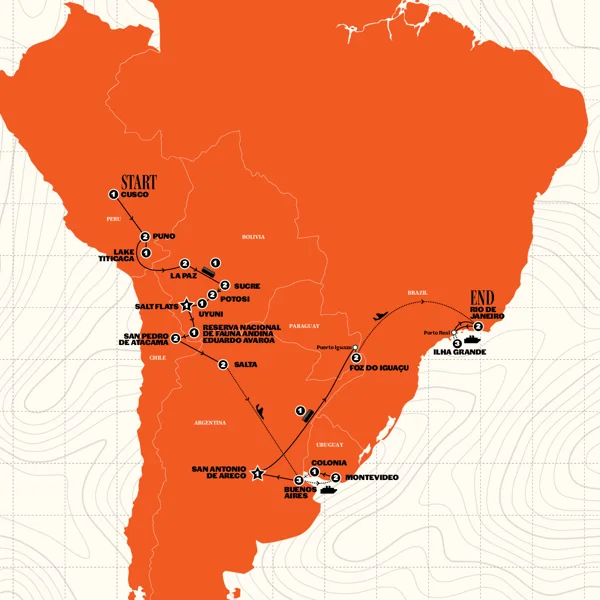
Day 1
Day 1: Cusco
Arrive in Cusco and spend the afternoon settling in. Meet your Trip Manager at an evening welcome meeting.
Day 2
Day 2: Cusco to Puno
Travel by shared coach from Cusco to Puno along the Route of the Sun. Stop at Andahuaylillas, Raqchi and the Temple of Wiracocha, with viewpoint and cultural stops at La Pascana, La Raya and the Pucará Museum. Enjoy a buffet lunch en route.
Meals: Lunch
Day 3
Day 3: Puno to Lake Titicaca
Cruise Lake Titicaca toward Taquile Island, visiting a floating island made of totora reeds along the way. Hike to an open-air market to experience local dances, textiles and traditions, then follow a pre-Incan path to a sandy beach. On the Capachica Peninsula, have lunch at a local family homestay, with an optional sunset hike. After dinner, enjoy traditional music and dancing before staying overnight at the homestay.
Meals: Breakfast,Lunch,Dinner
Day 4
Day 4: Lake Titicaca to Puno
After an early breakfast, say goodbye to your hosts and return across Lake Titicaca by boat. The rest of the day is free.
Meals: Breakfast
Day 5
Day 5: Puno to La Paz
Take a private transfer from the hotel to the bus station, then travel by tourist bus via Copacabana to La Paz, a journey of about 10 hours. Transfer privately to the hotel on arrival and join the group for a welcome dinner.
Meals: Breakfast,Dinner
Day 6
Day 6: La Paz
Discover La Paz on a half-day Shoe Shiner City Tour, including viewpoints and local street life. Spend the rest of the day exploring freely, with an optional evening visit to see the Bolivian Fighting Cholitas.
Meals: Breakfast
Day 7
Day 7: La Paz to Overnight Bus
Enjoy a free day in La Paz. Options include riding Mi Teleférico for views of Illimani, exploring San Francisco Church, Calle Jaén and the Witches’ Market, or visiting Valle de la Luna. Later, transfer privately to the bus station and take the overnight bus to Sucre.
Day 8
Day 8: Overnight Bus to Sucre
Arrive in Sucre around 7 a.m. and take a private transfer to the hotel. Explore its colonial streets and car-free plazas on foot, with museums available to visit. For lunch, consider Salteñería El Patio for Bolivian salteñas.
Day 9
Day 9: Sucre
Spend a free day in Sucre. Browse Mercado Central, head to Recoleta hill for sunset, or take an optional trip to Maragua Crater to see dinosaur footprints.
Meals: Breakfast
Day 10
Day 10: Sucre to Potosi
Travel by private transfer from Sucre to Potosí. Explore its cobbled colonial streets beneath Cerro Rico, visit Plaza 10 de Noviembre for views of the cathedral and local market activity, and tour the Casa Nacional de la Moneda.
Meals: Breakfast
Day 11
Day 11: Potosi
Enjoy free time in Potosí, with an optional tour of the nearby mines. In the evening, share dinner with a local miner’s family and hear about life in the city.
Meals: Breakfast,Dinner
Day 12
Day 12: Potosi to Uyuni
Take a private transfer of around four hours from Potosí to Uyuni. Get oriented in town, including its adobe buildings and markets selling llama wool and quinoa, then spend the afternoon preparing for the Salt Flats.
Meals: Breakfast
Day 13
Day 13: Uyuni to Uyuni Salt Flat
After breakfast, explore the Uyuni Salt Flat by private 4×4 with a local guide. Visit the Train Cemetery and Colchani to see salt processing and browse handicrafts. Stop at Plaza de las Banderas for a picnic lunch, walk among the cacti on Incahuasi Island, take perspective photos on the flats and watch the sunset. Have dinner and stay overnight at a remote salt hotel.
Meals: Breakfast,Lunch,Dinner
Day 14
Day 14: Uyuni Salt Flat to Reserva Nacional de Fauna Andina Eduardo Avaroa
Visit the Ollagüe Volcano viewpoint, then cross the Altiplano to the Cañapa, Chiarcota and Turquiri lagoons to see flamingos. Continue to Laguna Colorada and its borax islands, then explore a high-altitude geothermal field with fumaroles and mud pots. You can spend the rest of the day in the hot springs.
Meals: Breakfast,Lunch,Dinner
Day 15
Day 15: Reserva Nacional de Fauna Andina Eduardo Avaroa to San Pedro de Atacama
After breakfast, travel through the Salvador Dalí Desert and visit Laguna Verde and Laguna Blanca. Cross from Bolivia into Chile, change from 4x4s to a bus and continue to San Pedro de Atacama. Check into the hostel and spend the evening in town.
Meals: Breakfast
Day 16
Day 16: San Pedro de Atacama
Spend a free day in San Pedro de Atacama relaxing, visiting cafés or exploring the streets. Optional activities include sandboarding and a Vallecito sunset tour.
Meals: Breakfast
Day 17
Day 17: San Pedro de Atacama to Salta
Travel by public tourist bus from San Pedro de Atacama to Salta in around 10 hours, crossing the Andes via the Chile–Argentina border at Paso de Jama. Pass salt flats, volcanoes and the Lerma Valley, then take a private transfer from Salta Bus Station to the hostel.
Meals: Breakfast
Day 18
Day 18: Salta
Get oriented in central Salta around Plaza 9 de Julio, the cathedral and San Francisco Church. Spend the rest of the day exploring independently, with an optional peña dinner and folk-music show in the evening.
Day 19
Day 19: Salta to Buenos Aires
Fly from Salta to Buenos Aires. Spend the evening exploring the city.
Day 20
Day 20: Buenos Aires
Start with an orientation in Buenos Aires, then spend the afternoon exploring independently. An Argentine Sherpa dinner is available as an optional evening activity.
Day 21
Day 21: Buenos Aires
Enjoy a free day in Buenos Aires, with an optional trip to the riverside delta at Tigre. Back in the city, an optional dinner and tango show is available in the evening.
Day 22
Day 22: Buenos Aires to Montevideo
Take a private transfer to the Buenos Aires port and cross the Río de la Plata by ferry to Uruguay. On arrival in Montevideo, transfer privately to the hostel and join an orientation walk.
Day 23
Day 23: Montevideo
Spend a free day in Montevideo exploring the beaches or old town. An optional bike ride is available later.
Day 24
Day 24: Montevideo to Colonia
Travel by private transfer from Montevideo to Colonia and drop your bags at the hostel. On an orientation walk through Barrio Histórico, pass the old city gate, Plaza Mayor and the Basilica. You can climb the lighthouse for views, then spend time along the rambla, including its beaches, pier and Colonia sign.
Day 25
Day 25: Colonia to San Antonio de Areco via Buenos Aires
Walk to the Colonia cruise terminal and take a fast ferry back to Buenos Aires, then travel by private transfer to San Antonio de Areco. Check into Estancia la Cinacina and spend time exploring the grounds or relaxing by the pool, with optional horseback riding. Head into town for dinner at a local restaurant.
Meals: Dinner
Day 26
Day 26: San Antonio de Areco to Puerto Iguazu
Spend a relaxed morning at the estancia, with time to wander the grounds or use the pool. Take a private transfer to Campana bus station, then board an overnight bus toward Puerto Iguazú.
Meals: Breakfast
Day 27
Day 27: Puerto Iguazu to Foz do Iguaçu
Arrive in Brazil around noon and check into the hotel in Foz do Iguaçu. An optional helicopter ride offers aerial views of Iguassu Falls.
Day 28
Day 28: Foz do Iguaçu
Explore the Argentinian side of Iguassu Falls on its rainforest walkways, with an optional jet boat ride. Visit the Güira Oga Refuge to learn about rescued wildlife and rainforest conservation, then cross back into Brazil with free time for dinner.
Meals: Breakfast
Day 29
Day 29: Foz do Iguaçu to Ilha Grande via Rio de Janiero and Porto Real
Take an included flight from Foz do Iguaçu to Rio de Janeiro, then a private transfer to Porto Real. Continue by ferry to Ilha Grande and spend the evening as you please.
Meals: Breakfast
Day 30
Day 30: Ilha Grande
Enjoy a free day relaxing on Ilha Grande. An optional speedboat trip visits nearby blue lagoons.
Meals: Breakfast
Day 31
Day 31: Ilha Grande
Spend another free day on Ilha Grande. Relax on the beach, swim or hike to one of the island’s waterfalls.
Meals: Breakfast
Day 32
Day 32: Ilha Grande to Rio de Janiero via Porto Real
Take the ferry from Ilha Grande to Porto Real, then travel by private transfer to your hostel in Rio de Janeiro. After check-in, you can optionally take the train up to Christ the Redeemer for city views.
Meals: Breakfast
Day 33
Day 33: Rio de Janiero
Visit Favela Cantagalo for a MAKE TRAVEL MATTER® experience, including its alleyways, viewpoints and the Museu de Favela-MUF. An optional farewell dinner is available in the evening.
Meals: Breakfast
Day 34
Day 34: Rio de Janiero
Have a final breakfast and take group photos before the tour ends in Rio de Janeiro.
Meals: Breakfast
What’s included
What’s not included
Additional information
Dining Summary
- 4 Lunch (L)
- 21 Breakfast (B)
- 6 Dinner (D)
Included Experience
- Cusco: Travel from Cusco to Puno on a full-day journey that turns the transfer into part of the adventure. Along the way, you’ll stop at Andahuaylillas, Raqchi, La Raya and Pucará, (plus enjoy buffet lunch with Andes views). It’s a comfy ride with reclining seats, air conditioning and onboard restrooms.
- La Paz: Tuck into a 3-course set menu at Manq’a (“food” in Aymara), a seriously cool restaurant with a big heart. Your meal supports culinary training and better opportunities for vulnerable youth, while championing sustainable, fairly priced local produce and proud cultural food traditions.
- La Paz: See the city through the eyes of masked shoe shiners (these are the people who keep La Paz moving). Expect a walking tour that goes beyond the usual sights, with real stories about daily life, stigma, and informal work, all while supporting community projects that back shoe shiners and their families.
- La Paz: Leave La Paz after dark and roll into Sucre on a 13-hour overnight journey. Oh yeah, and there are comfy reclining seats on this ride!
- Sucre: Get your bearings in Bolivia’s “White City”. Wandering the colonial centre with its elegant plazas, architecture, and easy-going vibe. Then you can grab a proper local bite at Salteñería El Patio — Sucre’s go-to for juicy salteñas in a classic courtyard setting.
- Potosi: Walk the UNESCO-listed historic centre where grand churches and cobbled streets meet the shadow of Cerro Rico. Expect a loop through Plaza 10 de Noviembre, plus time to dive into the Casa Nacional de la Moneda — the former mint turned museum that tells the story behind Potosí’s wealth (and its cost).
- Potosi: Head to a local ex-miner’s home for a home-cooked meal and a no-filter chat about life in the mines. You’ll enjoy local dishes like quinoa soup and potatoes, plus get a deeper look at the challenges (and resilience) behind this tough line of work.
- Uyuni: Roll through Uyuni’s high-altitude outpost vibes — dusty streets, a lively plaza, and market stalls with llama wool and quinoa on repeat. It’s the rugged launchpad for what you came for… and your Trip Manager will help you get orientated before the big landscapes take over.
- Uyuni Salt Flat: Near the Uyuni Salt Flats, this special stay is made out of salt. Yep, actual salt. It’s an accommodation with a seriously unique twist, serving up a stay in one of South America’s most surreal landscapes. Geological icon meets human ingenuity. Not a bad combo for a night on the trip!
- Salta: Wander around Plaza 9 de Julio and the city’s leafy, pastel-lined streets, taking in the cathedral and the glow of San Francisco Church. As evening hits, you’ll have the chance to soak in the local peña scene (think folk music energy and regional flavours).
- Buenos Aires: Head out with your Trip Manager to get the lay of the land — key spots, neighbourhood vibes, and the best ways to spend your free time.
- Montevideo: Get your bearings in Uruguay’s laid-back capital with a stroll through Montevideo’s streets, plazas, and waterfront vibes. Expect local colour, easy wandering, and plenty of spots to pause for a café stop or a snack as you explore at your own pace.
- Colonia Del Sacramento: Wander Colonia del Sacramento’s cobbled lanes and colonial streets at the perfect pace. Explore the Barrio Histórico, snap the lighthouse views, café-hop between bougainvillea-draped houses, then finish along the rambla as the Río de la Plata lights up at sunset.
- San Antonio de Areco: Just 500 metres from the historic centre of San Antonio de Areco, this special stay gives you the best of both worlds: a real Argentine ranch setting with the town just a short walk away. Think classic estancia energy and a countryside backdrop without straying too far from the action.
- Iguazú Falls: Take a walk through the lush rainforest trails, finishing up at the very edge of the Devil’s Throat. You’ll have time to wander the different walkways, basking in the views and watching out for rainbows and wildlife too. And if you’re feeling adventurous, how about the optional Gran Aventura speedboat ride?
- Puerto Iguazu: Visit a jungle rescue and rehab centre dedicated to helping native animals recover and return to the rainforest when possible. Riding in by trailer and walking guided forest trails, you’ll hear each animal’s rescue story and learn about the real threats they face (trafficking, habitat loss, and road accidents).
- Rio de Janeiro:
Ever heard of Favelas? They’re growing neighbourhoods in Brazil. And on this tour, we’ll visit Favela Cantagalo near Rio. We’ll check out the Portal of Saint Roman, walk through alleyways, see the 10 paintings of the Houses-Screen, and even stop by a few viewpoints along the way. You’ll even visit the Museu de Favela-MUF, a historical museum about memories and cultural heritage of favelas in the world. It’s a collection about 20,000 residents and their ways of life, and how their stories are an unknown but important part of Rio de Janeiro’s history. Trust us, you don’t wanna miss this one.
FAQs
- Mexico City: You’ll now book and pay for your Free Time Add-Ons through WeTravel — a simple website link where you can browse all the FTAs, pick what you’re keen on, and pay directly by card, in any currency. You’ll get the link in your Welcome Email, usually 3–5 days before your trip starts. Once you’re in, it’s easy: check out the pics, descriptions and prices, add your chosen experiences to your cart, then check out online. You can book before your trip starts or while you’re on the road, up until each activity’s booking deadline.Missed the link? No stress. Your Trip Manager can share it with you on trip too.
Colonia del Sacramento Historic Quarter Walk
Walk the cobbled lanes of Colonia del Sacramento’s Barrio Histórico, passing the old city gate, Plaza Mayor and the basilica. Bougainvillea-covered facades and low colonial buildings give this riverside town its distinctive scale.
Colonia’s historic quarter reflects centuries of Portuguese and Spanish influence and is recognised by UNESCO. Continue towards the rambla for views over the Río de la Plata, where the waterfront adds a quieter dimension to the town’s layered history.
Salta Peña Dinner & Folk Show
Spend an evening at a Salta peña, pairing regional food with live folk music and performance. These gathering places are an important part of northwest Argentina’s social life, bringing local musical traditions into an intimate setting.
The rhythms and flavours provide a different view of Salta from its colonial plazas and churches. The dinner and show are an optional experience at additional cost, bookable on tour.
Buenos Aires Tango Dinner & Show
Experience a tango show over dinner in Buenos Aires, watching dancers translate the music’s close embrace and precise footwork into live performance. The evening combines a meal with one of the city’s most recognisable cultural traditions.
Tango grew from the social worlds of Buenos Aires and the Río de la Plata, drawing on varied musical influences. The dinner and show are an optional experience at additional cost, bookable on tour.
Operated By
Contiki
Cusco Welcome Meeting
Meet your Trip Manager and fellow travellers at a hosted welcome meeting in Cusco. Get acquainted with the group and hear what to expect from the journey across the Andes and beyond.
Set in Peru’s former Inca capital, the gathering offers a useful introduction to travelling together at altitude. It is a chance to ask practical questions before the route carries you towards Lake Titicaca and Bolivia.
Route of the Sun: Andahuaylillas, Raqchi & Pucará
Explore the Route of the Sun between Cusco and Puno, with visits to Andahuaylillas, known for its richly decorated colonial church, and Raqchi’s Temple of Wiracocha, an imposing reminder of Inca ceremonial architecture.
The full-day journey also includes the Pucará Museum and stops at La Raya and La Pascana. Together, they reveal changing Andean landscapes and layers of pre-Inca, Inca and Spanish colonial history that a direct transfer would miss.
Lake Titicaca Cruise, Floating Island & Taquile
Cruise Lake Titicaca to visit a floating island built from totora reeds. Step onto its woven surface and look closely at reed houses before continuing to Taquile Island for a short walk to an open-air community market.
Encounter Taquile’s celebrated textile traditions, music and dance, and follow a pre-Inca path towards a sandy lakeshore. The combination of living island cultures and broad, high-altitude water makes this far more than a scenic boat trip.
Lake Titicaca Family Homestay & Traditional Celebration
Stay with a local family on Lake Titicaca’s Capachica Peninsula and share a lunch prepared with local produce. The homestay offers time to experience the rhythms of a lakeside community rather than simply viewing it from a boat.
In the evening, join a small celebration of traditional music and dancing before settling into simple, comfortable accommodation. Hospitality, food and performance bring the area’s living traditions into focus.
La Paz Dinner at Manq’a
Taste a three-course set menu at Manq’a in La Paz, where Bolivian ingredients and food traditions take centre stage. The restaurant’s name means “food” in Aymara, a language widely spoken across the Andean region.
Enjoy a shared meal with a purpose: Manq’a supports culinary training and opportunities for vulnerable young people while promoting fairly priced local produce. It is an introduction to the city through both its flavours and its community initiatives.
La Paz Shoe Shiner City Tour
See La Paz through the eyes of local shoe shiners on a half-day walking tour. Take in viewpoints and busy streets while hearing firsthand perspectives on the work, daily life and social stigma behind a familiar sight in the city.
The guides’ masked appearance reflects the anonymity some shoe shiners maintain in their working lives. By supporting community projects for workers and their families, this tour adds human context to La Paz’s dramatic urban setting.
Sucre Historic Centre Orientation Walk
Walk through Sucre’s colonial centre with your group, taking in whitewashed streets, gracious plazas and the relaxed pace that gives Bolivia’s “White City” its character. The orientation helps you find your bearings in the historic heart.
Sucre played a central role in Bolivian independence, and its preserved Spanish colonial architecture reflects that long history. This walk focuses on the city’s streets and atmosphere; any independent museum visits or food purchases are separate choices.
Potosí Historic Centre & Casa Nacional de la Moneda
Explore UNESCO-listed Potosí, walking its cobbled historic centre beneath the looming outline of Cerro Rico. Visit Plaza 10 de Noviembre for views of the cathedral and ornate colonial buildings, and step into the Casa Nacional de la Moneda.
The former mint traces the story of silver that helped shape a global empire. Its exhibits place Potosí’s extraordinary wealth alongside the human cost of extracting and processing the metal.
Dinner with a Potosí Miner’s Family
Share a home-cooked dinner with a local former miner’s family in Potosí. Enjoy regional dishes, potentially including quinoa soup and potatoes, while listening to personal accounts of life connected to the city’s mines.
Cerro Rico’s silver made Potosí famous, but mining remains a demanding livelihood. Conversation around the family table offers a more personal understanding of its challenges and resilience than the grand buildings of the historic centre alone can provide.
Uyuni Town Orientation
Get your bearings in Uyuni with your Trip Manager, exploring the dusty streets and lively centre of this high-altitude Bolivian town. Look out for market stalls selling llama-wool goods and quinoa grown on the surrounding Altiplano.
Uyuni has a character shaped by its remote location and its role as the gateway to the salt flats. This short orientation offers a glimpse of everyday life in the town before the wide-open landscape takes centre stage.
Uyuni Salt Flats 4x4 Expedition
Explore the Salar de Uyuni by private 4×4 with a Local Guide. Photograph the rusting locomotives of the Train Cemetery, see salt production in Colchani and walk among towering cacti on Incahuasi Island.
Out on the immense white expanse, stop for playful perspective photographs and watch sunset across the salt crust. Bolivia’s vast salar feels almost horizonless; its scale, geometric surface and isolated islands make the journey unlike a conventional desert drive.
Salt Hotel Stay near the Uyuni Salt Flats
Spend a night in a hotel built with salt near Bolivia’s Uyuni Salt Flats. Look closely at how this abundant local material becomes part of the building itself, giving the accommodation a direct connection to the landscape outside.
Beyond its unusual construction, the stay places you amid the quiet, remote reaches of the Altiplano. It is a distinctive lodging experience that reflects both the salar’s geology and the practical ingenuity it inspires.
Andean Lagoons, Flamingos & Laguna Colorada
Cross the Bolivian Altiplano to the Ollague Volcano viewpoint and the lagoons of Cañapa, Chiarcota and Turquiri. Watch for flamingos feeding in the shallows against a backdrop of mineral-coloured hills and distant peaks.
At Laguna Colorada, reddish water and white borax deposits create a striking contrast within the Eduardo Avaroa Andean Fauna National Reserve. The changing colours and birdlife reveal how varied this seemingly austere high-altitude ecosystem can be.
Altiplano Geothermal Field & Hot Springs
Visit a high-altitude geothermal field in Bolivia’s Eduardo Avaroa reserve, where hissing fumaroles and bubbling mud reveal heat beneath the Altiplano’s surface. The stark terrain and thin air make the volcanic activity especially vivid.
There is also time to relax in nearby hot springs with mountain views. Warm water against the cool Andean air offers a memorable change of pace within the 4×4 expedition through the reserve.
Salvador Dalí Desert, Laguna Verde & Laguna Blanca
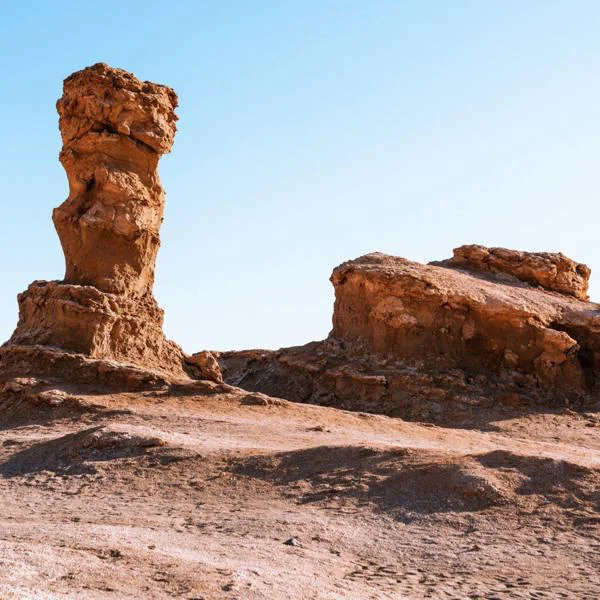
Explore the Salvador Dalí Desert, where isolated, wind-sculpted rocks stand against broad stretches of sand and volcanic mountains. Visit Laguna Verde and Laguna Blanca to see their contrasting green and pale waters beneath the high Andes.
These landscapes lie in Bolivia’s remote southwest, close to the Chilean border. Mineral-rich lakes, exposed terrain and immense volcanoes create a distinctly different scene from the white expanse of the Uyuni Salt Flats.
Salta City Centre Orientation
Walk around Salta’s Plaza 9 de Julio and the leafy streets of its colonial centre. Take in the cathedral and the richly coloured facade of San Francisco Church as you get a feel for this northern Argentine city.
Pastel buildings and arcaded cafés give the square its easy-going rhythm. The orientation highlights a regional capital with a character of its own, shaped by the traditions and landscapes of Argentina’s northwest.
Buenos Aires Orientation with Your Trip Manager
Discover Buenos Aires with your Trip Manager on an orientation designed to help you find your feet in Argentina’s capital. Learn about key areas, neighbourhood character and ways to navigate the city during your stay.
From café culture to its varied streetscapes, Buenos Aires rewards curiosity. This introduction provides practical local perspective and a sense of the city’s energy without prescribing how you spend your independent time.
Montevideo City Orientation
Explore Montevideo on an orientation walk, getting acquainted with the streets and plazas of Uruguay’s capital and its connection to the Río de la Plata waterfront. Take in the city’s unhurried pace as you learn where to explore further.
Montevideo blends everyday café life with a long coastal promenade known as the rambla. This hosted introduction offers a sense of place and useful bearings, leaving independent stops and purchases up to you.
Argentine Estancia Stay in San Antonio de Areco
Stay at a traditional-style estancia in San Antonio de Areco, a town closely associated with Argentina’s gaucho heritage. Wander the ranch grounds and enjoy a countryside setting within walking distance of the historic centre.
San Antonio de Areco’s low houses and tree-lined streets sit amid the Pampas, the grasslands long linked with horsemen and ranch life. This special stay offers a more grounded introduction to that landscape than a brief roadside visit.
Iguazú Falls: Argentine-Side Walkways
Explore the Argentine side of Iguazú Falls on rainforest trails and elevated walkways. Move between different viewpoints, listening to the water and feeling its spray, with time to reach the edge of the Devil’s Throat.
Here, the Iguazú River plunges through a vast network of cataracts surrounded by subtropical forest. Watch for rainbows and wildlife as the paths reveal both close-up details and the extraordinary breadth of the falls.
Güira Oga Wildlife Refuge Visit
Visit Guira Oga near Puerto Iguazú, a rescue and rehabilitation centre for native wildlife. Travel into the forest area by trailer and follow guided trails to learn the stories behind animals receiving care.
Staff explain threats including trafficking, habitat loss and road accidents, as well as the work involved in returning animals to the wild when possible. The visit adds a conservation perspective to the rainforest surrounding Iguazú Falls.
Favela Cantagalo & Museu de Favela
Visit Rio’s Favela Cantagalo on a MAKE TRAVEL MATTER® experience. Walk its alleyways, see the Portal of Saint Roman and the paintings known as the Houses-Screen, and pause at viewpoints across the neighbourhood.
At the Museu de Favela (MUF), encounter stories and cultural heritage connected to local residents. The visit presents the favela as a living community with its own history and creativity, rather than simply a backdrop to Rio’s famous skyline.
Bolivian Fighting Cholitas Show
Watch the Fighting Cholitas perform in La Paz, bringing athletic moves and theatrical flair to a distinctive Bolivian wrestling show. Colourful pollera skirts and the performers’ commanding presence make the event visually striking.
“Cholita” is a term reclaimed by many Indigenous Aymara women as an expression of identity and pride. This is an optional experience at additional cost, bookable on tour for travellers interested in a lively form of local entertainment.
Maragua Crater & Dinosaur Footprints
Venture beyond Sucre to the Maragua Crater area, where folded hills and rural Andean scenery offer a dramatic change from the city’s whitewashed streets. The excursion includes a chance to see fossilised dinosaur footprints in the surrounding region.
The tracks provide a tangible glimpse of a much older landscape, while the crater area is known for its unusual geological formations. This is an optional excursion at additional cost, bookable on tour.
Potosí Mine Tour
Explore a mine near Potosí on a tour offering a closer look at the work associated with Cerro Rico. Going beyond the historic centre places the city’s silver-mining legacy in the context of a demanding, continuing livelihood.
This can be a physically and emotionally confronting experience, distinct from visiting the former mint or sharing a meal with a miner’s family. The mine tour is optional, at additional cost and bookable on tour.
Atacama Desert Sandboarding
Try sandboarding near San Pedro de Atacama, swapping mountain trails for a board and the shifting surface of the desert dunes. The activity offers a hands-on, energetic way to experience the Atacama’s sandy terrain.
San Pedro sits amid some of northern Chile’s most striking arid landscapes, where open skies and earthy colours define the setting. Sandboarding is an optional activity at additional cost, bookable on tour for those seeking a more active desert outing.
Vallecito Sunset Tour
Explore Vallecito near San Pedro de Atacama on a sunset tour focused on the desert’s sculpted scenery and changing light. Watch earthy ridges and open terrain take on warmer tones as the sun lowers.
With little vegetation to soften its outlines, the Atacama makes subtle shifts in colour especially visible. This optional tour is at additional cost and bookable on tour, offering a scenic alternative to an active desert excursion.
Argentine Sherpa Dinner in Buenos Aires
Join an Argentine Sherpa dinner in Buenos Aires for a hosted introduction to local dining. Rather than choosing a restaurant alone, share an organised evening centred on Argentine food and conversation with fellow travellers.
Meals are an important part of the capital’s social culture, from lingering at the table to exploring regional flavours. This hosted dinner is an optional experience at additional cost, bookable on tour.
Tigre Delta Excursion
Explore Tigre and its riverside delta on an excursion from Buenos Aires. Discover a setting shaped by waterways and island life, markedly different from the capital’s busy avenues and neighbourhood streets.
Tigre sits beside the Paraná Delta, where boats and channels are part of the area’s everyday character. The outing is an optional experience at additional cost, bookable on tour for travellers keen to see another side of the region.
Montevideo Bike Ride
See more of Montevideo by bike, covering ground beyond a walking orientation while enjoying the city’s coastal breeze. The ride offers an active way to take in Uruguay’s capital at street level.
Montevideo’s relationship with the waterfront is central to its character, and cycling gives you room to appreciate its open, relaxed feel. This is an optional activity at additional cost, bookable on tour.
Horseback Riding in San Antonio de Areco
Ride on horseback in San Antonio de Areco for an active encounter with the Pampas landscape. The experience connects the area’s estancia setting with the horse-riding traditions for which Argentine gauchos are known.
Wide grasslands and ranching have long shaped local life, making riding a fitting way to engage with the setting rather than simply observe it. Horseback riding is an optional activity at additional cost, bookable on tour.
Iguazú Falls Helicopter Flight
Fly above Iguazú Falls by helicopter for an aerial view of the cataracts and the surrounding subtropical forest. From above, the river’s many channels and the scale of the falls become easier to grasp in a single sweep.
The flight offers a striking contrast to the close-up views available from the walkways. This is an optional experience at additional cost, bookable on tour, and is subject to local operating conditions.
Iguazú Falls Jet Boat Adventure
Ride a jet boat near Iguazú Falls for a water-level encounter with the cataracts. Feel the river’s movement and the spray as the boat brings a more physical perspective to a landscape otherwise viewed from forest paths and walkways.
The optional Gran Aventura-style outing adds speed and a likely soaking to the falls experience. It is at additional cost and bookable on tour, subject to local conditions and operating requirements.
Ilha Grande Blue Lagoons Speedboat Trip
Explore the blue lagoons near Ilha Grande by speedboat, travelling beyond the island’s sandy streets to sheltered coastal waters. The trip offers a chance to appreciate the contrast between clear sea, rocky shoreline and forested hills.
Ilha Grande’s largely undeveloped scenery is part of its appeal, and seeing it from the water reveals another side of the island. This speedboat experience is optional, at additional cost and bookable on tour.
Christ the Redeemer by Train
Take the train up Corcovado to Christ the Redeemer, Rio de Janeiro’s monumental statue overlooking the city. From the summit, take in sweeping views across mountains, neighbourhoods, beaches and Guanabara Bay.
Completed in the 20th century, the statue has become one of Brazil’s most recognisable landmarks. The train journey and visit are an optional experience at additional cost, bookable on tour, offering a panoramic perspective on Rio’s dramatic setting.