Your itinerary
Day 1
Adventure begins in Bogotá
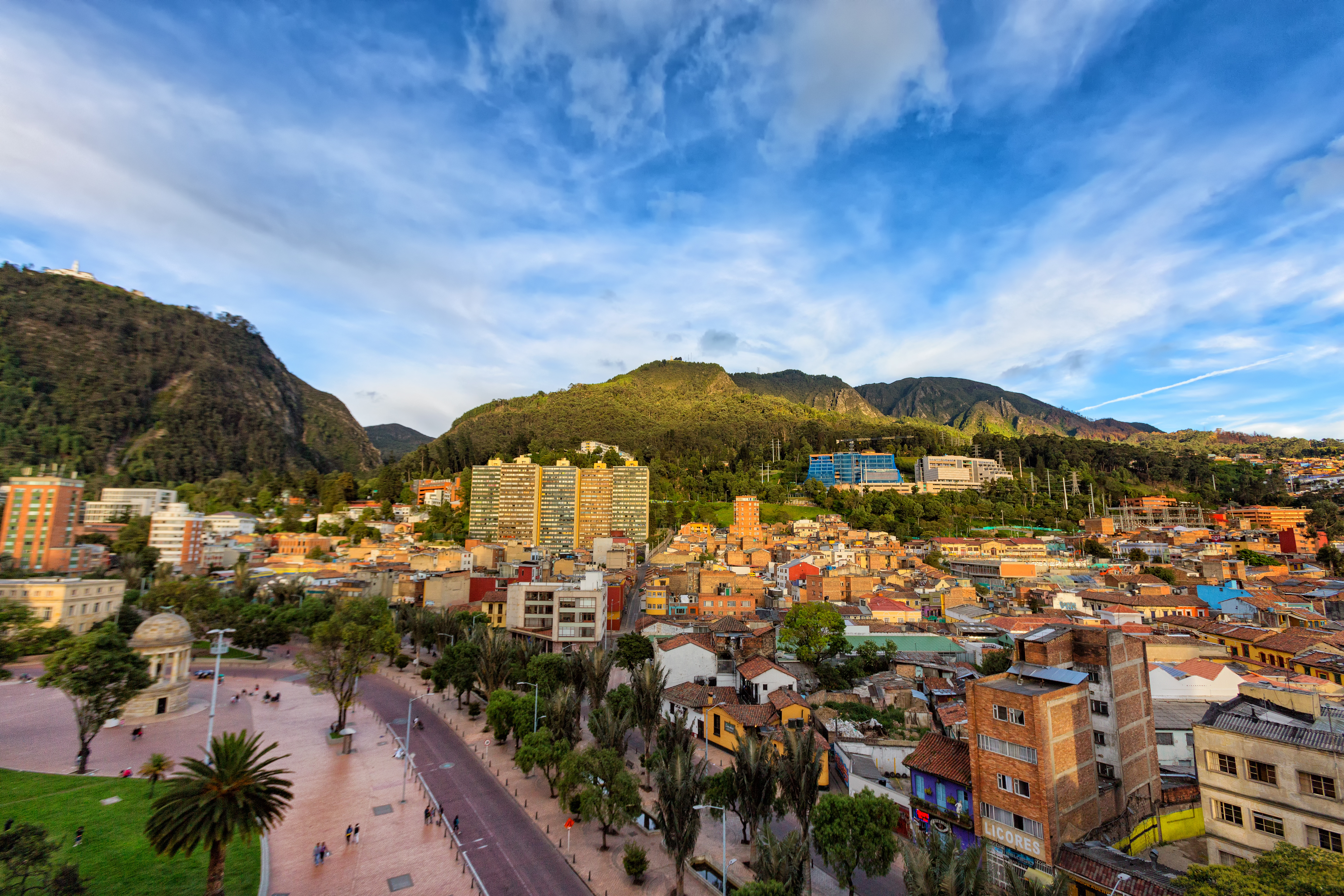
Welcome to Bogotá, the capital of Colombia, sat high on a plateau in the Andes. There’s plenty packed into this trip, but today we settle in and rest, ready for the adventures ahead.
Aim to arrive at the hotel this afternoon/evening, although we recommend arriving one day early to acclimatise and help get over any jetlag. There will be a message waiting with information about tomorrow’s meeting time.
Want more time in Bogotá? Secure pre-tour hotel nights through your sales representative.
Day 2
In-depth Bogotá tour • Play the exploding game tejo
Say hola to your tour leader and fellow travellers this morning, when we gather as a group to get to know each other and learn more about the adventures ahead.
Following our welcome briefing, we embark on a walking tour through Colombia’s vibrant capital, including a visit to the Gold Museum and a cable-car ride up Monserrate for spectacular views over the city. We follow with a walking street food tour in the early afternoon, sampling the flavours of Colombia’s different regions at market stalls, snack bars and street food stands.
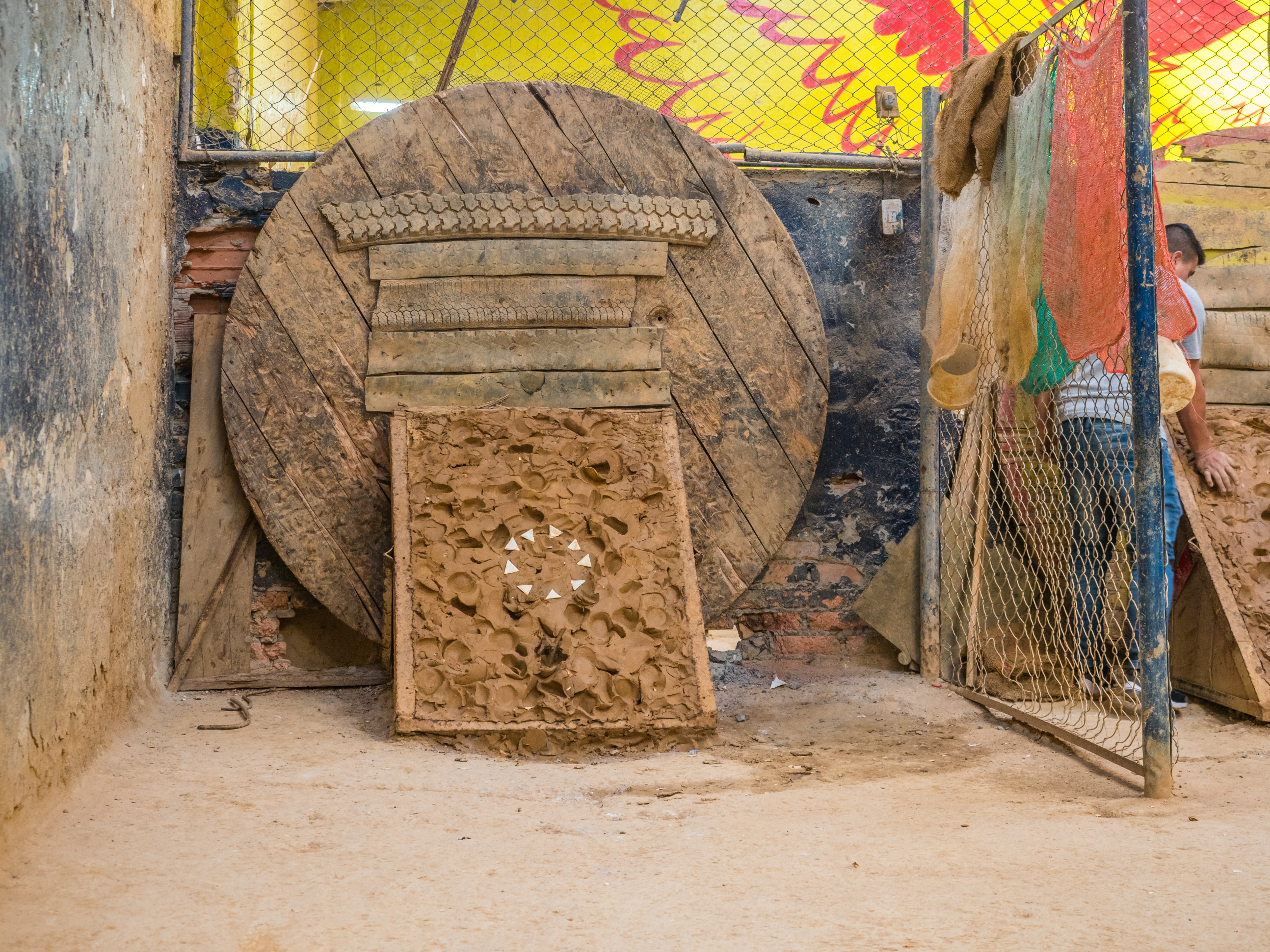
Later, we head to a traditional social club for a game of tejo. This popular pastime was invented by the Chibcha people – metal discs (tejos) are thrown at targets called mechas, small packets of gunpowder wrapped in paper. The aim is to hit the mechas and make them explode! Two national beers per person are included (this is the entrance fee for the game).
Your tour leader ensures a big welcome over dinner tonight.
Meals: Breakfast,Dinner
Day 3
Fly to Neiva • To the Tatacoa Desert and hike
Transfer (approximately 30 minutes) to Bogotá Airport and fly for an hour south to the city of Neiva, the capital of the Huila department and much lower in altitude and warmer than Bogotá.
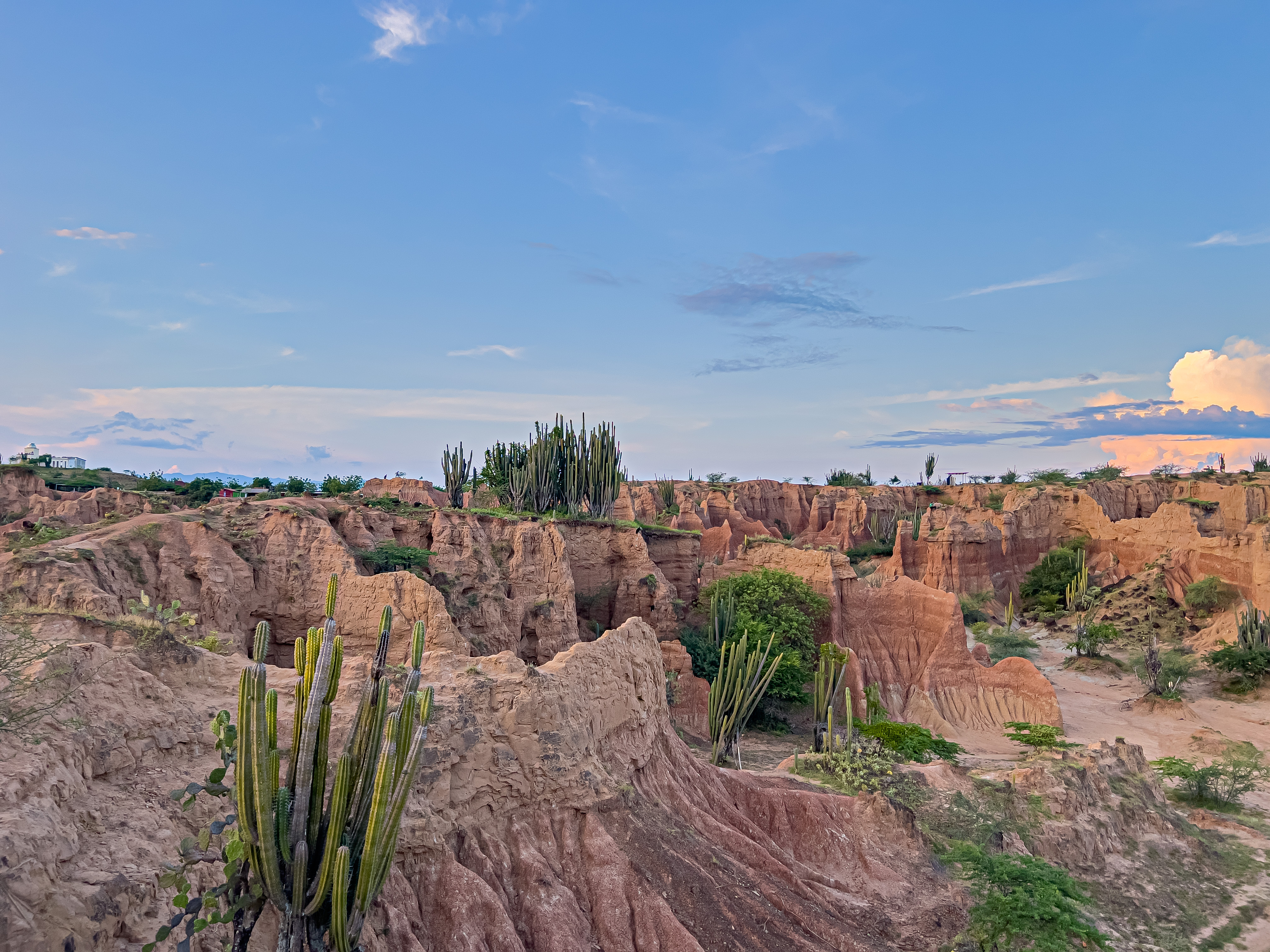
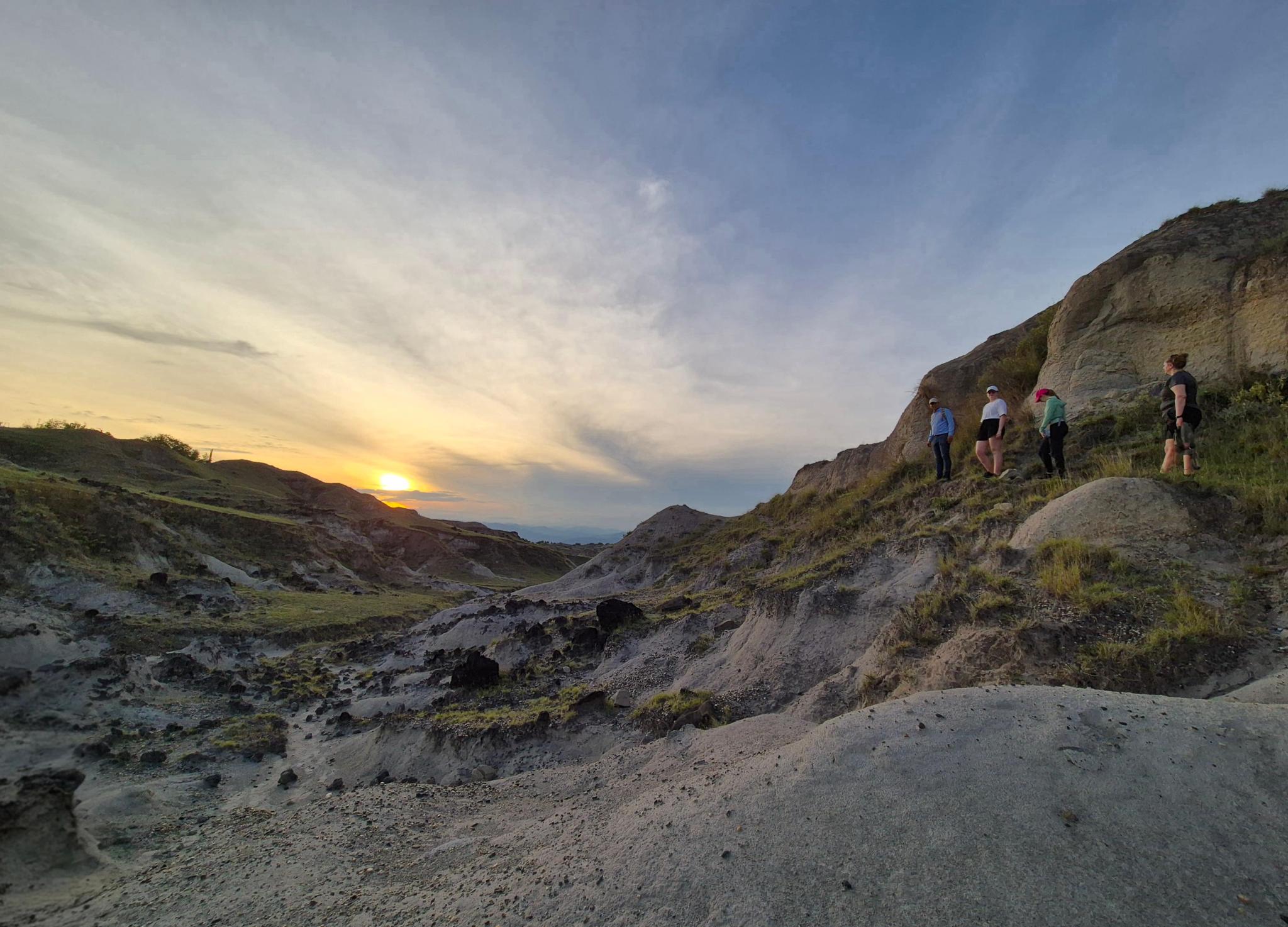
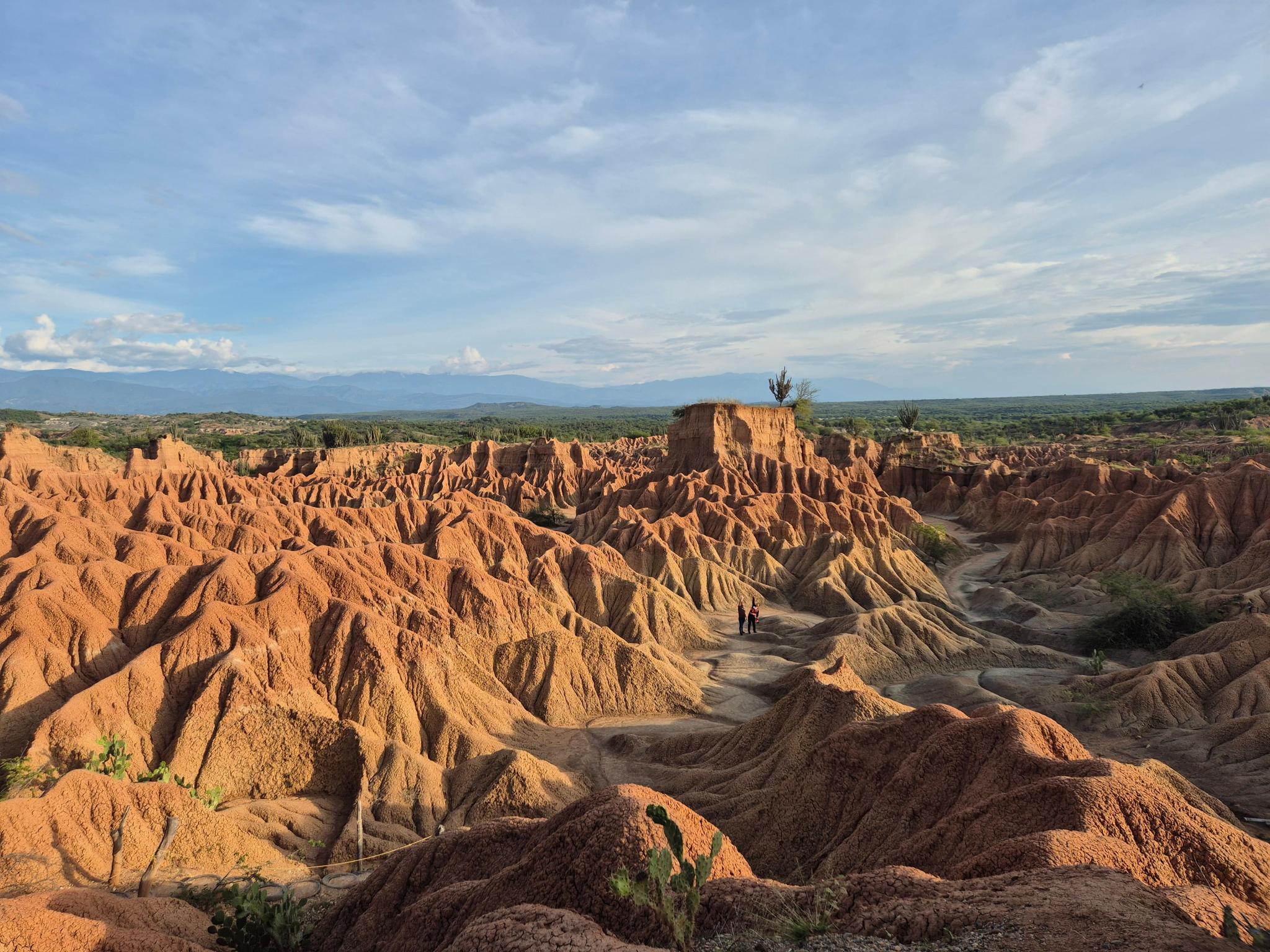
From Neiva, we drive (approximately one hour) to the Tatacoa Desert, an ochre-grey land pierced by green cacti. Here, we take a 1hr 30min to 2hr hike – remember your walking shoes, water bottles, long-sleeve tops and hats. It’s around a one-hour drive back to Neiva at the end of the hike.
Meals: Breakfast
Day 4
To San Agustín • Explore La Chaquira and El Tablón on foot
We drive (about six hours) south to the town of San Agustín, following the Magdalena River valley for most of the journey. As we approach, we ascend and the climate cools.
In the afternoon, we visit the remarkable archaeological site of La Chaquira, which is spectacularly located near the Rio Magdalena, between the central and eastern Andes. We then visit El Tablón, which consists of five statues representing human and animal figures.
Upgrade to a suite with private balcony today – speak to your sales representative for more details
Meals: Breakfast
Day 5
Explore the small town of Obando and San Agustín Archaeological Park
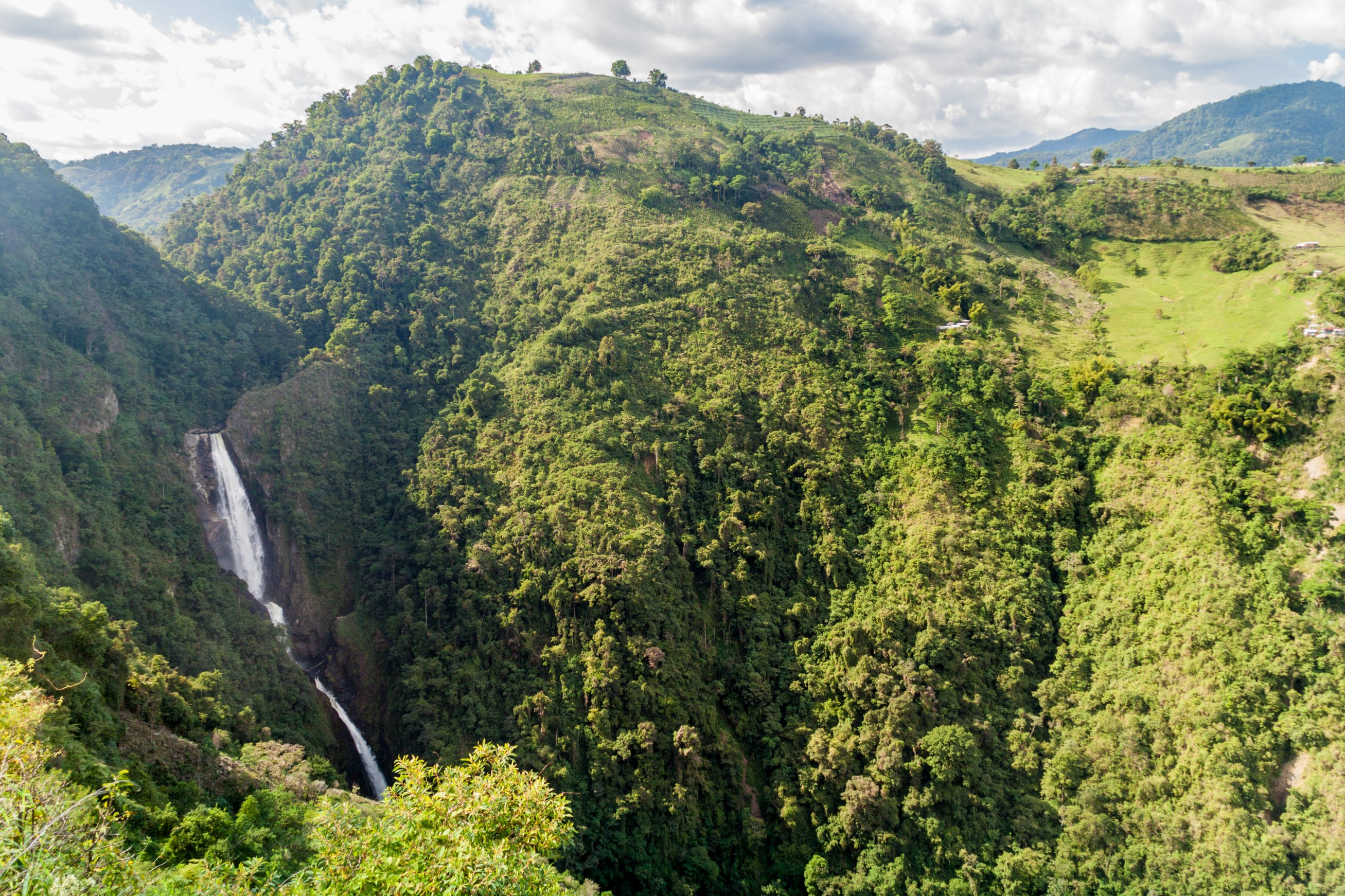
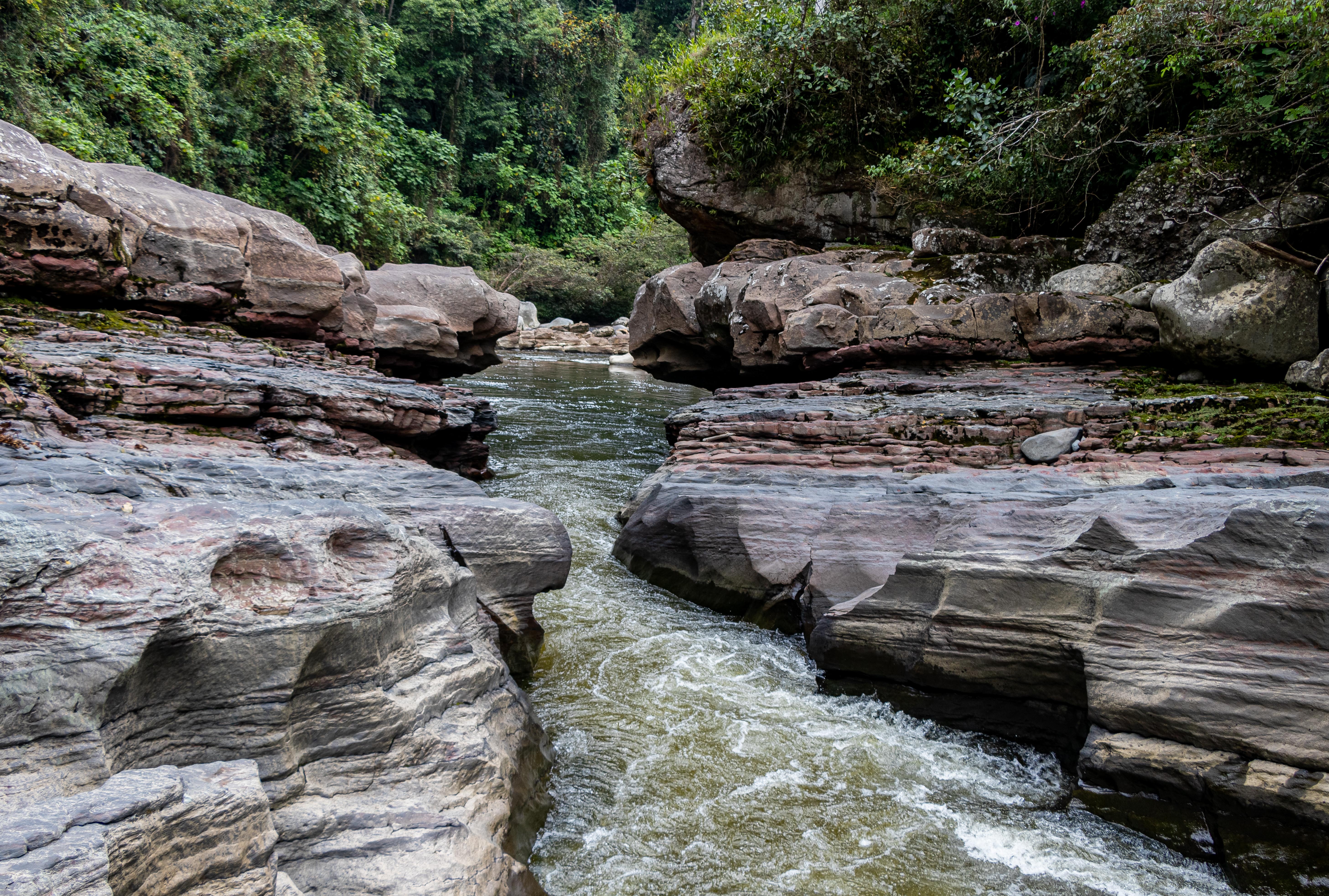
Start the day exploring the countryside around San Agustín. We begin with the Estrecho del Río Magdalena – here the mighty Magdalena River passes through a section of rocks only 7ft (2m) wide. The landscape around the river is exceptionally picturesque.
Nearby is the small town of Obando, where we visit tombs plus a small archaeological museum. On the way to Obando, we pass a sugar mill (trapiche) where we taste freshly prepared panela (unrefined, whole-cane sugar), a product found in many Colombian kitchens.
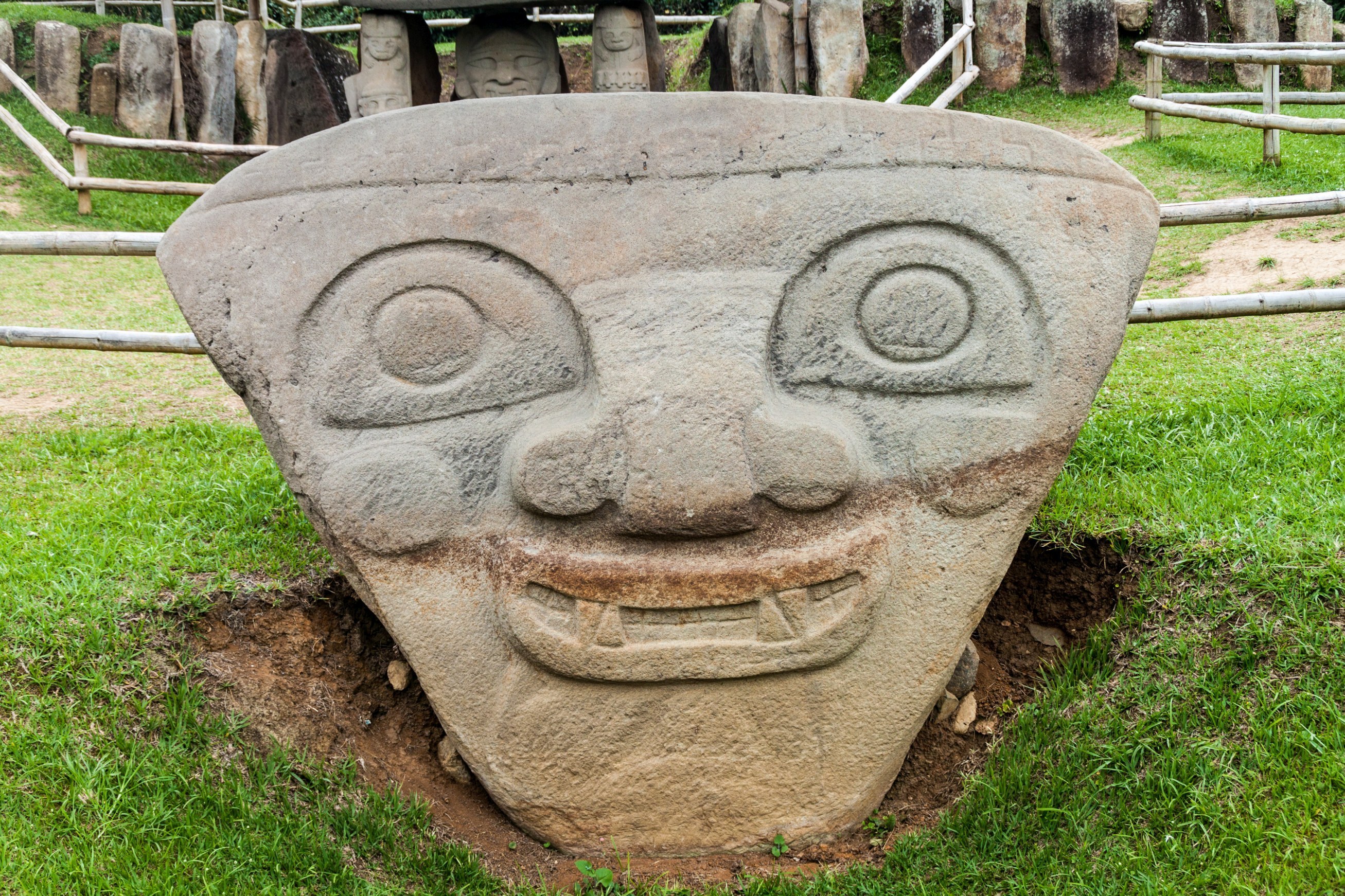
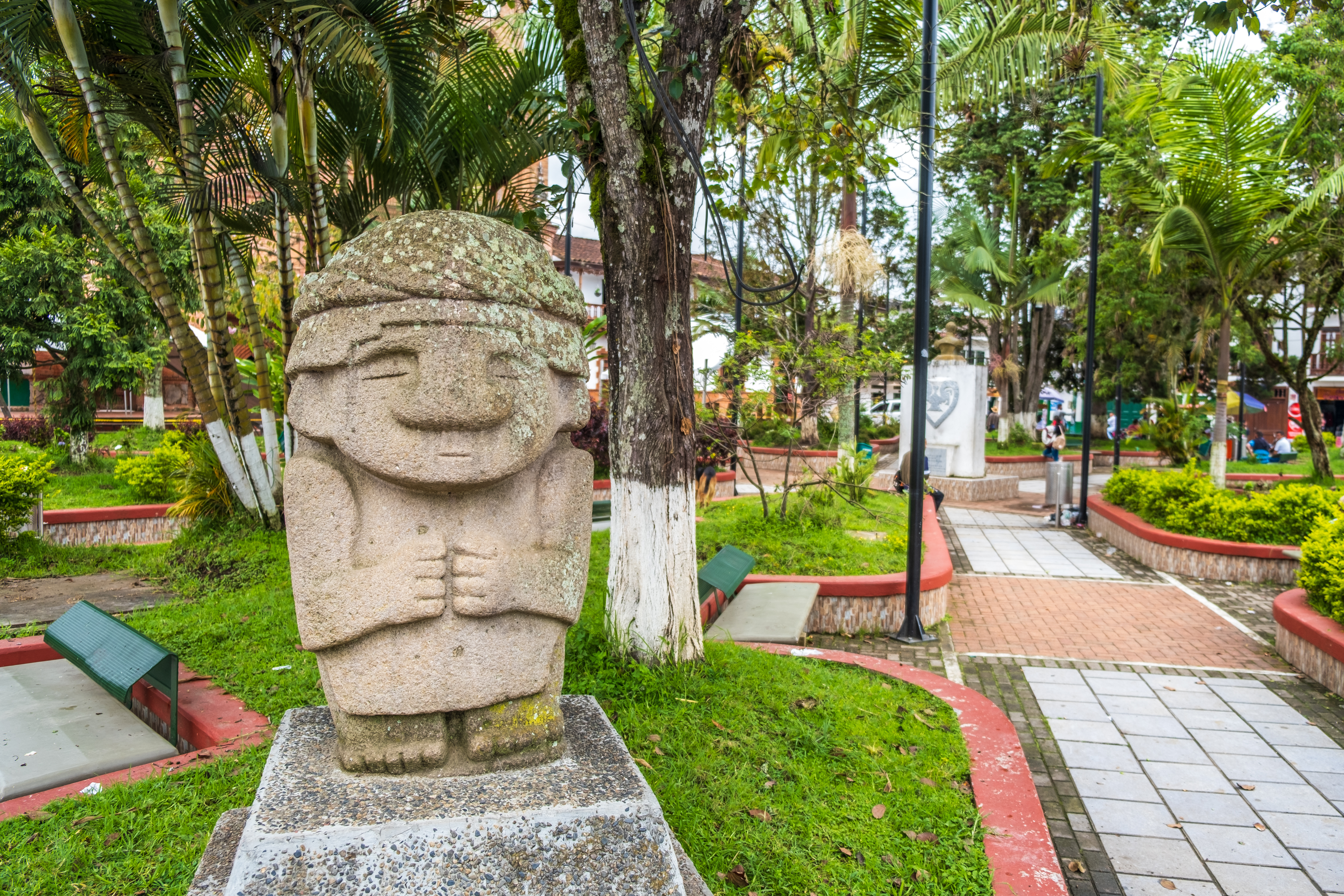
We spend the afternoon in San Agustín Archaeological Park, a vast World Heritage complex housing a mysterious collection of pre-Columbian stone figures and tombs. The park is nestled amid lush hillsides and picturesque forests, which we can explore on foot along various trails (some of them quite steep) accompanied by an expert local guide, while the excellent museum offers comprehensive insights into the finds.
Upgrade to a suite with private balcony today – speak to your sales representative for more details
Meals: Breakfast
Day 6
To Popayán via Alto de los Ídolos Archaeological Park
A scenic drive (five to six hours, including two on unpaved roads) takes us from San Agustín to Popayán. Shortly after leaving, we make a side trip to Alto de los Ídolos Archaeological Park, the second-most important archaeological park in the area, after San Agustín, and home to stone tombs and carvings.
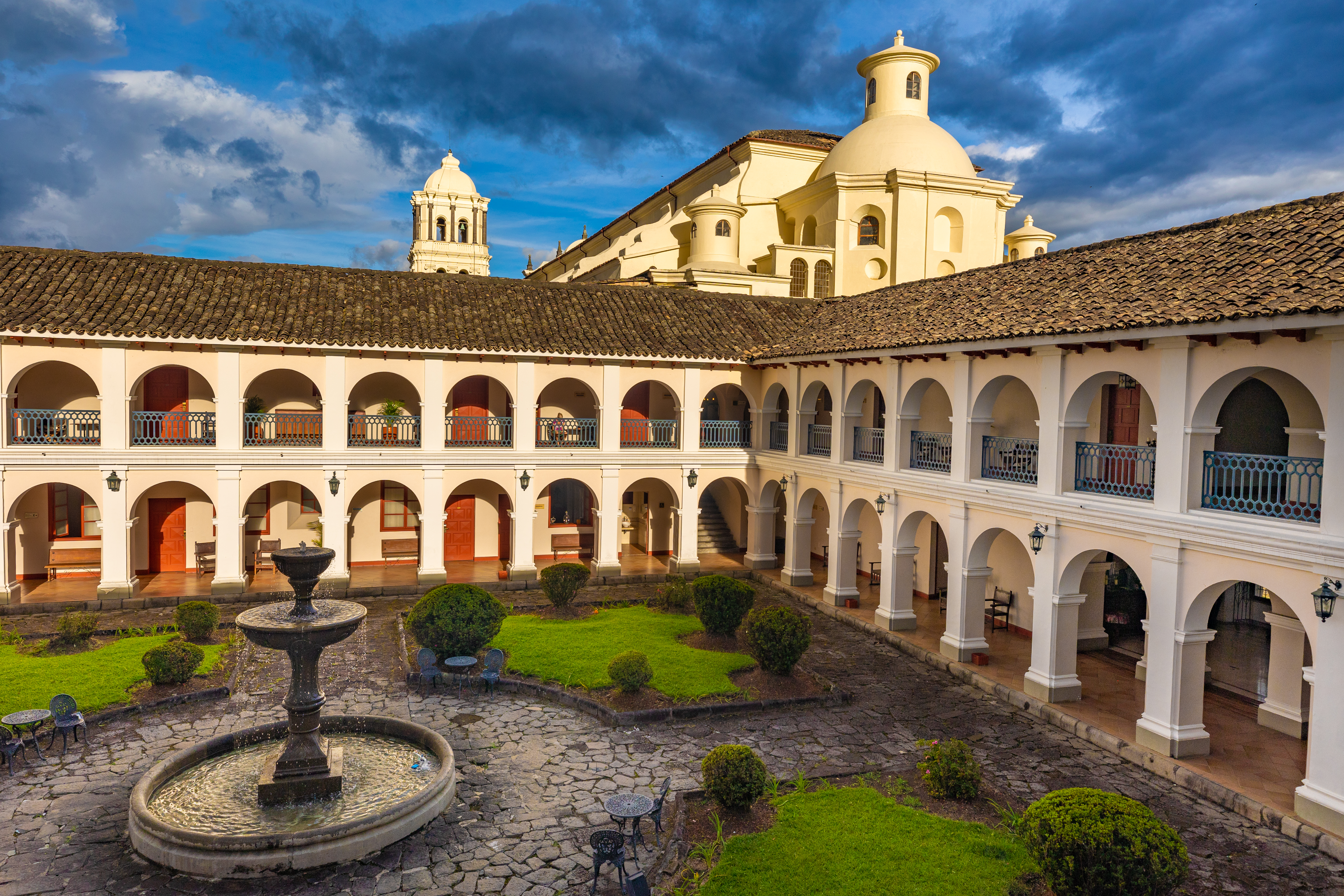
Continuing our journey, we ascend and pass through forested landscapes as we cross from the Huila department into Cauca and to Popayán. Founded in 1537 by Sebastián de Belalcázar, this small colonial city has magnificent architecture reflected in the houses, churches and bridges, which we have a chance to see on a walking tour (approximately three hours) of the historic centre.
Meals: Breakfast
Day 7
Into the coffee region • Hacienda stay
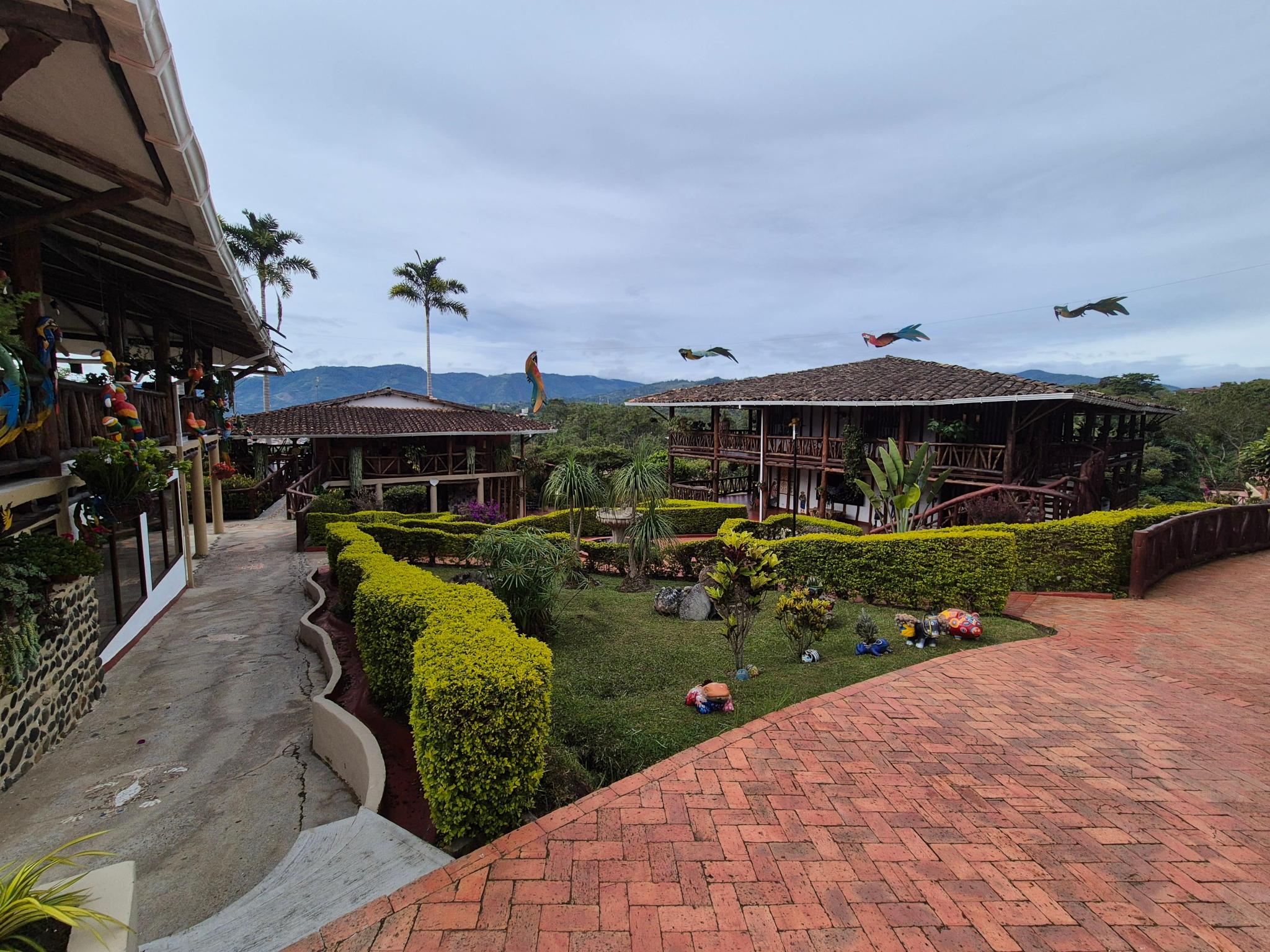
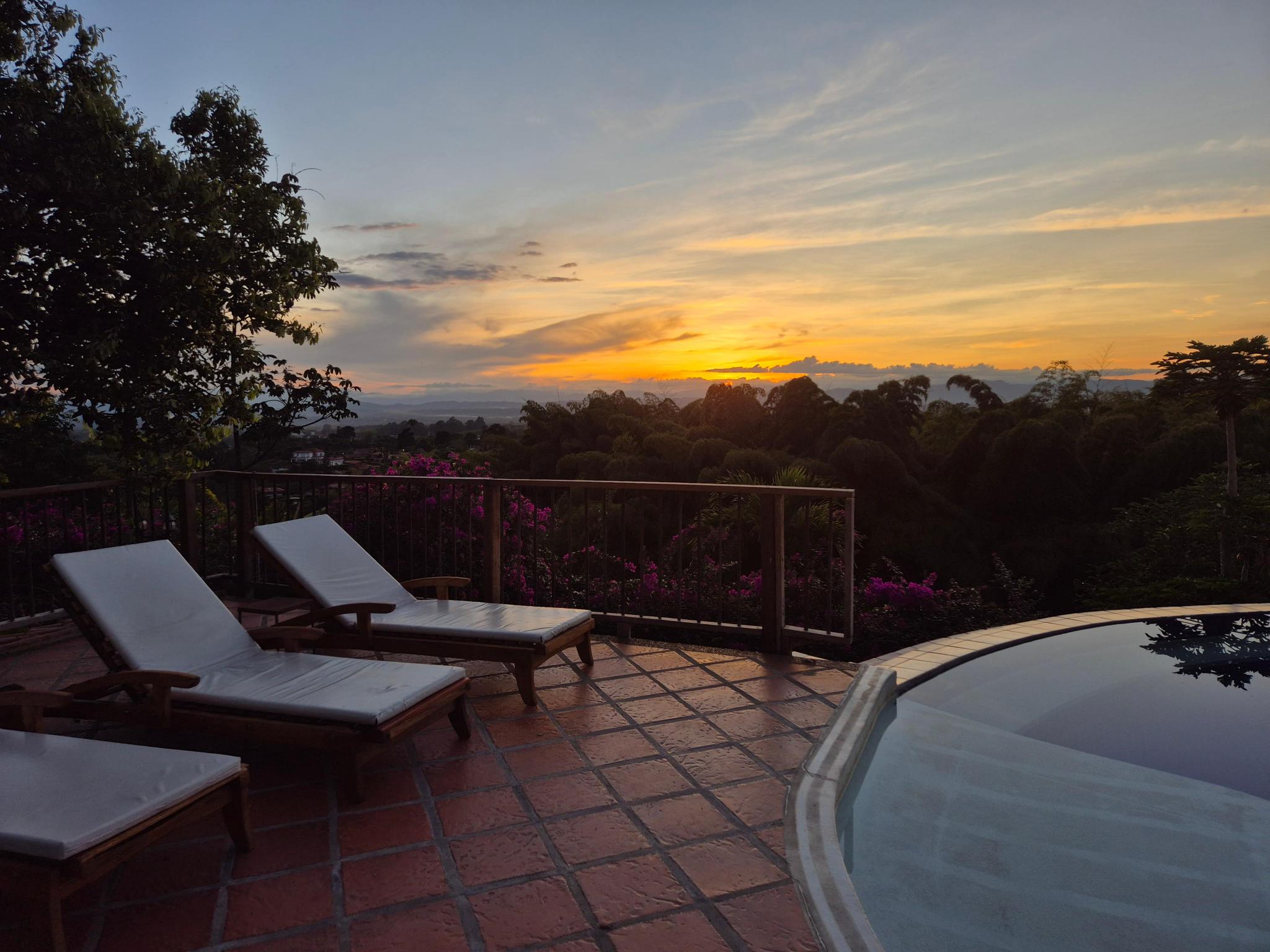
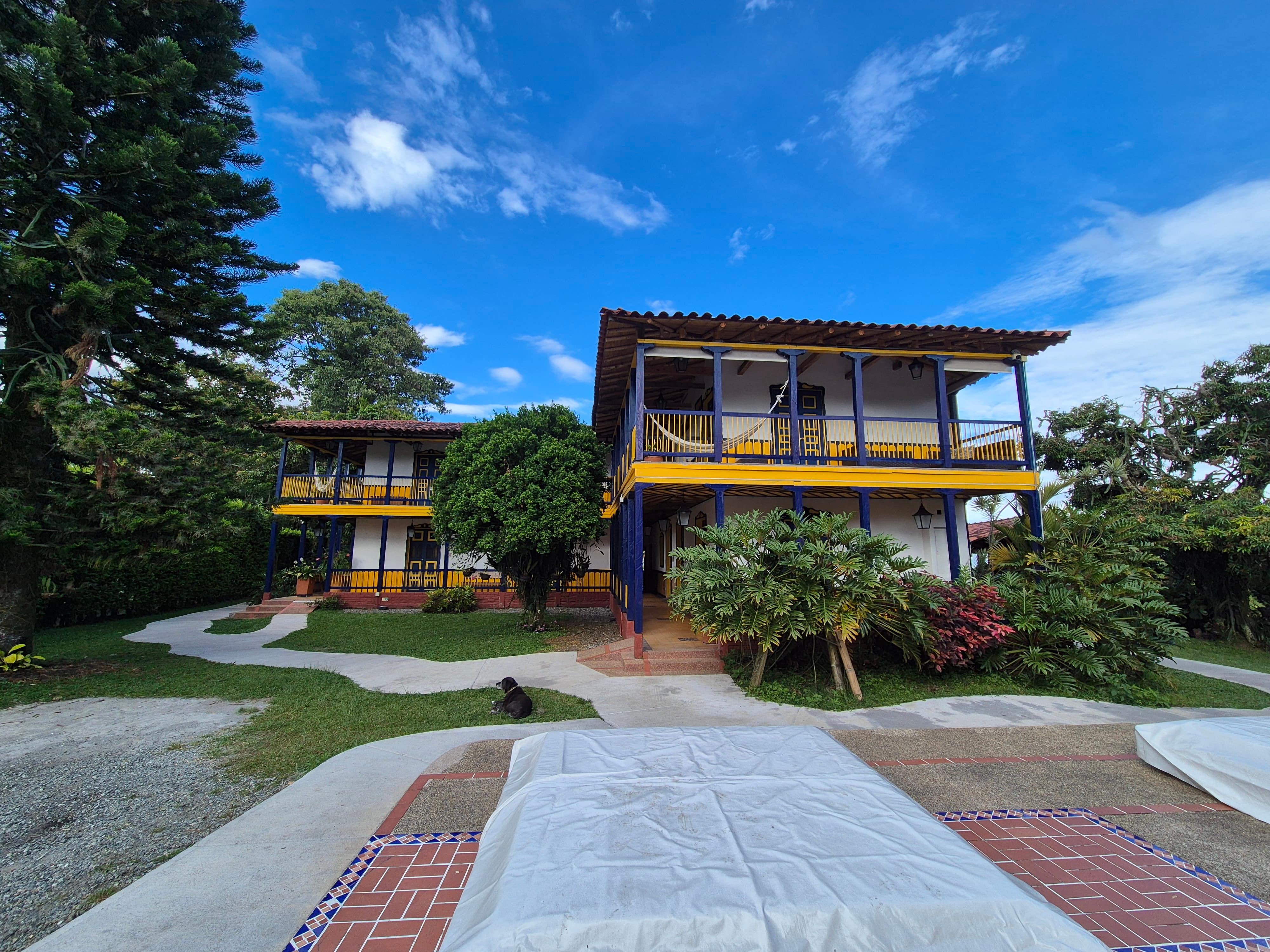
Today, we travel into Colombia’s coffee region, where we spend two nights at a traditional hacienda on a working plantation. A hacienda stay offers an authentic insight into the region’s coffee heritage and a chance to experience the area’s slower pace of life.
Our journey takes around six to seven hours, with a stop in Buga along the way. One of Colombia’s oldest cities, Buga is known for its colonial charm and rich heritage. It’s home to the Basilica of the Lord of Miracles, an important pilgrimage site that offers a glimpse into local traditions and culture.
Upgrade to a deluxe room today – speak to your sales representative for more details
Meals: Breakfast
Day 8
Walk beneath Cocora’s wax palms • Visit Salento and Filandia • Experience Colombian coffee-making
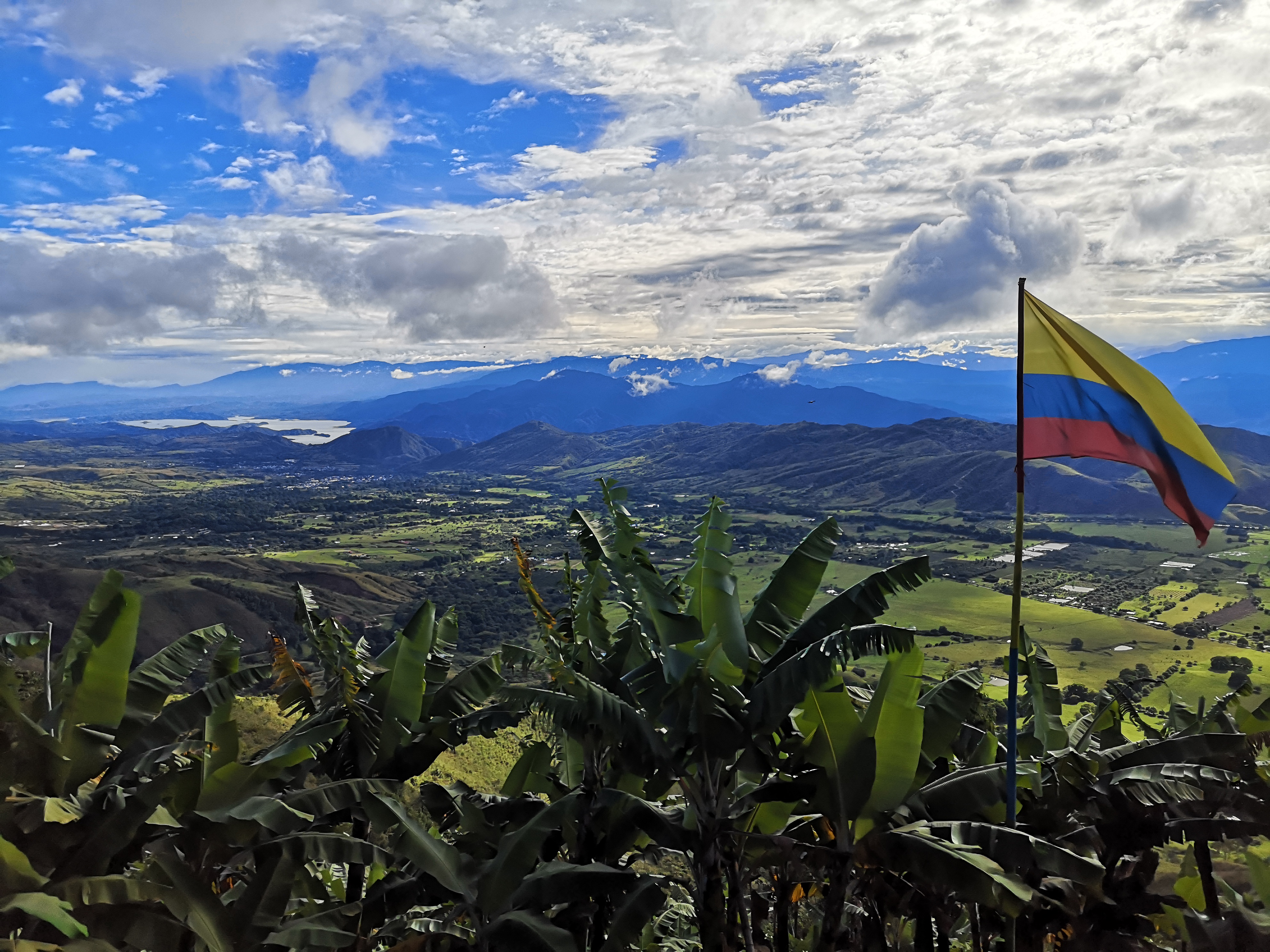
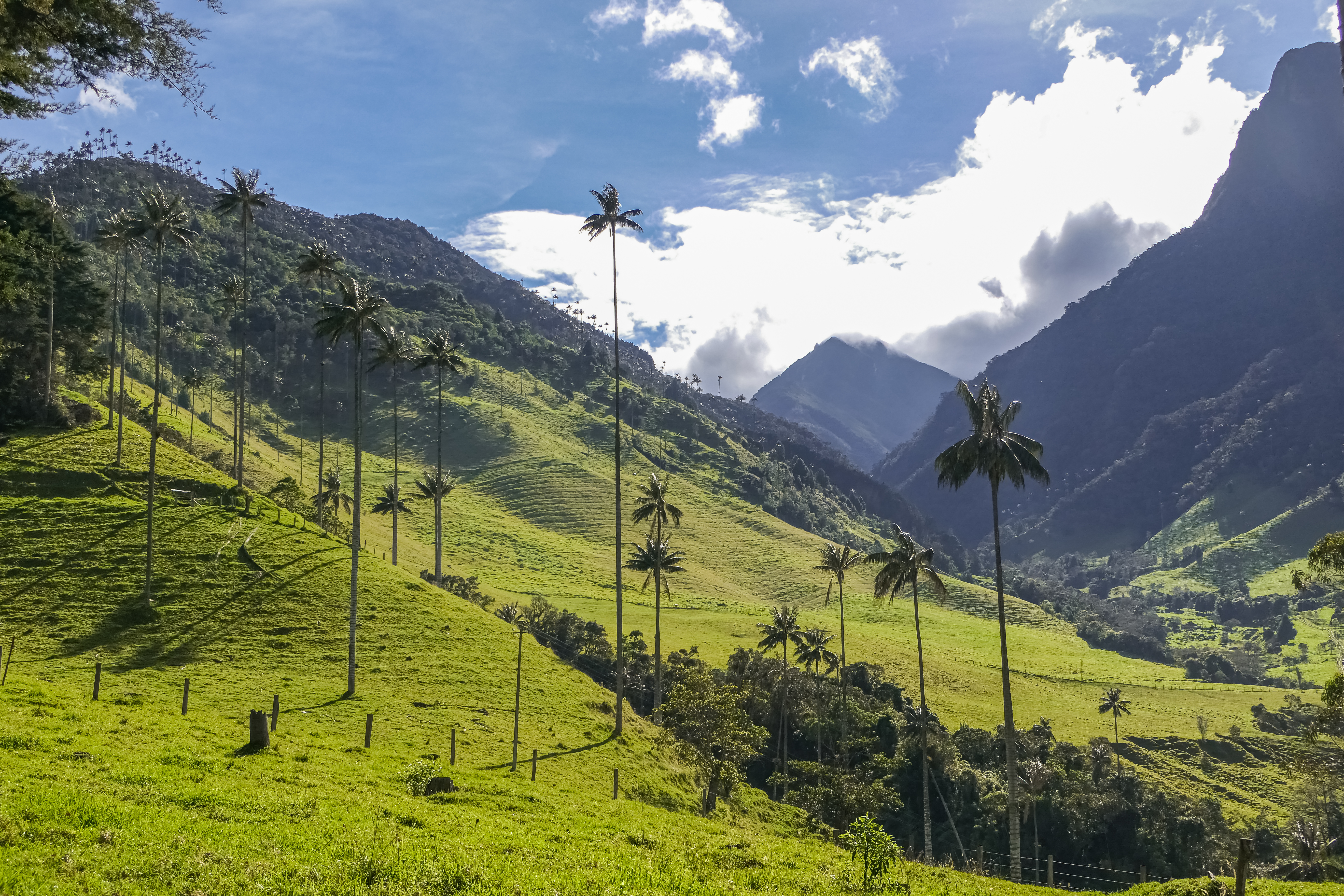
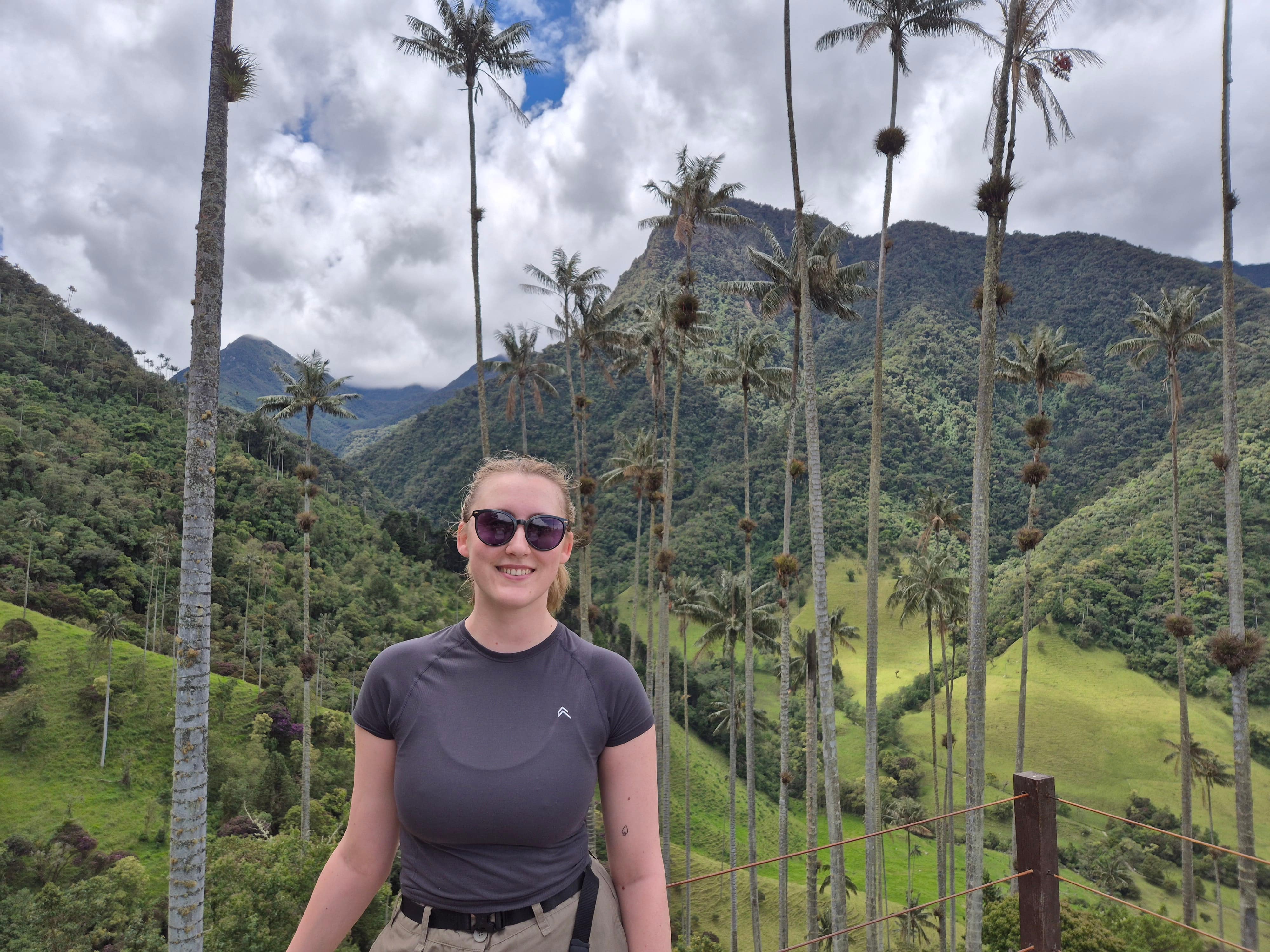
Head into the Cocora Valley, where slender wax palms rise above green slopes to heights of up to 197ft (60m). Colombia’s national tree makes an extraordinary companion for our walk along a cloud forest trail, before we help plant wax palm seedlings.
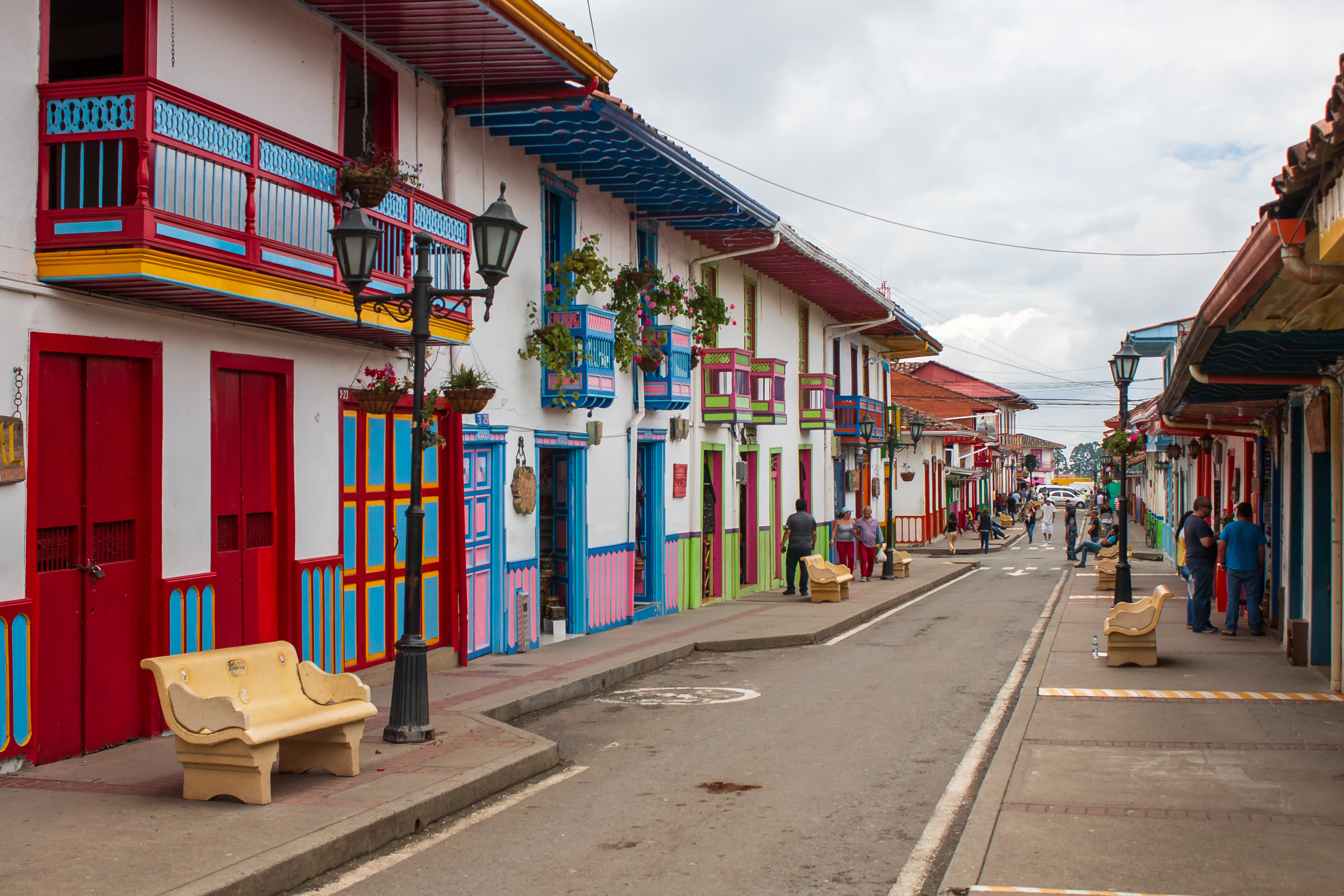
We then visit Salento, taking time to browse handicrafts and stroll around the main square, framed by houses with brightly painted doors and balconies.
Next, we visit Finca El Ocaso for a private, interactive coffee experience. Our hosts explain the work behind Colombia’s celebrated export, tracing the process from cultivation to preparation and tasting. There’s plenty to appreciate before we even lift the cup.
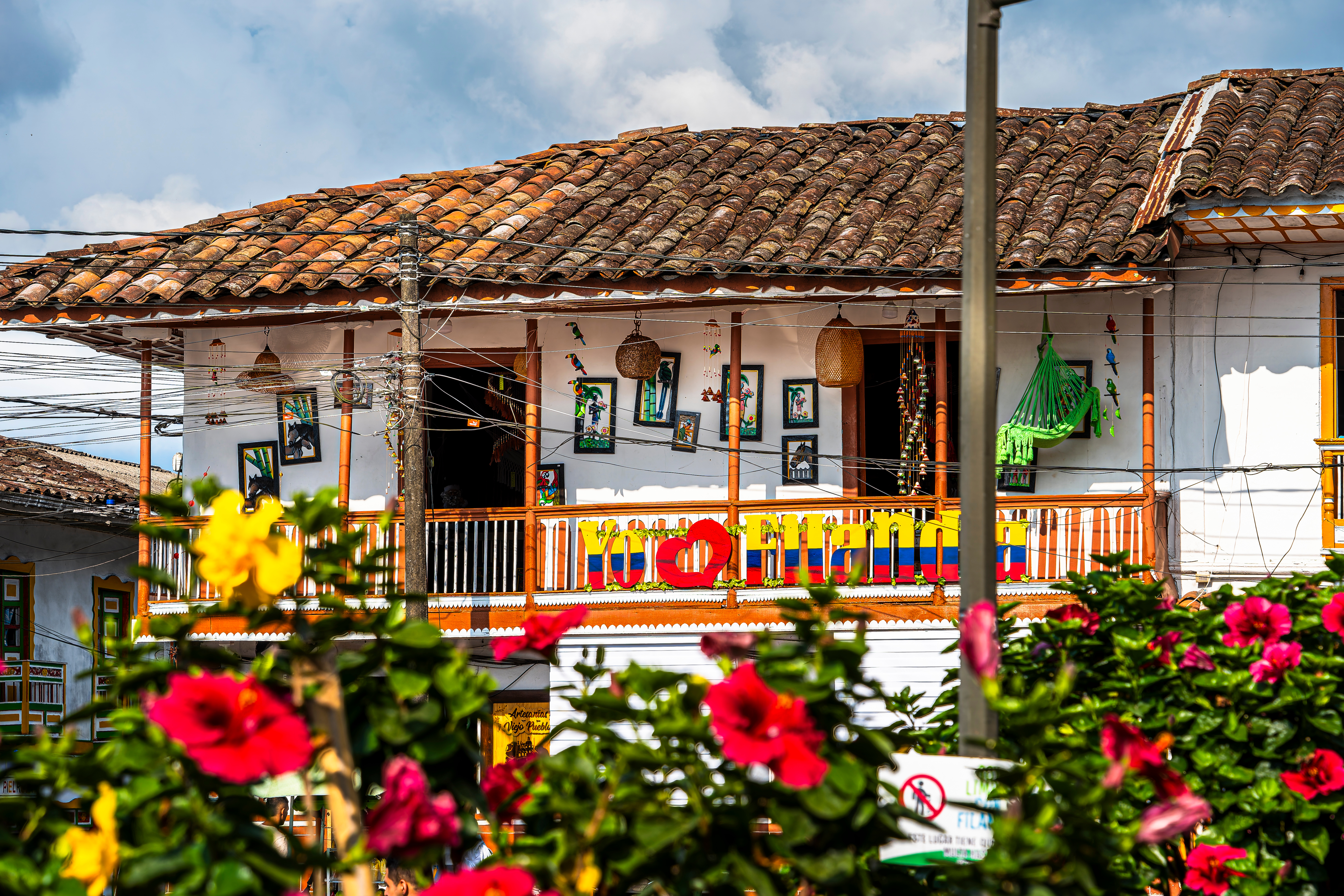
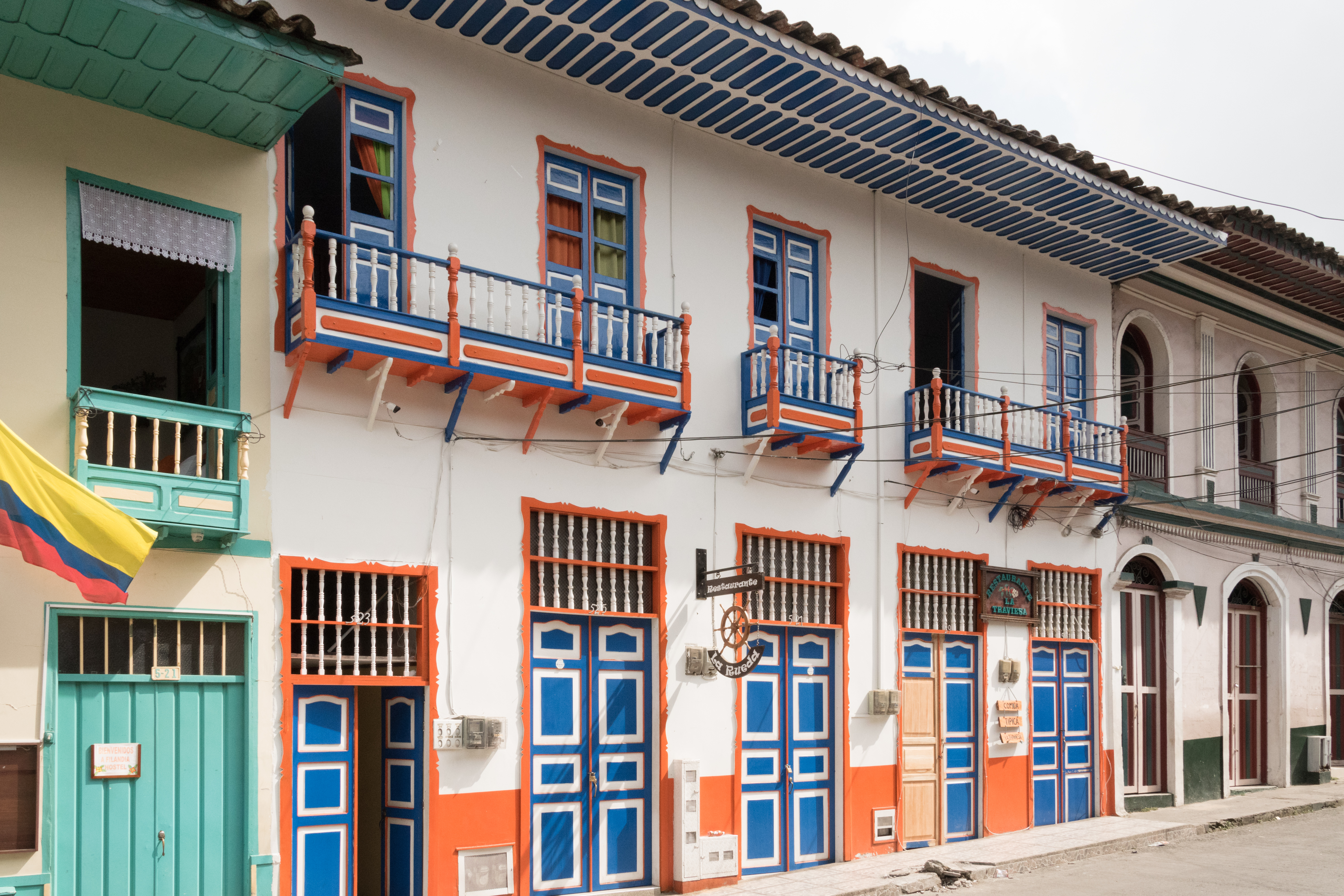
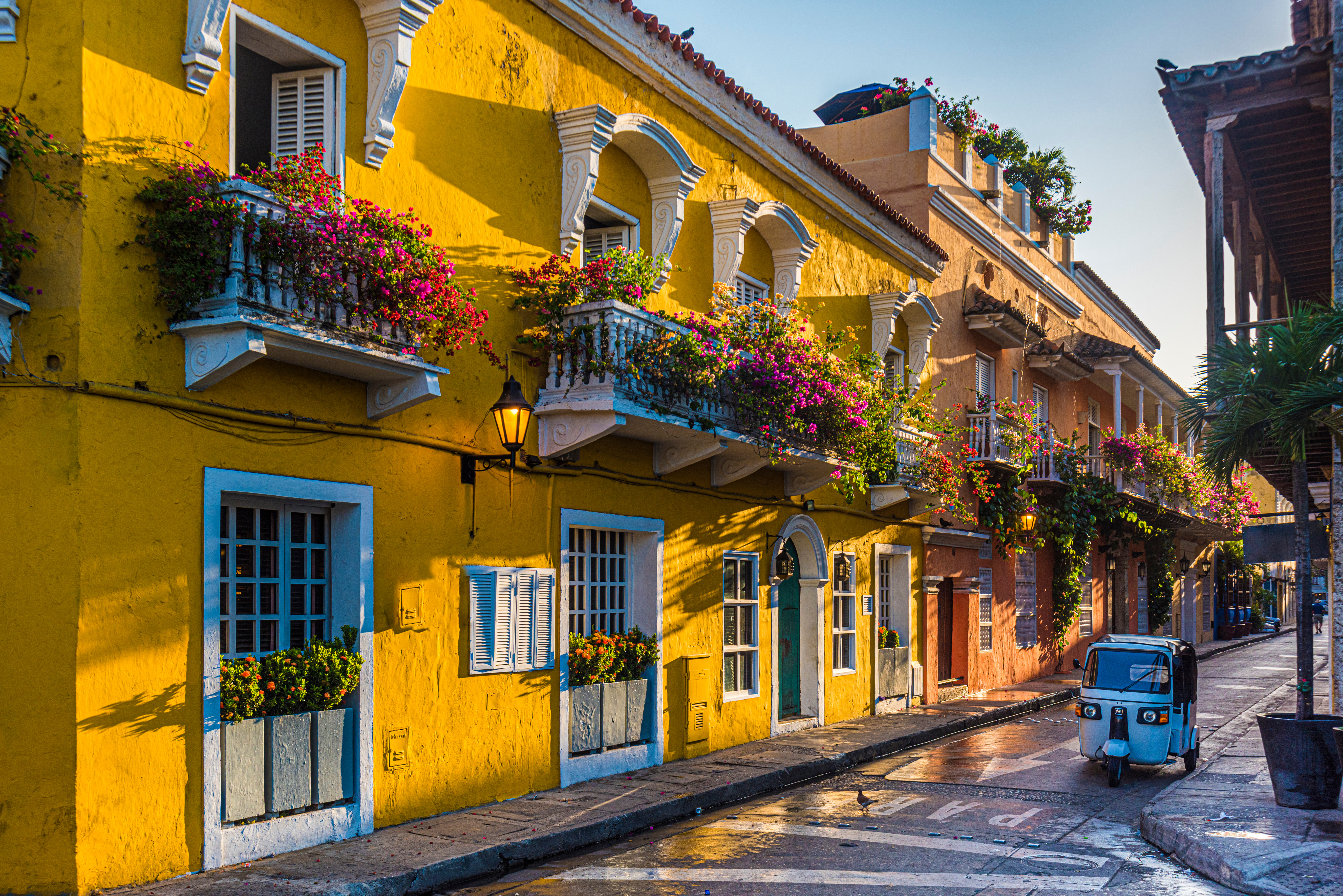
Returning via Salento, we continue to Filandia, where flower-lined balconies and colourful facades showcase the coffee region’s traditional architecture, before returning to our hotel.
Upgrade to a deluxe room today – speak to your sales representative for more details
Meals: Breakfast
Day 9
Travel to Medellín • Admire the orchid displays at Florecer
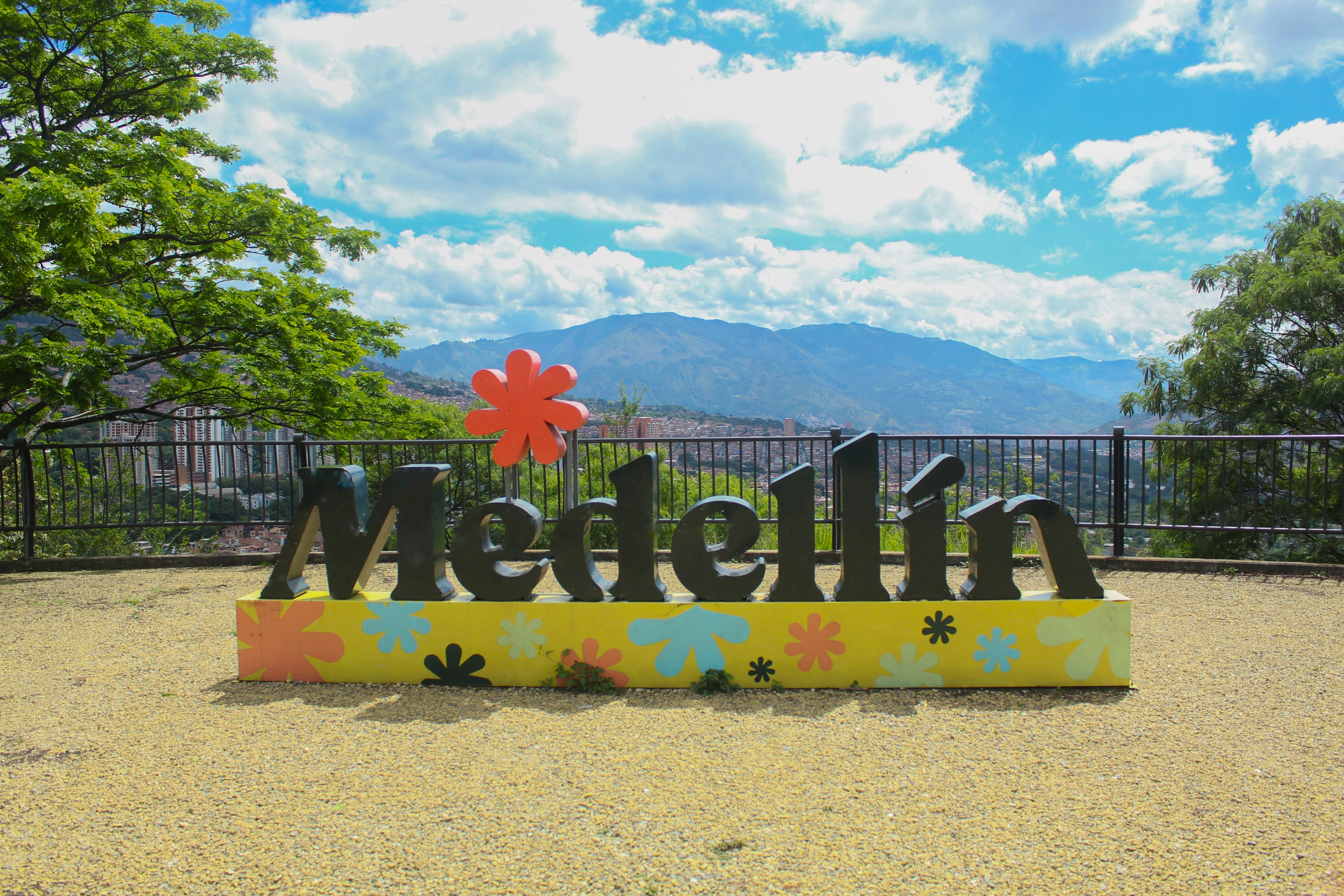
Leaving the coffee region, we transfer (six to seven hours) to Medellín, arriving for a floral introduction to the city’s Flower Festival.
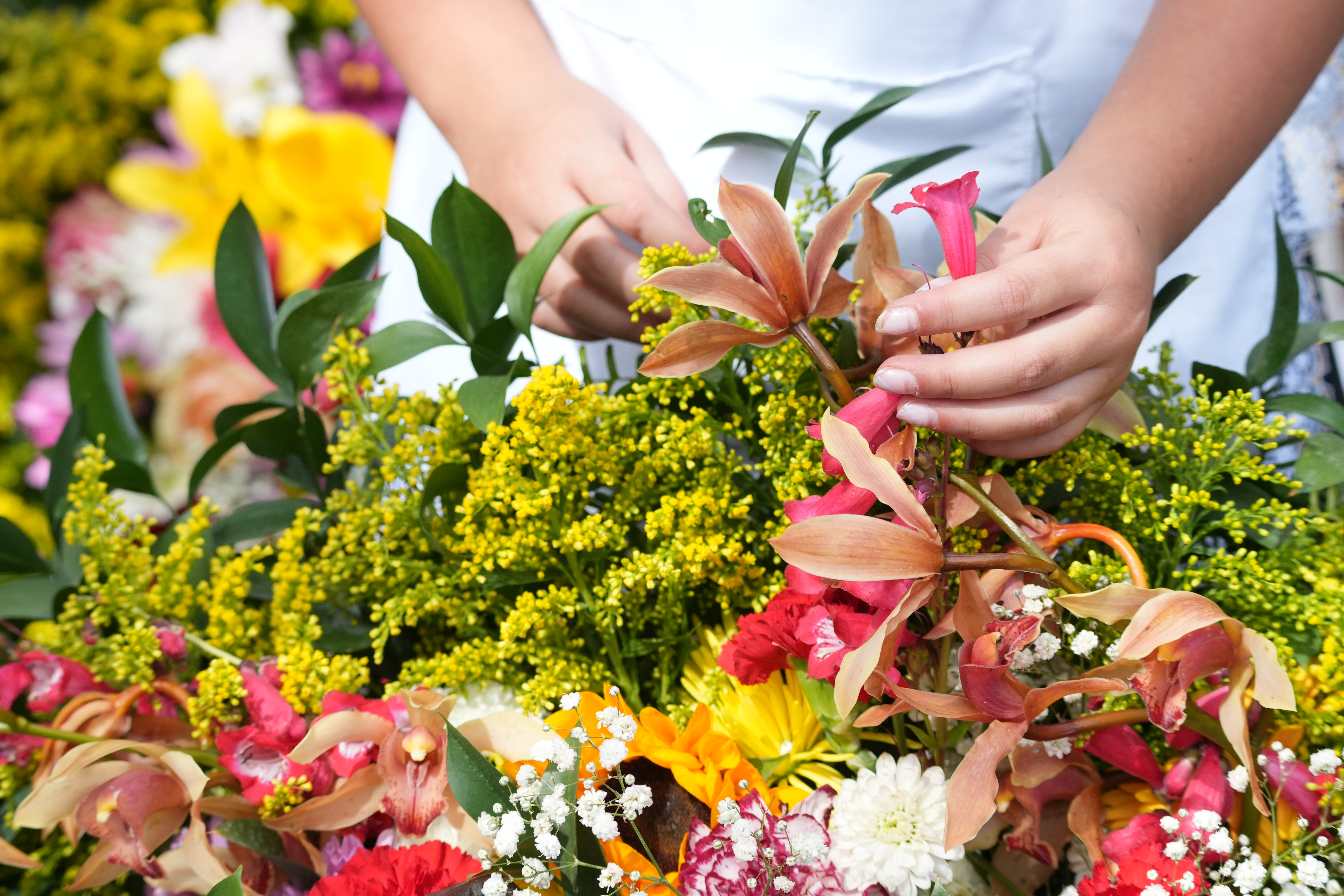
We head to Medellín Botanical Garden for Florecer, an exhibition celebrating orchids, nature and Colombian traditions. Orchids take centre stage, with displays revealing the remarkable variety of their shapes and colours.
Alongside the flowers, Colombian artisans showcase their work, bringing another dimension to this celebration of the country’s natural and cultural heritage.
Meals: Breakfast
Day 10
Celebrate Medellín’s Flower Festival from the Silleteros Parade viewing stand
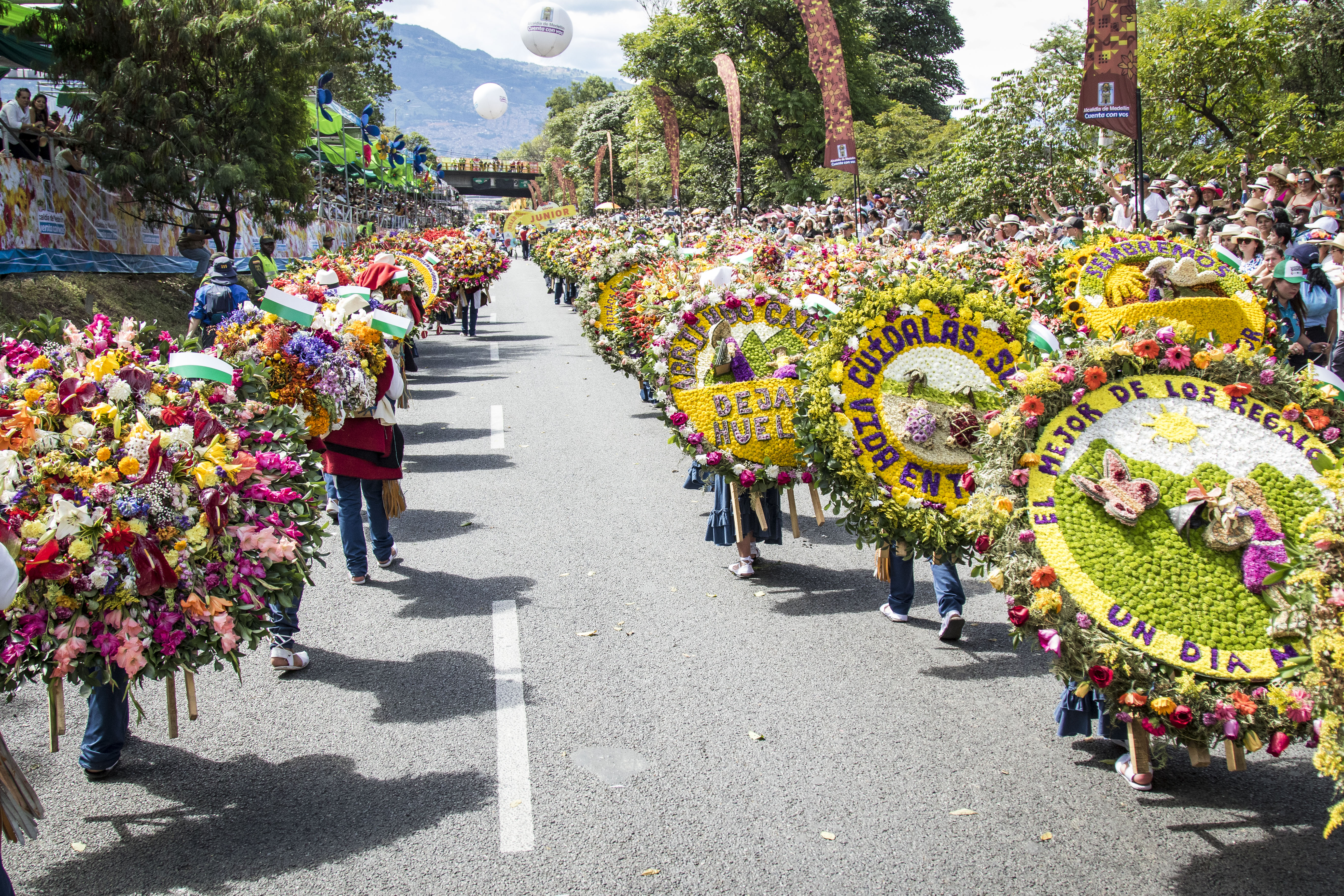
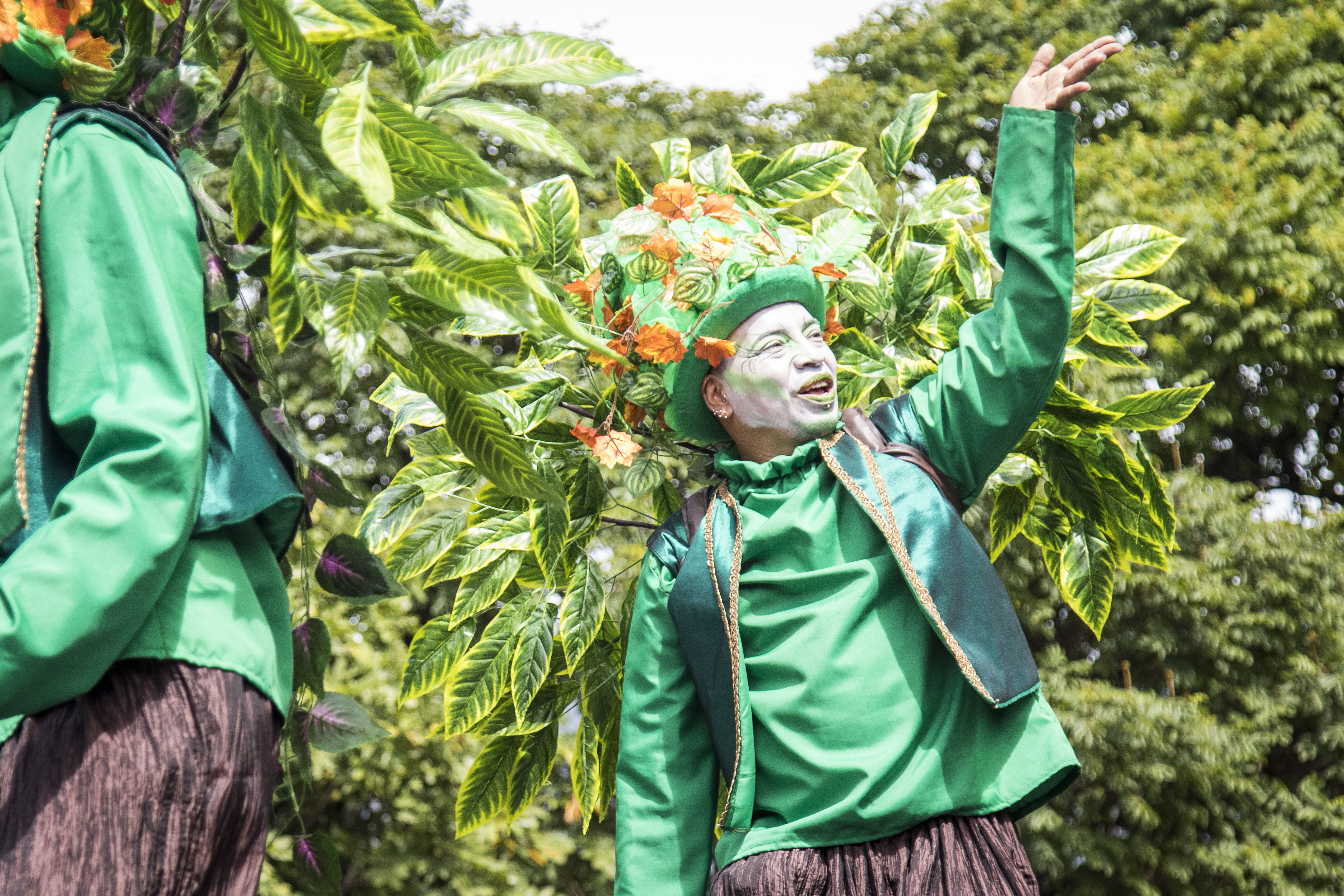
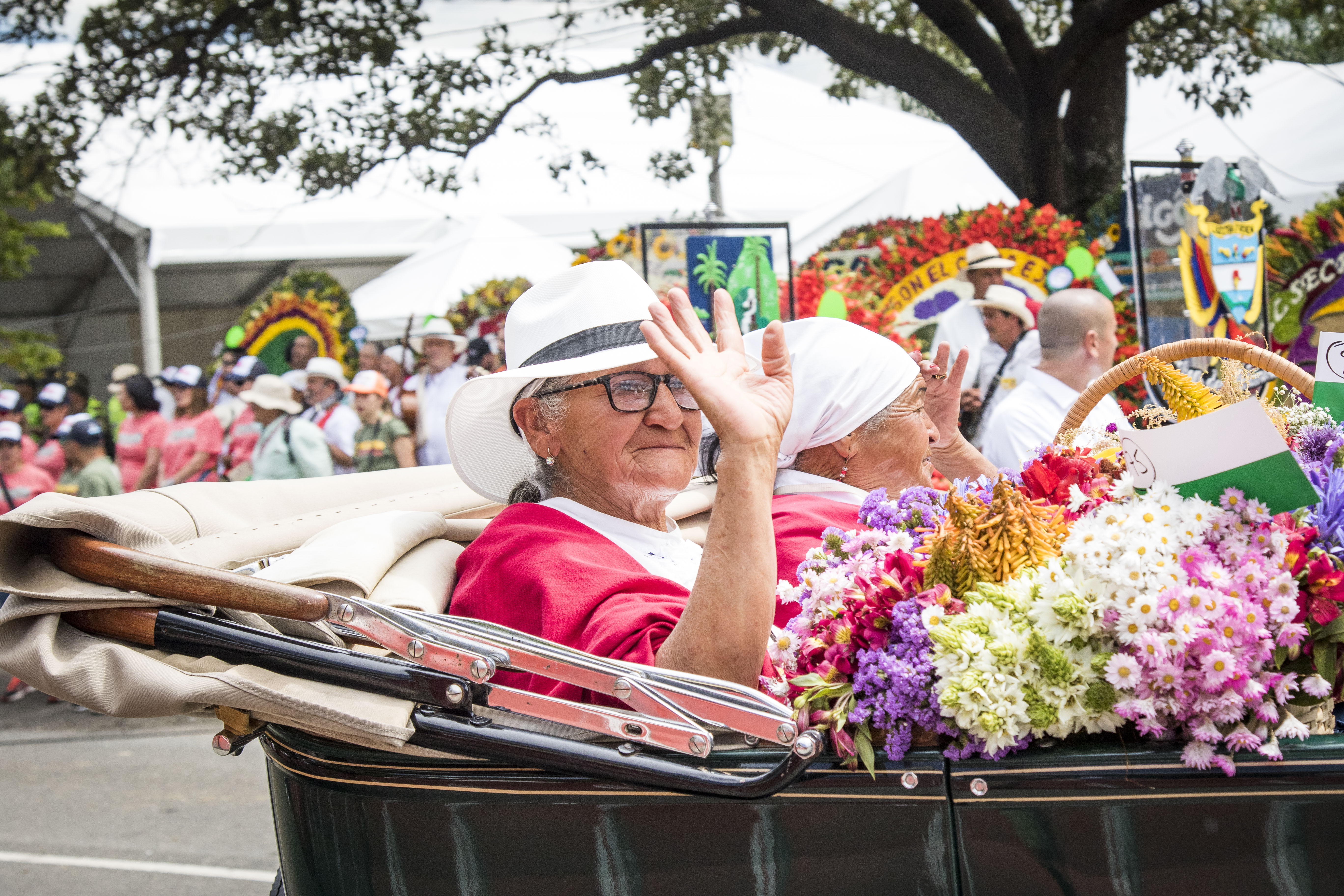
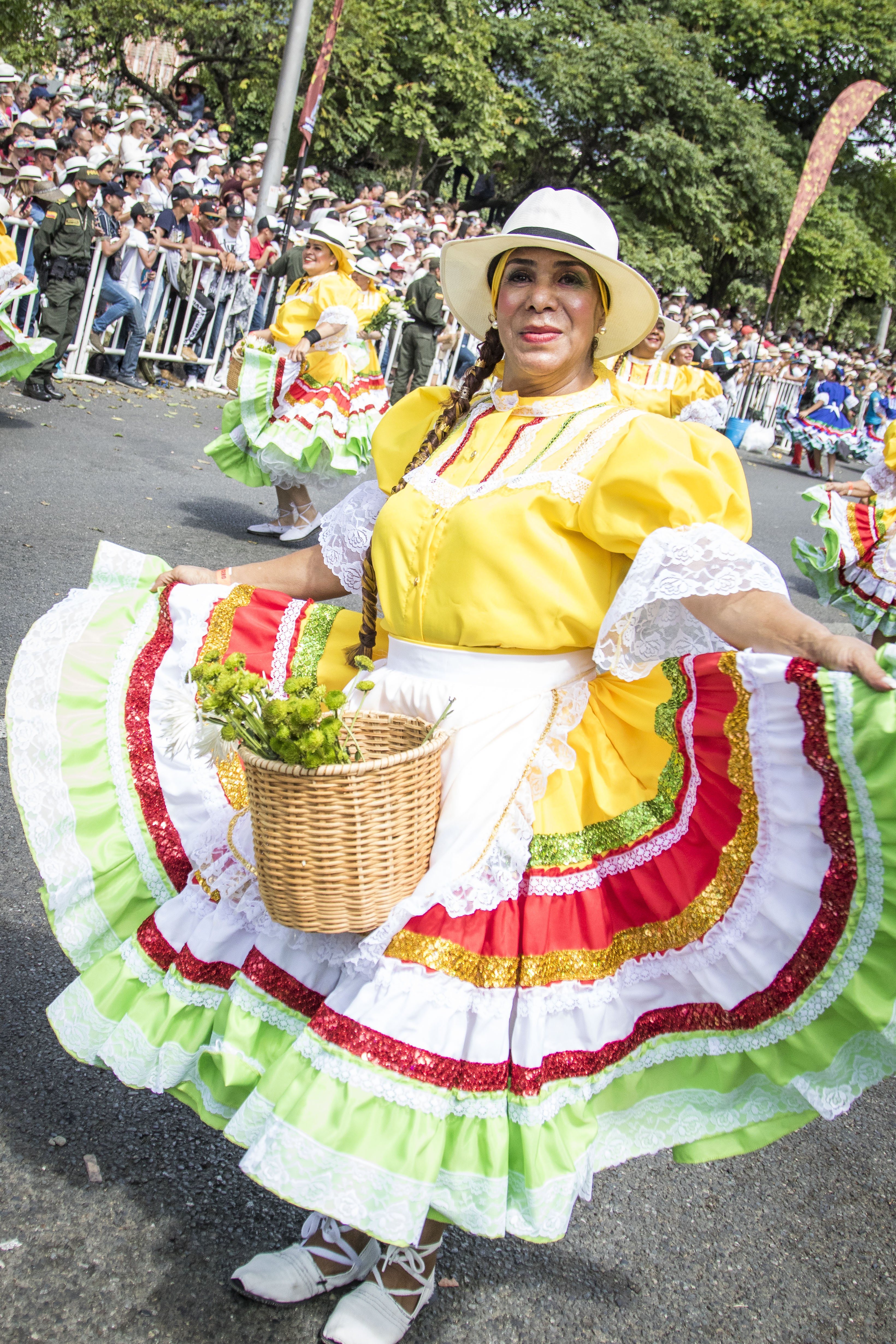
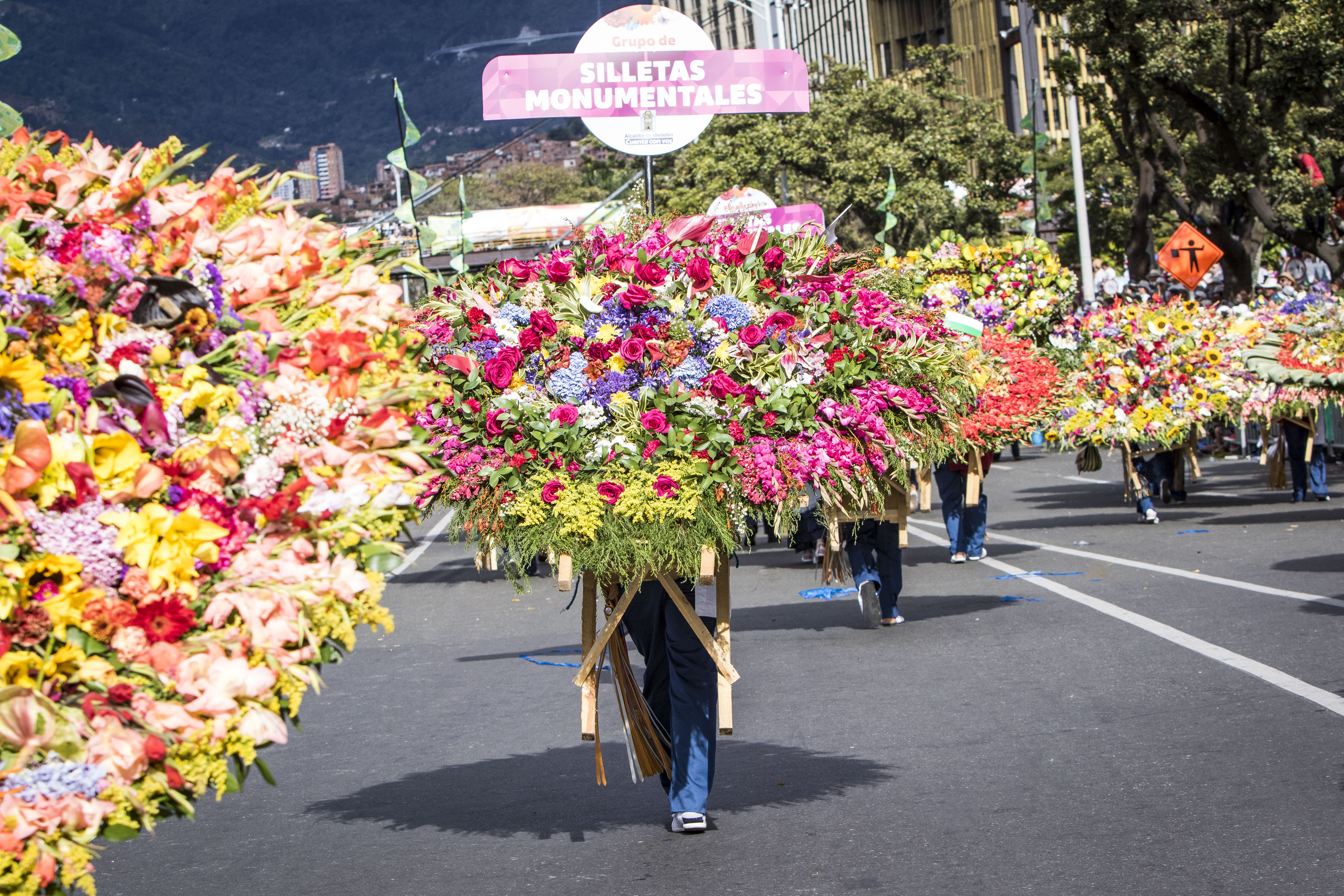
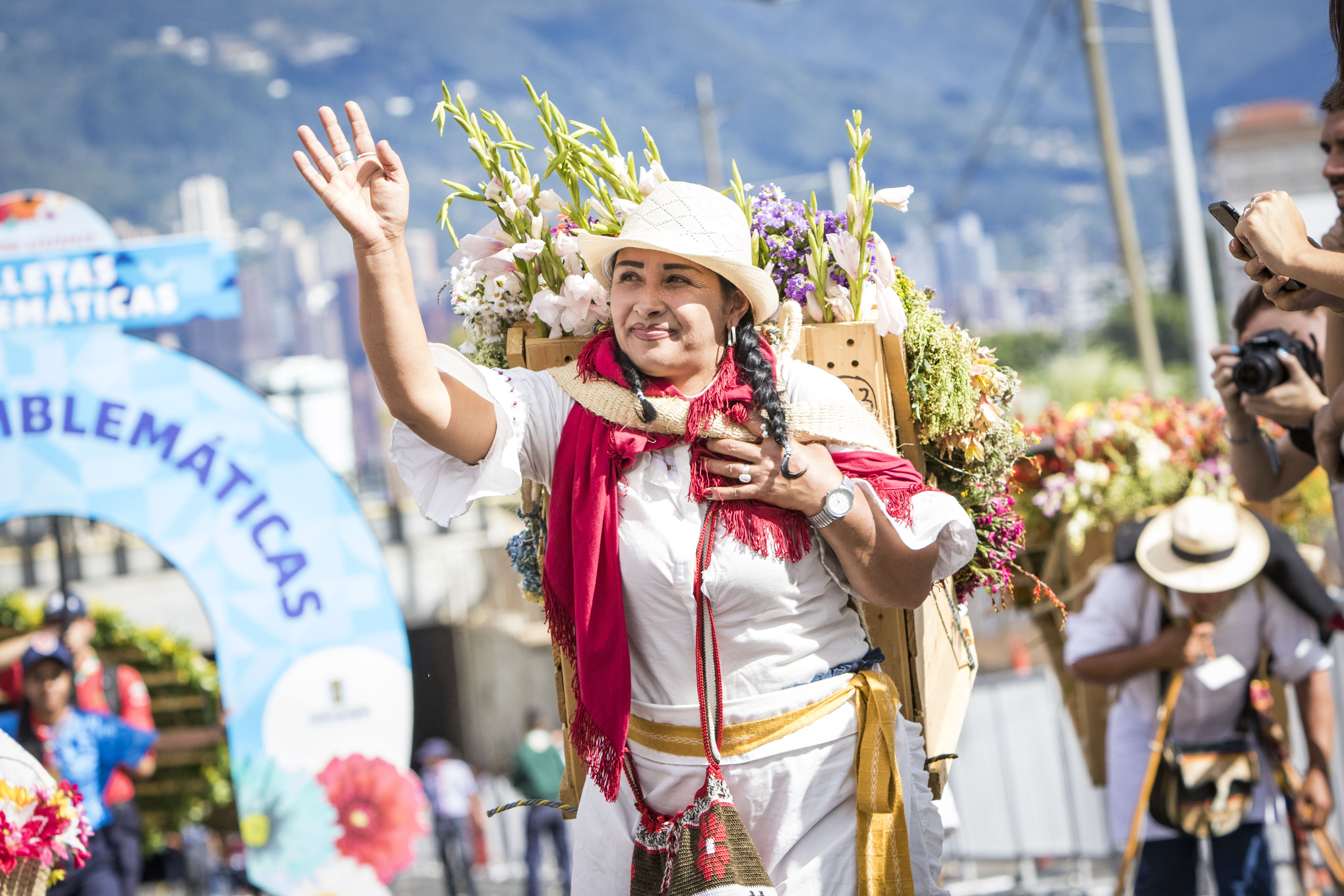
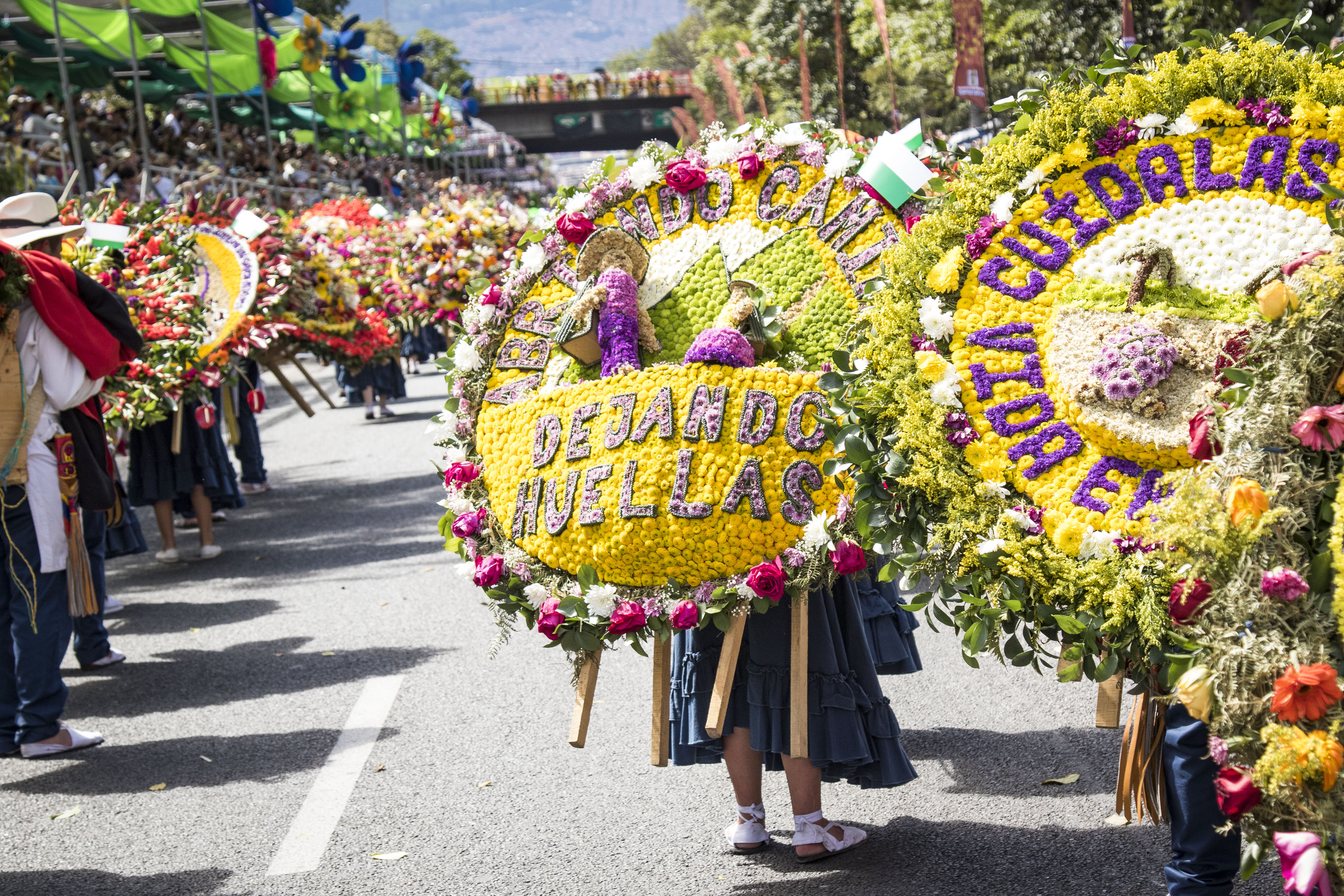
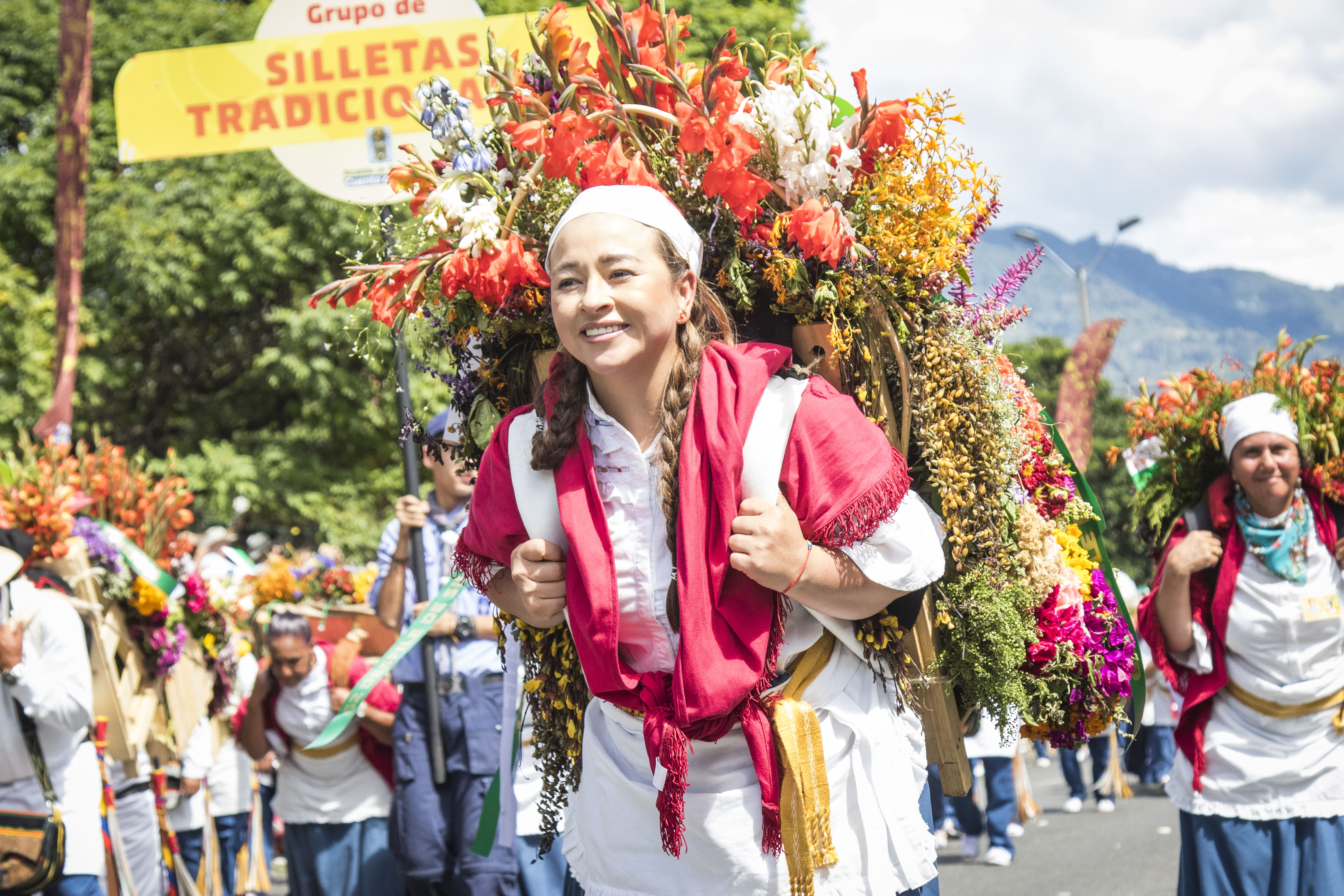
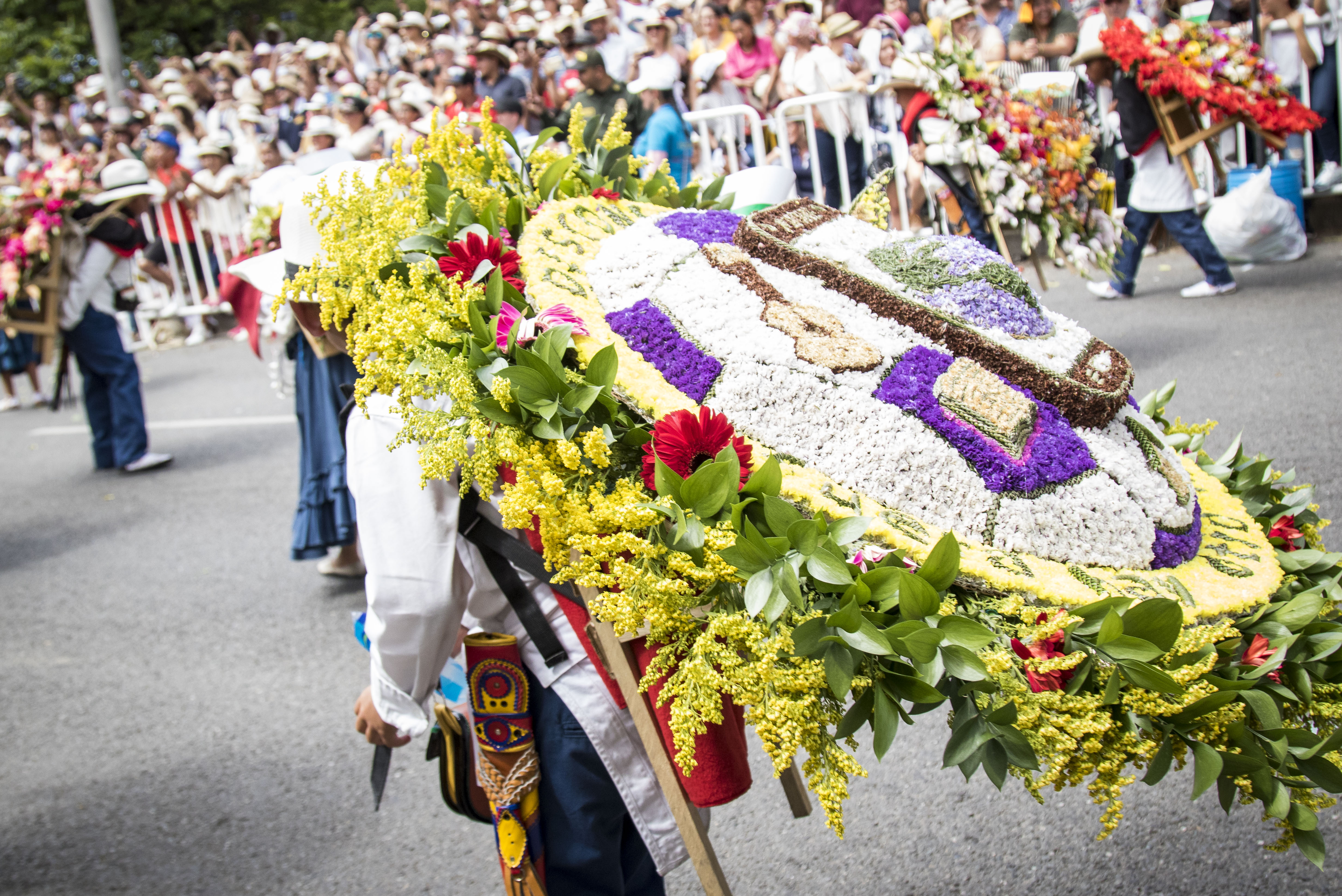
Take our places in a viewing stand for the Silleteros Parade, a highlight of Medellín’s Flower Festival and a celebration of the farming families of nearby Santa Elena.
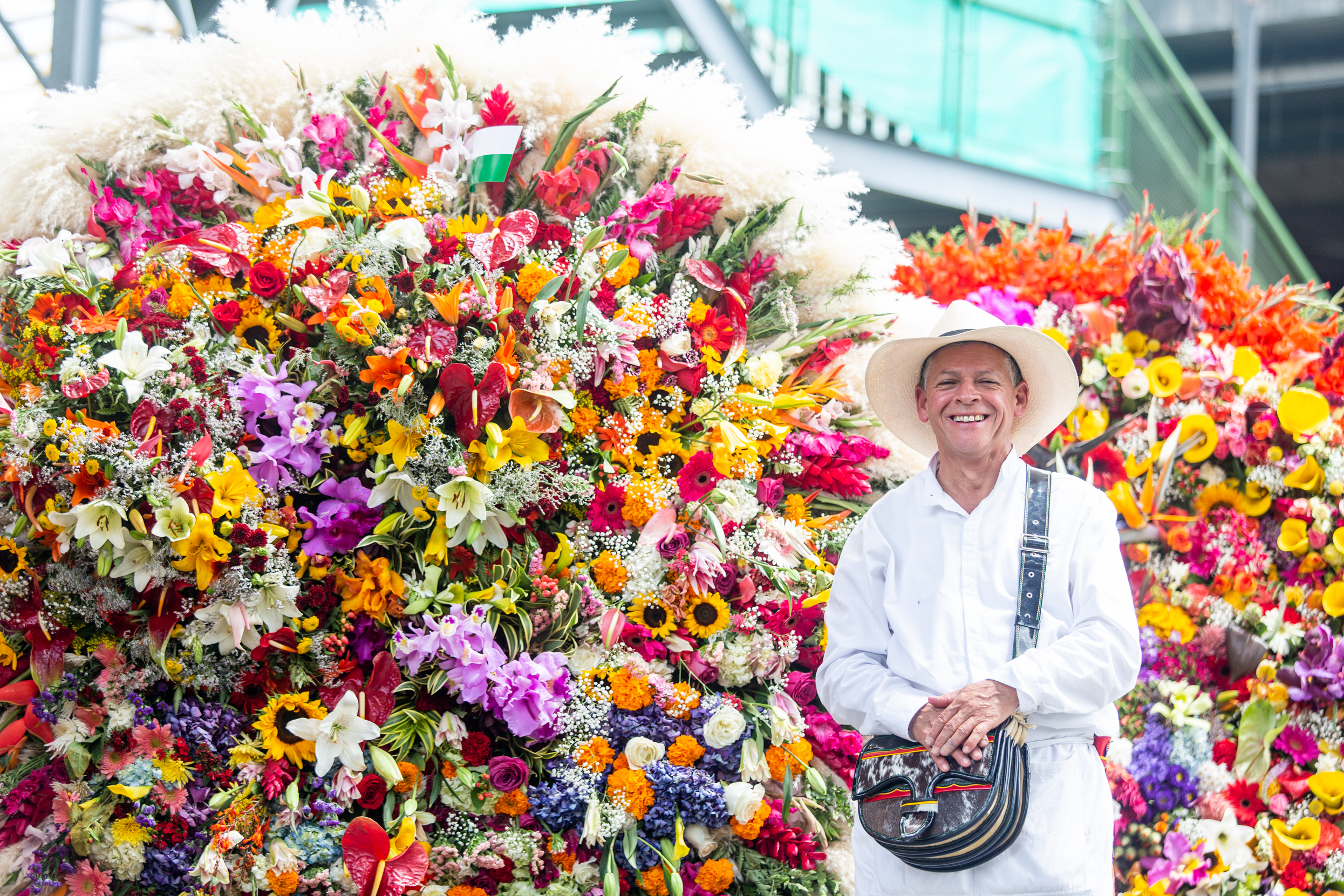
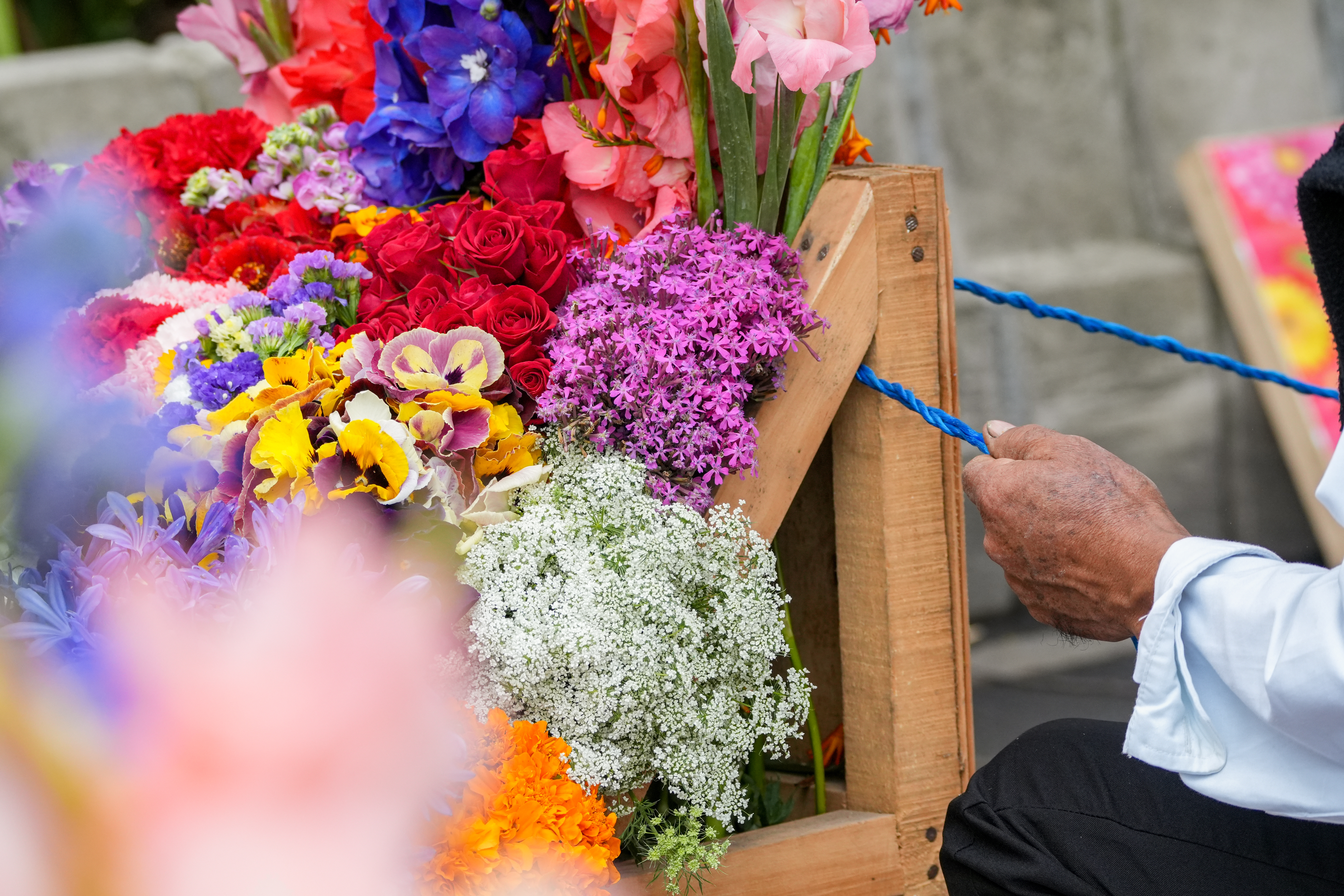
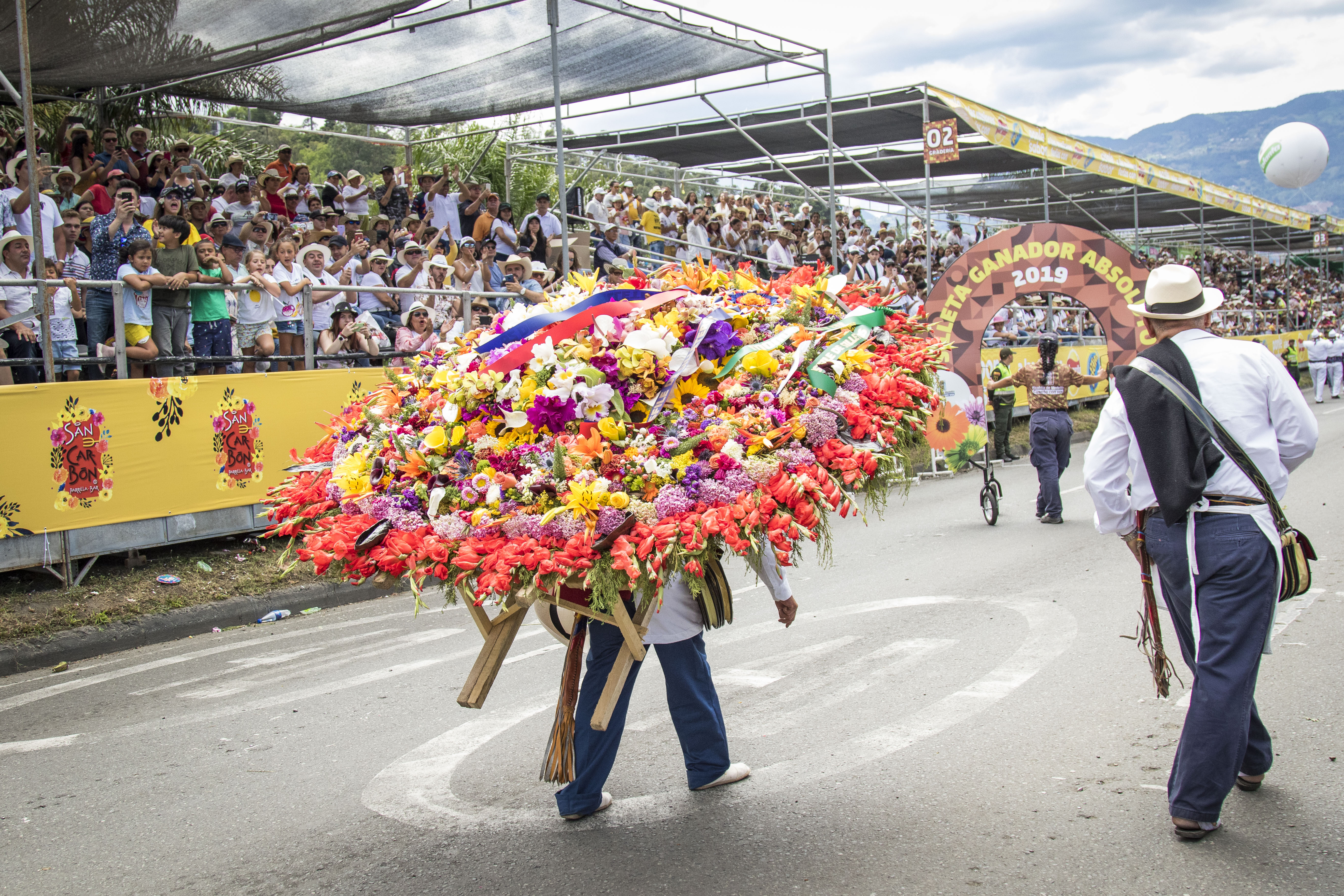
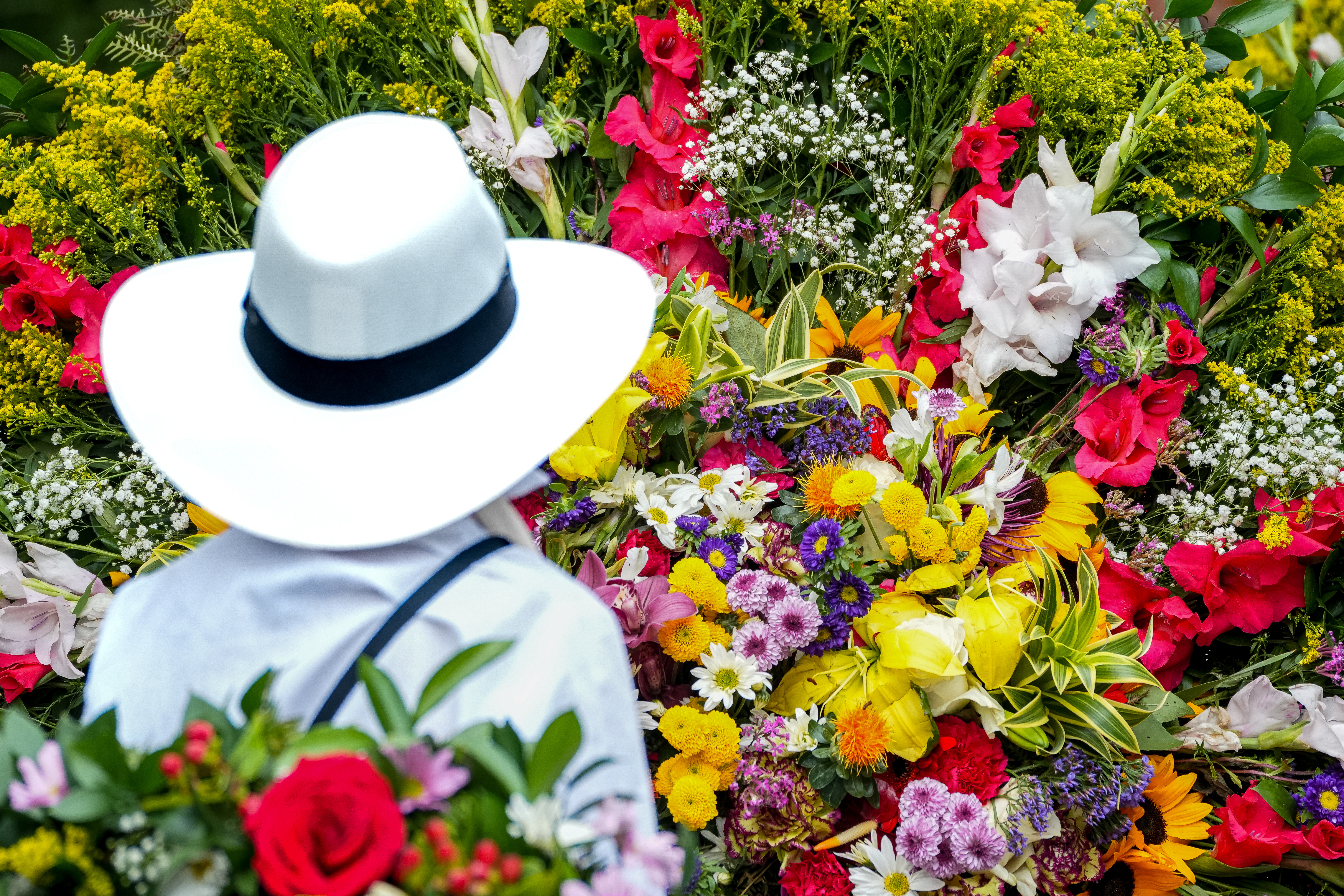
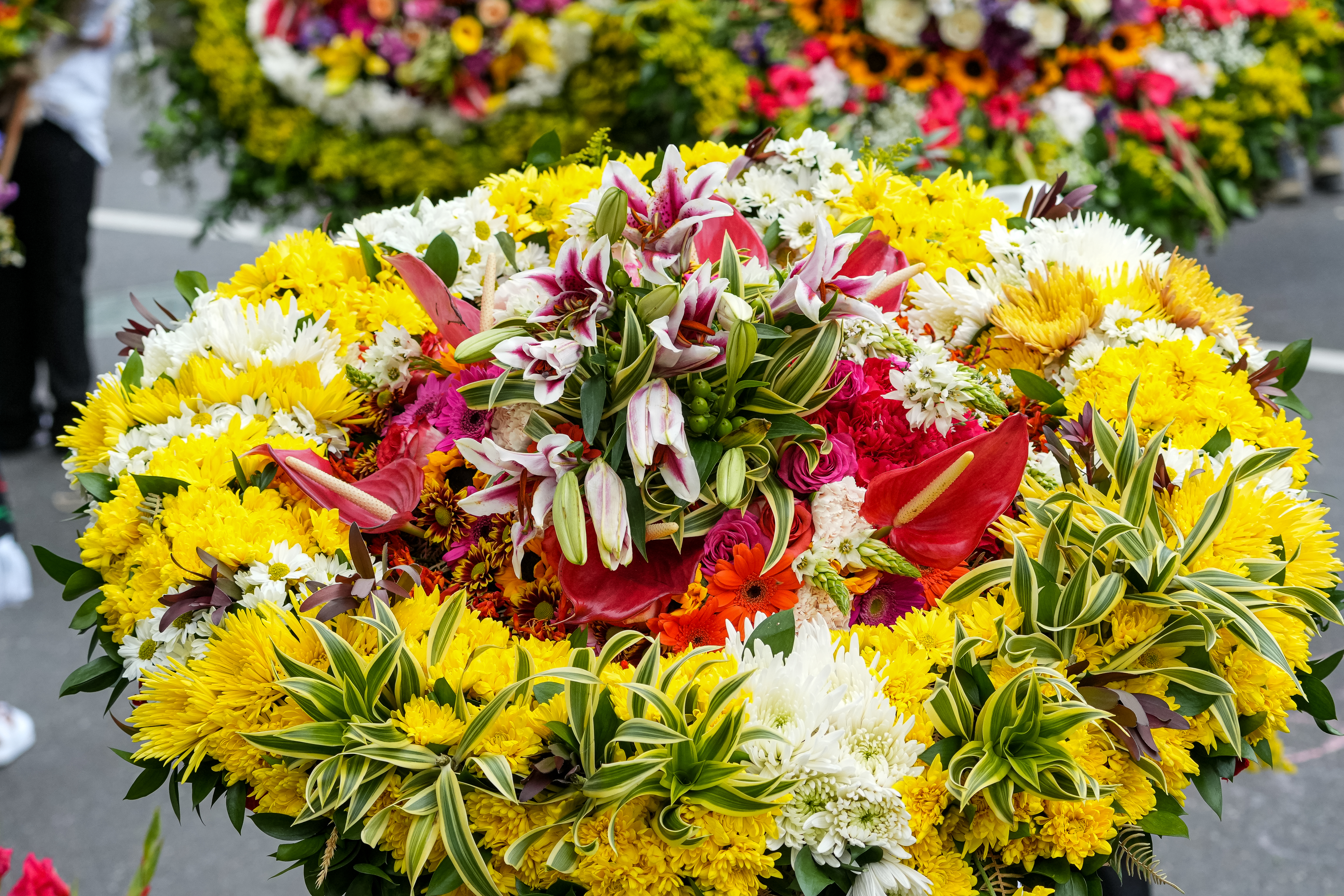
The stars are the silleteros (flower carriers), who parade through the city bearing elaborate silletas (flower arrangements mounted on frames) on their backs. These creations range from traditional displays to intricate floral pictures, showcasing skills passed through generations.
As the procession passes, we admire both the designs and the considerable effort involved in carrying them: a proud expression of the region’s farming heritage.
Meals: Breakfast
Day 11
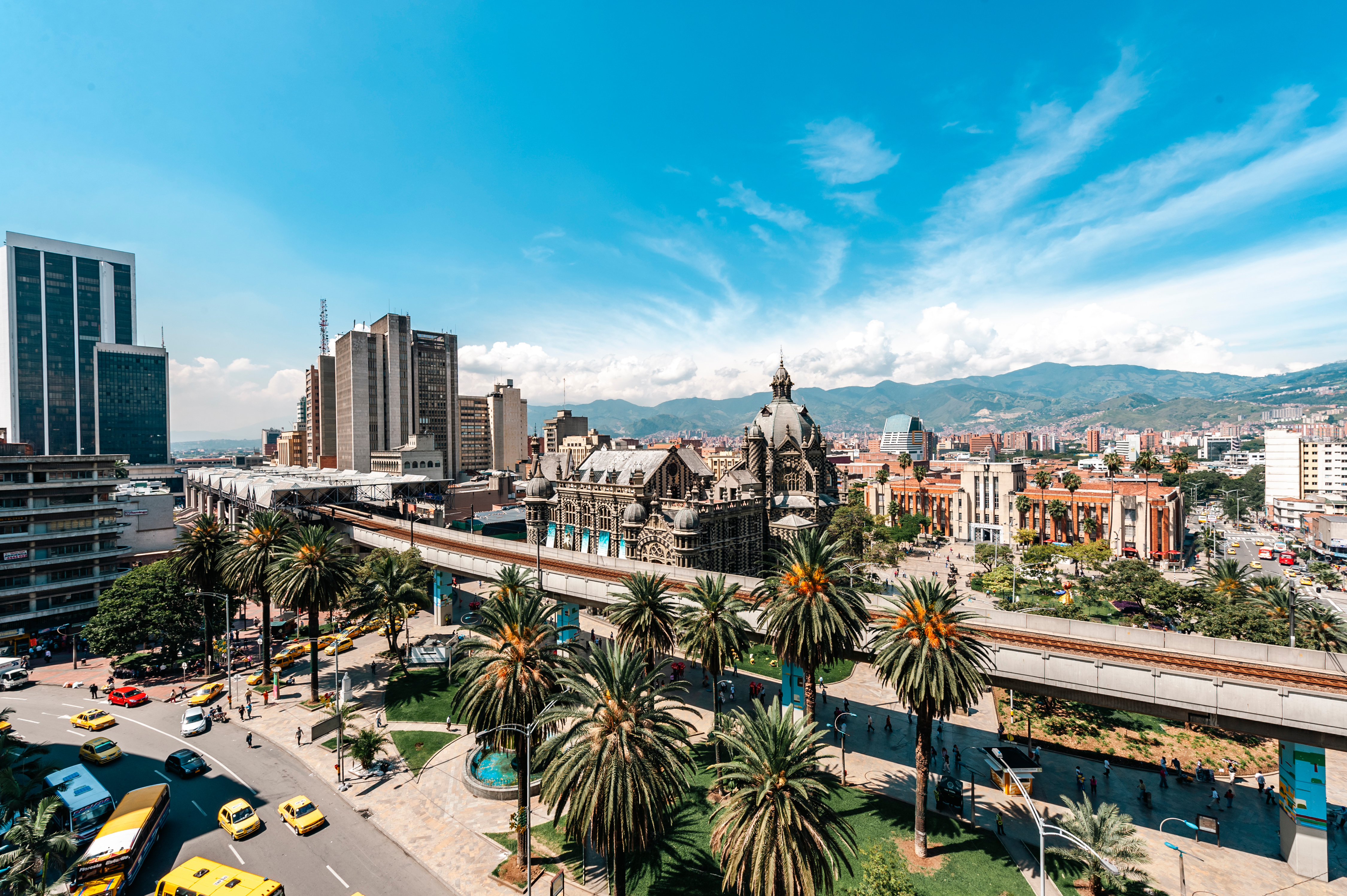
Explore Medellín and the life of Pablo Escobar
Today we learn about Pablo Escobar, the notorious drug lord and one-time head of the Medellín Cartel, who ruthlessly controlled large parts of the global cocaine trade in the 1980s and early 90s.
Our tour explores his controversial life and work in Medellín from a historical perspective, starting at his grave. We then visit the Parque Inflexión, a place that witnessed crucial moments in his life.
After, we head to Comuna 13, an area that has undergone one of Medellín’s most remarkable transformations in recent decades. Our guide leads us through the steep hillside streets, where colourful murals cover almost every wall, each one telling a story about the district’s past and the resilience of the community that lives here today.
We also visit the bustle of the downtown area and Botero Plaza, a park dedicated to the renowned Colombian sculptor and painter Fernando Botero.
Taking the modern Metro cable car, we head to San Javier. The cable car was constructed to facilitate access to the city centre for residents; now, it offers visitors the opportunity to gain an insight into the lives of the local people. Enjoy a breathtaking view over Medellín from the final station.
Meals: Breakfast
Day 12
Fly to Santa Marta • To the coast
We are driven (approximately 40 minutes, depending on traffic) to Medellin airport this morning and catch our flight to Santa Marta, a city on the Caribbean coast.
Our arrival time varies according to the flights. On arrival, we are driven (about one to two hours) east to our hotel near Palomino, where there’s a beach nearby.
Meals: Breakfast
Day 13
Hike in Tayrona National Natural Park
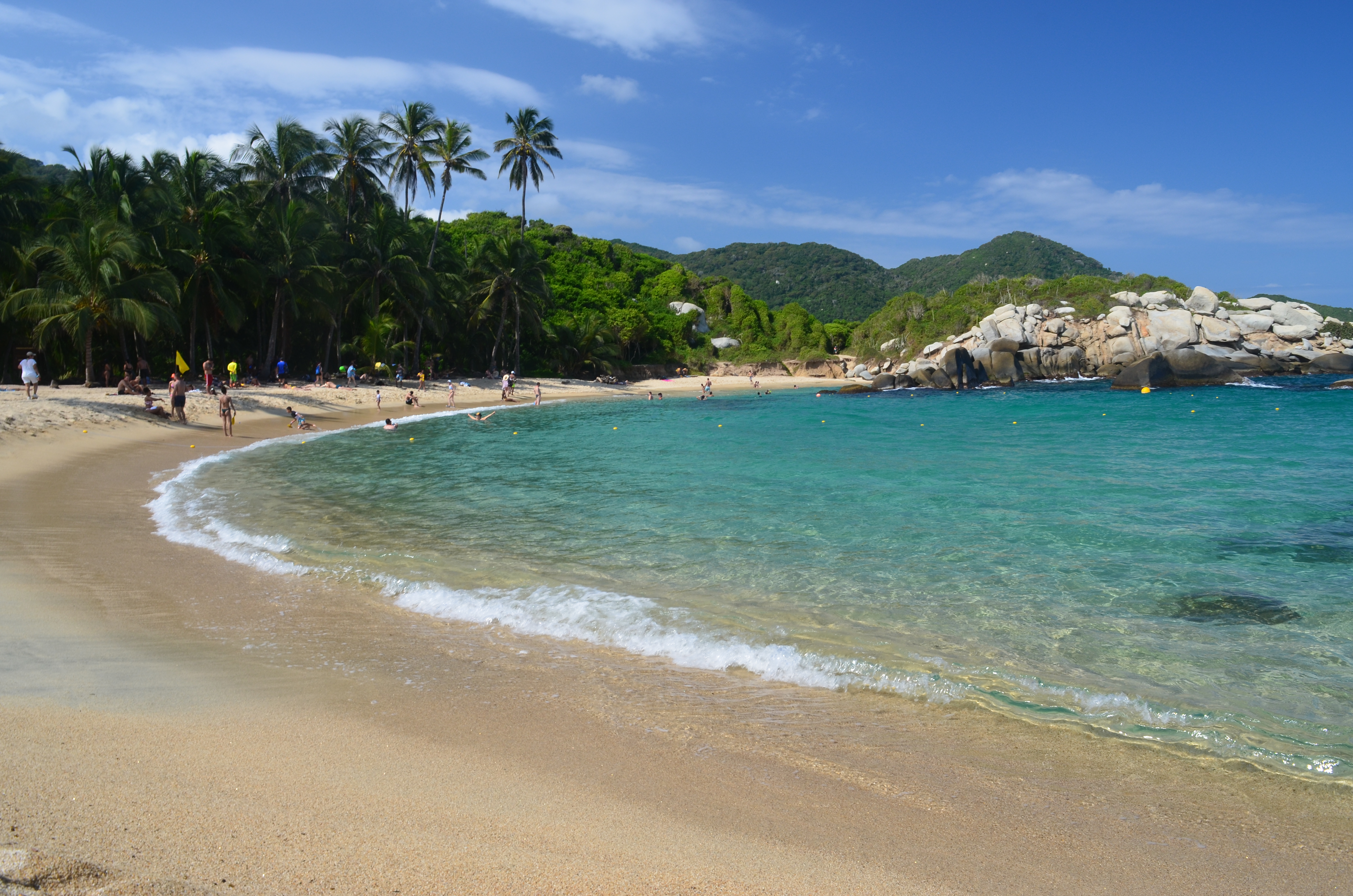
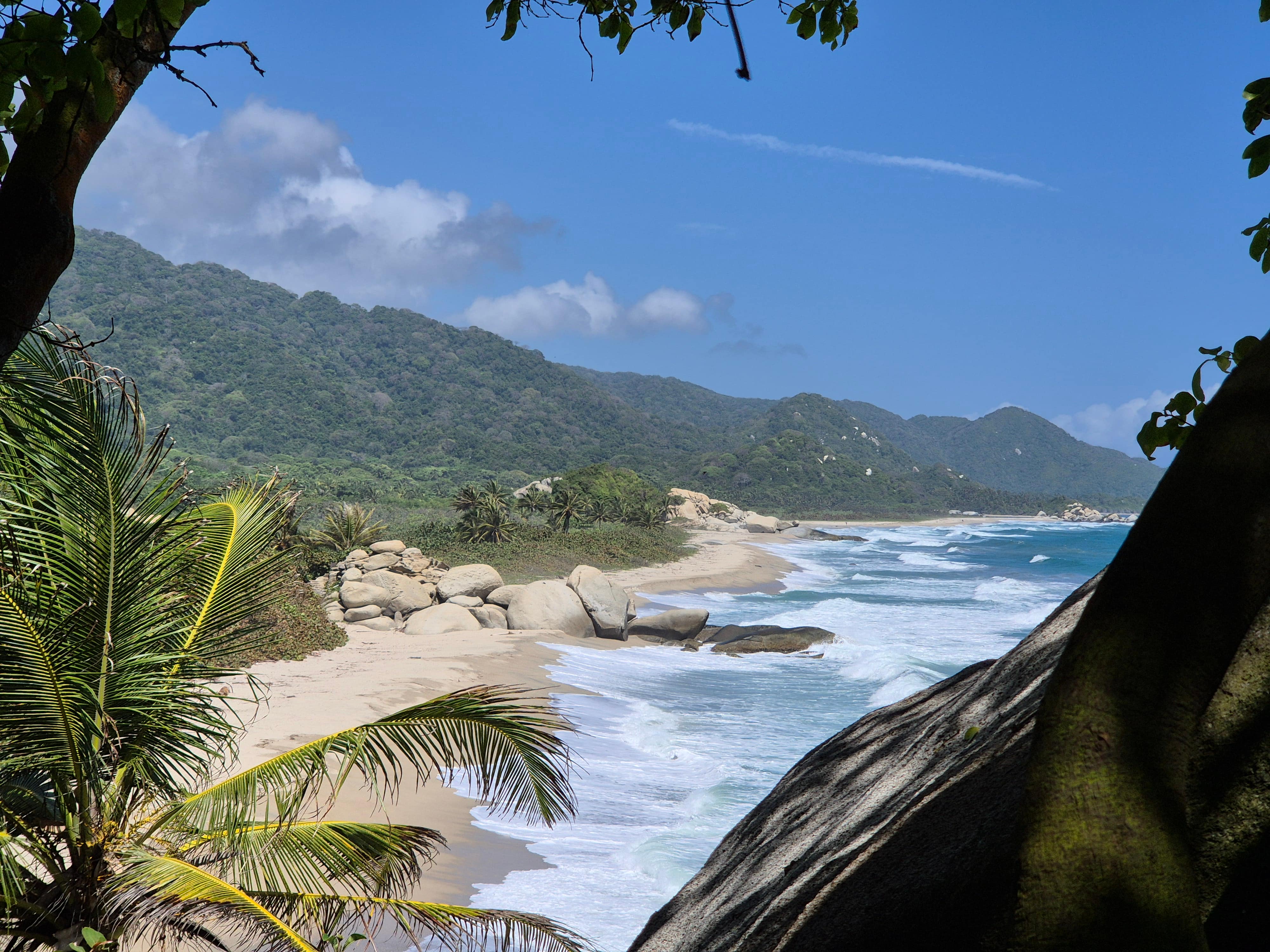
Drive (about 45 minutes) along the Caribbean coast to El Zaino this morning, the main entrance to Tayrona National Natural Park. Beginning the walk with a local guide, we reach Cañaveral beach, a wild and beautiful place, and we can enjoy a spectacular view of the sea from the top of a small hill. The walk continues through the tropical forest to Arrecife beach. We continue until we arrive at La Piscina, where we have time to swim and relax on the palm-fringed beach.
We can have lunch (not included) at a small, beach-front restaurant before returning through the forest. There are about four to five hours of walking today (approximately 6mi/10km).
For those craving even more adventure, there is the option to continue the hike for an additional 1.2mi (2km) to secluded Cabo San Juan. The trails ascend and descend partly over steps and wooden planks and take you through tropical forest with high temperatures and humidity. Be sure to bring appropriate footwear eg walking shoes, sunscreen, a hat and plenty of water. Due to strong currents, many beaches in Tayrona are unsafe for swimming. Please check with your tour leader before swimming.
Meals: Breakfast
Day 14
Arhuaco cultural exchange • To Cartagena
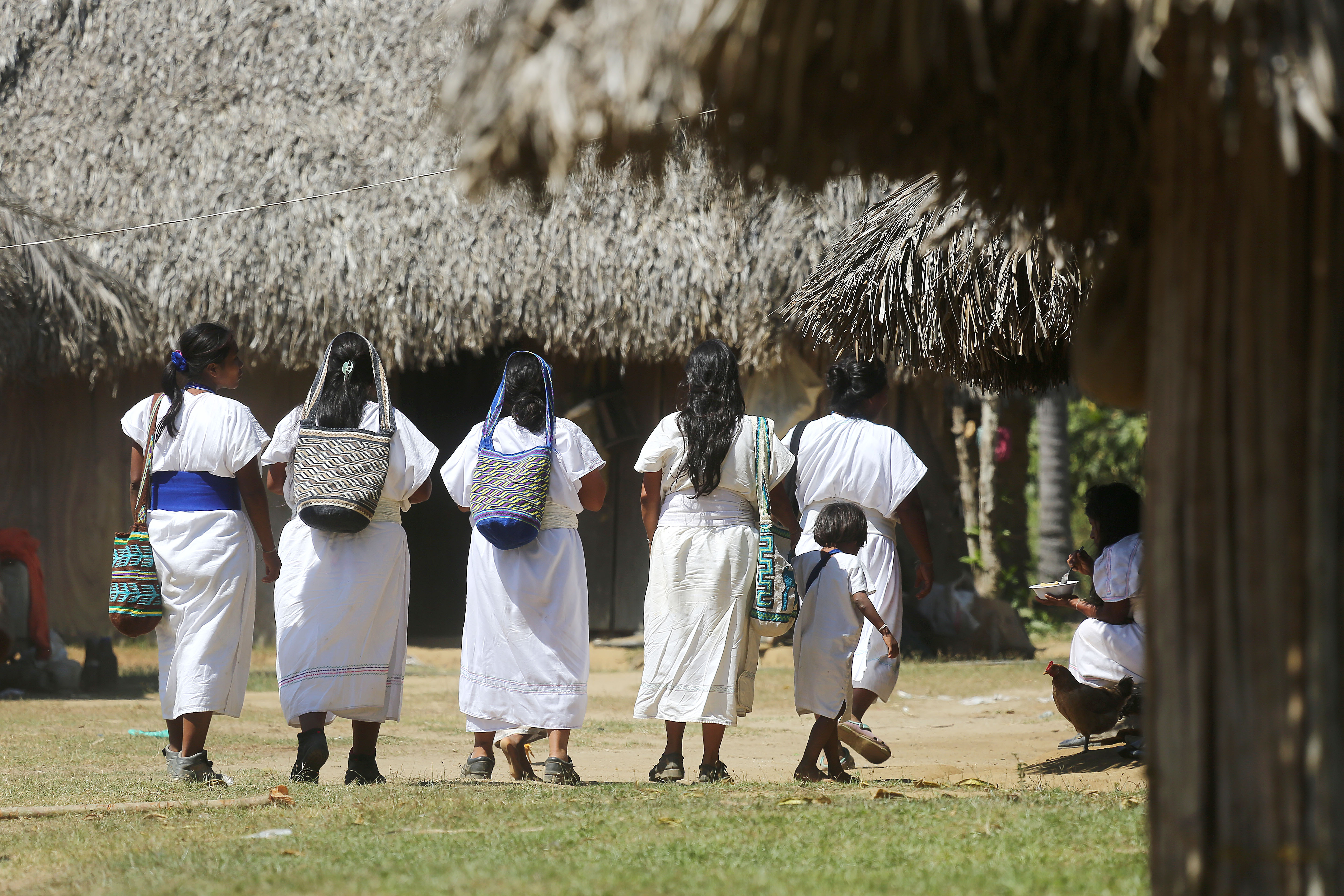
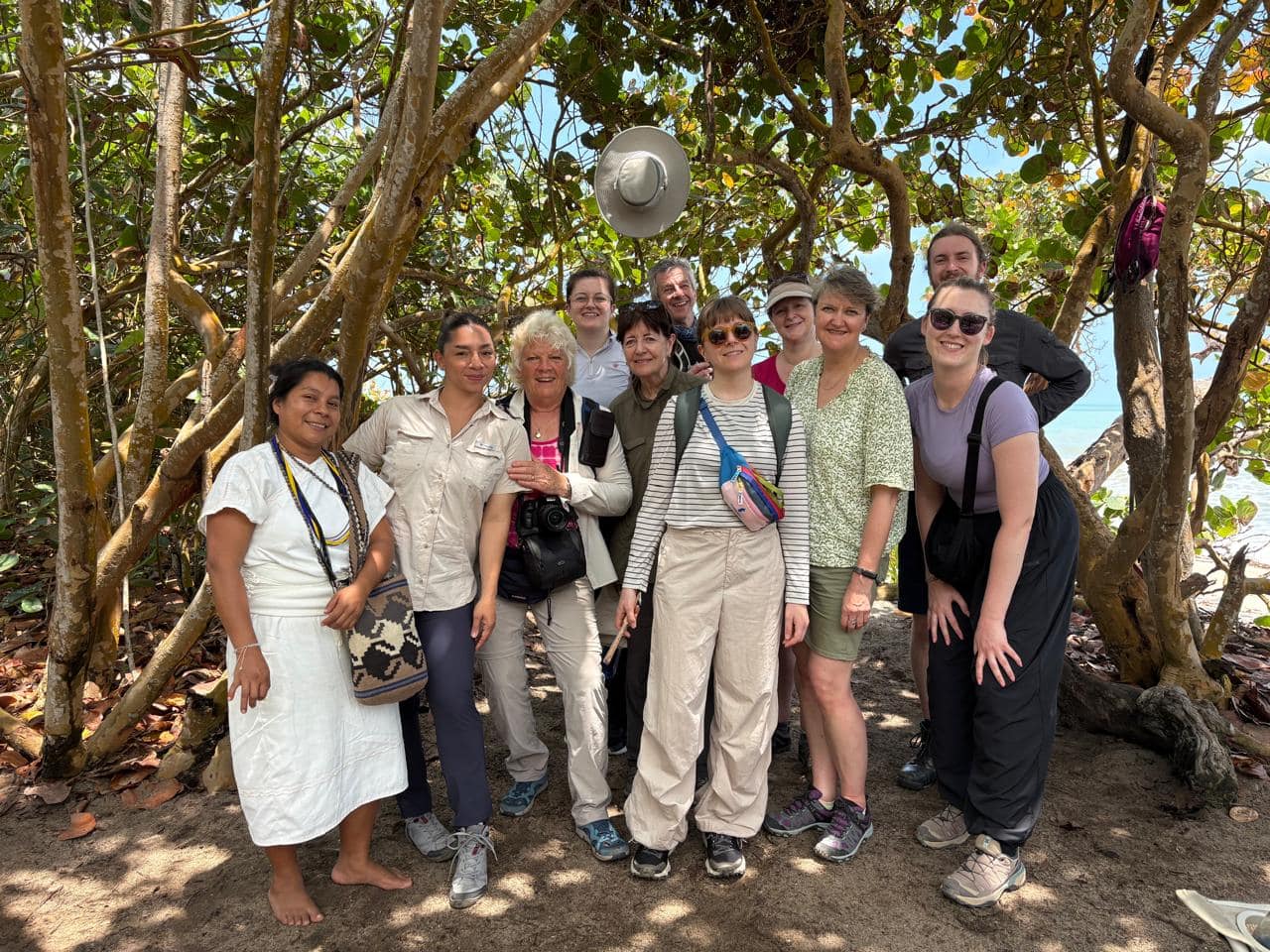
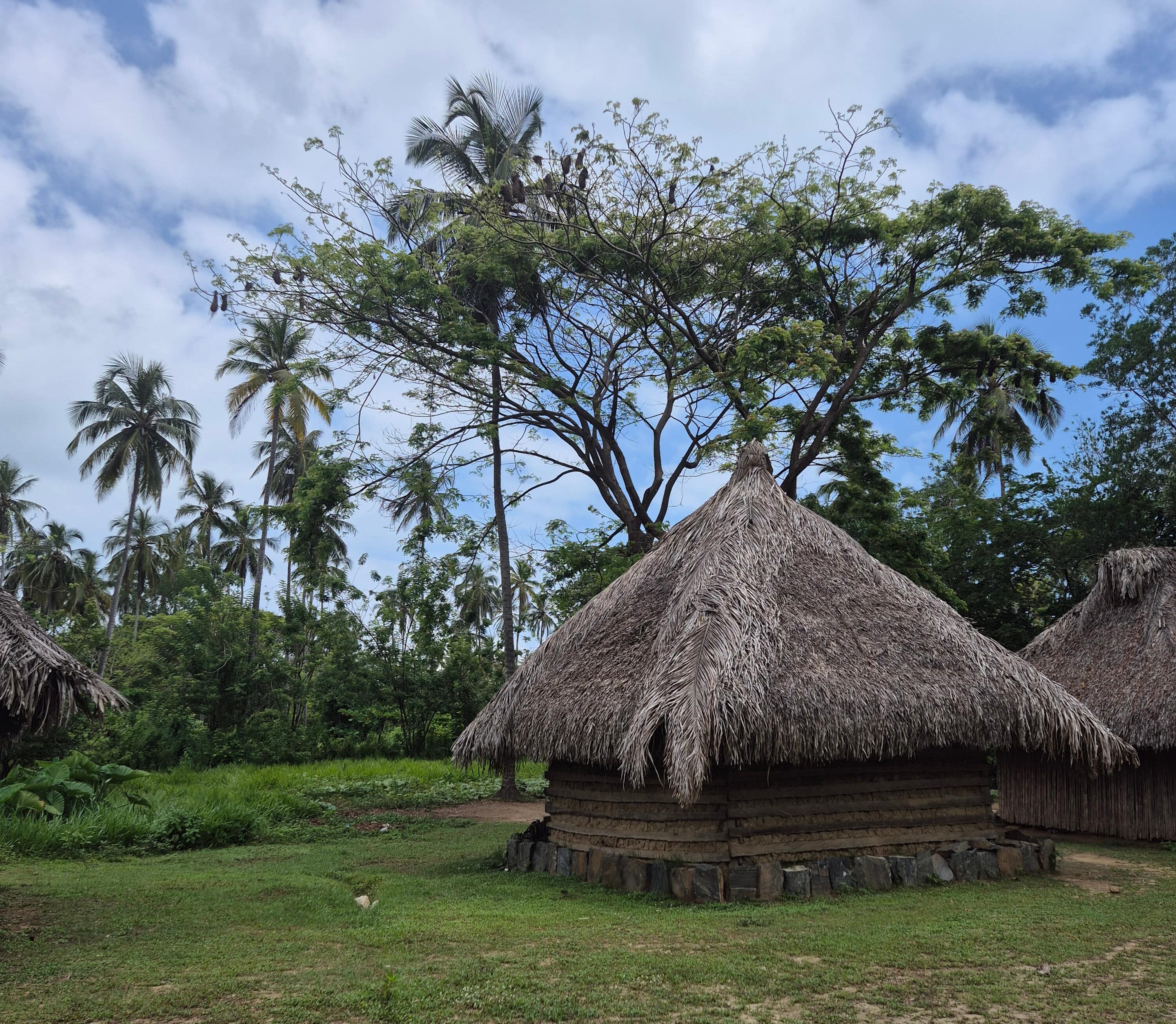
Start the day with a cultural exchange with an Arhuaco community. The Arhuaco, who grow coffee and sugarcane and raise animals, are one of the many Indigenous groups in Colombia, and mostly live in the coastal mountains of the Sierra Nevada de Santa Marta.
From our hotel, we drive (20 minutes) along the coastal road to the village of Perico Aguao, where we are met by a community guide. After a short introduction, we begin a hike through the tropical forest to the seaside village of Katanzama. Our guide leads us through the houses and community buildings and explains the traditions and culture of the Arhuacos.
From there, we continue to small plantations, where we learn about Arhuaco agriculture, before we drive (five to six hours) along the coast to Cartagena.
Meals: Breakfast
Day 15
Explore Cartagena
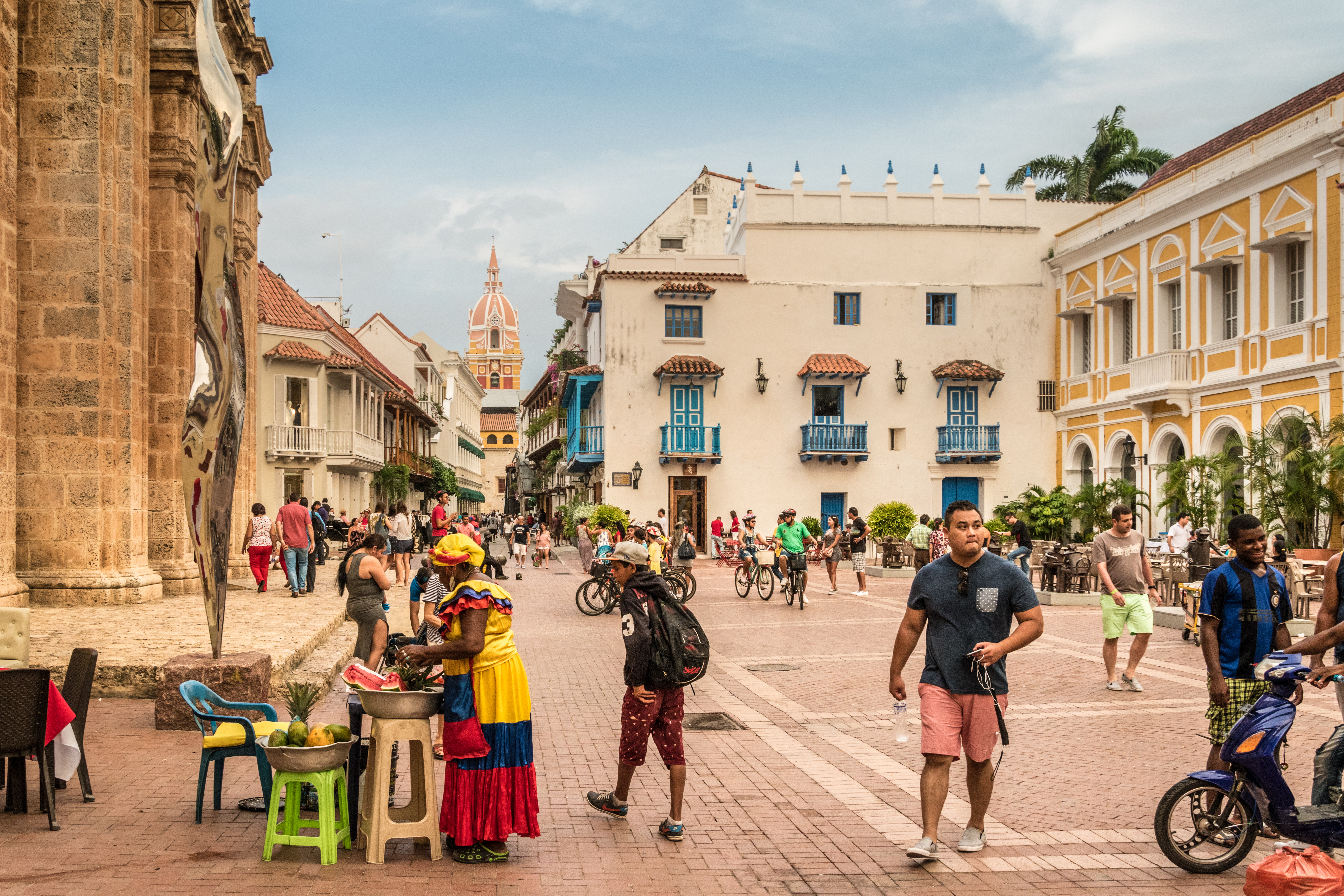
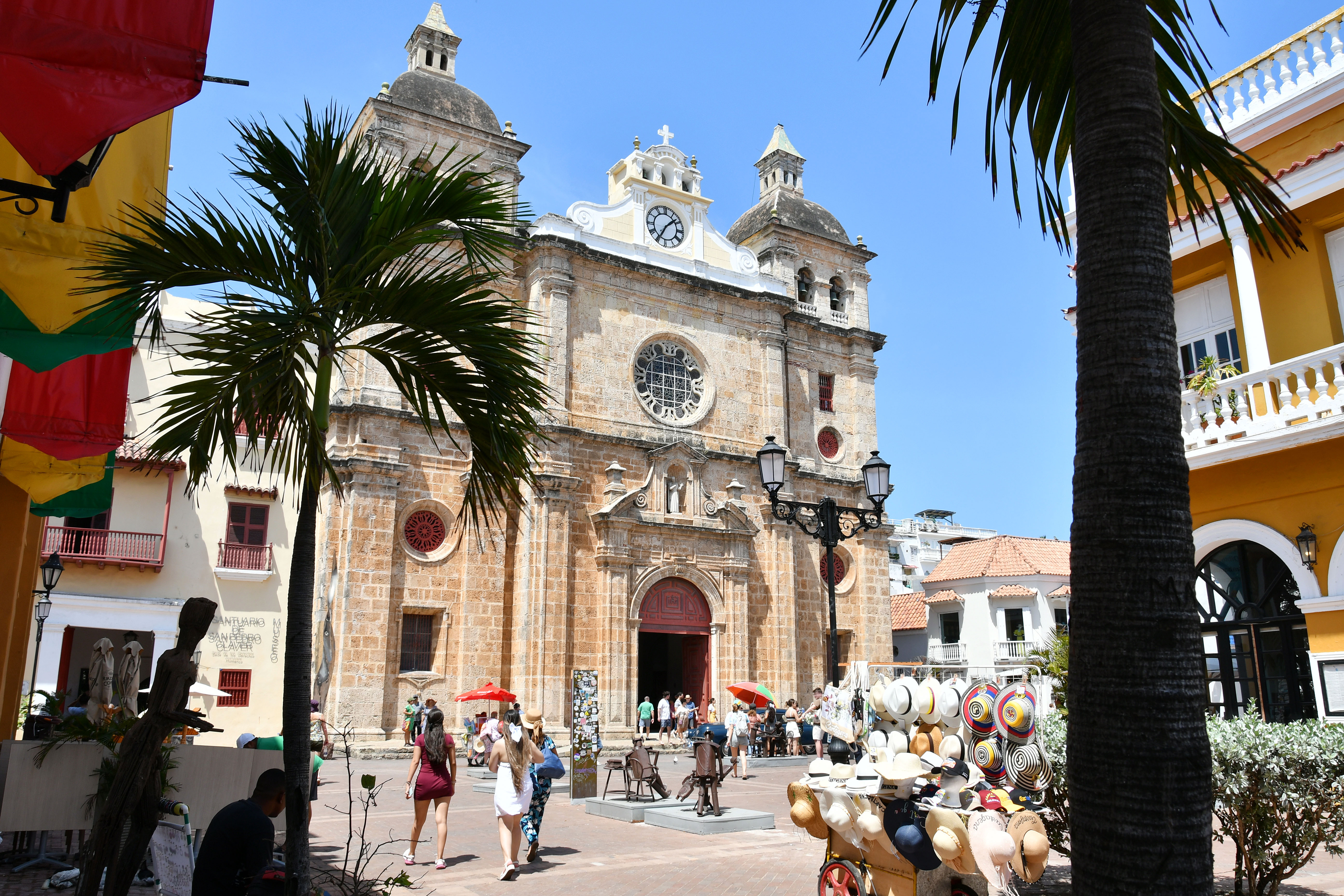
We have a full day in Cartagena, a city jam-packed with stories, fascinating sites and colonial architecture. We begin with a visit to the church of San Pedro Claver and the Castillo de San Felipe, a massive fortress where legends and secrets are hidden in its stone vaults. A statue of Blas de Lezo raises his sword in front of the fortress, a tribute to the Spanish admiral who defended the city against the British in 1741.
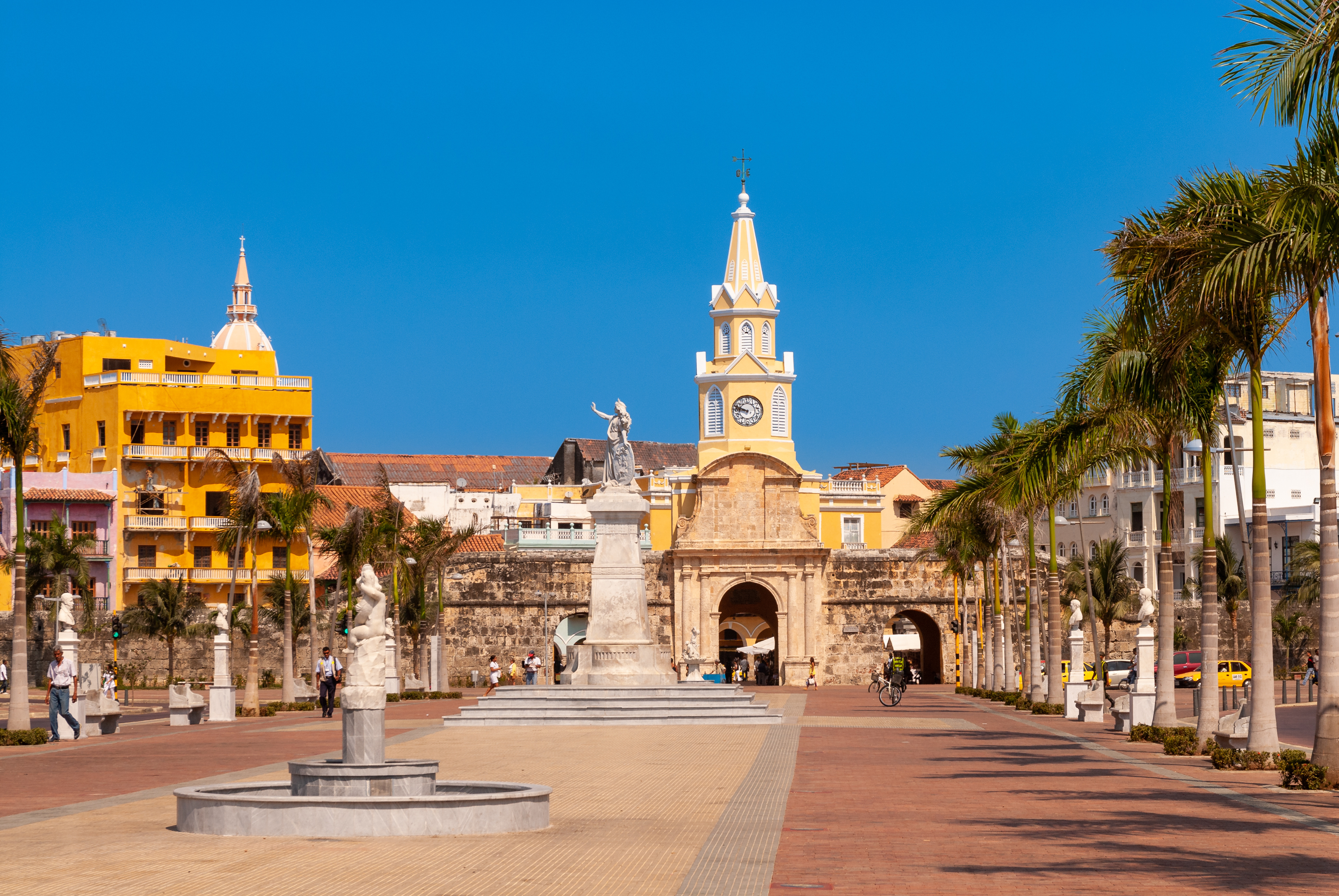
We continue into the bustle of Bazurto Market, where vegetables, meat, seafood, clothes, herbs and spices, fruits, natural remedies and other foodstuffs are sold. We can sample fresh juices and sweet fruits before heading back to the city centre. Entering the walled city through the official entrance, the archway of the Clock Tower (Torre del Reloj), we reach the monument to Pedro de Heredia, the founder of Cartagena de Indias.
Meals: Breakfast
Day 16
Adventure ends in Cartagena
You’ve explored Bogotá and colonial Cartagena, celebrated Medellín’s Flower Festival and walked beneath Cocora Valley’s soaring wax palms, but now it’s time to begin your return journey home.
Alternatively, if you’d like to extend your adventure, speak to your sales representative to discuss our large range of extension options.
Meals: Breakfast
What’s included
What’s not included
Additional information
Food
Breakfast usually consists of eggs (fried or scrambled), bread or arepas (thick corn pancakes), cheese, fresh local fruit, tea or coffee and fruit juice. Lunch is the main meal of the day in Colombia and portions can be large. Expect to see plenty of rice, plantain, beans, avocado, local fish and chicken on the menu. Pasta is also regularly available, often served with fresh vegetables.
Options for vegetarians are limited, but it is still possible to eat well. Note that soups are often made with a meat base or products.
Bogotá City Walk, Gold Museum & Monserrate Cable Car
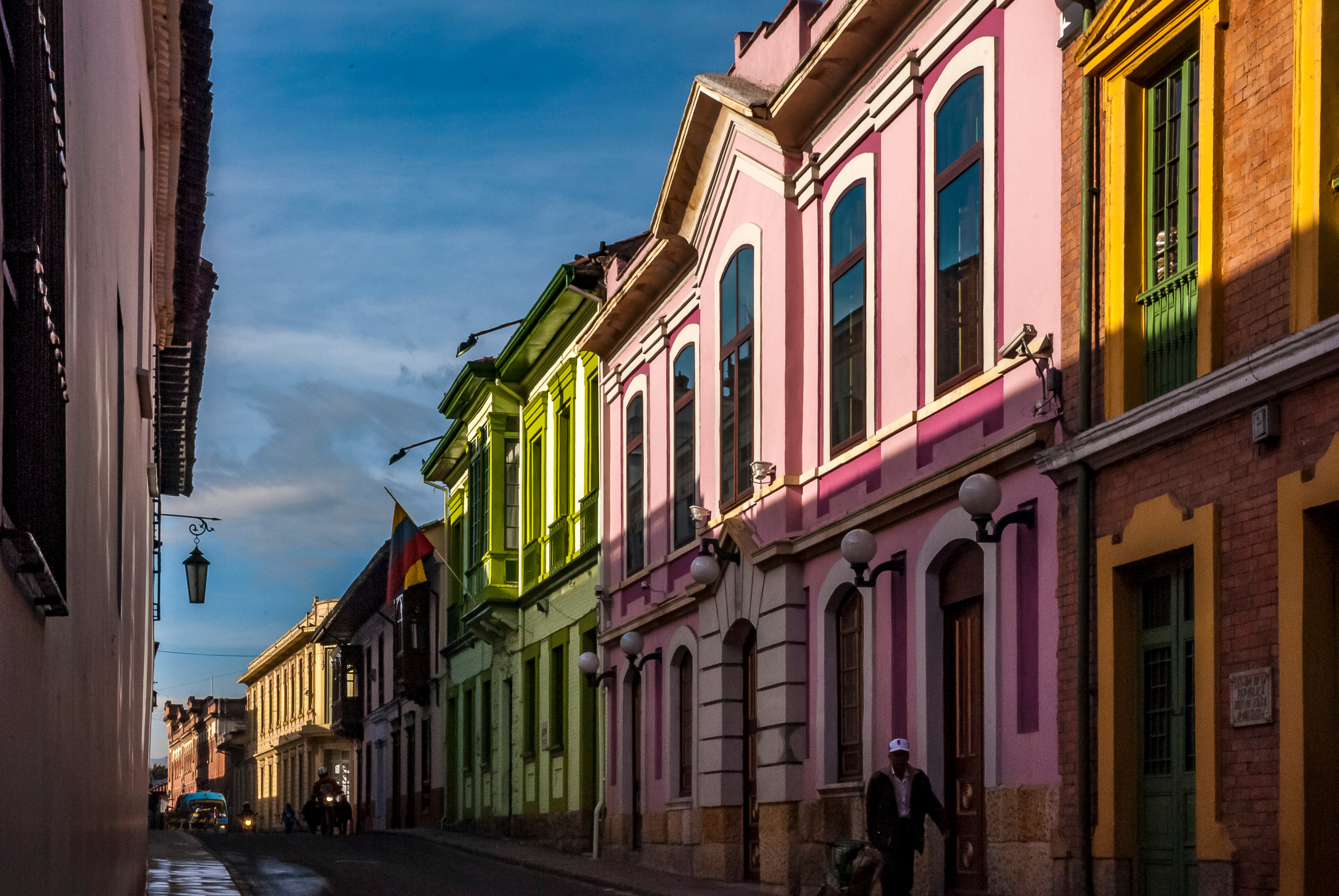
Discover Bogotá’s historic heart on a guided stroll through La Candelaria, where colonial balconies and carved stone portals frame lively plazas. Visit the Gold Museum to see masterful pre-Hispanic craftsmanship, from hammered breastplates to miniature votive figures that illuminate ancient cosmologies.
Ride the Monserrate cable car high above the city to a hilltop sanctuary. Pause for photos and reflection across the Andean plateau, tracing the city’s growth from colonial grid to modern metropolis while the bells of the church carry on the wind.
Bogotá Street Food Tour
Taste Bogotá’s culinary tapestry as you sample regional bites at markets and neighborhood stalls. Try arepas hot from the griddle, tangy ajiaco-inspired flavors, tropical fruit juices, and sweets shaped by Colombia’s cacao and cane traditions.
Your guide weaves in the stories behind each dish—indigenous roots, Afro-Caribbean influence, and Andean staples—revealing how migration and geography season Colombian kitchens. Expect bold aromas, quick chats with vendors, and a generous slice of everyday city life.
Traditional Tejo Game at a Social Club
Experience Colombia’s explosive national pastime as you learn to play tejo in a convivial local club. Aim metal discs at clay targets packed with mechas—tiny, paper-wrapped pouches that crackle on impact—while teammates cheer each throw.
Originating with the Muisca (Chibcha) people, tejo blends precision and festivity. Your entry includes two national beers, the classic accompaniment to friendly rivalry and conversation. It’s cultural immersion with a satisfying bang.
Tatacoa Desert Hike among Canyons & Cacti
Walk into the Tatacoa’s sculpted badlands, where wind and water have chiseled ochre and ash-colored canyons into an otherworldly maze. Trails weave past towering cacti and dry forest, with viewpoints revealing rippled ridgelines fading to the horizon.
Your guide introduces the desert’s geology and wildlife that survive on scant rain. Expect firm footing, sun, and silence—an elemental landscape that rewards steady pacing and a curious eye for shapes and shade.
La Chaquira Lookout & El Tablón Statues Walk
Explore cliffside terraces at La Chaquira, where enigmatic rock carvings gaze over the Magdalena River canyon. Footpaths descend to viewpoints framed by cloud-snagged ridges and the echo of rushing water.
Continue to El Tablón to see carved figures—human, animal, and hybrid—standing sentinel on green slopes. Your guide deciphers motifs and local lore, sharing how these sculptures speak to belief systems that predate the Andes’ colonial era by centuries.
Magdalena River Gorge, Obando Tombs & Trapiche Panela Tasting
Visit the Estrecho del Río Magdalena, where Colombia’s greatest river squeezes through a rocky throat barely two meters wide. The setting is a natural amphitheater of polished stone and churning water.
Nearby at Obando, step into a small museum and excavated tombs that reveal mortuary traditions from pre-Hispanic cultures. Cap the experience at a rural trapiche, tasting warm panela as millstones crush cane—a sweet thread linking countryside kitchens to national recipes.
San Agustín Archaeological Park & Museum Guided Visit
Walk forested trails among earthen mounds and monumental guardians in San Agustín Archaeological Park, a UNESCO-listed complex of carved stone figures and ceremonial sites spread across lush hills.
The excellent museum contextualizes jaguar-fanged visages, solar symbols, and funerary ensembles. Your guide connects iconography to worldview, while the park’s quiet clearings and echoing groves heighten the sense of entering a sacred cultural landscape.
Alto de los Ídolos Archaeological Park
Survey Alto de los Ídolos, the area’s second key complex after San Agustín, home to towering statues, sarcophagi, and tombs arranged across grassy knolls with panoramic valley views.
Carvings range from serene to fierce, their stylized faces and animal attributes hinting at rulers, shamans, and protective spirits. Your visit illuminates regional variations in style and the ceremonial geography that once knit these sites together.
Popayán Colonial Center Walking Tour
Stroll Popayán’s whitewashed lanes—La Ciudad Blanca—to admire baroque churches, elegant courtyards, and arched bridges that tell the story of a strategic Andean crossroads founded in 1537.
Your guide introduces artistic altarpieces and volcanic-stone facades, tracing Popayán’s role in trade, scholarship, and Holy Week rituals. The ambiance is quietly grand: tiled roofs, shaded patios, and the cadence of everyday life unfolding behind carved portals.
Buga Stop & Basilica of the Lord of Miracles
Pause in Buga, one of Colombia’s oldest cities, to visit the Basilica of the Lord of Miracles, a major pilgrimage site whose soaring nave shelters a revered image of Christ.
Outside, vendors sell candles and keepsakes; inside, the atmosphere shifts to hushed devotion. Your guide shares the basilica’s origins and the stories that draw faithful travelers from across the Andes and Pacific lowlands.
Cocora Valley Hike under Wax Palms & Seedling Planting
Walk amid the wax palms of the Cocora Valley, Colombia’s sky-scraping national tree rising like green spires from quilted pastures and cloud forest edges. Trails offer soft earth, bird calls, and long-lens vistas.
Join a hands-on effort to plant wax palm seedlings, a small act contributing to the conservation of these highland ecosystems. The valley’s shifting mists and misty mountain passes set a lyrical scene for conservation in motion.
Salento & Filandia Heritage Towns Stroll
Explore the coffee zone’s signature towns—Salento and Filandia—where brightly painted balconies, flower boxes, and wooden doors line photogenic squares and side streets.
Discover artisan workshops and cafés serving region-grown brews while your guide explains the origins of the “paisa” style: timber frames, vivid facades, and balconies made for watching daily life. Expect time to browse local crafts and pause for hilltop views.
Finca El Ocaso Coffee Workshop & Tasting
Trace coffee from cherry to cup during a private, interactive visit to Finca El Ocaso. Walk the rows, learn to identify ripe berries, and tour the wet mill to understand fermentation, washing, and drying.
Conclude with a guided tasting—balanced acidity, caramel notes, citrus brightness—while discussing varietals and terroir. This hands-on session deepens appreciation for Colombia’s hallmark export and the families who craft it bean by bean.
Florecer Orchid Exhibition at Medellín Botanical Garden
Admire intricate blooms at Florecer in the Medellín Botanical Garden, where rare orchids, bromeliads, and native plants are curated into living art beneath the garden’s iconic canopy.
Displays spotlight Colombia’s astonishing biodiversity and the craft of local growers. It’s a feast for the senses—velvet petals, delicate fragrances, and vibrant color palettes—paired with artisan showcases that celebrate rural traditions and design.
Medellín Silleteros Parade Viewing Stand
Celebrate the Flower Festival from reserved seating as the Silleteros Parade sweeps by in a cascade of color. Families from Santa Elena shoulder silletas—intricate flower arrangements—crafted from generations of skill.
Music, civic pride, and floral storytelling animate the streets. From your vantage, appreciate both the artistry and the athleticism of carrying these living mosaics, a tradition born of rural routes and transformed into Medellín’s emblem of heritage.
Medellín Transformation Tour: Escobar History, Comuna 13 Street Art & Metro Cable Car
Examine Medellín’s past and renewal with visits to memorial sites linked to Pablo Escobar, including Parque Inflexión, where the city reframes a painful chapter through reflection rather than glorification.
Ride the Metro cable car for citywide views, then walk Comuna 13 to see bold murals, outdoor escalators, and neighborhood initiatives that signal resilience. Stops in the historic core and Botero Plaza round out a portrait of a city reshaped by culture and community.
Tayrona National Natural Park Coastal Hike to La Piscina
Walk forested paths from Cañaveral towards Arrecife and on to La Piscina, where a natural rock reef softens the Caribbean’s pulse into swimmable waters. Trails pass towering palms, lianas, and sandy coves under tropical heat.
Your guide highlights Tayrona’s ecosystems and ancestral ties to Indigenous communities. Time permitting and conditions allowing, pause for photos and reflection at headlands where the Sierra Nevada seems to fall straight into the sea.
Arhuaco Cultural Exchange in Katanzama
Meet a community guide for a respectful introduction to Arhuaco lifeways in the coastal foothills of the Sierra Nevada de Santa Marta. Walk to the seaside village of Katanzama, visiting communal spaces that anchor daily rhythms.
Learn about agriculture, spiritual landscapes, and the symbolism woven into traditional dress and handwoven mochilas. This exchange centers listening and cultural understanding, offering context for one of Colombia’s most distinctive Indigenous cultures.
Cartagena Icons: Castillo de San Felipe & San Pedro Claver
Explore the massive Castillo de San Felipe, a masterpiece of Spanish military engineering with ramparts, tunnel networks, and commanding views across the bay. Stories of sieges and strategy bring its stone geometry to life.
Continue to the church and cloister of San Pedro Claver, dedicated to the Jesuit who ministered to enslaved Africans arriving in Cartagena. Colonial courtyards, devotional art, and maritime trade routes converge in a powerful reflection on faith and history.
Cartagena Walled City Walk & Bazurto Market Tastes
Enter the old town through the Clock Tower and wander coral-stone streets edged by pastel facades and flower-laden balconies. Plazas hum with music, vendors, and sea breezes funneled along bastions.
At Bazurto Market, sample fresh juices and tropical fruits while learning how Caribbean flavors, migration, and Afro-Colombian traditions shaped Cartagena’s pantry. The contrast between fortified elegance and bustling market life captures the city’s vibrant character.