Your itinerary

Day 1
Adventure starts in Kuching
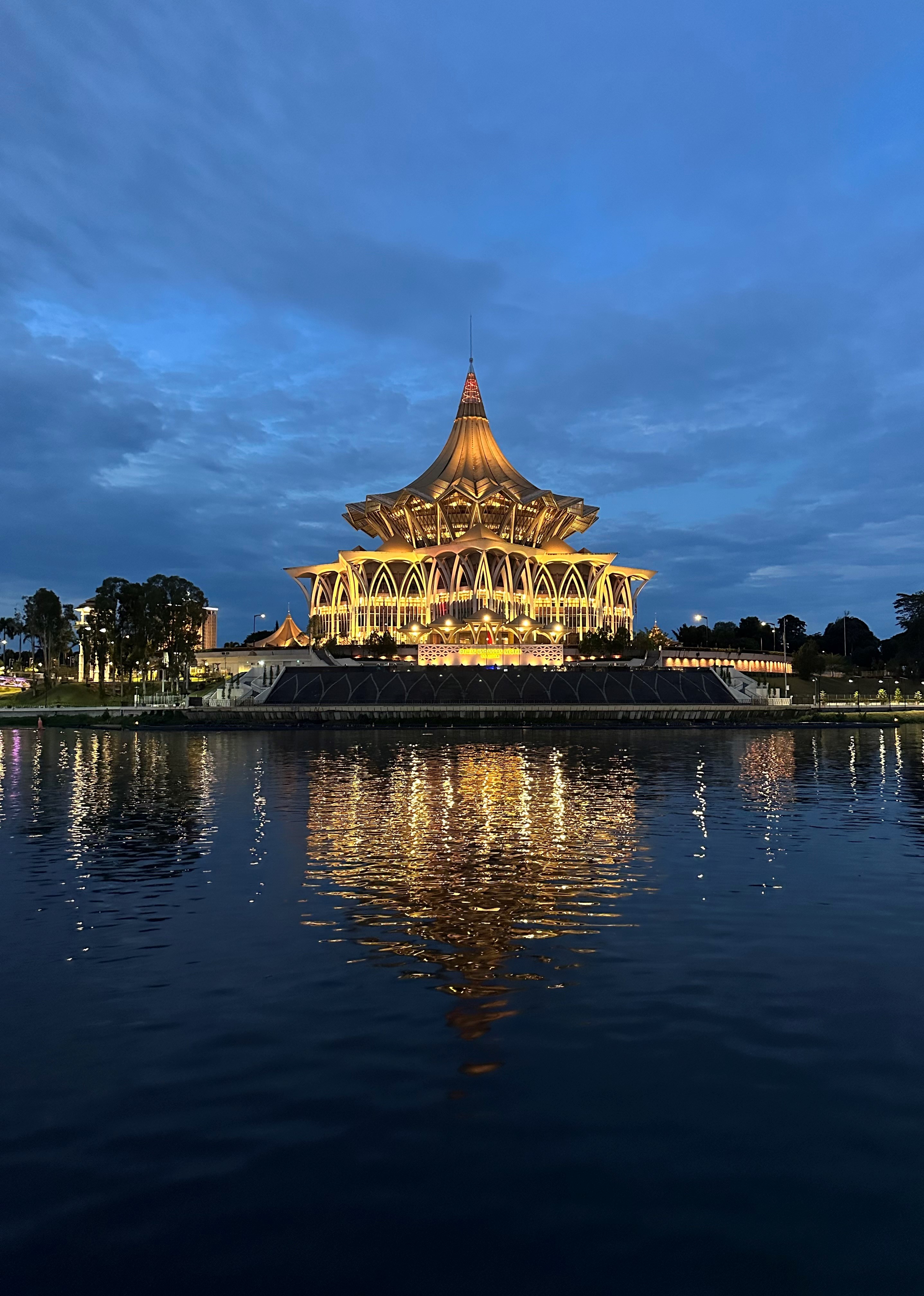
Kuching, capital of the Sarawak state, is a vibrant riverside city full of different ethnic groups. With a great museum and a well-preserved colonial centre there is much to do in this cultural hot spot.Around 6pm, say selamat petang to your tour leader and fellow travellers, when we gather as a group for the first time to get to know each other and learn more about the adventures ahead.Your tour leader then ensures a big Malaysian welcome by arranging a group dinner at the waterfront hawkers’ stalls.Want extra time in Kuching? Secure pre-tour hotel nights through your sales representative.
Meals: Dinner
Day 2
Day trip to Bako National Park to see proboscis monkeys
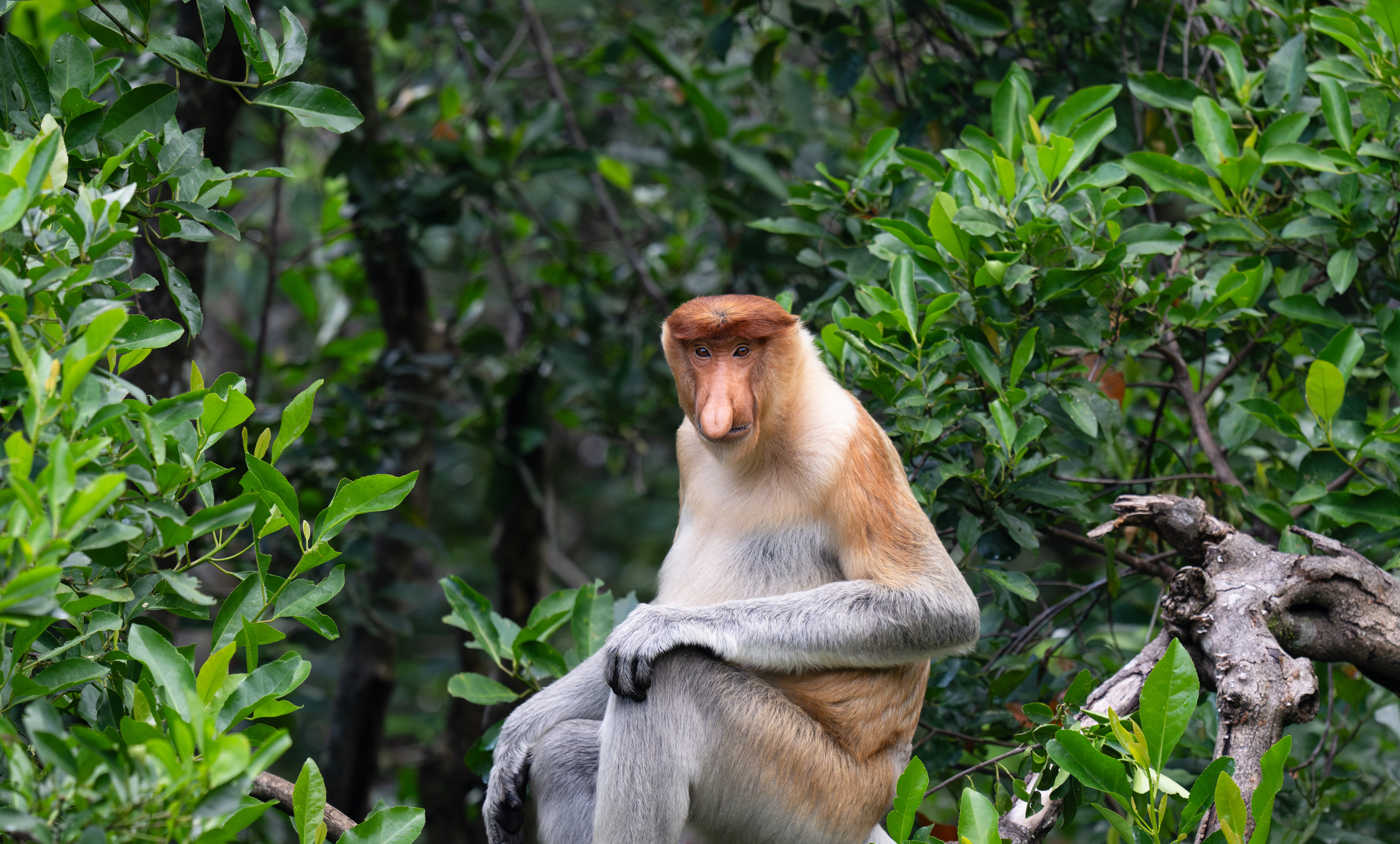
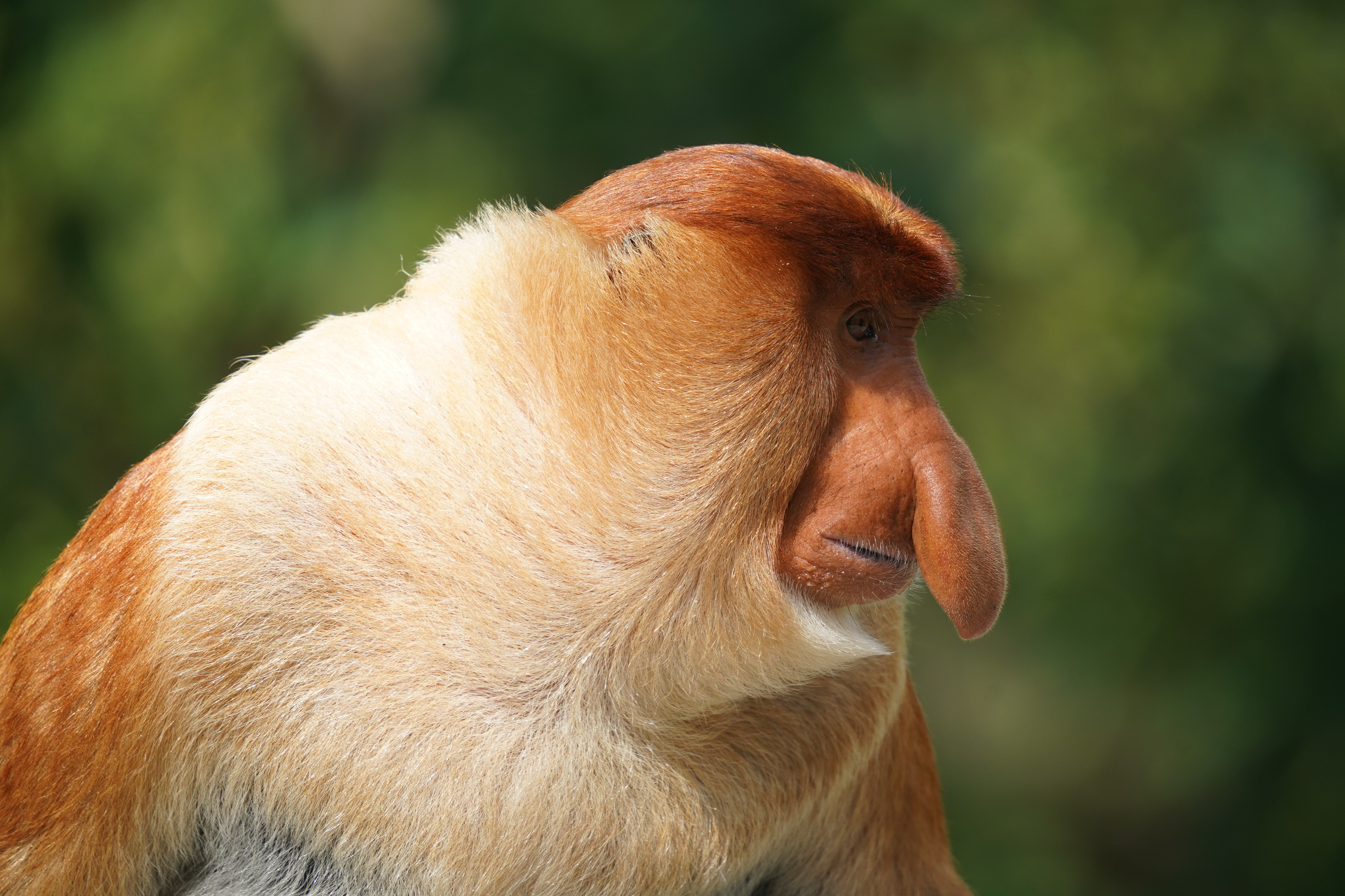
We enjoy our first foray into the amazing nature of Borneo as we head to nearby Bako National Park, home to proboscis monkeys. Here, the rainforest meets the sea and the only way to get to the park is by boat (after a one-hour drive out of the city). It has abundant wildlife, jungle streams, waterfalls, interesting plants, secluded beaches and trekking trails. Despite being the smallest national park in Sarawak, Bako contains almost every type of vegetation in Borneo. We return to Kuching for the night.Please note, our time at Bako is often dictated by tides and weather conditions. Our leader will inform us of the details the previous day.
Meals: Breakfast
Day 3
Fly to Mulu National Park • Sunset walk to Deer Cave for bat exodus
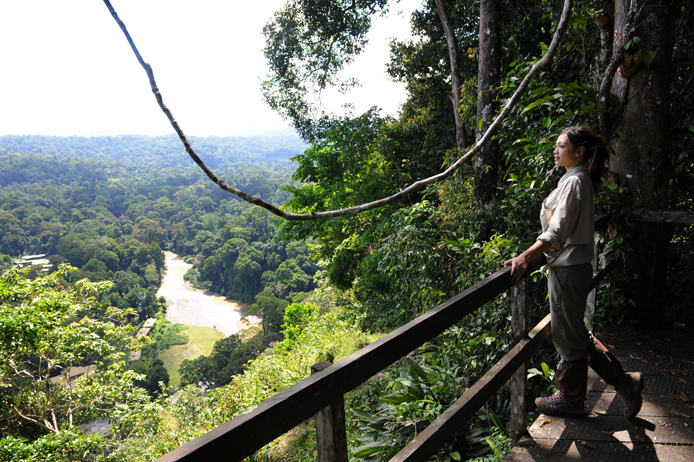
We leave the city and fly to Mulu National Park (schedules vary). After checking in at the park HQ, we meet the park guides and head through the forest to Deer Cave, the largest cave passage in the world and home to millions of bats and swifts. The floor has a raised platform, though that is no escape from the smell of guano (bird and bat excrement).Nearby is Lang’s Cave which, though much smaller, has stalactites and stalagmites and other cave formations. The surrounding forest is spectacular and there is plenty of time to examine it closely.The walk to Deer Cave is 1.9mi (3km) each way along boardwalks and there are wooden steps leading to different viewing platforms inside the show caves.We arrive at Deer Cave in time for dusk, when the bats leave their home to feed on insects (as long as it is not raining). This is a sight to behold with the bats forming a long, snaking line across the sky for quite some time. Dependent on the timings of the day, we may visit the caves tomorrow instead.Please note, due to flight schedules, there isn’t much time for lunch between our arrival at Mulu National Park and when we depart for the caves. You should buy something at the airport to have later.
Meals: Breakfast
Day 4
Full day exploring Mulu National Park
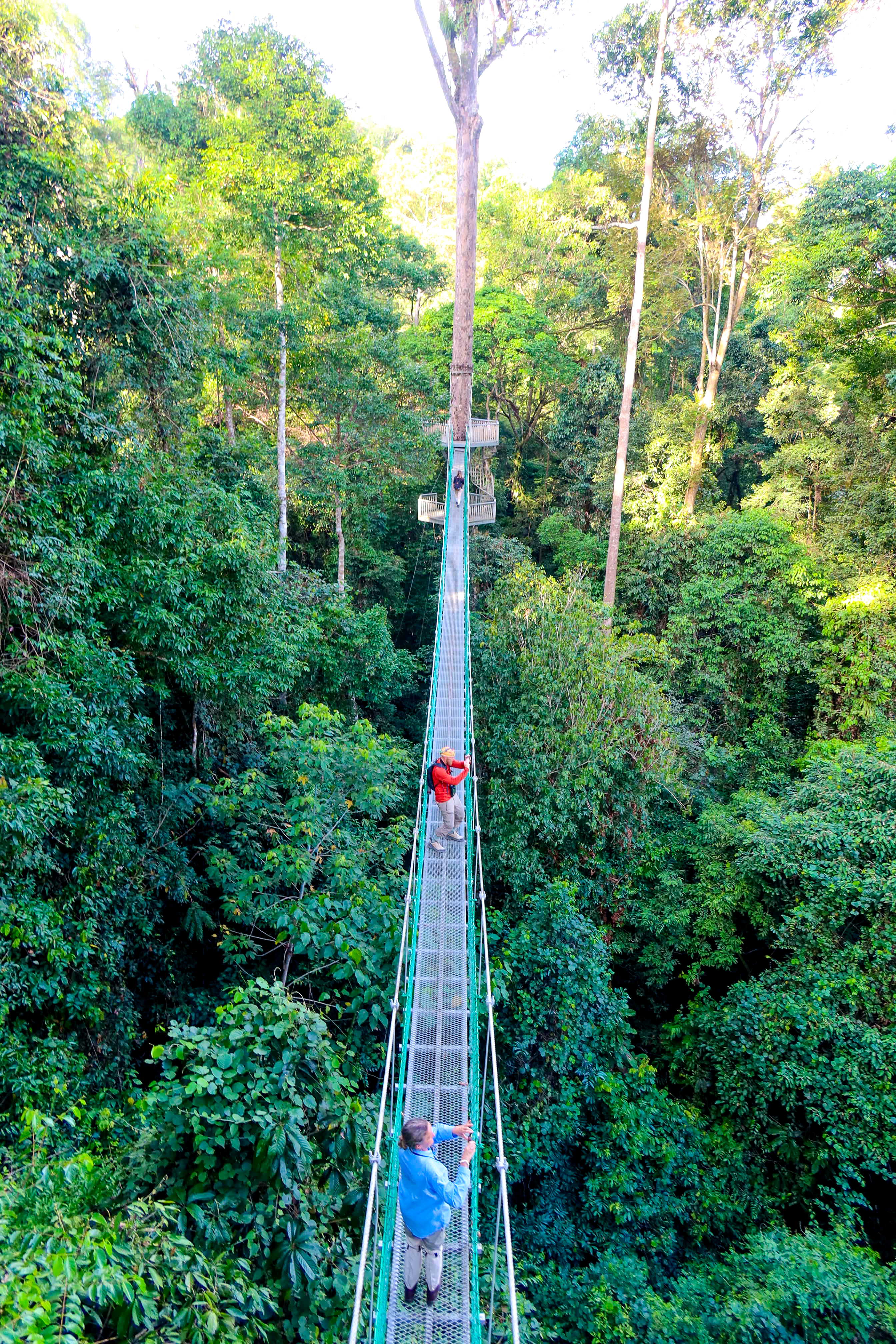
Today we explore Mulu with a local guide. In the morning, we visit two of the show caves, including Clearwater, where we can enjoy a picnic lunch (not included) in the gorgeous riverside location. The park has some incredible statistics: it has more than 3,500 plant species, 8,000 types of fungi, and 170 orchid species. There are also 262 bird species, almost 300 butterfly species and many reptiles and mammals.Members of the Penan people also live within the park. They are a small population of nomadic forest dwellers who live as hunter-gatherers. There has been fierce international opposition to the Malaysian government who tried to settle them in permanent longhouses and indeed the Penan themselves have resisted. In 1994, they were granted an area of the forest where they could continue their traditional lifestyle. Although you are unlikely to meet these elusive people, you occasionally see their fishing shelters or areas in the forest where they have recently visited.This afternoon, relax in the park and listen to the weird and wonderful creatures that call it home or explore self-guided trails within the park.Those with a head for heights can try the optional canopy walkway. This 1,575ft (480m) high skywalk takes approximately two hours to complete. Along the way, you may spot macaques, hornbills, flying lizards, squirrels and a variety of rainforest birds. Time slots are subject to availability. In the evening, there is an optional night walk or we can try tuak, the Mulu firewater.
Meals: Breakfast
Day 5
Early rise for dawn chorus in Mulu • Fly to Kota Kinabalu
This morning, we bid farewell to Sarawak and our local Sarawak tour leader and aim to catch the morning flight out of Mulu and onto Kota Kinabalu in the state on Sabah, though delays are not uncommon. Depending on what time we fly out of Mulu, there may be time to walk along self-guided trails or peruse the visitor centre.Known as KK to the locals, the capital of Sabah is a modern, multicultural city. Upon arrival in KK, we meet our Sabah tour leader for the remainder of the trip. The evening is free to relax, explore the busy Filipino markets or enjoy a waterfront sundowner.
Meals: Breakfast
Day 6
Free day: optional snorkelling and island trip, wetland birdwatching or cultural village
Today you are free to enjoy some of the many activities Kota Kinabalu has to offer. A popular option is to visit one of the tropical islands in the marine park, a 15-minute boat journey from the city and with excellent snorkelling and diving opportunities. You can never be bored here, whether you are relaxing on the white sand, snorkelling or swimming in the warm South China Sea.There are good birdwatching opportunities in the wetlands not far from KK and a culturally interesting village in Mari Mari where you can learn about the different cultures of Sabah. Your tour leader can help organise any of these options.
Meals: Breakfast
Day 7
To Kinabalu National Park • Visit Sabah Tea Plantation
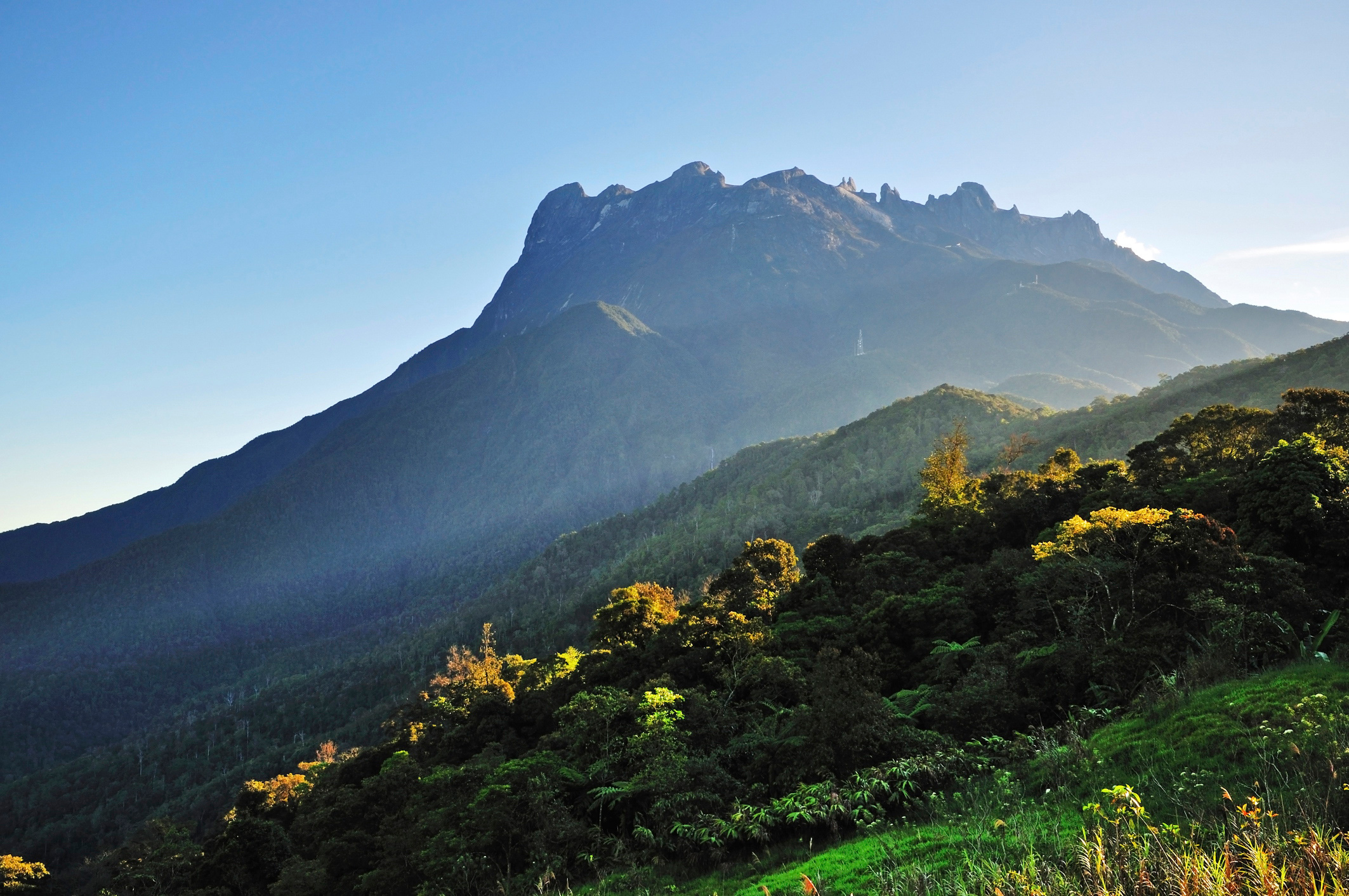
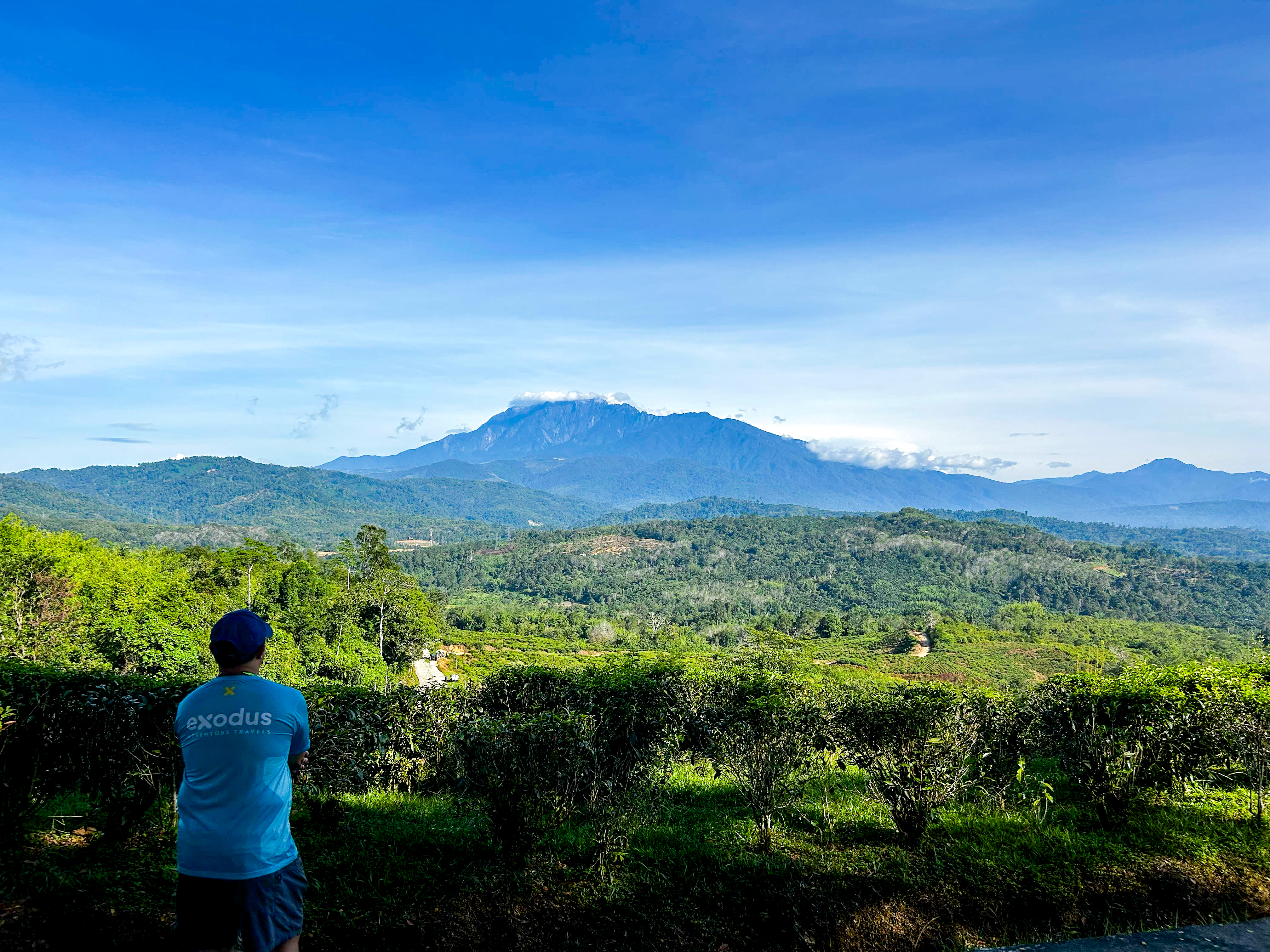
Today we transfer (about two hours) and explore Mount Kinabalu National Park. It’s a Unesco World Heritage site and home to the highest mountain in Southeast Asia, Mount Kinabalu, which stands at (4,095m) tall. This impressive granite peak can be viewed from the Crocker mountain range, which we pass over, with panoramic views of the countryside and soaring hills. The lower mountain slopes are covered in thick vegetation and it is well known for its diverse botanical and biological species.En route, we stop at Nabalu market, where villagers sell their produce and handicrafts. It’s possible to walk through the plantation on your own if you want this afternoon. Tea, medicinal herbs, fruit and vegetables are just some of the local produce. From the plantation, the sunrise with a view of Mount Kinabalu is often spectacular. If we’re lucky, we can see the spectacular rafflesia in flower nearby or en route to the plantation.
Meals: Breakfast
Day 8
Discover the Sabah Tea factory; to Sepilok
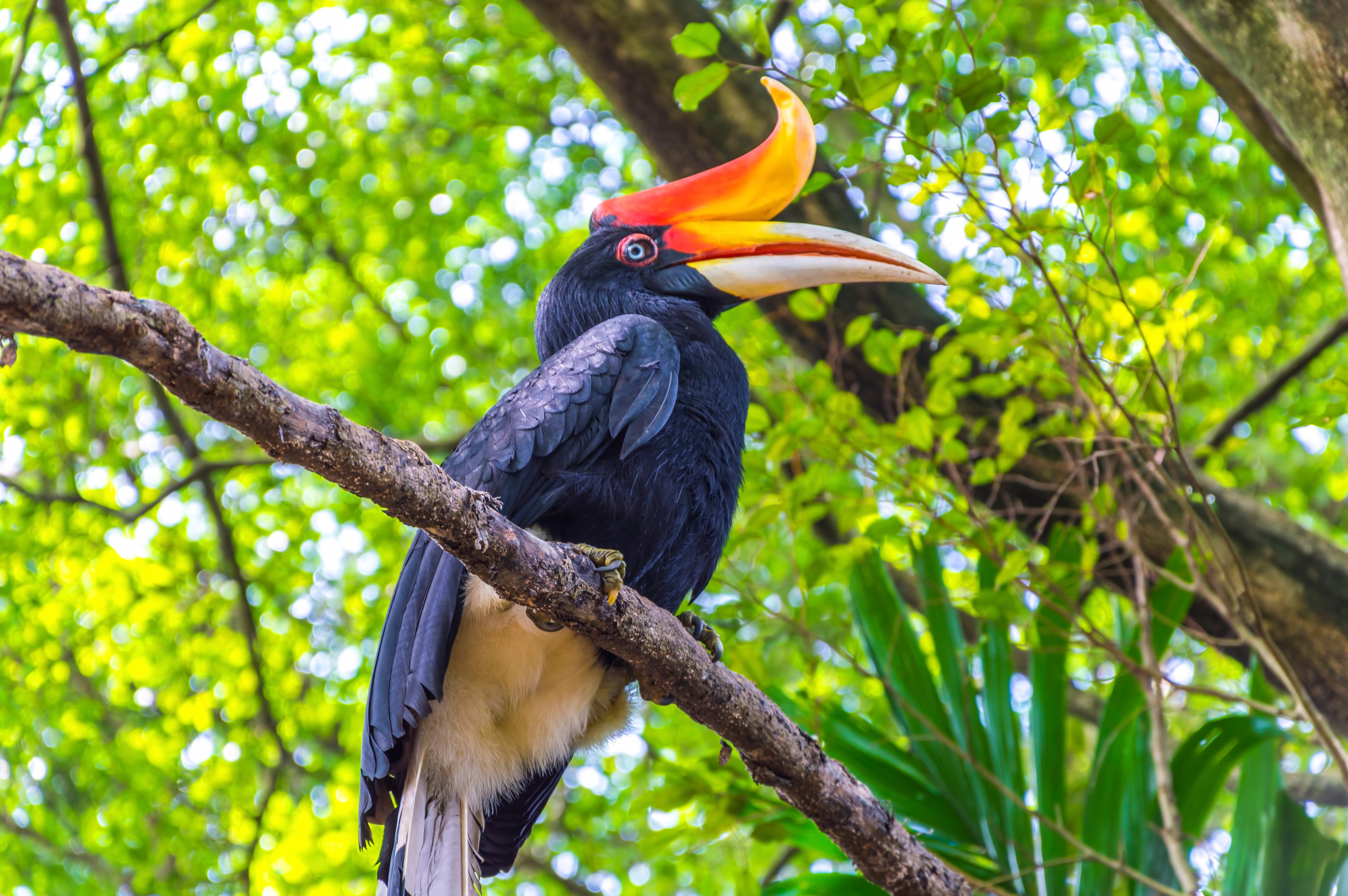
We visit the tea factory before we leave the plantation behind and continue our journey to eastern Sabah. Our destination is Sepilok, home to a well-known orangutan rehabilitation centre. The journey is about five hours to our lodge in Sepilok. This evening, as dusk approaches, we head to the nearby Rainforest Discovery Centre, which has fantastic bird-watching opportunities (though luck does play a role) as hornbills and Borneo bristleheads are often seen. Orangutans are also spotted during the fruiting season and there is an impressive canopy walkway plus easy walking trails.
Meals: Breakfast
Day 9
Visit Sepilok Orangutan Sanctuary • Optional visit to Bornean Sun Bear Conservation Centre
Up early, there will be the option to enjoy an early morning walk near our resort for more birdlife and wildlife viewing before breakfast. We then visit Sepilok Orangutan Centre, the largest orangutan sanctuary in the world. Here rehabilitated orphans and captured orangutans are cared for until they are ready to be released into the wild. We can see these incredible relations of ours close-up and learn about the threats to their existence. You have the chance to visit both morning and afternoon feedings. There is also an orangutan nursery where youngsters are trained to climb with the aim of reintroduction to the wild. We have the chance to view the youngsters from a special viewing platform that sits behind one-way glass so as not to disturb or influence them.There is the option of visiting the Bornean Sun Bear Conservation Centre, which works to research, rescue and rehabilitate captured bears and provide education to the community.
Meals: Breakfast
Day 10
To Kinabatangan Wildlife Sanctuary • Afternoon river cruise
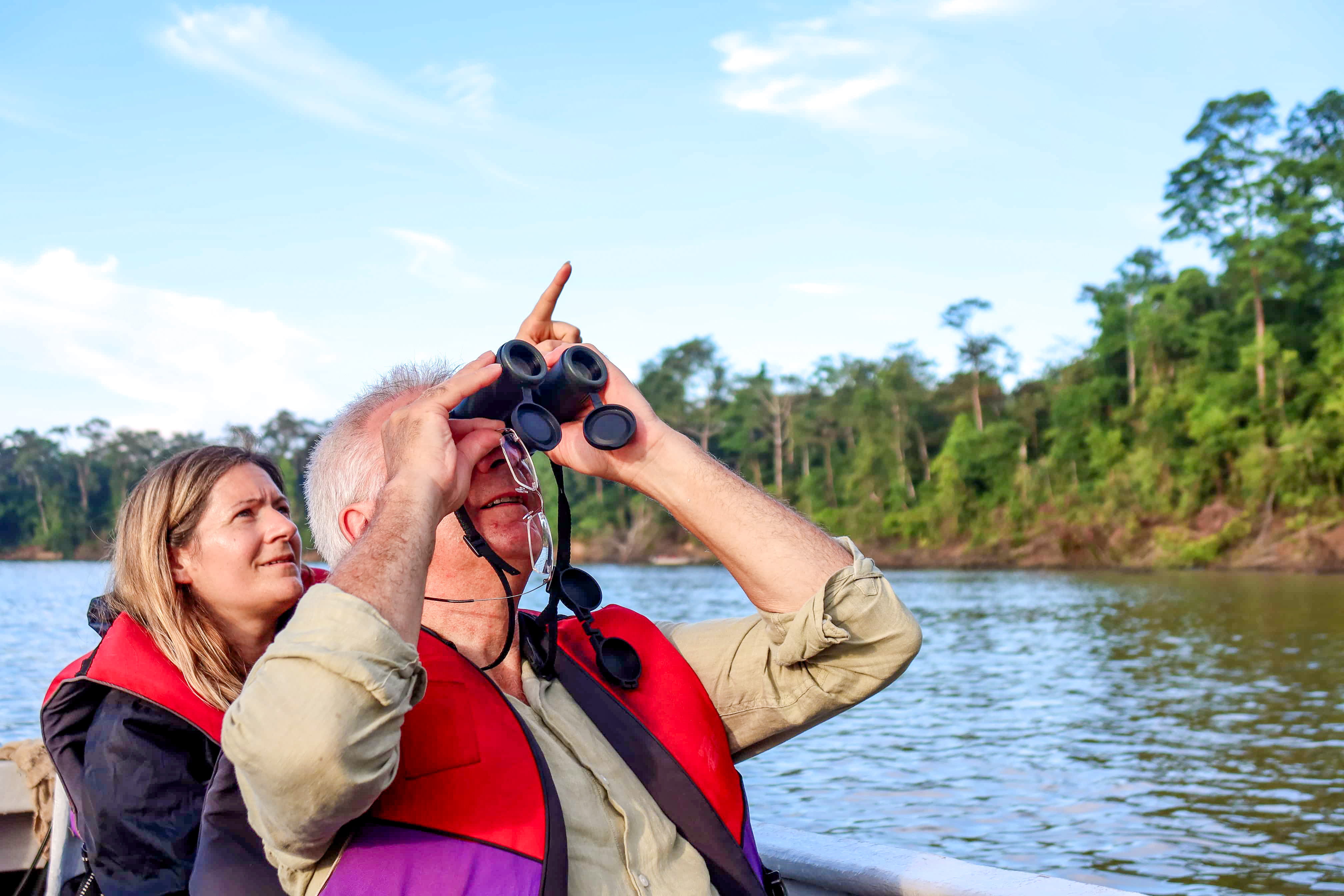
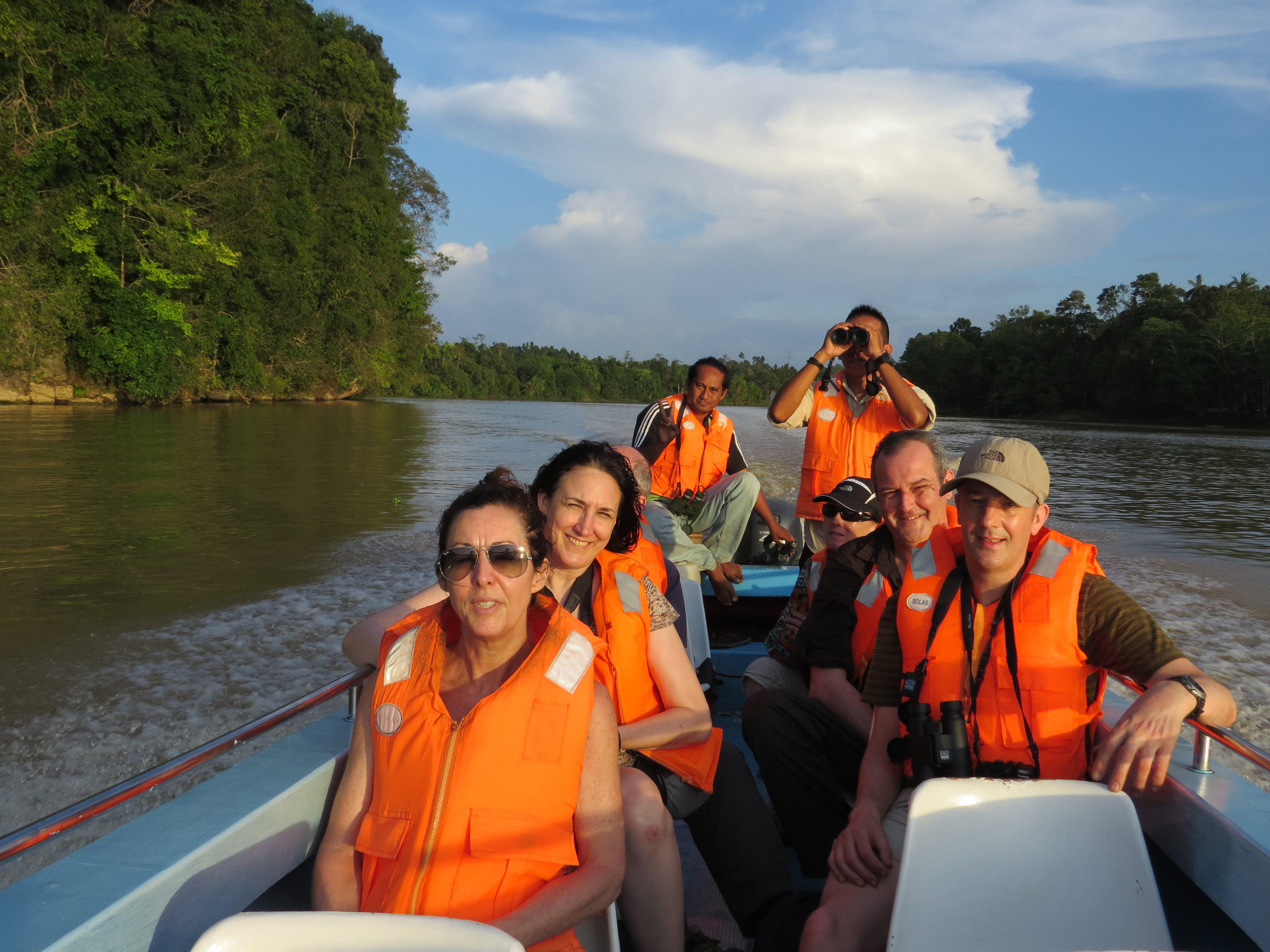
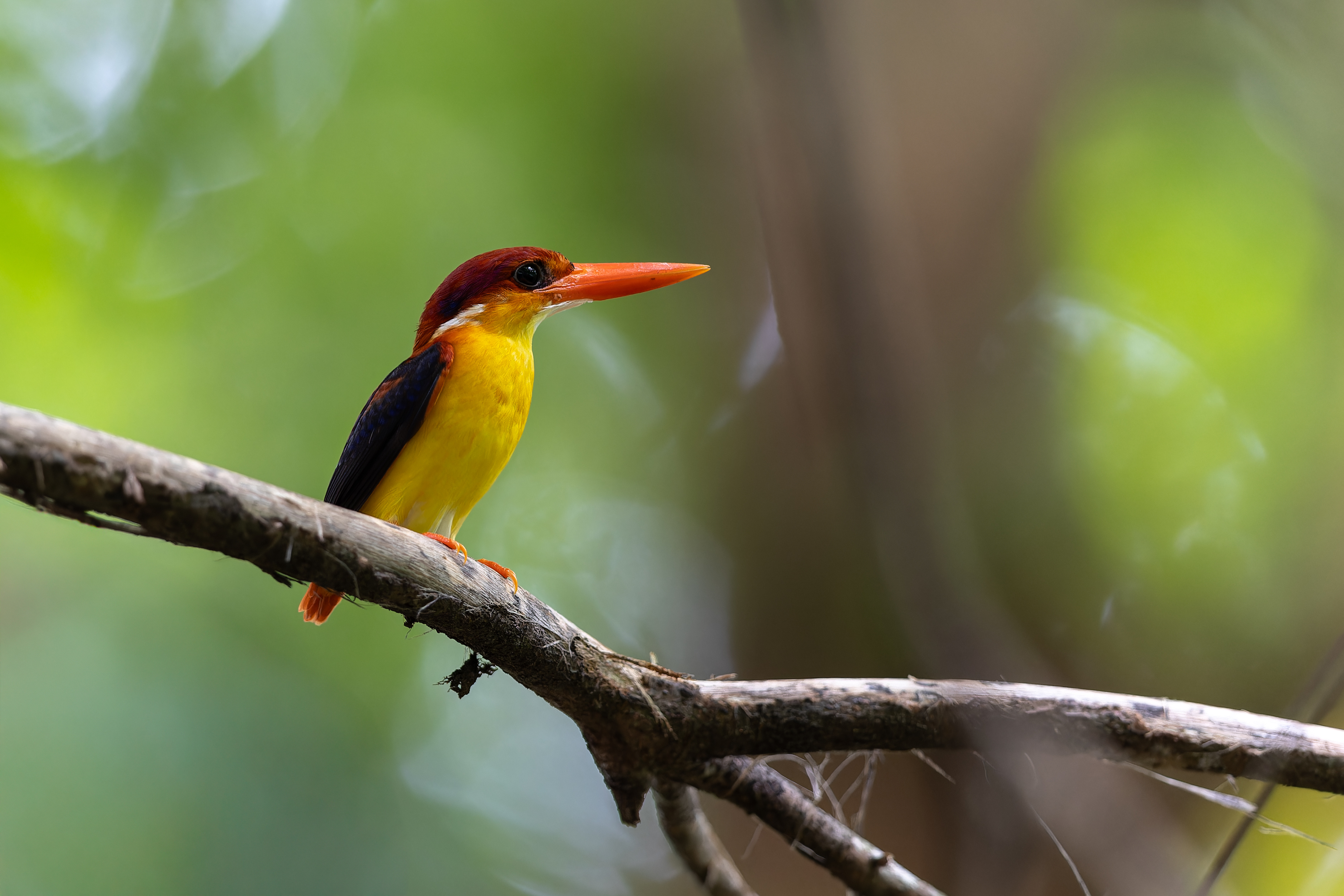
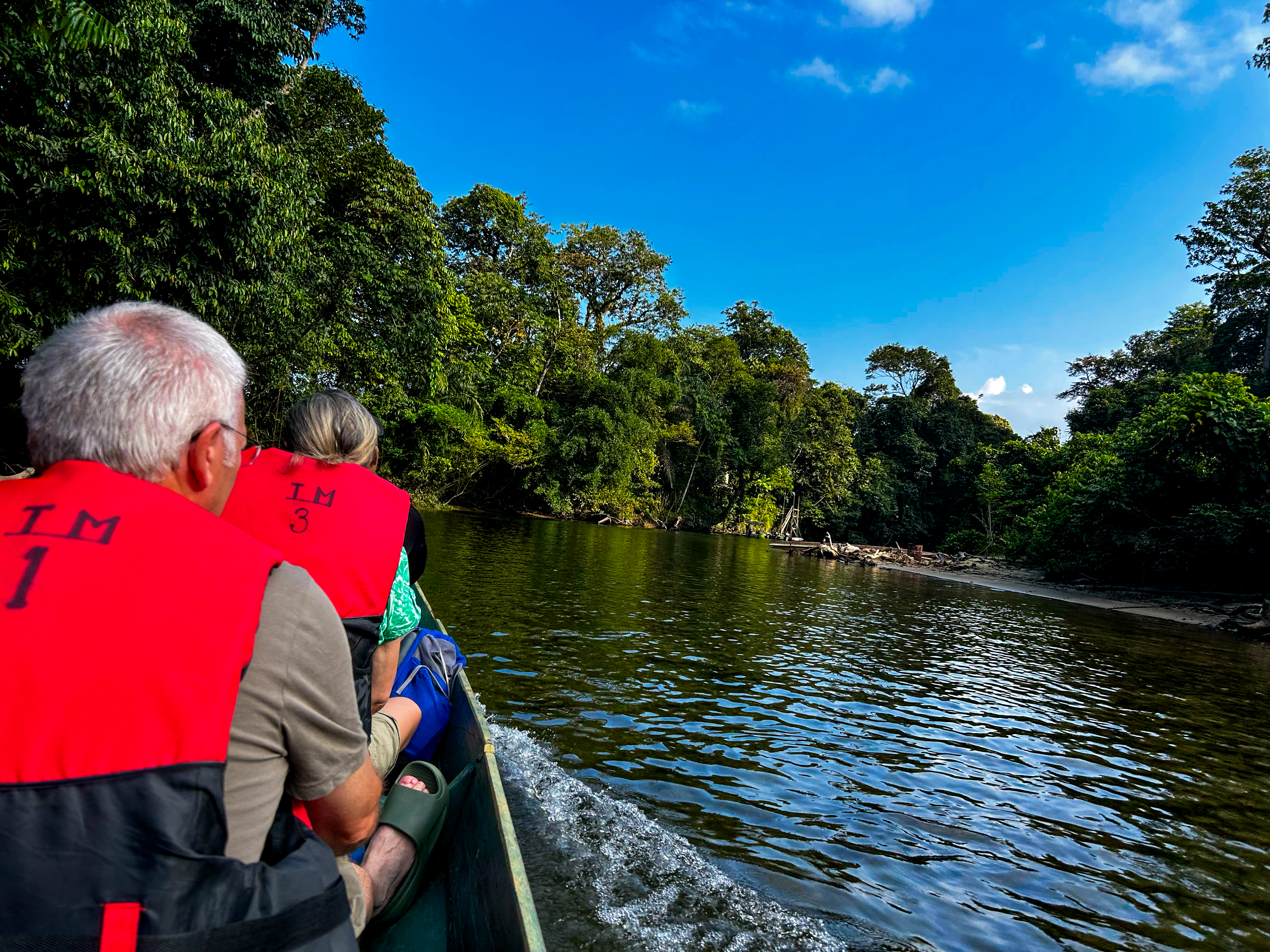
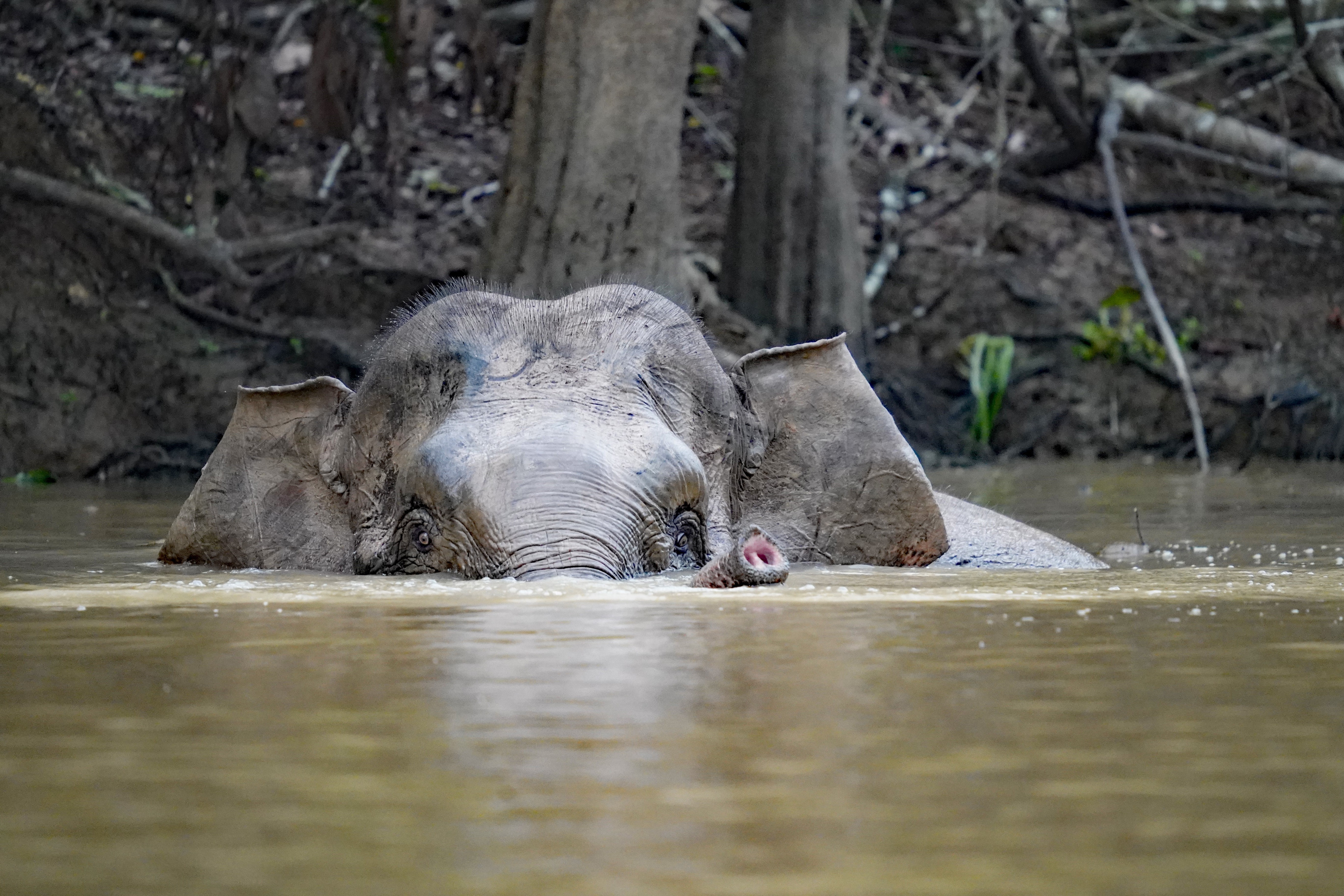
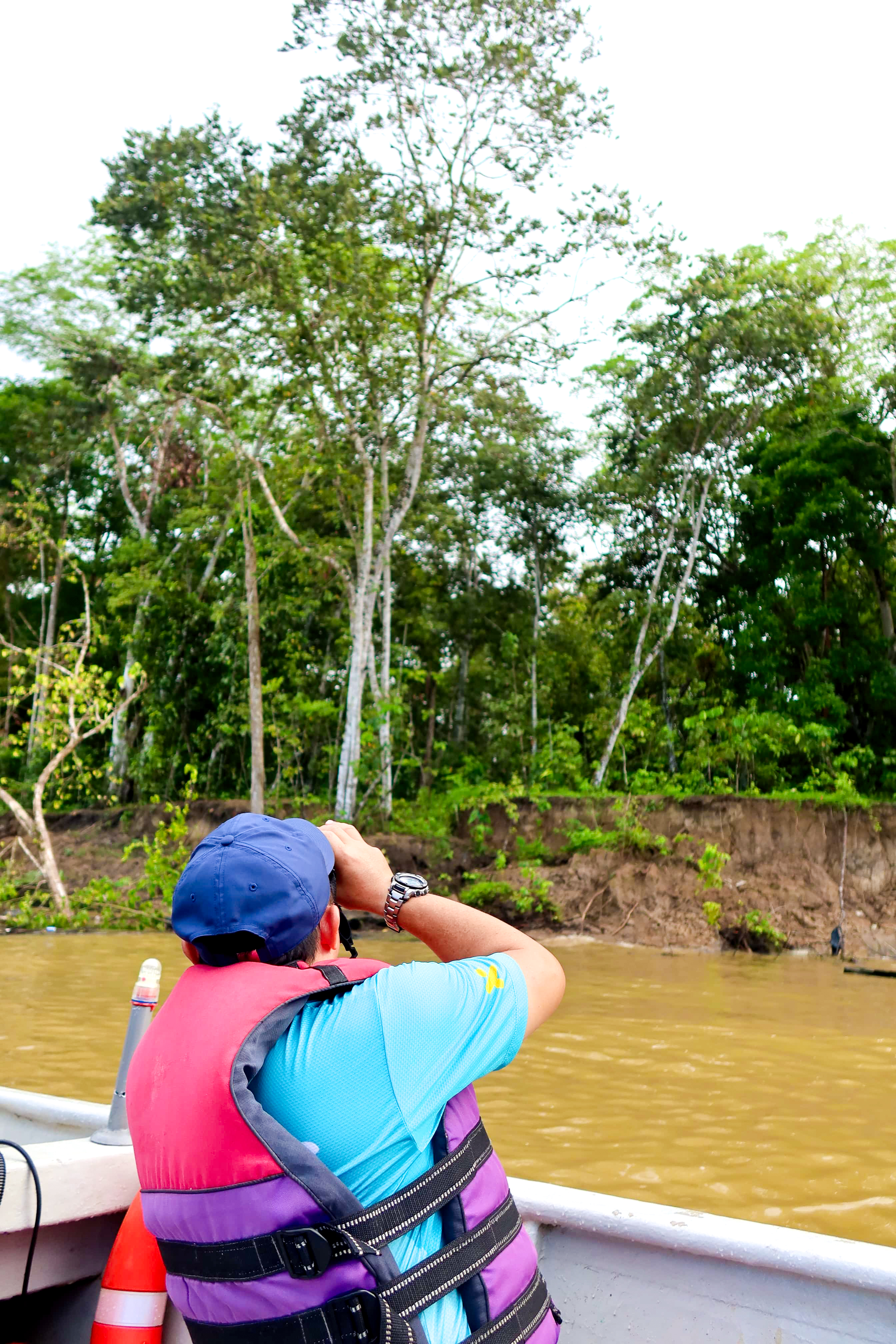
After breakfast, we depart Sepilok, making a stop at the Sandakan War Memorial before we transfer (approximately two to three hours) to the third-longest river in Borneo, Kinabatangan.Our lodge is by the mighty Kinabatangan River, an area home to an astonishing array of wildlife including 10 primate species, four of which are endemic to Borneo. It has one of the highest concentrations of proboscis monkeys and orangutans in Malaysian Borneo. Other wildlife includes Bornean gibbon, long-tailed macaques, sun bears and barking deer. The Asian pygmy elephant and clouded leopard also inhabit this area, but sightings are rare. There are also more than 200 bird species, including hornbills, eagles, herons, kingfishers, oriental darters, night jars, flowerpeckers and spider hunters. Later this afternoon, we take our first river cruise.
Meals: Breakfast,Lunch,Dinner
Day 11
Wildlife cruises on Kinabatangan River and forest walks
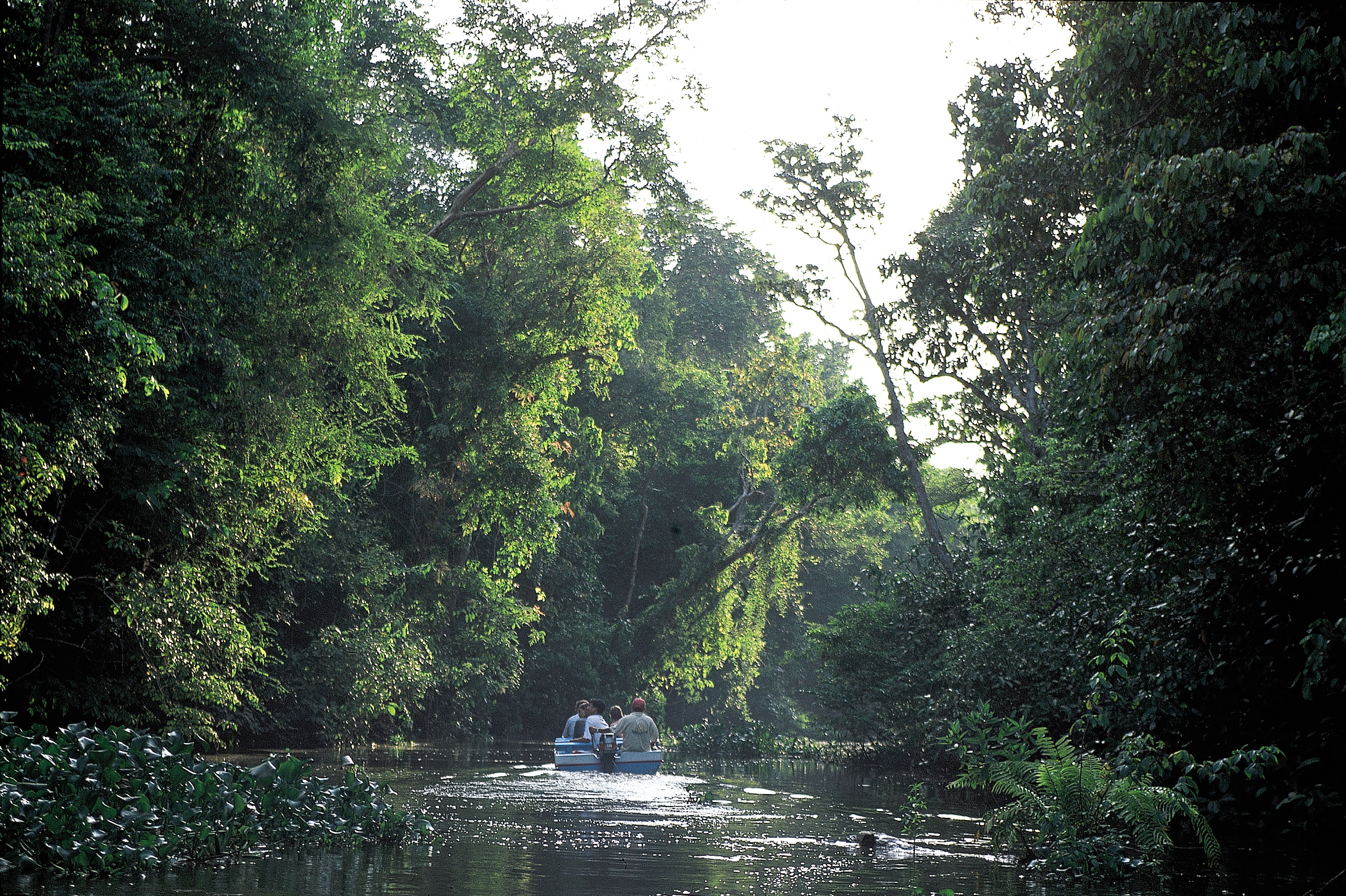
We are up with the animals for a dawn wildlife cruise followed by a trek. In the afternoon, we once again take a river cruise to spot wildlife and, if we are lucky, a crocodile or two.
Meals: Breakfast,Lunch,Dinner
Day 12
To Tabin Wildlife Reserve • Jungle walk and nocturnal safari
Transfer (approximately three hours) to Lahad Datu, where we change vehicles and drive off-road (approximately 1hr 45min) into the Tabin Wildlife Reserve. The first 30 minutes is on a sealed road, with the rest on gravel (expect some bumpy conditions).Our accommodation is nestled within the rainforest beside the Lipad River, a lovely setting home to a variety of birds, insects and small mammals. We arrive in time for a late lunch, followed by a briefing from our in-house guide about the conservation and wildlife of Tabin Wildlife Reserve.This afternoon, we transfer (30 minutes) to the trailhead for a 30-minute trek to the active Lipad Mud Volcano, visiting an elevated area that provides a nutritious mineral salt lick for wildlife.Our resort guide identifies the multitude of tracks found here, plus birds and small mammals we might spot en route. Walk back along the trail to our transfer, returning to the resort in time to relax before dinner.After dinner, we venture out again for a 1hr 30min night drive to look for nocturnal wildlife and see the constellations in the clear, dark sky.Please note, the itinerary during your stay in Tabin is a guide of what to expect but the order of activities may vary based on recent animal sightings and local knowledge.
Meals: Breakfast,Lunch,Dinner
Day 13
Full day discovering the natural wonders of Tabin
Join a dawn walk to see some of the 300-odd bird species that live in Tabin. After breakfast, we drive to the core area, learn about local orangutan conservation and climb up the bird-watching tower before trekking through the rainforest, known for its rich diversity of plants and animals.Depending on the water level, we may have the option to visit Lipad Waterfall. Take a dip in the natural pool and enjoy a refreshing shower under the waterfall. Returning to the resort, we stop at the Tabin Giant Tree for a photo opportunity.In the early evening, take a dusk drive to look for more nocturnal wildlife and birds; after dinner, we’re out again, this time on foot along the Kingfisher Trail near the resort in search of sleeping birds, frogs and nocturnal wildlife.
Meals: Breakfast,Lunch,Dinner
Day 14
To Sandakan
Journey to Sandakan (approximately five to six hours) with a packed lunch along the way. Home to many Chinese and Filipino people, it was once a huge logging centre, first exporting wood in the late 1880s to supply the building of the Temple of Heaven in Beijing. The waterfront is the place for an evening walk and the rooftop restaurant at the Nak hotel is great for a cocktail or two.
Meals: Breakfast,Lunch
Day 15
Adventure ends in Sandakan
Our Borneo adventure ends after breakfast. Depending on your flight, you may have time to enjoy the hotel pool or explore Sandakan more before beginning your return journey home. Alternatively, speak to your sales representative to extend your stay in Borneo.
Meals: Breakfast
What’s included
What’s not included
Additional information
Food
Allow about 555-850 Malaysian ringgits (US$130-US$200) for food not included. If you fancy a few drinks, you may want to bring a little more as beer and other alcoholic drinks are expensive – expect to pay Western prices.
Malaysia is renowned for its culinary excellence; however, food can often be relatively unexciting and limited in the lodges and for hotel breakfasts.
Meals are more varied in the cities and seafood is widely available on the coast. In the bigger hotels and cities, a full range of Western and local foods are available. Most meals are basic, based around rice and noodles although most accommodations offer a Western breakfast of beans, toast and eggs. You can generally avoid spicier food if you wish.
Vegetarians are well catered for, but may find the food choice limited. Please inform us before departure of any special dietary requests. Please note, the availability of certain products is minimal or non-existent (for example wheat- or dairy-free), please be prepared for this as you may need to bring these from home.
Sepilok Orangutan Rehabilitation Centre & Nursery Viewing
Visit the Sepilok Orangutan Rehabilitation Centre to watch semi-wild apes emerge from the forest for feeding sessions, their copper coats flaring against deep green. Boardwalks and platforms ensure calm, respectful observation.
Learn how rescued orphans are re-trained for forest life, then view the orangutan nursery from a special platform with one-way glass. Rangers explain threats from habitat loss and how rehabilitation provides a viable path back to the wild.
Bako National Park Wildlife & Coastal Trails by Boat
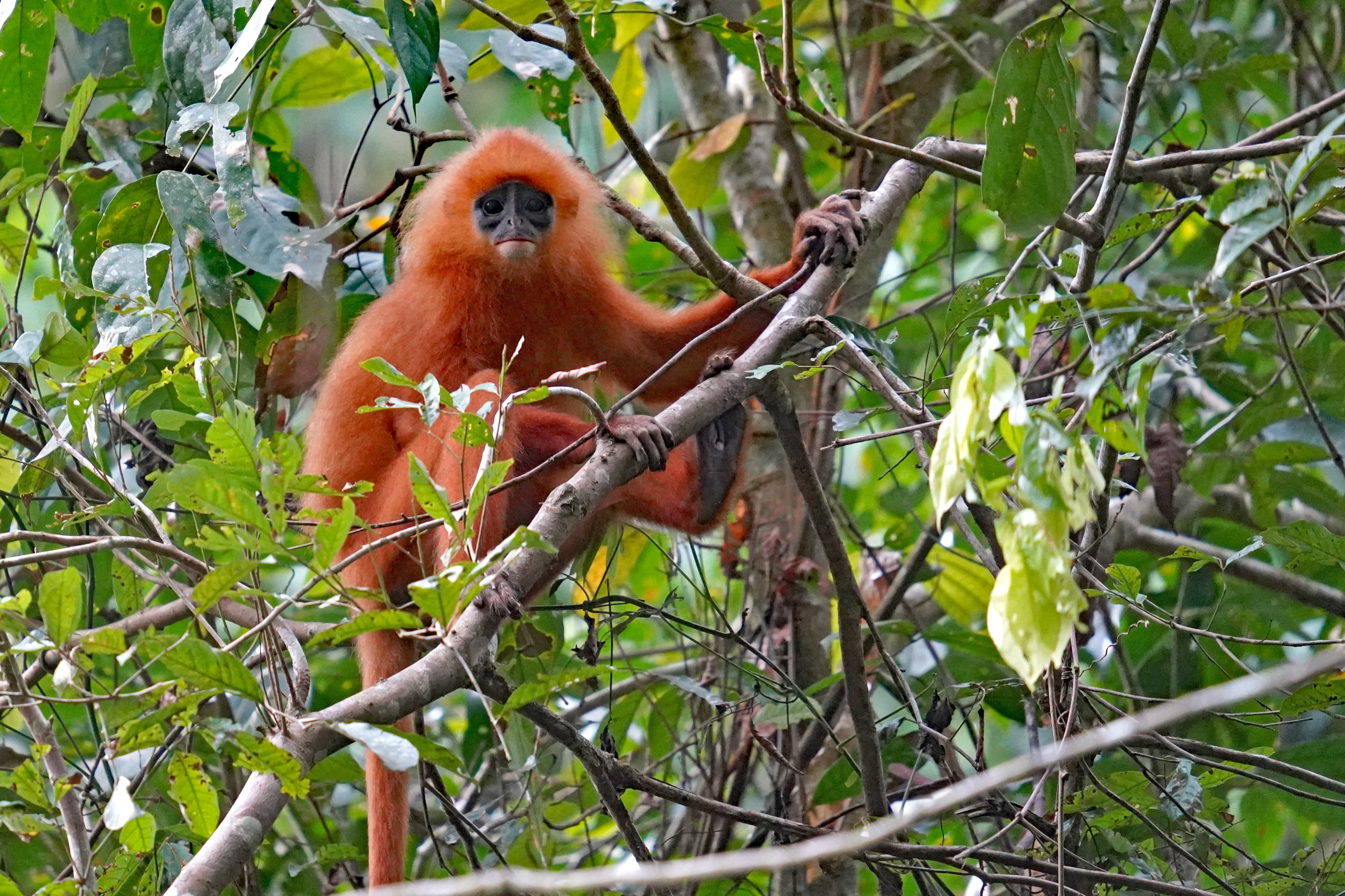
Skim mangrove channels as you board a boat to Bako National Park, landing at wave-sculpted headlands and secluded beaches. Follow forest trails to seek out proboscis monkeys, silvered leaf monkeys and bearded pigs amid pitcher plants, strangler figs and sunlit clearings.
Established in 1957, Bako compresses nearly every Bornean habitat—mangrove, heath and dipterocarp—into a compact peninsula. Tides shape landings, but once ashore you can admire sea stacks, scan rustling canopies for movement and appreciate a rare, side-by-side showcase of Borneo’s ecosystems.
Mulu’s Deer Cave Bat Exodus & Lang’s Cave Formations
Walk rainforest boardwalks to step inside Deer Cave, a vast chamber where daylight shafts pierce the darkness and guano fuels a unique ecosystem. As dusk gathers, fix your gaze skyward for the swirling bat exodus streaming toward the forest in graceful spirals.
Nearby, Lang’s Cave reveals delicate draperies, stalactites and flowstone. Part of Gunung Mulu’s UNESCO World Heritage landscape, these caverns illustrate the geologic power and biological interplay that have shaped northern Borneo for millennia.
Clearwater Cave Riverscape & Forest Walk, Mulu
Explore Clearwater Cave, where a subterranean river carves sinuous passages through pale limestone, then pause beside its riverside picnic setting framed by karst towers and emerald forest. Boardwalks and steps reveal glittering speleothems and breeze-cooled chambers.
Interpretive signs explain the science behind one of the world’s longest cave systems, while the surrounding jungle teems with orchids and swiftlets. Listen for rustling leaves and distant water as the cave’s calm, cathedral-like acoustics amplify the sense of wonder.
Kinabalu National Park Guided Visit & Crocker Range Vistas
Explore montane trails scented with moss and orchids as views open to Mount Kinabalu and the rolling ridges of the Crocker Range. Guides point out endemic nepenthes pitcher plants, jewel-like rhododendrons and highland birds thriving in the cool air.
A Unesco World Heritage site for biodiversity and endemism, this protected area spans multiple climate zones. Dusun traditions and reverence for the peak add cultural depth to a landscape defined by granite heights and cloud-brushed forests.
Sabah Tea Plantation Tour & Factory Tasting
Wander contour-planted rows at the Sabah Tea Plantation, learning how altitude and rainfall sculpt flavour and aroma. On clear mornings, savour a view of Mount Kinabalu while cool breezes carry the scent of fresh tea shoots.
Inside, a guided factory tour traces leaves from withering to rolling, drying and grading before a curated tea tasting. This pesticide-free highland estate champions sustainable methods and offers a grounded window into Sabah’s tea heritage.
Rainforest Discovery Centre Canopy Walk & Birding, Sepilok
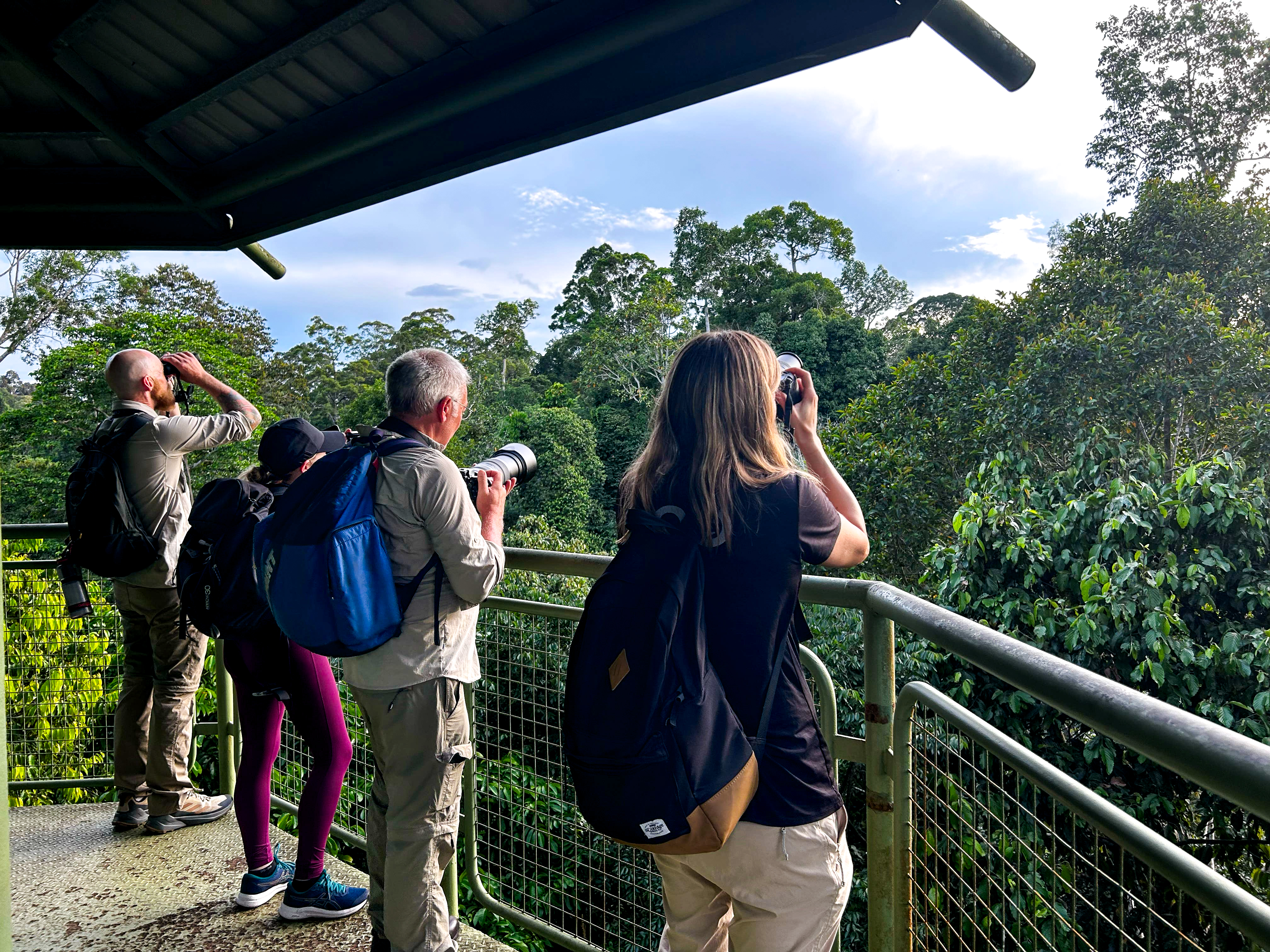
Ascend steel towers at the Rainforest Discovery Centre and step onto the canopy walkway to scan eye-level crowns for rhinoceros hornbills, drongos and the elusive Bornean bristlehead. Elevated platforms reveal sunlit leaves, fruiting figs and aerial wildlife corridors.
Set within the Kabili–Sepilok Forest Reserve, the centre mixes interpretive trails with an evening chorus that crescendos at dusk. Guides help decode calls and flight patterns that lead to memorable hornbill sightings.
Sandakan War Memorial & WWII Heritage
Pause for reflection at the Sandakan War Memorial, where lawns, forest glades and plaques create quiet gardens that honour prisoners of war. Gentle pathways invite contemplation amid birdsong and filtered light.
Exhibits recount POW history and the Sandakan–Ranau Death Marches, connecting modern Sandakan with stories of endurance and loss. It’s a thoughtful historical counterpoint to the region’s wildlife-rich landscapes.
Kinabatangan River Wildlife Cruises (Dawn & Dusk)
Cruise the Kinabatangan River at golden hours, scanning overhanging branches for proboscis monkeys and hornbills, macaques and, with luck, crocodiles sliding from the banks. A dawn cruise reveals mist-laced riverbanks as light lifts off the water.
Floodplains and oxbow lakes nurture exceptional biodiversity. Skippers use quiet manoeuvres and keen eyes to maximise sightings while sharing insights into seasonal fruiting, nesting trees and river ecology.
Kinabatangan Guided Forest Walks
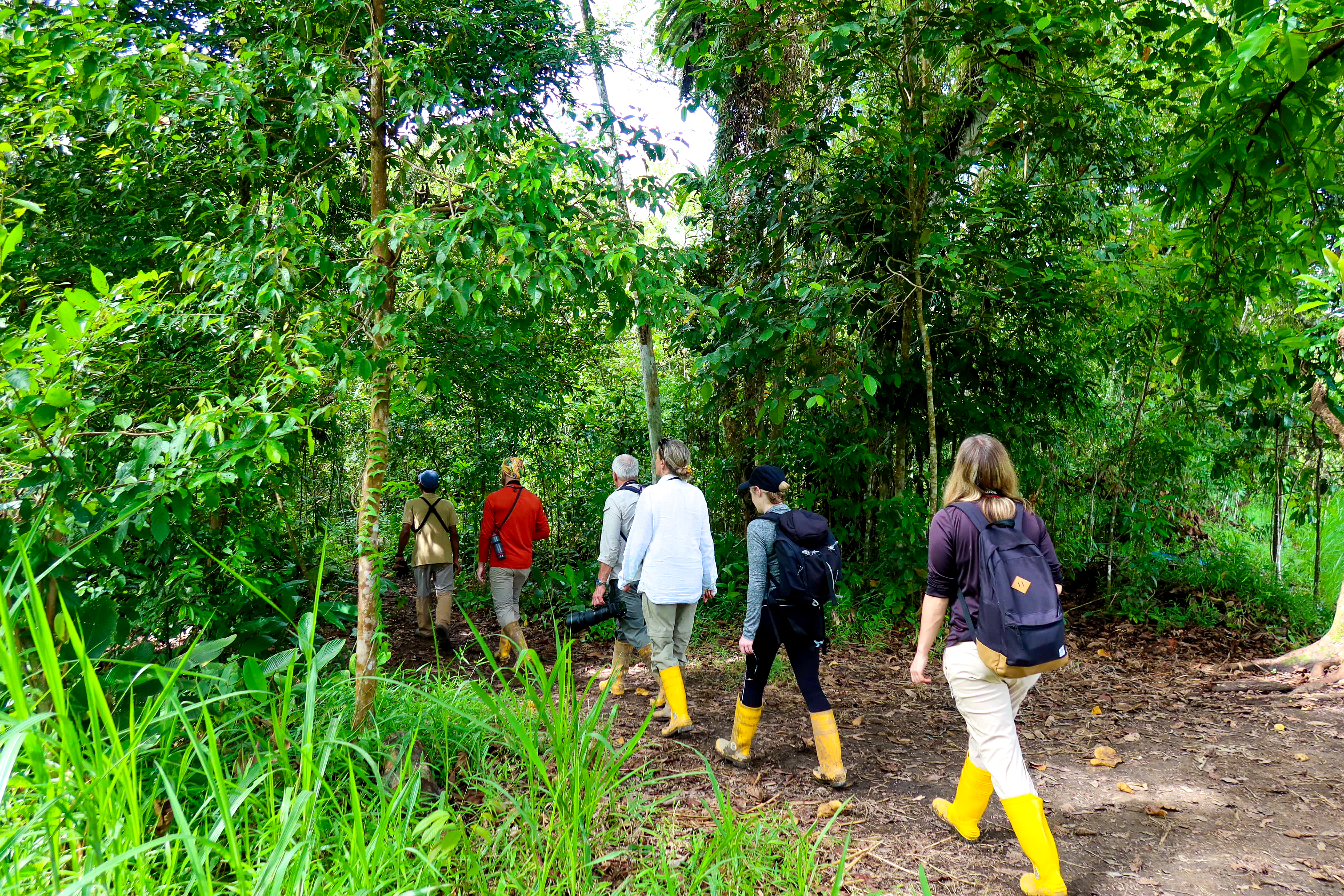
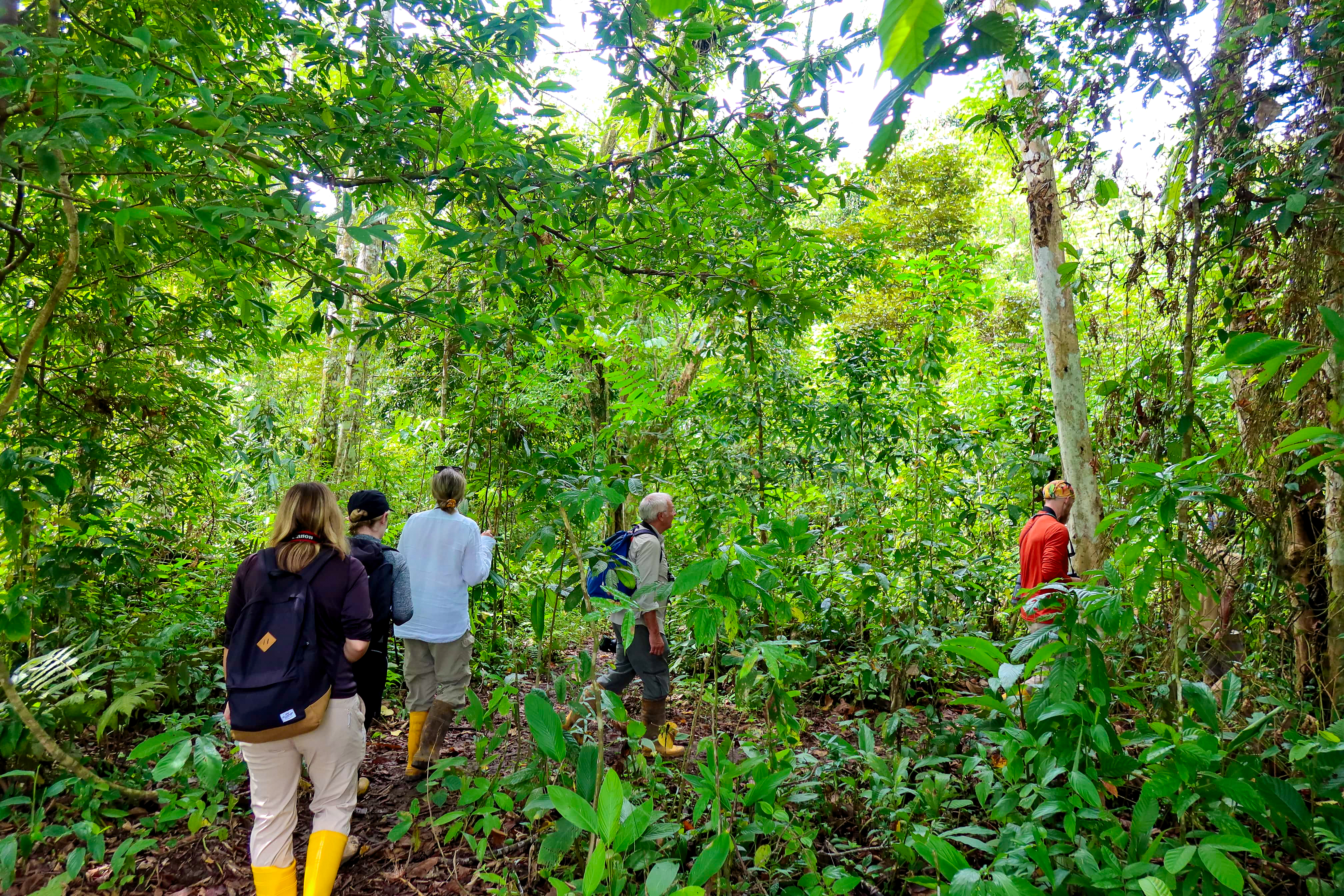
Join a guided forest walk to read the jungle’s subtle signs—fresh tracks in mud, scratch marks on bark, the flicker of leaf-tailed lizards. Listen for gibbons’ calls and the layered hum of insects beneath the canopy.
This lowland dipterocarp forest hosts towering meranti and keruing trees that shape complex habitats. Your guide highlights medicinal plants, nesting hollows and the quiet dramas unfolding at ground level.
Tabin Lipad Mud Volcano Trek & Salt Lick
Trek through rainforest to the Lipad Mud Volcano, where grey mud bubbles up from a mineral vent, creating a cracked moonscape. Scan for wildlife tracks—hoofprints of deer and pig, and the rounded impressions of elephant.
An adjacent mineral-rich salt lick draws animals at unpredictable hours. From an elevated vantage, guides interpret footprints, droppings and bird activity that reveal the clearing’s nightly visitors.
Tabin Nocturnal Wildlife Night Drive
Set out on a night drive in an open vehicle, using careful spotlighting to search forest edges for civets, leopard cats, flying squirrels and nightjars as the jungle soundscape swells.
Beneath a star-filled sky, guides read eyeshine and silhouettes, sharing natural history of Tabin’s lesser-seen residents. Patience and hush help turn fleeting glimpses into lasting memories.
Tabin Dawn Bird Walk & Conservation Tower
Join a dawn walk as mists lift from the canopy, listening for barbets, broadbills and trogons while mixed flocks move through fruiting trees. The forest glows as sunbeams net the understory.
Climb the bird-watching tower for sweeping views over Tabin’s core area and hear about ongoing orangutan conservation that safeguards habitat and biodiversity.
Tabin Lipad Waterfall Swim
Hike to Lipad Waterfall, where clear water tumbles into a shaded natural pool. Ease into the cool shallows and feel fine spray drift across warm skin while forest voices echo off rock walls.
When conditions allow, this refreshing interlude complements wildlife viewing; butterflies and dragonflies often patrol boulders and sunlit gaps between trees, adding flashes of colour to the green.
Tabin Dusk Drive & Kingfisher Trail Night Walk
Embark on a dusk wildlife drive as hornbills wing home and deer edge from cover, a golden hour rich in activity and silhouettes against the treeline.
After dinner, follow guides on the Kingfisher Trail night walk to spot amphibians, luminous fungi and sleeping kingfishers, their jewelled plumage glowing softly in torchlight.
Bornean Sun Bear Conservation Centre
Visit the Bornean Sun Bear Conservation Centre, following elevated boardwalks to watch the world’s smallest bear forage, climb and doze in forested enclosures designed for rehabilitation.
Staff outline rescue, research and release efforts for this shy species. This activity is at additional cost and bookable on tour.
Tunku Abdul Rahman Marine Park Island Snorkelling
Cross the bay to Tunku Abdul Rahman Marine Park for a snorkelling trip over coral gardens alive with reef fish. Swim and relax on white-sand beaches shaded by casuarinas, with views across the South China Sea.
Only minutes from Kota Kinabalu, these islands offer clear water and easy entry points; equipment hire is available. This experience is at additional cost and bookable on tour.
Kota Kinabalu Wetland Centre Birdwatching
Follow mangrove boardwalks at the Kota Kinabalu Wetland Centre to seek herons, egrets and kingfishers among pneumatophores and brackish pools, while learning how wetlands buffer coasts and shelter juvenile fish.
Recognised as a Ramsar site, this urban reserve showcases conservation in action. This activity is at additional cost and bookable on tour.
Mari Mari Cultural Village Experience
Explore the Mari Mari Cultural Village to step inside traditional longhouses and learn about Sabah’s diverse ethnic groups. Watch blowpipe demonstrations, fire-making and rice-wine preparation as hosts share stories and songs.
This hands-on cultural immersion deepens understanding of rituals, crafts and cuisines tied to the land. The experience is at additional cost and bookable on tour.
Mulu Canopy Skywalk
Traverse the Mulu Canopy Skywalk, a suspended canopy walkway threading 480m through the upper forest layers. Scan emergent crowns for hornbills, flying lizards and squirrels moving between trees.
Timed entries and limited spaces protect the ecosystem; ask your leader to arrange a slot. This experience is at additional cost and bookable on tour.
Mulu Guided Night Walk
Join a guided night walk to witness insects, spiders and amphibians reveal their nocturnal routines—stick insects masquerade as twigs, tarantulas guard burrows and frogs glide between leaves, their glittering eyeshine revealed by torchlight.
Rangers help decode calls and movements that animate the forest after dark. This activity is at additional cost and bookable on tour.
Kuching Waterfront Hawker Food Welcome Dinner
Savour Kuching’s riverside flavours as you meet your tour leader and fellow travellers for a relaxed welcome at the waterfront hawkers’ stalls. Sample steaming bowls of Sarawak laksa, springy kolo mee and charcoal-grilled satay while the Sarawak River shimmers at dusk.
Hawker culture reflects Kuching’s Malay, Chinese and Dayak heritage, with family recipes perfected over generations. This convivial first taste fosters easy conversation amid Brooke-era shophouses and the softly lit riverfront skyline, setting an open, food-forward tone for the adventure ahead.