Your itinerary

Day 1
Start Kathmandu
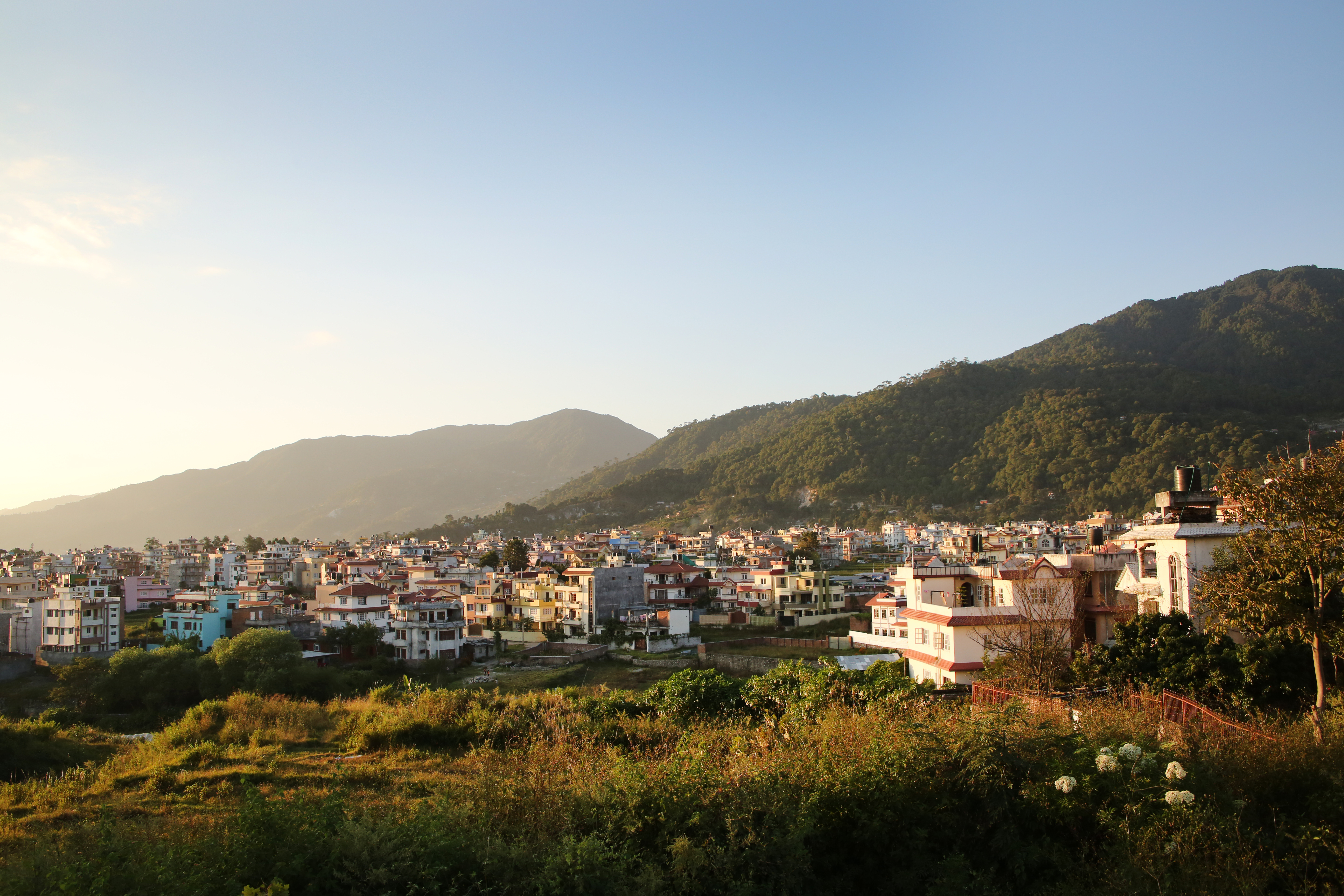
Arrive in Kathmandu, Nepal. No activities planned; free time to explore Thamel if early. Optional pre-tour hotel nights available.
Day 2
Fly to Paro; visit Paro Dzong and museum
Fly to Paro; on clear days, enjoy Himalayan views. After visa formalities, transfer to the hotel. Group meet and briefing. Afternoon visit Paro Dzong and the national museum above it (Ta Dzong watchtower area). Note: timings may vary with flights. Group dinner.
Meals: Breakfast,Lunch,Dinner
Day 3
Warm-up hike to Taktsang Monastery
Short drive, then hike about 1hr 30min to the classic viewpoint for Taktsang (Tiger’s Nest) Monastery; optional extra 45 minutes to the monastery itself (about 100 steps up and down). Return to Paro with free time to explore town.
Meals: Breakfast,Lunch,Dinner
Day 4
Trek to Jele Dzong
Drive to about 2,620m above Ta Dzong to start the trek. Gentle 1hr 30min climb on a jeep track to a prayer wall, then steeper rocky forest trail. Lunch in a clearing, then about 1hr to Jele La (3,550m); camp just below the pass and Jele Dzong. Optional further ridge walk to a ruined shepherd hut with Bon shrine.
Meals: Breakfast,Lunch,Dinner
Day 5
Trek to Jangchulaka
Return to the trail and climb about 30min to Jele Dzong (visit if open), then continue along the ridge with views toward Paro Valley and, weather permitting, Chomolhari. Undulating path through rhododendron forest; look for monal and blood pheasants. Lunch in a clearing; short afternoon to camp at Rawna. Note: camps may alternatively be at Jangchu Lakha or Tsokam.
Meals: Breakfast,Lunch,Dinner
Day 6
Follow the ridge with spectacular views of Jichdrake to reach Jimi Lang Tsho
The trek’s hardest day: steep climb to rejoin the main trail, then through rocky rhododendron terrain to a 4,073m col with prayer flags; brief descent to a cave; climb to a 4,080m ridge with views of Chomolhari and Jichudrake. Lunch on the ridge, then continue to 4,120m before a steep descent to Jimi Lang Tscho (trout lake).
Meals: Breakfast,Lunch,Dinner
Day 7
Trek to Labana
Climb from camp to Janye Tscho Lake, then to a 4,150m col; short descent to Simthokha Lake (4,090m), the trek’s highest lake. Undulating traverse to camp at Labana.
Meals: Breakfast,Lunch,Dinner
Day 8
Cross the Labana Pass and descend to Phajoding; transfer to Thimphu
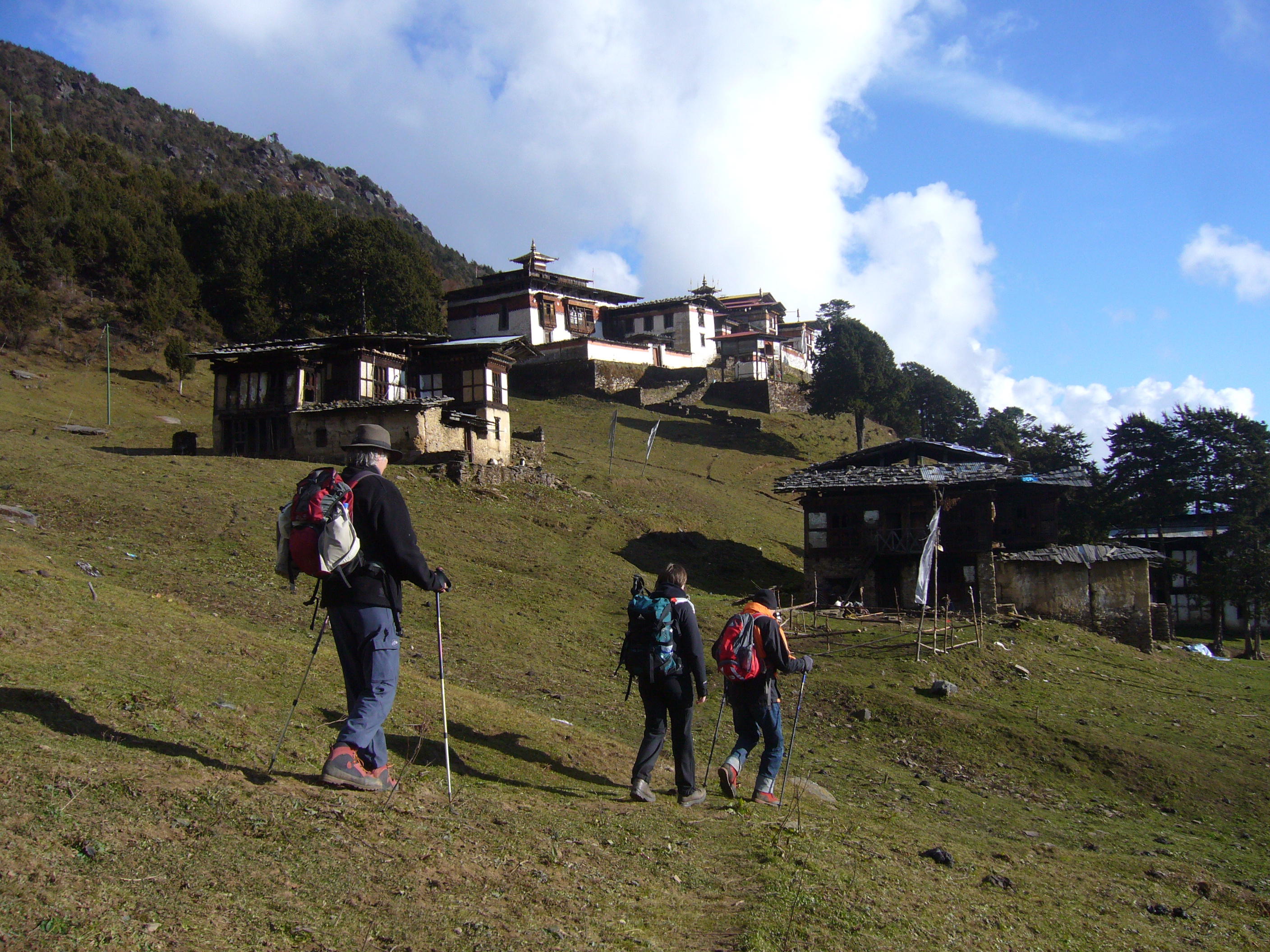
Gradual climb to Labana Pass (4,235m) with wide Bhutan Himalaya views (including Gangar Punsum and Table Mountain) and the Thimphu Valley below. Traverse and descend toward Thimphu with a few small climbs; from Phajoding Labsa chorten drop steeply to Phajoding Monastery for lunch. Continue through blue pine forest to Motithang, end the trek; transfer to Thimphu. Evening free.
Meals: Breakfast,Lunch,Dinner
Day 9
Thimphu sightseeing. Festival departures: Spend the day at Thimphu/Dechenphug Tshechu Festival
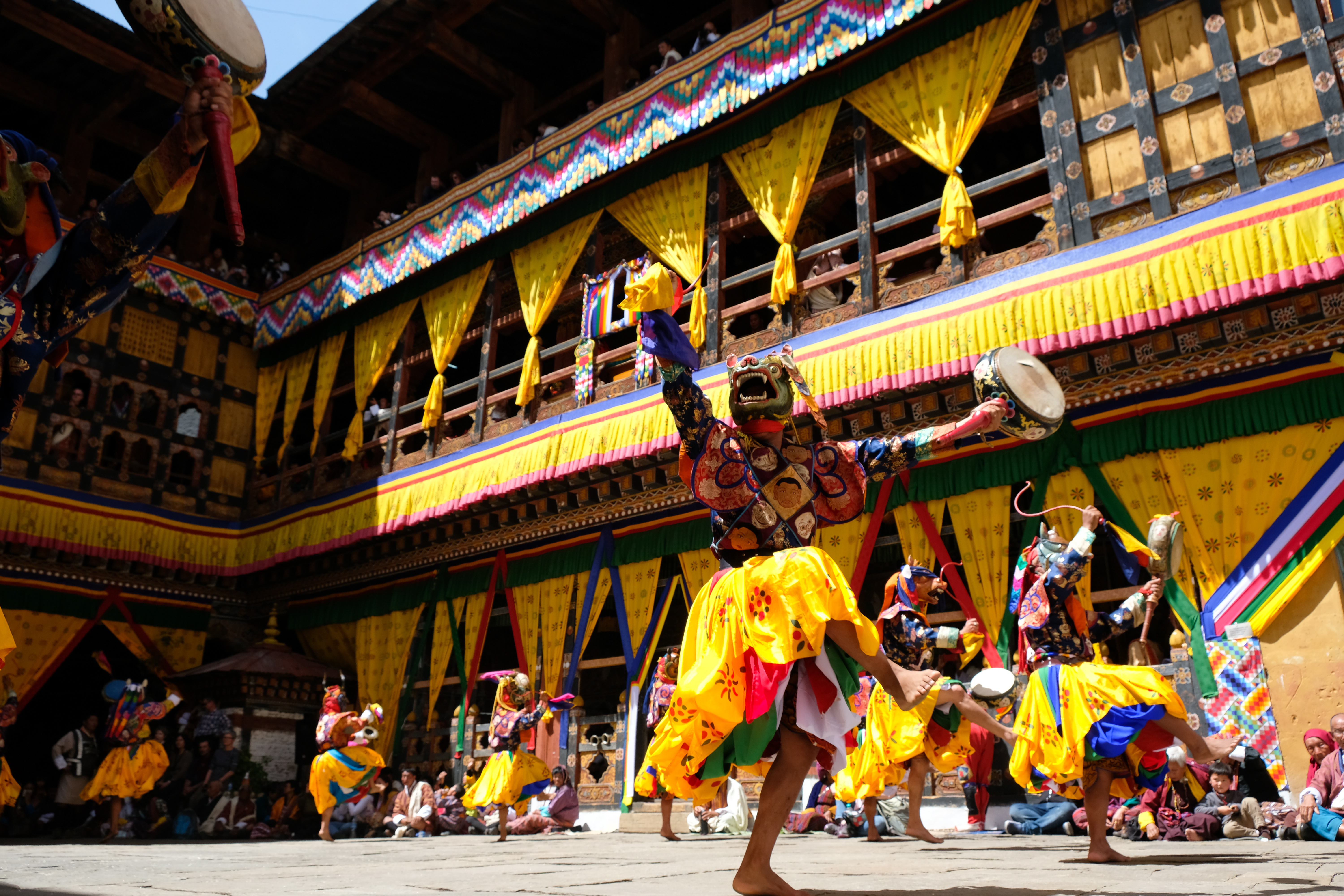
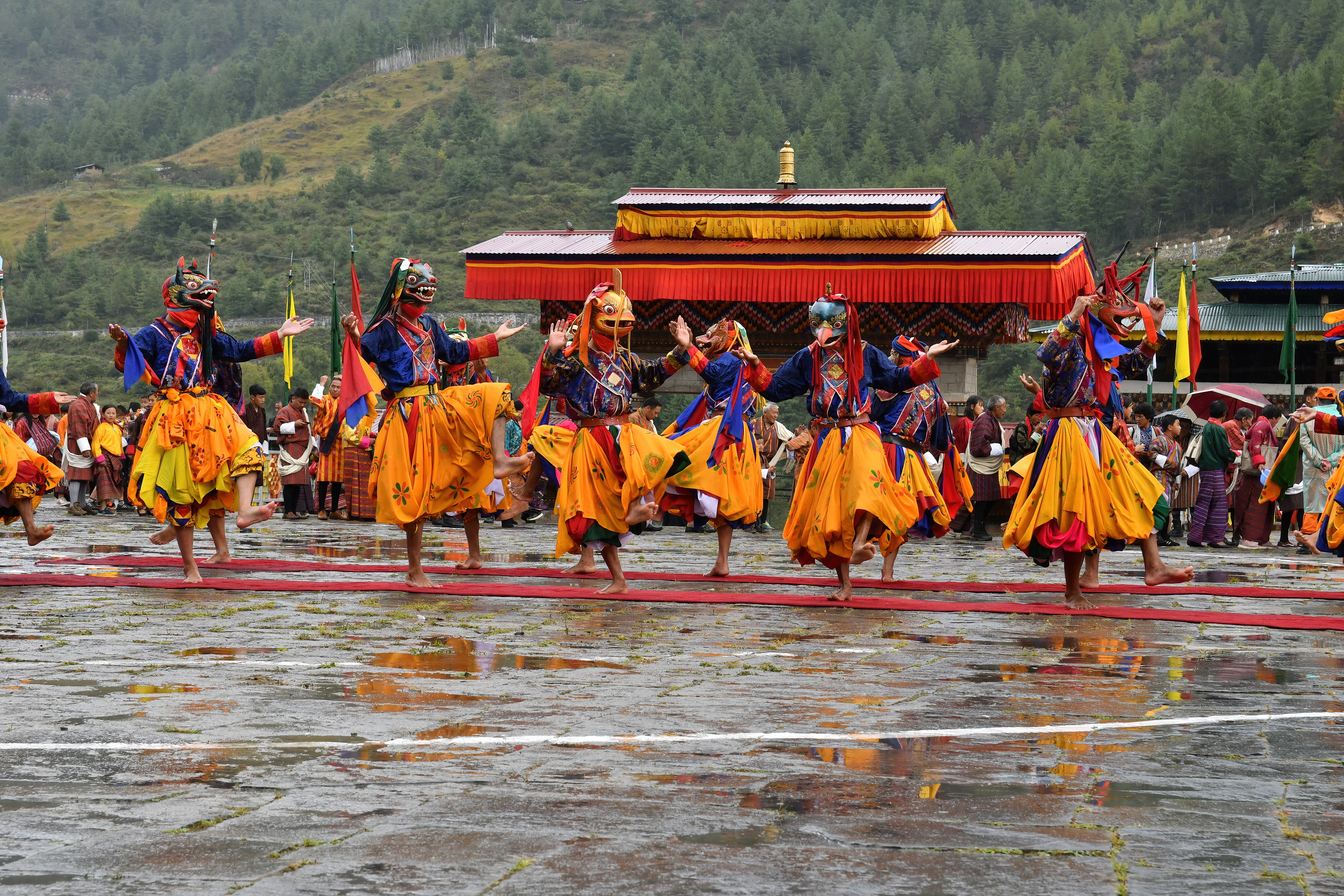
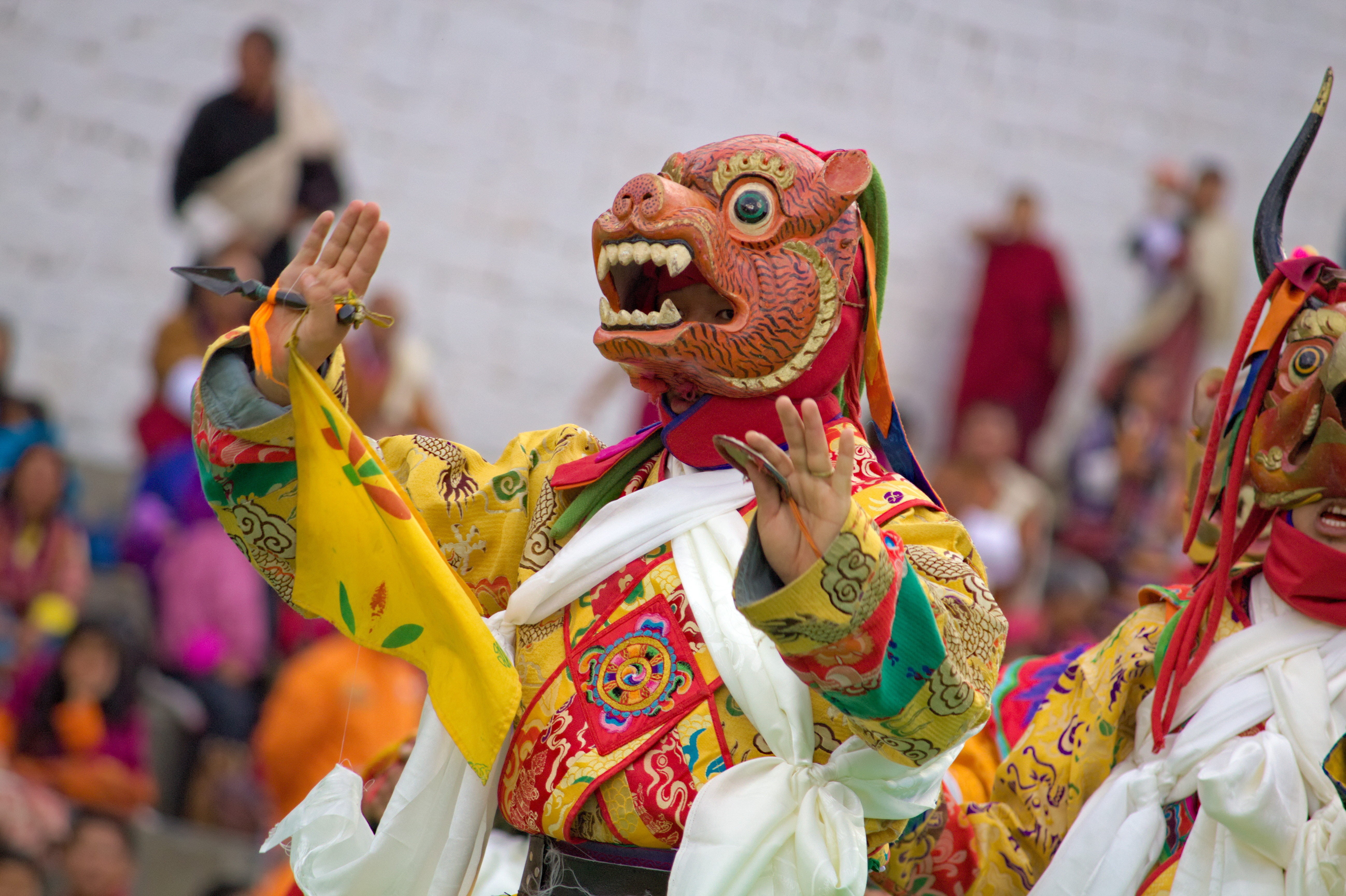
Sightseeing in and around Thimphu: Memorial Chorten, Buddha Point, museums, art school, post office, market and the takin preserve (order depends on opening times). Festival departures (Oct–Nov): full day at Thimphu/Dechenphug Tshechu with masked dances and celebrations.
Meals: Breakfast,Lunch,Dinner
Day 10
Paro sightseeing. Festival departures: Spend the day at Paro Festival
Drive about 1hr to Paro, visiting seventh-century Kyichu Lhakhang en route; continue exploring Paro and surrounds. Festival departures: travel to Paro late afternoon Day 9 for an early start today at the Paro Festival.
Meals: Breakfast,Lunch,Dinner
Day 11
Fly to Kathmandu
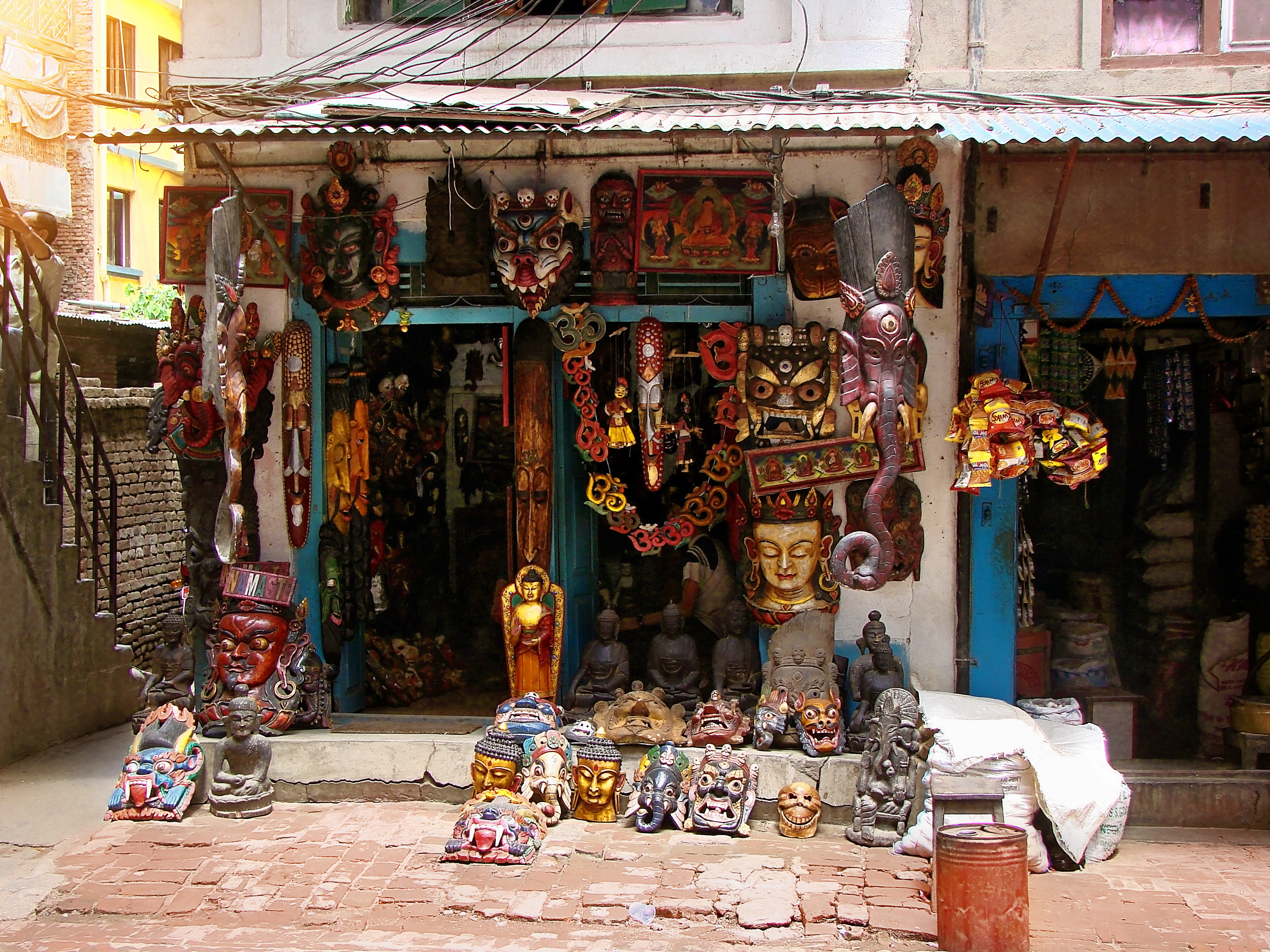
Fly to Kathmandu; free time for sightseeing or shopping. Options include Swayambhunath (Monkey Temple), Pashupatinath and Boudhanath; Thamel’s markets for souvenirs.
Meals: Breakfast
Day 12
End Kathmandu
Trip ends in Kathmandu after breakfast. Extensions available on request.
Meals: Breakfast
What’s included
What’s not included
Additional information
Food
Breakfast is included throughout the trip plus nine lunches and nine dinners in Bhutan.
During your adventure in Bhutan, prepare to savor a delightful array of flavors that blend Bhutanese and Western cuisines. While Bhutanese dishes are traditionally seasoned with chilies, often tempered for foreign palates, the local cuisine boasts rich and varied tastes. Enjoy a diverse selection of meat, vegetable, rice, and potato dishes, alongside iconic specialties like ema datshi—featuring chilies and cheese. If you desire a more authentic or spicier culinary experience, don’t hesitate to share your preferences with your trip leader, who will endeavor to tailor meals to your liking.
While camping, the staff bring a hot drink (usually tea) to your tent each morning. When you reach camp in the afternoon, tea and biscuits are served. At breakfast, dinner and in the afternoons, there is a choice of hot drinks.
Breakfasts typically include cereal and/or porridge plus toast and eggs. Lunch on trek is usually served as a picnic en route (except on shorter days when it is in camp). Lunch and dinner typically include soup to start, followed by a variety of hot dishes (both local and Western) such as potatoes/chips, vegetables, curry, pasta, rice, dhal and vegetables. At dinner, a dessert such as fresh or tinned fruit, fritters or cake is also served. Please note, although some meals include meat, it is not as readily available while camping.
Please allow the equivalent of approximately US$30-US$40 per day for other main meals in Kathmandu.
Drinking water
Staying hydrated is important when undertaking any physical activity but particularly so at altitude where it is generally recommended to drink at least 100floz to 135floz (three litres to four litres) per person per day.
However, we strongly encourage you not to buy bottled water on trek as this contributes to the growing problem of plastic pollution in the trekking areas of Bhutan.
On trek, the cooks collect and boil drinking water from the mountain streams and fill up your water bottles for you, but you may need to collect water during the day and may wish to use your own water purification treatment as well. Purification tablets can be an economical way to treat your water, most taking between 30 minutes to one hour to purify one litre of water and are easy to used in water bladders/hydration packs. Purification tablets which contain chlorine dioxide are reported not to leave an obvious taste as other tablets may.
You may like to bring a reusable bottle with a wide opening and use a Steripen to treat any non-boiled water. A Steripen is a handheld UV water purifier – small, lightweight and battery powered, so easy to pack. It’s quick to use, far more effective than purification tablets, and the water is ready immediately. It’s fine to use a Steripen on non-boiled water so long as it isn’t cloudy or full of sediment (which is uncommon in these regions).
Steripens are widely stocked on Amazon, outdoor shops and other online retailers; look for the latest models but avoid USB charging ones. Models that take lithium batteries are best as they last longer, especially in cold conditions.
Exodus has also partnered with Water-to-Go, a filtration system that eliminates more than 99.99 percent of all microbiological contaminants from any non-saltwater source – visit Water-to-Go for more information. Exodus customers can claim 15 percent off their first order and, better still, 15 percent of the purchase value will be donated to the Exodus Travels Foundation. Please note, if the water freezes it will clog up the filter. In this event, defrost before use by sitting the filter in lukewarm water for 10-15 minutes.
Kathmandu Heritage Tour: Swayambhunath, Pashupatinath & Boudhanath
Discover Nepal’s spiritual tapestry with a guided visit to Swayambhunath, the hilltop “Monkey Temple” whose white dome and all-seeing eyes rise above the city. Trace Hindu devotion at Pashupatinath on the Bagmati River, where sadhus, shrines and ritual ghats create a contemplative scene.
Conclude at the immense Boudhanath Stupa, circling the mandala with pilgrims beneath prayer flags and the scent of incense. This experience is at additional cost and bookable on tour; it offers a rich contrast to your time in Bhutan.
Kyichu Lhakhang, Bhutan’s Oldest Temple
Visit Kyichu Lhakhang, a serene seventh-century temple wrapped in apricot trees and prayer wheels. Step inside incense-scented chapels to see ancient statues and butter lamps, while elderly pilgrims circle the kora murmuring mantras.
According to legend, this sanctuary was built by King Songtsen Gampo to pin down a Himalayan demoness; its courtyard shelters ever-fruiting orange trees said never to fail. The site offers a contemplative window into Bhutan’s earliest Buddhist devotion.
Taktsang (Tiger’s Nest) Monastery Hike
Ascend through perfumed pines and fluttering prayer flags on a steady trail to hike to Taktsang Monastery (Tiger’s Nest), Bhutan’s cliff-clinging sanctuary. Pause at prayer-flagged viewpoints to photograph the soaring cliffside temples perched 900m above the Paro Valley.
Enter the sacred complex, rebuilt after the 1998 fire, where Guru Rinpoche is said to have meditated in the 8th century. Expect undulating paths and around 100 stone steps; sturdy footwear is recommended for this high-altitude pilgrimage.
Druk Path Trek: Paro to Thimphu High-Route
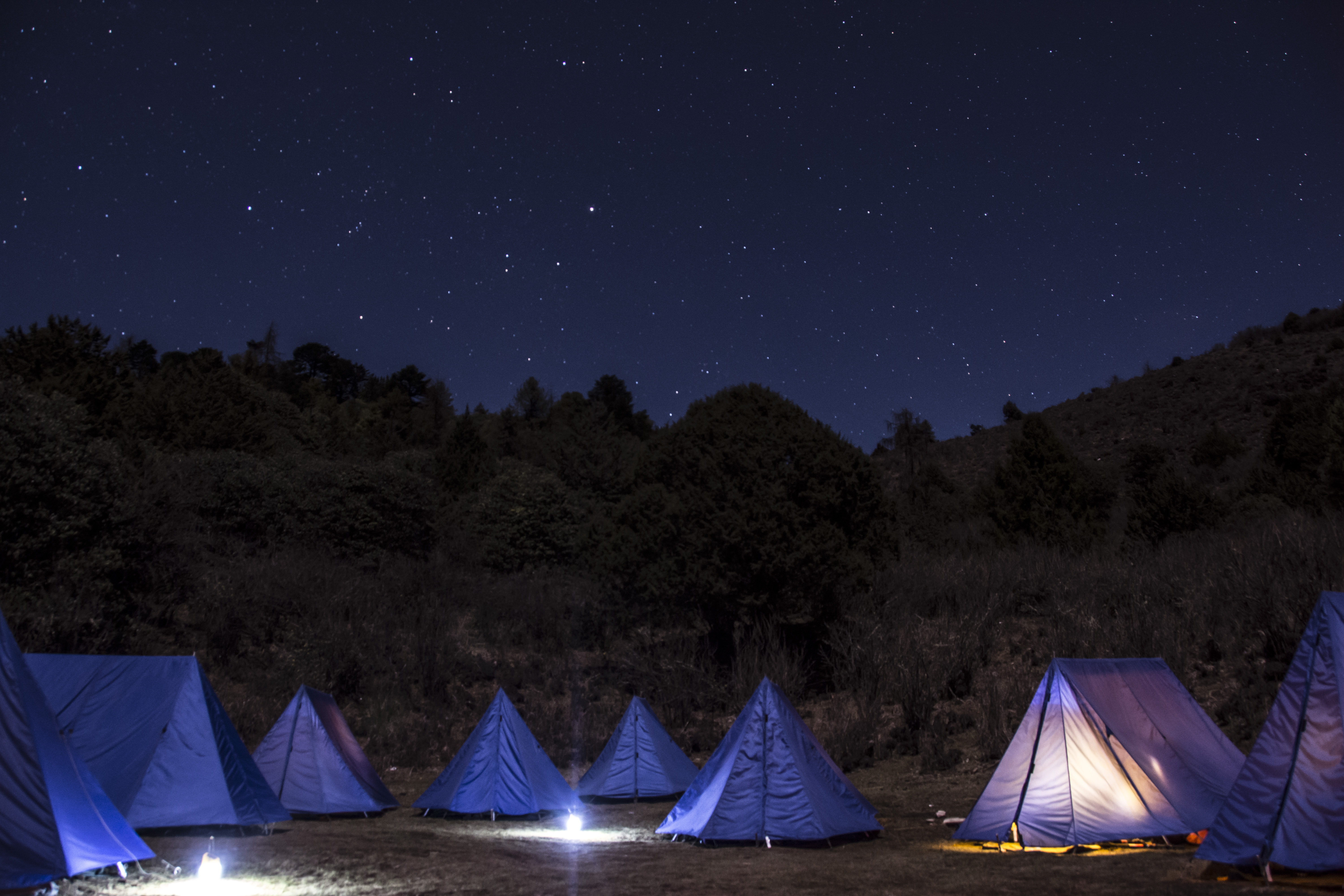
Venture along an ancient trade trail to follow the Druk Path across forested ridges and prayer-flagged cols. Thread through rhododendron and dwarf juniper, pass yak-herder clearings, and camp beside alpine lakes such as Jimi Lang Tscho and Janye Tscho with night skies bright as lanterns.
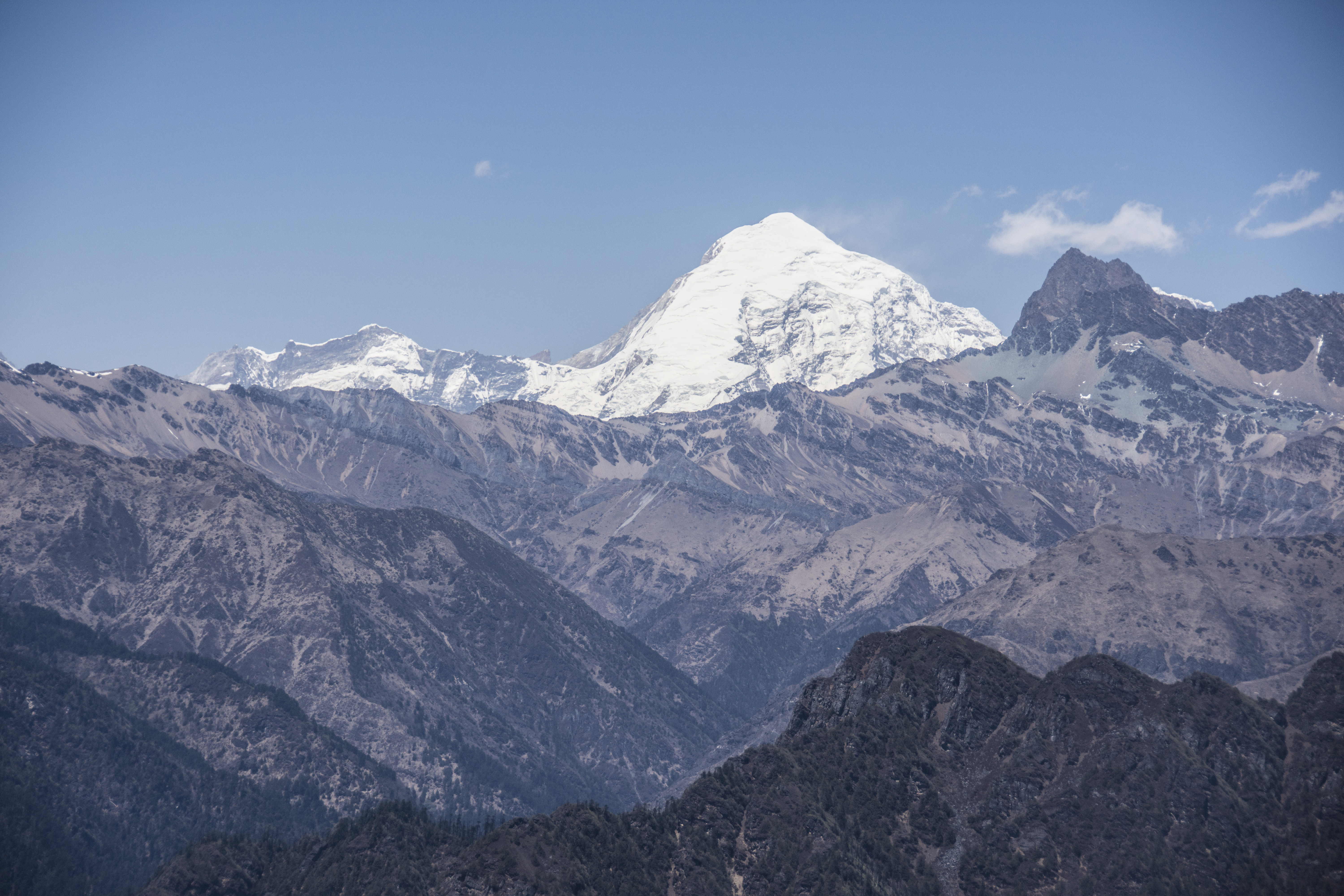
Climb to cross the Labana Pass, scanning crystalline views of Chomolhari and Jichu Drake, then contour to the hilltop hermitages of Phajoding Monastery before descending towards Thimphu. This fully supported trek includes porterage, hot drinks at camp, and scenic lunches on the ridge.
Thimphu City Highlights: Memorial Chorten & Buddha Dordenma
Explore Bhutan’s capital through its spiritual landmarks and everyday rhythm. Circumambulate the Memorial Chorten, joining locals spinning prayer wheels and offering butter-lamp blessings, then drive to the hillside statue of Buddha Dordenma for panoramic views over the Thimphu Valley.
Gain insight into living tradition at the crafts school or market and meet Bhutan’s national animal at the Motithang Takin Preserve. Together these visits reveal a city where monastic chants, artisan workshops and mountain breezes mingle with contemporary Bhutanese life.
Tshechu Festival Masked Dances (Paro or Thimphu/Dechenphug)
Immerse yourself in Bhutan’s great ritual pageant as monks and lay artists perform masked dances (cham) to ringing drums and horns. At the Paro Tshechu or Thimphu/Dechenphug Tshechu, the courtyards bloom with colour as families gather in national dress beneath prayer flags.
Watch sacred dramas depicting good over evil, receive blessings, and admire brocade and silk costumes hand-stitched with guardian deities. This cultural experience is included on festival departures; timings vary by season and local calendar.
Paro Dzong & National Museum of Bhutan (Ta Dzong)
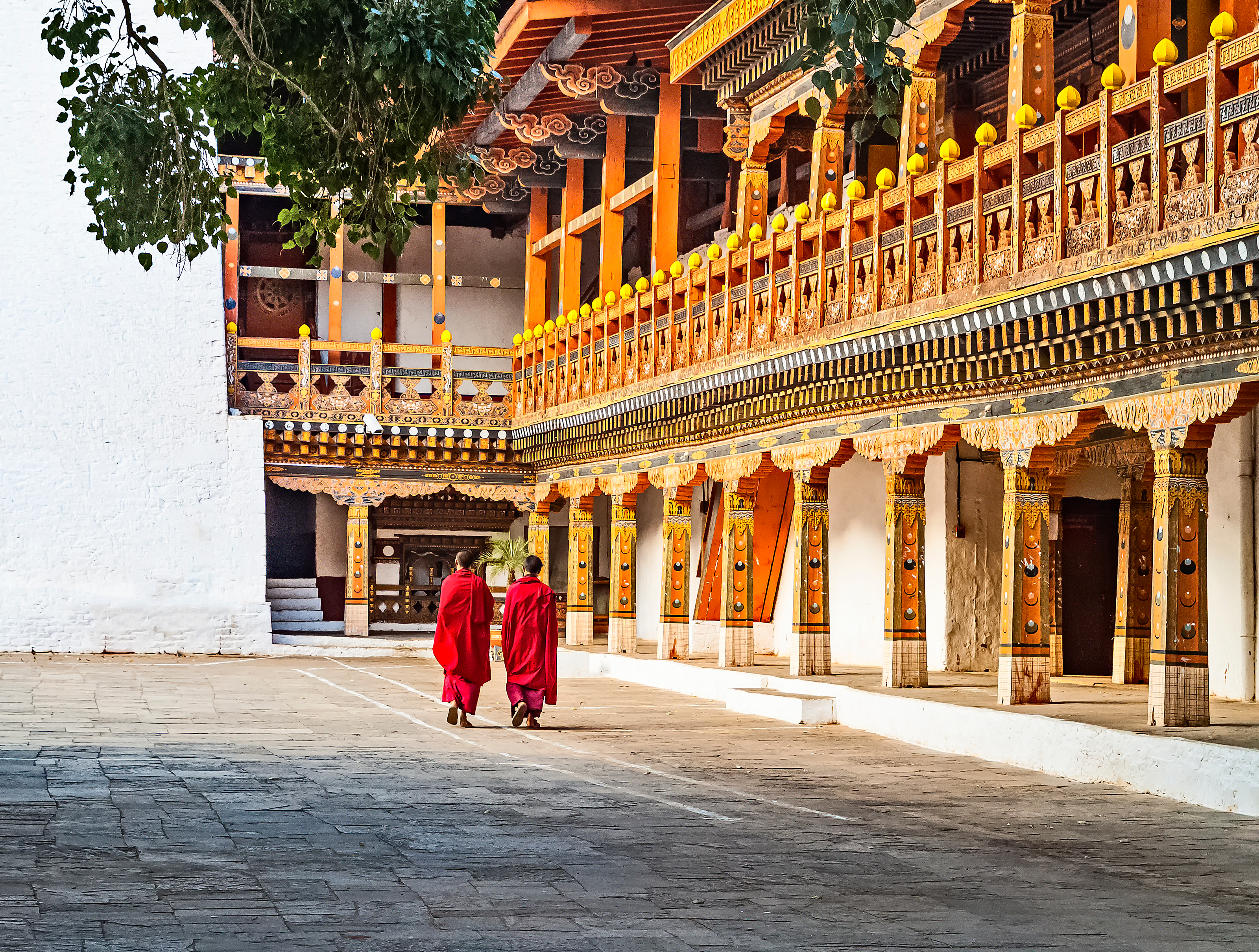
Explore the cultural heart of Paro as you visit Paro Dzong (Rinpung Dzong), the emblematic fortress-monastery that anchors the valley. Approach via the wooden span and cross the Nyamai Zam covered bridge before stepping into courtyards framed by the dzong’s inward-sloping walls and fine Bhutanese murals.
Continue uphill to the National Museum of Bhutan at Ta Dzong, a former watchtower preserving masks, thangkas and ritual objects. Learn how this 17th-century stronghold once guarded the Paro Valley from Tibetan incursions, and admire sweeping views across blue-pine hills and terraced fields.