Your itinerary
Day 1
Day 1: Antigua Guatemala
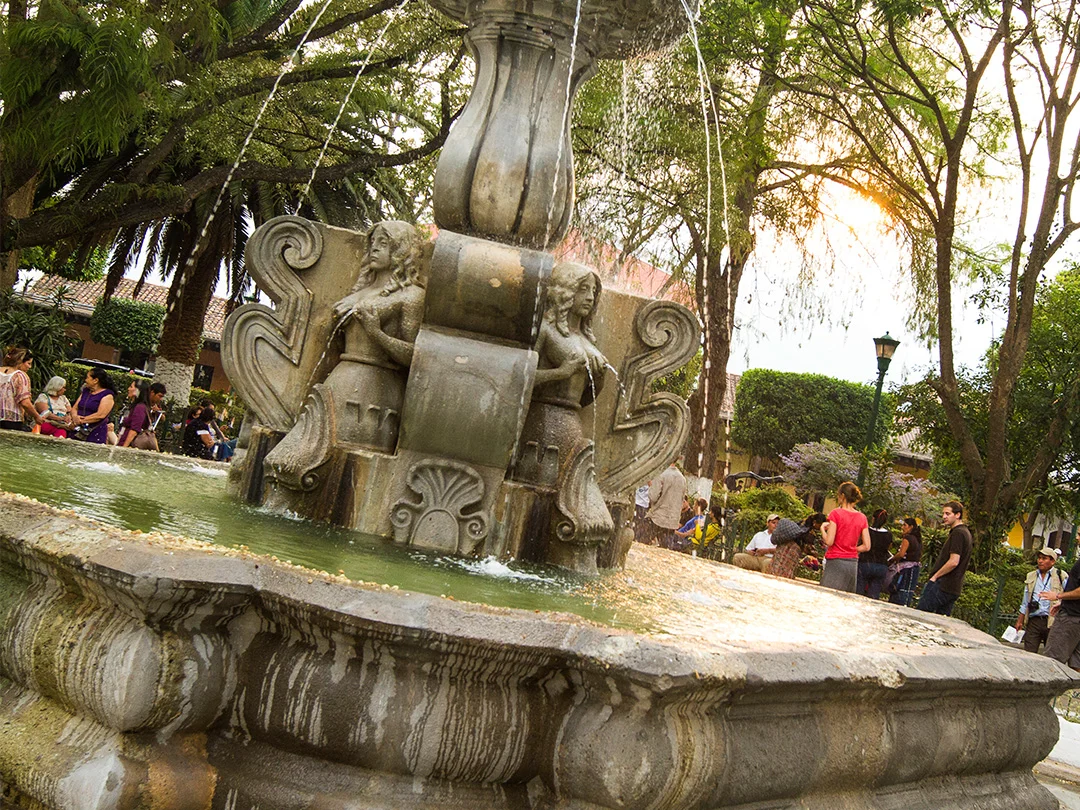
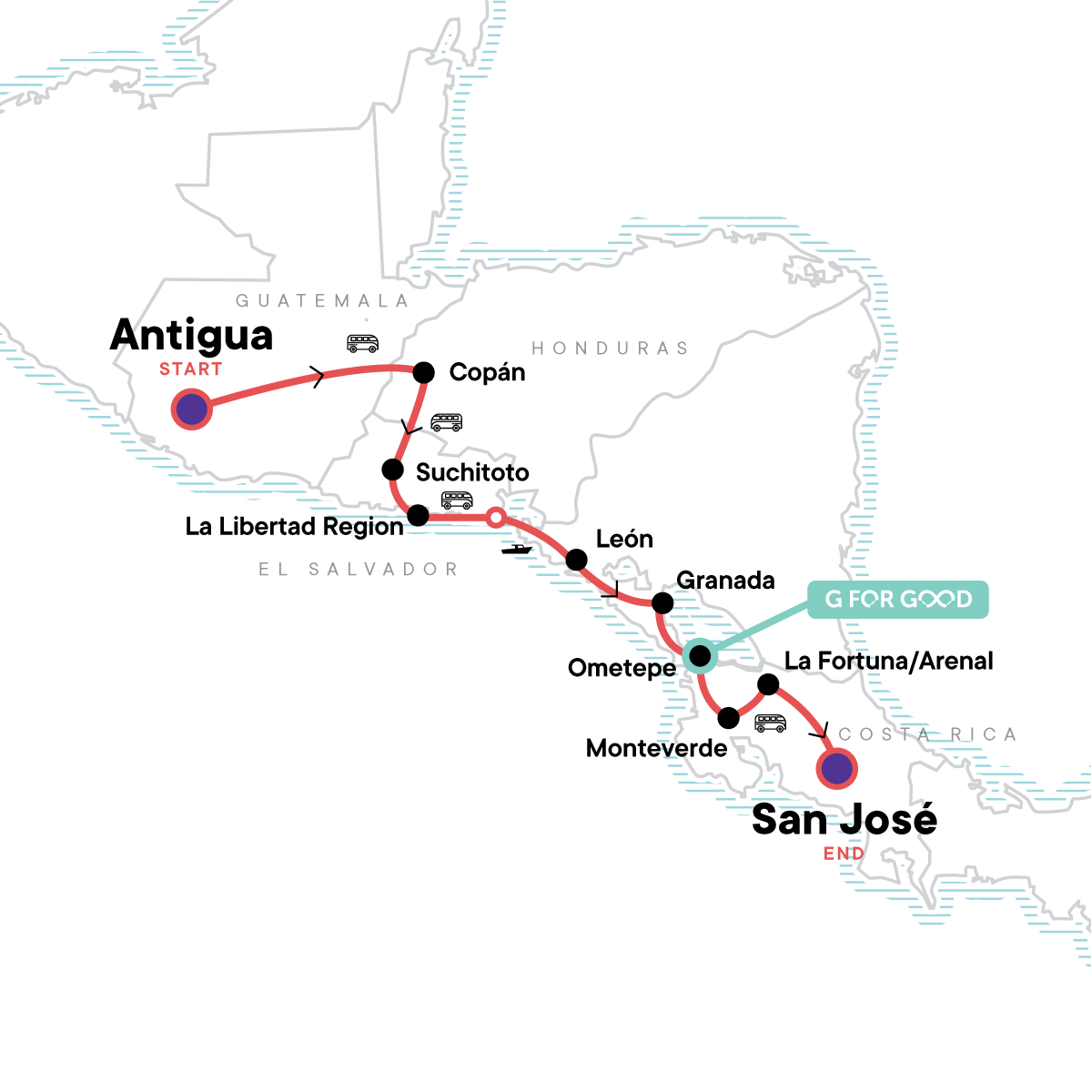
Arrive at any time. Meet your CEO and fellow travellers at the welcome meeting; joining the group for a local meal or an evening out is optional. Antigua is about a one-hour drive from Guatemala City’s international airport. Explore its museums, colonial buildings and markets, and see the surrounding volcanoes. The city is a UNESCO World Heritage Site.
Day 2
Day 2: Antigua Guatemala/Copán
Travel by private vehicle from Antigua, crossing from Guatemala into Honduras, and arrive in Copán Ruinas in the evening. The town is set along a river in a coffee-growing region, near the UNESCO-listed Mayan ruins of Copán.
Day 3
Day 3: Copán
Free day in Copán. Optional activities include visiting the Copán Ruins and lesser-known Mayan sites, exploring the hills or soaking in jungle hot springs.
Day 4
Day 4: Copán/Suchitoto
Travel by private vehicle from Honduras, briefly through Guatemala, and across the border into El Salvador. Arrive in the colonial town of Suchitoto. Pupusas, a local Salvadoran specialty, are an optional dinner choice. Bring snacks for the long journey.
Day 5
Day 5: Suchitoto/La Libertad Region
Enjoy a free morning in Suchitoto, then travel by private vehicle to the coast and the La Libertad region. Watch the sunset in a small surf town.
Day 6
Day 6: La Libertad Region
Free day in the beach area. Optional activities include a surf lesson, fresh ceviche at the fish market, a visit to Tamanique waterfalls or relaxing on the beach.
Day 7
Day 7: La Libertad Region/León
Travel by land and sea from El Salvador to Nicaragua, using private transport and a boat. Arrive in León for a short orientation walk through the historic centre, passing the central park, local market and historic churches.
Day 8
Day 8: León/Granada
Travel by private vehicle to Granada. Take an orientation walk with the CEO among the city’s colourful colonial buildings; get tips on finding places such as supermarkets, main squares and ATMs.
Day 9
Day 9: Granada
Free day to explore Granada’s markets, buildings and museums. Optional activities include viewing Masaya Volcano’s crater, kayaking on Lake Nicaragua, swimming in Laguna de Apoyo or walking in the forest at Mombacho Volcano. Visit Café de las Sonrisas, a G Adventures-supported social enterprise run by deaf staff, for breakfast and an introduction to basic sign language. Then visit the Tío Antonio Social Center to learn about its community work, try hammock weaving with local artisans and explore exhibits about sign language and the project’s history.
Day 10
Day 10: Granada/Isla de Ometepe
Travel by vehicle and ferry across Lake Nicaragua to Ometepe Island, formed by two volcanoes. Begin a two-night community homestay in La Paloma, near Moyogalpa, with a local family. The community-owned stay supports local livelihoods; practise Spanish, enjoy locally cooked food and hike nearby trails.
Meals: Dinner
Day 11
Day 11: Isla de Ometepe
Free time to explore Ometepe, spend time with the local host families, or choose among climbing Volcano Concepción or Volcano Maderas, viewing petroglyphs, walking or kayaking in Charco Verde reserve, swimming at Ojo de Agua, relaxing on the beach or cycling around the island. Continue the community homestay in La Paloma.
Meals: Breakfast,Dinner
Day 12
Day 12: Isla de Ometepe/Monteverde
Travel by ferry back to the mainland, then cross into Costa Rica and continue by vehicle to Monteverde’s cloud forest. Be prepared to walk about 10 minutes with bags between the Nicaragua and Costa Rica border stations.
Meals: Breakfast
Day 13
Day 13: Monteverde
Free day for optional activities, including visiting a cloud forest reserve, ziplining, horseback riding, hiking, visiting a coffee or sugar cane farm, touring the cheese factory, or seeing the orchid garden, serpentarium or frog pond.
Day 14
Day 14: Monteverde/La Fortuna
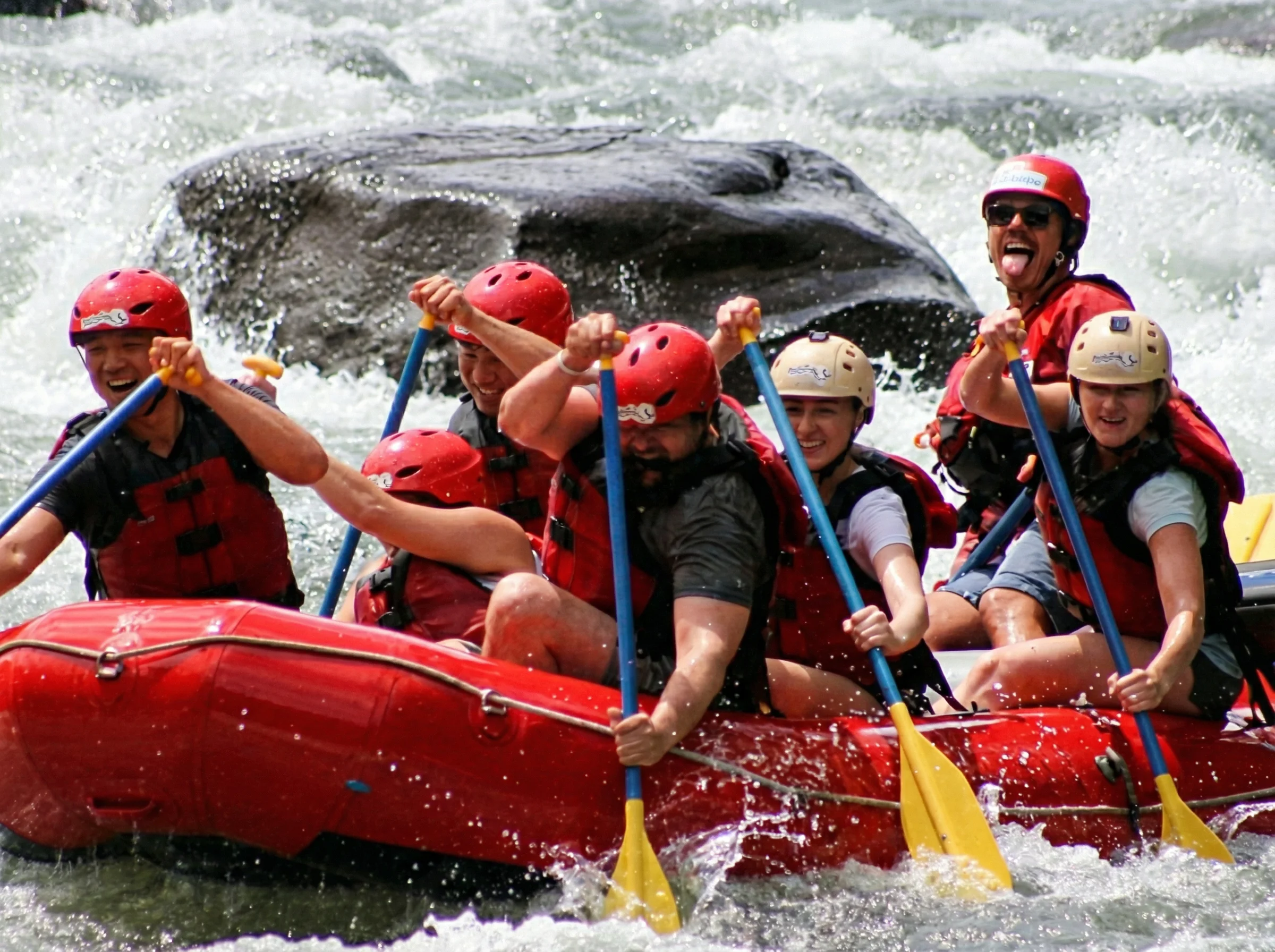
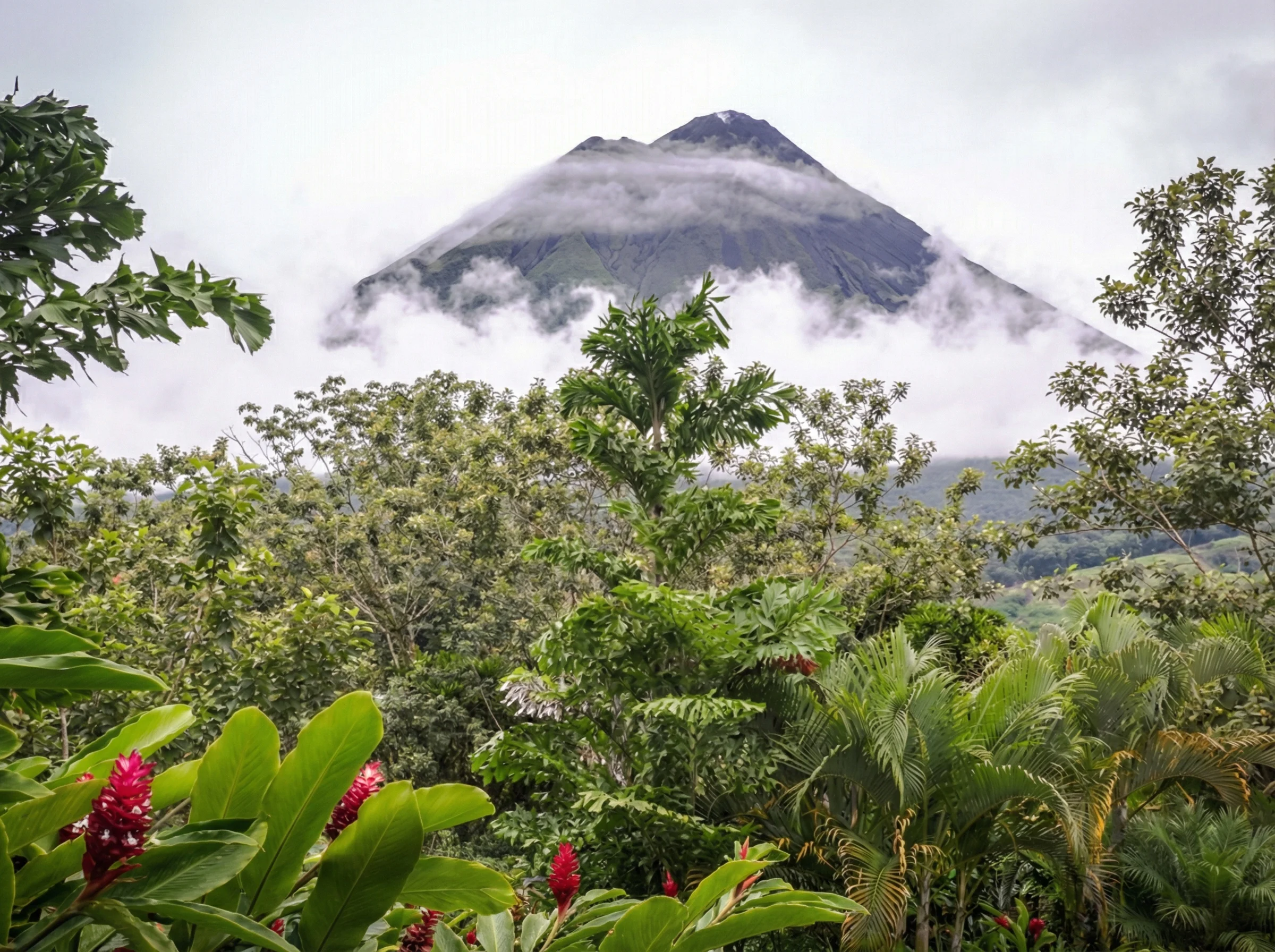
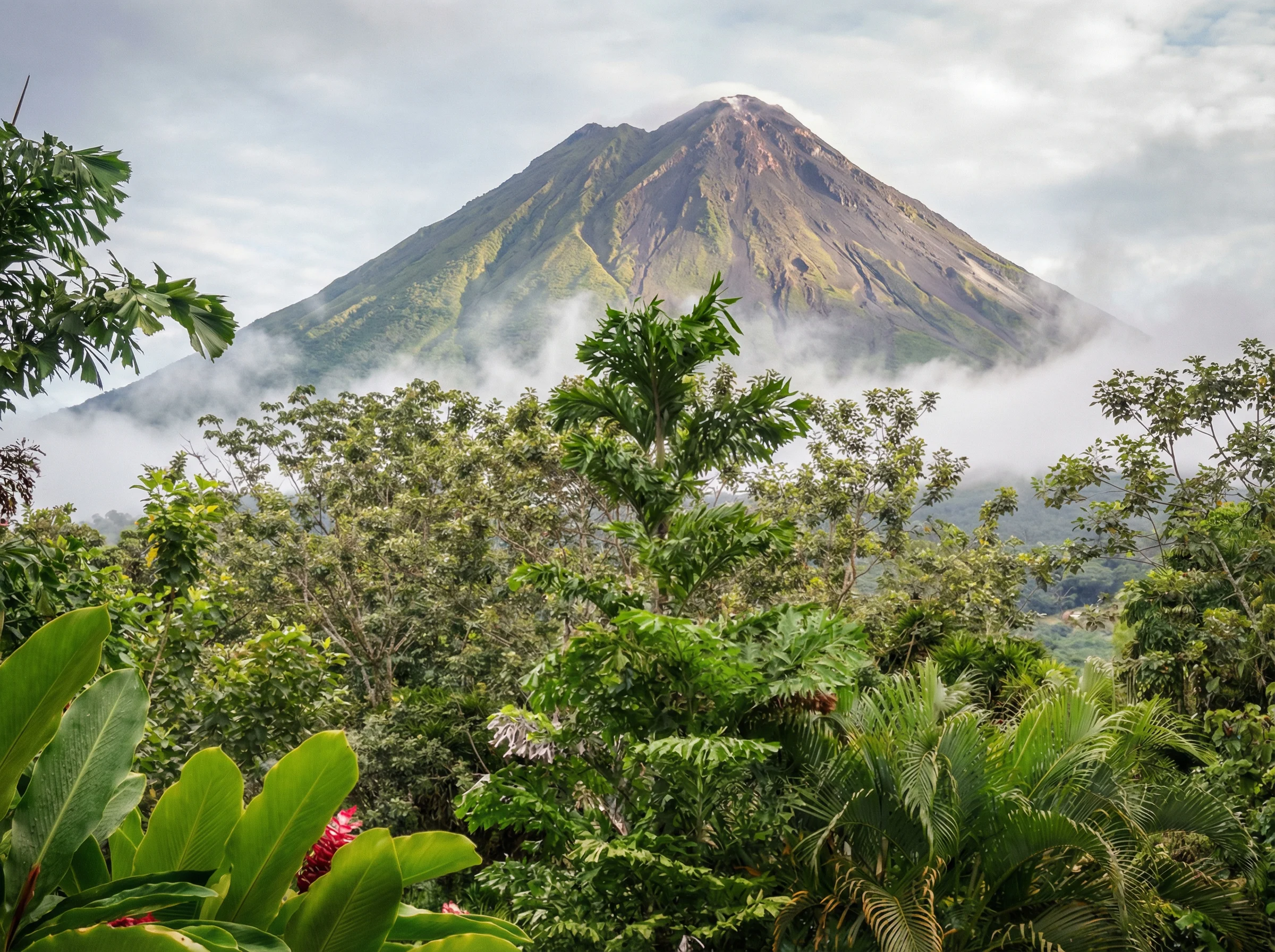
Travel from Monteverde across Costa Rica’s largest lake to La Fortuna, at the base of Arenal Volcano. Free time in the afternoon; optional activities include canyoning, white-water rafting, hiking, caving, horseback riding, paddle boarding, kayaking or visiting a wildlife refuge.
Day 15
Day 15: La Fortuna
Free day to enjoy the La Fortuna and Arenal area or try activities you did not get to do the previous day, such as canyoning or rafting.
Day 16
Day 16: La Fortuna/San José
Travel by vehicle through the mountains to San José. The evening is free to explore the capital’s parks, museums and theatres.
Day 17
Day 17: San José
Depart at any time. Your CEO can help arrange travel if you wish to extend your stay.
What’s included
What’s not included
Additional information
Group Size
18
Solo Travellers
Meals
Eating is a big part of traveling. Travelling with G Adventures you experience the vast array of wonderful food that is available out in the world. Generally meals are not included in the trip price when there is a choice of eating options, to give you the maximum flexibility in deciding where, what and with whom to eat. It also gives you more budgeting flexibility, though generally food is cheap. Our groups tend to eat together to enable you to taste a larger variety of dishes and enjoy each other’s company. There is no obligation to do this though. Your CEO will be able to suggest favourite restaurants during your trip. The above information applies to G Adventures group trips. For Independent trips please check the itinerary for details of meals included. For all trips please refer to the meals included and budget information for included meals and meal budgets.
Meals Included
2 breakfasts, 2 dinners
Minimum Age
Local Dress
Important Notes
1. In the instance that you are a parent or guardian traveling with a minor under the age of 18 and you do not share the same gender as the minor child, you will accommodated together in a private room instead of the multi share option.
2. As this trip crosses national borders, please be prepared to pay some border fees for certain countries totalling approx $22 USD for the entire trip. Please check with your local embassy or consulate for up-to-date visa requirements, or see your travel agent.
3. Please note that you will be required to fill out the form found at the link below at least two days prior to crossing into Honduras. It’s encouraged that you have the form filled out and with you at Welcome Meeting on Day 1. Your CEO will go over the details and make sure everyone has the correct information. The group will travel into Honduras on Day 2.
The correct form can be found at this link .
4. COMBO TRIP
Please note that this tour combines with other G Adventures tours. As such, the staff and some travel companions on your tour may have previously been traveling together with G Adventures, prior to Day 1 of your tour. Likewise, some staff and travel companions may be continuing together on another G Adventures tour, after your trip concludes.
5. This tour departs Antigua in the morning on Day 2. If you are interested in exploring the city and its nearby attractions, it is recommended you book additional pre-trip accommodation nights.
6. Please note the use of drones is banned in Nicaragua.
7. Important note for Nicaragua: New regulations now require visas for certain nationalities, including Australian and New Zealand passport holders. Requirements can change at short notice, so all travelers should check with the nearest consulate or official sources before travel.
Group Leader
Chief Experience Officer (CEO) throughout.
About Accommodation
Accommodation will be varied throughout your adventure. Some nights on this tour will be multi-share. This may involve 4-6 group members sharing a room. The majority of accommodation will have shared bathroom facilities.
Where we use multi-share hostels, rooming requests of any kind cannot be taken. For private accommodation please see tours in our Classic Standard Travel Style, as this is a Classic Basic trip.
What to Take
We recommend using a backpack for your convenience, or a medium-sized suitcase if you prefer. A daypack is also essential for carrying everyday items. Space is limited on transportation, so there is a limit of one main piece of luggage per person. You will be responsible for carrying and handling your own luggage.
Please note Nicaragua restricts certain items. Articles such as drones, professional cameras, and other recording or electronic equipment may require special permits or customs may hold them upon arrival. Travelers should verify current regulations in advance to avoid issues at the border.
Spending Money
Every traveller is different and therefore spending money requirements will vary. Some travellers may drink more than others while other travellers like to purchase more souvenirs than most. Please consider your own spending habits when it comes to allowing for drinks, shopping and tipping. Please also remember the following specific recommendations when planning your trip.
Antigua Welcome Meeting
Meet your Chief Experience Officer and fellow travellers in Antigua Guatemala for an introduction to the route, the group and the practical details of travelling through Central America. It is a chance to ask questions and get to know the people sharing the journey.
Antigua’s cobblestone streets and volcano-backed colonial setting provide a distinctive backdrop for the gathering. A meal with the group may follow, but it is optional and not included as part of this experience.
León Historic Centre Orientation Walk
Walk through León’s historic centre with your Chief Experience Officer, passing the central park, local market and historic churches. This short orientation introduces the streets and public spaces of one of Nicaragua’s most important colonial cities.
León has long been a centre of intellectual and political life, and its church-lined streets reflect centuries of Spanish colonial influence. The walk is an introduction to the city rather than an in-depth guided tour or a ticketed visit inside its landmarks.
Granada Orientation Walk
Explore central Granada on a short orientation walk with your Chief Experience Officer. Get your bearings among colourful colonial buildings and learn where to find useful local landmarks, including the main square and everyday services.
Founded on the shores of Lake Nicaragua, Granada is known for its brightly painted facades and Spanish colonial streets. This practical introduction lets you appreciate the city’s character while identifying places you may wish to explore independently; it is not an in-depth guided sightseeing tour.
Café de las Sonrisas Breakfast & Tío Antonio Social Center
Enjoy breakfast at Café de las Sonrisas in Granada, a G Adventures-supported social enterprise staffed by Deaf employees. Learn some basic sign language and see how the café creates meaningful work through inclusive tourism.
Visit the Tío Antonio Social Center to learn about its community initiatives, explore exhibits on Deaf culture and try traditional hammock weaving alongside local artisans. The hands-on visit connects a Nicaraguan craft with the people and organisation keeping it active.
Puesta del Sol Community Guesthouse Stay, Ometepe
Stay with a local family in La Paloma, a rural lakeside village on Nicaragua’s Ometepe Island. The two-night Puesta del Sol experience offers time to practise Spanish, share home-cooked food and learn about daily life from your hosts.
Ometepe rises from Lake Nicaragua around the volcanoes Concepción and Maderas. This community-owned, Planeterra-supported guesthouse project helps local families benefit directly from visitors. Nearby trails and the village’s lakeside setting offer further insight into the island’s landscape and pace of life.
Copán Maya Ruins
Visit the Copán archaeological site near Copán Ruinas in Honduras, if you choose to explore beyond town. Its plazas, temples and carved monuments reveal the artistry and ceremonial life of a major ancient Maya city.
A UNESCO World Heritage Site, Copán is particularly celebrated for its intricately carved stelae and hieroglyphic inscriptions. This visit is optional, at additional cost and bookable on tour; confirm the available arrangements and any admission or guide fees with your Chief Experience Officer.
Copán Countryside Hot Springs
Soak in hot springs near Copán on an optional outing into the Honduran countryside. Warm mineral water and surrounding tropical vegetation offer a relaxing contrast to the stone architecture of the nearby Maya ruins.
The experience is an opportunity to see more of the green hills around Copán Ruinas while enjoying a slower-paced activity. It is at additional cost and bookable on tour; ask your Chief Experience Officer about the available springs, transport and admission arrangements.
El Tunco Surf Lesson
Take a surf lesson on El Salvador’s Pacific coast in the El Tunco area, where consistent swells have helped establish a lively surfing culture. Practise the basics with an instructor and experience the rhythm of the waves firsthand.
The coast here is known for dark volcanic sand, rocky points and an easygoing surf-town atmosphere. A lesson is optional, at additional cost and bookable on tour; availability, conditions and the most suitable beach depend on local operators and the day’s surf.
Tamanique Waterfalls Visit
Visit the Tamanique waterfalls in the hills inland from El Salvador’s La Libertad coast. An outing here trades the surf-town shoreline for trails, pools and cascades set amid tropical vegetation.
The waterfalls offer a closer look at the rugged landscape above the Pacific, with walking conditions that can vary by route and weather. This visit is optional, at additional cost and bookable on tour; check locally what transport, guiding and any entrance fees include.
Lake Nicaragua Kayaking near Granada
Kayak on Lake Nicaragua during your time in Granada for a water-level view of the broad lake beside the colonial city. Paddling offers a different perspective on the shoreline and, depending on the chosen route, the volcanic scenery beyond it.
Known locally as Lago Cocibolca, the lake has shaped Granada’s history as a trading centre. Kayaking is optional, at additional cost and bookable on tour; routes and conditions depend on the local operator and weather.
Laguna de Apoyo Swim
Swim in Laguna de Apoyo, the crater lake near Granada, on an optional visit. Its sheltered waters sit within the steep, forested slopes of an ancient volcanic caldera, creating a peaceful place to spend time outdoors.
The lagoon’s volcanic origins and wooded rim distinguish it from the much larger Lake Nicaragua nearby. This activity is at additional cost and bookable on tour; ask your Chief Experience Officer about transport, access and conditions before making plans.
Mombacho Volcano Forest Walk
Walk forest trails on Mombacho Volcano near Granada, where the higher slopes support lush vegetation and offer a change of climate from the city below. Explore the volcano’s natural setting at a pace suited to the available trail options.
Mombacho’s elevated forest is part of the volcanic landscape surrounding Granada and Lake Nicaragua. A visit is optional, at additional cost and bookable on tour; confirm trail access, guiding, transport and weather conditions locally.
Masaya Volcano Crater Visit
View Masaya Volcano’s crater on an optional outing from Granada, subject to access and current safety conditions. The active volcanic landscape offers a stark contrast to Granada’s colourful streets and lakeside setting.
Masaya has held cultural significance in Nicaragua for centuries and remains a reminder of the geological forces shaping the country. This visit is at additional cost and bookable on tour; crater visibility, park access and permitted activities can change with volcanic conditions.
Ometepe Volcano Hike
Hike on Concepción or Maderas volcano for a demanding optional exploration of Ometepe Island. These two peaks give the island its distinctive silhouette in Lake Nicaragua, while their trails offer different terrain and challenges.
Concepción is an active, cone-shaped volcano; Maderas has forested upper slopes. A climb requires suitable fitness and preparation. It is optional, at additional cost and bookable on tour; discuss route, guide requirements and weather conditions before committing.
Charco Verde Reserve Walk or Kayak
Explore Charco Verde reserve on Ometepe Island by walking its paths or, where available, kayaking its waters. The reserve brings you into the island’s quieter natural spaces, away from the villages and volcanic slopes.
Set beside Lake Nicaragua, Charco Verde is valued for its wetland scenery and opportunities to observe local nature. A walk or kayak outing is optional, at additional cost and bookable on tour; available activities and access depend on local conditions.
Ometepe Petroglyphs Visit
Seek out Ometepe’s petroglyphs to see designs carved into stone by the island’s earlier inhabitants. Visiting these archaeological traces adds a human history to a place often defined by its twin volcanoes.
The carvings offer a tangible connection to Ometepe’s pre-Columbian past, though their meanings are not always known. This visit is optional, at additional cost and bookable on tour; ask locally about accessible sites, transport and whether a guide is available.
Ojo de Agua Spring Swim
Swim at Ojo de Agua, a freshwater spring on Ometepe Island. Its clear pools offer a refreshing alternative to hiking the island’s volcanoes or exploring the shores of Lake Nicaragua.
Surrounded by tropical greenery, the spring is a distinctive place to experience Ometepe’s freshwater landscape at an unhurried pace. The visit is optional, at additional cost and bookable on tour; confirm transport, opening arrangements and admission locally.
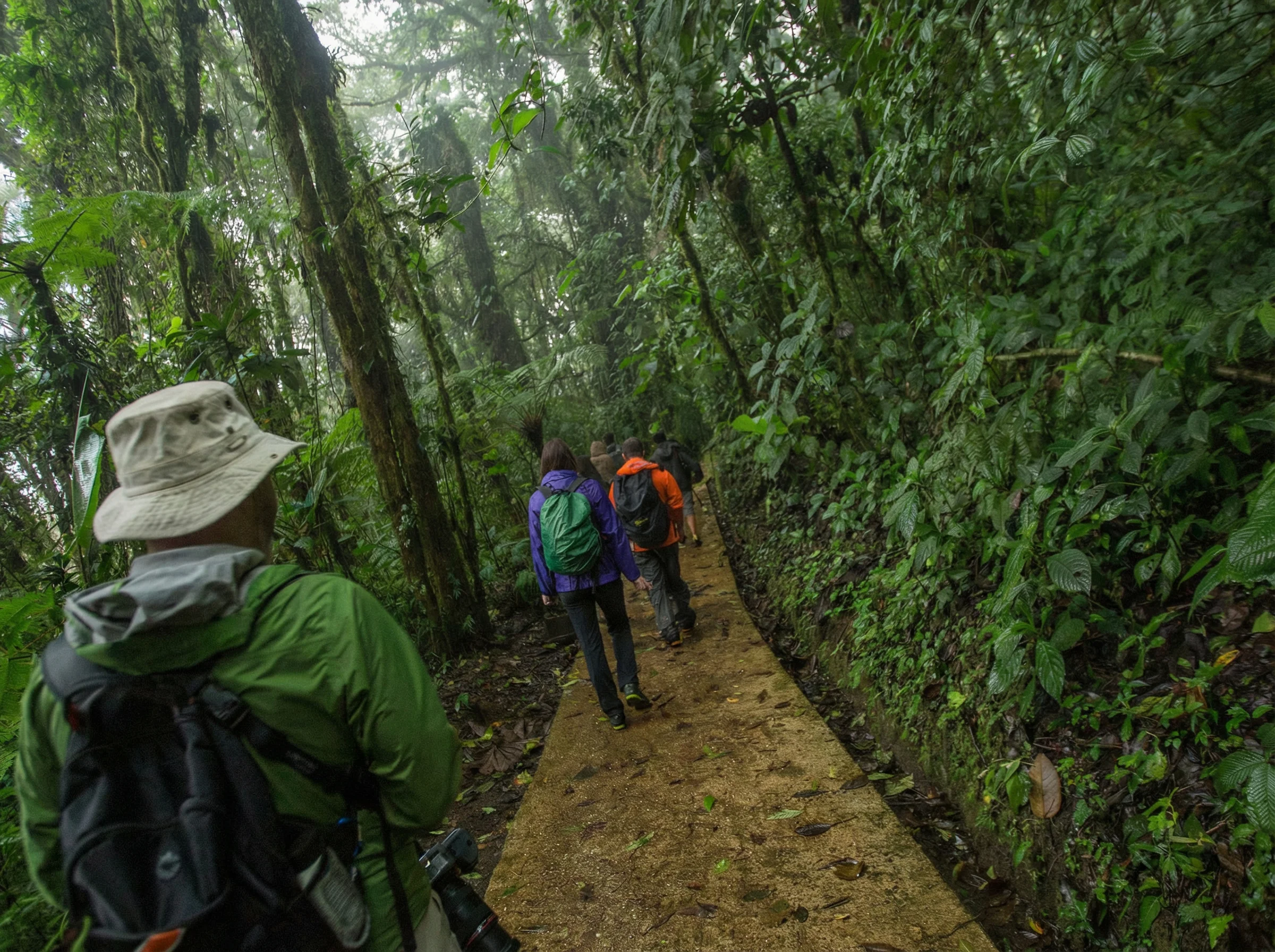
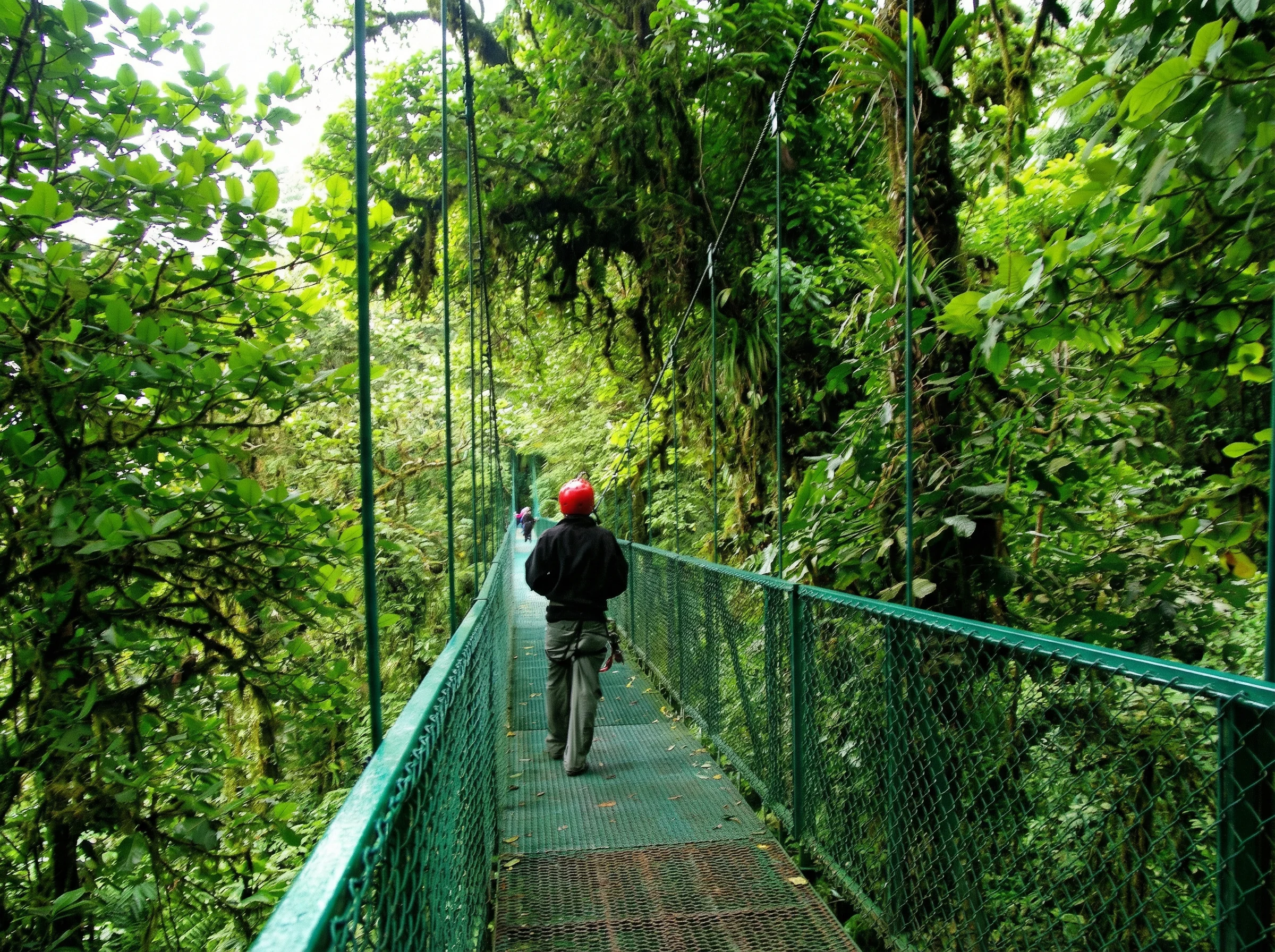
Monteverde Cloud Forest Reserve Walk
Walk through a Monteverde cloud forest reserve to experience the cool, damp conditions that sustain this highland ecosystem. Trails lead through dense vegetation, with opportunities to notice mosses, epiphytes and birdlife.
At roughly 1,400 metres above sea level, Monteverde is known for forest shaped by drifting cloud and moisture. A reserve visit is optional, at additional cost and bookable on tour; ask which reserves, guided walks and admission arrangements are available.
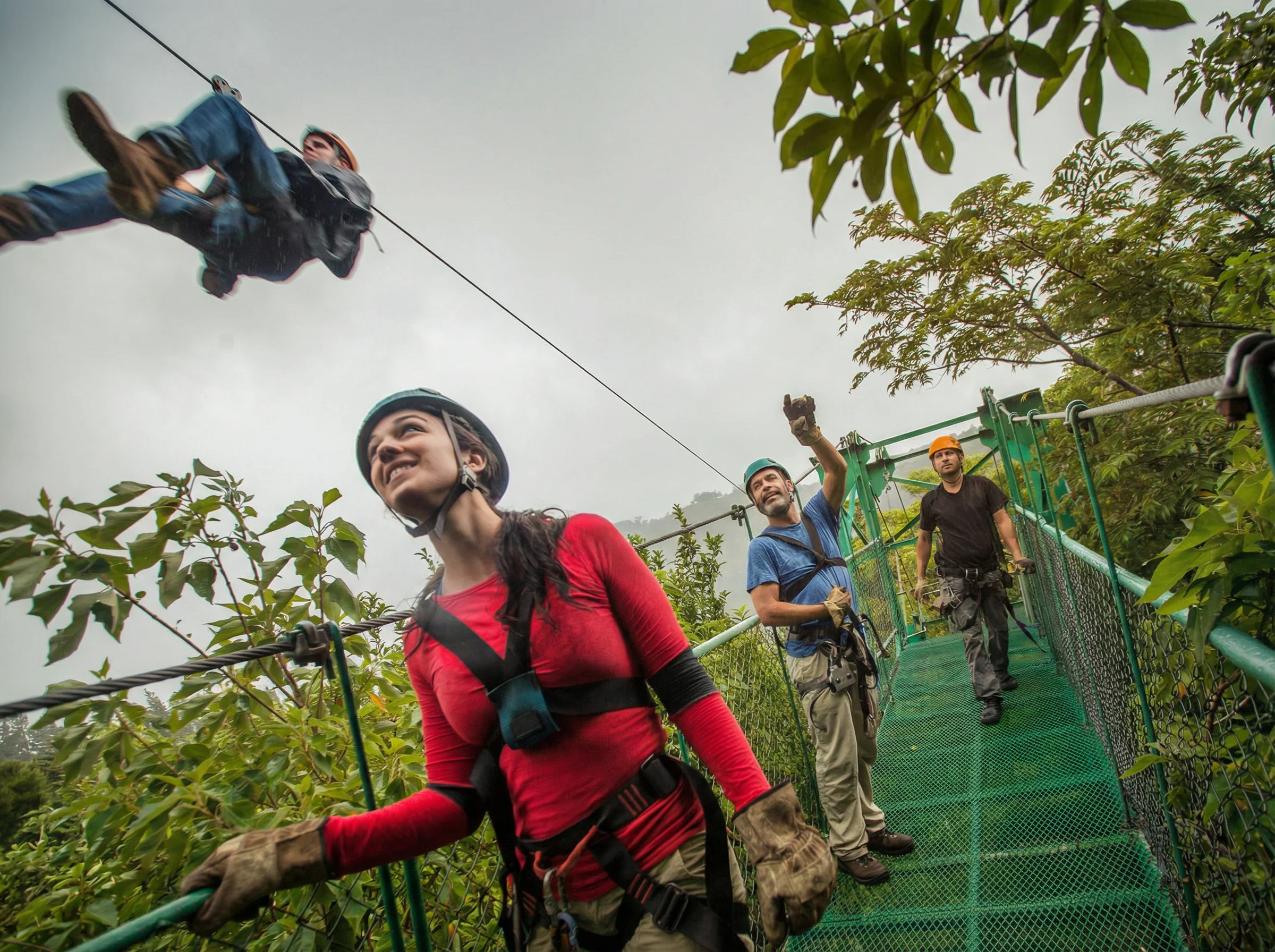
Monteverde Canopy Ziplining
Zipline through Monteverde’s forest canopy on an optional adventure above the highland vegetation. Move between platforms on a course designed to show the forest from a perspective very different from its walking trails.
Monteverde’s misty slopes and layered canopy make it a notable setting for this activity. Ziplining is at additional cost and bookable on tour; course features, height, weather restrictions and participation requirements vary by operator.
Monteverde Coffee & Sugar Cane Farm Visit
Visit a coffee or sugar cane farm in the Monteverde area to learn about crops that have shaped Costa Rican agriculture. Depending on the locally available tour, see how plants are grown and how harvested produce is prepared.
The visit offers a grounded look at rural livelihoods in Costa Rica’s highlands beyond the region’s cloud forest activities. It is optional, at additional cost and bookable on tour; farm, demonstrations and any tastings depend on the operator.
Monteverde Orchid, Frog or Reptile Visit
Visit a specialist nature attraction in Monteverde, choosing from locally available options such as an orchid garden, frog pond or serpentarium. These focused visits allow closer observation of species that can be difficult to spot on a forest walk.
Orchids, amphibians and reptiles form part of the region’s remarkable highland biodiversity. Each attraction is a separate optional activity, at additional cost and bookable on tour; confirm current exhibits, admission and opening hours locally.
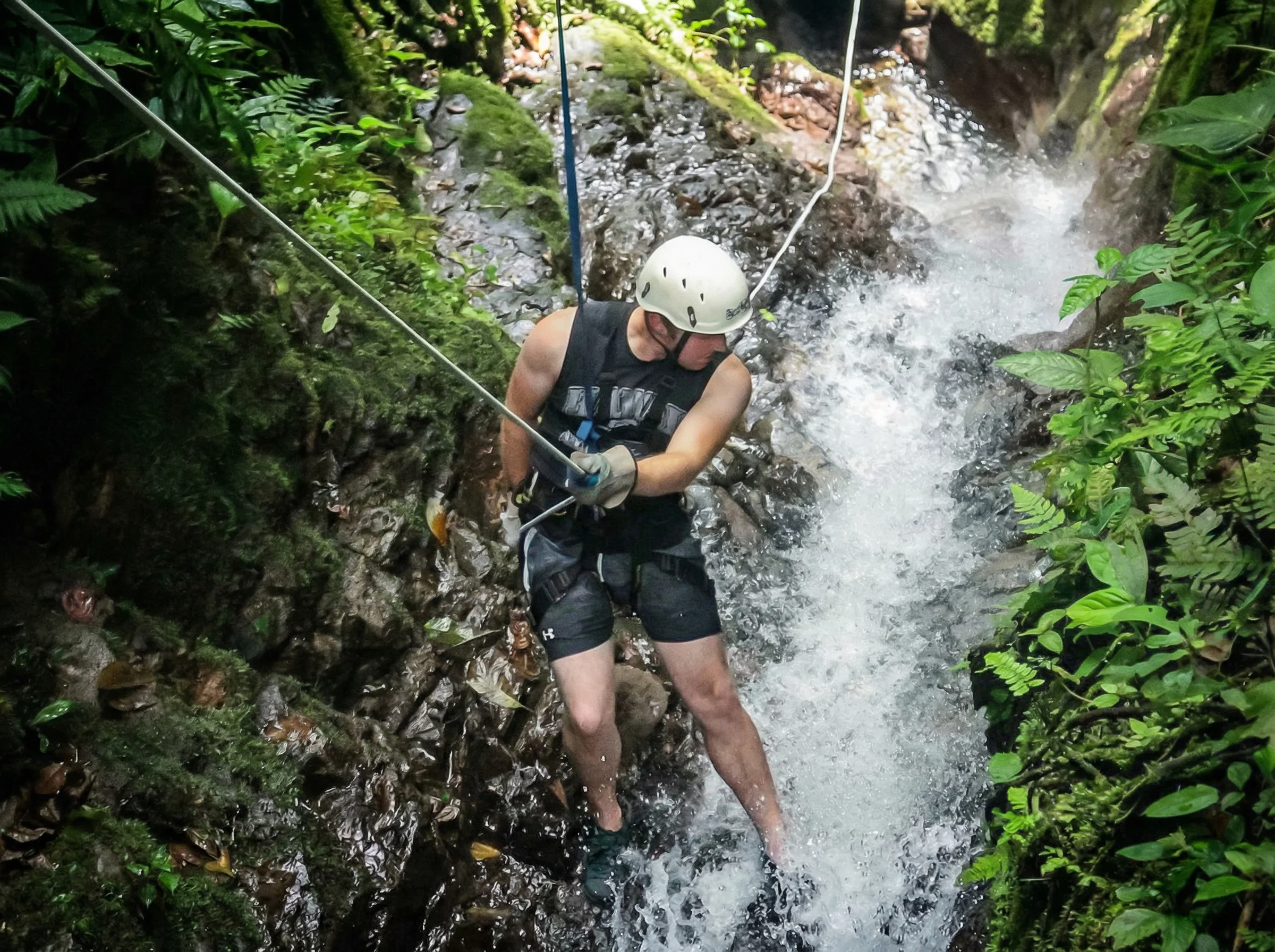
La Fortuna Canyoning
Try canyoning near La Fortuna for an active encounter with Costa Rica’s forested terrain. Depending on the operator’s route, the experience may involve descending alongside waterfalls and navigating a rocky gorge with specialist equipment.
La Fortuna sits beneath Arenal Volcano amid rivers and tropical vegetation, making it a base for outdoor adventures. Canyoning is optional, at additional cost and bookable on tour; check the route’s difficulty, equipment and participation requirements before booking.
La Fortuna White-Water Rafting
Raft a river in the La Fortuna region with a local operator, paddling through moving water on a route suited to the available conditions. It is a hands-on way to experience the rivers that cut through northern Costa Rica’s green landscape.
The area’s rain-fed waterways and forested banks give each rafting route its character. This activity is optional, at additional cost and bookable on tour; river choice, rapid grade and minimum age or fitness requirements vary.
Arenal-Area Hike
Hike in the Arenal area to explore the landscapes surrounding La Fortuna’s prominent volcano. Locally available trails offer opportunities to see tropical vegetation and views of the peak when clouds lift.
Arenal’s near-symmetrical cone is a defining feature of the region, while its surroundings reflect Costa Rica’s volcanic geology and rainforest ecology. A hike is optional, at additional cost and bookable on tour; the trail, guide and any entrance fees depend on your chosen outing.
La Fortuna Cave Exploration
Explore a cave in the La Fortuna region on a locally available optional excursion. Moving through underground passages reveals a different side of northern Costa Rica from its volcano views and rainforest trails.
Caving offers a close-up encounter with rock formations and subterranean spaces, with conditions that may involve uneven or wet ground. It is at additional cost and bookable on tour; ask about the specific cave, guiding, equipment and physical requirements before booking.
La Fortuna Horseback Ride
Ride on horseback in the La Fortuna area to take in northern Costa Rica’s countryside at a gentler pace. Routes offered locally may cross open ground or follow trails with views toward the surrounding hills.
With Arenal Volcano shaping the horizon, a ride provides a different perspective on the region’s rural setting. Horseback riding is optional, at additional cost and bookable on tour; route, duration and rider requirements depend on the operator.
La Fortuna Paddleboarding or Kayaking
Paddleboard or kayak in the La Fortuna area on a locally available water-based excursion. Both options let you explore at a self-propelled pace, with time to take in the surrounding scenery from the water.
The region’s volcanic backdrop and tropical setting make paddling a quieter alternative to its high-adrenaline activities. These are separate optional activities, at additional cost and bookable on tour; location, equipment and conditions vary by operator.
La Fortuna Wildlife Refuge Visit
Visit a wildlife refuge near La Fortuna to focus on the animals and habitats of northern Costa Rica. The experience offers a more deliberate opportunity for nature observation than a general outing in town.
The Arenal region supports rich tropical biodiversity, though wildlife sightings can never be guaranteed. A refuge visit is optional, at additional cost and bookable on tour; ask your Chief Experience Officer which sites are available and whether admission or guiding is included.