Your itinerary
Day 1
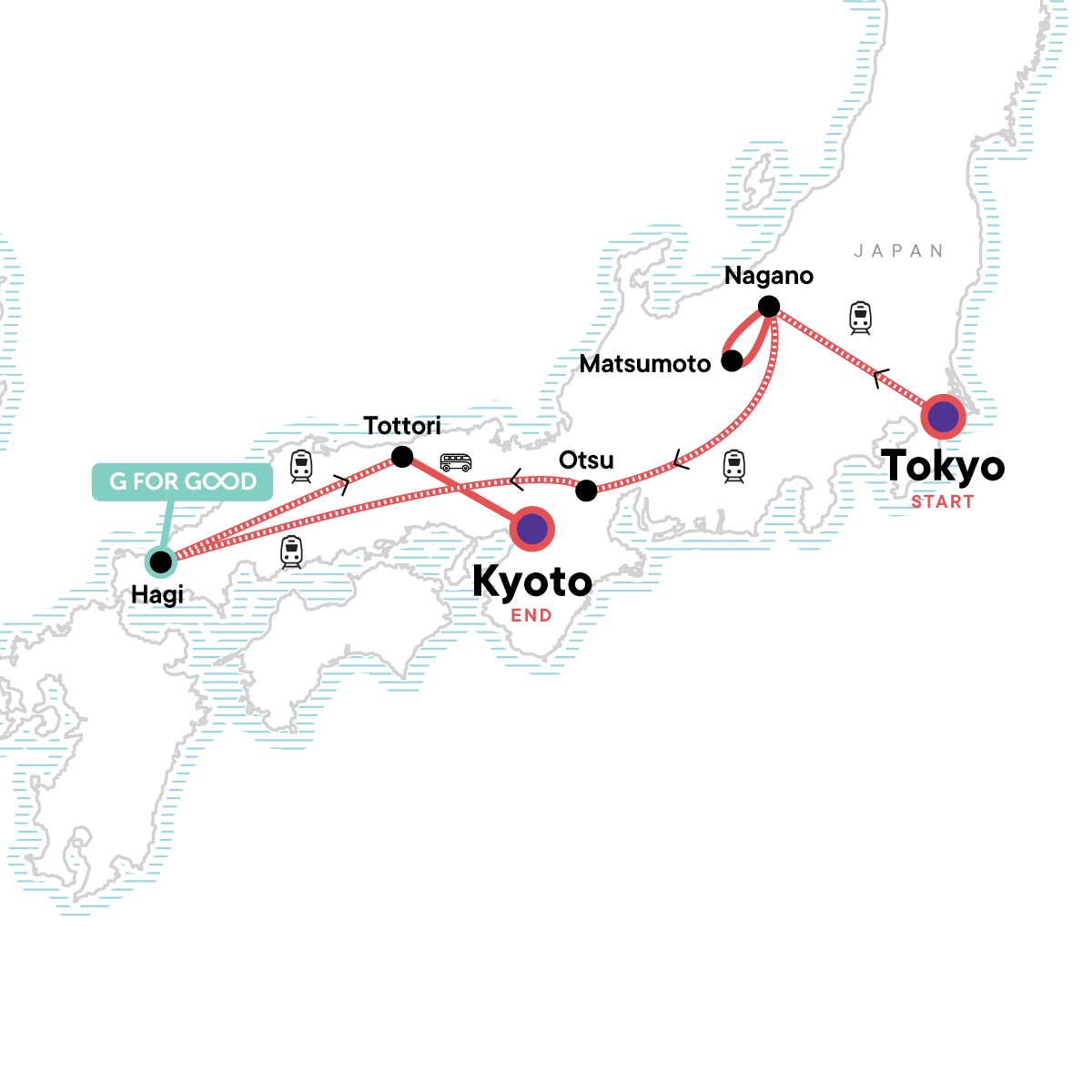
Day 1: Tokyo
Arrive to your start hotel before 4:00 pm and join your group and CEO for a Welcome Meeting in the evening around 6:00 pm.
There are no activities planned today until your evening welcome meeting. Please ensure you arrive on time for the welcome meeting and bring your passport so your CEO can collect the required information for your train tickets. Refer to your voucher for the most up to date welcome meeting time.
Additional Information: The most convenient way to get around Japan is by public transportation and on foot. The country’s train system is often considered one of the best in the entire world so the majority of our trips utilize this efficient train network. In this tour, you will need to be able to spend the majority of the day on your feet and carry your luggage through busy train stations and streets. On average, tours in Japan walk about 15,000 steps a day. Please ensure you are fit enough to carry your own luggage and spend most of the day on your feet.
ACTIVITY: Your opportunity to meet your CEO and fellow travellers, and learn more about your tour. Opt to join the group for a local meal afterwards. Don’t forget to see the notice in the lobby (or ask reception) for the official time and place to meet up with the group.
Day 2
Day 2: Tokyo
Take a CEO-led walking tour of eclectic modern Tokyo from the hub of Shinjuku to Shibuya through to Harajuku.
Additional Information: Please note that the new JR Pass validation policy asks travellers to come to the office counter to activate their JR Pass.
ACTIVITY: Join your group for a guided orientation walk as you explore eclectic and modern Tokyo.
Day 3
Day 3: Tokyo/Nagano
Journey to Nagano, located in the Japanese Alps and host city of the 1998 Winter Olympics. Discover the world-famous Jigokudani Monkey Park and watch Japanese snow monkeys bathing in the natural hot springs.
Additional Information: While we ride the bullet train, your main luggage will be sent on Japan’s takkyubin service (luggage transfer) to the next destination. Please note, you will NOT have access to your main luggage for approximately 24 hours. You must pack an overnight bag with everything you’ll need until you’re reunited with your luggage the following day. Only one bag per passenger is permitted on the luggage transfer. If you have more, there will be an additional charge at the traveler’s expense.
TRANSPORT: Get to your next destination faster than the speed of light (ok maybe not that fast) aboard a high-speed train.
ACTIVITY: Visit the Jigokudani Monkey Park, where wild snow monkeys can be seen bathing in the natural hot springs. The pool where most of the monkeys soak is man made, fed by the hot springs. Along the walking paths up to the pools other monkeys tend to stop and watch visitors curiously.
Day 4
Day 4: Nagano
Enjoy a day-trip to quaint Matsumoto and visit one of Japan’s most treasured castles. Return to Nagano and explore historic Zenkoji Temple.
TRANSPORT: Climb aboard, take your seat, and get around like the locals do.
ACTIVITY: Stop at the castle of Matsumoto one of Japan’s most treasured castles, maintaining it’s original wooden interior and stone exterior. Explore this castle where 16th century Samurai once roamed before venturing out with the group to wander Matsumoto’s ancient streets and or dine in a traditional storehouse.
TRANSPORT: Climb aboard, take your seat, and get around like the locals do.
ACTIVITY: Visit the Buddhist temple of Zenkō-ji, one of the last remaining pilgrimage sites. Built in the 7th century, the city of Nagano was built around the already standing structure.
Day 5
Day 5: Nagano/Otsu
Travel to Otsu in Shiga prefecture, located on the banks of Lake Biwa, Japan’s largest freshwater lake. Settle in and relax with a stroll around this picturesque lake before heading out to enjoy a delicious bowl of Ramen for dinner.
TRANSPORT: Climb aboard, take a seat, and enjoy the ride.
Meals: Dinner
Day 6
Day 6: Otsu/Hagi
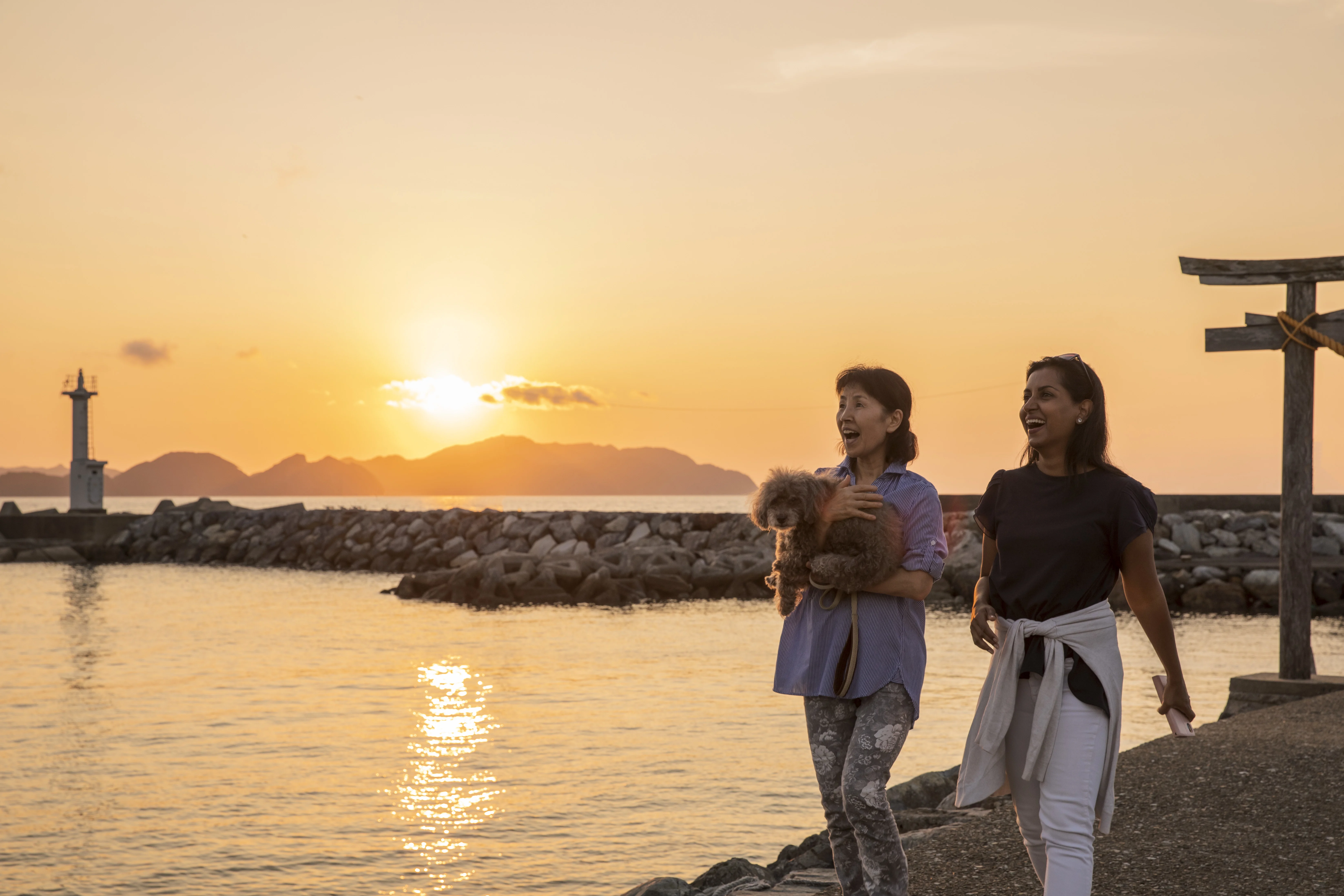
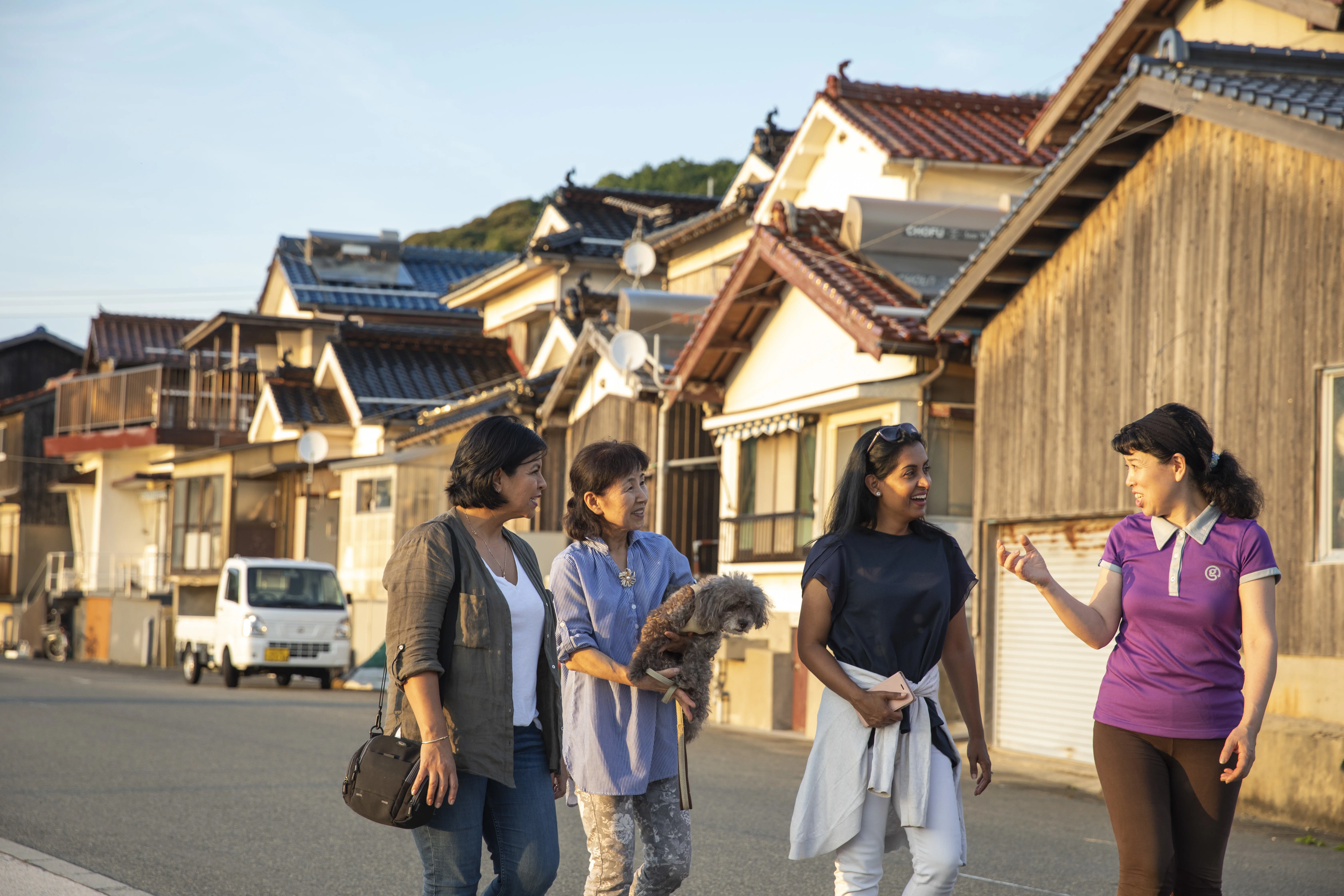
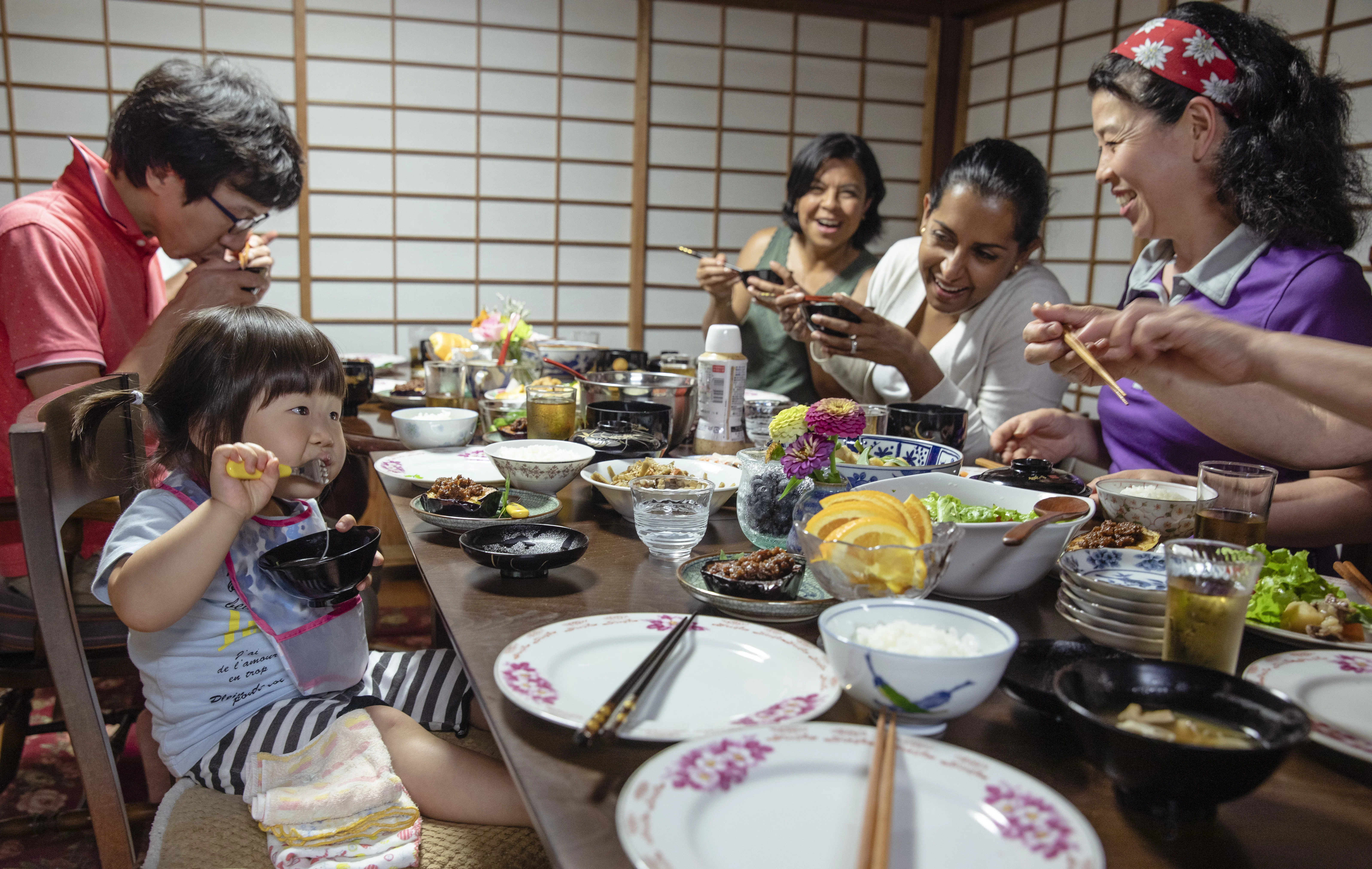
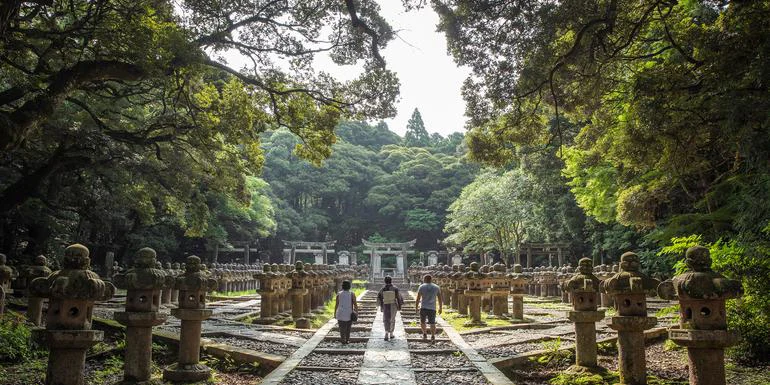
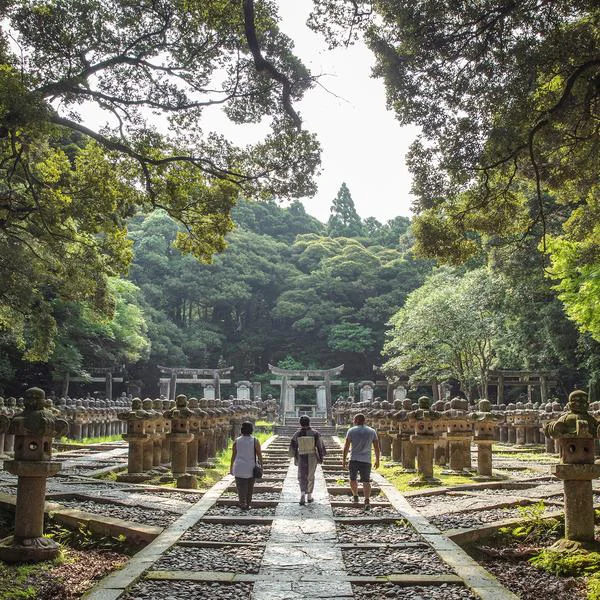
Grab a quick breakfast before heading off, on a long travel day. In the late afternoon, arrive in the quaint city of Hagi, a former castle town that boasts feudal architecture. Take part in a welcome ceremony with the local residents, and meet your host family at a community homestay, a G Adventures for Good project. Get to know each other as you cook dinner together.
Additional Information: Please note that before leaving Ōtsu, you’ll need to prepare your day pack/overnight bag for a two-night stay in Hagi, as your main luggage will be sent on to Tottori. Remember to include comfortable clothing for a cycling excursion and two nights at the homestay. If you’re travelling during the cold weather season, please refer to your Packing List. Only one bag per passenger is permitted on the luggage transfer. If you have more, there will be an additional charge at the traveler’s expense.
TRANSPORT: Climb aboard, take a seat, and enjoy the ride.
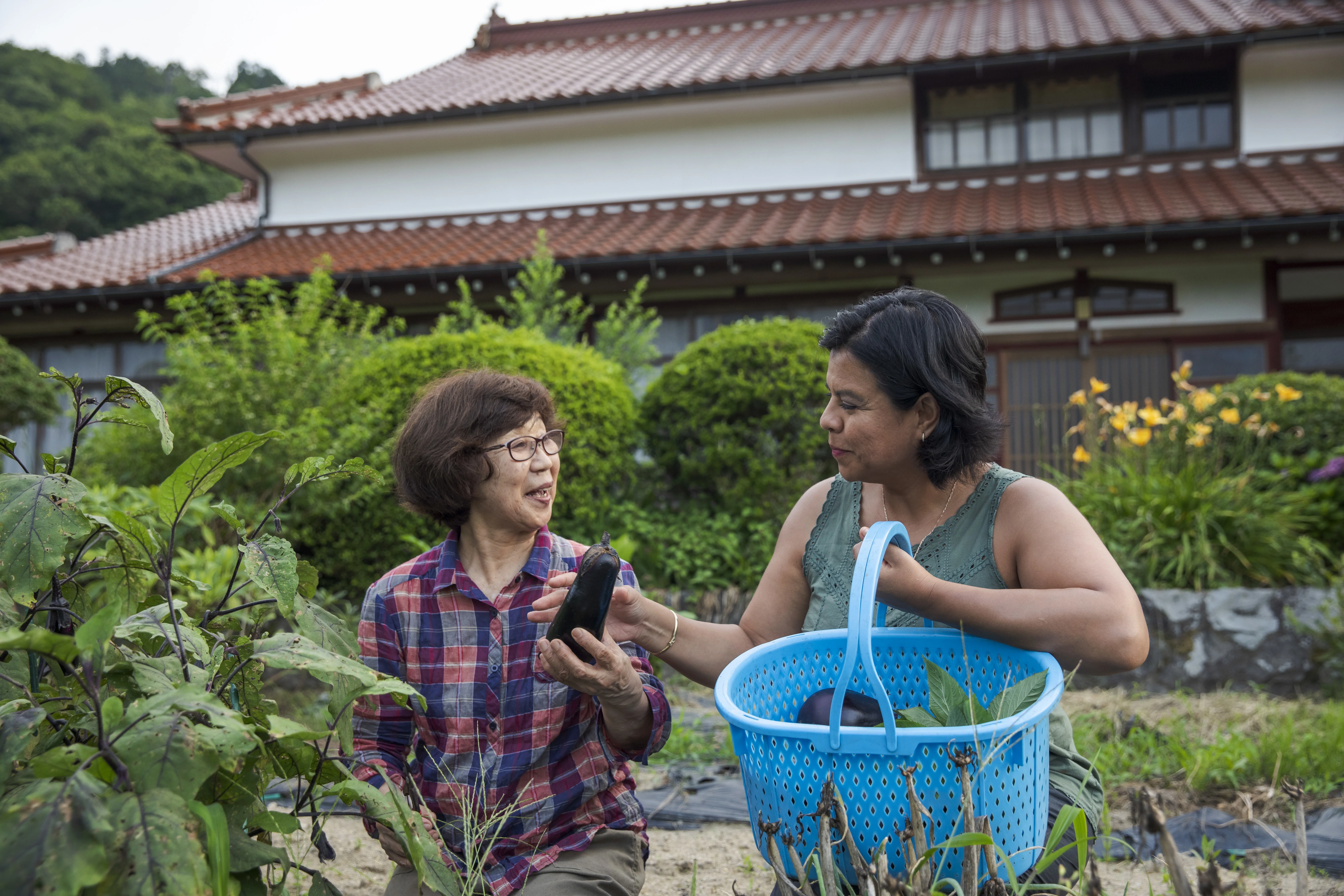
ACTIVITY: Get to know a local family at this G Adventures for Good-supported community homestay in Hagi, a farming, fishing and historical heritage town. In recent years, due to the rapidly aging population and limited income opportunities in many of the rural areas of Japan, many community members have had to leave Hagi in order to make a living. Learn about local history and customs, and help make a home-cooked meal with your hosts.
Meals: Breakfast,Dinner
Day 7
Day 7: Hagi
Explore rural Hagi on a guided morning cycle, spotting samurai architecture along the way. On return, experience authentic Japanese countryside life. Return to your homestay in the late afternoon and enjoy dinner with your host family.
ACTIVITY: Explore Hagi on a cycling excursion led by your CEO. Enjoy the slow pace of life as you pedal past the city’s samurai era architecture, and cycle along the Japanese Sea.
ACTIVITY: Get to know a local family at this G Adventures for Good-supported community homestay in Hagi, a farming, fishing and historical heritage town. In recent years, due to the rapidly aging population and limited income opportunities in many of the rural areas of Japan, many community members have had to leave Hagi in order to make a living. Learn about local history and customs, and help make a home-cooked meal with your hosts.
Meals: Breakfast,Dinner
Day 8
Day 8: Hagi/Tottori
Bid farewell to your host family after enjoying breakfast together. Later, travel to Miho-misumi by train, taking in scenic views along the way. Learn the art of making “washi,” a UNESCO-recognized traditional Japanese paper, then enjoy a Japanese lunch along the beautiful coastline before continuing to the seaside town of Tottori.
TRANSPORT: Get to your next destination faster than the speed of light (ok maybe not that fast) aboard a high-speed train.
ACTIVITY: Learn the traditional art of “washi” paper making. Take home your handmade washi as a memento.
TRANSPORT: Get to your next destination faster than the speed of light (ok maybe not that fast) aboard a high-speed train.
Meals: Breakfast,Lunch
Day 9
Day 9: Tottori/Kyoto
Spend the morning exploring Tottori’s scenic sand dunes, some reaching 50m (164 ft) in height. After, visit the local fish market and opt for a fresh seafood lunch. In the late afternoon, travel to Kyoto for two nights in the traditional heart of Japan.
ACTIVITY: Located along the coast of the Sea of Japan, the Tottori Sand Dunes (or “Tottori Sakyu”) were formed thousands of years ago when sand was washed away from a nearby river. Walk amongst the dunes and opt to climb one to take in scenic views of the coastline.
ACTIVITY: Check out Tottori’s harbour fish market, home to fresh seafood and some of Japan’s best crab. Walk amongst the stalls and watch the locals in action. Opt to try a tasty dish in the market’s restaurant section.
TRANSPORT: Climb aboard, take a seat, and enjoy the ride.
Day 10
Day 10: Kyoto
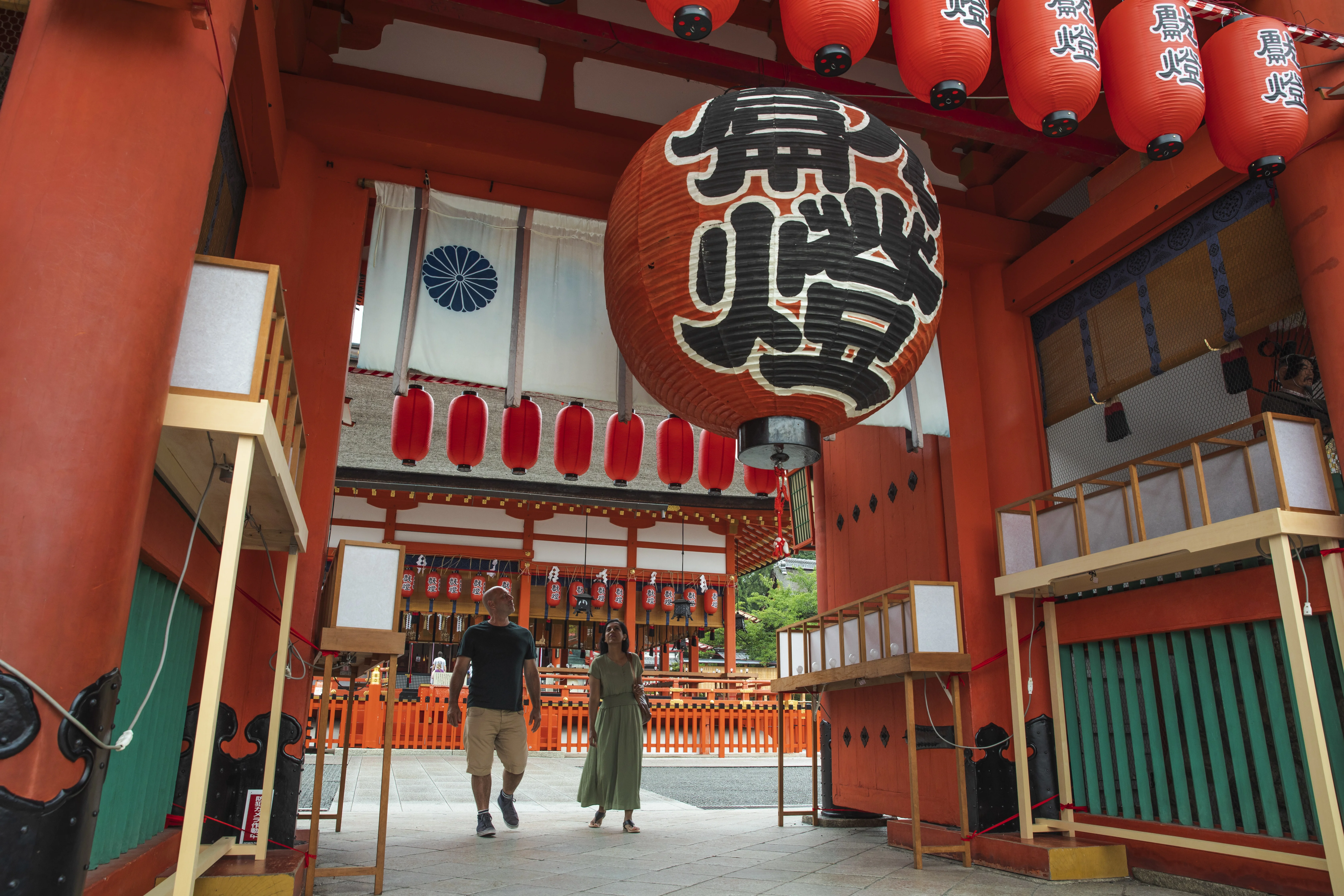
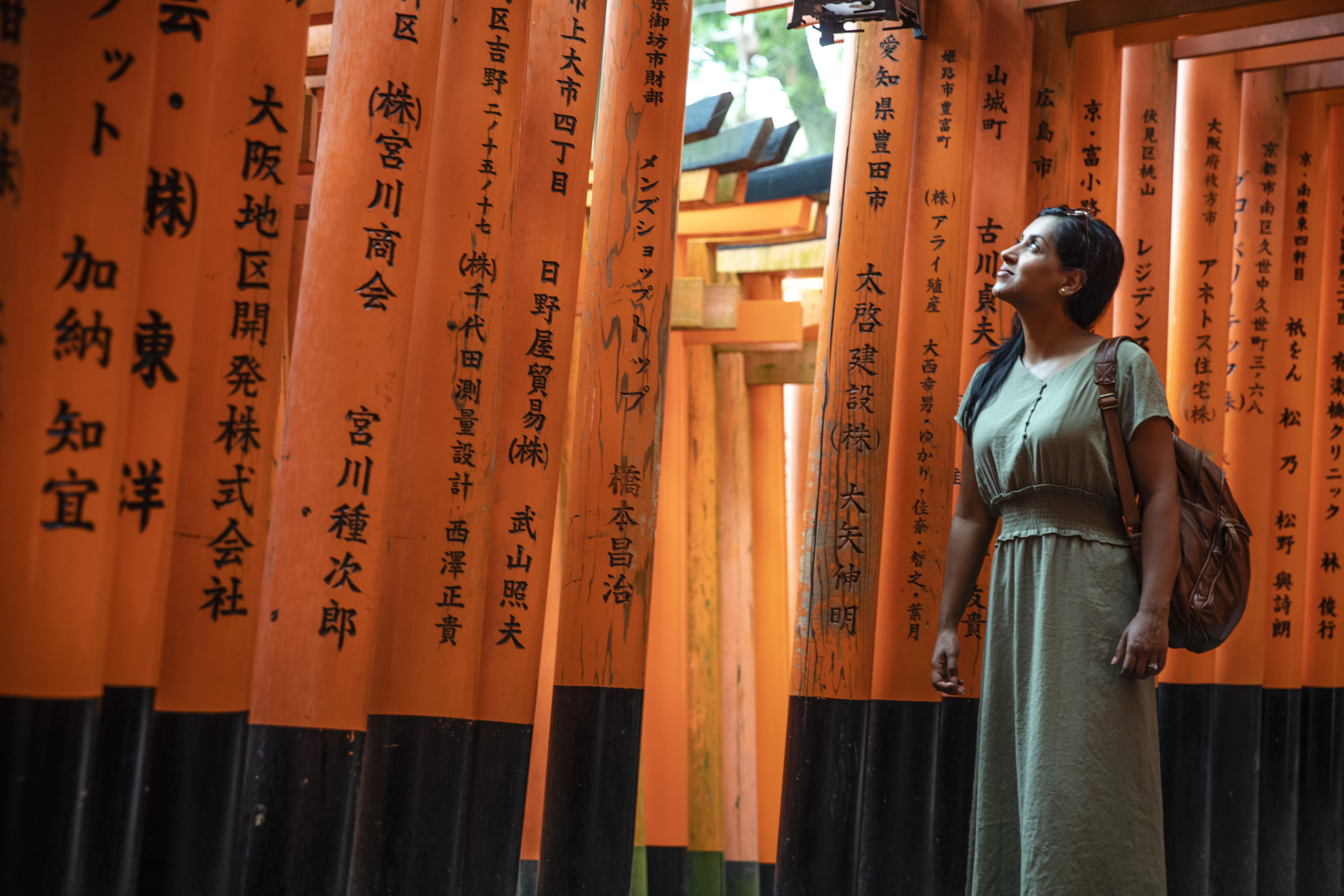
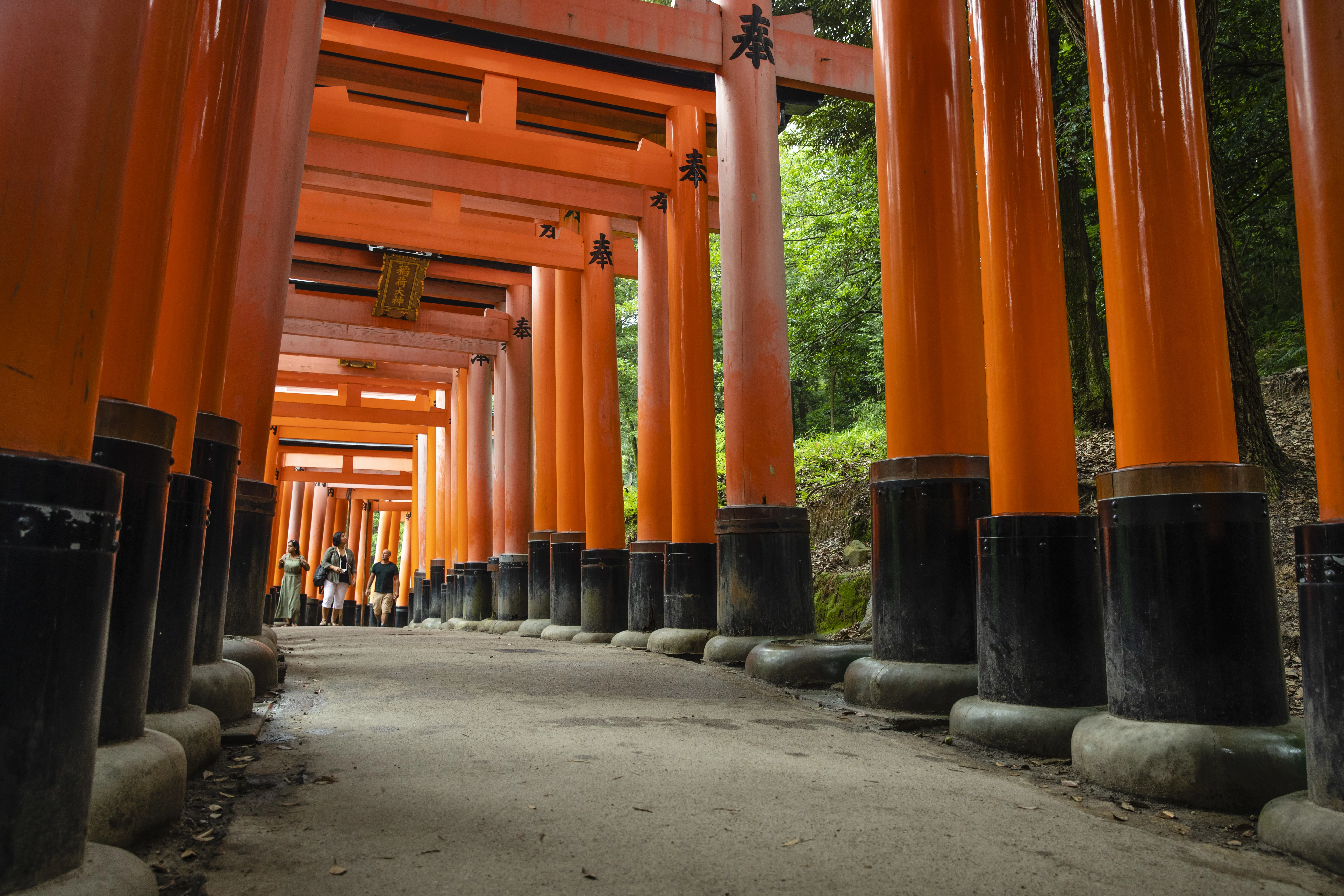
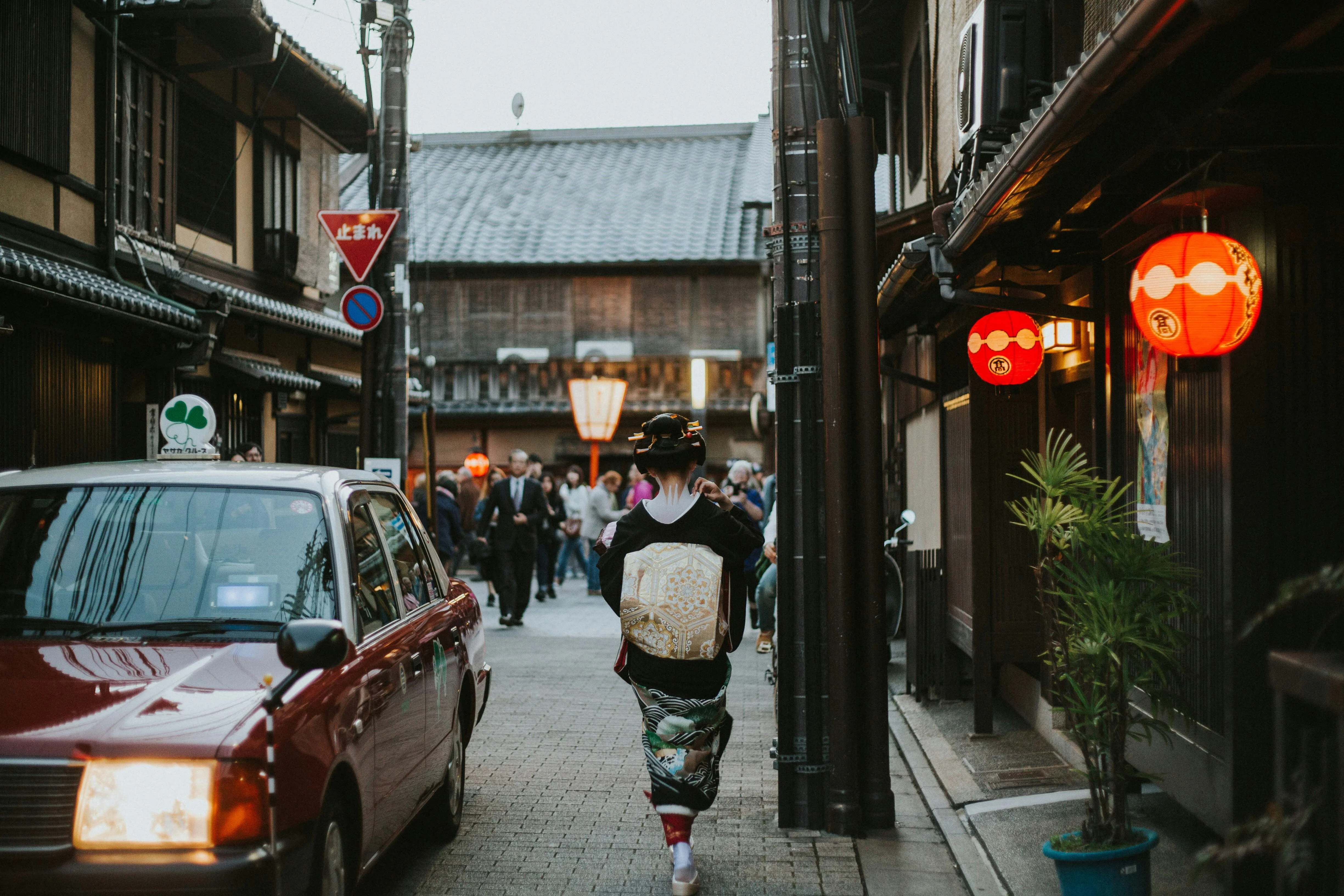
Visit the iconic Fushimi Inari Taisha Shrine, famed for an impressive 10,000 red torii gates. This afternoon, enjoy free time in this picturesque city. Opt to experience zen gardens, teahouses, shrines, and local gift shops – and maybe even spot a real-life geisha.
Kyoto is home to over 2,000 temples, including some of the most magnificent in the country, dating back centuries. Use free time to continue exploring, the options are endless – the city also boasts museums, castles, and traditional gardens – or opt to visit neighbouring Nara or Osaka.
ACTIVITY: Visit the Fushimi Inari shrine, located just outside of Kyoto. Walk under the thousands of iconic torii gates (as seen in the film Memoirs of a Geisha) and enjoy the peaceful atmosphere. The shrine itself is at the base of the Inari mountain but includes many trails up to smaller shrines in the area.
FREE TIME: AFTERNOON Explore more of this cultural hub.
Day 11
Day 11: Kyoto
Depart at any time.
We highly recommend booking post-nights to explore more of this beautiful city.
Additional Information: For travellers flying out of Kansai International Airport (KIX), please find the public transit options below (please note that taxis can become quite expensive in the late hours)
1) By train – departing from Kyoto station, the limited express “Haruka” Train goes directly to the airport. The last train to the airport leaves Kyoto station at 20:30.
2) By bus – departing from Kyoto station, with several stops along the way. The last bus to the airport leaves Kyoto station at 22:10.
Timetable Reference: http://www.hyperdia.com
ACTIVITY: Not ready to leave? Your CEO can help with travel arrangements to extend your adventure.
What’s included
What’s not included
Additional information
Meals Included
3 breakfasts, 1 lunch, 3 dinners
Group Size
15
Meals
Eating is a big part of traveling. G Adventures understands the importance of breakfast to start your day, we strive to include a basic breakfast wherever possible. Included breakfasts will usually be asian style consisting of noodles or congee (rice porridge) or bread and eggs. Vegetarians will be able to find a range of different foods, although in some areas the choice maybe limited. Should breakfast not be included, your CEO can suggest some local options.
Travelling with G Adventures you experience the vast array of wonderful food that is available out in the world. Generally meals are not included in the trip price when there is a choice of eating options, to give you the maximum flexibility in deciding where, what and with whom to eat. It also gives you more budgeting flexibility, though generally food is cheap. Our groups tend to eat together to enable you to taste a larger variety of dishes and enjoy each other’s company. There is no obligation to do this though. Your CEO will be able to suggest favourite restaurants during your trip. While trekking in remote regions food is included, plentiful and made of fresh local ingredients.
For all trips please refer to the meals included and budget information for included meals and meal budgets.
Solo Travellers
Minimum Age
You must be 18 to travel unaccompanied on a G Adventures tour. For minors travelling with a guardian over 21 years old, the minimum age is 12.
Local Dress
Important Notes
1. The most convenient way to get around Japan is by public transportation and on foot. The country’s train system is often considered one of the best in the entire world so the majority of our trips utilize this efficient train network. In this tour, you will need to be able to spend the majority of the day on your feet and carry your luggage through busy train stations and streets. On average, tours in Japan walk about 15,000 steps a day. Please ensure you are fit enough to carry your own luggage and spend most of the day on your feet.
2. Japan Rail Pass
Please note that only foreigners traveling as a tourist are able to use a Japan Rail Pass. If you are a Japanese citizen
esident or traveling on a student/business/military/diplomatic visa, please advise us at time of booking as you will not be able to take advantage of the rail pass.
3. Tattoos
Tattoos are not common or widely accepted in Japan. There is no cause for concern, but do your best to cover your tattoos when possible and note that you may not be permitted to enter public spas or onsens (hot springs).
4. Overnight Bag
While we ride the bullet train, your main luggage will be sent on Japan’s takkyubin service (luggage transfer) to the next destination. Please note, you will NOT have access to your main luggage for approximately 24-48 hours. You must pack an overnight bag with everything you’ll need until you’re reunited with your luggage the following day. Only one bag per passenger is permitted on the luggage transfer. If you have more, there will be an additional charge at the traveler’s expense.
5. Luggage size restriction – Effective from May 2020 onwards
All G Adventures tours in Japan use the world-famous Shinkansen bullet trains, which have a restriction on maximum luggage size. Your luggage must be less than 160cm in total. This is roughly the size that most airline companies consider as “carry-on baggage” and allow in overhead storage compartments.
We strongly recommend bringing a day pack or backpack to use during the day, in addition to your carry-on sized luggage. Please see “What to take” under Tour details for more information.
6. ACCOMMODATION NOTE:
Please be aware that properties we stay in with only two stories may not have elevators installed and climbing the stairs with your luggage will be necessary.
Group Leader
CEO (Chief Experience Officer) throughout.
About Accommodation
Japan is one of the most populous countries in the world and space is at a premium. Therefore, hotel rooms are small! Additionally, many Japanese hotels do not have designated non-smoking rooms. Therefore, we ask hotels to deodorize rooms before check in. Please note rooms for couples usually still have two twin beds in Japan. Rooms with one large Queen or King bed are not common.
Ryokan are traditional inns found across Japan. Featuring tatami floors (soft mats of woven straw), futon beds, Japanese-style baths, cotton kimono (casual robe worn to lounge around or to head to the bath), and elaborate meals (often served in the comfort of your own room), a ryokan is the perfect place to experience traditional customs and hospitality. As ryokan are usually top tier accommodations, most guests stay only one night, often to celebrate a special occasion or holiday. Don’t be intimidated by the formalities inherent to a stay at a ryokan, your hosts will welcome you the same way they do all their guests. Have fun and enjoy this relaxing opportunity to learn more about Japan’s unique customs.
Minshuku are Japan’s answer to the Western bed and breakfast. Similar to ryokan, they have traditional features like tatami floors, futon beds, and Japanese-style baths. Minshuku are often family-run, and as such they offer a great opportunity to interact with local people and learn more about the nation’s customs. More affordable and simpler than ryokan, minshuku tend to have smaller guestrooms, shared bathroom facilities, and any included meals (traditional, local, and delicious) are served in a communal dining room.
Please note that some of the traditional Japanese inns used on this tour only offer shared bathing facilities. This means that individual shower stalls will not be available, instead several shower stations are available in an open, same-sex bathing area. Shared bathhouses and onsen (hot springs) are an essential part of Japan’s culture, traditionally serving as a place for men or women to gather, relax, and discuss the days happenings.
What to Take
We suggest that you pack as lightly as possible as you are expected to carry your own luggage. You will be walking with your luggage in busy public train stations to catch connecting trains, so it is highly recommended that you travel light and have easy to handle luggage and are capable of walking up and down the stairs with your luggage without any assistance.
We recommend keeping the weight of your bags between 10-15kg/22-30lb. Suitcases are not recommended for G Adventures trips. Most travellers carry a backpack or rolling bag of small to medium size. A large bag will be an inconvenience to you and will slow you down! You will also need a day-pack
ucksack to carry daily essentials like water, cameras, passport, etc.
It’s essential to pack as lightly as possible for rail travel in Japan. All G Adventures tours use the world-famous Shinkansen bullet trains, which have a restriction on maximum luggage size.
Any luggage brought on board must be less than 160cm in total (calculated as the sum of the height + width + depth of your luggage). This is roughly the size that most airline companies consider as “carry-on baggage” and allow in overhead storage compartments. We strongly recommend bringing a day pack or backpack to use during the day (for daily essentials like water, cameras, passport, etc.).
Please note that travellers who bring luggage that exceeds this restriction will be directly penalized by the Central Japan Railway Company. Any luggage between 160–250cm will require a fee of 1,000 JPY per luggage, for each leg of your train journey, and is strictly subject to availability. Any luggage over 251cm in total is prohibited on the Shinkansen trains.
If you absolutely must bring more than what fits into a single carry-on bag plus day pack, you may bring a second carry-on bag which also must be less than 160cm in total. Please note, however, that as with all G Adventures tours, you must be able to carry your luggage unassisted.
Please note, you will NOT have access to your main luggage for approximately 24 hours on this trip, as we utilize Japan’s takkyubin service to conveniently and reliably transfer luggage from one location to another throughout the country and avoid hauling large bags on crowded trains. You must pack an overnight bag with everything you’ll need until you’re reunited with your luggage the following day. Only one bag is permitted to be sent on the luggage transfer. If you have more, there will be an additional charge at the traveler’s expense.
Spending Money
Every traveller is different and therefore spending money requirements will vary. Some travellers may drink more than others while other travellers like to purchase more souvenirs than most. Please consider your own spending habits when it comes to allowing for drinks, shopping and tipping. Please also remember the following specific recommendations when planning your trip.
Tottori Sand Dunes Walk
Walk the Tottori Sand Dunes, where wave-etched ridges rise to panoramic crests with Sea of Japan vistas. Feel the wind shape sculptural lines beneath your feet as light ripples across the sand.
Learn about the San’in Kaigan Geopark and how currents and rivers formed this rare coastal desert. Pause to photograph wind-carved patterns and the contrast of blue sea, tawny slopes, and wide sky.
Tottori Harbour Fish Market Visit
Visit the harbour fish market to watch crates of gleaming catch—especially prized Matsuba crab—arrive straight from offshore boats. Vendors call out the day’s specials as knives flash and scales rattle.
Absorb the speed and rhythm of a working port and see how the region’s cold currents shape its cuisine. Travellers often opt to sample fresh seafood in simple market eateries (at additional cost).
Kyoto Tea Ceremony & Gion Evening Stroll
Participate in a tea ceremony led by a host who demonstrates precise whisking of matcha and the etiquette of a tatami tea room. Savor calm rhythms that embody Zen-influenced hospitality.
Continue with a lantern-lit walk through Gion, admiring wooden machiya townhouses and the subtle elegance of geiko culture. This experience is at additional cost and bookable on tour.
Zenko-ji Temple Pilgrimage (Nagano)
Visit Zenko-ji Temple, a 7th-century pilgrimage site that shaped the city of Nagano. Walk through incense-scented precincts to the main hall, where worshippers have gathered for over a millennium.
Discover a temple renowned for welcoming all, regardless of sect, and learn how its rituals and legends reflect Japan’s enduring Buddhist heritage. Carved guardians, burnished wood, and rhythmic chanting create an atmosphere of contemplative calm.
Hagi Community Homestay: Welcome Ceremony & Cultural Exchange
Be greeted in Hagi with a heartfelt welcome ceremony before settling into your community homestay. Meet your host family, step onto tatami floors, and share home-cooked regional dishes that showcase sea and farm bounty.
Hear how this former castle town preserves traditions amid rural change, and learn everyday customs—from seasonal festivals to table manners. Your stay directly supports local livelihoods through responsible tourism.
Hagi Guided Cycling: Samurai Quarter & Sea of Japan Coast
Pedal on a guided cycling tour through Hagi’s samurai-era lanes, passing earthen walls, white-walled storehouses, and citrus groves perfuming the air. Follow quiet roads to viewpoints along the Sea of Japan coastline.
Soak up the town’s measured pace as you glide past shrines and pottery shops famed for Hagi-yaki. Gentle terrain and ample photo pauses make this an easy, immersive window into everyday life and Edo-period streetscapes.
Traditional Washi Paper-Making Workshop (Miho-misumi)
Learn traditional paper-making in a coastal workshop where artisans craft UNESCO-recognised washi. Stir mulberry pulp, pull sheets with mould and deckle, and press the fibres to create your own textured keepsake.
Hear how washi sustained local livelihoods and ceremonial life, from shoji screens to calligraphy. This hands-on craft experience connects you to centuries of patient skill along the scenic Iwami coast.
Fushimi Inari Taisha Torii Trail (Kyoto)
Walk under thousands of torii gates at Fushimi Inari Taisha, where vermilion tunnels climb Mt Inari toward hilltop shrines. Fox guardians flank lantern-lit paths, creating a mesmerizing play of light and shadow.
Discover how merchants and farmers dedicated gates to Inari, deity of prosperity and rice. Pause at lookouts for broad views over Kyoto, then follow leafy loops past teahouses and quiet sub-shrines.
Nagano Onsen Bathing Experience
Soak in a traditional onsen near Nagano, letting mineral-rich waters ease travel-tired muscles amid an alpine setting. Learn simple bathing etiquette that keeps this communal ritual serene.
Choose indoor cedar tubs or open-air baths where steam rises into mountain air. Note: some venues have tattoo restrictions; your CEO can advise suitable options. This experience is at additional cost and bookable on tour.
Tottori Sand Museum & Sandboarding
Visit the Sand Museum to see ephemeral sculptures carved from dune sand—cathedrals, faces, and cities rendered in astonishing detail. Learn about the artists and techniques behind these monumental works.
Afterward, head to the slopes to try sandboarding with basic instruction, feeling the rush of descent against the wide coastal dune landscape. This experience is at additional cost and bookable on tour.
Shibuya Sky Observation Deck at Sunset (Tokyo)
Ride up to Shibuya Sky for a 360-degree panorama of Tokyo’s urban sprawl, from the towers of Shinjuku to distant Mount Fuji on clear evenings. Gaze down at the Scramble Crossing as it pulses with life.
As the city lights ignite, capture the neon-drenched skyline from the open-air rooftop stage. This experience is at additional cost and bookable on tour.
Modern Tokyo Orientation Walk: Shinjuku, Shibuya & Harajuku
Explore the capital’s cutting edge on a guided orientation walk through neon-bright Shinjuku, over the world-famous Shibuya Crossing, and into Harajuku’s pop-culture streets. Experience the skyline, street style, and creative energy that define contemporary Tokyo.
Along the way, spot sleek department stores, hidden laneway eateries, and bold street fashion. Your CEO shares context on postwar rebirth, subcultures, and the city’s layered identities—an energizing primer to Tokyo’s ever-evolving urban theatre.
Jigokudani Snow Monkeys (Nagano)
Visit the Jigokudani Monkey Park to watch wild Japanese macaques warming themselves in steaming hot springs amid a forested alpine valley. A gentle trail leads to the pools where the troop socializes, forages, and soaks—pure mountain tranquillity.
Learn how the macaques adapted to winter by taking the waters, and observe their surprisingly human gestures from respectful distances. In every season, the play of mist, pines, and red-faced monkeys creates a scene of quiet, snowy-on-sen magic.
Matsumoto Castle ‘Crow Castle’
Step inside Matsumoto Castle, a National Treasure famed for its black-lacquered walls and original 16th-century keep. Climb the steep timber stairs to peer across moats and up to the snow-capped Japanese Alps.
Hear stories of samurai defense as you pass arrow slits and stone drops, feeling the creak of centuries-old floorboards underfoot. This striking “Karasu-jo” reveals Japan’s feudal engineering and elegance in a single formidable silhouette.
Welcome Moment: Meet Your CEO and Small Group
Begin your journey by meeting your CEO and fellow travellers for a relaxed small-group welcome. Get practical guidance on navigating Japan—etiquette tips, cashless quirks, and how to confidently ride Japan Rail—so you can focus on the experiences ahead.
Hear a succinct overview of the route from Tokyo to Kyoto, with pointers on regional specialties to try and customs to observe. This friendly briefing sets the tone for a trip that blends local insight with seamless, small-group discovery.
Nara Park & Todai-ji Great Buddha
Travel to ancient Nara to visit Todai-ji’s Great Buddha, a colossal bronze seated within one of the world’s largest wooden halls. Explore temple precincts steeped in early Japanese Buddhism.
Wander shaded paths among the friendly deer of Nara Park and admire lanterns, pagodas, and UNESCO-listed temples. This excursion is at additional cost and bookable on tour.
Arashiyama Bamboo Grove & Tenryu-ji Gardens
Walk the Arashiyama Bamboo Grove as green canes sway overhead and light filters into a living corridor. The whisper of leaves and footfalls creates a meditative rhythm.
Stroll the UNESCO-listed Tenryu-ji gardens, a masterpiece of Zen design with views to the Arashiyama hills and the Oi River. This experience is at additional cost and bookable on tour.