Your itinerary

Day 1
Adventure starts in Kyoto
Arrive in Kyoto. Around 6pm, meet your tour leader and fellow travellers for a welcome briefing; a group dinner is arranged. Pre-tour hotel nights can be added via your sales representative.
Meals: Dinner
Day 2
Visit Nijo Castle, Kinkaku-ji (Golden Pavilion) and Ryoan-ji temple
Introductory tour of Kyoto: visit Nijo Castle (1603 Tokugawa shogun residence), Kinkaku-ji (Golden Pavilion) and Ryoan-ji, famed for its rock garden. Free time later in central Kyoto.
Meals: Breakfast
Day 3
Explore the old capital, Nara • Return to Kyoto and visit Fushimi Inari Taisha and historic Gion
Day trip to Nara (approximately 1hr each way): visit Todai-ji Great Buddha, Nara Park and the outer grounds of Kasuga Shrine. Return to Kyoto via Fushimi Inari Taisha (vermillion torii). Early evening stroll in lantern-lit Gion; optional visit to Nishiki Market.
Meals: Breakfast
Day 4
Bullet train to Hiroshima • Visit Miyajima island and see the famous floating torii gate
Shinkansen to Hiroshima (approximately 2hrs). Excursion by local train and ferry to Miyajima to see the Itsukushima ‘floating’ torii with Mount Misen backdrop. Free time in Hiroshima (e.g. Orizuru Tower, Shukkeien Garden). Important: pack a small overnight bag for nights 4–5; main luggage reunites in Kanazawa on Day 6.
Meals: Breakfast
Day 5
Visit Hiroshima Peace Memorial Park • Afternoon transfer to Kobe
Visit Hiroshima Peace Memorial Park and Museum. Afternoon train to Kobe (approximately 1hr45). Optional Kobe beef dinner—advise your leader at trip start; cancellation fees may apply.
Meals: Breakfast
Day 6
Train to Kanazawa • Explore the Kenrokuen Gardens
Travel by Thunderbird and Shinkansen (approximately 3hr15) via Lake Biwa to Kanazawa. Visit Kenrokuen Gardens, one of Japan’s most celebrated landscape gardens.
Meals: Breakfast
Day 7
Explore the Nagamachi samurai district • Visit Omicho Market and the historic Higashichaya geisha district
Explore Nagamachi samurai district and the Nomura Samurai House & Garden; continue through lanes and canals. Visit Omicho Market, then Higashi Chaya geisha district. Important: pack a small overnight bag; main luggage transfers to Takayama and reunites on Day 8.
Meals: Breakfast
Day 8
Bus to Takayama via a historic village in Shirakawa-go
Bus to Shirakawa-go (approximately 1hr30) to see gassho-zukuri thatched farmhouses; walk the village and visit historic buildings. Continue by bus to Takayama (approximately 1hr) and visit Hida no Sato Open-Air Museum. Two nights in Takayama.
Meals: Breakfast
Day 9
Orientation tour in Takayama • Tea ceremony followed by a free afternoon to explore
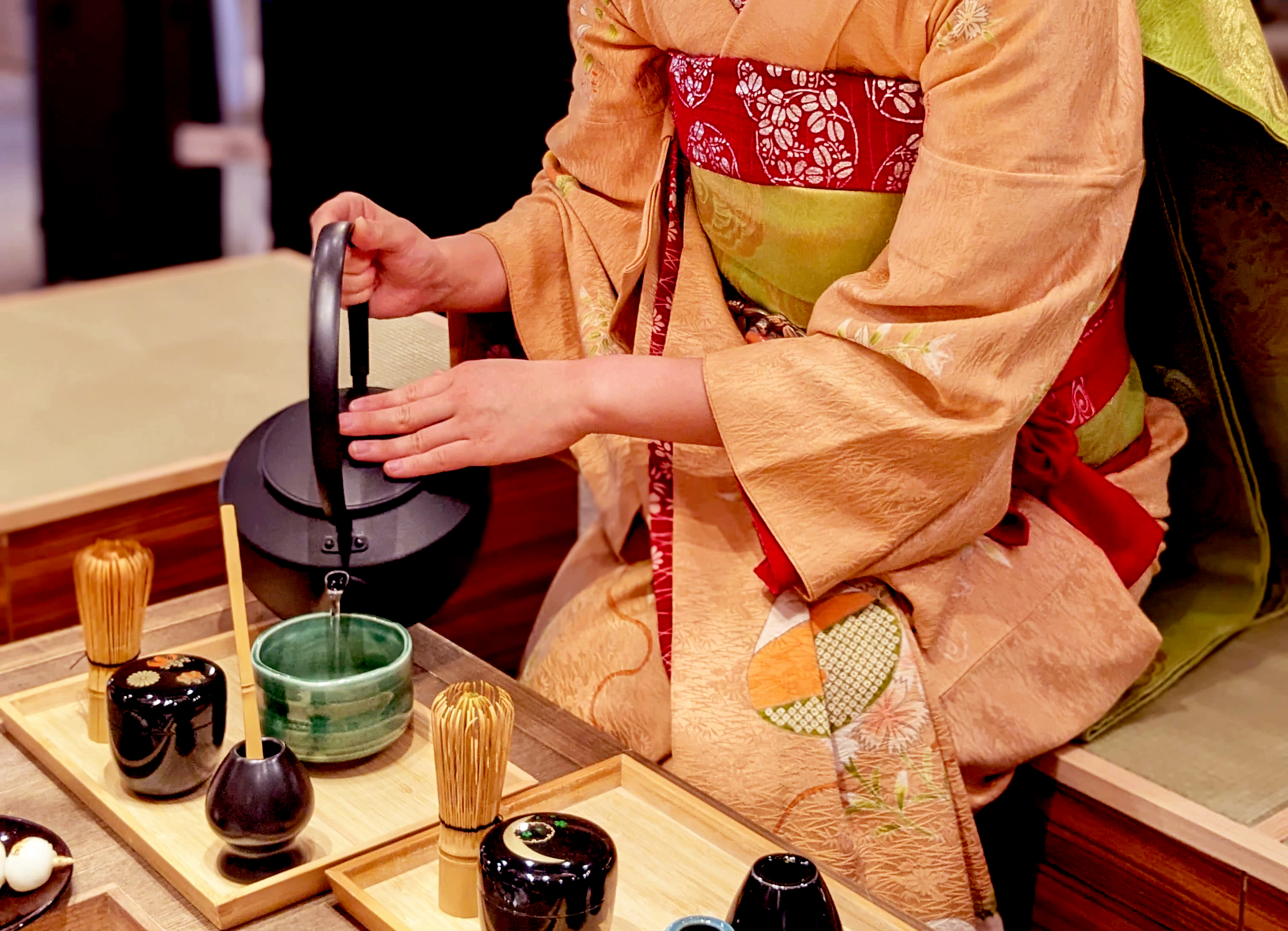
Orientation in Takayama: Morning Market by the Miyagawa River and the historic Sanmachi district. Enjoy a welcoming tea ceremony. Free afternoon for lunch, sake tasting and shopping; options include Takayama-jinya or the Higashiyama Walkway.
Meals: Breakfast
Day 10
Direct bus to Matsumoto • Explore Matsumoto Castle
Direct bus to Matsumoto (approximately 2hr30). Visit Matsumoto Castle (Crow Castle, 1504) with preserved interior; note steep staircases may be challenging. Evening free; night view of the castle recommended.
Meals: Breakfast
Day 11
Journey to Kawaguchiko to visit Oishi Park and kimono museum
Private transfer to Kawaguchiko (approximately 2hr30). Visit lakeside Oishi Park and the Itchiku Kubota Art Museum (kimono); some departures instead visit Matsumoto City Museum of Art on Day 10. Important: pack a small overnight bag due to limited storage tomorrow; main luggage reunites in Tokyo on Day 12.
Meals: Breakfast
Day 12
Travel by bus to Tokyo • City tour including the Senso-ji temple
Bus to Tokyo (approximately 1hr45). City tour by subway including Senso-ji in Asakusa and Nakamise shopping street. Late-afternoon finish; options include Ameyokocho near Ueno and classic under-track eateries. Evening free.
Meals: Breakfast
Day 13
Free day for individual exploration • Optional karaoke farewell night
Free day with one-day metro pass. Suggestions: Meiji Shrine, Omotesando, Ginza, Shibuya Crossing and Shinjuku. Evening farewell dinner with optional karaoke.
Meals: Breakfast
Day 14
Adventure ends in Tokyo
Trip ends in Tokyo. Speak to your sales representative if you wish to extend your stay.
Meals: Breakfast
What’s included
What’s not included
Additional information
Food
Japanese cuisine is usually a highlight of any Japan trip. It is based on rice with miso soup and other dishes usually prepared with seasonal ingredients. Seafood is common, and usually comes grilled or deep fried. Sushi and sashimi aside, other staple dishes include soba or udon noodles, sukiyaki (meat, fish and vegetables cooked in broth) and yakiniku (grilled meat).
When food is not included, your tour leader can always recommend the best local eateries and arrange group meals for a full immersion in the varied and excellent local cuisine.
Worth knowing
Food for certain diets (including gluten-free, vegetarian or vegan) is minimal or non-existent in many areas of Japan. The group meals arranged by the tour leader are in traditional eateries where the choices of vegan dishes may be limited to simple salads or boiled rice. However, there are several vegan restaurants in Kyoto and Tokyo. Please let us know at least 30 days before travel of your dietary requirements so we can ensure meals are appropriately catered for.
Most stocks, which are common in Japanese cuisine, contain animal products and even vegetable tempura is mostly fried in the same oil as meat or fish. While some substitutions may be possible, strict vegetarian or vegan meals cannot be guaranteed. Those who can consume dashi stocks typically have fewer issues, but for those concerned, we recommend bringing supplementary food items.
Japanese Tea Ceremony in Takayama
Experience a welcoming Japanese tea ceremony where hosts demonstrate whisking matcha and share the principles of wa, kei, sei, jaku—harmony, respect, purity and tranquility. Sit comfortably as you learn accessible etiquette and savor a bowl of vivid green tea.
Context from your host brings centuries of Zen-influenced aesthetics into focus, from seasonal sweets to the tearoom’s humble textures, creating a calm space to appreciate mindful hospitality.
Kyoto Heritage Tour: Nijo Castle, Kinkaku-ji & Ryoan-ji
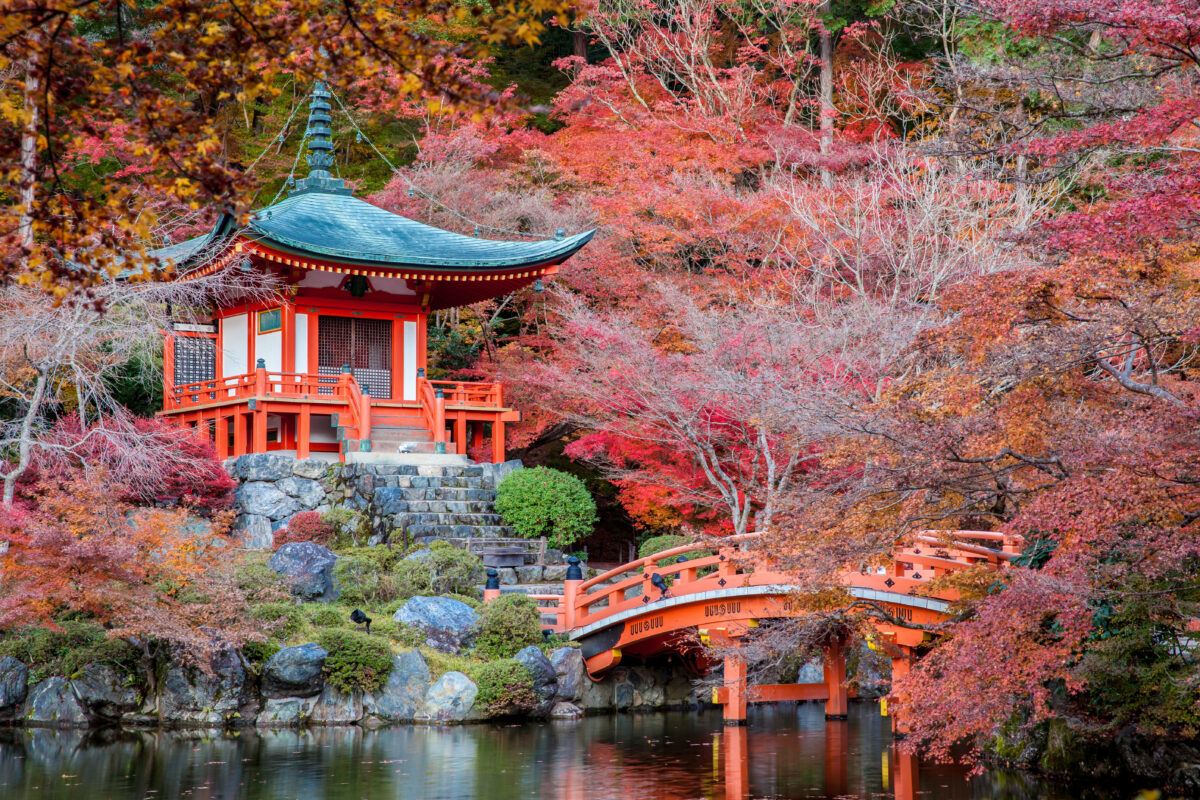
Explore Kyoto’s cultural heart on a curated route that includes Nijo Castle, the shogunal residence famed for its creaking “nightingale floors,” the Kinkaku-ji (Golden Pavilion) shimmering with gold leaf above a reflective pond, and the contemplative Ryoan-ji Zen rock garden, arranged for mindful viewing.
Absorb the legacy of the Tokugawa shogunate and Muromachi aesthetics as your leader illuminates symbols of power and restraint, from fortified palace gates to raked gravel planes that invite quiet focus amid moss and maples.
Nara Cultural Walk: Todai-ji, Nara Park & Kasuga Taisha
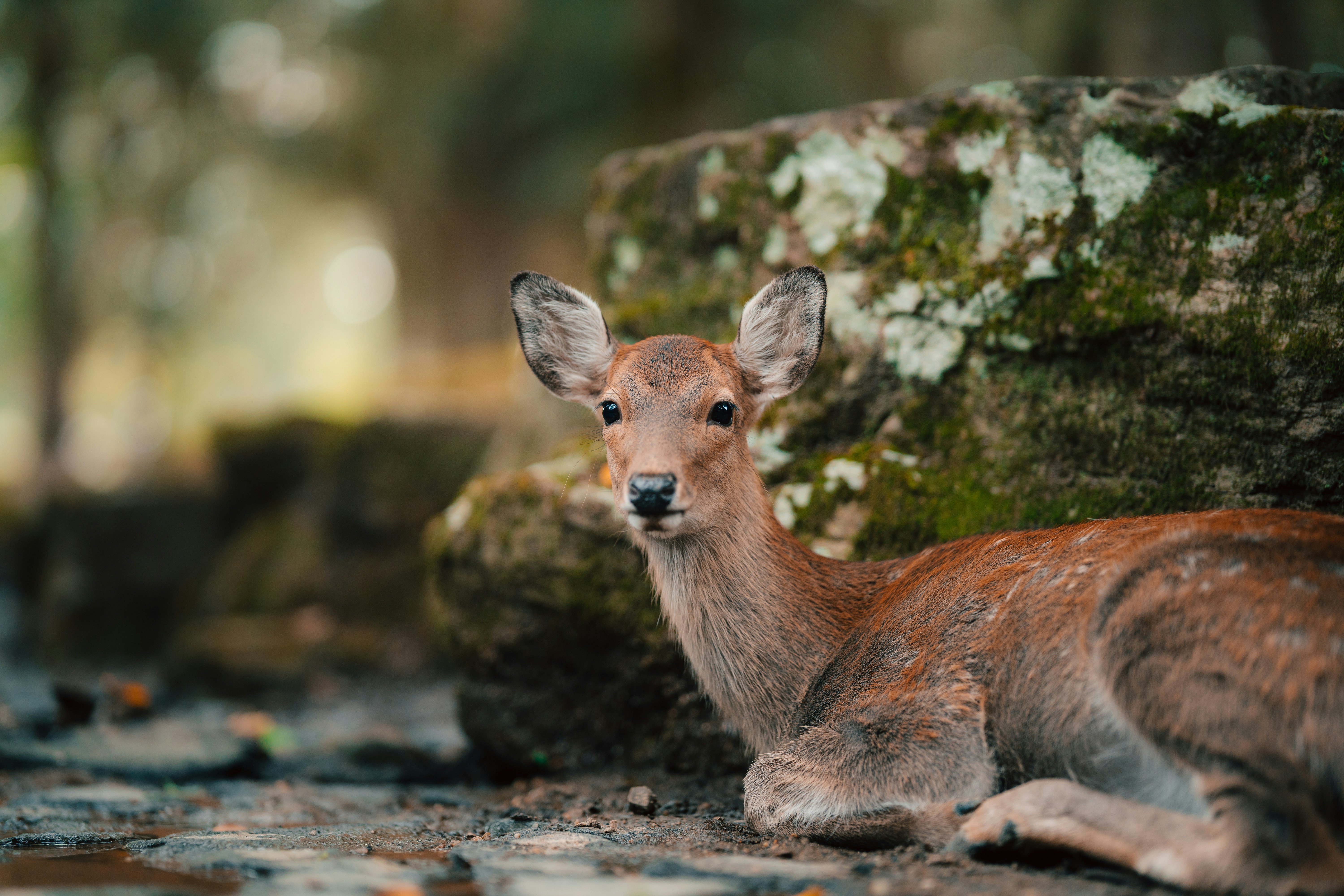
Walk the former capital to step inside Todai-ji’s Great Buddha Hall, home to one of the world’s largest bronze Buddhas. Continue through Nara Park, where semi-tame deer wander beneath cedars, and visit the lantern-lined outer precincts of Kasuga Taisha, a storied Shinto shrine.
Hear how imperial power and Buddhist devotion shaped eighth-century Japan, and pause for photos and reflection among vermilion gates, stone lanterns and temple eaves that have inspired pilgrims for more than a millennium.
Fushimi Inari Taisha Torii Gates Walk
Follow the hillside paths beneath thousands of vermilion torii at Fushimi Inari Taisha, Kyoto’s most iconic Shinto shrine. Stroll through tunnels of color guarded by vulpine kitsune statues, symbols of the rice deity Inari, as dappled light flickers across lacquered wood.
Your leader explains shrine etiquette and the merchant guilds that historically donated gates. The steady climb rewards with quieter sections where you can pause for photos and reflection over the city and forested slopes.
Lantern-Lit Gion Evening Stroll
Wander Kyoto’s most evocative quarter as lanterns glow along Gion’s machiya townhouses and teahouse facades. Walk narrow lanes where geiko and maiko still keep appointments, and feel the atmosphere of a district that has refined the arts of performance and hospitality for centuries.
Learn how wooden architecture, latticework and hidden courtyards shaped this entertainment quarter’s identity. With context from your leader, the lantern-lit streets and ochaya traditions reveal a living cultural tapestry beyond postcard images.
Miyajima Island & Itsukushima Shrine Floating Torii
Ferry across the Seto Inland Sea to Miyajima, where you’ll visit the vermilion Itsukushima Shrine and admire its famed “floating” torii gate—an ethereal sight when tides lift the structure from its sandy base against Mount Misen’s wooded slopes.
Gain insight into Shinto maritime worship and the island’s sacred status, with time to stroll boardwalks, watch grazing deer, and frame compelling coastal photographs that capture shrine architecture in dialogue with sea and sky.
Hiroshima Peace Memorial Park & Museum Visit
Visit the Hiroshima Peace Memorial Park and Museum for a thoughtful encounter with the events of August 1945. Walk to the Atomic Bomb Dome (Genbaku Dome), view the Cenotaph’s arc framing the memorial flame, and absorb personal stories and artifacts that humanize history.
Your leader helps contextualize the city’s postwar rebirth and the symbolism of the Peace Flame, lit until nuclear weapons are abolished. It’s a reflective experience that honors memory while looking toward reconciliation.
Kenrokuen Garden Stroll, Kanazawa
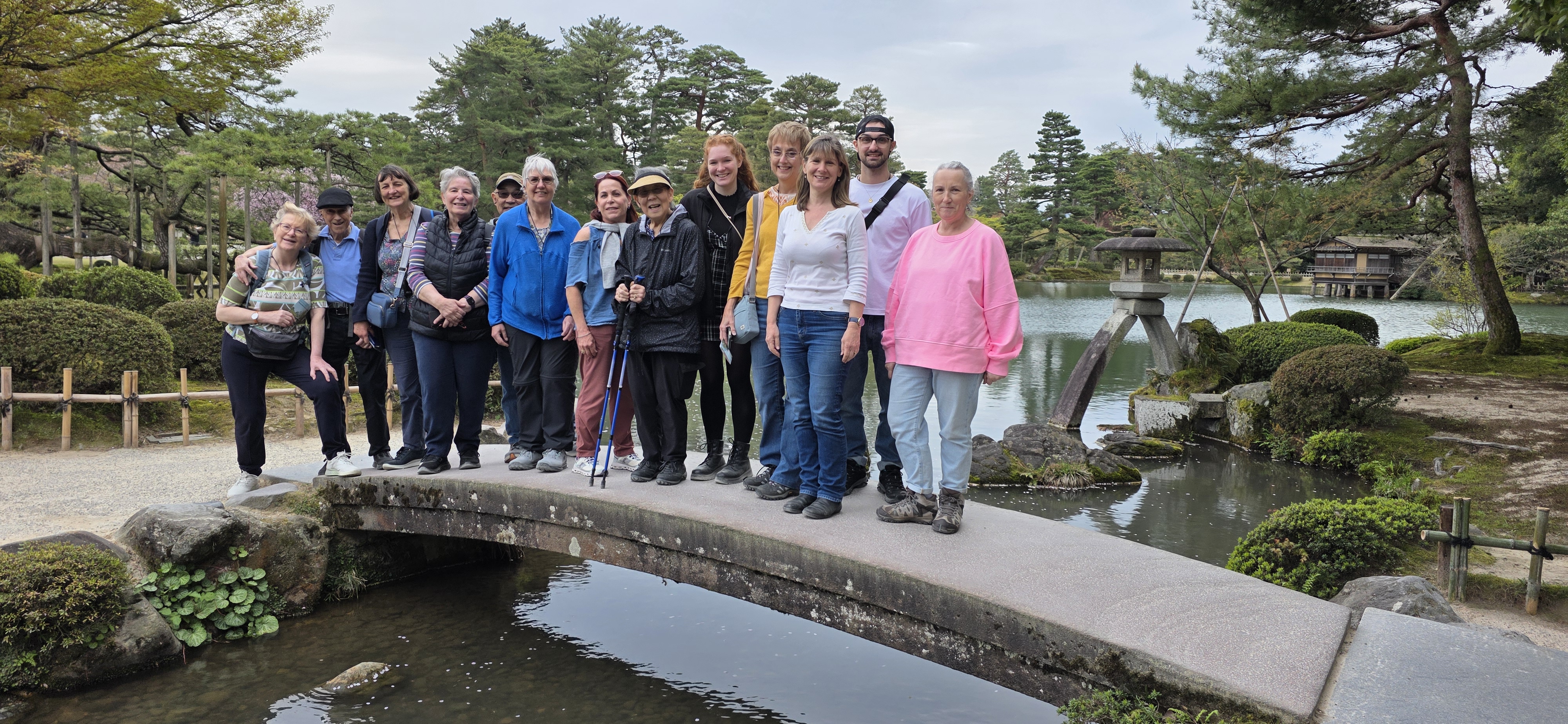
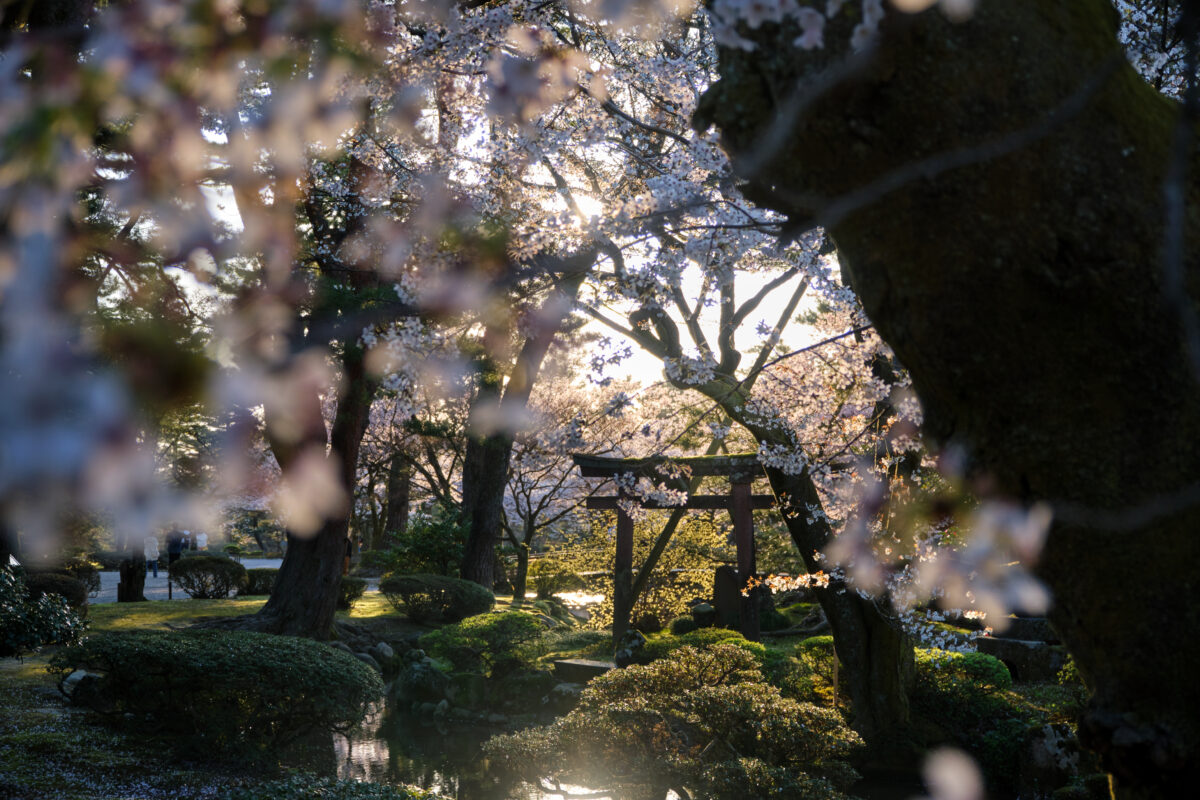
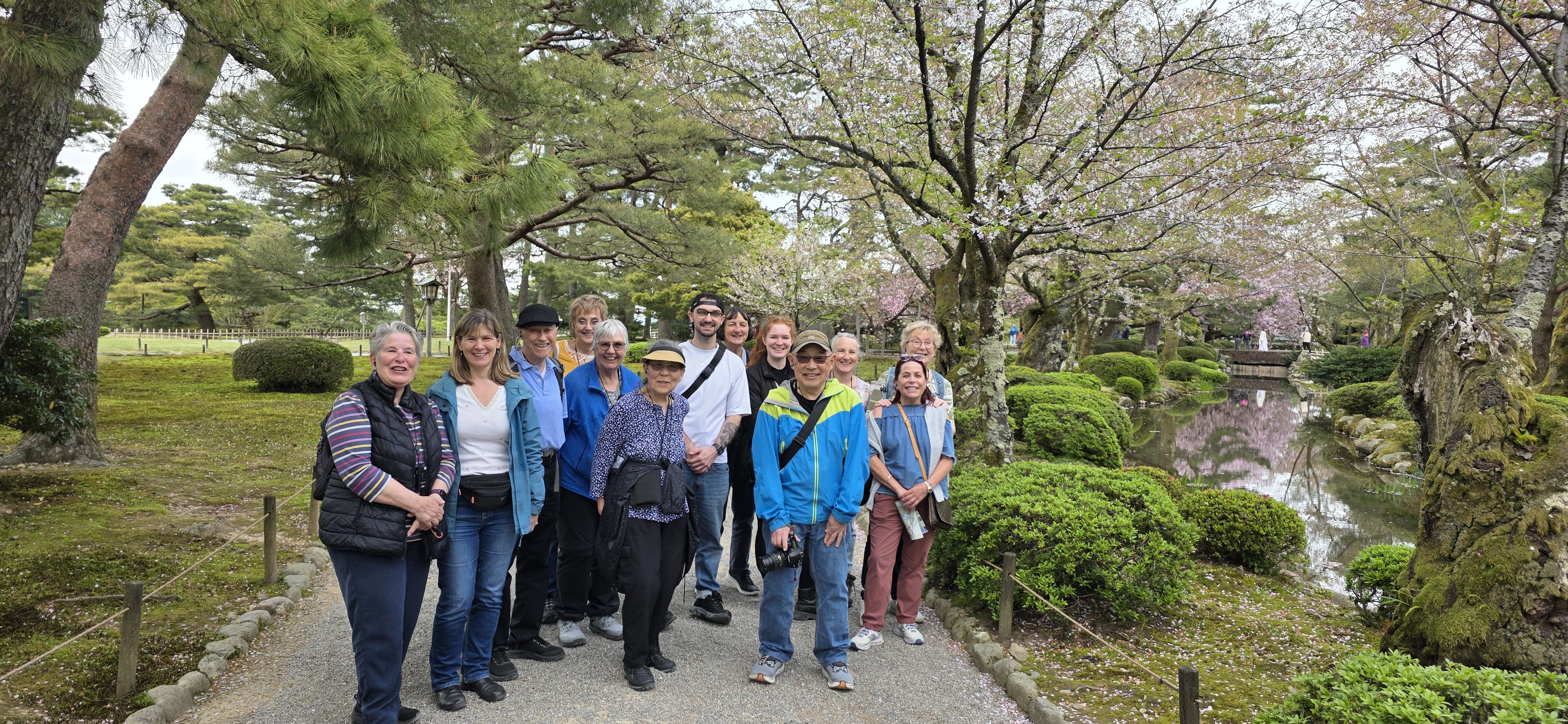
Stroll one of Japan’s “Three Great Gardens” at Kenrokuen, designed to balance the six ideals of landscape beauty. Wander past the mirror-calm Kasumigaike Pond, graceful bridges and the emblematic Kotoji-toro stone lantern, framed by pines shaped through generations of care.
Seasonal scenes—plum and cherry blossom, summer irises, fiery maples, and winter yukitsuri snow ropes—reveal the garden’s living artistry. Your leader highlights daimyo aesthetics and the Edo-period vision that still defines Kanazawa’s elegance.
Nagamachi Samurai District & Nomura Samurai House
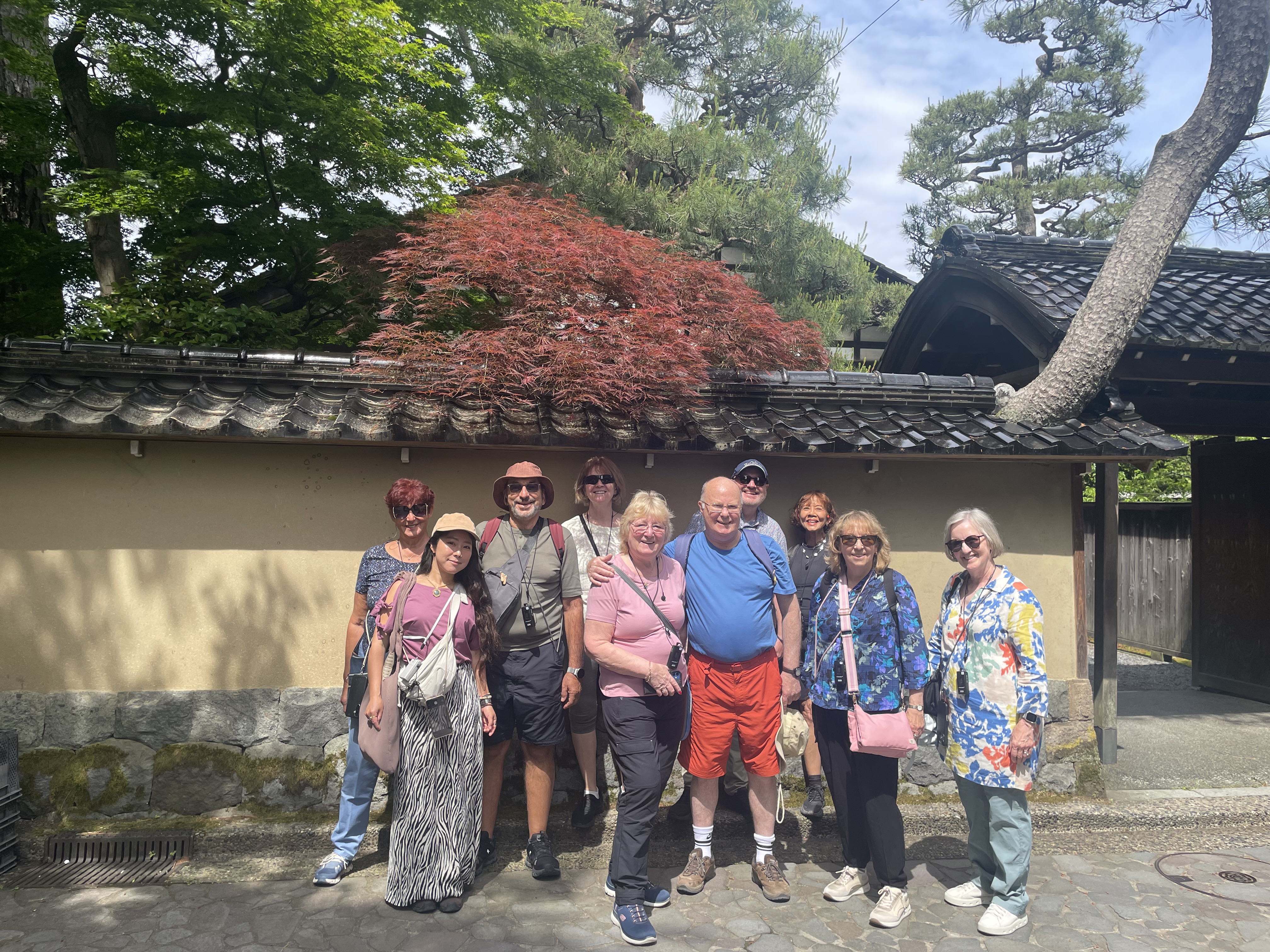
Explore Nagamachi, Kanazawa’s preserved samurai quarter of earthen walls, narrow lanes and canals. Step inside the Nomura Samurai House to view tatami rooms, polished cedar, heirloom armor and a jewel-box garden with koi, a waterfall and artful stone placement.
Hear how warrior families lived during the Edo period—duty, refinement and restraint—while architecture and garden design express the samurai ideal of disciplined beauty and strategic calm.
Omicho Market & Higashi Chaya District Walk
Wander the 300-year-old Omicho Market, where chefs and locals source gleaming seafood from the Sea of Japan, seasonal produce and artisanal pickles. Continue into the Higashi Chaya geisha district to admire ochaya teahouses with lattice facades and refined wooden interiors.
Your leader shares Kanazawa’s links to gold-leaf craftsmanship and tea culture, offering tips on small bites or souvenirs (purchases are optional) as you soak in the quarter’s poised, timeless atmosphere.
Shirakawa-go Gassho-zukuri Village & Hida no Sato Open-Air Museum
Discover UNESCO-listed Shirakawa-go, a mountain valley of steep-thatched gassho-zukuri farmhouses engineered for heavy winter snows and silkworm attics. Walk through clustered hamlets framed by rice fields and forested ridgelines for scenes of rural Japan little changed by time.
Continue to the Hida no Sato Open-Air Museum, where historic folk buildings were preserved and reassembled. Learn how carpentry, hearths and village planning supported communal life in the Japanese Alps.
Takayama Morning Market & Sanmachi Orientation Walk
Join your leader to explore the riverside Miyagawa Morning Market, browsing stalls of mountain vegetables, pickles and local sweets. Continue through the Sanmachi historic district, where merchant houses, sake breweries marked by cedar balls, and timber facades showcase Hida craftsmanship.
Hear stories of Edo-period trade routes and the town’s carpenters who built palaces in distant capitals. It’s an atmospheric introduction that helps you navigate Takayama’s lanes with confidence and curiosity.
Matsumoto Castle Interior Visit
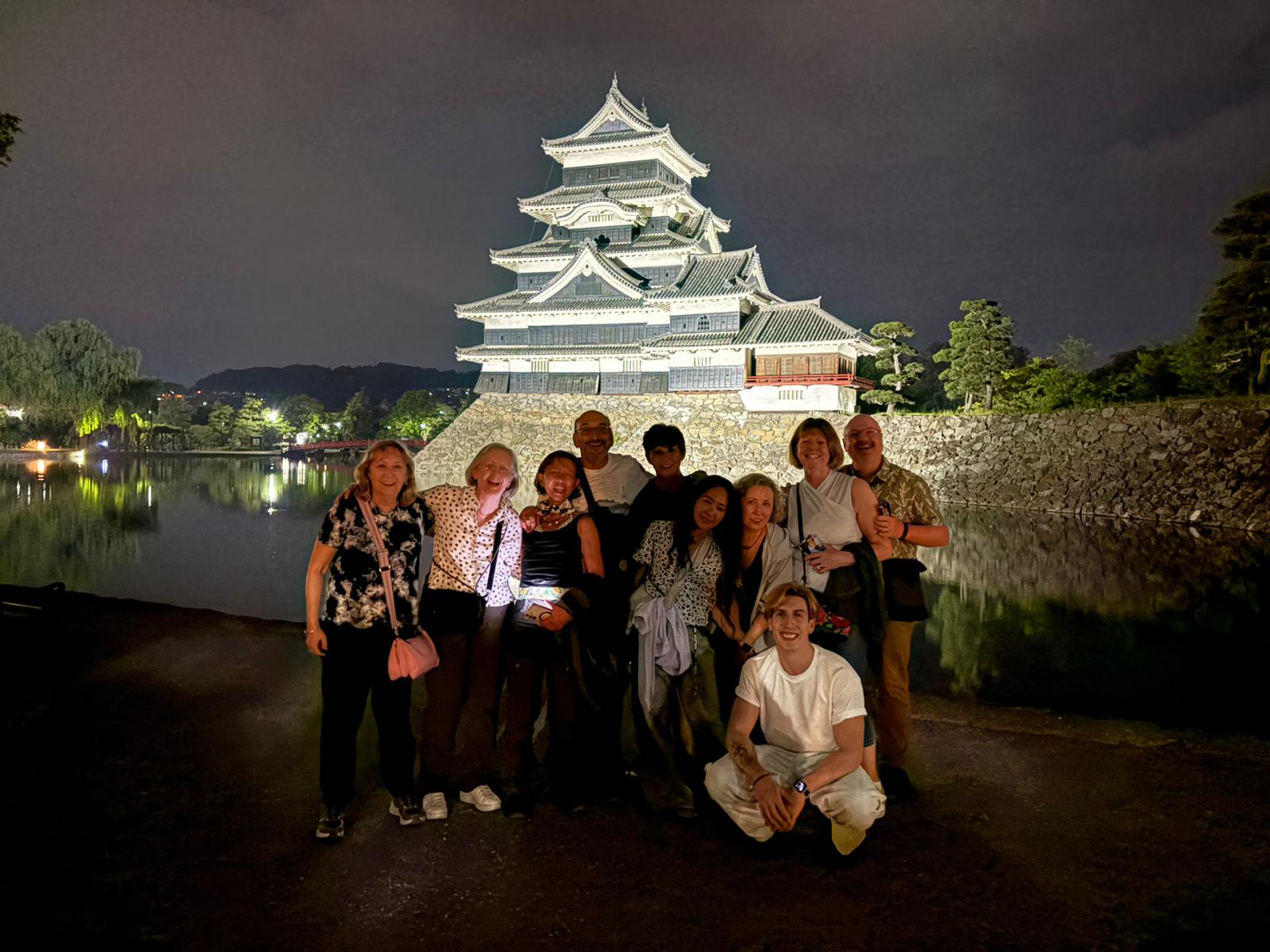
Visit Matsumoto Castle, a striking black-lacquered hirajiro (flatland castle) nicknamed “Crow Castle.” Climb the steep wooden stairs of its original keep to see warrior vantage points, musket loopholes and stone-drop windows while the moat and Alps backdrop complete the scene.
Your leader outlines the castle’s Sengoku-era defenses and later additions like the moon-viewing turret, illustrating how martial architecture and elegance coexisted in one of Japan’s best-preserved fortresses.
Lake Kawaguchi Oishi Park Views & Itchiku Kubota Art Museum
Walk the lakeside paths of Oishi Park for framed vistas of Mount Fuji mirrored in Lake Kawaguchi, set against seasonal displays of lavender, maple or crimson kokia. The panorama is a photographer’s favorite in clear conditions.
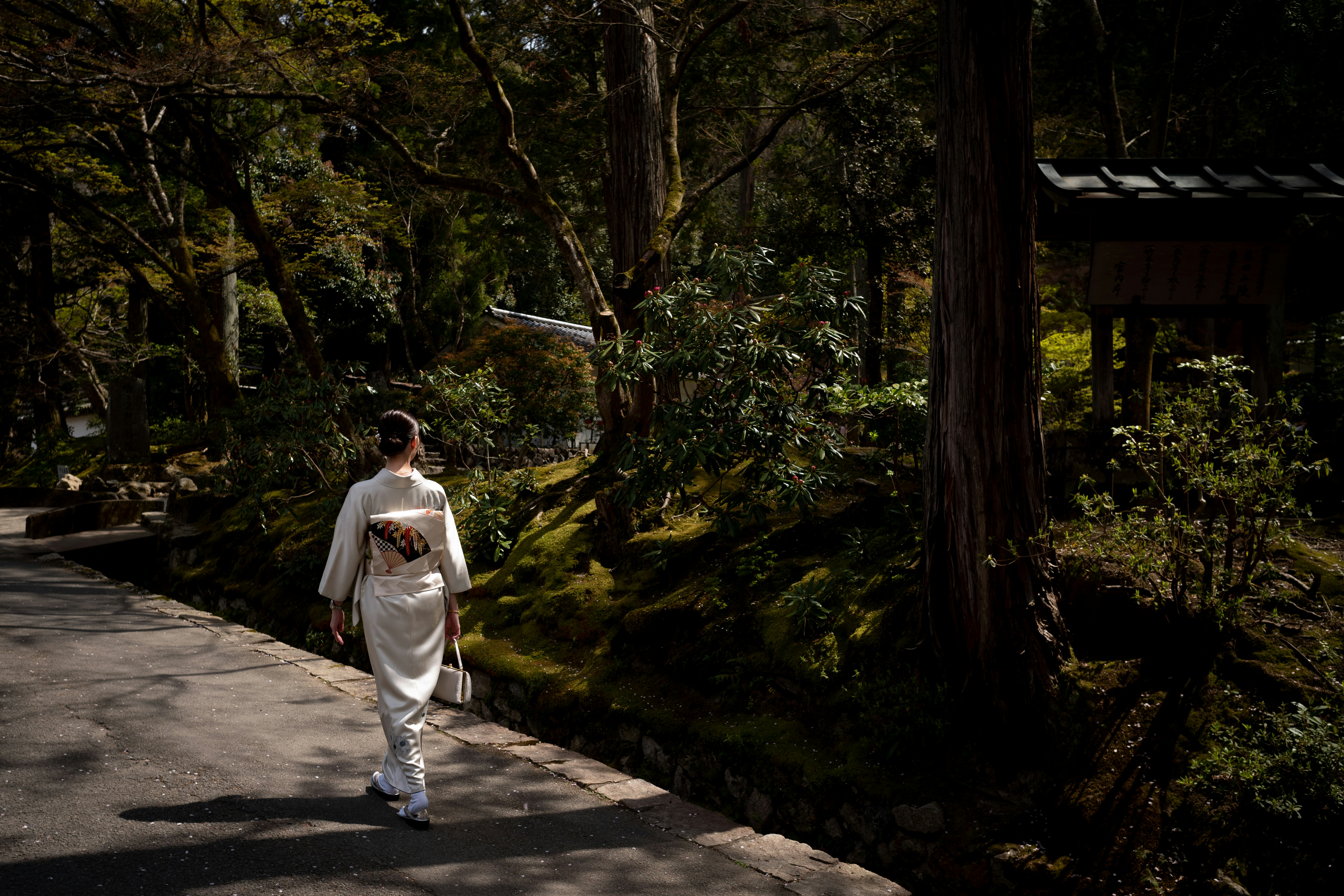
Continue to the Itchiku Kubota Art Museum to admire kimono masterpieces reviving the tsujigahana dyeing technique. Architecture inspired by nature and serene gardens amplify the sensory experience. (A suitable substitute museum is arranged when necessary.)
Tokyo City Tour & Senso-ji Temple, Asakusa
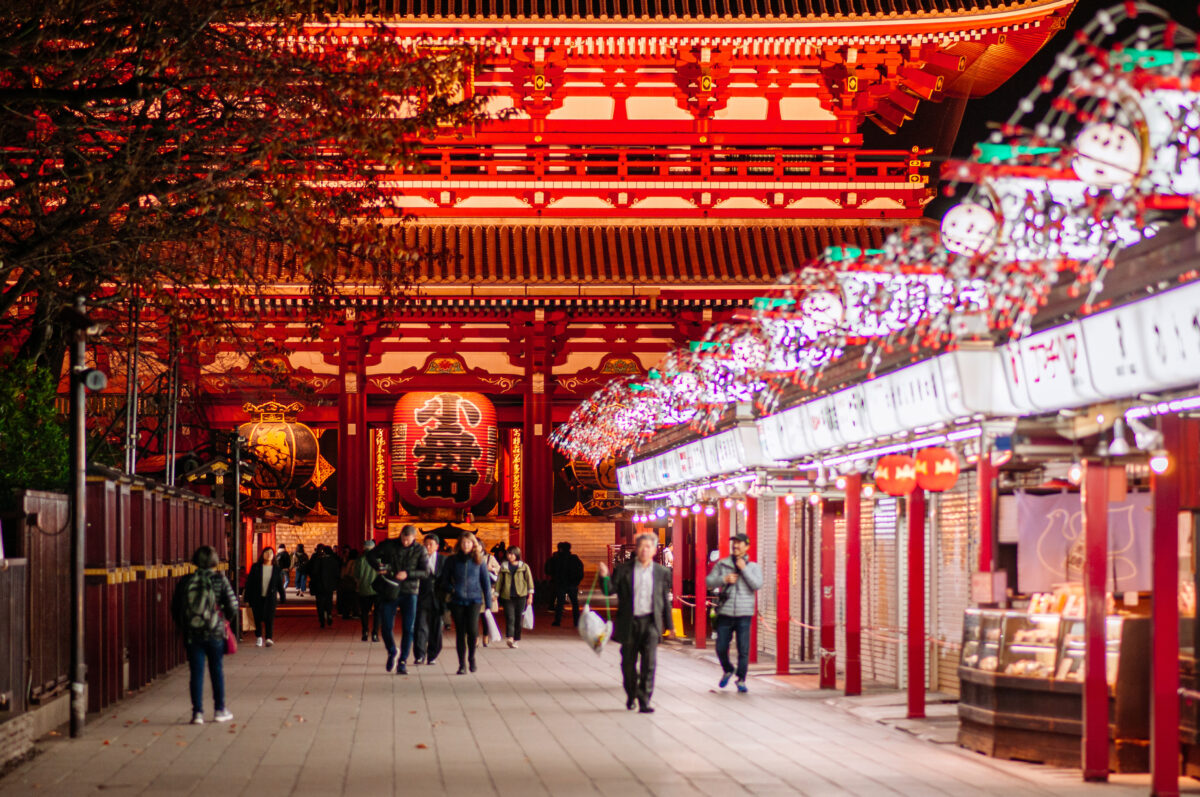
Navigate Tokyo like a local as you ride the subway to Asakusa and visit Senso-ji Temple, the city’s oldest. Pass beneath the Kaminarimon (Thunder Gate), stroll Nakamise shopping street, and explore incense-scented courtyards where tradition hums amid downtown bustle.
Your leader traces Tokyo’s evolution from Edo to megacity, highlighting guardian deities, festival culture and street snacks as you encounter timeless rituals in a thoroughly modern capital.
Kobe Beef Dinner Experience
Taste Japan’s most celebrated wagyu at a certified restaurant in its home port. Sample melt-in-the-mouth Kobe beef, prized for intricate marbling and buttery texture, often prepared at teppanyaki counters where chefs sear slices to perfection before your eyes.
Your leader coordinates reservations and explains regional standards that protect authenticity. This culinary highlight is optional at additional cost and bookable on tour; availability is limited, so early interest is advised.
Hiroshima Orizuru Tower Observation Deck & Bar
Ascend to a calm, open-air deck for panoramic views over Peace Memorial Park, the rivers and city skyline. Capture thoughtful photographs that frame the Atomic Bomb Dome with treetops and modern buildings, then unwind with a drink at the tower’s café-bar.
The tower also spotlights the symbolism of paper cranes and peace. This visit is optional at additional cost and bookable on tour, ideal for those seeking a serene vantage point.
Tokyo Karaoke Farewell Night
Embrace a beloved Japanese pastime in a private booth where you can sing your heart out to J-pop hits and global classics. With on-screen lyrics, mood lighting and table service, the vibe is playful and celebratory—an uplifting finale to your journey.
Your leader handles the details so you can focus on the fun. This experience is optional at additional cost and bookable on tour, and pairs perfectly with a casual group dinner beforehand.
Kyoto Welcome Dinner & Meet Your Tour Leader
Gather in central Kyoto to meet your Tour Leader and travelling companions over a convivial Japanese dinner. Settle into the city’s rhythm as you swap introductions and trip tips while sampling regional dishes in a welcoming local setting that celebrates Kyoto’s seasonal flavours and meticulous presentation.
Your leader shares practical insights for navigating Japan and cultural pointers that deepen the journey ahead. It’s an easy-going evening designed to build camaraderie and set the tone for a thoughtful exploration of ancient temples and ultra-modern skylines to come.